
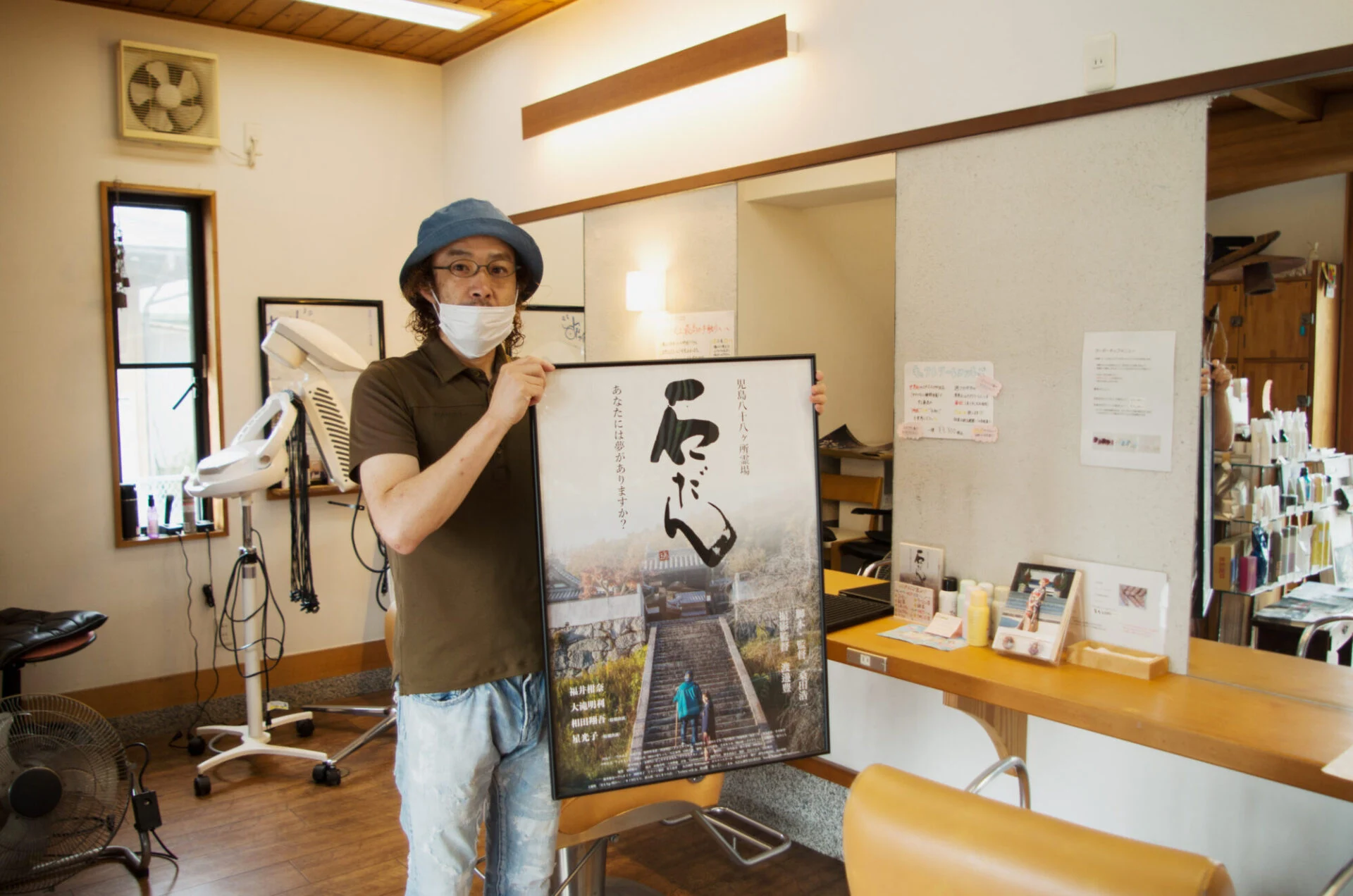
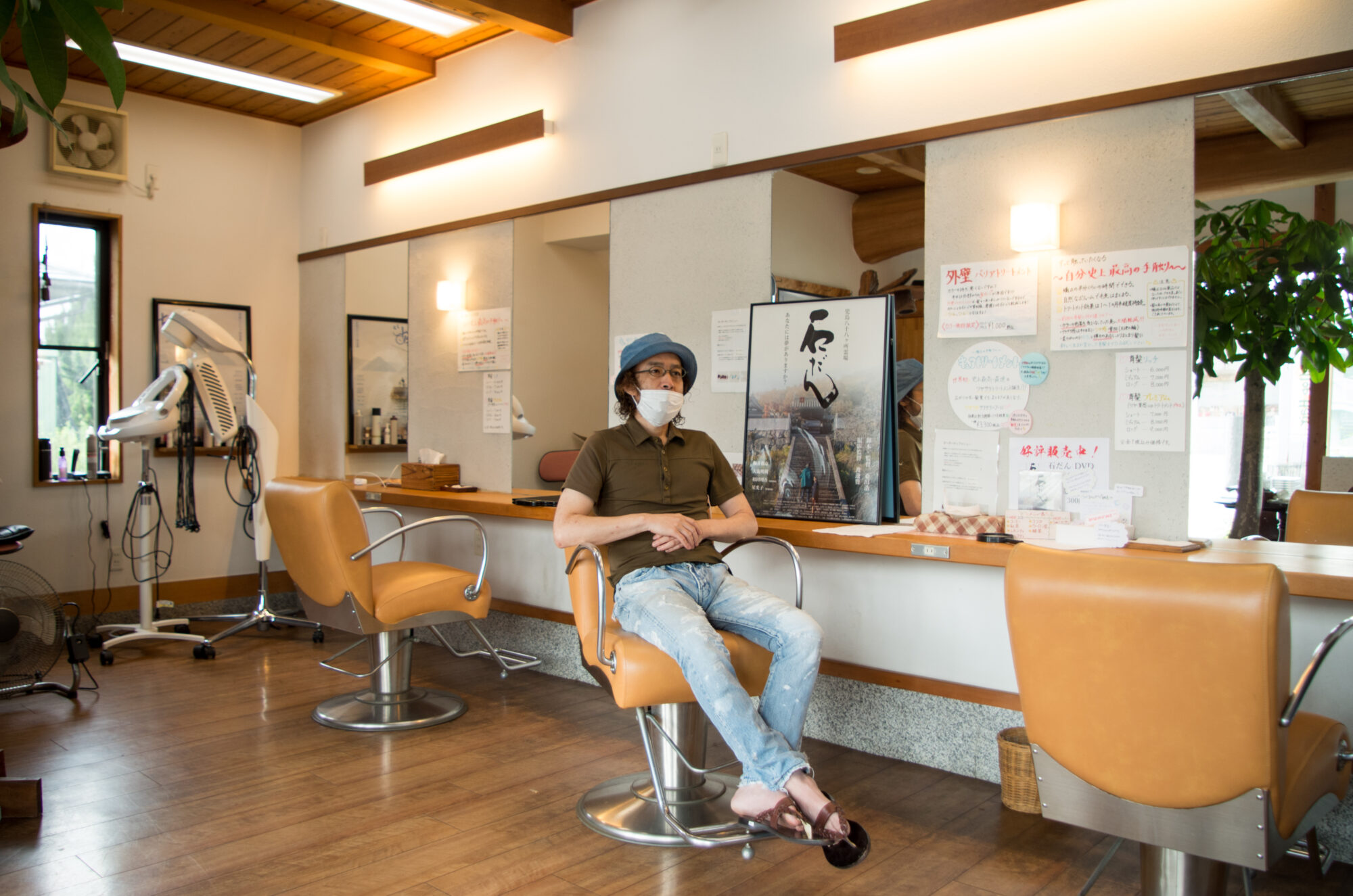
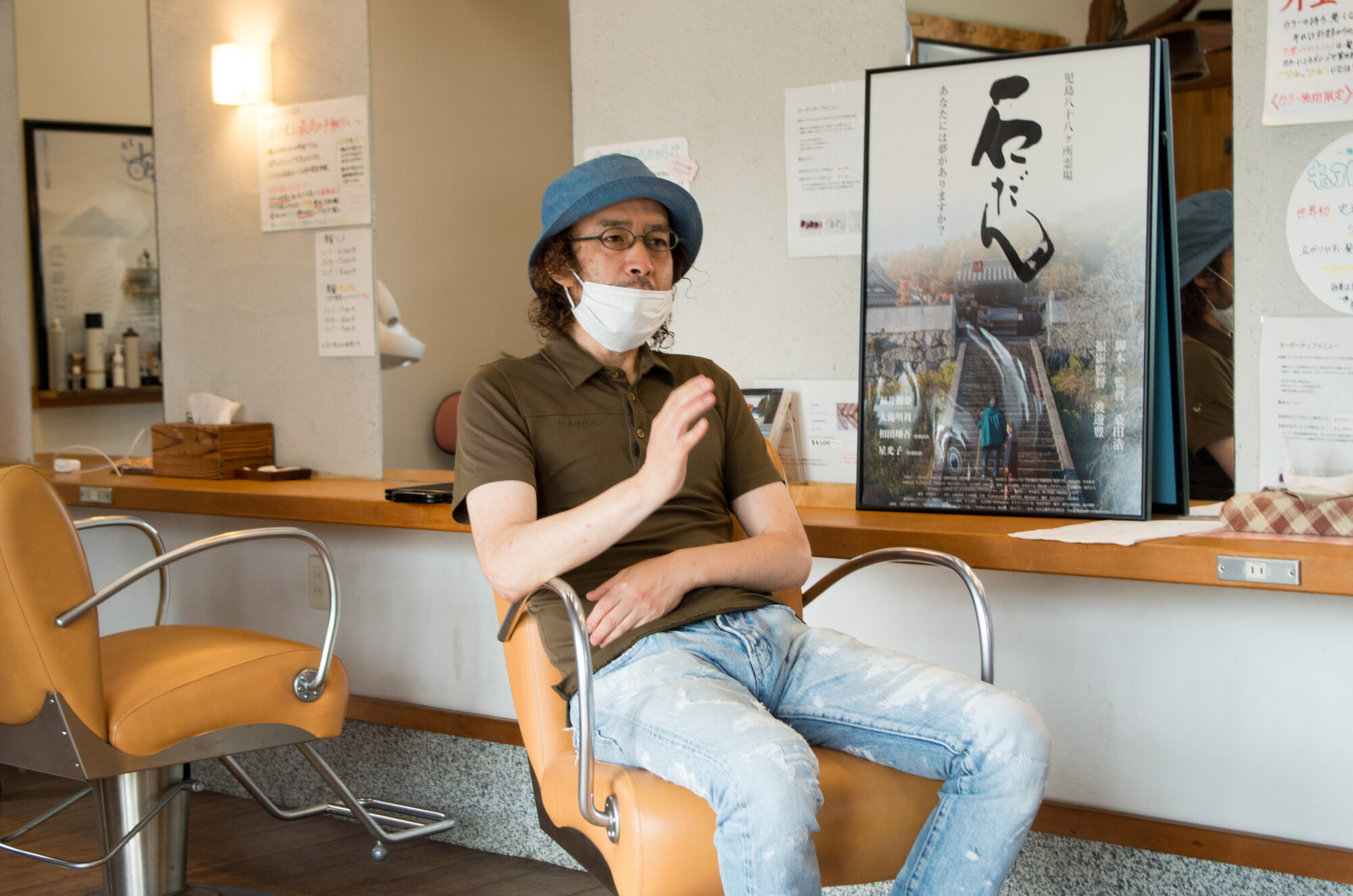
Koichi Kuwata, who lives in Kojima, Kurashiki City, is a working hairdresser, but he has used his Mondays off to produce four films.
I learned about Kuwata through the crowdfunding (hereafter CF) for his third work, "Ishidan", and participated in CF for the first time.
The film I saw at the preview was wonderful, and I wanted to introduce it to many people.
In this article, I will focus on an interview with Director Kuwata, introducing his thoughts on film production so far and his next work, "Charihen♪".
Kuwata's Career So Far
Let me briefly introduce Kuwata's career.
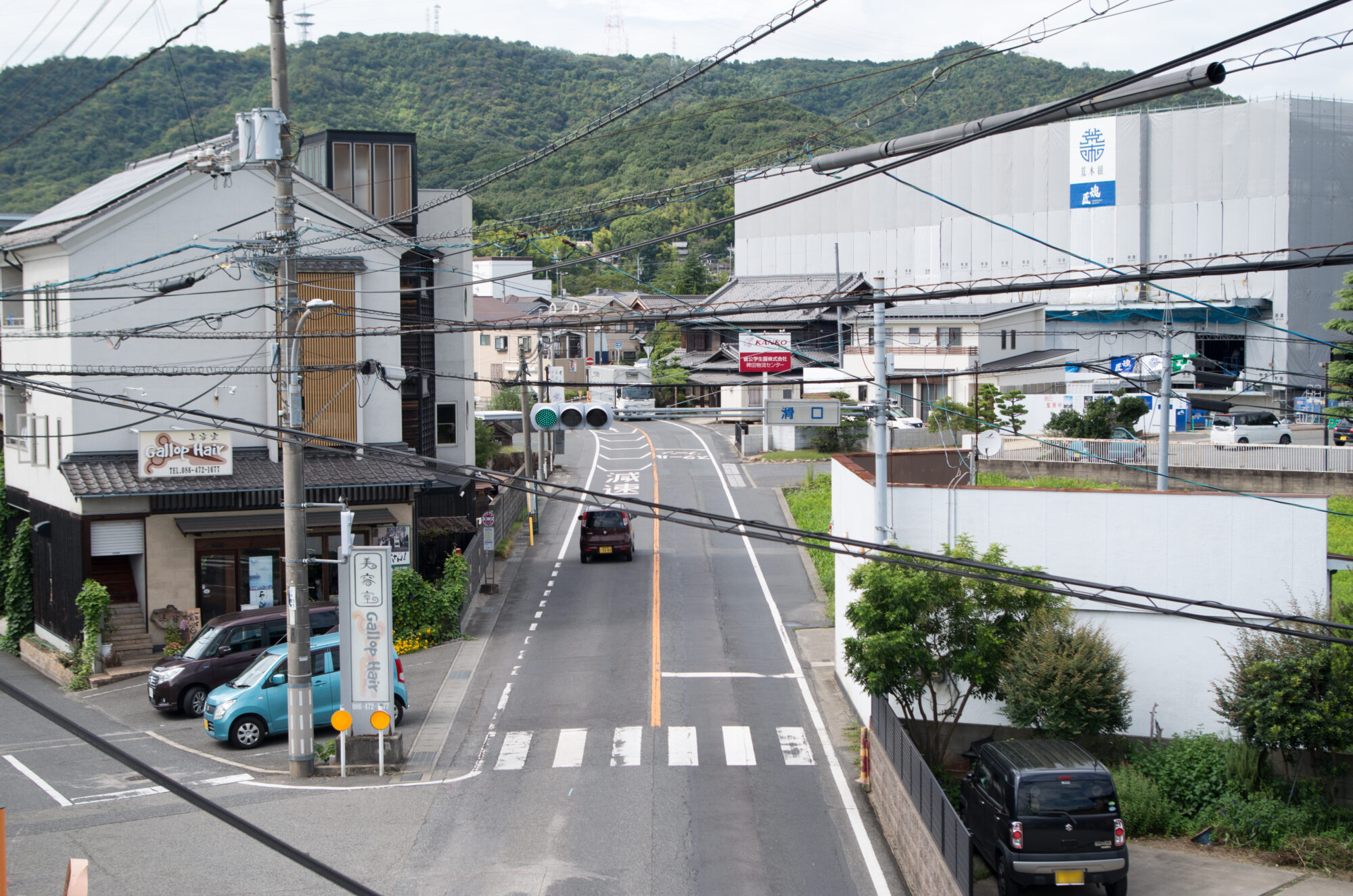
▼Taken from the pedestrian bridge in Nabe, on the left is Gallop Hair, which Kuwata opened
| Year | Event |
|---|---|
| 1985 | Decided to pursue a career as a hairdresser in the 3rd year of junior high school |
| 1989 | Obtained a hairdresser's license at the age of 19 |
| 1993 | After an apprenticeship, became independent at 23 and opened Gallop Hair |
| 2016 December | Decided to produce films |
| 2018 | Screening of "Kamiisan!" |
| 2020 | Screening of "Momono Hime Densetsu Shimotsui" |
| 2021 | Screening of "Ishidan" |
| October 16, 2022 | Scheduled screening of "Charihen♪" |
Particularly noteworthy is that he decided to produce films in December 2016.
His thoughts at that time are recorded on the website of the film "Kamiisan!".
Through "Kamiisan!", I want to convey the meaning of working, the importance of living, and the beauty of beauty. Also, following the film "Hirune Hime", which was set in Shimotsui, I aim to create a 100% Kojima-origin film and revive the new pride of Kojima, Kurashiki City.
From the website of the film "Kamiisan!"
Kuwata has already screened three films, starting with the production of "Kamiisan!".
On October 16, 2022, the release of his fourth film "Charihen♪" is scheduled.
Interview with Kuwata
The Trigger for Becoming a Hairdresser and Film Director
As a working hairdresser, why did you decide to produce films?
Kuwata (no honorifics)
My father was the president of the Hieda Central Children's Association and served as a referee for local softball every week.
When I was in the 5th grade of elementary school, my father purchased a video camera for 1 million yen.
He filmed me and my teammates playing softball, preserving the footage.
My mother was in charge of directing and costume production when the children's association performed a play about the Byakkotai.
My father also filmed that play.
At that time, having a video camera, which was not widely available, and the experience of my parents producing a play made it easier for me to pursue film production without resistance.
Was your decision to become a hairdresser influenced by your mother?
Kuwata
I respected both my father and mother from a young age; my father was in construction and my mother was a hairdresser.
My father seemed to want me to take over the construction business.
However, I remember the experience of laying tiles in the parking lot and floor of the nearby Hieda Post Office.
I laid all the tiles in the post office, but it was extremely hot, and physically very tough.
I think my father was disappointed, but by the time I was in junior high school, I had already decided not to continue in construction.
On the other hand, I decided to pursue a career in beauty in junior high school. I remember my mother was happy when I told her.
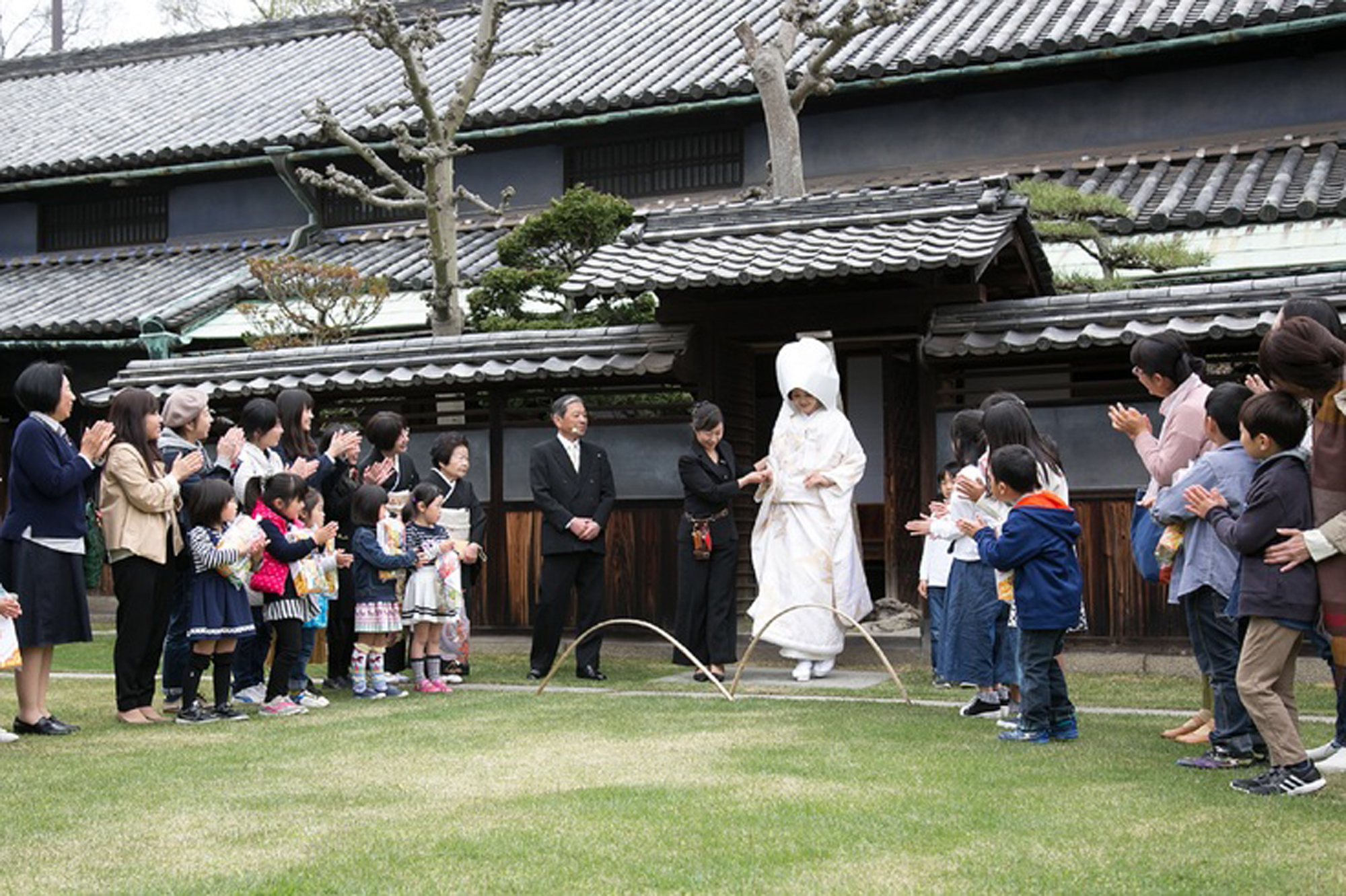
When I was a child, brides would prepare their hair at home before their wedding.
Then, there was a custom of leaving the house from the engawa (veranda) to distribute sweets to neighbors.
As a child, I was motivated by the sweets I could get, but every time I followed my mother and saw the bride getting ready, I thought, "She is really beautiful."
That experience led me to the beauty industry. I began to want to follow in my mother's footsteps as a hairdresser.
So "Kamiisan!" became your first work due to your passion for being a hairdresser?
Kuwata
No, actually, before "Kamiisan!", I had filmed friends.
When I was a high school student, my father bought a handheld video camera for 300,000 yen at that time.
At that time, the movie "Take Me to Ski" starring Tomoyo Harada was popular.
I filmed my friends and imitated scenes from the movie while skiing.
You've been close to filming since childhood, haven't you?
Kuwata
I filmed with a video camera, but my family was also interested in movies, and we participated as extras in many films as a family.
Among them, I will never forget the film "Fishing Fool Diary 18," which was filmed at the top of Ojigatake Mountain.
The whole family went and participated as extras. While I was captivated by Rei Dan's beauty, it took several hours, including waiting time, and I was only on screen for a few seconds.
Normally, I might have felt disappointed.
However, I was moved by the fact that many staff and extras cooperated and spent time to produce the film for just a few seconds.
This experience was probably significant in my life.
After that, I went to Tokyo and Osaka and appeared in many works.
I liked the tense atmosphere of filming, and because of my experience as an extra, I may not have had any resistance to filming movies.
The last extra role I had was in the film "Sekigahara", starring Junichi Okada from V6, where I participated as a foot soldier played by Koji Yakusho.
Since then, I have not appeared in other films and have been producing films.
About His Film Production So Far
Producing films seems really difficult, doesn't it?
Kuwata
Film production requires at least a director, screenwriter, cinematographer, editor, lighting, sound, and assistant director.
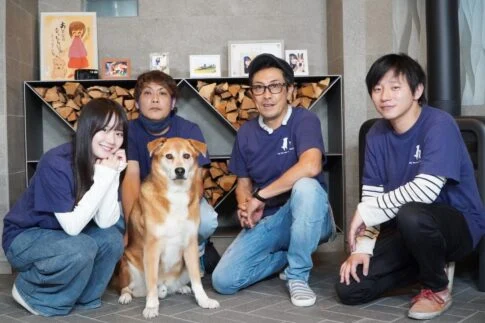
Currently, Kuwata's team mainly consists of five members from Tokyo.
There are many adjustments to be made, and especially managing the schedules of the cast before filming is the most important.
There are also arrangements for filming locations, securing filming buses and meals, and arranging parking and accommodation facilities.
During filming, for example, if there are artificial sounds (like mowing grass or factory noise),
I need to visit directly and ask, "I'm sorry, but could you please stop for a moment?"
What was significantly different from previous works was the impact of the COVID-19 pandemic.
Since there are cast members from Tokyo, we had to adjust everyone's schedules and film as efficiently as possible in the shortest time.
If a cluster occurs during that time, filming itself becomes difficult. We took utmost care during filming, including alcohol disinfection, prohibiting alcohol during the filming period, and separating accommodation rooms as much as possible.
The COVID-19 measures were an unprecedented and challenging experience.
I see. So the filming of your first work "Kamiisan!" (released October 21, 2018) must have been tough?
Kuwata
My first work as a serious film director is "Kamiisan!".
This work did not have CF, so there was no budget or know-how for filming.
Everything was new, and there were various accidents, making it really tough.
In fact, the script was not ready at the time of the production announcement, and the filming started a month late.
However, I produced the film with the thought that "you can become a hairdresser even if you are a junior high school graduate" and "there are jobs that robots absolutely cannot do!"
This film production has also led to my current relationships with Akitoshi Otaki, who was active in Tokyo, and Mitsuko Hoshi.
Otaki played the role of Deputy Commander Seichi Munakata in "Ultraman Tiga" (aired September 1996 - August 1997), and Hoshi was one of the main characters, Yuko Minami, in "Ultraman A" (aired April 1972 - March 1973), among various dramas and programs.
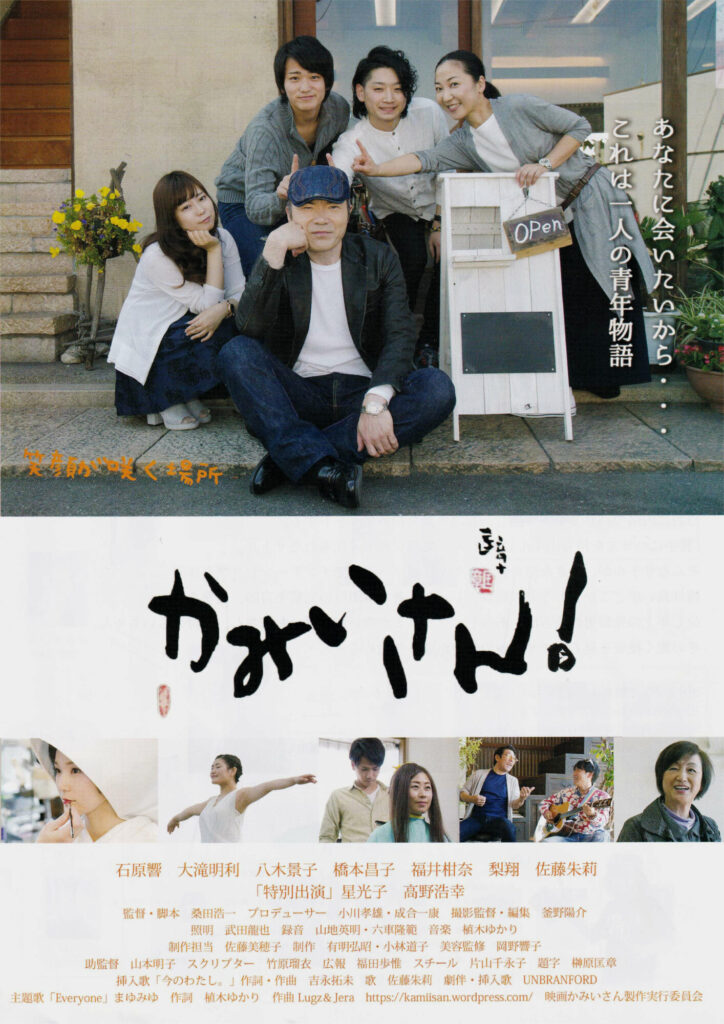
Next is the second work, "Momono Hime Densetsu Shimotsui" (released February 24, 2020).
Kuwata
In "Momono Hime Densetsu Shimotsui", I thought it would be better to try doing the script, filming, and editing myself at least once, so I filmed a short special effects film with a smartphone.
As a result, it was such a tough experience that I was editing right up to the preview.
Both the first and second works taught me that film production is extremely demanding, leaving no time to sleep.
However, I am truly moved when I read the audience's reactions and surveys at the screening.
That emotion is unforgettable, and it makes me think, "Let's film again!", and I keep pushing forward.
Through these experiences, I felt that I might be suited to be a film director who involves others as a producer, which led to my third work, "Ishidan".
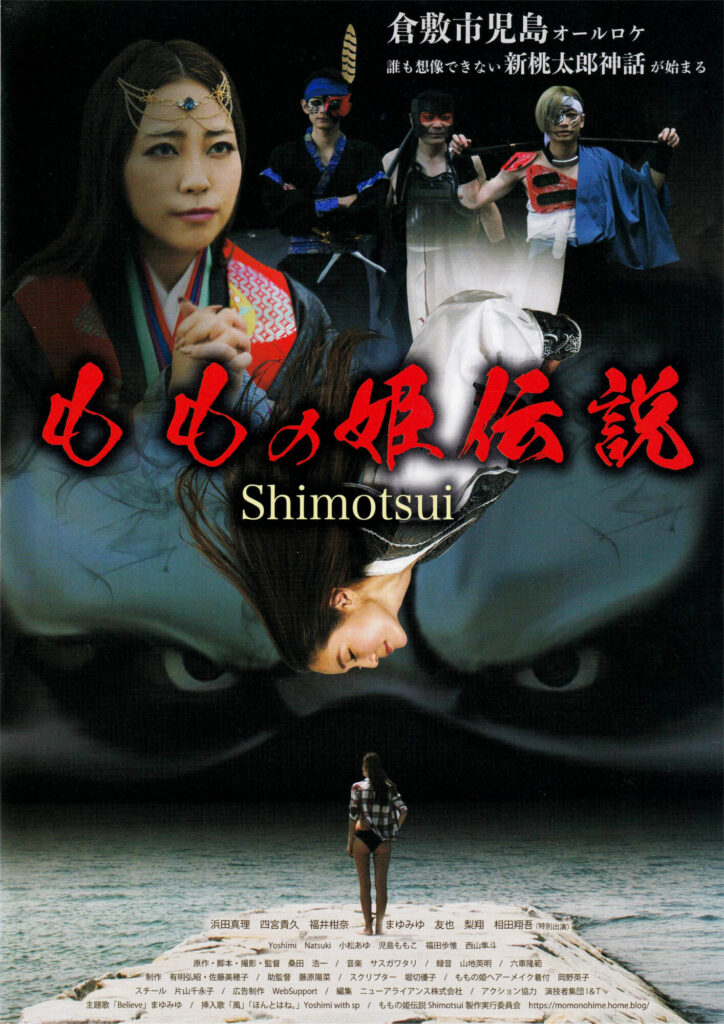
Film "Momono Hime Densetsu Shimotsui" Poster
About the Film "Ishidan" (Released April 18, 2021)
Many experiences and encounters led to the third work "Ishidan"! What were your thoughts on wanting to film a movie set in the Kojima 88 Sacred Sites?
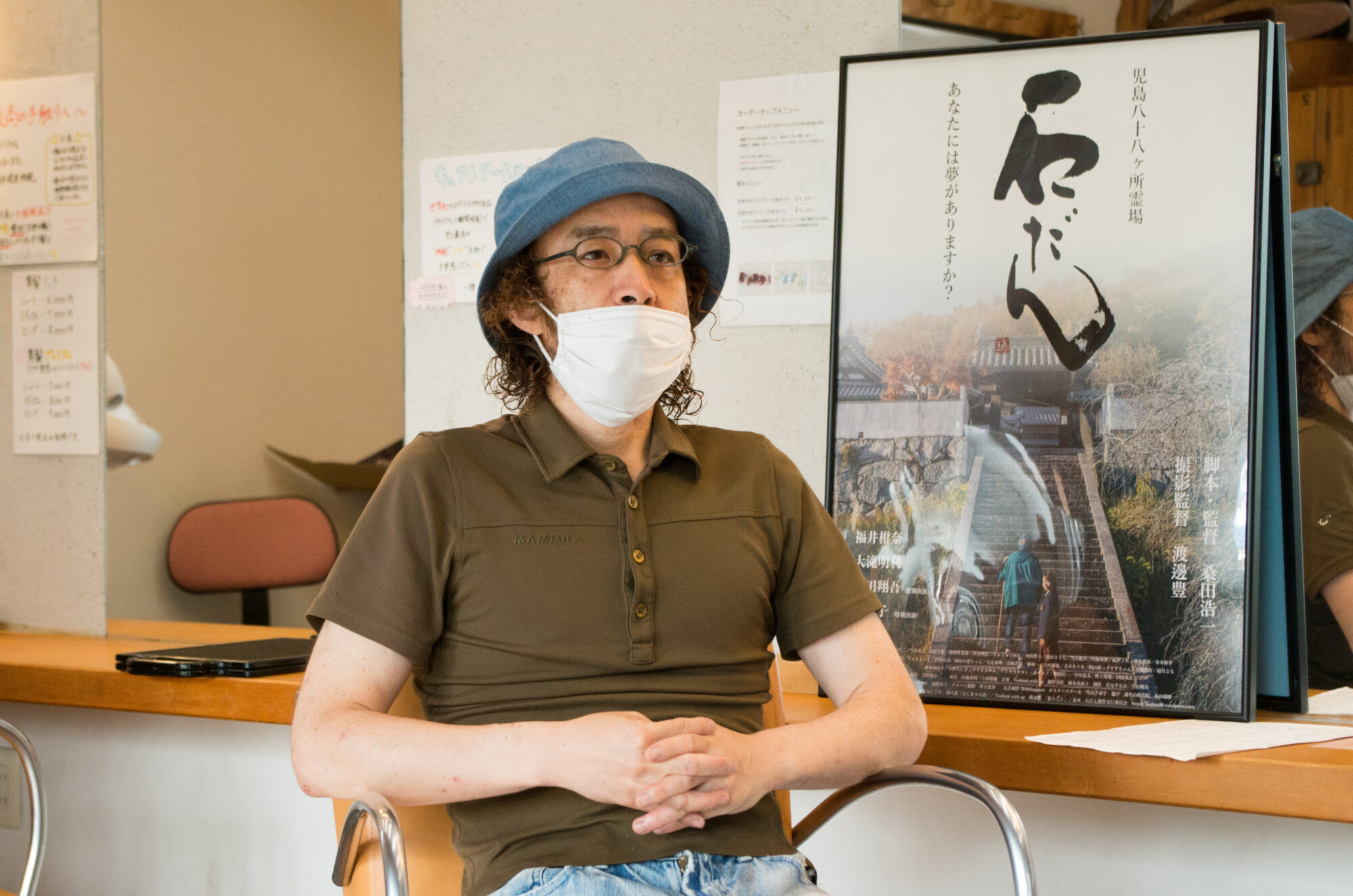
Kuwata
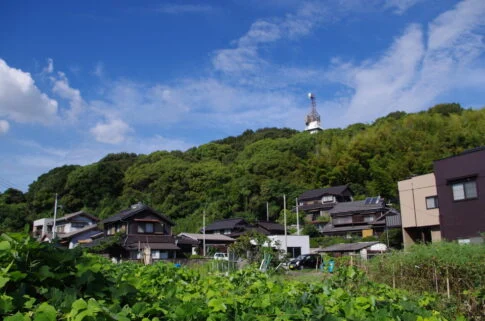
Originally, the main purpose of filming was to revitalize the Kojima area.
I believe there was a time when Kojima was booming, which was during the Seto-Ohashi Bridge Expo in 1988.
Many pavilions were exhibited, and I think it was the time when the most tourists visited the Kojima area.
Since then, I have no memory of Kojima thriving.
Also, I love history and learned about the Kojima 88 Sacred Sites from old books.
I think that when the Yugasan and Konpira pilgrimages were thriving, people flocked to Kojima.
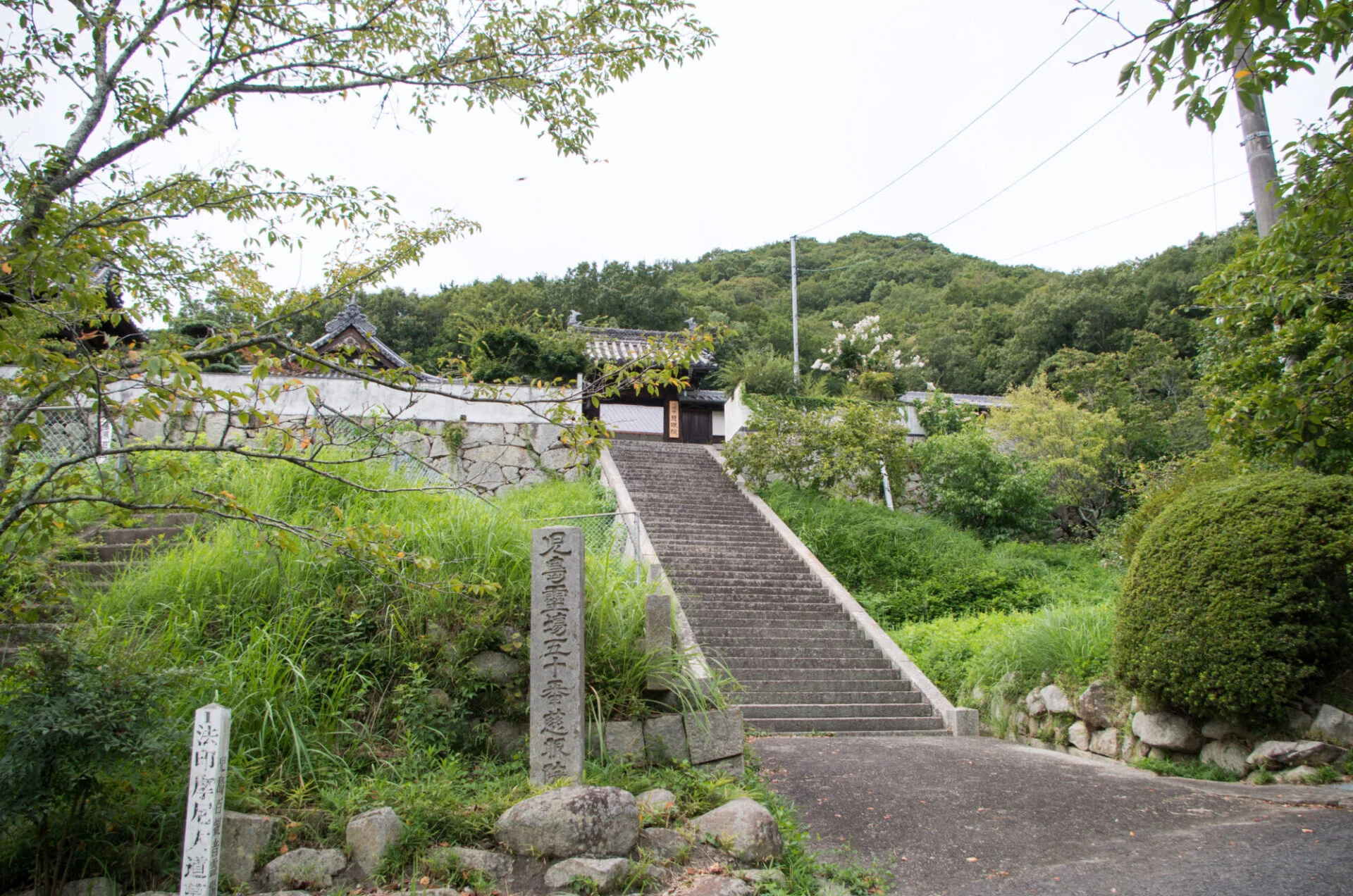
For the film shoot, I have done location hunting at the Kojima Sacred Sites about ten times, and I was surprised to find many small pilgrimage lodges still remaining.
At Hieda Daishido, there was a Eiou (a famous naked festival at Saidaiji) where many rice cakes were cooked and served.
▼Current Hieda Daishido
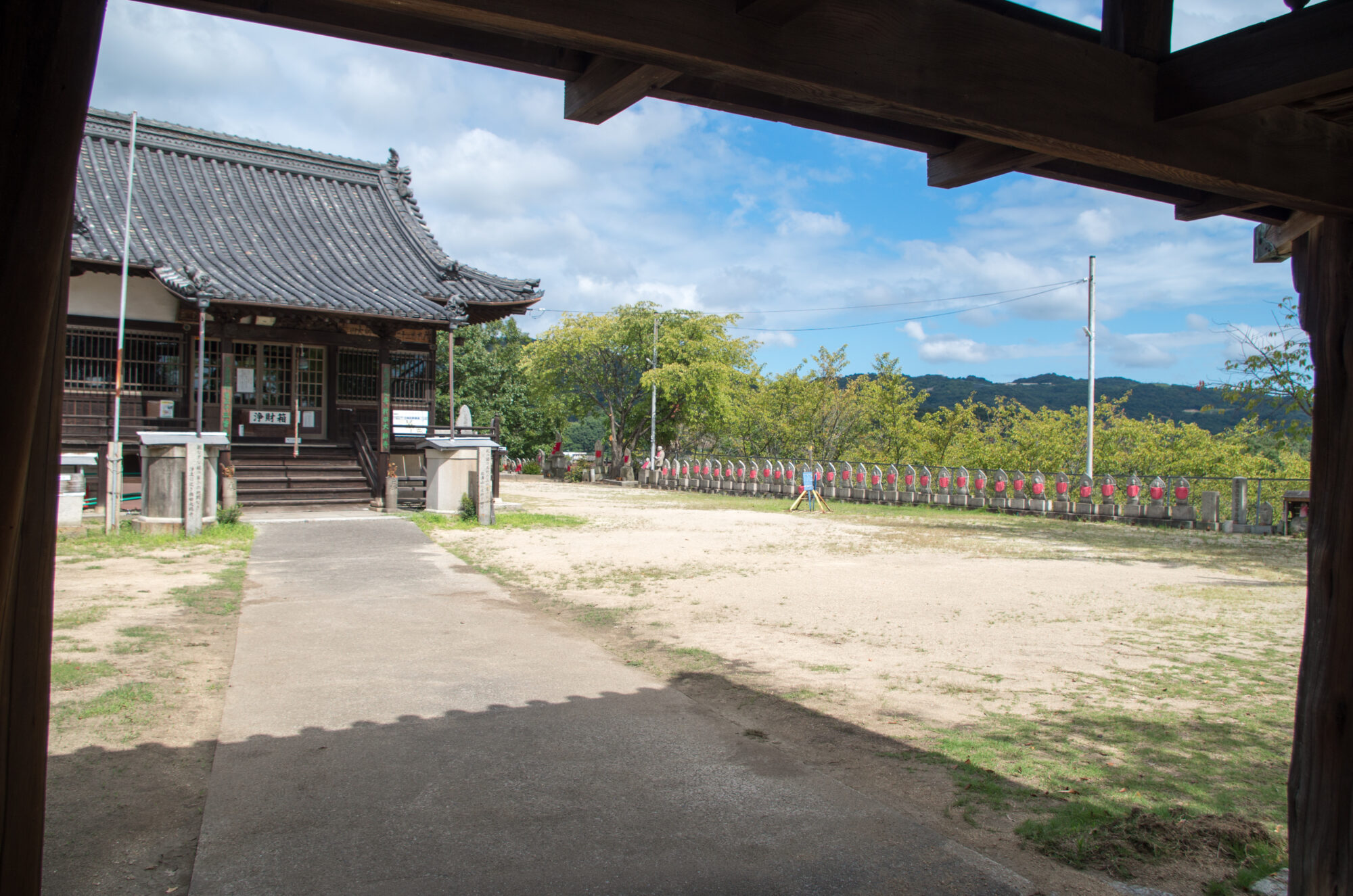
It is unfortunate that although there was a time when Kojima thrived, the Kojima 88 Sacred Sites, which were established with great effort by the monk Enmyo, are now unknown to anyone 200 years later.
Now, I have started to think that perhaps I was designated to film "Ishidan" and "Charihen♪".
Okayama City and Mizushima were bombed and turned into wastelands, but fortunately, Kojima escaped the flames of war, and many temples remain.
I would like to leave behind these Ishidan and shrines for future generations.
I love Kojima. I believe that only those who live in Kojima can understand this feeling.
The writing of "Ishidan" that first catches your eye on posters and flyers is wonderful, isn't it?
Kuwata
It’s quite difficult to suddenly visit a temple or shrine and ask for cooperation as a filming location.
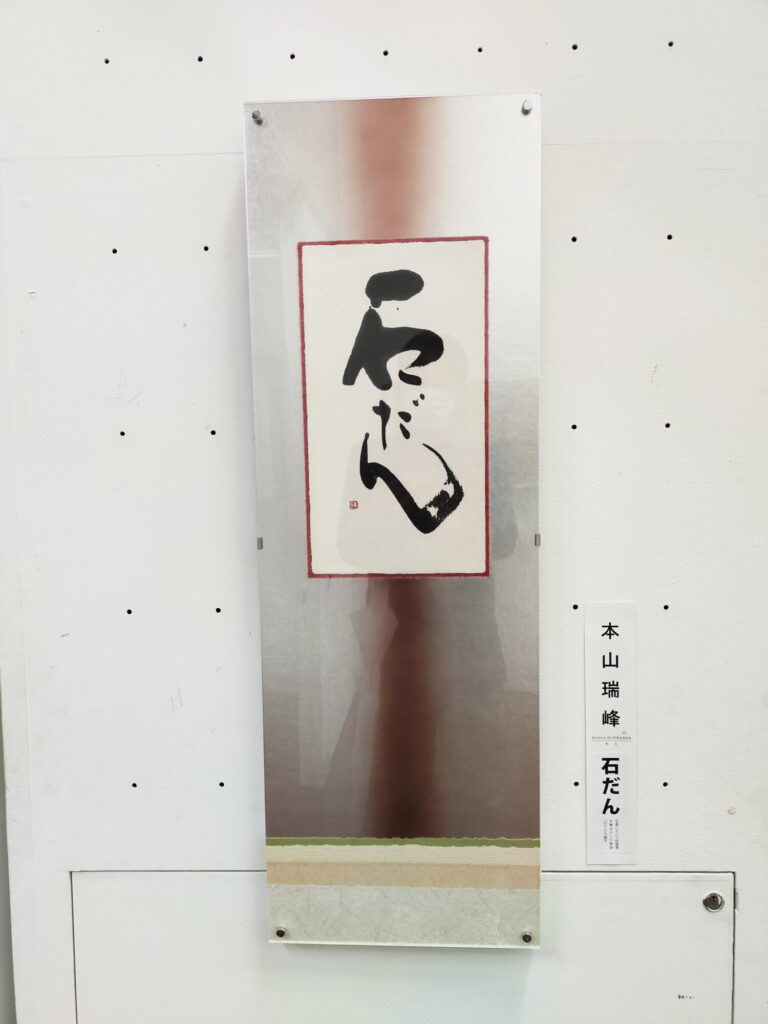
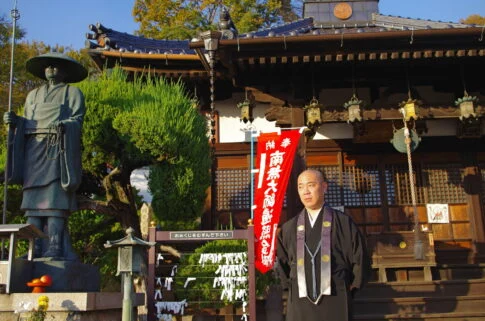
In such circumstances, it was significant that I was able to ask for the title to be written by Master Zuiho Motoyama, the president of the Okayama Prefectural Buddhist Association.
With the title of the "Ishidan" poster written by Master Motoyama, I felt that we gained trust, and many temples and shrines began to say, "We can cooperate," which seemed to change the situation.
Master Zuiho Motoyama spoke about the image he had when writing this title as follows.
Children are happily playing on the Ishidan of the temple. It is a warm spring sunlit spot, with dandelions blooming here and there.
From the atmosphere of the work that Kuwata aims for, although stones are originally hard and cold, this title expresses a "stone" that is warm and enveloping like cotton.
The "n" represents the ups and downs of life (as in the saying "life has its ups and downs"). I wrote it wishing for great growth through various life experiences.
▼ The writing of "Ishidan" displayed at the 55th Okayama Prefectural Calligraphy Federation Exhibition.
Next, the filming locations for the posters and flyers are also wonderful.
Kuwata
When holding screenings, the most frequently asked question is about the filming locations for the posters and flyers.
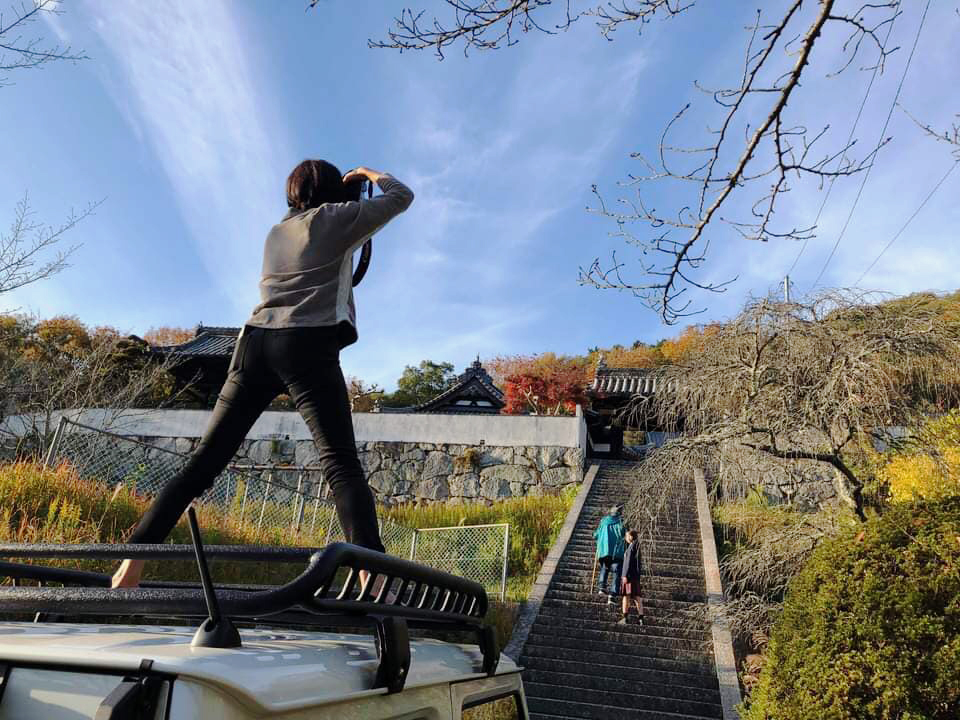
I asked a professional female photographer to position my beloved car (Jimny) as close to the Ishidan as possible and took photos from the roof.
This site is the Ishidan located in front of Jigen-in Temple, the 50th temple in Obara.
Such an Ishidan is rare even among the Kojima 88 Sacred Sites, and I was particular about the angle.
As a result of being particular about the shooting, I was able to take wonderful photos.
▼ Scene of shooting the Ishidan poster
Could you give us a final word?
Kuwata
Previously, I looked into whether there were any past videos of Kojima, but I found that there were not many recordings and that none remain.
I want to leave behind images of my beloved hometown, Kojima.
I want the people of Kojima 100 years from now to see it, so I started filming the movie.
Among the current members of the Kuwata group, I believe that the strong relationship I have built with Watanabe Yutaka (渡邊豊) who is the director of photography for "Ishidan" has led to this moment.
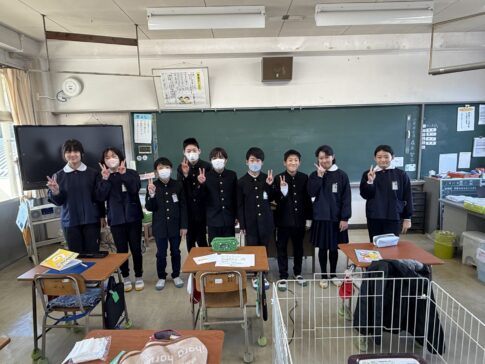
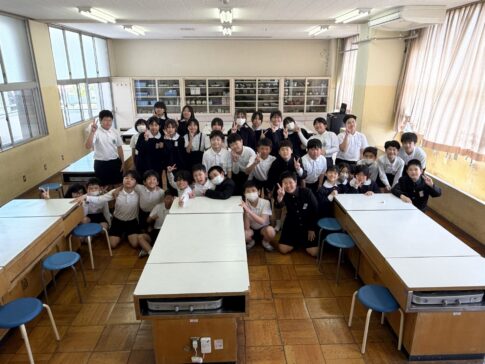
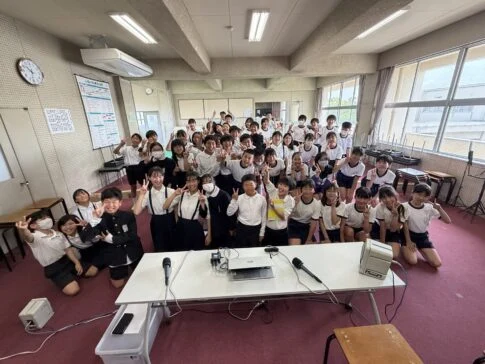
Additionally, I have felt an unexpectedly large response and wave after the release of "Ishidan," such as being selected as one of the five audience and jury awards out of 81 works screened at the Hamburg Japanese Film Festival, being invited as a lecturer to schools in Okayama City and Kurashiki City to talk about dreams, and showing the film in public middle school classes.
I have heard that the number of people visiting the Kojima 88 Sacred Sites has increased fivefold after the screening of "Ishidan".
The pilgrimage to the Kojima 88 Sacred Sites is originally done in white clothing as a death shroud so that one is prepared for death at any time.
It also carries the meaning of being prepared for death, as the staff one carries becomes a gravestone if one dies during the pilgrimage.
In fact, I have heard that many people have passed away in this land of Kojima before reaching the Shikoku 88 Sacred Sites.
Given this background, it was with a strong wish that Enmyo Sojo opened the Kojima 88 Sacred Sites.
Through my film, I hope to make people aware of the strong wish of Enmyo Sojo regarding the Kojima 88 Sacred Sites and that many people, including those from overseas, will visit and walk this land of Kojima.
The next work, "Charihen♪", is also set in the Kojima 88 Sacred Sites.
The film has already been completed.
I believe it is the culmination of my work as a film director, and I want as many people as possible to see the film and leave this tradition for descendants 100 years from now.
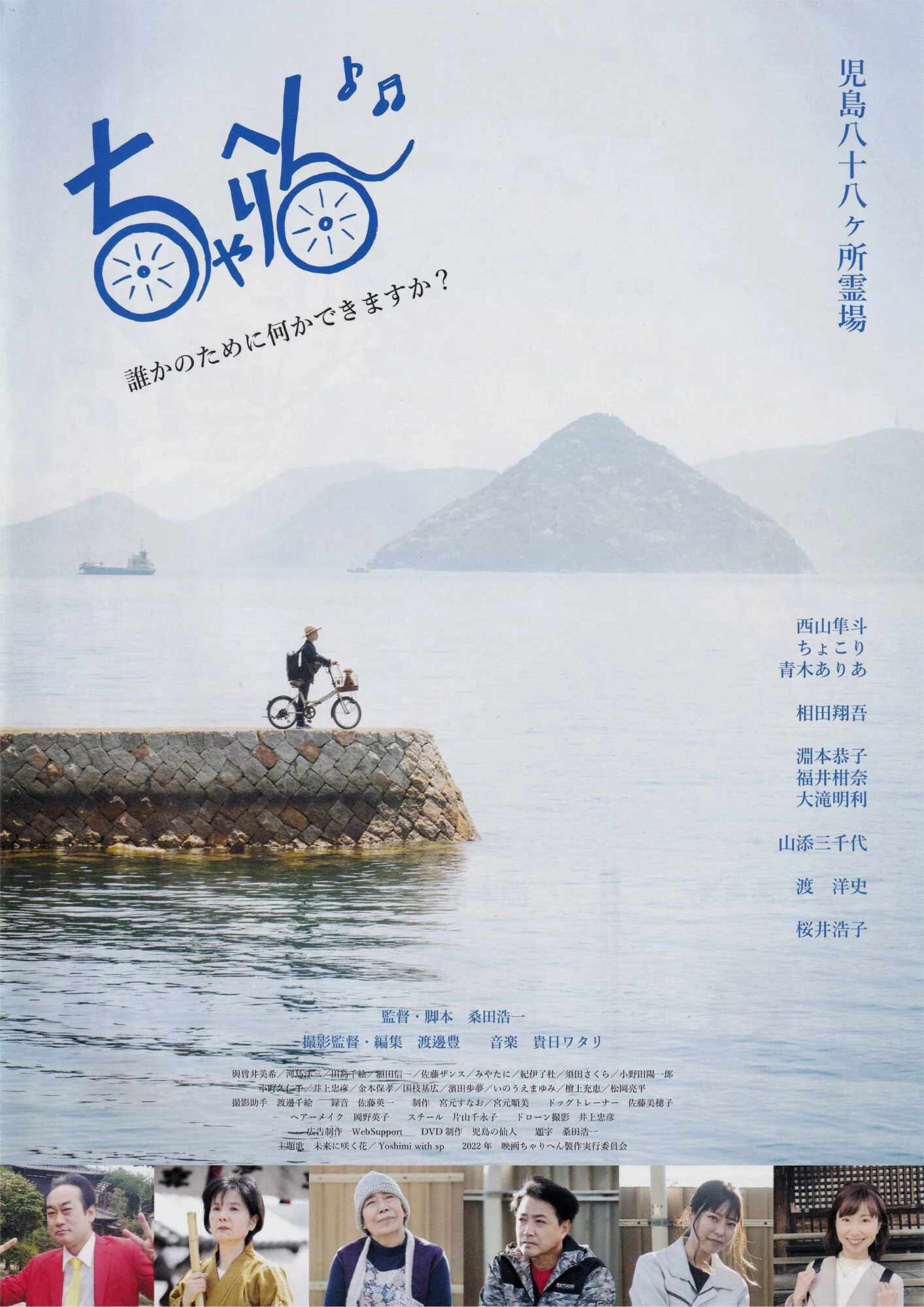
Introducing the next work "Charihen♪"
Here is the synopsis of the movie "Charihen♪".
Every time I watch the promotional video for the movie, I can't help but look forward to the screening.
Additionally, the trailer and special report video for the movie "Charihen♪" have been released, so I will introduce them.
Movie "Charihen♪" Trailer
Movie "Charihen♪" Special Report
Upcoming screenings include November 20, 2022 (Sunday) at Cinema Mode in front of JR Fukuyama Station, reception starts at 1:00 PM, screening at 1:30 PM, and on December 18 (Sunday) at the Tamano Industrial Promotion Building.
For those who cannot attend the Kojima screening, how about planning to see it in Fukuyama City or Tamano City?
Conclusion
During the interview, Kuwata gave a sincere and gentle impression with every word, but his strong and passionate feelings of loving Kojima came through consistently.
The next work "Charihen♪" is also a culmination as a film director.
Listening to him, I could feel that it is a confident work, and I am looking forward to its release.
I have already reserved for the screening in Kojima on October 16, 2022.
I would like to continue to follow and introduce Kuwata as much as possible.
Data for the movie "Charihen♪" screening
| Name | Movie "Charihen♪" Screening |
|---|---|
| Date | ・Date: October 16, 2022 (Sunday) ・Time: Part 1: 10:30 AM - Part 2: 2:00 PM - Part 3: 6:00 PM - * The venue opens 30 minutes before the start. |
| Location | Kojima Jeans Hall, 2-2-38 Ajino, Kojima, Kurashiki City, 3rd Floor of Hall Building |
| Participation Fee (including tax) | Adults: 1,500 yen Children: 1,000 yen (under middle school) |
| Website | Official HP of the movie "Charihen♪" |












Hayato Kinomiya (12 years old) is the son of the monk at "Kichijo-ji", one of the Kojima 88 Sacred Sites. He lives with his mother Misato, who is always nagging him about studying, his "sophisticated younger sister" Miki, who loves sweets, and his beloved dog Chocorina.
As a new first-year middle school student, his hobby is drawing manga with friends rather than studying.
What he is currently concerned about is his childhood friend Aria, who has fallen ill.
It seems that Aria will be leaving Kojima for treatment of her illness...
Hayato wishes for Aria's quick recovery and wants to cheer her up,
and he worries about what he can do for her.
Then, he receives advice from an elderly man who previously had his wish granted during a pilgrimage in Kojima: "Why not make a wish?"
Believing in a small miracle for Aria's recovery, he decides to embark on a bicycle pilgrimage (Charihen) during spring break.
His family and the people of Kojima support him.
A local station talent follows him for ratings. The boy's earnest wish runs through the spring of Kojima.