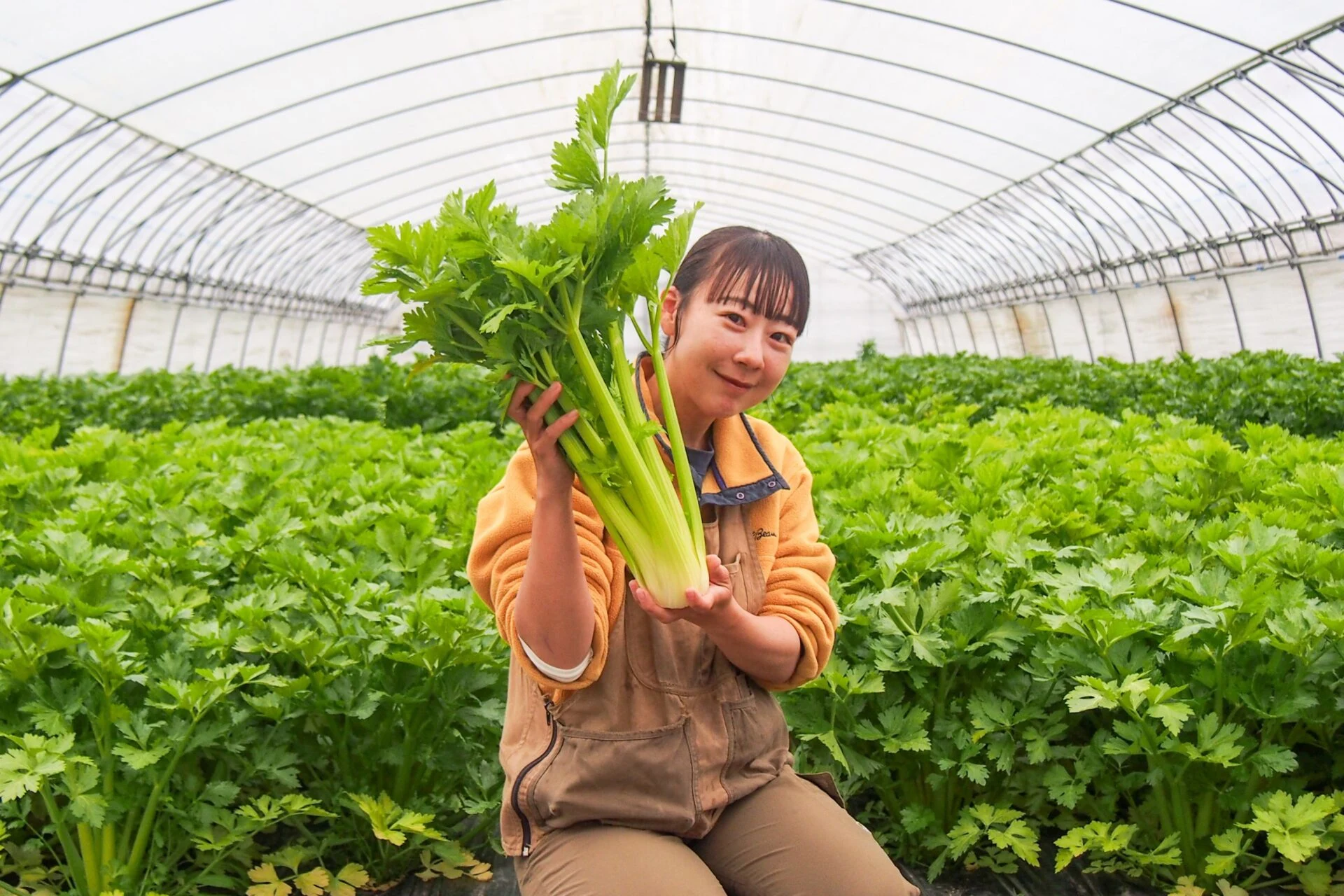
Interview with Takagoshi Yuki of Maison Yamate
We interviewed Takagoshi Yuki of Maison Yamate about what inspired her to start growing celery, the activities she undertakes to share its appeal, and what she would like to try in the future.
Inspired by her two grandmothers, she entered the world of agriculture
What inspired you to start farming?
Takagoshi (honorific omitted)
It all began with my maternal grandmother’s home vegetable garden.
My grandmother enjoyed growing vegetables as a hobby and sharing them with the neighbors. I loved going to the fields with her, and those memories have stayed with me as something truly special.
That was the starting point of my interest in agriculture. After attending a high school focused on science and mathematics, I went on to study agriculture at university, and after graduating, I got a job at an agricultural cooperative. Working alongside farmers every day, I came to appreciate both the challenges and the appeal of farming, and I think my desire to become a farmer myself grew stronger over time.
Six years into my job, when I was around 30, my paternal grandmother was hospitalized with an illness. I began taking concrete steps toward becoming a farmer so I could tell her, as she had supported my dream of farming, “I’m going to become a farmer.”
I also thought that if I were self-employed, I might be able to stay close to my grandmother.
Becoming a celery farmer out of a desire to grow local specialties
Why did you choose to become a celery farmer?
Takagoshi
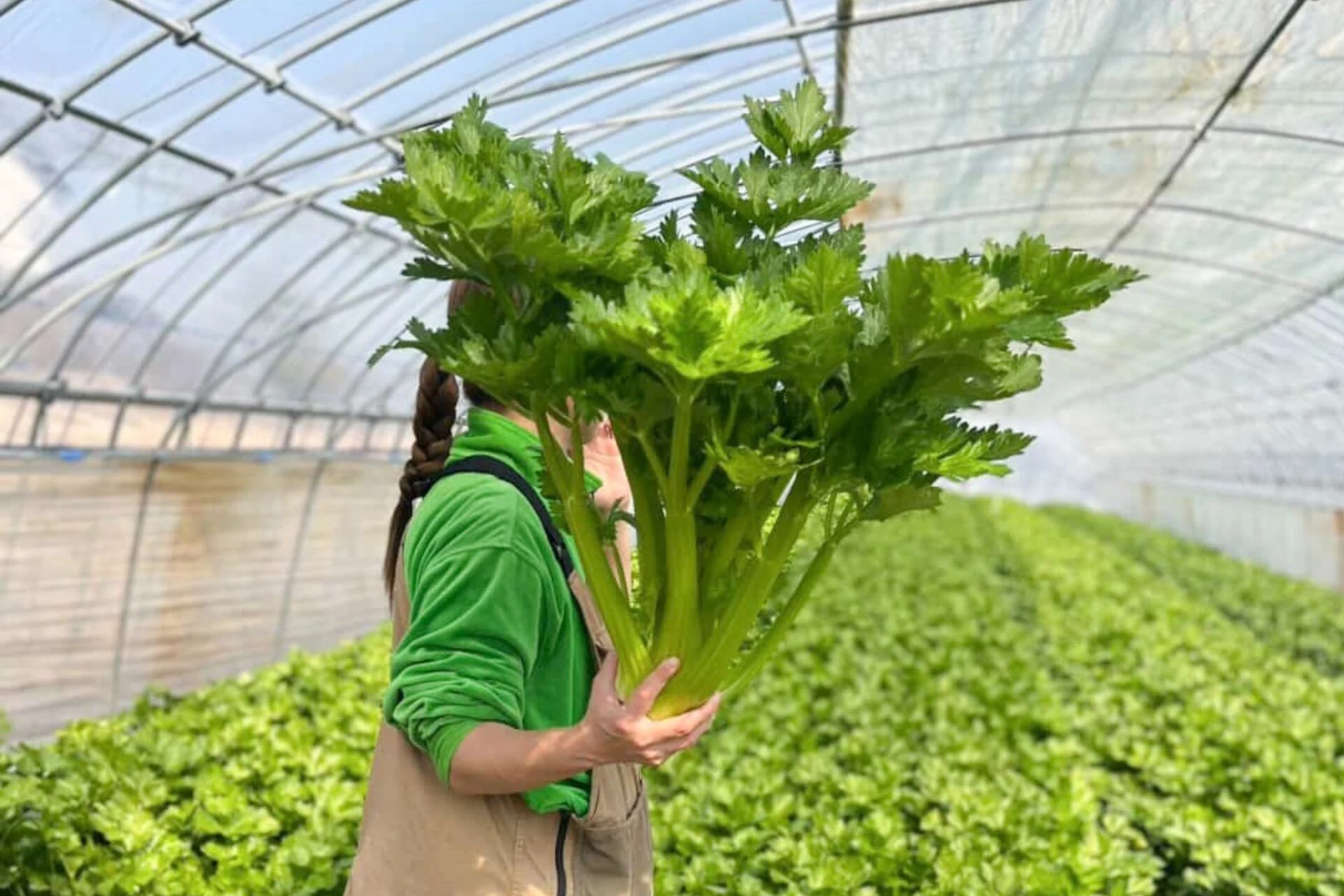
When I was looking to grow a specialty of Okayama Prefecture, I came across celery from Soja.
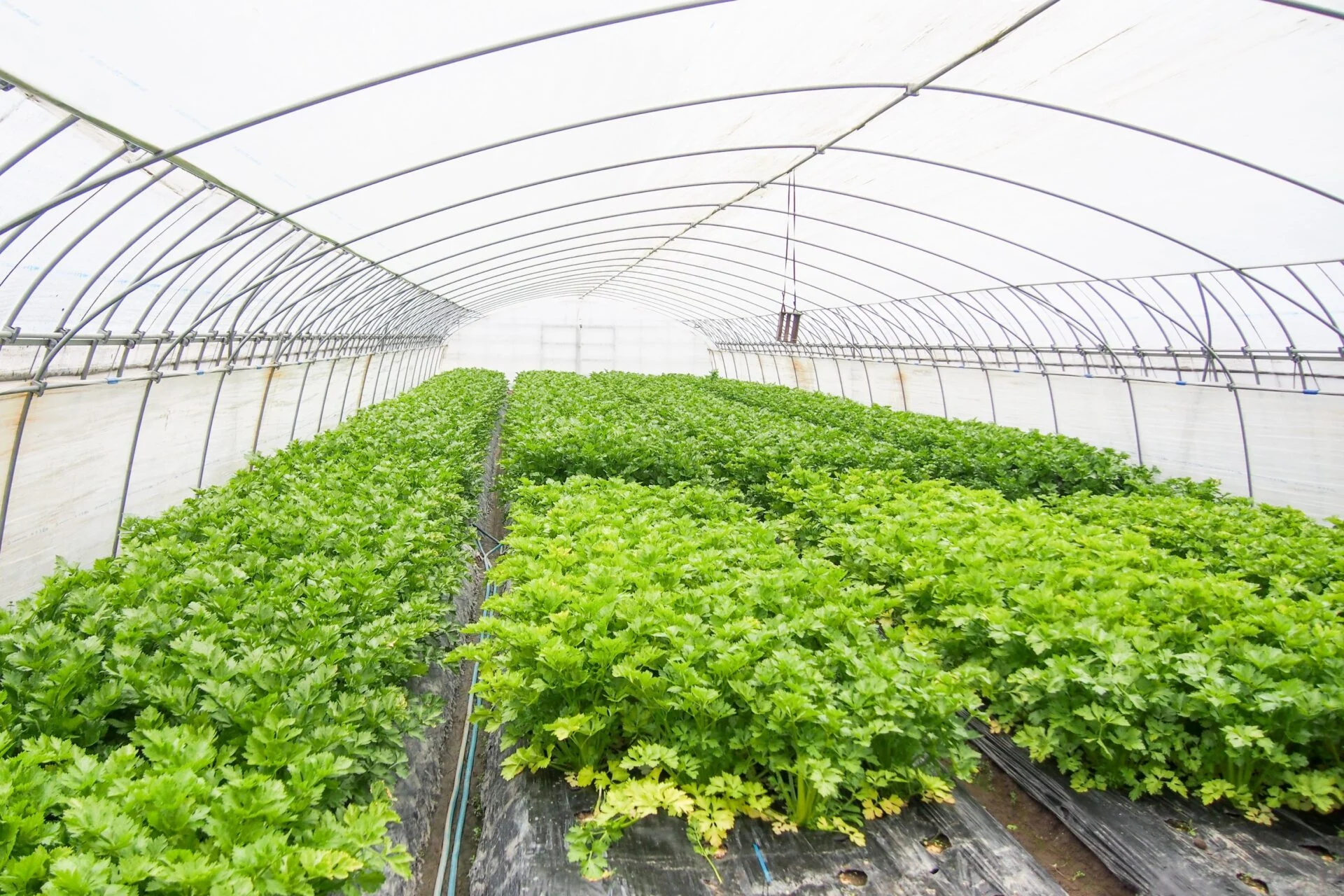
Although there are few celery-producing regions nationwide, celery from the Yamate district was known for its high quality. However, the number of growers was declining year by year, and I was concerned that the area’s farming culture would be lost if things continued this way.
I decided to move to Soja and become a celery farmer because I wanted to protect and promote the region’s celery culture by growing celery myself.
Especially for those who dislike celery, we want you to try it
Tell us about the appeal of celery and some delicious ways to eat it.
Takagoshi
My favorite way to eat it raw is to cut it into sticks and dip them in sauce.
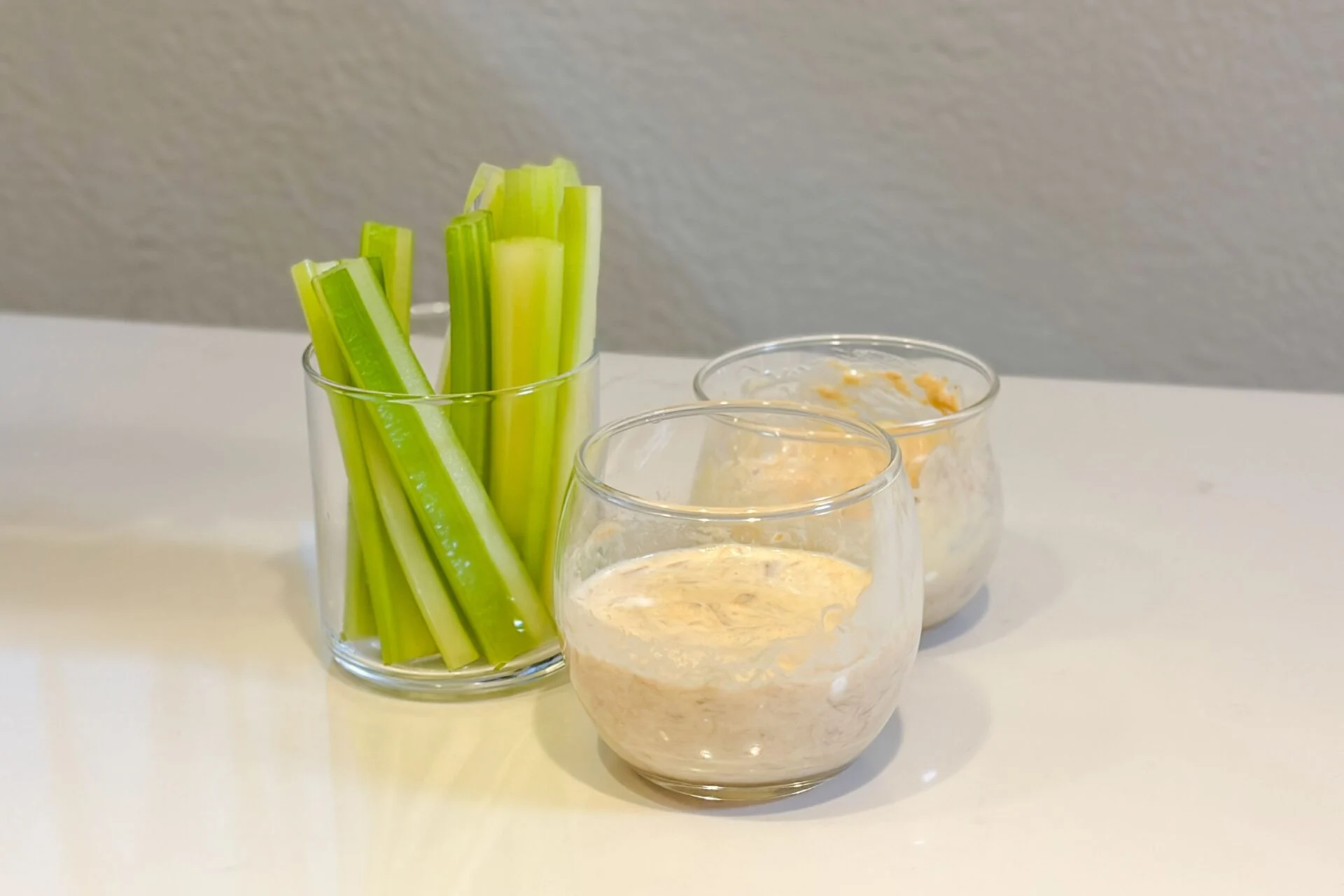
Quite a few people who say they didn’t like the celery sold at supermarkets tell me, “Maison Yamate’s celery was juicy and delicious.” So I recommend eating it raw above all.
If you still don’t like it, adding it to stir-fries or soup mellows its aroma and makes it much easier to eat. You can also use the leaves in soups and stir-fries instead of throwing them away, so I hope you’ll use the whole plant.
I think celery is a vegetable that elevates everyday meals, so I’d love for even those who think they don’t like it to try fresh celery at least once.
A farmer who shares not only vegetables, but also her personality
You have more than 4,700 Instagram followers. What kind of content do you share?
Takagoshi
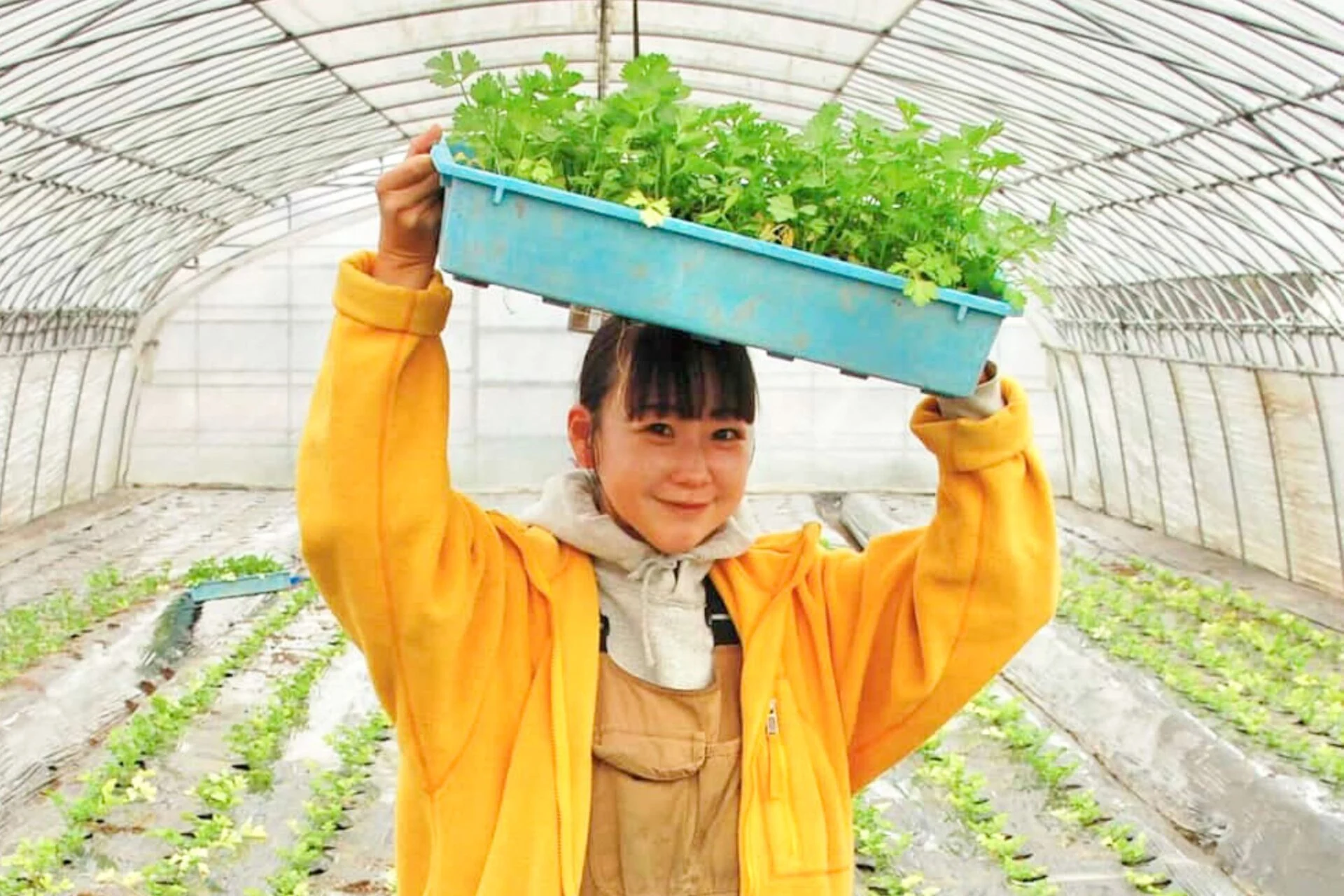
I feel that posting only photos of vegetables doesn’t do a very good job of conveying their appeal. So I post with the hope that people will get a sense that we’re the ones growing them.
I’ve tried to make my posts more approachable by including photos of myself and drawing illustrations. Farm accounts on Instagram may seem formal, but I hope people will feel free to take a look.
Has anything changed as your follower count has grown?
Takagoshi
I’ve been receiving more messages like “It was delicious” and “My child can eat it now,” which makes me very happy and encourages me.
Since I don’t get many chances to talk with customers directly, I’m grateful that we can connect through social media.
Future plans
What would you like to try in the future?
Takagoshi
I’d like to try growing flowers. My grandmother, who inspired me to start farming, loved flowers, and lots of them bloomed in her fields. That’s one reason I’ve always admired flowers.
I also know some florists in Soja, so I’m thinking of starting with Buddhist altar flowers, which are relatively easy to care for.
I’d also like to work with young farmers in Soja to energize the region. I’d be happy if we could create opportunities for the people who grow food and the people who eat it to come closer together, through collaborations with restaurants and local residents.
From the Writer
With her love for her grandmother and her desire to promote local agriculture in her heart, Maison Yamate entered the world of farming and has steadily expanded its reach through careful vegetable growing and proactive communication.
Through the interview, we could sense not only a deep commitment to vegetables, but also a warm personality that values connections with the local community and its people.
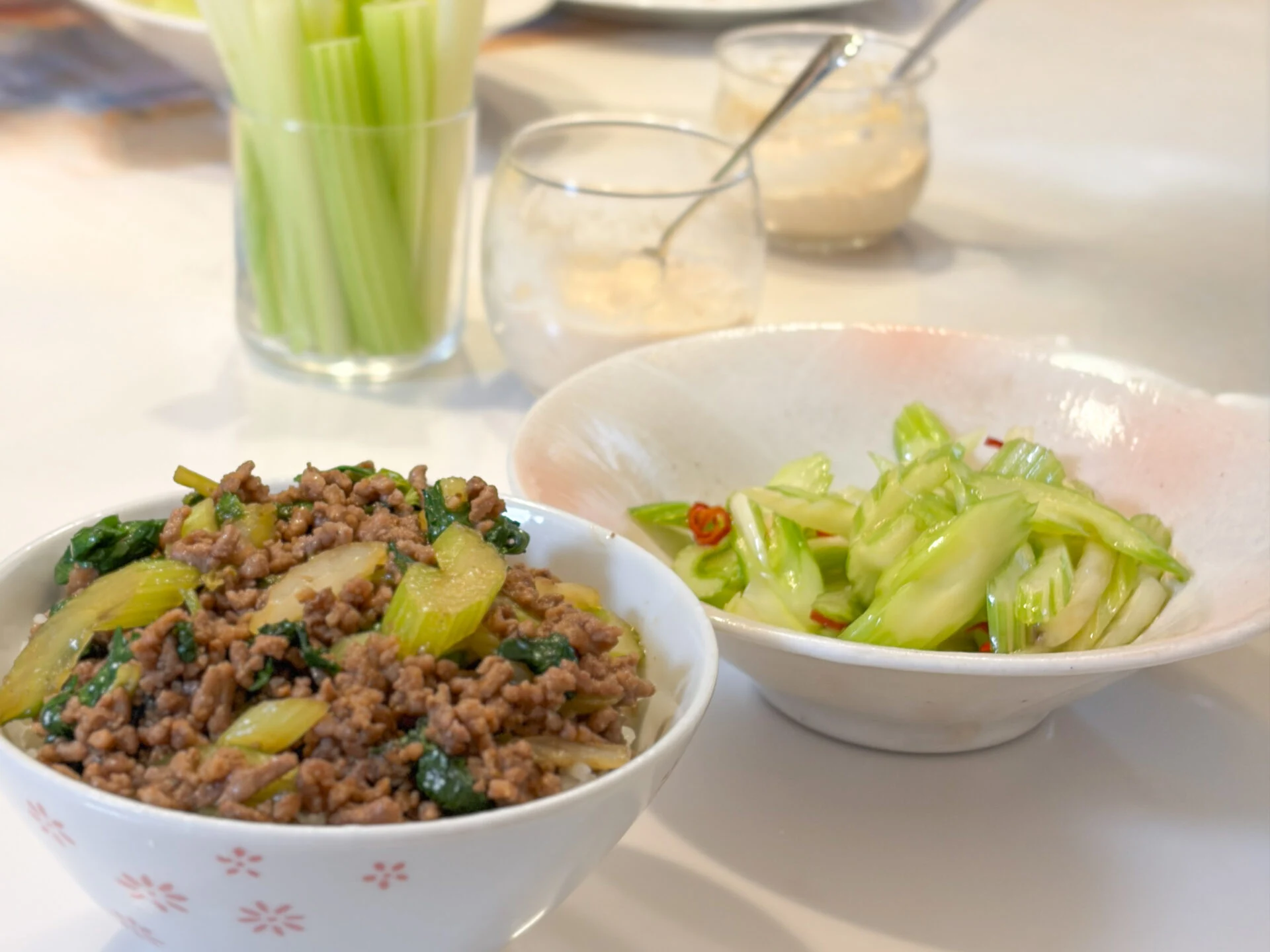
Celery season comes to an end around May, and the season for summer vegetables such as cucumbers, cherry tomatoes, and zucchini begins. Vegetables are scheduled to be sold at Shunkan Hiroba Agricultural and Livestock Products Direct Sales Center “Hare nochi Hare,” No-Maru Engei Kibiji Farm, and Every Soja Minami in Soja City.
Why not add fresh vegetables from Maison Yamate to your everyday meals?
Maison Yamate details
| Name | Maison Yamate |
|---|---|
| Address | Not disclosed |
| Contact | Instagram direct message |
| Website | Maison Yamate |


What would you like to know about Kurashiki?
Enter a keyword and we'll search the articles on this site