Have you ever watched a silent film?
Silent films refer to movies that do not contain sound or music.
A famous example is Charlie Chaplin's "The Great Dictator."
I remember watching "The Great Dictator" in class when I was in elementary school. At first, I was confused by the lack of sound and music, but I remember being drawn in by Chaplin's rich expressions and movements.
However, because there is no sound, the interpretation of the film can vary greatly depending on the viewer.
If you watch it without knowing the historical background or the characteristics of the setting, your interpretation will be limited, right?
During the screening of a silent film, the person who explains the film alongside is called a "katsubenshi."
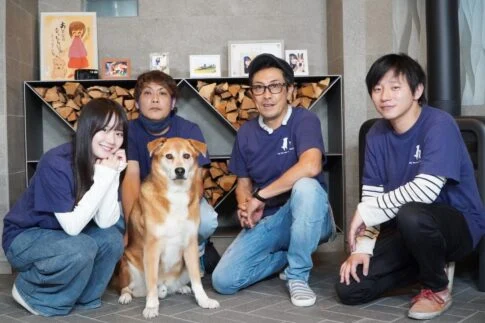
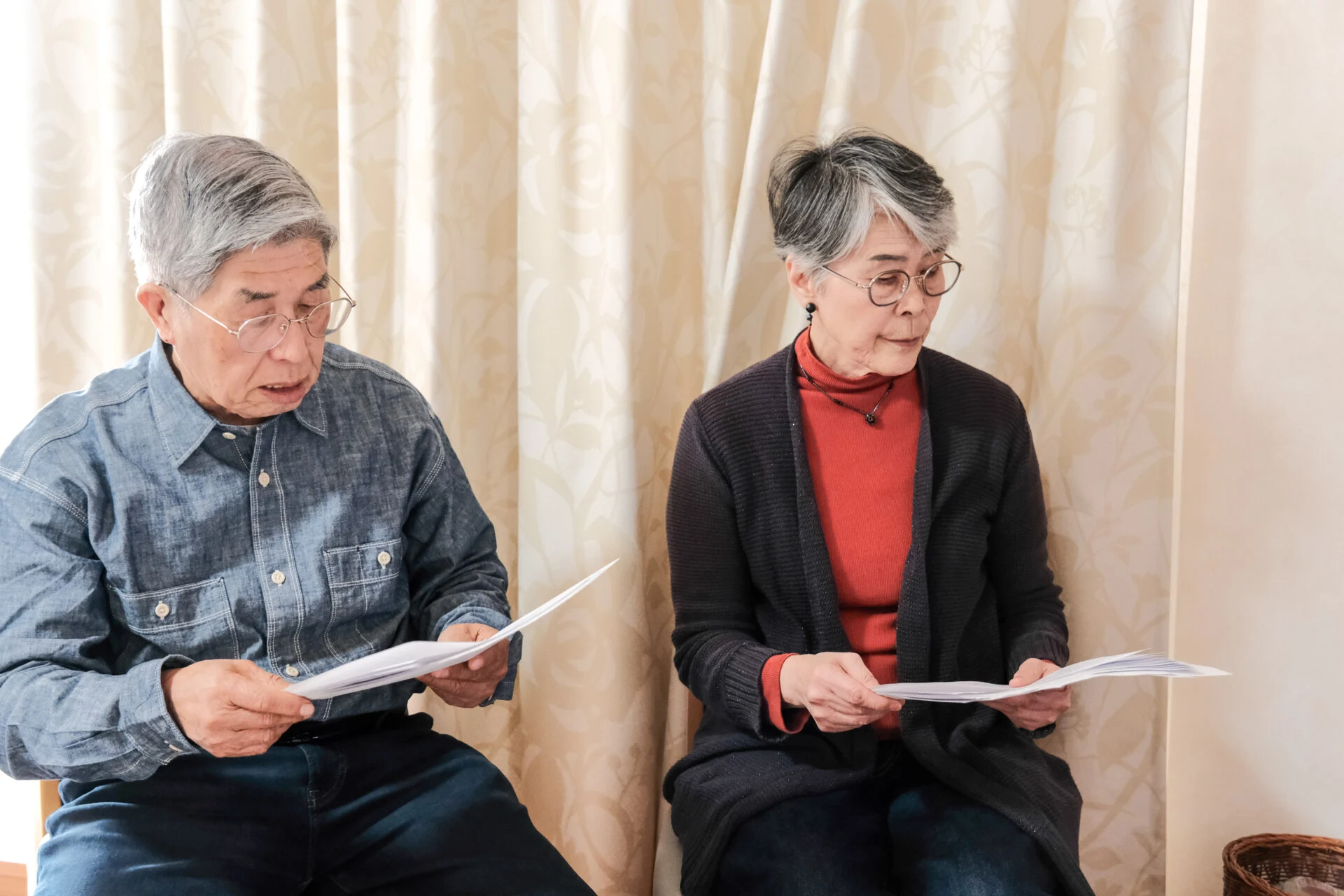
We interviewed Katsutoshi Yabuki and Mutsumi Yabuki, a couple who are the only "katsubenshi" active in Kurashiki City, about the charm of katsuben.
What is a "katsubenshi"?
Most films currently screened in theaters have background music and dialogue coming from speakers.
However, about 100 years ago, there was no technology to add sound to films, so silent films, referred to as "katsudō shashin," were mainstream.
In such an era, a "katsubenshi" is the person who speaks the lines of the characters on screen and explains the plot while the "katsudō shashin" is being screened. "Katsuben" is an abbreviation; the full term is "katsudō shashin benshi."
A wide range of roles from technician to voice actor
The work of a katsubenshi is not just to speak.
In the Taisho era, when even photographs were rare, the "katsudō shashin," which moved images, was even more precious.
Therefore, initially, they also explained the technical aspects, such as the structure of the projector.
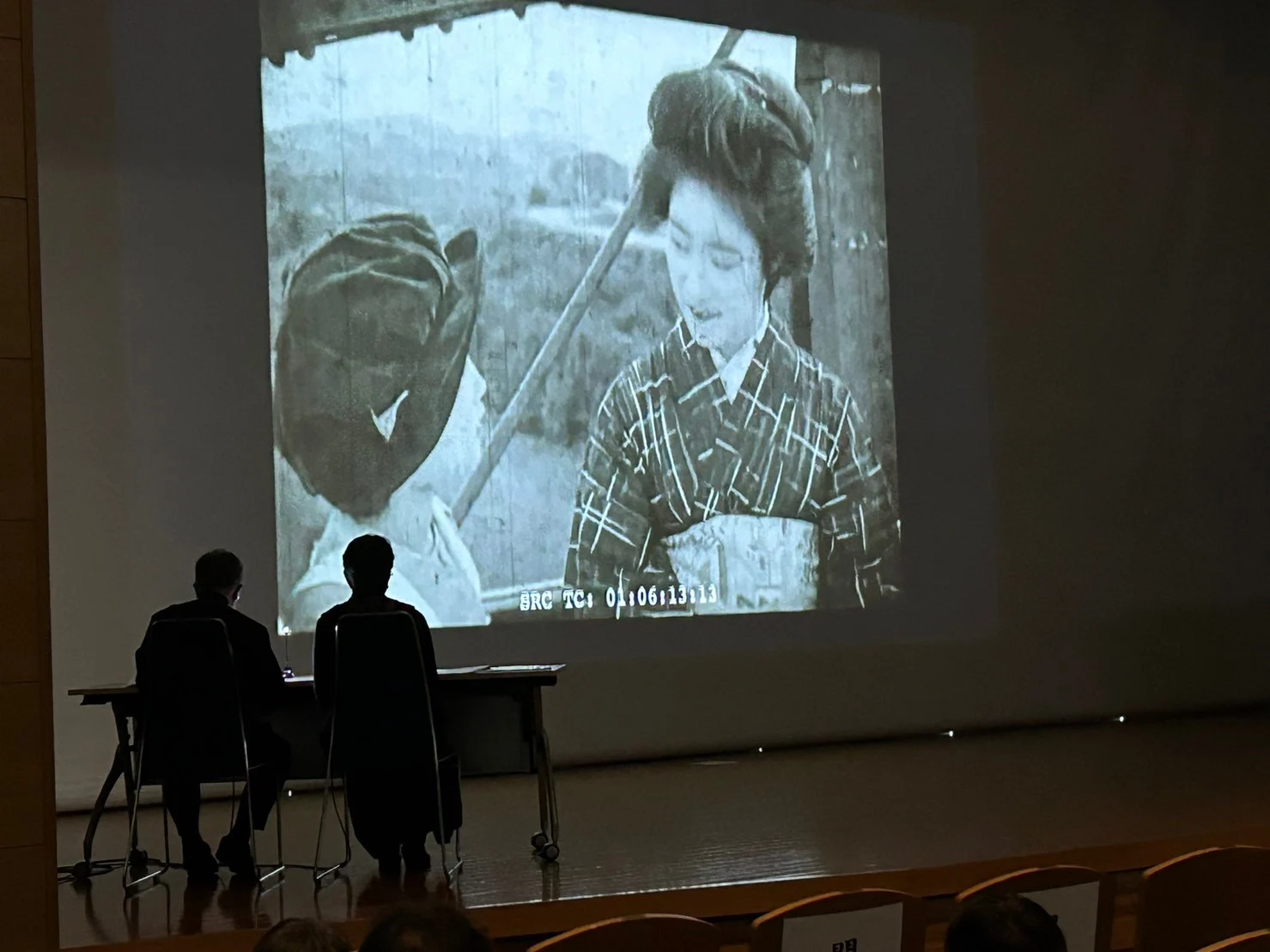
As the "katsudō shashin" began to spread, attention gradually shifted not only to the films themselves and the actors but also to the katsubenshi.
The interpretation and expression of the "katsudō shashin" varied depending on the katsubenshi.
This led to the emergence of fans who would say, "I want to see the "katsudō shashin" screened by this katsubenshi!"
Today, in anime, there are fans not only of the anime works and characters but also of the voice actors who play those characters. They were likely a similar presence.
Moreover, katsubenshi mostly work alone.
In other words, they took on the voices of multiple characters and even the narration all by themselves.
Collaborating with musicians to create films with added music
Silent films lack not only sound but also "music."
Thus, the role of "music" was taken on by "gakushi" (musicians).
In the Taisho to early Showa period, katsubenshi carried the film reels of "katsudō shashin" and traveled to theaters, so portable instruments like violins and trumpets were mainstream.
Instruments that existed in Japan since before the Meiji Restoration, such as drums and koto, were often large, so the use of Western instruments was likely something novel for the Japanese at that time.
Since "katsudō shashin" itself was a culture that came from the West, it might have been a good match.
Each film featured music composed by the musicians, the narration by the katsubenshi, and the silent "katsudō shashin" combined to be screened as a single work.
Reviving a culture that disappeared with the advent of talkies
The once-popular katsubenshi culture declined with the advent of sound films, known as "talkies."
While there were about 8,000 katsubenshi in the early Showa period, as of 2025, there are only about a dozen active professionals nationwide.
However, there are still many strong fans of live music and the vibrant experience of katsuben.
The activities of the couple katsubenshi "Mucchan and Kacchan"
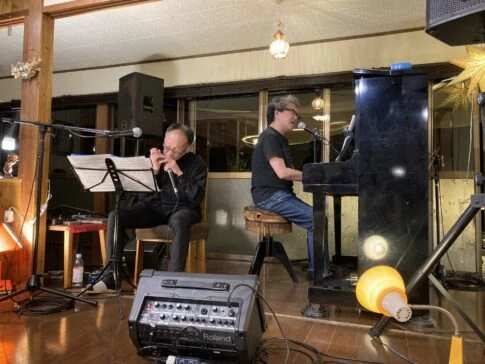
The couple katsubenshi "Mucchan and Kacchan" is a katsuben duo formed by Katsutoshi Yabuki and Mutsumi Yabuki, who live in Kojima.
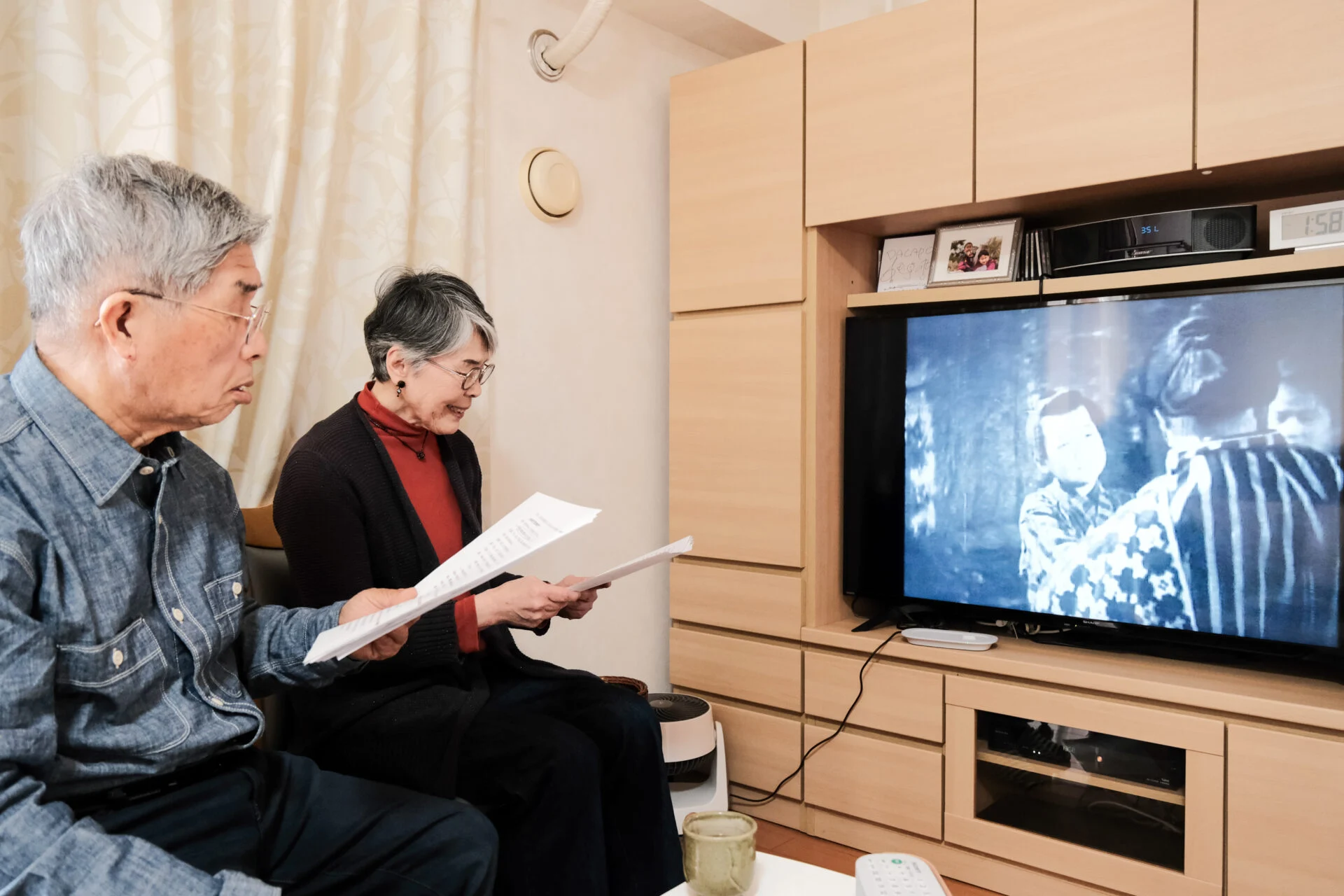
The only katsubenshi in Kurashiki City, a rare couple activity nationwide
It is rare for a couple to work together in katsuben.
The ability to perform both powerful male sword-fighting scenes and delicate female scenes is unique to a couple.
The two, who cannot forget the excitement of watching a silent film with katsuben for the first time, have continued their activities as katsubenshi for 18 years, wanting to share that excitement with the people of Kojima, where they live.
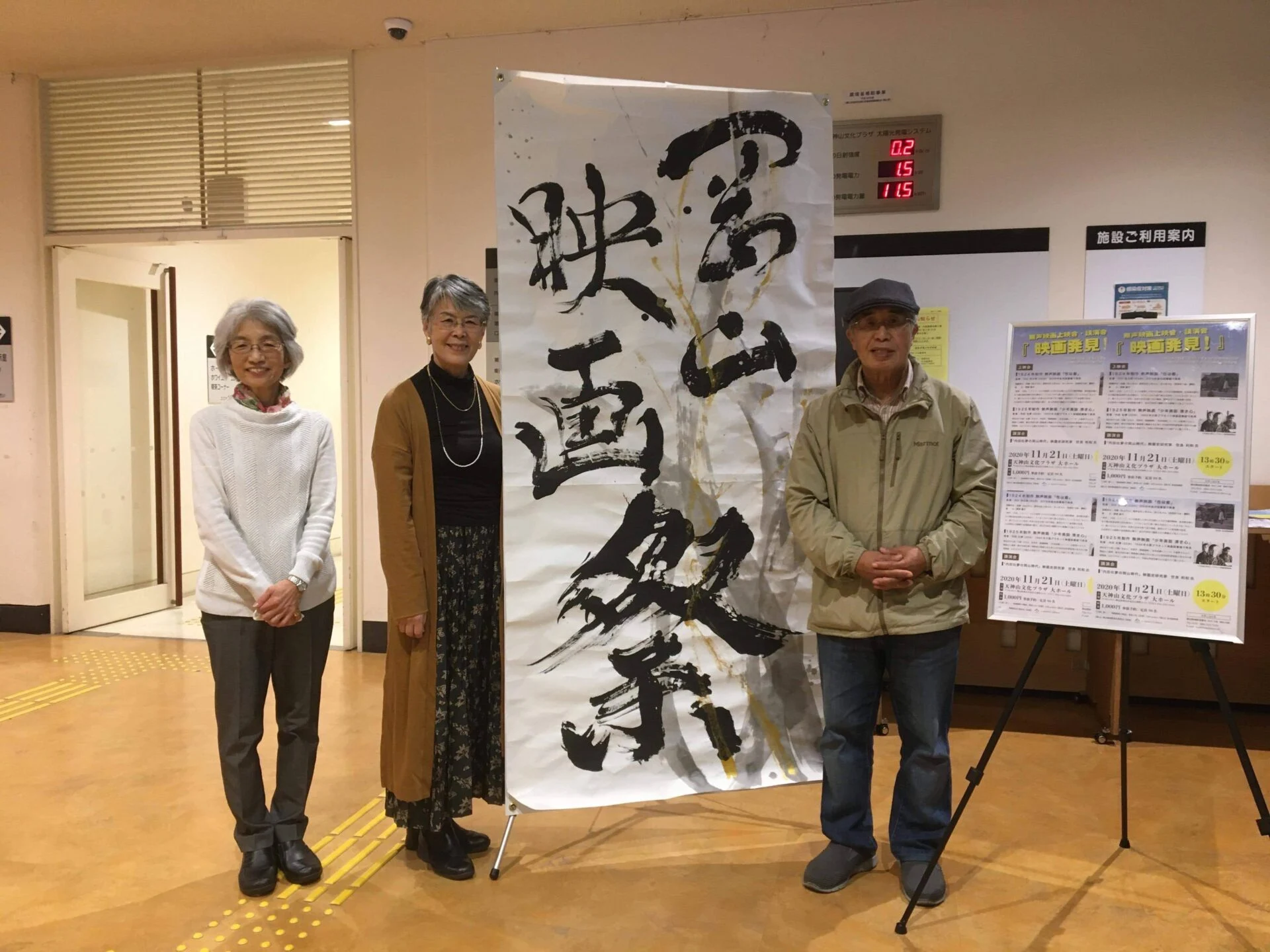
The two made their debut in 2007 at the Okayama Film Festival with "Gōketsu Jiraiya," starring Matsunosuke Onoe, and have been actively performing since then.
Since the existing film reels of "katsudō shashin" are limited, they continue to challenge new works while adding arrangements to the same piece for each venue.
Activities to preserve local culture for the community
It is difficult to preserve film reels of "katsudō shashin," and there are limits to the existing films.
Therefore, rather than performing a large number of works, the two focus on continuing to perform the same piece while arranging it to fit the venue.
As they continue such activities, they have received requests from the Kanemitsu Library in Asakuchi City to add sound and music to existing silent films for screening, indicating that they are becoming necessary for the community's efforts to preserve local culture.
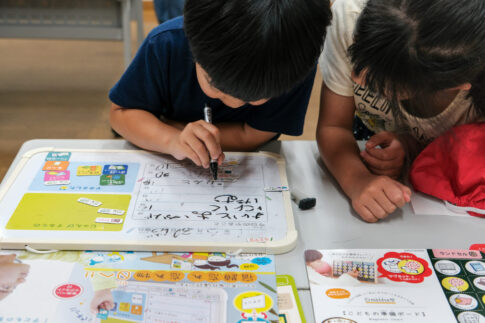
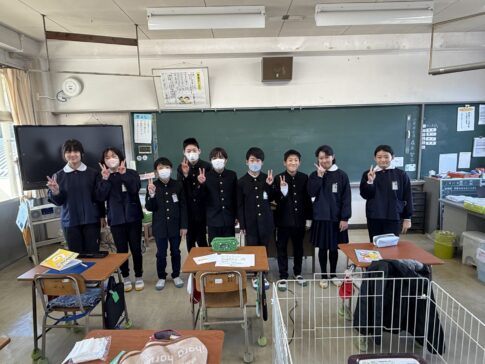
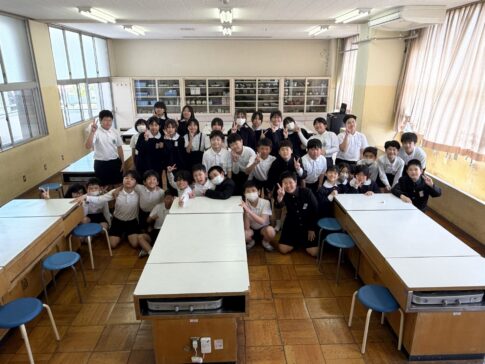
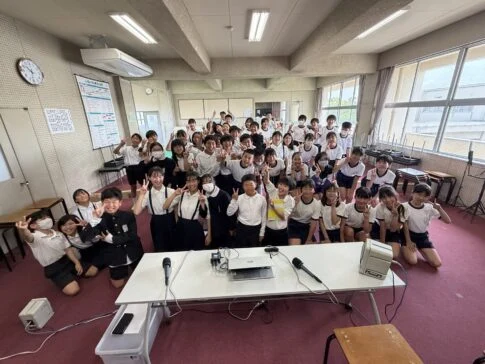
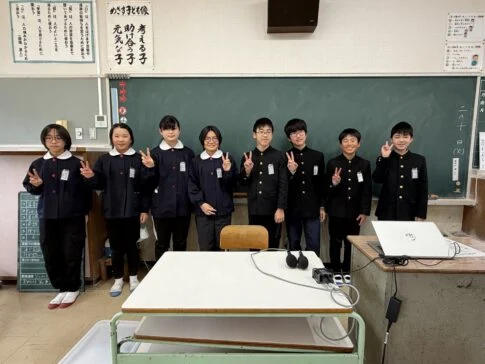
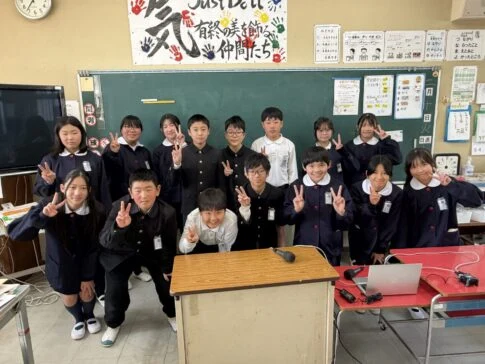
Additionally, they take on roles in presenting live katsuben to local people through lectures and screenings of katsuben films in Okayama Prefecture, including Kurashiki City, as well as conducting katsuben workshops in elementary schools to communicate their art.
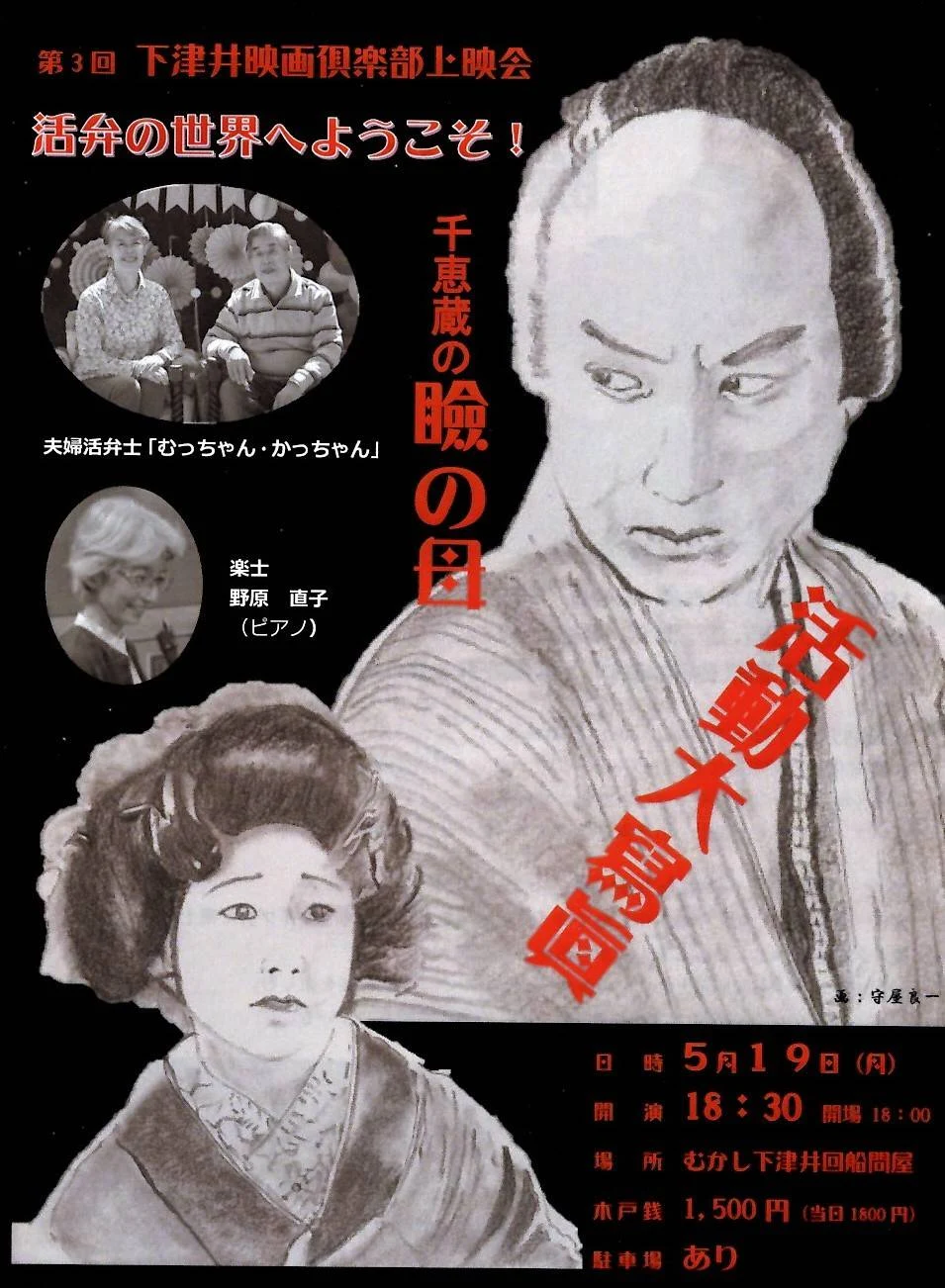
There will be a katsuben film screening in May 2025
The next scheduled activity is on May 19, 2025 (Wednesday).
The 3rd Shimotsui Film Club screening will be held at the Shimotsui Shipping Agent Museum starting at 6 PM.
On that day, "Mabuta no Haha" (starring Chiezo Kataoka) will be screened.
Please check the image below for more details.
We spoke with the Yabuki couple about what inspired them to start katsuben and the charm of katsuben.
Data on the couple katsubenshi "Mucchan and Kacchan"
| Name | Couple katsubenshi "Mucchan and Kacchan" |
|---|---|
| Address | Kojima, Kurashiki City, Okayama Prefecture |