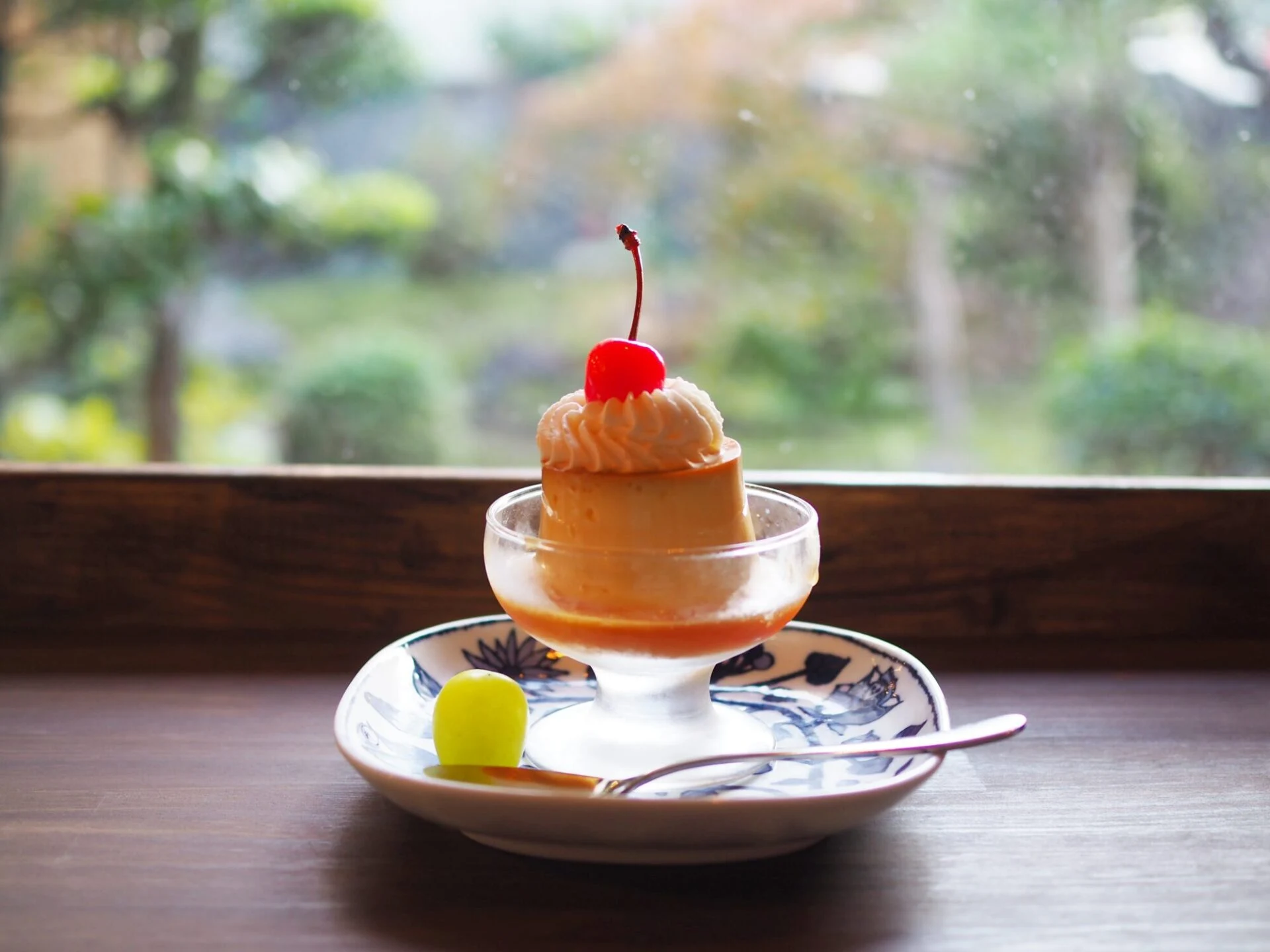
Interview with owner Shosuke Nakahara
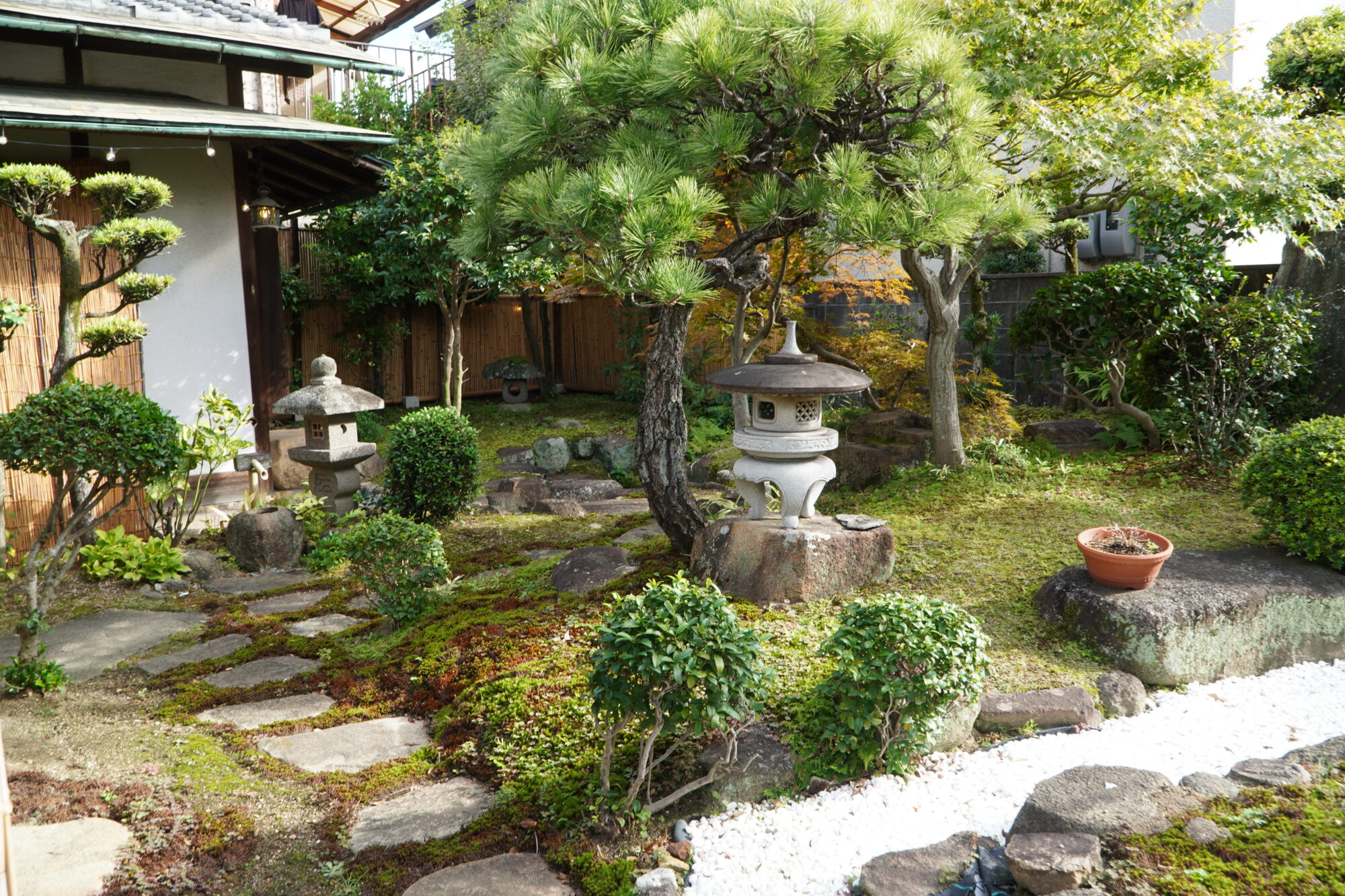
Why did he change the shop’s name and renovate it at this point?
We spoke with cafe owner Shosuke Nakahara.
This interview was conducted during our first visit in October 2022.
Why the shop changed its name
The shop opened in 2017. Why change its name now?
Nakahara (surname only)
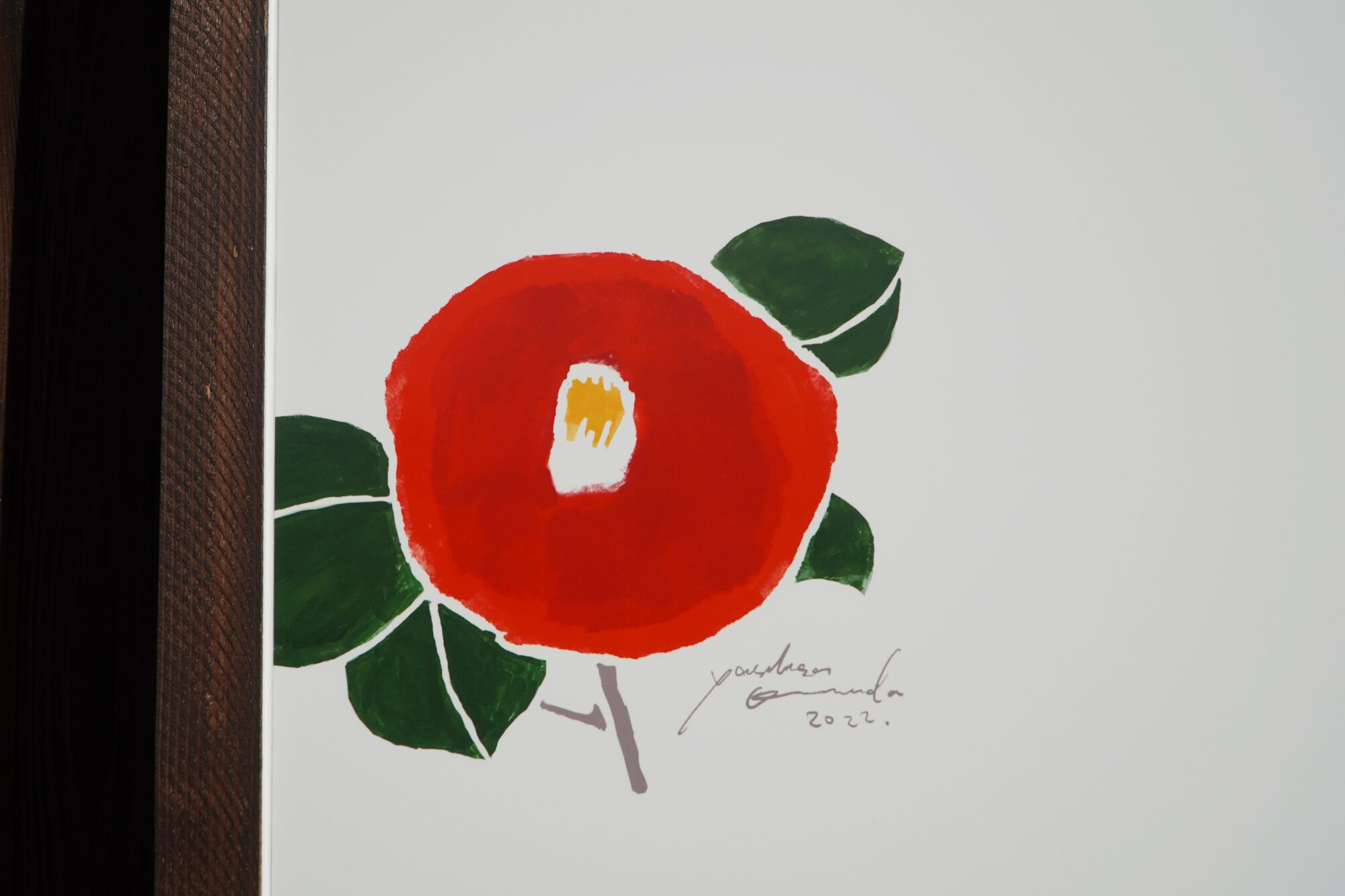
The main reason I changed the shop’s name was that I wanted to ask designer Yasuhisa Kuwada to create a logo for the shop.
He’s the kind of person who works at his own pace.
When the cafe opened in 2017, his schedule was packed, so I gave up on asking Kuwada to make the logo, thinking he wouldn’t be able to finish it in time.
I wanted to be the one waiting for the logo to be finished.
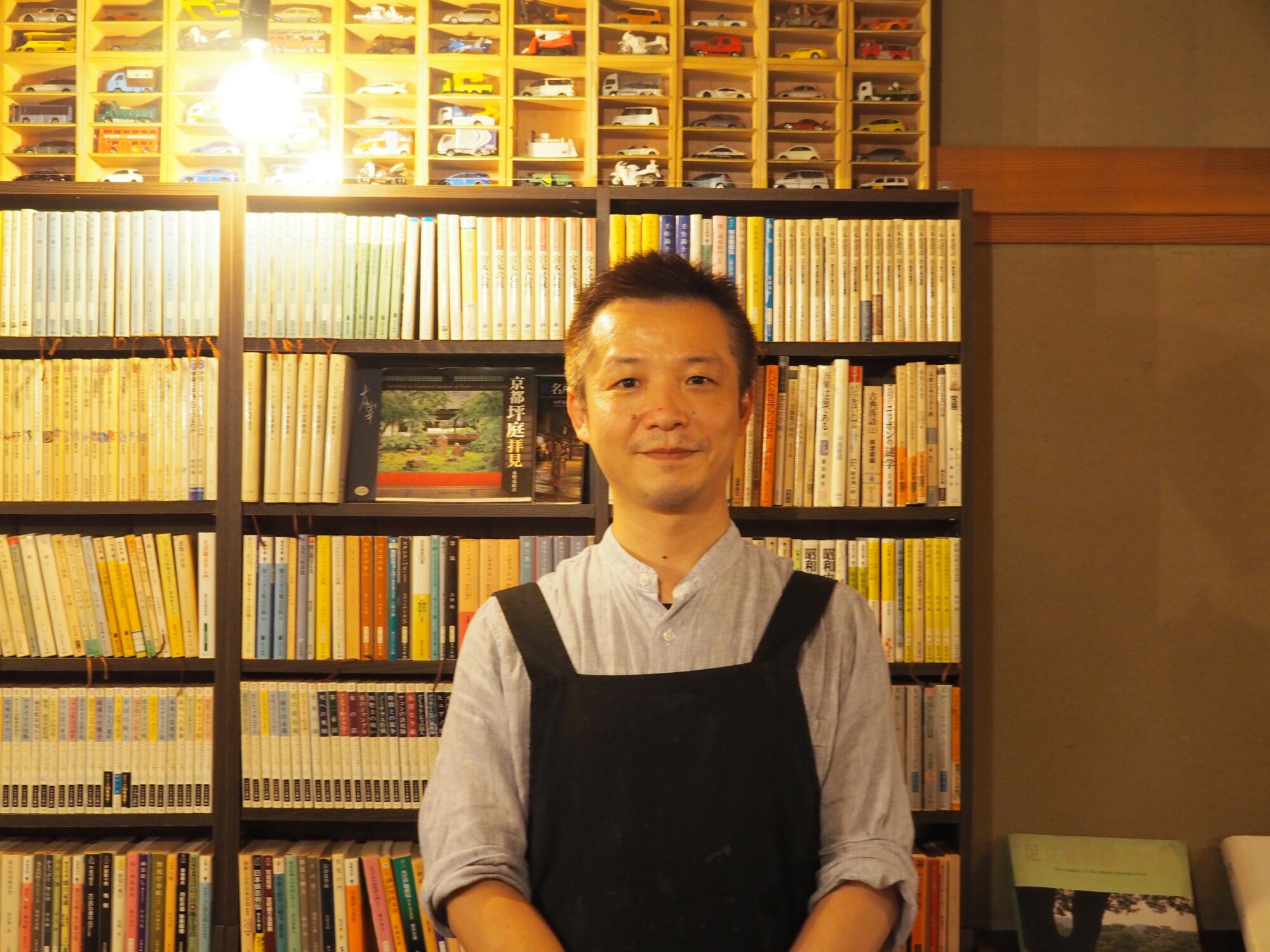
I really love the things Kuwada makes.
I passed on the idea when we opened, but as I ran the shop, my desire to ask Kuwada grew stronger.
So this time, I asked him to create the logo.
I only asked him for a logo, but he also made dessert plates, menus, and even posters.
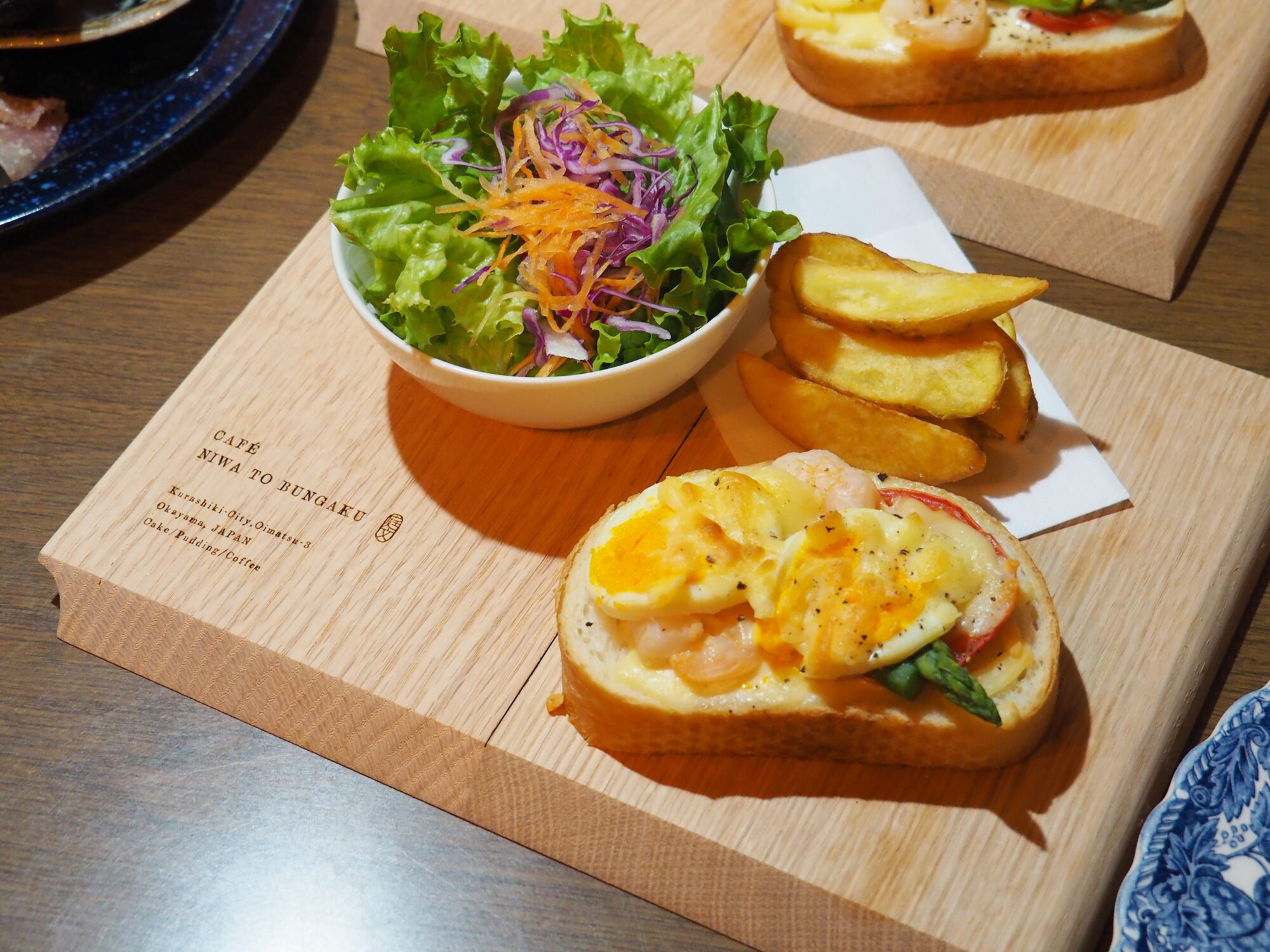
How did you and Mr. Kuwada meet?
Nakahara
We met when I was working at a bar in Fukuyama City.
I liked the doodles Mr. Kuwada drew when he was drunk.
Mr. Kuwada draws everything from polished designs to rough, hand-drawn-style sketches.
For the shop logo, I asked him to draw as many doodle-like designs as possible, then chose one from them.
In 2008, after going independent, I sold cakes from a tricycle in the Bikan Historical Area for a while.
Mr. Kuwada designed a logo for me then, too.
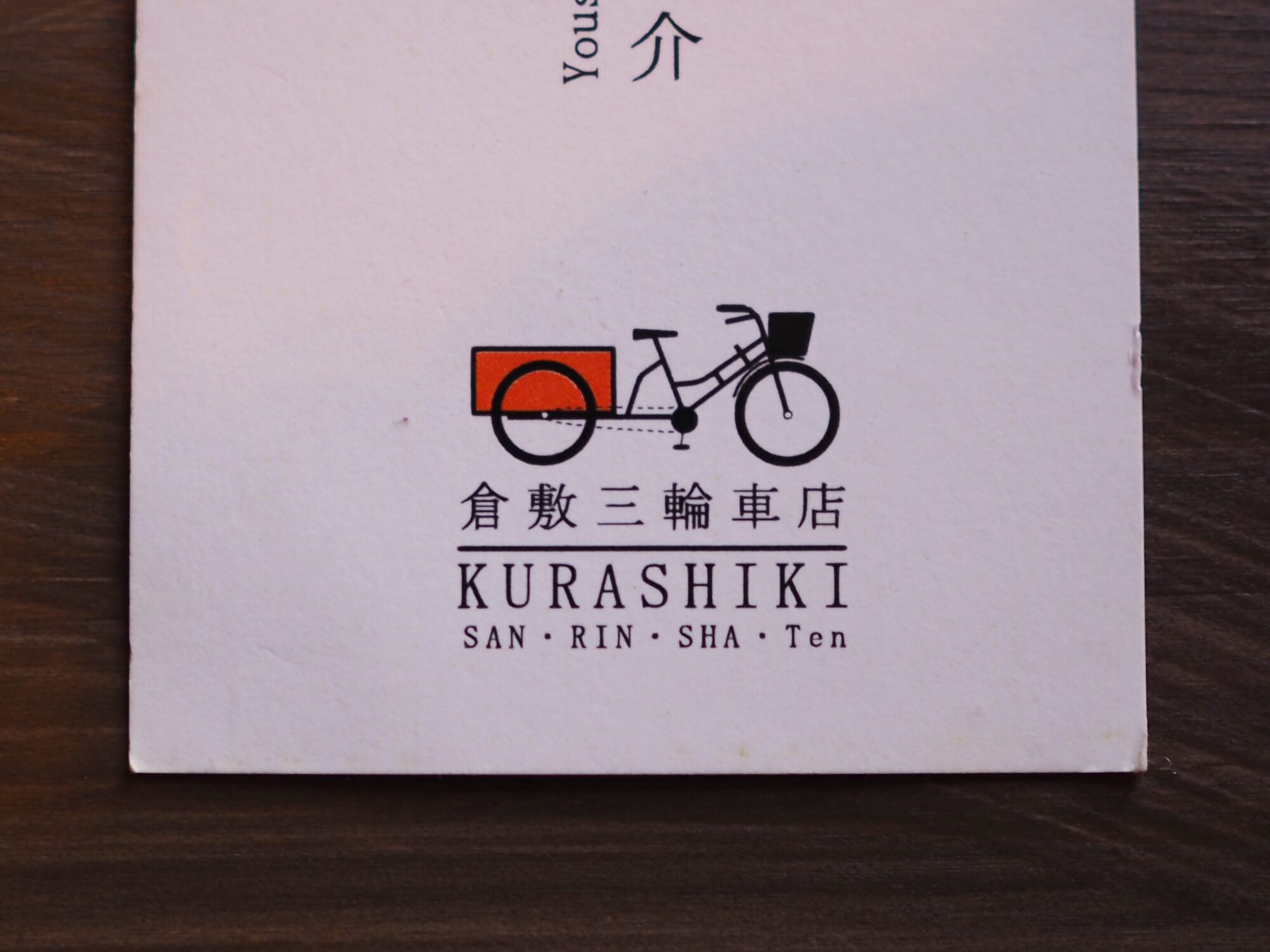
Back then, there was no social media yet, and I struggled to figure out how to promote myself while writing a blog.
Why did you name the shop cafe “Niwa to Bungaku”?
Nakahara
I love books, and when I thought of this building as an old Showa-era house, I felt that Showa and literature go well together.
Writing “literature” in kanji feels rather formal, doesn’t it?
I wanted the name to suggest either “enjoying words” or “studying words,” so I wrote it in katakana.
Though if I had to choose, it’s more about “enjoying words.”
The renovation changed how people spend time in the shop
Was the renovation done to coincide with the name change?
Nakahara
When we used to welcome customers with children, we avoided putting things out because it would be terrible if something fell over and injured a child.
Large bookshelves can be dangerous when there are children around, right?
Once we stopped welcoming customers with children, I thought it would be fine to put various things out.
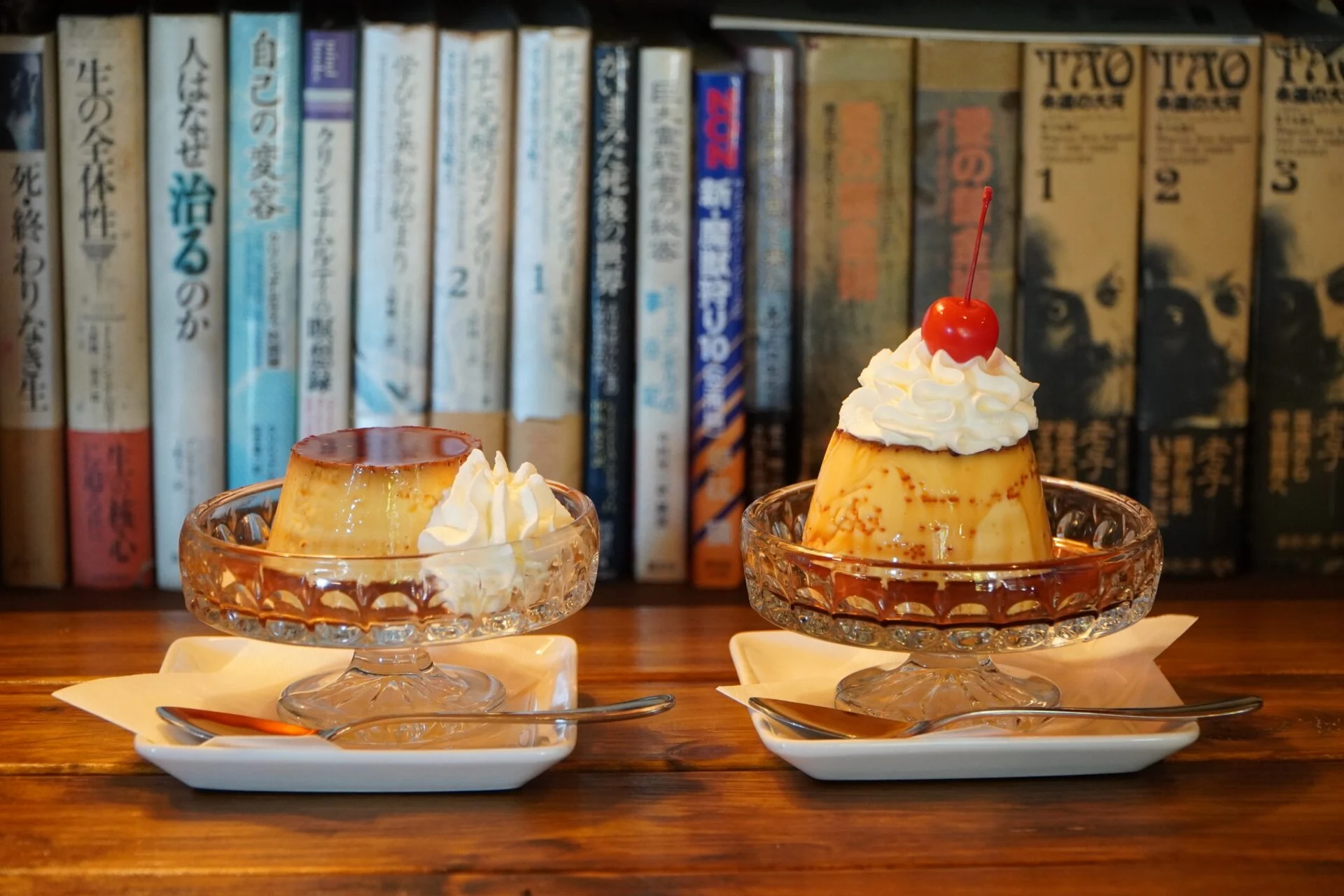
So I put in a bookshelf.
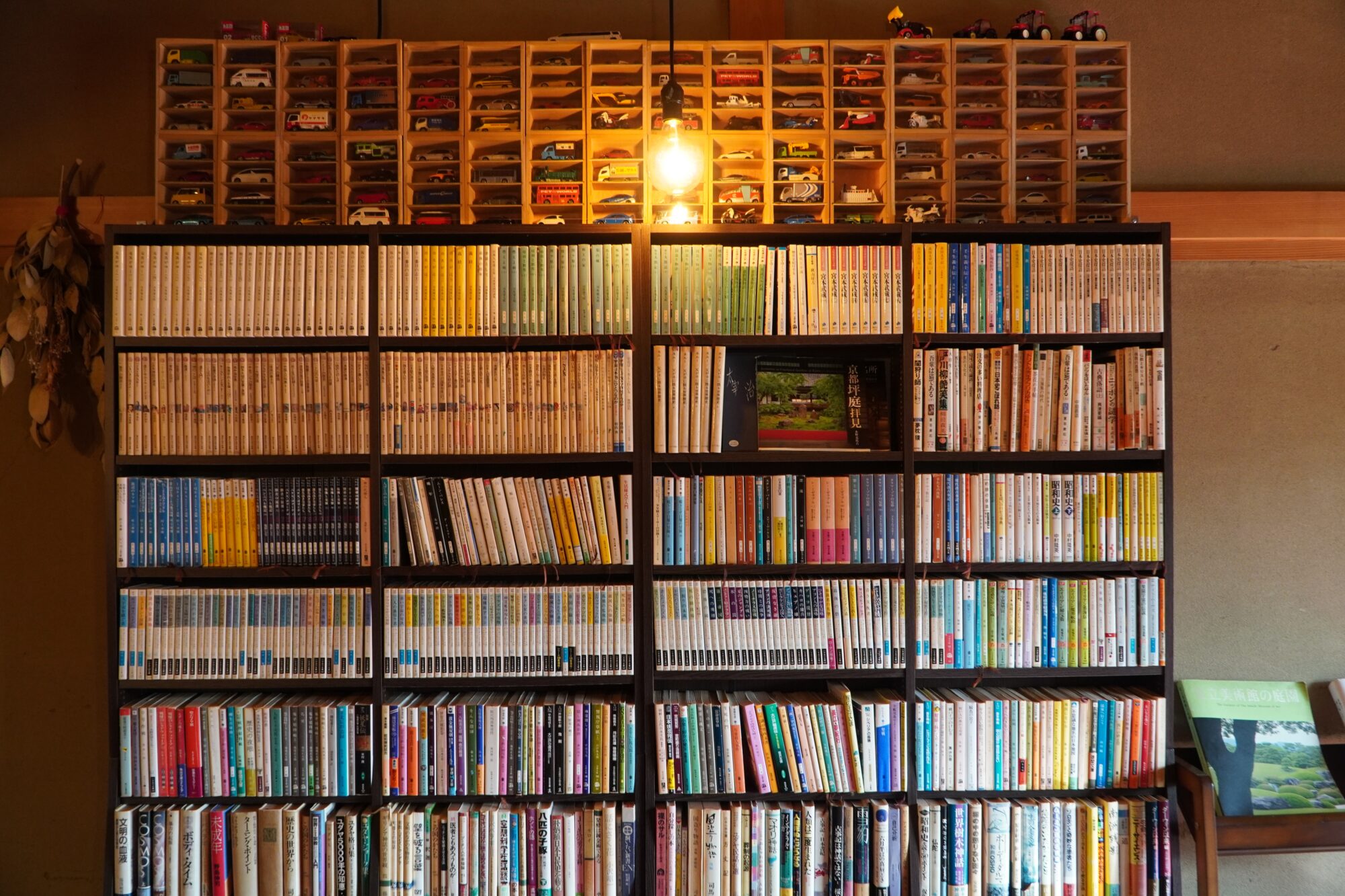
Are these your personal books?
Nakahara
Yes, they’re mine.
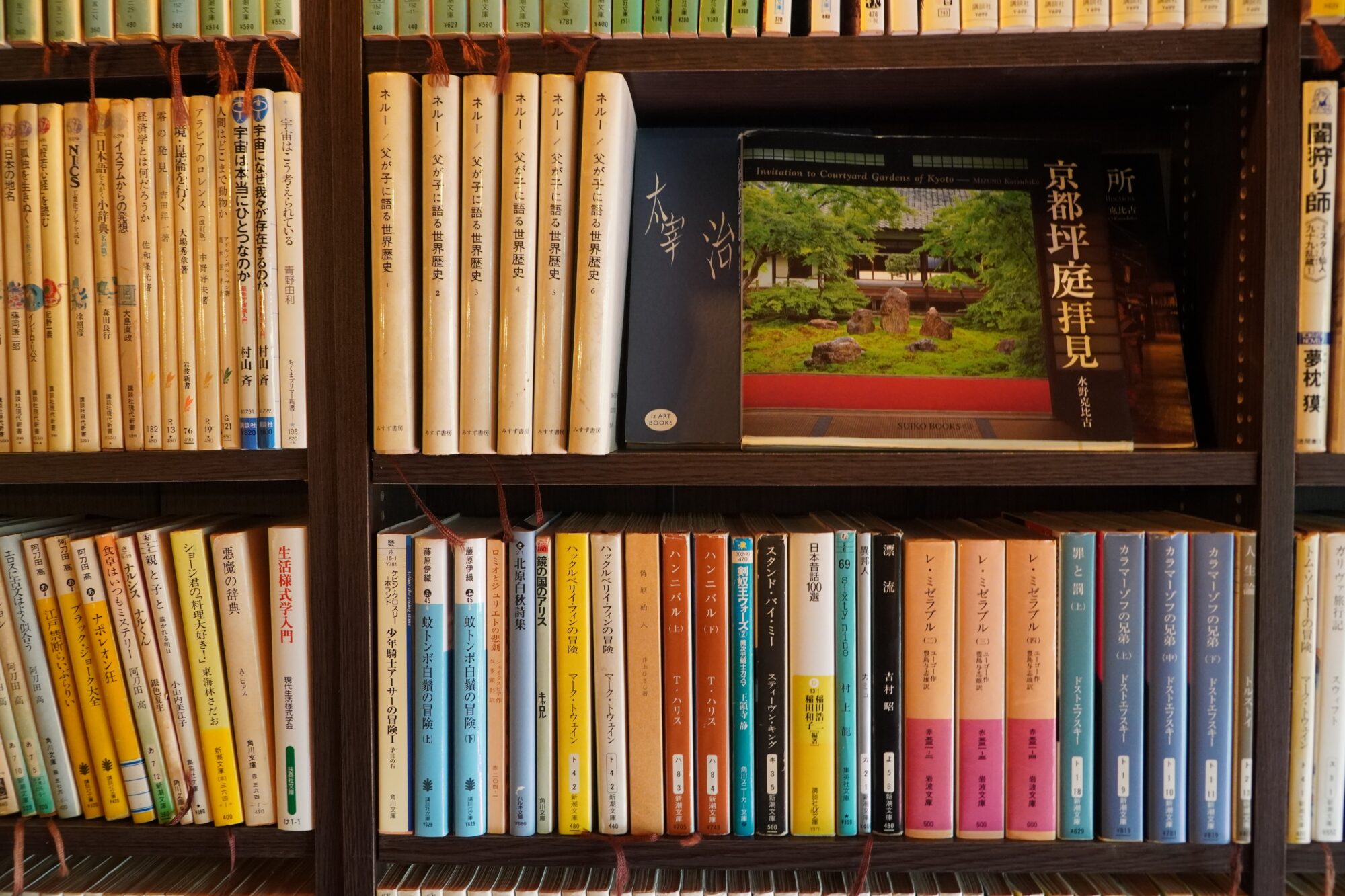
There are all kinds of genres, but I basically like philosophical books.
Even when I read Ryotaro Shiba, Osamu Dazai, or Kenji Miyazawa, stories have purposes and outcomes, and thinking about how the mind works becomes philosophical.
I like books about how people live.
So I also like historical works.
I thought manga might be an easy read, so I put some out as well.
You’ve added counter seats overlooking the garden.
Nakahara
I’m glad we made the counter seats.
Customers like them.
It’s become easier for people dining alone to visit.
I often went to shops by myself, too, so I think it’s important to have places like that.
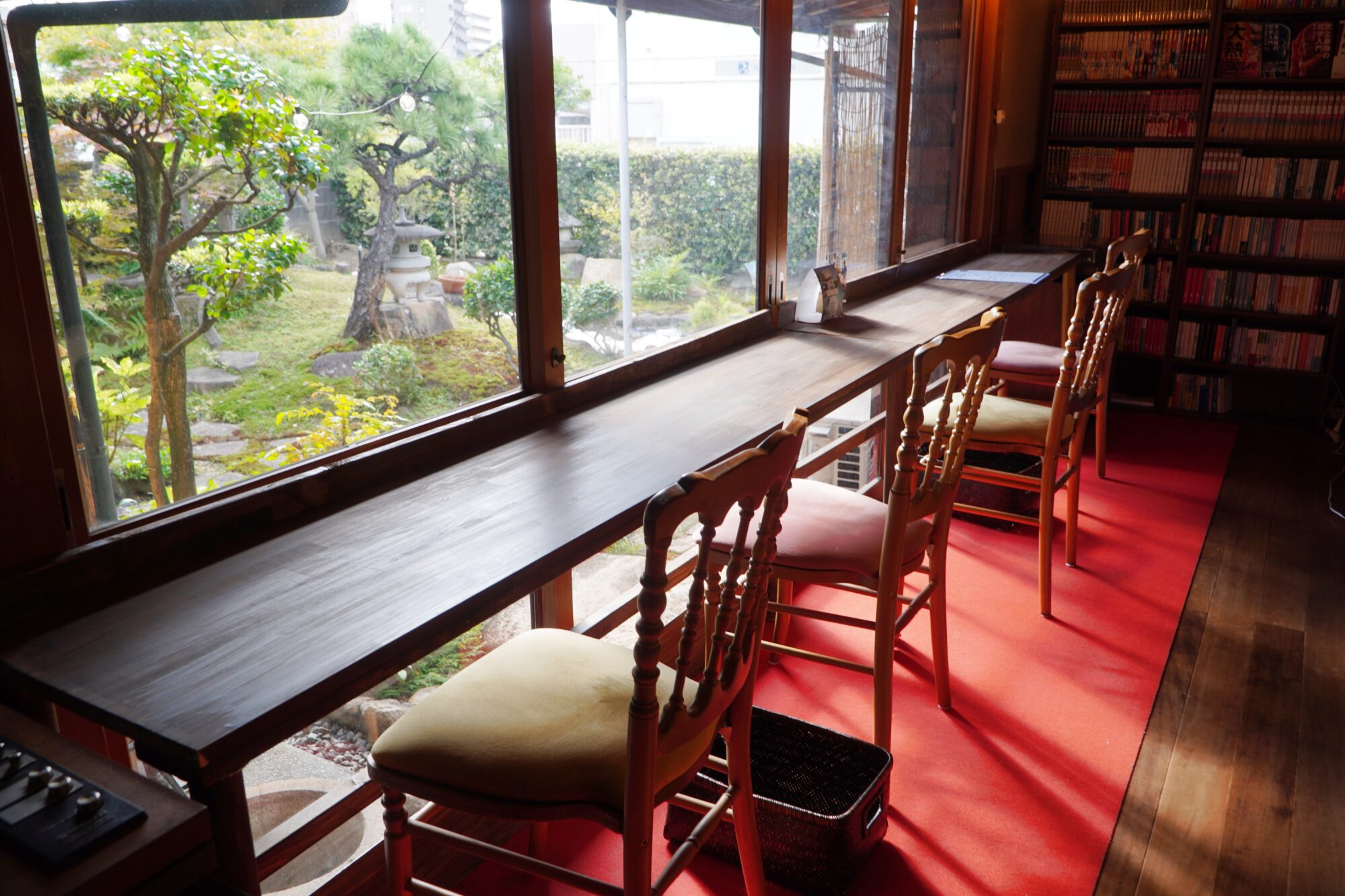
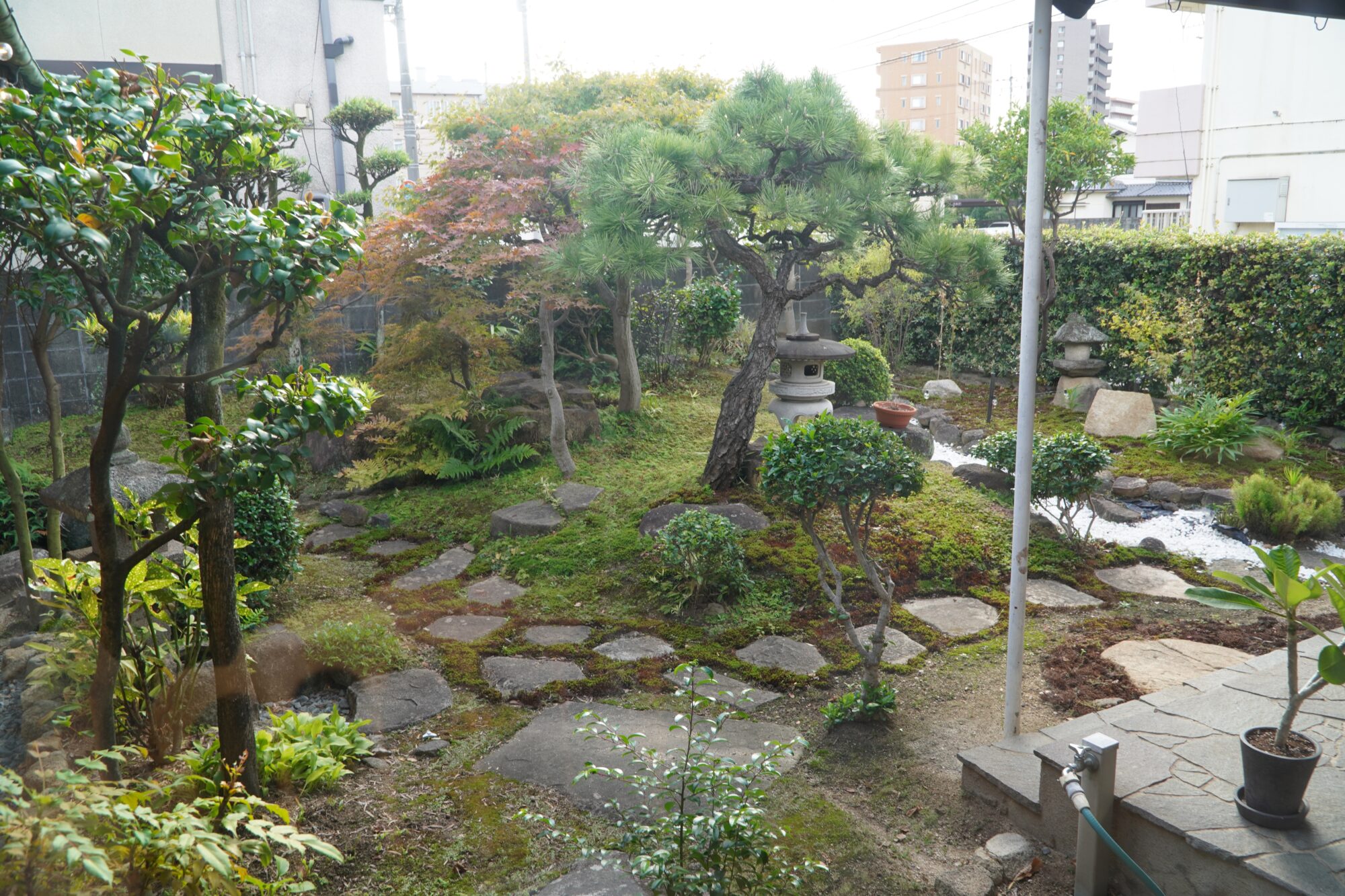
The garden is also being renovated, and it’s still set to change quite a bit.
We planted one plum tree, two maples, and moss.
We’re making changes gradually, taking the long view.
We installed lights so you can see a little of the garden at night, too.
A menu that lets you savor the rice
The menu has changed, too.
Nakahara
We used to have lots of rice bowls, such as steak bowls and loco moco bowls.
I changed to set meals because I wanted customers to enjoy the rice more purely.
We use rice from Kurashiki Behi, and they take great care in storing it.
When rice is stored at a controlled temperature, it doesn’t deteriorate or lose its flavor.
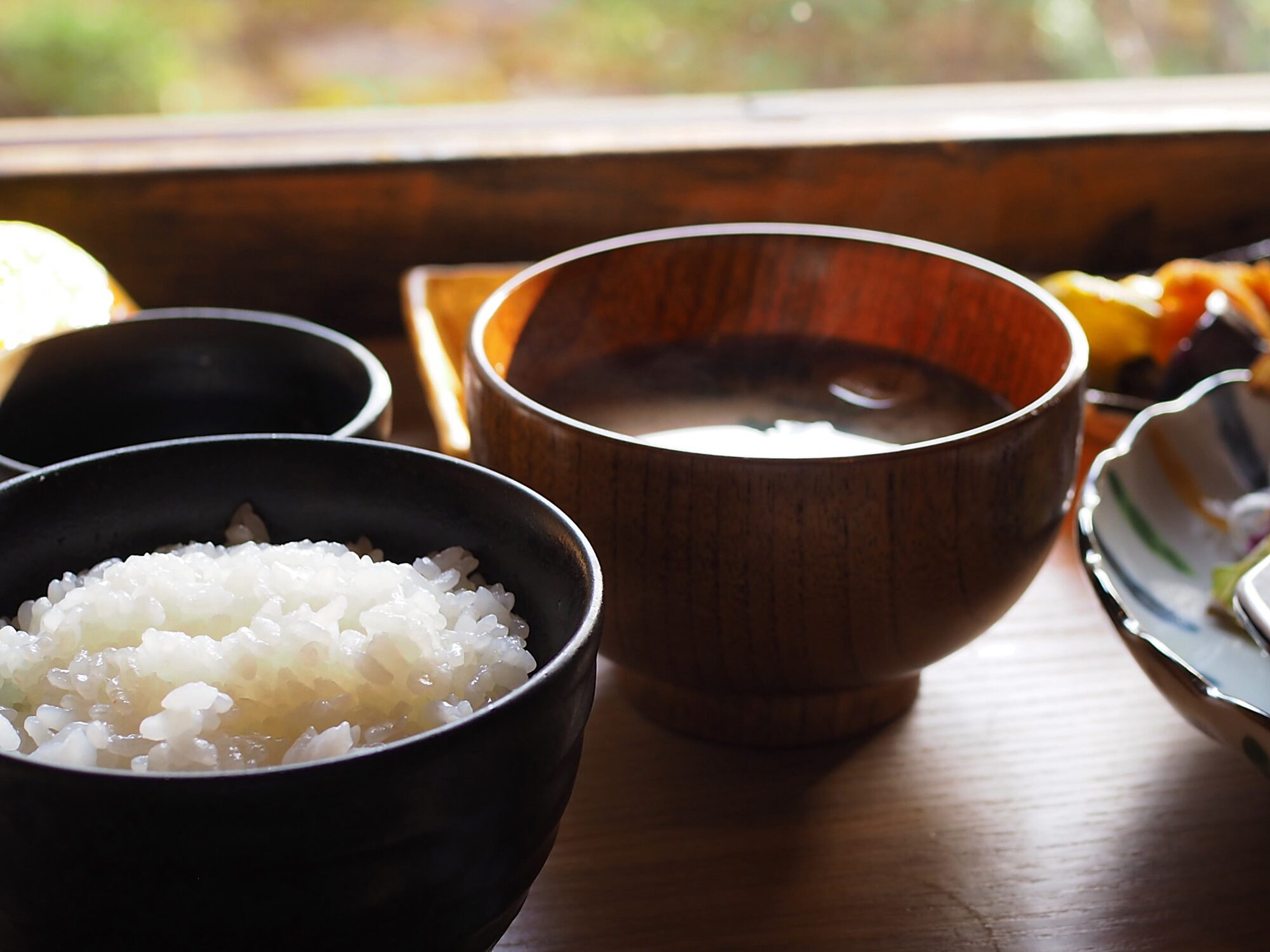
They blend rice especially for our restaurant.
We thought it might be better to serve the side dishes separately, so that customers can enjoy the rice.
When creating the set meal, we added more side dishes to make it more satisfying.
We want to create a place where people can relax
Nakahara
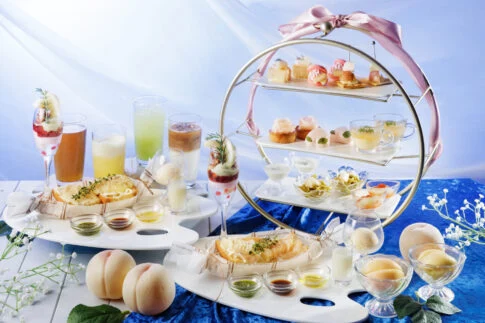
Kurashiki Afternoon Tea is also recommended. We take part during the summer and winter event periods.
I hope you can spend time here in a luxurious way, both in terms of time and space.
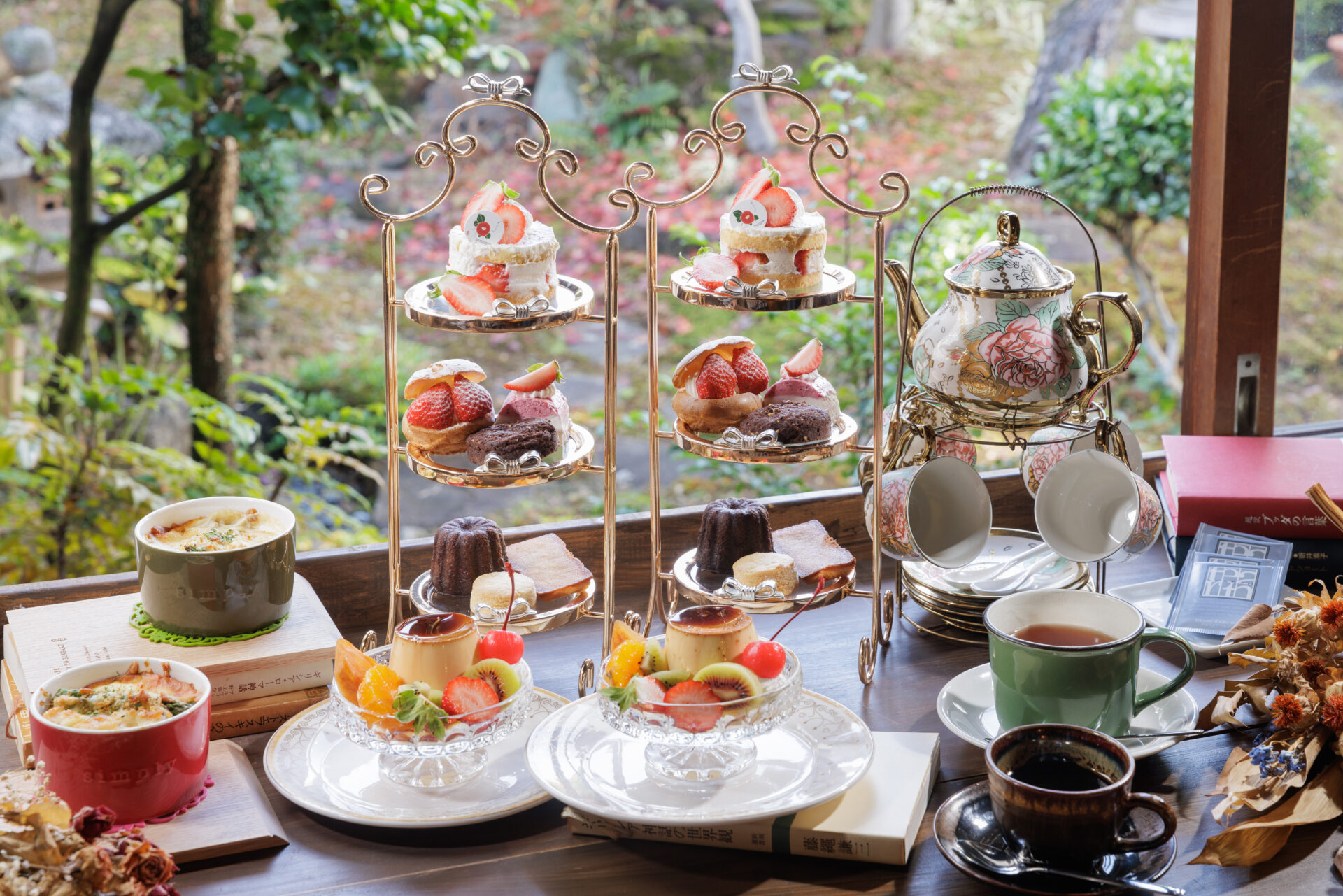
I’m sure people who love cafes want to drink tea and relax, don’t they?
Those of us who run cafes want people to spend their time that way, too.
But we can’t keep the business going on that alone, so we serve lunch. And since the COVID-19 pandemic, we’ve also put more effort into takeout.
I think that if a shop’s value and brand grow, it can sell products online.
If we can sell things beyond dine-in, perhaps even the kind of shop I envision—where people simply relax and drink tea—could be financially sustainable.
I’m thinking about selling online in the future, so stay tuned.
From the Writer
Cafe Niwa to Bungaku, surrounded by a Japanese garden and books.
The name, logo, menu, and interior have all changed, making it an even more relaxing and comfortable cafe.
It sounds lovely to listen to classical music, gaze out at the garden, pick up a book you like, and spend time however you please.
Why not visit Cafe Niwa to Bungaku for lunch, sweets, or afternoon tea?
cafe “Niwa to Bungaku” details

| Name | cafe “Niwa to Bungaku” |
|---|---|
| Address | 3-14-45 Oimatsu-cho, Kurashiki City, Okayama Prefecture |
| Contact | 080-7459-0572 |
| Parking | Available 7 spaces marked by yellow poles in the Namba parking lot |
| Hours | 11:00 a.m.–5:00 p.m. (last order at 4:00 p.m.) |
| Closed | Sunday |
| Payment methods |
|
| Reservations | Accepted Reservations required for visits after 5:00 p.m. |
| Seating | 22 seats: 16 table seats, 4 counter seats, 2 sofa seats |
| Smoking | Entirely non-smoking |
| Restroom | Western-style toilet |
| Website | cafe “Niwa to Bungaku” official Instagram |

What would you like to know about Kurashiki?
Enter a word to search articles on this site