What kind of image do you have of "sake"?
We, the members of Okayama Prefectural Kurashiki Washu Senior High School, are still minors, so we are not familiar with it at all, and we have the image of "the sake that grandpa drinks while sitting in the kotatsu, which feels somewhat old-fashioned."
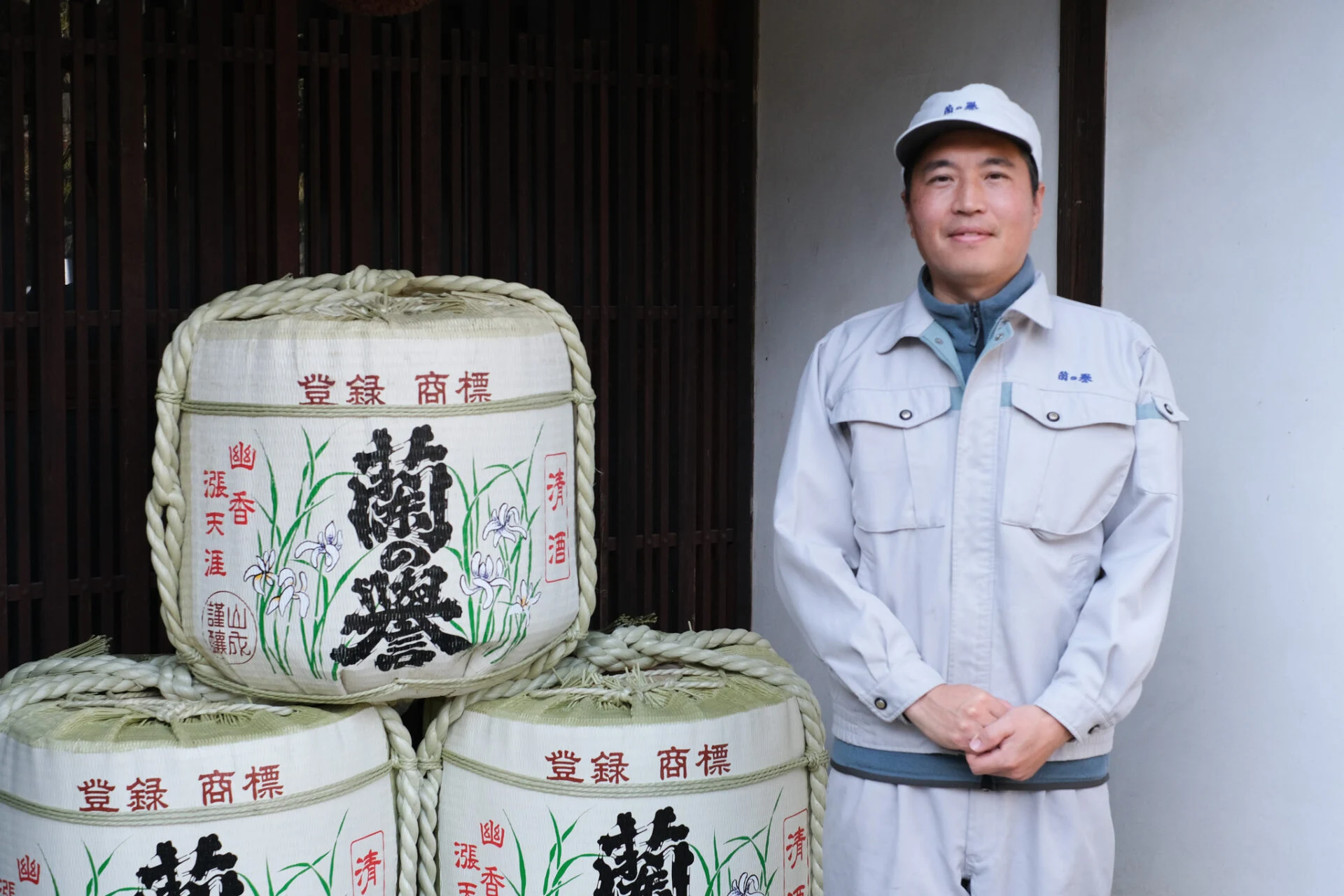
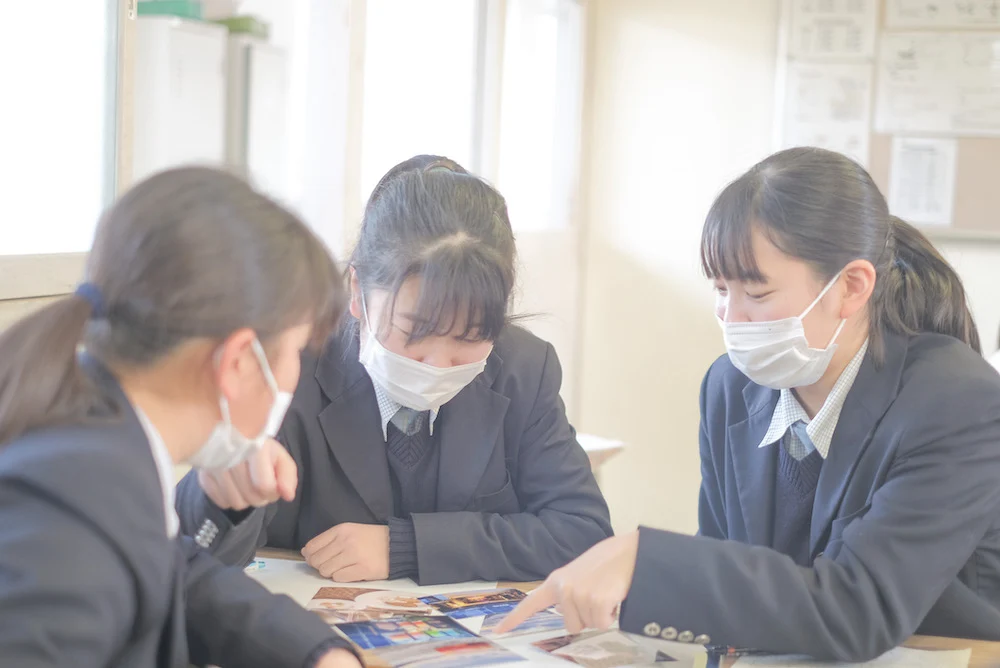
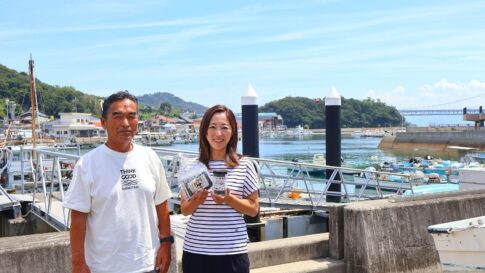
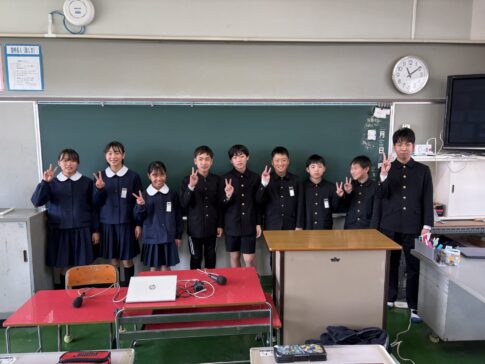
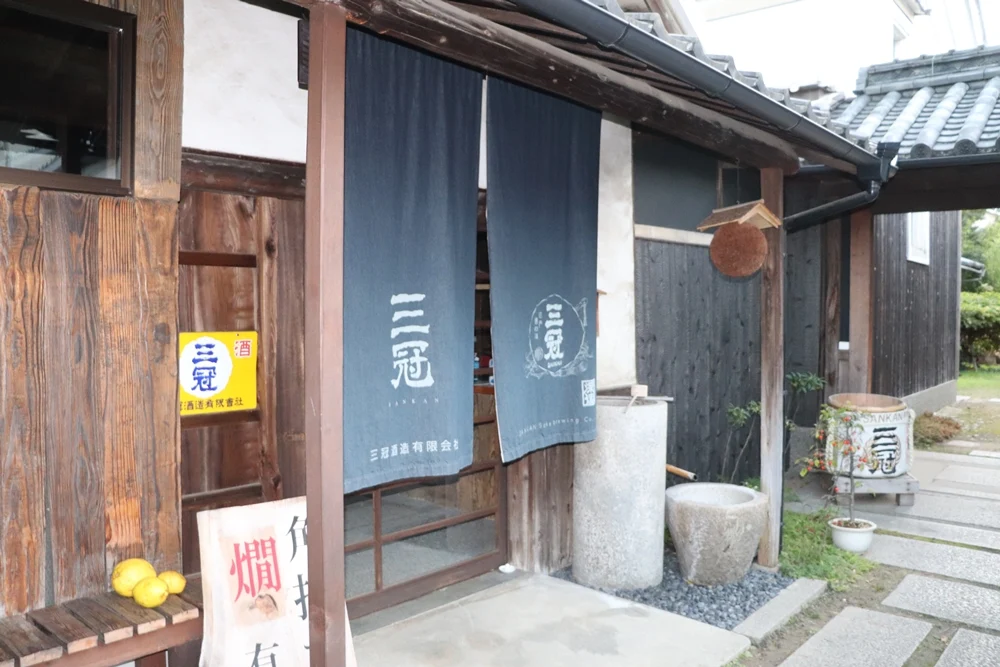
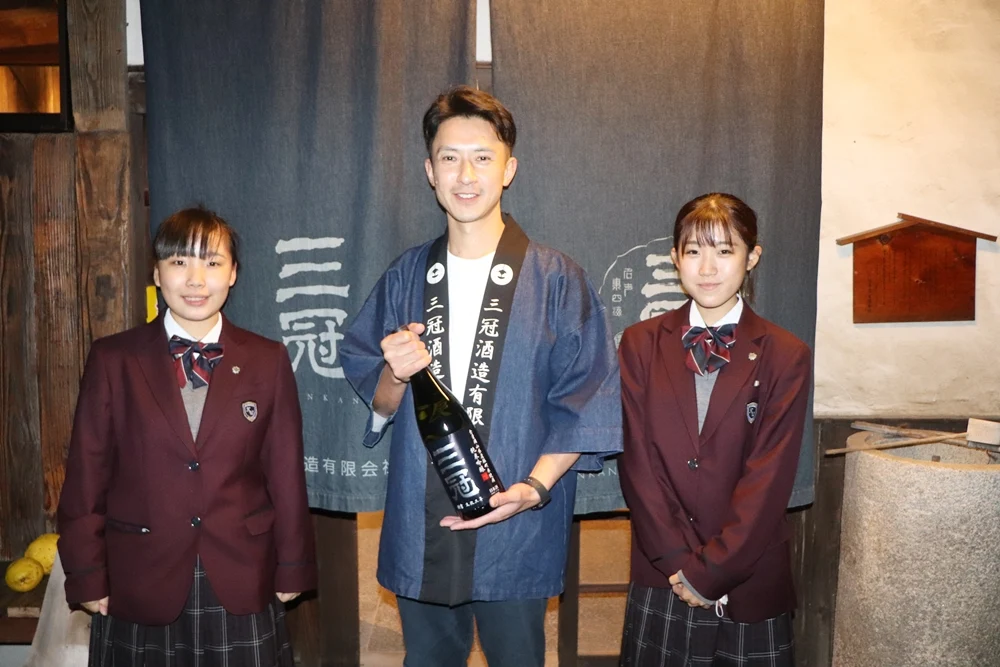
The desire of the Okayama Prefectural Kurashiki Washu Senior High School Business Research Club to "energize Kojima!" matched with the thoughts of Masumi Maebatake, the young heir of the sake brewery, and we visited "Sankan Shuzo," located in Shimotsu-cho, Kojima, Kurashiki City.
This article introduces the content of our visit to Sankan Shuzo for a sake brewery tour.
This article is a contribution by students of the Business Department of Okayama Prefectural Kurashiki Washu Senior High School. It has been re-edited and published by the Haretoco General Incorporated Association editorial team.
The long-established "Sankan Shuzo" with over 210 years of history
Sankan Shuzo has been engaged in the sake brewing business in Shimotsu-cho, Kojima, Kurashiki City since the 3rd year of the Bunka era (1806), making it a sake brewery with over 210 years of history.
Using water from the Takahashi River system, all the rice used (Asahi rice, Omachi, etc.) is sourced from Kurashiki City, Okayama Prefecture.
The polishing ratio is below 60 percent (the rice is polished), and they are committed to producing local sake that is loved in the region with a rich, dry taste that does not become tiresome to drink.
Polishing ratio of 60 percent: 60 percent of white rice is used after milling the brown rice.
There are other sake breweries in the Kojima area, but among them, the taste is rich and dry, and the flavor and concept differ from other sake companies.
It is said that the brewing is designed to pair well with small fish and blue fish from the Seto Inland Sea.
Sankan Shuzo's brewing water "Mikoen Water"
Our simple question was, "Is there water suitable for sake brewing in Kojima?"
Since the Kojima area is close to the sea, the water used seems to have salt content.
However, in reality, it is filtered through the underground granite and other geological formations, resulting in hard water.
It is very refreshing water that brings out the flavors of the ingredients.
In the past, the coastline of Kojima was filled with salt pans.
In the scorching sun of the salt pans, it was treasured as "Mikoen Water," which quenched the thirst of workers.
Auspicious sake "Sankan"
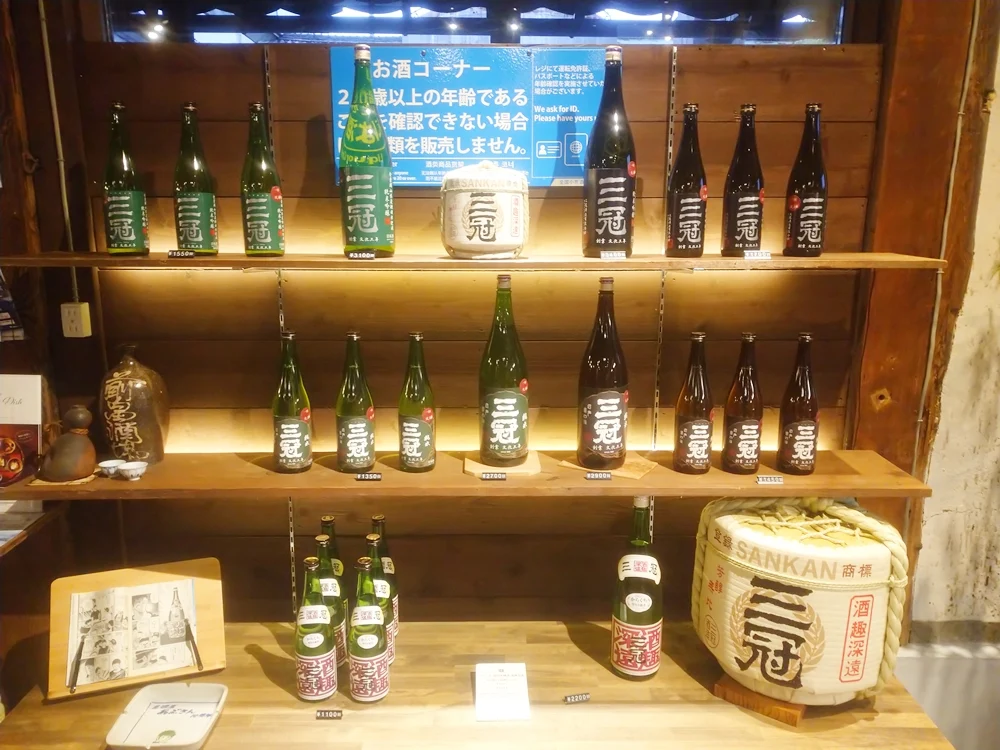
When I hear "Sankan," I think of the term "Triple Crown" often heard in baseball.
Among them, the type called "Shushu Shinen" is an auspiciously named sake that was drunk by the protagonist Yasutake Kageura in the 48th volume of Shinji Mizushima's baseball manga "Abu-san," when he won the Triple Crown.
To be able to talk about Japanese culture
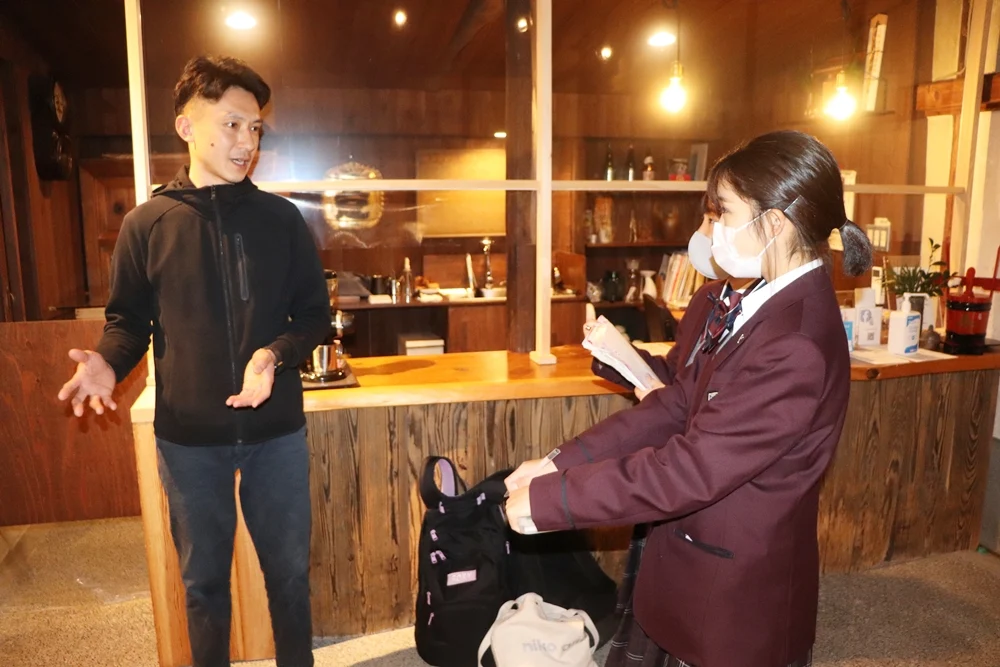
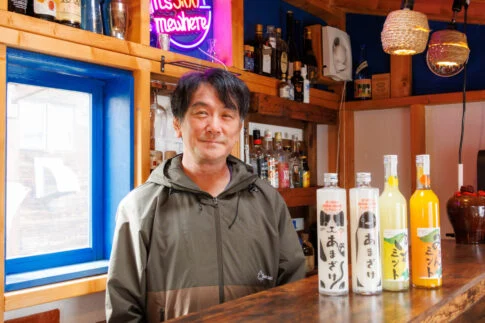
Mr. Maebatake, who calls himself "the seventh generation in the making."
In his youth, he traveled around the world as a backpacker.
He was shocked to see that young people overseas could talk passionately about their own culture.
Sake can be said to be a culture born from Japan.
He felt that he wanted to "be able to talk confidently about Japanese culture," which was the trigger for him to think about succeeding the sake brewery.
From there, the challenge of the young successor, Mr. Maebatake, began.
While valuing the traditional image of the sake brewery, he has created a space at Sankan Shuzo that expresses his passionate desire to let many people know about Japanese sake culture and Japanese culture, including the establishment of a sake brewery gallery.
Sake brewery gallery
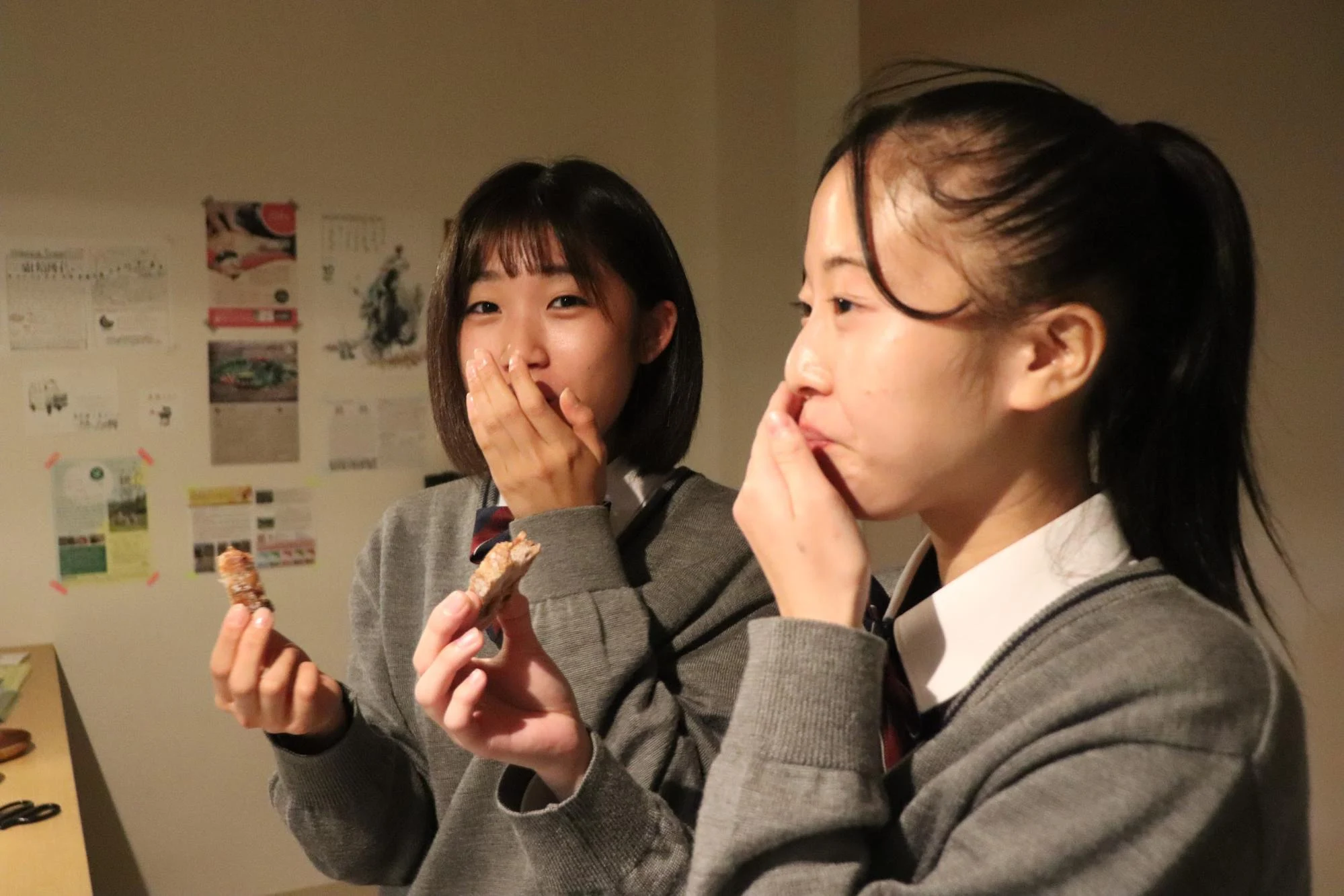
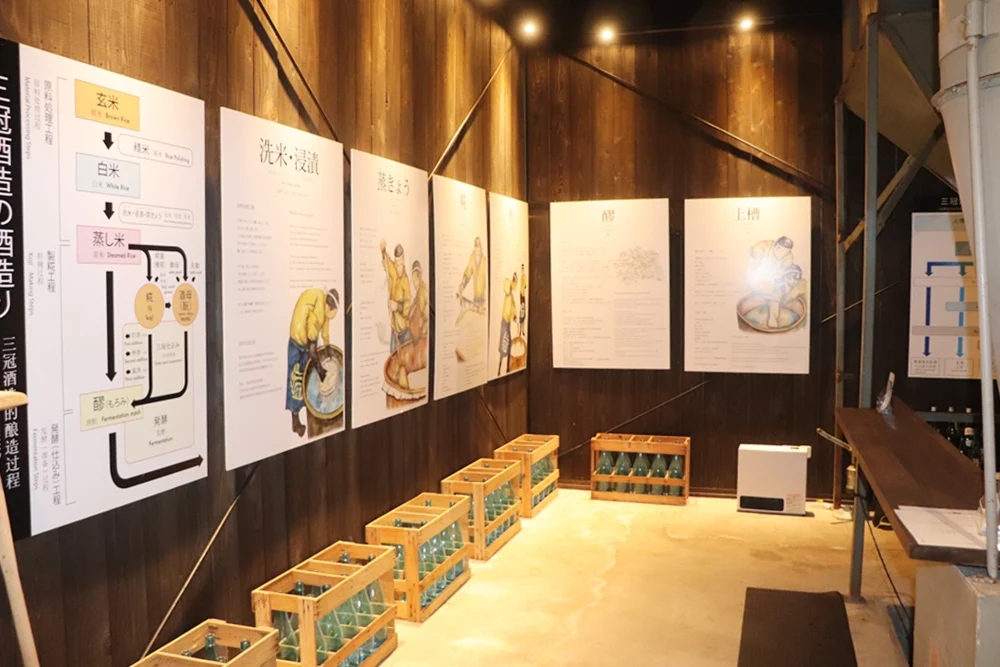
In the sake brewery gallery, you can enjoy a marriage of local Shimotsui products as "sake snacks" while easily understanding the history of the brewery and the sake brewing process, and you can touch Japanese sake culture.
A space is prepared where you can enjoy seafood processed products caught in Shimotsui along with sake.
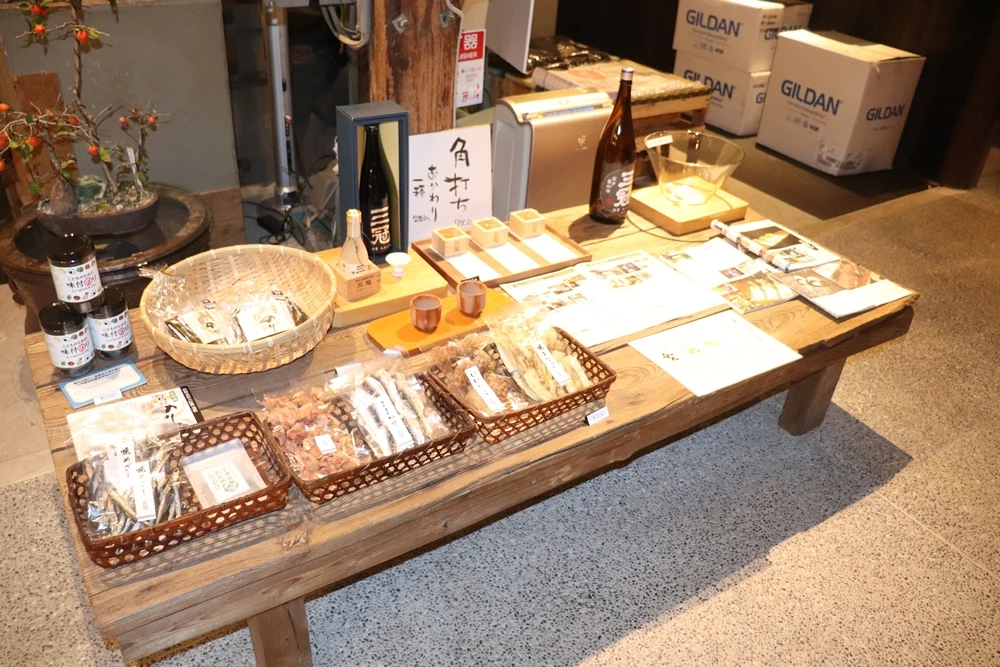
This is what "Kojimatching" is all about, and there were many hints for new matching buried here!
Additionally, there are easy-to-understand panels displayed about "Sankan Shuzo's sake brewing," and I was surprised to learn that sake is made through many processes.

Off to the brewing site
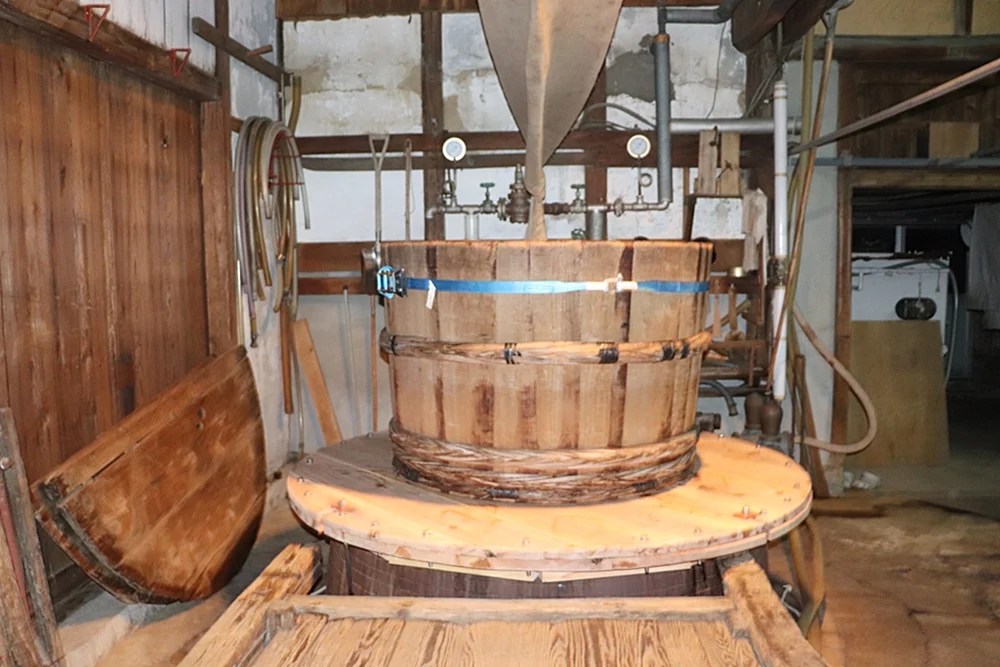
We were allowed to enter the place where sake is brewed.
Of course, it was the first time in our lives.
I was surprised to see that sake is brewed through various processes!
And I learned that the work is done almost by hand, and that it is brewed with great care and effort.
I was also surprised to learn that natto bacteria are a major enemy, as they can contaminate the sake, and that they are careful about their daily diet while brewing.
The encounter at Brazilian Park Washuzan Highland
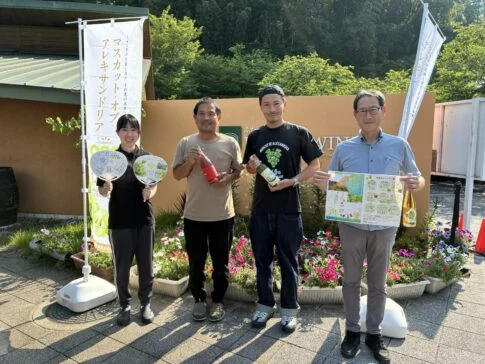
My encounter with Mr. Maebatake of Sankan Shuzo was on a free open day at Brazilian Park Washuzan Highland.
▼ In the following photo, if you look closely, you can see Mr. Maebatake in the back...!
Yes, he was clearly promoting himself from behind (laughs)
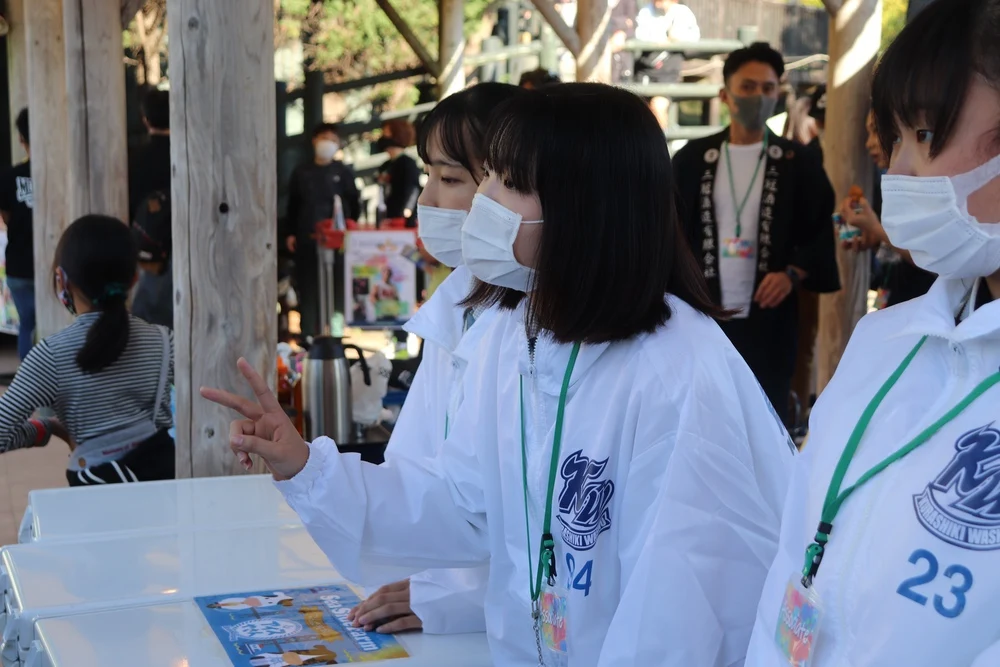
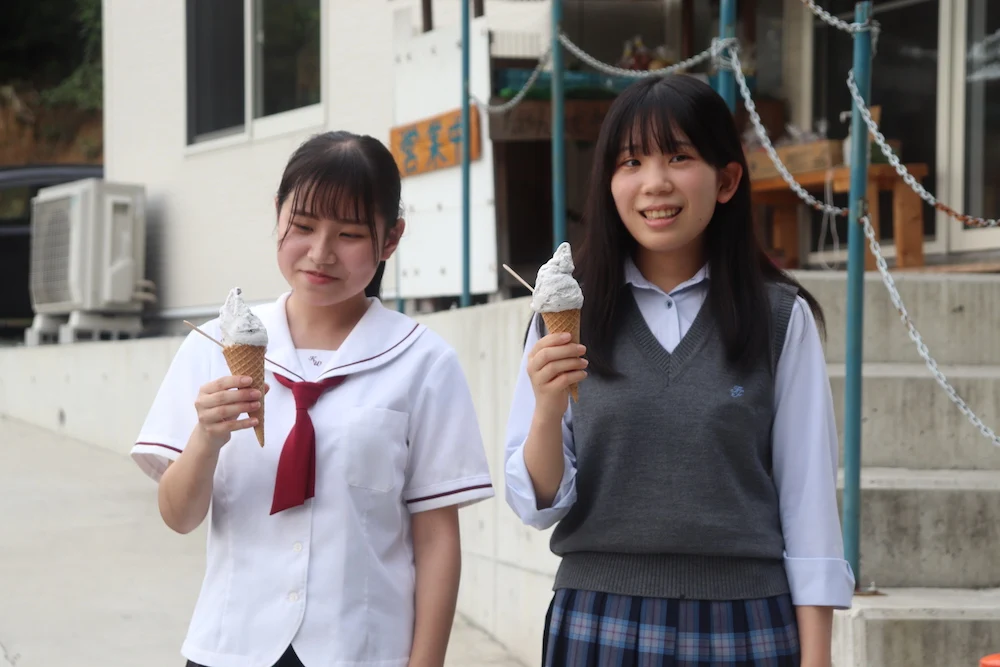
In fact, on the day of the free open day when gelato was being sold, the booth next to us was Sankan Shuzo.
This connection led to this visit.
The birth of a new "Kojimatching"!
Following the matching of young successors from "Fubido" and "Seaside Farm Namba Ranch," a new matching has been born!
This time, it is a matching of young successors between "Sankan Shuzo" and "Seaside Farm Namba Ranch" again.
In the past Kojimatching projects, there were many developments of gelato, but will this time also involve "sake" in gelato?
...Not this time; it will be "sake lees!"
Surprisingly! The cows are eating the sake lees.
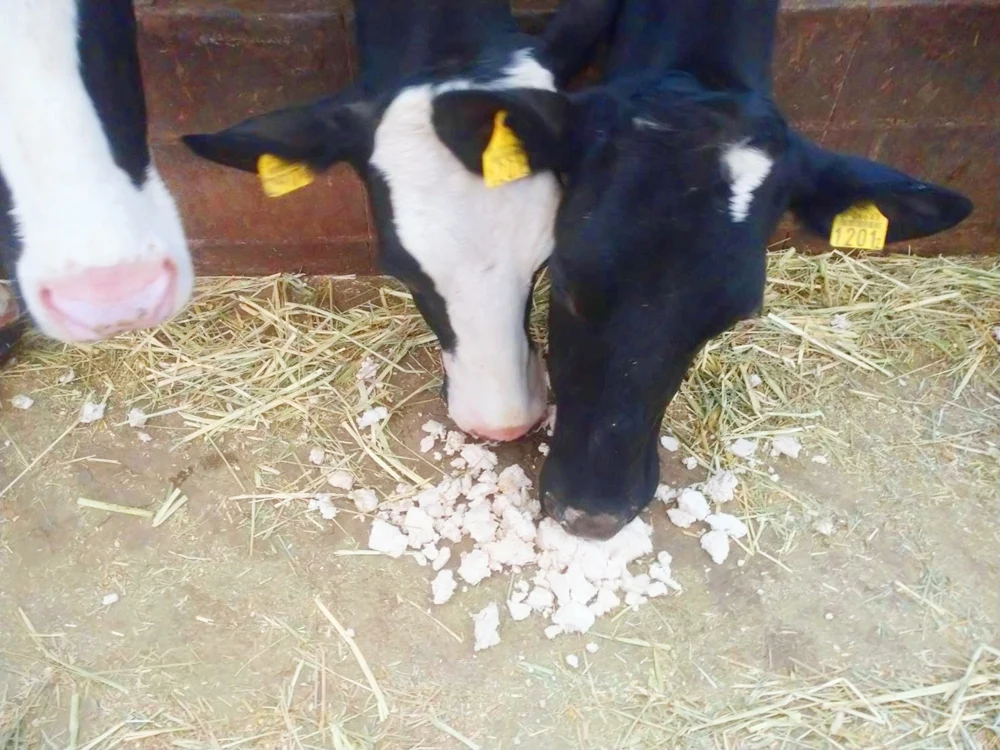
Sake lees, which contain many essential amino acids, are thought to have a positive effect on the growth of cows.
When sake lees were placed in the feeding area, the cows rushed in to eat them (laughs).
Until now, sake lees were disposed of as industrial waste at a cost.
However, by giving them as feed, it has become a matching that addresses the food loss problem and environmental issues.
Gelato made from milk of cows raised on sake lees looks nutritious and very delicious.
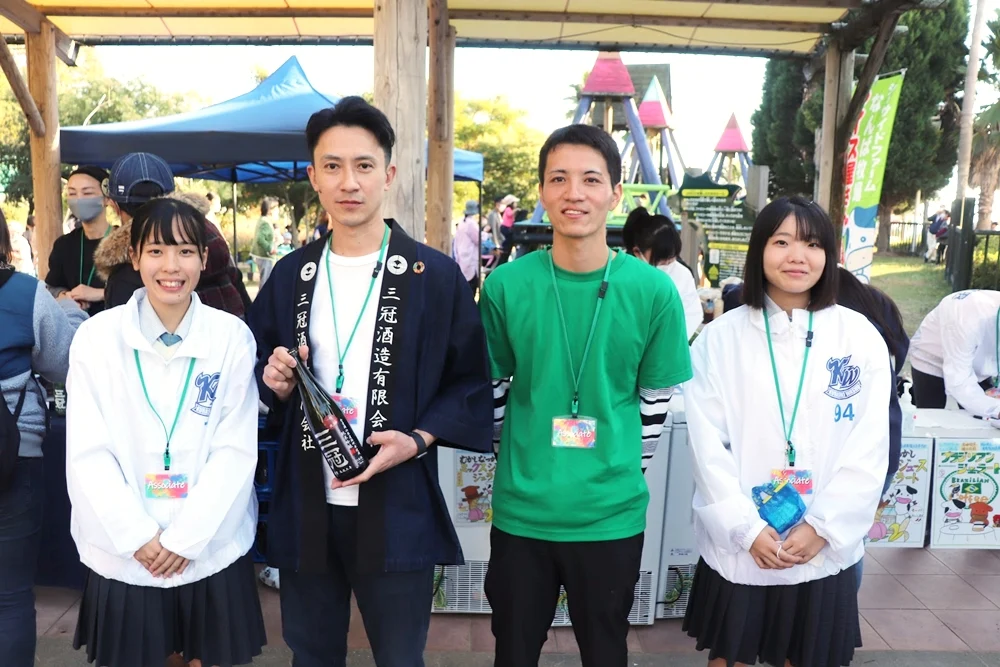
It was a coincidence that we were selling next to each other at the free open day at Brazilian Park Washuzan Highland.
The passionate successors quickly progressed the matching, and it went smoothly.
We were surprised to be present at the discussion, but it was a moment where we learned that speed is important in the business world!
The "Kojimatching" project will take a new step from the limited area of Kojima!
What is the "Kojimatching" project?
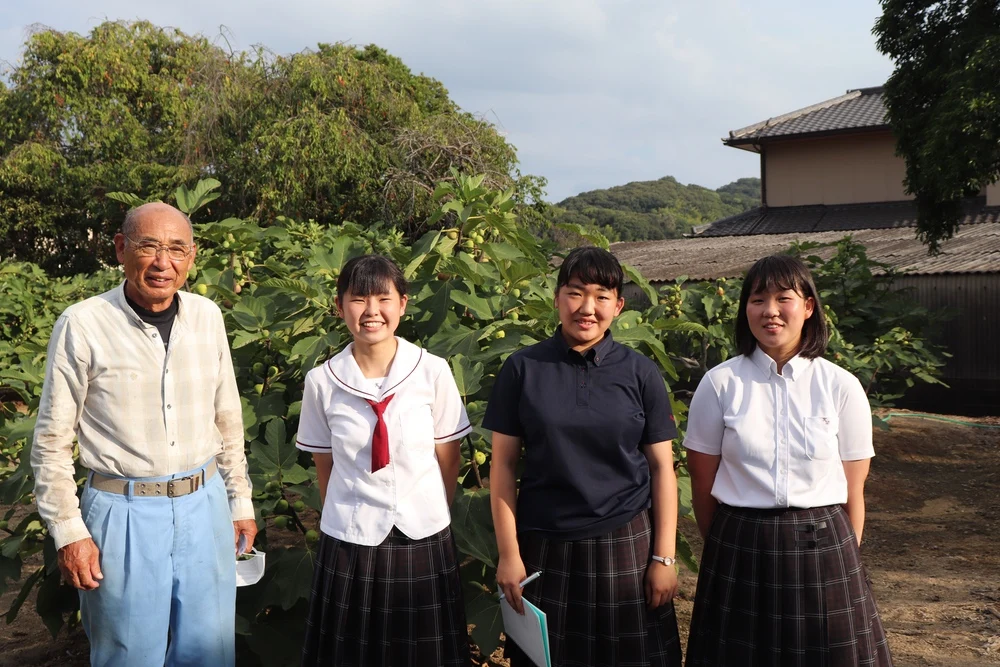
The Business Department of Okayama Prefectural Kurashiki Washu Senior High School and the Business Research Club are engaged in initiatives to match existing products in the Kojima area (combine them) to create new value under the name of the "Kojimatching" project.
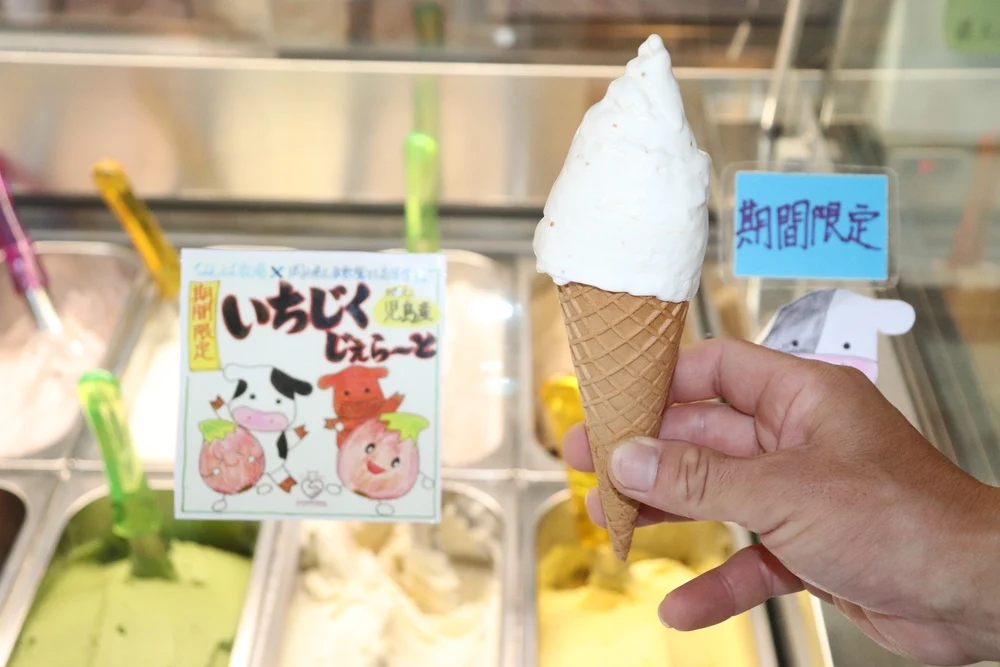
The first project was the pure Kojima product " Fig Gelato," which was sold for about a month starting in September 2020 and was very well received.
The second project, " Nanchatte? Ichigo Daifuku," was born from a matching with the long-established Japanese and Western confectionery store "Fubido" and is currently on sale as of February 2021.
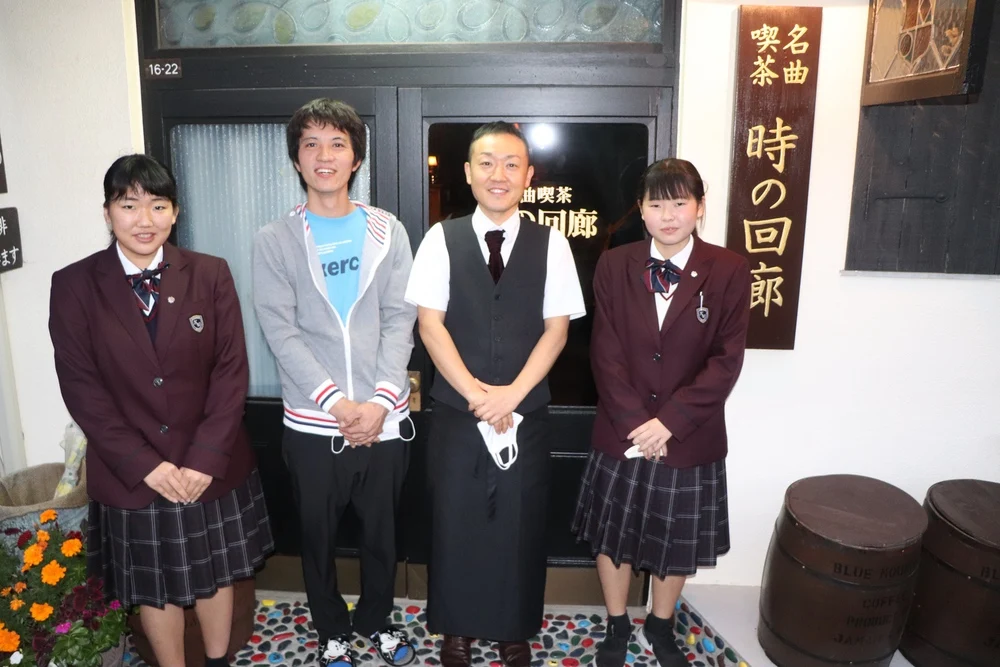
The third project, " Brazilian Coffee Gelato," was born from a matching with "Meikyoku Kissa Toki no Kairo" and is also currently on sale!
The "Hand-kneaded Bread Using Kojima Figs" created in collaboration with "Boulangerie Bleu ciel" will be sold for a limited time starting around September 2021.
- First Edition: Fig Gelato
- Second Edition: What is? Strawberry Daifuku Gelato
- Third Edition: Brazilian Coffee Gelato
- Fourth Edition: Hand-kneaded Bread Using Kojima Figs
Additionally, we are planning a new collaboration with Sankan Shuzo.
Please look forward to articles written by students from the Business Department of Okayama Prefectural Kurashiki Washu Senior High School!
Participants Wanted for the "Kojimatching" Project
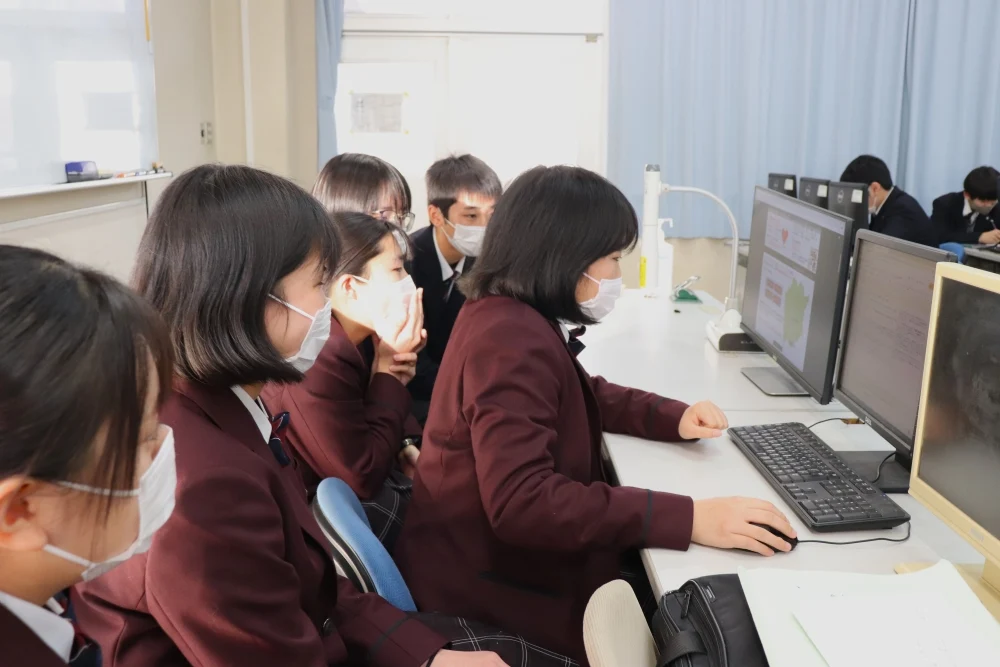
At the Business Department of Okayama Prefectural Kurashiki Washu Senior High School, we prioritize "understanding the community" as we implement the "Kojimatching" project.
We would like to continue introducing spots in the Kojima area!
If you are interested, please contact Washu High School.