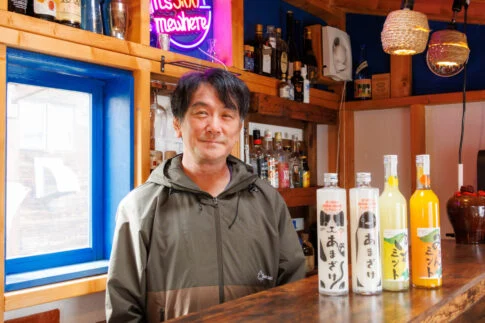
Interview with Sugimoto Masaki, the representative of Sugichaya
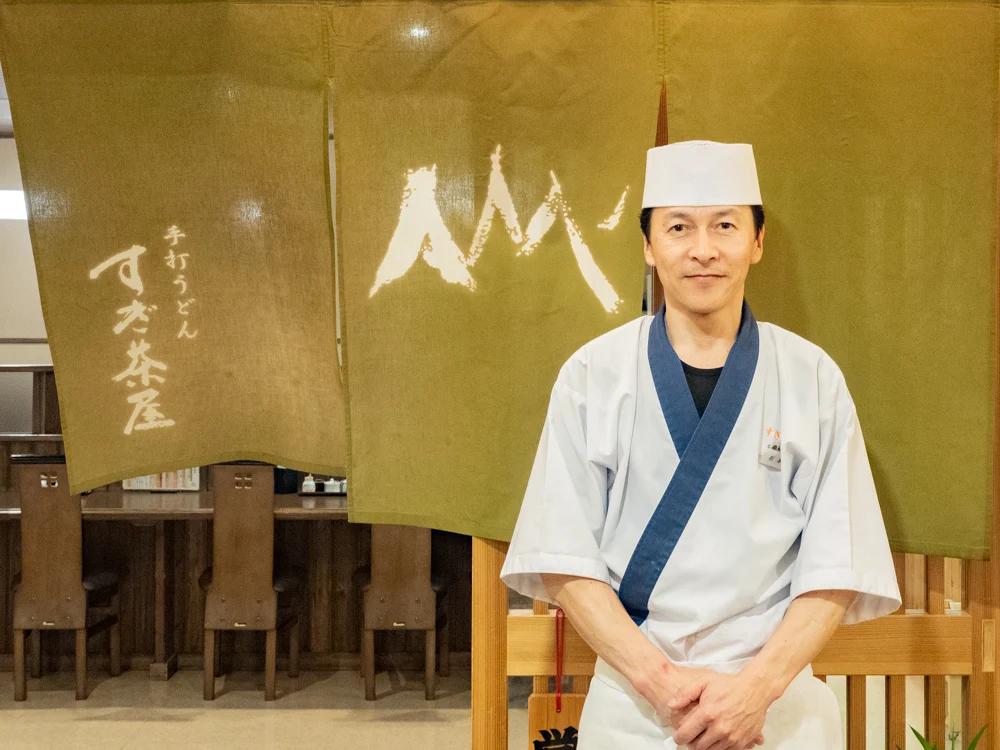
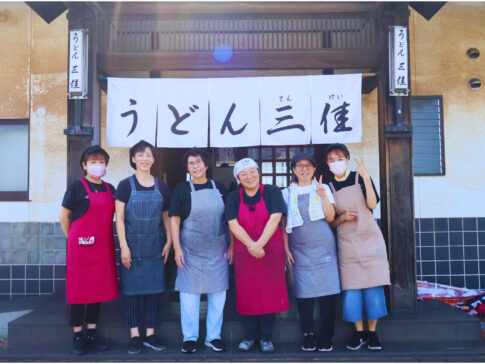
I spoke with Sugimoto Masaki, the representative director of Sugichaya, about the founding story of Sugichaya, the shop and product commitments, and the reasons for handling manju.
This interview is based on the content from the initial interview conducted in December 2019.
The founder, a researcher in flour milling, established the business along National Route 53
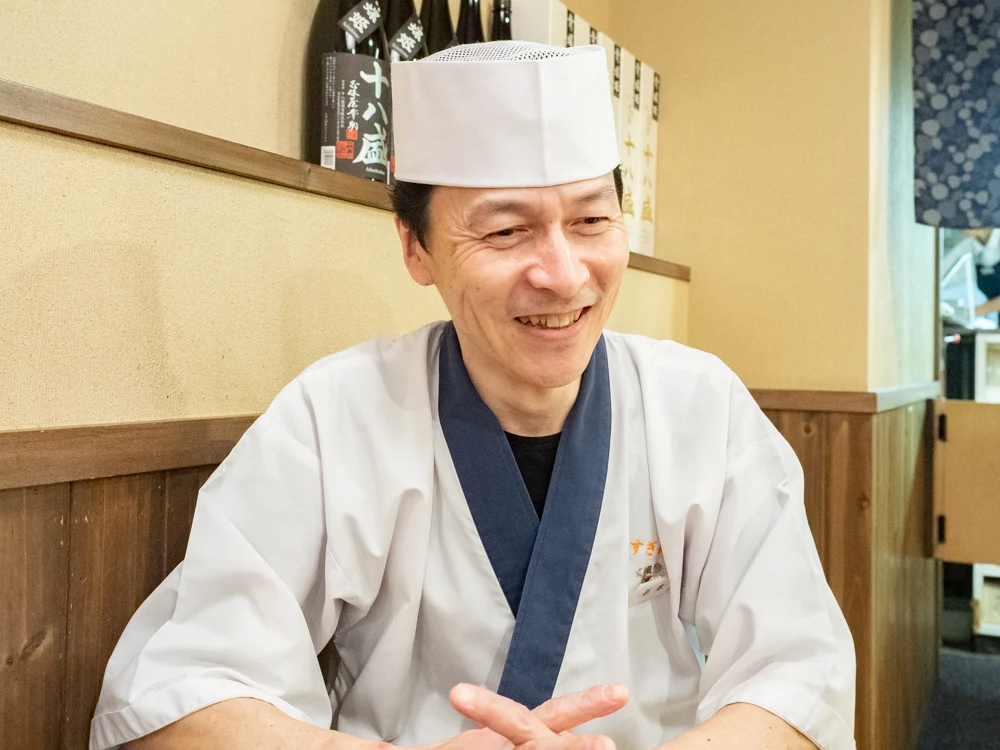
What led to the establishment of the business?
Sugimoto
Sugichaya was founded by my father.
My father worked as a researcher in flour milling at a flour company.
As a flour expert, he was always focused on flour and continued his research, but eventually, he seemed to want to try running a business using flour himself.
Sugichaya opened in December 1973 (Showa 48).
The location is in the Fukuwatari area of present-day Okayama City, Kita Ward.
Initially, it was a small udon shop.
Now, the site has expanded, and more buildings have been added, but the main store has always operated in the same location.
While there are many dishes using wheat flour, it seems that udon was the one that suited my father the best.
Since my father was a flour research expert, he probably approached udon-making from a scientific perspective as well.
Noticing that there were no shops in Fukuwatari, the midpoint between Okayama and Tsuyama
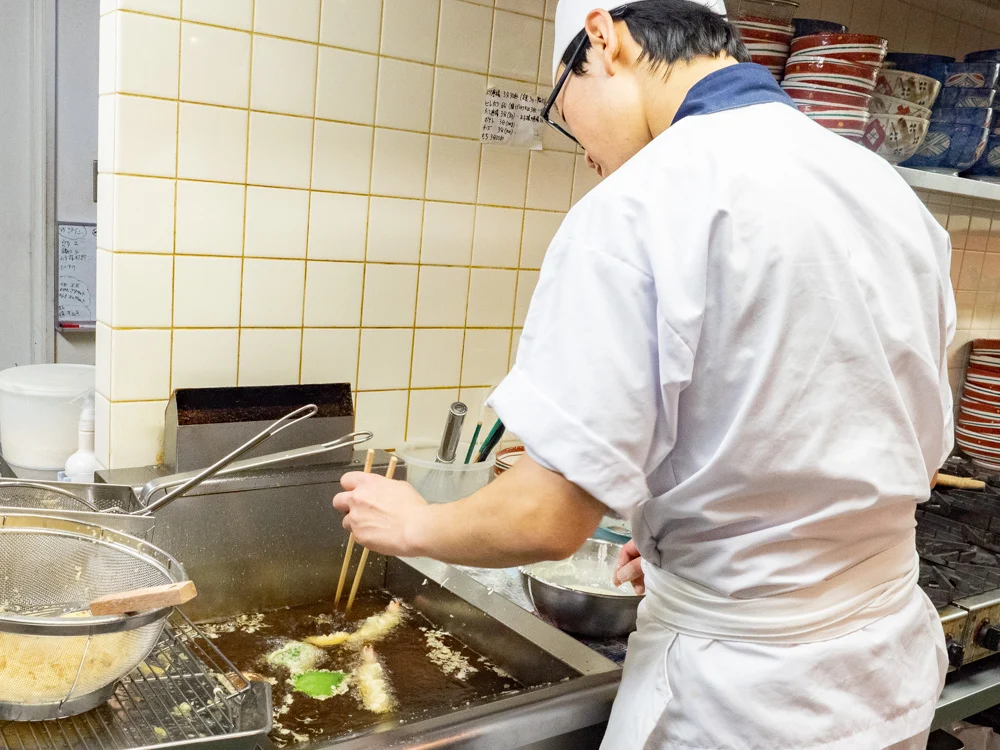
The main store is located in Fukuwatari, Okayama City. Why did you choose that location?
Sugimoto
My father was from what is now Maniwa City.
However, there was a clear reason for choosing to open in Fukuwatari.
The year we opened, Showa 48, was around the time when one car per household was becoming common.
On the other hand, along National Route 53, which connects Okayama City and Tsuyama City, there were few shops outside of Okayama and Tsuyama.
So, he decided to open a shop in the Fukuwatari area, which is almost the midpoint between Okayama and Tsuyama along National Route 53.
There is quite a distance between Okayama and Tsuyama, and it takes time to travel by car.
Therefore, he thought there was a need for a place to take a break.
Fukuwatari has historically been a key point on the highway connecting Okayama and Tsuyama, flourishing as a river port and post town, just as it is today.
Although Fukuwatari was part of Mimasaka Province, the opposite bank of the Asahi River was the border with Bizen Province's Takebe area.
That is why it is a place that was sung about as "Ikoka Okayama, Modoroka Tsuyama..."
In such a historically significant place, he wanted to create a shop like an Edo period "chaya" (teahouse), so he took one character from his surname and named it "Sugichaya."
Additionally, the Sugichaya Kurashiki Tenmaya Store opened in 2008 when the Tenmaya Kurashiki Store relocated and opened at its current location.
Initially, I had no intention of taking over the udon shop
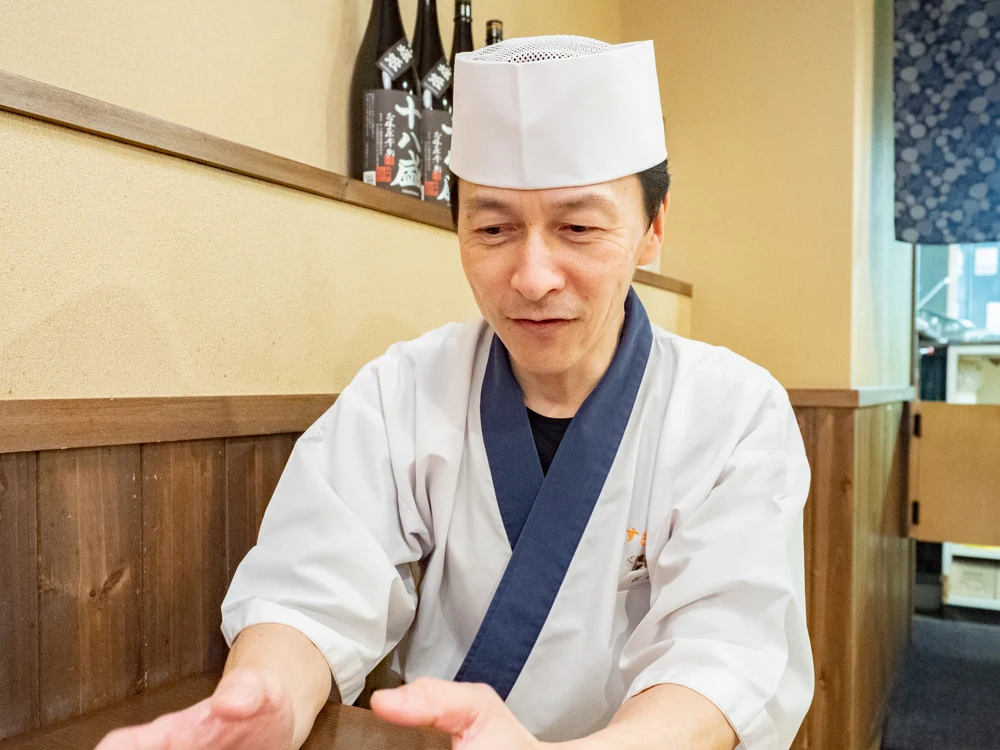
Did you intend to take over the udon shop from the beginning?
Sugimoto
Actually, I had no intention of taking over the family udon shop at all.
I had been working in a field unrelated to udon.
However, gradually, I began to feel the desire to help out at the shop.
After that, I returned home and joined the udon shop, entering a period of training.
I learned various things from my father and a colleague of my father who worked at the flour company.
But it was quite difficult, and things didn't go well.
Both of them had a style of "find the answers yourself," so every day was truly a series of trial and error.
Committed to "Okayama udon," which has unique characteristics not found in other regions
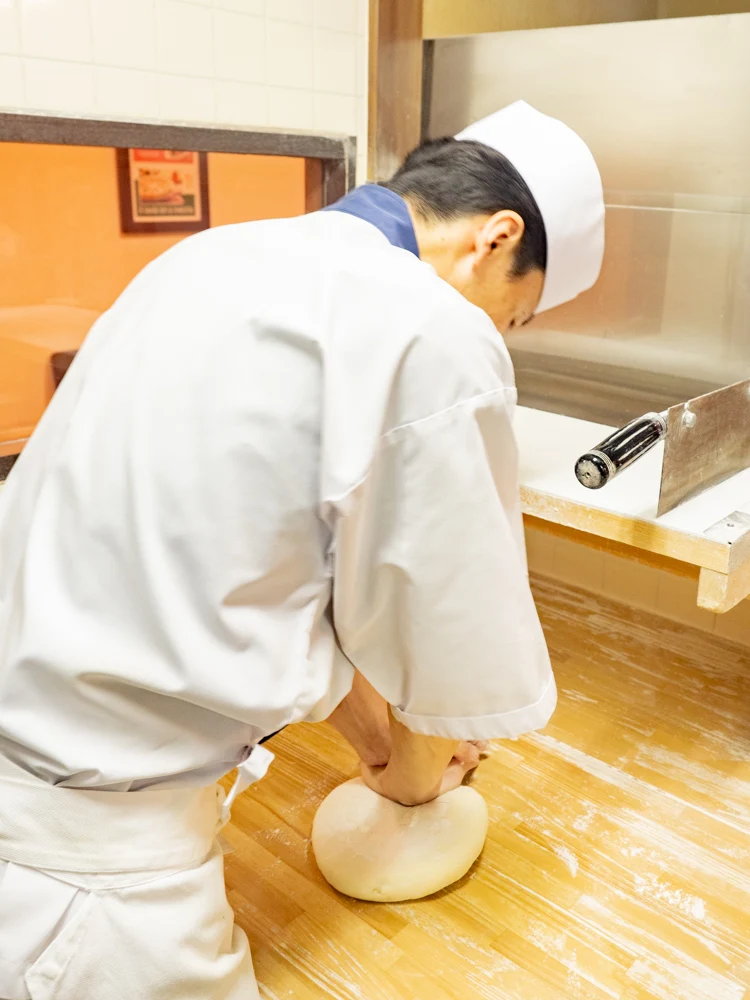
What are the commitments and characteristics of Sugichaya's udon?
Sugimoto
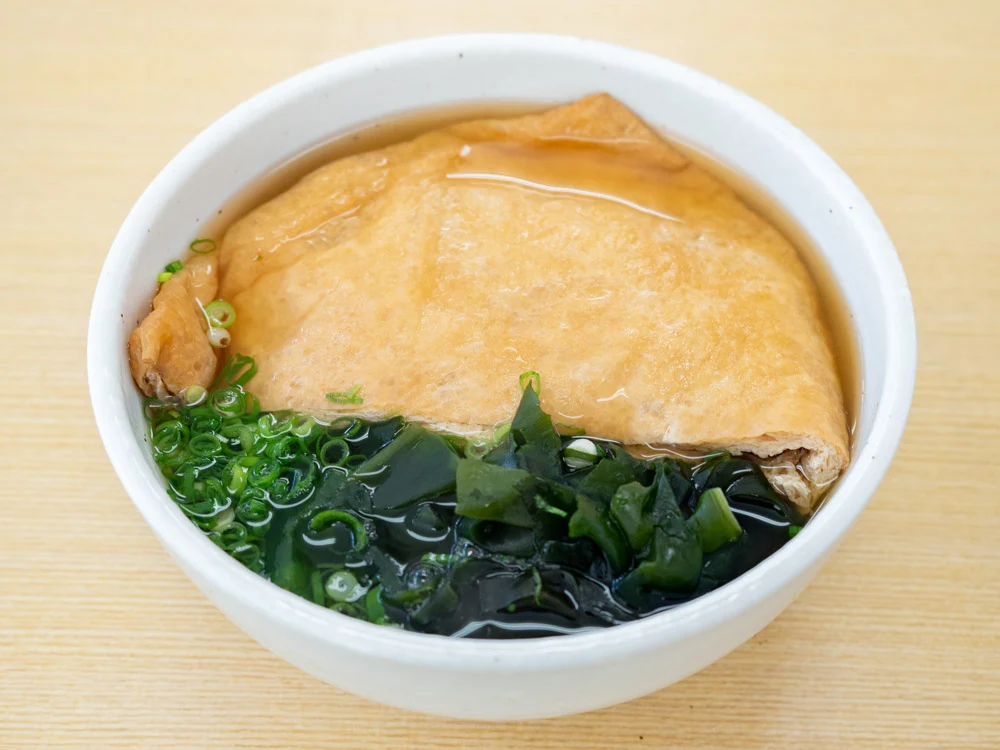
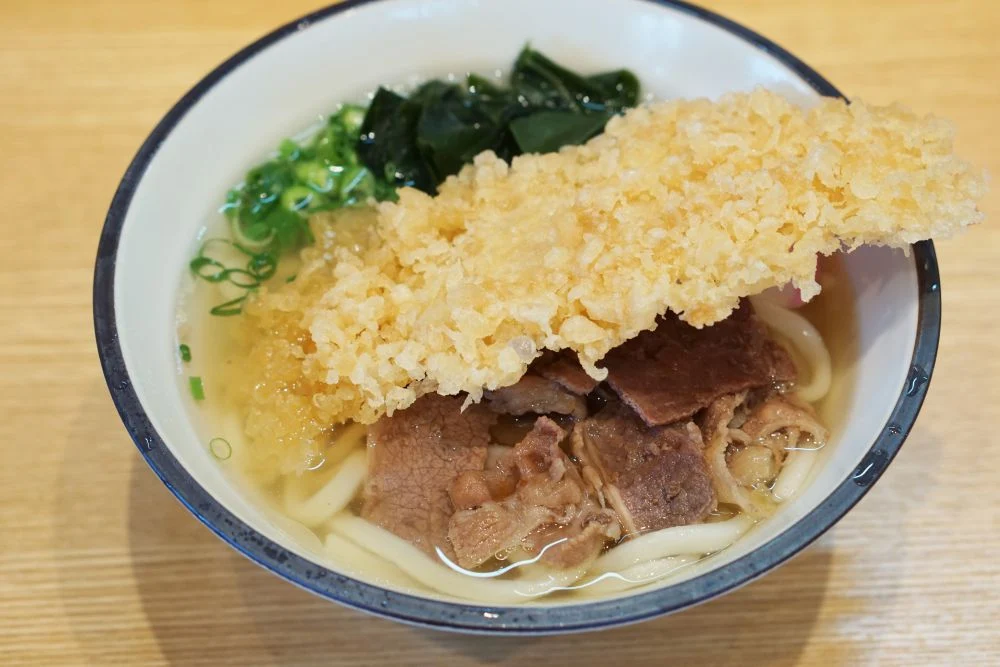
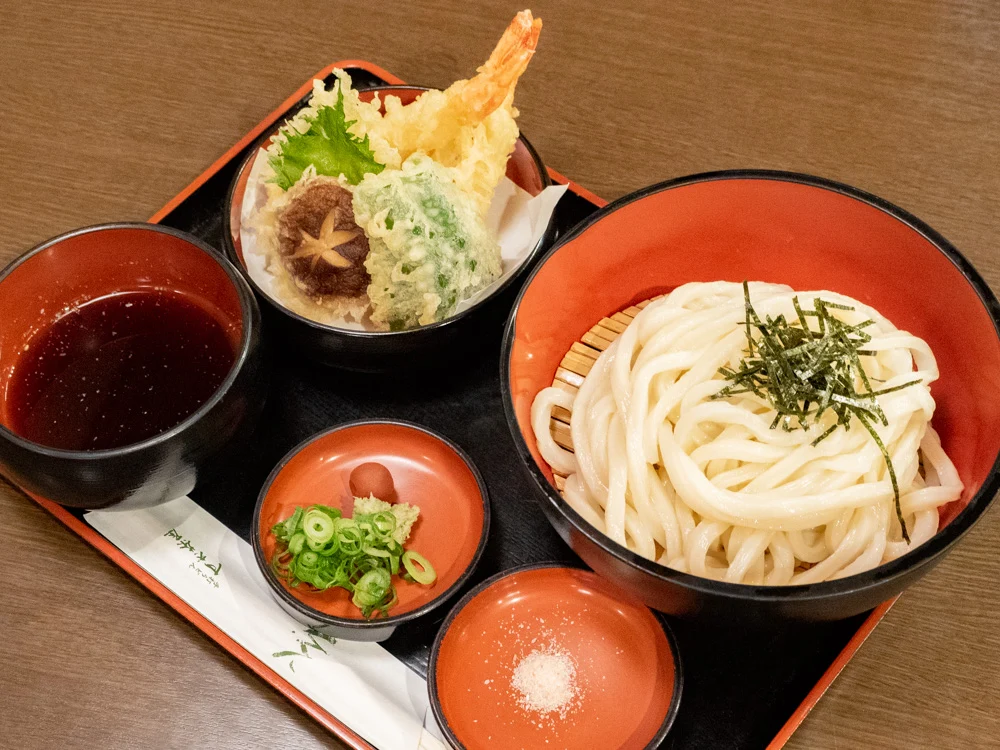
Sugichaya's udon is called "Okayama udon."
When it comes to udon noodles, many people might imagine the strong chewiness of Sanuki udon.
However, in Okayama, there is a tendency to prefer udon noodles that have a slightly springy texture that pushes back a bit when bitten, not just chewiness.
The expression "tanwari," which means something like "mochi" or "mellow" in Okayama dialect, fits perfectly.
Therefore, we intentionally named it Okayama udon and are pursuing a unique flavor that is tanwari and suited to the regional characteristics of Okayama.
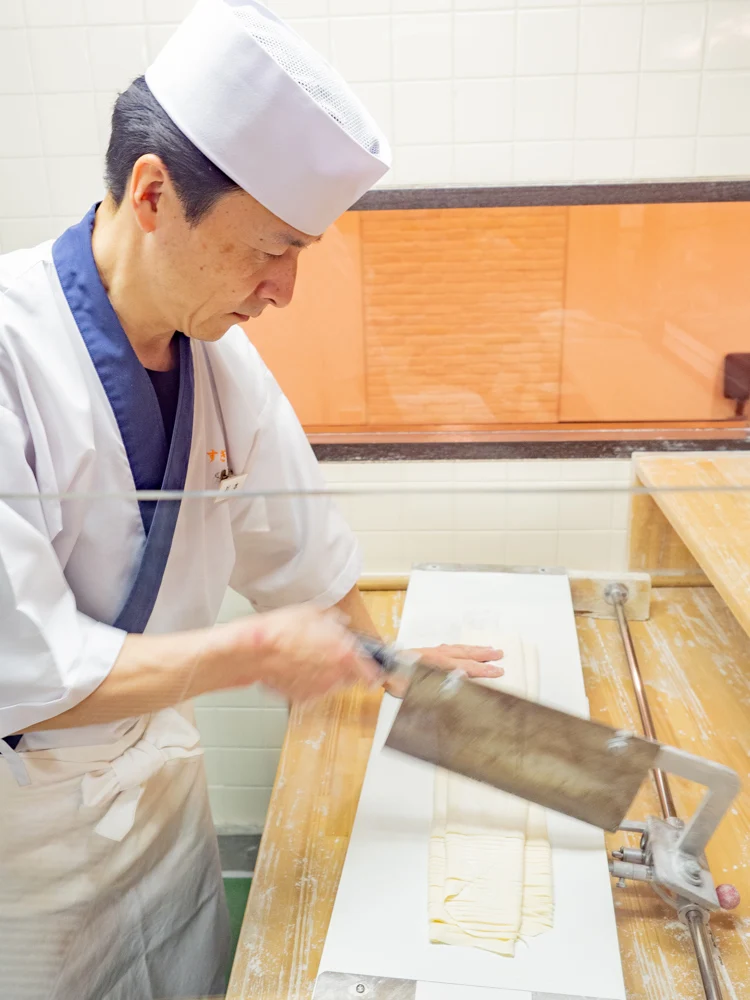
Every day, we send the dough made at the Fukuwatari main store to Kurashiki, where we cut the noodles in the Kurashiki store.
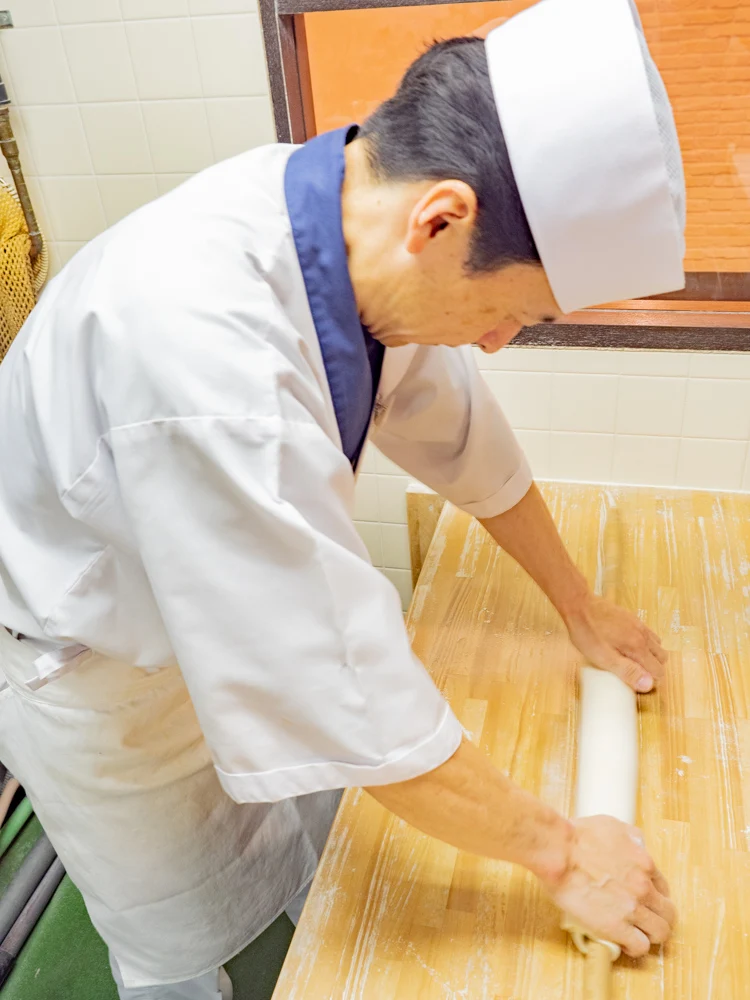
The key to the deliciousness of Okayama udon is the udon flour (medium-strength flour).
As mentioned earlier, my father was a flour researcher.
Therefore, Sugichaya is particular about flour.
When the characteristics of flour changed over time, we researched flour that could bring out the flavor of Sugichaya's udon accordingly.
We have changed the flour several times to adapt to the times.
Currently, we mix flour from multiple domestic and international sources, and this blend has also gone through considerable trial and error.
For example, even within Japan, the characteristics of flour can vary significantly depending on the region where it was cultivated.
This commitment to flour is also reflected in the batter for tempura.
Additionally, the water used for the udon noodles comes from the well water at the Fukuwatari main store.
This is also a key point.
Of course, we are also particular about the dashi.
First, we use kombu from Rishiri, Hokkaido.
We also make dashi using three types of katsuobushi.
In particular, we have been particular about Rishiri kombu since the founding.
Furthermore, we use a custom product from Hyogo Prefecture for soy sauce.
Utilizing the geographical advantage of being the midpoint between Okayama and Tsuyama, developed manju as a souvenir
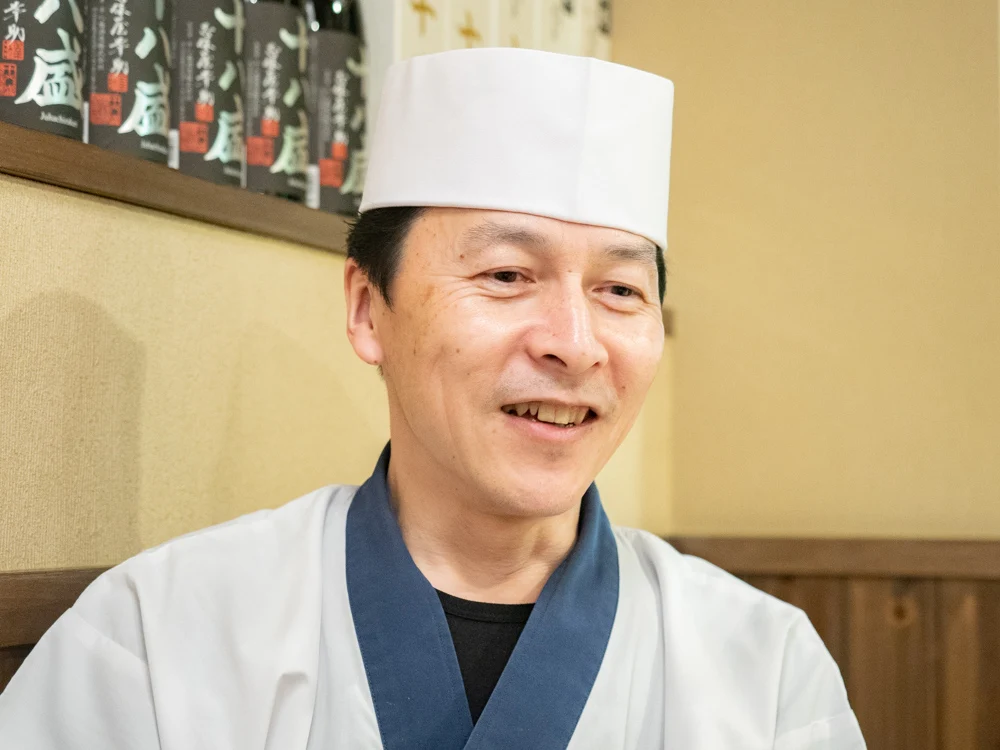
Why do you handle manju and karinto when you are an udon shop?
Sugimoto
I heard that we started selling manju about five years after opening the shop.
As mentioned earlier, at that time, there were few shops along National Route 53 between Okayama and Tsuyama, so many customers expressed that "it would be nice if you sold souvenir sweets too."
Since Sugichaya was particular about flour, my father seemed to come up with the idea of making manju using flour.
Typically, manju is made using weak flour.
However, by intentionally using udon flour (medium-strength flour) to make manju, we thought we could create interesting manju.
The idea of "a udon shop that is particular about flour making manju with udon flour" seemed intriguing.
We could also utilize the knowledge about flour gained from udon-making.
Moreover, the supplier from whom Sugichaya sourced flour was a wholesaler dealing in sugar.
When my father consulted with the wholesaler, he was introduced to Awa Wasanbon, which is produced in Tokushima Prefecture.
Awa Wasanbon is a very rare and high-quality sugar produced in Tokushima Prefecture.
Thus, it was decided to make manju using black sugar syrup from Awa Wasanbon.
After much trial and error, the current Sugichaya manju was born.
How did the idea for Ikari-n to come about?
Sugimoto
In my father's time, the only confectionery was Sugichaya manju.
Ikari-n was developed after I became the representative.
Thanks to many customers, Sugichaya manju has been loved for many years.
However, there are many competitors, and I felt a sense of crisis that new product development was necessary.
So, I thought about what could be made using the same Awa Wasanbon black sugar syrup as Sugichaya manju.
Actually, I have a sweet tooth.
The first thing that came to mind was karinto made with black sugar.
After much trial and error, Ikari-n was born.
This was in 2015 (Heisei 27).
Now, it has grown into a popular product alongside Sugichaya manju.
There is no completed form. I am researching daily to adapt to changes
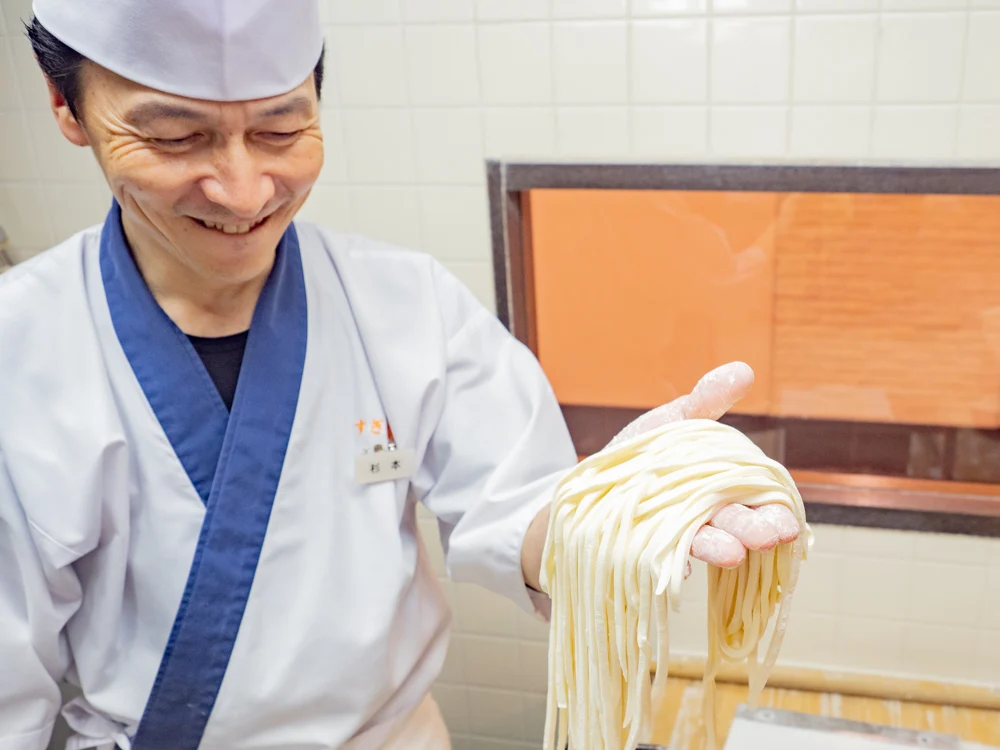
What are the challenges you face in your work?
Sugimoto
It is the response to subtle daily changes.
We have been continuously experimenting with udon noodle making and dashi, but we adjust to the subtle changes every day.
For example, temperature and humidity.
Even those really subtle factors can change the taste.
Therefore, it is necessary to adjust to ensure that the taste of Sugichaya remains consistent.
That is why I believe there is no completed form for Sugichaya's udon.
Every day feels like a series of trial and error.
I feel like I am researching udon every day, and that is enjoyable.
My motto is that those working in the shop must enjoy their work.
If we are not enjoying it, that will reflect in the taste and be conveyed to the customers.
Therefore, we must always work joyfully and maintain a friendly atmosphere among the staff.
Thanks to that, I am able to work joyfully every day, and I am grateful for it.
Conclusion
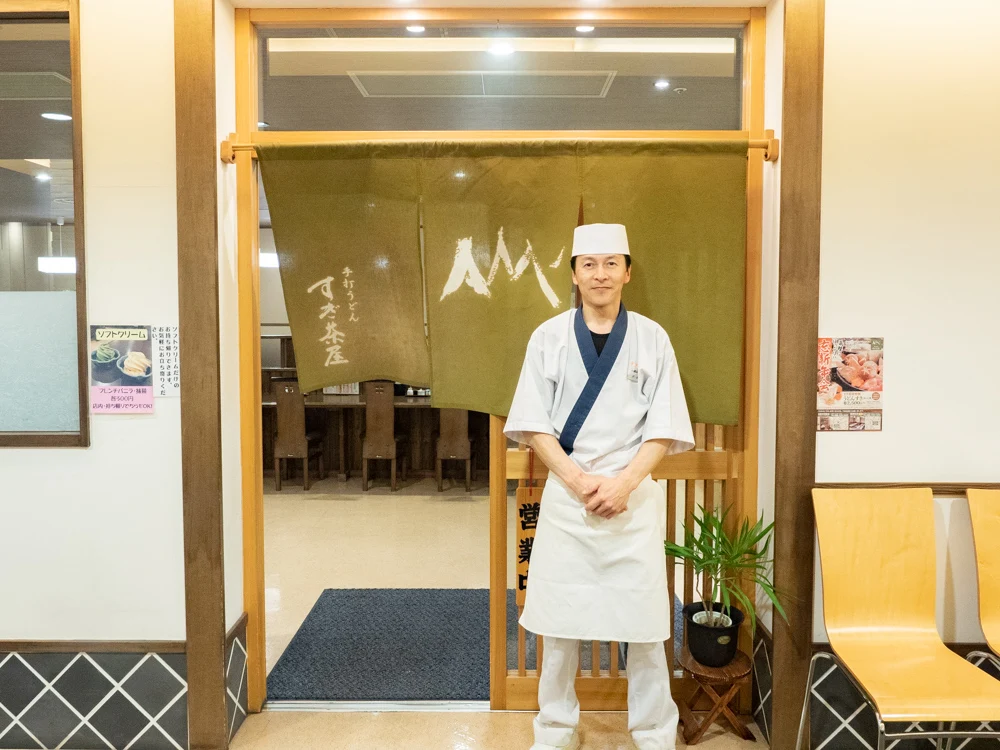
Sugichaya was founded by a researcher and expert in flour milling.
The spirit of research and passion for udon-making, starting with flour, has been firmly passed down to the current representative, Sugimoto.
The "Okayama udon," which pursues local flavors, is delicious and reflects that commitment.
Additionally, the Sugichaya manju and Ikari-n, which utilize that commitment to flour, are sweets you should definitely try.
Be sure to enjoy the carefully crafted Okayama udon, Sugichaya manju, and Ikari-n at Sugichaya!
Sugichaya Tenmaya Kurashiki Store Data
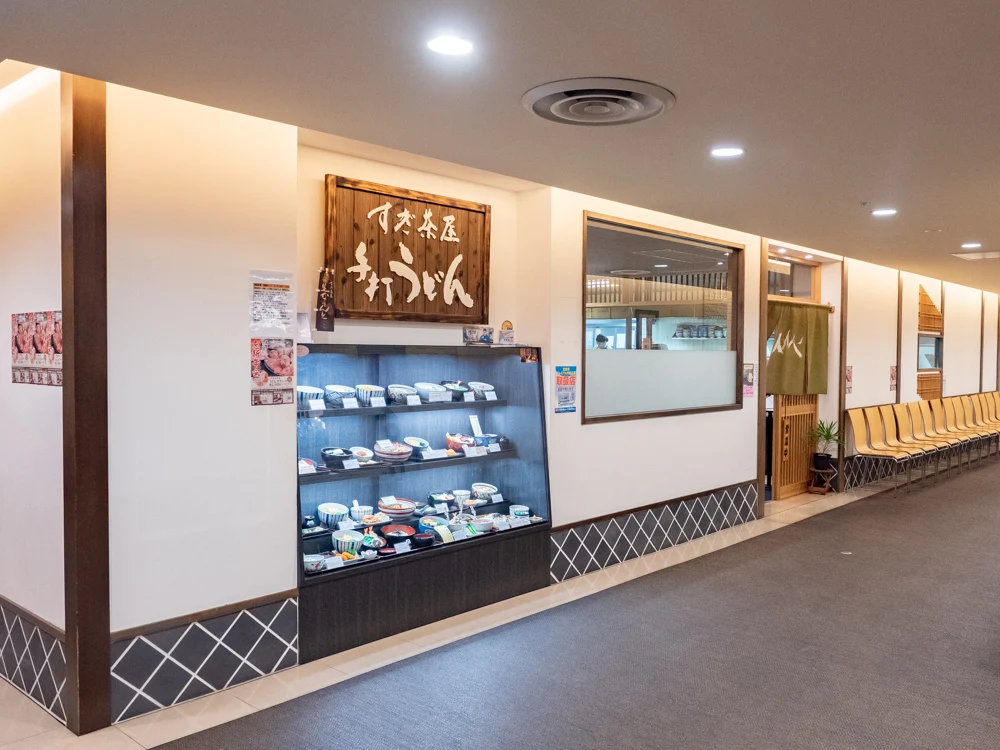
| Name | Sugichaya Tenmaya Kurashiki Store |
|---|---|
| Address | 1-7-1 Achi, Kurashiki City, Okayama Prefecture, Tenmaya Kurashiki Store 6th Floor |
| Contact | 086-426-2637 |
| Parking | Available Use the affiliated parking lot of Tenmaya Kurashiki Store (Reference: Official Site of Tenmaya Kurashiki Store) ※ Free for 2 hours with purchases over 3,000 yen |
| Business Hours | 11:00 AM - 9:00 PM |
| Regular Holidays | None ※ Follows the holidays of Tenmaya Kurashiki Store |
| Payment Methods |
|
| Reservation | Available |
| Seating | 44 seats total ・2-person tables: 4 ・4-person tables: 2 ・6-person tables: 3 ・Counter seats: 10 ※ Table seating can be rearranged |
| Smoking | Completely non-smoking |
| Restroom | Western-style toilet, barrier-free toilet |
| Childcare | Nursing room, diaper changing table Entry with strollers allowed Children's chairs available Children's utensils available |
| Barrier-Free | Barrier-free toilet, elevator Entry with wheelchairs allowed Use the restroom located on the 6th floor of Tenmaya |
| Website | Official Facebook of Sugichaya Tenmaya Kurashiki Store |