Interview with the Kurashiki City Booksellers Cooperative
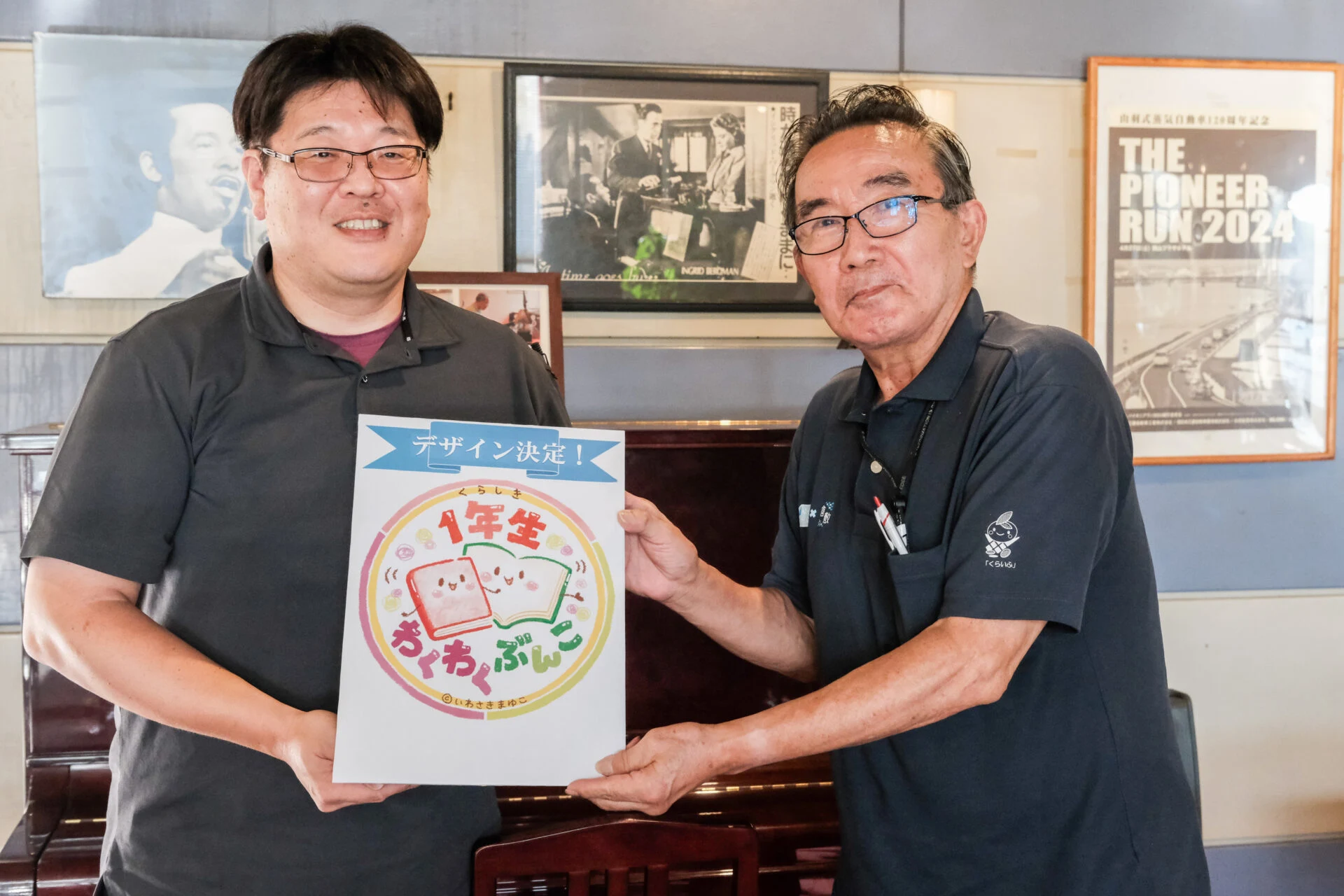
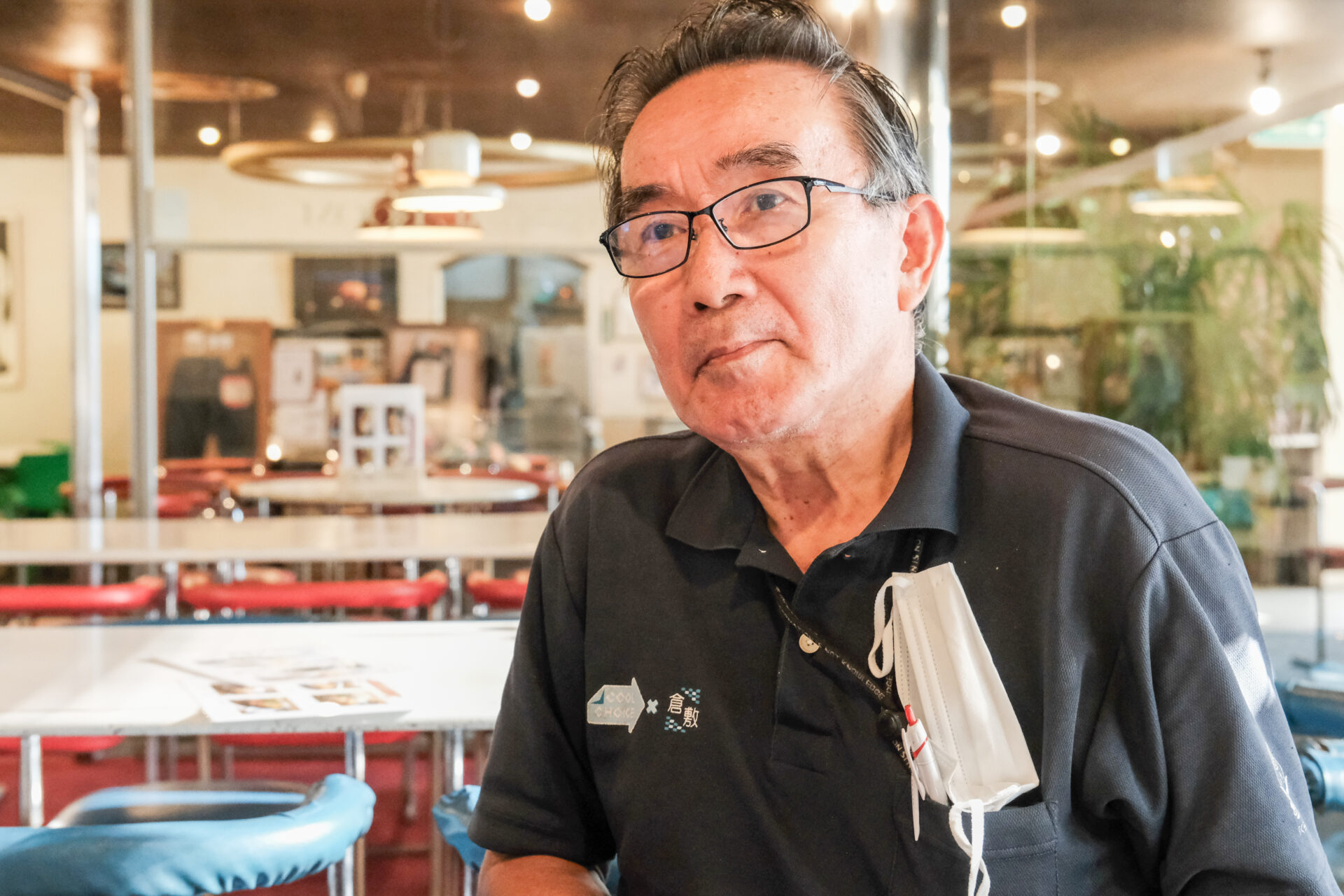
We spoke with Kataoka Masaki, chair of the Kurashiki City Booksellers Cooperative, and Yamana Fumiaki, the cooperative’s public relations officer, about their thoughts on First-Grade Wakuwaku Bunko and how to make use of it, including questions such as “What is First-Grade Wakuwaku Bunko?” and “What should I do if my child brings home a First-Grade Wakuwaku Bunko book?”
Could you tell us the purpose behind the First-Grade Wakuwaku Bunko project?
Kataoka (titles omitted)
First-Grade Wakuwaku Bunko is one form of reading education for first-grade elementary school students.
We wanted to create an environment where children can easily become familiar with books by setting up a bookshelf just for first graders in the first year of their reading education. The Kurashiki City Booksellers Cooperative launched the project in partnership with Kurashiki City in fiscal 2017.
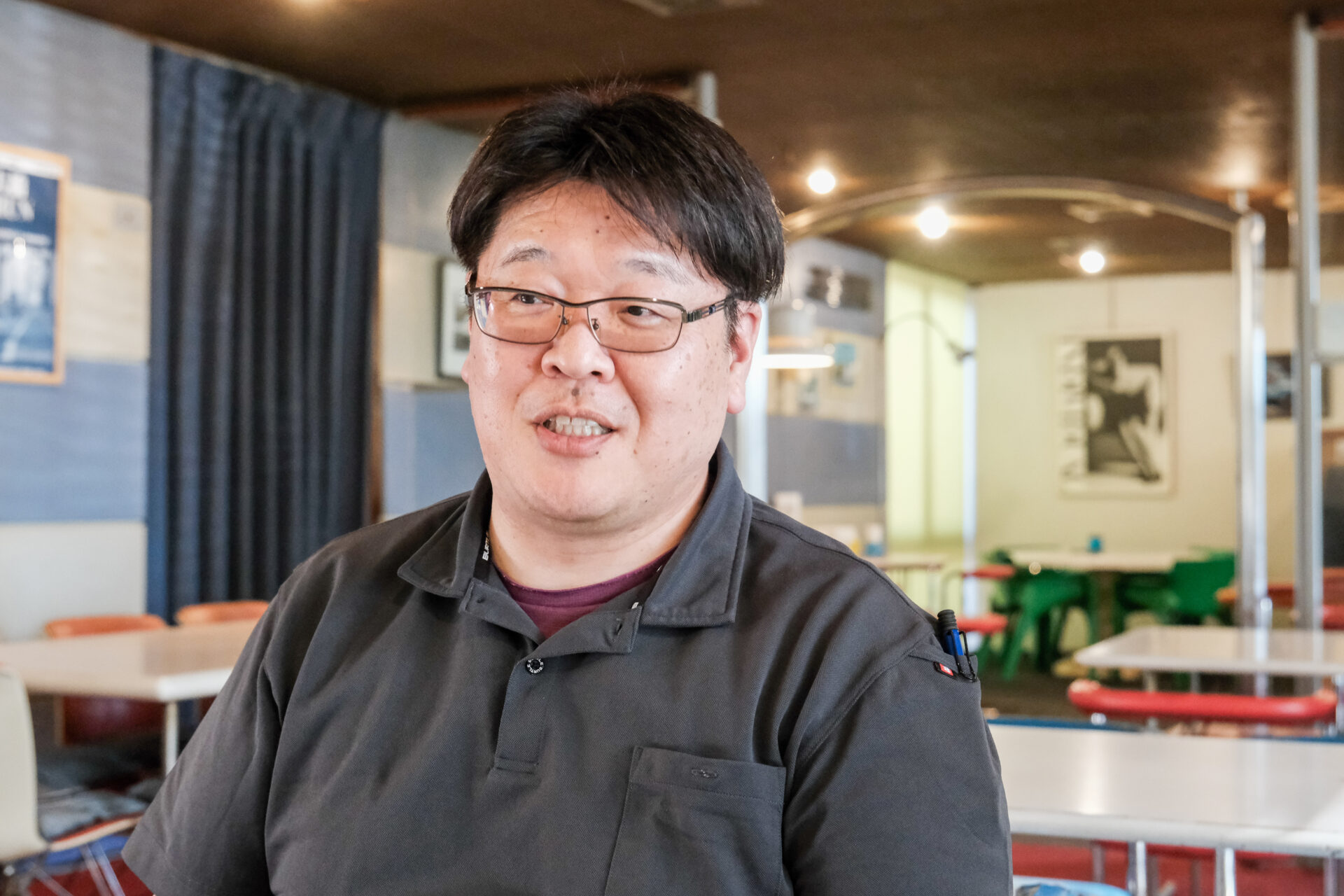
Yamana (titles omitted)
The reason is that public kindergartens in Kurashiki City do not have libraries.
As a result, the school library may be the first place where new first graders at Kurashiki City elementary schools receive reading education. Naturally, it is difficult for them to find books they will enjoy reading among the many books in the collection.
However, when children can choose from a limited selection of books intended for them, as with First-Grade Wakuwaku Bunko, some are able to find a favorite book.
Feeling dejected during Japanese class because “I couldn’t choose a single book…” is one reason children lose interest in reading. So first, I hope they can choose a book for themselves from a limited selection, read it, and think, “I want to borrow another book.”
Why did you choose to place First-Grade Wakuwaku Bunko in school libraries?
Yamana
As I mentioned earlier, I think the school library is an unfamiliar place for first graders.
That’s exactly why First-Grade Wakuwaku Bunko can give them a reason to make the effort to visit the school library. Children who read lots of First-Grade Wakuwaku Bunko books continue to visit the school library in second grade and beyond, and they read far more than others.
Kataoka
Books in libraries are arranged by genre, right? Some children even say, “I read all the books in each section!”
Also, at elementary school, I think the school library and the nurse’s office are the two places where children can visit whether or not they have a particular reason, and speak openly. Some of you may have talked to the school librarian about your worries. In fact, some children find support by attending school from the nurse’s office or library.
I want children to have as many places as possible where they feel at home and can find emotional support. I’d be happy if the school library could be one of them.
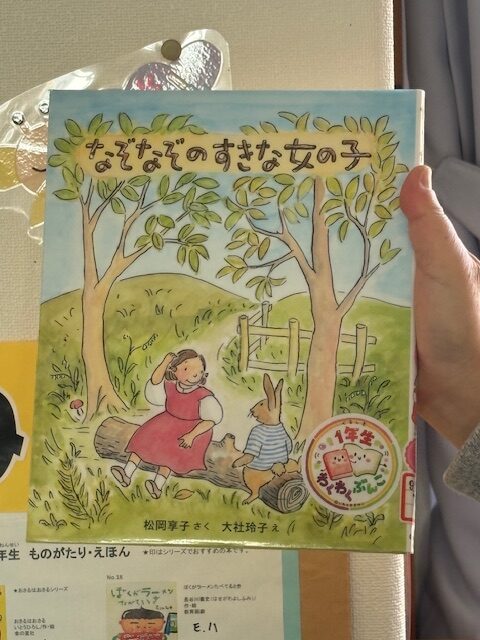
Are there any memorable stories from your work on First-Grade Wakuwaku Bunko?
Kataoka
There was a story about older students recommending books to younger students.
Yamana
First-Grade Wakuwaku Bunko started with 25 books, but we add new books to the collection every year, so now there are more than 100.
That means some children find it difficult to choose from those 100 books.
But this project has been running for seven years, so every child currently enrolled in elementary school has experience with First-Grade Wakuwaku Bunko. The school told us that older students come alongside first graders who are having trouble and help them choose, saying, “Why don’t you try this book?”
Kataoka
I think the school library is the only place in a school where students from different grades naturally come and go.
It doesn’t depend on how physically active they are, either. I think it’s a place where children can develop admiration for older students—for example, seeing an older girl they look up to reading a book and thinking, “I want to read that someday, too.” I’ve heard that some children even work hard at their studies, saying, “I’ll do my best so I can read that book!”
First-Grade Wakuwaku Bunko brings children into the school library, where they inevitably see older students reading. Learning from those older students is also one of the great joys of reading education.
Yamana
At one school, they apparently made a special stamp card for First-Grade Wakuwaku Bunko. Children who read every book in the collection are rewarded with the chance to serve as a library committee member for a day. Library committee members, who handle book lending and organizing, are usually older students, so first graders normally don’t get the chance. But for children who complete the entire First-Grade Wakuwaku Bunko collection, it must be something they really look up to.
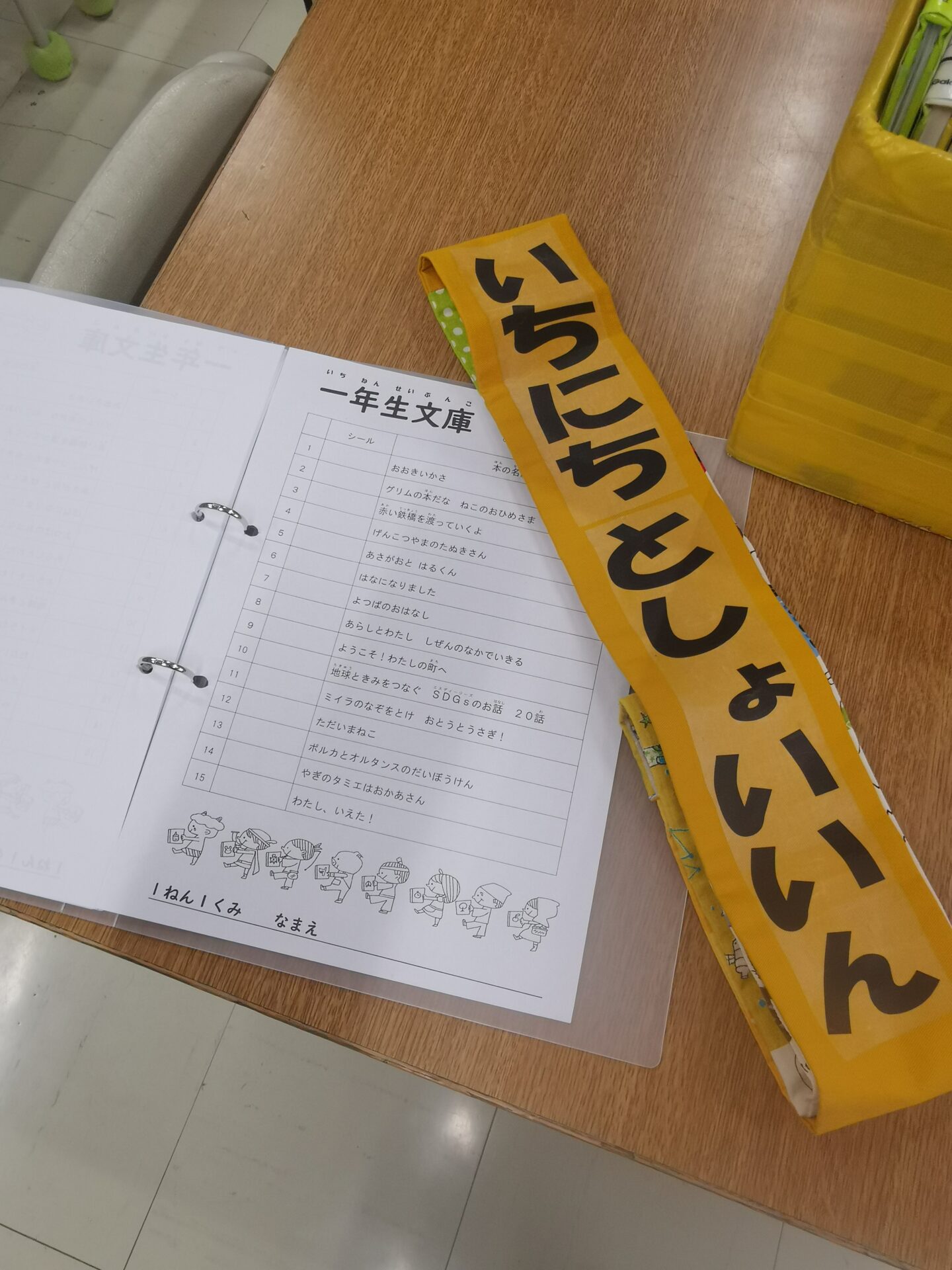
Some schools also come up with their own ideas and hold events like this.
What should parents do if their child brings home a First-Grade Wakuwaku Bunko book from school?
Yamana
Ideally, parents and children should read together.
Some of the books children borrow may be too difficult for them to finish on their own. I hope you’ll use First-Grade Wakuwaku Bunko as a way to interact with your child.
Kataoka
Once children start elementary school, they can read on their own. Do you let your child read alone?
But children love it when their parents talk to them. So ask them things like, “How many books did you borrow today?” and “What was this book about?”
I think parents know their child’s reading level better than anyone. Some children may find it difficult to ask for help at school, so reading together is a good idea.
Yamana
At first, your child will probably bring home mostly books with First-Grade Wakuwaku Bunko stickers.
But eventually, they’ll start bringing home more books without stickers. That may be one indication that your child can read more books on their own without relying on First-Grade Wakuwaku Bunko.
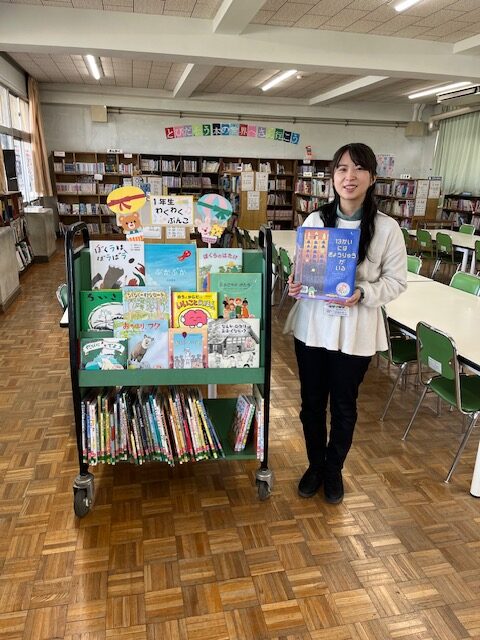
What do you keep in mind when selecting books for First-Grade Wakuwaku Bunko?
Yamana
There are two things the Kurashiki City Booksellers Cooperative keeps in mind when selecting books. First, we don’t assume what first graders’ reading levels are. Second, we choose books that spark children’s imaginations.
When you think of books for first graders, don’t you tend to imagine picture books? But if adults only give children picture books, that’s all they’ll read. That’s why we select books from a variety of genres, taking care not to limit children’s potential.
We’ve heard stories of books that we thought might be too difficult for first graders really resonating with children, and teachers expanding the scope of their lessons by figuring out how to use those books in class.
We’re booksellers, not school librarians, so we’ll continue selecting books by making use of our strength: sharing information with the publishers and authors who create them.
Finally, do you have a message for readers?
Kataoka
A single book can nurture children’s compassion—for example, by prompting them to wonder, “How does the other person feel?”—and their ability to express it. A thriving reading culture will greatly expand children’s worlds. I hope children will read plenty of books that connect their inner and outer worlds.
Yamana
“What is one book you’d like to keep close at hand?”
That’s what it comes down to. It’s fine to take off into a world of imagination, or to set out on a real-life journey. The book a child wants to keep close at hand may become a guidepost for them.
But most of all, when your child brings home a First-Grade Wakuwaku Bunko book, please read it together. It’s fine if it’s only a book with a First-Grade Wakuwaku Bunko sticker.
From the Writer
When I was a teacher in my previous job, I also served as a teacher-librarian. Not only purchasing books and managing the school library, but also selecting and managing books were all duties handled solely by teachers. We also ordered books from catalogs or online, so it never occurred to me to select books together with a local bookstore.
However, the Kurashiki City Booksellers Cooperative works under the slogan “For all the children in the city,” and has brought First-Grade Wakuwaku Bunko to life and kept it going. I feel that when local bookstores and schools work together, the scope of children’s reading education can expand considerably.
This is one of the educational initiatives I’m proud of as a Kurashiki City resident, and one that will surely enrich the reading activities of the city’s children.
First-Grade Wakuwaku Bunko details

| Name | First-Grade Wakuwaku Bunko |
|---|---|
| Address | All elementary schools in Kurashiki City |

What would you like to know about Kurashiki?
Enter a search term to find articles on this site