Interview with the second generation, Hiroko Eto
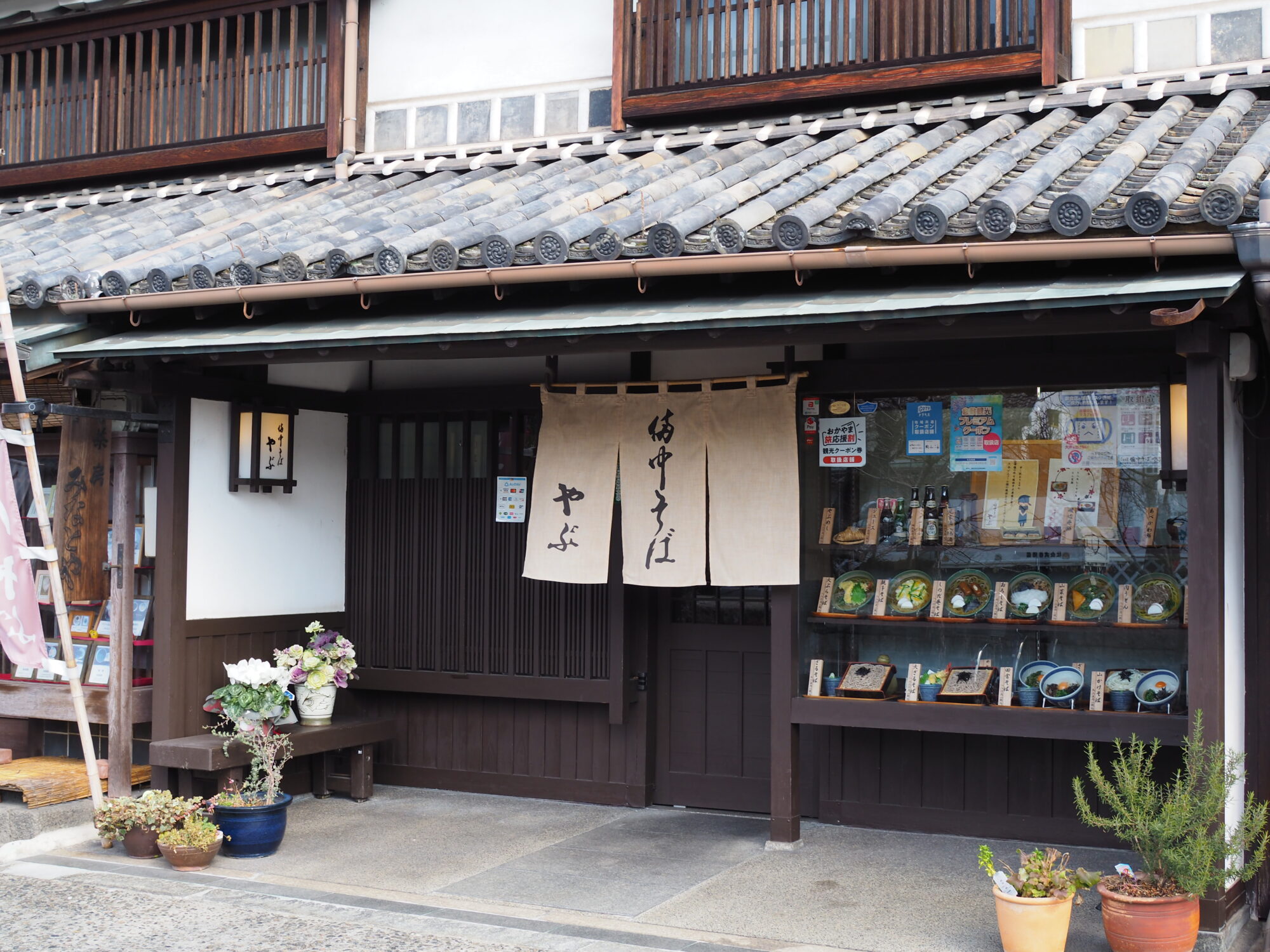
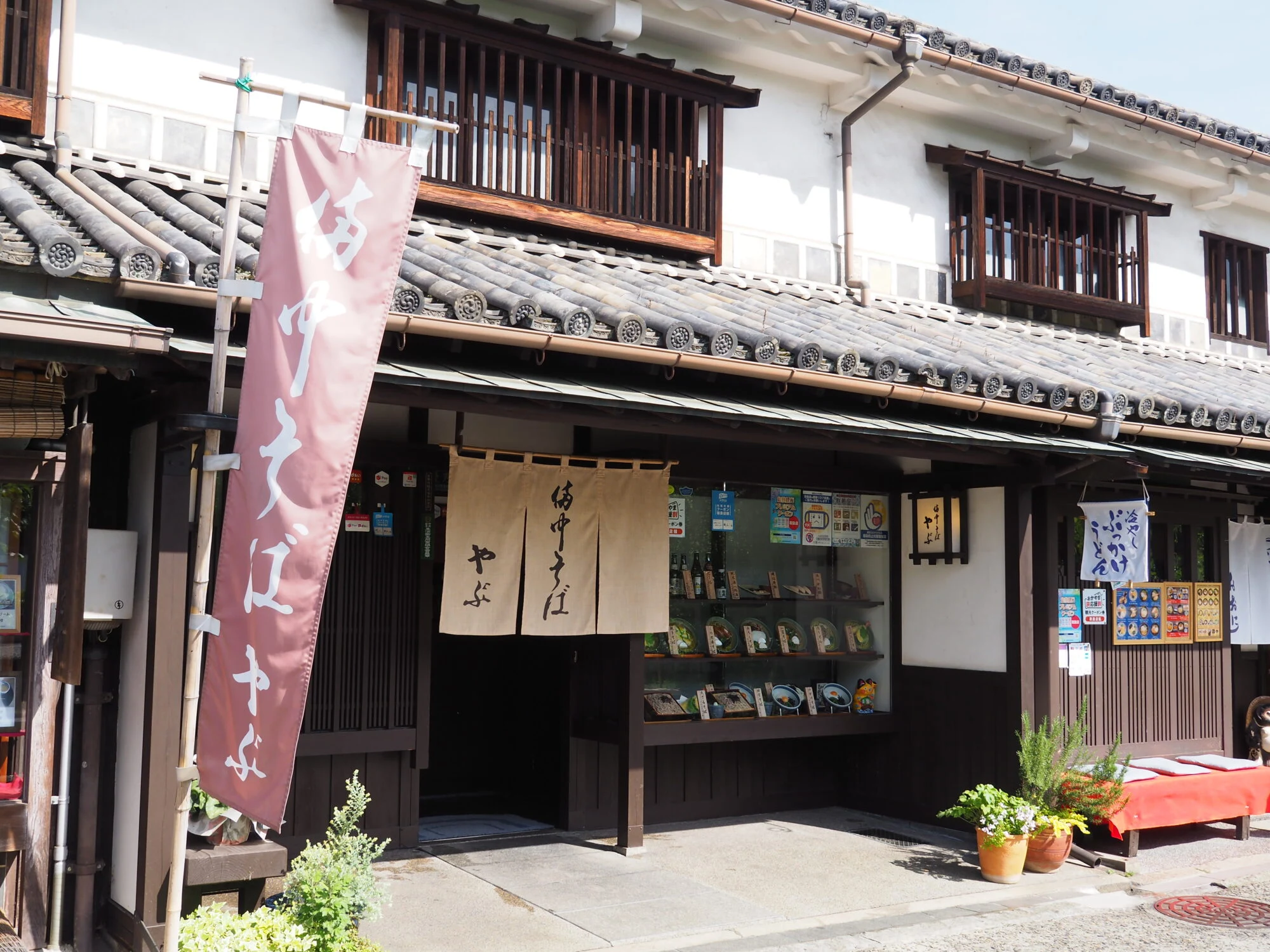
Located along the Kurashiki River in the tourist area, Bikan Historical Area, is "Bitchu Soba Yabu."
I spoke with Hiroko Eto, the second generation and manager.
The predecessor of the soba shop was a soy sauce wholesaler
Can you tell us about the history of the business?
Eto (honorifics omitted)
Originally, my grandparents were wholesaling soy sauce here.
When starting the business, I thought of making dashi (broth) using the soy sauce we handled, and decided to open a soba shop.
Soba and udon have been on the menu since the beginning.
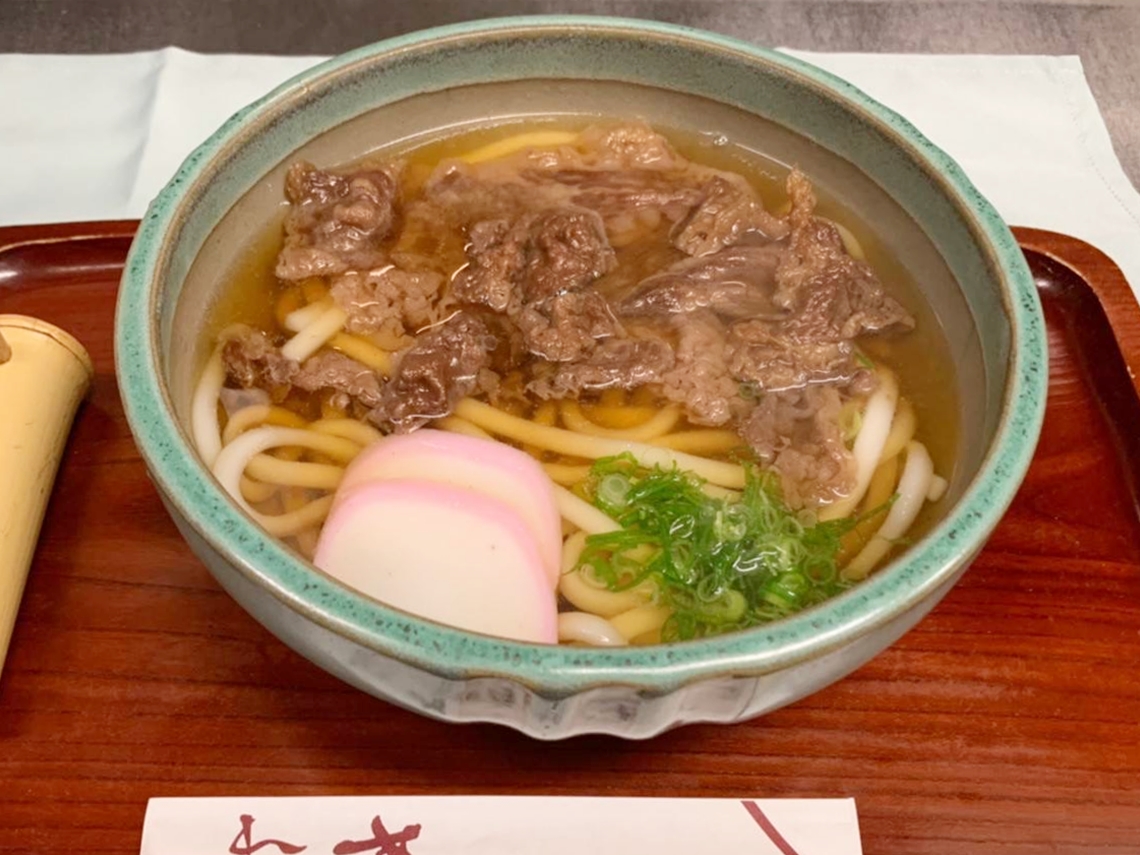
In the Kurashiki area, udon has traditionally been more popular than soba.
Since soba alone makes it difficult for families to enter, I heard from the first generation that it was better to have udon as well, so we decided to offer both.
They thought to intentionally make soba the main dish, even though it is an udon region.
Since soba is the main dish, the name of the shop includes "soba."
Are you still wholesaling soy sauce now?
Eto
My uncle started a sake brewery and took over the soy sauce wholesale business.
However, since our soy sauce supplier went out of business, we are no longer wholesaling.
The soy sauce wholesale business was probably started by my grandfather's brother, but I don't know the exact founding date.
It was long before the time when auto three-wheeled trucks were running and people were working in kimonos.
Now, we use good local soy sauce from Otsuki Soy Sauce Brewery near Ikurado Cave in Niimi City.
About the menu since the establishment
What menu items have been served since the establishment?
Eto
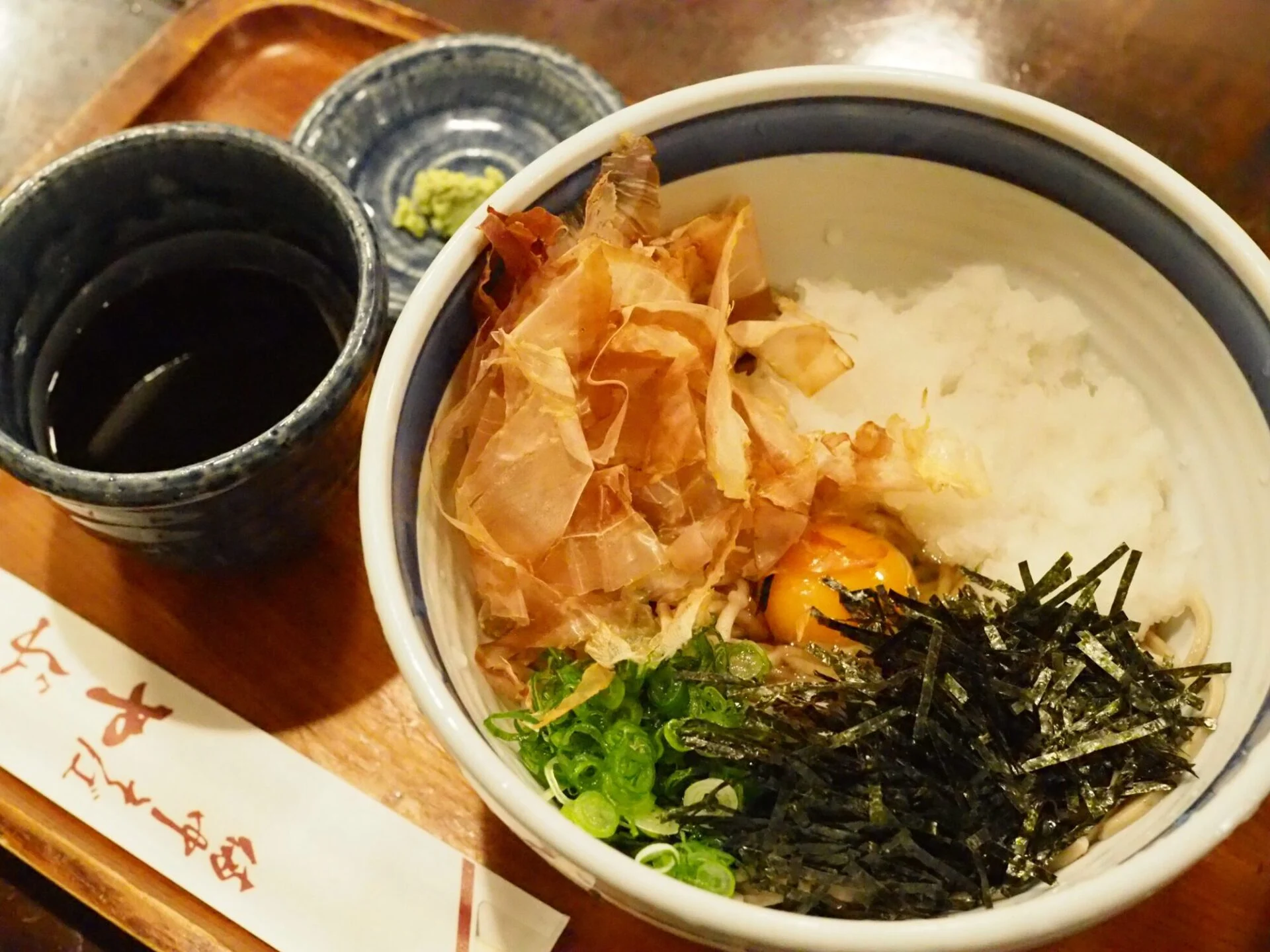
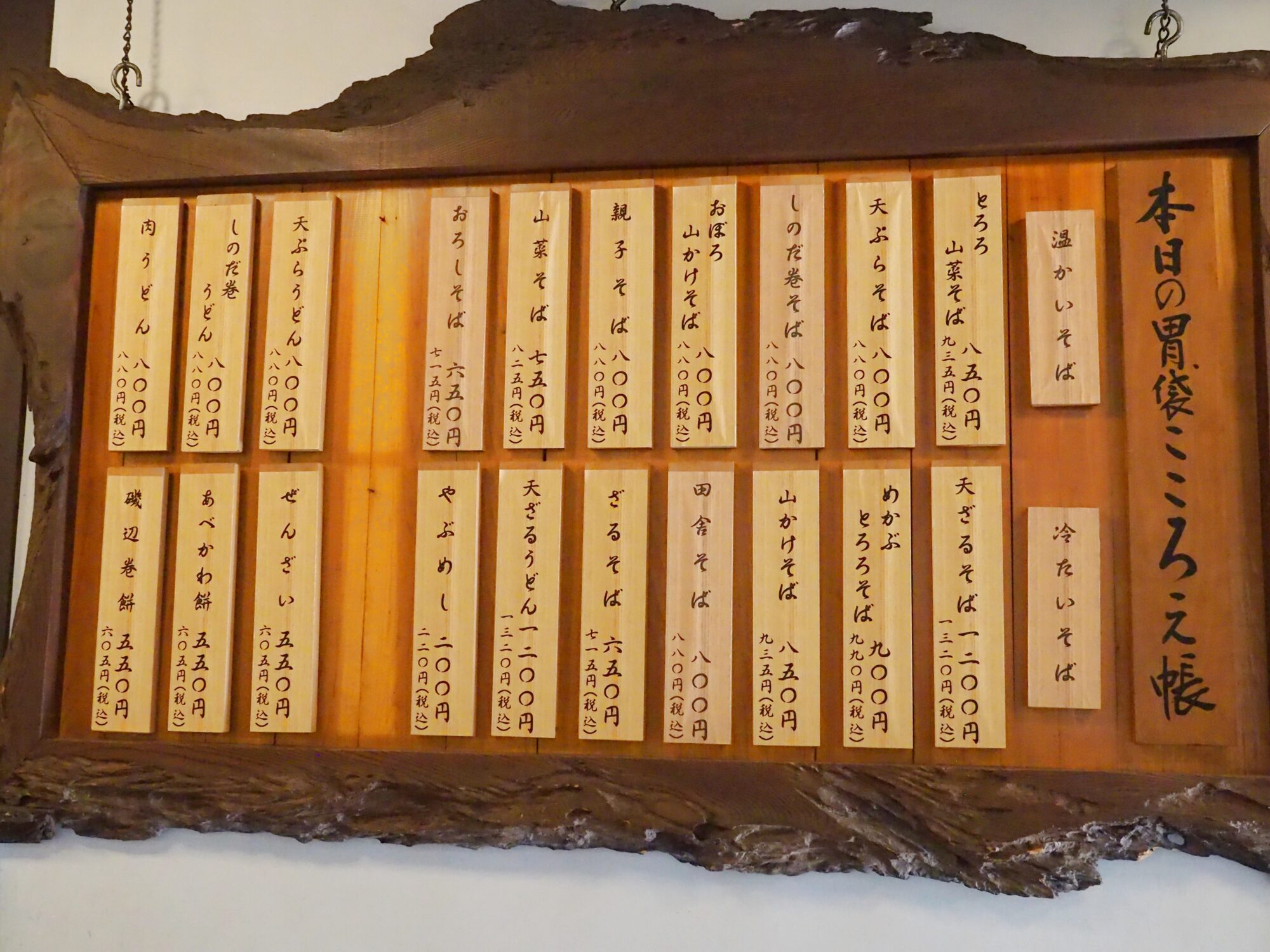
Most of the menu items have been there since the establishment. The mekabu tororo soba, tororo sansai, and oboro yamakake were added later.
There are also some items that are a mix of originally existing menu items.
Has the broth changed since the establishment?
Eto
As the second generation of a soba shop, I work with my eldest son, who is the third generation.
The basic method of making and the ingredients used have been the same since my father's time, the first generation. The proportions of the ingredients have changed.
Popular menu items are influenced by temperature
Eto
The menu items that sell well change from day to day.
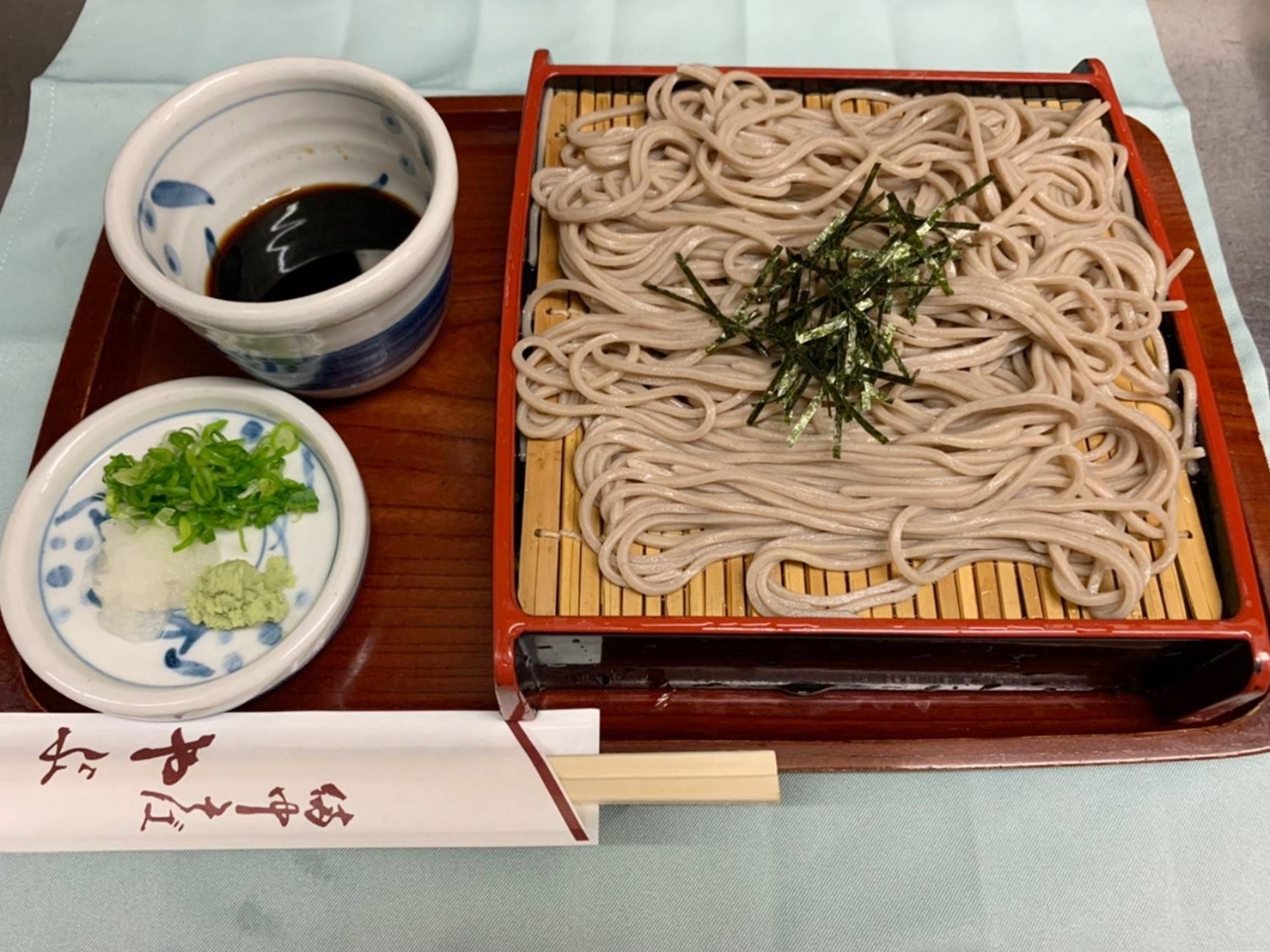
Today (the day of the interview was a bit warm), almost all the orders were for tempura zaru.
Strangely, the same menu items come out.
In midsummer, instead of tempura zaru, simple zaru soba is often ordered. Inaka soba topped with grated daikon is also popular.
Therefore, there are times when exactly the same orders line up.
Depending on the season, it can be uncertain whether more cold or hot dishes will be ordered.
Cold dashi (zaru dashi) is tastier if it is allowed to sit for a while, so it cannot be served immediately after making.
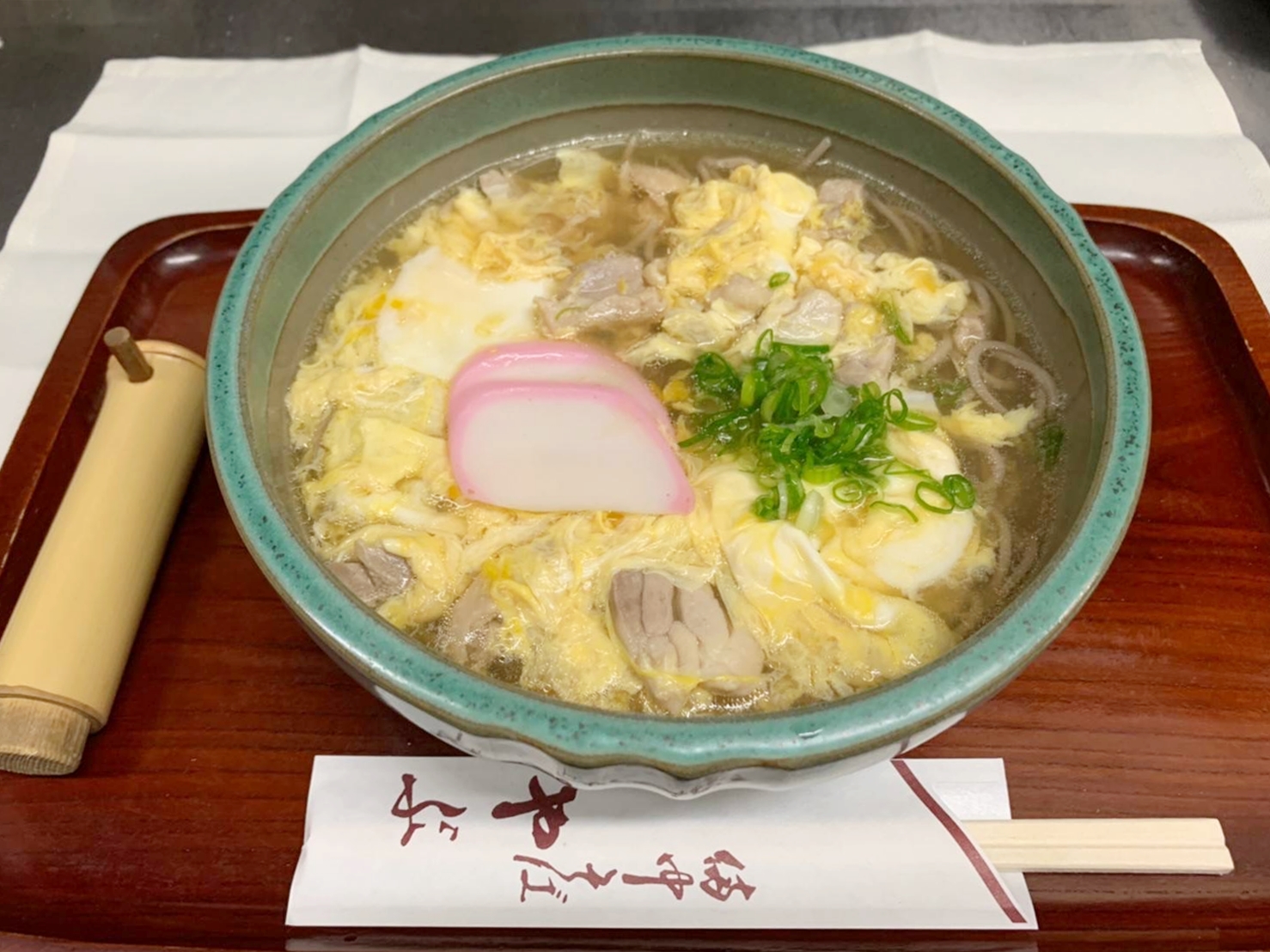
Conversely, hot dashi (kake dashi) is best when freshly made, with a nice bonito flavor.
As time passes, the flavor diminishes.
For that reason, we serve it on the same day, so in the evening, we may not be able to offer hot dishes.
Popular with foreign customers
Since it is a tourist area, did you have foreign customers before the COVID-19 pandemic?
Eto
Yes, we did.
Customers from Asia seem to be familiar with udon and often order it.
Customers from Europe and America often order tempura soba or udon.
Some foreign customers even try mekabu.
However, mekabu is slippery and may not be familiar to foreign customers, so it might not suit their taste.
Before they order, we serve a spoonful of mekabu for them to taste.
If they still want to eat it after tasting, we usually serve mekabu on top of the noodles, but for foreign customers, we serve it on a separate plate so they can add as much as they like.
Future plans
Is there anything you would like to try in the future?
Eto
I would like to change the kitchen to improve work efficiency.
Since becoming a soba shop, we have remodeled three times.
I want to change the interior and kitchen as they have become less convenient over time.
The kitchen remodeled by my father and mother has sinks that are at the old height standards.
People today are taller than those in the past, right?
So the current sinks are low, and washing dishes for a long time causes back pain.
I need height for working.
Currently, the structure is long and narrow, so it would be nice to have a flow that allows for smooth movement.
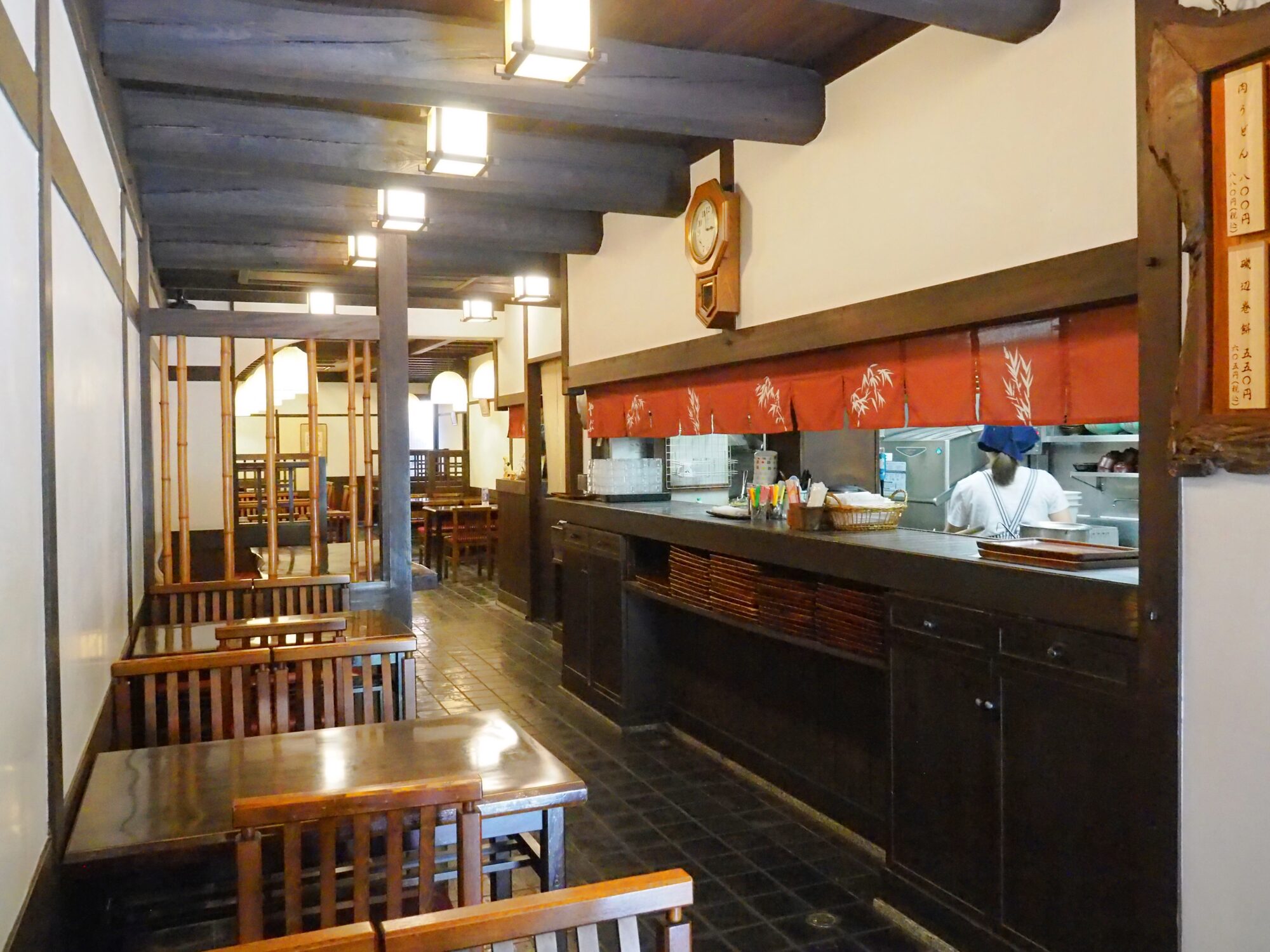
I want to remodel before I retire and pass it on to the third generation.
Additionally, I look forward to the day when my grandchildren can help out.
Starting with washing dishes.
Once they grow tall enough to reach the sink, they will be able to wash dishes.
I also started with washing dishes at first. The third generation will do the same.
My dream is to work together with my grandchildren.
Conclusion
In Kurashiki, which is an udon region, soba shops are a minority.
Bitchu Soba Yabu, which intentionally became a soba shop because of its rarity, is located in the tourist area of Bikan Historical Area.
Visitors come from all over Japan, outside the udon region, and within groups, there may be divisions between soba lovers and udon lovers.
Everyone wants to eat their favorite noodles!
In such cases, a shop that offers both soba and udon is a valuable presence.
Especially when soba lovers and udon lovers are looking for a place to eat, why not choose Yabu?
Data on Bitchu Soba Yabu
| Name | Bitchu Soba Yabu |
|---|---|
| Address | 5-30 Honmachi, Kurashiki City, Okayama Prefecture |
| Contact | 086-422-1386 |
| Parking | None |
| Business Hours | 10:30 AM to 4:30 PM, 10:00 AM to 5:00 PM (Sundays and holidays) |
| Regular Holidays | Irregular holidays |
| Payment Methods |
|
| Reservation Availability | Available Not available during busy periods |
| Seating | 48 seats, Number of tables: 13 ※Due to measures against the spread of COVID-19, the number of seats has been reduced from usual |
| Toilet | Western-style toilet |
| Website | Official Instagram |