Interview with Shinichi Mizukami, Station Master of "Michi no Eki Koigakubo"
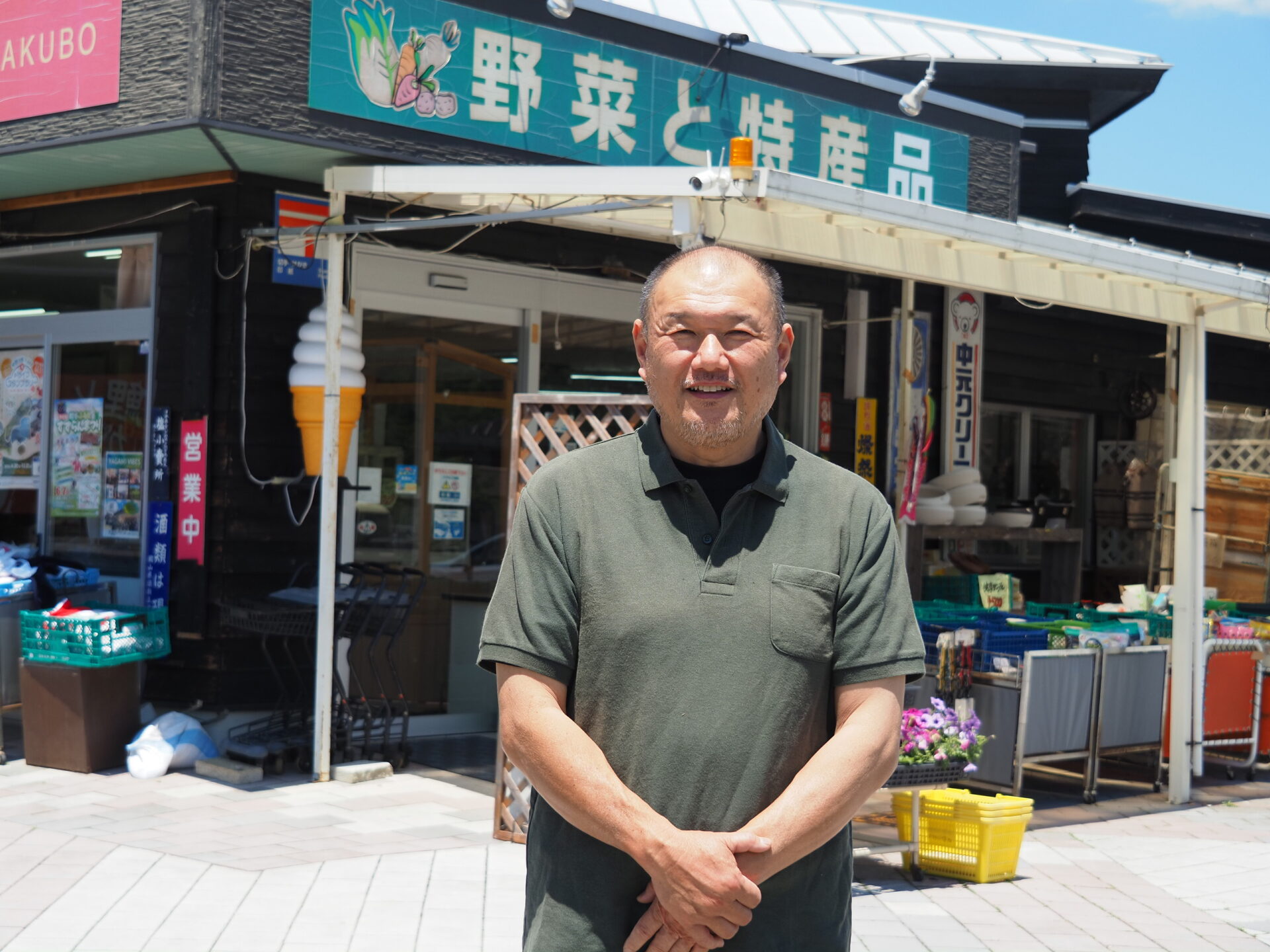
What kind of thoughts gave birth to "Michi no Eki Koigakubo," and what kind of community is it aiming for in the future?
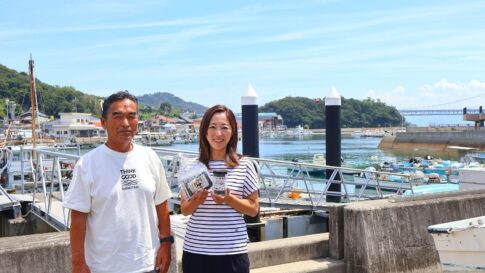
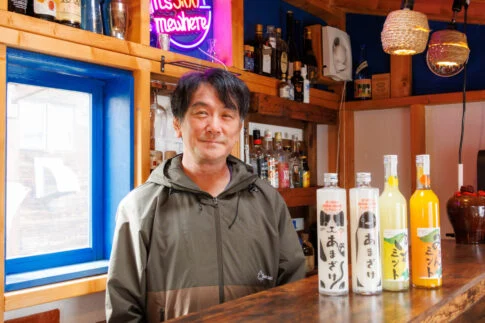
From here, we spoke with Shinichi Mizukami, the representative director of "Active Tetsuzai Co., Ltd." which operates the roadside station, and also serves as the station master.
A roadside station born from a resident survey, for the community
How did you become the station master, Mizukami-san?
Mizukami
I was originally involved in local youth group activities and was engaged in activities to improve the community. It was during this time that I was approached with the suggestion, "Why not try being the station master of a roadside station?"
Currently, I serve as the representative of "Active Tetsuzai Co., Ltd." which operates Michi no Eki Koigakubo.
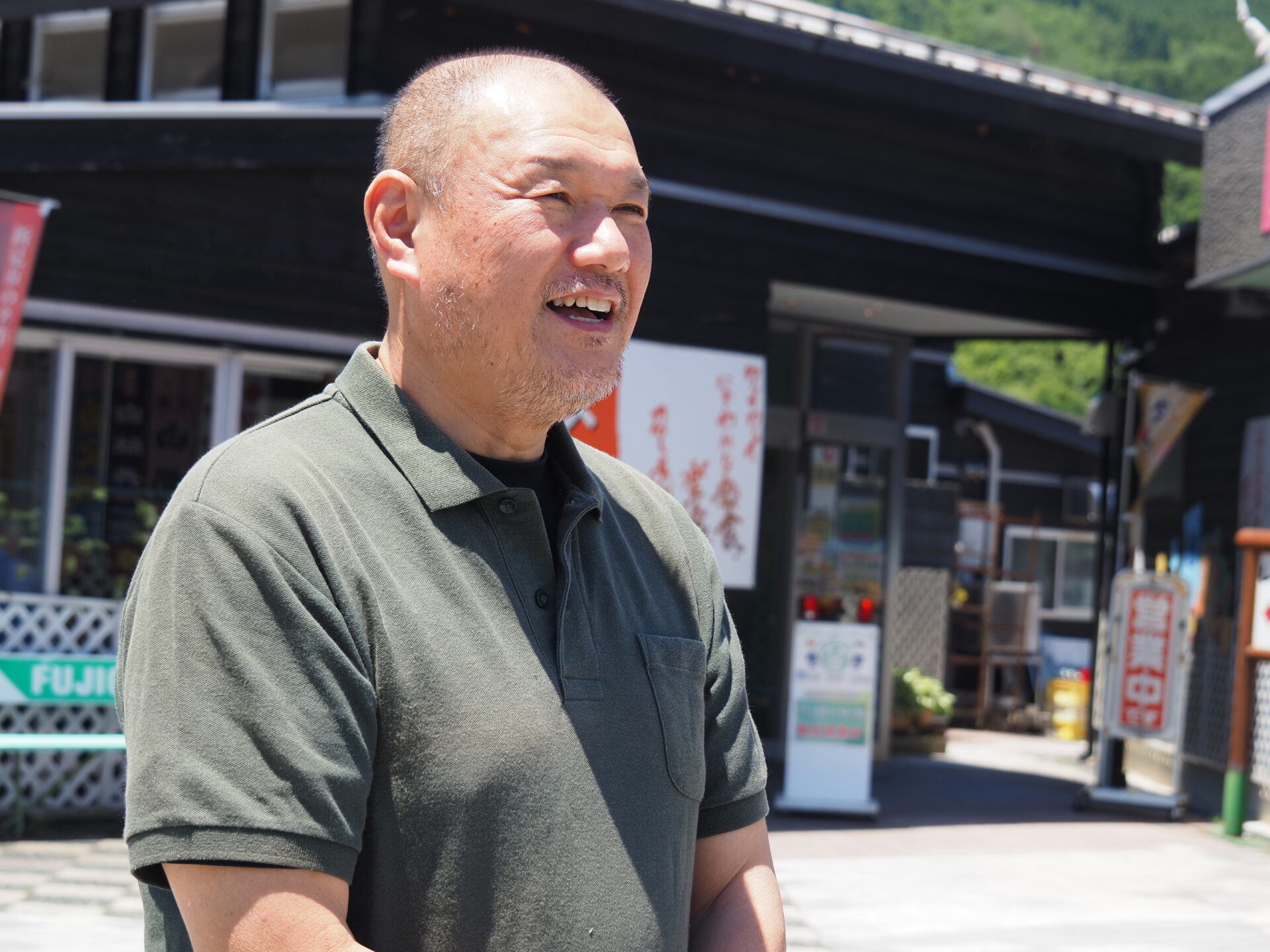
It is characteristic of your community-focused initiatives that you were selected as a "Model Roadside Station for Resident Services."
Mizukami
This roadside station was established in 1996.
It started with a "resident survey" to understand what the community truly needed.
When we asked, "What is needed in this area?" the responses included, "There is no place to shop locally" and "We want a place where everyone can gather."
While the image of a roadside station may be strongly associated with facilities for tourists visiting from outside, its origin is as a "place for the community." It is characterized by being a place that local people use regularly, and where visitors from outside also stop by. Michi no Eki Koigakubo serves both roles.
The cycle of "rice flour" and local production for local consumption reached through trial and error
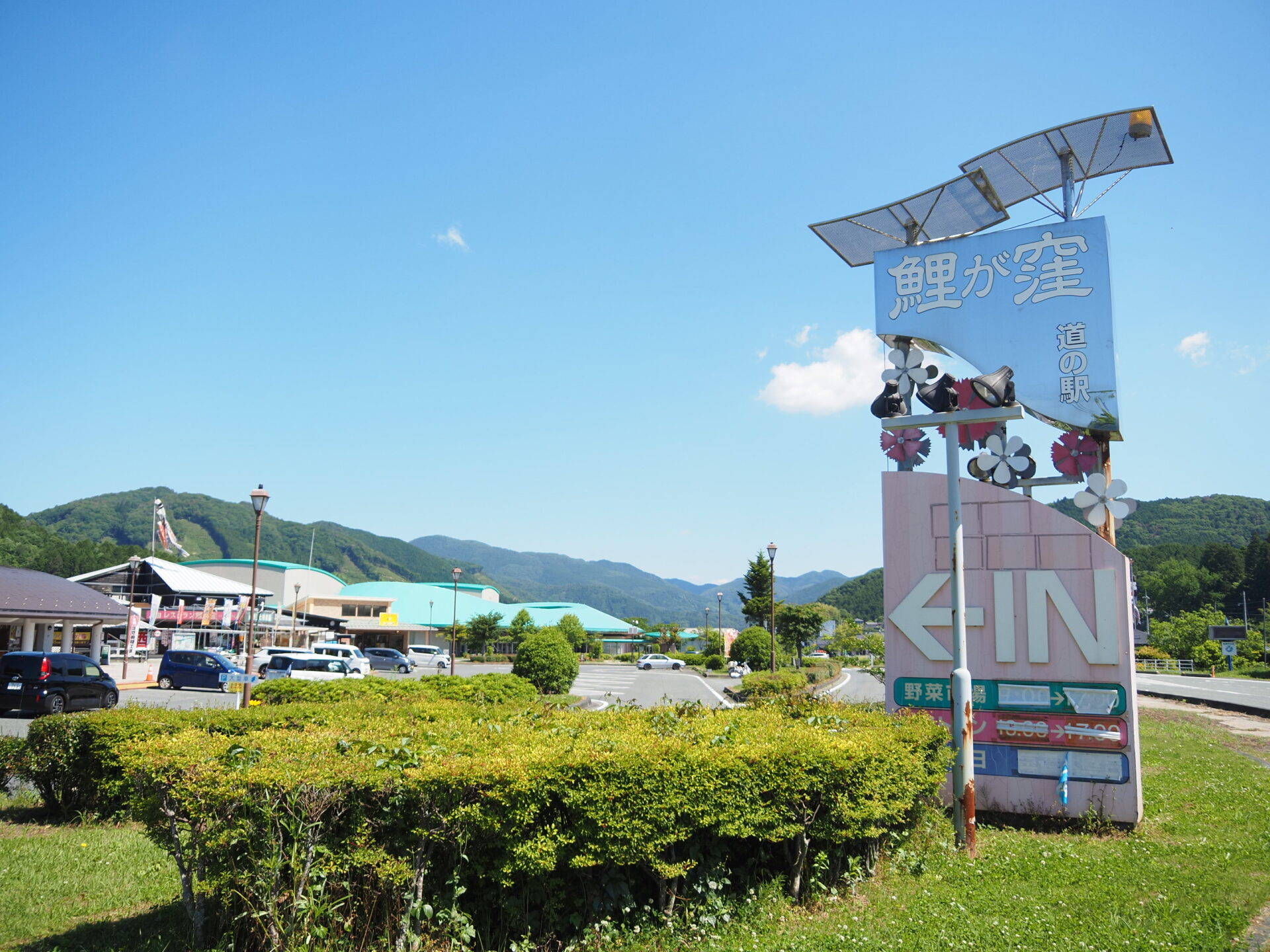
How did your efforts with "rice flour" begin?
About 20 years ago, before terms like "sixth industrialization" and "rice flour bread" became common, we received information from the Ministry of Agriculture, Forestry and Fisheries that "it seems you can make bread from rice."
Tetsuzai-cho is a region blessed with water. The rich water flowing through the broadleaf forest nourishes the fertile soil. It is a very blessed rice-producing area where delicious rice is grown.
However, simply harvesting rice and selling it as is does not significantly increase its added value. Therefore, we thought about how we could create new products using the rice from this area.
First, I heard that Niigata Prefecture was a leading area for rice flour, so I went there for an inspection.
From there, we started by sending Tetsuzai rice to Niigata to be milled and then sent back to us.
However, that was costly and time-consuming. So, we decided to "set up our own milling factory" to be able to produce it ourselves.
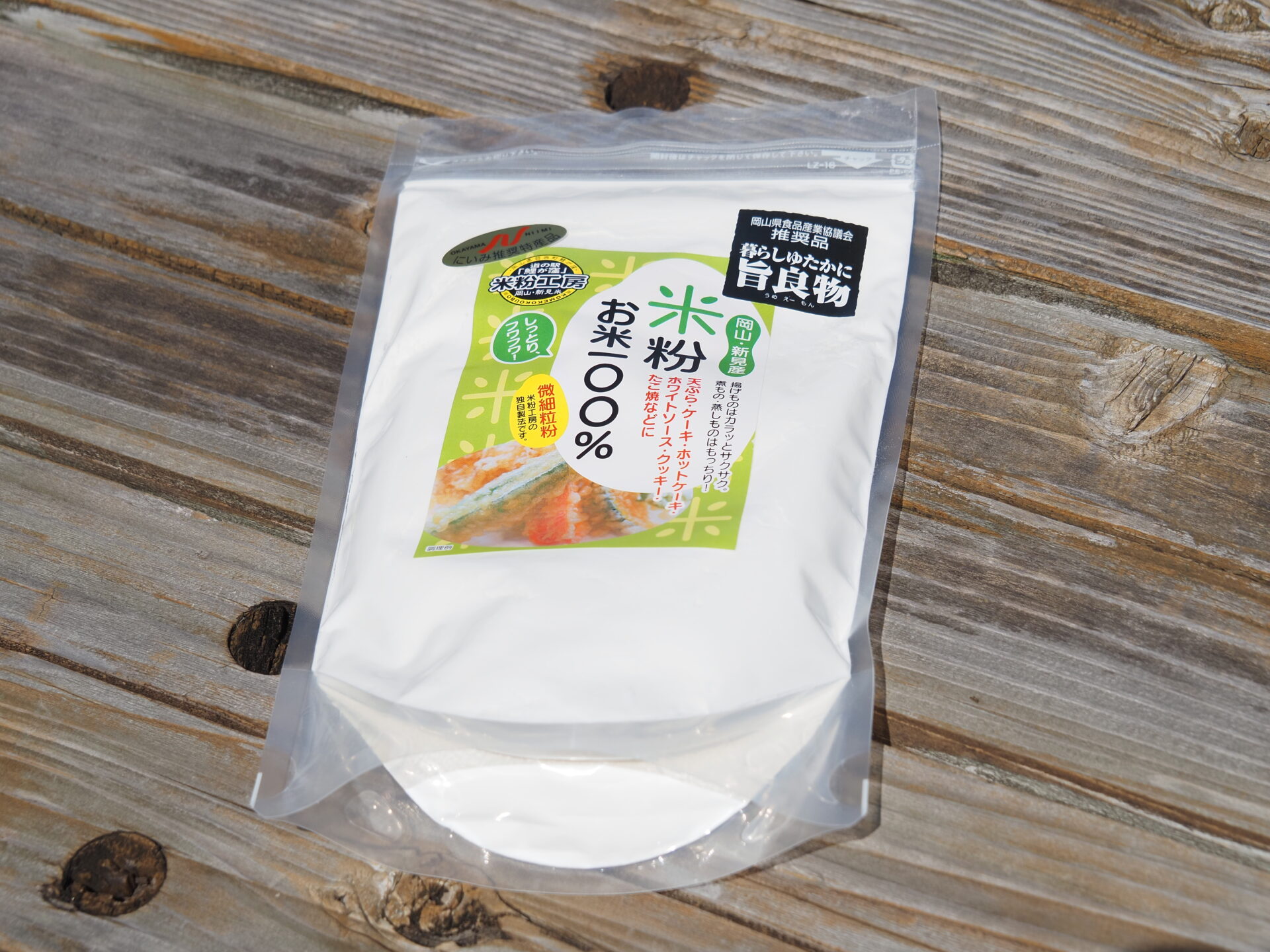
Initially, we attempted to make rice flour udon noodles.
However, due to the technology at the time, it was difficult to make it suitable for distribution, and we hit a wall. From there, through trial and error, we eventually arrived at the current rice flour bread and pizza.
Now, not only do we use it in our own products, but there is also a cycle created with local farmers and processing groups, as they utilize it in baked goods.
Creating a place where local people can take the lead and thrive
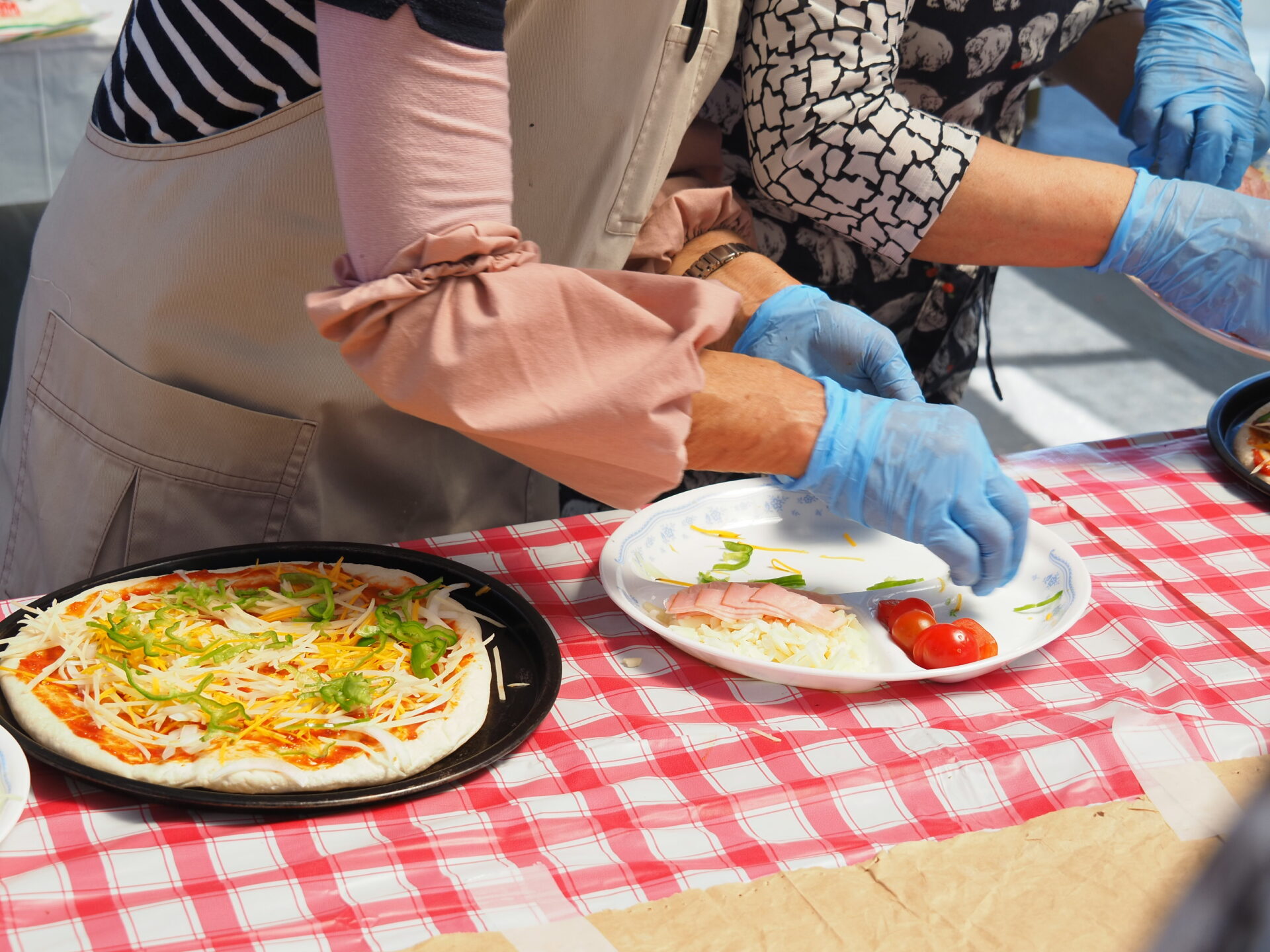
The presence of the "Tetsuzai Future Association," which operates the pizza experience, and the local staff is also significant.
Mizukami
That's absolutely right.
The roadside station has also become a place for local people to find "fulfillment" and "opportunities to thrive."
For example, for local young people, traveling to Okayama City takes time and transportation costs, and just the train fare can be a significant burden. Therefore, I hope that they can work well at this roadside station and earn enough to cover their smartphone bills.
Additionally, the presence of the "Tetsuzai Future Association," which supports the rice flour pizza experience, is indispensable. They interact with customers through the pizza experience and bring them joy.
I have heard that it has become a daily enjoyment and a reason to live.
Passing on the "power of the land" and the value of food in Tetsuzai to the next generation
Please tell us about the charm of Tetsuzai as you see it, Mizukami-san.
Mizukami
The Chugoku Mountains have a historically rich story.
Since ancient times, "tatara ironmaking" has flourished. Seafood was transported from the Seto Inland Sea, and on the return trip, iron was brought back. A flow of people and goods has existed since ancient times, centered around the Takahashi River.
This region has produced excellent iron used in Japanese swords, and I believe it has a history and culture that can be conveyed to the world.
Moreover, the soil and water of this land have supported its history and industry.
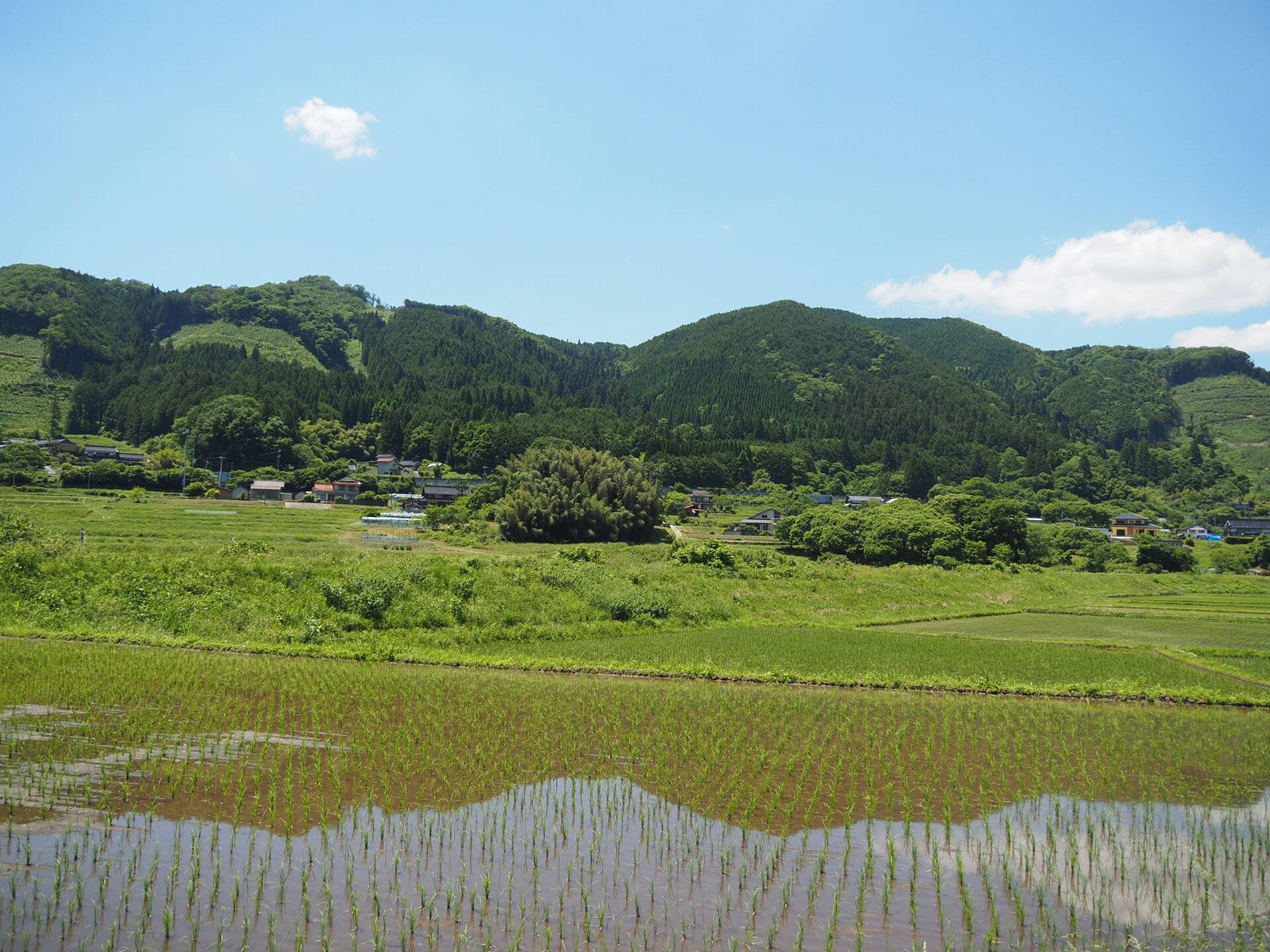
I feel that crops that have firmly rooted in the earth and absorb the energy of the sun and soil have a special power.
Rice, which is a staple food for Japanese people, has value even on a global scale, and it is a food that has fundamentally supported our lives and bodies.
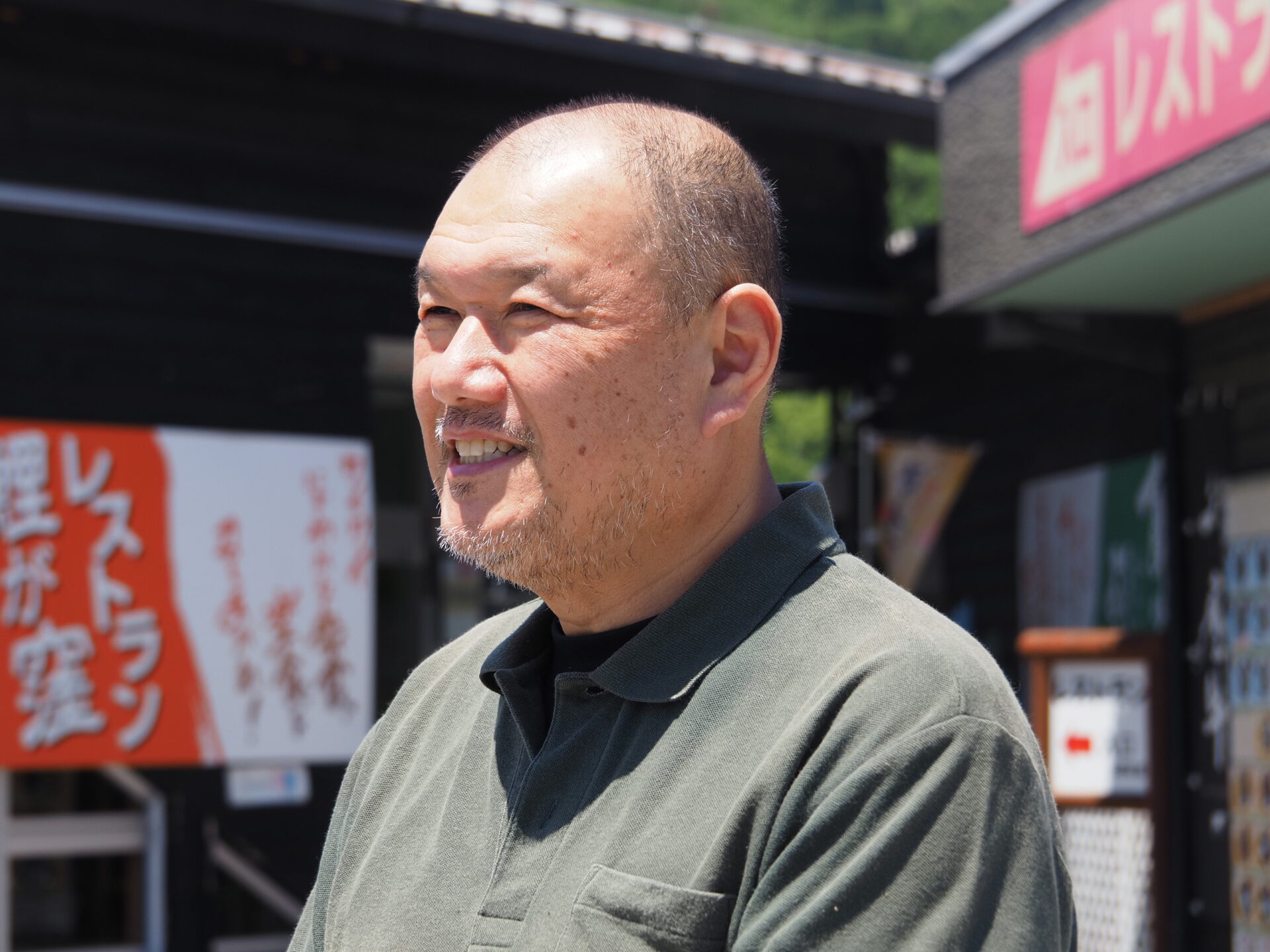
When promoting the charm of the town, I believe it is important to re-examine the originality that already exists here rather than forcibly creating something new. Tetsuzai has rich water and soil, and rice grown there. We turn that into rice flour, process it into bread and pizza, and let visitors taste it.
I also want to convey the importance of food and the value of the land through food education and education.
I hope to deliver the charm of Tetsuzai to people around the world who are interested in the history and food culture of this region.
Conclusion
What left an impression during the interview was that it is not about trying to create something new to convey the charm of Tetsuzai.
The rich water and soil, the rice grown there, and the food and history passed down in the community. It is about re-evaluating the value of what already exists and delivering it to visitors.
Michi no Eki Koigakubo is a place where you can not only taste the delicious offerings of Tetsuzai but also gain an opportunity to recognize the charm of this land.
Data on Michi no Eki Koigakubo
| Name | Michi no Eki Koigakubo |
|---|---|
| Address | 3585-1 Yada, Tetsuzai-cho, Niimi City, Okayama Prefecture |
| Contact | 0867-94-9017 |
| Website | Official Website of Michi no Eki Koigakubo |