Many people will likely experience job hunting at least once in their lives.
Students may feel that there are things they want to ask companies, but cannot during the selection process.
To address the questions and anxieties that each side has, Kurashiki University of Science and the Arts held a Real Talk Workshop on Working. This workshop allowed students and companies to consult each other about their concerns and share their true feelings.
Here is an introduction to the event on the day.
What is the "Real Talk Workshop on Working"?
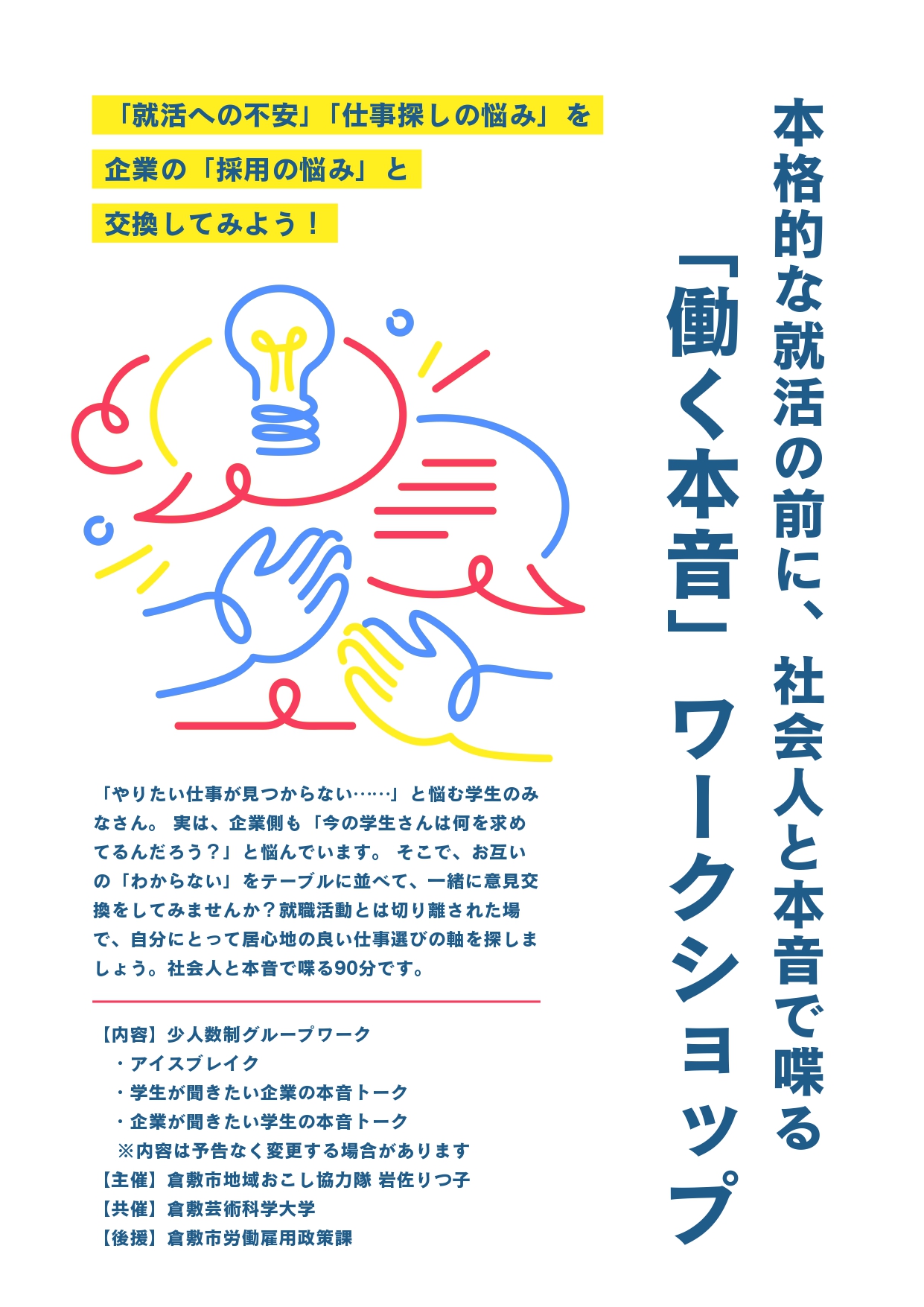
The "Real Talk Workshop on Working" was held on July 8, 2026 (Wednesday) as part of the career education initiatives at Kurashiki University of Science and the Arts.
In the workshop, university students who are anxious about "not being able to find the job they want" and companies in Kurashiki City that are struggling with "not being able to attract young talent" gathered to consult each other about their concerns and exchange opinions. It is a dialogue-based workshop where participants can discuss their true feelings on equal footing, separate from job hunting.
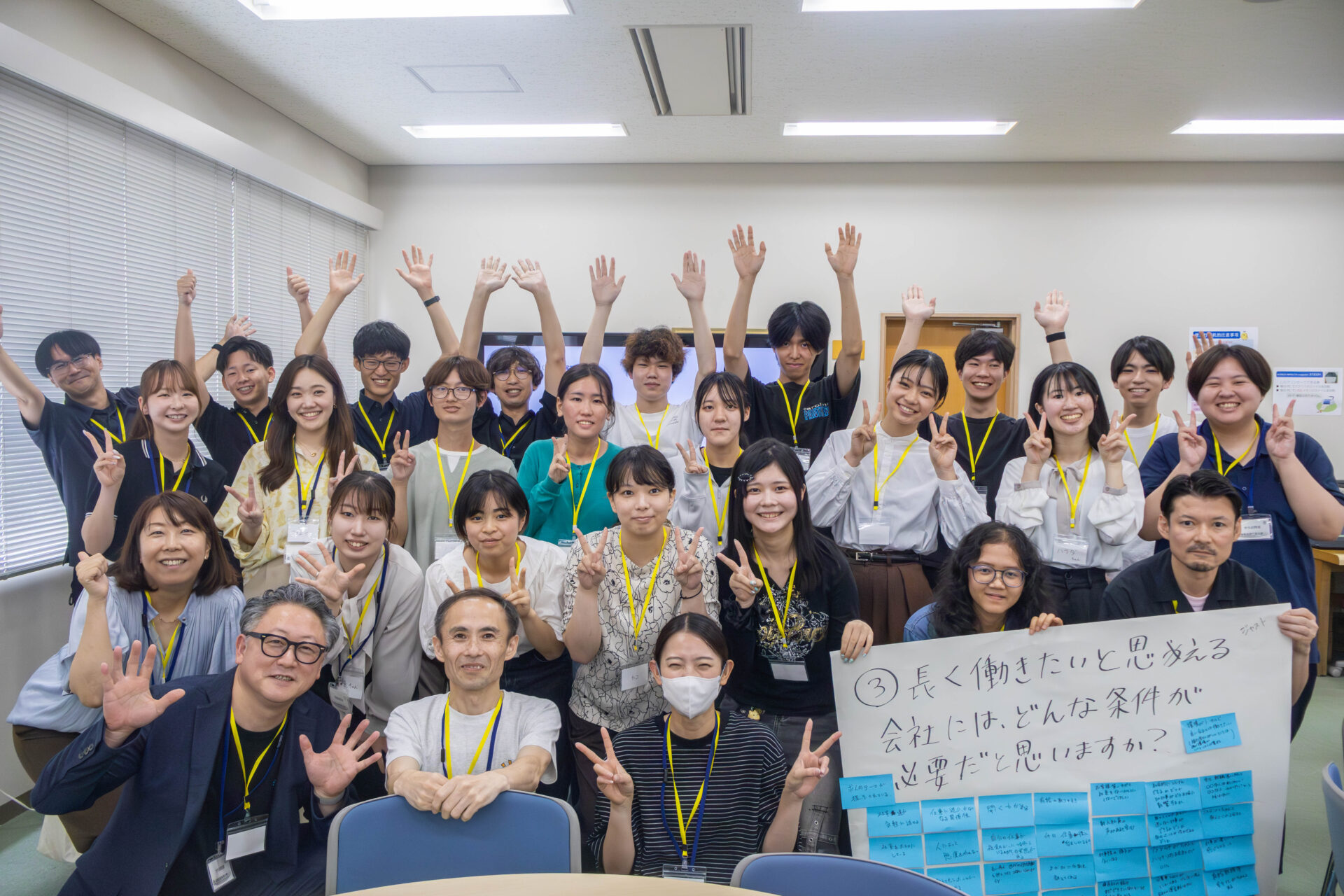
On the day of the event, 15 students from the Faculty of Arts at Kurashiki University of Science and the Arts and 6 companies from Kurashiki City participated. From the companies, young employees and human resources and public relations representatives attended.
The participating companies are as follows:
- Kurabiz Co., Ltd.
- Hagiwara Co., Ltd.
- People Software Co., Ltd.
- Garakutasu LLC
- Mori Furokki Co., Ltd.
- Just Co., Ltd.
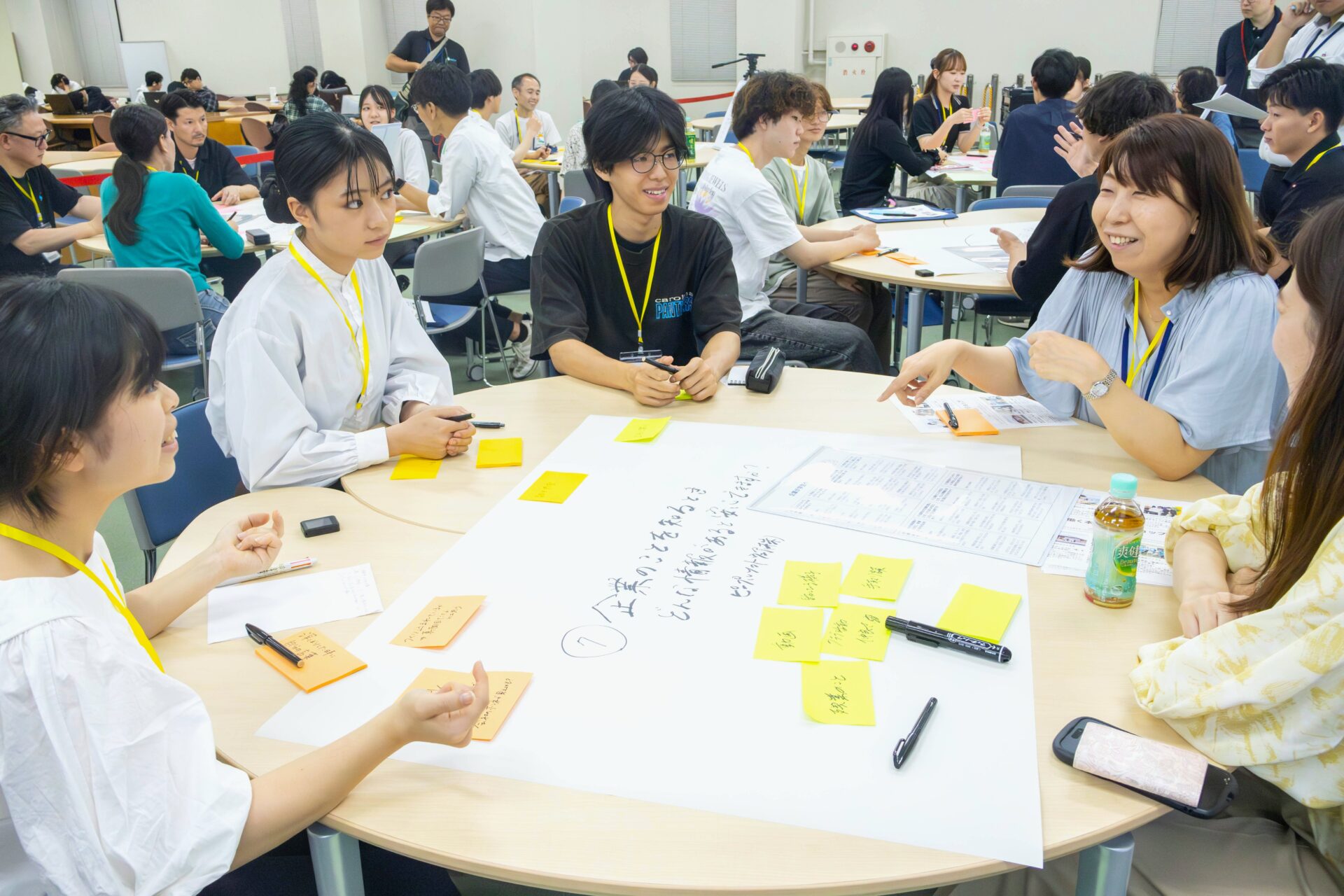
The day began with an ice breaker focusing on considering "workplace comfort", followed by Real Talk sessions in two parts where participants discussed their true feelings. Each company was divided into groups of 4 to 5 people at tables to facilitate small group discussions.
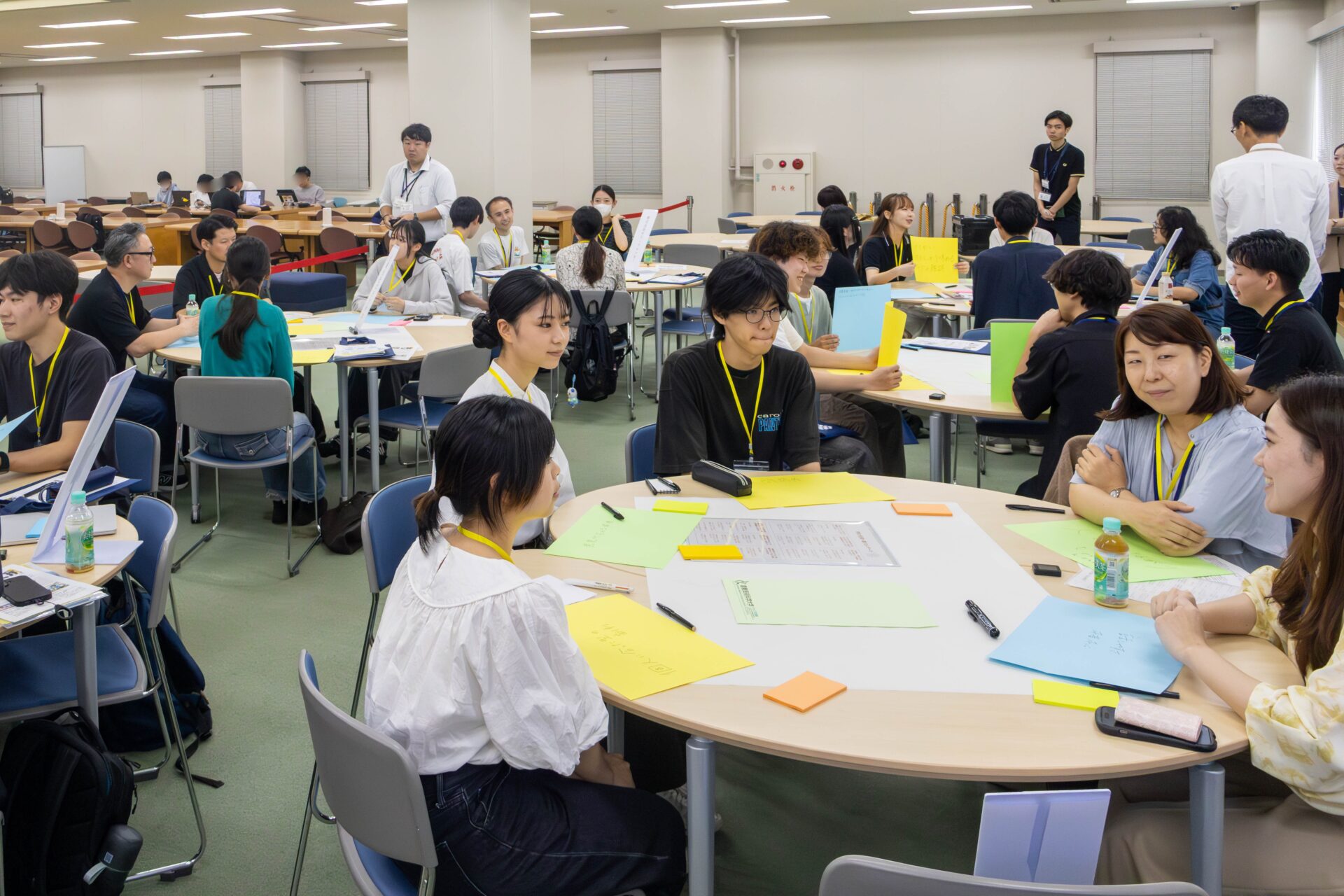
Ice Breaker
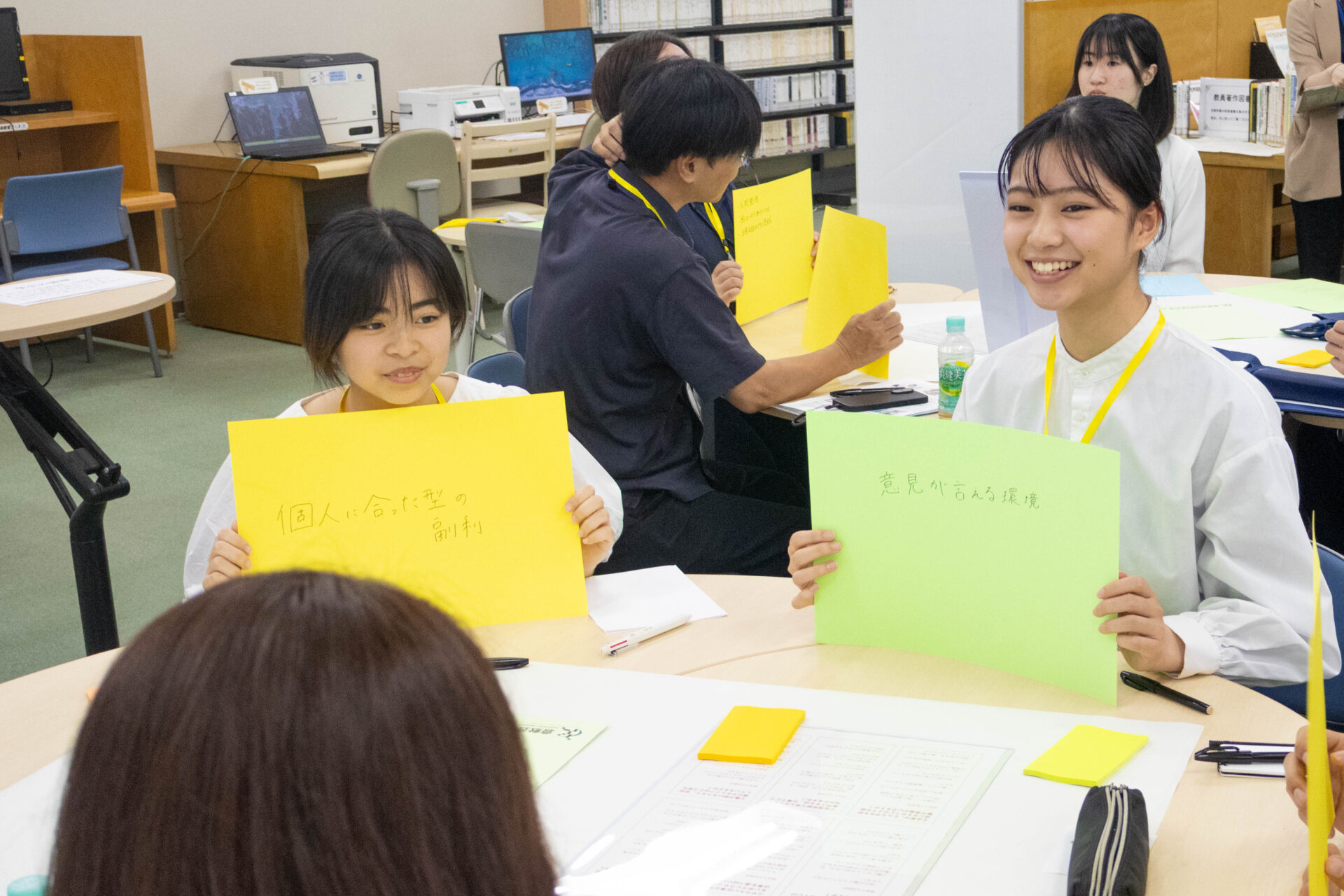
During the ice breaker, each participant considered their thoughts on workplace comfort and wrote their opinions on colored paper. After finishing, one person from each table presented their thoughts.
At each table, there were reactions like "Oh!" and "I see!" as differences in how students and companies perceive "workplace comfort" became apparent.
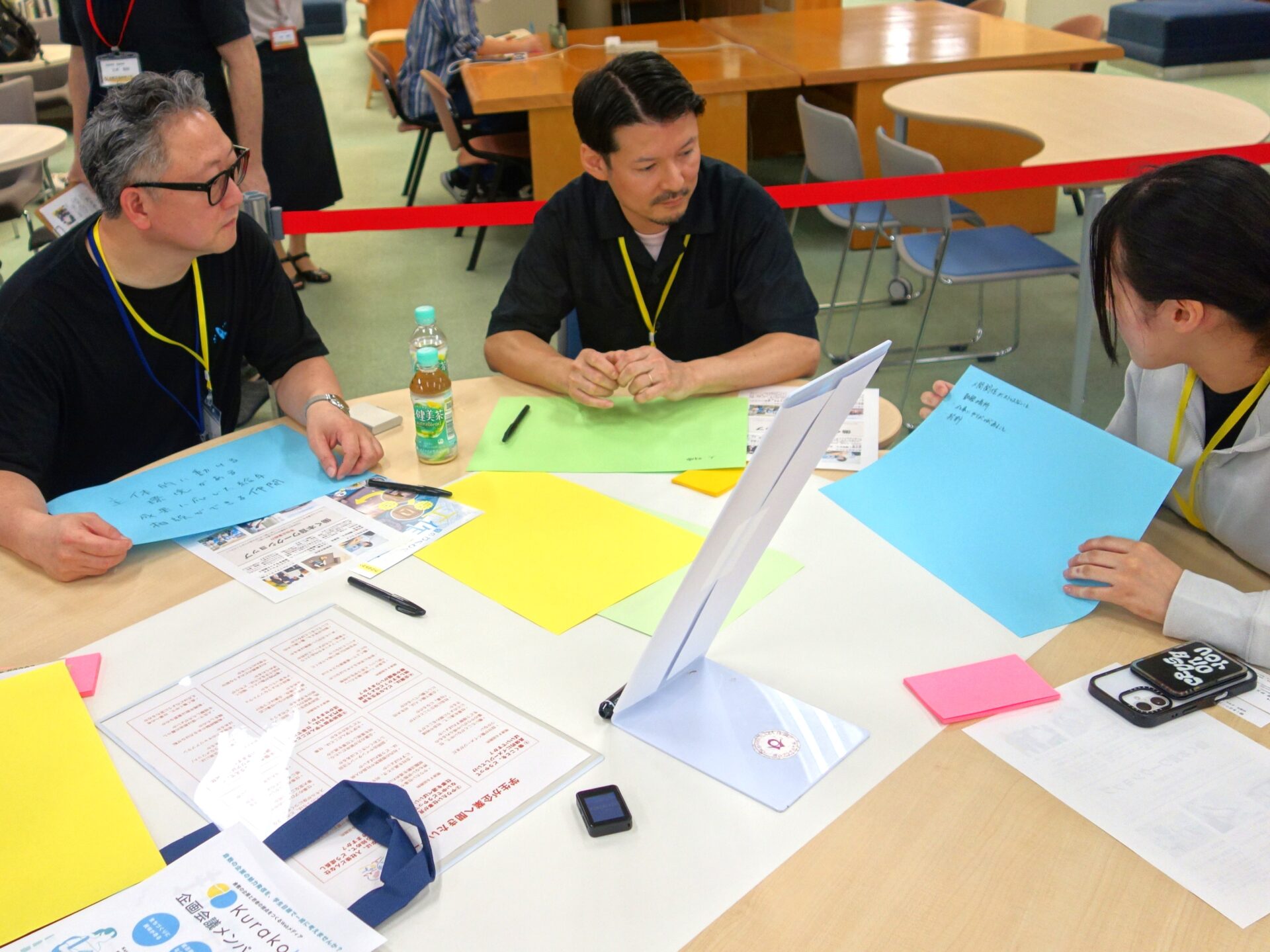
On the company side, about 90% of participants mentioned interpersonal relationships, ease of communication, and ease of consultation as important aspects of the workplace environment. With their experience as working adults, they may have a stronger appreciation for the importance of interpersonal relationships.
On the other hand, while students also value interpersonal relationships, they are paying attention to ease of taking time off, length of working hours, benefits, and salary. Many students seem to be concerned about whether the environment that protects employees' healthy lives is properly established as a company policy.
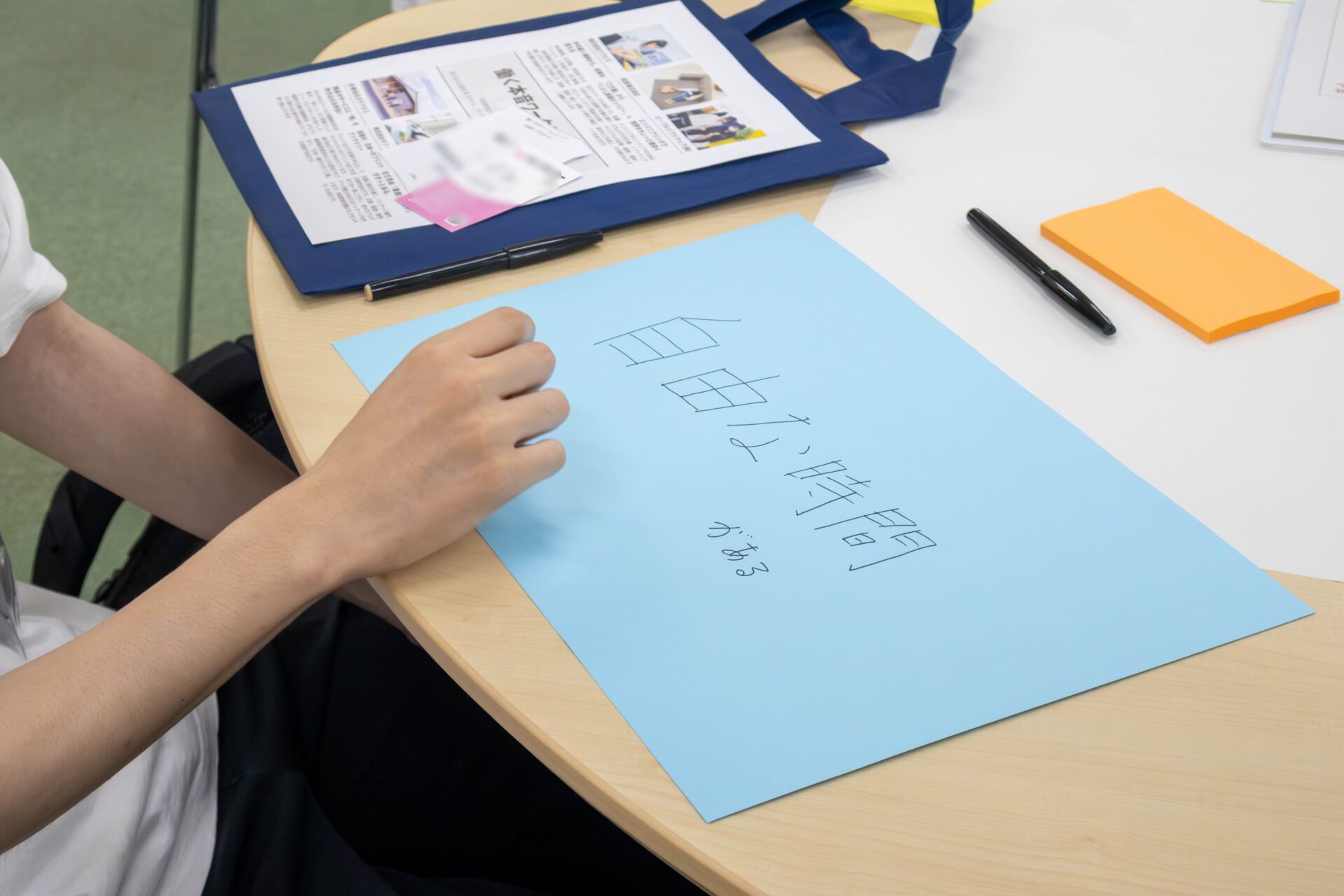
Among students who prioritize time off, one person mentioned, "I don't want to receive work-related messages on my days off." In a workplace where communication is easy, it might be tempting to reach out casually, but it's also important to consider maintaining an appropriate distance.
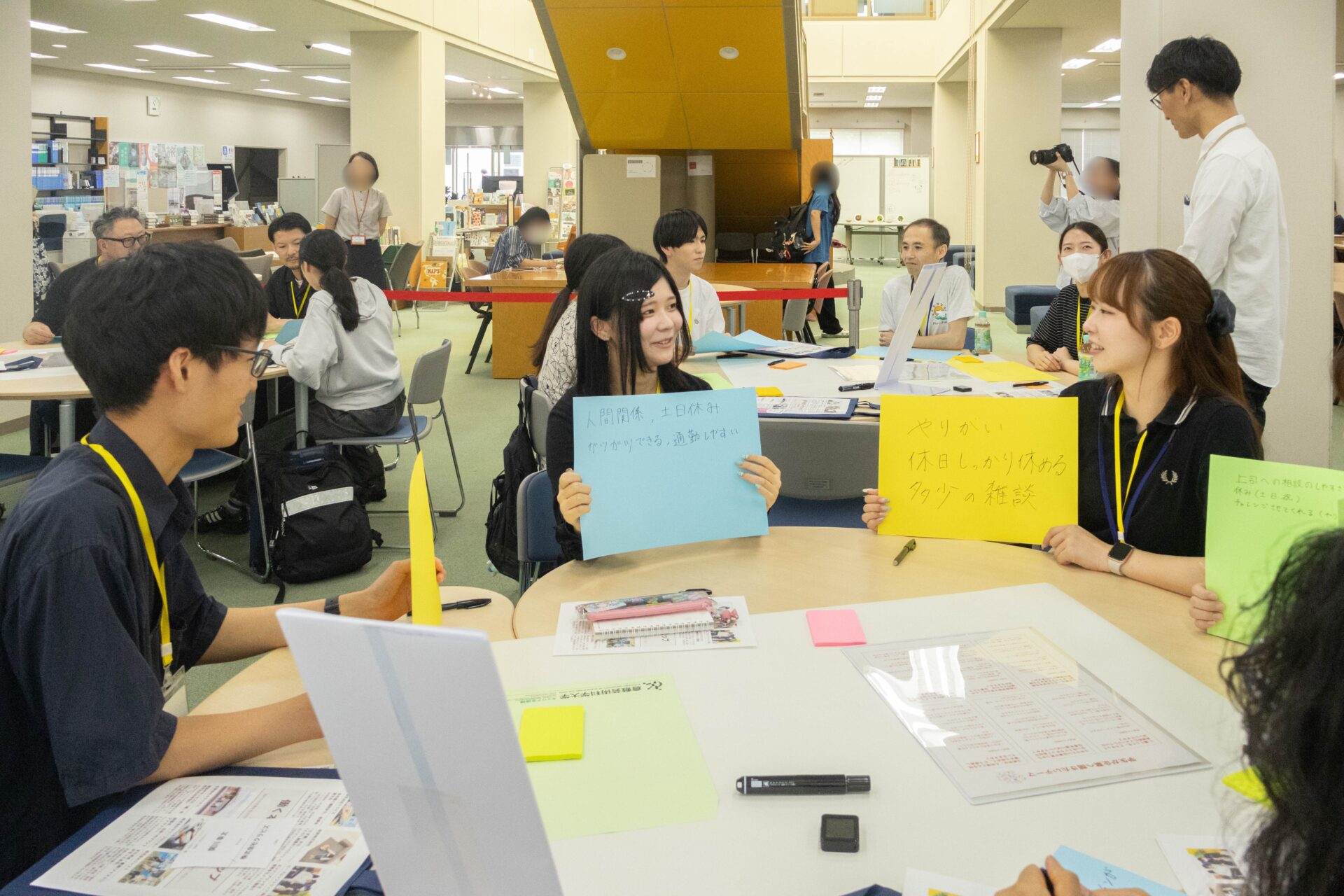
Both companies and students share a common emphasis on the importance of human relationships, while it became clear that students are seeking a wider range of working conditions.
Honest Talk 1: "What Students Want to Ask Companies"
Next, the first half of the honest talk was held.
From the following "Themes Students Want to Ask Companies", students will choose one theme they want to discuss and exchange opinions based on that theme.
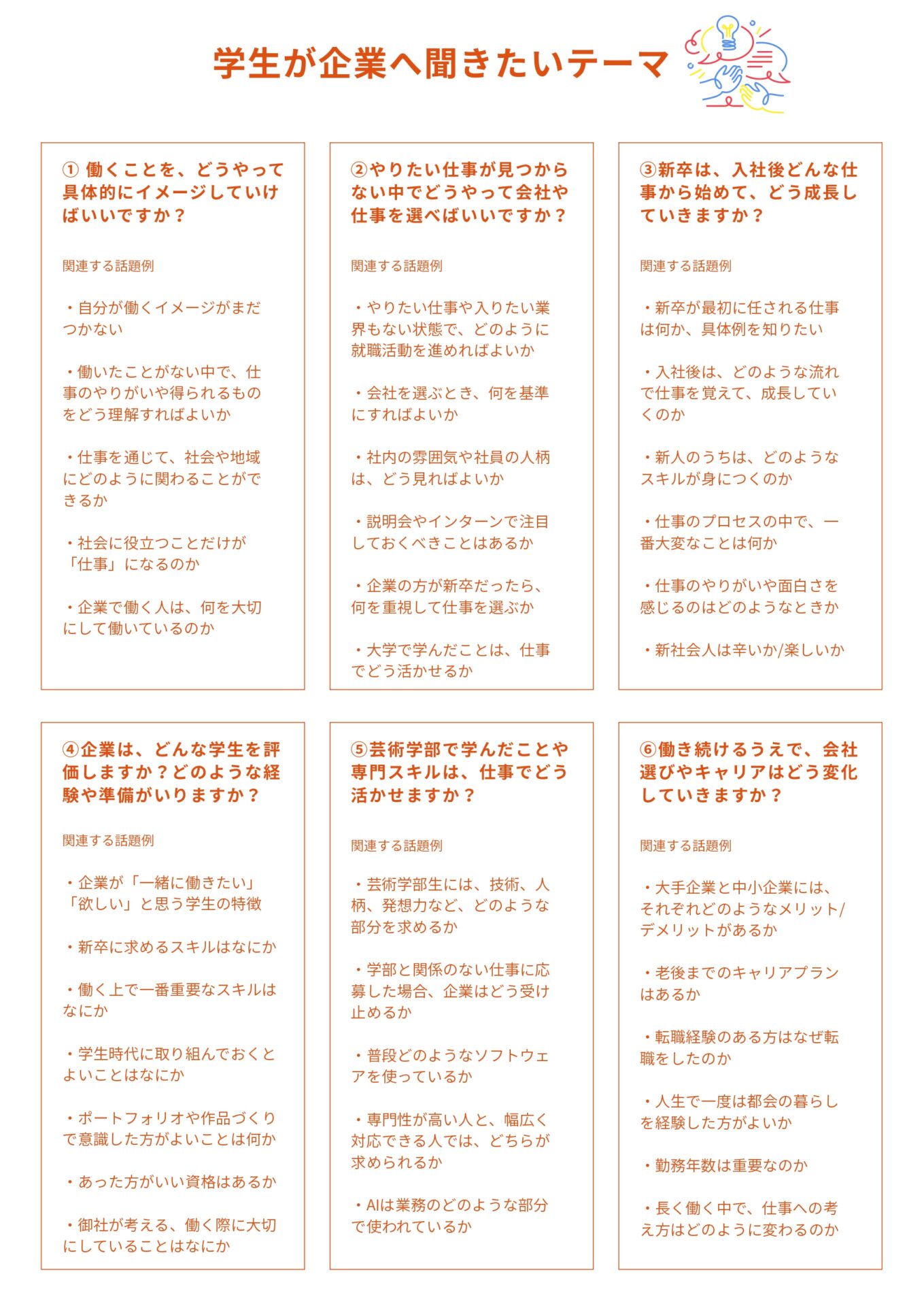
"What Kind of Students Do Companies Evaluate? What Experiences and Preparations Are Needed?"
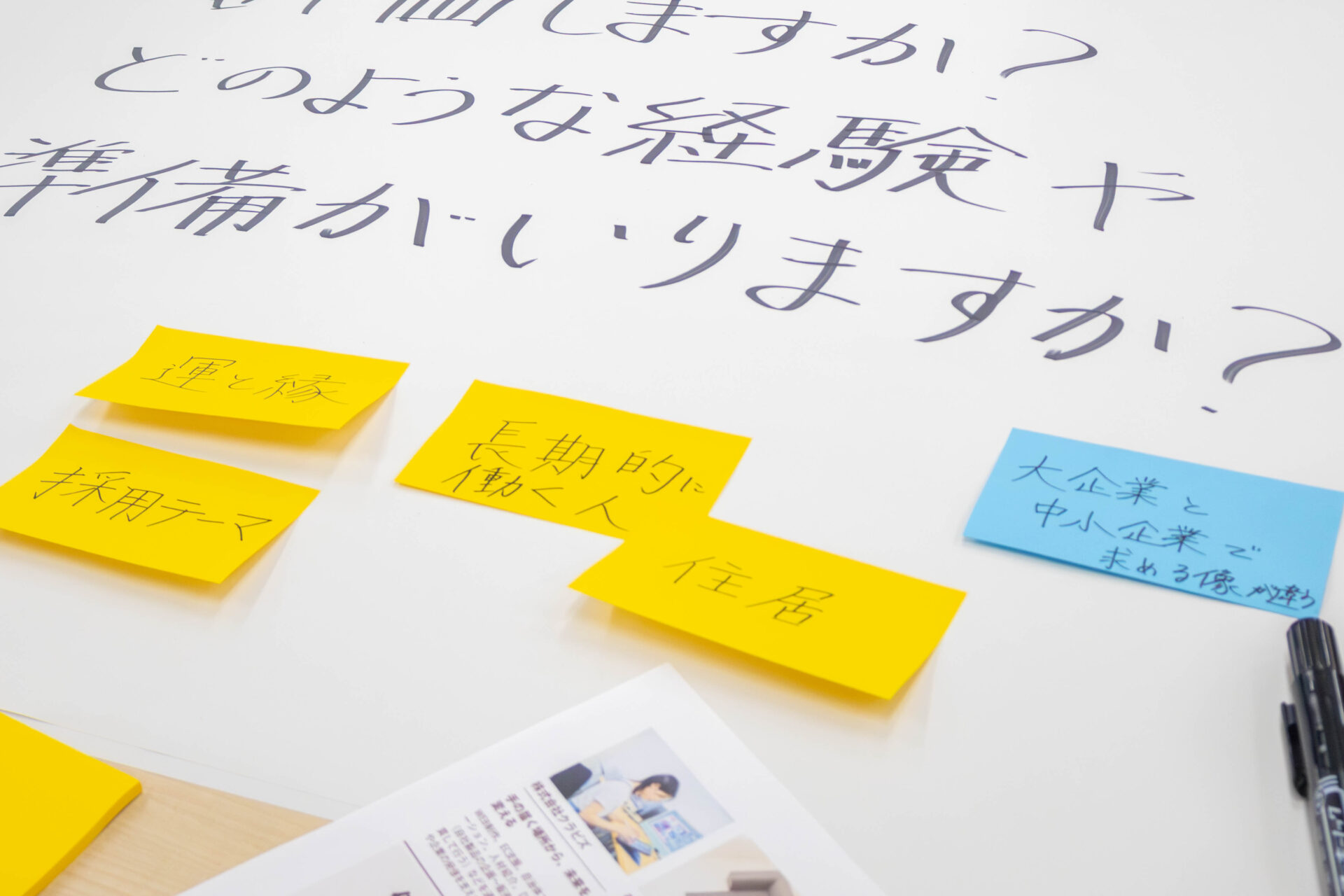
The theme chosen at Just's table was, "What kind of students do companies evaluate? What experiences and preparations are needed?"
Students expressed positive inquiries such as, "I want to know how I can contribute to the company" and "I want to prepare for what I can do during my student years."
On the company side, they emphasized the importance of candidates who seem likely to work long-term, those who can provide value to the company, and those with whom they can envision working together through the interview process, while also mentioning that the elements of "luck and fate" play a significant role.
Even if not hired, they conveyed with care that it was simply a matter of compatibility and timing with the company, and that it was not the individual's fault.
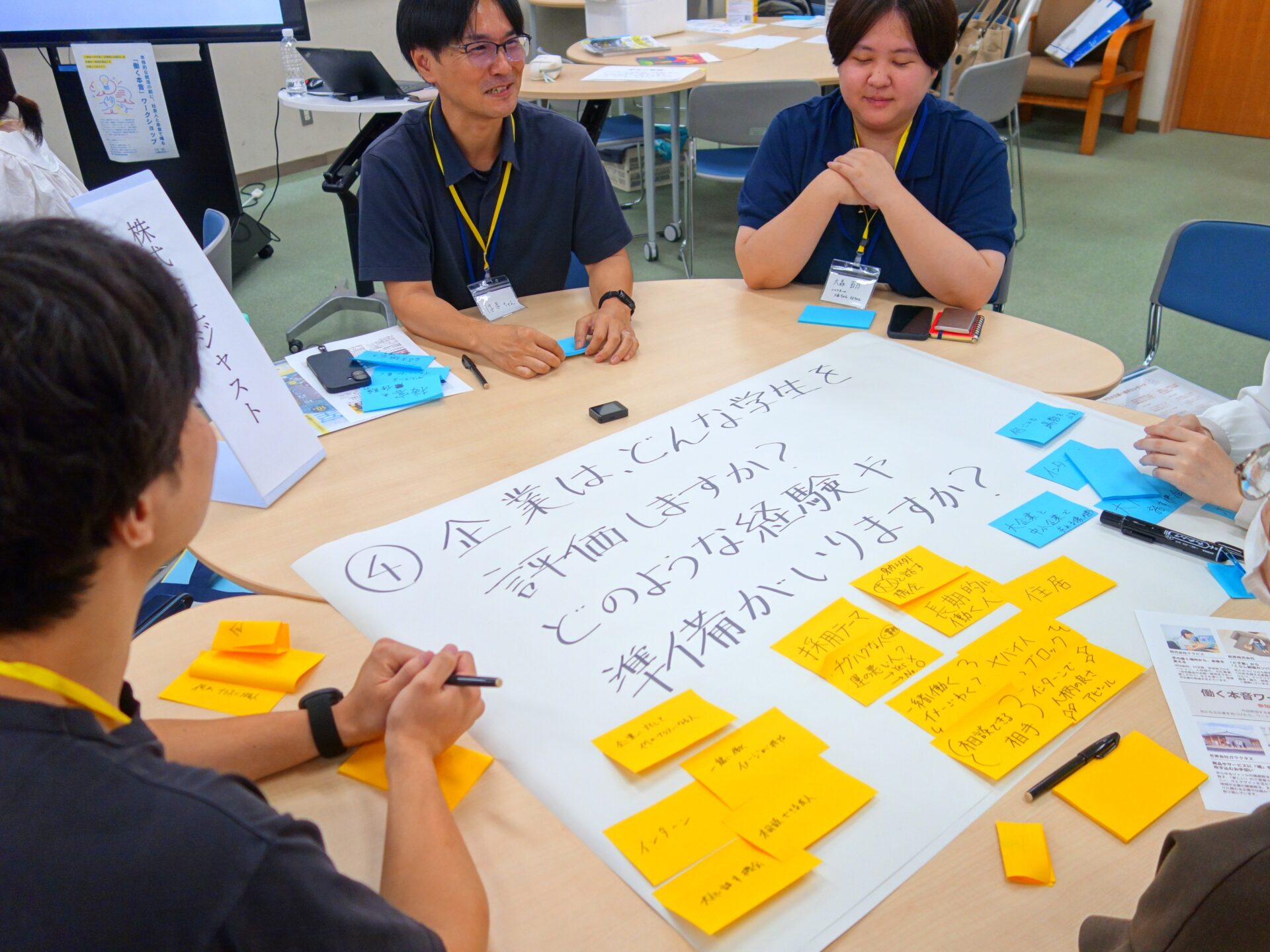
Additionally, regarding preparations during their studies, they recommended gaining opportunities to talk with working professionals to naturally develop conversational skills and securing advisors. Students listened intently to the advice based on real experiences.
"How Can What You Learned in the Faculty of Arts and Your Specialized Skills Be Applied in Work?"
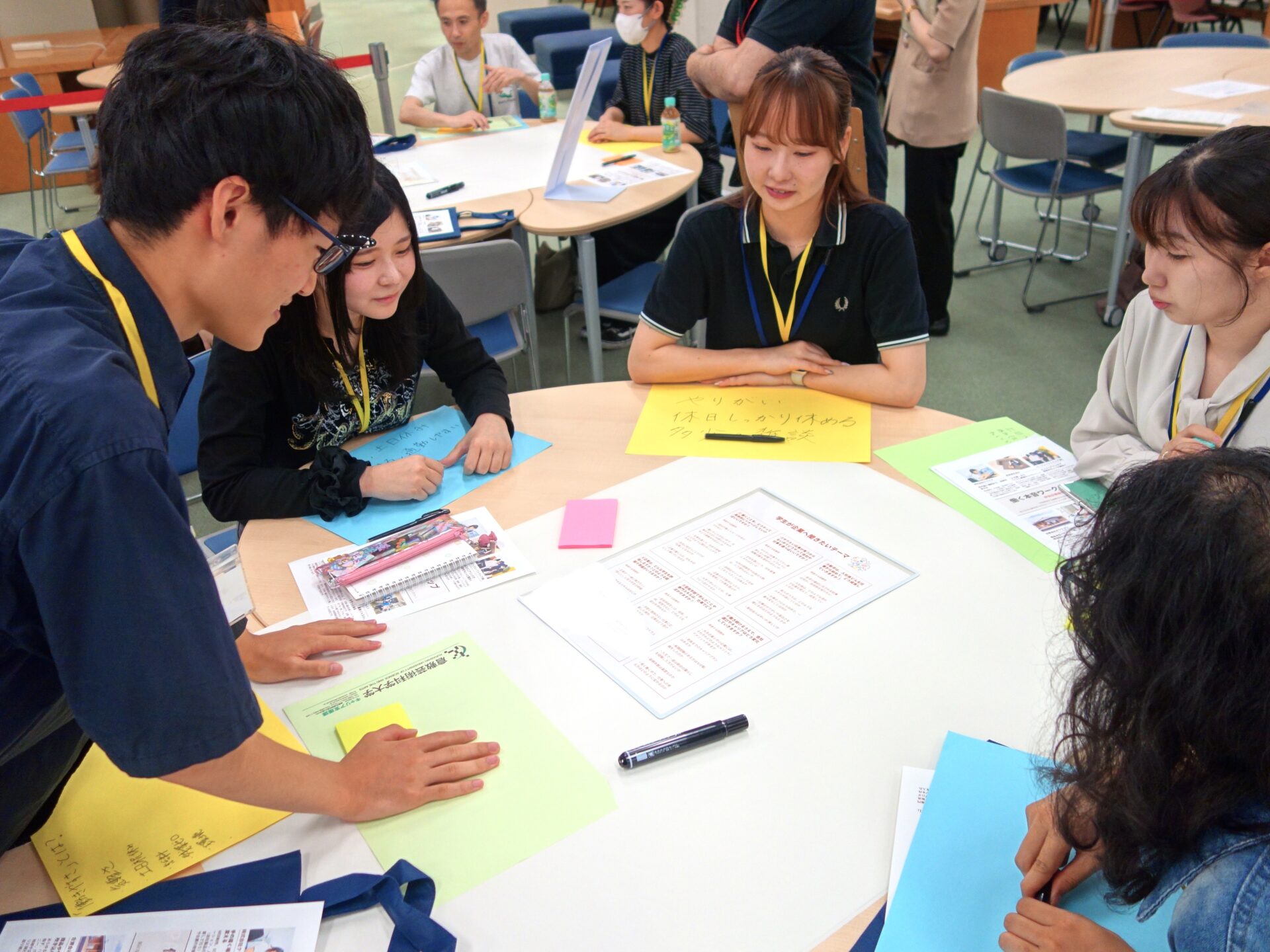
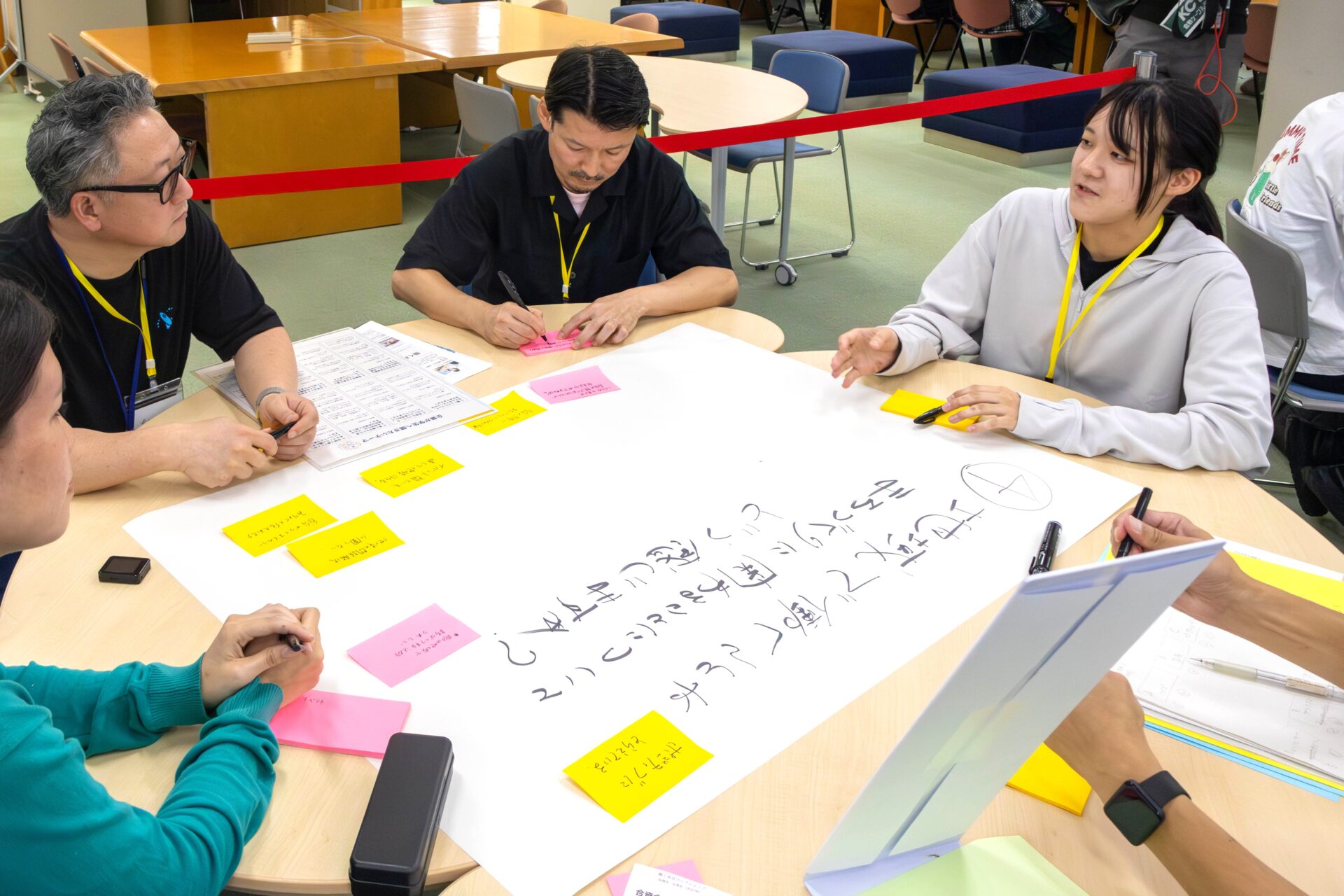
At the table of Kurabiz, the discussion was centered around the theme, "How can what you learned in the Faculty of Arts and your specialized skills be applied in work?"
A student interested in sales expressed, "I am studying design and art, but I want to know how I can apply it to jobs that are not directly related to my field."
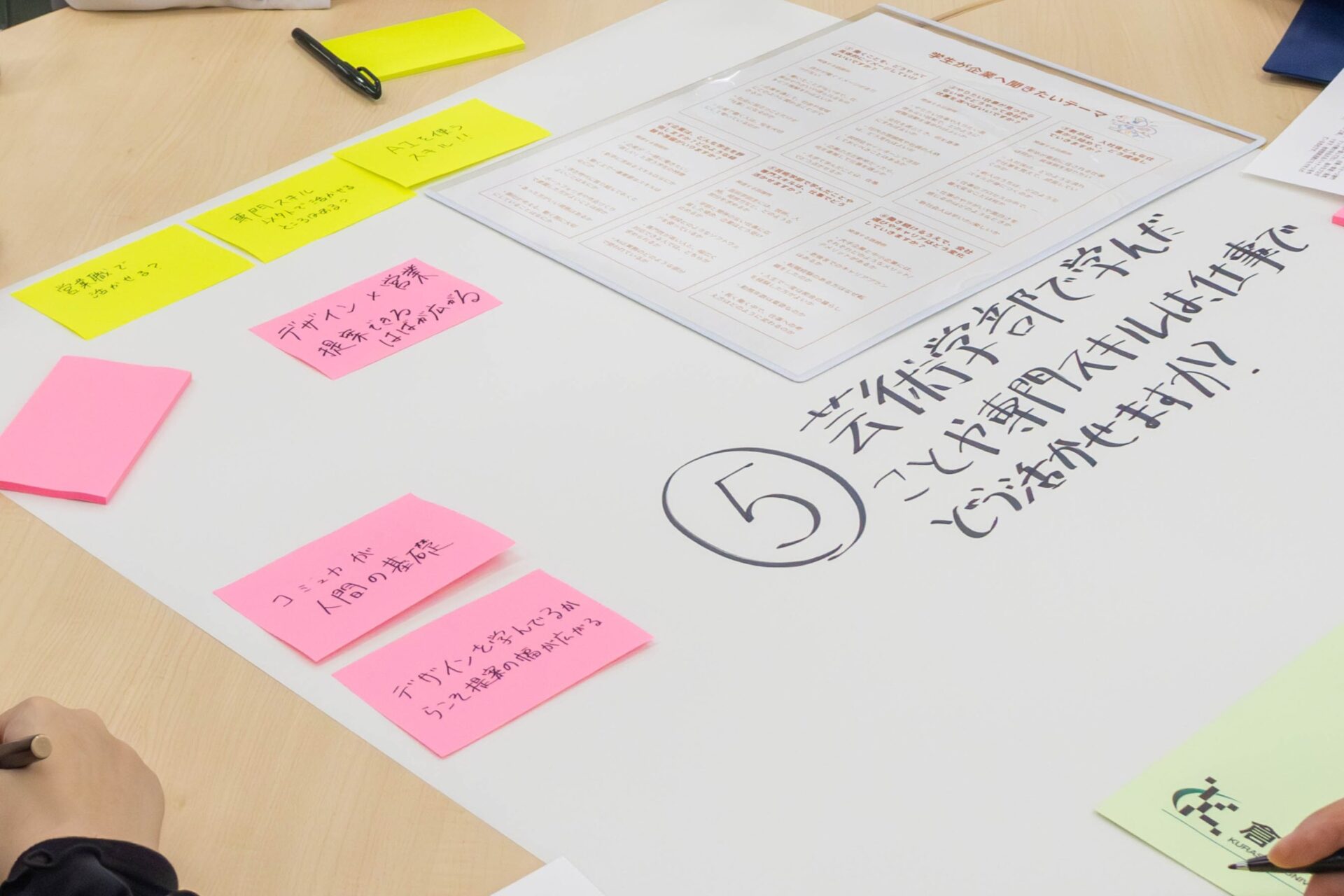
The company representatives mentioned, using the director position as an example, that "having specialized knowledge broadens the range of proposals we can make to clients, which becomes a strength." On the other hand, they also emphasized the importance of foundational skills as a working professional, such as a cheerful greeting and communication skills, which are even more crucial than specialized skills.
The HR representatives conveyed to the students that "even if you apply for a position different from your university major, as long as you can clearly explain your reasons, there is absolutely no problem." This was encouraging advice for students who have honed specific skills.
"What kind of work will new graduates start with after joining, and how will they grow?"
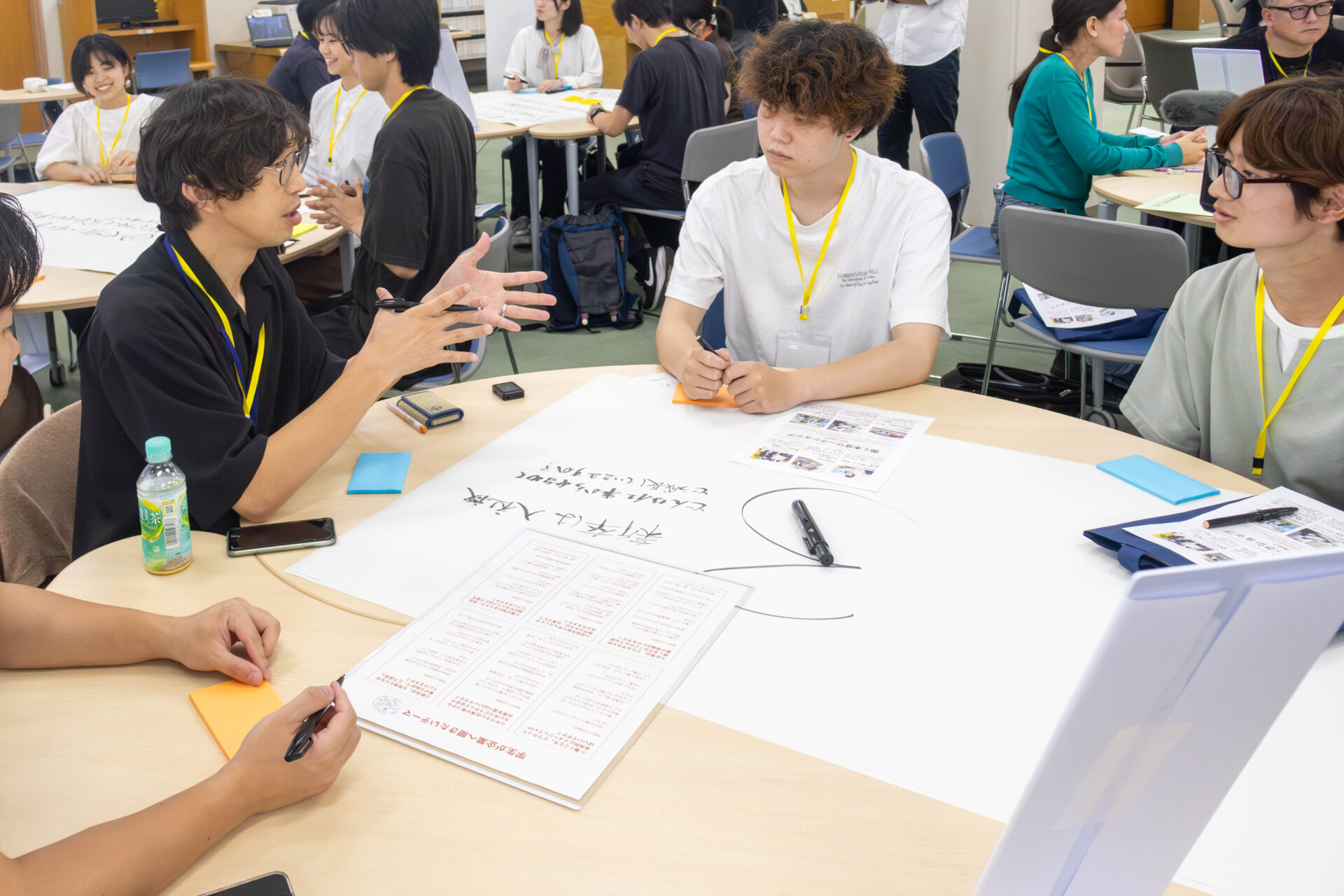
The theme chosen at Hagiwara Co., Ltd. was "What kind of work will new graduates start with after joining, and how will they grow?"
In response to the concern that "job descriptions and growth trajectories are not specifically written," the company representatives stated, "Due to character limits, there is a limit to the information companies can convey, so I believe the best approach is to talk directly with employees during company information sessions or internships and ask questions."
They also expressed concern that judging a company based solely on superficial information in text increases the likelihood of mismatches.
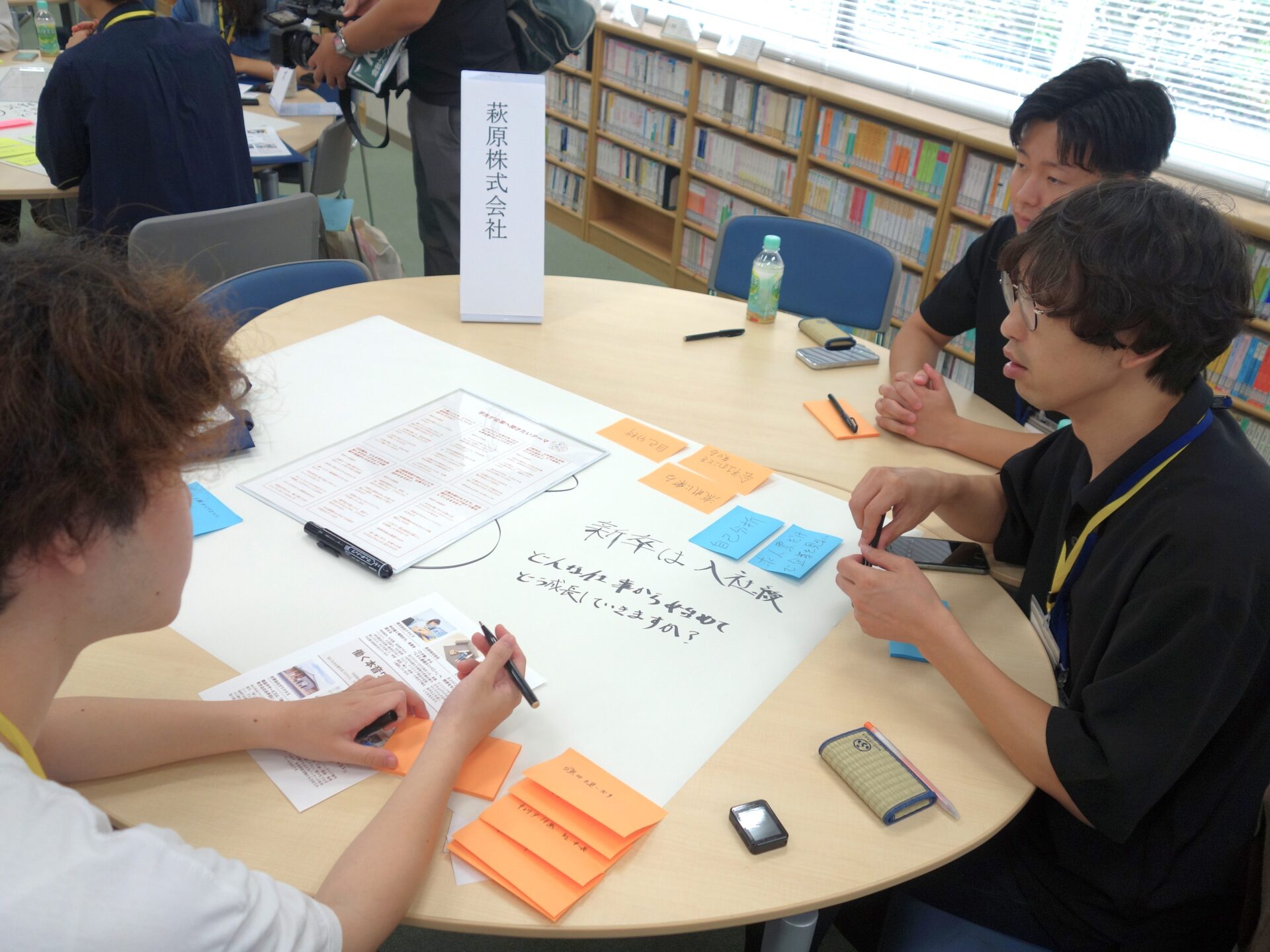
Furthermore, when students asked, "What do you expect from new graduates?" the company representatives candidly expressed their opinion that "to be honest, we do not see new graduates as immediate assets." They mentioned that the first few years after joining are a period for building a foundation for work, and many pieces of advice were given to help lighten the students' feelings about future work.
Honest Talk ② "What Companies Want to Ask Students"
Next, the second half of the honest talk began. Similar to before, this time the companies selected one theme they wanted to ask students about, and exchanged opinions.
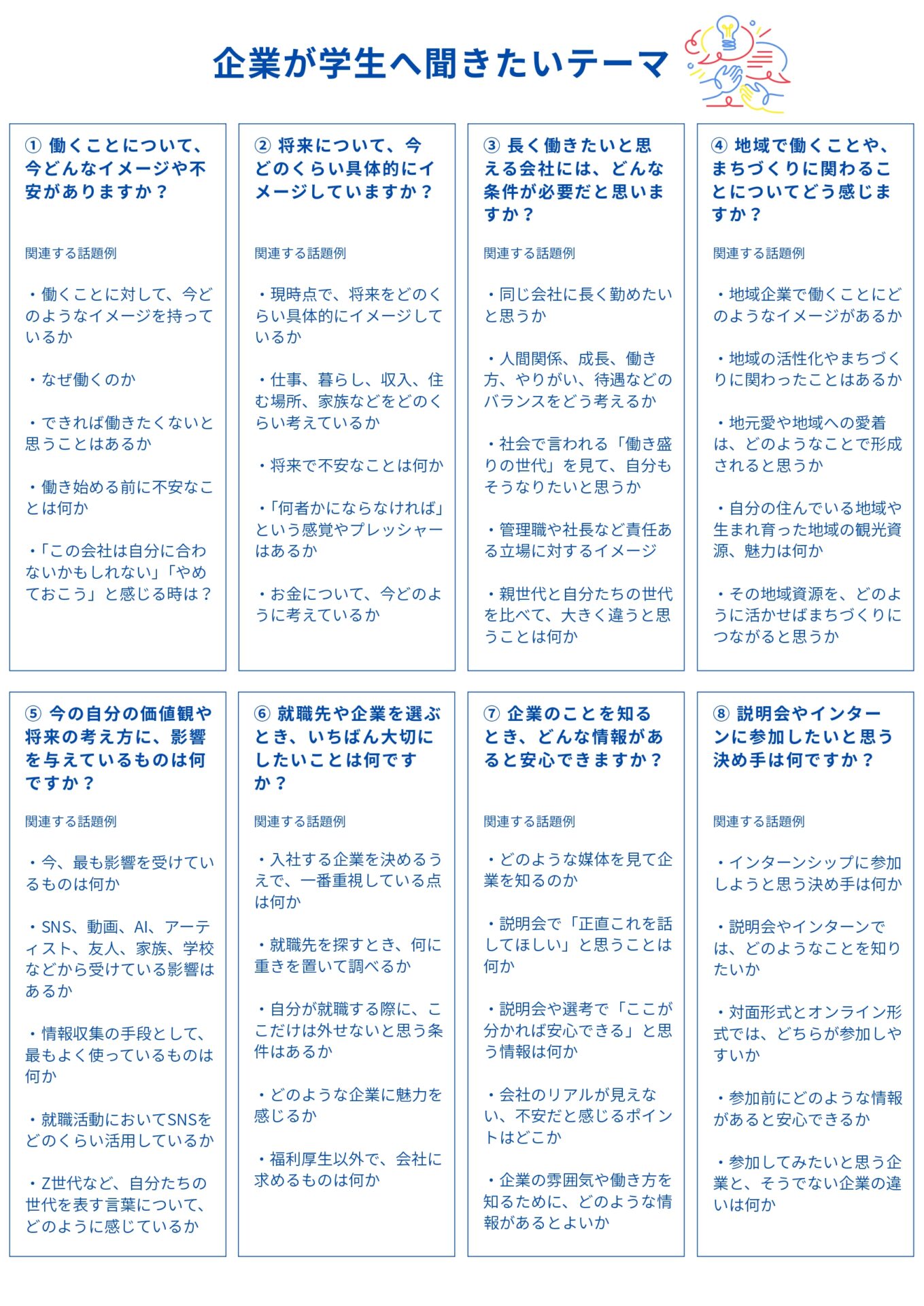
"What influences your current values and future thoughts?"
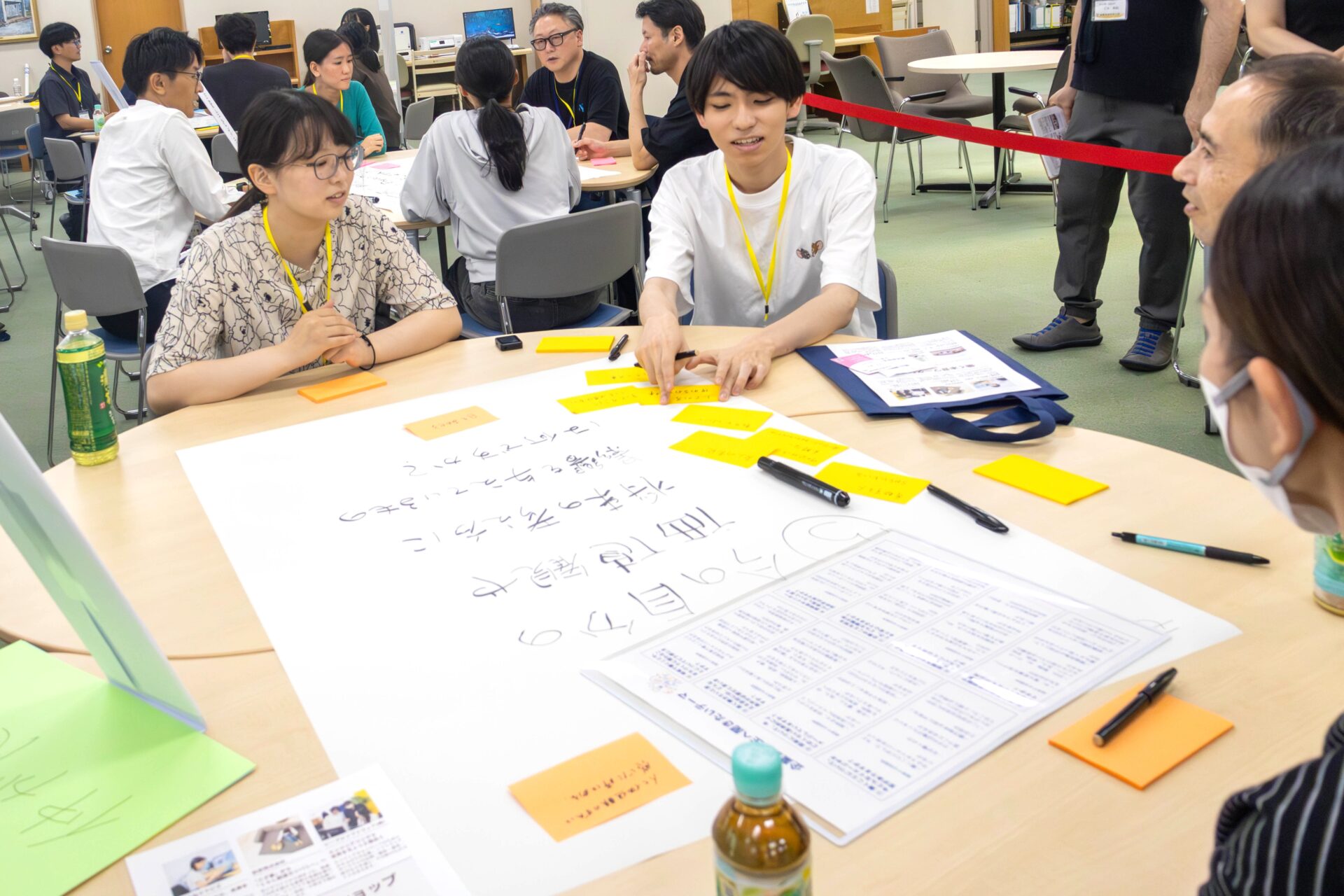
The theme chosen by Mori Flokki Co., Ltd. was "What influences your current values and future thoughts?" A dialogue was held to delve into each other's values to understand the generational gaps created by changes in the times and differences in environments.
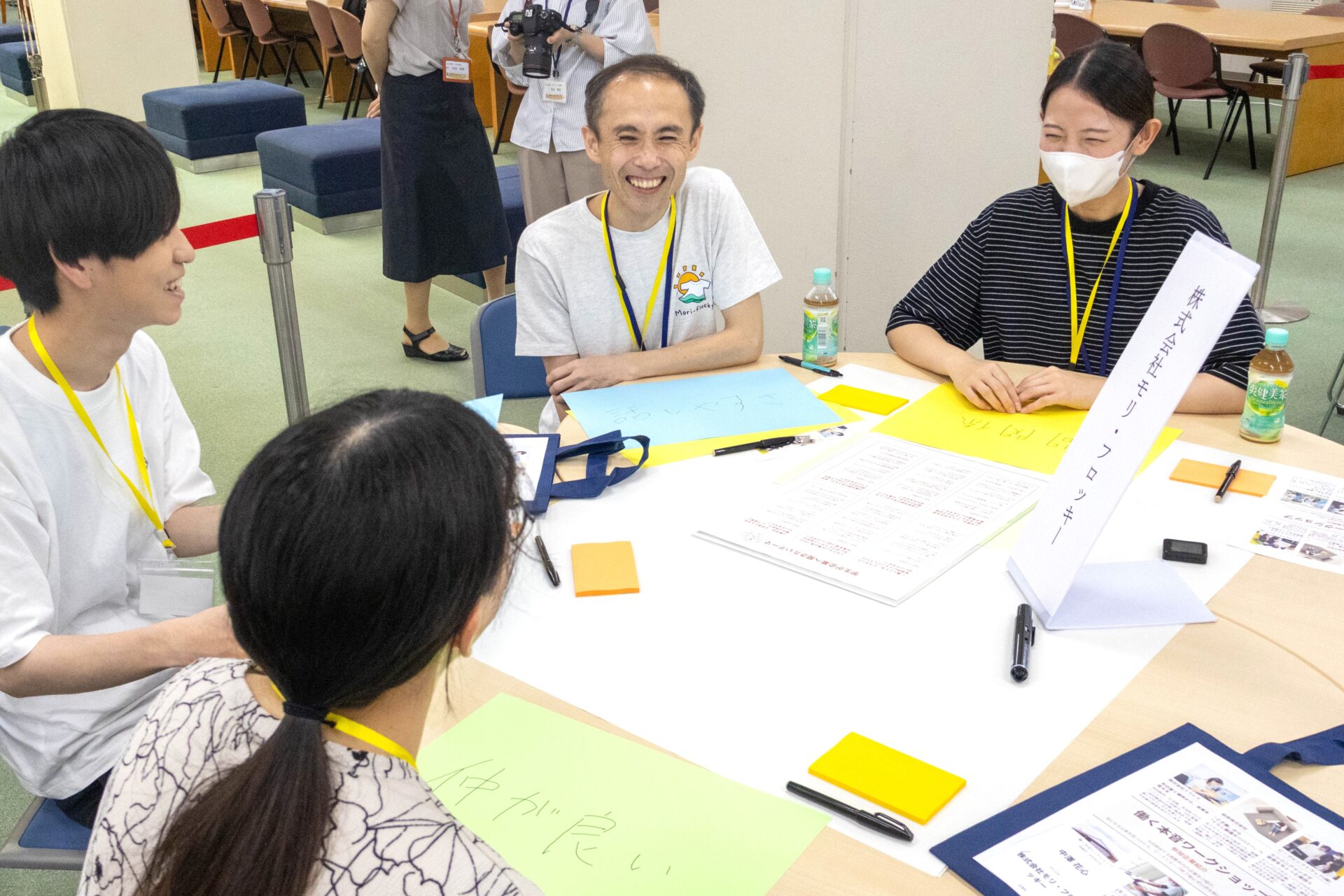
During the conversation, students shared their real values, saying from their part-time job experiences, "I think doing call-in sales is pointless" and "I don't want to do things in my job that I wouldn't want done to me."
When asked about their thoughts on working, they expressed positive opinions such as "a little excited" and "I want to try changing jobs until I find a job that suits me." It seems that many students may see working as a way to find themselves.
"What information provides reassurance when getting to know a company?"
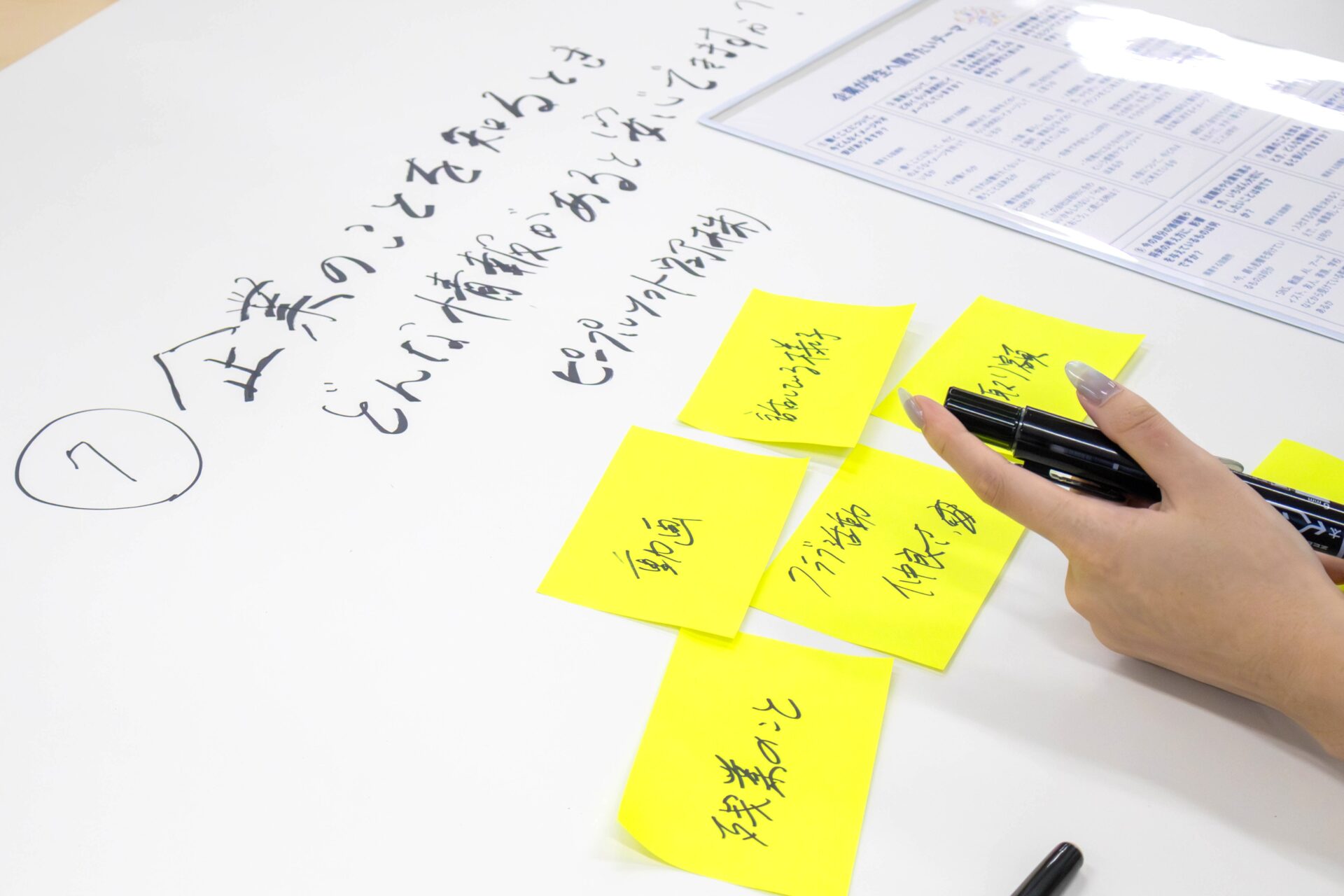
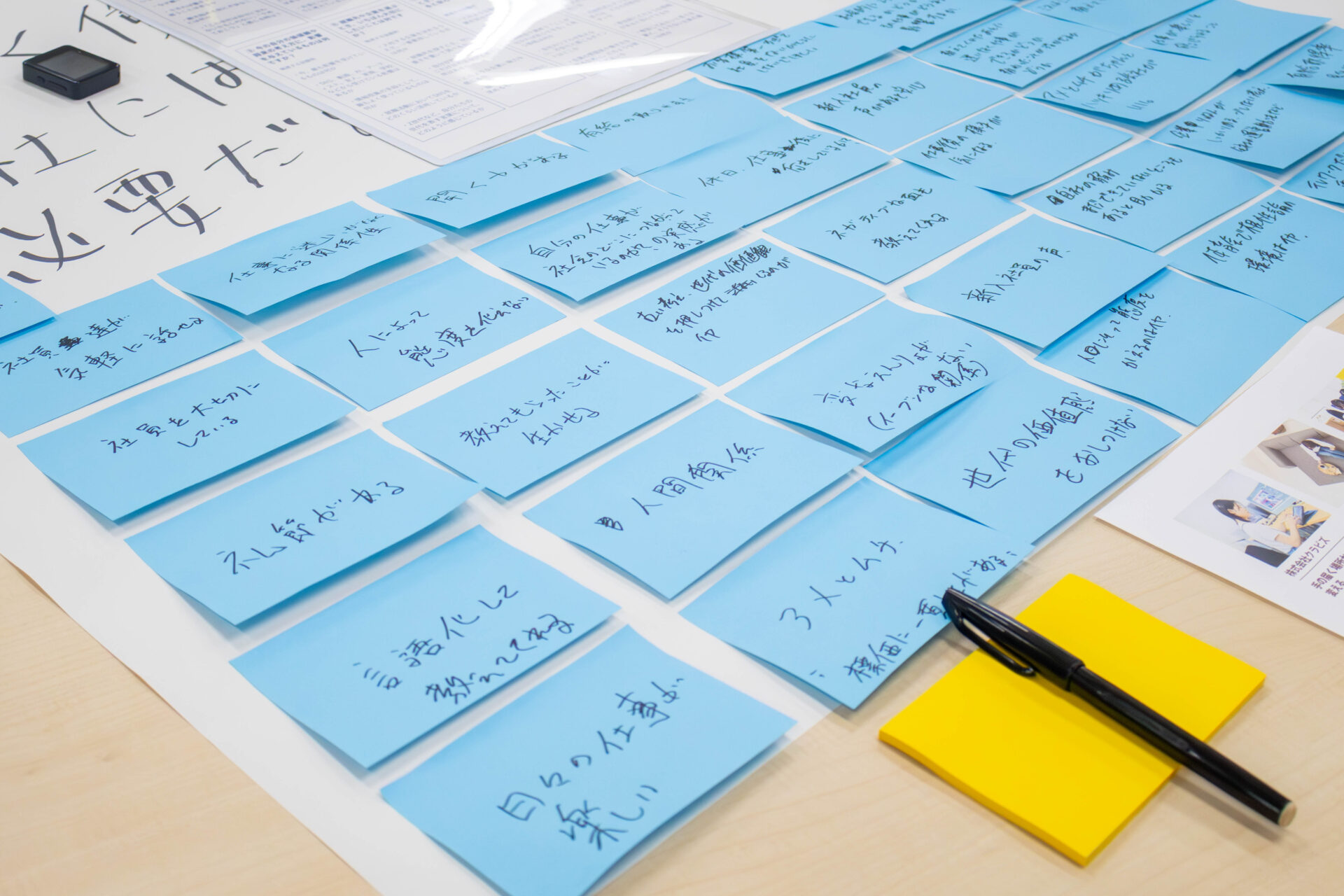
At the table of People Software Co., Ltd., a discussion was held on the theme, “What information makes you feel secure when learning about a company?”.
Students seem to feel uneasy about companies that only show a pretty side, and many expressed a desire to know the unvarnished reality of companies.
For example, there were voices saying, “It would be nice to know about salaries that are not just the face value (income)” and “The reality of fixed overtime pay is scary.” For students, asking companies about salary is a high hurdle, so clearly stating the reality of salaries seems to lead to a sense of security.
In recruitment activities, it is important to communicate not only the good aspects of the company but also to sincerely convey concerns.
“How do you feel about working in the community and being involved in town development?”
The theme of Garakutasu LLC is, “How do you feel about working in the community and being involved in town development?”
Students showed a high interest in community contribution, with two students hoping to find jobs in the mountains. They engage in dialogue about their interests and motivations for town development and their thoughts on community contribution.
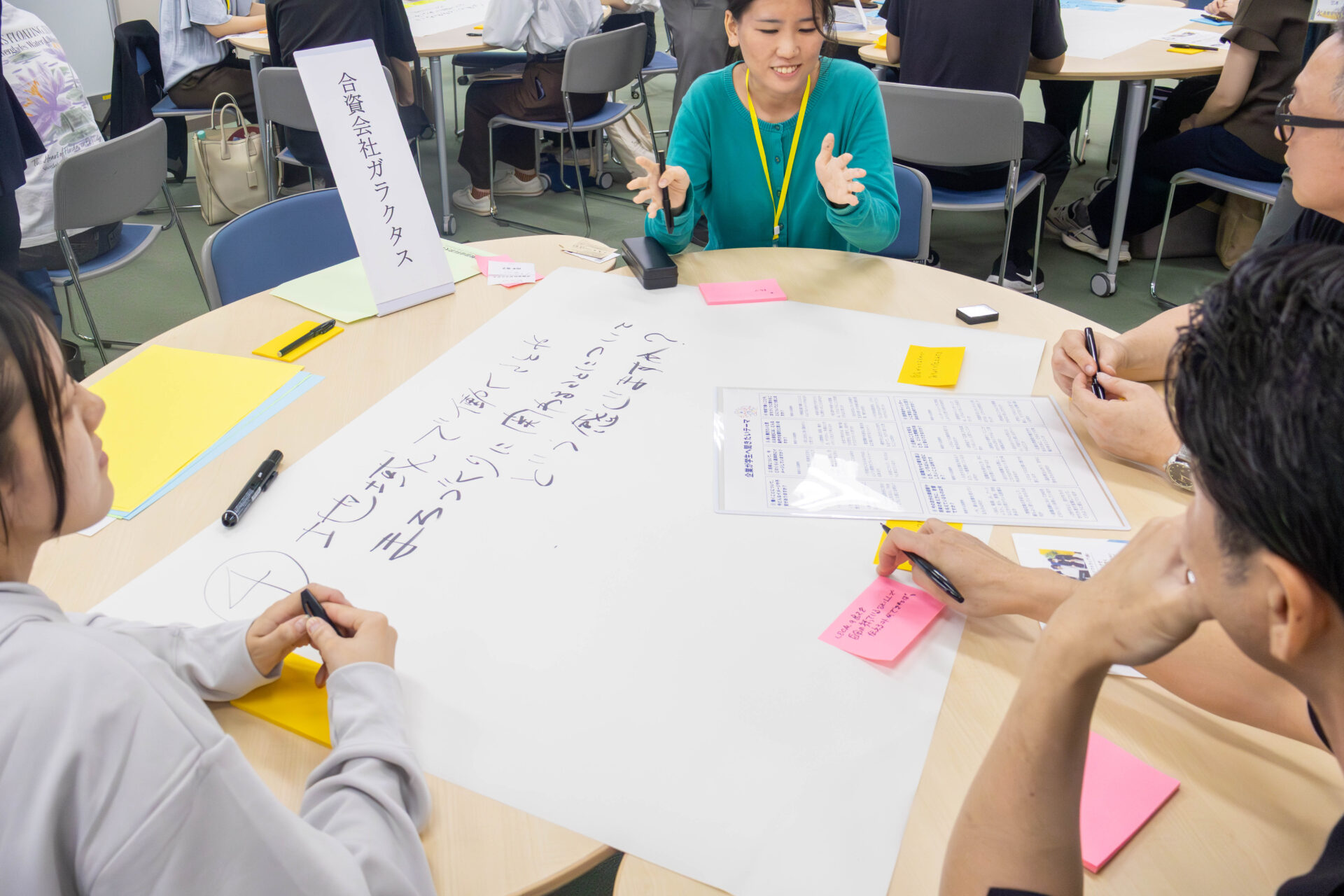
Regarding their reasons for being interested in town development, a student from Okayama said, “If I could be involved in the development of the city where I was born and raised, I would feel a sense of fulfillment.” Additionally, a student from outside the prefecture shared, “Through town development classes, I felt that Okayama has a culture that makes it easy to take on new challenges,” expressing the charm of Okayama.
Working in the community may be a way to connect with society in a way that is true to oneself. In an era where all of Japan is struggling with a labor shortage, I was pleased to see students who want to stay in Okayama and work for the community.
Conclusion
While observing the candid talk, I was reminded of the anxieties I had about employment during my student days.
I think there are many things that you can only understand about a company by actually working there. However, the real advice shared by senior professionals is sure to give a boost during the job search.
It seemed that both students and companies were able to hear each other's true feelings, as many people left the event with a refreshed expression. I hope that through the workshop, students find opportunities to work in companies where they can be true to themselves.
Data from the Working Candid Workshop
| Name | Working Candid Workshop |
|---|---|
| Date | July 8, 2026 (Wednesday) |
| Location | 2640 Nishinoura, Tsurajima-cho, Kurashiki City, Okayama Prefecture |