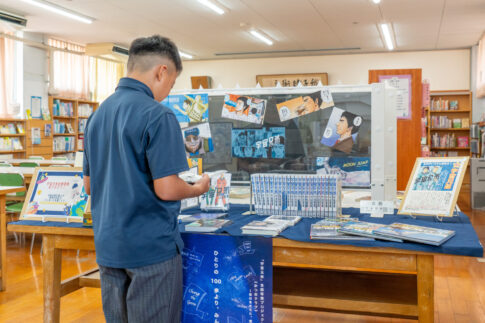
On February 12, 2026 (Thursday), the Bitchu Kurashiki Studies 20th Anniversary Symposium "Social Contributions of the Ohara Family" was held.
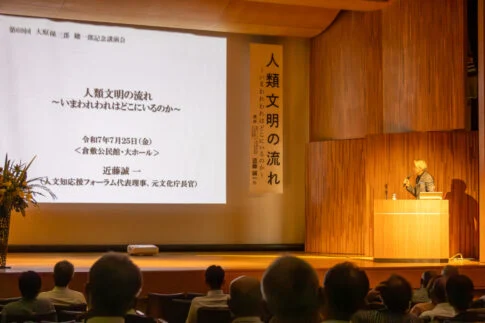
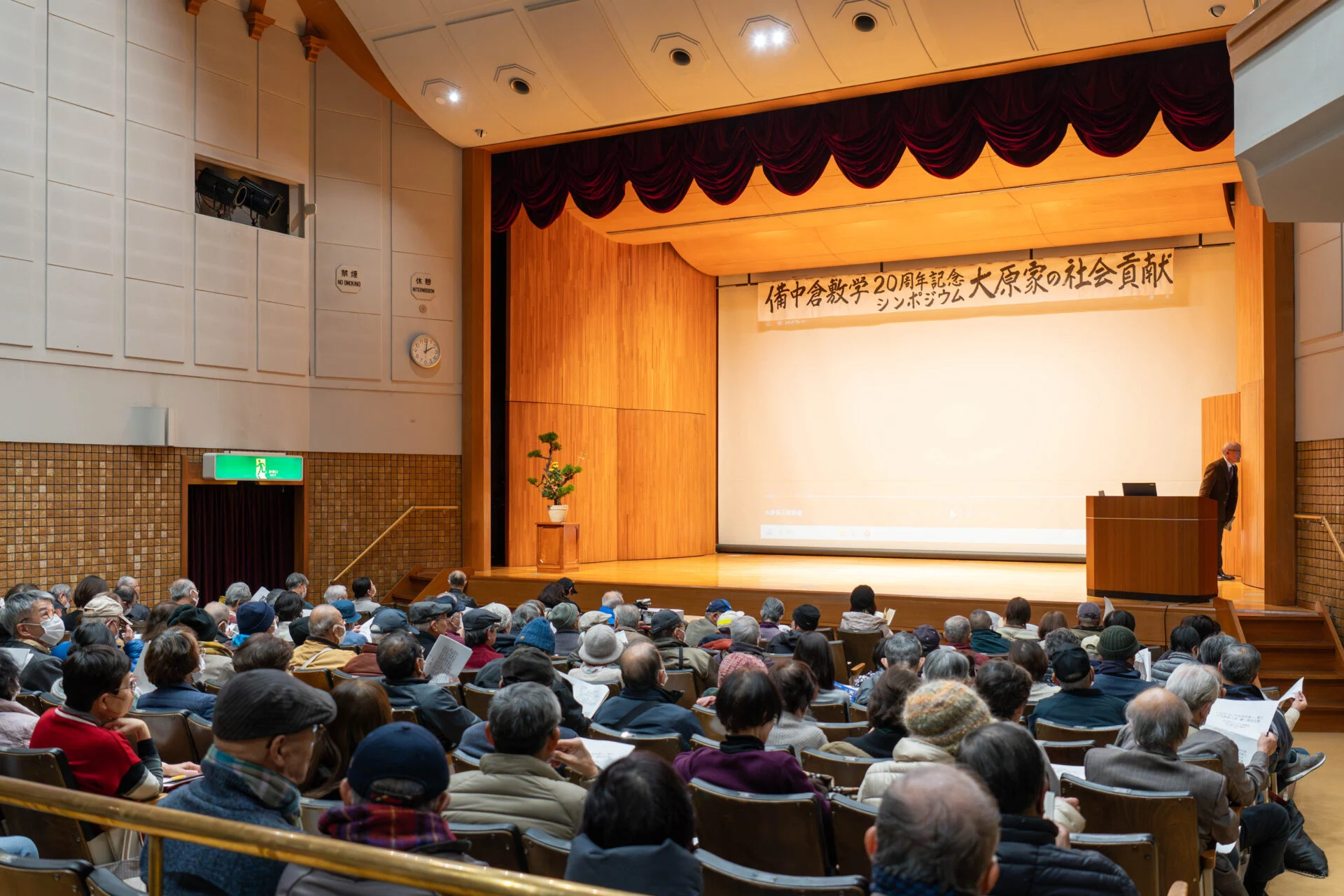
The symposium, marking its 20th anniversary and 200th session, was held at the Kurashiki Community Center's large hall, which was nearly full with about 240 attendees, creating a great atmosphere.
Here is an introduction to the symposium.
What is Bitchu Kurashiki Studies
Bitchu Kurashiki Studies is an association that studies the history and culture of the Bitchu and Kurashiki regions and contributes to cultural advancement.
The monthly lectures are widely open to the public, and anyone can participate for free.
Counting from the first session on October 20, 2005, "On-site Training Session: History of Kanryuji Temple (Lecturer: Kanryuji Temple Chief Priest, Murata Ryuzen)," February 12, 2026, marked the "20th anniversary and 200th session".
Perhaps because of this, about 240 people attended on that day. This attendance was reported to be the highest ever.
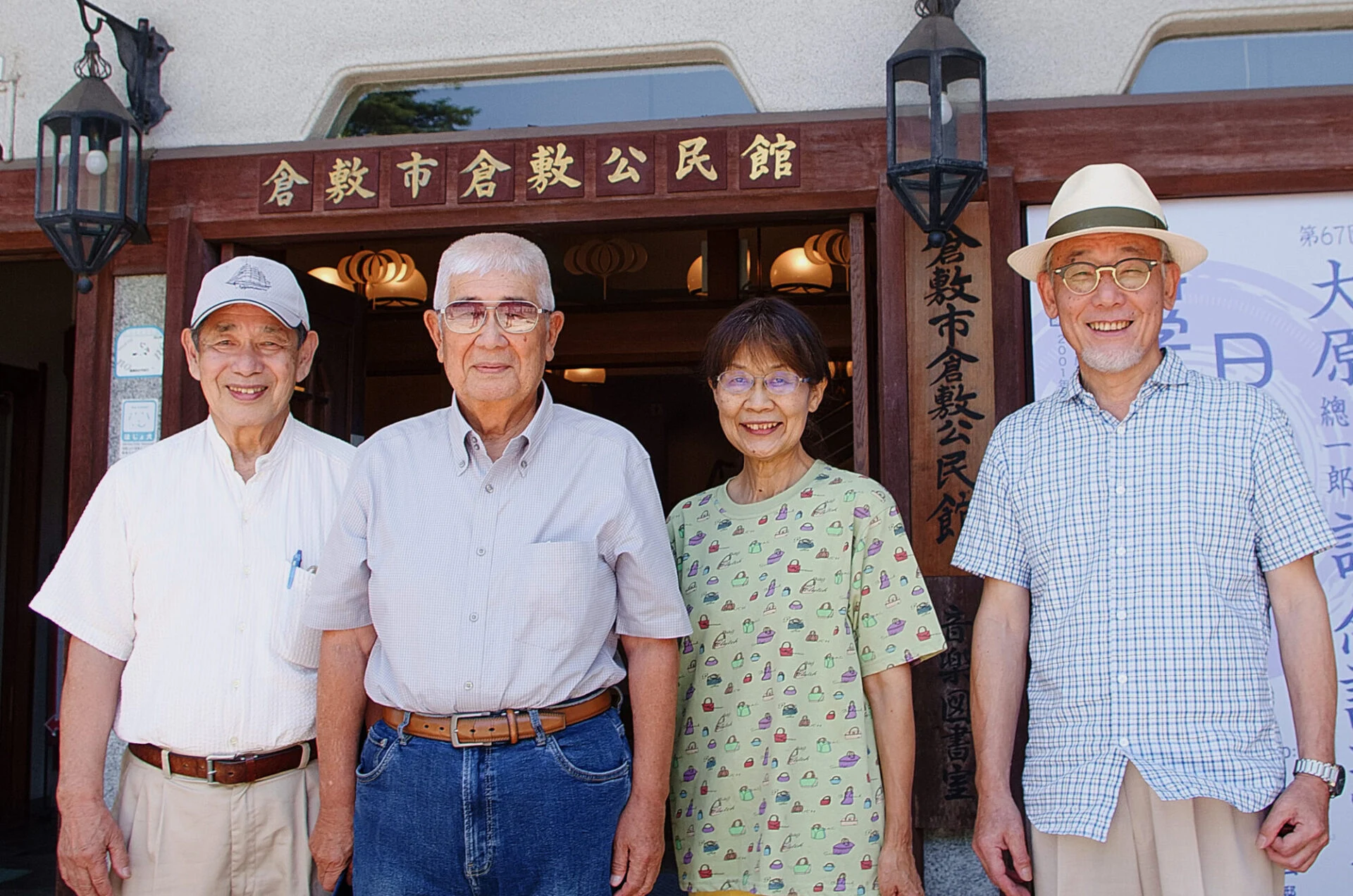
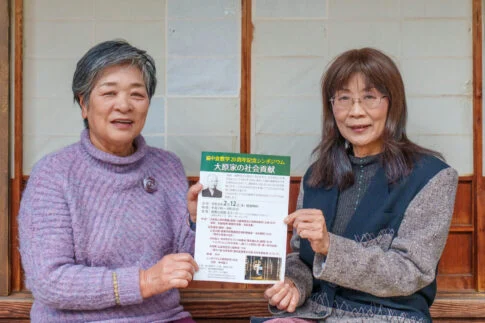
20th Anniversary Symposium "Social Contributions of the Ohara Family"
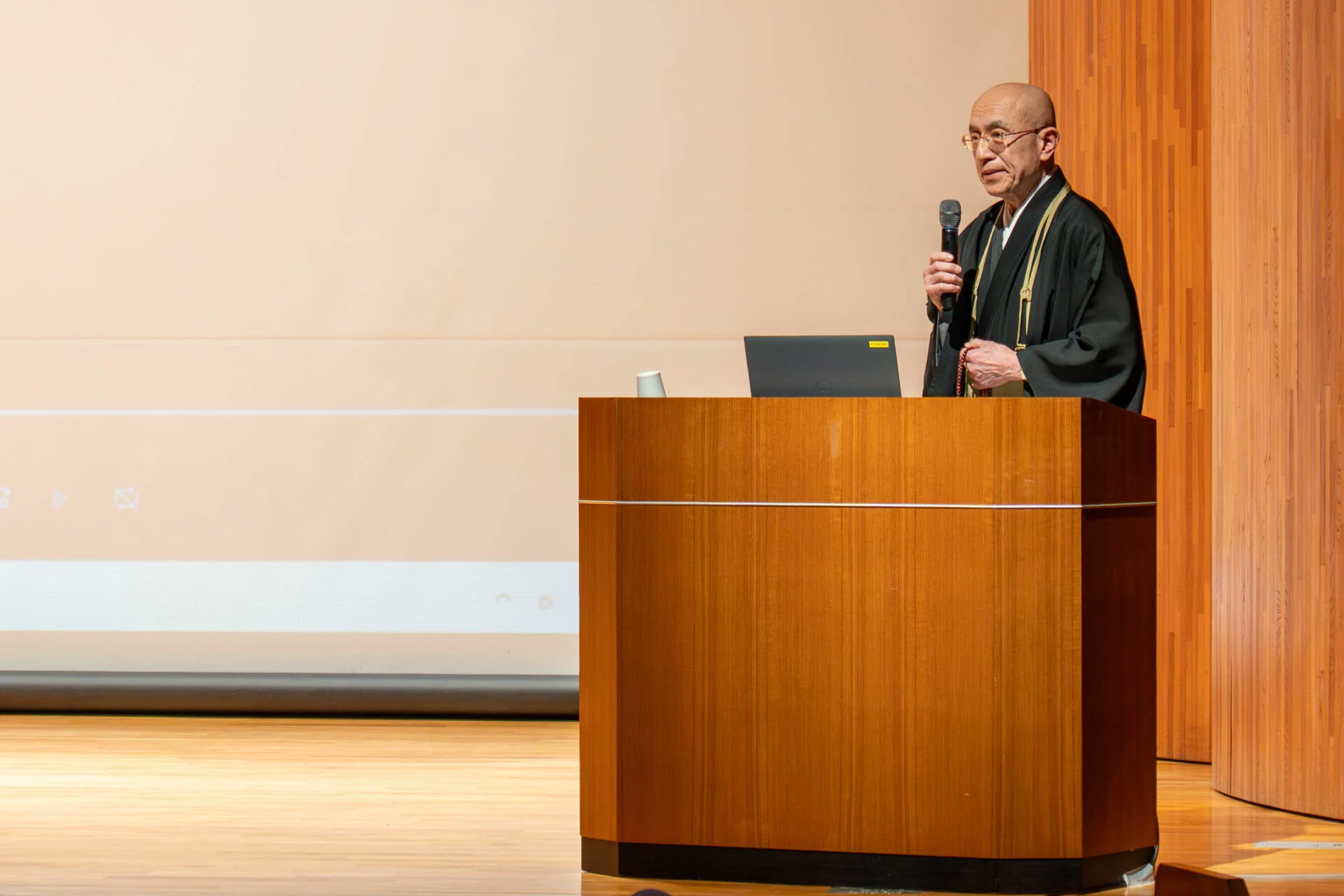
On that day, there was a greeting from Murata Ryuzen (Chief Priest of Kanryuji Temple), the President of Bitchu Kurashiki Studies, followed by the lecture and symposium.
The schedule for the day was as follows:
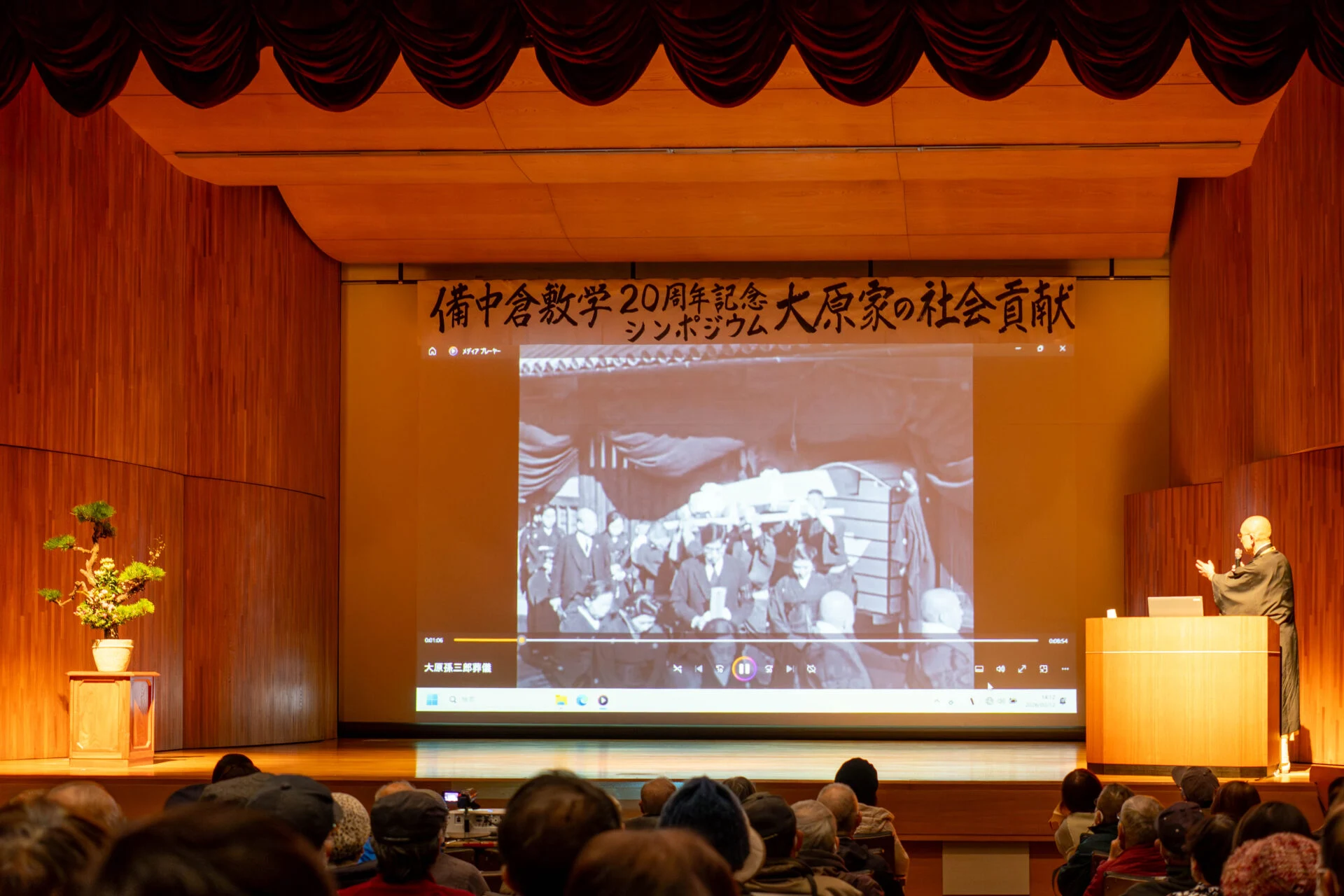
- Video of "Funeral of Ohara Magosaburo" (provided by the Yu-rin Association)
Murata Ryuzen (President of Bitchu Kurashiki Studies, Chief Priest of Kanryuji Temple) - Heads of the Ohara Family through the Ages
Taro Yamamoto (Kurashiki City General Affairs Division, Historical Materials Maintenance Office) - Comparison of Eiichi Shibusawa, Keizo, Ohara Magosaburo, and Soichiro as Patrons
Masato Kimura (Advisor of the Yoshii Town Community Development Council "Kaze wo Amu Kai") - About Ohara House Katalyzer (Important Cultural Property, Former Ohara Family Residence)
Hiroshi Mizushima (Yu-rin Association) - Symposium and Q&A
Video of "Funeral of Ohara Magosaburo" (provided by the Yu-rin Association)
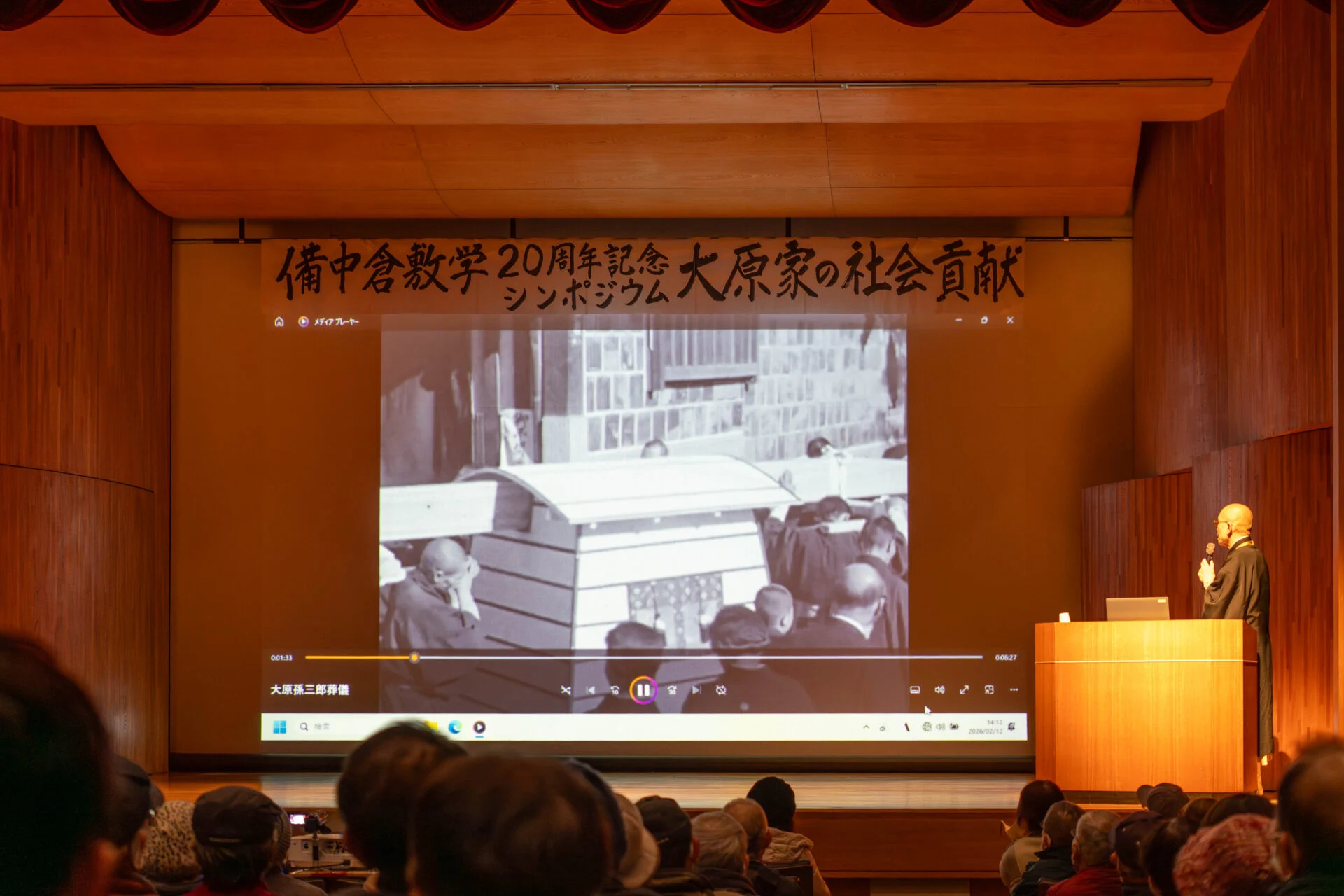
While screening the video of "Funeral of Ohara Magosaburo" (which is thought to be "8mm film footage" based on the historical context), Murata Ryuzen provided commentary on the funeral at that time.
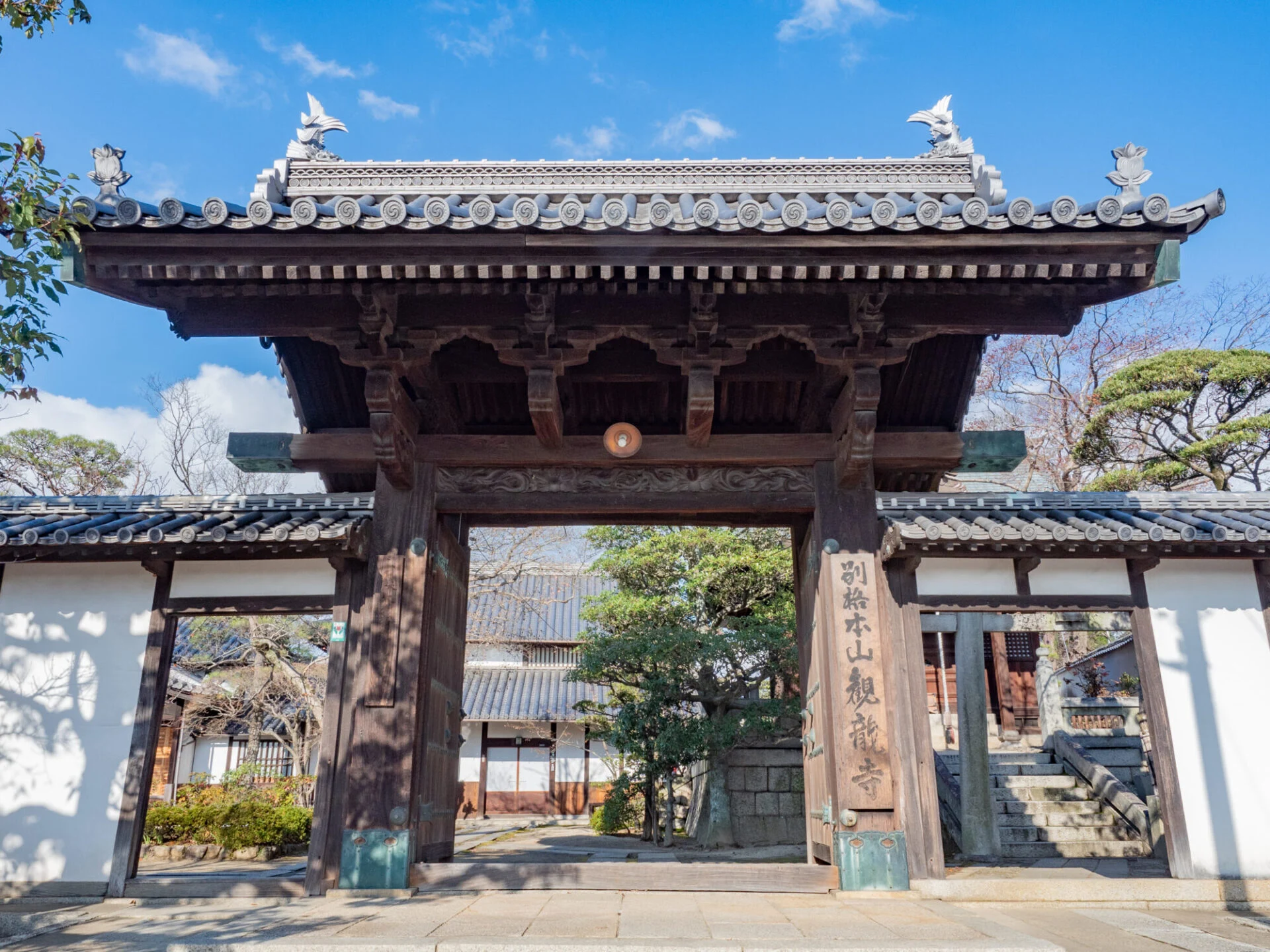
The Ohara family has been a parishioner of Kanryuji Temple since the mid-Edo period, and during the Meiji period, the 6th generation, Kojiro, and the 7th generation, Magosaburo, made significant donations to rebuild the temple, which had fallen into disrepair, establishing the mountain gate and the hall of memorial tablets.
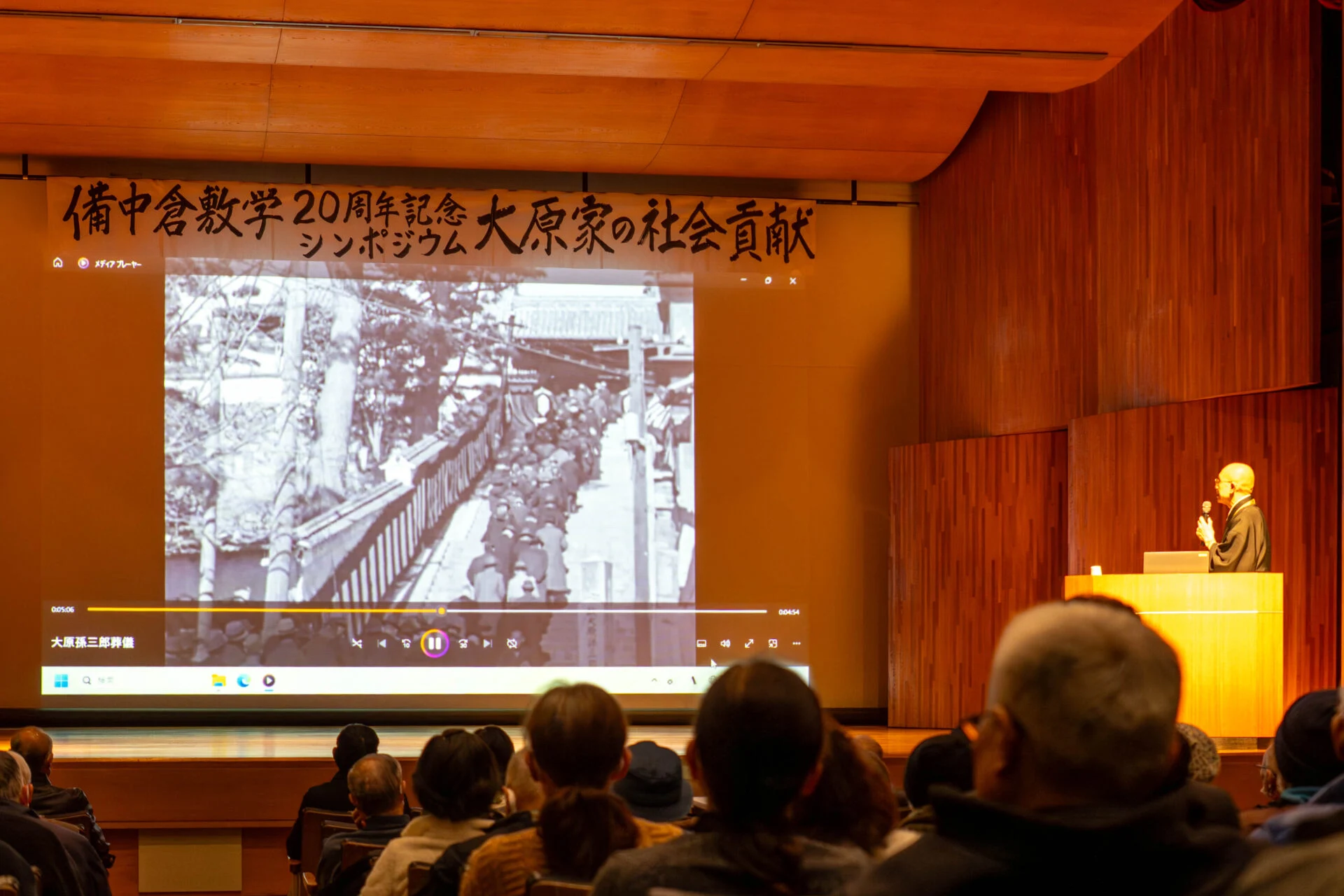
The hall of memorial tablets enshrines many tablets, including those of the Ohara family, and it was mentioned that Magosaburo's tablet is enshrined in three places: his home (currently the Buddhist room of Ohara House Katalyzer), Kanryuji Temple, and Ninna-ji Temple in Kyoto.
Heads of the Ohara Family through the Ages
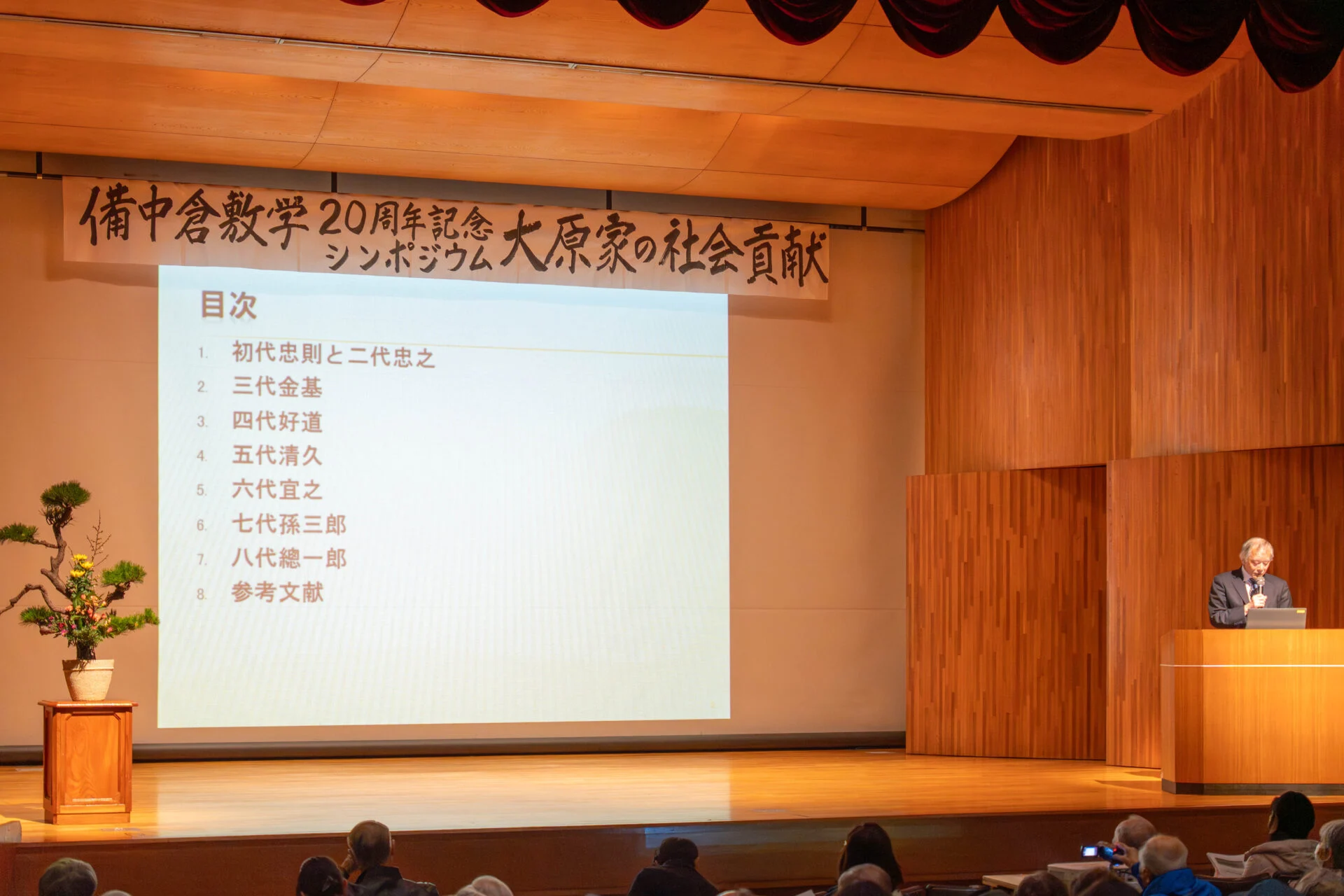
Next, Taro Yamamoto, an advisor to Bitchu Kurashiki Studies and a member of the Historical Materials Maintenance Office of Kurashiki City, gave a lecture on "Heads of the Ohara Family through the Ages."
He reflected on the achievements of the heads of the Ohara family, explaining that the spirit of social contribution has been passed down since before the most famous 7th generation, Magosaburo.
He particularly elaborated on the 5th generation, Kiyohisa, and the 6th generation, Kojiro.
When the price of rice soared, the 5th generation, Kiyohisa, invested his private funds to assist the needy at their request. The 6th generation, Kojiro, established Kurashiki Spinning to build an economic foundation and initiated what is now known as a scholarship system, emphasizing his efforts in educational support.
On this foundation, the 7th generation, Magosaburo, established research institutes in labor science and agriculture, hospitals, and art museums. He aimed for social structural reform, not just charity, as explained by Yamamoto.
Furthermore, the 8th generation, Soichiro, inherited this will and expanded activities into the folk art movement and environmental conservation (Takahashi River Basin Alliance).
Comparison of Eiichi Shibusawa, Keizo, Ohara Magosaburo, and Soichiro as Patrons
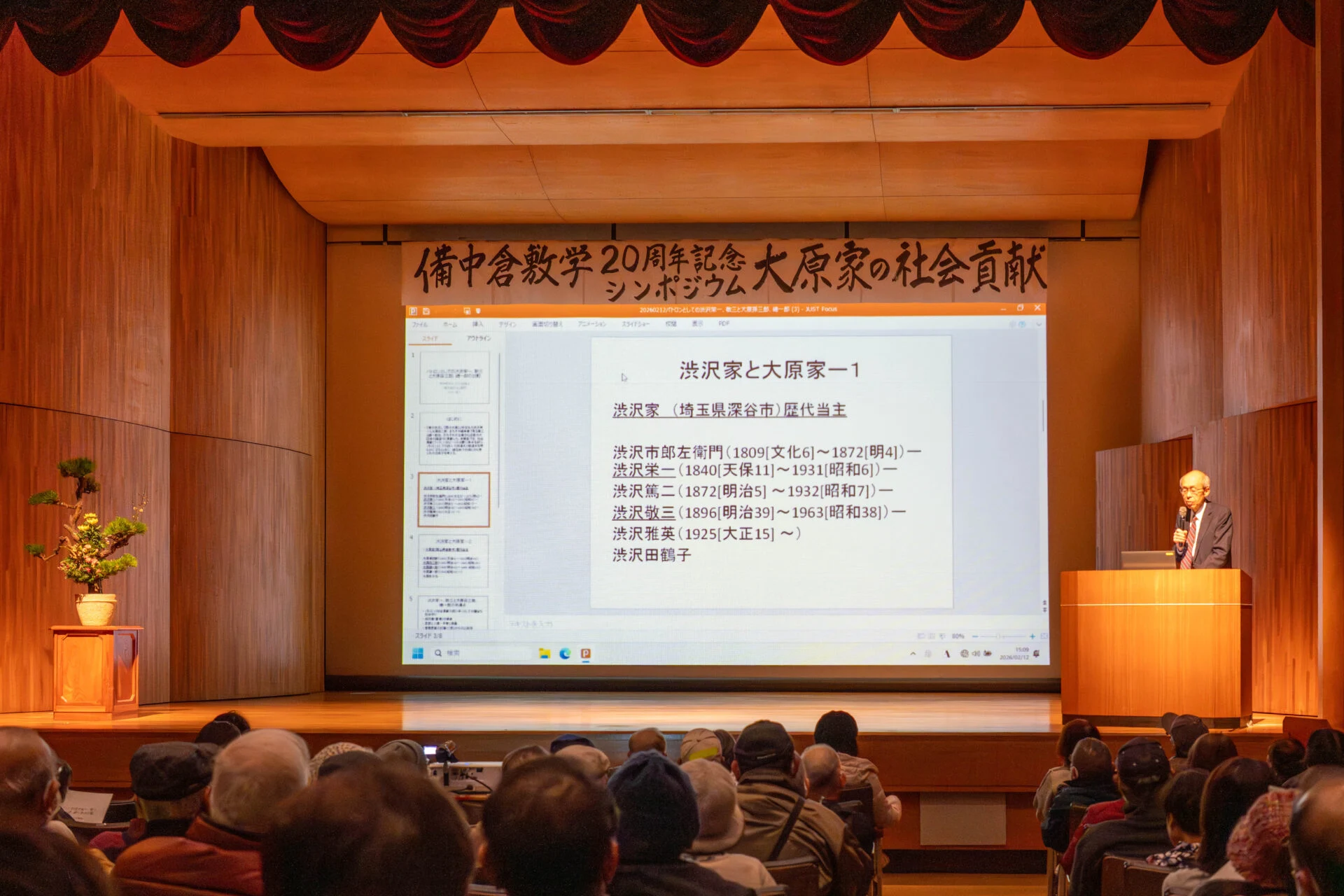
Next, Masato Kimura, an advisor to the Yoshii Town Community Development Council "Kaze wo Amu Kai," gave a lecture.
He introduced what we can learn from comparing Eiichi Shibusawa, known as "the father of Japanese capitalism," and Ohara Magosaburo, along with their successors, Keizo and Soichiro, based on their commonalities and differences.
First, he compared Eiichi Shibusawa and the Ohara family, introducing that both shared the common belief that "wealth should be returned to society."
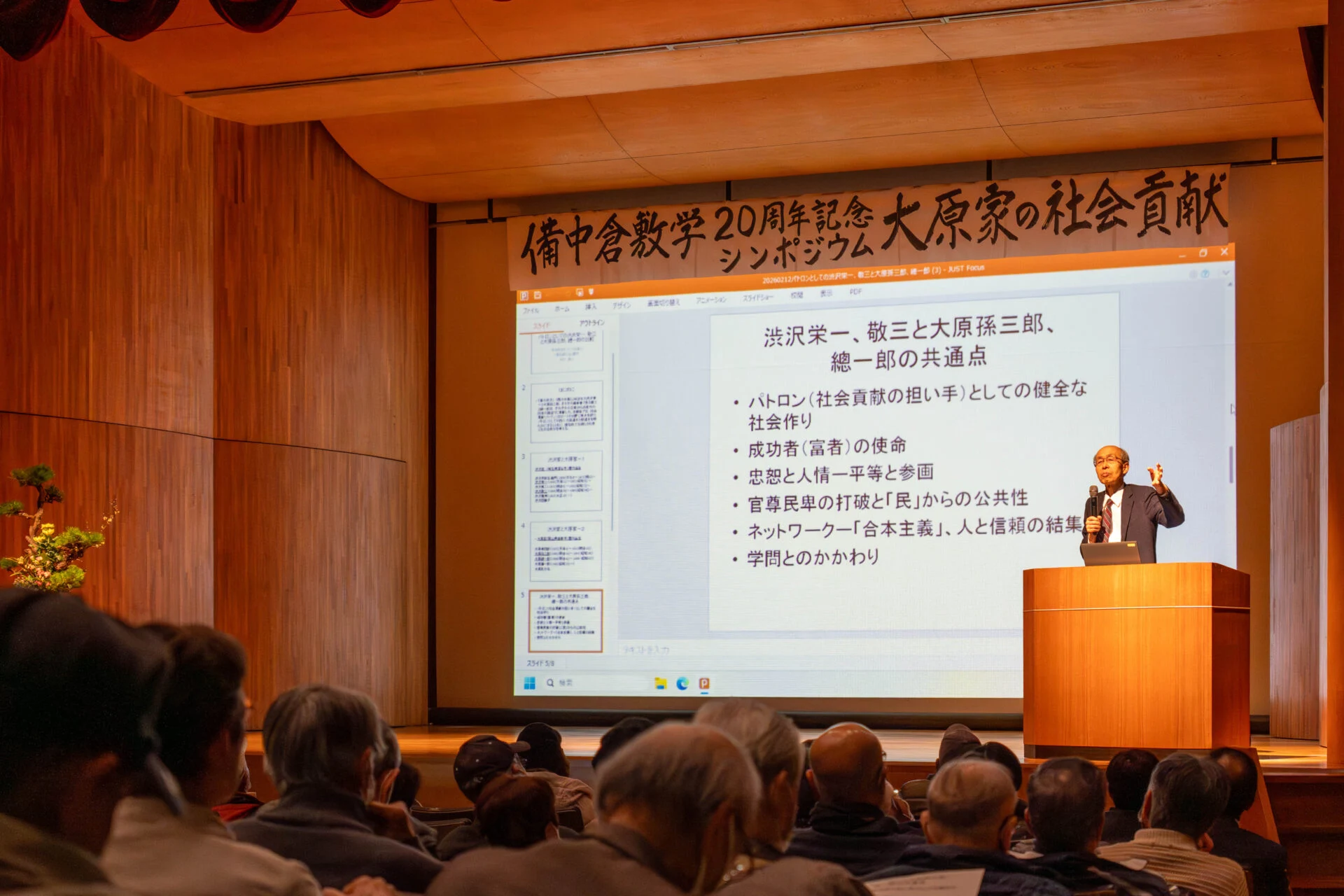
While introducing Shibusawa's deep ties to the Bitchu region, he explained that both had the spirit of "the private sector leading to improve society," investing generously not only in profit-seeking but also in worker welfare and academic research.
On the other hand, while Shibusawa operated from Tokyo, overseeing the nation and the world, the Ohara family was rooted in the "Kurashiki" region, analyzing their style of sending messages to the world from there.
About Ohara House Katalyzer (Important Cultural Property, Former Ohara Family Residence)
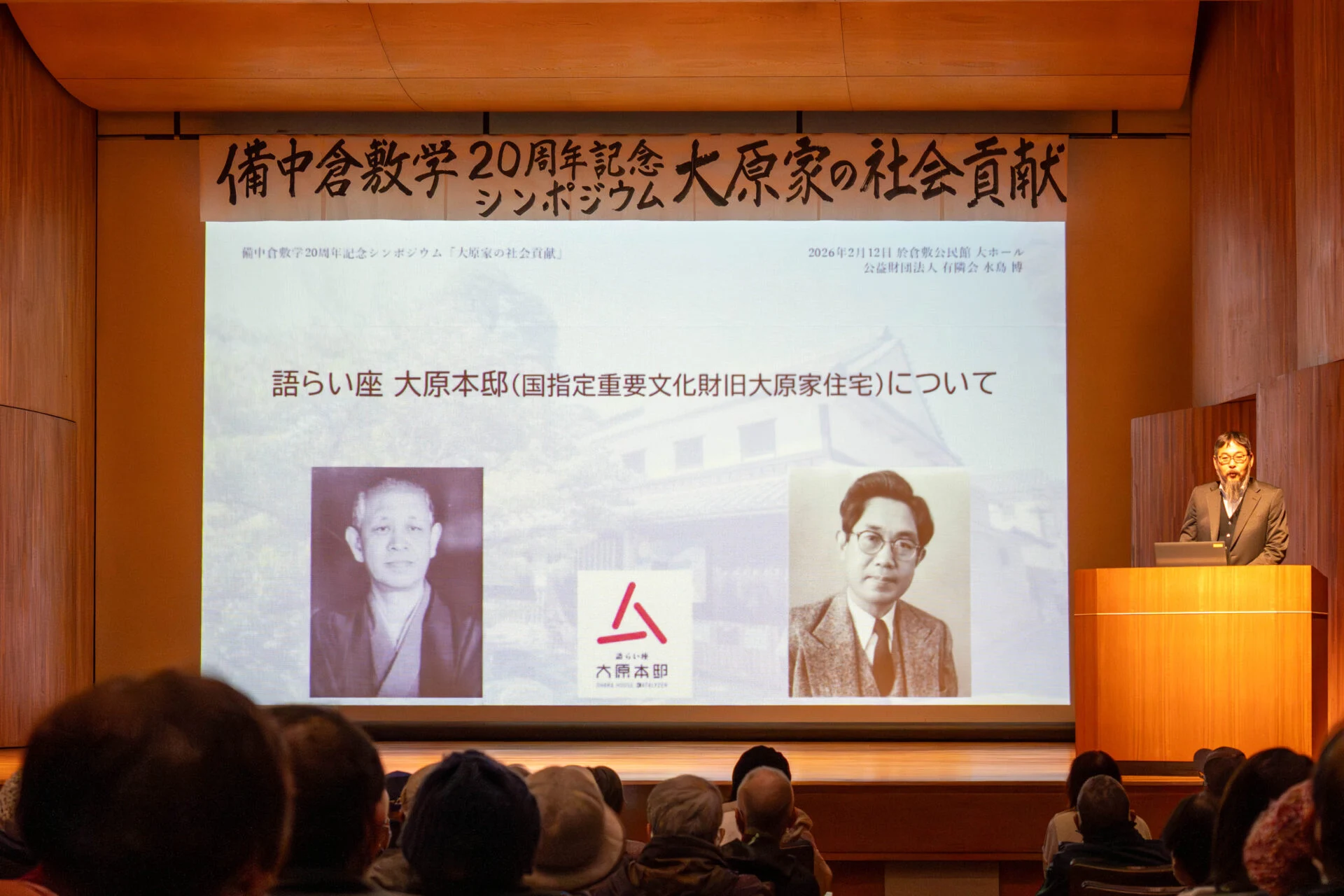
The final lecture was given by Hiroshi Mizushima from the Yu-rin Association.
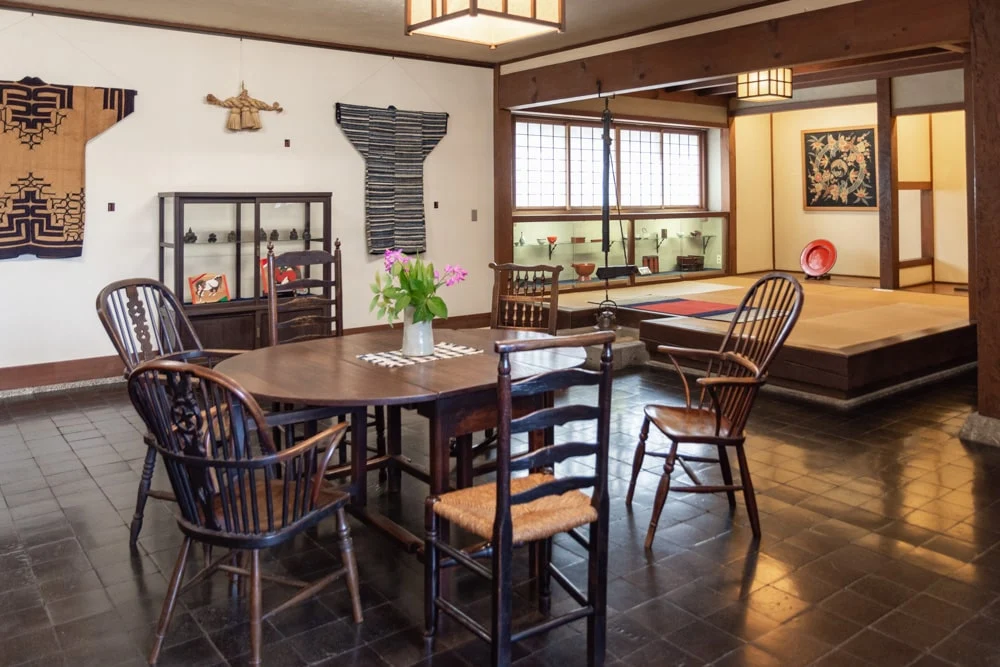
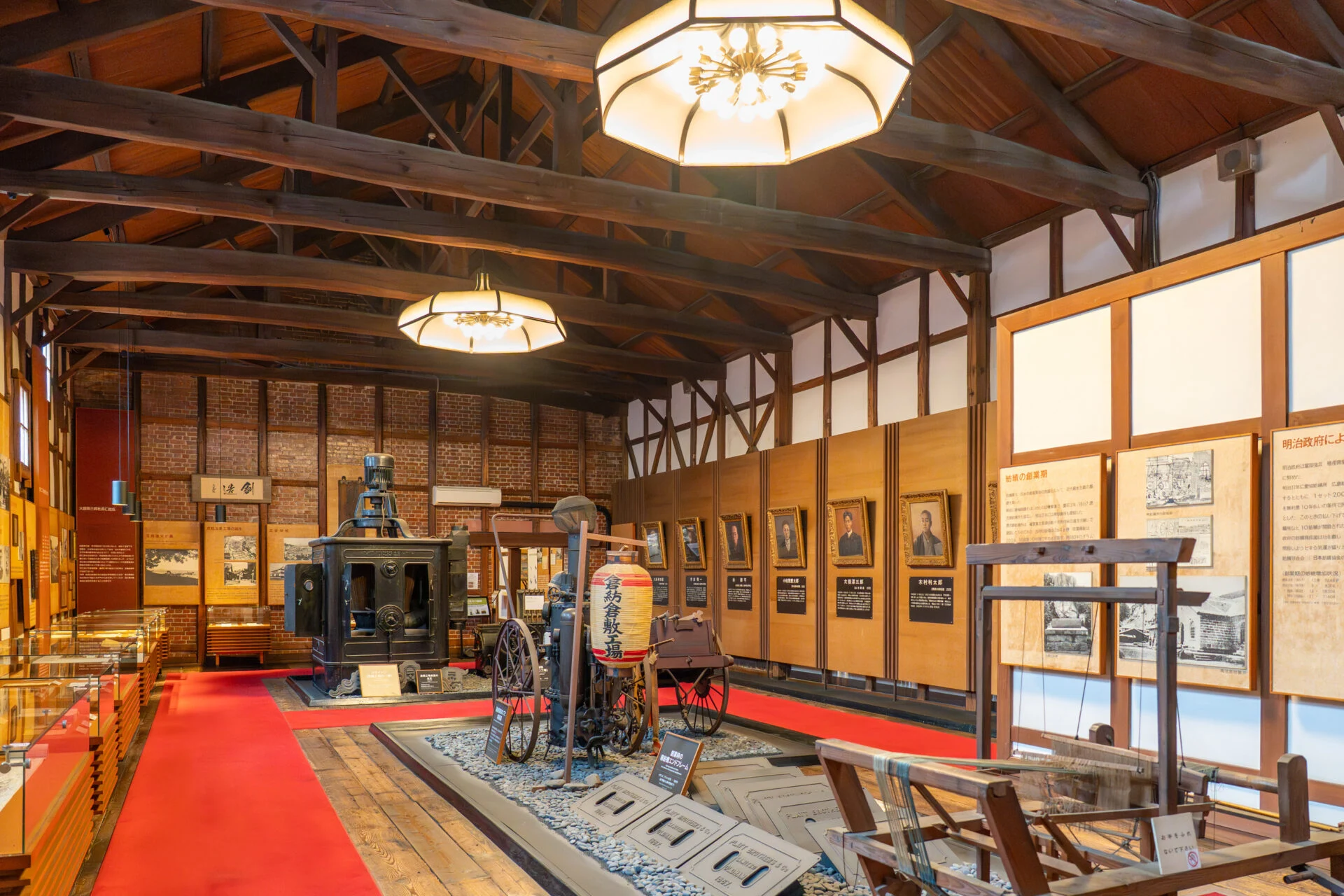
He guided the audience through the highlights of the "Ohara House Katalyzer," which was opened to the public in 2018.
He emphasized that it is not merely about preserving an old house but is designed to convey the spirit of the Ohara family, introducing exhibits such as "Words that Shine Down," which displays the words of past heads, and "Cube Tree," which shows complex human relationships and support relationships in a three-dimensional manner, as well as an exhibit where visitors can listen to the correspondence between Magosaburo and Soichiro.
Symposium and Q&A
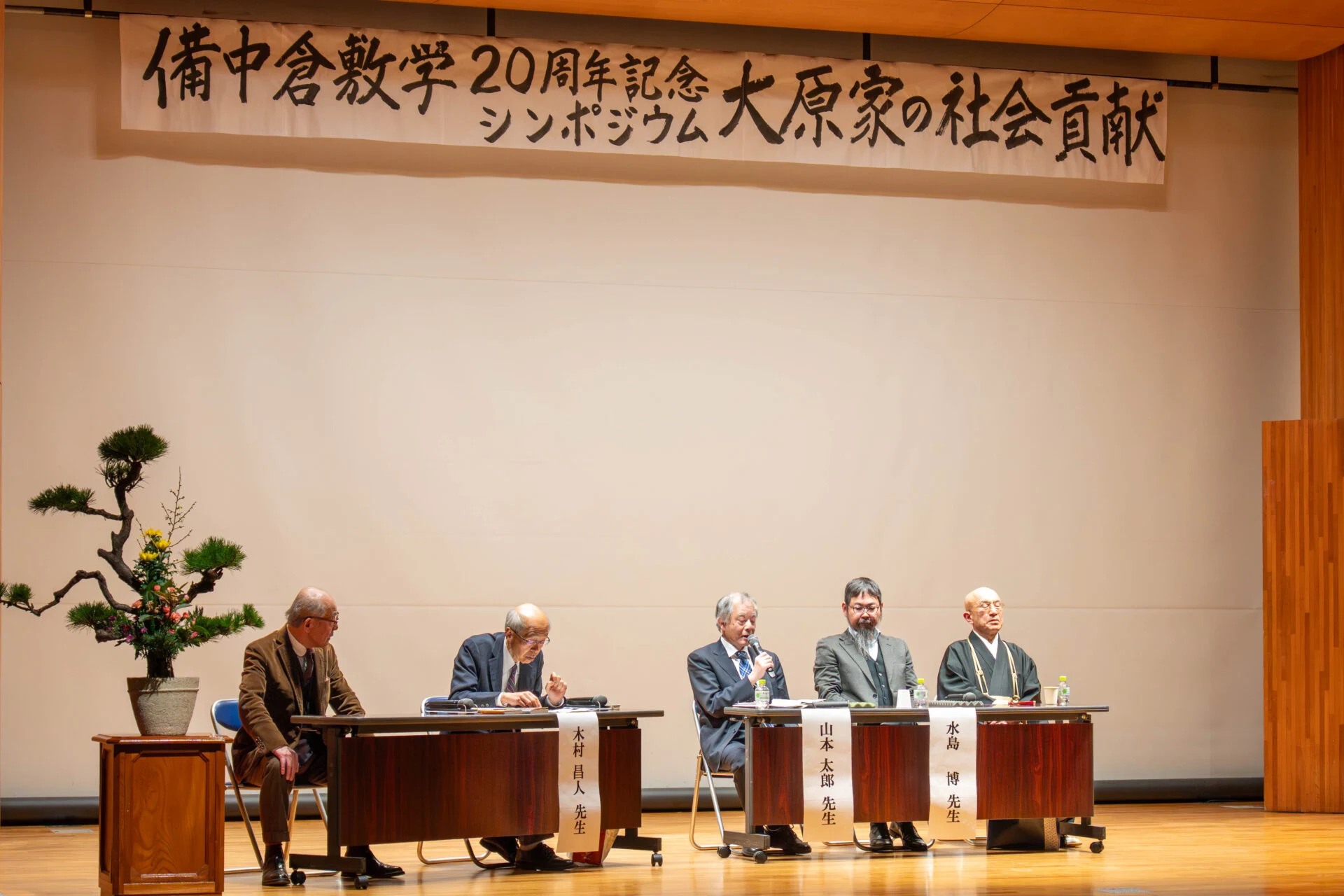
At the symposium, the speakers reconvened to deeply discuss the history and spirituality of the Ohara family.
A theme of interest during the Q&A was the relationship between Ohara Magosaburo and Christianity.
It is said that Ohara Magosaburo became acquainted with the Christian Ishii Juji and was influenced to lean towards Christianity, but it was impressive to hear that as time passed, he seemed to distance himself from Christianity in his later years.
Additionally, it was reaffirmed that the spirit of self-governance in Kurashiki, which does not rely on the "okami" (the authorities), has been a factor in the development of cultural heritage such as museums to the present day, and the importance of passing this history on to the next generation was discussed.
Conclusion
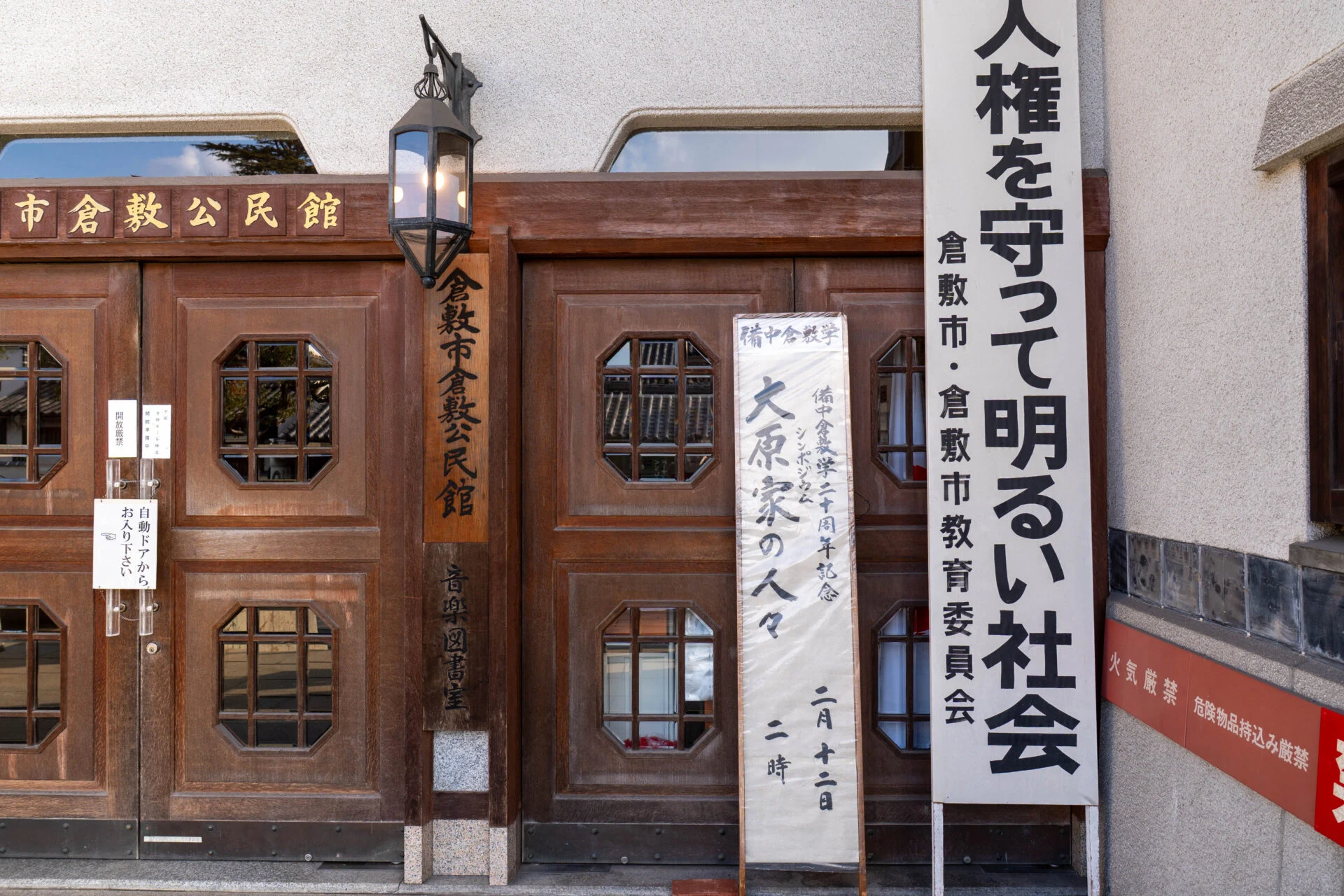
It was a two-and-a-half-hour lecture where I gained new insights about the "Ohara family," which I thought I was quite familiar with.
In particular, I was surprised to learn that the idea that "Ohara Magosaburo was inclined towards Christianity" was merely one aspect of a certain period (likely his youth). Indeed, considering that he provided financial support for the construction of the Kanryuji Temple's mortuary hall and, above all, that his funeral was conducted in the Buddhist style, it seems more natural to think that it was not solely about "Christianity."
Moreover, I have great respect for the organizers who have continued their activities for 20 years and held 200 lectures.
The Bichu Kurashiki Studies are operated without relying on the "okami" (subsidies), through membership fees and the efforts of the organizers.
Starting next month, the Bichu Kurashiki Studies will continue to be held "every second Thursday of the month at 2 PM, free for anyone to participate." I hope that even one more person will join to support the operation.
Articles about Bichu Kurashiki Studies

Data on the Bichu Kurashiki Studies 20th Anniversary Symposium 'Social Contributions of the Ohara Family'
![[Held on 2/12 (Thu)] Bichu Kurashiki Studies 20th Anniversary Symposium 'Social Contributions of the Ohara Family' - A free lecture series that has continued for 20 years and 200 sessions, learning about the history of Kurashiki](https://media.kuratoco.com/wp-content/uploads/2026/02/02123733/a6e9841f003a79529a74b7a1043e4dff.jpg)
| Name | Bichu Kurashiki Studies 20th Anniversary Symposium 'Social Contributions of the Ohara Family' |
|---|---|
| Date | February 12, 2026 (Thursday) 2:00 PM - 4:30 PM |
| Location | Kurashiki Community Center Large Hall |
| Participation Fee (including tax) | Free |
| Website | Official Website of Bichu Kurashiki Studies |