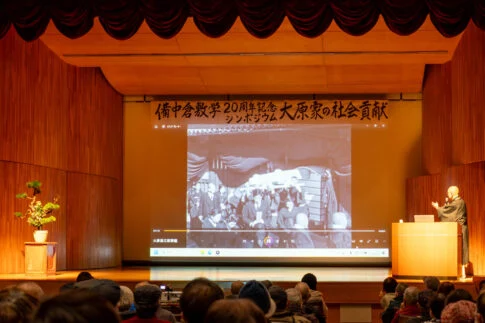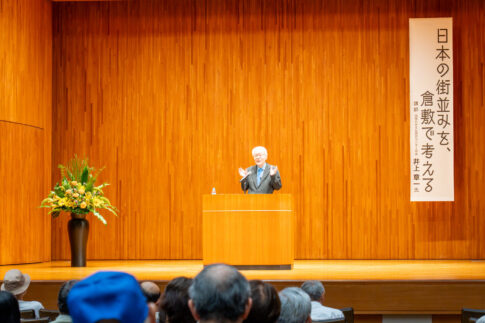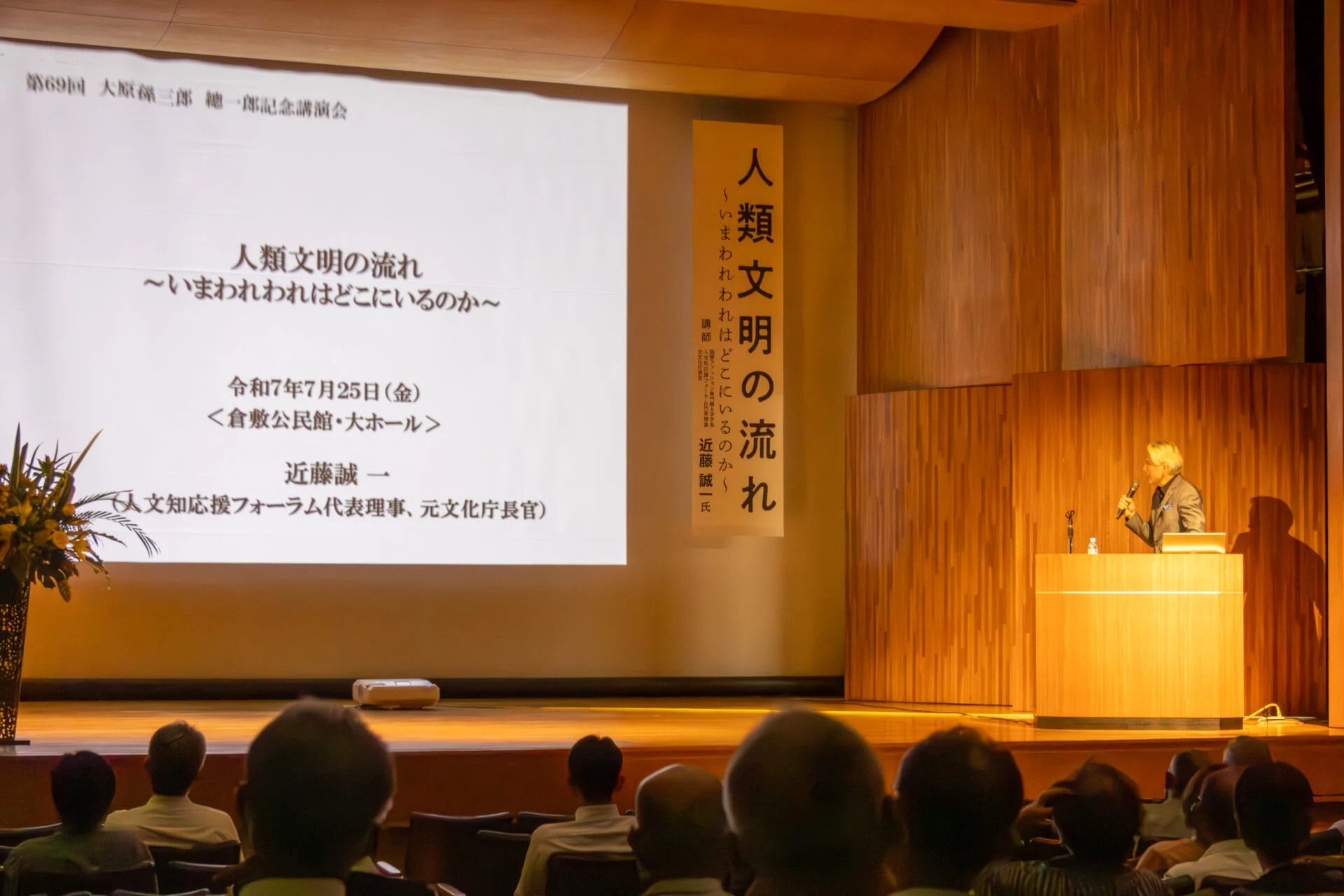
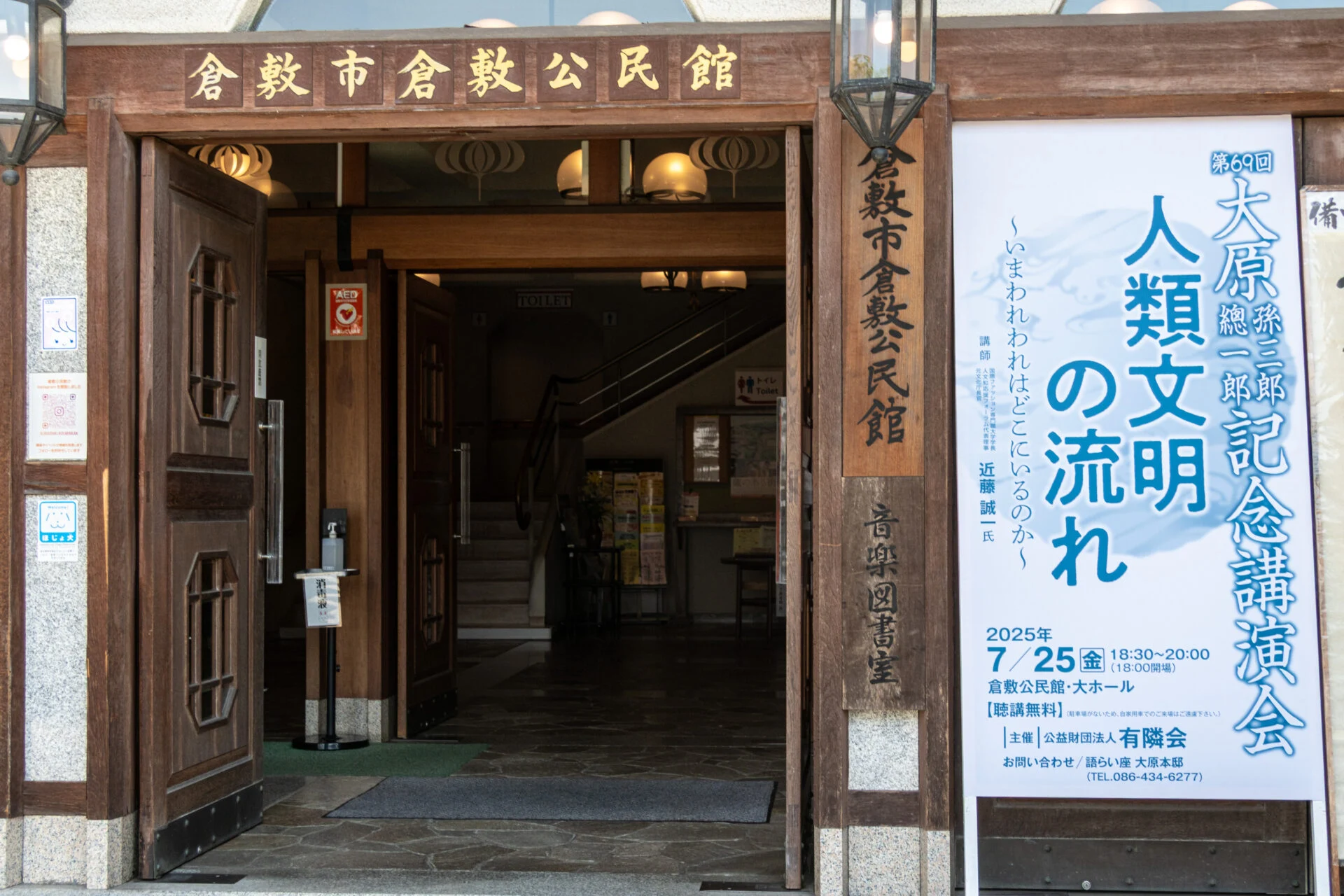
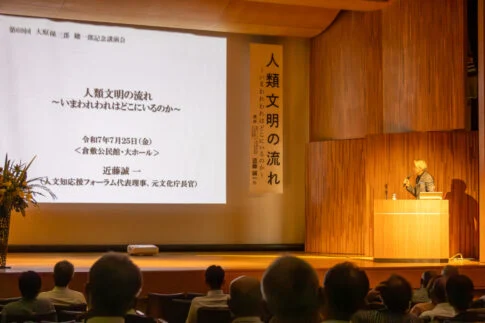
The "Ohara Magosaburo and Soichiro Memorial Lecture" held every year in late July took place again this year on July 25, 2025 (Friday).
This lecture is held once a year, inviting diverse speakers from various fields, and is free for the public to attend.
This time, the speaker was Mr. Kondo Seiichi, former Commissioner of the Agency for Cultural Affairs, who gave a lecture titled "The Flow of Human Civilization - Where Are We Now?".
I will report on the lecture and share the impressions that stood out to me.
About the Ohara Magosaburo and Soichiro Memorial Lecture
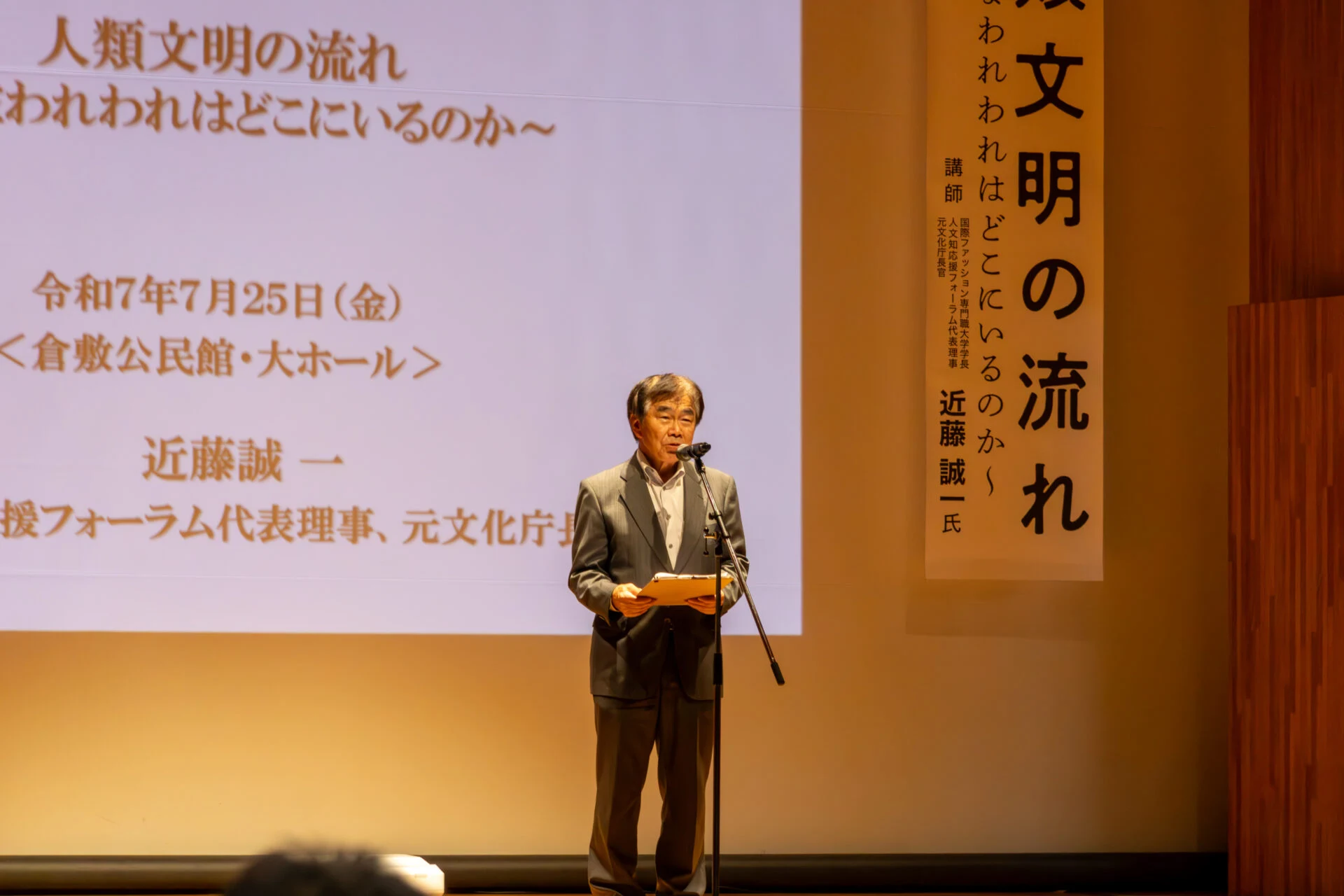
The "Ohara Magosaburo and Soichiro Memorial Lecture" originates from the "Kurashiki Sunday Lecture" started by Ohara Magosaburo in 1902.
After Magosaburo's passing, his eldest son Ohara Soichiro began the lecture series in 1955 as the "Ohara Keido Memorial Lecture", which became the prototype for the current "Ohara Magosaburo and Soichiro Memorial Lecture".
"Keido" is derived from the pen name of Ohara Magosaburo (a name used apart from his real name).
Furthermore, after Soichiro passed away in 1968, the Yu-rin Association took over the lecture activities.
The "Yu-rin Association" was established as a voluntary organization, became a general incorporated foundation in 2010, and was renamed the "Public Interest Incorporated Foundation Yu-rin Association" in 2015.
Currently, the "Ohara Magosaburo and Soichiro Memorial Lecture" is held around July 27 each year, in commemoration of Magosaburo's birthday (July 28, 1880) and Soichiro's death anniversary (July 27, 1968).
Counting from the era of the Keido Association lectures, this year marks the 69th edition of this historic lecture.
Introduction of the Speaker (Mr. Kondo Seiichi)
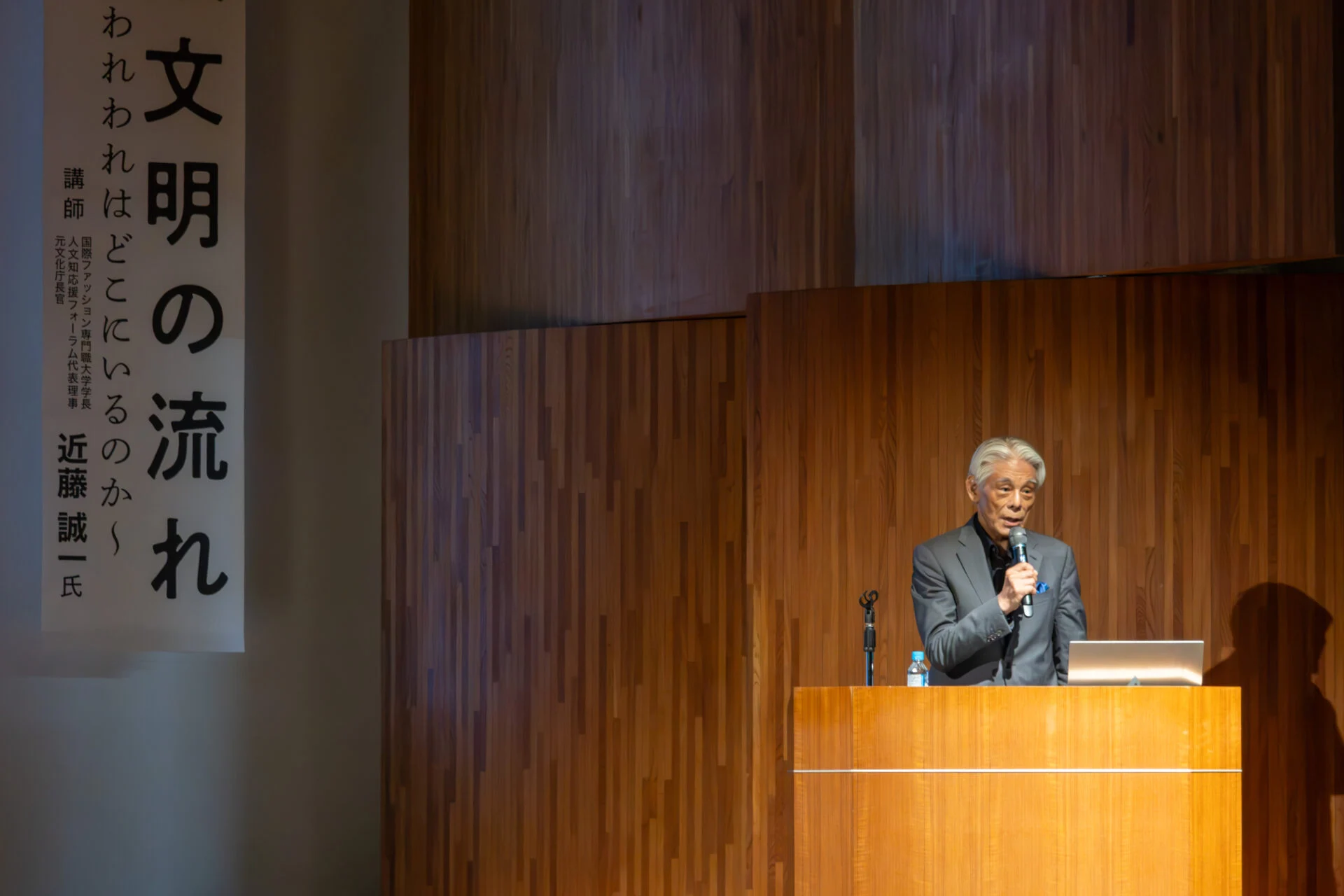
Mr. Kondo Seiichi, who spoke this time, graduated from the University of Tokyo and joined the Ministry of Foreign Affairs in 1972. He has served as the Ambassador of the Japanese Government to UNESCO and the Ambassador to Denmark, and from 2010 to 2013, he was the Commissioner of the Agency for Cultural Affairs.
After that, he has taught at the University of Tokyo and Doshisha University, and currently serves as the president of the International University of Fashion and the Executive Director of the Humanities Support Forum.
About the Lecture Content
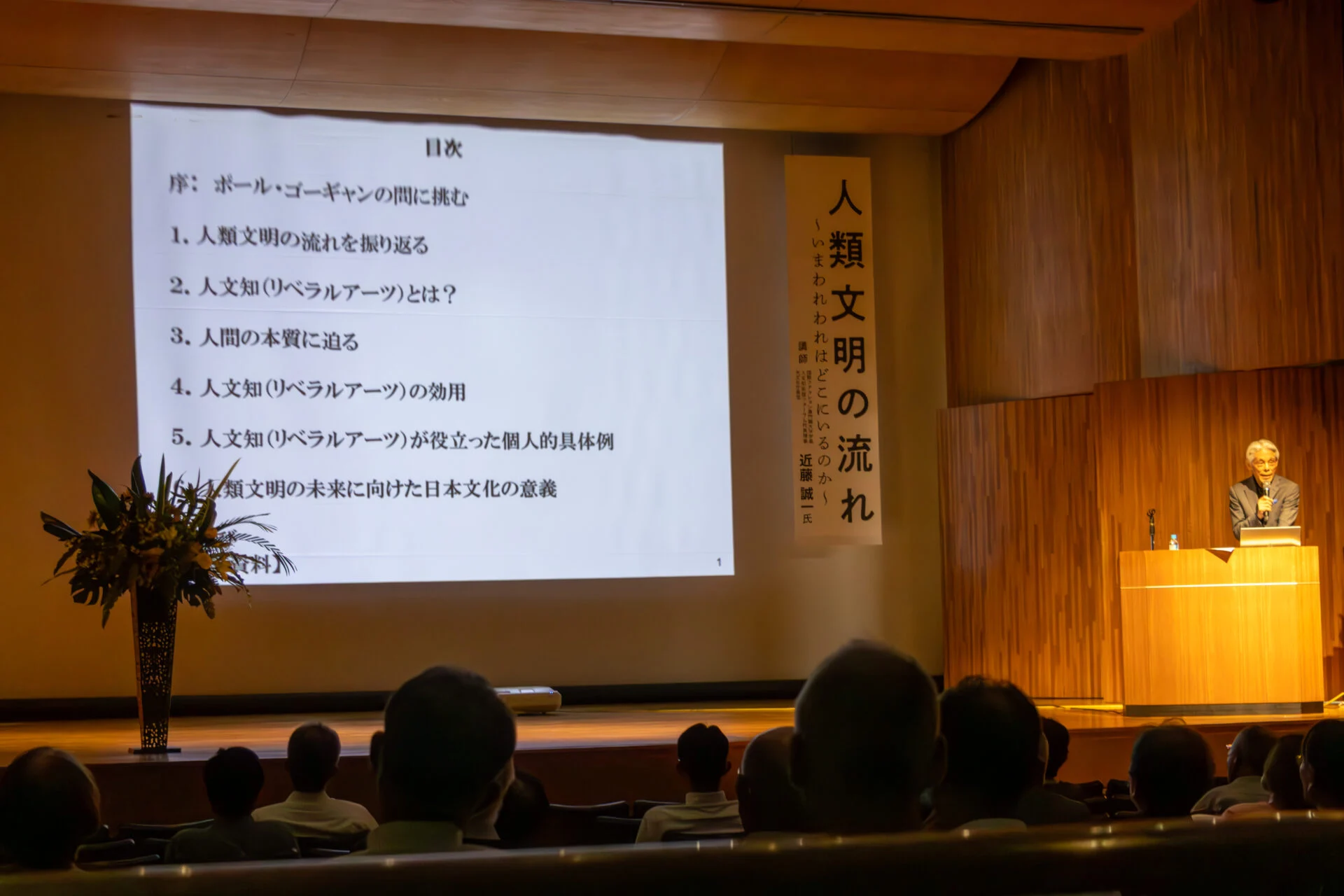
This lecture, under the grand theme of "The Flow of Human Civilization," explored what it means to be human and how we can build a better world together with the audience.
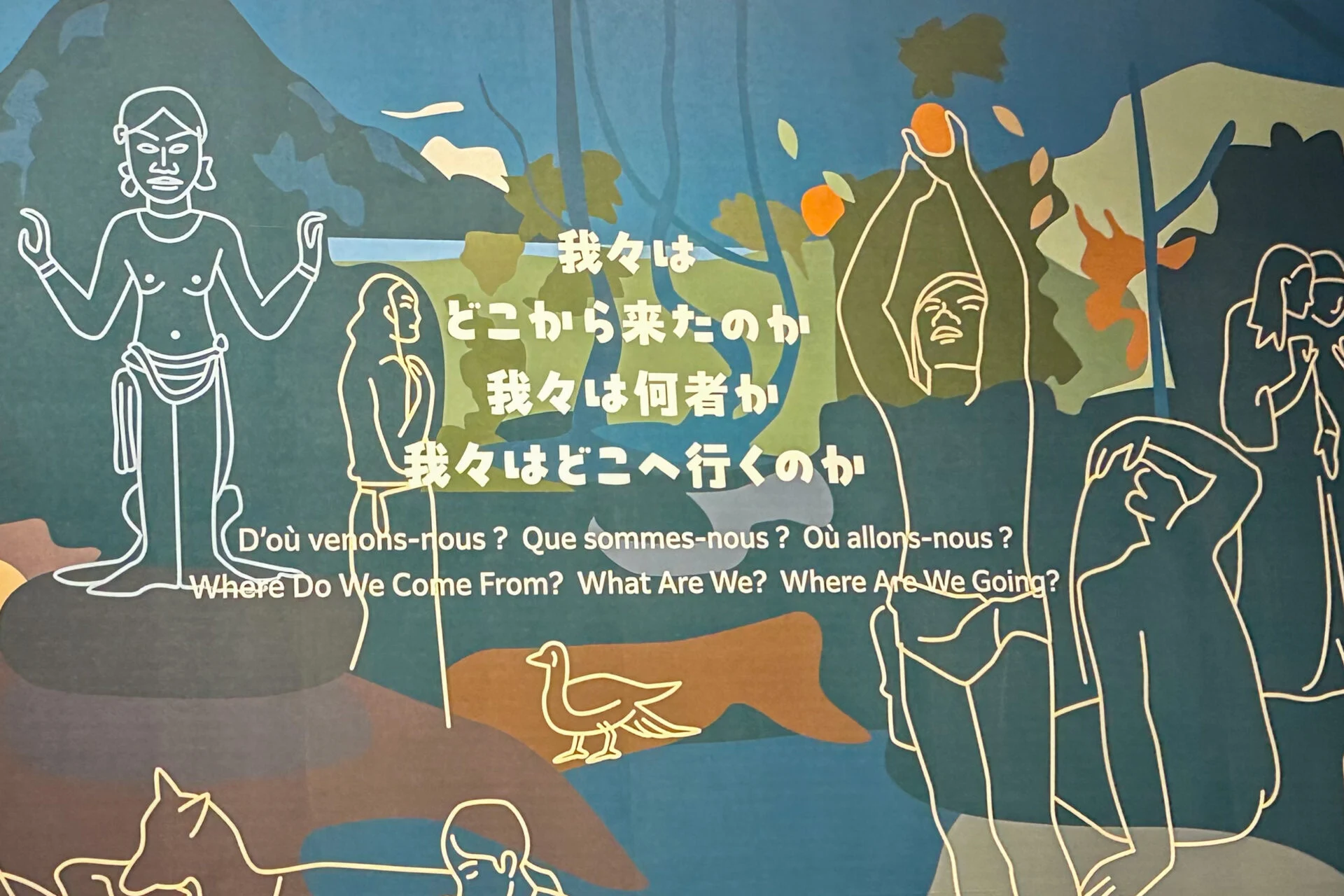
The subtitle "Where Are We Now?" is quoted from Paul Gauguin's famous painting "Where Do We Come From? What Are We? Where Are We Going?".
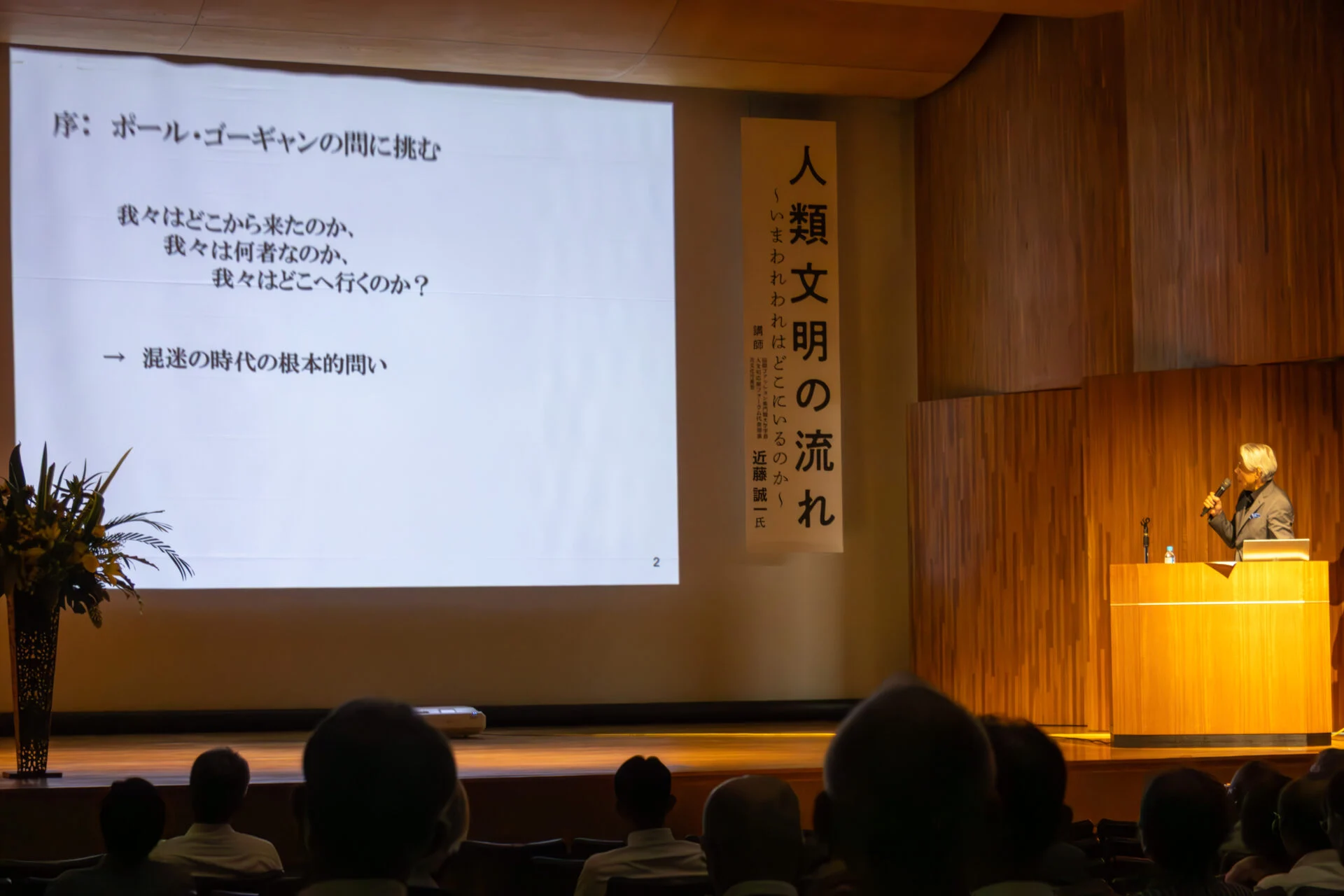
Over 100 years ago, at the end of the 19th century, what kind of answers will Mr. Kondo provide to the questions posed by Gauguin through his paintings?
In the lecture, I will highlight a few episodes that caught my attention.
About Humanities and Liberal Arts
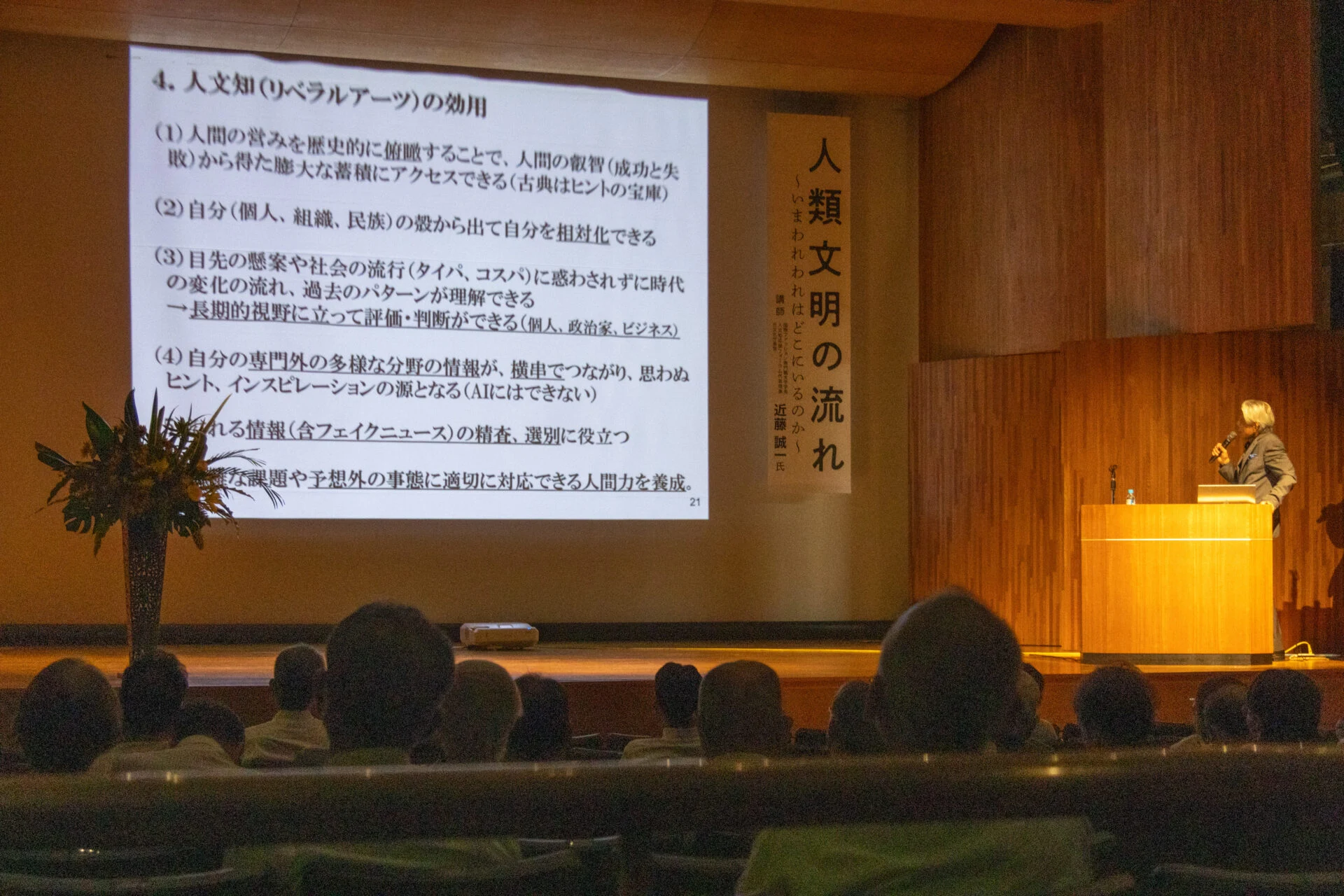
The term "humanities", used in the name of the "Humanities Support Forum" led by Mr. Kondo, is one of the keywords of this lecture, with a similar concept being "liberal arts".
In a nutshell, liberal arts can be described as "the knowledge that a person should acquire to live with a free spirit", and this idea has its origins in the "Seven Liberal Arts" that developed in medieval Europe.
The Seven Liberal Arts refer to the following seven disciplines that were developing in medieval Europe: grammar, rhetoric, logic (dialectic), arithmetic, geometry, astronomy, and music.
It emphasizes the importance of learning various disciplines to free oneself from fixed ideas and to have the mindset to challenge new things by combining diverse knowledge.
Regarding the necessity of "humanities" and "liberal arts," Mr. Kondo stated the following:
"The technology that humanity has developed in pursuit of convenience and comfort is robbing us of our humanity."
With the development of civilization, modern life appears to be convenient and beautiful at first glance.
However, behind that facade, we often see the image of modern people bound by things and rules, such as smartphone addiction, cost performance, time performance, compliance, and harassment.
In other words, it can be said that we are in a situation where we are "trapped in an invisible intellectual and cultural cage, unable to escape from it". The "intellectual and cultural cage" here refers to common sense and fixed ideas.
Breaking through these barriers and being able to view things objectively is where humanities and liberal arts come into play.
Episodes Where Humanities Were Useful - Registration of Iwami Ginzan as a World Heritage Site
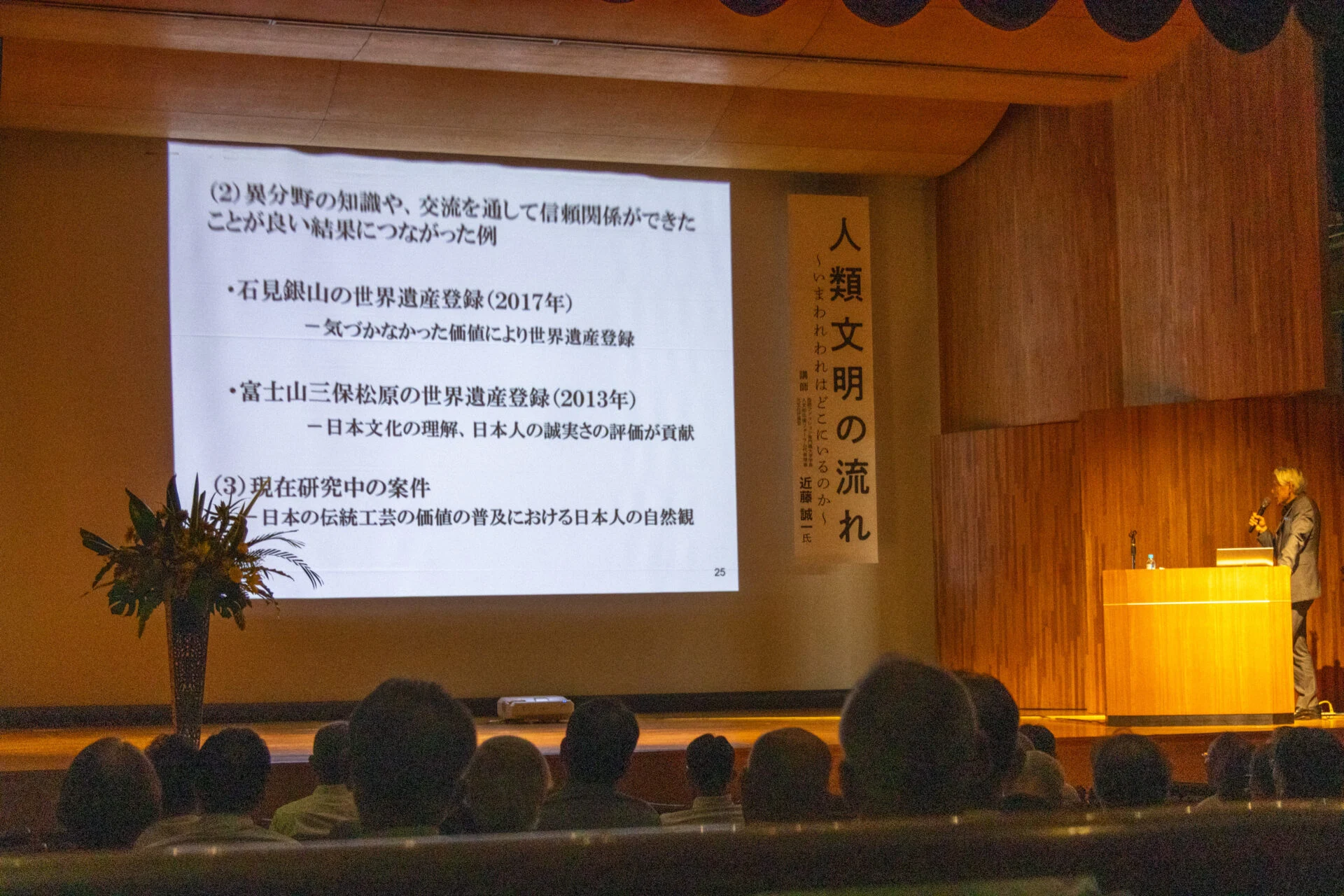
In 2007, when Mr. Kondo was serving as the Ambassador of the Japanese Government to UNESCO, Iwami Ginzan in Shimane Prefecture was registered as a World Heritage Site.
The registration of Iwami Ginzan as a World Heritage Site was not straightforward, as the advisory body of UNESCO, ICOMOS (International Council on Monuments and Sites), recommended a postponement of registration due to "insufficient proof of universal value."
Two Words That Turned Difficulties into Opportunities
In such difficulties, Mr. Kondo mentioned that two words he encountered through humanities led to the reversal of Iwami Ginzan's World Heritage registration.
One is the phrase "There is a time for everything that a person does" from Shakespeare's play "Julius Caesar."
This phrase conveys the message that "if you want to do something great, there is indeed a good timing for it. If you miss that, it will not succeed. If you can seize the timing, it will go well."
The other is a quote from Winston Churchill, the British Prime Minister during World War II: "Pessimists find difficulties in every opportunity. Optimists find opportunities even in every difficulty."
This quote illustrates that optimists, or those who view things positively, can find opportunities in any difficulties, while pessimists tend to focus only on the difficulties.
From Insights Gained During the Inspection of Iwami Ginzan to World Heritage Registration
After receiving the recommendation for postponement of registration, Mr. Kondo inspected Iwami Ginzan to find a breakthrough.
His first impression was "just a mountain covered in greenery."
However, this impression later became the key to the reversal. The refining of silver mined from the mountain requires a large amount of fuel (firewood), which has a significant environmental impact.
However, in the 16th century, Iwami Ginzan practiced proper forest management, achieving mining development with reduced environmental impact. The concept of SDGs (Sustainable Development Goals) was already being practiced 400 years ago.
When he conveyed this at the World Heritage Committee held in Paris, there was a positive response from the committee members, saying "This is wonderful!", and the registration was approved. Additionally, this environmentally conscious approach contributed to enhancing its value as a World Heritage Site.
The background of effectively utilizing opportunities and timing was rooted in episodes through humanities.
Conclusion
Through this lecture, I heard the term "humanities" for the first time.
It gives a similar impression to trivia, but I felt that humanities are a form of "cultivation" that allows one to perceive things more multidimensionally by having perspectives outside of one's expertise.
These are things that cannot be replaced by generative AI, so they will likely become increasingly important in the future.
Moreover, this lecture, held annually with diverse speakers, seems to be contributing to supporting "humanities" in the community.
Article about Ohara House Katalyzer
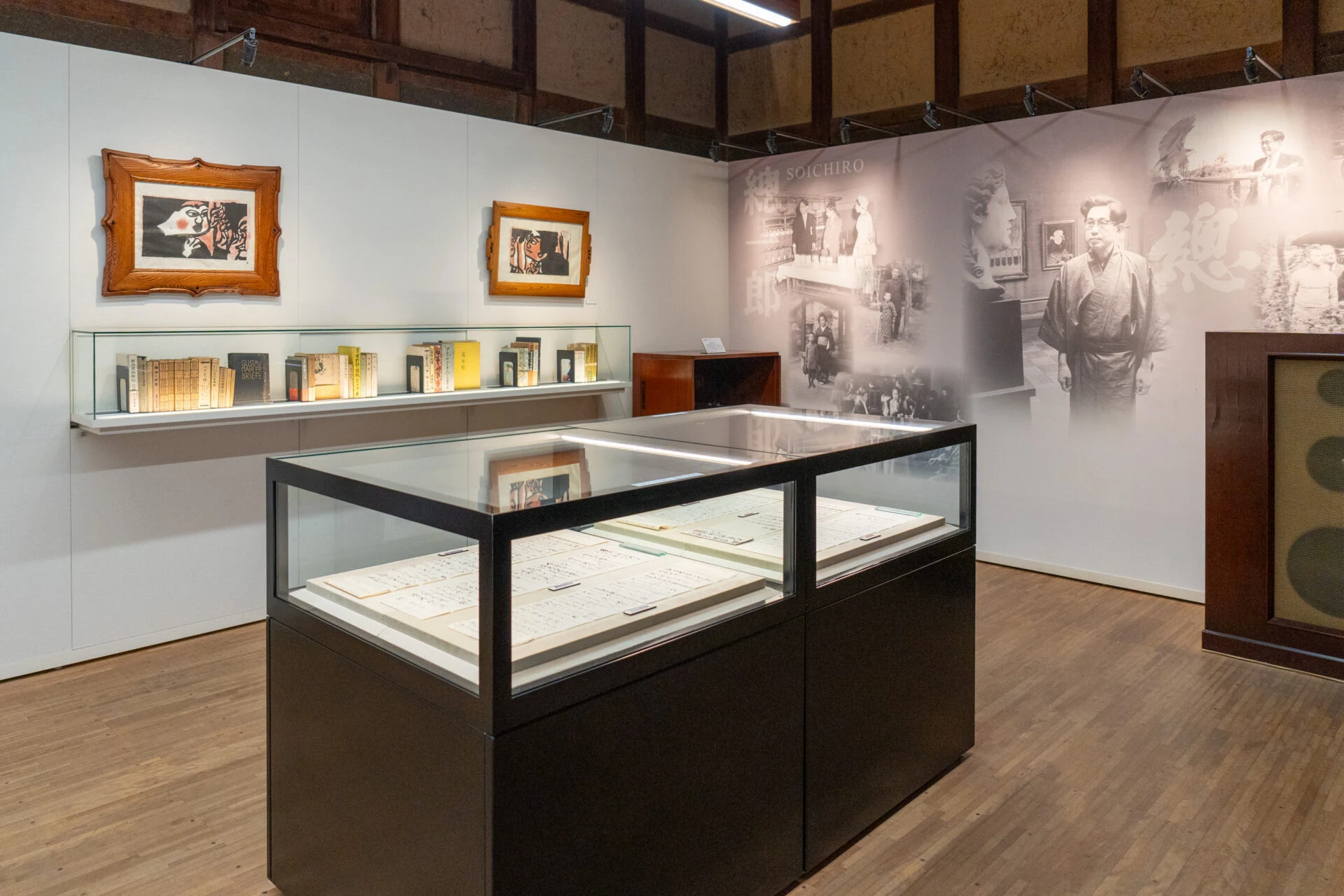
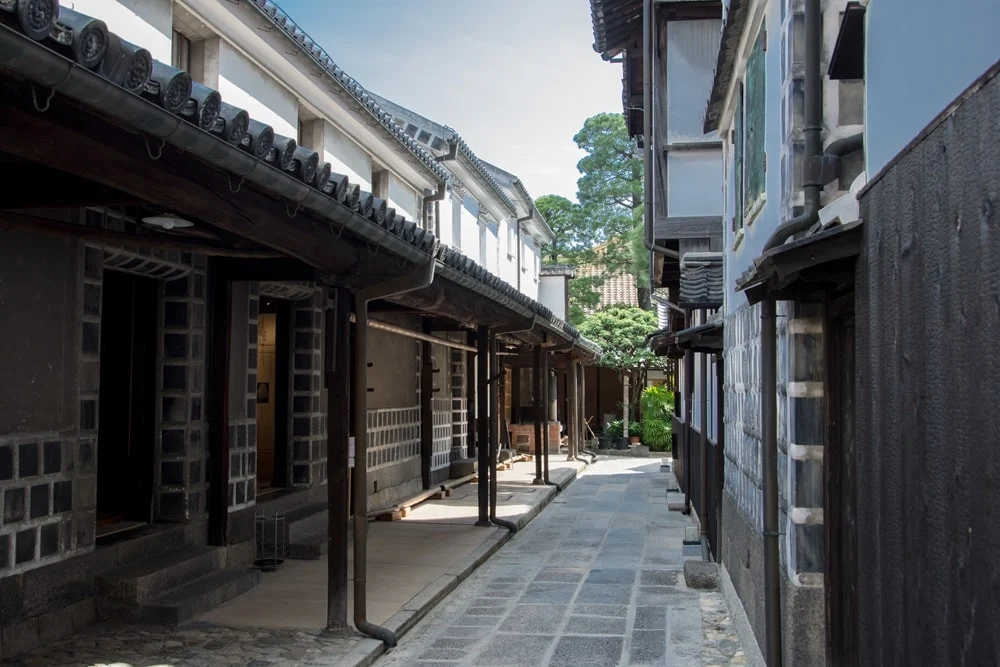
Data for the 69th Ohara Magosaburo and Soichiro Memorial Lecture "The Flow of Human Civilization - Where Are We Now?"
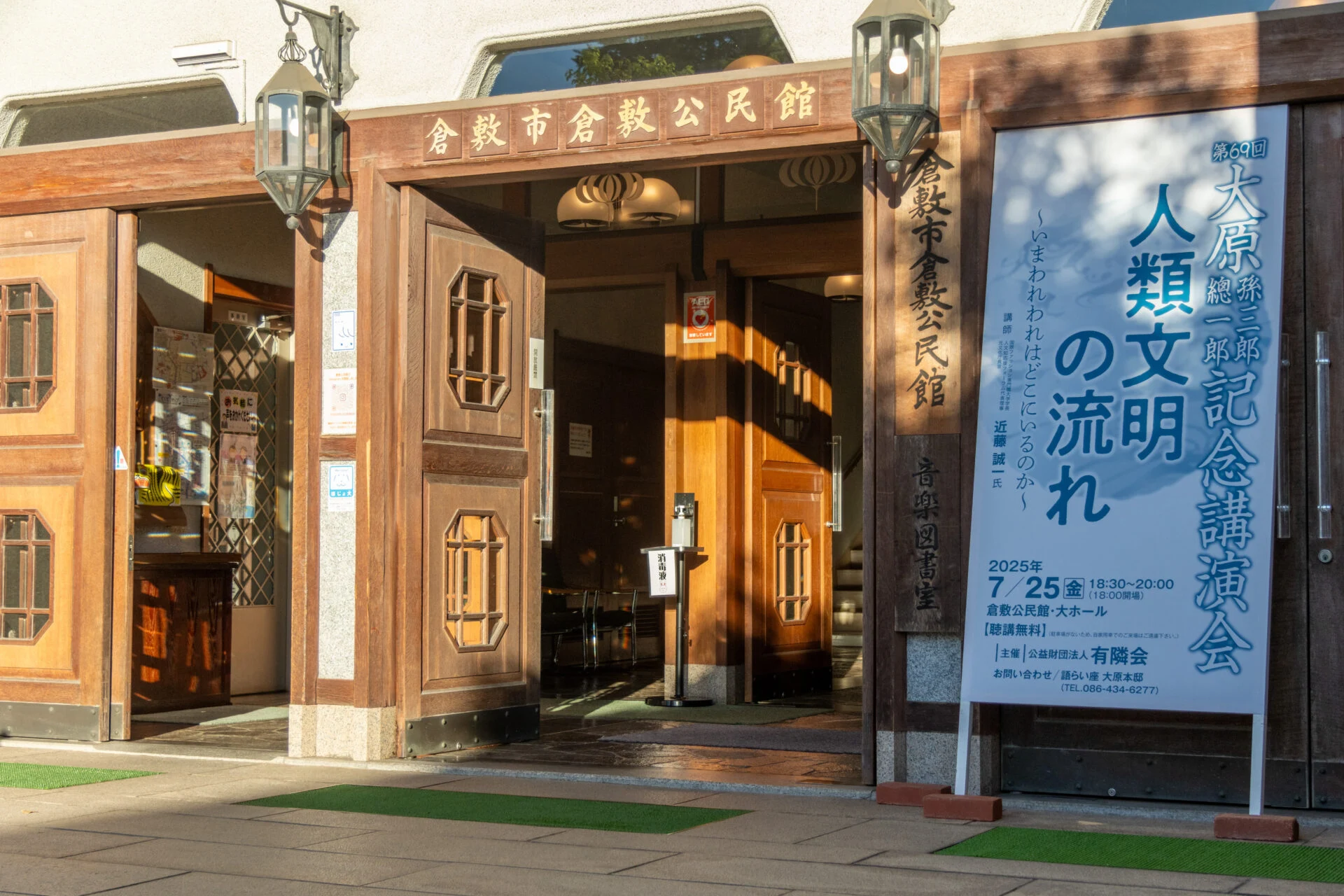
| Name | 69th Ohara Magosaburo and Soichiro Memorial Lecture "The Flow of Human Civilization - Where Are We Now?" |
|---|---|
| Date | July 25, 2025 (Friday) from 6:30 PM to 8:00 PM |
| Location | 2-2-21 Honmachi, Kurashiki City (Kurashiki Community Center, Large Hall) |
| Participation Fee (including tax) | Free |
| Website | Yurinkai Foundation |