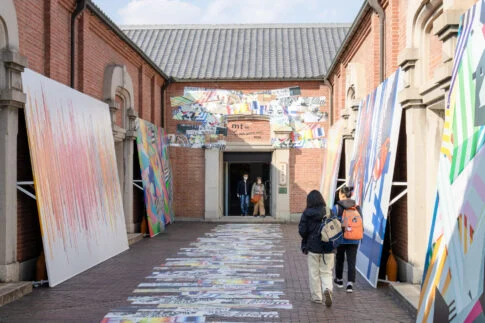
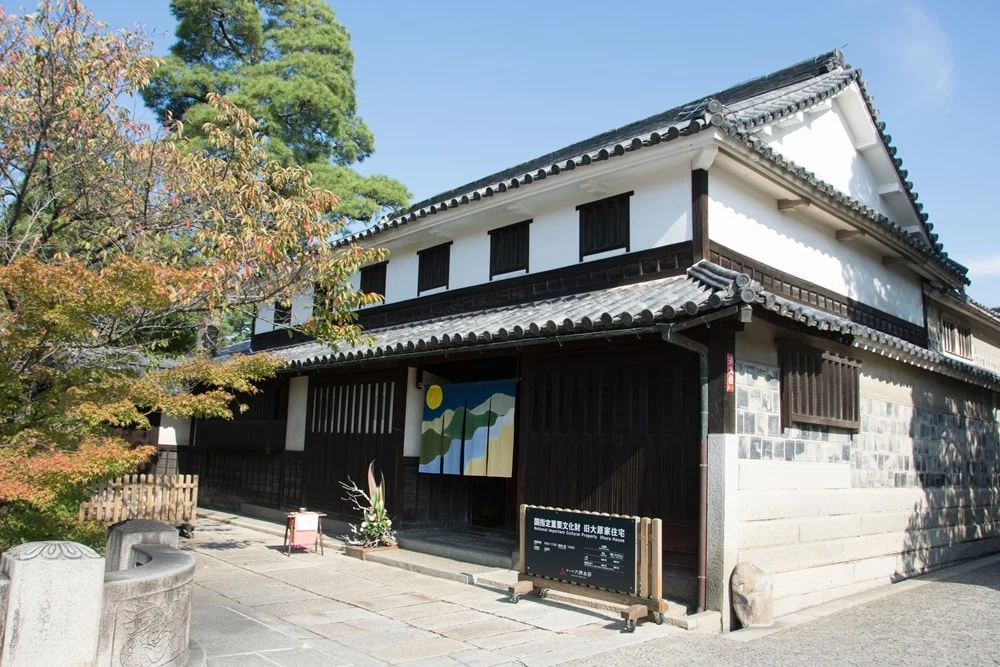
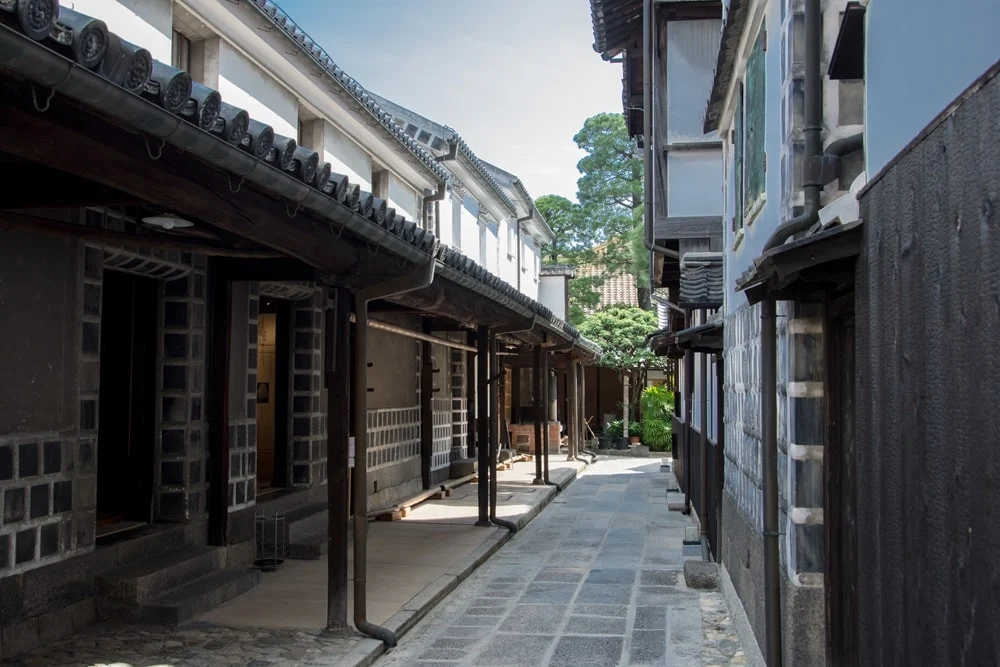
In a corner of the Bikan Historical Area, a healing space and a nationally designated important cultural property, is the “Ohara House Katalyzer (former Ohara family residence).”
It is a recommended spot for tourism, and a special exhibition will also be held this year (2024) for a limited time.
The masterpiece of Western painter Kojima Torajiro, “The Garden of Compassion,” is housed at the Imperial Palace's Sannomaru Shozokan.
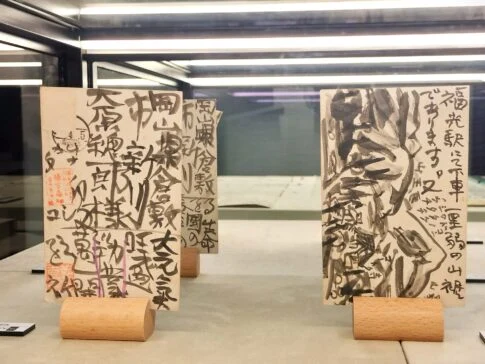
Letters addressed from Kojima Torajiro to Ohara Magosaburo detailing the circumstances from the creation of the work to its purchase by the Imperial Household Ministry (at that time) will be on display.
Additionally, letters detailing the production processes of Torajiro's representative works “The Watermill of the Village” and “Going to School” will also be exhibited.
Overview of the Special Exhibition: Letters Remaining in the Ohara Family - Letters from Student Kojima Torajiro
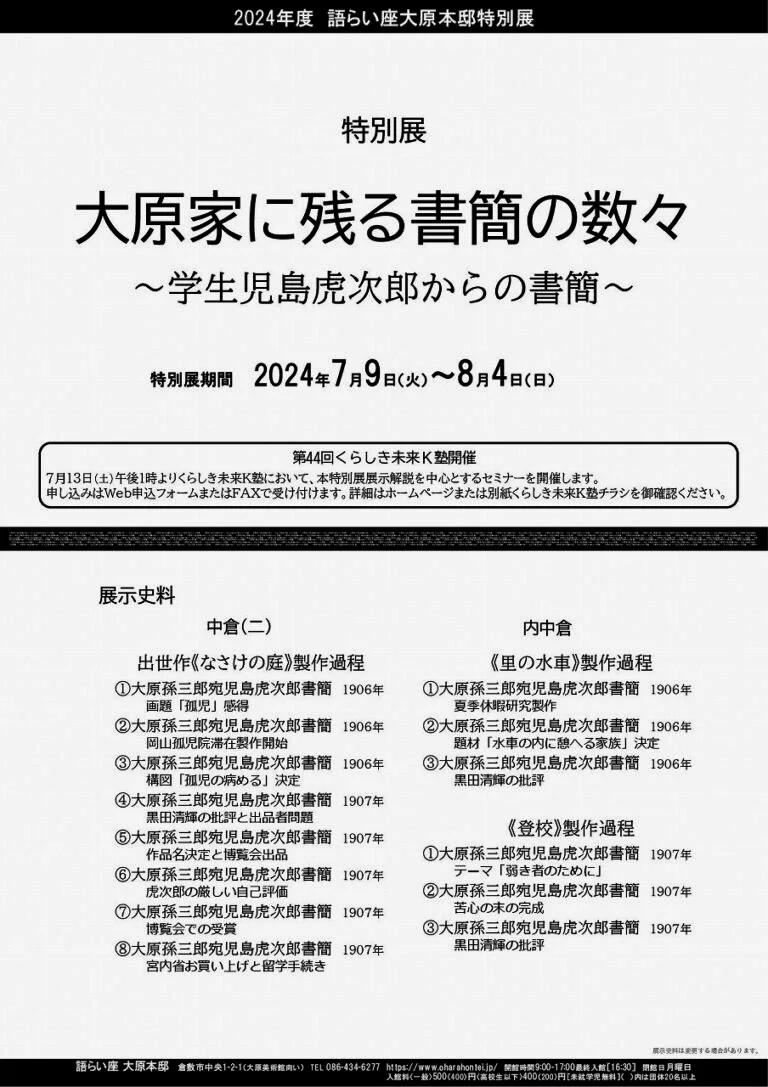
It is said that there are numerous historical materials stored in Ohara House, among which the number of letters is said to exceed tens of thousands. From this vast collection of letters, those addressed from scholarship student Kojima Torajiro to his benefactor Ohara Magosaburo will be exhibited.
This special exhibition allows you to learn about the production processes of the masterpiece “The Garden of Compassion” and the representative works “The Watermill of the Village” and “Going to School.”
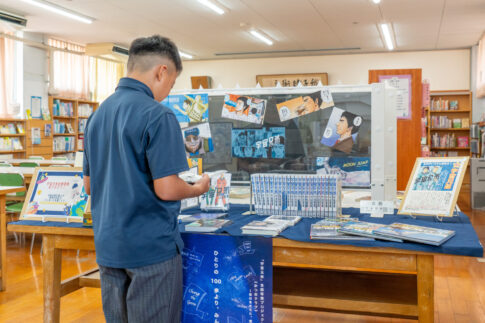
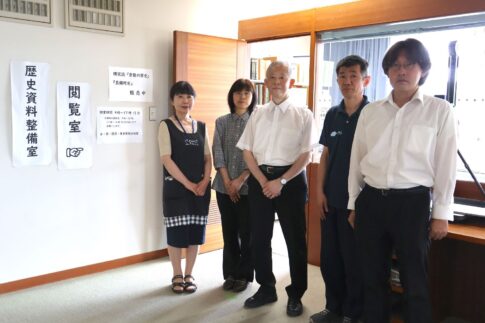
The exhibition venues will be Nakakura (2) at Ohara House, where materials related to Ohara Magosaburo are displayed, and Uchinakakura, which is attached to a book café.
Nakakura (2) Exhibition: Letters on the Production Process of the Masterpiece “The Garden of Compassion”
What will be displayed in Nakakura (2) at Ohara House are letters to Ohara Magosaburo from the time of deciding to create the masterpiece “The Garden of Compassion” until its purchase by the Imperial Household Ministry.
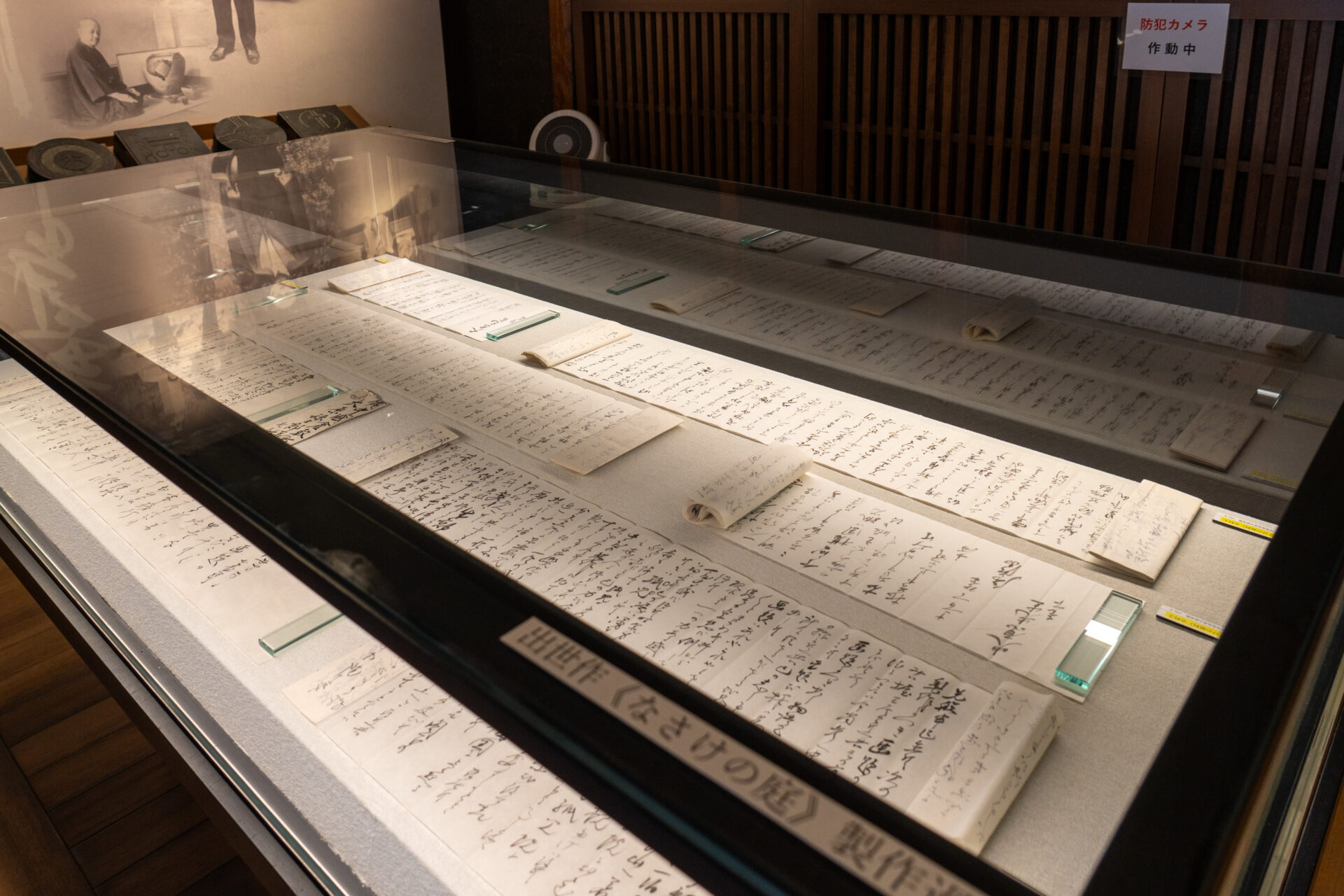
When it comes to letters from the Meiji era, deciphering them is generally quite challenging.
However, knowing the content can make it enjoyable even just to view the materials.
Now, what exactly is “The Garden of Compassion” mentioned in the letters for this special exhibition? Let’s touch on it briefly.
“The Garden of Compassion” is currently a painting housed at the Imperial Palace's Sannomaru Shozokan.
The author is Kojima Torajiro, and the subject is “Okayama Orphanage.”
This work was exhibited at the Tokyo Prefectural Industrial Exhibition in March 1907 (Meiji 40), and it became a work purchased by Emperor Meiji.
This event led Torajiro to study abroad in Europe.
If Torajiro had not gone to Europe, he might not have collected paintings, and the current Ohara Museum of Art might not exist.
Considering this, it truly can be called a “masterpiece.”
The letters detail Torajiro's struggles in creating his works, evaluations from his mentor Kuroda Seiki, and his own harsh self-assessments.
Uchinakakura Exhibition: Letters on the Production Process of the Representative Works “The Watermill of the Village” and “Going to School”
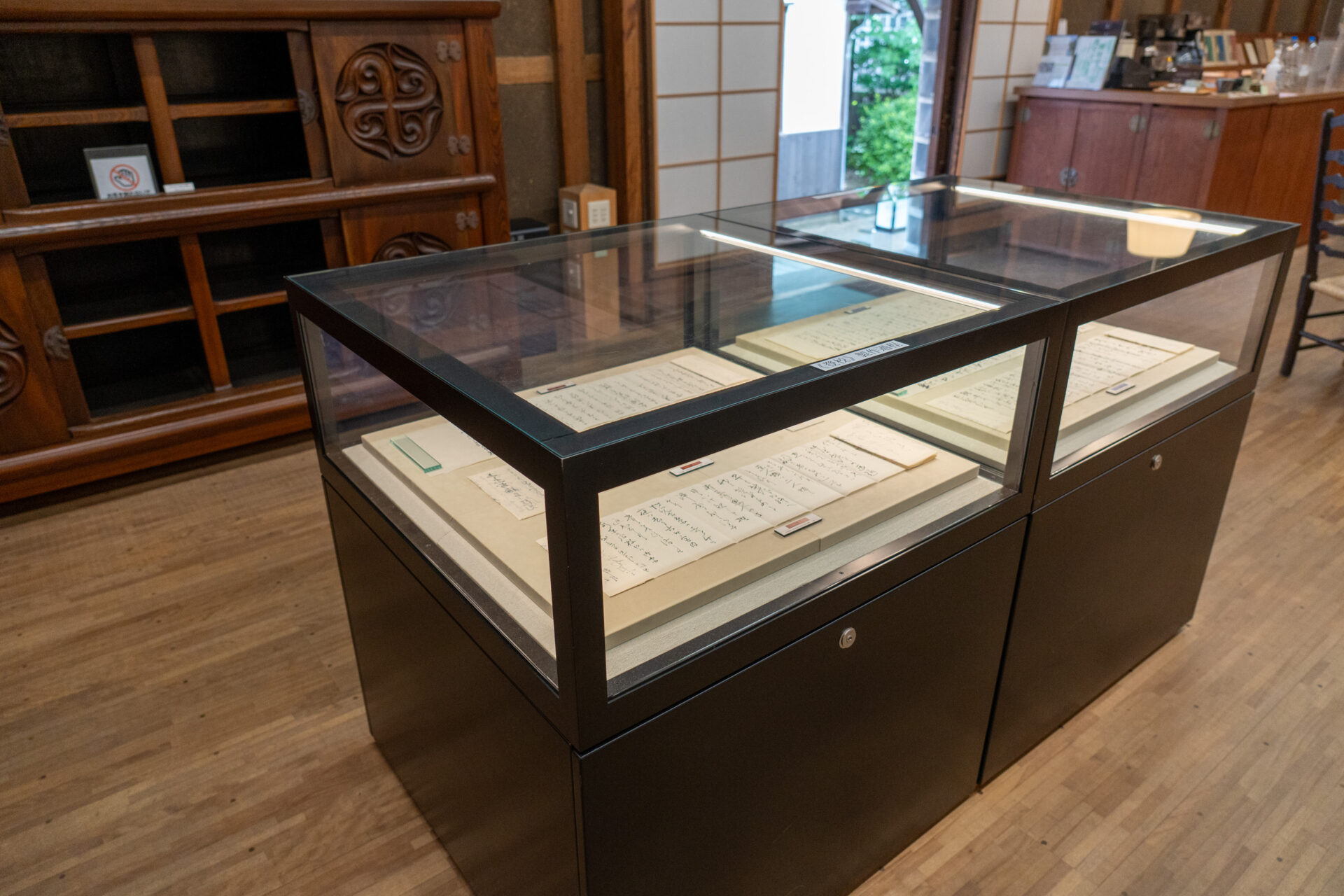
What will be displayed in Uchihakura are letters regarding the production processes of Kojima Torajiro's representative works “The Watermill of the Village” and “Going to School.”
Both letters were sent to Ohara Magosaburo detailing the thoughts and processes behind the creation of the works. The representative works “The Watermill of the Village” and “Going to School” can be appreciated in Okayama.
- The Watermill of the Village: Owned by Ohara Museum of Art
- Going to School: Housed at Takahashi City Nariwa Museum
“The Watermill of the Village” was painted in the basin of the Nariwa River, which is also Kojima Torajiro's hometown. It depicts a woman holding a small child inside a watermill and a young woman sitting beside her.
“Going to School” features a scene with two small women, and it is said to be Torajiro's graduation work, a culmination of what he learned at art school.
This work, painted with the theme of “for the weak,” was completed by Torajiro after much struggle.
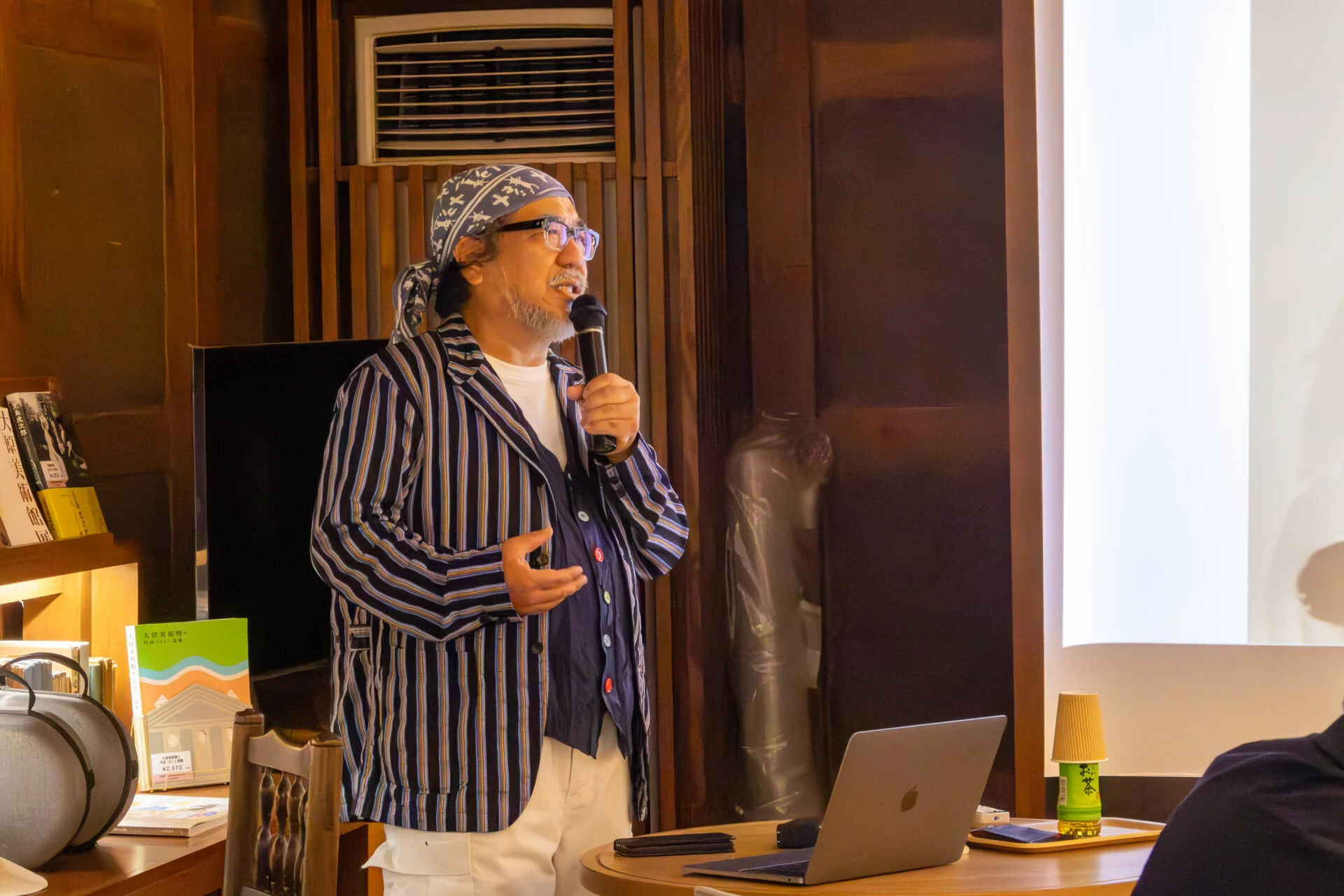
The curator who assisted with the interview, Mizushima Hiroshi, mentioned that the representative work “Going to School” is actually titled “Coming Home.”
Why was it titled “Going to School” when it was actually “Coming Home”? This raises even more interest.
Reason for Choosing Letters from Kojima Torajiro
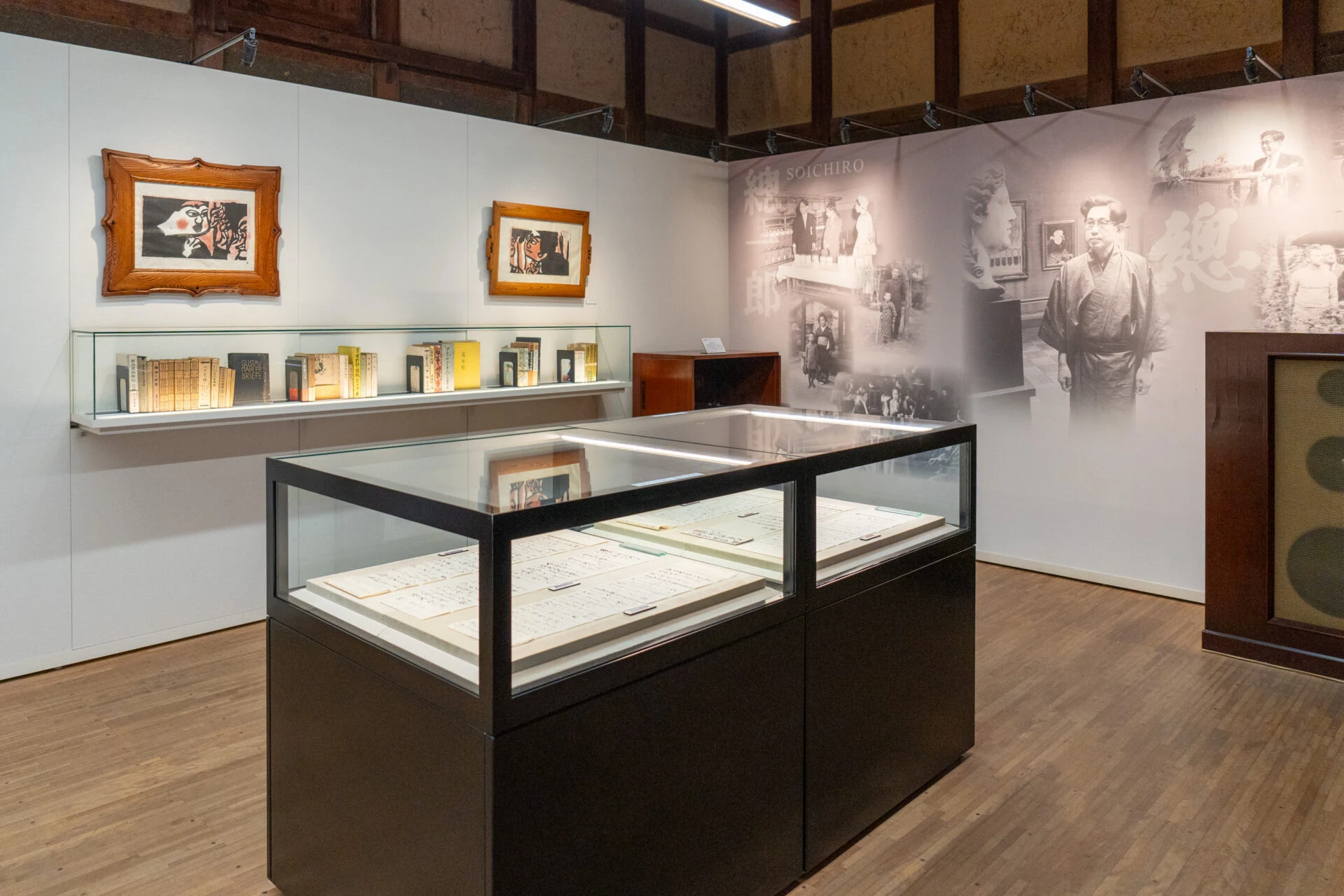
The Ohara family has a vast collection of materials and documents, and they are regularly organized and researched, with periodic public displays at “Ohara House Katalyzer.”
I spoke with Mizushima about this year's (2024) special exhibition.
Why did you choose “Letters from Student Kojima Torajiro” from among the many materials?
Mizushima (no honorific)
This is the fourth letter exhibition, and there are over 200 letters from Kojima Torajiro. Many people are familiar with them, making them relatively easy to feature.
Additionally, the Ohara Museum of Art is currently holding a special exhibition, and the first painting visitors see upon entering is Kojima Torajiro's “The Watermill of the Village.” Since it’s a great opportunity, I wanted to share the letters related to the production of the works, which is why I chose this theme.
What are the highlights of this special exhibition?
Mizushima
Both “The Watermill of the Village” and “The Garden of Compassion” were exhibited at the Tokyo Industrial Exhibition and are representative and masterpiece works of Kojima Torajiro.
Letters contain critiques from his mentor Kuroda Seiki and Torajiro's own harsh self-assessments regarding the production of the works, so I hope everyone will take a look.
Conclusion
Most of the foreign works at the Ohara Museum of Art were purchased by Kojima Torajiro.
His extraordinary talent may have gradually emerged through the advice of his mentor Kuroda Seiki, his struggles, and his relationship with his benefactor Ohara Magosaburo during his time as a student at the Tokyo School of Fine Arts (now Tokyo University of the Arts).
According to Mizushima, “Even though it’s a special exhibition, many might find it difficult since it features old documents,” but after viewing the paintings and works, it might be interesting to see.
Additionally, there is an explanation on the back of the pamphlet, which I think makes it easy to understand.
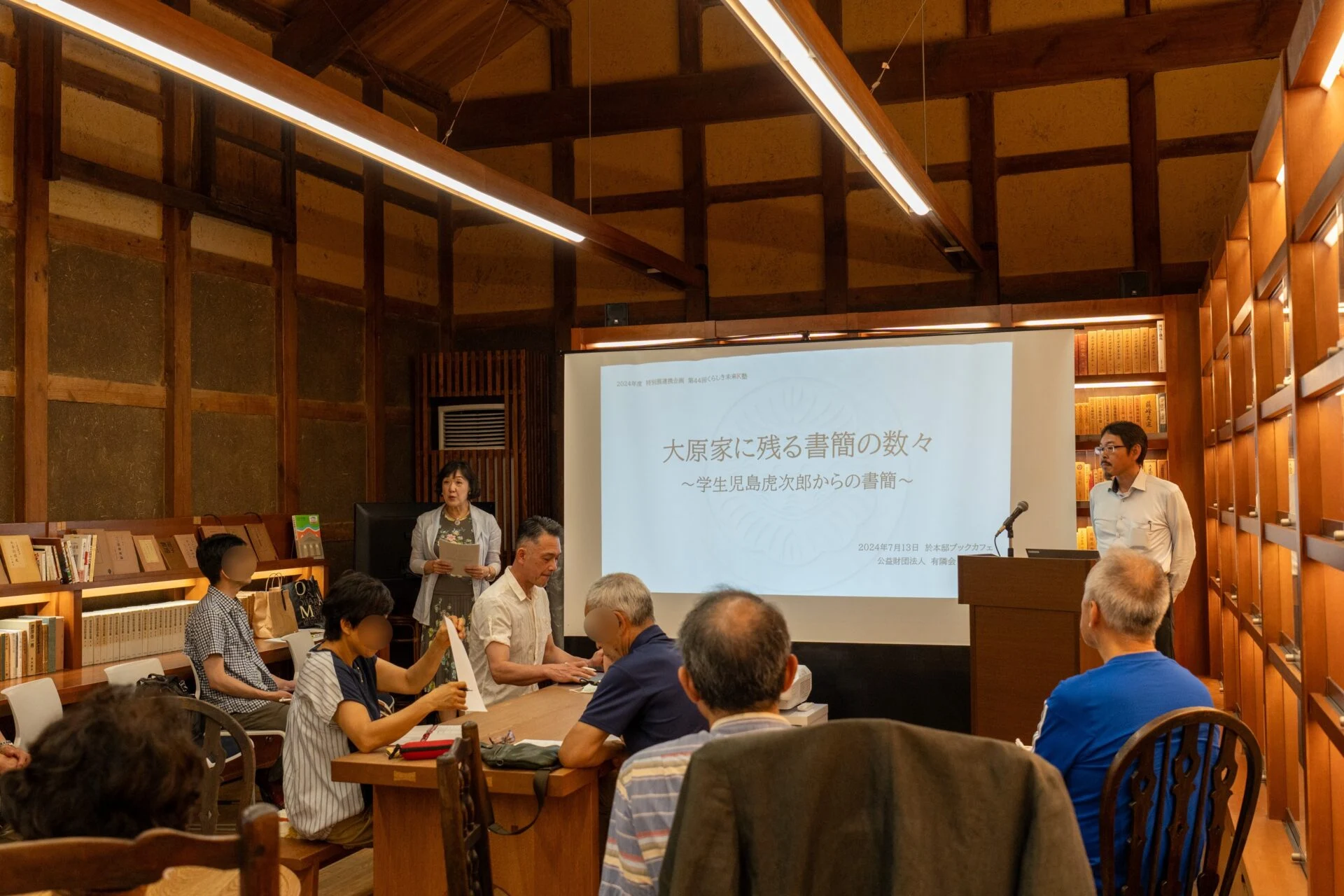
There will be a seminar where you can hear Mizushima's explanations on July 13 (Saturday), so please make sure to visit along with the special exhibition.
Articles Related to Ohara House Katalyzer
Data for Ohara House Katalyzer Special Exhibition
| Name | Ohara House Katalyzer Special Exhibition |
|---|---|
| Dates | 9:00 AM - 5:00 PM * Last admission is until 4:30 PM |
| Location | 1-2-1 Chuo, Kurashiki City, Okayama Prefecture |
| Participation Fee (Tax Included) | Special exhibition admission fee can be viewed with the entrance fee only |
| Website | Information on Ohara House Katalyzer Special Exhibition |