While walking around the city, I occasionally encounter local television filming. It is rare to be directly interviewed, but it is a familiar sight during events and festivals.
The technique of "interviewing people in the streets and presenting it in a humorous way," which is often seen in today's variety shows, is said to have been created by Echizenya Hyota, who was active on television around the 1980s.
Echizenya Hyota overturned the then-conventional idea of television that "comedians make things funny."
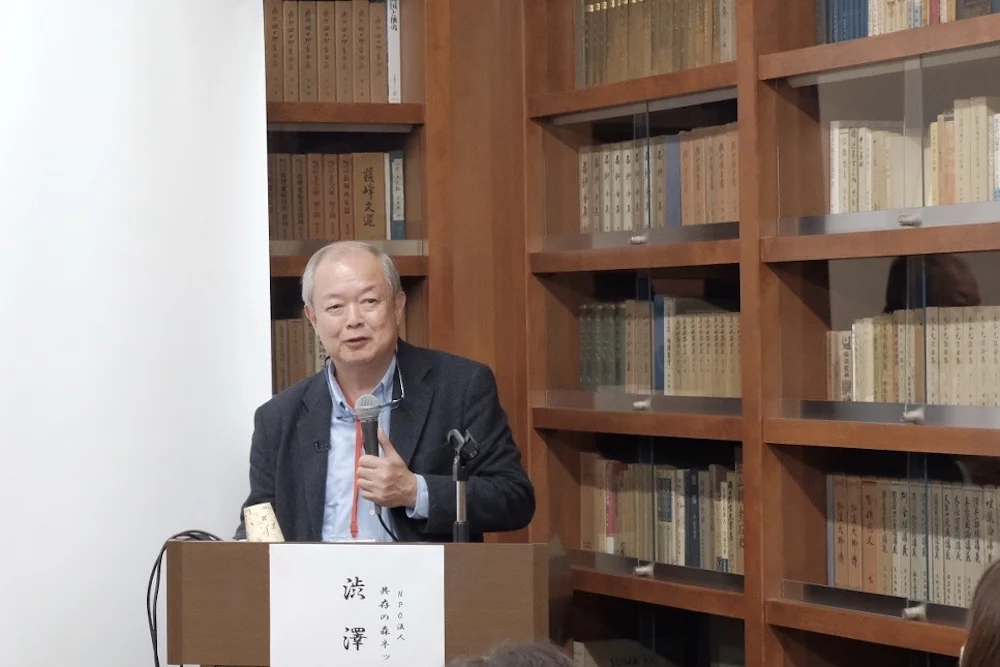
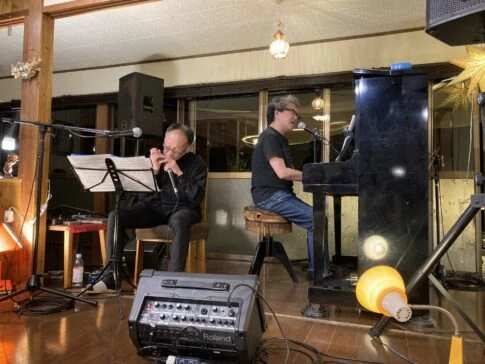
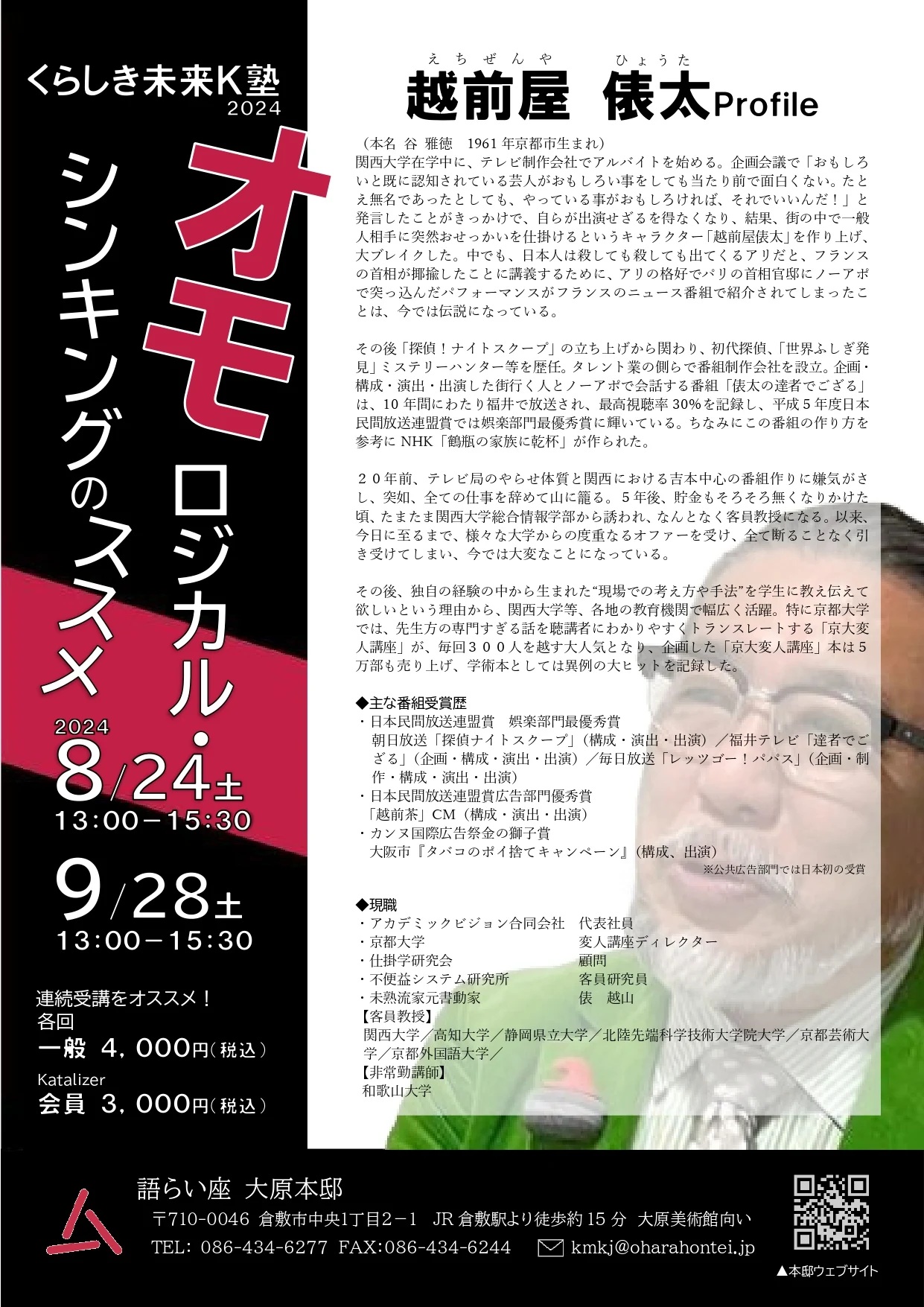
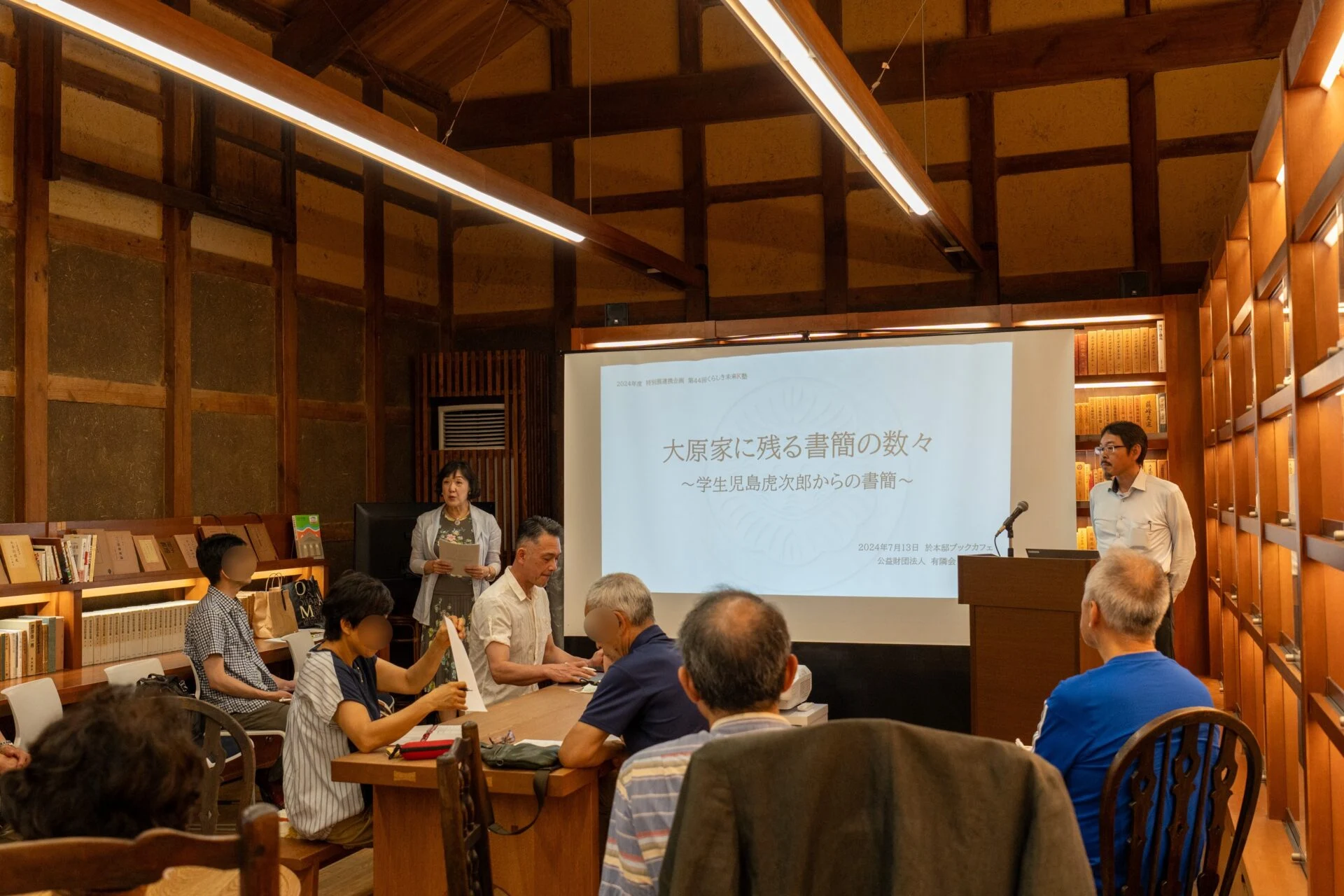
Once a month, a lecture by Echizenya Hyota was held on September 28, 2024, at the Ohara House Katalyzer during the "Kurashiki Future K School" Kurashiki Future K School, and I also participated.
I will report on the 46th Kurashiki Future K School.
What is Kurashiki Future K School 2024 "Recommendation of Omorojikaru Thinking"?
Kurashiki Future K School is a seminar created to connect school education with the local community.
It is regularly held as a place for interaction among business executives, educators, and general citizens interested in the community and education.
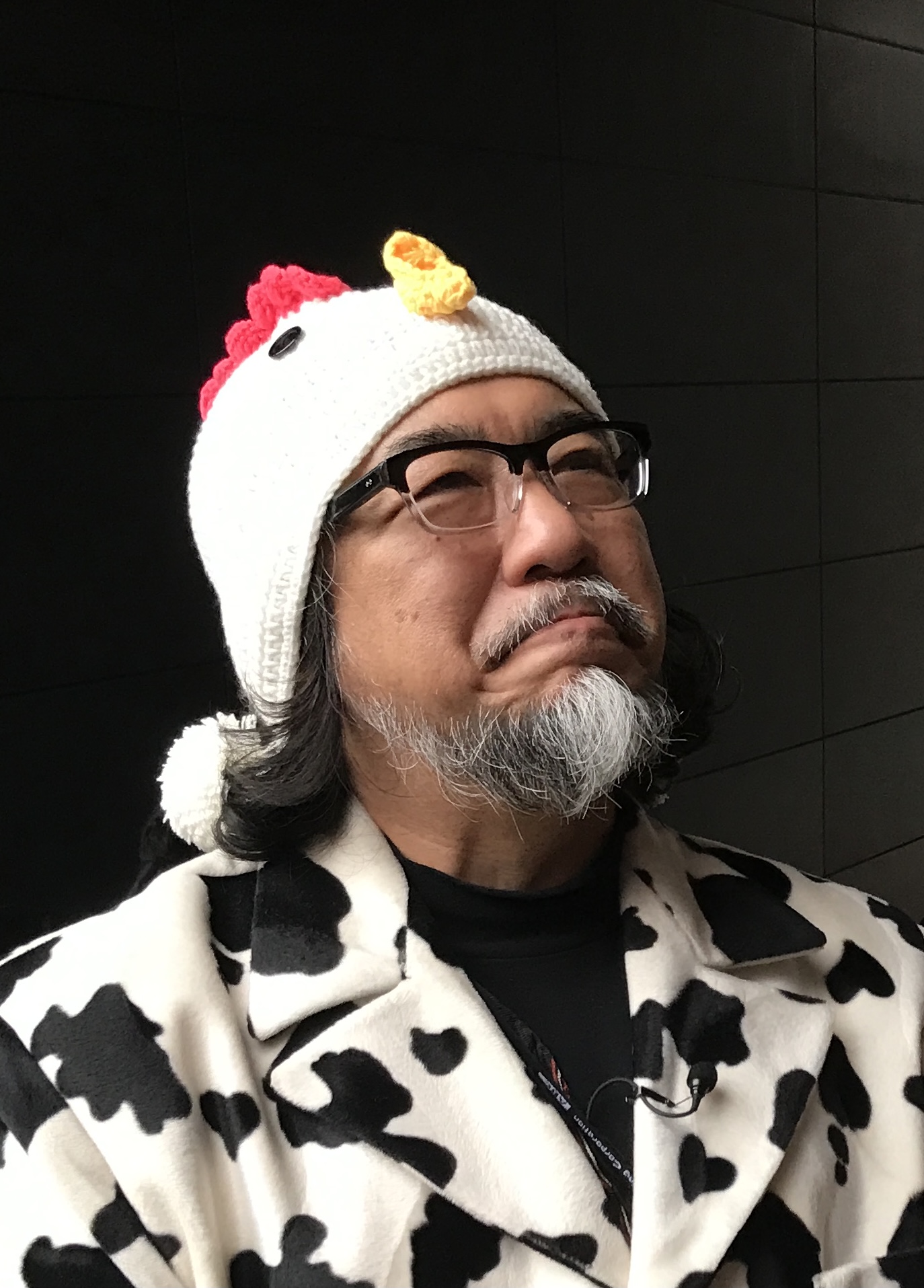
Various lecturers have appeared, and in the 45th and 46th sessions, Echizenya Hyota san, who has entertained households on television, was featured.
About Echizenya Hyota
Echizenya Hyota is known for planning and structuring television programs, and he also appeared as a performer, serving as the first detective in the long-running program "Detective! Night Scoop".
When "Detective! Night Scoop" started in 1988, it was common for comedians to appear to make the program interesting.
However, Echizenya Hyota established a technique of drawing out humor from interactions with ordinary people. Even without a budget or famous personalities, he created laughter through interactions with people he met on the street, gaining high popularity.
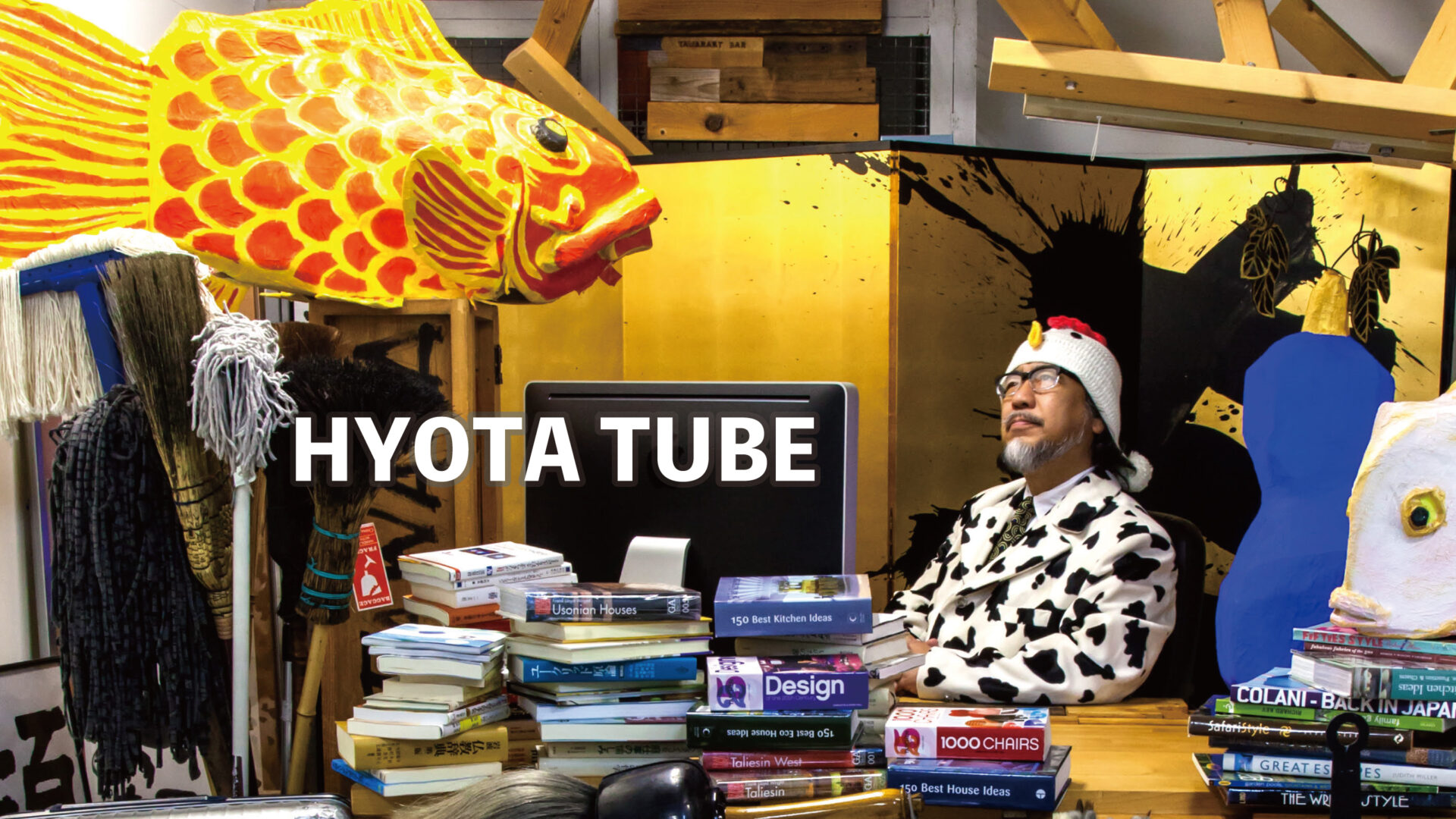
The technique of creating laughter from ordinary people without using comedians has since been utilized in various programs and has permeated the current television industry.
Currently, Echizenya Hyota teaches "on-site thinking and techniques" based on his experiences as a guest professor and part-time lecturer at universities across the country. His current positions are as follows:
- Kansai University, Faculty of Sociology - Guest Professor
- Hokuriku Advanced Institute of Science and Technology - Guest Professor
- Kochi University, Center for Hope Creation - Guest Professor
- Kyoto University of the Arts - Guest Professor
- Kyoto University of Foreign Studies - Guest Professor (Advisor to the President's Office)
- Shizuoka Prefectural University - Startup Creation Support Advisor
- Wakayama University, Faculty of Tourism - Unconventional Lecturer
- Kyoto University Eccentric Course - Director & Navigator
- Tawara Etsuzan - Head of the Unskilled School
- Self-Questioning Party - Party Leader
- ACADEMIC VISION LLC - Representative Member
The "Kyoto University Eccentric Course" held at Kyoto University became a popular course with over 300 students attending each time.
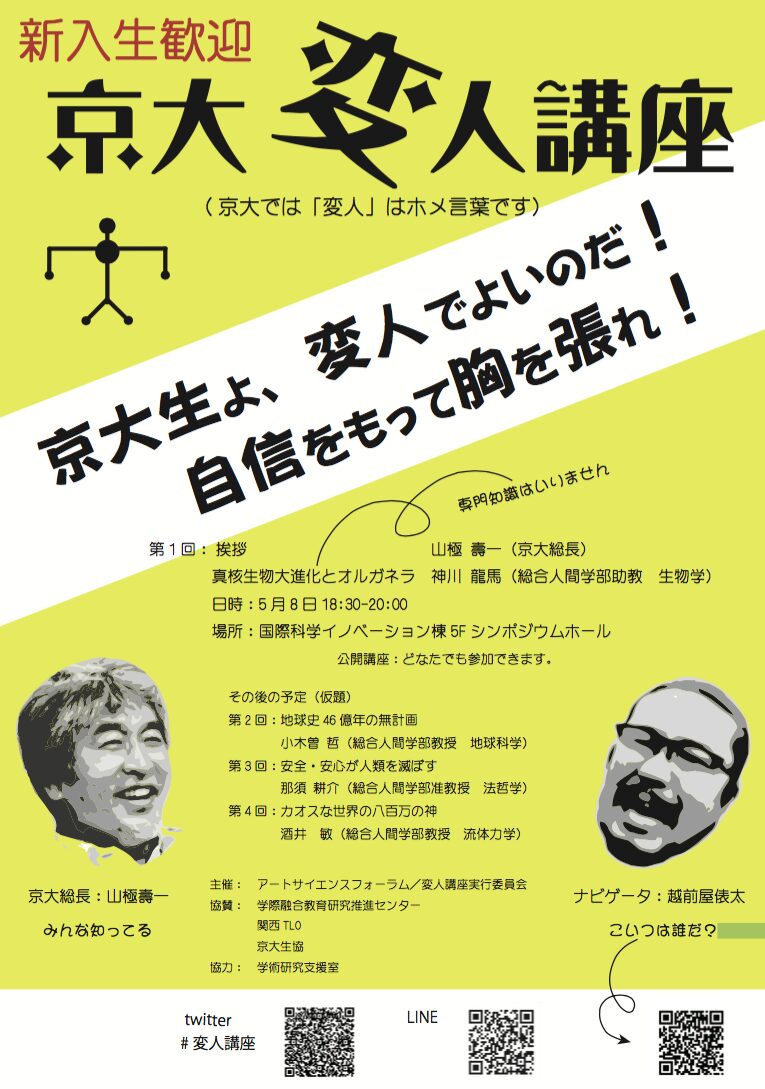
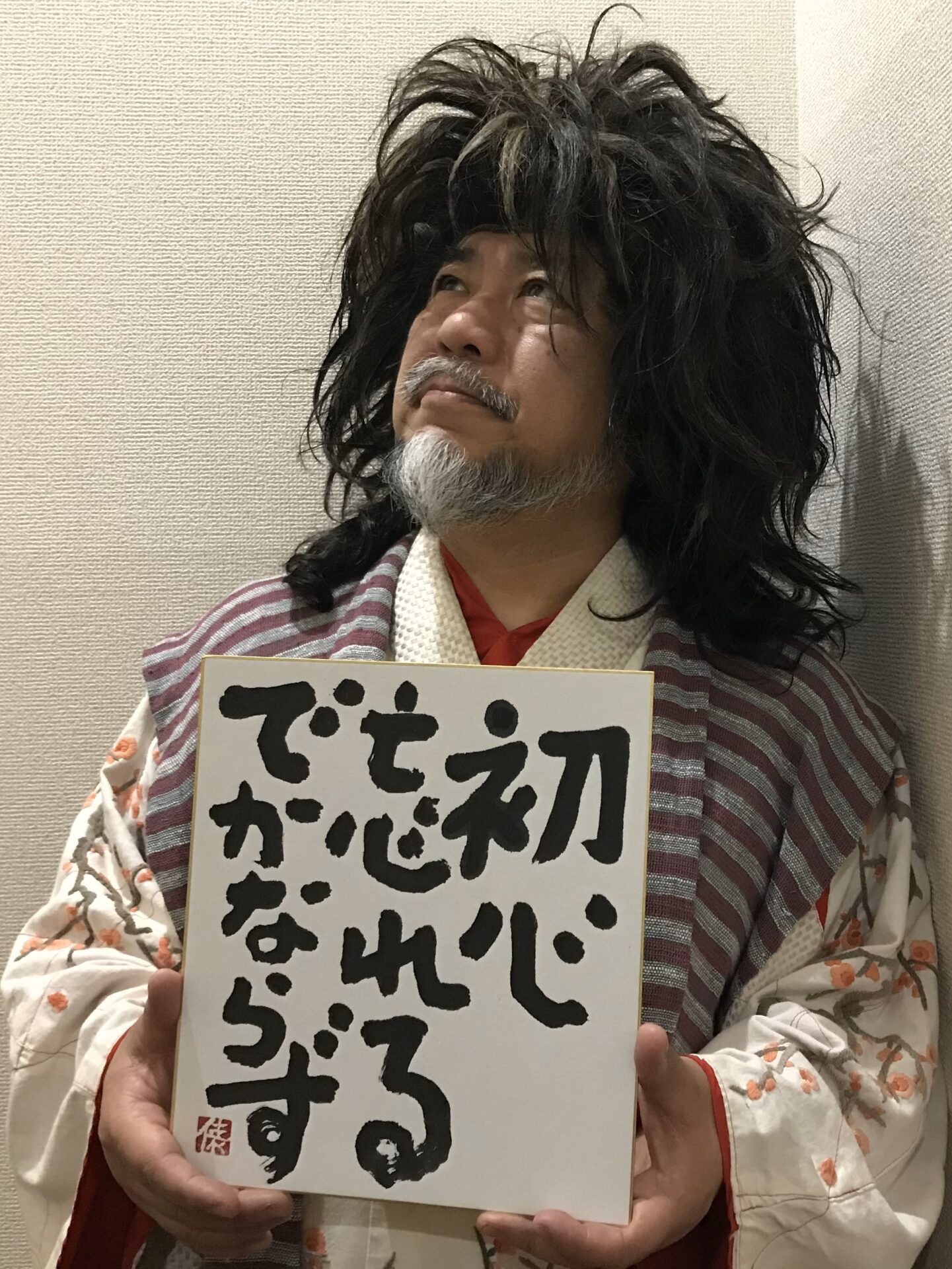
Additionally, he is active as a calligrapher, Tawara Etsuzan, produces documentary films, and serves as a project director for promoting hot springs in Wakayama City, showcasing his diverse activities.
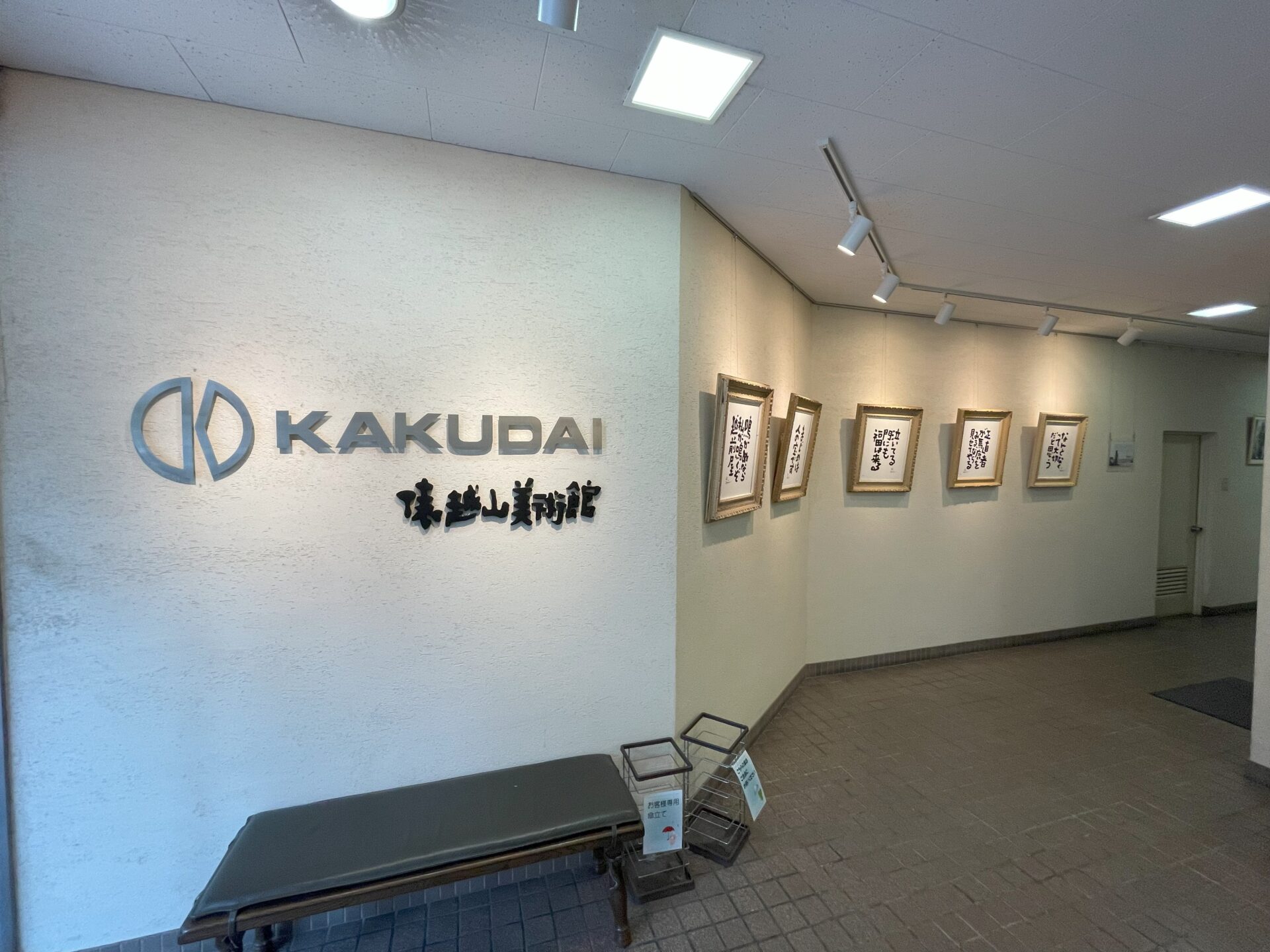
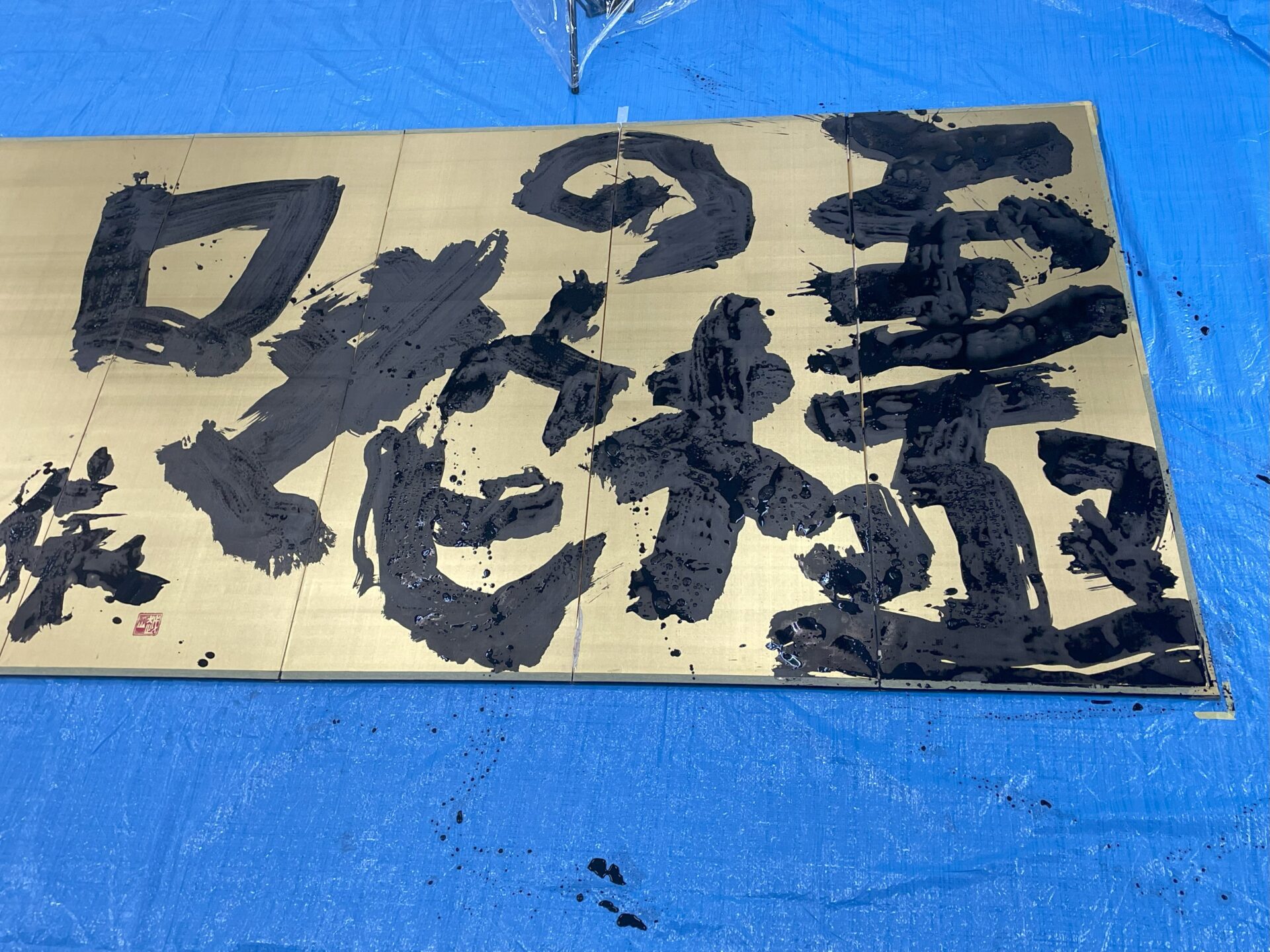
You can check Echizenya Hyota's latest activities on his independently launched web media "Hyotimes".

Until the TV Celebrity Retreated to the Mountains
Although Echizenya Hyota is now widely active, there was a time in the past when he quit all his jobs and retreated to the mountains for five years.
Why did he give up his stable television job and start anew? And what did he gain from his retreat to the mountains?
Let us reflect on Echizenya Hyota's life.
What is the "Comedy Style" Established by Echizenya Hyota?
Echizenya Hyota first appeared on television when he was a second-year university student working part-time at a production company.
In programs with limited budgets, it was difficult to invite talents or comedians or to create sets, and after thinking about "how to make it interesting," he came up with the idea of interacting with people walking on the street.
Although Echizenya Hyota originally aspired to be a director, he appeared on television himself to carry out that direction and actively interacted with people in the streets.
During the lecture, precious footage that was broadcast at the time was projected, filling the venue with laughter.
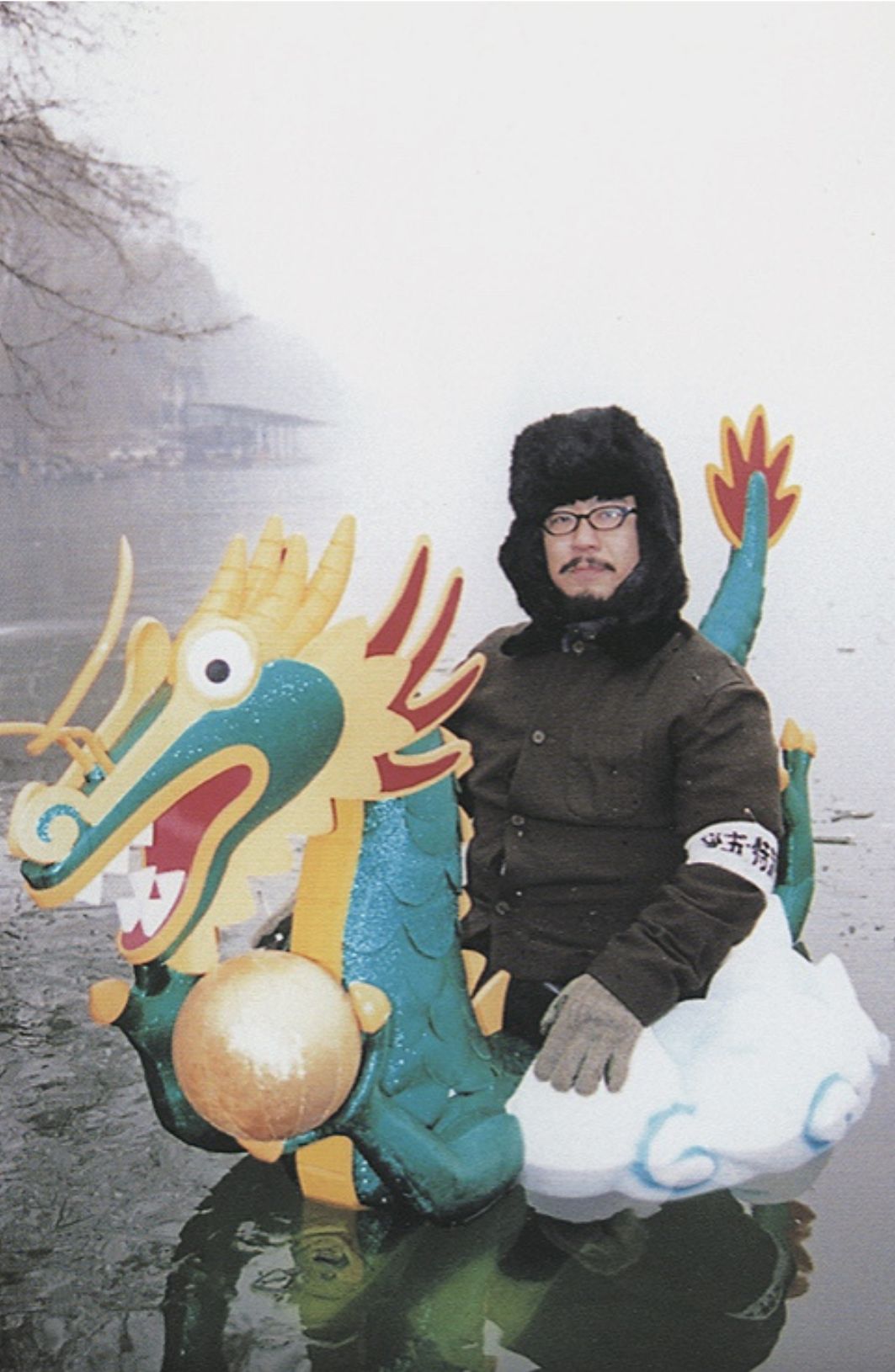
He had yankees arm-wrestle and jump rope with salarymen, making unreasonable demands on ordinary people. However, the people in the streets surprisingly responded enthusiastically. There was laughter that could only be drawn out because they were not professionals.
"The only ones you shouldn't mess with are the yakuza. So I interacted with police officers," and footage of him interacting with police officers also played, causing laughter in the venue.
"There were things that would probably get me in trouble if done in today's era, but at that time, we were just playing together. When I was in the streets, everyone came close to me because they could appear on television," he reflected.
The Sense of Crisis Born from "Detective! Night Scoop"
Echizenya Hyota, who became a household name, received an offer to appear on "Detective! Night Scoop."
To enhance the project, he did not rely on comedians and, through trial and error, energized the program as the first detective. However, as the ratings increased, conservative factions emerged who did not want to lower the program's popularity.
"When things are going well, you can cover up failures, so you should take on challenges," was the opposite of Echizenya Hyota's intention, and the program gradually became more conservative.
"It would be easy to keep going like this, but isn't that a bit wrong?"
Two Events that Pushed Him Forward
He began to feel fed up with the program's desire for stability and the plagiarism of his ideas, questioning whether the current situation was acceptable.
The Great Hanshin-Awaji Earthquake in 1995 further strengthened that awareness.
"I was inspired by the people of Kobe who were affected, seeing them work hard to start over from scratch. I thought, 'If I don't have the power to start over from zero again, I might be no good'."
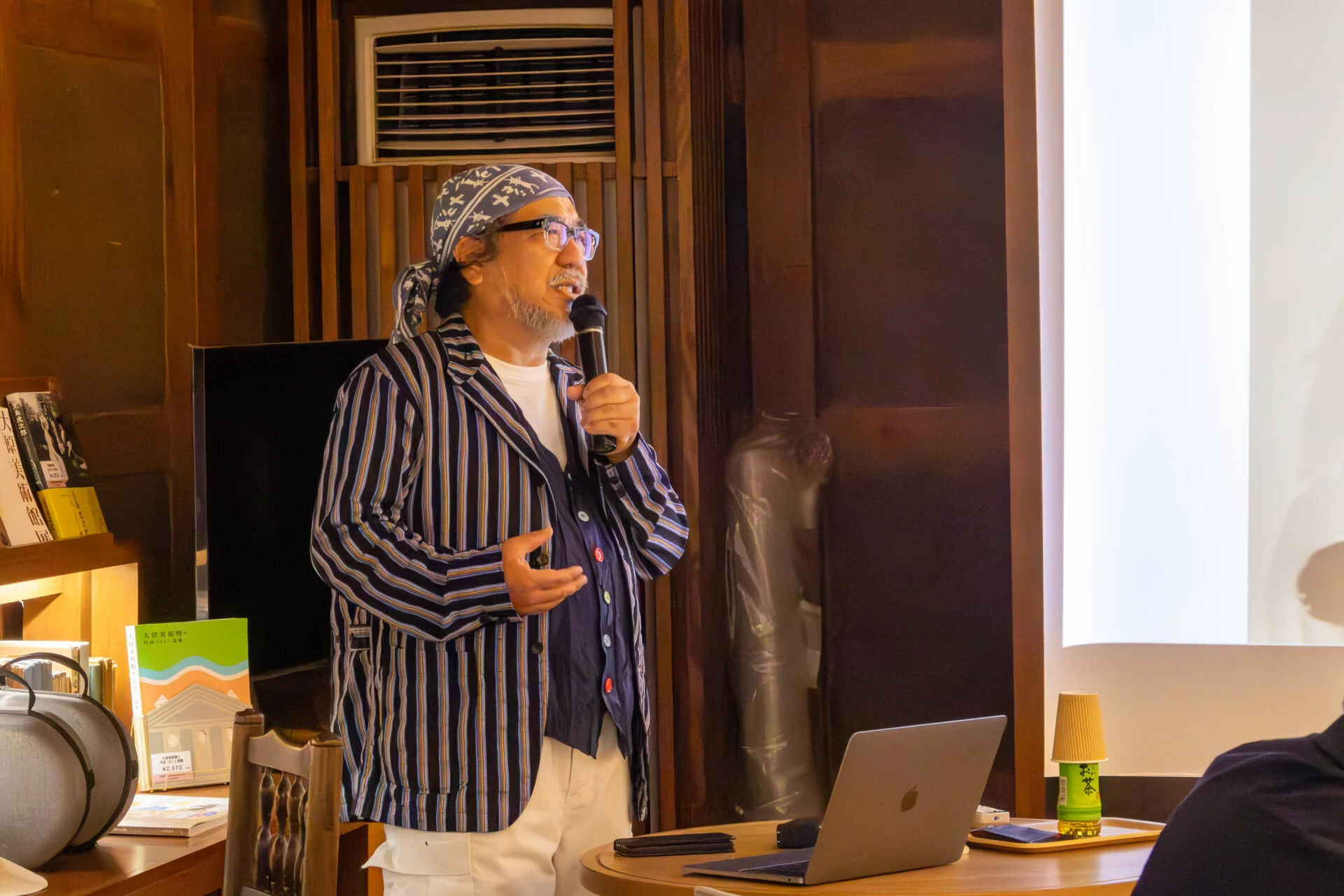
What further pushed him was his encounter with folk singer Nobuyasu Okabayashi.
Okabayashi suddenly disappeared from the public eye at the peak of his popularity in the early 1970s.
Consulting him about work-related worries, Echizenya Hyota chose to leave "Detective! Night Scoop."
Even in ordinary jobs, it takes courage to resign or change jobs. How much courage must have been required for Echizenya Hyota to make that decision, given his fame?
What Nature Taught Him During His Retreat
Echizenya Tawarata had quit most of his television work, but he continued to host the program "Tawarata no Dassha de Gozaru", which aired on Fukui Television, where he walked around Fukui Prefecture as Echizenya Wakasa's inspector. This was the only program he continued. Echizenya Tawarata planned and appeared in the show himself, which recorded a peak viewership rating of 30%. In 1994, it won the Grand Prize in the Television Entertainment category at the Japan Commercial Broadcasters Association Awards.
However, the structure and methods of that program were imitated by other shows, and the accumulated distrust reached its limit.
He decided, "If I'm going to quit, I might as well quit everything," and disappeared from the public eye, starting his retreat into the mountains in 2003.
During his five years of living in the mountains, we will introduce some episodes of what Echizenya Tawarata learned from nature.
The Meaning of Deciduous Trees Shedding Leaves
In the mountains, there were evergreen trees that remained green all year round and deciduous trees that shed their leaves in autumn.
Echizenya Tawarata had the impression that "the autumn leaves are beautiful, but they have the color just before death," and he preferred evergreen trees.
However, when the snowy season arrived, he realized the goodness of deciduous trees.
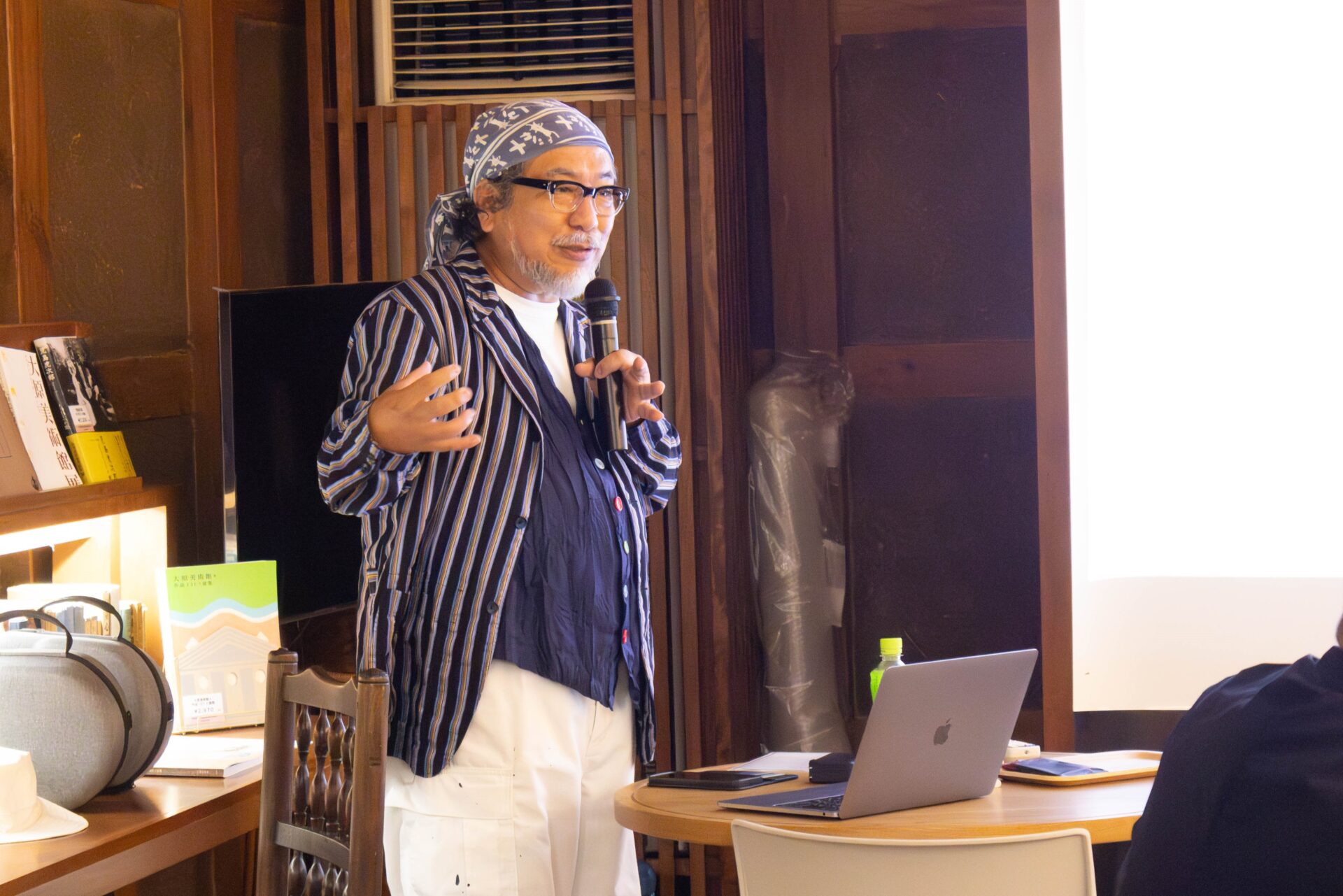
While evergreen trees have branches that break under the weight of snow, deciduous trees shed their leaves, allowing snow to accumulate without damaging them, enabling them to grow steadily and survive the winter.
"Deciduous trees are not having their leaves dropped by someone; they are shedding them themselves. And when those leaves fall to the ground, they eventually become nutrients for themselves again after a long time."
Echizenya Tawarata thought that the time he came to the mountains was the worst period. However, he reflects that nature taught him that the world is always in a cycle, just like the repetition of morning and night, summer and winter.
The Story of the Cherry Seedlings
Echizenya Tawarata, who was growing trees, purchased two types of cherry seedlings.
One was bought from a specialty store through an acquaintance. It was a robust seedling with a thick trunk and tall height.
The other was a seedling purchased from a home improvement store, which seemed to be on the verge of dying due to poor growing conditions or disease.
When he started to grow them, the specialty store's cherry bloomed beautifully as expected at first. However, after a few years, the home improvement store's cherry, despite its awkward appearance, bloomed profusely and has now grown larger than the specialty store's seedling.
The home improvement store's seedling, having grown in a poor environment, desperately seeks water to survive. Even when it hits hard layers of soil, it stretches its roots through the gaps, showing a tenacity to survive.

"Even if the environment is not favorable, if you try to live properly, flowers will eventually bloom. That's why I encourage my students to keep pushing forward."
Calligraphy Performance in New York
As he gradually recovered surrounded by nature, the final significant support came from the presence of friends.
What was projected was a video of calligrapher Tawaraya Koshizan's calligraphy performance. It showed Echizenya Tawarata moving a large brush through the streets of New York, encountering various obstacles.
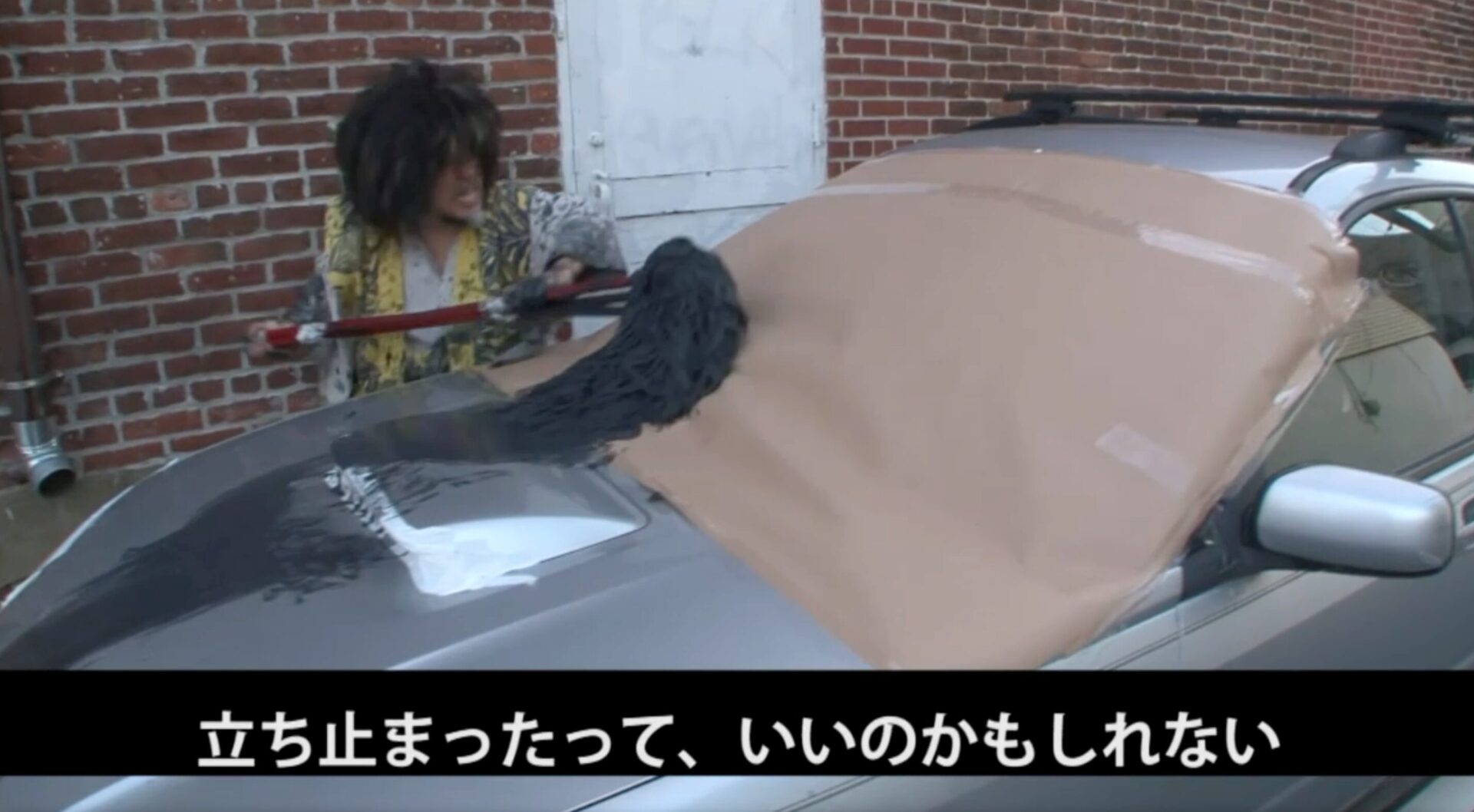
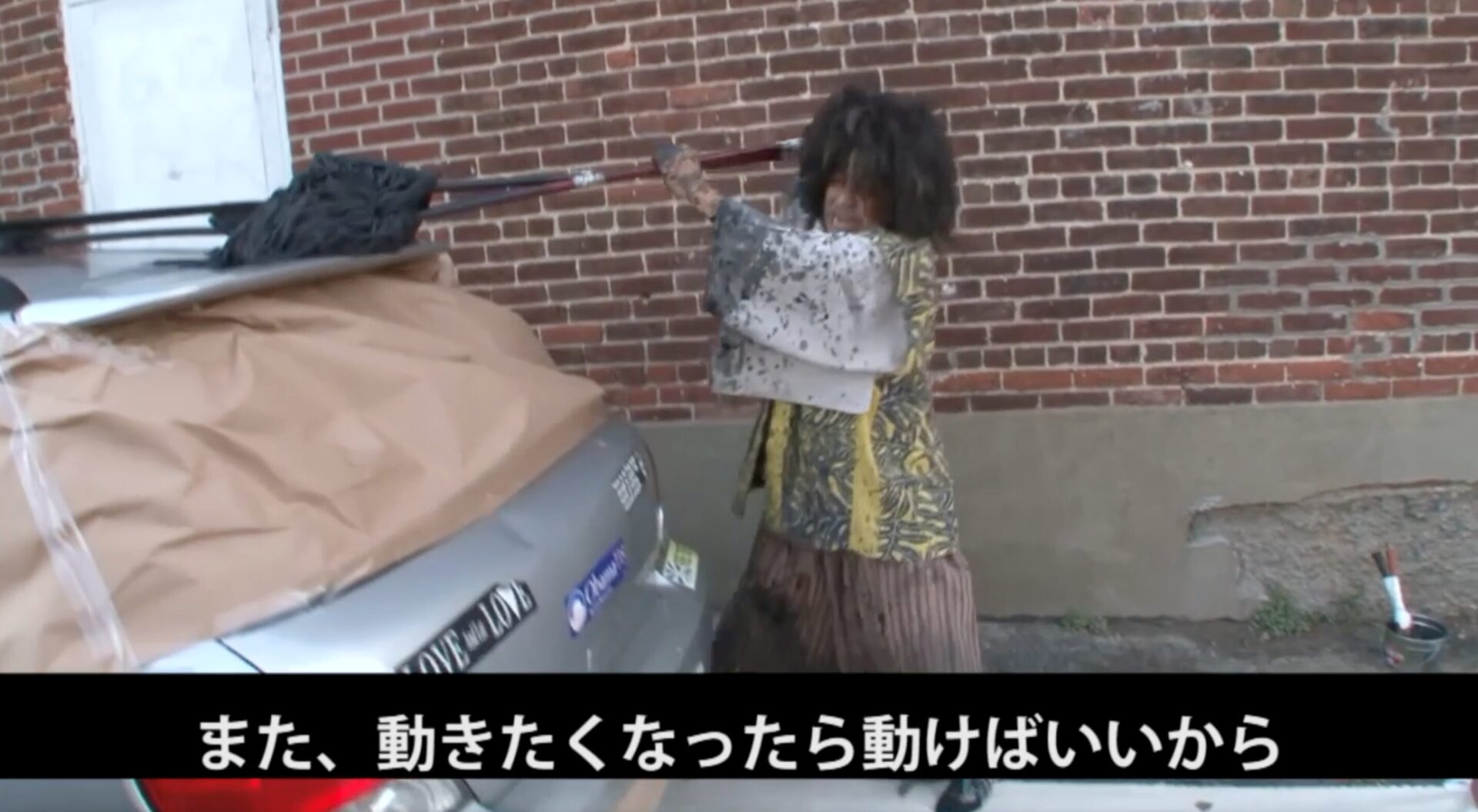
Thanks to a friend who is an artist who said, "Come to New York," and a television station that covered the travel expenses to broadcast "Echizenya Tawarata's efforts in New York," his long-desired calligraphy performance in New York became a reality.
The author was overwhelmed by the soulful performance seen in the New York footage. It conveyed the feelings he had been expressing through calligraphy over the years of dialogue with nature and himself.
Return to the Public Stage: What Was Gained from Five Years in the Mountains
After five years in the mountains, Echizenya Tawarata finally welcomed the day of his return to the public stage. About 20 classmates gathered for an event to commemorate his comeback.
The footage from the event showed Echizenya Tawarata performing calligraphy in front of a large audience, along with children writing the characters for "thank you."
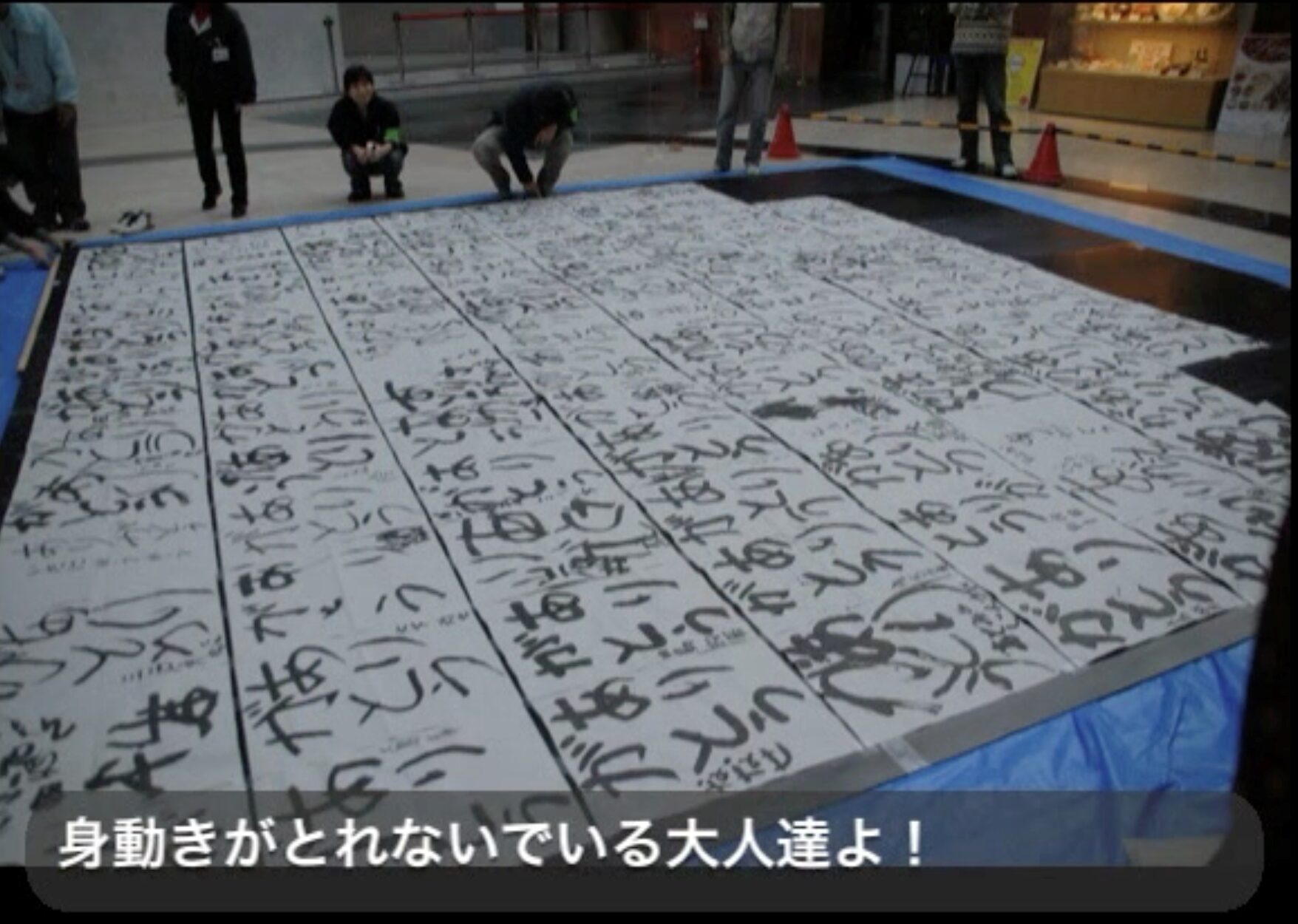
What Echizenya Tawarata found after letting go of everything.
It was that "it is important to live as you think."
As one grows up, there are many situations where one becomes trapped by the fixed idea of "I must do well" and acts based on profit and loss. However, he speaks of how by having the courage to live outside of those molds, one can see what is truly important.
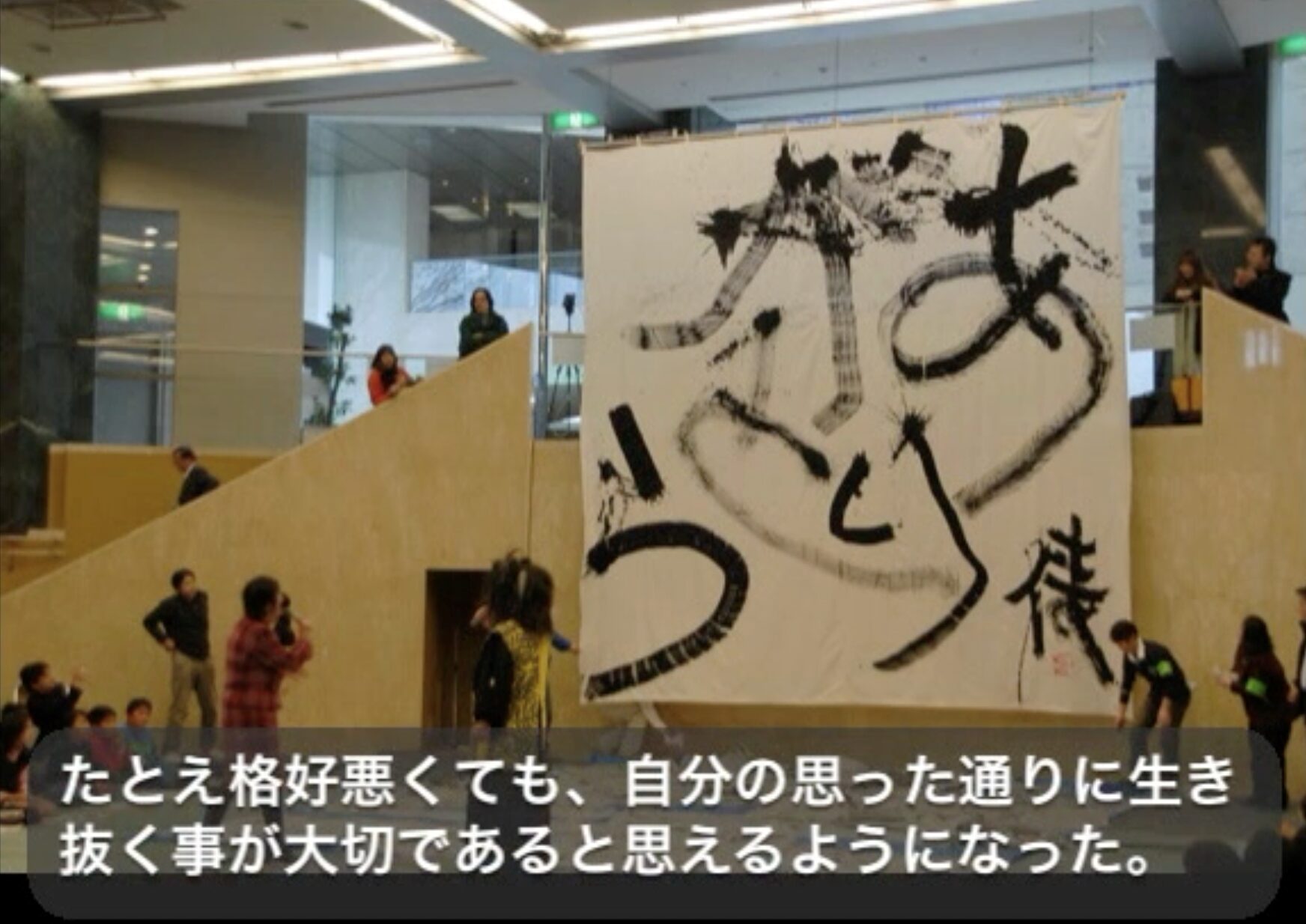
"There are times when I feel I have to become an adult, but I can't fully do so. I think if I don't accept that part of myself, it will become difficult someday. The world is a tough place to live in, but by quitting or letting go of something, there are things that become clear. That's why I want everyone to keep living with effort."
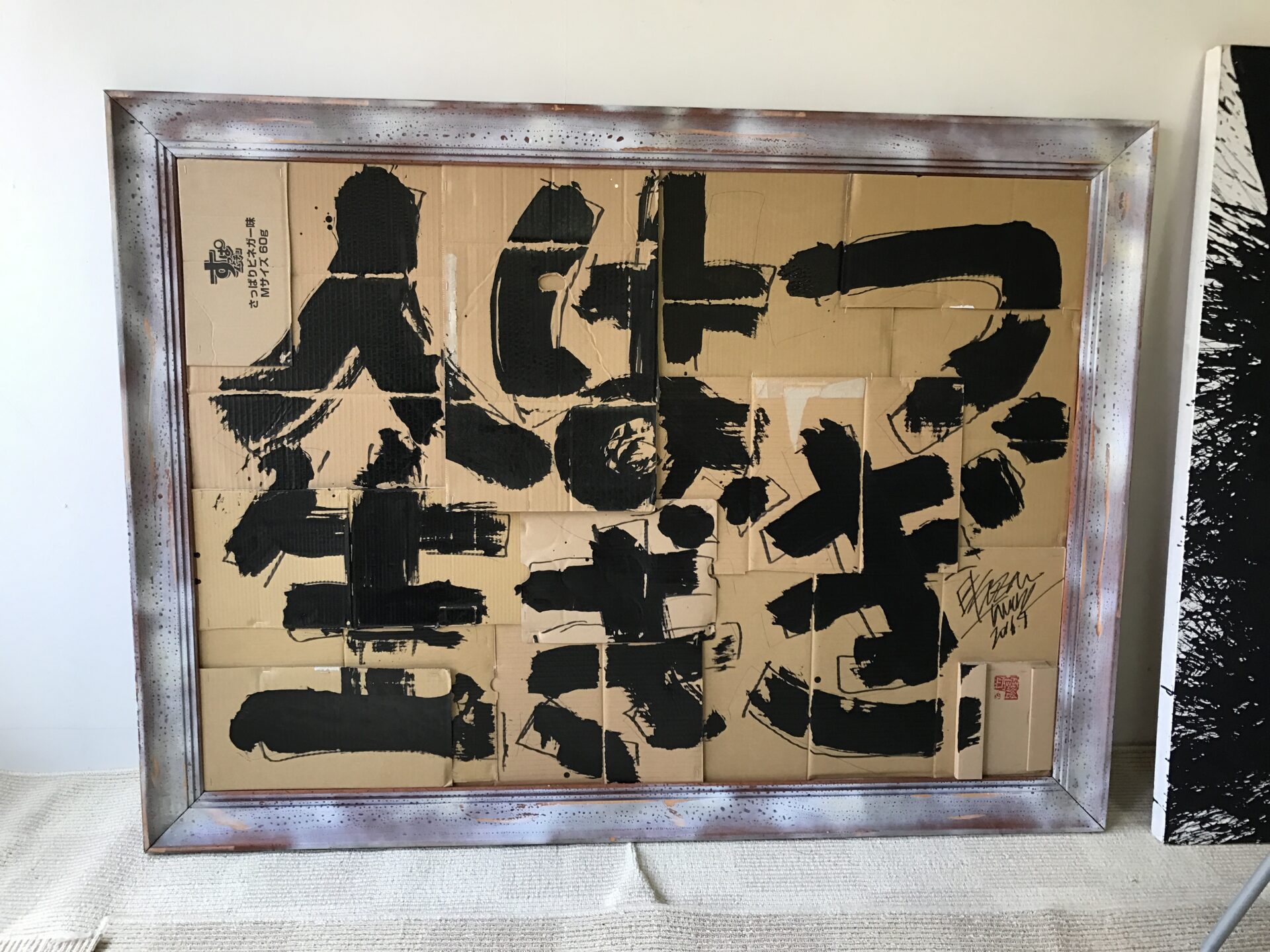
Some participants were moved to tears, perhaps encouraged by Echizenya Tawarata's words. It feels like a weighty message that can only be conveyed by someone who has let go of everything.
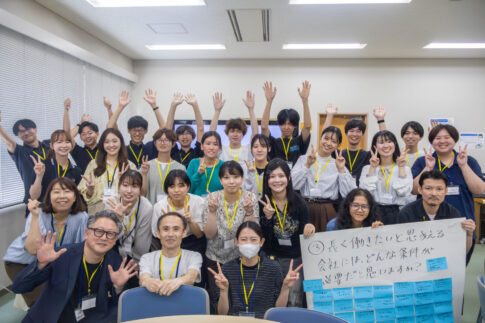
During the subsequent Q&A session, positive comments from participants such as "I was struggling with whether to quit my job, but I have made up my mind" and "I want to challenge myself to do what I want to do" filled the room, creating a warm and positive atmosphere.
The author also wants to remember Echizenya Tawarata's episodes when faced with dilemmas.
Conclusion
What left the deepest impression during this lecture was the statement that "the aspirations I had in my youth were gradually being replaced by the desire for stability."
As a child, I had countless things I wanted to try and dreams I wanted to fulfill. However, as I grew up and learned about reality, I unknowingly let go of many dreams. I feel the difficulty of maintaining one's aspirations.
Listening to Echizenya Tawarata's story, it seems that letting go of everything also means returning to one's original intentions. I believe that making such decisions requires courage, but I want to keep it in mind as one of the options to protect myself.
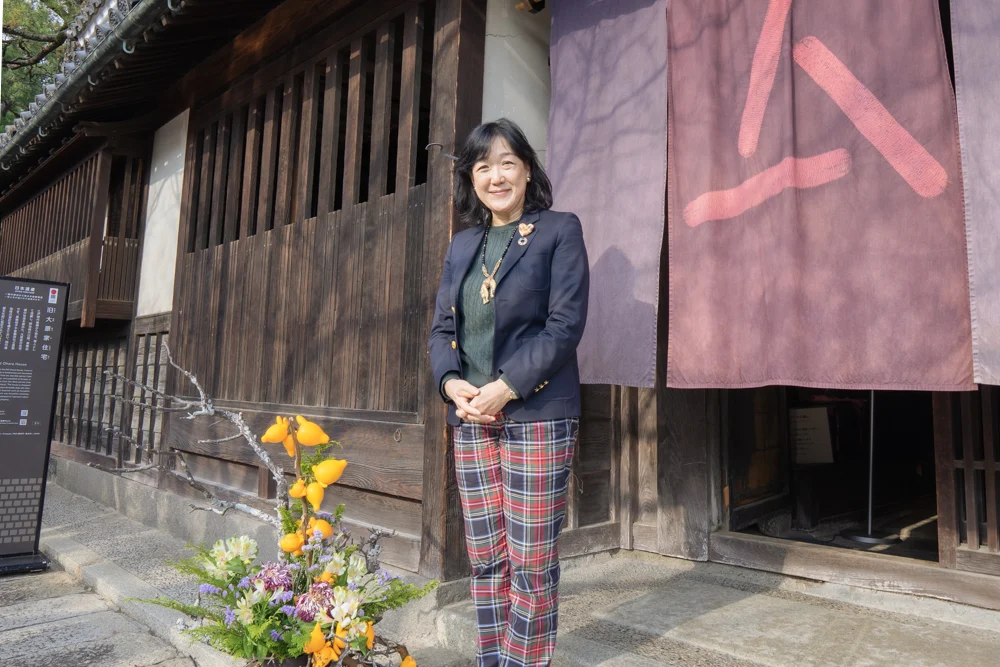
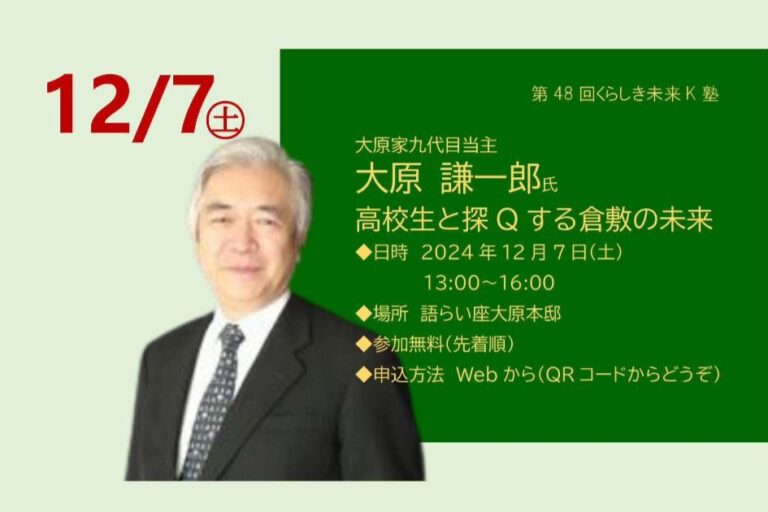
The next Kurashiki Future K Class will feature Kenichiro Ohara (the 9th head of the Ohara family) on December 7, 2024 (Saturday). A talk session involving dialogue between high school students and adults is planned.
For details, please check the Ohara House Katalyzer website.
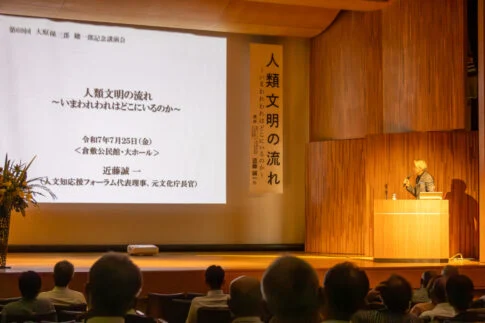
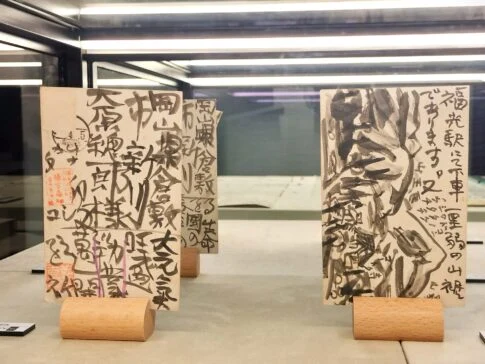
Articles about Ohara House Katalyzer
Data for the 46th Kurashiki Future K Seminar / Recommendation of Omological Thinking
| Name | 46th Kurashiki Future K Seminar / Recommendation of Omological Thinking |
|---|---|
| Date | September 28, 2024 (Saturday) From 1:00 PM to 3:30 PM |
| Location | 1-2-1 Chuo, Kurashiki City |
| Participation Fee (including tax) | General 4,000 yen Katalizer members 3,000 yen |
| Homepage | Ohara House Katalyzer |