The origin of the name of Mabi Town is "Kibi no Makibi."
Even if I know the name, I do not know well what kind of person he was or what connection he had with Mabi.
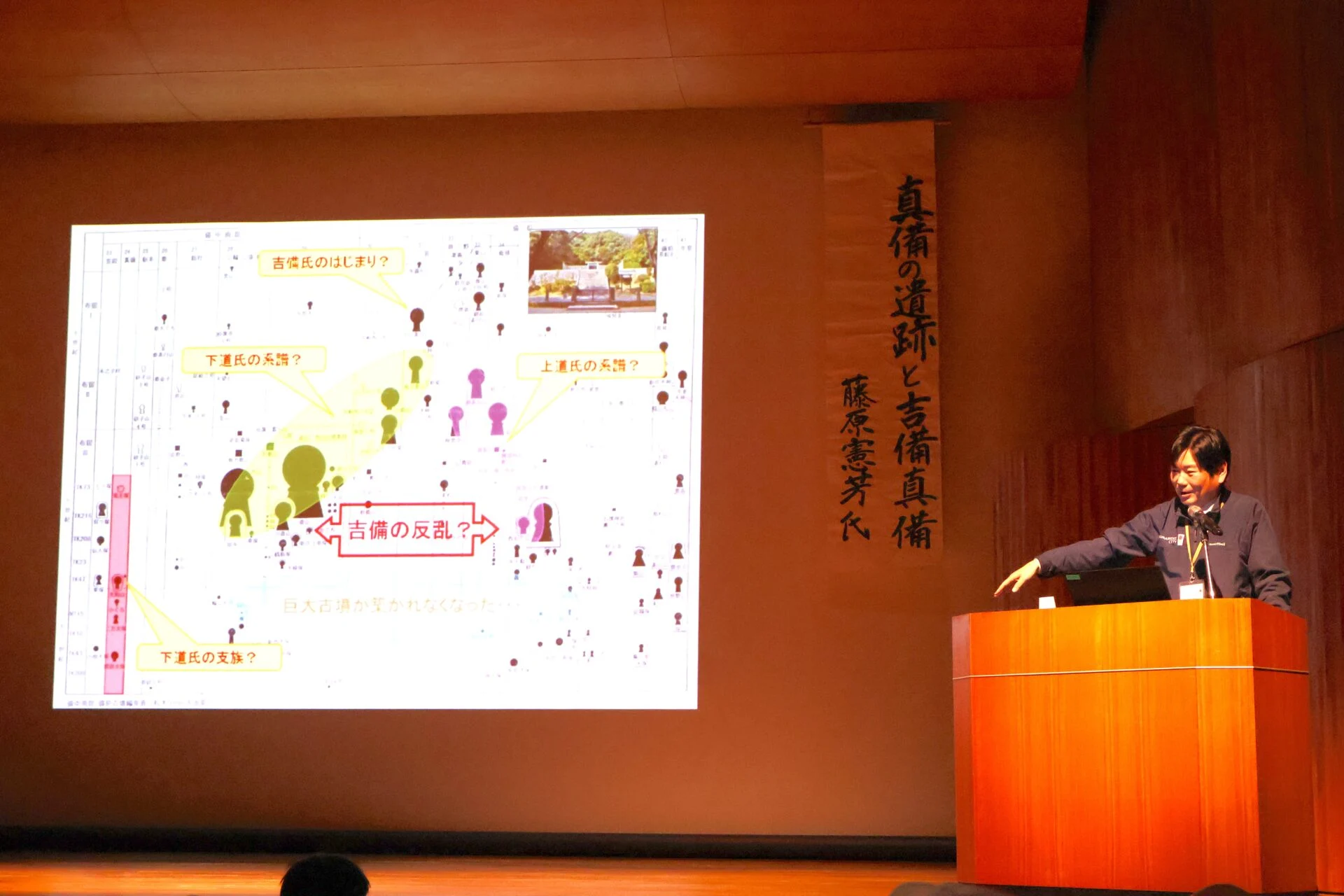
However, in the Bichu Kurashiki Studies in March 2026, I heard interesting and profound stories about the history and ruins of Mabi, the archaeological sites where many artifacts have been found, and why Kibi no Makibi risked his life to go to Tang.
In this article, I will introduce the important ruins in Mabi and the story of Kibi no Makibi, as well as the content of the lecture.
What is "Bichu Kurashiki Studies"?
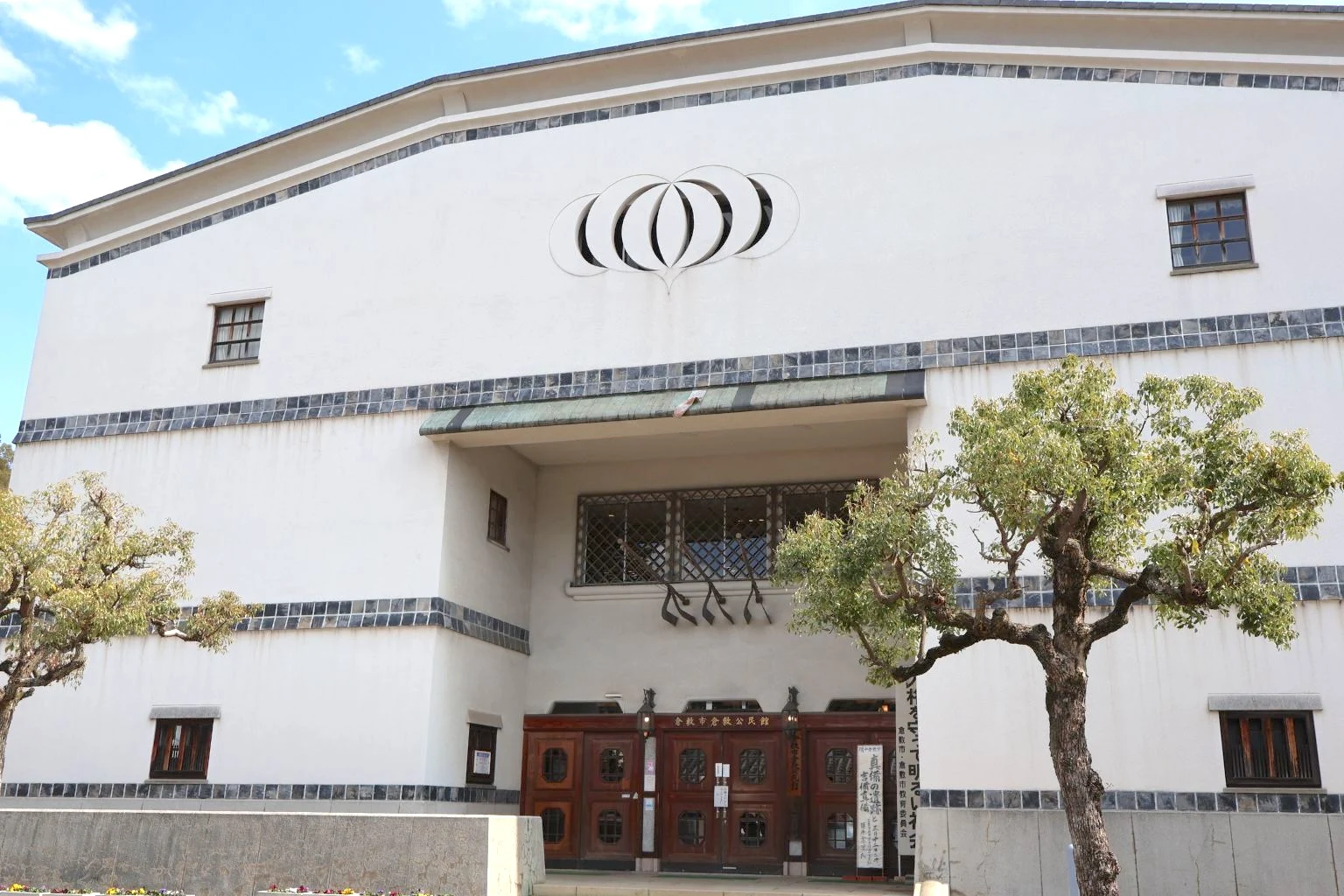
Bichu Kurashiki Studies is a lecture series held on the second Thursday of every month, focusing on the history and culture of the Bichu and Kurashiki regions. It will celebrate its 20th anniversary in 2025, and this lecture will be the 201st.
The charm lies in the fact that no prior registration is required and participation is free, making it easy for anyone to join. For detailed schedules and lecture content, please check the official website.
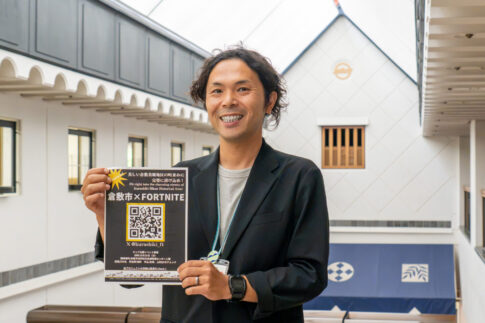
The venue is the Kurashiki Community Center located in the Bikan Historical Area. It is an impressive white-walled building near Ohara Museum of Art and Kojima Torajiro Memorial Gallery. Many people gathered at the venue, reflecting a high level of interest.
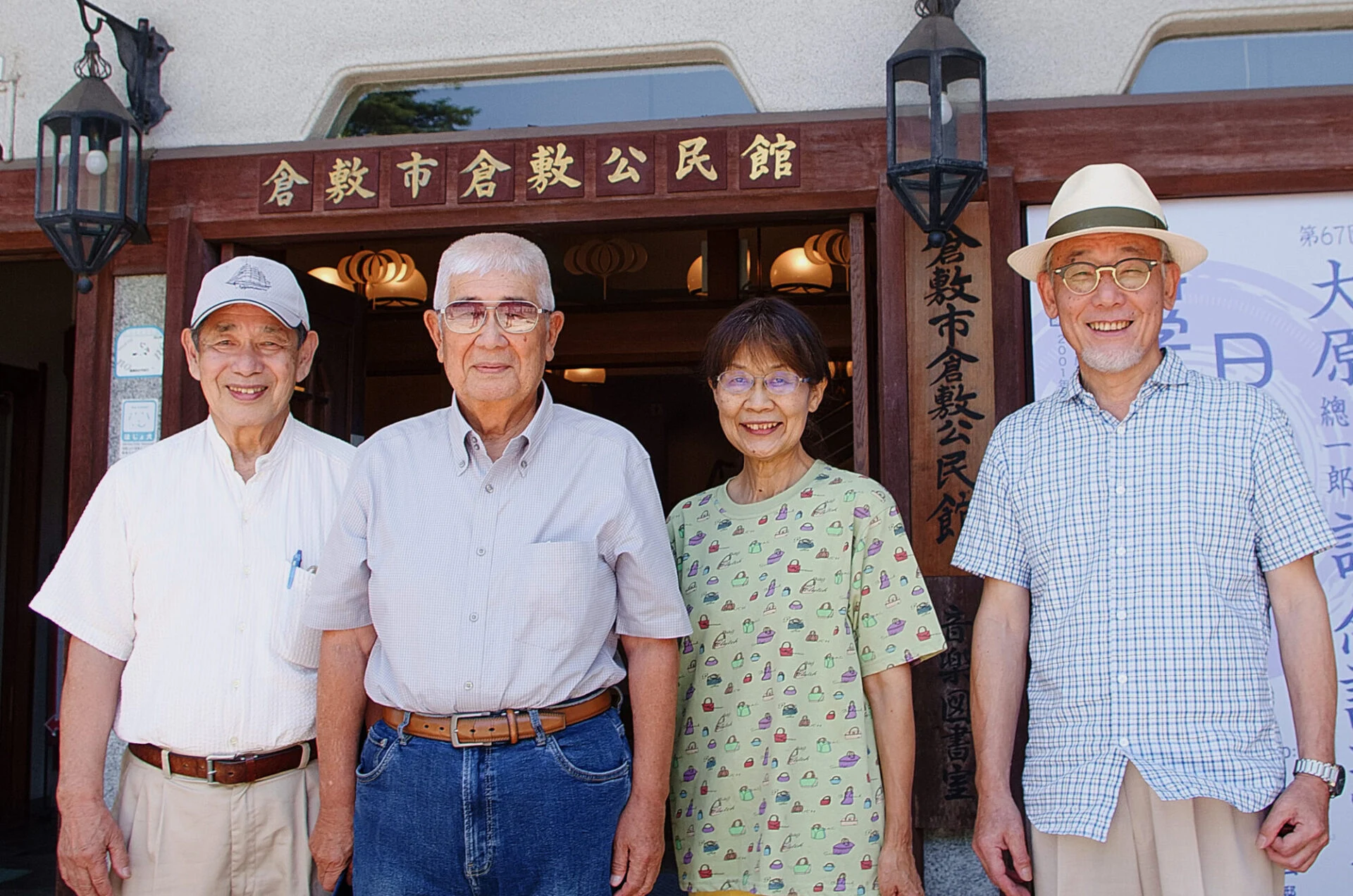
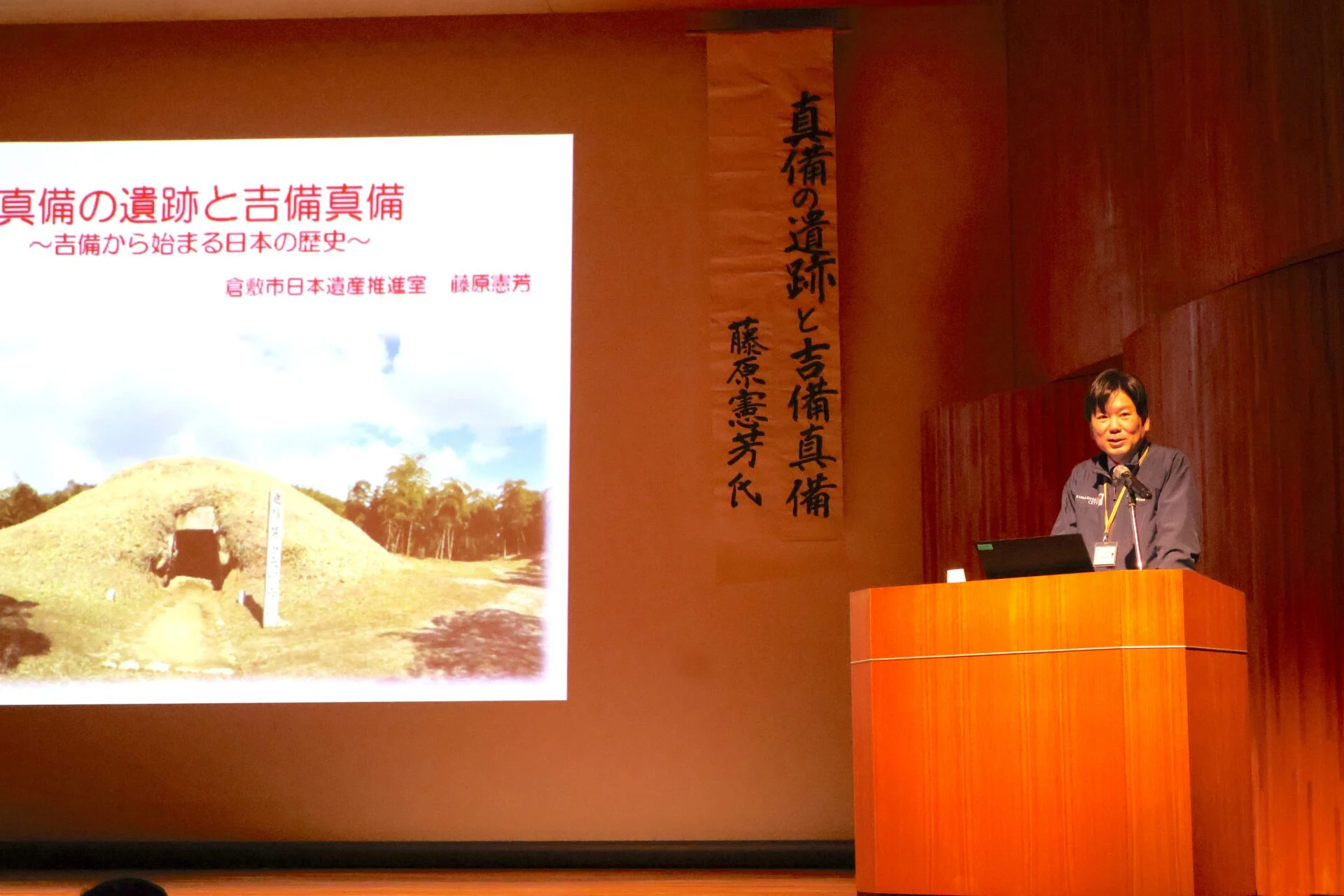
The theme is about "the ruins of Mabi and Kibi no Makibi"
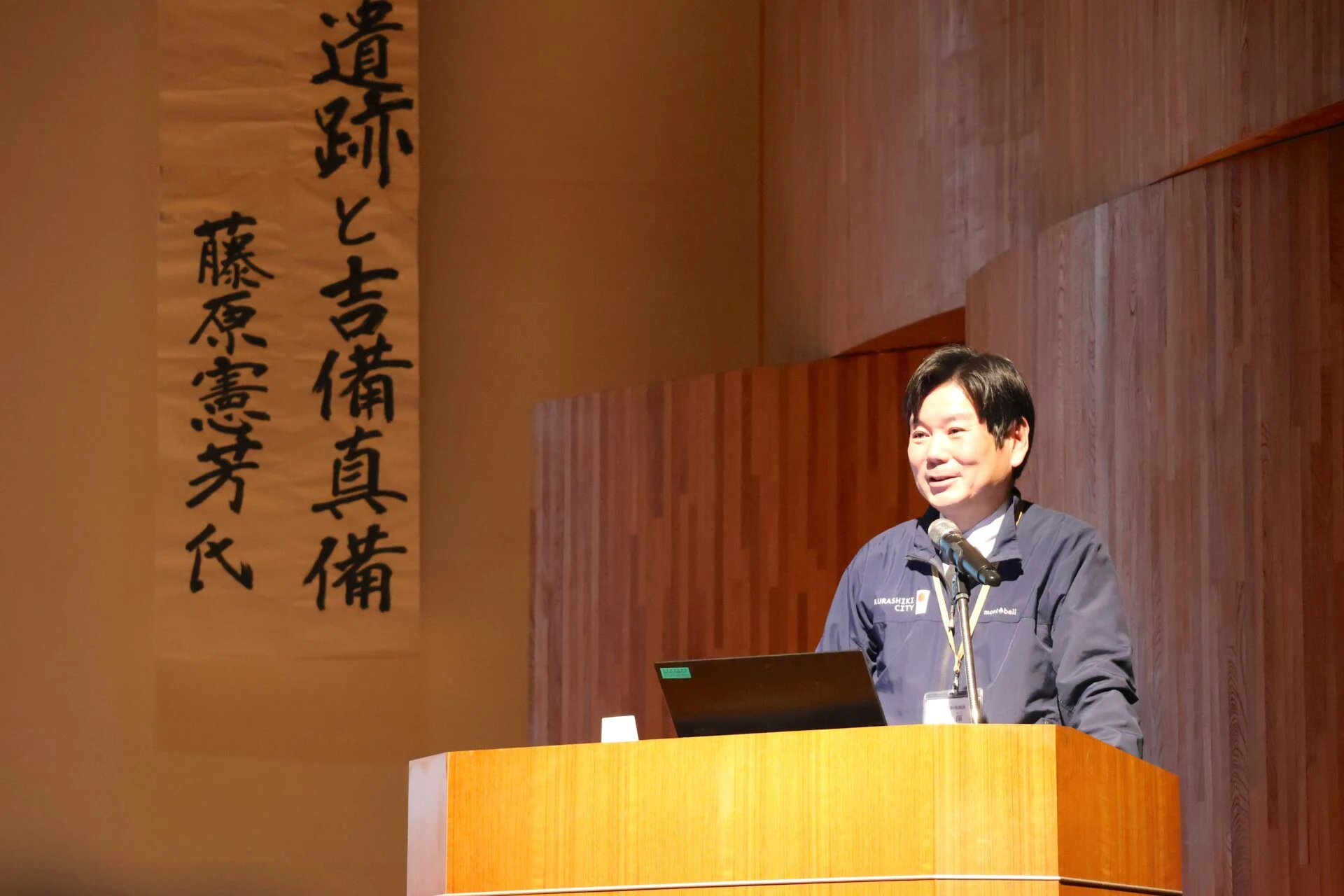
The lecturer this time is Nori Yoshihara from the Cultural Property Protection Division and Japan Heritage Promotion Office of Kurashiki City.
What are burial mounds / Ancient Kibi?
The ancient "Kibi Province" refers to a vast area that includes present-day Okayama Prefecture (Bizen, Bitchu, Mimasaka) and the eastern part of Hiroshima Prefecture (Bingo).
Facing the warm Seto Inland Sea, with three major rivers flowing through and wide plains spreading out, Kibi is considered ideal for rice cultivation and is believed to have held considerable power in ancient times.
A burial mound is a tomb of ancient powerful figures built from the 3rd to the 7th century.
There are ranks based on shape and size; for example, a keyhole-shaped mound is considered a high-ranking burial mound. Similarly, while a mound raised with earth is also a royal tomb, those built during the Yayoi period are not called "burial mounds" but "Yayoi burial mounds." The Tatetsuki Site in Kurashiki is a Yayoi burial mound.
A representative example showing the prosperity of Kibi is the existence of large burial mounds.
In ancient Kibi, there are the Tsukuri-yama Burial Mound, which ranks 4th in the nation in mound length, and the Sakuyama Burial Mound, which ranks 10th. Other top-ranking burial mounds in the country are managed by the Imperial Household Agency as imperial tombs.
This indicates that ancient Kibi had significant power, second only to Yamato.
The Rebellion of Kibi and the Expansion of the Yamato Authority
However, in the latter half of the 5th century, Kibi rebelled against the Yamato authority three times, all of which ended in defeat.
The first rebellion was triggered by a cockfight.
The powerful clan of Kibi fought a chicken that represented Yamato and Kibi, and when the Yamato side won, they angrily beheaded the chicken, which was considered an act of rebellion and led to their suppression.
The second rebellion was triggered by Emperor Yuryaku taking a liking to the wife of a vassal and demanding her to be handed over. The vassal, who refused, was sent to the Korean Peninsula, and while he was away, his wife was taken, leading to a rebellion that was suppressed.
The third rebellion occurred when the son born between the abducted wife and Emperor Yuryaku attempted to seize the throne after the emperor's death but ultimately failed.
Thus, Kibi lost its power, and thereafter, large burial mounds were no longer constructed.
In the 4th to 5th centuries, there were large burial mounds measuring hundreds of meters, but by the 6th century, they began to disappear.
Notable ruins in Mabi Town
As the power of Kibi declined, ancient ruins gathered around Mabi Town, where the Shimotsumi clan is said to have moved.
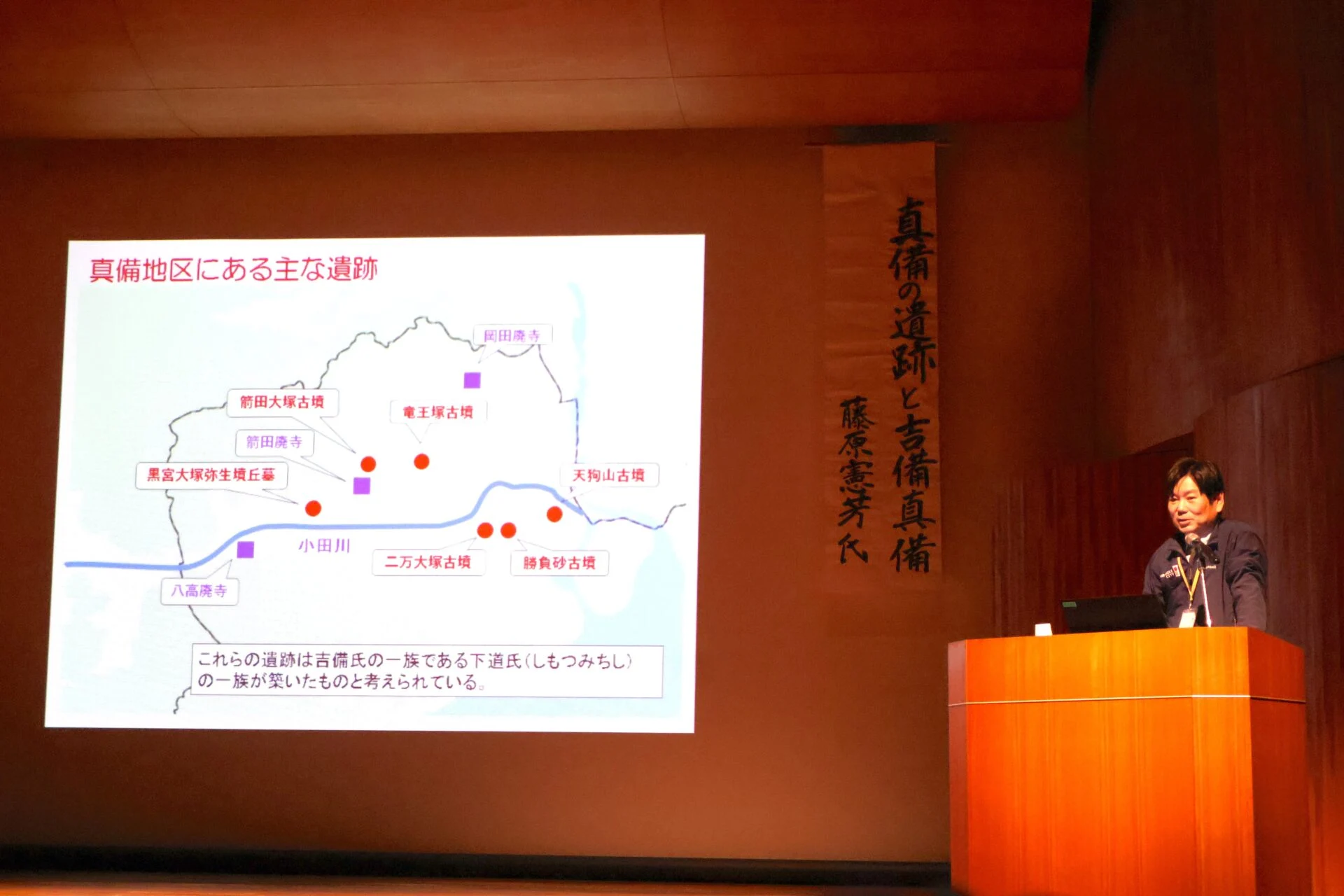
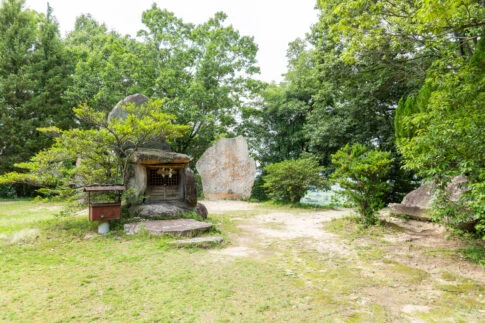
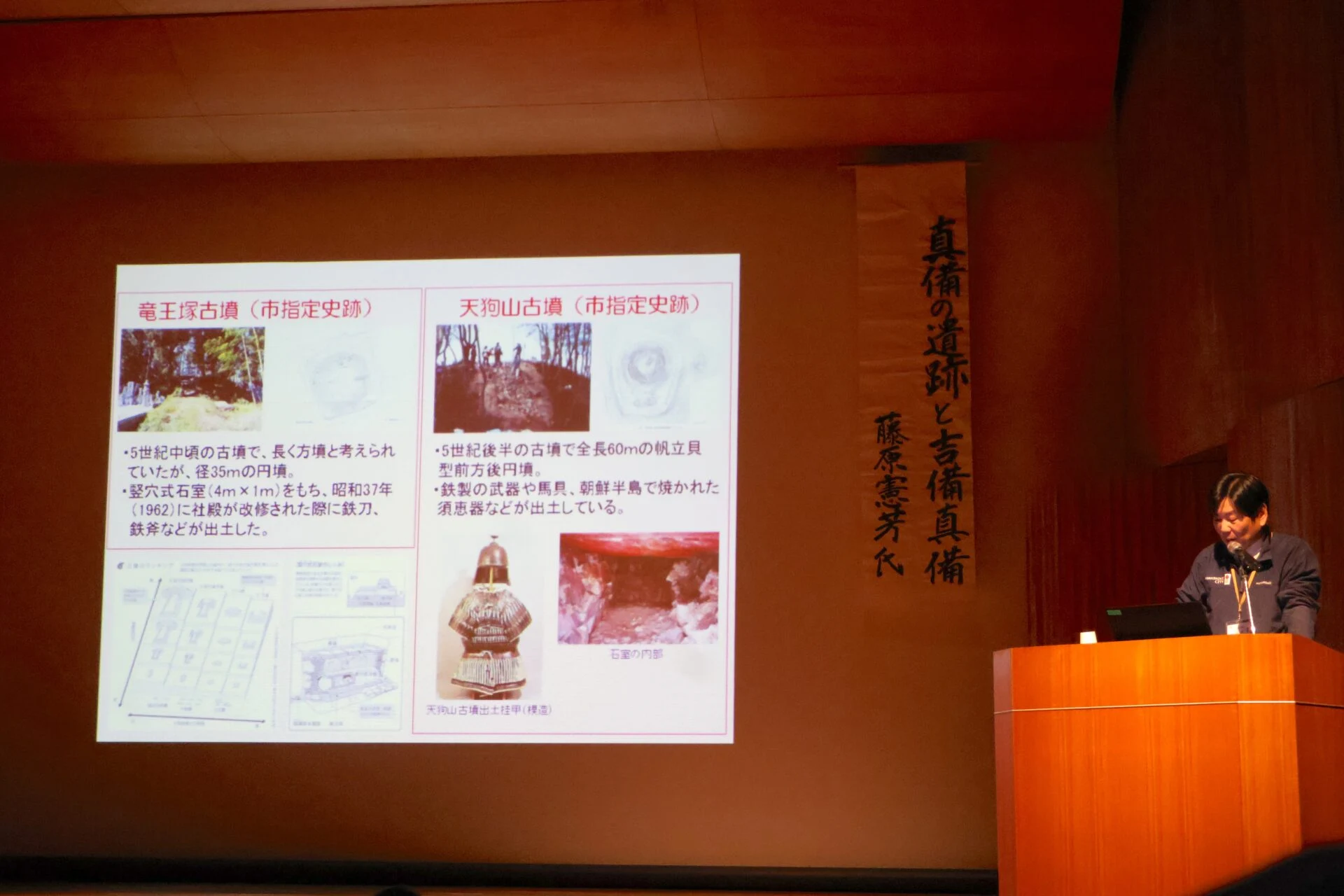
There are nationally significant ruins scattered throughout this small town, such as the Kuromiya Otsuka Yayoi Burial Mound with a vertical pit stone chamber, the Tengu-yama Burial Mound which offers a panoramic view of the Mabi plains from its summit, and the Shobuza Burial Mound where armor, weapons, and horse gear were found intact.
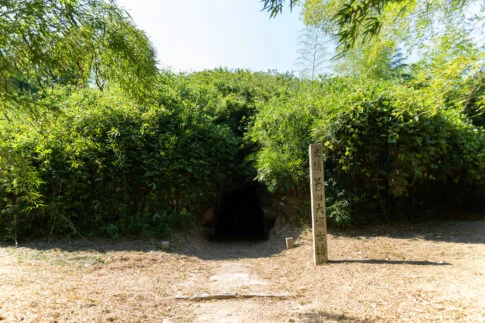
Among them, the focus is on the Yata Otsuka Burial Mound.
The stone chamber, measuring 19.1 meters in total length, is said to be comparable to or even larger than the Ishibutai Burial Mound in Nara, and is one of the three great stone mounds in Okayama Prefecture. The hilt decoration of the sword found there is gilded, which is surprising evidence of the advanced techniques possessed by local powerful clans in ancient times.
Furthermore, after the burial mound period ended, the powerful began to build temples. There are three sites of early Asuka period temples in Mabi, built in positions visible to ships coming from the sea.
It is speculated that temples were used not only to showcase power but also as a cover to protect wealth.
Why did Kibi no Makibi risk his life to go to Tang?
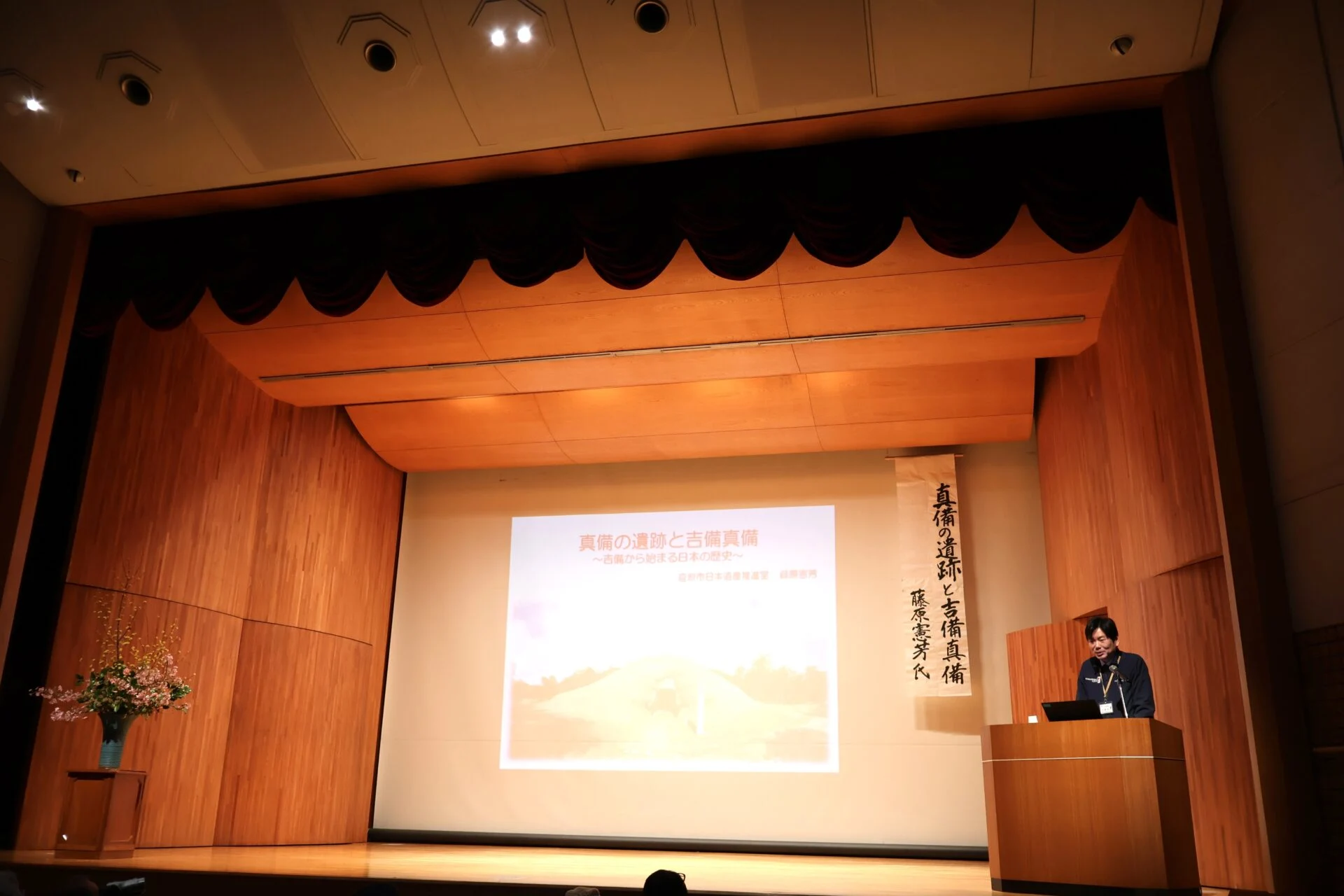
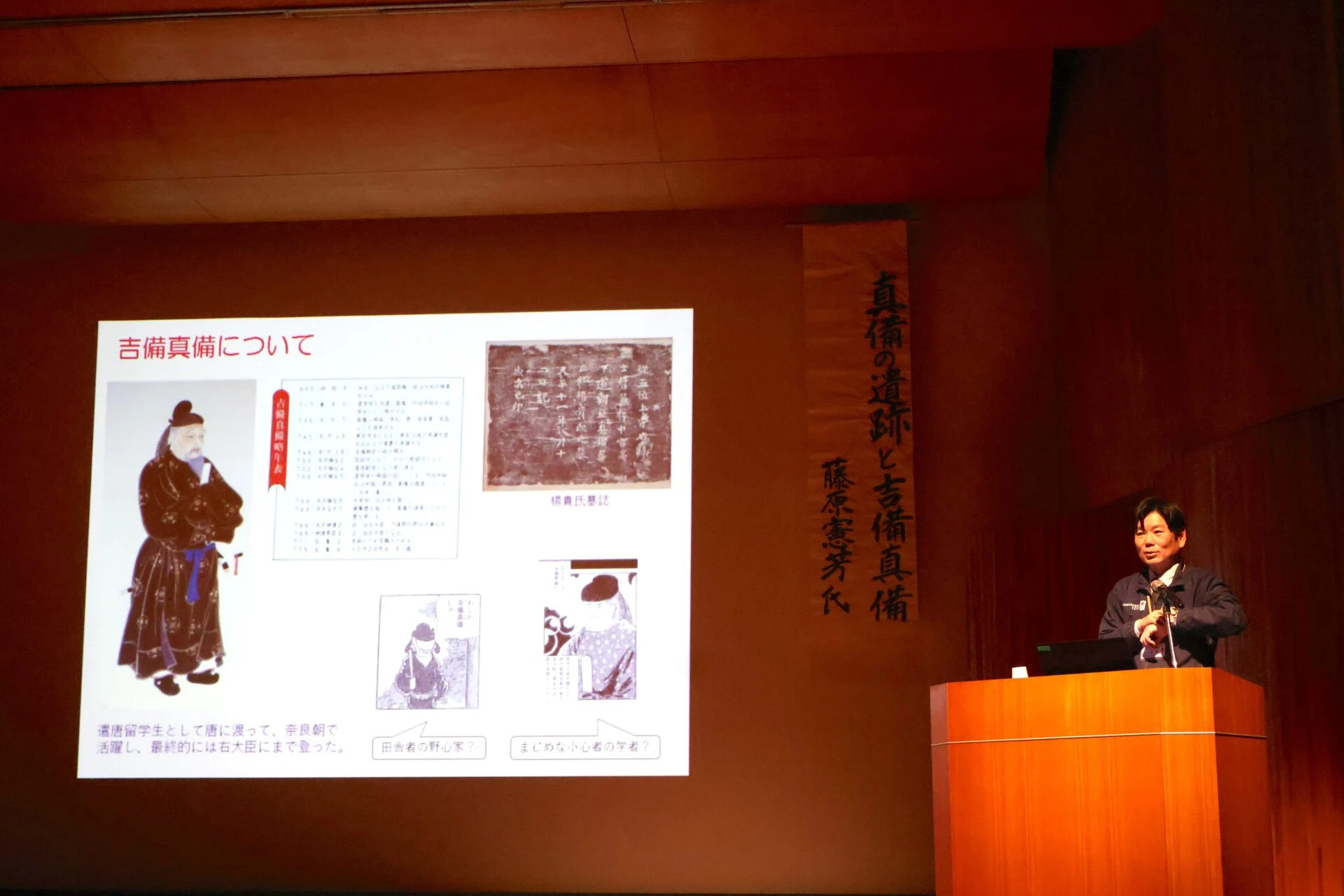
Considering the flow of history, I heard about the path that Kibi no Makibi took.
Born in 695, Kibi no Makibi is a descendant of the Shimotsumi clan.
His father was a government official in the capital of Nara, but he was not a major clan in a city crowded with nobles. Faced with the gap between the pride of a clan that once ruled Kibi and the reality in the capital, Kibi no Makibi was told by his father that "even if you succeed me, the chances of further advancement are slim," leading him to decide on the life-risking journey to Tang.
After absorbing a wide range of studies such as Confucianism, arithmetic, music, and military strategy in the Tang capital of Chang'an for about 19 years, Kibi no Makibi returned to Japan. He gained trust as an educator for the crown prince, who would later become emperor, and during his second trip to Tang, he was involved in bringing Gan Jin-washu (a Buddhist monk) back to Japan.
Despite experiencing turmoil, such as being demoted to Dazaifu by his political rival Fujiwara no Nakamaro, he ultimately rose to the number two position, just below the right and left ministers. It is believed that the power of the knowledge he acquired in Tang contributed to the rise of a local powerful clan member to such heights.
Ruins in Mabi that you want to visit
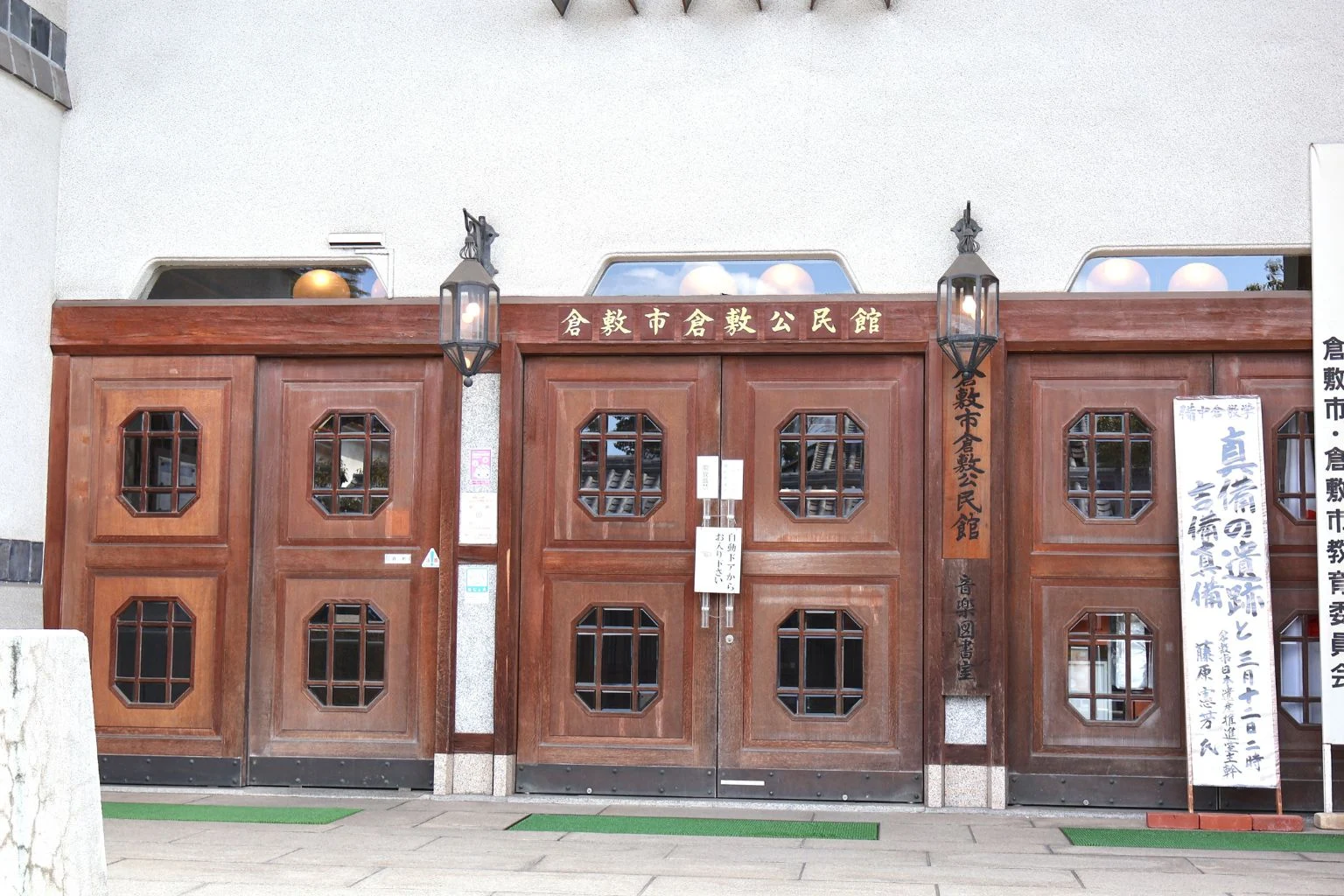
During the lecture, I also heard discussions about the Tatetsuki Site and Yamatai-koku. The history of Japan beginning in Kibi is fascinating, and I am surprised at how interesting and rich the history of Kurashiki and Mabi is.
After the lecture, I felt the urge to walk the ruins of Mabi on my own. If I visit with the stories of Kibi no Makibi I heard this time in mind, I am sure I will see a different landscape.
Bichu Kurashiki Studies, held on the second Thursday of every month, is free and requires no registration. Why not learn about the history and culture of the region?
Articles related to Bichu Kurashiki Studies

Data for Bitchu Kurashiki Studies 201st 'The Ruins of Mabi and Kibi no Makibi - The History of Japan Begins in Kibi'
| Name | Bitchu Kurashiki Studies 201st 'The Ruins of Mabi and Kibi no Makibi - The History of Japan Begins in Kibi' |
|---|---|
| Date | March 12, 2026 (Thursday) 2:00 PM - 3:30 PM |
| Location | Kurashiki Community Center |
| Participation Fee (including tax) | Free |
| Homepage | Bitchu Kurashiki Studies |