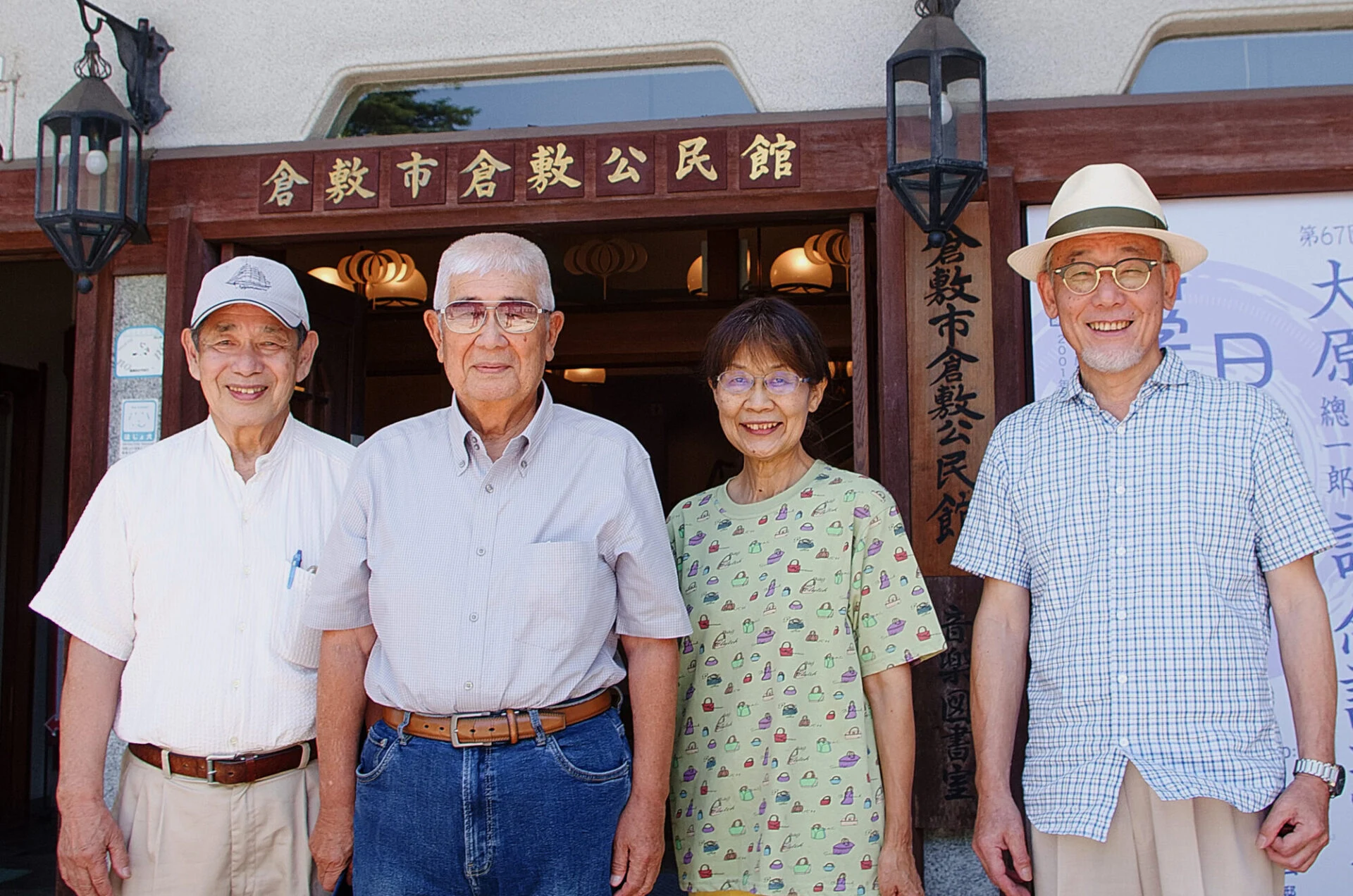
Bitchu Kurashiki-gaku is a group dedicated to studying the history and culture of the Bitchu and Kurashiki region and contributing to cultural enrichment.
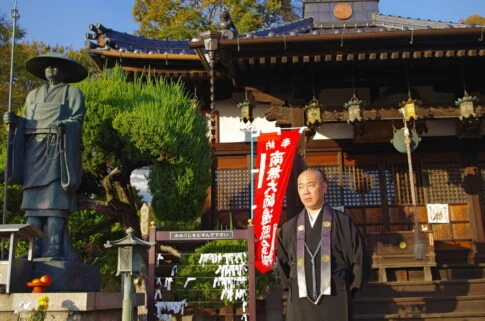
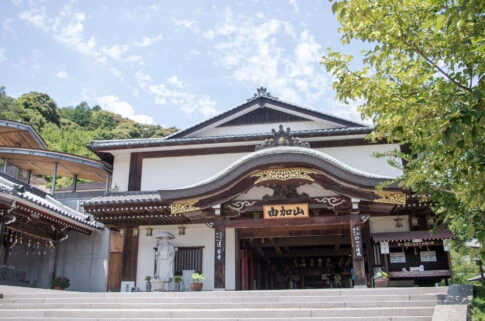
The first session was held on October 20, 2005, under the title “On-site Study Session: The History of Kanryuji Temple,” with a lecture by Murata Ryuzen, the head priest of Kanryuji Temple. By March 14, 2024, the group had held 177 sessions on a wide range of topics.
The monthly lectures are open to the public, and anyone can attend for free.
Here is an introduction to “Bitchu Kurashiki-gaku,” which offers the opportunity to learn about the history and culture of a broad area centered on Kurashiki.
The information provided was accurate when this article was published in April 2024. Please note that it may differ from current information.
What is Bitchu Kurashiki-gaku?
“Bitchu Kurashiki-gaku,” which began in October 2005.
Here is an introduction to the purpose behind the group’s founding and the topics covered in its lectures.
“Bitchu Kurashiki-gaku” was established by people connected with the area around Kurashiki’s Important Preservation District for Groups of Traditional Buildings (the local townspeople) with the aim of creating a group to study the region’s history and culture. The group was named “Bitchu Kurashiki-gaku.” Members were recruited by word of mouth, and the first meeting was held in October 2005.
From the official Bitchu Kurashiki-gaku website
Lectures combined with field trips have been held on the second Thursday of every month (except August), starting at 2 p.m. The lectures are held in the large hall at Kurashiki Community Center, jointly hosted with the center. They are free and open not only to members but also to the general public, who may attend without registering in advance.
Members can take part in an annual bus tour to sites around the prefecture, as well as visits to nearby places that are not normally open to the public. These are exclusive benefits for members.
The lecture topics have covered not only Kurashiki but also the wider Bizen and Bitchu regions, and a broad range of fields. We have selected engaging topics and invited speakers who are able to speak on them.
The May 2016 meeting will be the 150th. The lectures consistently draw an average of around 70 attendees, including both members and nonmembers.
We hope to continue welcoming more members who support the aims of “Bitchu Kurashiki-gaku,” build up the group through the efforts of the local townspeople, and enjoy learning together.
What is an Important Preservation District for Groups of Traditional Buildings?
The system for preserving traditional buildings districts was established through a 1975 revision of the Cultural Properties Protection Act. It aims to preserve historic settlements and townscapes, such as castle towns and post towns. Municipalities apply to the national government to designate districts, and the government selects those it deems to be of high value as Important Preservation Districts for Groups of Traditional Buildings.
Kurashiki’s Bikan Historical Area has been designated as “Kurashiki Kawabata.”
Looking back at the lecture topics through March 2024 (177 sessions in total)
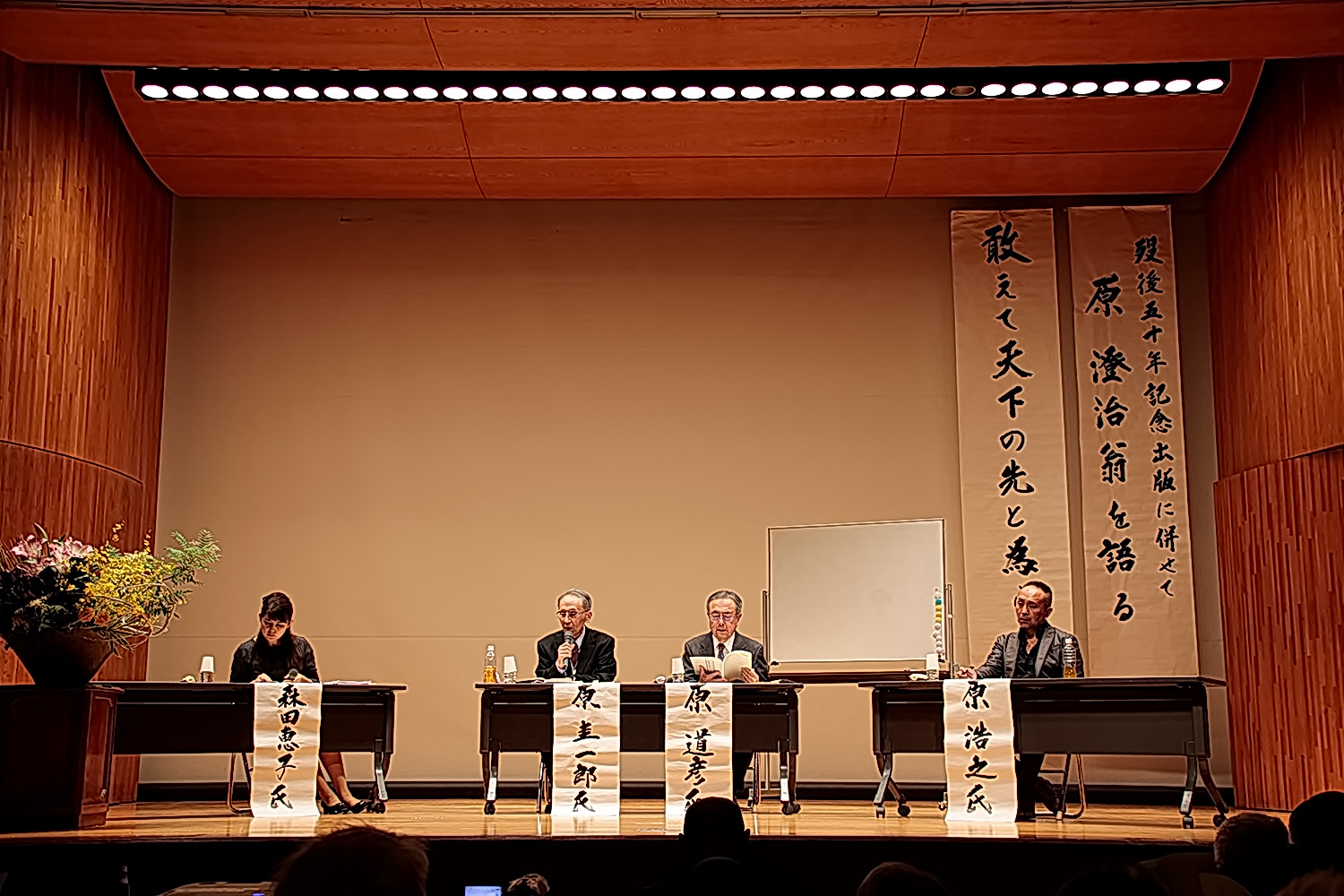
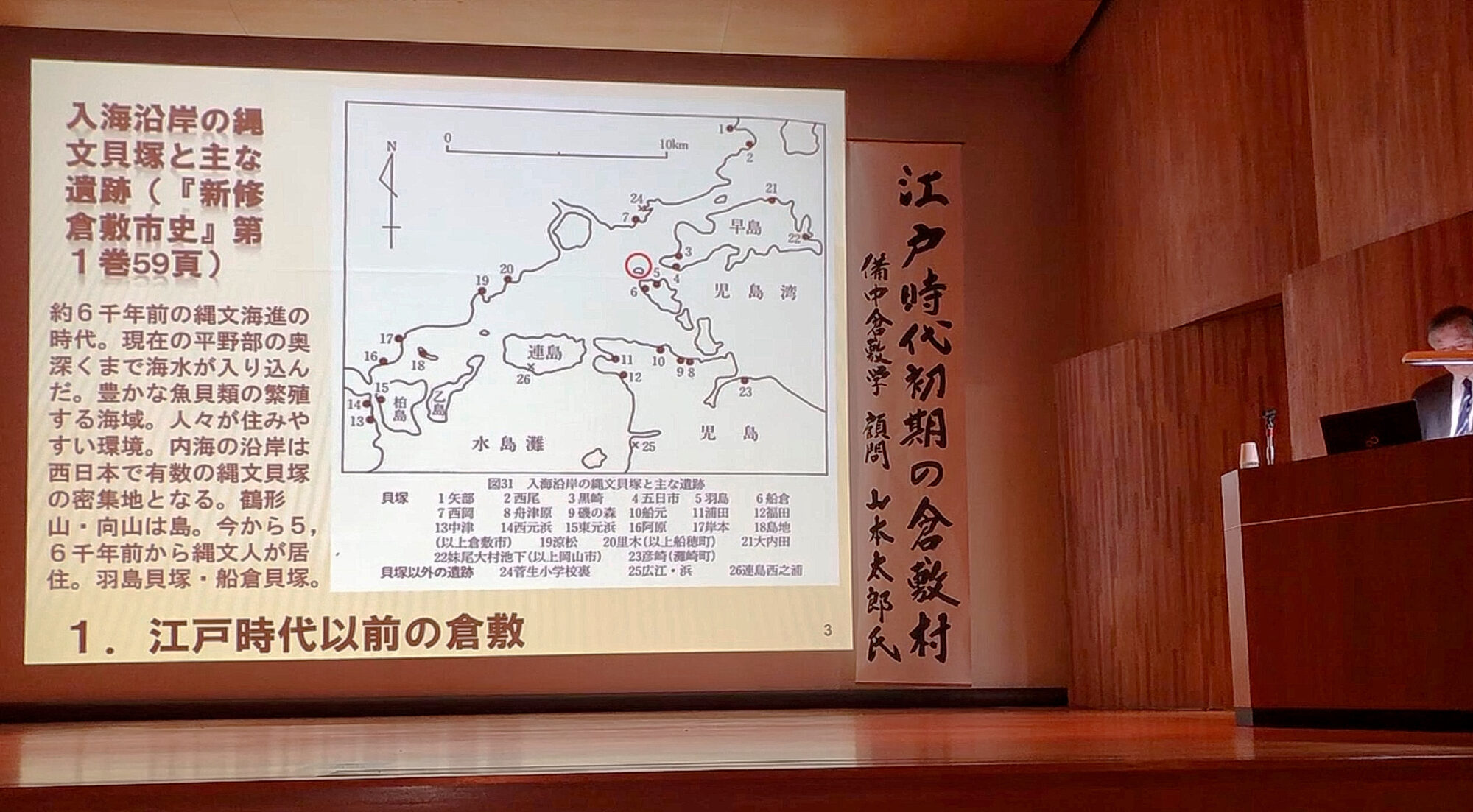
The following lectures were held through March 14, 2024.
The number of lectures held is impressive, and the wide-ranging topics and distinguished speakers are equally compelling.
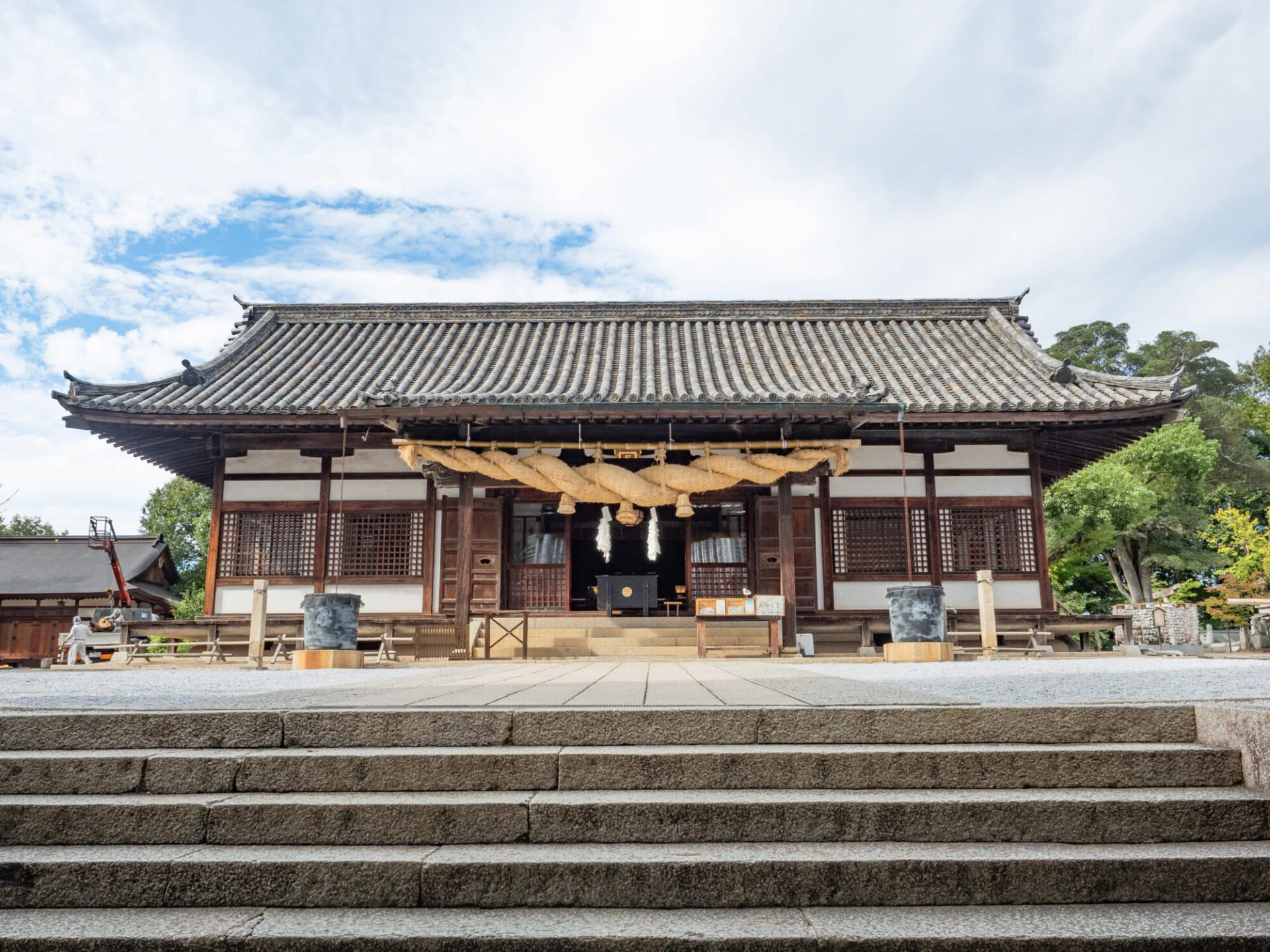
The field trips began with Kanryuji Temple and Achi Shrine, and have extended to Ibara City and Honjima Island in the Seto Inland Sea.
Visiting a wider area, not just Kurashiki, may lead to new discoveries about the history and culture close to home.
The lecture topics through March 2024 (177 sessions in total) are as follows.
| Session | Date | Topic, etc. | Speaker, etc. (titles omitted) |
|---|---|---|---|
| 1st | October 20, 2005 | Study tour: The history of Kanryuji Temple | Head priest of Kanryuji Temple, Murata Ryuzan |
| 2nd | November 18, 2005 | Study tour: The history of Achi Shrine | Chief priest of Achi Shrine, Ishimura Yoko |
| 3rd | December 8, 2005 | Kurashiki Song, Kurashiki Kouta, and Kurashiki Ondo | Honorary chair of Bitchu Kurashiki-gaku, Hara Keiichiro |
| 4th | January 26, 2006 | Old stipends in Kurashiki Village | Advisor to Bitchu Kurashiki-gaku, Yamamoto Taro |
| 5th | February 14, 2006 | Kurashiki at the end of the Genroku era: An account of a literary figure's visit | Advisor to Bitchu Kurashiki-gaku, Ono Toshiya |
| 6th | March 9, 2006 | Kurashiki Village's relief granary | Advisor to Bitchu Kurashiki-gaku, Omori Hisao |
| 7th | April 3, 2006 | Study tour: The history of Takarajima Temple | Head priest, Shakushi Tetsujo |
| 8th | May 14, 2006 | More than 60 years as an artist: Memoirs centered on the Ohara Museum of Art | Western-style painter, Okamoto Kaoru |
| 9th | June 7, 2006 | Kurashiki Village in the Edo period as seen in maps | Prefectural Library, Uchiike Hideki |
| 10th | July 7, 2006 | Issues surrounding the Kojima Goryu schools | Prefectural General Cultural Center, Beppu Shingo |
| 11th | September 26, 2006 | Kurashiki Cultural Award commemorative lecture: Memoirs of Kurashiki's streetscape | Photographer, Nakamura Akio |
| 12th | October 21, 2006 | Overview of the Kurashiki Eighty-Eight Sacred Sites Explanations of their history and faith, and of stone structures | Head priest of Kanryuji Temple, Murata Ryuzan; Director of the Kurashiki archaeological center, Fukumoto Akira |
| 13th | November 2, 2006 | Study tour: The history of Seiganji Temple | Head priest of Seiganji Temple, Shigitani Takao and Shigitani Shinsaku |
| 14th | December 7, 2006 | Kurashiki at the end of the Edo period: Attack on the magistrate's office | Prefectural Library, Nobue Keiko |
| 15th | January 11, 2007 | Old and new town names in Kurashiki | Former high school teacher, Tanaka Masaya |
| 16th | February 8, 2007 | Village disputes over old and new stipends, first half | Advisor to Bitchu Kurashiki-gaku, Omori Hisao |
| 17th | March 8, 2007 | About Hayashi Fuichi | Historical researcher, Yamashita Hiroshi |
| 18th | March 15, 2007 | Study tour: Historic sites around Tsurugatayama | Advisor to Bitchu Kurashiki-gaku, Omori Hisao |
| 19th | April 13, 2007 | The legacy Ohara Magosaburo left in Kurashiki | Kurashiki Cable Television, Sawada Masahiko |
| 20th | May 11, 2007 | Village disputes over old and new stipends, second half | Advisor to Bitchu Kurashiki-gaku, Omori Hisao |
| Session | Date | Topic, etc. | Speaker, etc. (titles omitted) |
|---|---|---|---|
| Session 21 | June 14, 2007 | Buildings along the Kurashiki River, etc. | Advisor, Kurashiki Archaeological Museum Tadahiko Makabe |
| Session 22 | July 12, 2007 | The Inoue family and Gyokusenji Temple | Advisor to our association Toshiya Ono |
| Session 23 | October 1, 2007 | Study tour Morita Shuzo・Yurin-so Villa | President of Morita Shuzo Shoichiro Morita, Ohara Museum of Art staff member |
| Session 24 | October 11, 2007 | Magosaburo and Soichiro as seen from the Ohara Museum of Art | Former deputy director of the Ohara Museum of Art Michihiko Hara |
| Session 25 | November 8, 2007 | The history of Christianity in Kurashiki | Pastor of Kurashiki Church Tatsuo Miyazaki |
| Session 26 | December 12, 2007 | Further accounts of the Kurashiki upheaval at the end of the Edo period: Naokazu Tsunoda’s book and Ryotaro Shiba | Novelist Masayuki Takada (formerly of the Sanyo Shimbun) |
| Session 27 | January 13, 2008 | Irrigation canals in the Kurashiki region: a history of development | Professor, Shujitsu University Michiko Nakano |
| Session 28 | February 14, 2008 | Students of Tekijuku: Renpei Kanemitsu and Kinsho Beppu | Formerly of the Sanyo Shimbun Shungo Matsuda, physician Akira Kimura |
| Session 29 | March 14, 2008 | New-field development in the Bitchu region during the Edo period | Professor, Okayama University Katsunao Kurachi |
| Session 30 | April 1, 2008 | Kurashiki in those days: commentary on a collection of photographs by Rentaro Uchida | Association officers |
| Session 31 | May 8, 2008 | Kurashiki magistrate’s family temple: Funakura Chorenji Temple | Chief priest of Chorenji Temple Ryoji Yagi |
| Session 32 | May 9, 2008 | Study tour Anyoji Temple・Gyoganin Temple | Chief priest of Anyoji Temple Tesshin Obata, chief priest of Gyoganin Temple Kosho Hayashi |
| Session 33 | June 12, 2008 | The Togawa family, hatamoto lords of the Obie domain | Local historian Naomitsu Sugihara |
| Session 34 | July 1, 2008 | Ohara Soichiro and the Okinawa Volunteer Corps | Novelist Masayuki Takada (formerly a Sanyo Shimbun reporter) |
| Session 35 | September 11, 2008 | Kurashiki in those days: enlarged photographs from Rentaro Uchida’s collection, with commentary, Part 2 | Bitchu Kurashiki-gaku officers |
| Session 36 | October 9, 2008 | The mayor who protected Kurashiki | Former Sanyo Shimbun reporter Toshitada Yoshizawa |
| Session 37 | November 6, 2008 | One hundred years after his death: Isokame Isozaki and Nishiki-kan mushiro mats | Kurashiki City Board of Education Mutsumi Yoshihara |
| Session 38 | December 11, 2008 | The Japanese youth who received a Bible from Tolstoy | Professor, Sanyo Gakuen University Kenichi Ota |
| Session 39 | January 8, 2009 | Bitchu province and Kurashiki during the Edo period | Okayama Prefectural Archives of Historical Records Manabu Sadakane |
| Session 40 | February 12, 2009 | Old roads of Kurashiki that remain today | Former head of the Sanyo Shimbun Editorial Commentary Office Shungo Matsuda |
| Session | Date | Topic, etc. | Speaker, etc. (titles omitted) |
|---|---|---|---|
| 41st | March 12, 2009 | Biographies of Local Historians: Nagayama Usaburo | Bitchu Kurashiki-gaku advisor, Omori Hisao |
| 42nd | April 9, 2009 | Study Tour: Fugen-in Temple, Kokubunji Temple, Asao Jinya Site | Fugen-in Temple head priest, Shinsei Kihan; Kokubunji Temple head priest, Iima Myoe |
| 43rd | May 14, 2009 | Jakugo: His Life and Achievements | Ho-toji Temple head priest, Shakushi Tetsujo |
| 44th | June 11, 2009 | Biographies of Kurashiki Literary Figures | Bitchu Kurashiki-gaku advisor, Ono Toshiya |
| 45th | July 9, 2009 | Kibi no Makibi | Local historian, Nakayama Kaoru (former high school teacher) |
| 46th | September 1, 2009 | Onmyoji Who Shaped Kibi | Katayama Gakuen board chair and school director, Sugi Shingo |
| 47th | October 8, 2009 | About the Ohashi Family | Kurashiki City Historical Materials Preparation Office, Yamamoto Taro |
| 48th | November 5, 2009 | Commemorative Lecture for Receiving the Kurashiki Cultural Award: Townscape Preservation in Kurashiki, Taisho and Showa Periods | Kurashiki Archaeological Museum, Makabe Tadahiko |
| 49th | December 1, 2009 | The Folkcraft Movement in Kurashiki | Kurashiki Museum of Folkcraft director, Yasui Akio |
| 50th | January 14, 2010 | The Separation of Shinto and Buddhism and Kurashiki | Kanryuji Temple head priest, Murata Ry zen |
| 51st | February 4, 2010 | The Idea of “Tenkaizuga” in Sesshu’s Work | Katayama Gakuen board chair and school director, Sugi Shingo |
| 52nd | March 11, 2010 | Festivals in Old Kurashiki | Part-time lecturer at Okayama Shoka University, Yoshihara Mutsumi |
| 53rd | April 8, 2010 | Editing the History of Kurashiki Town: Various Topics | Bitchu Kurashiki-gaku advisor, Omori Hisao |
| 54th | May 13, 2010 | Ryokan: His Way of Life | Bitchu Kurashiki-gaku advisor, Ono Toshiya |
| 55th | May 2, 2010 | Study Tour: Kumano Shrine, Goryu Sonryuin Temple, Fujito-ji Temple | |
| 56th | June 1, 2010 | Kurashiki: A Portrait of Its People and Culture | President of the Okayama Modern History Research Society, Morimoto Tatsuaki |
| 57th | July 8, 2010 | The History of the Ohara Museum of Art Through Film | Former NHK reporter, Namba Yuichi |
| 58th | September 9, 2010 | How the Plains Around Kurashiki Were Formed | Former director of Kurashiki Museum of Natural History, Nakata Taikai |
| 59th | October 14, 2010 | Yurin-so Villa’s Architect, Yakushiji Kazue | Professor at Notre Dame Seishin University, Ueda Yasutsugu |
| 60th | November 18, 2010 | Hara Sumiji: A Look at His Life and Achievements Through His Social Work | Part-time lecturer at Sanyo Gakuen University, Abe Noriko |
| Session | Date | Topic, etc. | Speaker, etc. (titles omitted) |
|---|---|---|---|
| 61st | December 9, 2010 | The footsteps of Morita Sessai | Chief priest of Ashitaka Shrine, Inoue Ryoji |
| 62nd | January 13, 2011 | The history of Tamashima | Chairman of the Tamashima Tourism and Cultural Promotion Association, Mushiake Tokuji |
| 63rd | February 1, 2011 | The history of the Ohara Museum of Art before its founding: Craft activities at Kirakudo | Professor at Kurashiki University of Science and the Arts, Suzuki Madoka |
| 64th | March 1, 2011 | Preserving Kurashiki’s townscape and the administration | Former Kurashiki City deputy mayor; chairman of the Kurashiki Cultural Federation, Muroyama Takayoshi |
| 65th | April 4, 2011 | The Heisei-era major restoration of the five-story pagoda at Kokubunji, seen through film | Former NHK reporter, Namba Yuichi |
| 66th | April 26, 2011 | Field trip and study session: ancient burial mounds and stone monuments in Mabi | Curator, Kurashiki City Cultural Properties Protection Division, Fujiwara Noriyoshi |
| 67th | May 12, 2011 | Local poet Tsunoda Naoichi | Advisor to Bitchu Kurashiki-gaku, Omori Hisao |
| 68th | June 9, 2011 | Warfare in southern Bitchu surrounding the siege by water of Takamatsu Castle | Local historian, Hata Kazuyoshi |
| 69th | July 14, 2011 | Viewing Kurashiki through maps and photographs | Local historian, Yamamoto Taro |
| 70th | September 8, 2011 | Ooka Echizen and the Fukuda Shinden lawsuit | Local historian, Kunimori Takashi |
| 71st | October 13, 2011 | The remarkable geographer Furukawa Koshoken | Local historian, Takebayashi Eiichi |
| 72nd | November 17, 2011 | War heritage: the underground factory at Kameshima-yama | Local historian, Namba Tatsuoki |
| 73rd | December 8, 2011 | Kawada Oko: documents and the man | Local historian, Miyake Shozo |
| 74th | January 12, 2012 | Preserving Kurashiki’s townscape | Curator, Kurashiki City Cultural Properties Protection Division, Fujiwara Noriyoshi |
| 75th | February 9, 2012 | Folkcraft and Kurashiki | Chairman of the Okayama Folkcraft Association, Kanemitsu Akira |
| 76th | March 8, 2012 | Hanafusa Tadanobu | Curator, Kurashiki City Library, Watanabe Takao |
| 77th | April 12, 2012 | Mizushima Industrial Complex as seen through film | Former NHK reporter, Namba Yuichi |
| 78th | May 1, 2012 | Publication commemorative lecture: A study of famous places and waka poems in Bitchu Kojima, as sung by poets of old, Parts 1 and 2 | Honorary chairman of Bitchu Kurashiki-gaku, Hara Keiichiro |
| 79th | June 14, 2012 | The history of the area around the mouth of the East Takahashi River before Mizushima was established | Local historian, Hata Kazuyoshi |
| 80th | June 21, 2012 | Field trip and study session: Muimura-so Villa and other sites |
| Session | Date Held | Topic | Speaker (titles omitted) |
|---|---|---|---|
| 81st | July 12, 2012 | Religion today in the Obie and Toyosu districts | Local historian Sugihara Naomasa |
| 82nd | September 13, 2012 | Railways in Kurashiki | Associate Professor, Kibi International University, Konishi Nobuhiko |
| 83rd | October 11, 2012 | The Ohara Museum of Art in the 21st century | Chairman, Ohara Museum of Art, Ohara Kenichiro |
| 84th | November 8, 2012 | Gensuke, the plaintiff’s representative in the Shinkuro case, and his family and relatives | Researcher, Cultural Affairs Division, Ibara City Board of Education, Shuto Yukie |
| 85th | December 13, 2012 | Portraits of Kurashiki figures through film | Former NHK reporter, Namba Yuichi |
| 86th | January 10, 2013 | Bridges in Okayama | Curator, Kurashiki City Library, Watanabe Takao |
| 87th | February 14, 2013 | Connecting history to the future | Director, Narimura Toru Design Office, Kurashiki Architecture Studio, Narimura Toru |
| 88th | March 14, 2013 | Stone komainu guardian dogs in Bitchu | Curator, Kurashiki City Archaeological Center, Fujiwara Koji |
| 89th | April 11, 2013 | Memories of Professor Minoru Honda | Former director, Kurashiki Astronomical Observatory, Kenmotsu Kunio |
| 90th | May 9, 2013 | Townscape and occupations in Kurashiki Village during the Edo period | Director, Historical Materials Preparation Office, Kurashiki City, Yamamoto Taro |
| 91st | June 6, 2013 | Study tour: the siege of Takamatsu Castle by flooding and the townscape of Ashimori | Bitchu Kurashiki-gaku officer, Yamane Iwao |
| 92nd | June 13, 2013 | Kurashiki Giso: “Entrusted to the depth of a charitable heart” | Member, Okayama Local History Research Society, Uchiike Hideki |
| 93rd | July 11, 2013 | Yamada Hokoku and his teachers and students | Representative organizer, Society for Learning from Yamada Hokoku, Watanabe Michio |
| 94th | September 12, 2013 | Ohara Magosaburo’s labor idealism | Professor, Notre Dame Seishin University, Ueda Yasutsugu |
| 95th | October 10, 2013 | The history of Takase boats | Director, Okayama Prefectural Museum, Tamura Keisuke |
| 96th | November 14, 2013 | The Takahashi and Oda rivers: past, present, and future | Okayama River Office staff member |
| 97th | December 12, 2013 | Bitchu Kagura: assorted stories | Senoo Kenji, Kamifusa Shrine, Okayama Prefectural Shrine Agency |
| 98th | January 9, 2014 | Kurashiki Village and Tamashima Port at the end of the Edo period | Director, Historical Materials Preparation Office, Kurashiki City, Yamamoto Taro |
| 99th | February 13, 2014 | Mt. Yuga: aspects of the temple town | Part-time lecturer, Okayama Shoka University, Yoshihara Mutsumi |
| 100th | March 13, 2014 | Shinpon: the righteous people | Chief, Cultural Affairs Division, Soja City, Sasada Kenichi |
| Session | Date | Topic, etc. | Speaker, etc. (titles omitted) |
|---|---|---|---|
| Session 101 | April 1, 2014 | Folktales of the Bitchu region | Honorary Chair, Okayama Folklore Society Tateishi Noritoshi |
| Session 102 | May 8, 2014 | Video record: Festivals around the Bikan Historical Area | Part-time lecturer, Okayama Shoka University Yoshihara Mutsumi |
| Session 103 | June 5, 2014 | Study tour: Kanamori Hideyoshi Residence, Historical Materials Preparation Room, Yakage Honjin Ishii Family, Fukutake Family Residence | Mr. Kanamori and staff of the preparation room; volunteer guides |
| Session 104 | June 12, 2014 | The lord of the Okayama Domain on inspection tours of his domain and his subjects | Historian Tateishi Tomoaki |
| Session 105 | July 1, 2014 | The architecture of the late Wada Seiichi | Fujiki Komuten Co., Ltd., Kurashiki Branch PM Department Manager Kasagi Kenji |
| Session 106 | September 11, 2014 | Bitchu Kurashiki-gaku 100th-session commemorative lecture: “The History of Kurashiki Through Maps and Photographs” | Advisor, Bitchu Kurashiki-gaku Yamamoto Taro, Yoshihara Mutsumi |
| Session 107 | October 9, 2014 | Work of service: health, waste, sincerity, and not being arrogant | Kurashiki Glass Kotani Shinzo |
| Session 108 | November 13, 2014 | Study tour: Cultural property protection and the future of Kurashiki | Professor, Okayama University of Science Ezura Tsuguhito |
| Session 109 | December 11, 2014 | The history of pollution in the Mizushima area and efforts toward recovery | Director and researcher, Mizushima Foundation Shiwaku Toshifumi |
| Session 110 | January 8, 2015 | Notable people of Mabi: Araki Bunju and others | Curator, Kurashiki City Cultural Properties Protection Division Fujiwara Noriyoshi |
| Session 111 | February 12, 2015 | The truth about Sengoku warlord Araki Murashige | Araki Murashige researcher Takemoto Hiroko |
| Session 112 | March 12, 2015 | The history of road development in Okayama | Director, National Highway Office, Ministry of Land, Infrastructure, Transport and Tourism Watanabe Ryoichi |
| Session 113 | April 9, 2015 | Notable figures associated with Ibara | Executive Director, Ibara Society for Honoring Notable Figures Kataoka Yoshihito |
| Session 114 | May 14, 2015 | Focusing on modern painting in Bitchu | Senior Curator, Kurashiki City Art Museum Maeda Ko |
| Session 115 | May 29, 2015 | Study tour: Visiting historic sites in Ibara City | Ibara local history specialist, Society for Honoring Notable Figures Oshima Chizuru |
| Session 116 | June 11, 2015 | Through the architecture of Urabe Chintaro: Kurashiki’s black and white, white and red | President, Urabe Architects Co., Ltd. Nishimura Kiyoshi |
| Session 117 | July 9, 2015 | Kojima Takanori and Goryu Sonryuin Temple | Kurashiki City Historical Materials Preparation Room Oshima Chizuru |
| Session 118 | September 10, 2015 | 10th-anniversary symposium: Chinese studies in Bitchu Kurashiki—Mishima Chushu and Shibusawa Eiichi | Hosted by: Public Hall Foundation Shibusawa Eiichi Memorial Foundation |
| Session 119 | October 15, 2015 | Wakayama Bokusui and Okayama | Director, Kibiji Literary Museum Endo Kenzo |
| Session 120 | November 12, 2015 | Study tour: Kurashiki Church and Wakatake no Sono—The architectural culture Isaku Nishimura left in Kurashiki | First-class architect Nakamura Yoji |
| Session | Date | Topic, etc. | Speaker, etc. (titles omitted) |
|---|---|---|---|
| Session 121 | December 10, 2015 | Hayashi Fuichi and the patriots of the Meiji Restoration | Historian Tateishi Tomoaki |
| Session 122 | January 14, 2016 | Kurashiki’s distinguished magistrates | Historian Yamamoto Taro |
| Session 123 | February 18, 2016 | Hojo Soun and Ibara’s mountain castles | Professor, Okayama Gakuin University Ozaki Satoshi |
| Session 124 | March 10, 2016 | Kurashiki’s water supply | Former Kurashiki City employee Kotani Wataru |
| Session 125 | April 14, 2016 | Father of Muntinlupa: Kagao Shunin | Chief Curator, Cultural Affairs Division, Ibara City Board of Education Yanagisawa Ayako |
| Session 126 | May 12, 2016 | What we have learned so far about the ancient tomb clusters of Hata | Director, Soja City Archaeological Learning Center Hirai Noriko |
| Session 127 | May 26, 2016 | Study tour: Hata’s ancient tomb clusters and historic sites in Soja City | Curator, Soja City Cultural Affairs Division Murata Susumu |
| Session 128 | June 9, 2016 | Kojima Torajiro and Kurashiki | Chief Curator, Ohara Museum of Art Yoshikawa Ayumi |
| Session 129 | July 14, 2016 | Notable figures of Bizen and Bitchu from the end of the Edo period through the Meiji era—Mishima, Nozaki, and Ohara | Professor, Faculty of Literature, Nishogakusha University Makizumi Etsuko |
| Session 130 | September 15, 2016 | Yokomizo Seishi and Okayama | Yokomizo Seishi researcher Amimoto Yoshimitsu |
| Session 131 | October 13, 2016 | 50 years after Hara Sumiji’s death: Symposium commemorating the publication of “Dare to Be First Under Heaven: The Life of Hara Sumiji” | Coordinator Morita Keiko |
| Session 132 | November 10, 2016 | Study tour: A visit inside Kurashiki Central Hospital (buildings, paintings, folkcraft); Ohara’s vision and Kurashiki Central Hospital | Advisor, UR Design Co., Ltd. Tsujino Yoshinori |
| Session 133 | December 8, 2016 | The world of Saito Shinichi | Kibiji Literary Museum Okutomi Noriko; Kurashiki City Art Museum Sasaki Chie |
| Session 134 | January 12, 2017 | Social contributions: The Ohara family | Historian Yamamoto Taro |
| Session 135 | February 9, 2017 | Rediscovering the Okayama dialect! | Chair, Okayama Dialect Association Aoyama Toru |
| Session 136 | March 9, 2017 | Teibun: Tsujihara Hifumi’s artistic lineage and Nanga painting | Nanga Gayukai Kadota Eiji; Nanga painter Nikuma Fujio |
| Session 137 | April 13, 2017 | Ryokan and children | Children’s author and contemporary poet Kawagoe Fumiko |
| Session 138 | May 11, 2017 | “The World of Medieval Shoen II”: The establishment and development of Toji Temple’s Niimi Manor | Part-time lecturer, University of Hyogo Graduate School; Doctor of Literature, University of Tsukuba Tatsuta Yoshio |
| Session 139 | May 27, 2017 | Study tour: The history of Niimi Manor | Part-time lecturer, University of Hyogo Graduate School; Doctor of Literature, University of Tsukuba Tatsuta Yoshio |
| Session 140 | June 8, 2017 | Eastern Bitchu from the Kofun period to ancient times | Professor, Okayama University of Science; Doctor of Literature Kameda Shuichi |
| Session | Date | Topic, etc. | Speaker, etc. (titles omitted) |
|---|---|---|---|
| Session 141 | July 13, 2017 | Mysteries of Okayama: Ukita Naoie, Hideie, and their key retainer Akashi Kamon-no-kami Teruto | Former Chair, Okayama Historical Research Society Amano Katsuaki |
| Session 142 | September 14, 2017 | Bitchu’s metal mines: Obie to Fukiya | Associate Professor, Kibi International University; industrial archaeologist Konishi Nobuhiko |
| Session 143 | October 12, 2017 | Grandmothers and Suinkyo | Japanese Folk Toy Museum Oga Hiroaki |
| Session 144 | November 16, 2017 | Master painter Sesshu and Bitchu’s Otsukiyama Jugenji Temple | Sesshu Discussion Group Oshima Chizuru |
| Session 145 | December 14, 2017 | Shiwaku carpenters | Representative, Shiwaku Carpenter Recognition Society Miyake Kunio |
| Session 146 | January 11, 2018 | The guardian deity of Kurashiki Village | Advisor, Bitchu Kurashiki-gaku Yoshihara Mutsumi |
| Session 147 | February 8, 2018 | The Book of Revelation of the God Kibi-tsuhiko | Exhibits specialist, Okayama Castle Keep Demiy a Norihisa |
| Session 148 | March 8, 2018 | Yamada Hokoku and the Meiji Restoration | Chief Executive Advisor and Acting Head of Curatorial Affairs, Okayama Prefectural Museum Takehara Nobuyuki |
| Session 149 | April 12, 2018 | Walking the San’yo Road to Edo with an elephant | Former Director, Okayama Prefectural Archives Arima Nobuhisa |
| Session 150 | May 10, 2018 | A turbulent era and the footsteps of Inukai Mokudo | Director, Inukai Mokudo Memorial Museum Itano Tadashi |
| Session 151 | June 1, 2018 | Study tour: Visiting Hofukuji Temple, Entsu-ji Temple, and Yugasan Rendai-ji Temple | |
| Session 152 | June 14, 2018 | Shimotsui and the Kitamaebune trading ships | Former Director, Mukashi Shimotsui Shipping-Agent Museum Yabuki Katsutoshi |
| Session 153 | September 13, 2018 | Kurashiki’s history through video | Deputy Representative, Kuraokoshi Wakuwaku Oga Hisamasa and Otsuka Fumiko |
| Session 154 | October 11, 2018 | Ikeda Tsunamasa and Korakuen Garden | Okayama Notable Figures Storytelling Group Sugi Yoshio |
| Session 155 | November 22, 2018 | Painter Kojima Torajiro | Head of Curatorial Affairs, Ohara Museum of Art Yanagisawa Hideyuki |
| Session 156 | December 13, 2018 | About sake in Okayama—from its history | Director, Okayama Prefectural Archives Sadakane Manabu |
| Session 157 | January 10, 2019 | The town of Kurashiki and the Ohashi family | Advisor, Bitchu Kurashiki-gaku Yamamoto Taro |
| Session 158 | February 14, 2019 | Plants of Bitchu | Curator, Kurashiki Museum of Natural History Karayama Shungo |
| Session 159 | March 14, 2019 | Sakatani Roro and Kojokan | Advisor, Sesshu Discussion Group Oshima Chizuru |
| Session 160 | April 11, 2019 | Walking through the post town of Yakage: Yakage’s history and cultural properties | Yakage Town Board of Education Nishino Nozomu |
| Session | Date | Topic, etc. | Speaker, etc. (titles omitted) |
|---|---|---|---|
| Session 161 | May 9, 2019 | The Da Vinci of the early modern era: Ono Koemon | Director, Inukai Mokudo Memorial Museum Itano Tadashi |
| Session 162 | June 13, 2019 | Live benshi narration and films: “Goketsu Jiraiya” and “Kodakara Sodo” | Benshi narrator Mr. Yabuki Katsutoshi and Yabuki Mutsumi |
| Session 163 | June 20, 2019 | Study tour: Tracing the footsteps of Shiwaku carpenters on Honjima | Representative, Shiwaku Carpenter Recognition Society Miyake Kunio |
| Session 164 | July 11, 2019 | The footsteps of Ino Tadataka’s surveying team, focusing on the Bitchu region | Professor, Notre Dame Seishin University Kawai Yasuo |
| Session 165 | September 12, 2019 | A period of change in Shikko’s painting: Focusing on the 1930s | Director, Chikkyo Art Museum Uezono Shiro |
| Session 166 | October 10, 2019 | Reflections on the 150th anniversary of the Meiji era: The Kobe Incident and Taki Zenzaburo | Okayama Notable Figures Storytelling Group Sugi Yoshio |
| Session 167 | November 14, 2019 | An ancient romance: The legend of Kurohime | Former Director, Kibiji Literary Museum Endo Kenzo |
| Session 168 | December 12, 2019 | The life and art of Hirakushi Denchu | Chief Curator, Tanaka Museum of Art, Ibara City Aoki Hiroaki |
| Session 169 | January 16, 2020 | Kurashiki Village in the early Edo period | Advisor, Bitchu Kurashiki-gaku Yamamoto Taro |
| Session 170 | February 13, 2020 | Western learning in Tsuyama: Focusing on the Udagawa and Mitsukuri families | Curator, Tsuyama Western Learning Museum Tanaka Miho |
| Session 171 | September 14, 2023 | 100 years alongside the community | Specially Appointed Director, Kurashiki Central Hospital Tomita Hideo |
| Session 172 | October 12, 2023 | Kurashiki Village’s old landholdings and the Inoue family as seen in historical documents | Advisor, Bitchu Kurashiki-gaku Yamamoto Taro |
| Session 173 | November 16, 2023 | Okazaki Kaheita | Curator, Okazaki Kaheita Memorial Museum Hatsuoka Ayako |
| Session 174 | December 14, 2023 | Kinojo Castle and the Momotaro legend | Head Priest, Gokurakuji Temple Takeda Yasuaki |
| Session 175 | January 11, 2024 | The ABCs of shrines | Chief Priest, Tsurusaki Shrine Ota Koji |
| Session 176 | February 8, 2024 | Kajiwara Motoharu | Former Director, Konko Library Konko Hideko |
| Session 177 | March 14, 2024 | Tatetsuki Site and its era | Specially Appointed Professor, Okayama Shoka University Fukumoto Akira |
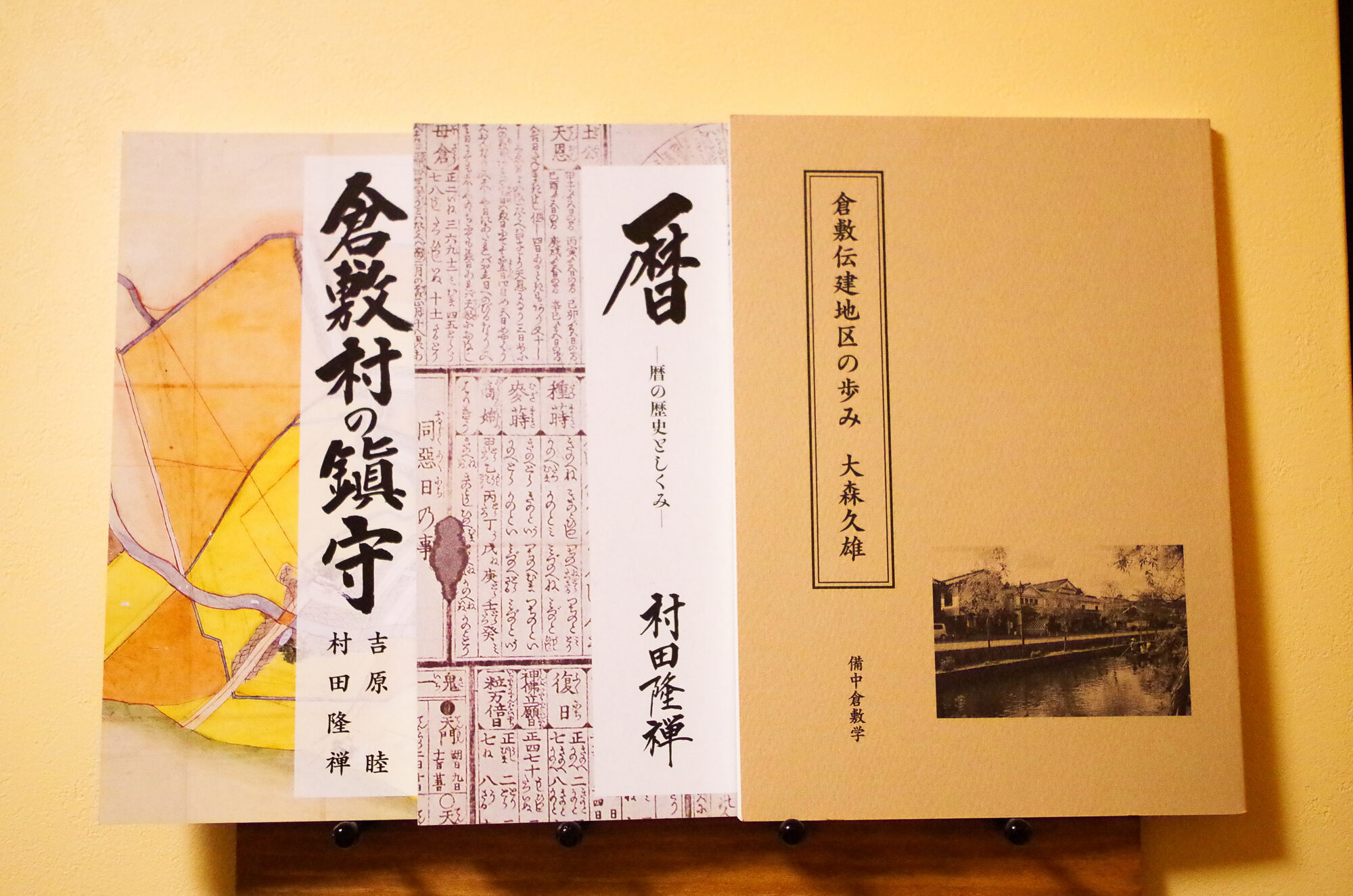
Books about Bitchu Kurashiki-gaku and the history of Kurashiki City by Chair Murata have also been sold.
2024 Schedule (Fiscal Year 2024)
The schedule from April 2024 onward is as follows.
The topics for every session sound interesting and enjoyable.
| Date | Topic, etc. | Speaker, etc. (titles omitted) |
|---|---|---|
| April 11, 2024 | (Okayama Religious Walk) Religion and religious beliefs in Okayama | Secretary-General, Okayama Historical Research Society Yamada Ryozo |
| May 9, 2024 | Okayama sake: Focusing on Bitchu brewers and sake breweries in Bitchu | Sake sommelier Ichida Maki |
| June 13, 2024 | Shibusawa Eiichi, featured on the new 10,000-yen note, and Okayama | Advisor, “Kaze o Amu Kai,” Yoshii Town Community Development Council Former Director of Research, Shibusawa Eiichi Memorial Foundation Kimura Masato |
| July 11, 2024 | Six years after the disaster: The current state of the Mabi Emergency Flood Control Project | Okayama River Office, Ministry of Land, Infrastructure, Transport and Tourism |
| September 12, 2024 | Ikeda Nagaoki, chief envoy to Europe in a tragic mission, and Ibara: A samurai who stood before the Sphinx | Local historian Oshima Chizuru |
Interview with the “Bitchu Kurashiki-gaku” Planning Committee
We interviewed members of the “Bitchu Kurashiki-gaku” Planning Committee.
The interview content from the initial visit in August 2023 is presented here.
“Bitchu Kurashiki-gaku” is run by 11 people, with Kanryuji Temple’s head priest, Murata Ry zen, as chair.
We interviewed the following members.
- Secretary Yoshimura Eisuke
- Treasurer Ozaki Yoko
- Director Yamane Iwao
- Director Kamada Eiji
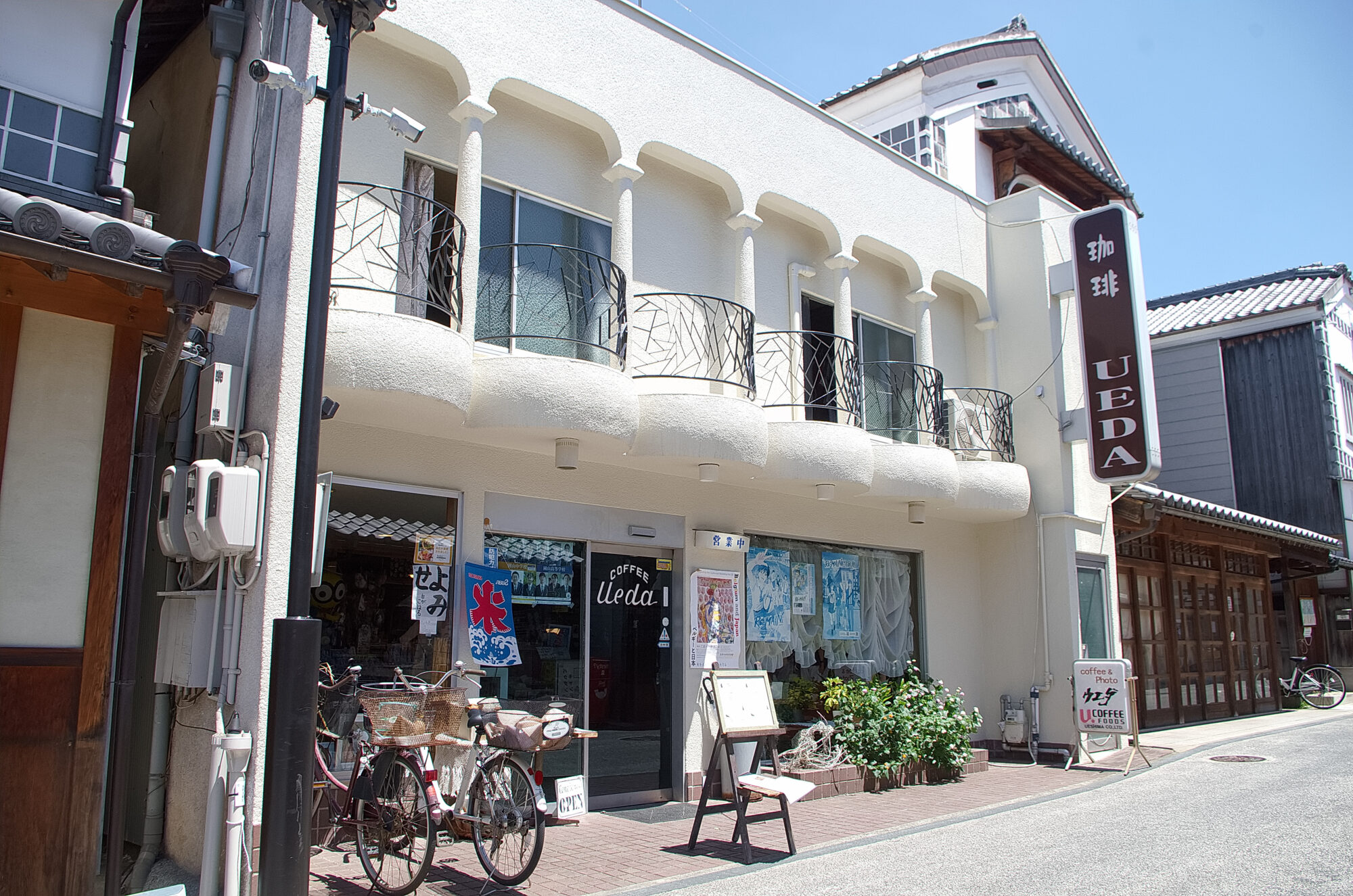
What kinds of activities does “Bitchu Kurashiki-gaku” carry out?
Yoshimura (titles omitted)
It began with the idea of starting Bitchu Kurashiki-gaku, led by Kanryuji Temple (Head Priest Murata), with Mr. Yamane and several others serving as the founders.
It started on the grounds of Kanryuji Temple, and later moved to the large hall at Kurashiki Community Center, where it has been held jointly with the Community Center.
Bitchu Kurashiki-gaku is supported by its members and their membership fees, and is run by the fees and member volunteers.
In fact, lectures are free for the general public, who do not need to pay membership fees, so many members of the public attend.
Members can take part in an annual bus study tour and social gathering, exclusive to members, with part of the participation cost subsidized. These are important occasions for members to exchange with one another and work together to support Bitchu Kurashiki-gaku.
There are individual and corporate supporting memberships. The annual fee is 4,000 yen for individual members and 10,000 yen for supporting members. You can apply at the lecture reception desk.
The effects of the COVID-19 pandemic and the fact that the membership is older—with 70% aged 70 or above—mean that we hope more young people will join as individual members now that activities have resumed.
You also share information on your website.
Kamada (titles omitted)
I update the website.
We have held 170 lectures since October 2005, and information about upcoming lectures has also been posted.
I have mainly been involved in publishing books and other materials issued by “Bitchu Kurashiki-gaku,” which led me to become active as a planning committee member.
You’ve held as many as 170 sessions. How do you choose the lectures and speakers? Is it possible to view past lectures?
Yoshimura
We hold a planning committee meeting about once a month, and each committee member recommends a speaker for the next session before the decision is made.
We have also compiled nearly 150 of the past lectures on DVD and keep them in the music library at Kurashiki Community Center.
Some of the speakers have passed away, so I think these are valuable materials. However, they have not been adequately organized, making them difficult to use.
We would like to consider better ways to organize and make use of them in the future.
What is the makeup of the planning committee members currently running the organization?
Yoshimura
The chair is Head Priest Murata of Kanryuji Temple.
I serve as secretary, and there are eight planning committee members, including me.
We have also asked a former city employee to serve as vice-chair.
Are there any particularly popular lectures?
Yamane (titles omitted)
The most popular topics are the Sengoku period and the Meiji Restoration, just like the NHK historical dramas.
Besides serving as treasurer of Bitchu Kurashiki-gaku, what other activities does Ozaki take part in?
Kamada
Ozaki is a well-known ikebana instructor. She holds exhibitions and arranges large flower displays for each Bitchu Kurashiki-gaku lecture.
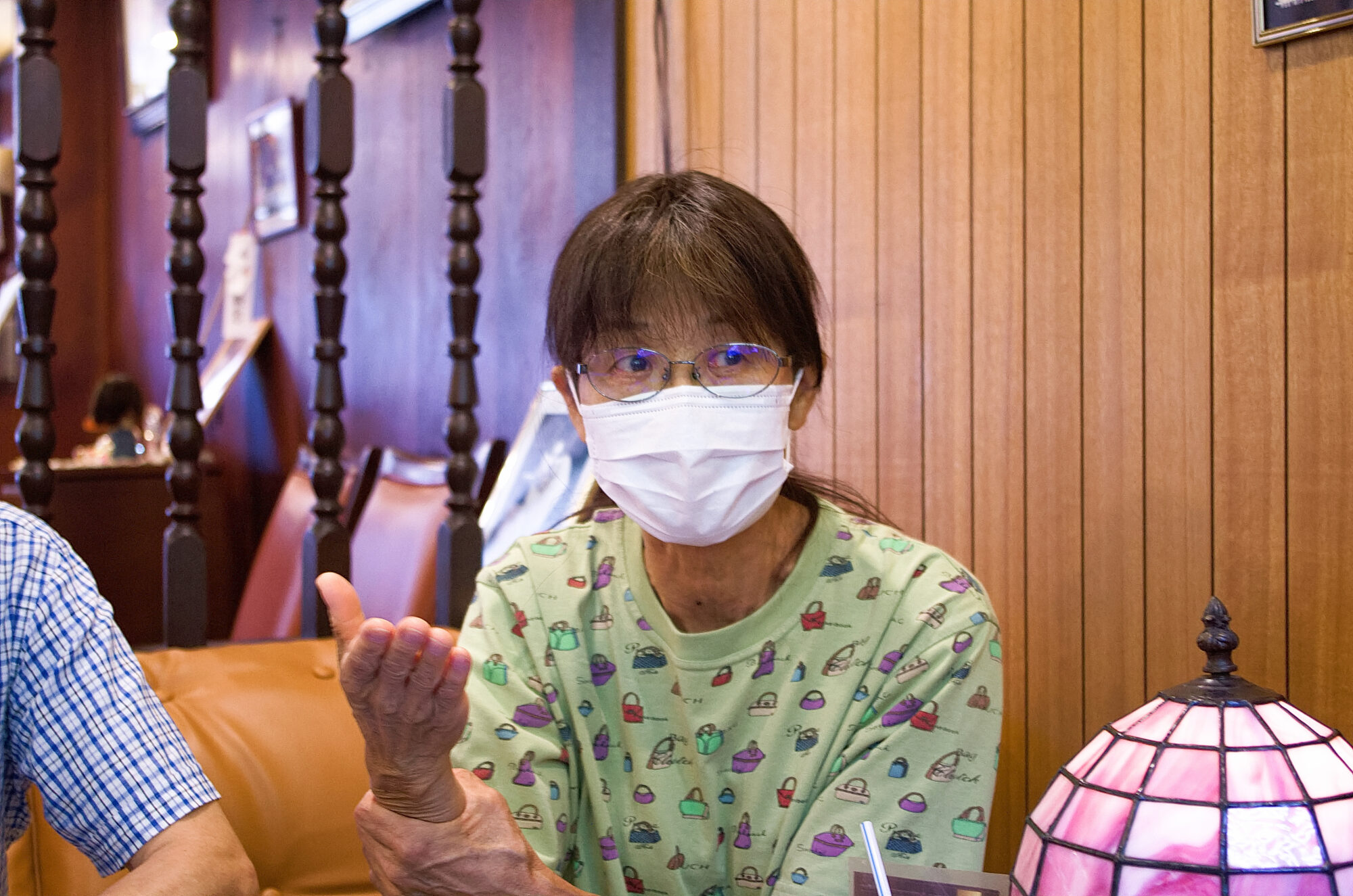
Ozaki (surname only)
There are nearly 300 ikebana schools across Japan. Mine is the Kuwahara Senkei School.
The head of the school is in Kyoto, and it is one of the schools with many members in Kurashiki City.
I became involved with Bitchu Kurashiki-gaku because I had been studying Mishima Chushu, who was from Nakashima in Kurashiki City, my hometown, and because I love history.
I also belong to the Nakashima District Association for Learning Local History, and have deciphered hanging scrolls written by Mishima Chushu and published a book about him.
In fact, fifth graders at Kurashiki Municipal Nakashima Elementary School study Mishima Chushu every year, so he is a familiar figure here.
Yamane
Mishima Chushu was the founder of Nishogakusha University (now in Chiyoda City, Tokyo) and is also well known as Emperor Taisho’s tutor.
Is there a story behind the name Bitchu Kurashiki-gaku?
Yamane
The name Bitchu Kurashiki-gaku was coined by Morita of Morita Shuzo.
In fact, Morita and many of the Bitchu Kurashiki-gaku planning committee members are parishioners of Kanryuji Temple, and one of the group’s defining features is that it came together around Kanryuji Temple.
Kamada
This isn’t the official explanation for the group’s name, and we don’t say so publicly, but I think we are also connected to the tradition of the Kurashiki Sunday Lectures that Ohara Magosaburo held as a place for citizens to study.
Unlike courses run by the city government or individuals as a hobby, this is an activity like an NPO run in partnership between the public and private sectors, which may be why it has continued for so long.
The lectures will resume in September 2023. They all sound interesting.
Yoshimura
Since the first lecture is by Kurashiki Central Hospital, which represents Kurashiki, I think it is a fitting lecture to mark our fresh start.
When you think of Kurashiki, you think of the Ohara family.
Kurashiki Central Hospital was founded by the Ohara family.
The hospital has reached its 100th anniversary, so I hope people will take notice.
Ozaki
Kurashiki Central Hospital celebrated its 100th anniversary on June 2, 2023.
As part of the commemorative events, it has also undertaken initiatives such as the “installation of a flood barrier” and the “Origami Crane Wall,” and there is a real buzz around it.
Yamane
One reason for the excitement is the G7 Kurashiki Labour and Employment Ministers’ Meeting, held recently in Kurashiki City. It is also connected to Ohara Magosaburo’s efforts to improve working conditions and occupational health.
You’re resuming after three years. Were there any difficulties?
Kamada
We aren’t doing this under compulsion or as a business, so rather than being difficult, resuming was simply the natural thing to do.
It was more a matter of asking, “When shall we start again?”
Of course, we never intended to quit; we’ve just been doing it naturally.
When you think about it, it’s a curious group, isn’t it?
Yoshimura
That’s right.
There was no difficulty in getting things going again. After COVID-19 was reclassified as a Category 5 infectious disease, it felt natural to resume, and we just had to decide when to start.
Ideally, we would have resumed in April 2023, but we had preparations to make, so we were able to announce that we would start again in September.
I hope many people will attend the lectures, and that as many as possible will join as members.
From the Writer
Bitchu Kurashiki-gaku, which had been suspended during the COVID-19 pandemic and whose resumption I had been eagerly awaiting myself, will continue in fiscal 2024.
The only disappointment is that the lectures are held on Thursdays, a weekday. Still, I plan to attend whenever possible and learn broadly about the history and culture of the Bitchu and Kurashiki region, making this an opportunity to enrich my cultural understanding.
I hope to see you there!
Articles about Bitchu Kurashiki-gaku
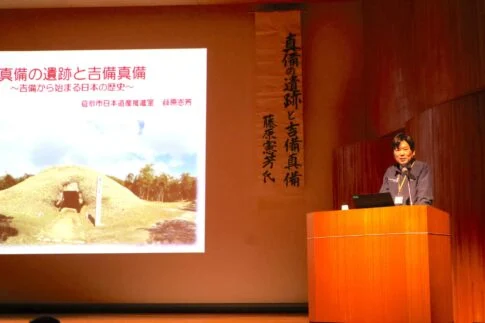
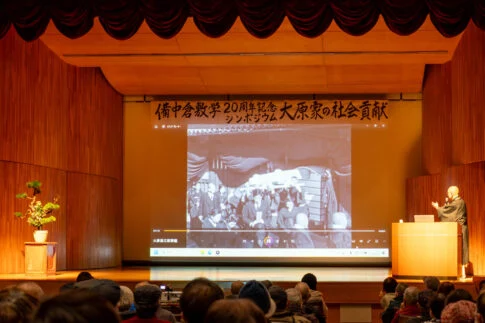
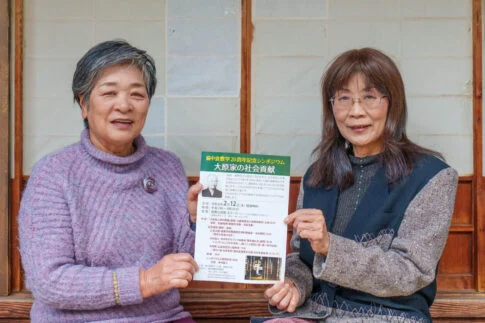

Bitchu Kurashiki-gaku Information

| Name | Bitchu Kurashiki-gaku |
|---|---|
| Dates | Second Thursday of every month, 2:00–3:30 p.m. (usually no session in August) Open to everyone, including non-members; no reservation required |
| Location | Kurashiki Community Center, Main Hall |
| Participation fee (tax included) | Membership in Bitchu Kurashiki-gaku is open year-round ・Individual membership: ¥4,000 (annual fee) ・Corporate supporting membership: ¥10,000 (annual fee) Members are eligible to join bus trips, study tours, social gatherings, and other members-only events ・You can sign up at the reception desk for the monthly lecture ・Notices are published in the Sanyo Shimbun’s “Information Plaza” every Thursday |

What would you like to know about Kurashiki?
Enter a word to search articles on this site