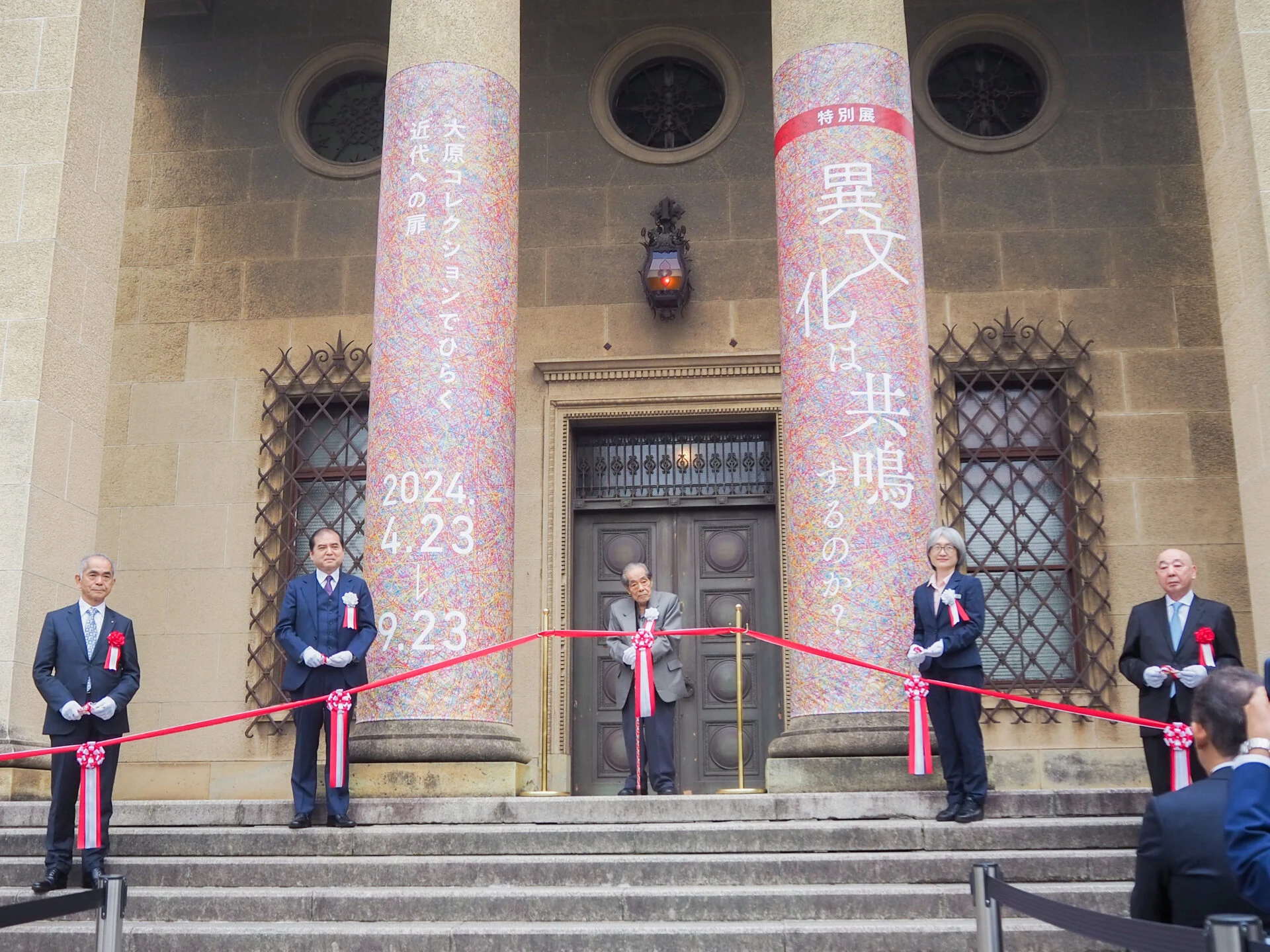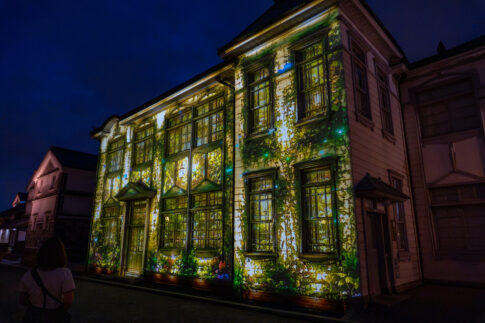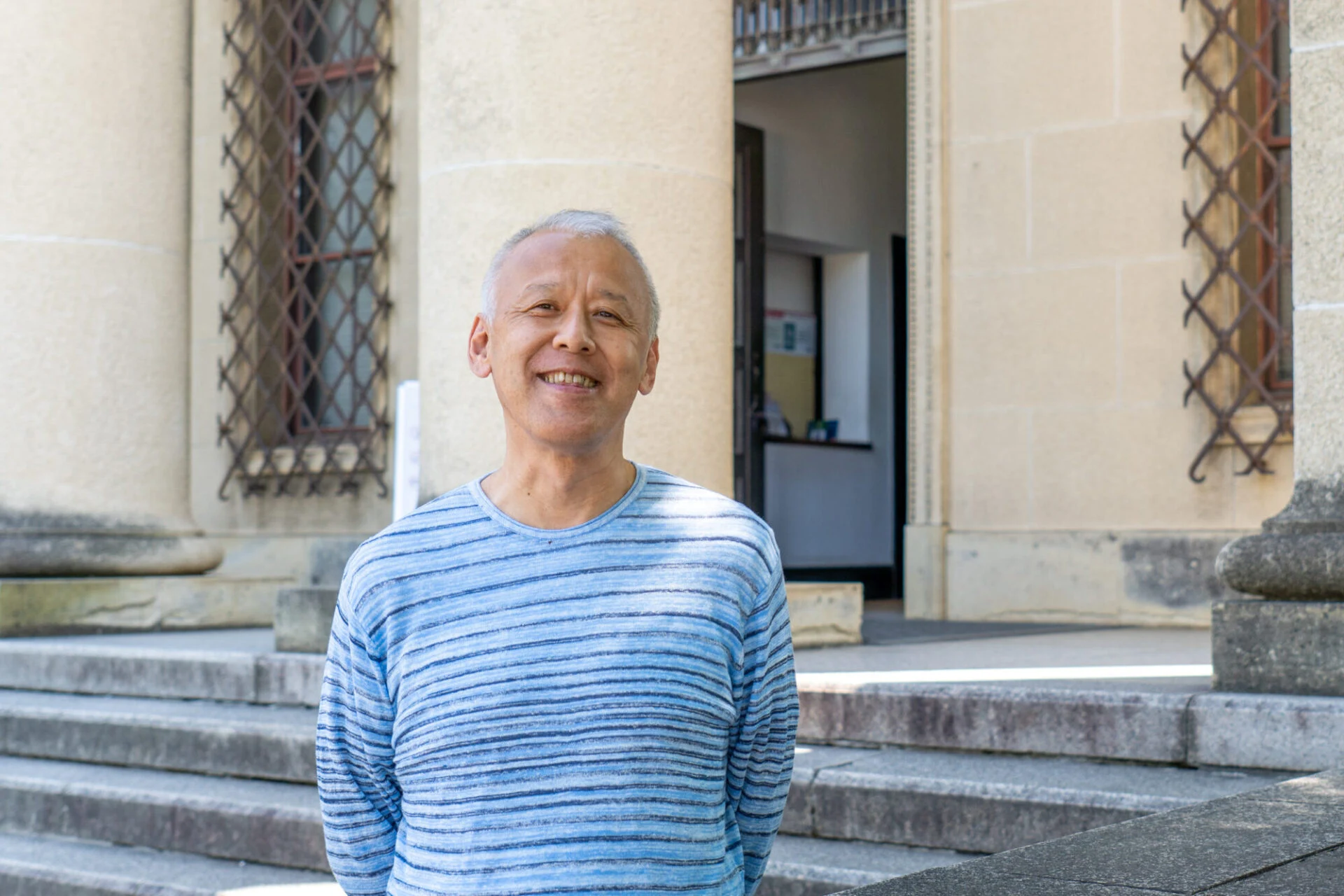
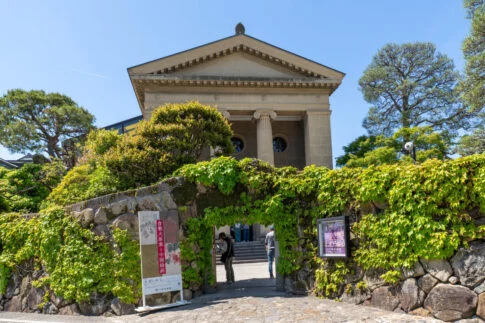
Ohara Museum of Art, located in the center of the Bikan Historical Area.
There are various ways to enjoy it, but one experience you want to have when visiting with multiple people is “dialogue-based appreciation.”
Programs are offered widely, from those for preschool children to those for corporations.
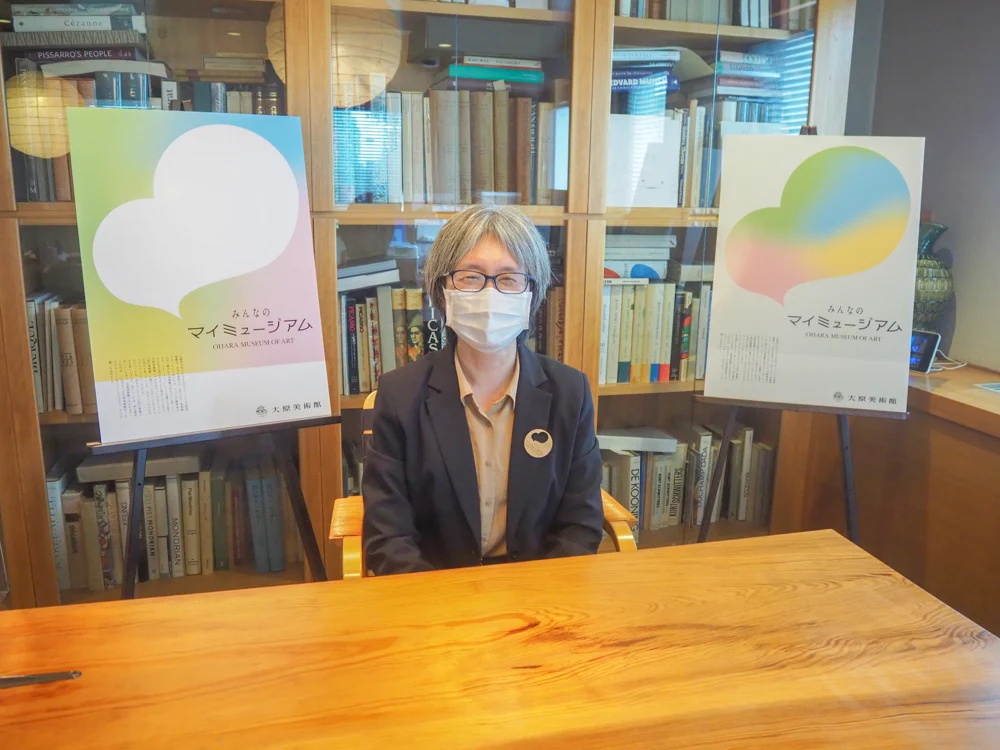
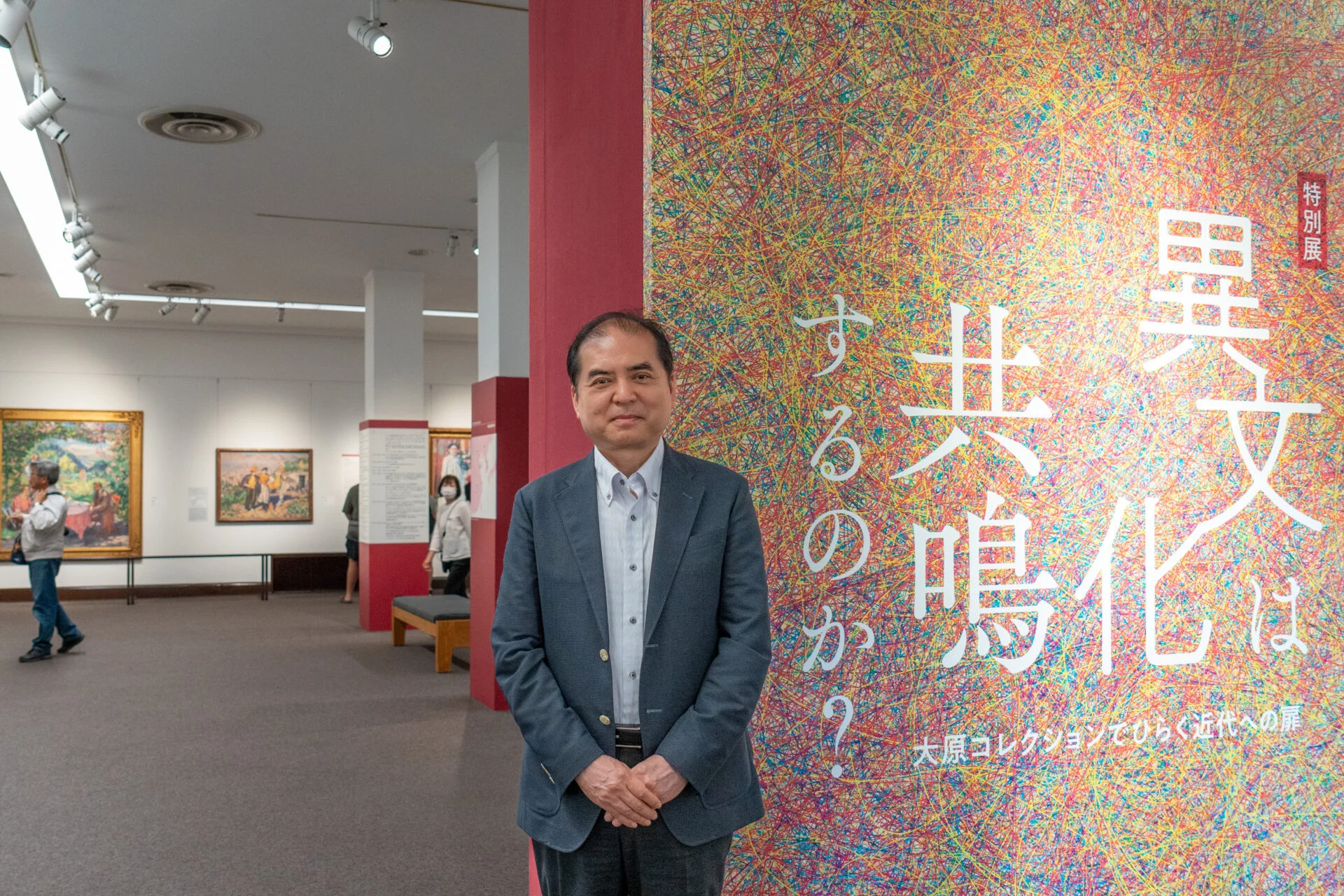
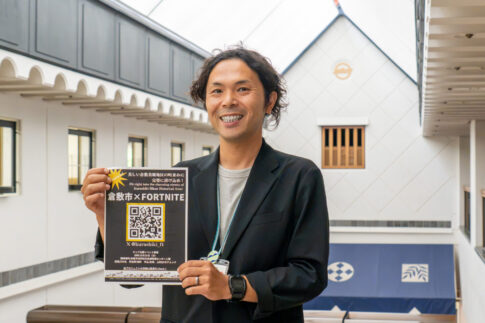
The person who has been creating the history of dialogue-based appreciation at Ohara Museum of Art is the chief curator Yanagisawa Hideyuki.
Why did Ohara Museum of Art start conducting dialogue-based appreciation, and how has it permeated as a culture?
I spoke with Yanagisawa about what he felt during the formative period of this initiative and his current thoughts.
What is Ohara Museum of Art?
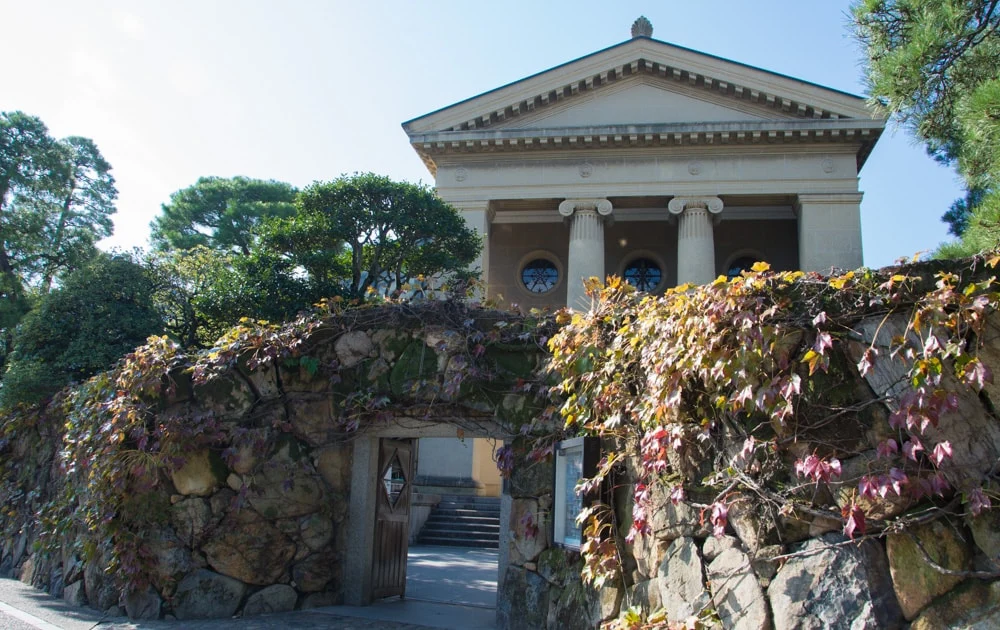
Ohara Museum of Art is the first private art museum in Japan focused on Western art, established in 1930.
It is divided into the main building, branch, and Craft and Oriental Gallery, with approximately 3,000 items in its collection.
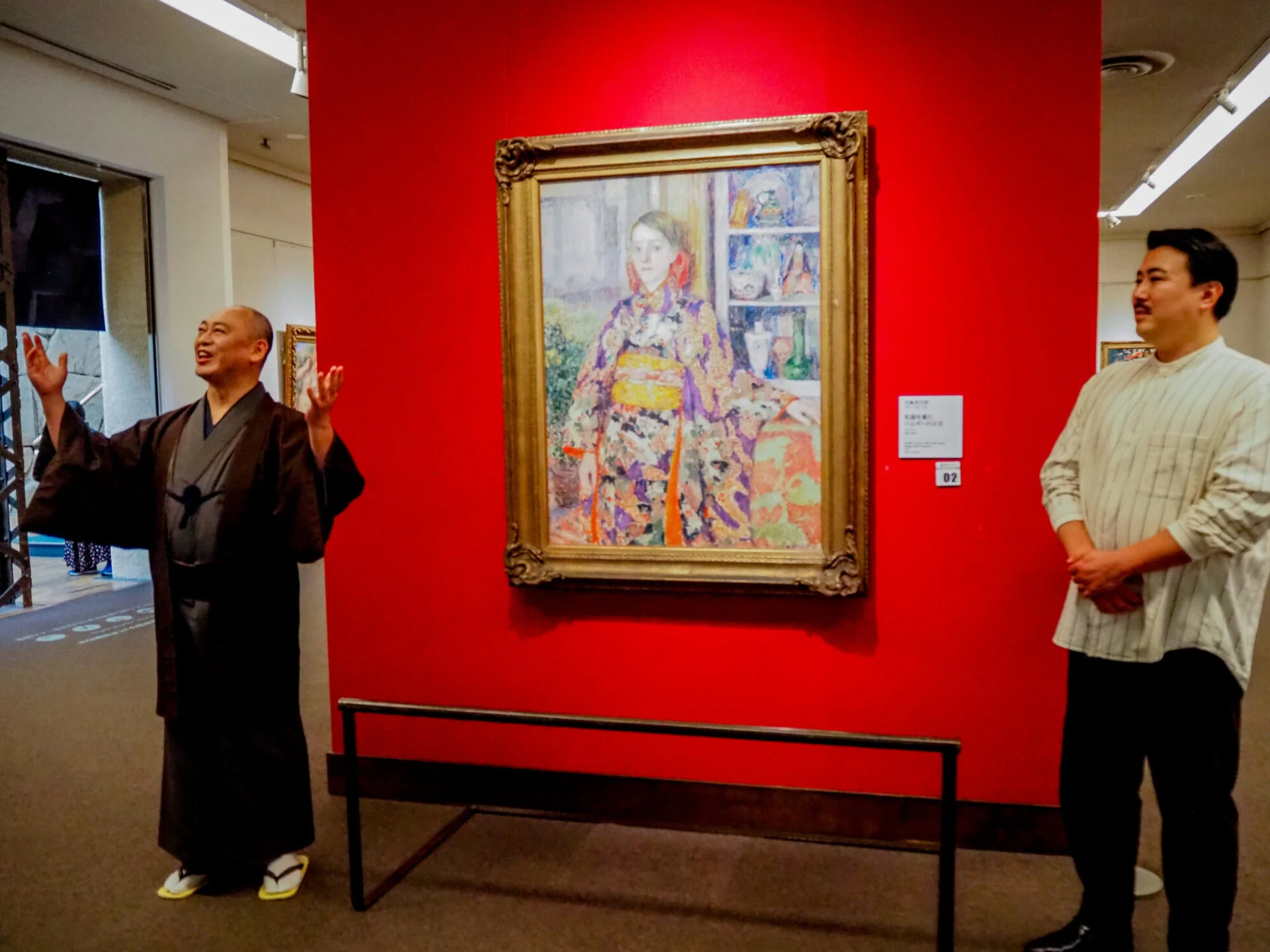
Famous paintings that are highly regarded today, such as El Greco's "Annunciation" and Claude Monet's "Water Lilies," are on display.
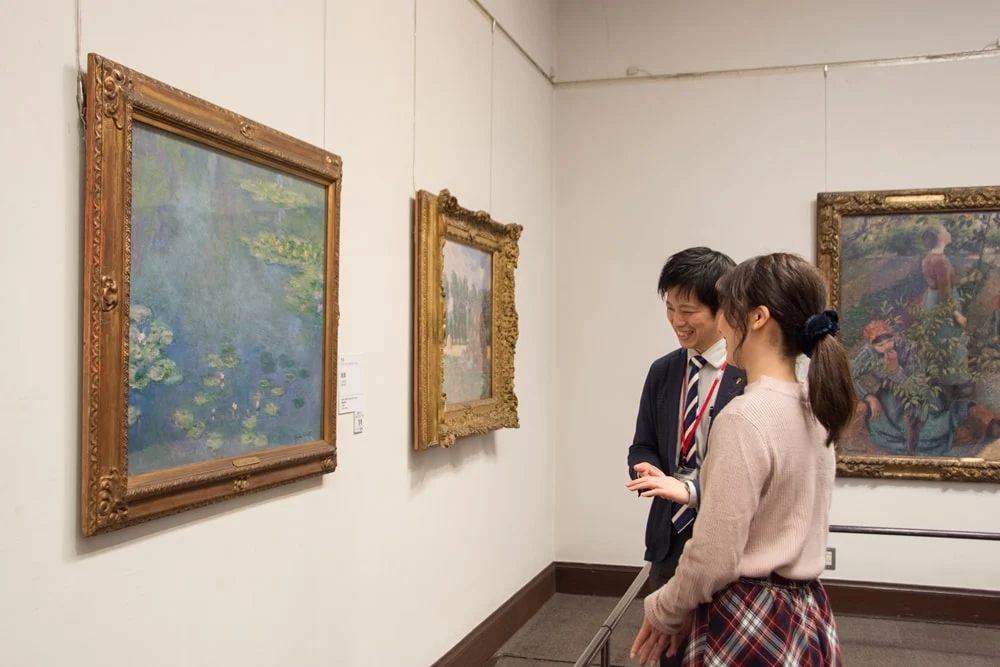
At the time of its establishment, there were hardly any opportunities to see genuine Western paintings in Japan.
The painter Kojima Torajiro strongly wished to “make excellent works viewable in Japan,” and he was supported by the businessman Ohara Magosaburo.
With Magosaburo's support, the Western paintings collected by Torajiro became the core of Ohara Museum of Art.
For details such as opening hours, please check the Ohara Museum of Art website.
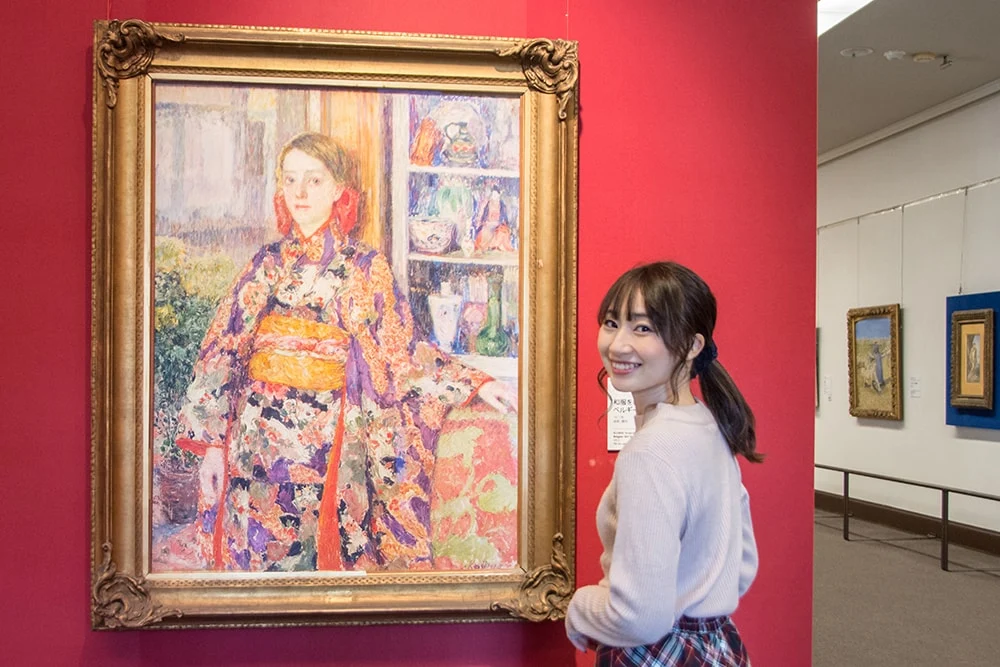
What is “dialogue-based appreciation” conducted at Ohara Museum of Art?
Ohara Museum of Art can be visited not only by individuals but also by groups (reservation required).
Among them, the one that is attracting attention is “dialogue-based appreciation.”
In many cases, it is customary to appreciate art quietly in museums, but in dialogue-based appreciation, as the name suggests, participants “appreciate while engaging in dialogue.”
It is a program that differs from individual appreciation by sharing what one feels when viewing the artwork.
This is implemented not only at Ohara Museum of Art but also at various other museums.
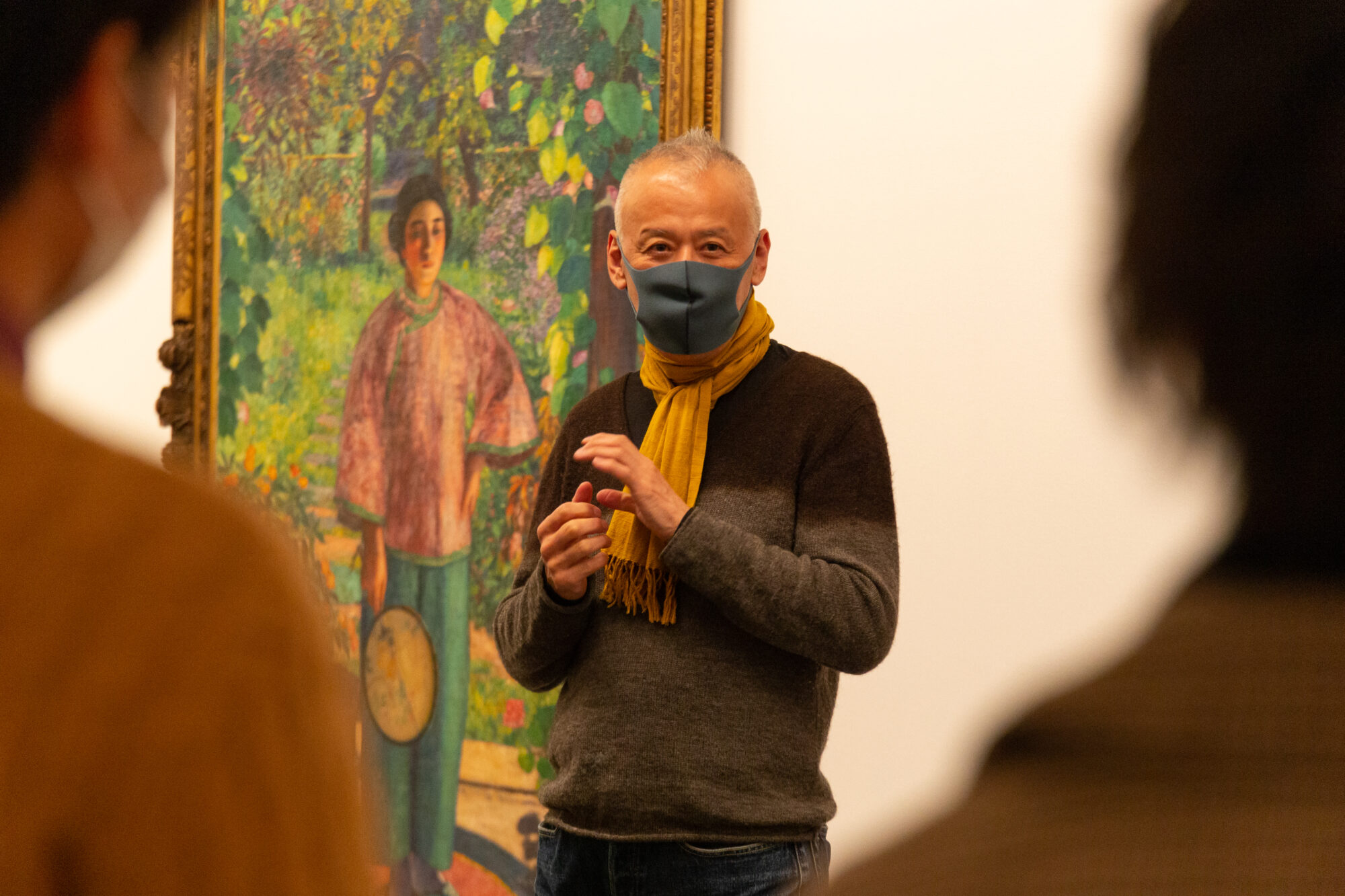
Ohara Museum of Art began conducting dialogue-based appreciation in earnest in 2002.
The trigger was when the current chief curator of Ohara Museum of Art, Yanagisawa Hideyuki, became a curator at the museum.
Since then, Yanagisawa has created training for conducting dialogue-based appreciation and systems for its operation within Ohara Museum of Art.
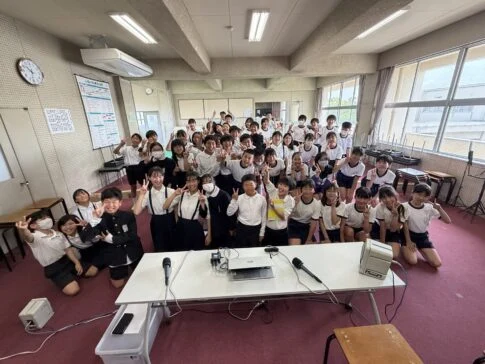
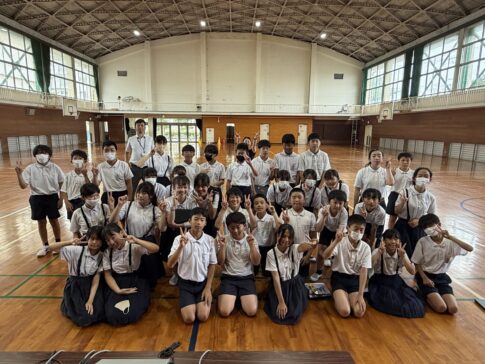
Starting with programs for preschool children and school groups, it is now also offered as a training program for corporations.
In about 20 years, it is evident that the purposes for participation and the demographics have become quite broad.
How has dialogue-based appreciation permeated and developed to the point where it can be considered a culture at Ohara Museum of Art?
I spoke with Yanagisawa about the history and his thoughts up to the present.
Even when viewing the same artwork, perspectives and feelings differ from person to person
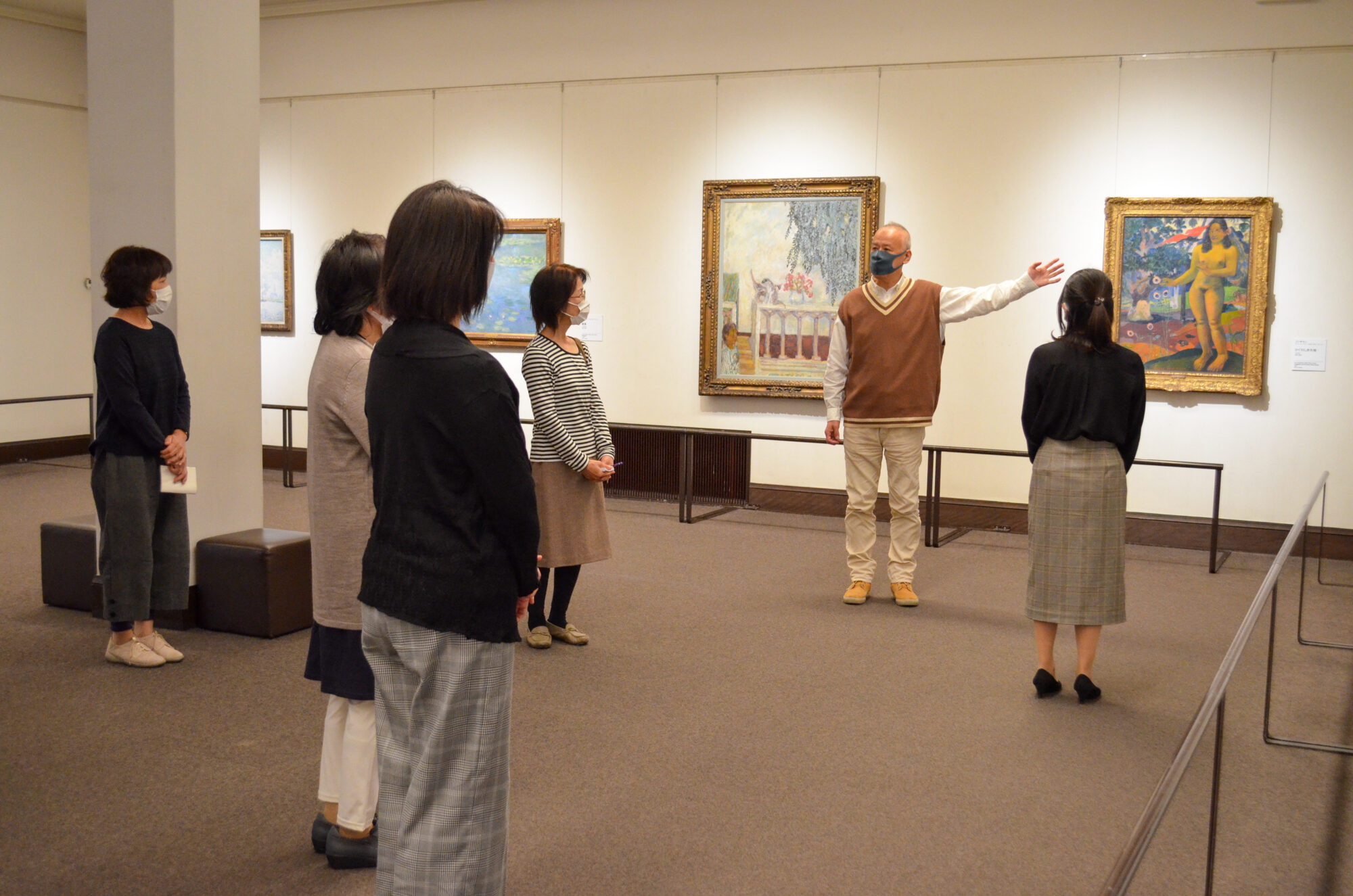
What exactly is dialogue-based appreciation?
Yanagisawa (no honorifics)
Dialogical appreciation is the act of appreciating artworks through dialogue between facilitators, who are museum staff or volunteers, and visitors, or among visitors themselves.
Rather than speaking unilaterally to visitors like in artwork explanations, participants appreciate the works while discussing what they see and feel with each other.
Originally, this program was implemented at the Museum of Modern Art, New York.
It has been meticulously researched and practiced as a method of appreciation that breaks down barriers of race and values.
It was introduced to Japan in the late 1980s.
The actual implementation began in 1993 (Heisei 5).
In the early 1990s, curators from institutions like the Mito Art Museum and the Kawamura Memorial Museum of Art visited the Museum of Modern Art, New York, which rapidly increased opportunities for implementation in Japan.
What is the difference between appreciating artworks through dialogue and appreciating them individually?
Yanagisawa
The good thing about dialogical appreciation is that it allows you to realize that everyone has different perspectives and feelings.
For example, let’s say several people are appreciating a piece that depicts a house.
When you ask, “What was impressive?” you might receive a variety of answers regarding the color of the house, the size of the house, the inhabitants of the house, and so on.
Then, you might think, “Even though we are looking at the same piece, I was seeing something completely different,” or “I didn’t notice that!”—leading to discoveries.
You can enjoy it in a way that is different from when you are appreciating it alone.
Also, knowing others' perspectives often changes how you see and feel about the artwork.
Participants often express that this change is fascinating and interesting.
From the training of facilitators who conduct dialogical appreciation
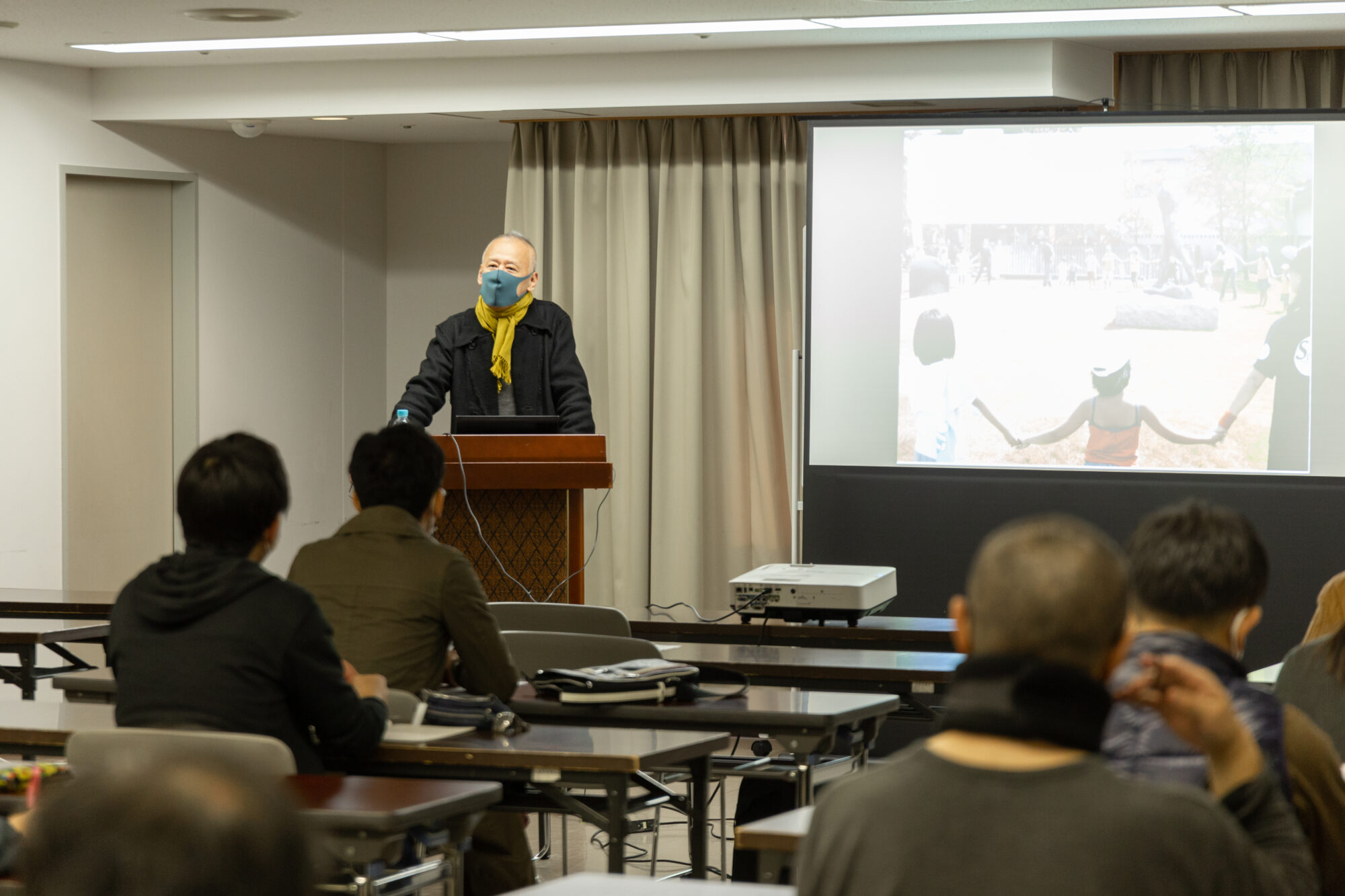
Could you tell us how you became involved in dialogical appreciation, Yanagisawa?
Yanagisawa
The initial trigger was attending a lecture by Noriko Fuku, the former director of the Art Communication Research Center at Kyoto University of Art, who spread dialogical appreciation in Japan.
In that lecture, I learned the basics of what dialogical appreciation is.
While analyzing what I learned in my own way, I began to consider how I could implement it in a museum.
In 1996, when I was a curator at the Okayama Prefectural Museum of Art, I planned and implemented dialogical appreciation for the first time.
What I first did was conduct training for art teachers from junior high schools in Okayama City, volunteers from the Okayama Prefectural Museum of Art, and students from Okayama University to prepare them for dialogical appreciation.
They are generally referred to as facilitators.
After training the facilitators, I held a dialogical appreciation session for about 100 junior high school students.
The teachers who participated at that time are still passing on the skills of dialogical appreciation, and the volunteers have formed teams to conduct dialogical appreciation at various museums.
Creating a system to continue dialogical appreciation was a valuable experience for me.
Then in 2002, I became a curator at the Ohara Museum of Art.
I have been working to implement dialogical appreciation at the Ohara Museum of Art, utilizing my previous experiences.
Stocking dialogical appreciation skills at the Ohara Museum of Art
So, you spread dialogical appreciation at the Ohara Museum of Art, Yanagisawa?
Yanagisawa
I might say I created a system rather than just spreading it.
However, there were actually forms of dialogical appreciation even before 2002.
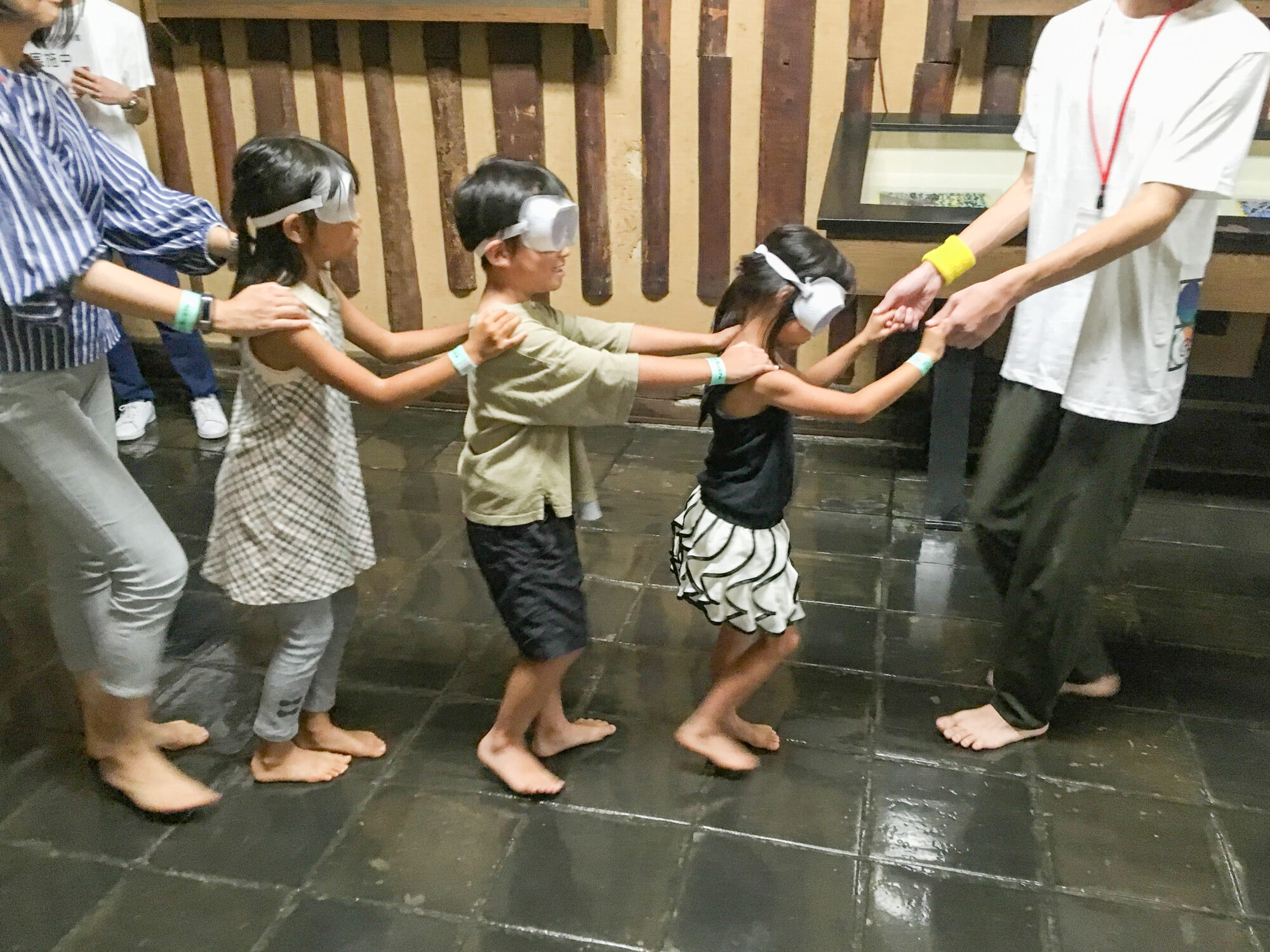
Before I started working, the Ohara Museum of Art had programs for preschool children.
In considering how to make art appreciation enjoyable for children, something akin to dialogical appreciation emerged spontaneously.
However, the staff at that time did not realize that what they were doing was dialogical appreciation.
So, when I became a curator at the Ohara Museum of Art, I created a training program to learn “what dialogical appreciation is” and “how to conduct it,” and implemented it within the museum.
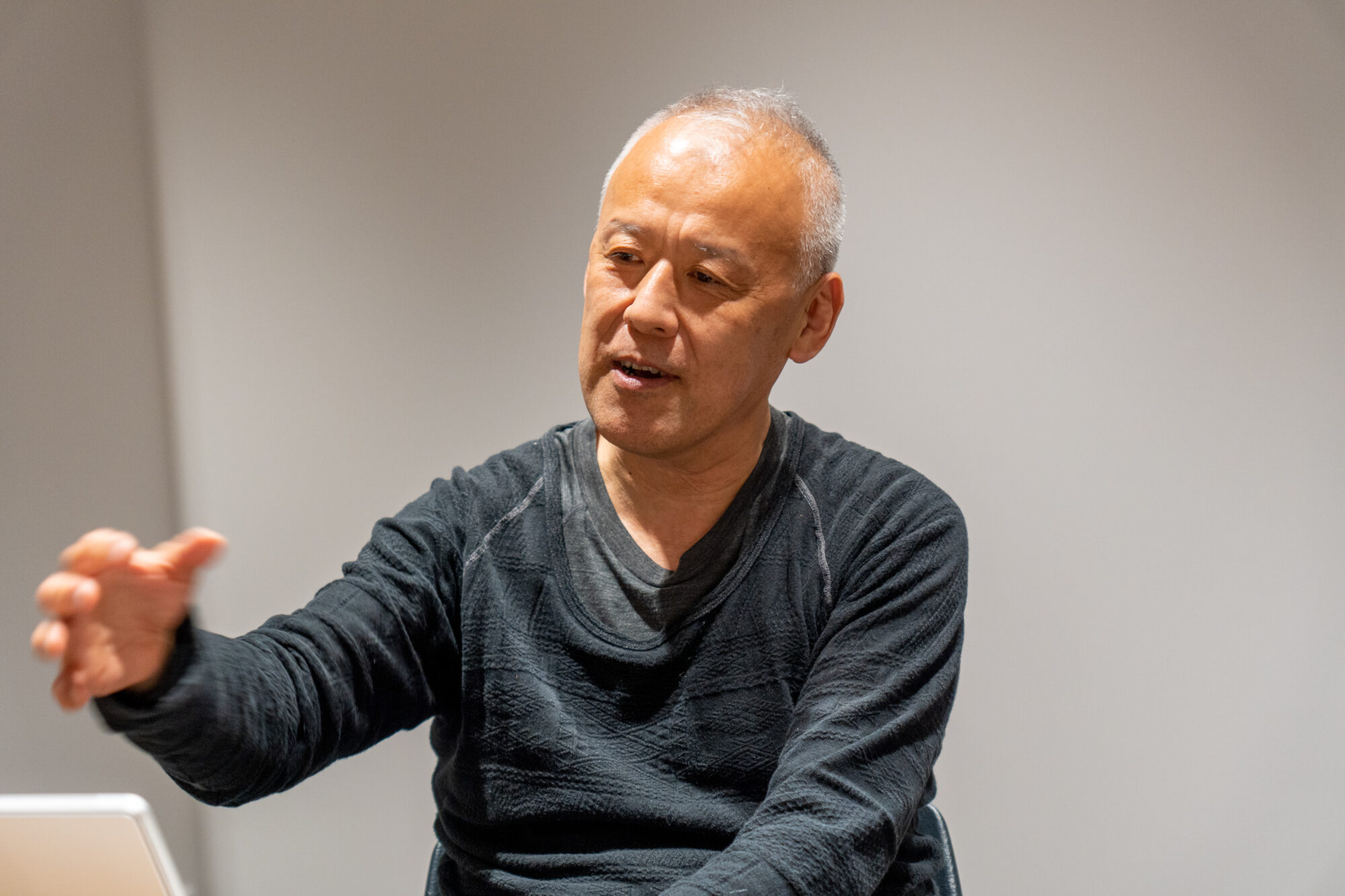
What are the unique features of dialogical appreciation at the Ohara Museum of Art?
Yanagisawa
The strength of the Ohara Museum of Art is that it continues to produce new facilitators every year through its training program.
While it is important for facilitators and experts to travel between various museums to conduct dialogical appreciation, it is also meaningful to stock dialogical appreciation skills within the museum.
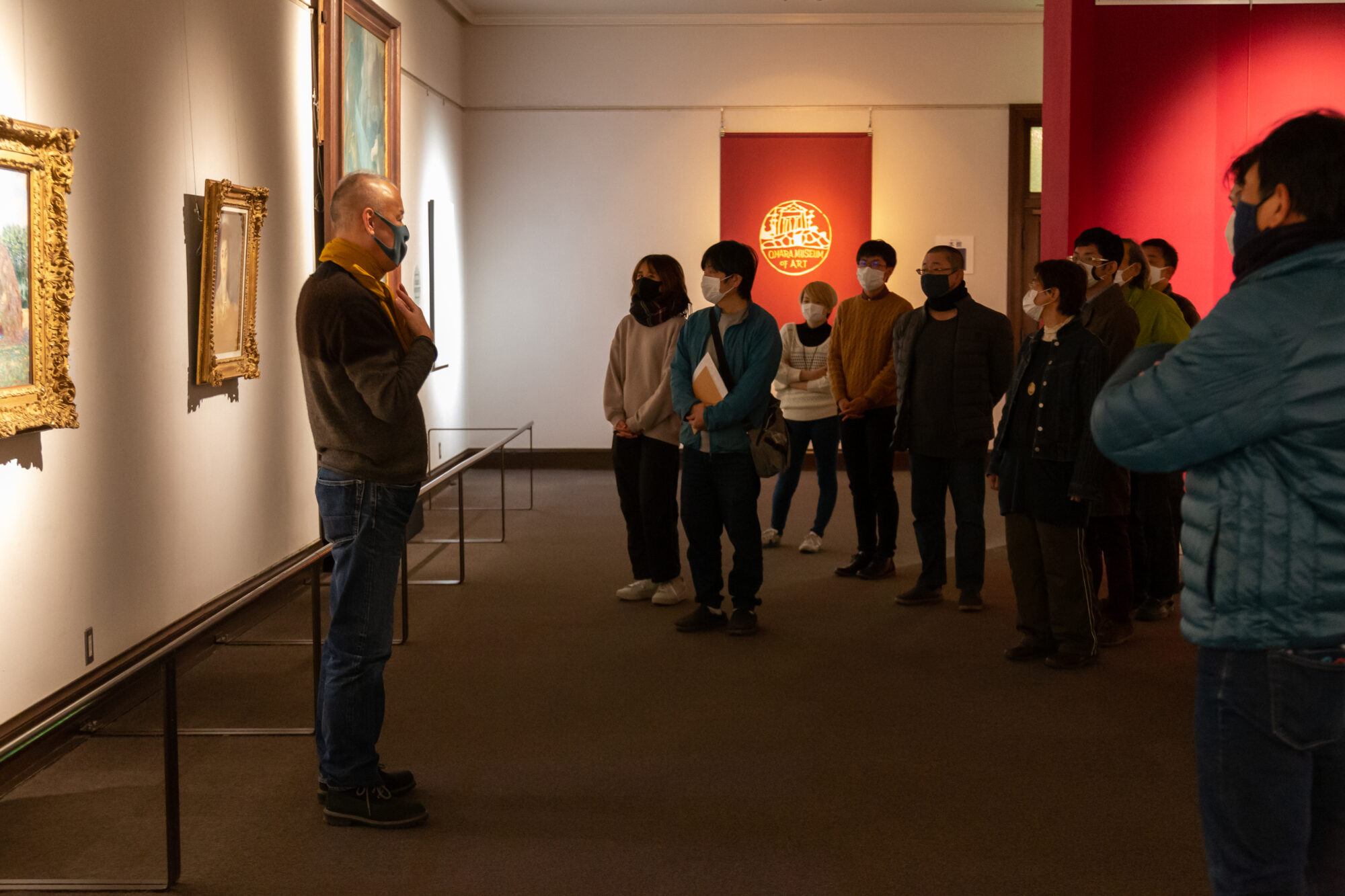
Additionally, there are opportunities for the general public to participate in facilitator training.
Before the Ohara Museum of Art's annual event, the Children's Art Museum, training is conducted with the participation of the general public.
Some individuals participate in the training every year.
From veterans to newcomers, I provide advice without saying much.
I think this cycle is very good. It is a flow that has emerged because we have stocked skills.
In dialogical appreciation, we handle "information that can be collected from the artwork itself"
What do you value when training facilitators for interactive appreciation?
Yanagisawa
There is a fundamental idea that I always convey, which forms the basis of interactive appreciation.
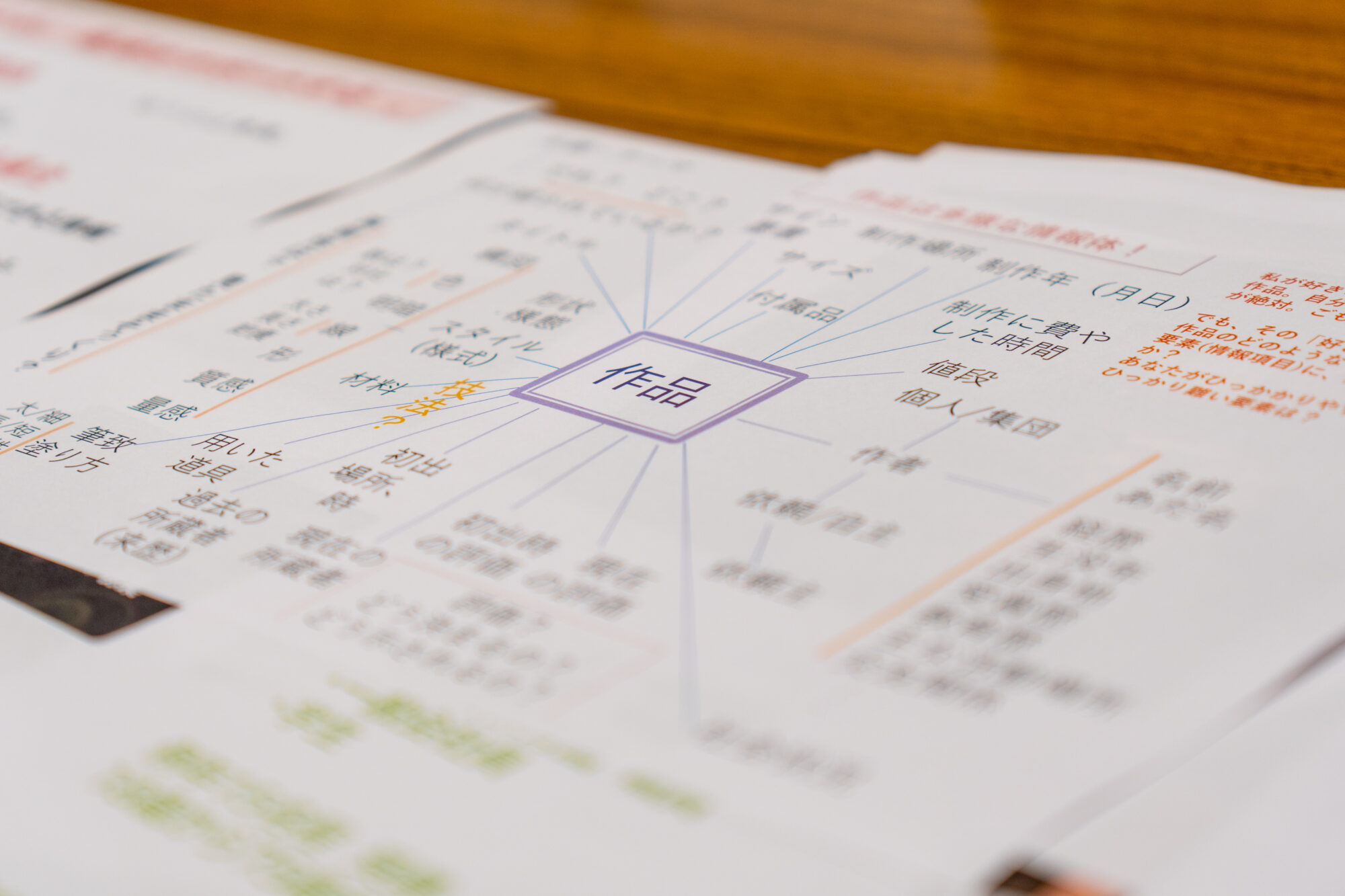
That is, the artwork is a diverse information entity.
There are two types of information regarding the artwork: information that can be gathered from the artwork itself and information that cannot be gathered from the artwork.
For example, questions like "What colors are used?" "What kind of painting technique is employed?" and "What is depicted?" can be understood or imagined by observing the artwork.
However, information such as "the name of the artist" or "the year the artist was born" cannot be discerned just by looking at the artwork.
What we handle in interactive appreciation is the information that can be gathered from the artwork itself.
This way of thinking is particularly important, and I always make sure to convey it.
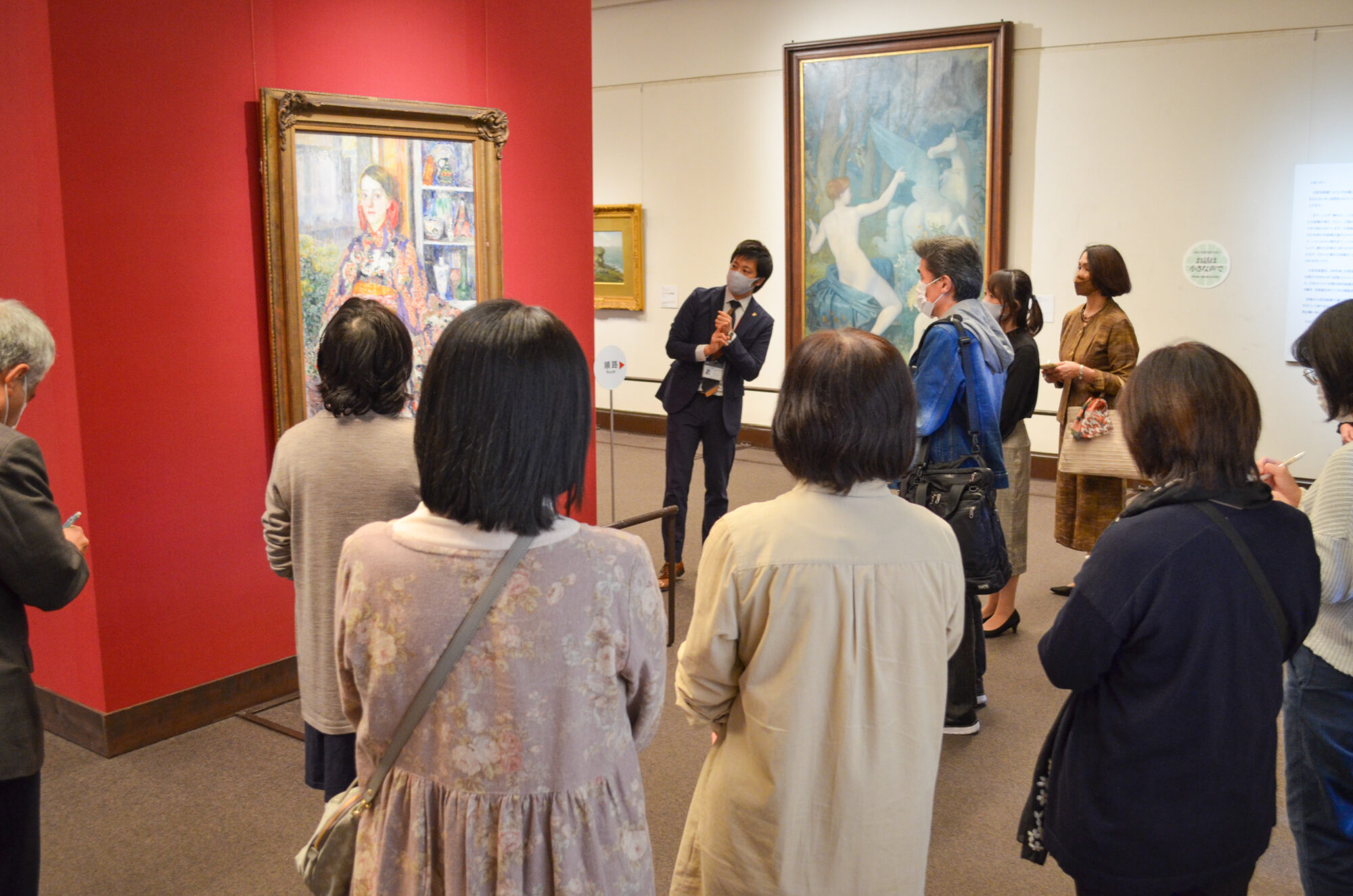
When you visit a museum, you might have been focused on information that you cannot understand from the artwork...
Yanagisawa
If you ask, "Which of the artworks here do you like?" the answer is not about whether you understand it, but rather how you feel about it.
In interactive appreciation, the goal is not to understand the artwork.
It is important to expand the imagination of the visitors and draw out what they feel.
Helping with that is the role of the facilitator.
In facilitator training, we consider various perspectives on how to view the artwork and develop each person's artwork comprehension skills.
Then, they gain experience as facilitators.
By gaining experience and responding to various visitors, they develop the skills to extract information from the artwork.
I believe that interactive appreciation is a skill.
You don't need to seek the optimal answer at the museum
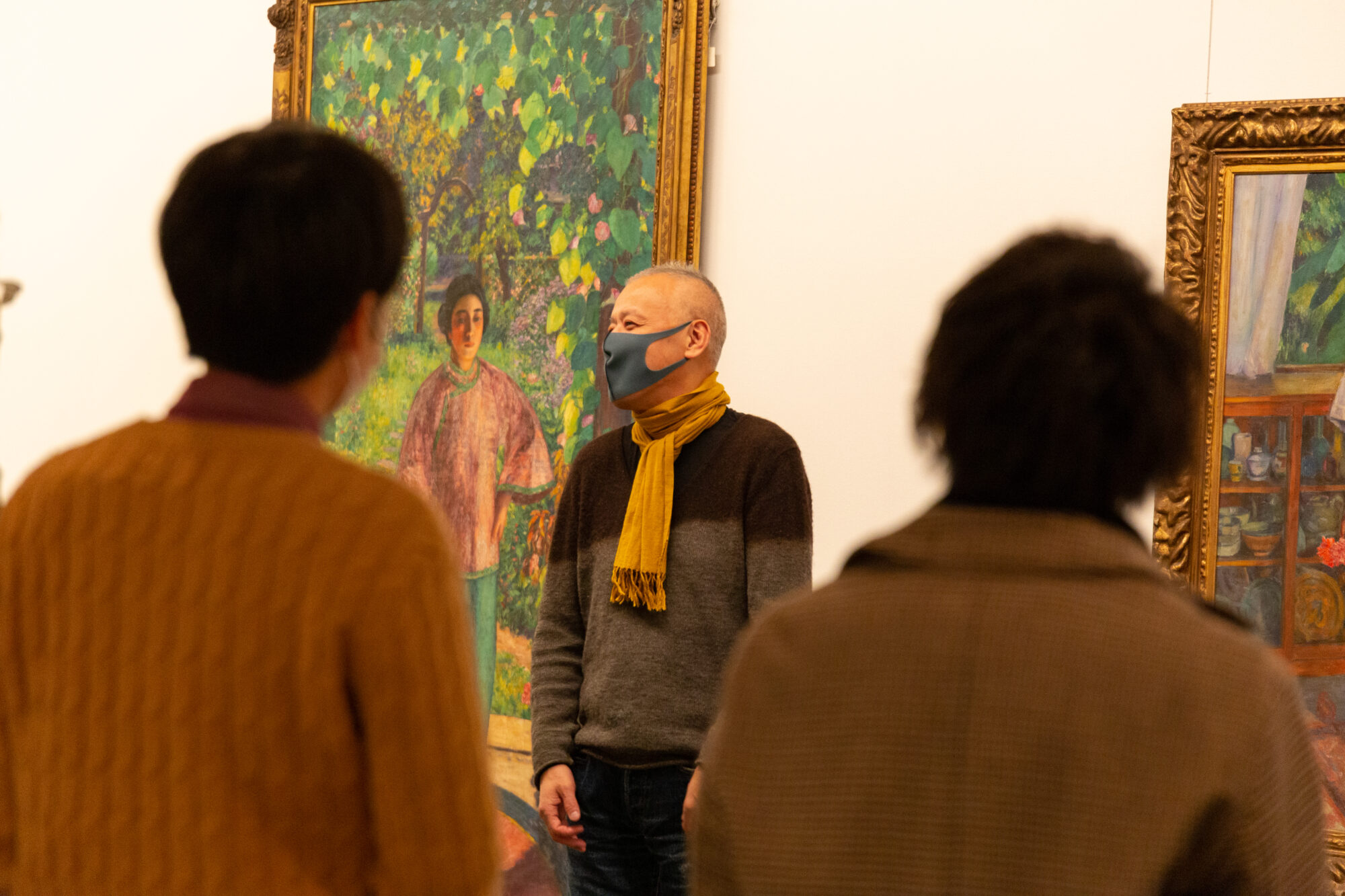
I heard that Ohara Museum of Art has been offering interactive appreciation as a training program for companies for several years.
Yanagisawa
In interactive appreciation, even when observing the same artwork, people discover that their perspectives and feelings differ.
This is not only true in museums but also in everyday life.
In the business world, even if multiple people are working on the same project, they may prioritize different aspects.
Interactive appreciation allows you to experience how individual perspectives and feelings can differ.
Just being aware of these differences can change your mindset and communication in your work.
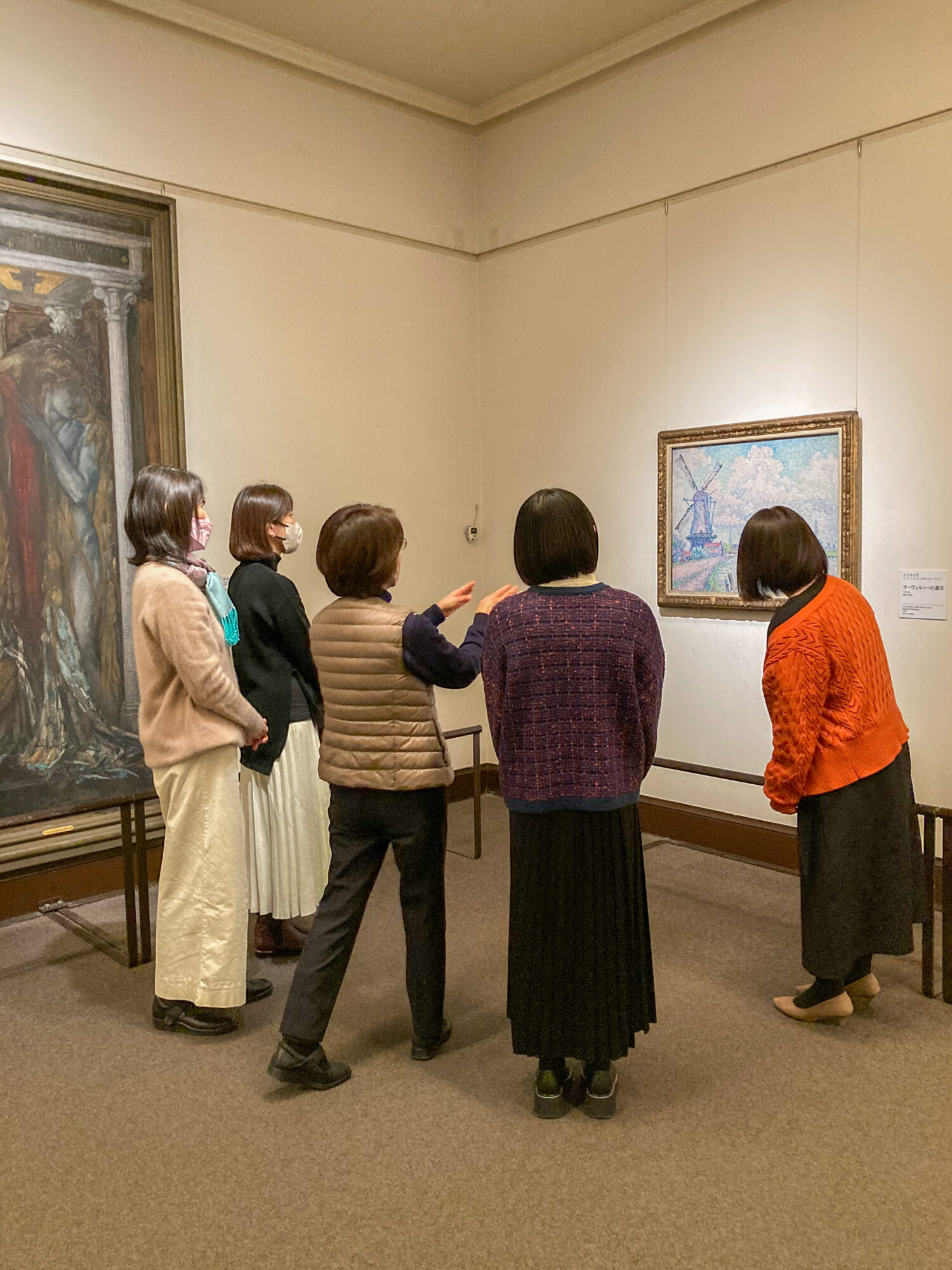
In interactive appreciation, any emotion is positively accepted, and by asking "Why did you make that judgment?" we draw out the person's way of thinking.
This is a concept that can be utilized to create a psychologically safe workplace, which has been emphasized in business in recent years.
When psychological safety is maintained, you can naturally listen to others' emotions and express your own feelings honestly.
I believe that experiencing how important it is to create psychological safety for enhancing team performance can be felt through interactive appreciation.
"Psychological safety" refers to a state in which individuals can safely express their thoughts and feelings to anyone within the organization.
Recruit Management Solutions: What is Psychological Safety?
Why do you think museums are suitable for ensuring psychological safety and understanding differences in approaches to things?
Yanagisawa
I believe it is related to the idea that the artwork is a diverse information entity.
For example, in interactive appreciation, you observe the artwork from close up and far away while verbalizing what you feel.
When making decisions as a company, you gather various information, compare and examine it, and reflect on the essence while accumulating evidence.
In business, you naturally engage in overviewing and thinking very closely.
The ability to grasp things from various perspectives is unique to museums, which have many artworks that are diverse information entities.
Additionally, it is beneficial to maintain a sense that there is no absolute correct answer, that multiple correct answers exist, and that it is okay to leave things unresolved.
I was very impressed when an employee from a venture company who participated previously said, "Here, you don't have to seek the optimal answer."
It may be that the museum can convey the importance of being able to be uncertain and that the ability to be uncertain is important.
Skills of Interactive Appreciation for the Future
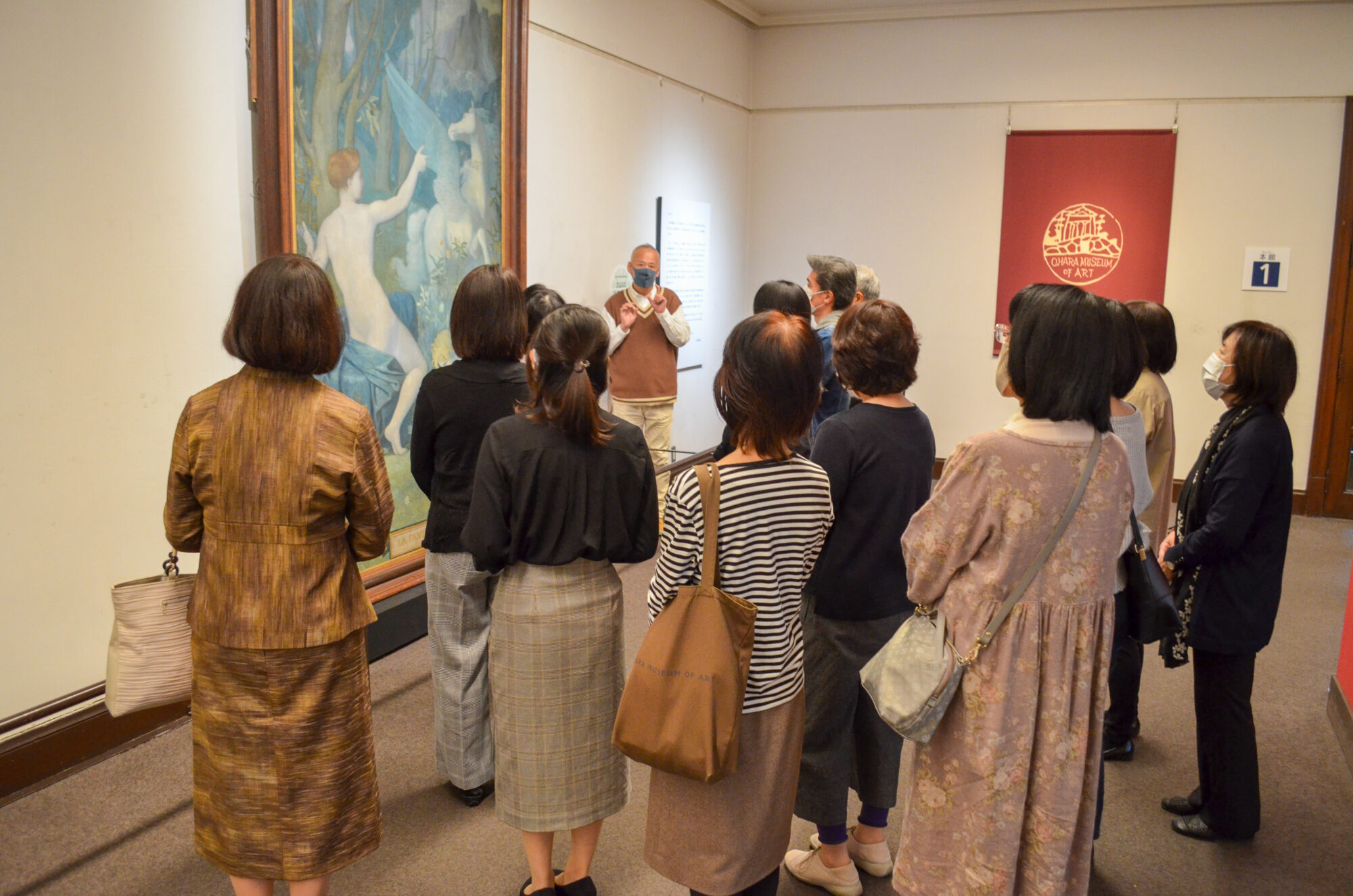
How can I participate in the interactive appreciation program for companies at Ohara Museum of Art?
Yanagisawa
I would recommend contacting Ohara Museum of Art directly by phone or email.
The program has been uniquely developed for companies.
We have various activities prepared, such as searching for the odd one out among multiple works and expressing the way a work is depicted through gestures.
Please come and experience the differences in feelings with your colleagues who work in the same workplace while expanding your imagination through the works.
What are your future goals for interactive appreciation?
Yanagisawa
As Ohara Museum of Art, we would be happy if we could continue to produce facilitators in the future.
It would be ideal if others could also be trained besides myself.
Since interactive appreciation is one way of appreciating art, I would like to connect skills as a means to cultivate good appreciators.
Conclusion
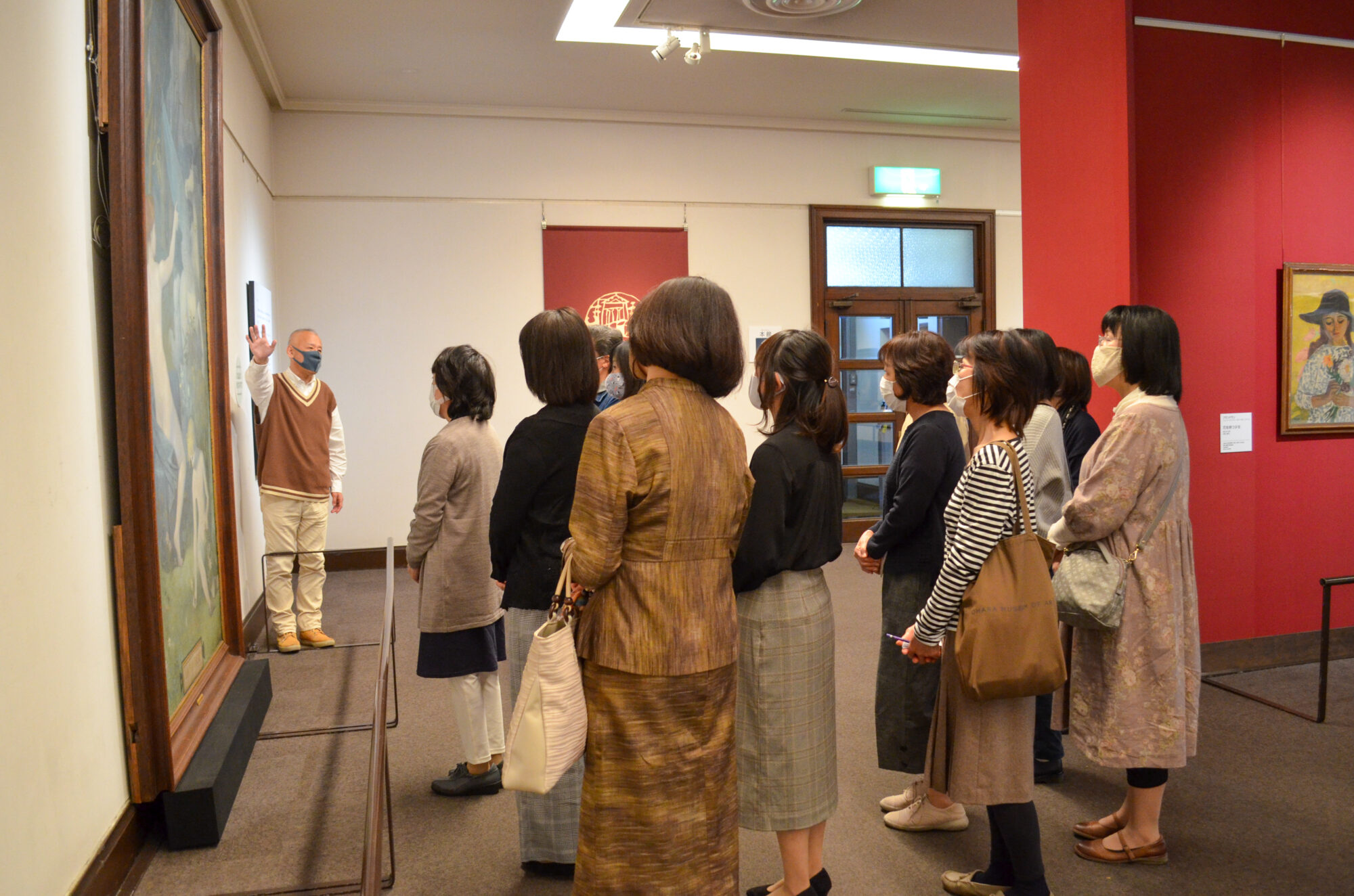
No matter how close people are, there is no one who thinks exactly the same way.
What one believes to be correct may not be correct for someone else.
In everyday life, we tend to forget such obvious things.
After the interview with Yanagisawa, I felt that interactive appreciation can be a trigger to notice the obvious that exists now.
Experiencing interactive appreciation with colleagues who know each other well.
Just that alone seems to be a good opportunity to re-establish the relationship with oneself and others.
Why not enjoy a different experience from individual appreciation at Ohara Museum of Art?
Articles about Ohara Museum of Art
Data on Ohara Museum of Art
| Name | Ohara Museum of Art |
|---|---|
| Location | 1-1-15 Chuo, Kurashiki City, Okayama Prefecture |
| Contact | 086-422-0005 |
| Parking | None |
| Opening Hours | 【December to February】 9:00 AM - 3:00 PM (last admission: 2:30 PM) 【March to November】 9:00 AM - 5:00 PM (last admission: 4:30 PM) |
| Closed Days | Monday If it coincides with a public holiday or substitute holiday, it will be open Winter closure and temporary closures may occur |
| Admission Fee (including tax) | 【General】 Adults: 2,000 yen High school, middle school, and elementary school students (under 18 years old): 500 yen |
| Payment Methods |
|
| Reservations | Available No reservation required for individuals |
| Smoking | Completely non-smoking |
| Restrooms | Western-style toilets, barrier-free toilets |
| Childcare | Nursing room, diaper changing station, stroller rental The nursing room is located in the Craft Museum Diaper changing stations are available on the second floor of the main building and in the Craft Museum |
| Barrier-Free | Wheelchair rental, ramps, barrier-free toilets, elevators |
| Website | Official website of Ohara Museum of Art |