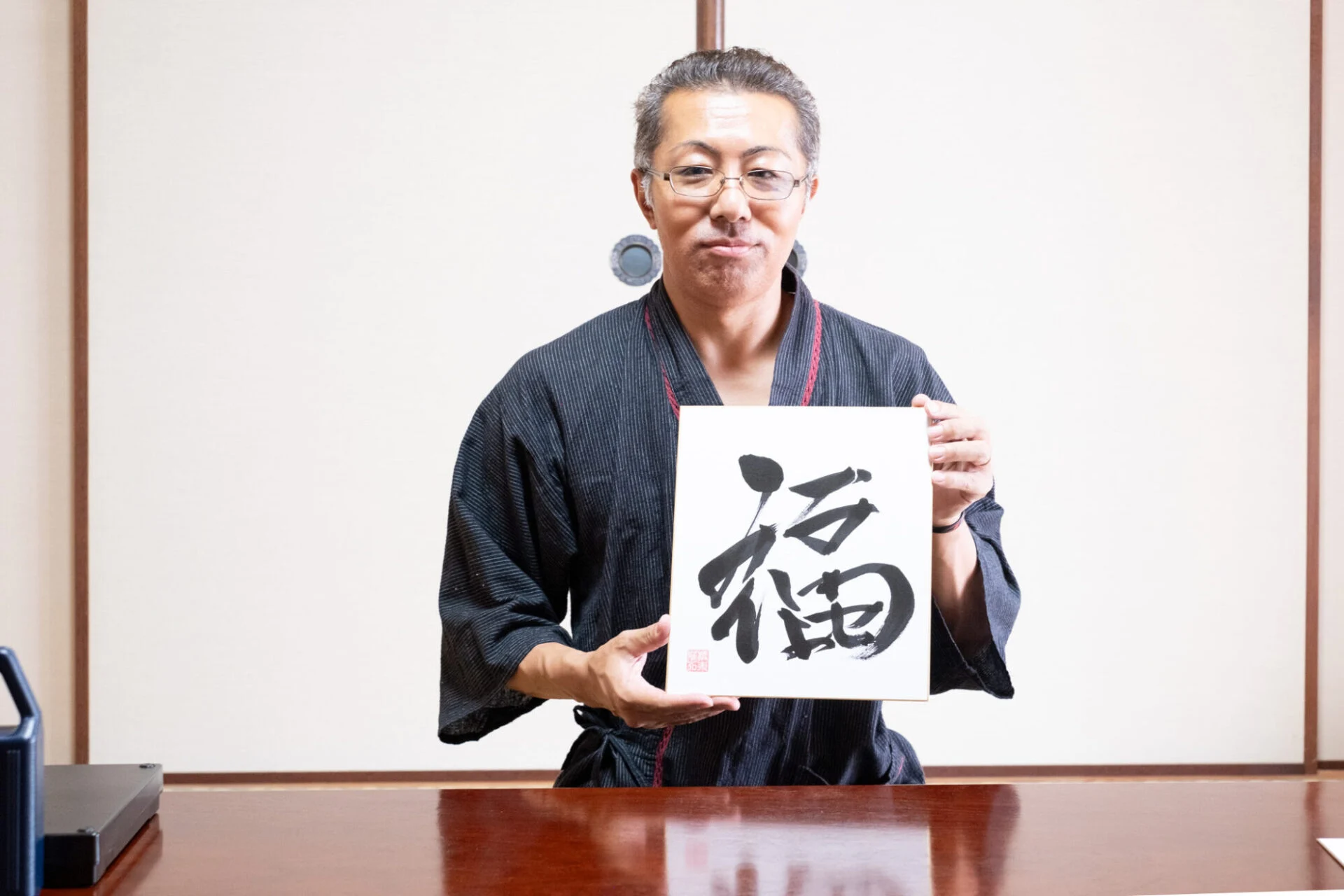
Interview with Shinji Hori, owner of Bokko-do
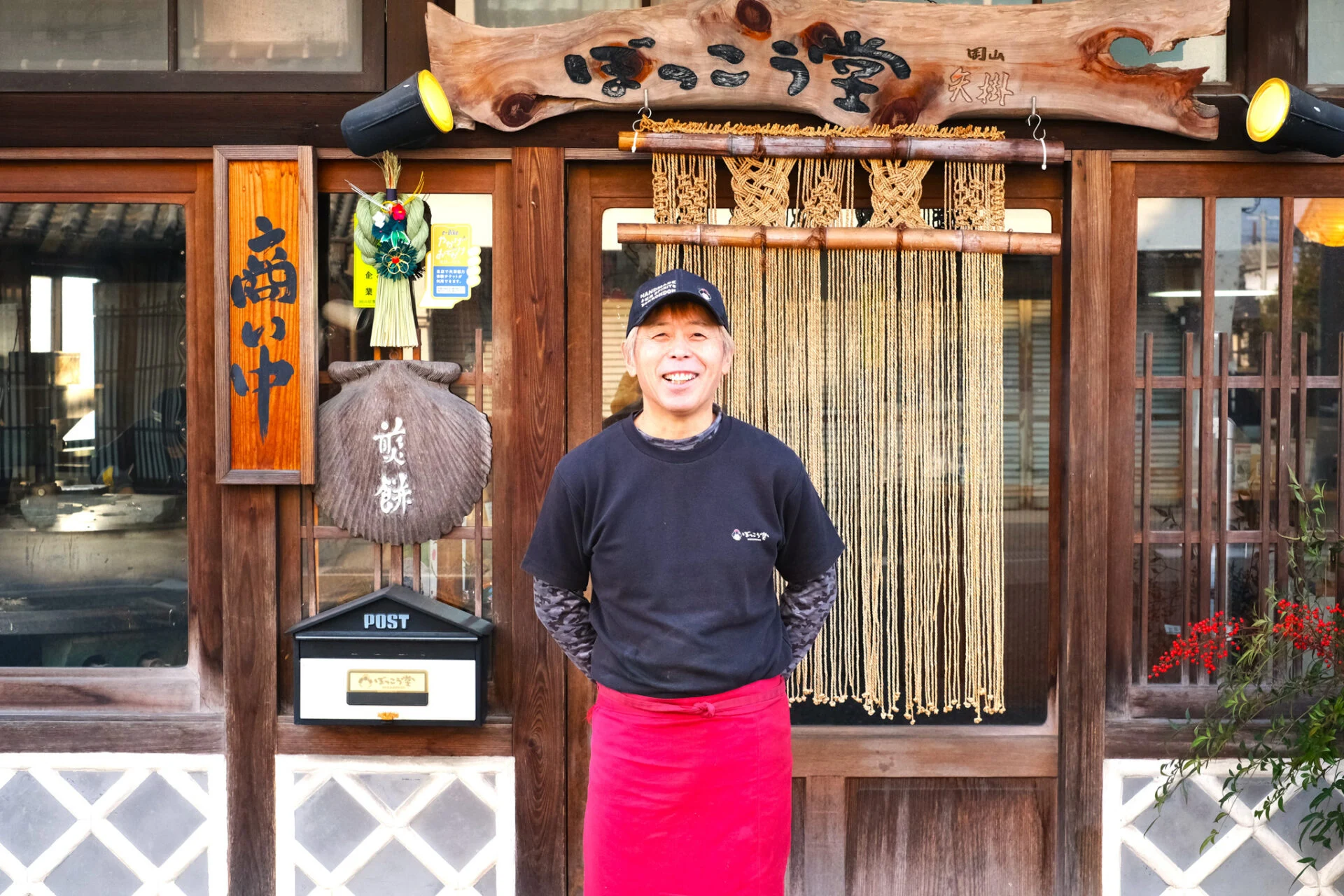
Tell us about the history of Bokko-do.
Hori (honorific omitted)
My father apprenticed at a rice cracker shop in Yakage Shopping Street, then went independent and started his own rice cracker shop.
In 1985, the shop in front of the Yakage Folk Museum became too small, so we moved to the shop in Nishimachi.
The old house we moved into was over 100 years old and quite run-down, but around that time, renovating old houses was becoming popular, and our shop was transformed into a rice cracker shop.
Where does the name “Bokko” in Bokko-do come from?
Hori
It comes from the Okayama dialect word “bokkee,” meaning “amazing.”
When did you decide to take over the rice cracker shop?
Hori
After graduating from high school, I got a job at a local company, but my mother became ill. For a while, I quit my job and took her to and from the hospital, helping out in place of my father, who was busy running the rice cracker shop.
Some time later, a friend attending university in Tokyo invited me to visit. While I was relaxing at my friend’s place, I decided to take over the rice cracker shop.
Since I had come all the way to Tokyo, I thought I’d learn how to make the famous Soka senbei before going home, so I took the Tobu Railway, on the Tobu Line, and visited the municipal office in Soka, Saitama Prefecture.
At the municipal office, they introduced me to a hand-baked Soka senbei shop, where I was able to train while living in.
Looking back, I think it was a bold move. I was 21 at the time.
Soka senbei are hard rice crackers made by grinding non-glutinous rice into flour, pounding and stretching it like mochi, drying it in the sun, and then baking it over charcoal.
Kansai-style rice crackers are sweet and made with sugar, flour, and eggs, while rice crackers made with glutinous rice are the norm in the Kanto region.
My family’s shop made sweet, Kansai-style rice crackers, but working as a live-in apprentice at a Soka senbei shop was a valuable experience.
Why he continues to preserve the unchanged flavor
Bokko-do has many kinds of rice crackers. Did you come up with them together?
Hori
My late father came up with all the recipes and baking methods.
Customers who have been coming here for a long time, in particular, come looking for the flavor of the previous generation, so we have no intention of changing it.
There are rice crackers in many different shapes. Are they all baked by machine?
Hori
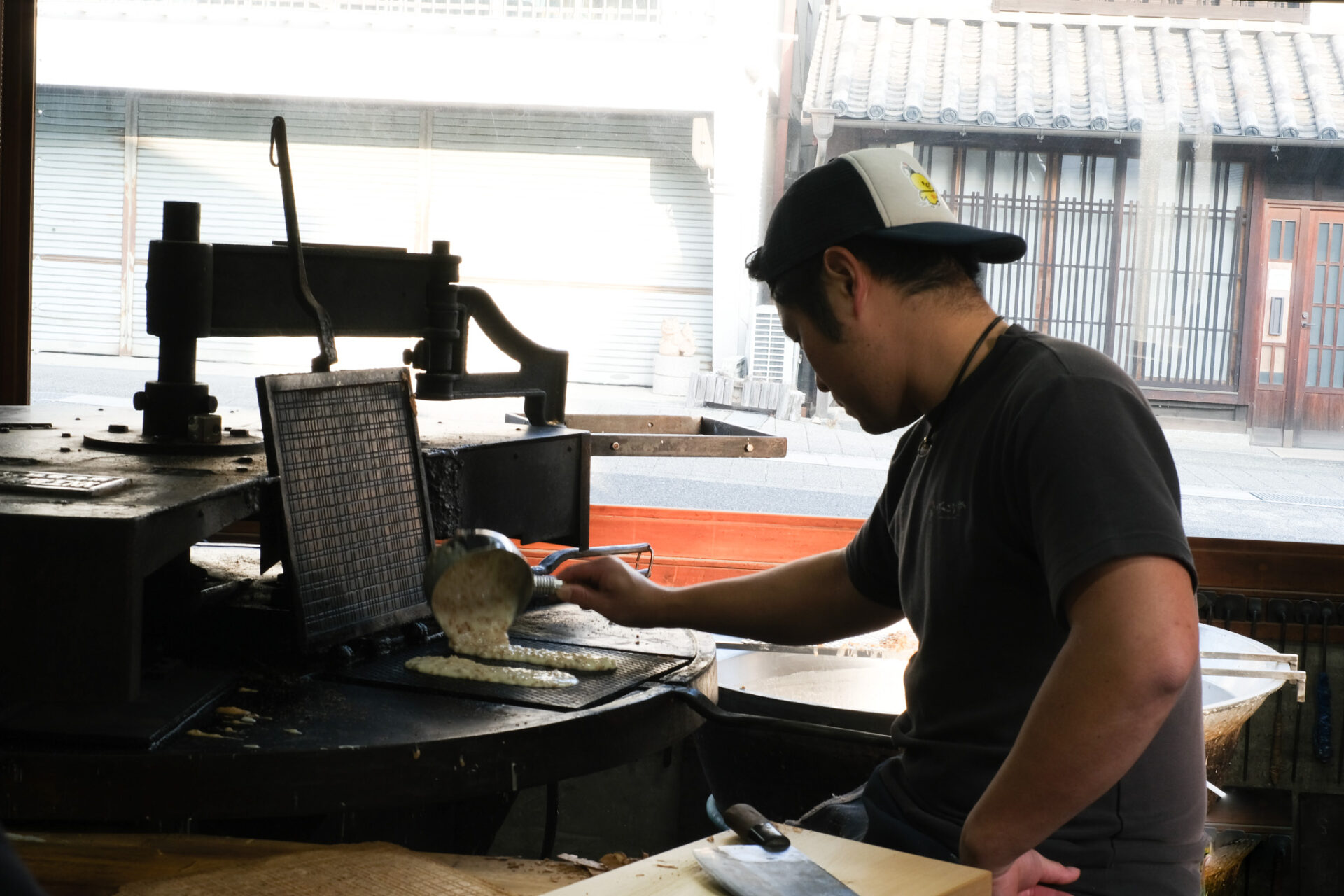
The thin rice crackers are baked automatically using a new machine at the back of the shop, but all the others are hand-baked one by one using the machine out front.
Are you particular about the ingredients or where they come from?
Hori
We’re not particularly particular about where they come from, but we use high-quality ingredients such as flour and sugar.
A supplier once asked in surprise, “You use such high-quality sugar in rice crackers?”
My late father often said, “You can’t make anything delicious if you skimp on the ingredients.”
Yakage Shopping Street: a tourist destination and a place where people live
What makes Yakage Shopping Street special?
Hori
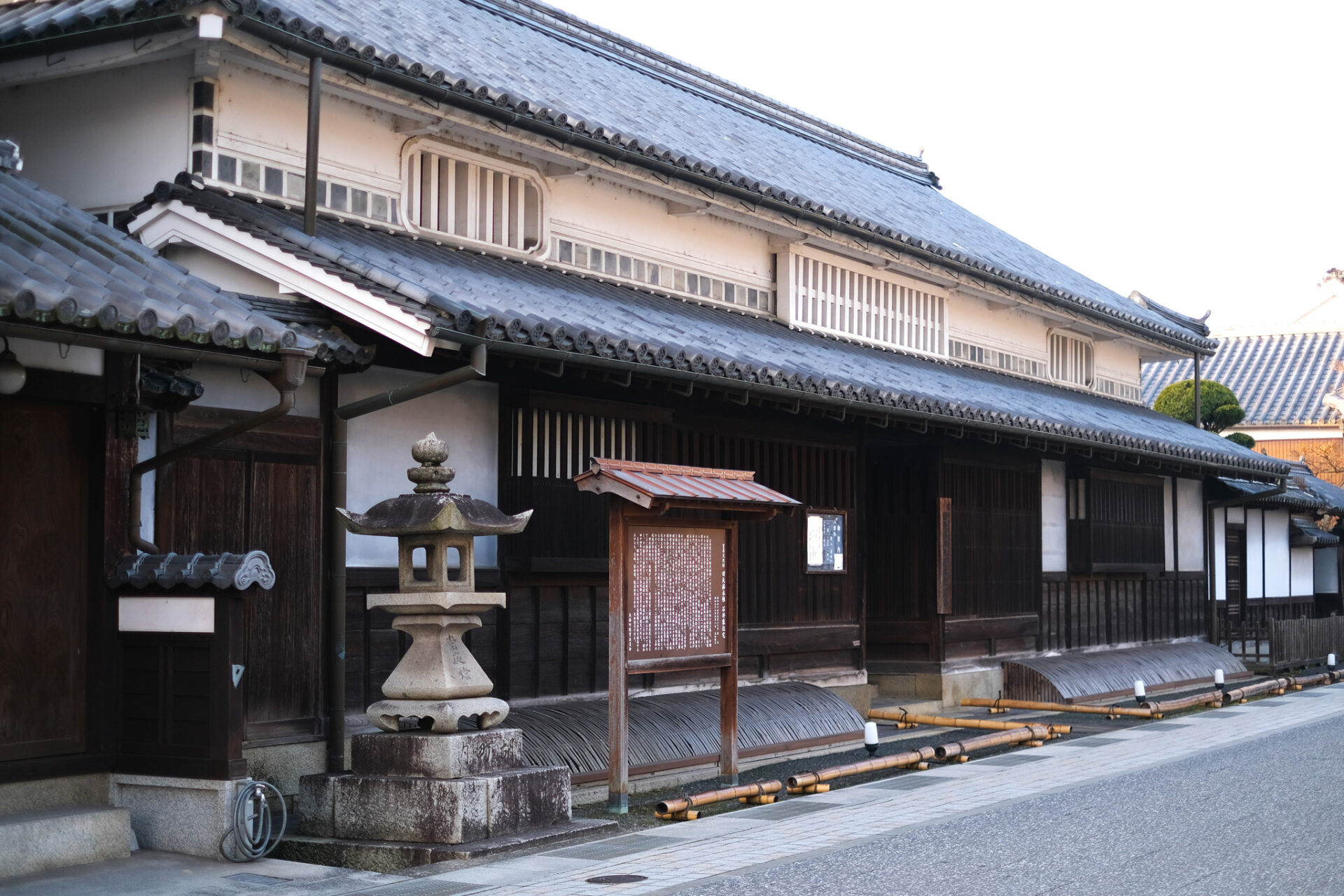
It’s getting more attention as a tourist destination, but “people live here” is its greatest appeal.
I think that many famous tourist destinations with similar streetscapes are bustling with tourists during the day, but have no one around at night.
Yakage has schools, a hospital, the town office, and a supermarket where you can shop. It’s a place where people live ordinary lives.
It’s unusual for a tourist destination and a place where people live to be one and the same, as they are in Yakage.
Yakage also has generous child-rearing support programs, including free medical care through the end of the fiscal year in which children turn 18 (their third year of high school).
It’s our generation’s responsibility to create an environment where children born here can think, “Yes, Yakage really is a great place.”
We probably can’t stop Yakage Town’s population from declining, but I’d like to make the downward trend a little less steep.
Making Yakage Town a place where shops and people gather
What are your plans for the future of Bokko-do?
Hori
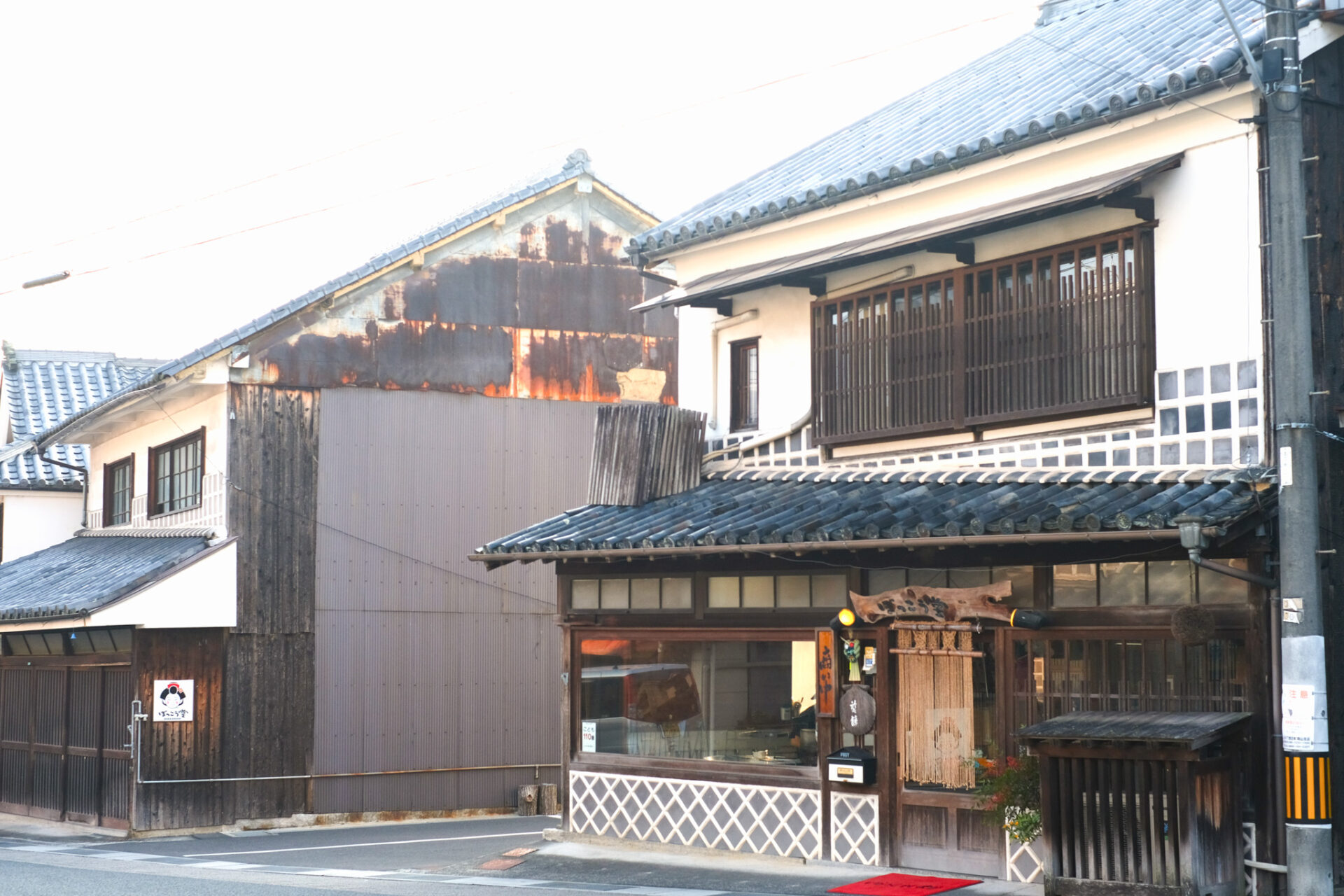
Actually, I bought the house next to the parking lot.
This house is quite old, too.
I could fix it up and run it myself, but I’m also thinking it might be good to let young people who want to do something in Yakage use it as a shop where they can try out their ideas.
We could lend it for a week or two to someone who wants to try running a ramen shop, or for a month to someone who wants to make and sell accessories, and provide the tools and set up the space for them.
Before opening a permanent shop, they could run a shop here and get some hands-on experience. I hope they can make their dream of owning a shop come true.
Yakage Shopping Street still needs many more shops, including places to eat.
Bokko-do could sell cream soda or roasted sweet potatoes in the new shop, or the third-generation owner, who has experience working at an izakaya, could open a shot bar.
It would be great if one shop that can do anything opened, people came, and then more shops opened, with the new businesses eventually contributing to the town.
From the Writer
As you walk along, admiring the historic buildings and streetscape of Yakage Shopping Street, you can certainly sense the lives of the people who live here.
Among the nationally designated Important Cultural Properties, such as the Former Yakage Honjin Ishii Residence and the Former Yakage Wakihonjin Takakusa Residence, are long-established butcher shops and flower shops, hair salons, and stylish cafes in renovated old houses.
If you visit Bokko-do early in the morning, you may get to see rice crackers being baked on the iron machine out front.
This rice cracker shop preserves its unchanged flavor in a historic tourist destination and shopping street where people live ordinary lives.
While preserving Bokko-do’s flavor, Hori is also working hard to promote Yakage Town through his activities with the Yakage Town Tourism and Exchange Promotion Organization, a general incorporated foundation.
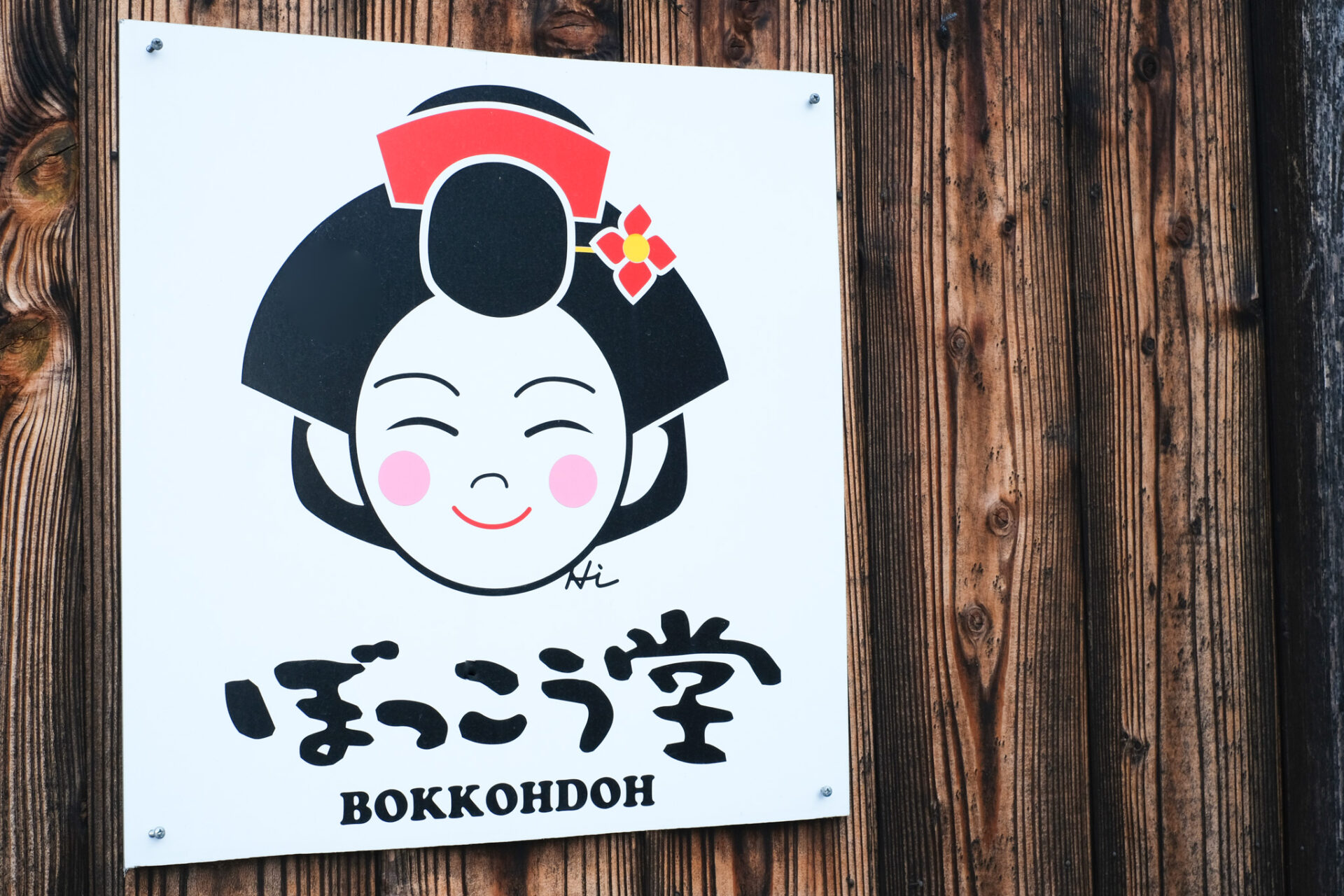
Just as the logo of Atsuhime seems to be smiling, we’re very excited to see what the future holds for Bokko-do.
Bokko-do information

| Name | Bokko-do |
|---|---|
| Address | 3198 Yakage, Yakage Town, Oda District, Okayama Prefecture 714-1201 |
| Contact | 0866-82-0369 |
| Parking | Available Two spaces on the east side of the shop |
| Hours | 8:00 a.m.–6:00 p.m. |
| Closed | Irregular holidays |
| Payment methods |
|
| Reservations | Not accepted |
| Restroom | No restroom |


What would you like to know about Kurashiki?
Enter a word to search articles on this site