Why make wine with Muscat of Alexandria?
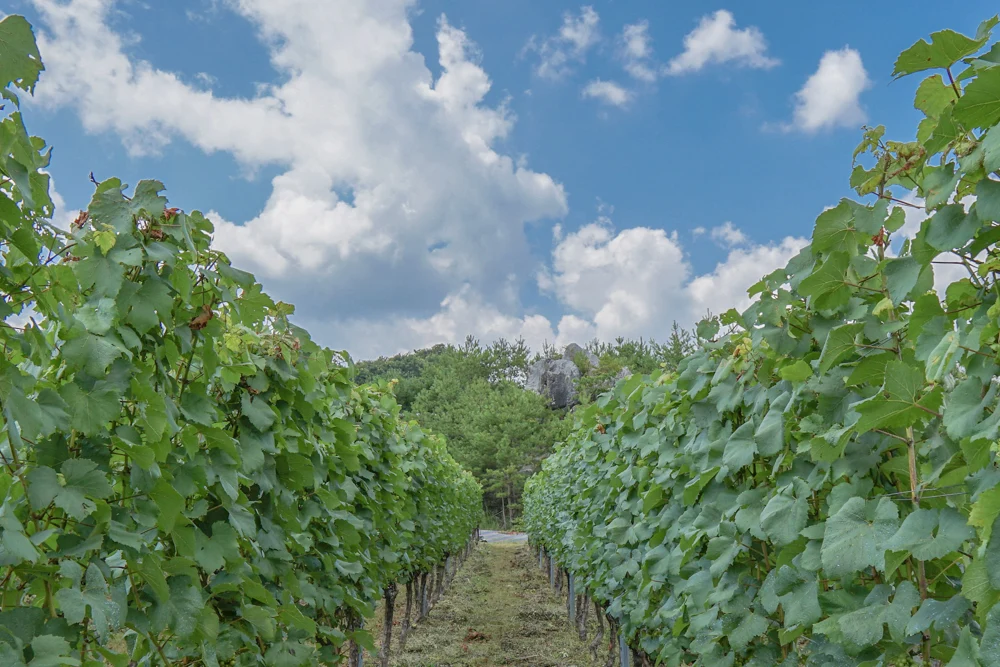
GRAPE SHIP grows grapes and makes wine in the Funao district of Kurashiki City. We spoke with its representative director, Matsui Kazunori.
As demand shifts from Muscat of Alexandria to Shine Muscat, tell us why you are committed to continuing to grow it.
Matsui (honorific omitted)
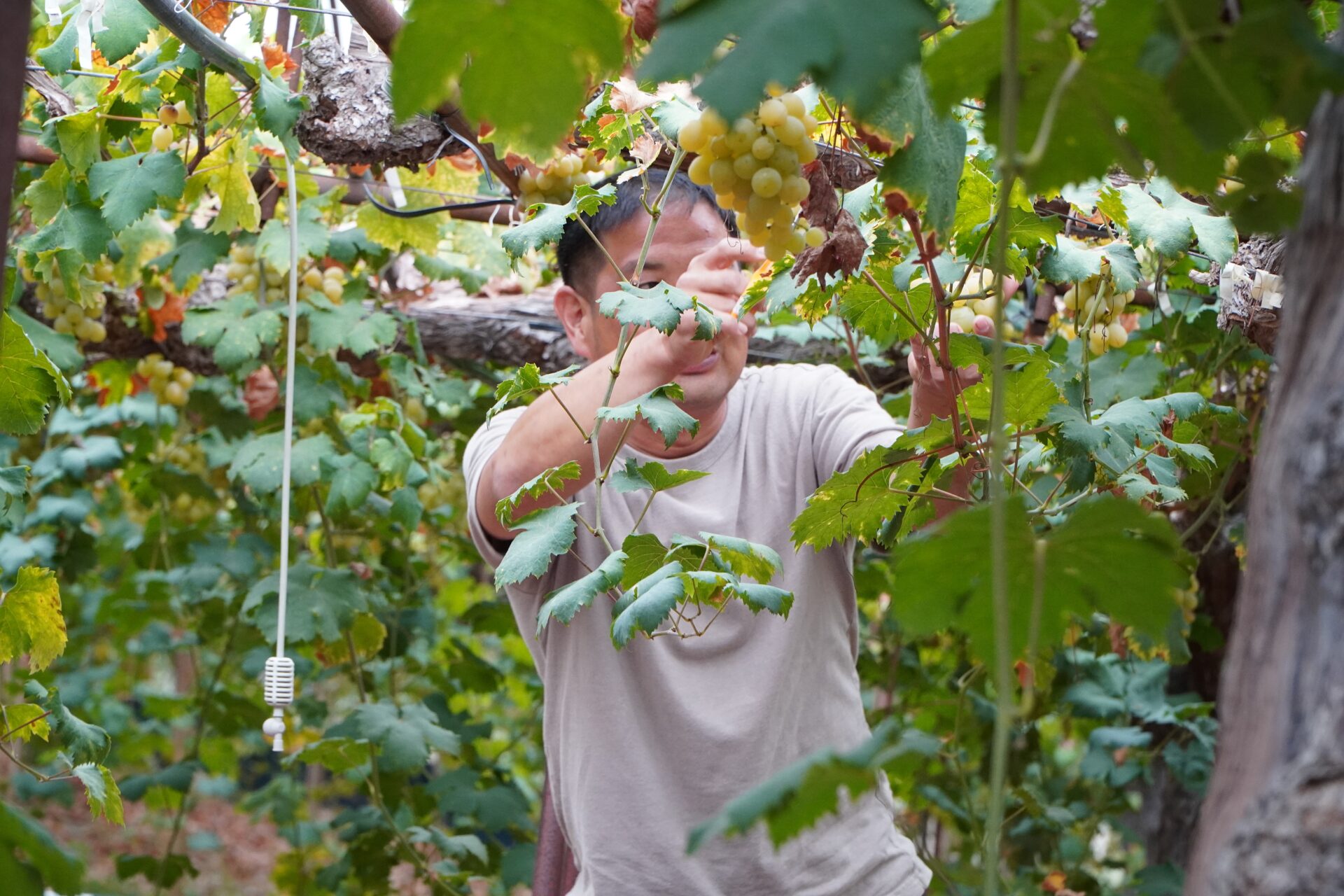
The new farmer recruitment program was limited to Muscat of Alexandria, so I started growing it. While I was growing grapes, the Shine Muscat boom began. Shine Muscat became popular, and the grape industry as a whole started doing well.
Meanwhile, the number of Muscat of Alexandria growers has steadily declined. I think there are only about 10 growers left in the Funao district now.
You can make wine with Shine Muscat, too. It’s a variety grown all over Japan.
But I think it would be sad if the 130-year history of growing Muscat of Alexandria in Okayama Prefecture came to an end, so I keep growing it.
The general term for white grapes is “muscat,” isn’t it? That shows how familiar its taste and aroma are to Japanese people. I believe it was the efforts of Okayama residents that made it so widespread that “muscat” became a word. It would be sad to see it replaced by Shine Muscat, so I continue to grow it for eating, too. I hope it can be passed down to future generations.
Another reason I’m committed to Muscat of Alexandria is that I need it for the wine I want to make. When I was in my twenties, the first natural wine I ever drank was made by Ooka-san. It was made from Muscat Hamburg, a cross between Muscat of Alexandria and the black grape variety Black Hamburg.
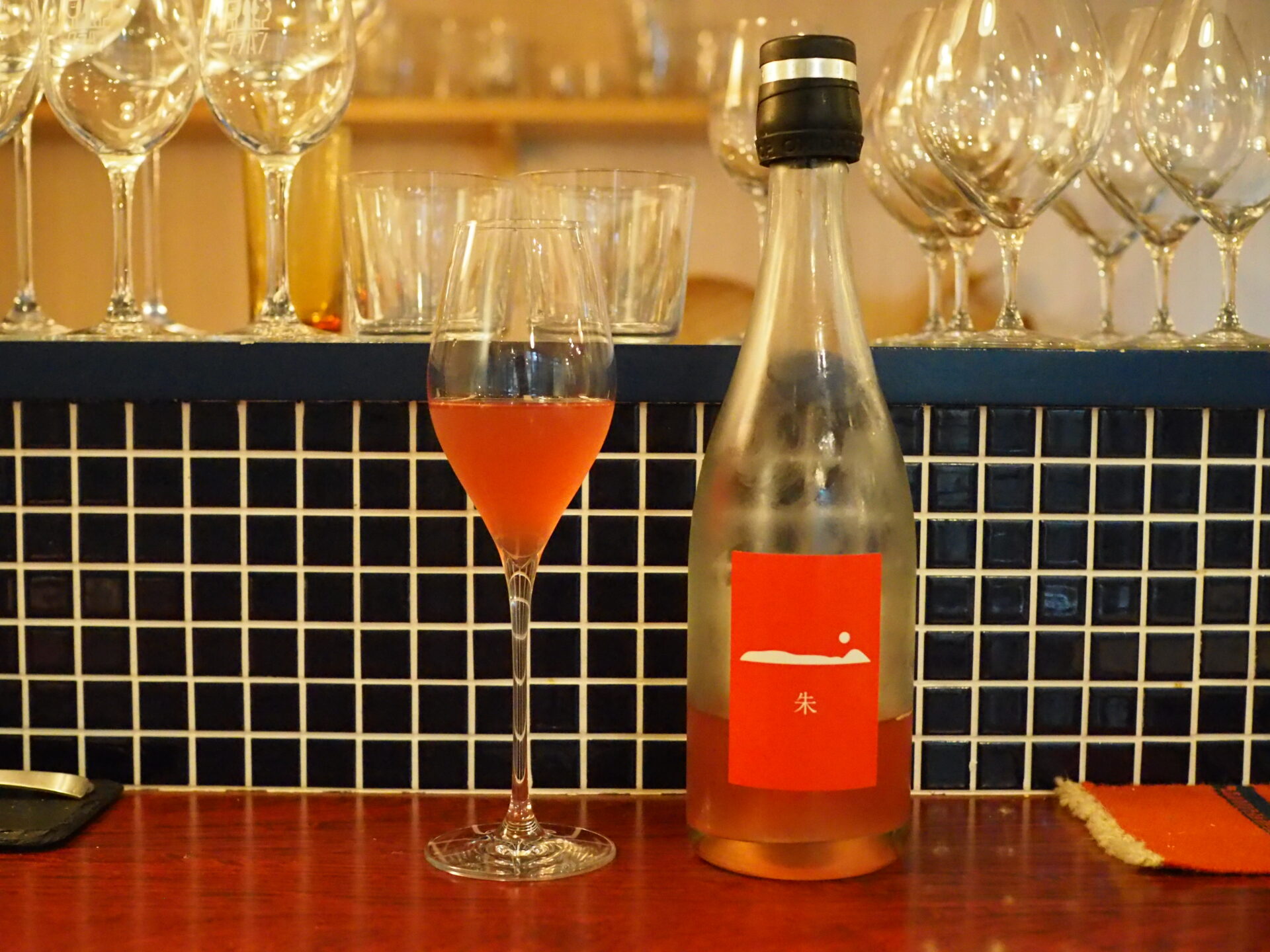
I wanted to share with people around me the excitement I felt when I discovered this wine, and I wanted to drink it myself. So I blended Muscat of Alexandria with a black grape variety to make a rosé wine called “Ake.”
I want to spread risk-free winemaking
What are the benefits of winemaking?
Matsui
The amount of farmland cultivated by each household is very small. So, on a small plot of land, you need to make a profit by producing high-quality, high-priced products.
With the number of farmers declining in recent years, the amount of land cultivated per person needs to increase. But if you want to keep prices the same, I think processing the produce is the best approach. Among the options, winemaking offers the potential to aim higher. Though we’re not looking to make that much profit.
If the production area per person increases, it can also help reduce abandoned farmland. By adding processing while continuing to grow high-quality grapes, income increases and work hours can be spread out. If young people who come to this area imitate what I’m doing, I think they’ll be able to see a way to make a living.
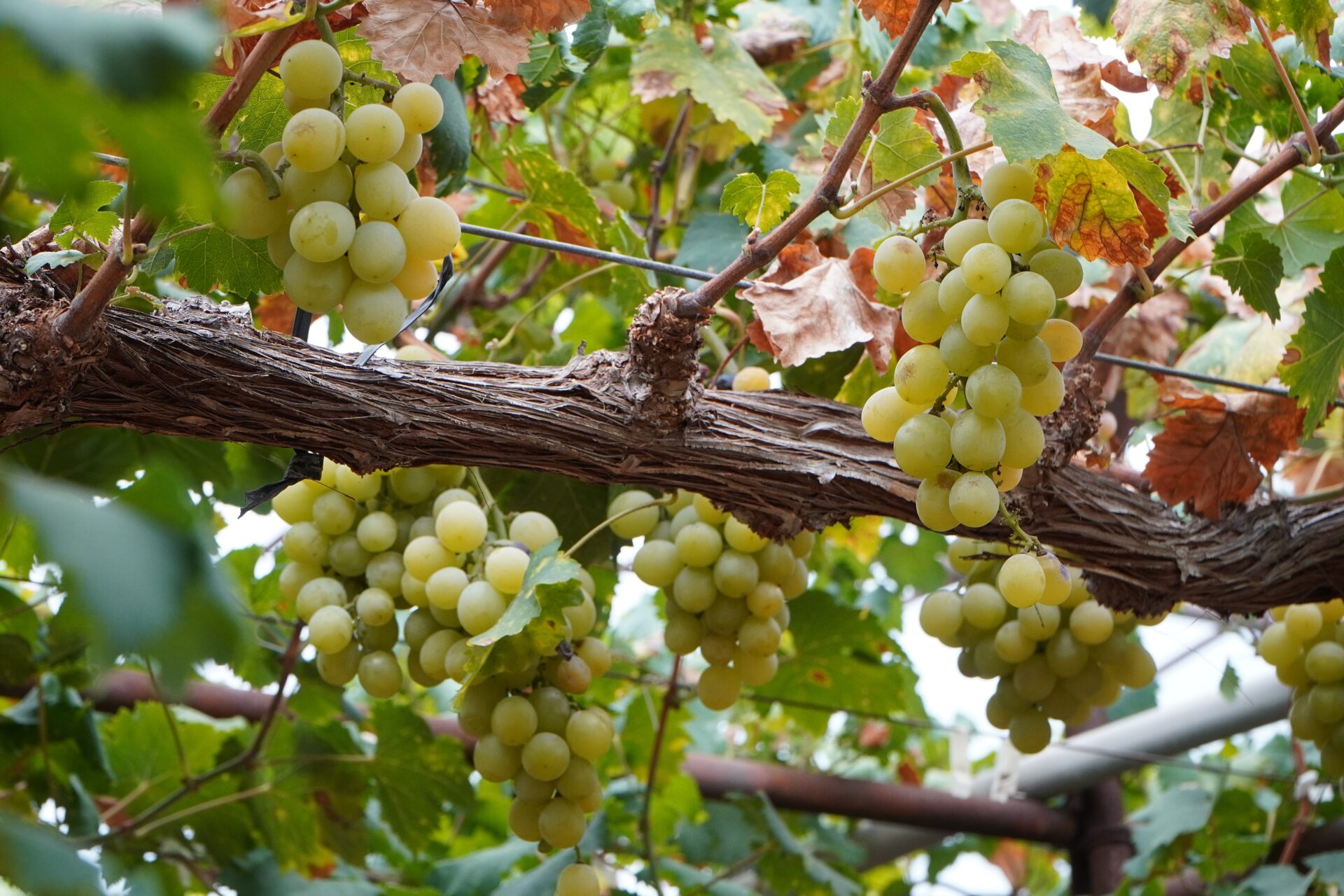
Natural winemaking is basically all risk. Natural wine requires organically grown grapes. But even before making wine, growing grapes organically is a risk. To call your produce organic, you need certification, and apparently getting it is considered ridiculous. I’m the only one in Okayama Prefecture who has obtained certification. While there are people in other prefectures who have obtained it, I thought, “If no one else is going to get it, I will,” and got certified.
It’s also a risk that the wine is unstable because we don’t add additives such as preservatives.
Natural wine can vary in taste and isn’t stable, so making it artificially can produce more consistent results. But I think it’s fine for the taste to vary each year—that’s simply the taste of that year.
How to enjoy GRAPE SHIP natural wine in a way unique to Okayama
It seems that local restaurants eagerly await the shipping season.
Matsui
I’m grateful to be in an environment where people tell me they can’t get enough.
Basically, GRAPE SHIP’s wine is consumed locally. I don’t think transportation itself is natural, so I believe it should be consumed locally as much as possible.
Are there ways to enjoy GRAPE SHIP natural wine that are unique to Okayama?
Matsui
I’d like people to pair it with local ingredients and processed foods. Local ingredients, harvested locally, consumed by local people.
The other day, I worked with Uoharu of Chayamachi, Kurashiki City, at a market. Uoharu paired the wine with fish all sourced from the Takahashi River Basin. They carefully processed fish that fishermen would otherwise release because they couldn’t make money from them (returning caught fish to the water without killing them), showing that these fish can also be made delicious. We brought natural wine requested by the event organizers to go with those fish dishes and held an event together.
I was very grateful, and happy that people paired the wine with local products. I’d like people to enjoy it that way, both visitors from outside the prefecture and local residents.
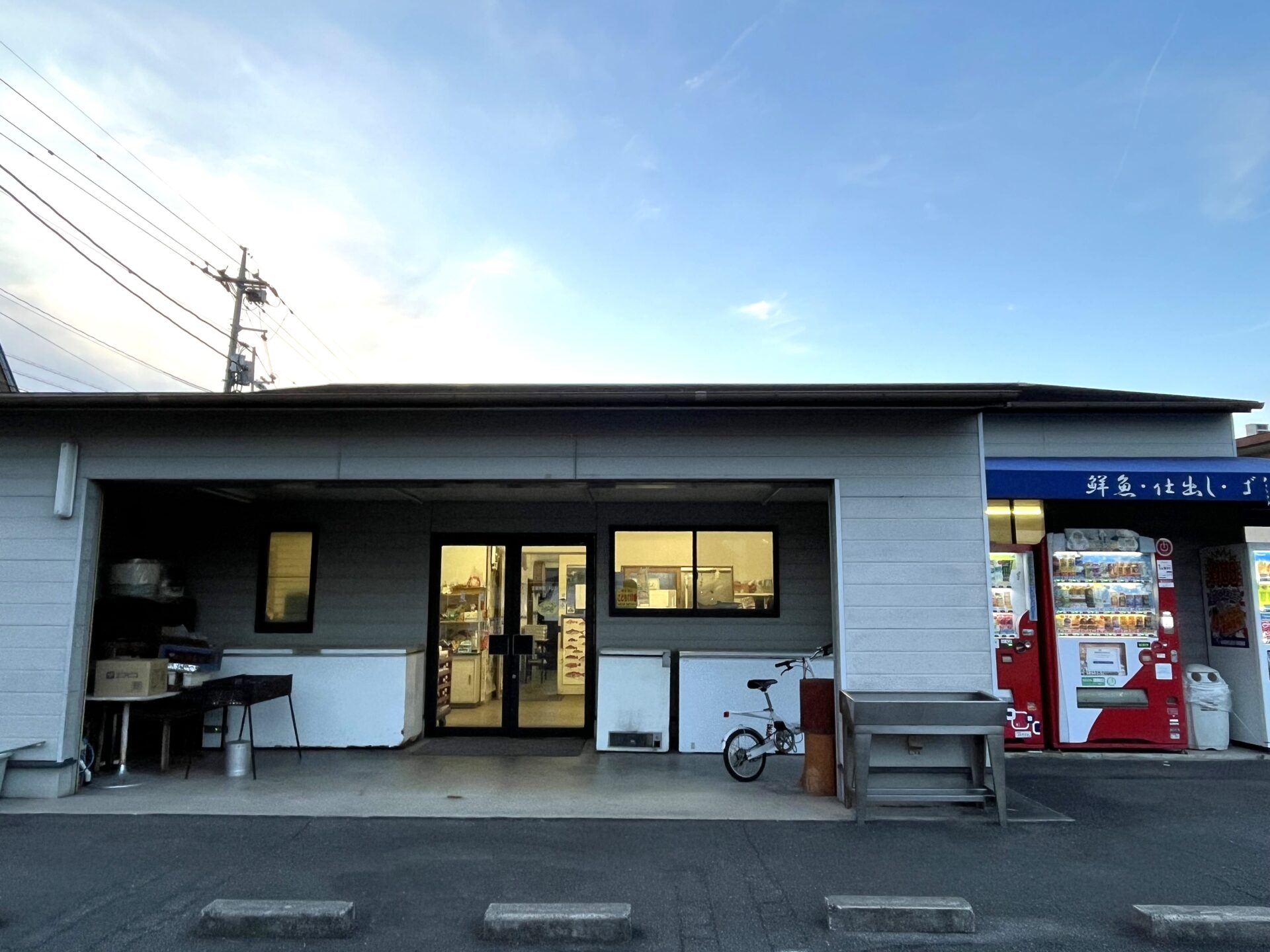
Just as Uoharu cares for fish that others overlook, I look at the state of grape farming, the way people think about it, and what’s right in front of us, and make products that are consumed in the region. I want to build an environment where we can feel that Okayama is a wonderful place.
Matsui keeps taking on challenges
Is there anything you’re working on now?
Matsui
Making natural wine from peaches. I’m hoping to release it next summer (2025). There’s a farmer nearby who grows peaches organically. I imagine organic farming results in a lot of waste. I asked them to give me any they would otherwise discard.

I’ve already tested making wine with regular peaches that aren’t organically grown. I’d been hoping to get organically grown peaches, and then, through a connection, I was able to get some.
In the test, I fermented Hakuhou and Shimizu Hakuto separately, and their varietal characteristics were completely different. I was surprised. Hakuhou had the peach-like aroma. Hakuhou is a silky peach, and when you drink it as wine, the aroma comes through smoothly, making it really smell as if you’re eating a peach. It has low sugar content, so it’s dry. Shimizu Hakuto has a good flavor.
From the Writer
I first learned about GRAPE SHIP at a restaurant in Kurashiki City. I remember the restaurant staff happily telling me that high-quality natural wine was being made in Kurashiki City.
Because they take such care in making it, production is limited. By chance, I went to a restaurant that still had a little left and tried Ake. It had a rich, pleasantly muscat-like aroma, but was light and dry on the palate. I had thought wine made from Muscat of Alexandria would be sweet, like an aperitif, so I was surprised by how well it went with food. It was the moment I discovered a new side of Muscat of Alexandria.
The natural wine Matsui makes is more than just delicious. Through the interview, I learned that it helps preserve Okayama’s grape-growing culture and reduce abandoned farmland.
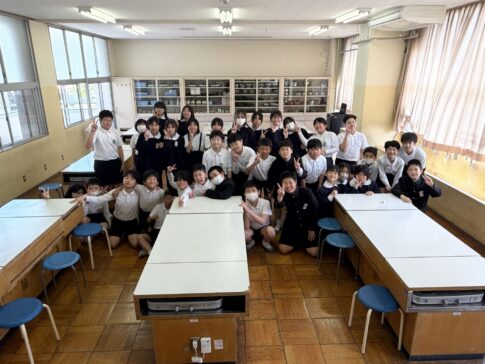
I was also moved to learn that, through food education activities, he gives children opportunities to learn about agriculture and the treasures of their region.
I feel that a new food culture may grow from GRAPE SHIP’s natural wine. I’ll be keeping an eye on Matsui’s work in the future.
GRAPE SHIP details
| Name | GRAPE SHIP |
|---|---|
| Address | 7153-1 Funao, Funao-cho, Kurashiki City, Okayama Prefecture |
| Contact | Not disclosed |
| Website | GRAPE SHIP |


What would you like to know about Kurashiki?
Enter a search term to find articles on this site