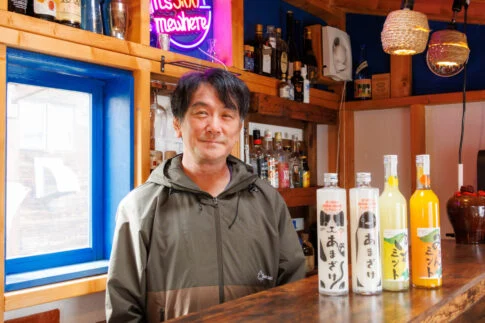
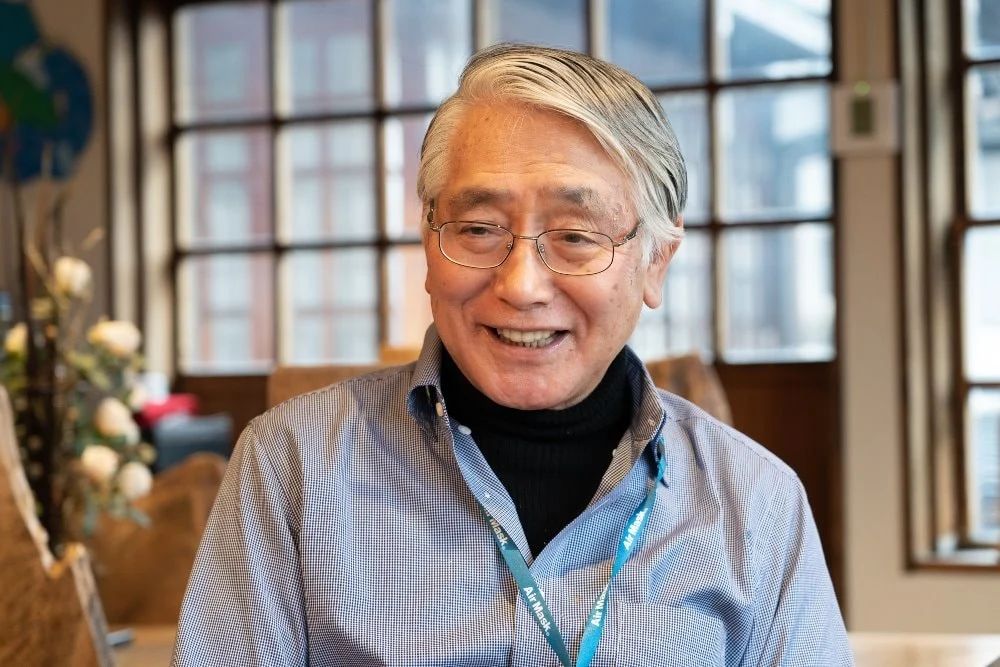
I want to deliver good products made by good people. Interview with Heisui-ken owner, Morita Shoichiro
This interview is based on the content from the first interview conducted in February 2020.
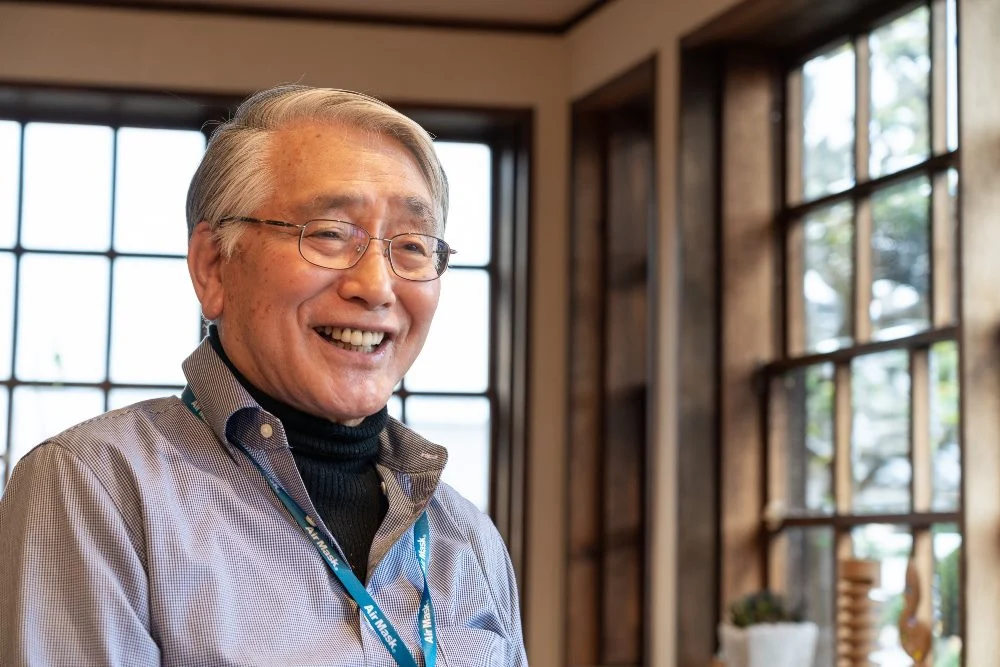
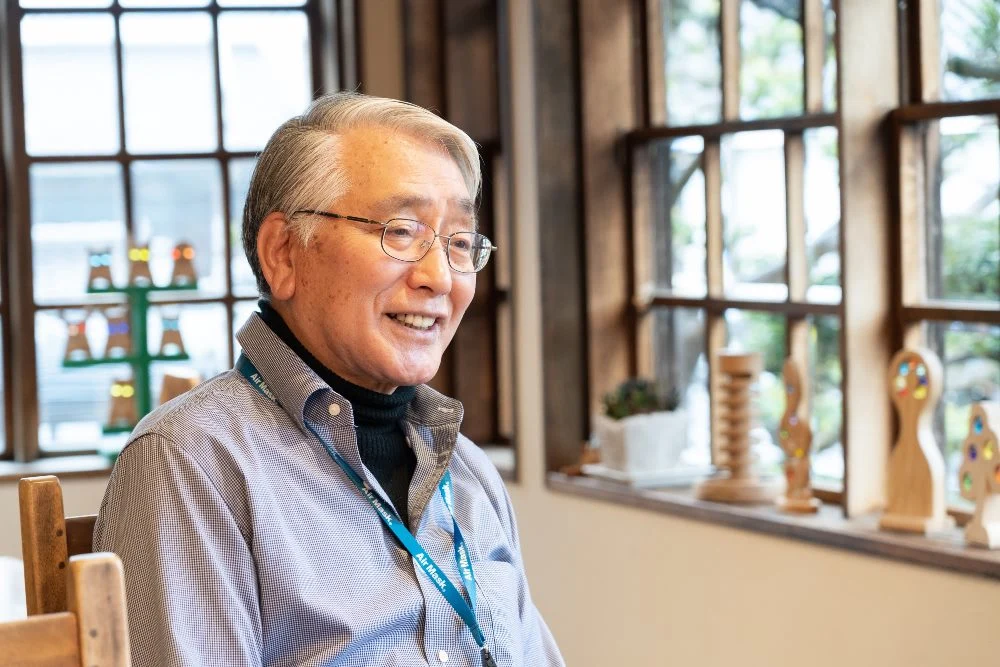
Heisui-ken attracts customers from all over the country, but what made you want to create such a store?
Morita
Originally, we have been making sake since my grandfather's generation (Morita Shuzou).
Sake brewing is a business that happens once a year.
We brew in the cold (during the low temperatures of winter), so the sake brewing period is from November to March when the new rice comes out.
That few months of a one-shot deal determines the whole year.
Of course, there are years when sake brewing does not go well, and if that continues, dissatisfaction and anxiety build up.
So, at one point, I wanted to throw everything away and went wandering aimlessly.
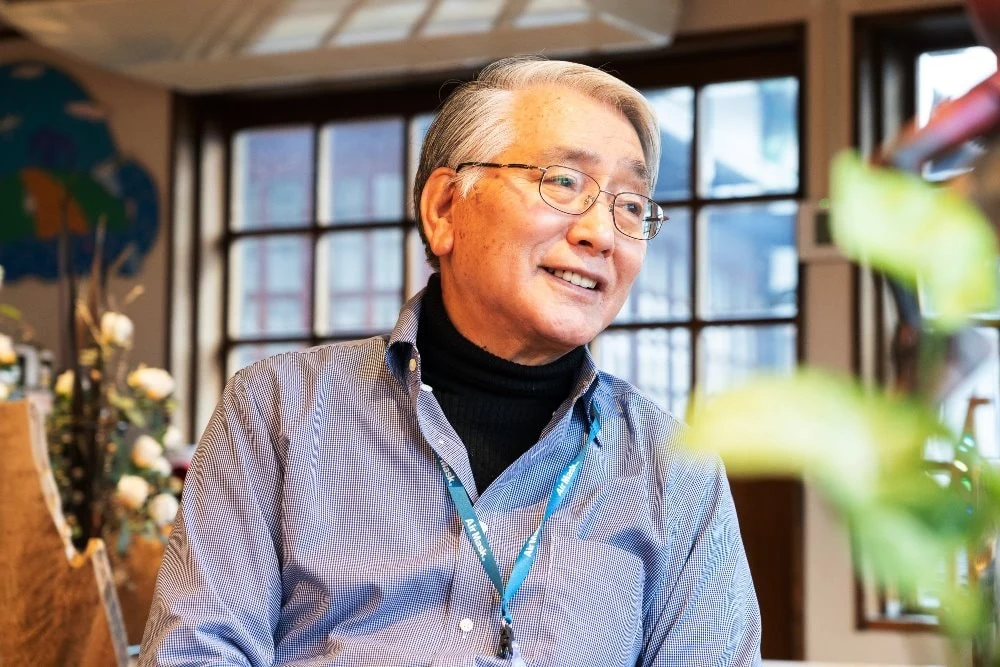
You went wandering, not in search of delicious food?
Morita
Yes, I must have gotten tired of it (laughs).
During that journey, I visited places where things are made.
I met people and things, and I gained the energy to start over again.
With the intention of giving back, I thought I wanted to create a store that sells things made by the people I met on my journey.
There are so many good people making good things across the country; it's about meeting people.
What is more important than deliciousness is whether the person making it is good.
If a good person makes it, it will definitely be a good product.
I want to sell the products of good people to those who understand them and deliver them.
I want to create that relationship at Heisui-ken.
Are there any places or foods that left a strong impression on you during your travels?
Morita
It's the Noto Peninsula. I still go there often, and the "inada buri" (young yellowtail) I encountered there is the origin.
Whenever I go somewhere, I first visit a market where the locals go.
When I went to Omicho Market in Kanazawa, I looked up and saw something that looked like driftwood, and upon closer inspection, it was shaped like a fish.
I asked a local what it was, and it turned out to be "inada buri."
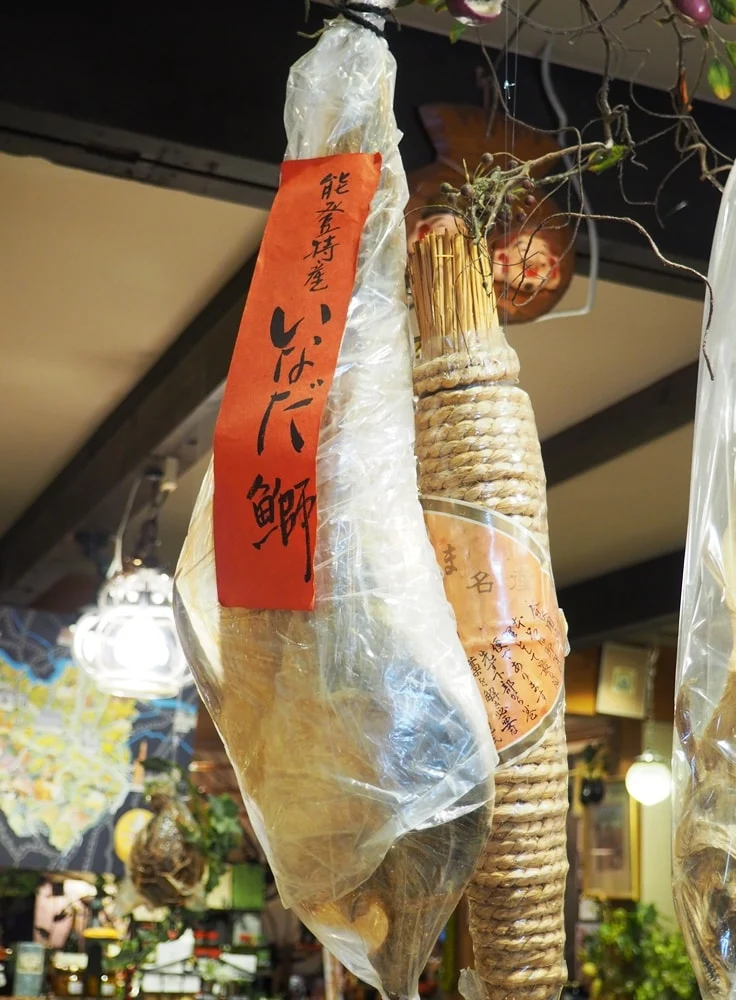
In the past, distribution was not as organized as it is now, so there was an excess of yellowtail.
They would hang the yellowtail in the shade, and at night it would freeze, then thaw in the morning.
This cycle created a hard preserved food.
When you eat it, it tastes like bonito flakes, and gradually the fat from the yellowtail seeps out.
That spirit of not being able to throw things away and the wisdom of life were alive back then.
Now, with the high prices of winter yellowtail, there are no longer people making inada buri, but I want to cherish that feeling and breath that values such things.
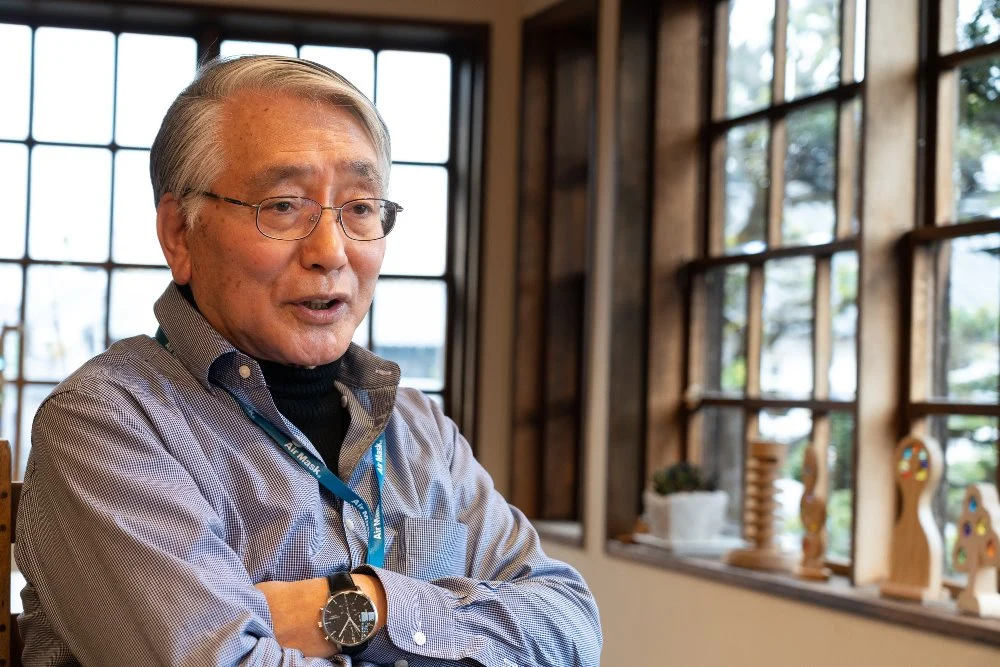
Sake brewing is the same.
To make sake, you need a lot of rice.
Using rice that might have sprouted if sown directly means crushing the potential of the rice.
There is a guilty feeling somewhere.
So, I want to cherish the idea of "wanting to somehow keep it alive."
Whether it's delicious or not doesn't matter.
Inada buri is salty and not that delicious (laughs).
But I think that's fine.
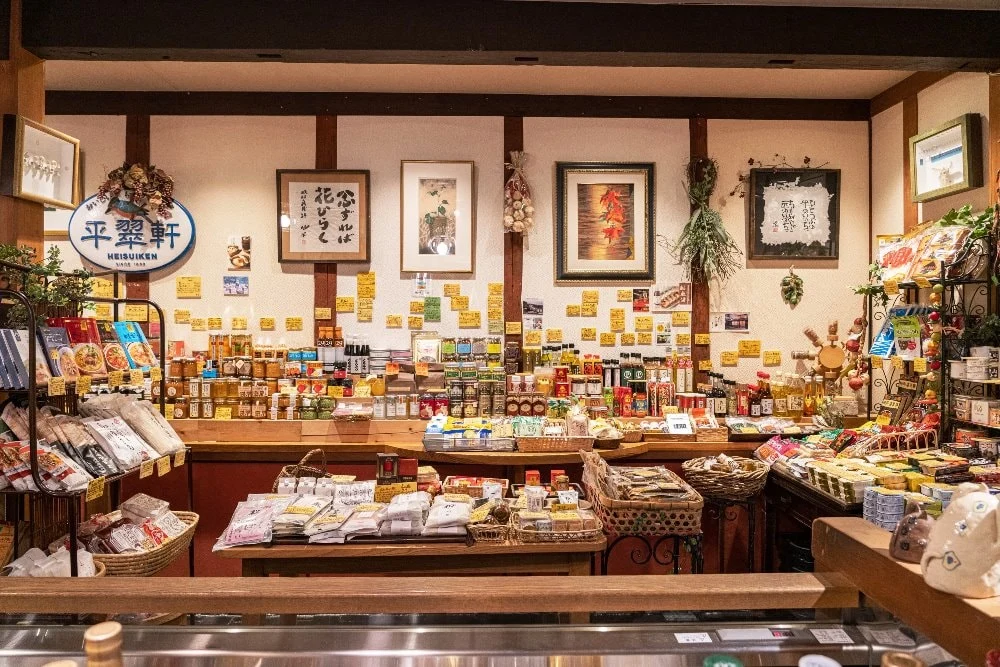
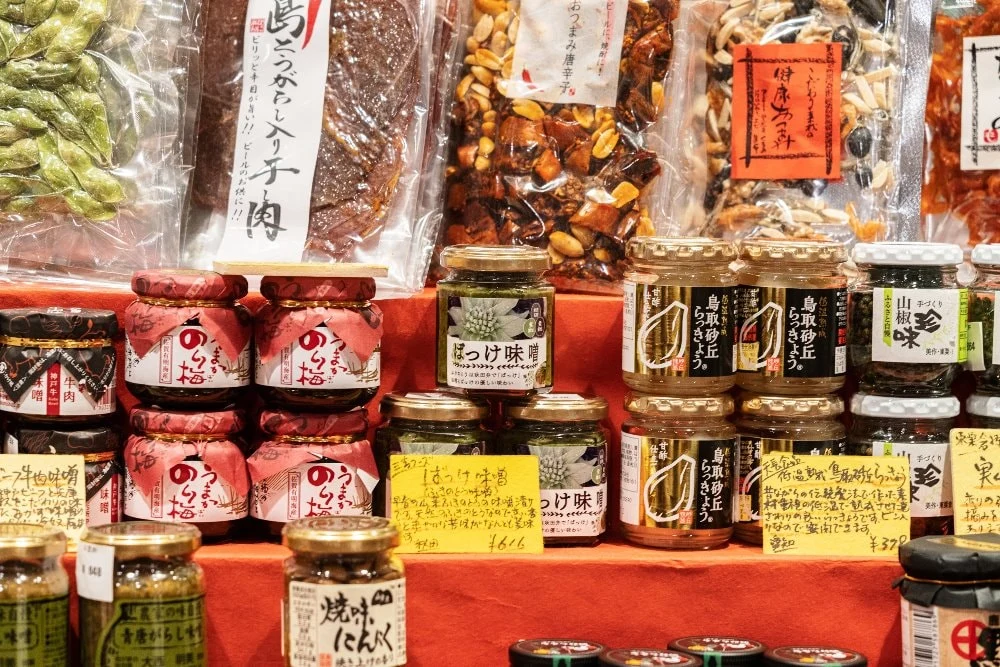
Heisui-ken has a wide variety of products.
What are your commitments in creating the store?
Morita
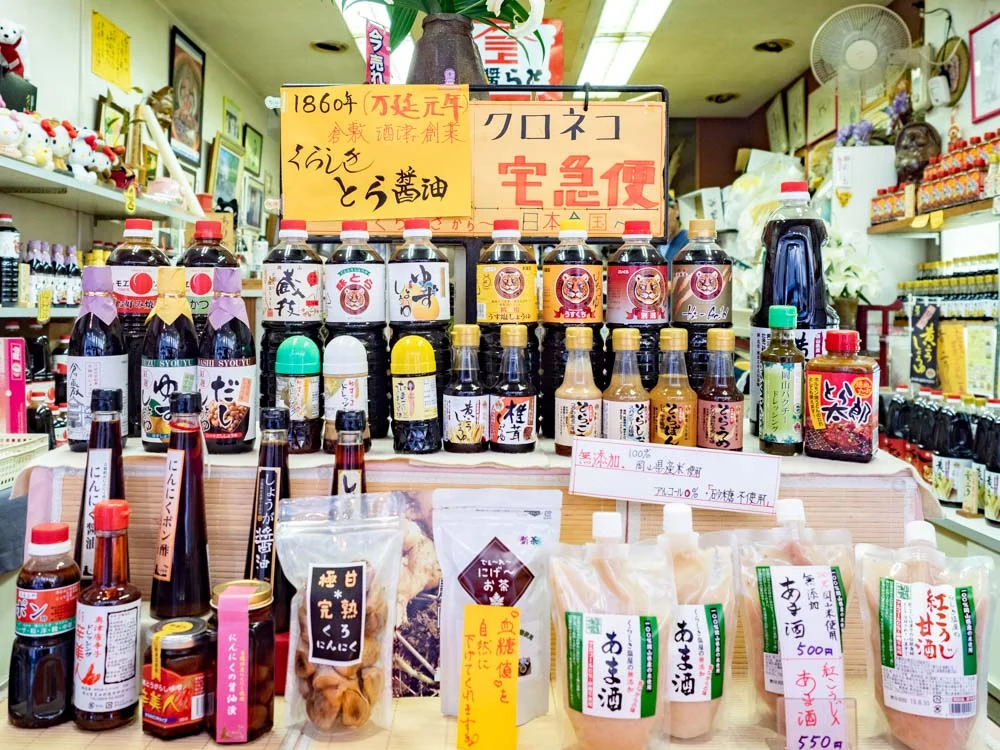
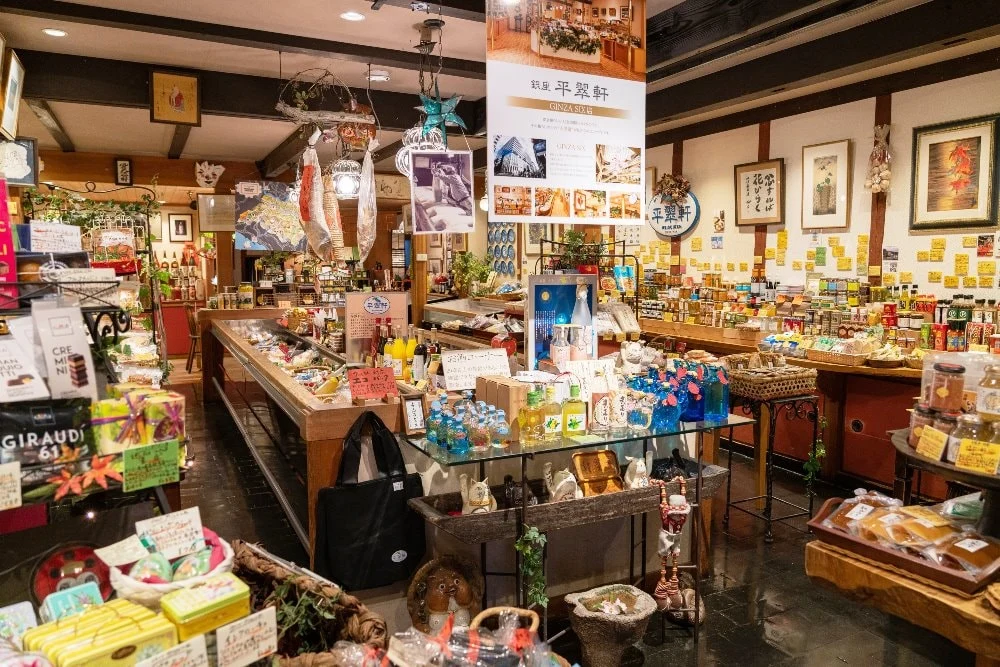
80% of Heisui-ken's customers are housewives, mainly in their 50s to 70s.
So, we create a store where they can enjoy shopping without strain.
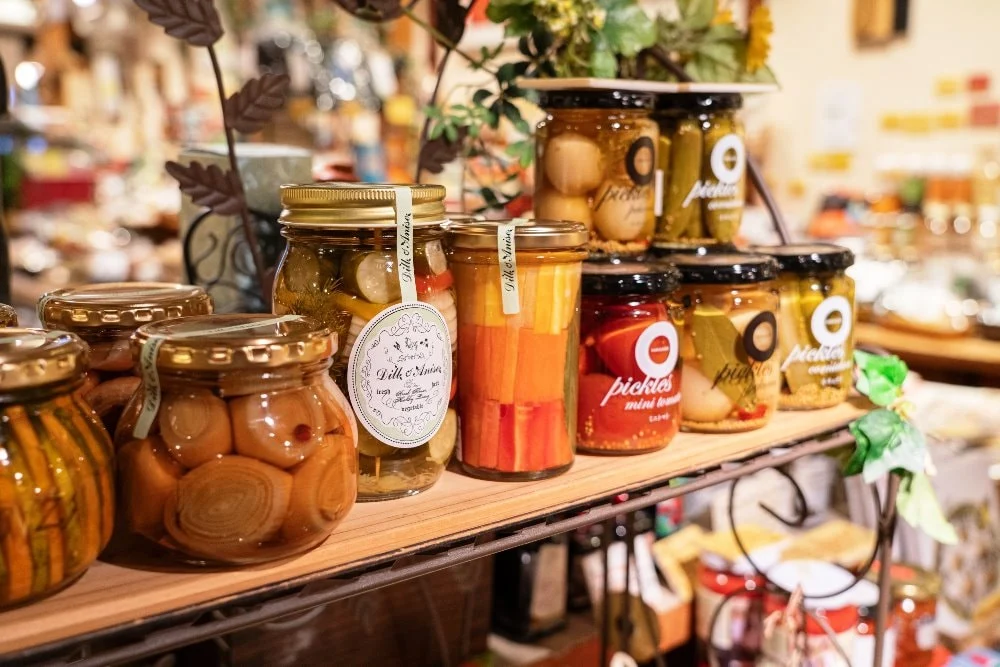
To allow customers to look comfortably, we pack products between 90 centimeters and 2 meters off the floor.
They don't have to bend their knees or strain their necks.
I am always thinking about how the main target customers view things and what the most convenient style is.
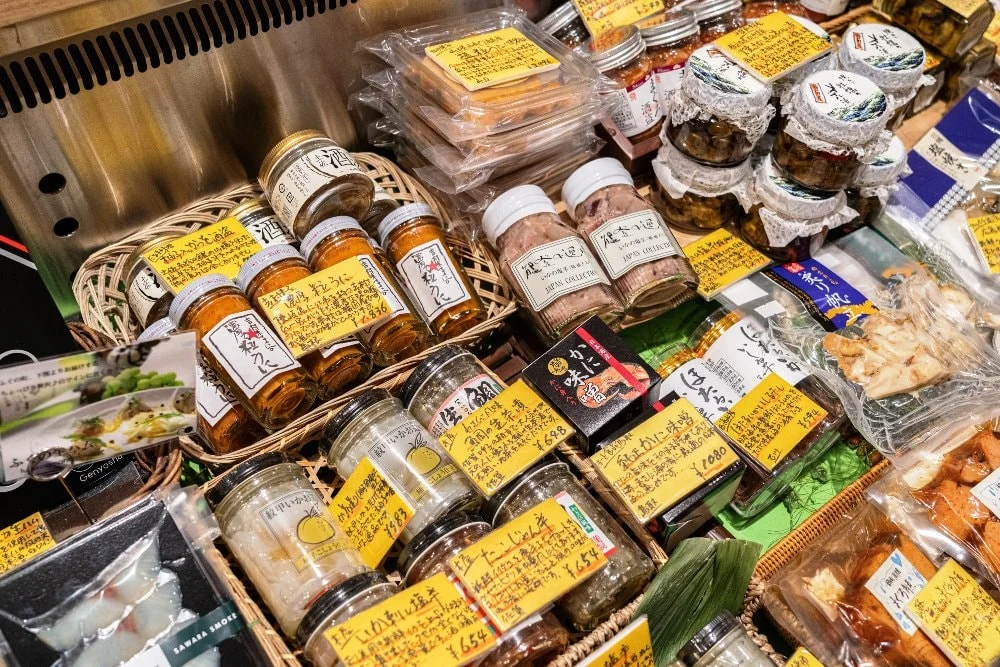
Did you see the store's pop?
That is not a fixed pop but a moving pop, which can be moved.
It's just placed on top of the products.
This way, customers can pick it up and see it in a comfortable posture and eye level, deepening their understanding of the products.
After customers look at the pop, staff always returns the pop to its original position.
This keeps everything organized and allows for smooth restocking.
It's a win-win situation.
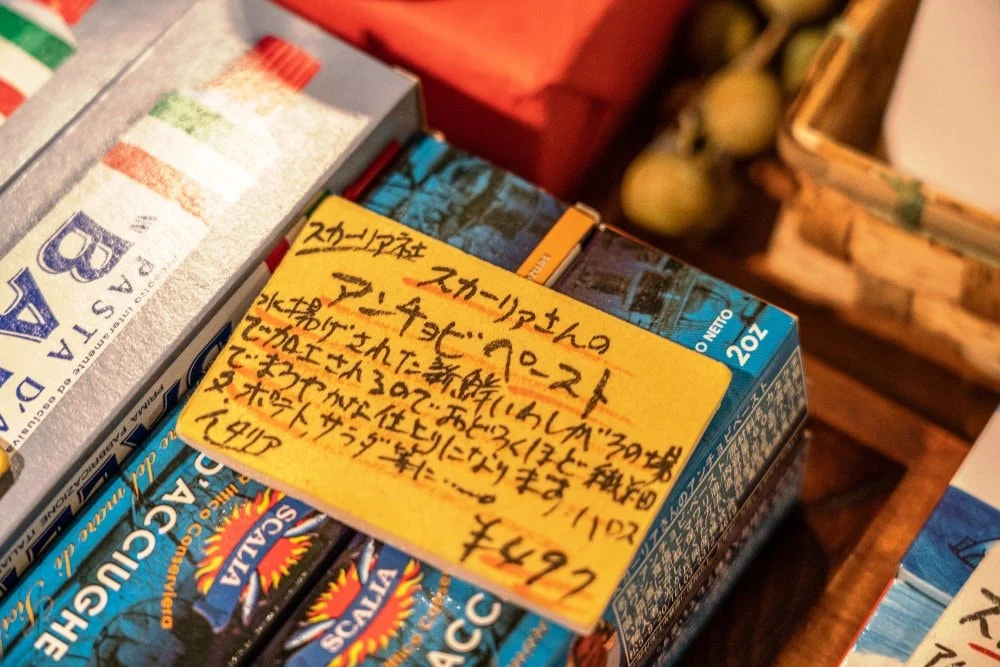
I think of the pops, and my wife writes them.
There are about 1,500 types, all of them.
Using washi paper and brushes is to incorporate them into daily life, even for Western-style items.
In a small pop, I always struggle with what words to include, limited to about 50 characters.
There are about 1,500 products, but could you tell us your particular recommendations?
Morita
This is definitely "Cheese from Yoshida Farm".
I really like Mr. Zensaku Yoshida (Yoshida Farm).
He is like the prototype of someone who makes things.
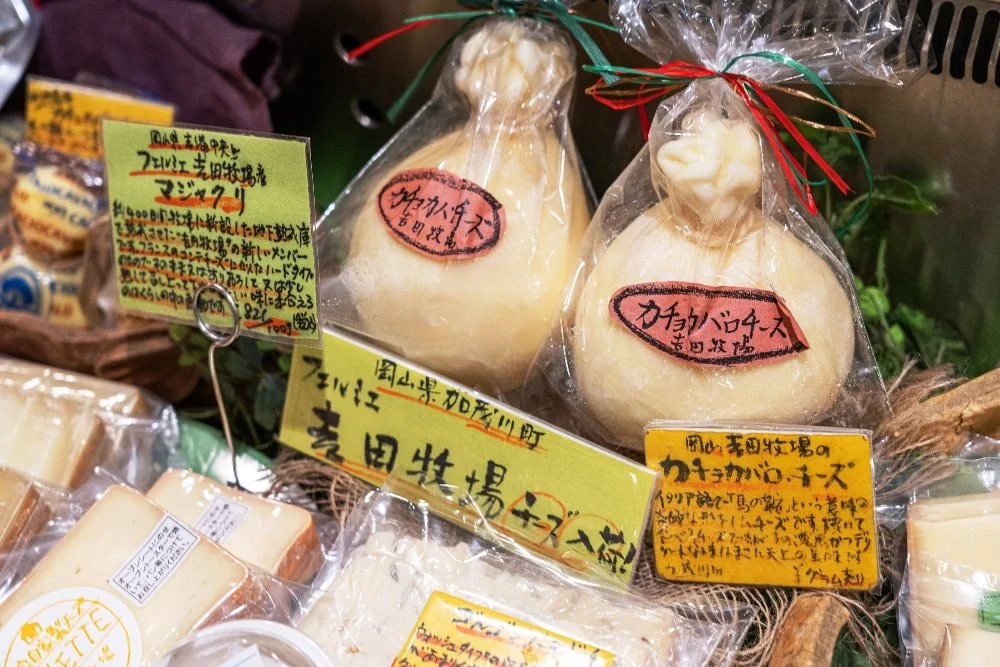
Mr. Yoshida makes cheese for his family.
Since it's cheese for his family, it can't be bad.
He is very particular about the cows, raising Brown Swiss cows himself and making cheese from their milk.
Compared to Holsteins, the milk yield is less, but Mr. Yoshida insists on using Brown Swiss for his cheese.
It takes a lot of time, effort, and money, but I admire his uncompromising attitude.
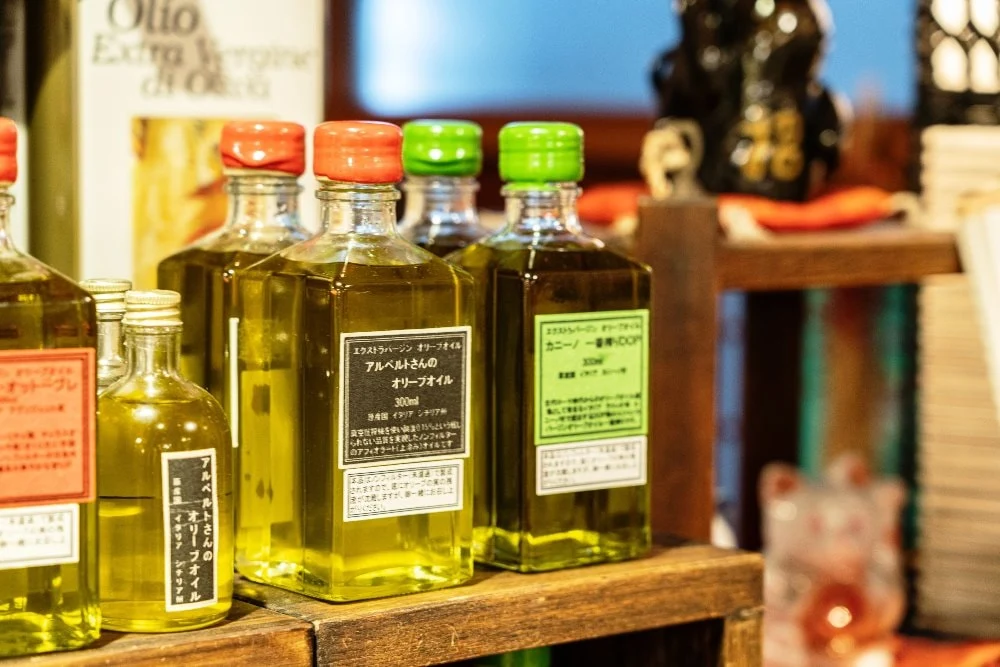
Also, olive oil.
Do you know how to select good olive oil?
Tasting it is the best way.
Authentic Italian olive oil is not oily-smelling and has a refreshing and nutty aroma like green apples.
Heisui-ken imports olive oil in 5-liter cans from Italy.
We ask individual traders to air freight it, so we can get fresh products.
Once someone uses Heisui-ken's olive oil, they won't leave it.
What are some memorable things and good experiences you've had while running the store?
Morita
Perhaps the increase in repeat customers. It has become proof that people can eat with peace of mind.
To make good products, the original materials must be good.
This is something that everyone who is serious about making things struggles with, but the better the materials, the more costs are incurred when trying to make things seriously.
Producers are troubled about how to support their families and eliminate waste.
Expensive items have their value just because they are expensive, and cheap items have their value just because they are cheap.
Good things are created by the collaboration of the makers and the users.
When trying to provide good food for my family, it requires a lot of money, which may temporarily lead to a loss, but I believe it will definitely return as a gain in the future.
There is so much to learn through food.
I think it’s not just a simple matter of delicious, bad, expensive, or cheap.
The Story Behind Deliciousness: "Heisuiten Boutique"
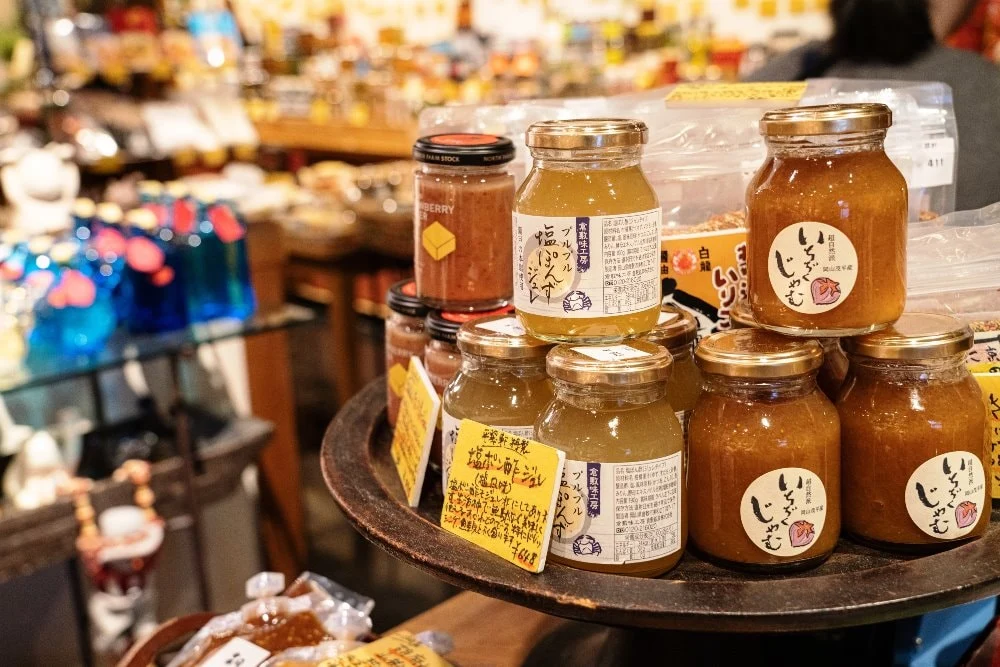
Heisuiten has a food catalog called "The Picture Book of Delicacies". In the catalog, there was a passage that read:
For us, food symbolizes a wonderful relationship with the local environment, and it is a crystallization of the irreplaceable interaction between nature and humanity.
In this age of abundance, it seems that such food is surprisingly scarce and hard to recognize.
Truly delicious and good things surely allow us to feel the thoughts of the makers.
Each product from Heisuiten feels like a trace of the encounters that President Morita has had in various places.
Food where you can see the faces of the makers and feel the stories and backgrounds.
If you visit Heisuiten, you are sure to find your favorite item.
Data on Heisuiten Boutique
| Name | Heisuiten Boutique |
|---|---|
| Address | 8-8 Honmachi, Kurashiki City, Okayama Prefecture |
| Contact | 086-427-1147 |
| Parking | None |
| Business Hours | 10:00 AM - 6:00 PM |
| Closed | Monday |
| Payment Methods |
|
| Website | Kurashiki Heisuiten |