Interview with the Kamiyama Washi Preservation Society, conveying the charm of washi and the inheritance of techniques
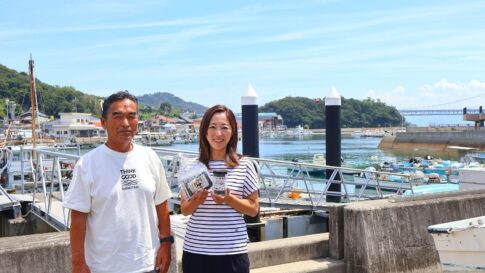
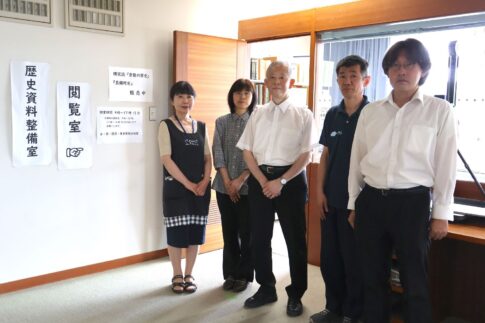
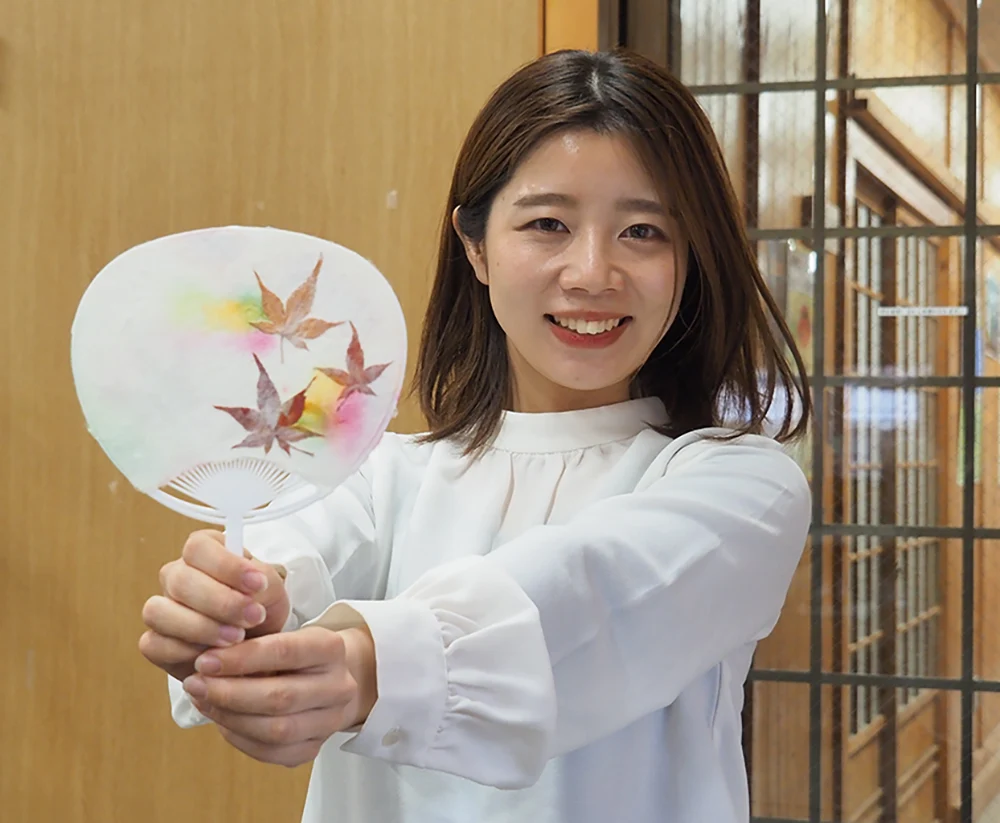
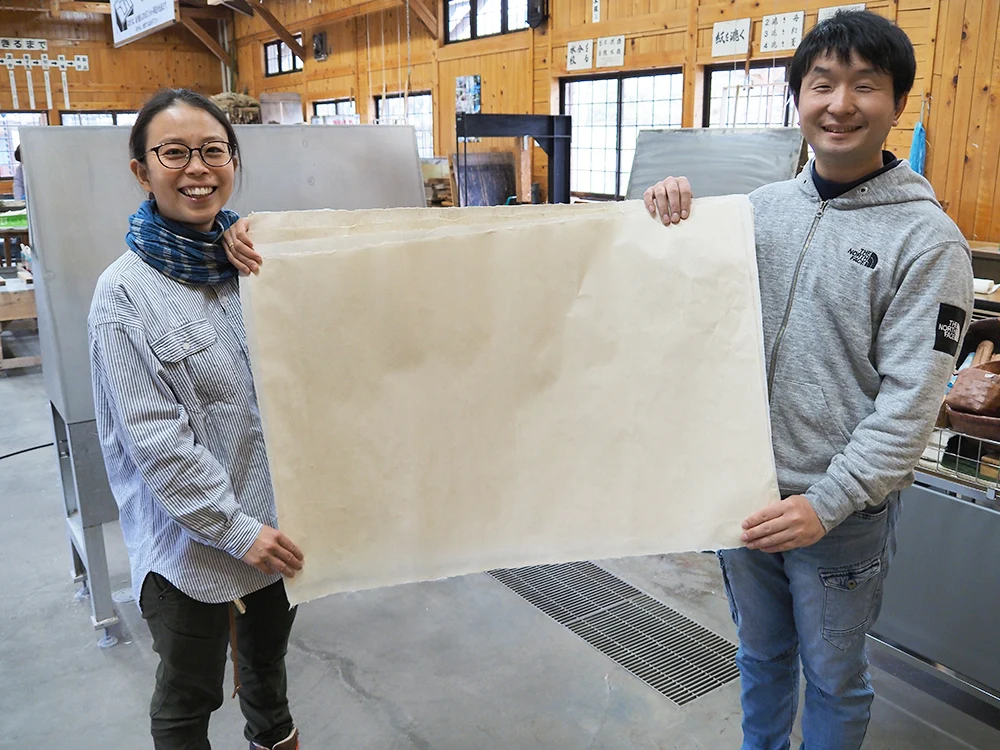
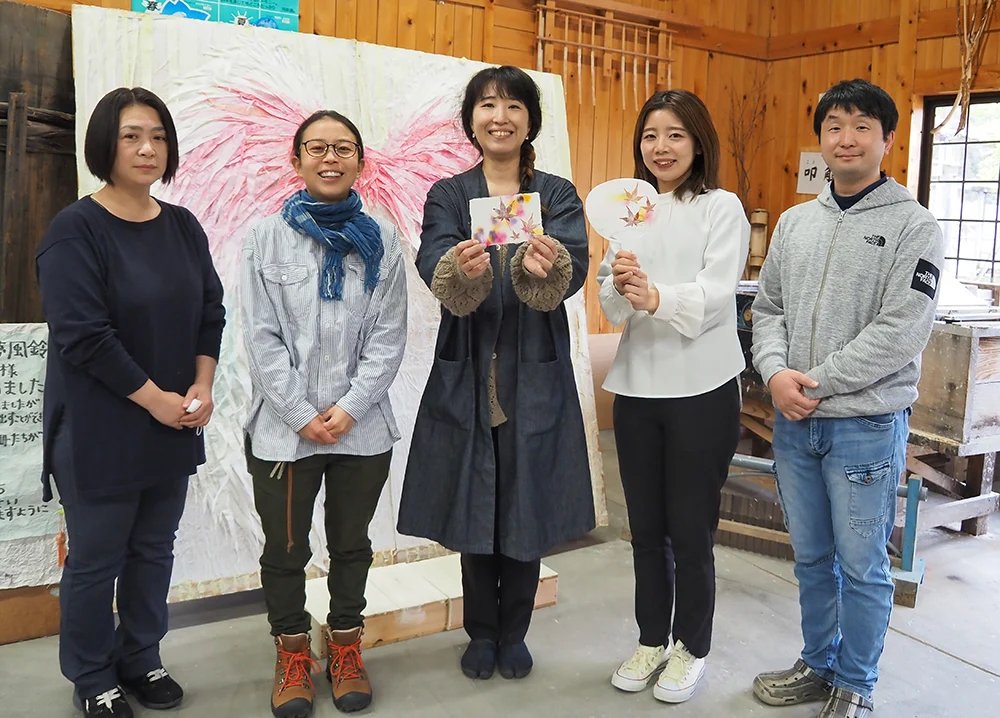
Based at the Washi Museum, which is also a tourist facility, we interviewed Nakada Sarasa and Tsuchiya Shunsuke from the "Kamiyama Washi Preservation Society," who are engaged in washi-making using traditional methods.
We asked them about the background of the establishment of the preservation society and the charm of washi-making.
From one successor, friends gathered to form the preservation society
Can you tell us about the establishment of the "Kamiyama Washi Preservation Society"?
Nakada (honorifics omitted)
We were established in 2016. It's only been 5 years. (as of 2021)
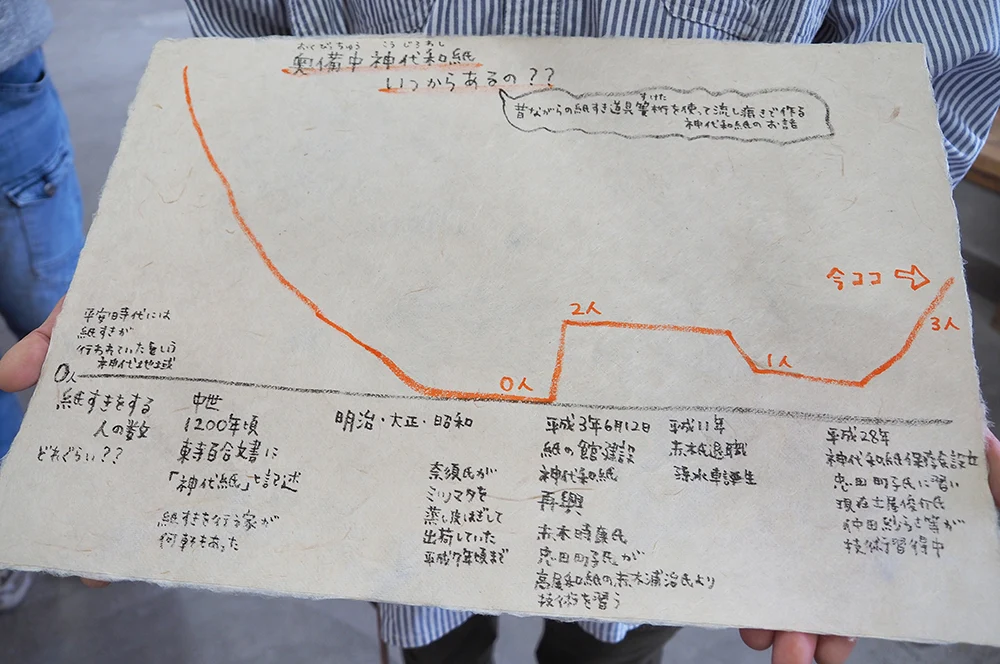
The history of Okubichu Kamiyama Washi is said to date back to the Heian period, and there were several families engaged in washi-making.
However, during the Meiji period, with industrialization, Western paper became prominent, and the tradition of washi in this area was once interrupted.
The trigger for revival was the construction of the Washi Museum in 1991.
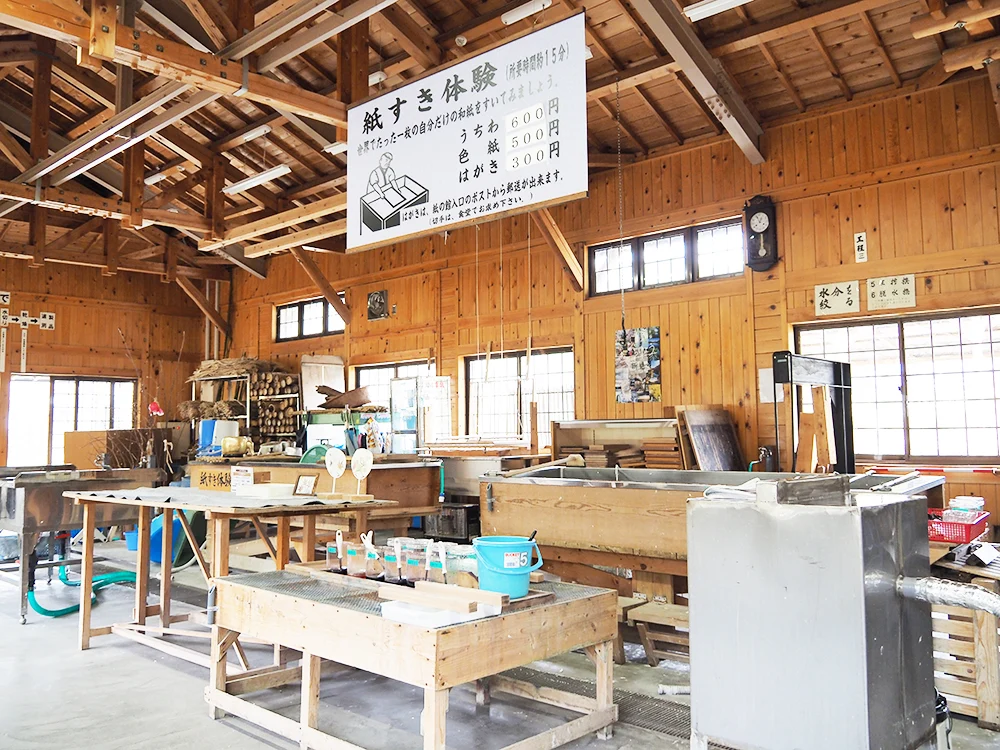
In order to be able to teach washi-making experiences within the facility, staff at that time, including Chuta Machiko, who is also a current member of the preservation society, were instructed by someone who makes Takao washi in Takao, Niimi City.
It is said that the technique of washi-making was originally passed down from Kamiyama to Takao, so it is like a reverse import.
Chuta Machiko is 85 years old and loves washi-making.
As a result, for a while, she was the only one who could make washi using traditional techniques, but as we learned from her, more and more friends joined.
We established the Kamiyama Washi Preservation Society to ensure that the tradition does not die out.
In addition to members who engage in washi-making, there are currently 7 people working on preserving Okubichu Kamiyama Washi, including those skilled in making tools from bamboo, carpenters, and those good at public relations.
The charm of washi, which requires careful attention
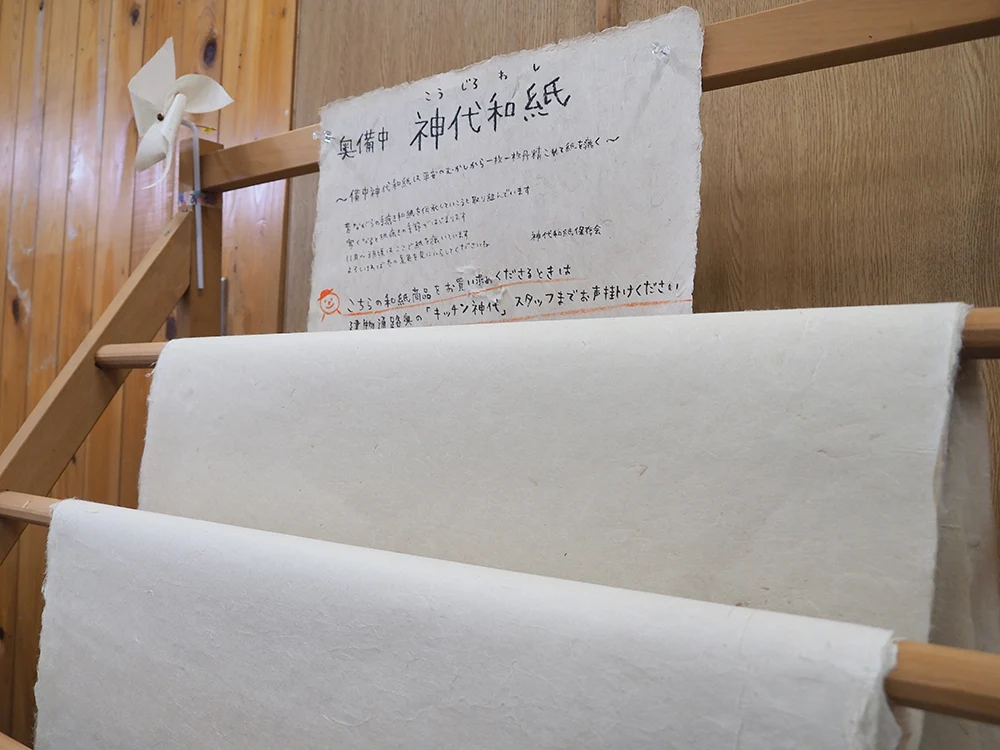
What is it like to make washi?
Nakada
I realized that a lot of human effort goes into it. Because of that, I feel that "the people of the past wanted to create paper to this extent," and it is profound and enjoyable.
There is no waste in the process of making it, and I feel like I am learning from the people of the past.
Tsuchiya (honorifics omitted)
When you actually try it, it's difficult not only to make the thickness uniform but even to create paper that isn't wrinkled.
At first, I struggled to understand why it wasn't going well.
Nakada
In my first year, I could only make a few sheets.
Tsuchiya
I also recorded videos to analyze, but since there was no video technology in the past, I think it must have taken much longer to master.
What activities does the preservation society engage in?
Tsuchiya
We conduct washi-making activities from November to March in winter.
We use purchased kozo and mitsumata, but we grow tororoaoi ourselves in May and harvest it in November. We start from crushing the roots to extract the mucilage.
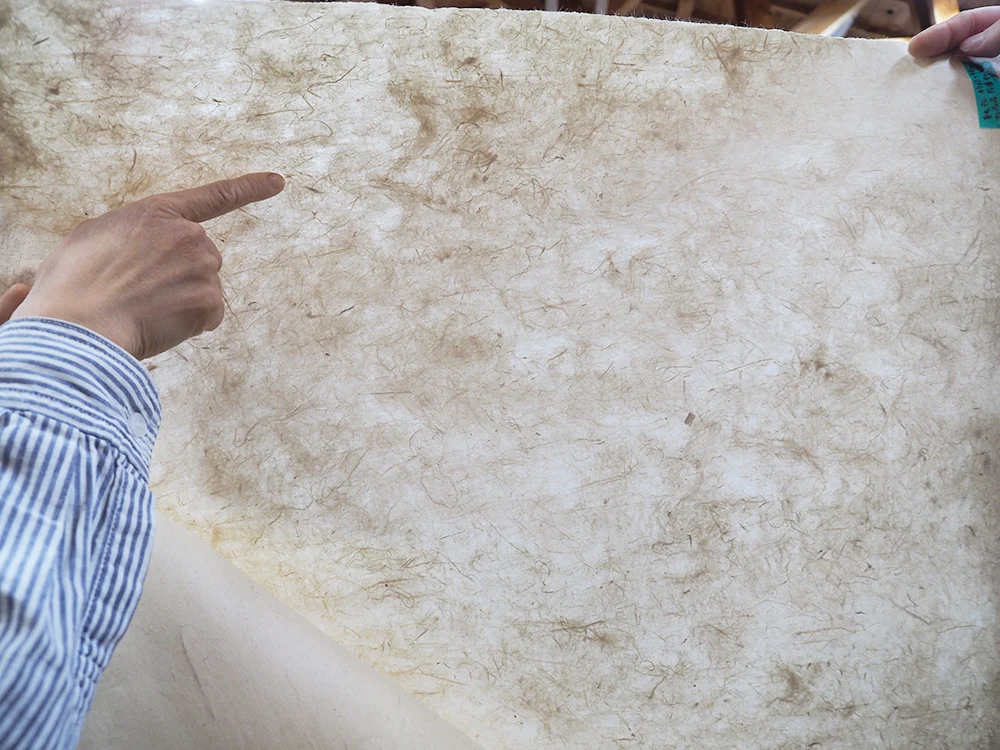
We boil kozo and mitsumata, remove impurities in cold water, and make washi using traditional methods as much as possible without using chemical bleaching.
If you spread the bark on the snow, it naturally brings out a beautiful whiteness.
Nakada
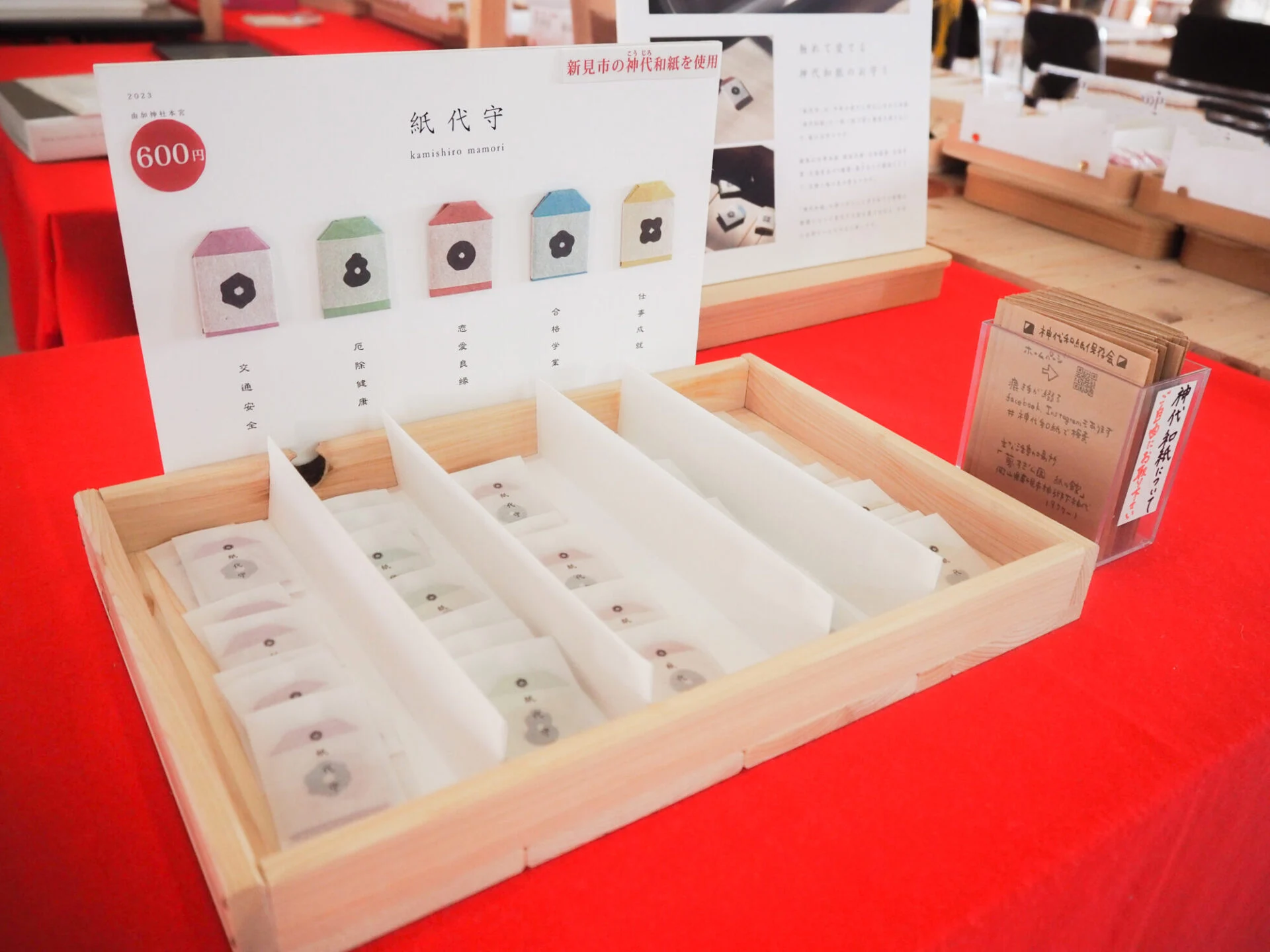
During the summer, we plan events and workshops. Recently, we have also been focusing on commercialization.
To preserve tradition, I think it is important to consider how to make it usable in addition to mastering the techniques. If there are no users, the tradition will die out.
Tsuchiya
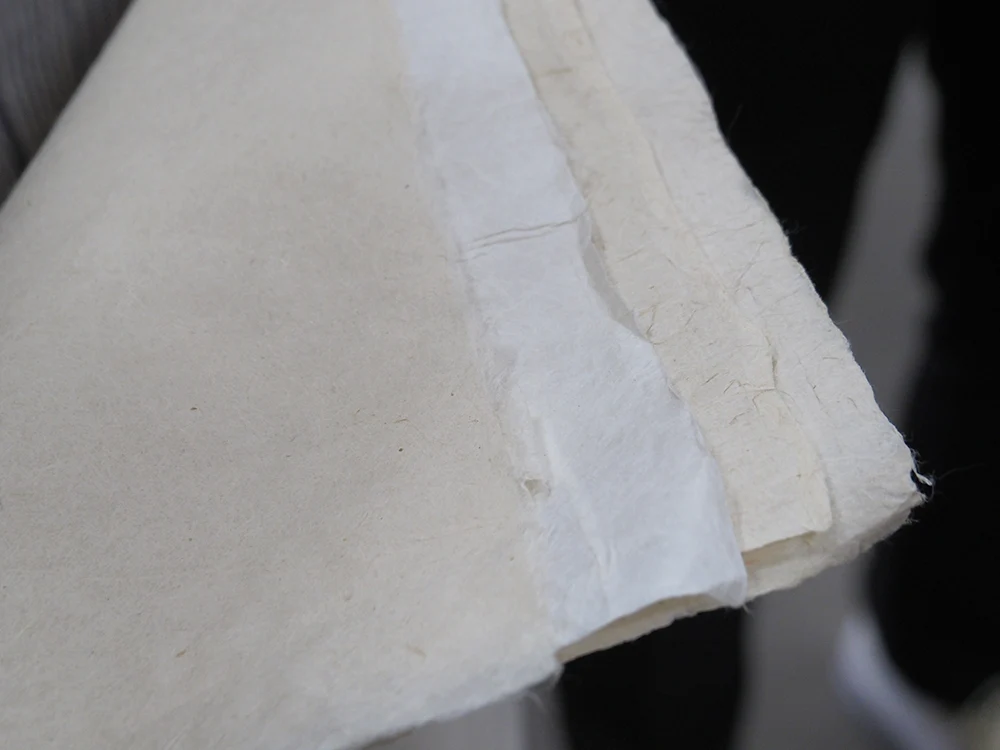
This is a coffee filter. I developed it because I think washi made using traditional methods pairs well with food.
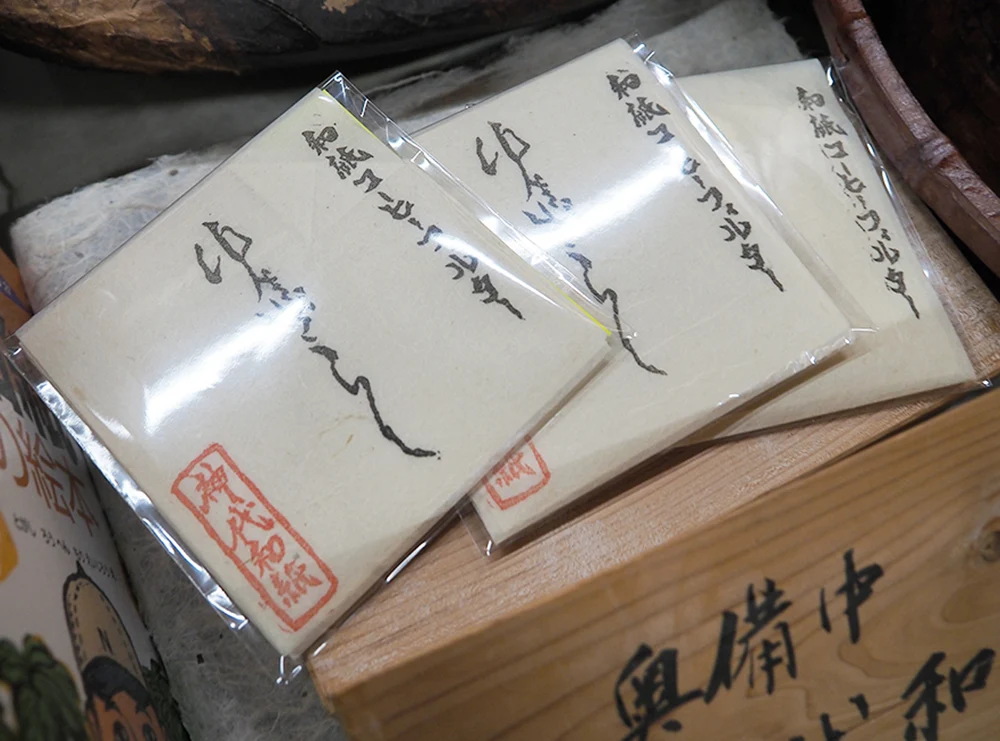
In the future, I want to continue to devise ways to let people know about the comfort and depth of handmade washi while mastering the techniques.
Conclusion
Washi, which is carefully made through many processes, seems to convey the thoughts of its makers in each sheet.
It has become an opportunity to reflect on my life, thinking, "Let's cherish the things around us."
The tradition of handmade washi, which was once interrupted due to industrialization because "it takes effort," is being revived and inherited, even the effort is loved.
I look forward to seeing what products and events will emerge in the future.
Why not visit the Washi Museum to experience the depth of washi-making created by human hands?
Data on Yume-suki Park, Washi Museum
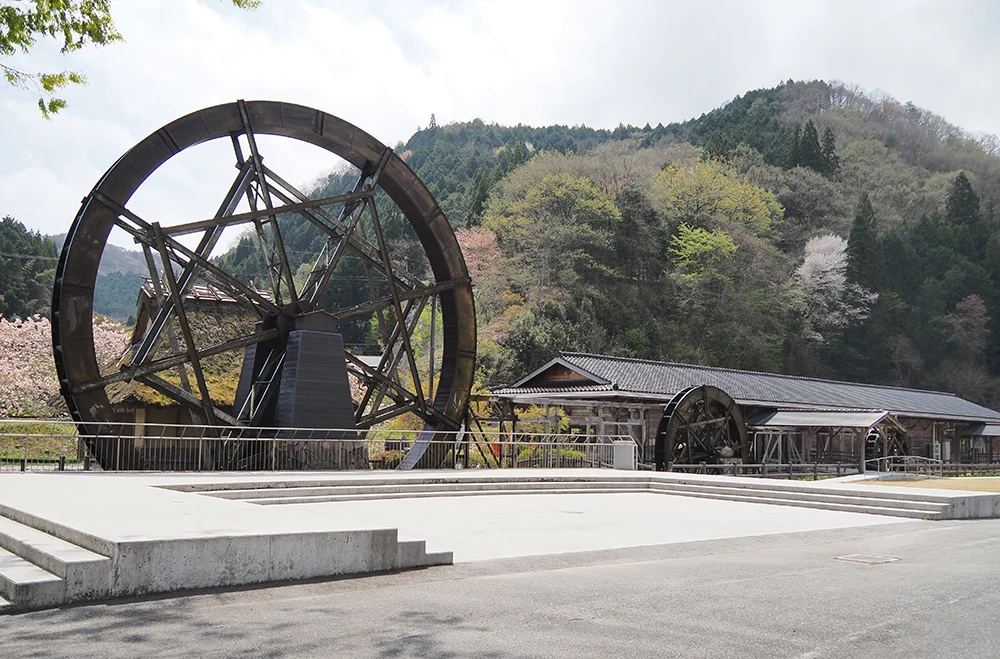
| Name | Yume-suki Park, Washi Museum |
|---|---|
| Location | 1977-1 Kamiyama Shimo, Kamiyama, Niimi City, Okayama Prefecture |
| Contact | 0867-92-6577 |
| Parking | Available |
| Business Hours | 9:00 AM to 5:00 PM (Washi-making experience until 4:30 PM) |
| Regular Holiday | Wednesday |
| Usage Fee (including tax) | ◆ Experience Fee (per group) ・1 to 15 people: 1,500 yen (tax included, materials fee required) ・16 or more: 2,500 yen (tax included, materials fee required) ◆ Materials Fee (per sheet) ・Uchiwa (tax 600 yen) ・Colored paper (tax 500 yen) ・Postcard (tax 300 yen) |
| Payment Method |
|
| Reservation Availability | Possible Reservations are required for experiences. Accepting from 2 people. For 1 person, accepting from 2 or more courses. Changes to the experience content are possible on the day. |
| Toilet | Western-style toilet |
| Website | Yume-suki Park | Niimi City Tourist Association |