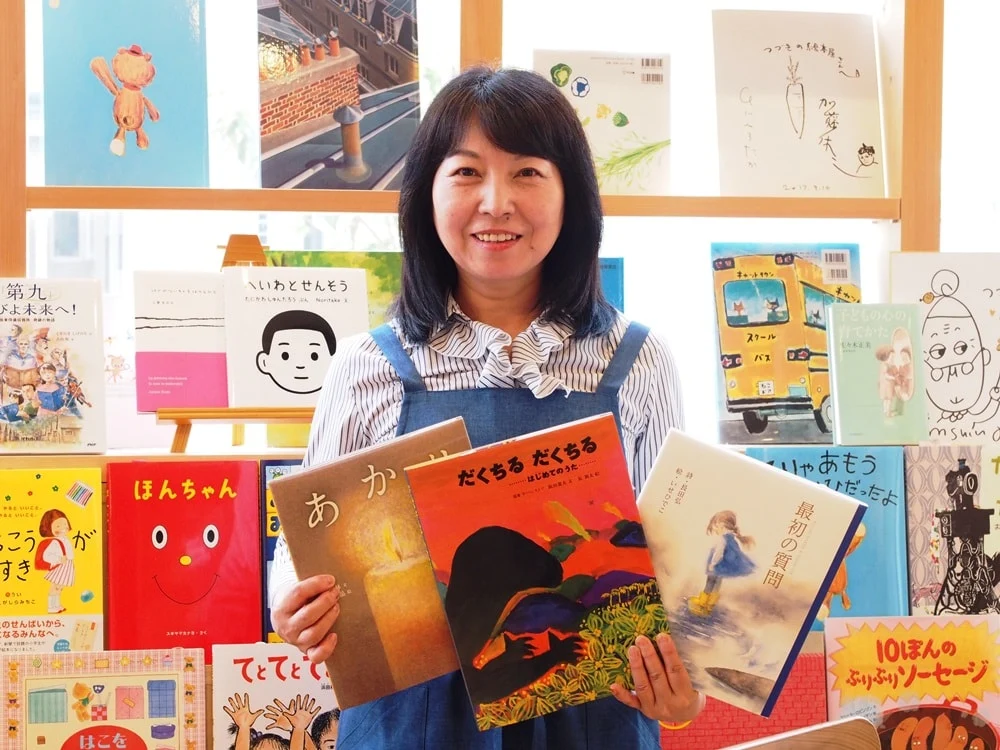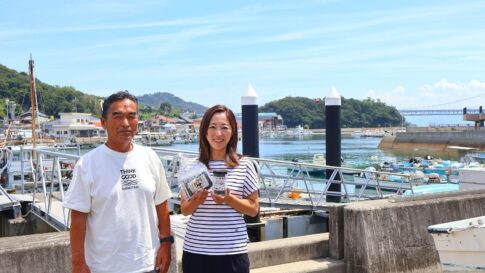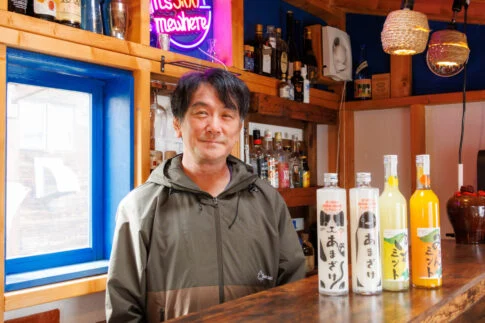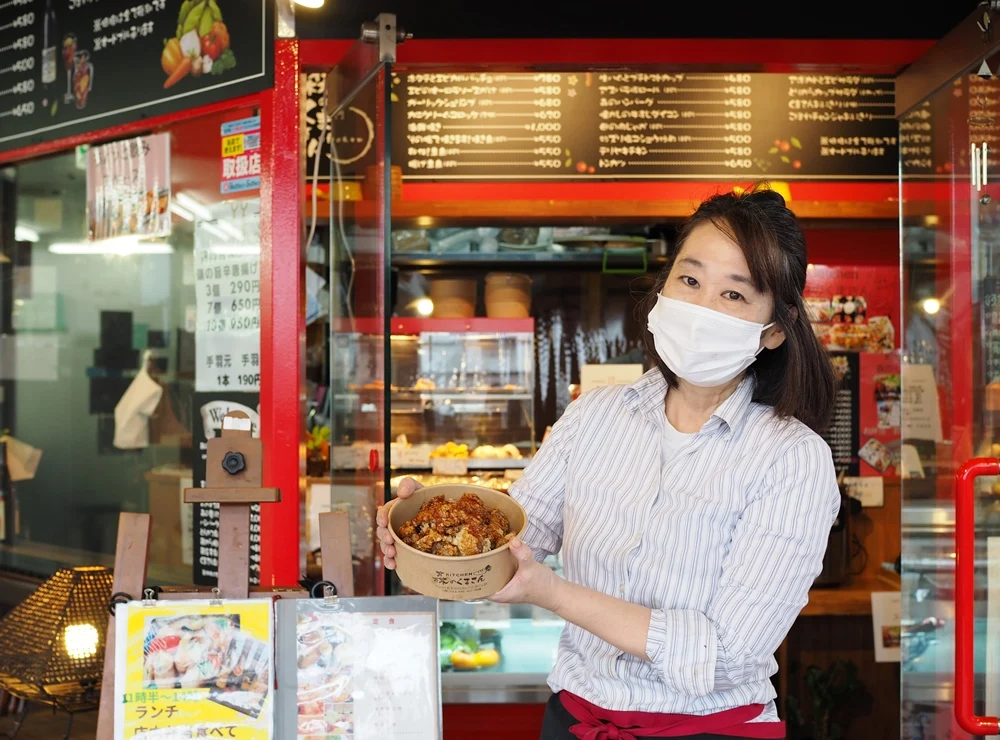
Interview with Kikumi Yamashita, manager of kitchen Mori no Kuma-san
Before the opening of kitchen Mori no Kuma-san, you were running an izakaya in the same location, right? Please tell us about the circumstances at the time of opening.
Yamashita
Originally, I was managing two establishments: "Iso no Ie" on the second floor of the West Building and "Kaisendonya Katatsumuri" in the Kurashiki shopping district.
I managed to hold on through the "July 2018 Heavy Rain Disaster" and the "consumption tax increase," but due to the impact of the COVID-19 pandemic, I reached my limit.
At one point, I even considered closing both establishments.
When I was troubled about the future of the shop, I consulted with an acquaintance from Mabi, who was very disappointed and worried about me.
For the people of Mabi, "Iso no Ie" is a special place, so I thought, "I want to somehow keep the shop open," and decided to restart as a deli.
What kind of connection do you have with the people of Mabi and "Iso no Ie"?
Yamashita
During the July 2018 Heavy Rain Disaster, we opened "Iso no Ie" to distribute supplies and provide a place for the people of Mabi to gather.
Originally, I was distributing supplies with volunteers in Mabi, but I felt that people living in "temporary housing" were being left behind, which was the trigger for my actions.
Since the temporary housing is scattered across Kurashiki, Kasaoka, Okayama, and other areas outside of Mabi, the community was fragmented, and there was a complete lack of supplies and information at that time.
By opening "Iso no Ie," I created a place where the people of Mabi could gather and started providing supplies and information.
Fortunately, it spread by word of mouth as a place where you could "get supplies, meet people, and talk," and many people living in temporary housing in Mabi came to visit.
How long did the activities at "Iso no Ie" continue?
Yamashita
The open days for "Iso no Ie" were about twice a month and continued for a year and a half after the disaster. On busy days, around 30 people would visit in a single day.
We distributed the collected supplies and provided hand-made sandwiches, rice balls, and donated snacks.
I hoped that for the people of Mabi, the open days would be an opportunity to dress up and go out.
People often asked me, "Why do you go that far?" (laughs), but at that time, I was solely focused on wanting to "fill their stomachs and make them smile."
I think "Iso no Ie" became a place for the people of Mabi to "go out and meet someone."
"Iso no Ie" was a place of emotional support for the people of Mabi.
Yamashita
On the contrary, I was the one being supported by the people of Mabi.
When rebuilding "Mori no Kuma-san," acquaintances from Mabi helped with everything from the signboard to business cards, flyers, and interior design, providing me with a lot of support.
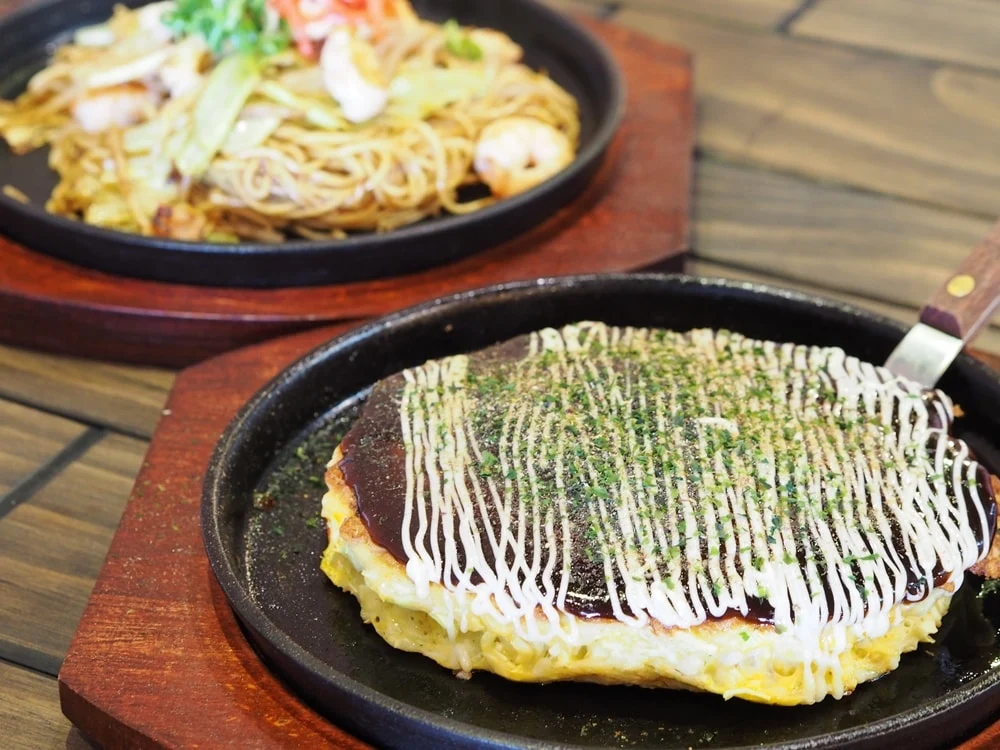
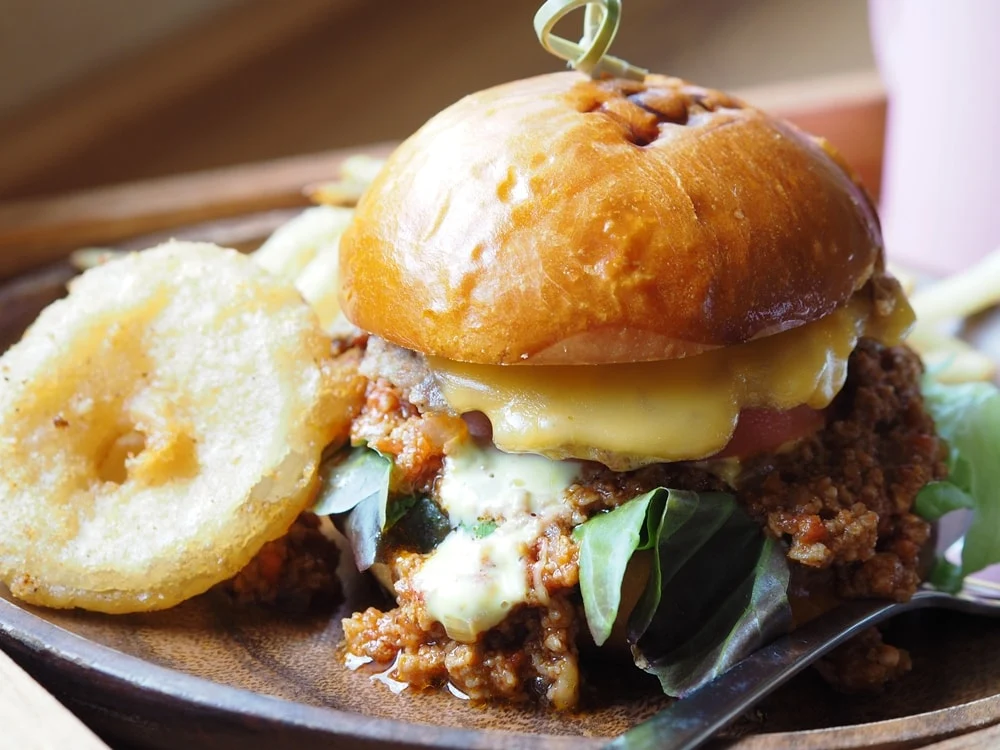
The menu item "Kurakara" was also spread by people from Mabi whom I had never met before on Twitter, and even now, someone comes to visit the shop every day, giving me energy.
Whenever I feel down, they come to talk to me, and I am saved by the warmth of the people of Mabi. I truly feel that I have been blessed with wonderful connections.
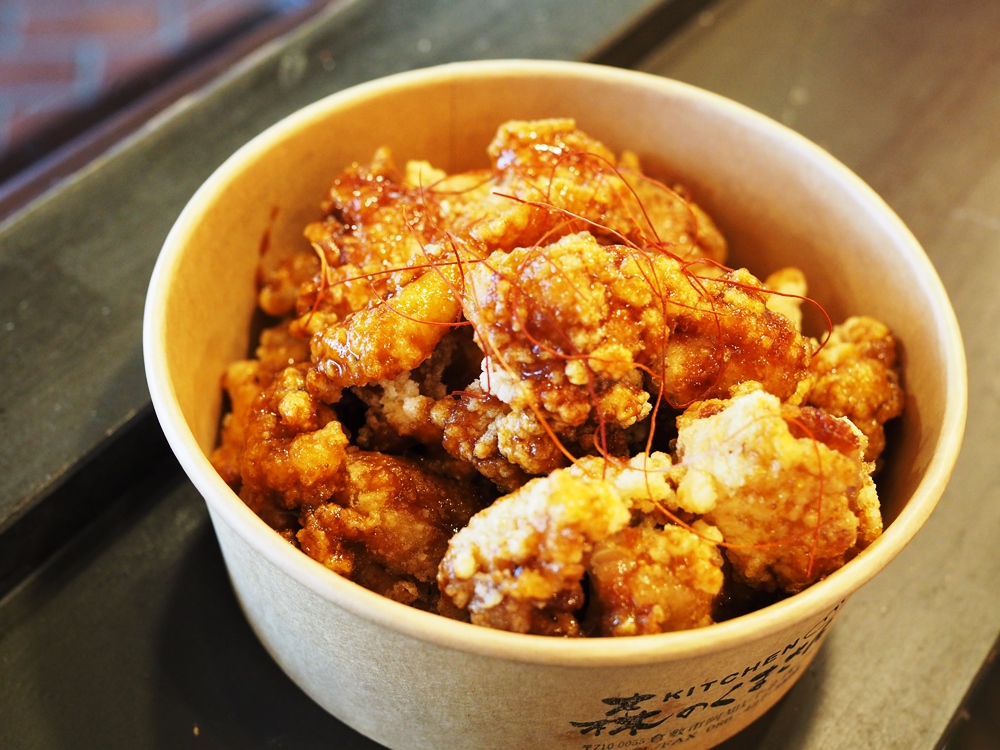
What kind of shop do you want kitchen Mori no Kuma-san to become in the future?
Yamashita
Well, I want to keep the shop open for as long as possible for those still living in temporary housing.
I think it is important to convey the experiences of the people of Mabi during the disaster to various people.
Although time has passed since the disaster, there are still people who cannot return to Mabi, and I hope it can be a place where they can feel a little at ease.
Conclusion

While listening to the conversation, I was struck by this remark from Yamashita.
"The people of Mabi are really warm. I always feel grateful and wonder why they go so far (with the signboard and the shop's appearance)."
I thought that this sentiment was likely what the people of Mabi felt towards Yamashita.
The open days at "Iso no Ie" must have been a warm and comforting place for those who had evacuated from Mabi at that time.
I felt that the current shop exists because many people were saved by "Iso no Ie."
"kitchen Mori no Kuma-san," which has been reborn as a deli.
Additionally, the owner Kikumi Yamashita is also challenging a crowdfunding.
It would be wonderful if the shop continues to thrive, becoming a further place of interaction along with Kurashiki's new specialty "Kurakara."
Data on kitchen Mori no Kuma-san
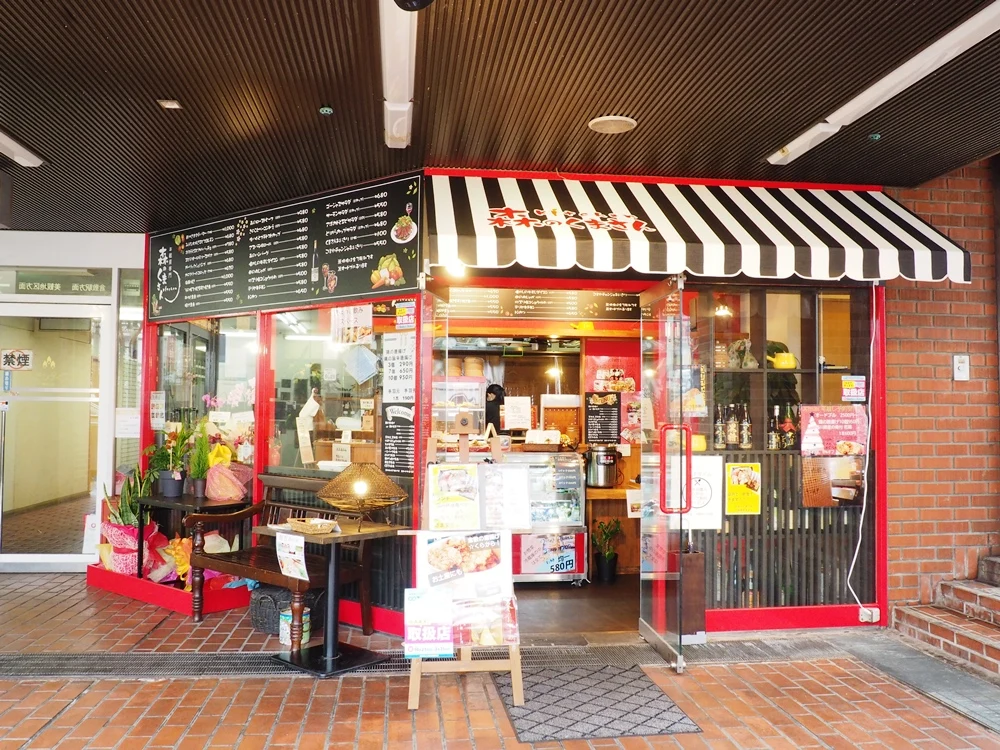
| Name | kitchen Mori no Kuma-san |
|---|---|
| Address | 1-7-2 Achi, Kurashiki City, Okayama Prefecture, 2nd floor of Kurashiki City Plaza West Building |
| Contact | 086-427-8898 |
| Parking | None |
| Business Hours | Tuesday to Thursday, Sunday: 11:30 AM to 10:30 PM (Last order at 10:00 PM) Friday and Saturday: 11:30 AM to 11:00 PM (Last order at 10:30 PM) |
| Regular Holiday | Monday Open on public holidays that fall on Monday, closed on Tuesday |
| Payment Methods |
|
| Reservations | Accepted |
| Seats | 12 seats Tatami seating: 4×3 |
| Smoking | Completely non-smoking |
| Toilet | Western-style toilet |