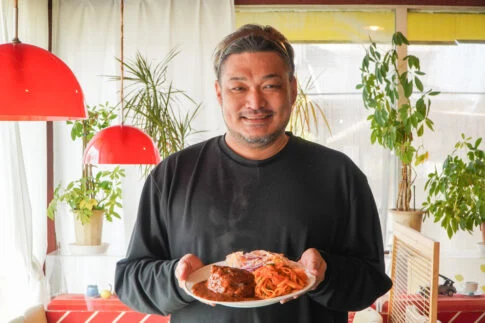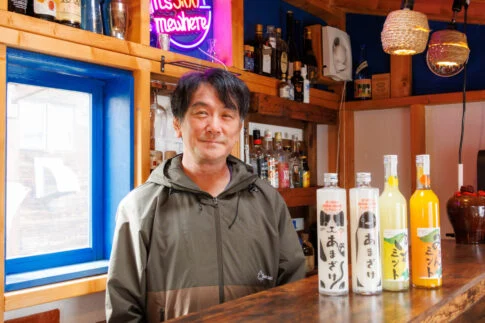
Interview with the manager of Kameyutei, Umakoshi Tetsuya
Kameyutei opened in 1978.
It is operated by Kurashiki International Hotel.
After joining Kurashiki International Hotel, I was assigned to Kameyutei right away, and after experiencing other departments, I spoke with the current manager, Umakoshi Tetsuya.
The interview is based on the content from the initial coverage in January 2022.
Commitment to local production for local consumption
I hear you are committed to local production for local consumption?
Umakoshi (no honorifics)
We use burdock and lotus root from Okayama Prefecture.
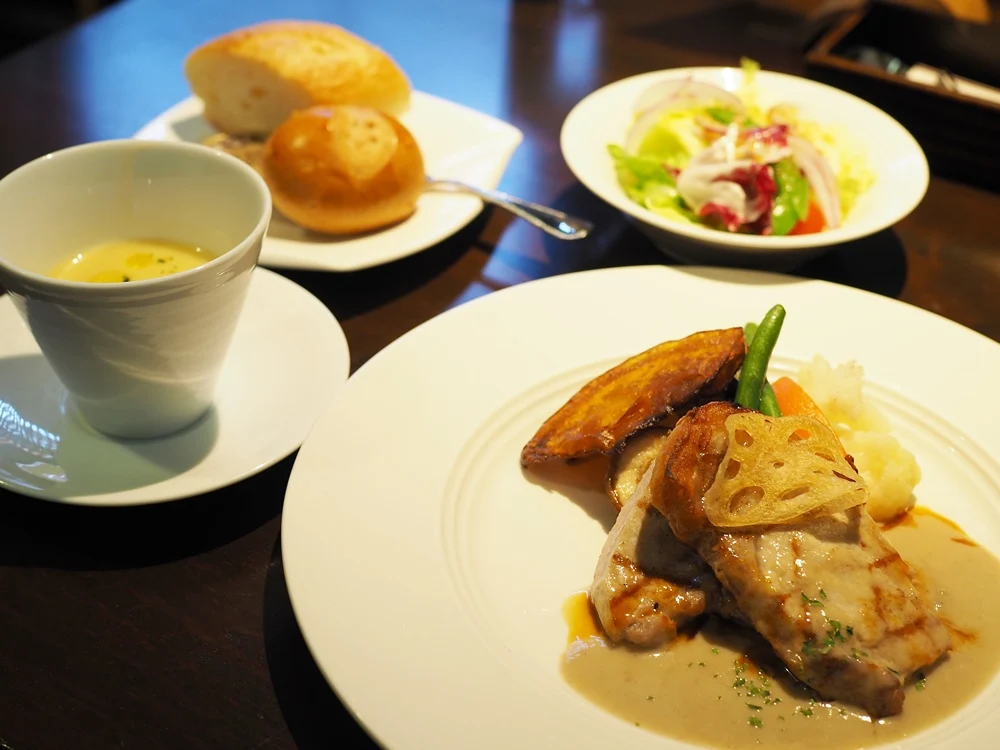
The meat for the katsu curry and pork curry is from Bisei.

Since the restaurant is located in a tourist area, we try to use as many local ingredients as possible.
About 80% of our customers are tourists.
During the period we participate in the Lunch Itadakimasu (a food event organized by the Kurashiki Tourism Convention Bureau), the number of local customers increases.
Kameyutei provides meals under the name of Kurashiki International Hotel.
Having the hotel's name seems to give tourists peace of mind when using our services.
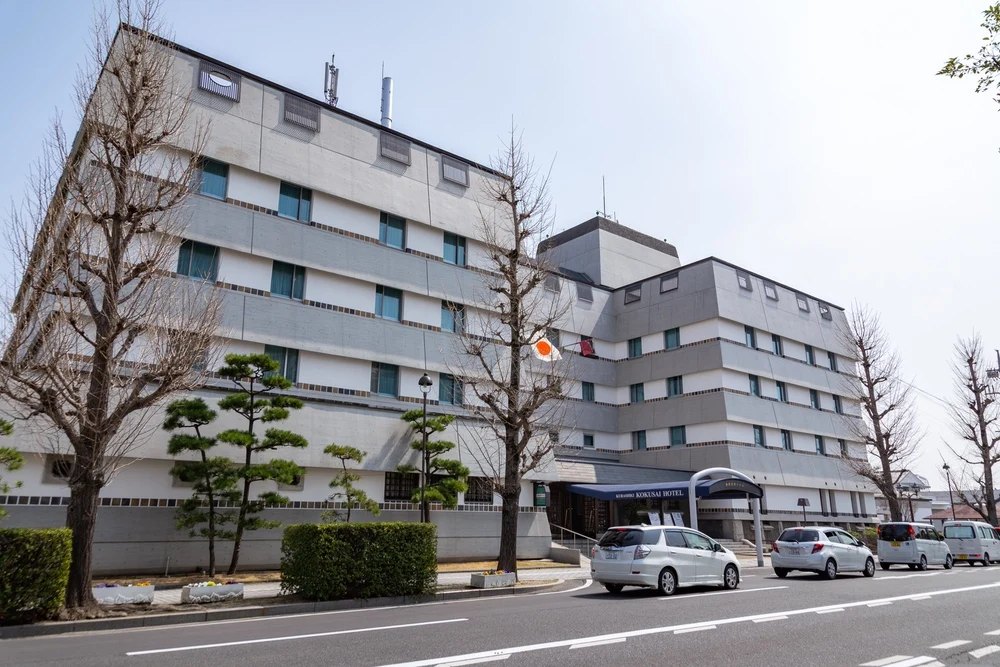
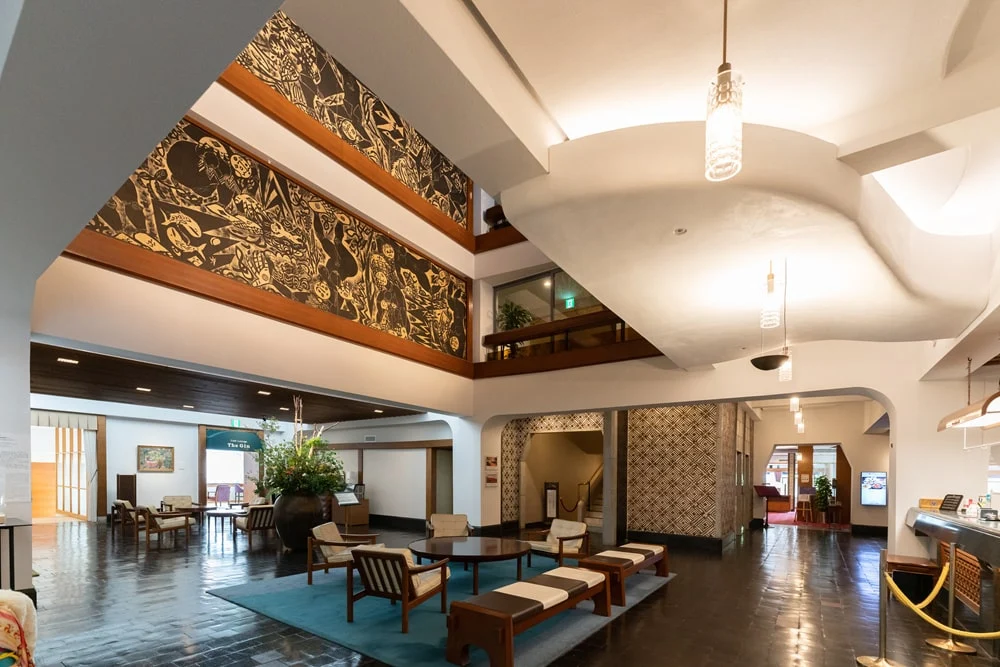
However, we aim to be a bit more casual than a hotel, so we have menus that children can enjoy as well.
That’s why we have items like curry and hayashi rice.
Things that have changed and things that have not since establishment
Are there things that have not changed since the establishment?
Umakoshi
I have been working for 40 years since I joined Kurashiki International Hotel at the age of 18.
Kameyutei was established about 4 or 5 years after I joined.
When I was assigned to Kameyutei, half of the current building was a private residence.
The person living in the private residence passed away, and the hotel decided to purchase it.
After that, it was renovated to its current size.
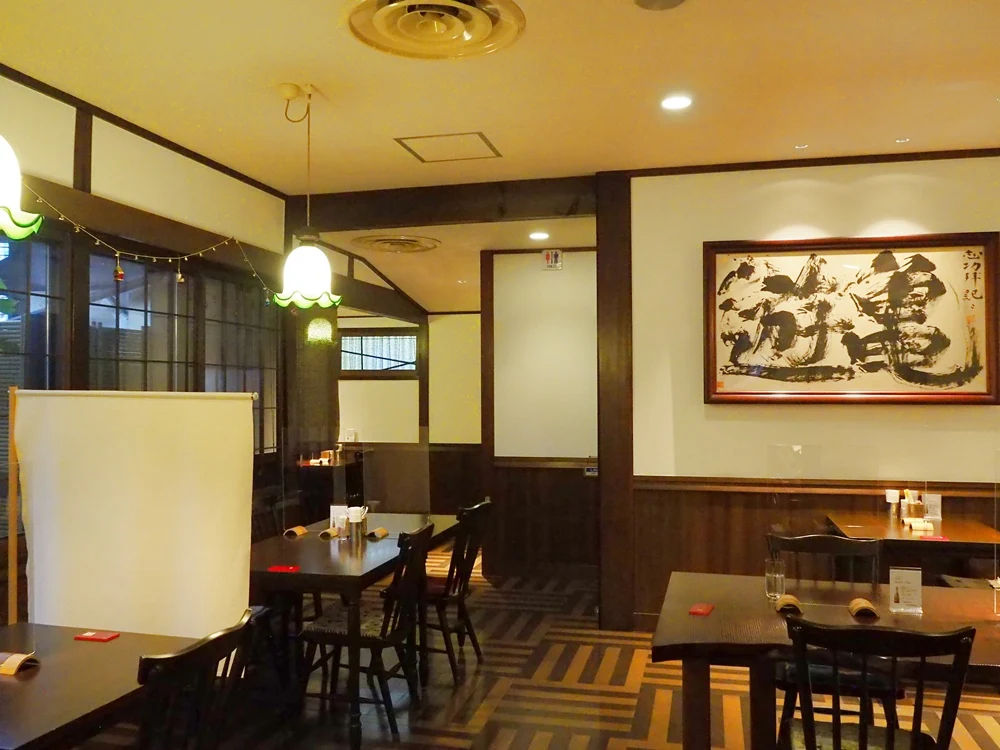
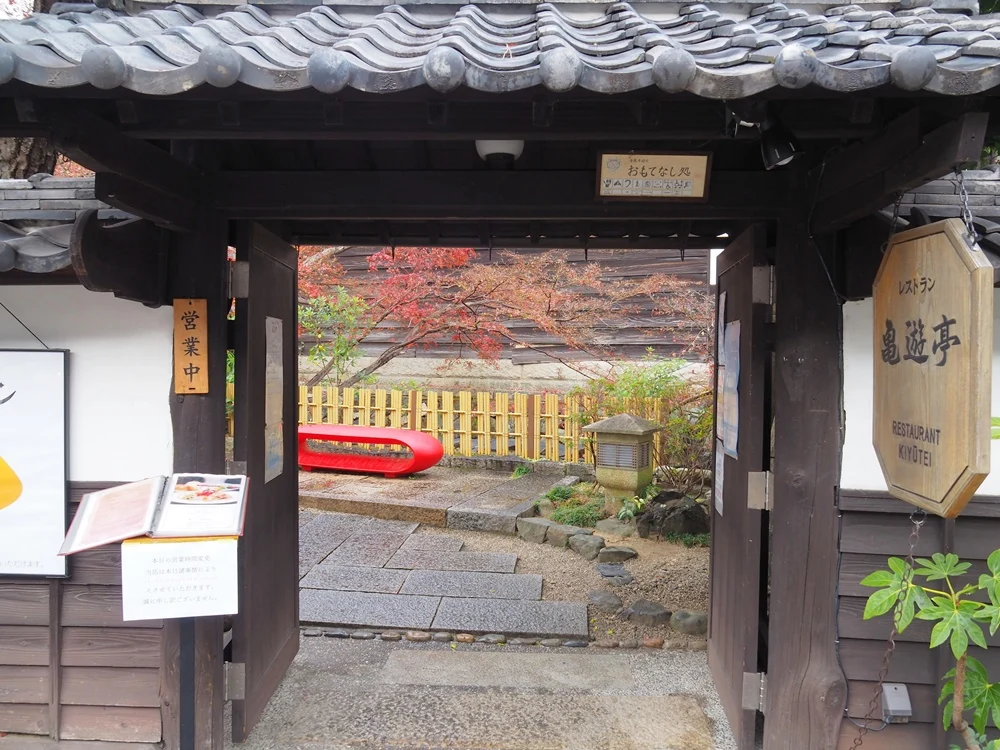
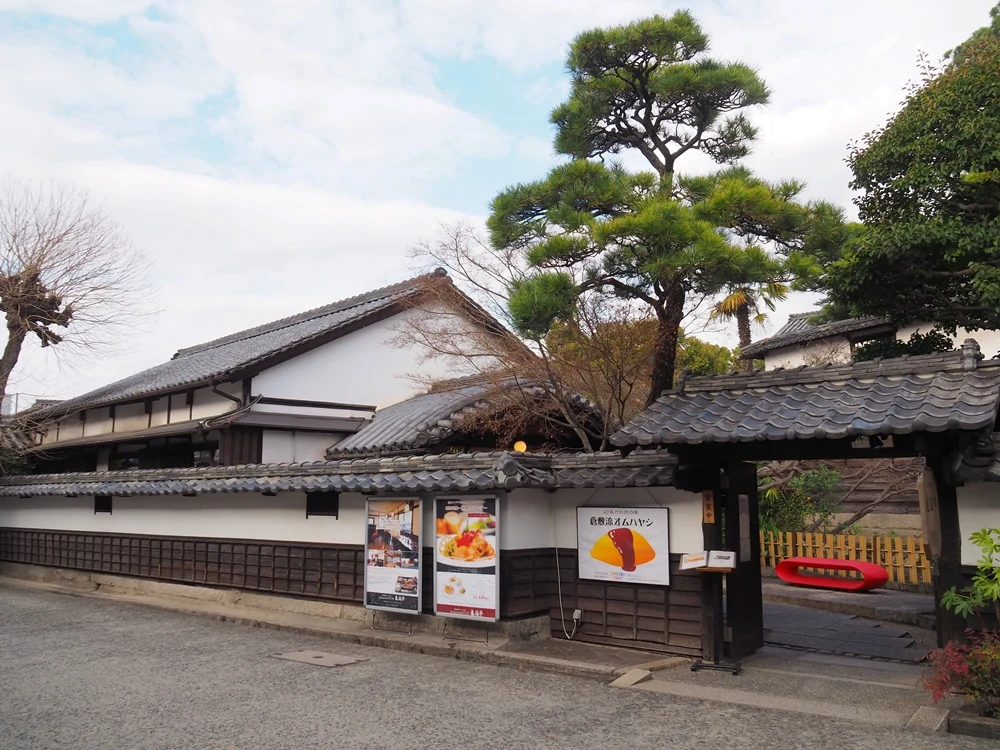
As for things that have not changed, it would be the entrance and the overall appearance of the building.
Due to the Traditional Building Preservation Ordinance, the appearance cannot be changed.
The arched tiles at the entrance have also remained unchanged.
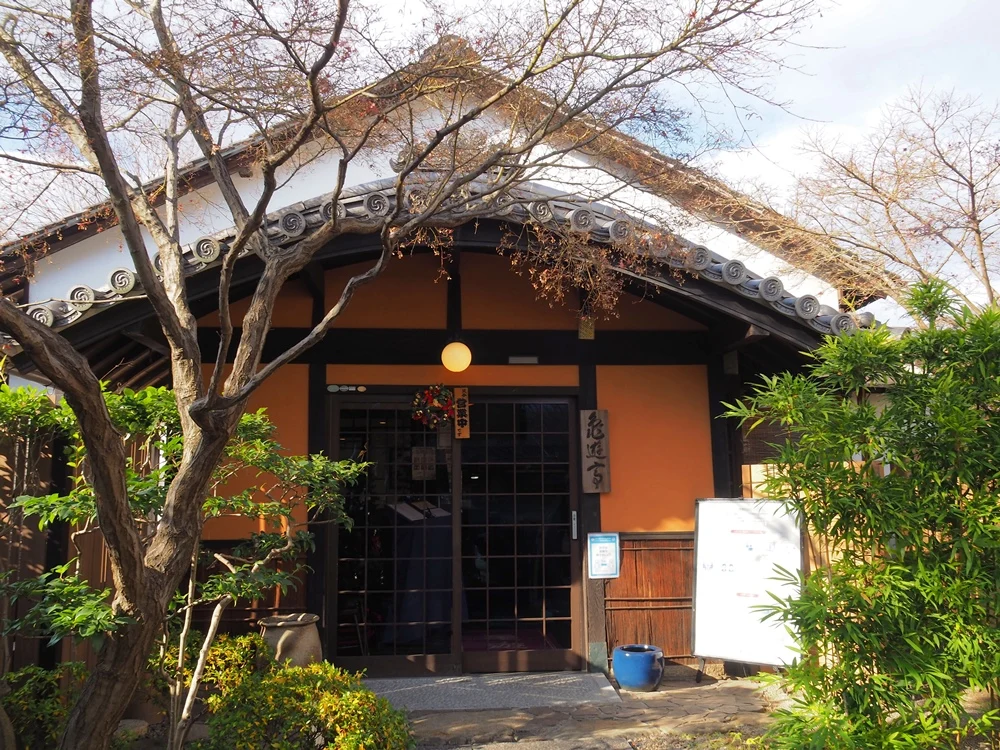
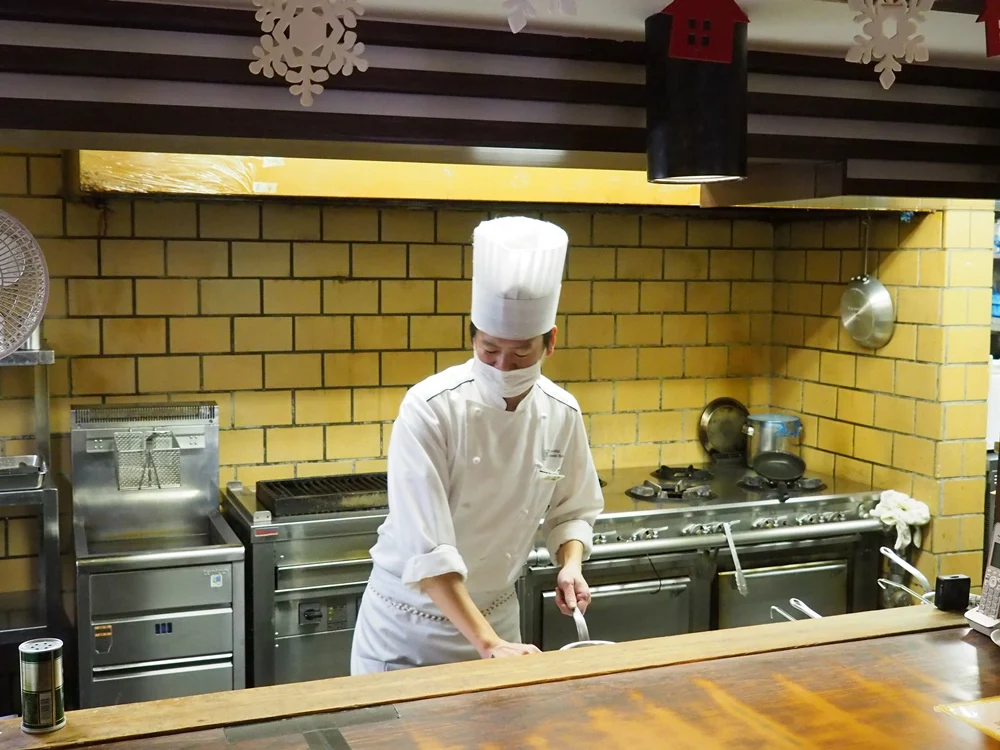
The interior has an open kitchen, which has also remained unchanged since the establishment.
I have heard that it was particularly rare in this Bikan Historical Area at that time.
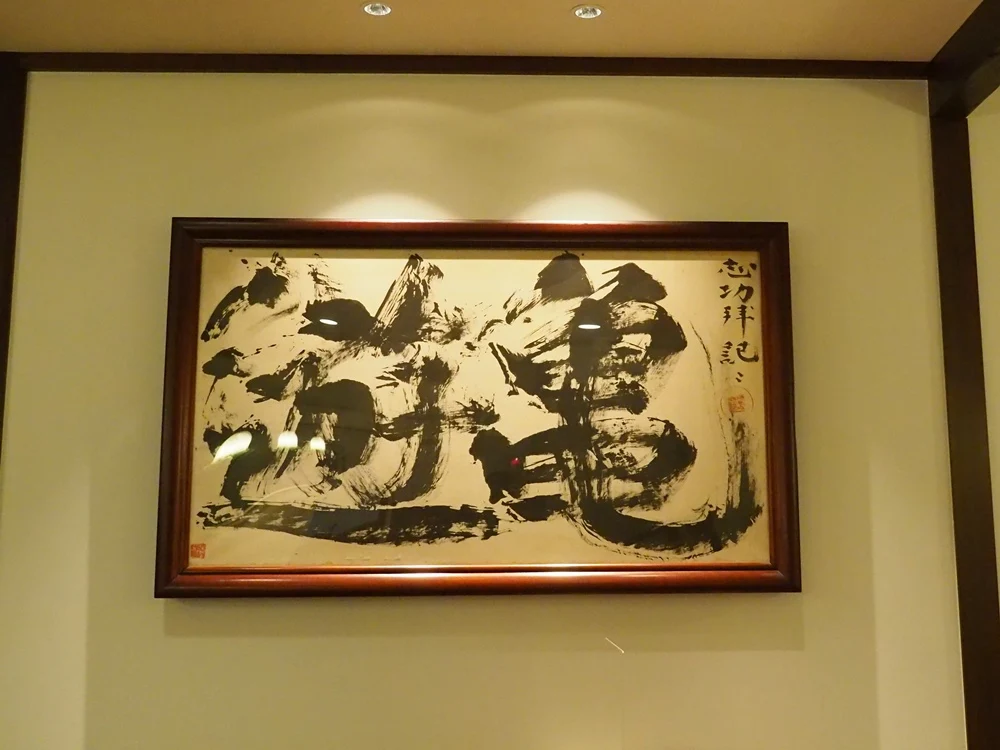
Works by Munakata Shiko have also been hanging on the walls since the beginning.
The name of Kameyutei was derived from "Kameyu" in this book.
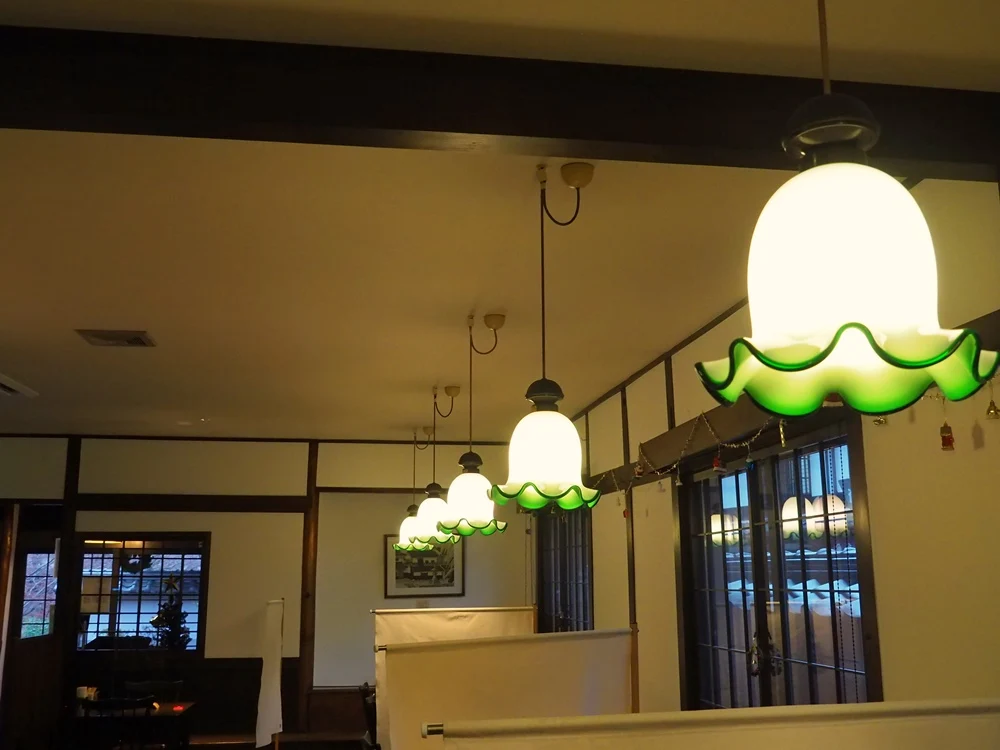
The tulip lamps have not changed either.
The number has increased in line with the expansion.
Since these are custom-made, we are careful not to break them.
Some customers find this retro lamp unusual and take photos of it.
The color of the light bulbs is not fluorescent white, but daylight white.
The orange tint of daylight white light makes the food look more delicious than plain white light.
Has anything changed since the establishment?
Umakoshi
This building seems to have been a church, a meeting place, and even a kindergarten at one time.
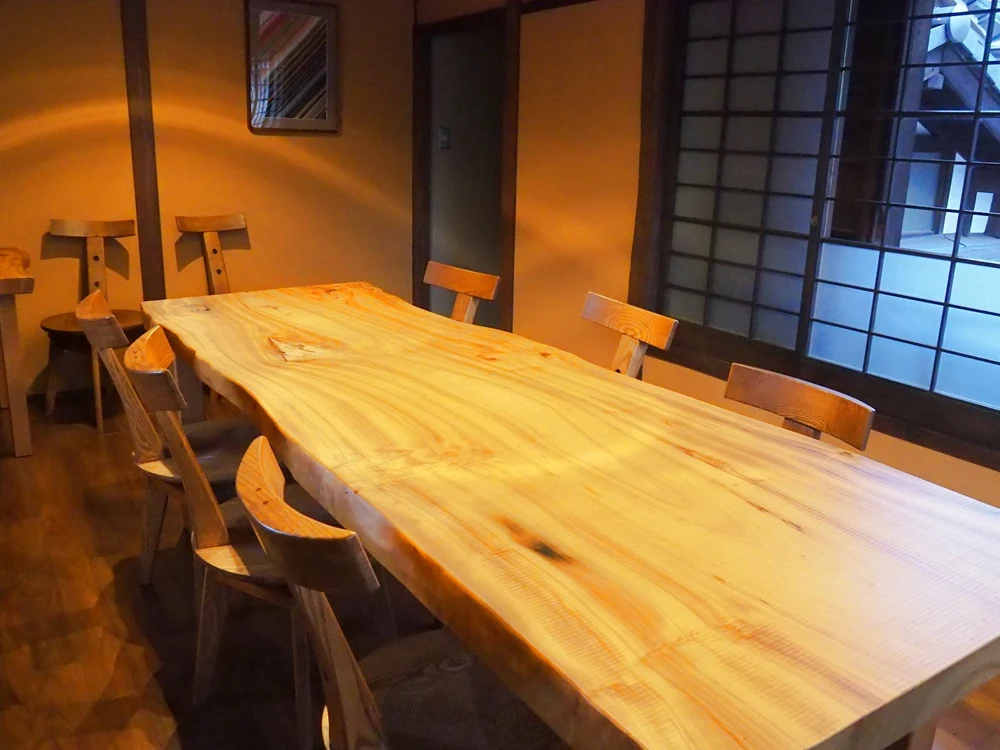
When we expanded the store, we were able to offer special seating on the second floor.
Four years ago (2017), we renovated it so that customers can go up to the second floor without taking off their shoes.
Some items on the menu have remained since the opening.
I wonder if beef stew, curry, and hayashi rice are still on the menu.
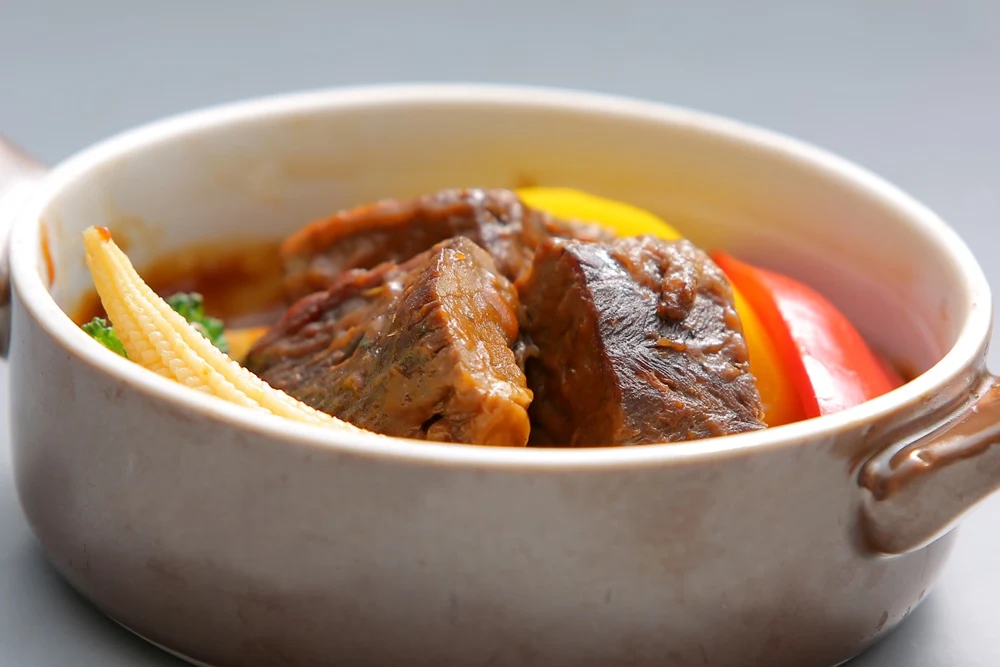
There are also times when lost menu items make a comeback.
In the past, we also operated as a steakhouse.
If we were a steakhouse, people would think of steak as the main dish.
However, we wanted to create a place that is easy for everyone to eat at and feel familiar with, so we turned it into a restaurant.
For tourists, a restaurant is definitely easier to enter than a steakhouse.
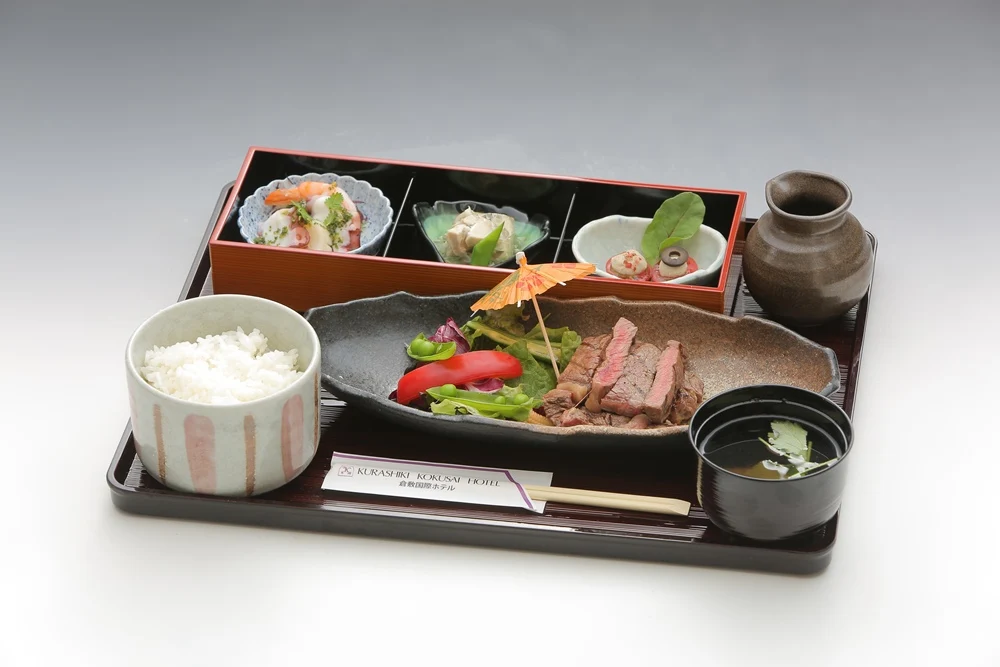
However, the impressive entrance seems to make it difficult for customers to enter, for better or worse.
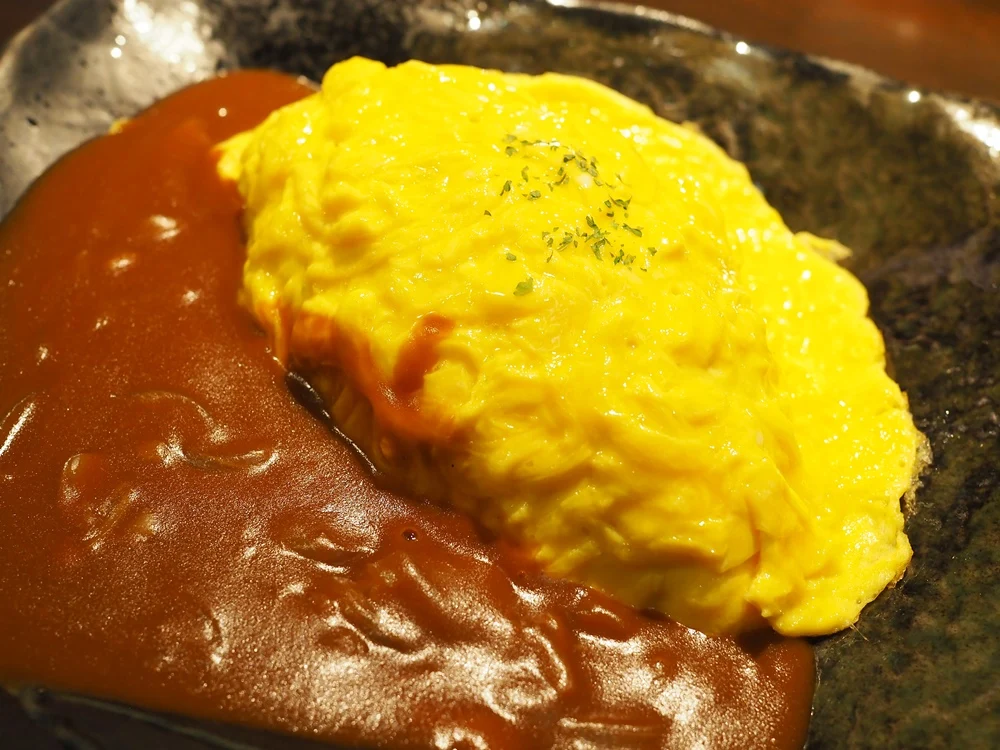
Kurashiki-style Omuhayashi was created about three years ago (2018) as a signature dish for Kameyutei.
The menu itself is new, but the hayashi sauce served over the omelet rice has been used for a long time.
We serve it with a runny egg topped with the traditional hayashi sauce.
A Restaurant Unique to a Tourist Destination
What are your future prospects?
Umakoshi
In the midst of busy days, I hope customers can enjoy a relaxing time dining at Kameyutei.
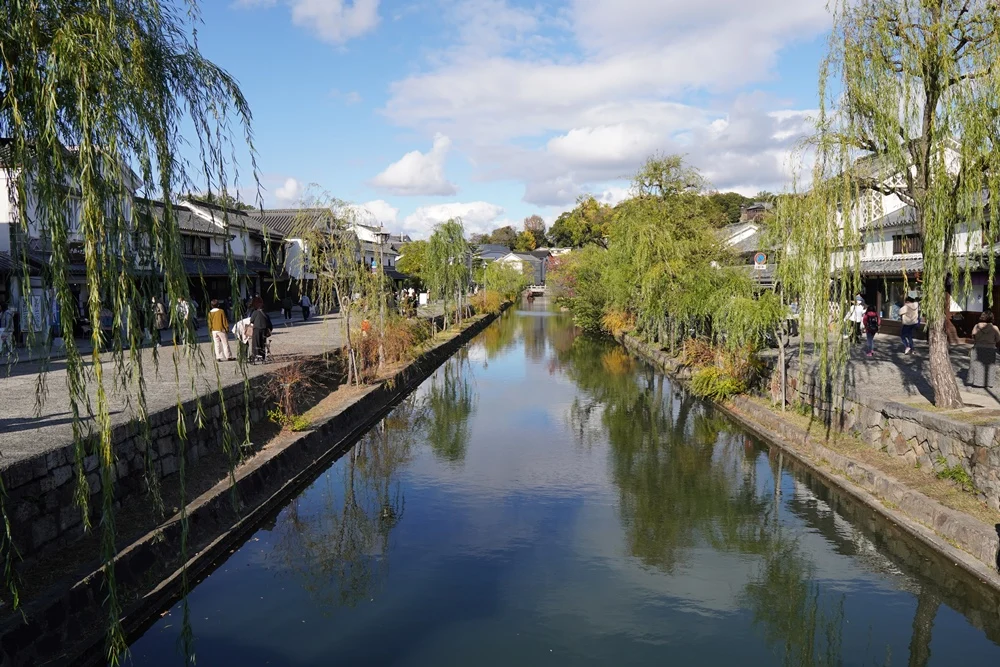
I also hope they can enjoy the townscape of Kurashiki and have a wonderful trip, even if just a little.
I want customers to feel even more familiar and enjoy their meals.
I want to create a bright restaurant.
I want to make it a place where people feel glad they came to Kurashiki and dined at Kameyutei, and feel moved by it.
It is the best when people say the food is delicious.
The deliciousness of the food is greatly related to the atmosphere of the restaurant, isn't it?
No matter how delicious the food is, if the staff working there are not good, the satisfaction level is halved, right?
Therefore, I believe that in addition to the deliciousness of the food, creating a bright atmosphere in the restaurant is also important so that customers feel glad they came to Okayama and Kurashiki.
So, to make customers feel familiar, I try to use the local dialect when I can.
I think using the local dialect is one way to make customers feel glad they came to Okayama and Kurashiki.
When someone speaks to you in the local dialect, it feels comforting, doesn't it?
However, being too casual is not good, so I try to use it naturally while observing the customers' reactions.
If I can use the dialect normally while maintaining an appropriate distance from the customers, I believe the atmosphere of the restaurant will become brighter.
And I think customers will feel, "I'm glad I came to Kurashiki and Kameyutei."
Conclusion
Before the interview, I thought that the hospitality of a restaurant in a tourist area was about "being particular about local production for local consumption to promote the local area."
At Kameyutei, I learned that "using the local dialect" is also a form of hospitality towards customers.
This is probably a unique perspective for a restaurant in a tourist area.
How about visiting Kameyutei, which creates a restaurant experience that makes both tourists and locals feel, "I'm glad I came to Kurashiki and Kameyutei"?
Data for Restaurant Kameyutei
| Name | Restaurant Kameyutei |
|---|---|
| Address | 1-2-20 Chuo, Kurashiki City, Okayama Prefecture |
| Contact | 086-422-5140 |
| Parking | None |
| Business Hours | 11:00 AM to 5:00 PM Lunch is from 11:00 AM to 3:00 PM |
| Regular Holiday | Wednesday |
| Payment Methods |
|
| Reservation Availability | Yes 2nd floor special room "Kawasemi" is by reservation only |
| Seating | 34 seats on the 1st floor, number of tables: 10 8 seats on the 2nd floor, number of tables: 1 |
| Smoking | Completely non-smoking |
| Restroom | Western-style toilet |
| Childcare | High chairs available |
| Website | Restaurant Kameyutei |