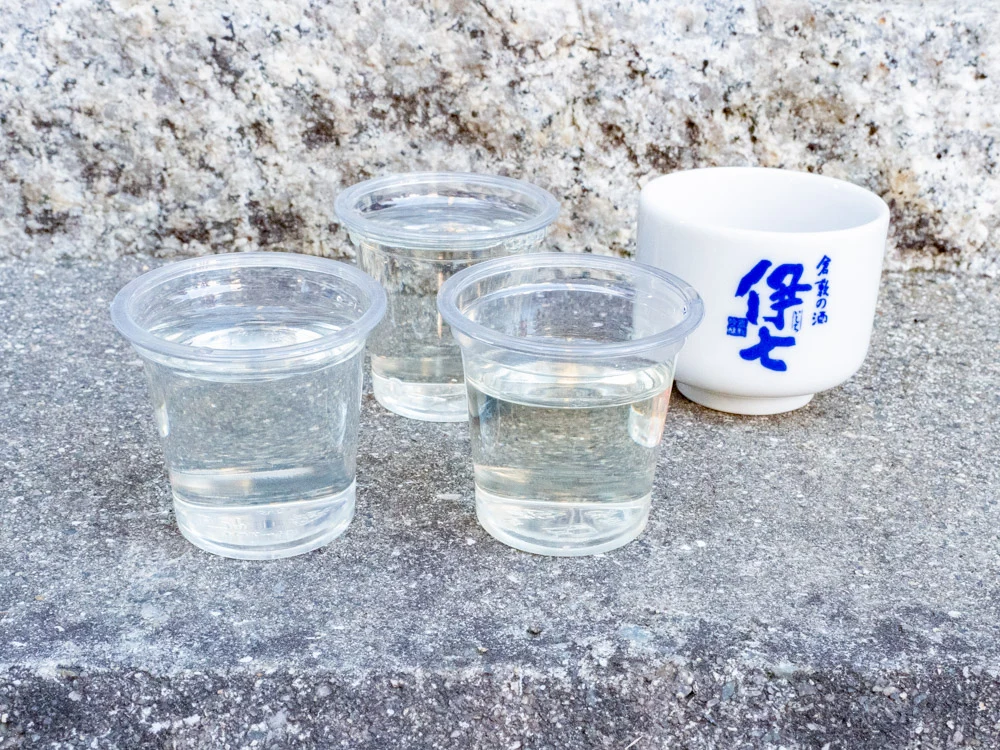
From February to around March is an irresistible season for sake lovers.
This is because it is the "new sake season," when sake made from the new rice harvested in autumn, known as "shinsyu" or "hatsu shibori," is completed.
You definitely want to taste the fresh sake that can only be enjoyed during this season.
For sake enthusiasts, many sake breweries hold "shinsyu matsuri" where you can enjoy new sake.
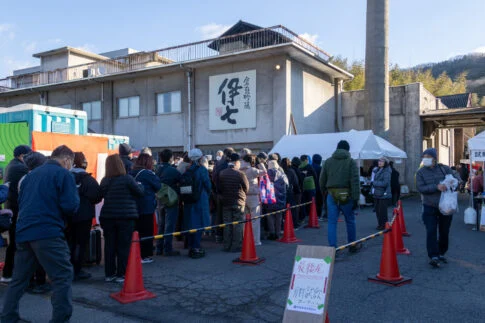
The first new sake festival in Okayama Prefecture for 2020, "Kumaya Shuzo Reiwa 2nd Year Ishichi New Sake Festival," was held on February 9.
I immediately went to Kumaya Shuzo's new sake festival, so I will report on the situation.
In 2020, starting with Kumaya Shuzo, various sake breweries in Okayama Prefecture will hold new sake festivals one after another, so please use this article as a reference and definitely go to other new sake festivals.
What is Kumaya Shuzo? A long-established sake brewery in Kurashiki City known for "Ishichi" and "Tomoefuku Masamune"
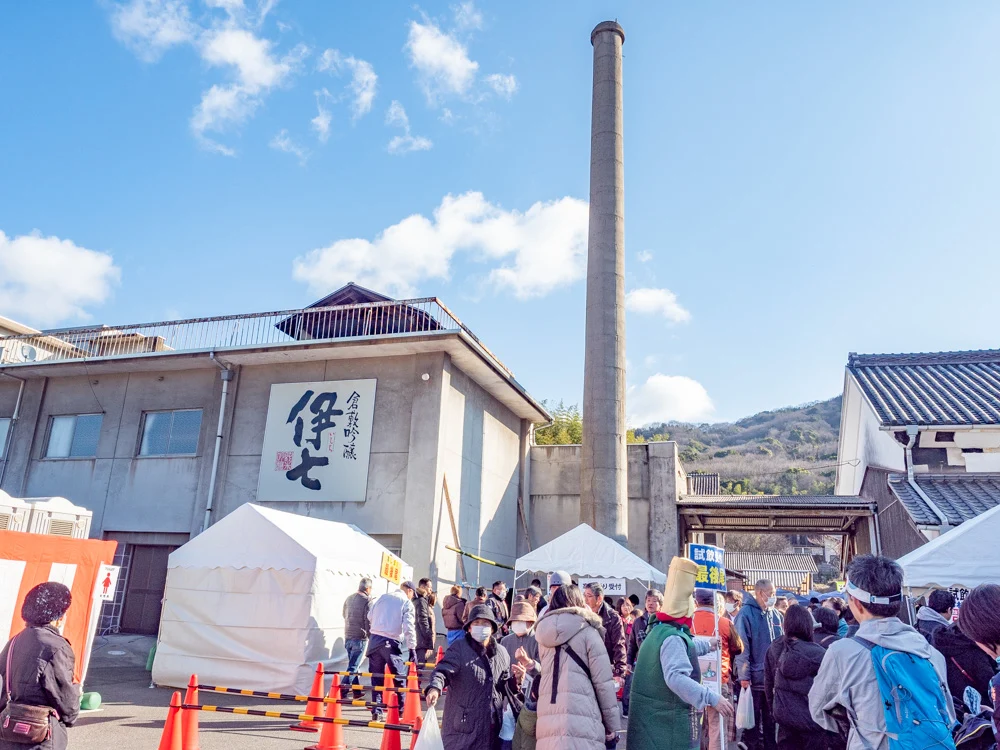
The venue for the new sake festival is on the premises of the organizing Kumaya Shuzo.
Kumaya Shuzo is a sake brewery known for brands such as "Ishichi," "Tomoefuku Masamune," and "An."
It is located in the northern part of Kojima in Kurashiki City, in an area called Gonai.
Gonai is about 9 kilometers southeast of JR Kurashiki Station and has flourished as a sacred place for Shugendo since ancient times.
Even now, near Kumaya Shuzo, there are historical sites such as Kumano Shrine and Goryu Sonryuin.
Kumaya Shuzo was founded in the mid-Edo period, specifically in the first year of Kyoho (1716).
Kumaya Shuzo is one of the oldest companies in Kurashiki City.
Kumaya Shuzo's new sake festival is the first in the prefecture for 2020
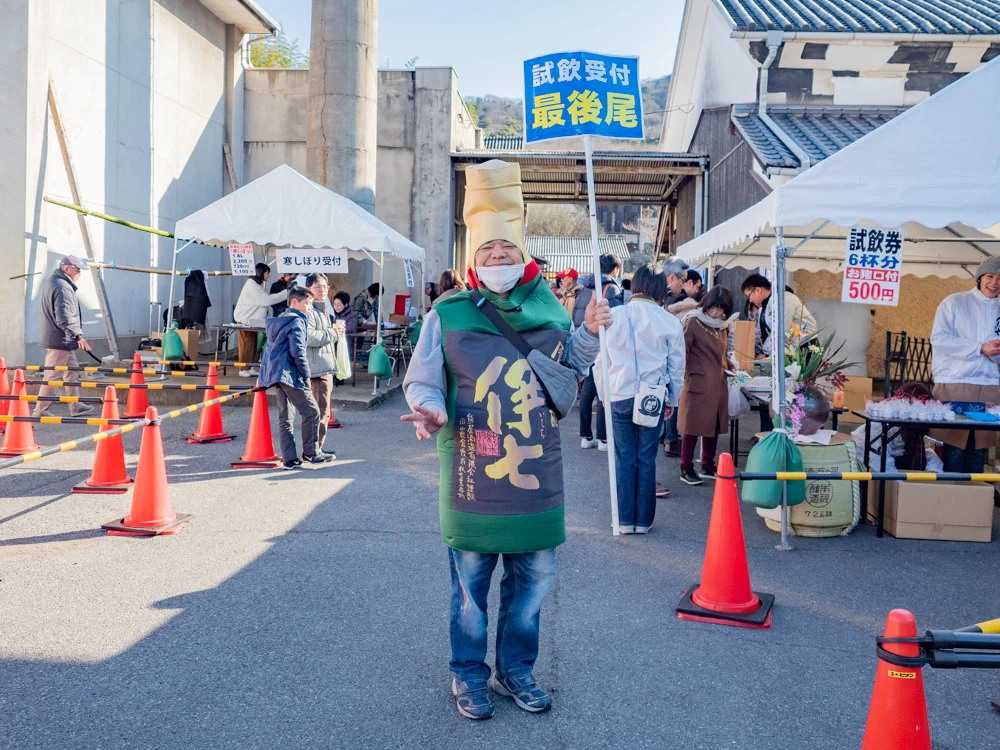
Kumaya Shuzo's new sake festival is the first of the new sake festivals held by sake breweries in Okayama Prefecture in 2020.
Sake is brewed using new rice harvested in autumn, starting from January to March, when the "new sake" is produced.
There are various definitions of new sake, but the new sake produced during this period is also called "hatsu shibori" and is characterized by its fresh and rough taste.
Overview of Kumaya Shuzo Ishichi New Sake Festival
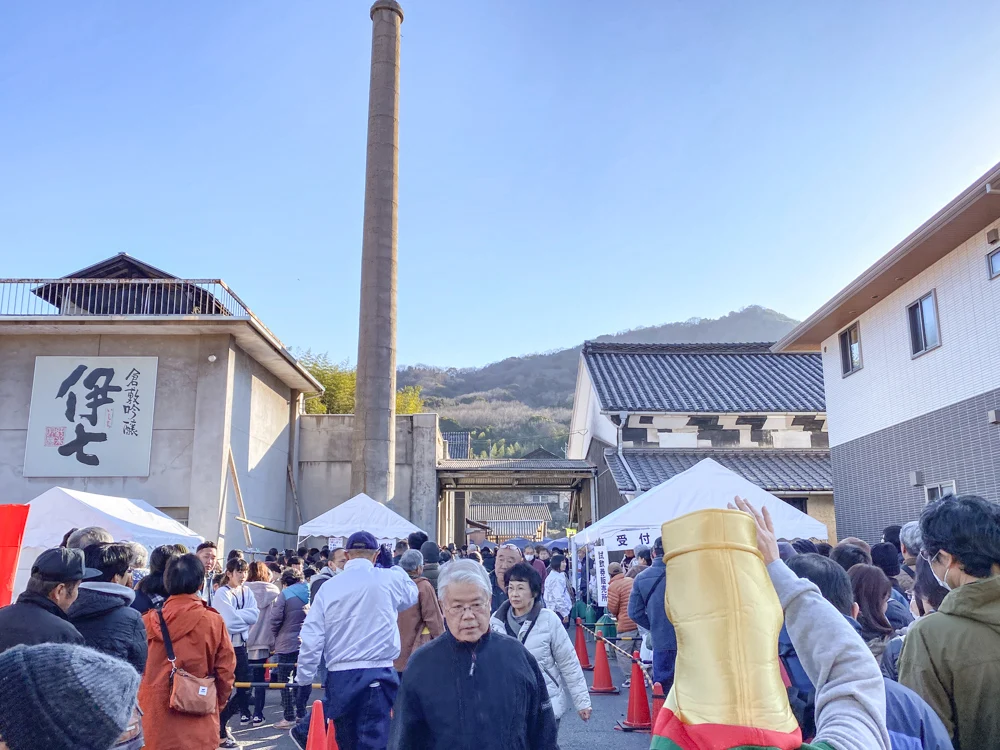
At Kumaya Shuzo's Ishichi New Sake Festival, there are the following highlights.
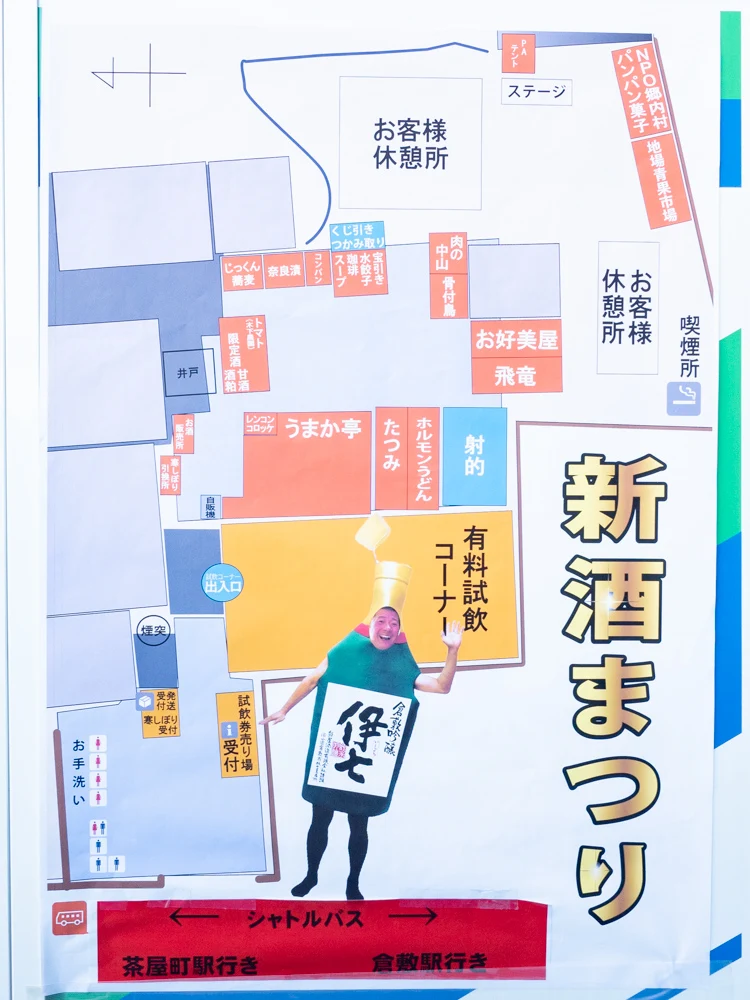
- Ishichi Tasting Corner
- Amazake Corner (free)
- Sales corner for limited sake
- Food stalls and event corner
- Lottery corner (no losing tickets)
At the food stalls, various delicious shops are set up.
The Ishichi New Sake Festival is an event that can be enjoyed by those who do not drink alcohol and children as well.
▼ The map of the venue is as follows.
Take a shuttle bus from Kurashiki and Chayamachi Station to the venue, Kumaya Shuzo
At Kumaya Shuzo, the venue for the new sake festival, parking is limited.
Therefore, it is recommended to use public transportation to get to the venue.
▼ On the day of the event, shuttle buses operate between JR Kurashiki Station, JR Chayamachi Station, and Kumaya Shuzo.
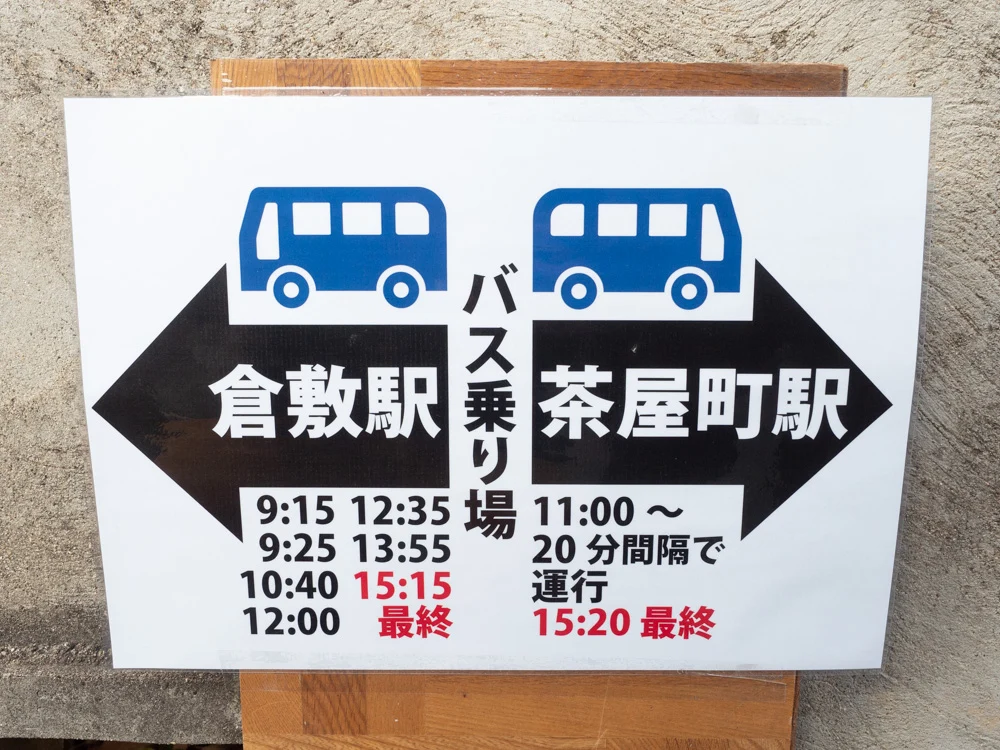
▼ I used the shuttle bus from JR Kurashiki Station.
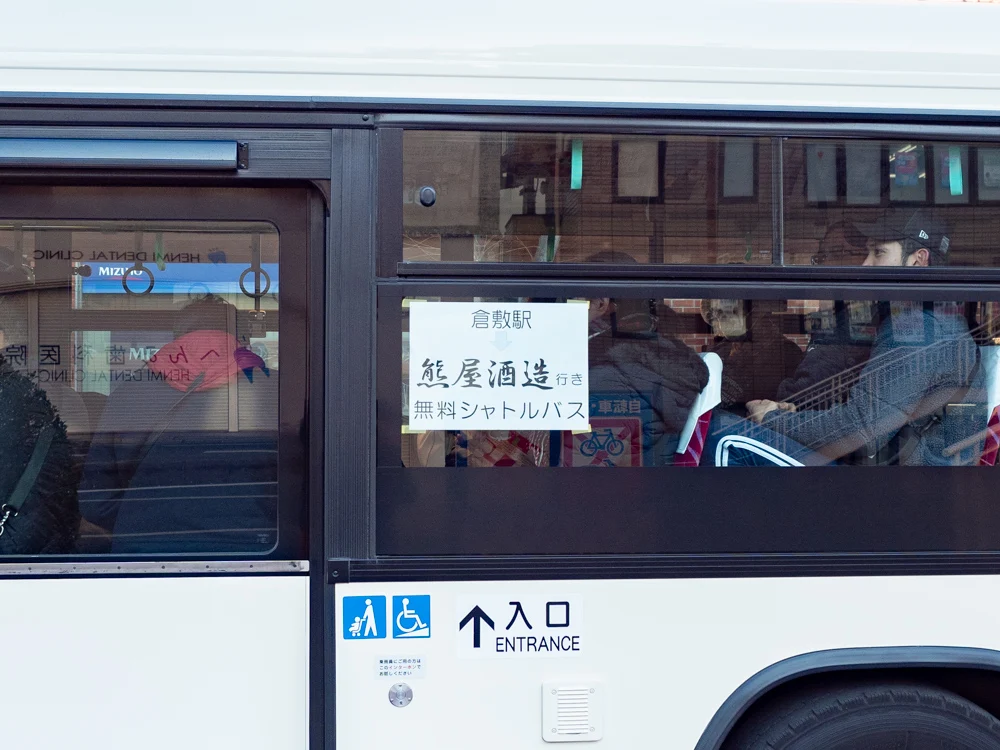
▼ The departure and arrival location is just south of the JR Kurashiki Station West Building.
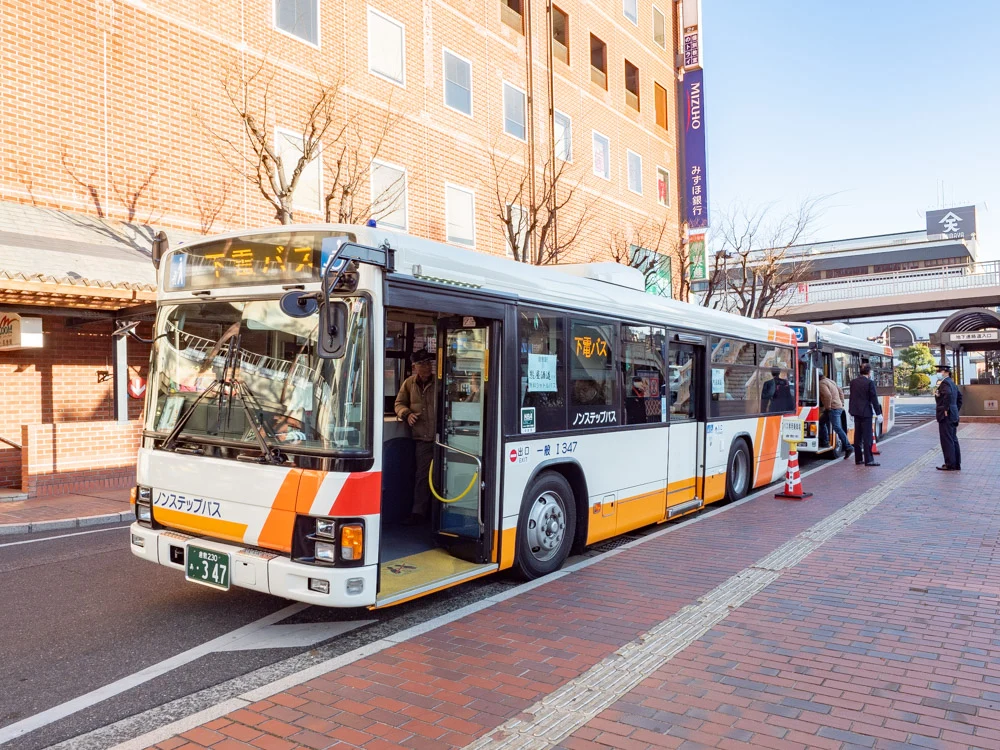
I took the first bus in the morning, but both buses were full, so I had to stand.
I felt that it is a very popular event.
After about 20 minutes from JR Kurashiki Station, we moved to the parking lot for visitors to Goryu Sonryuin near the venue.
▼ From there, it takes about a 3-minute walk to arrive at Kumaya Shuzo, the venue for the new sake festival.
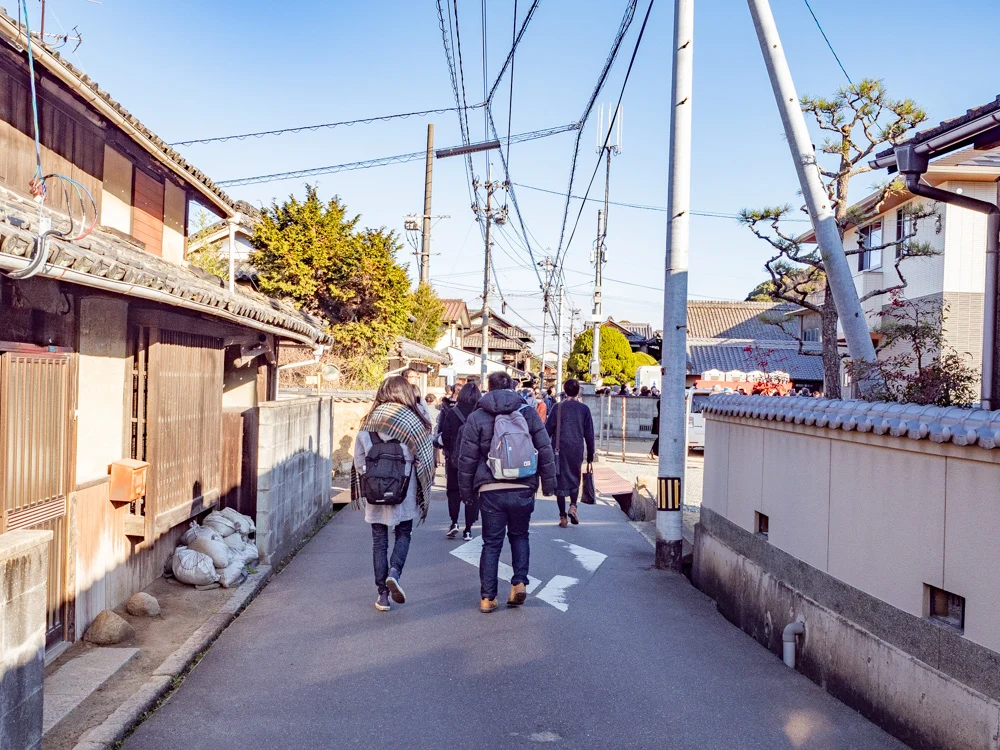
Tasting Kumaya Shuzo's sake! The very popular tasting corner
After all, the main attraction of the new sake festival is the tasting corner!
▼ As expected, there is a huge line at the tasting ticket sales area.
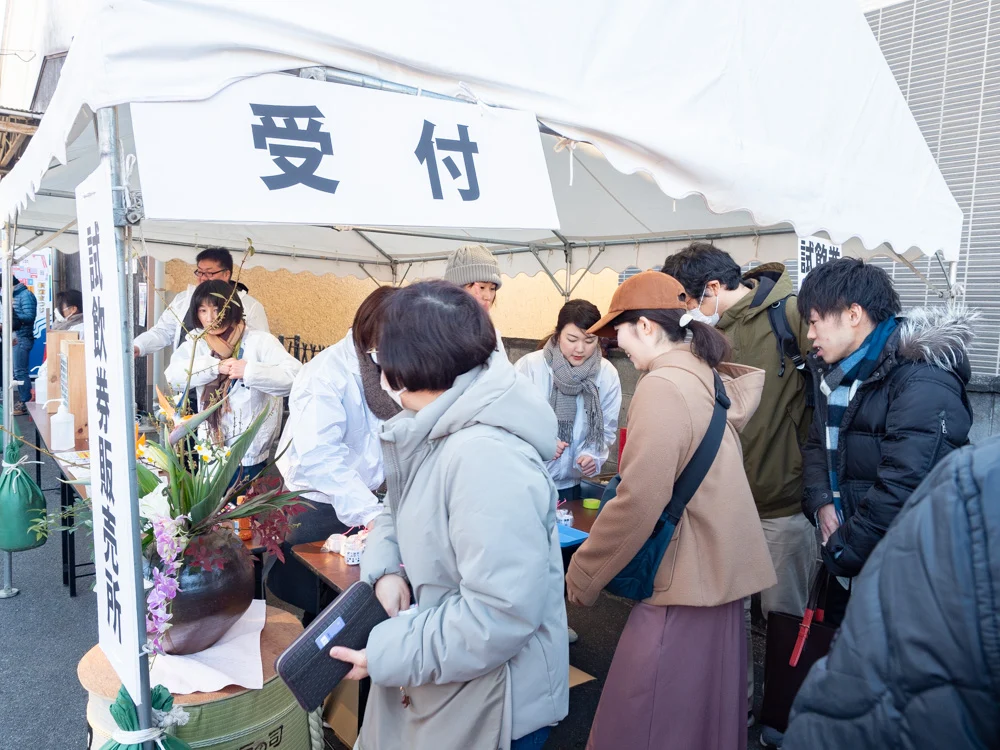
▼ The tasting system for Kumaya Shuzo's Ishichi New Sake Festival is as follows.
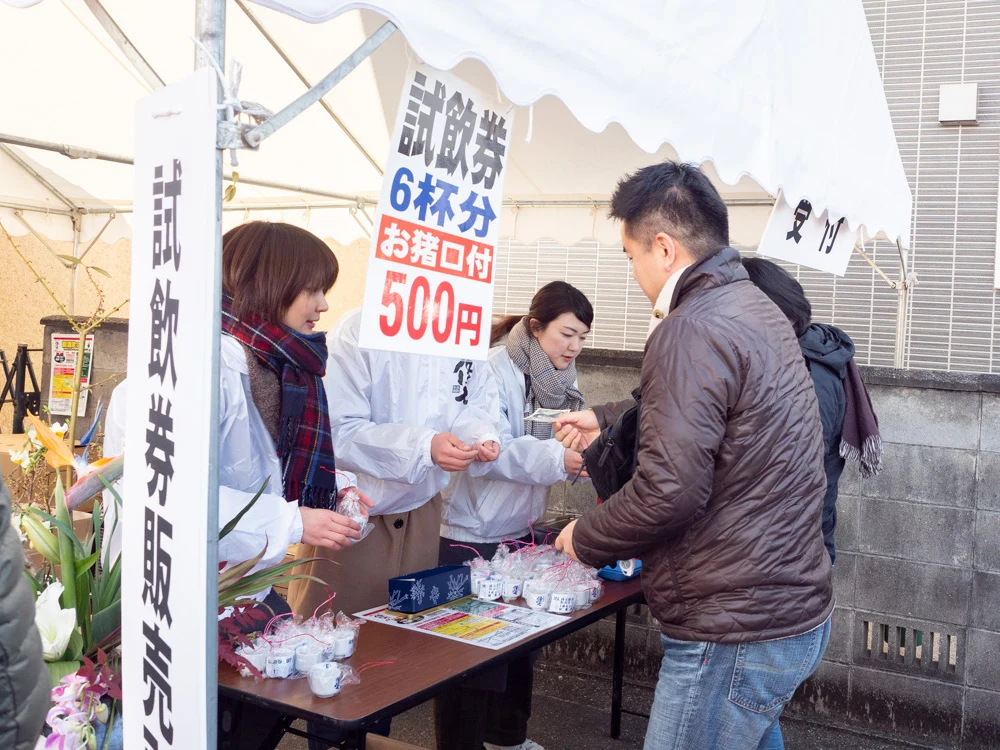
- Purchase a tasting ticket (3 cups of carefully selected sake from the brewery, 3 tasting tickets) for 500 yen (including tax) at the tasting ticket sales area
- Taste the 3 carefully selected cups
- Choose 3 cups from 7 types of sake to taste
- If you want to taste more, purchase a set of 3 additional tasting tickets for 100 yen (including tax) (300 yen if you do not have the tray from the initial tasting)
All the sake for tasting is of the brand "Ishichi."
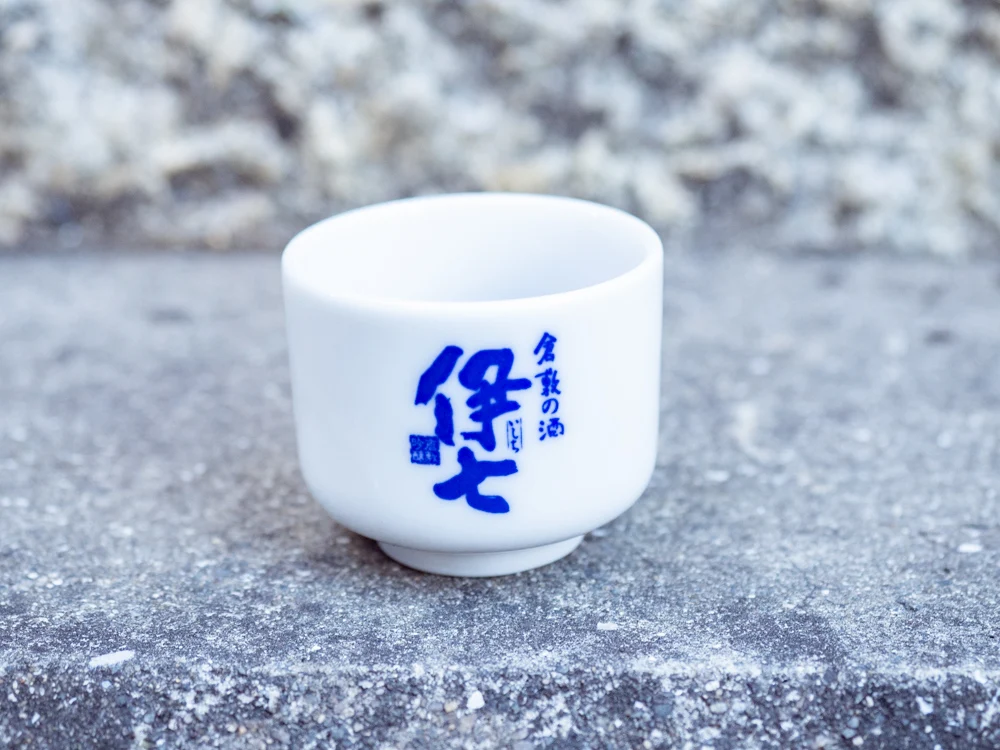
▼ When you purchase the tasting ticket for 500 yen, you receive an Ishichi original ochoko as a gift.
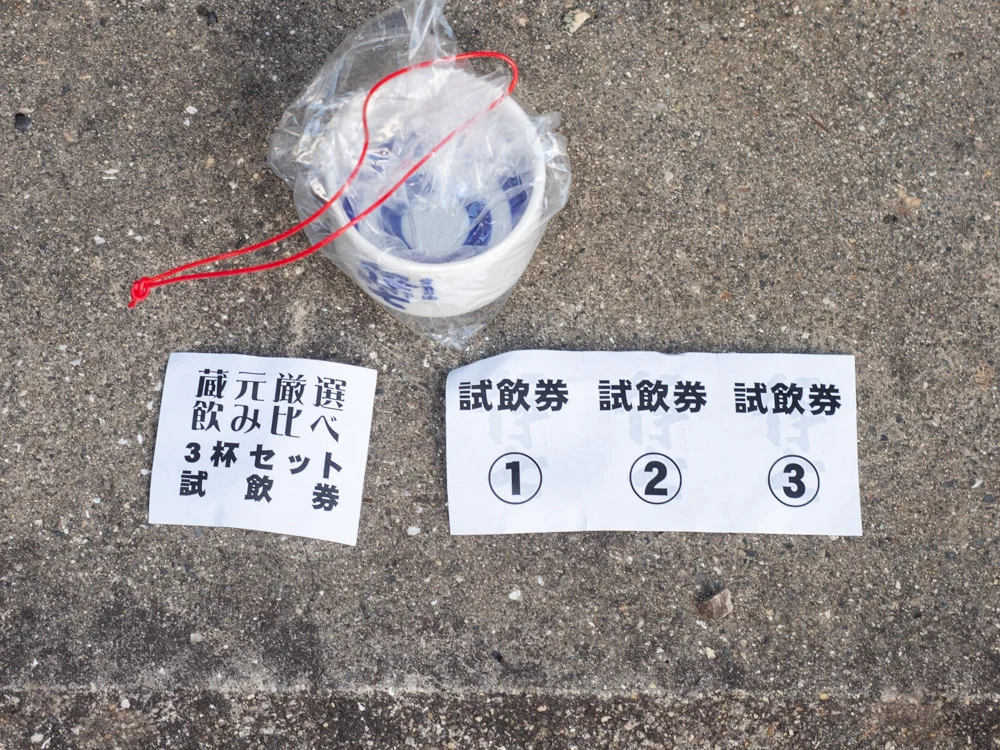
▼ The 500 yen tasting ticket includes one carefully selected tasting ticket for 3 cups and 3 regular tasting tickets.
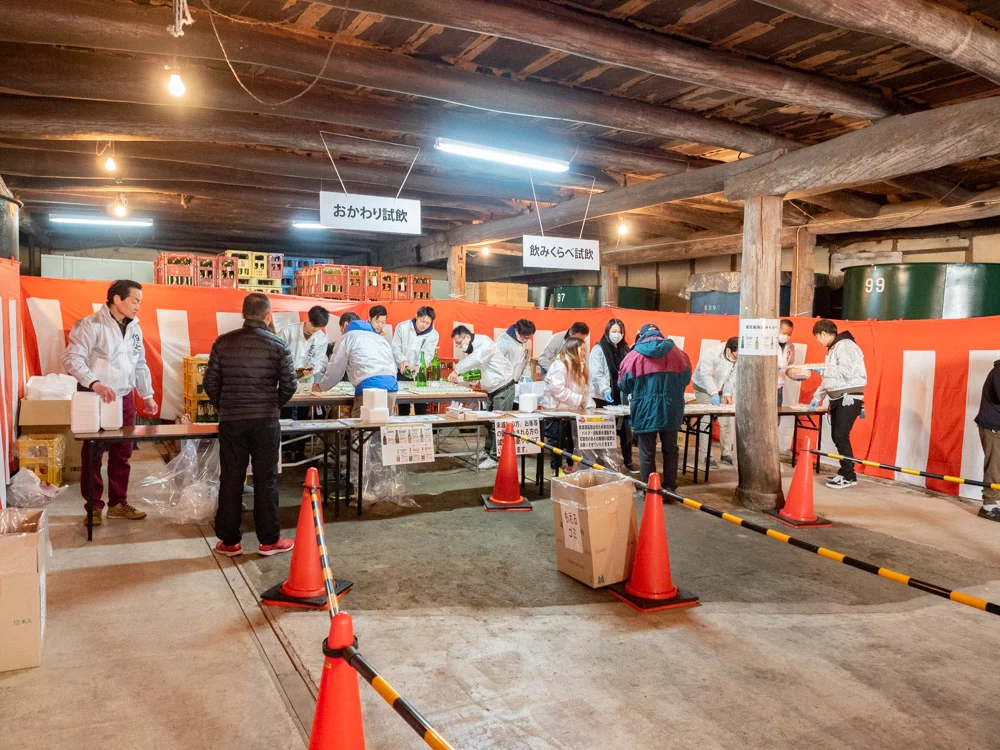
▼ Let's head to the tasting area right away.
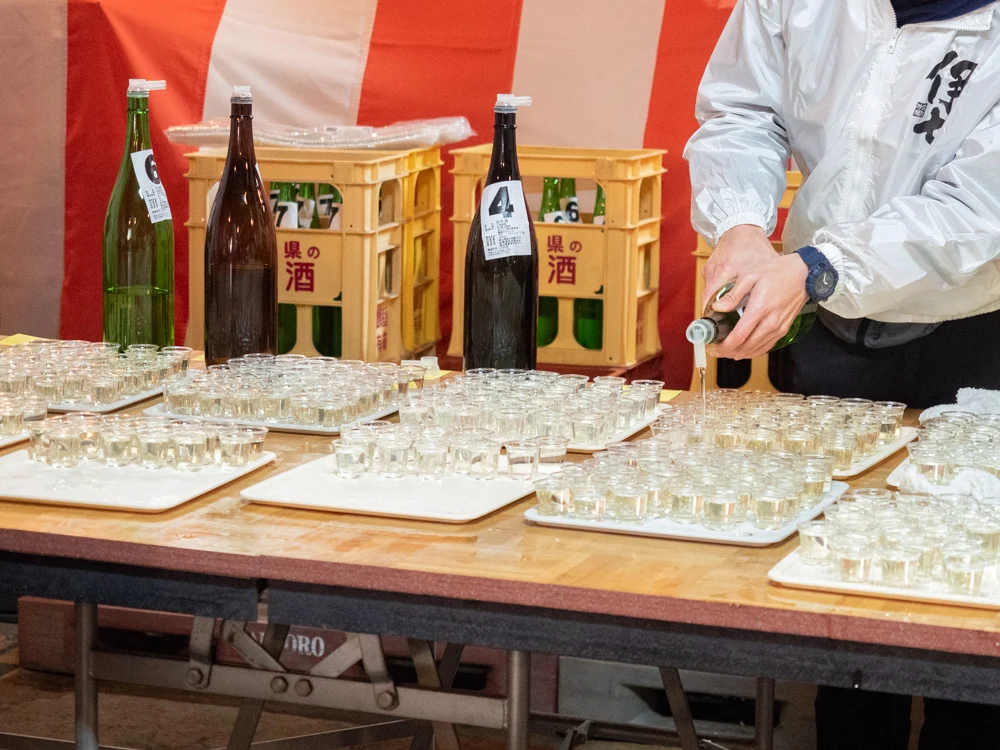
▼ The staff was continuously preparing the tasting sake.
▼First, here are three selected tasting cups from the brewery.
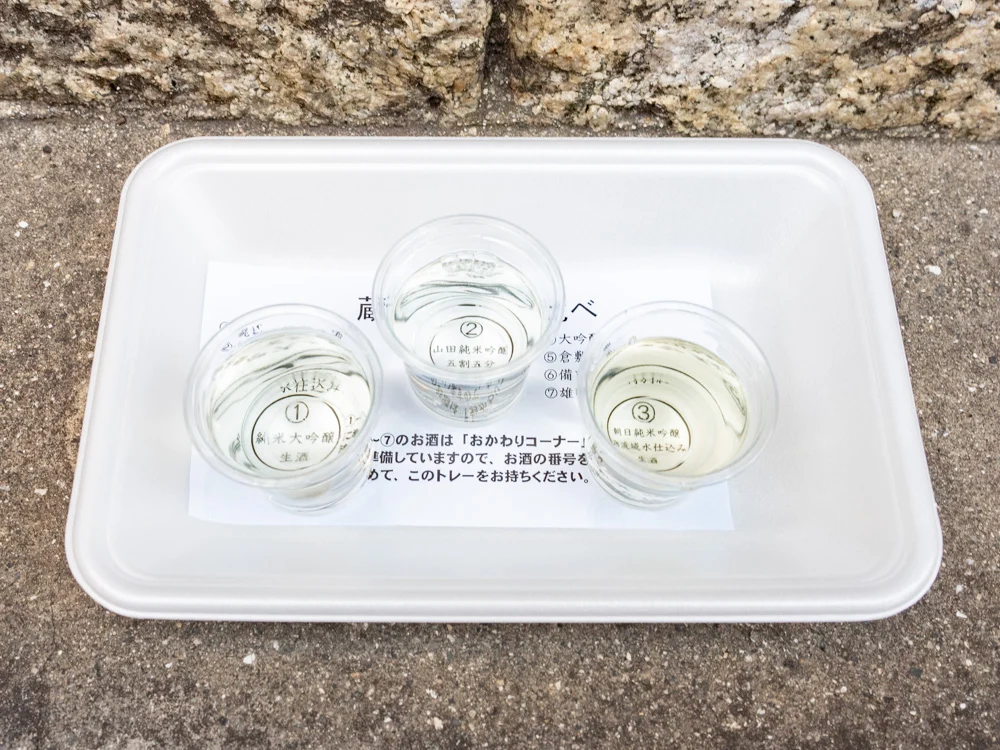
- Left: Junmai Daiginjo Nama Sake
- Middle: Yamada Junmai Daiginjo 55% Nama Sake
- Right: Asahi Junmai Ginjo Takahashi River Headwaters Water Brewed Nama Sake
▼The "Junmai Daiginjo Nama Sake" is sweet, rich, and fruity. It has a refreshing taste.
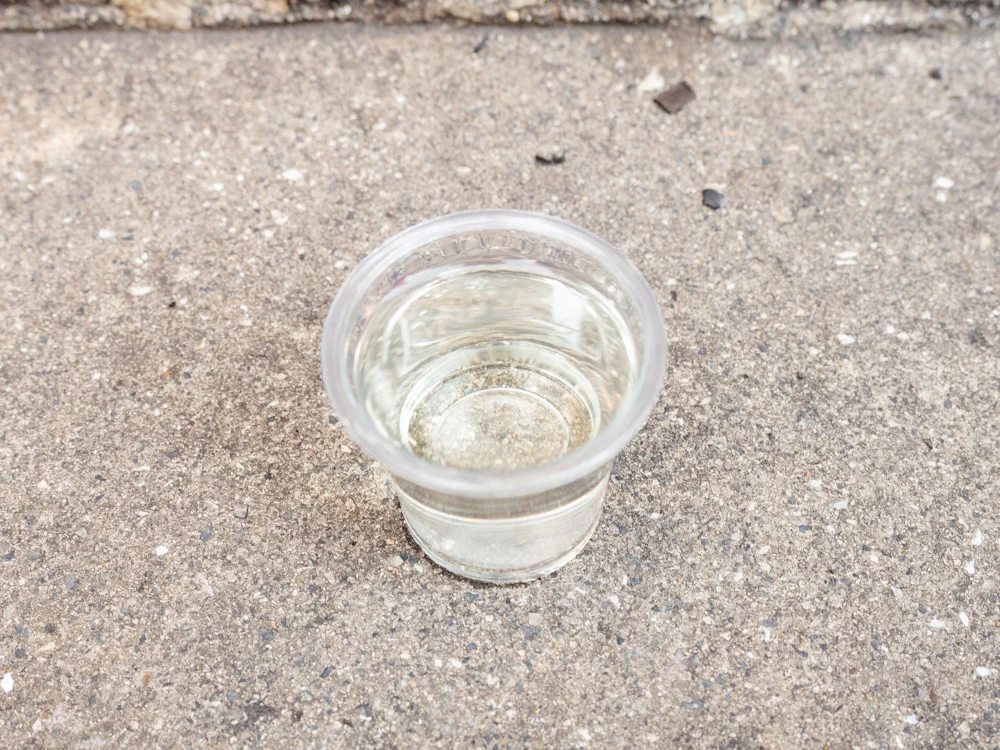
▼The "Yamada Junmai Daiginjo 55% Nama Sake" has a sweet mouthfeel.
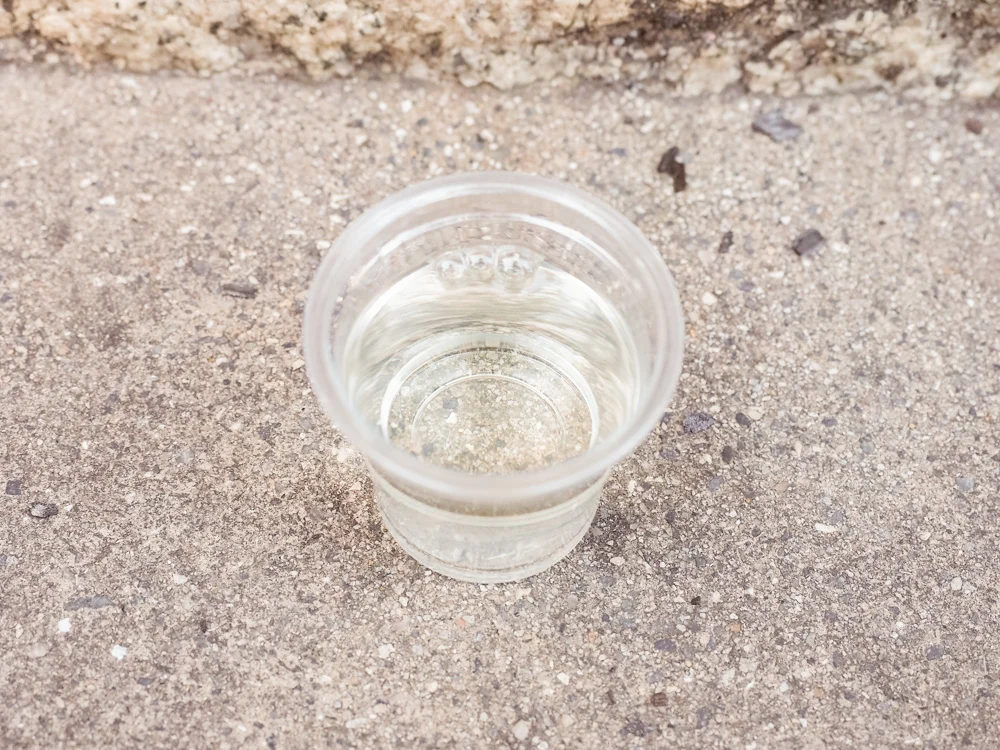
It has a slightly stronger aroma than the Junmai Daiginjo Nama Sake.
▼The "Asahi Junmai Ginjo Takahashi River Headwaters Water Brewed Nama Sake" also has a sweet flavor, but it was smooth and rich.
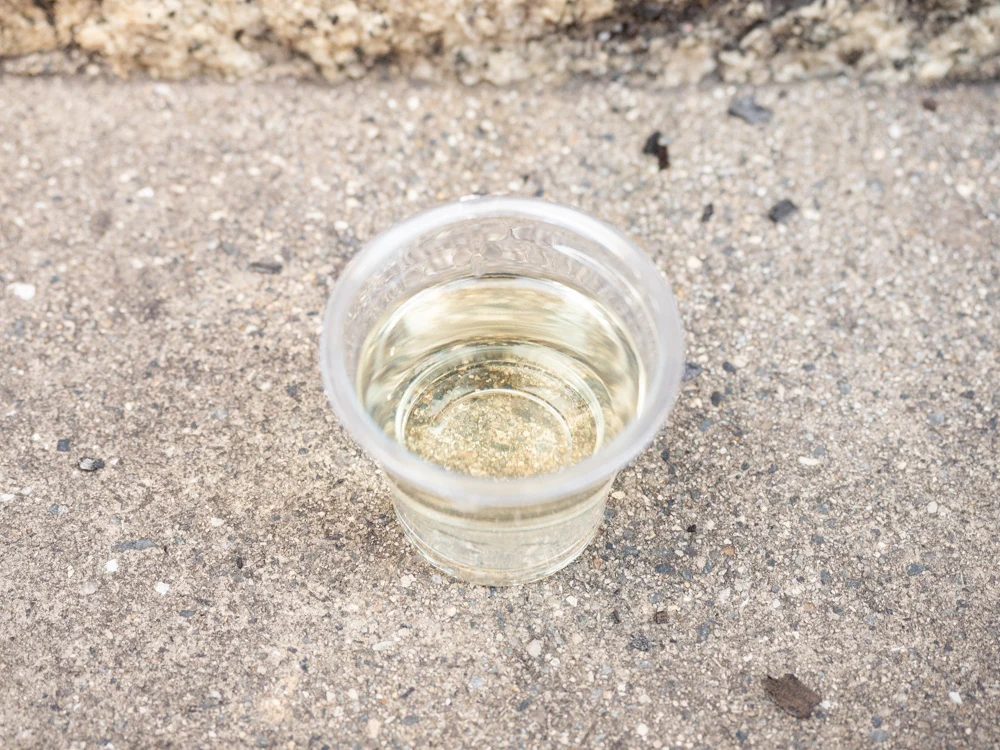
Additionally, it has a slightly yellowish tint, which is also characteristic.
▼Next, you can choose three types from seven for tasting.
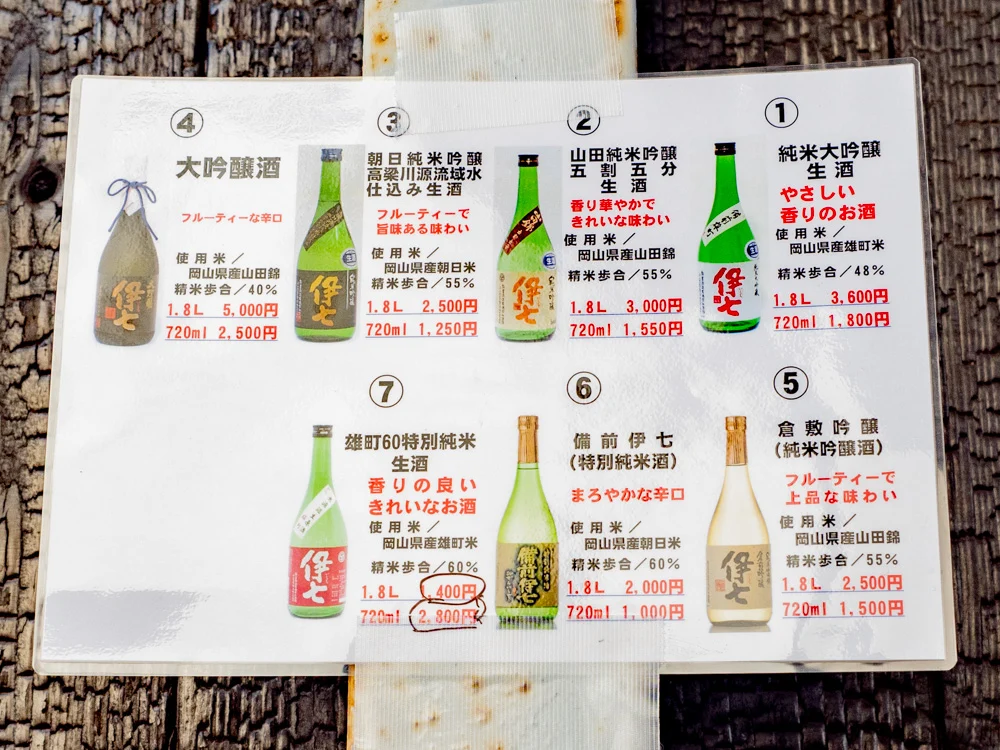
- Junmai Daiginjo Nama Sake
- Yamada Junmai Daiginjo 55% Nama Sake
- Asahi Junmai Ginjo Takahashi River Headwaters Water Brewed Nama Sake
- Daiginjo Sake
- Kurashiki Ginjo (Junmai Ginjo Sake)
- Bizen Ishi (Tokubetsu Junmai Sake)
- Omachi 60 Tokubetsu Junmai Sake Nama Sake
There are many technical terms, so I will briefly explain them below.
| Daiginjo/Ginjo | Daiginjo is when the rice used as the ingredient is polished down to 50% or less (seimai buai 50% or less), and Ginjo is when it is polished down to 40% or less (seimai buai 60% or less). Only the part close to the center of the rice is used. |
|---|---|
| Junmai | Sake made only from water, rice, and koji (malted rice) without adding brewing alcohol. |
| Nama Sake | Sake that has not been heated (pasteurized). The yeast activity is not stopped. |
| Yamada | Refers to Yamada Nishiki, a rice variety considered optimal for sake brewing. |
| Asahi | A rice variety that is actively cultivated in Okayama Prefecture. |
| Omachi | A rice variety considered optimal for sake brewing, originating from the Omachi area in Okayama City. |
1 to 3 are the first three cups selected by the brewery for tasting.
Since it was a good opportunity, I chose three cups from 4 to 7.
▼The three cups I chose for tasting are as follows.
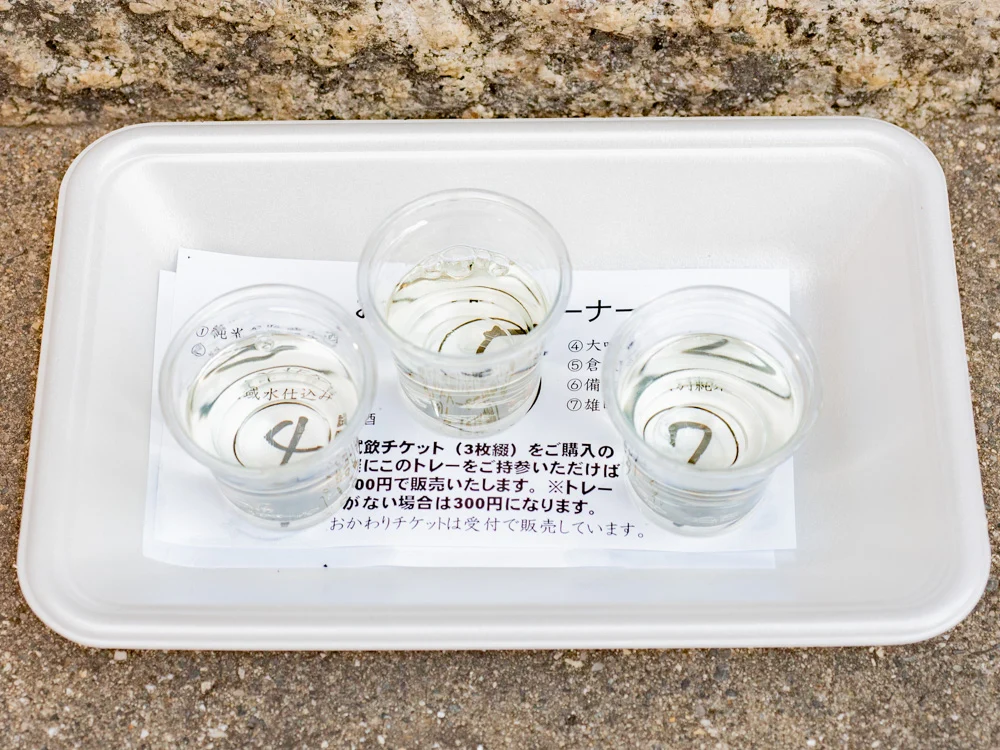
- Left: 4 Daiginjo Sake
- Middle: 5 Kurashiki Ginjo (Junmai Ginjo Sake)
- Right: 7 Omachi 60 Tokubetsu Junmai Sake Nama Sake
▼The "Daiginjo Sake" has a sweet flavor but a crisp mouthfeel.
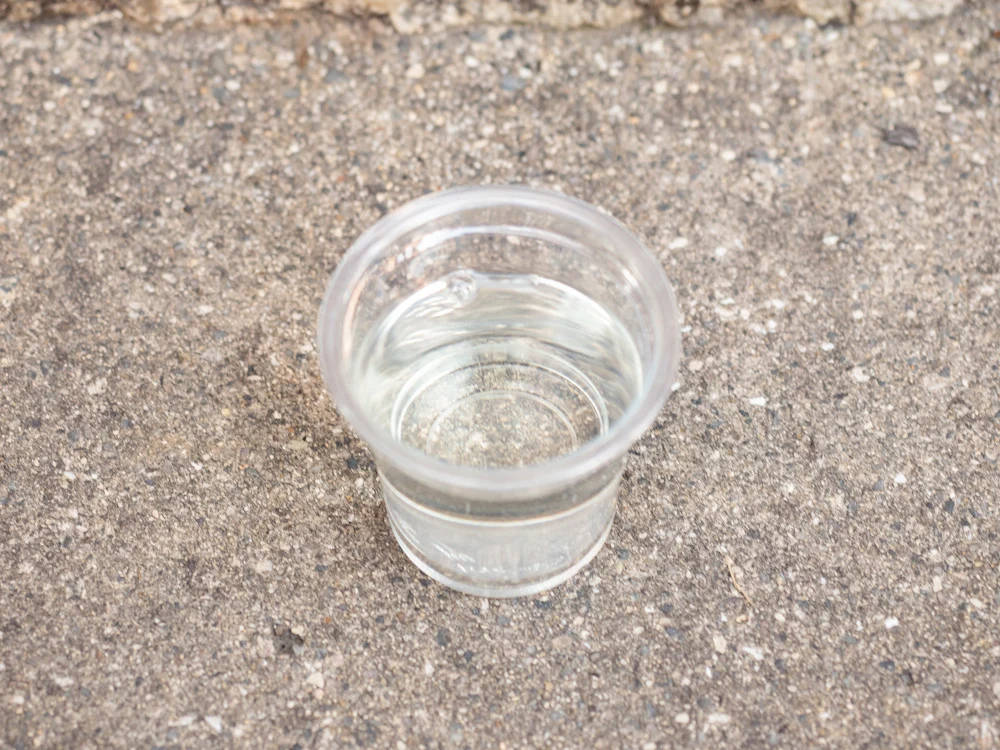
▼The "Kurashiki Ginjo (Junmai Ginjo Sake)" has a moderate sweetness, a refreshing and crisp mouthfeel, making it easy to drink.
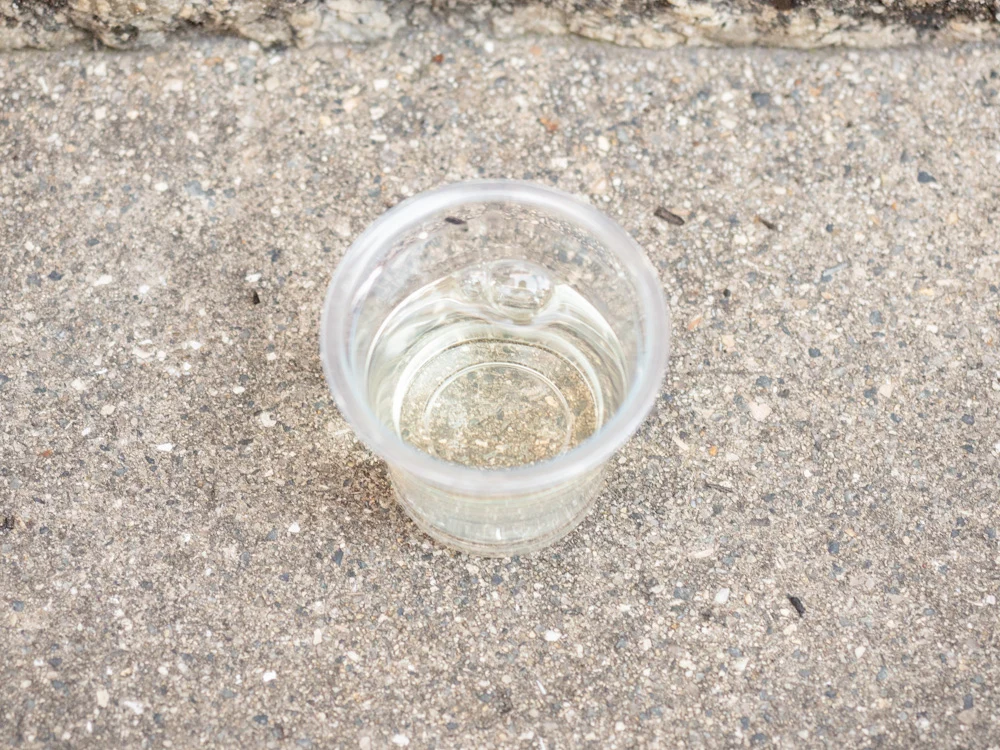
▼The "Omachi 60 Tokubetsu Junmai Sake Nama Sake" has a rich flavor.
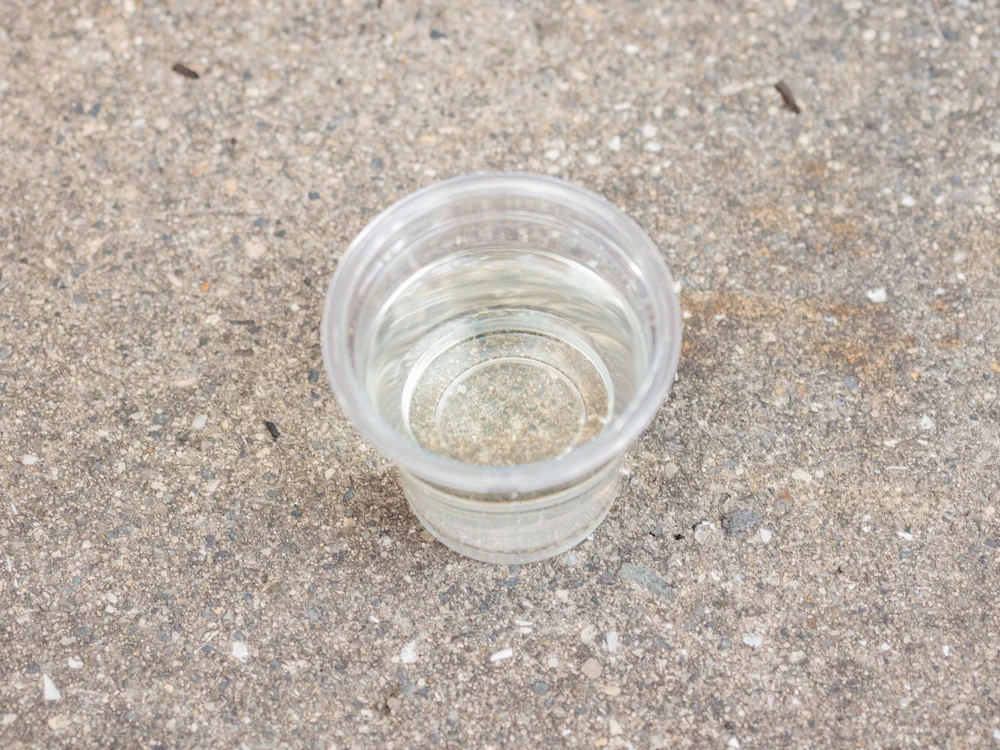
I couldn't taste one type, so I purchased a set of three additional tasting tickets for 100 yen.
▼The three additional tastings I had are as follows.
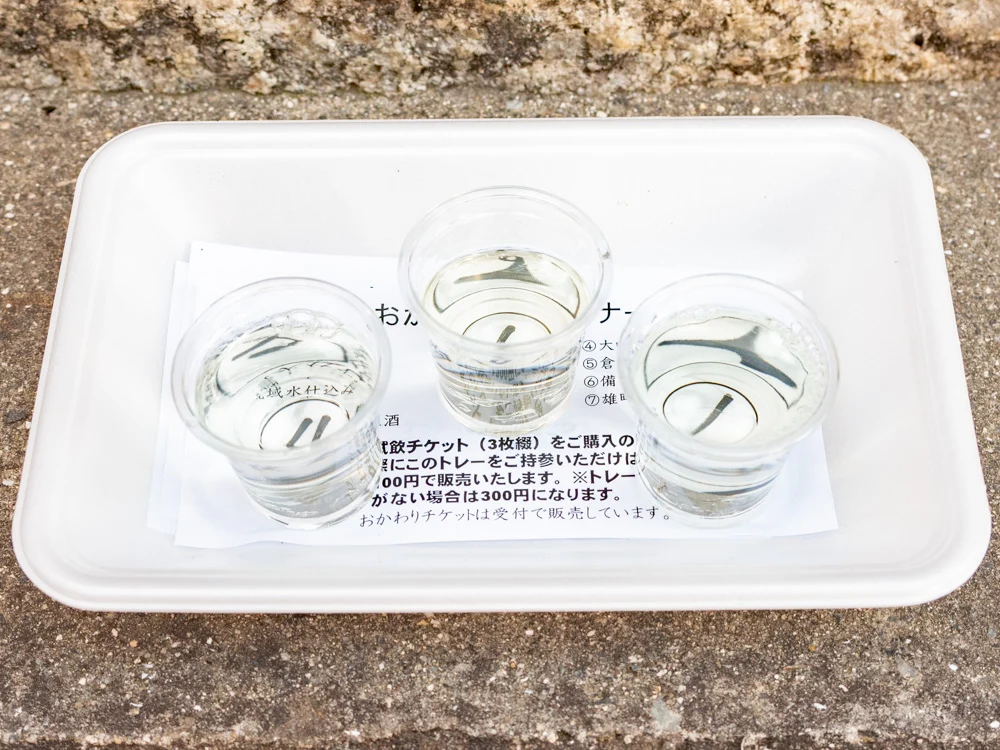
- Left: 4 Daiginjo Sake
- Middle: 6 Bizen Ishi (Tokubetsu Junmai Sake)
- Right: 1 Junmai Daiginjo Nama Sake
▼The last of the seven types, "Bizen Ishi (Tokubetsu Junmai Sake)," has a subtle sweetness and a slightly thick, mellow mouthfeel.
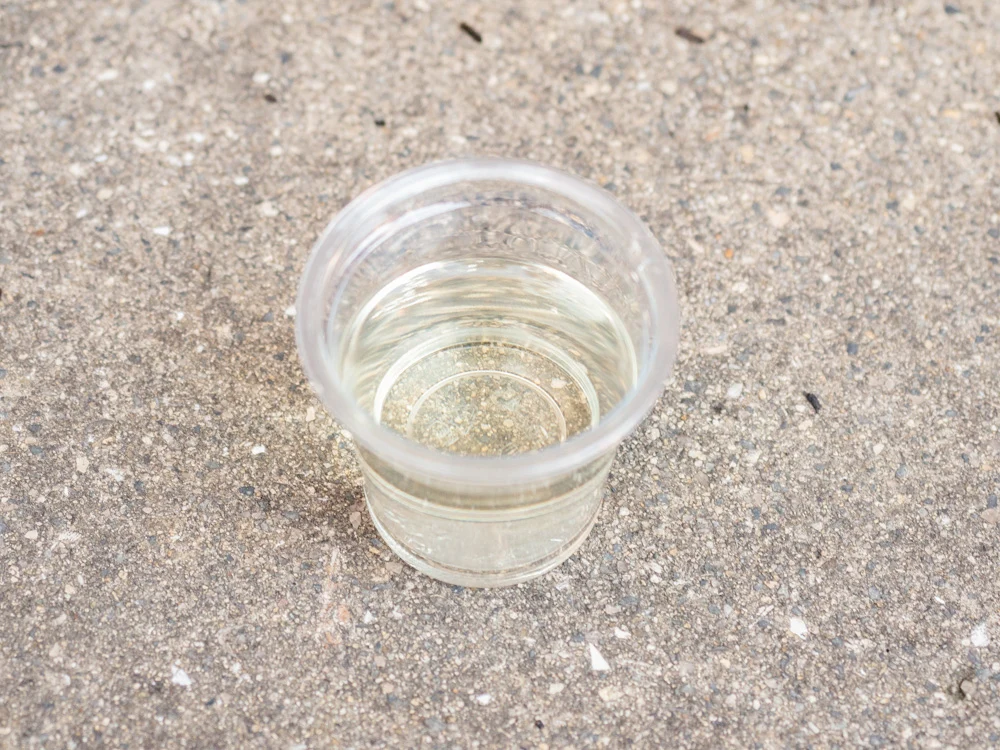
I continued to enjoy additional tastings.
▼Furthermore, there was a tasting of the brand "Gonai" in a different area from the tasting corner.
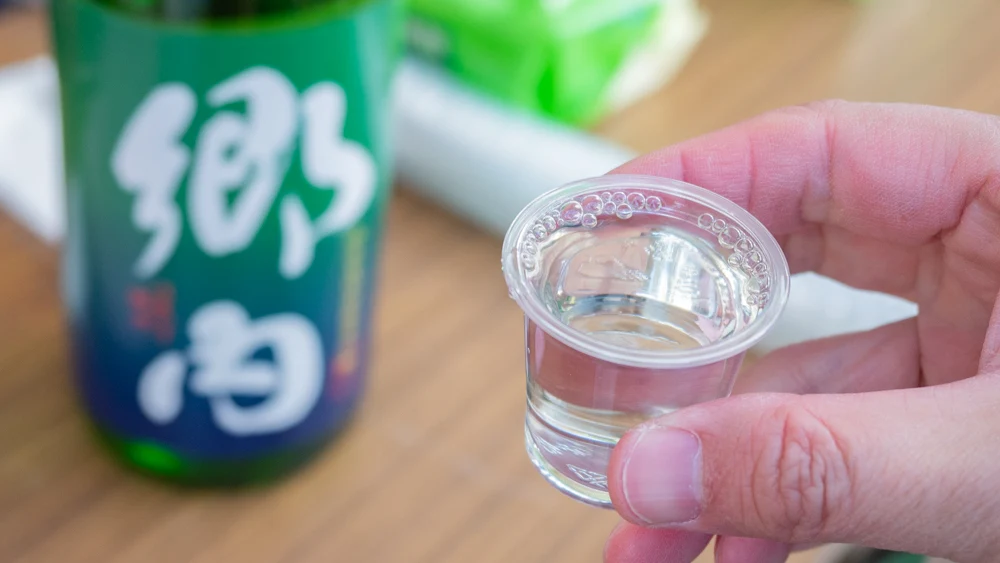
This is the sake I also drank when I covered "Wasyurakushoku Seribe" located in the Bikan Historical Area.
Thus, I tasted a total of 8 types and 16 cups!
Comparing them makes it easy to understand the characteristics of each sake, and it was very enjoyable.
The Limited Sake "Kanshibori" Sales Corner is Also Popular
At the Ishi New Sake Festival, there are also limited sake sold only at the festival.
▼The limited sake is called "Kanshibori".
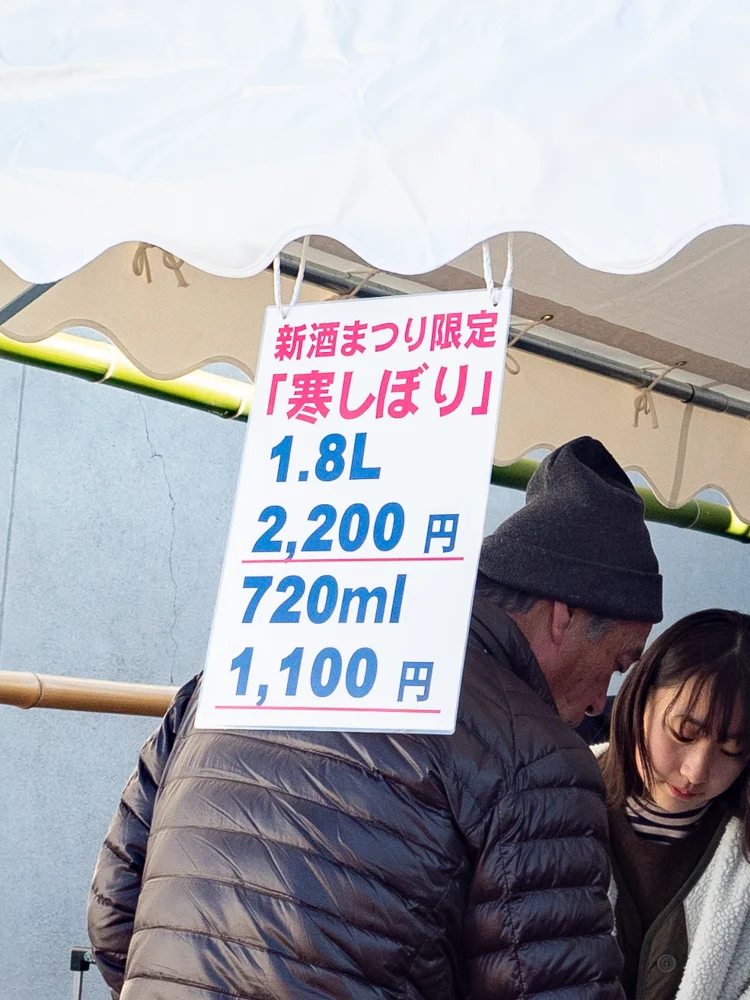
▼The sales corner for the limited sake was as bustling as the tasting corner.
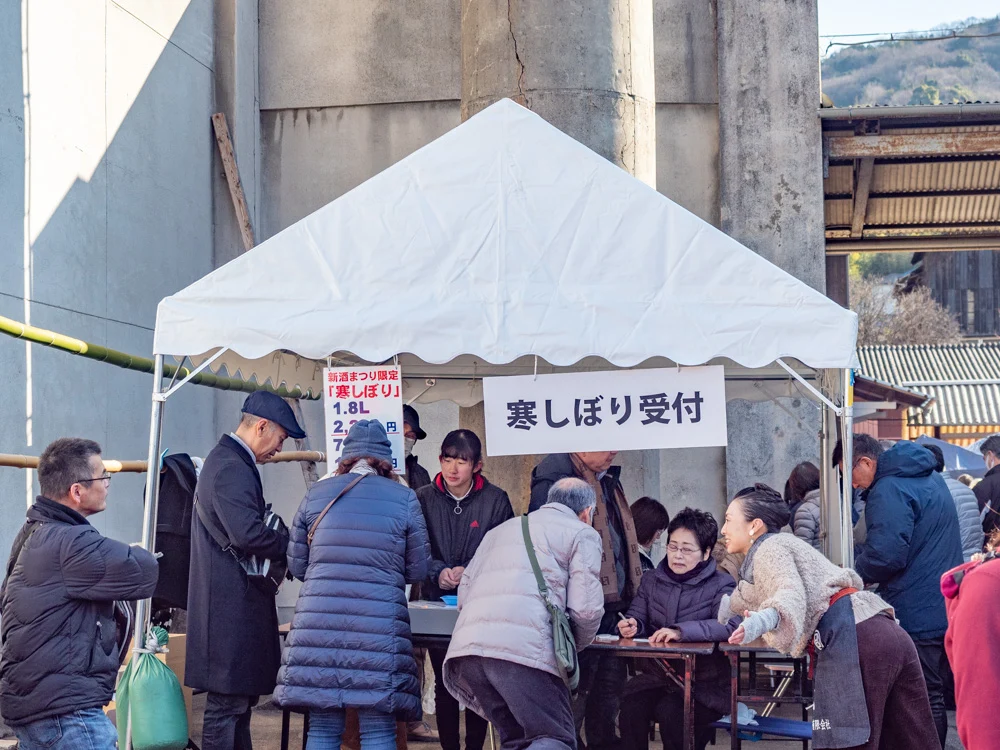
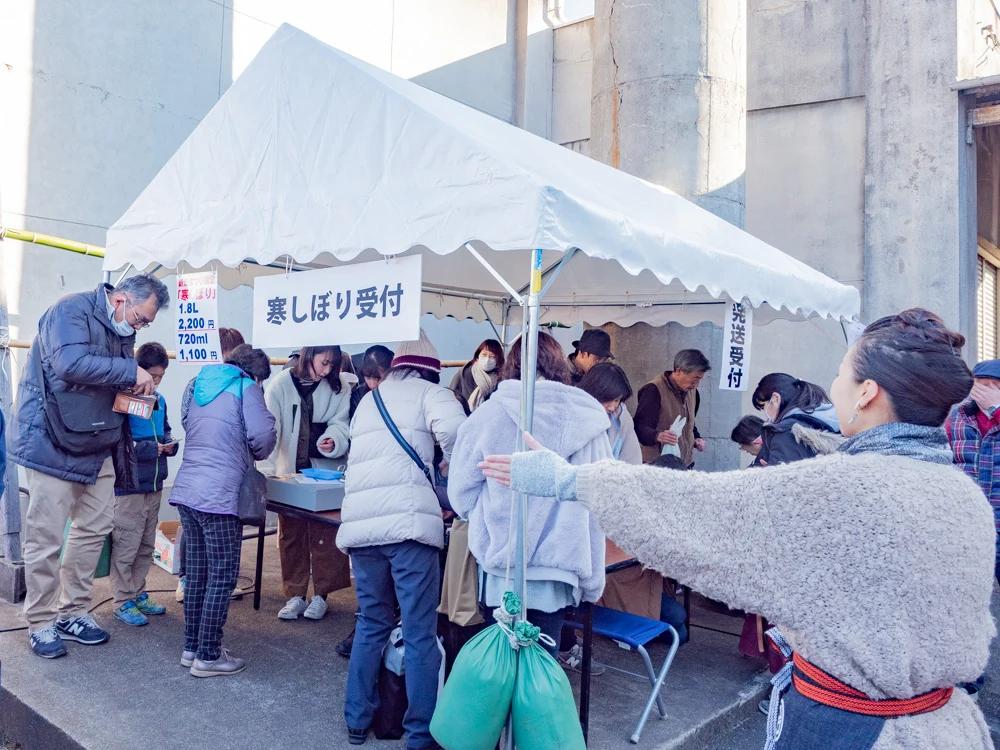
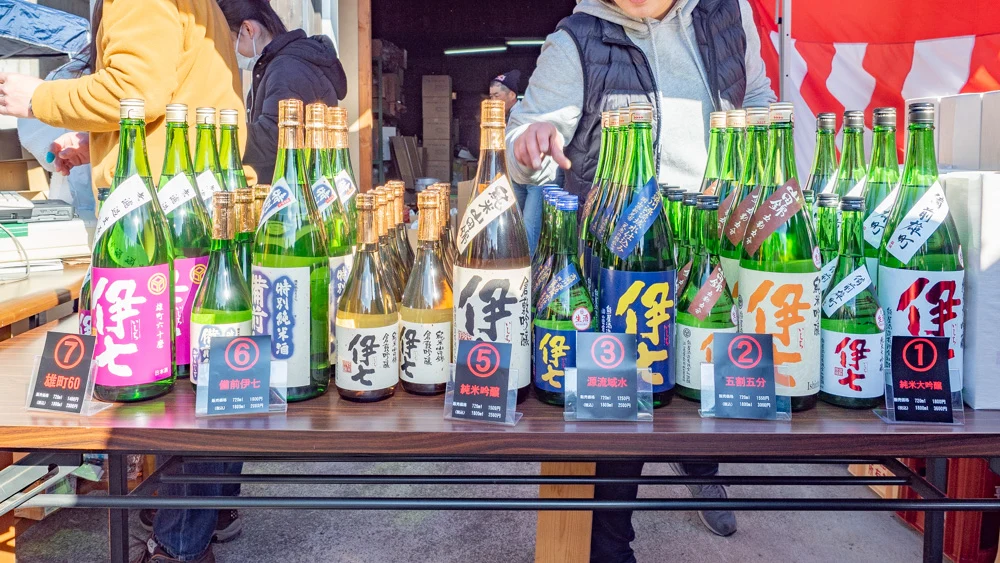
▼At another location, seven types of sake that were sampled at the tasting corner are also for sale.
▼Additionally, there was a sales corner for the "Gonai" brand.
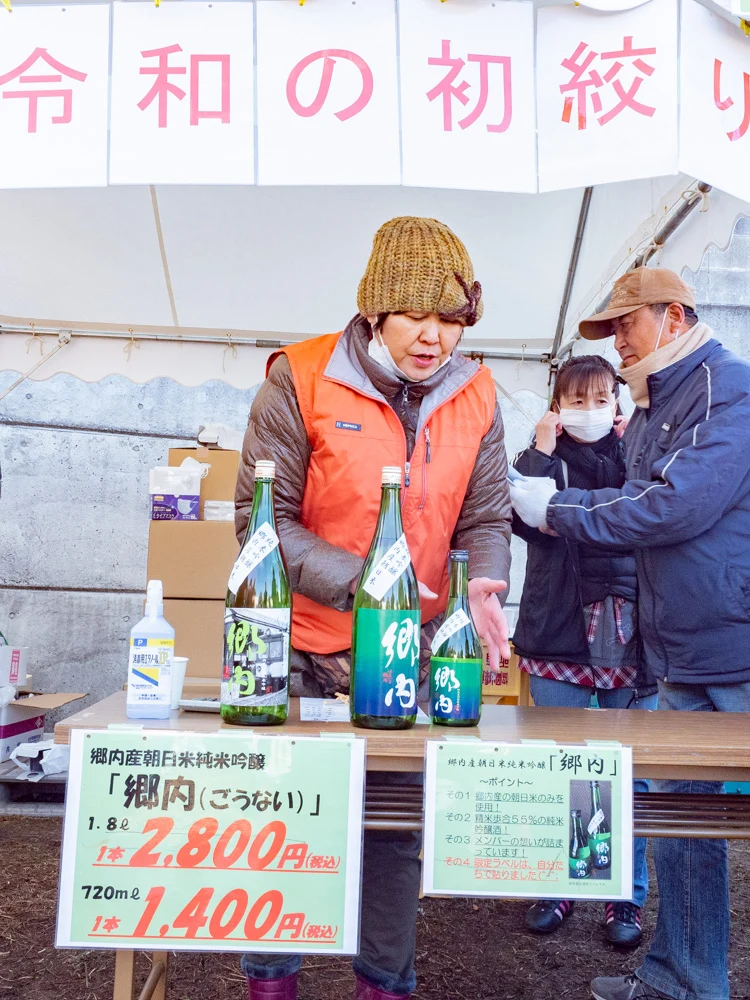
Gonai is a pure rice ginjo sake made using Asahi rice harvested in the Gonai area, as the name suggests.
▼I purchased two types at the Ishi New Sake Festival: "Gonai" and the limited sake "Cold Pressed."
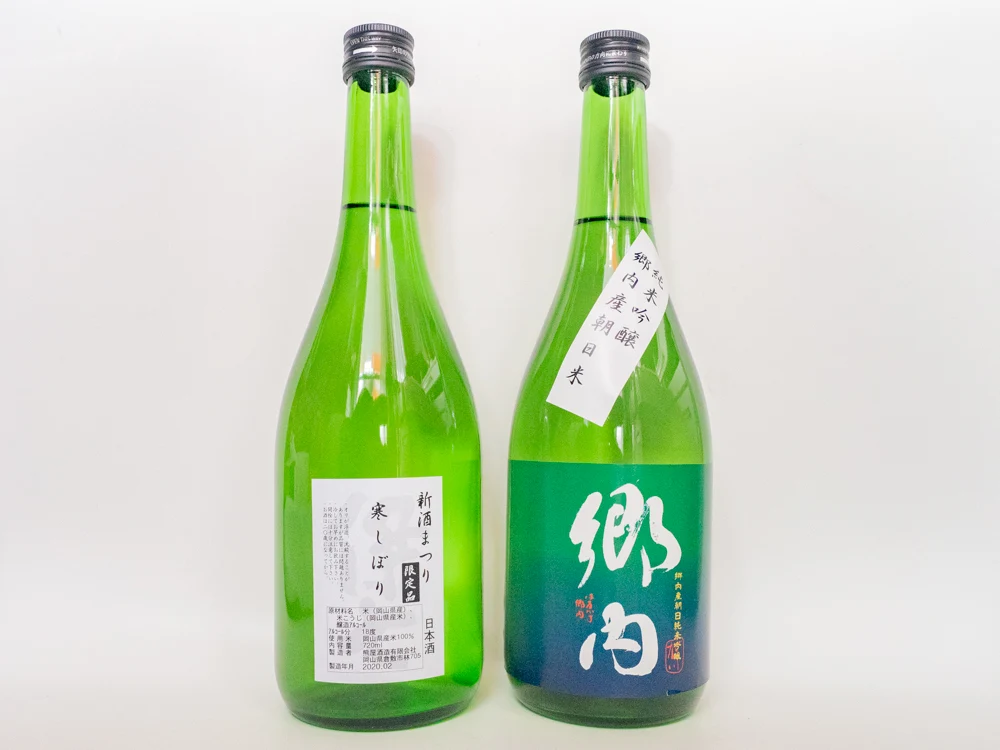
▼Cold Pressed
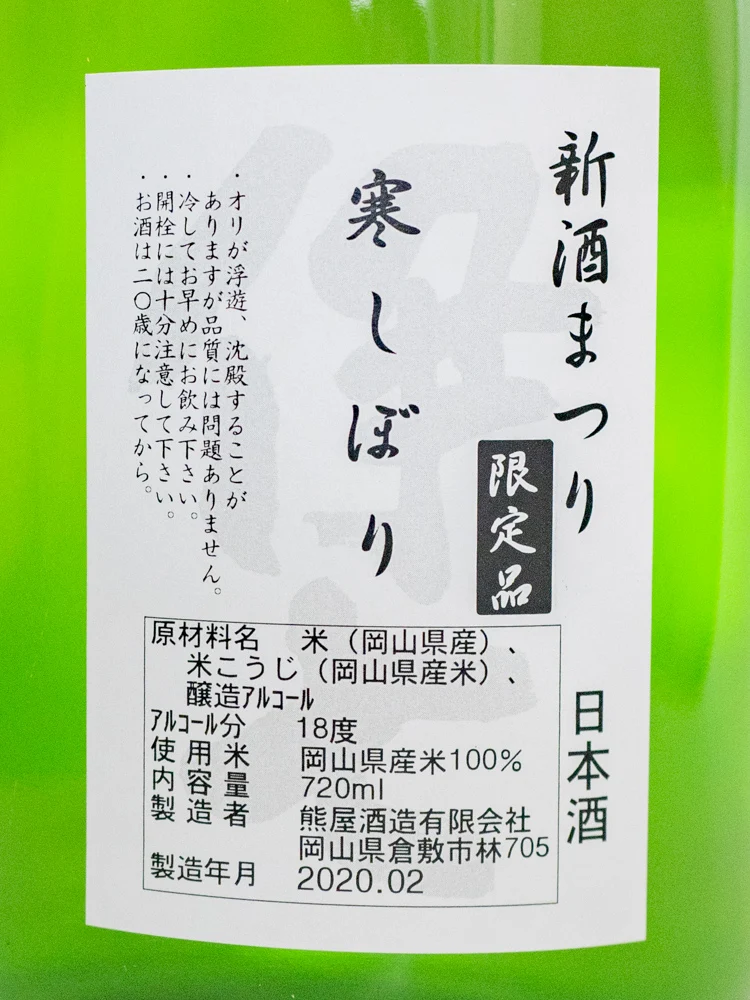
▼Gonai
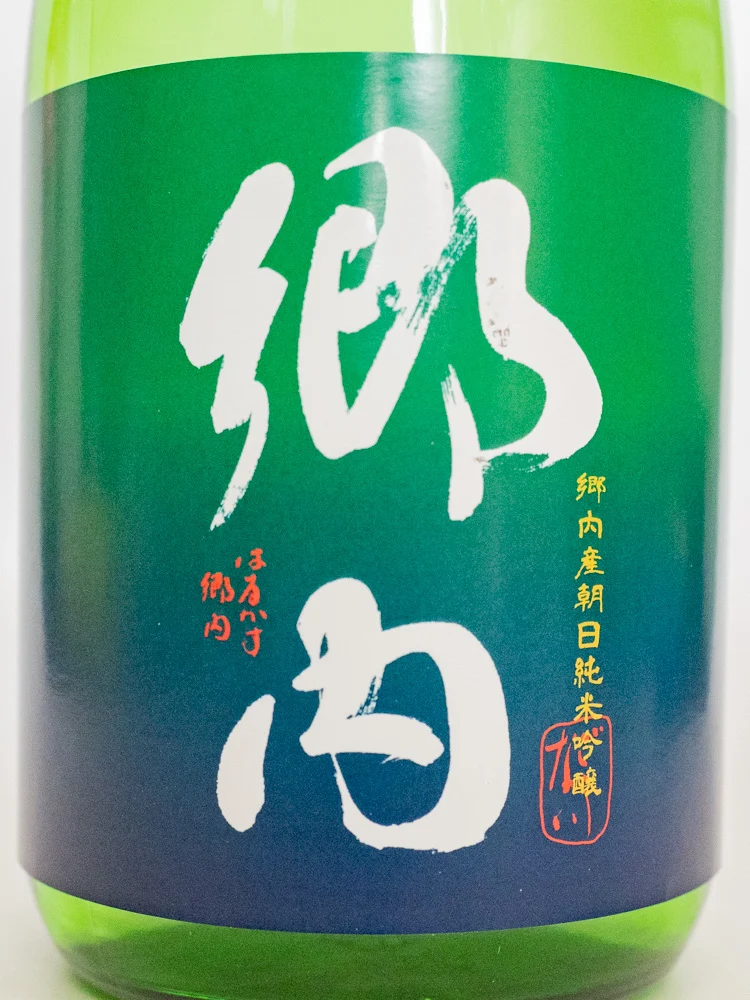
There were many other sake options I wanted, so I was quite indecisive.
▼Cold Pressed has a refined sweetness and a rich flavor.
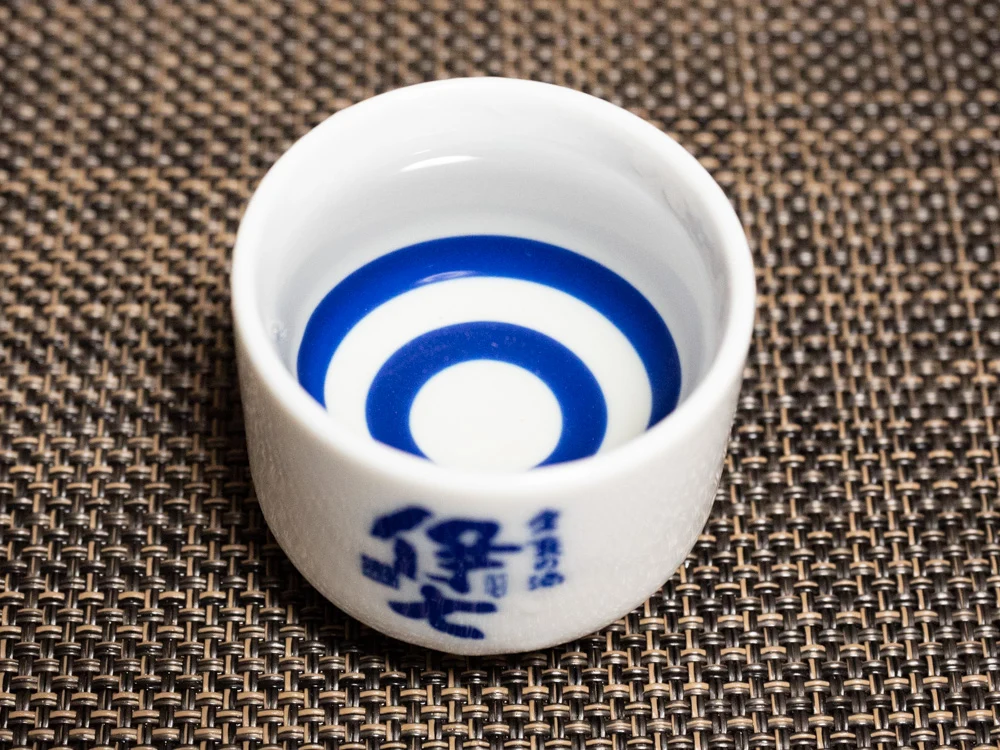
▼Gonai is sweet and fruity.
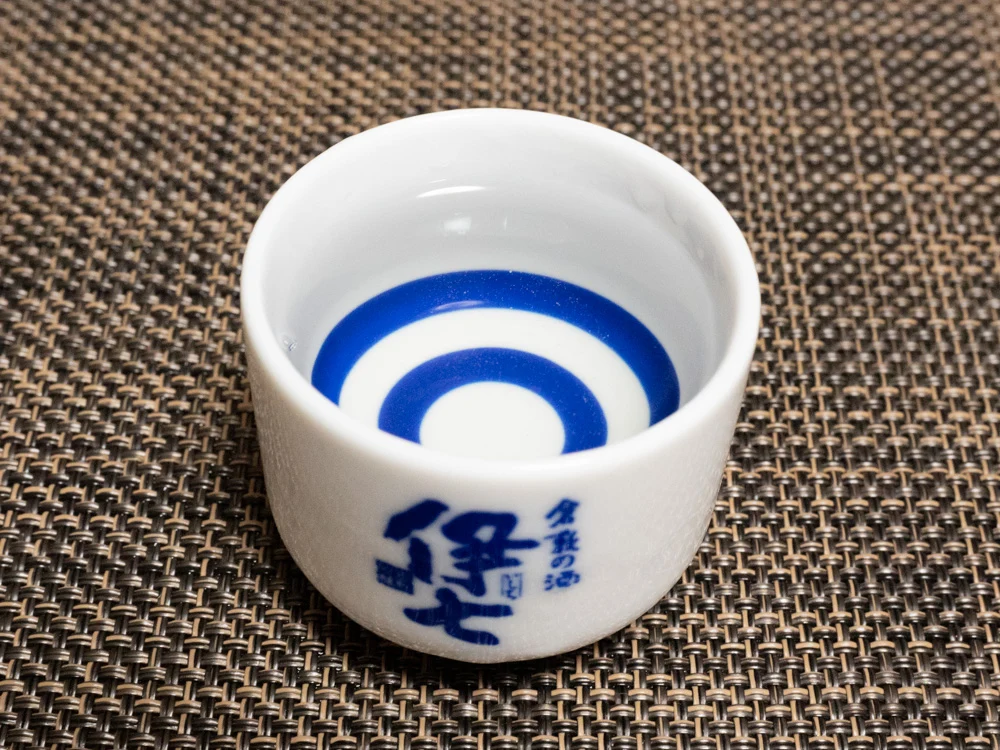
It had a smooth mouthfeel, making it very easy to drink.
There Were Many Delicious Food Stalls!
At Kumaya Sake Brewery's Ishi New Sake Festival, there were many fun activities besides sake.
Among them, the numerous food stalls were particularly noteworthy.
The main stalls at the Ishi New Sake Festival included the following:
- NPO Gonai Village (Puffed Rice)
- Local Produce Market (Fruits and Vegetables)
- Bakery Lab Konpan (Bread)
- Umakatai (Fried Baby Octopus and more)
- Nikuno Nakayama (Chiyagyu Beef Cubes)
- Garyu Tatsumi (Steamed Oysters from Yorishima)
- Hiryuu (Ramen)
- Kinoshita Farm (Specialty Tomatoes)
- Jikkun Soba (Soba Noodles)
- Lotus Root Croquettes
- Marugame Tsuboya (Bone-in Chicken)
- Okonomiya (Akashiyaki)
- Kura Koi (Beef Tendon Stew, Water Dumplings)
- Barrel-aged Nara Pickles
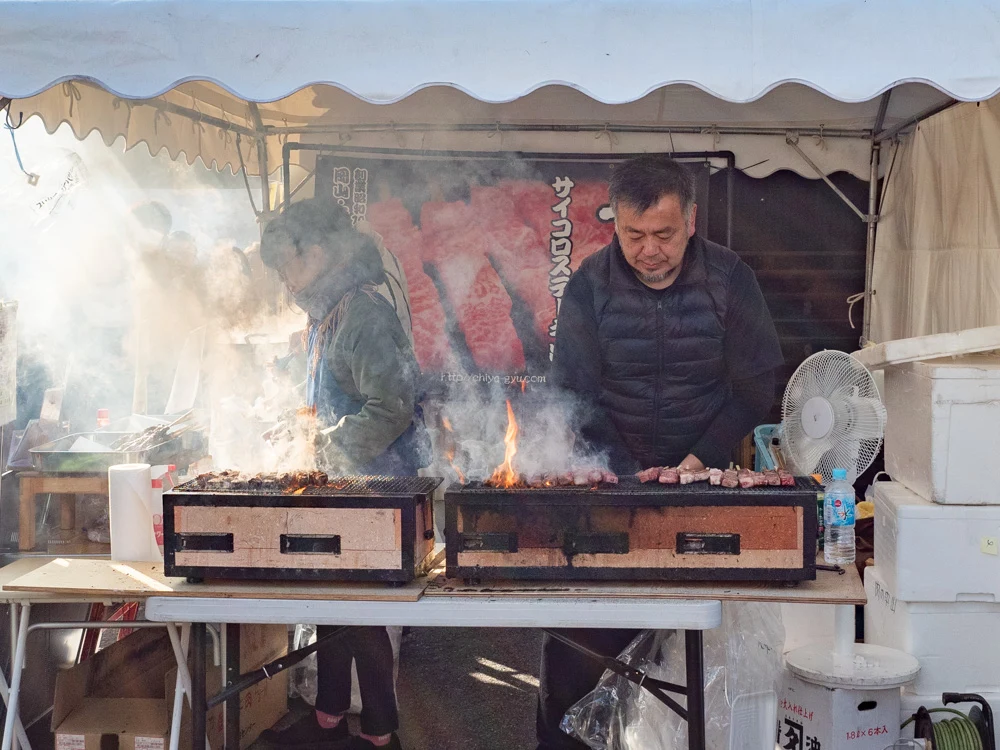
▼The Chiyagyu Beef Cubes with a savory aroma were very popular.
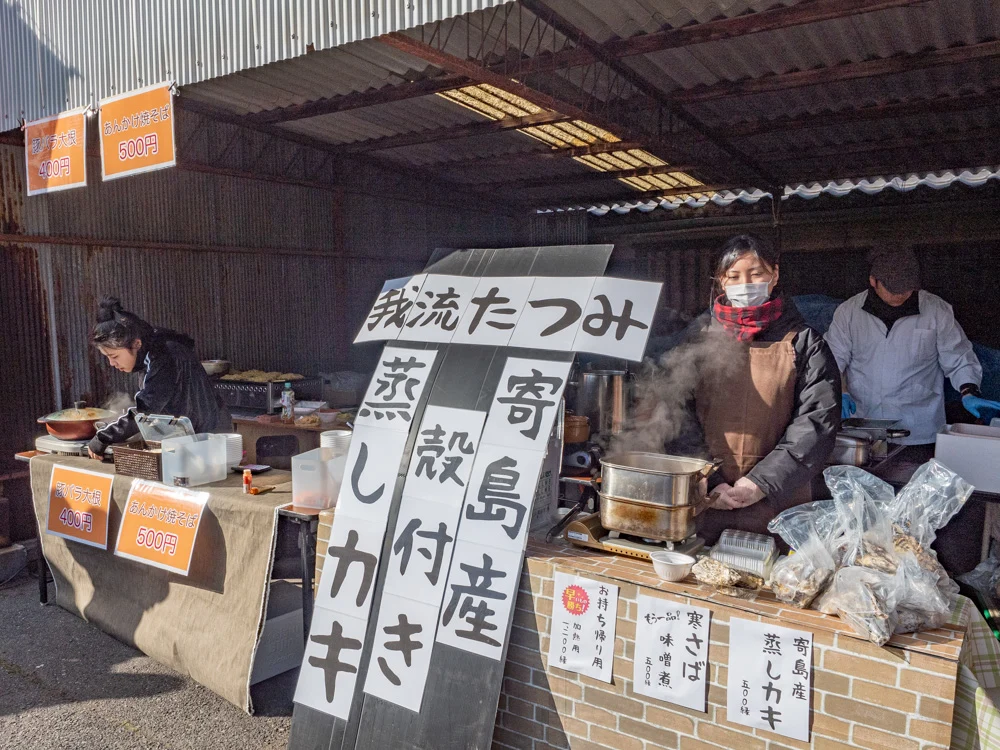
▼The Oysters from Yorishima also looked delicious.
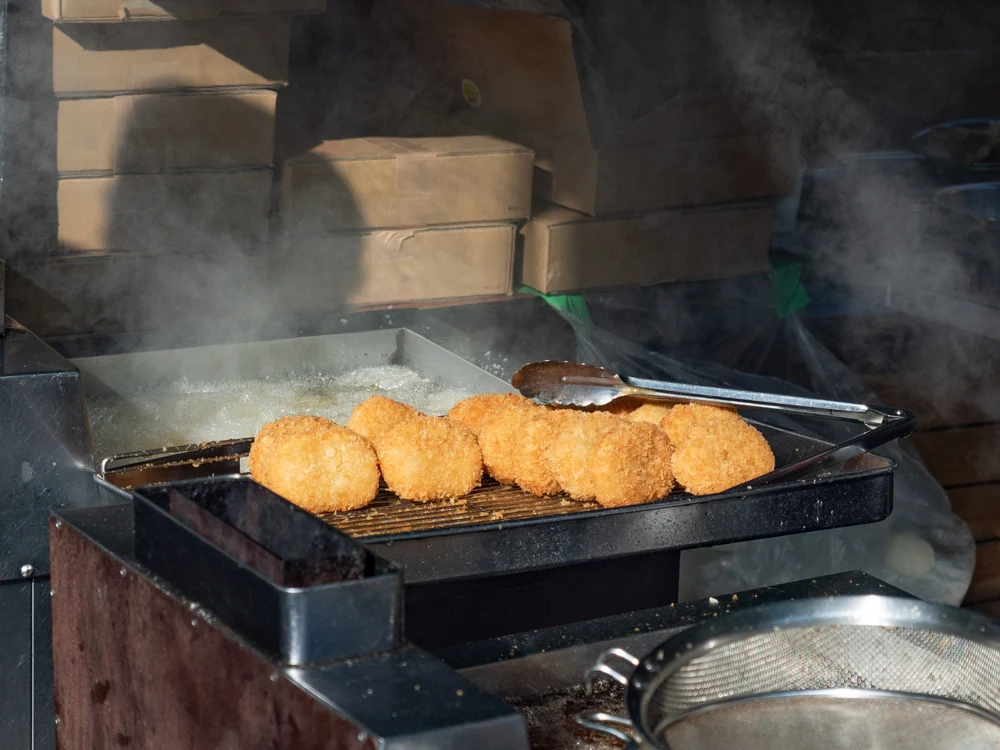
▼The Lotus Root Croquettes, made with the famous local lotus root, had a long line of customers.
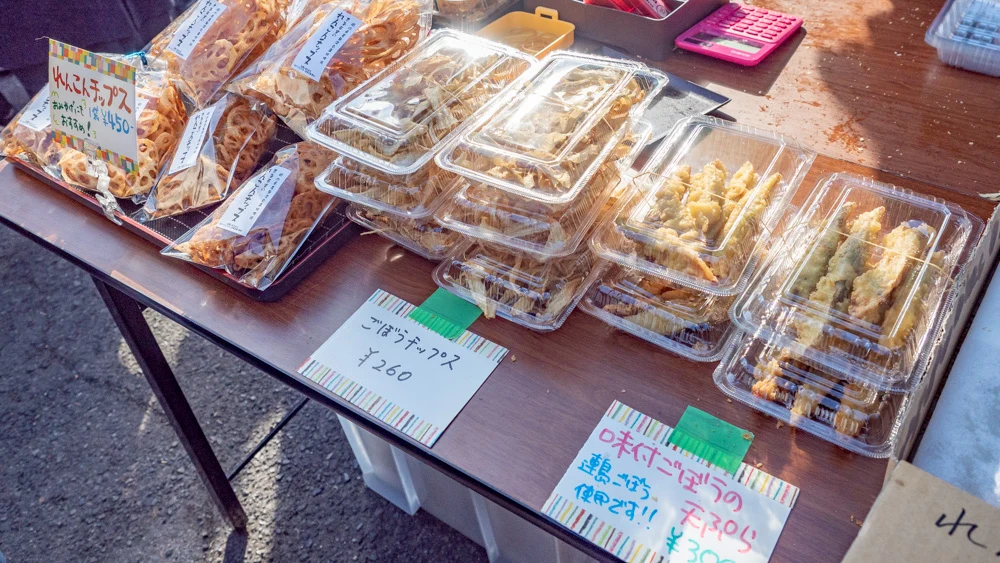
▼They also sold Lotus Root Chips and Burdock Chips, made from burdock, which is also a specialty of Kurashiki.
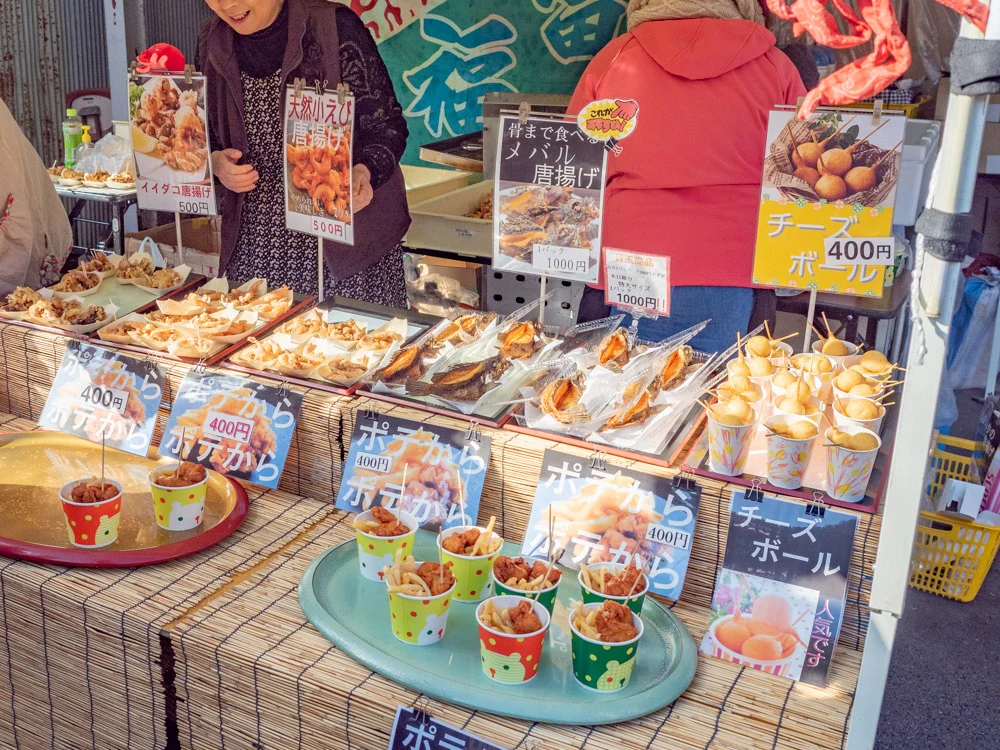
▼I was particularly interested in Umakatai.
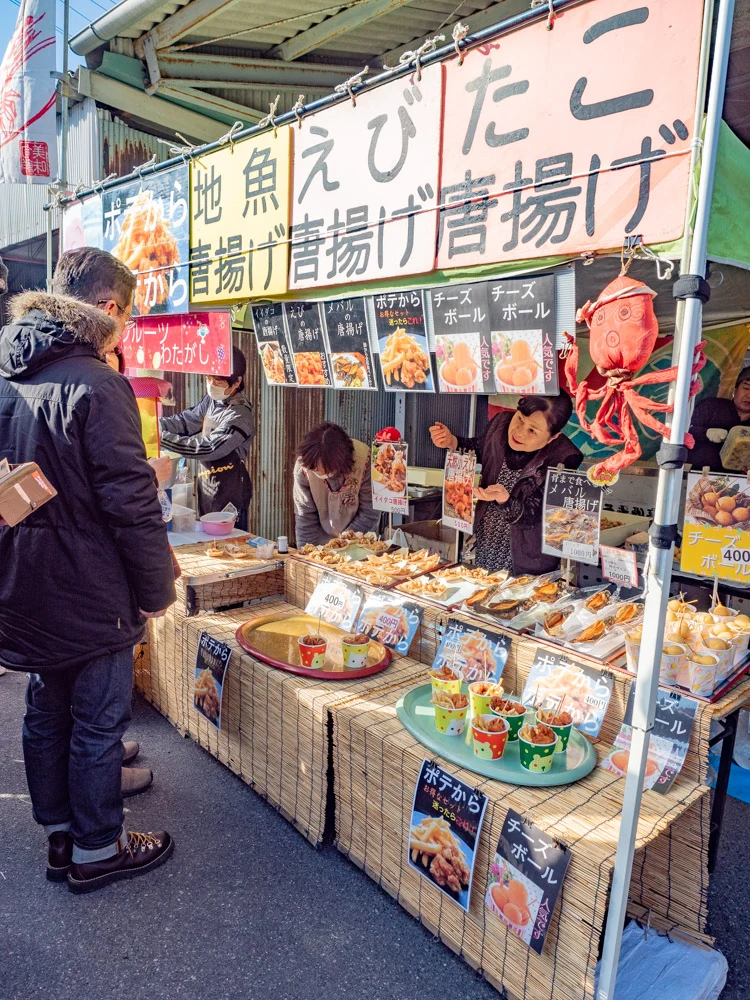
▼They mainly sold fried foods made with local fish, and everything looked delicious.
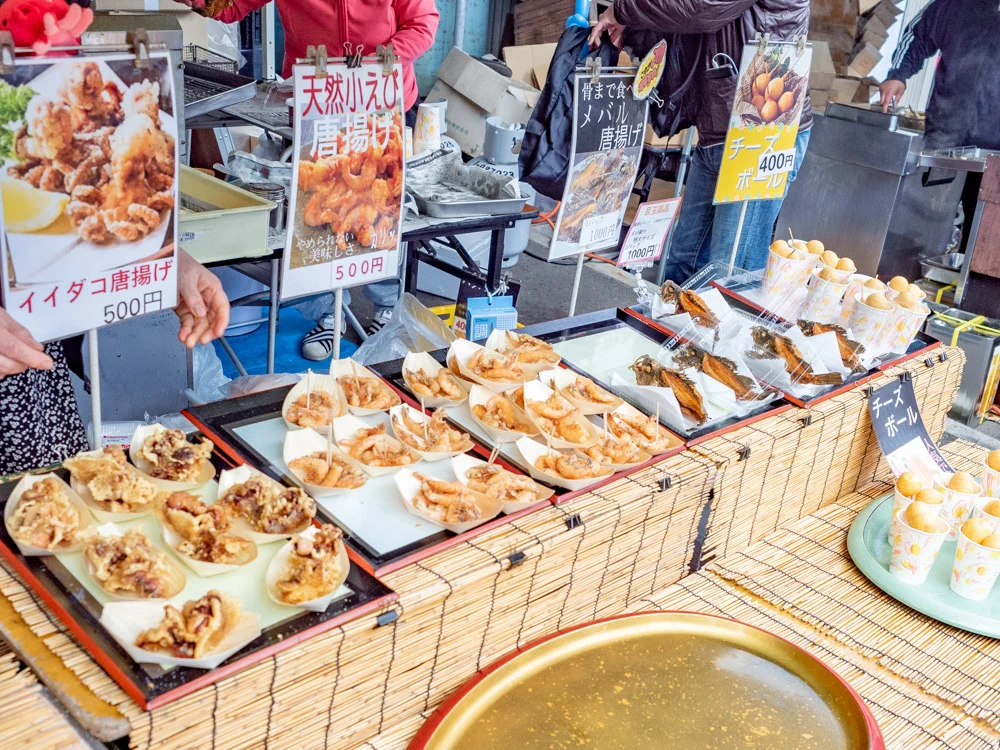
▼Umakatai is based in Mabi Town and participates in various events.
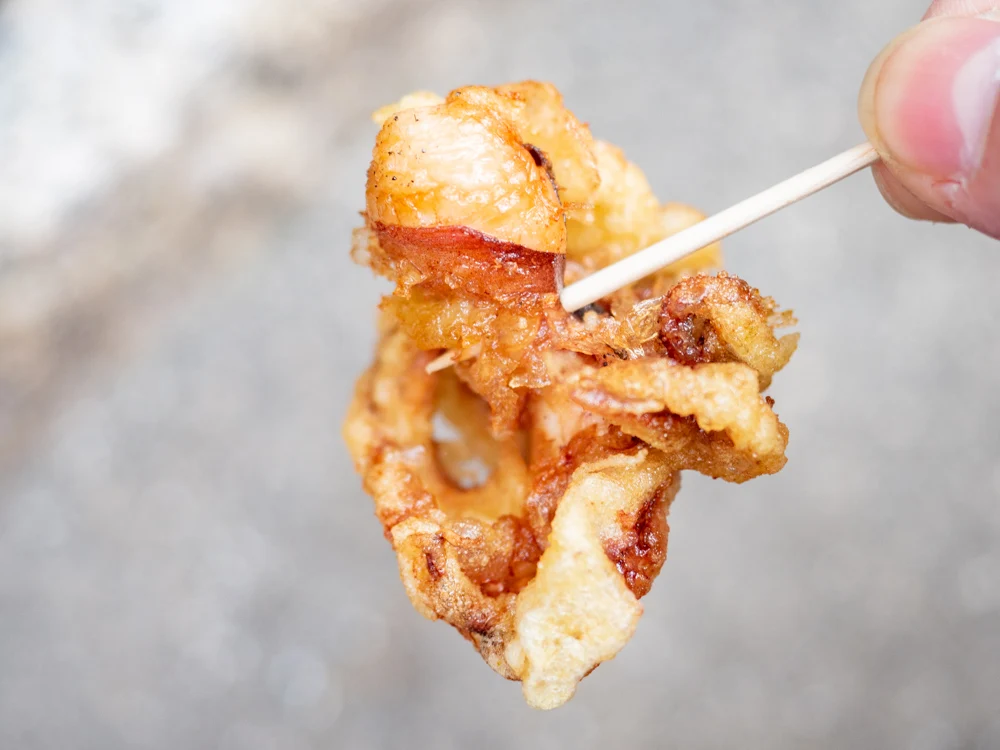
▼I bought Fried Baby Octopus.
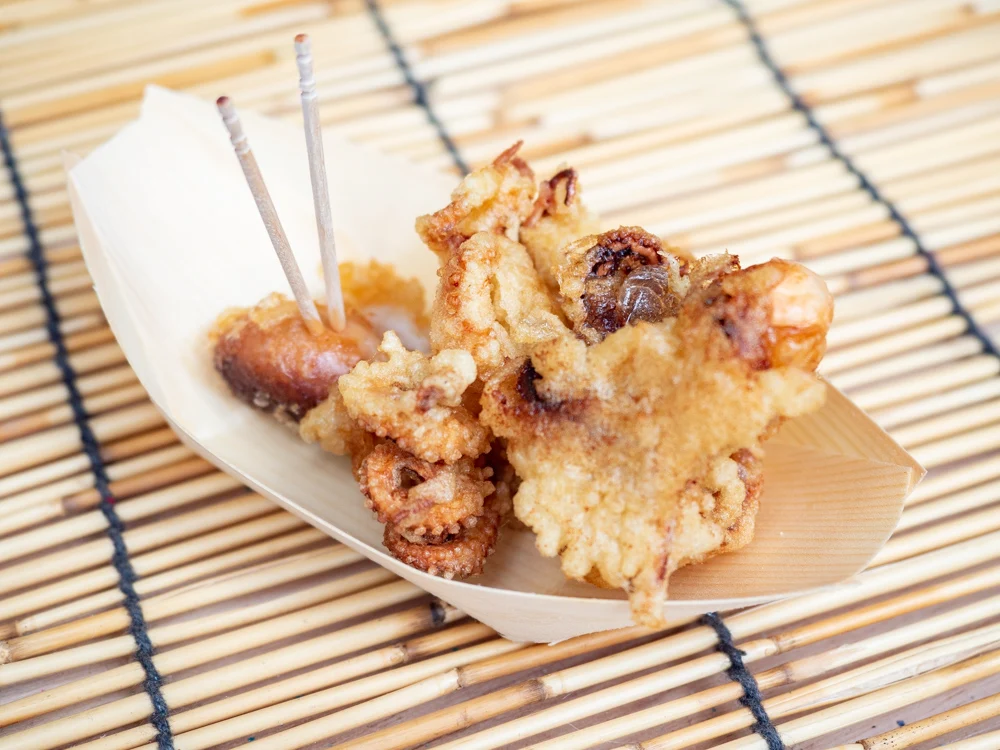
▼The crispy batter and the unique chewy texture of the baby octopus make it addictive.
▼Furthermore, fried black rockfish.
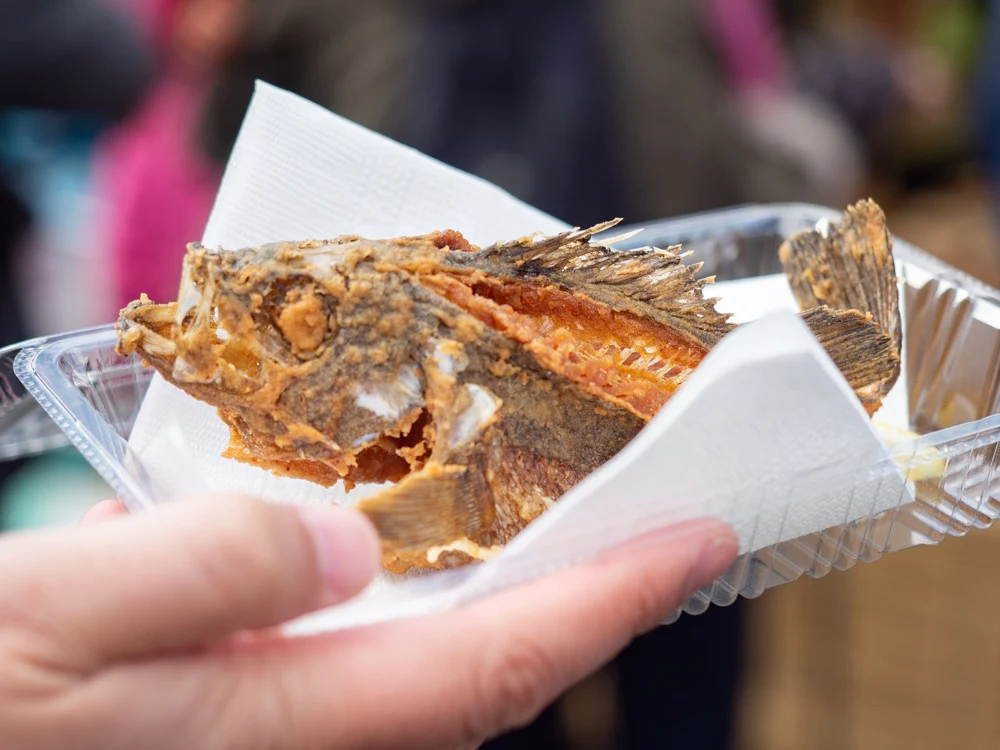
▼The whole fish is fried until crispy.
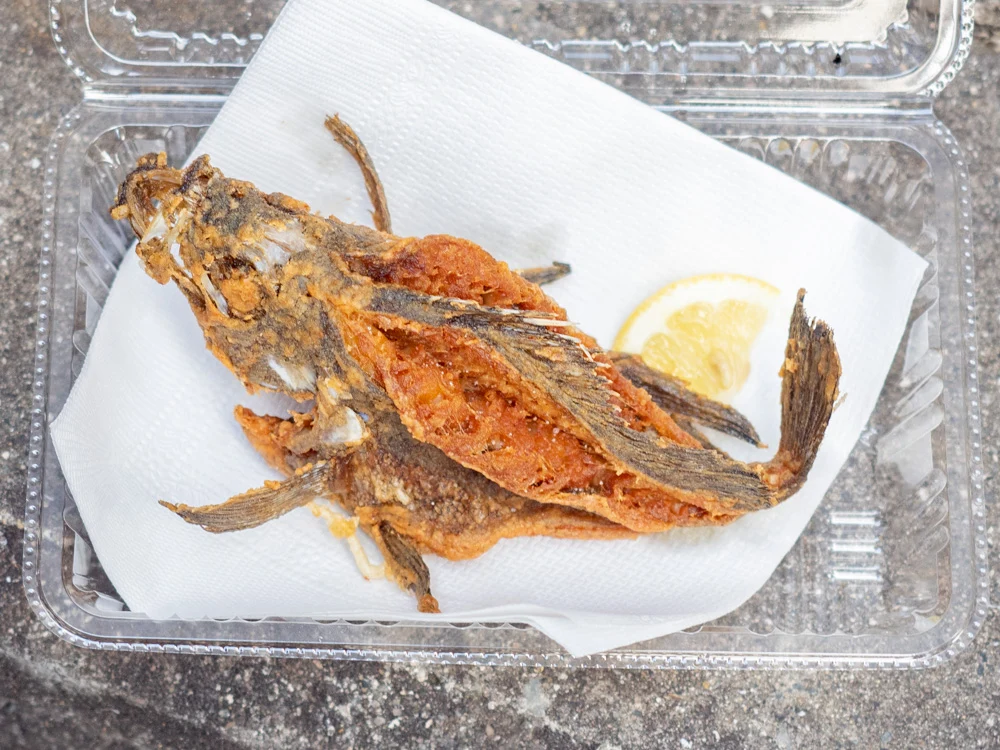
The fried black rockfish was double-fried and served after ordering.
▼I take a big bite starting from the head.
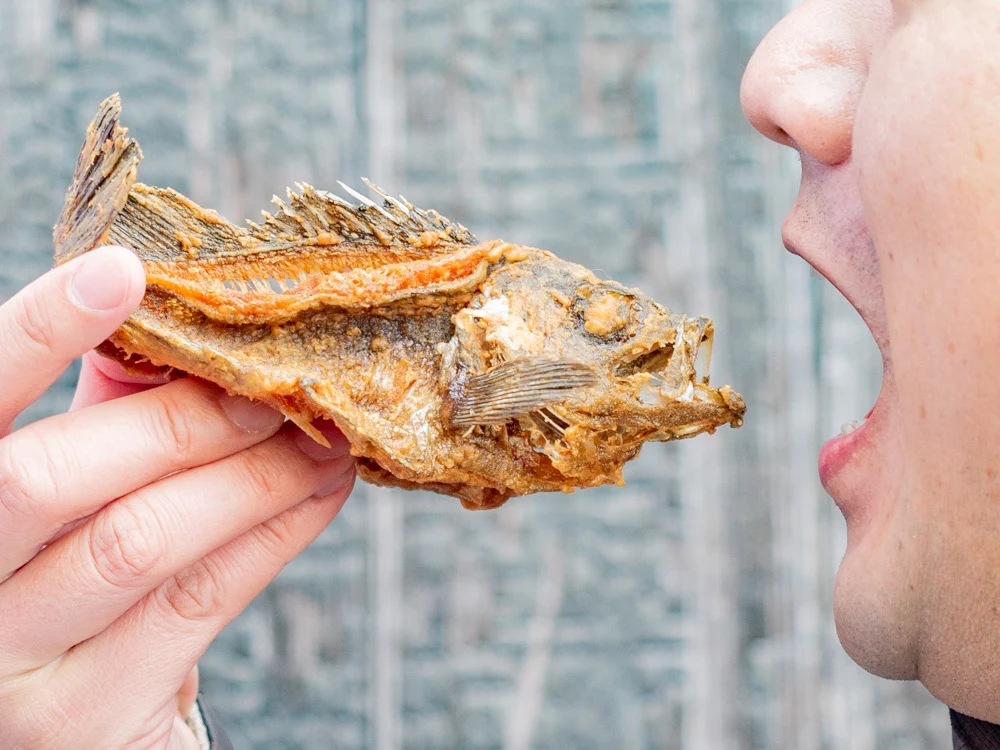
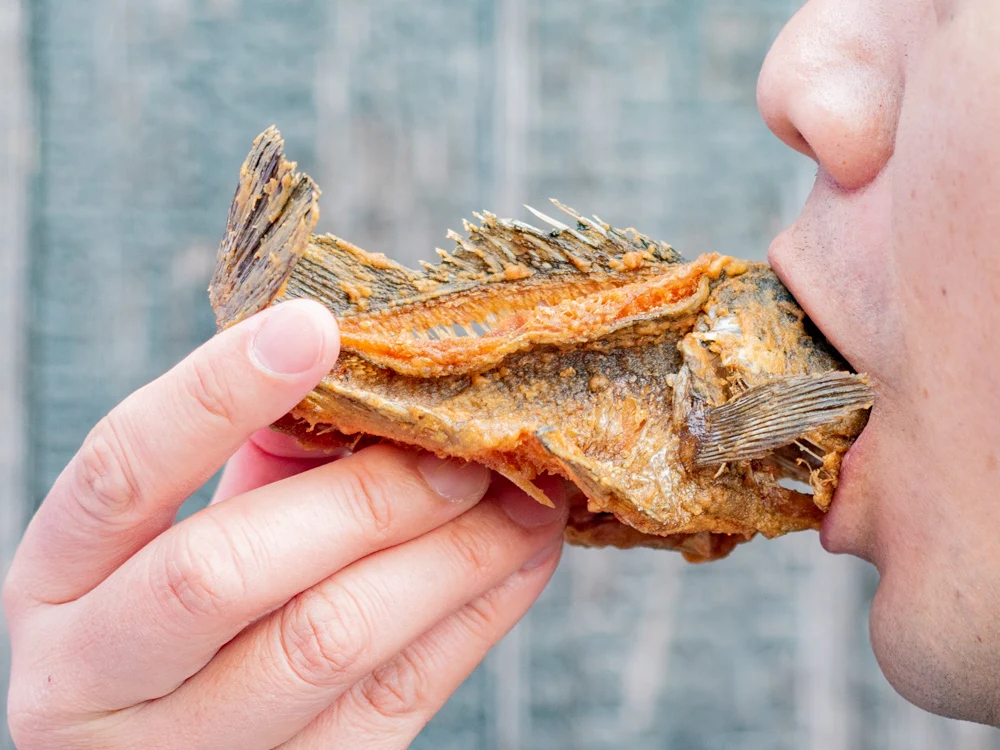
Double-fried and served fresh, the bones are crispy.
It’s just like a cracker.
There were also various other attractions.
▼Mr. Kyogoku, a comedian from Kurashiki who is active mainly in Okayama.
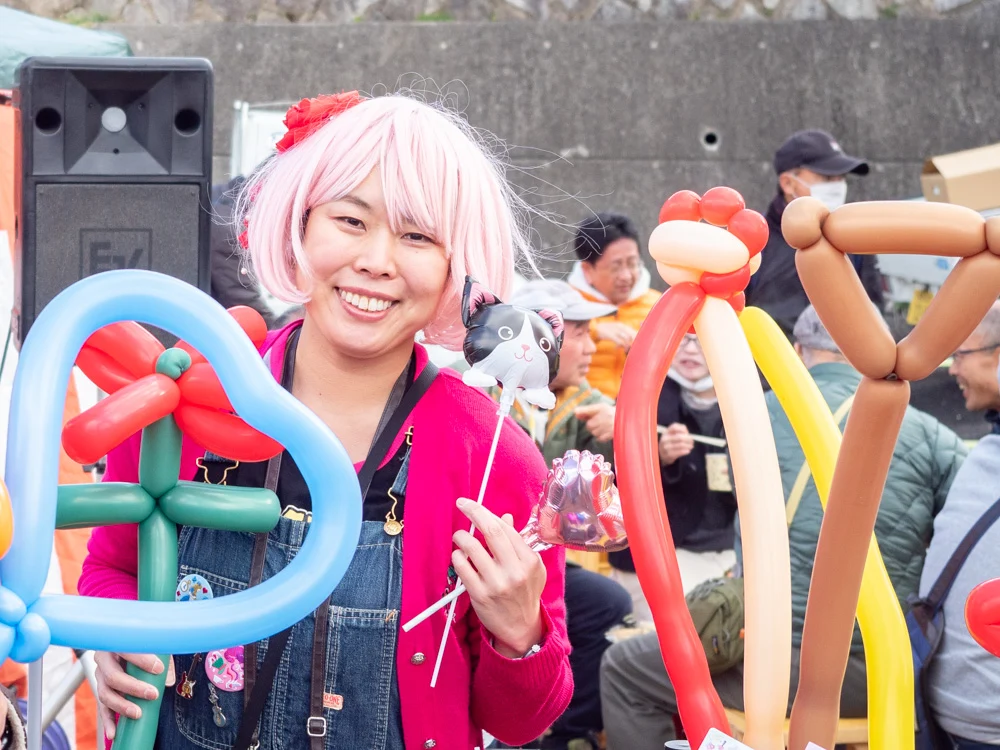
There was a comedy stage, but when I went, they were doing balloon art.
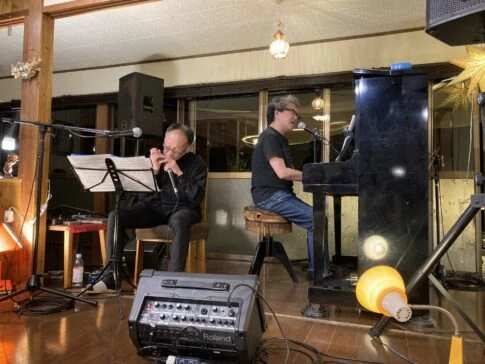
▼There was also a live performance by a local music duo.
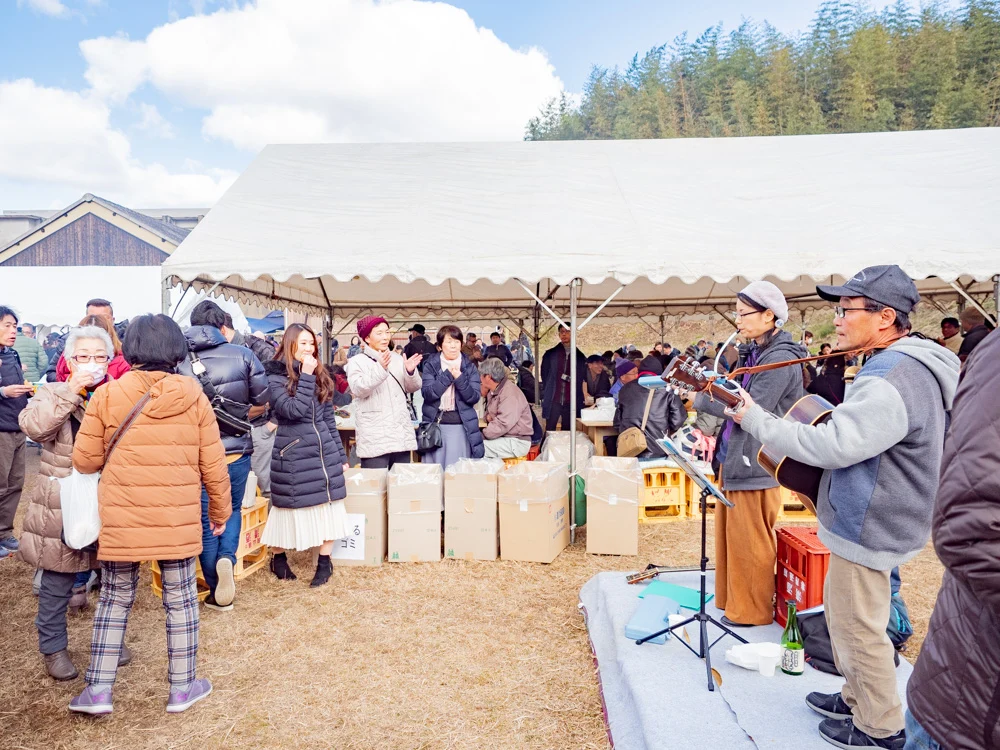
Enjoying the performance while drinking Kumaya Sake is something special to the new sake festival.
Conclusion
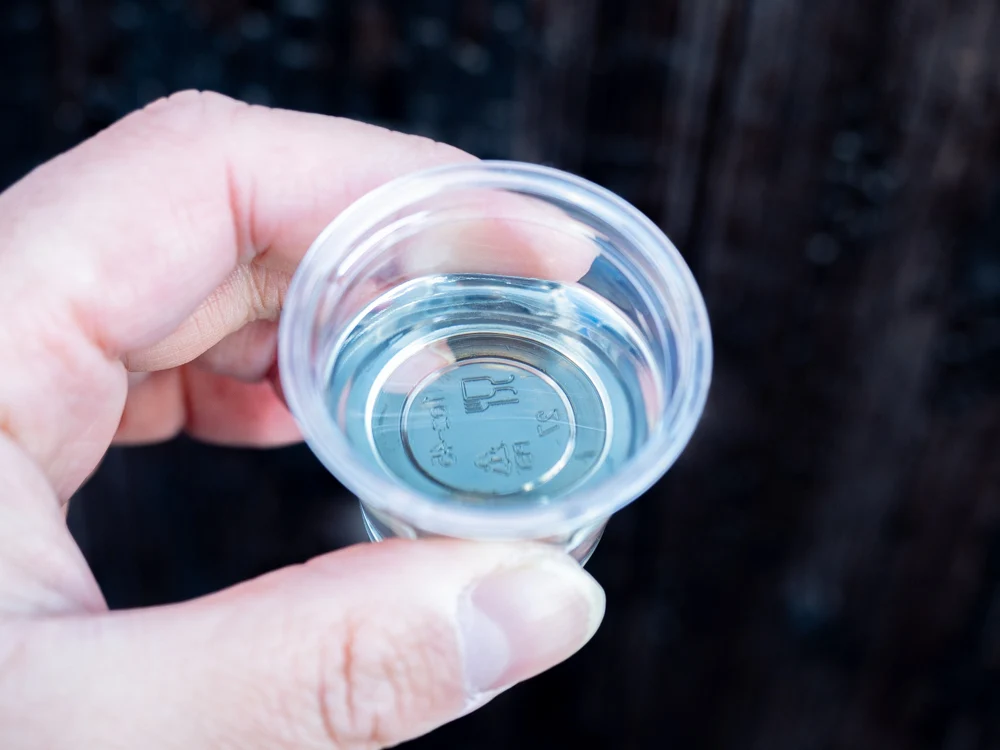
The new sake festival is an event that is irresistible for sake lovers.
On the other hand, I had the impression that it might be boring for those who do not drink sake or for children.
However, when I actually went, there were many stalls, and it is an event that can be enjoyed by those who do not drink alcohol and children as well!
In 2020, many new sake festivals will be held at sake breweries throughout Okayama Prefecture, starting with the Kumaya Sake Brewery's new sake festival.
The Bichu Prefectural Bureau of Okayama Prefecture is also holding the "Okayama Sake Brewery Tour Stamp Rally," which revolves around the new sake festivals held from February to April.
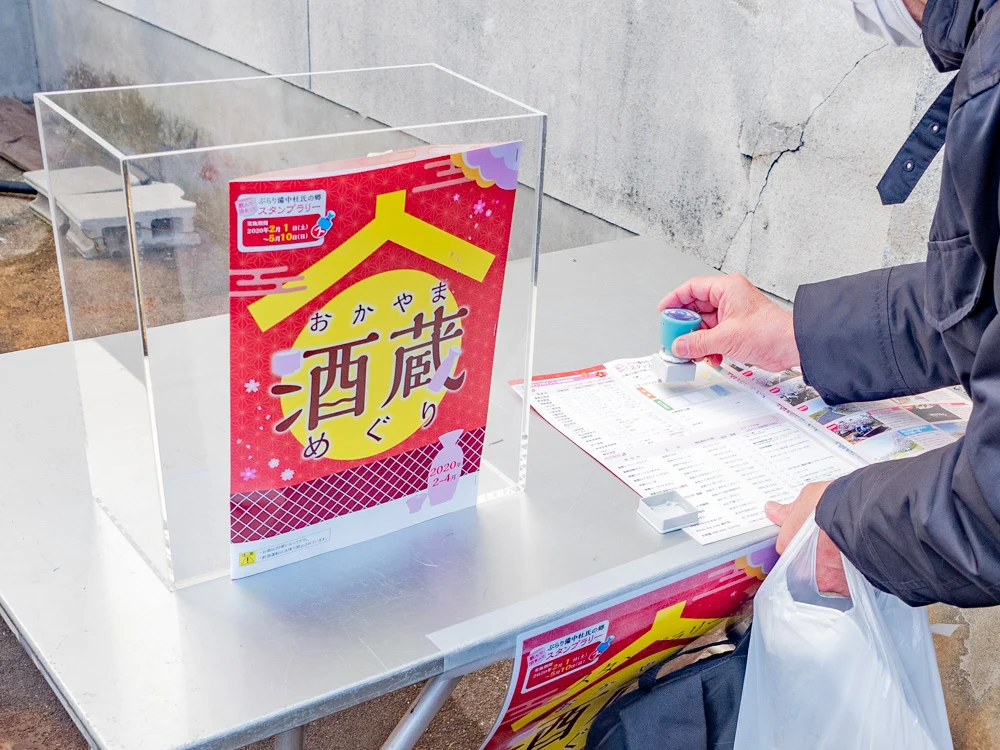
Why not participate in the Okayama Sake Brewery Tour Stamp Rally as well?
Reference: Bichu Story: Okayama Prefecture Bichu Region Tourism Site
Kumaya Sake Brewery Reiwa 2 Year Ishi New Sake Festival Data
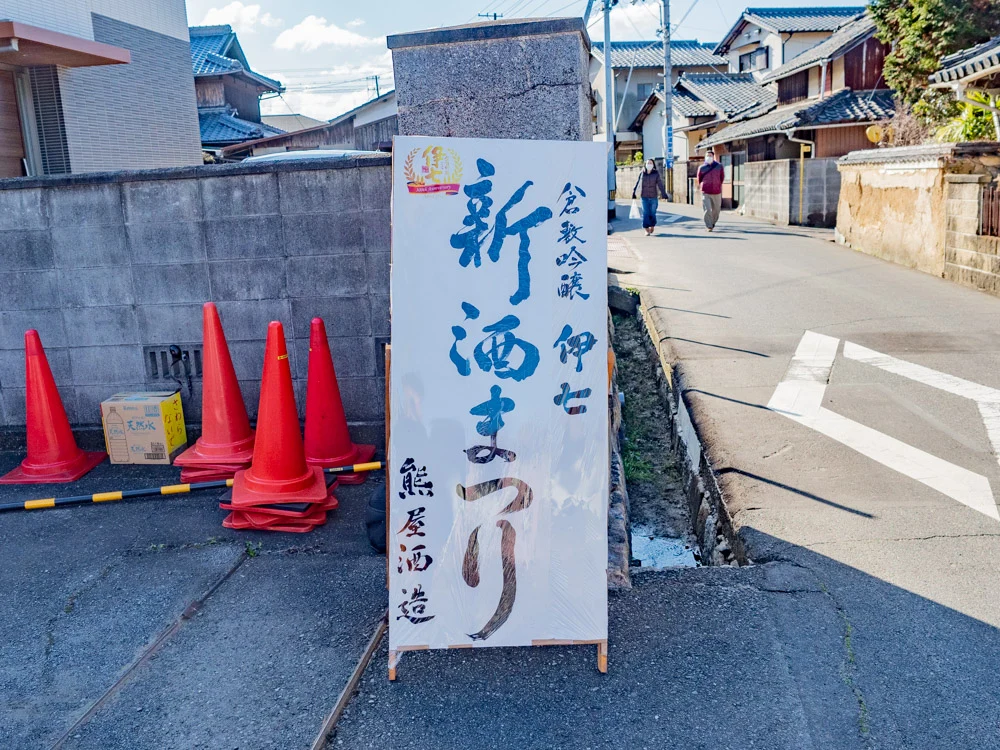
| Name | Kumaya Sake Brewery Reiwa 2 Year Ishi New Sake Festival |
|---|---|
| Date | Reiwa 2 Year (2020) February 9, 9:00 AM - 3:00 PM |
| Location | 705 Hayashi, Kurashiki City, Okayama Prefecture (Kumaya Sake Brewery) |
| Participation Fee (including tax) | ・Free admission ・For tasting, tasting tickets (6 cups) 500 yen (including tax), additional 3 cups for 100 yen (including tax) |
| Homepage | Kumaya Sake Brewery Co., Ltd. Official Facebook |