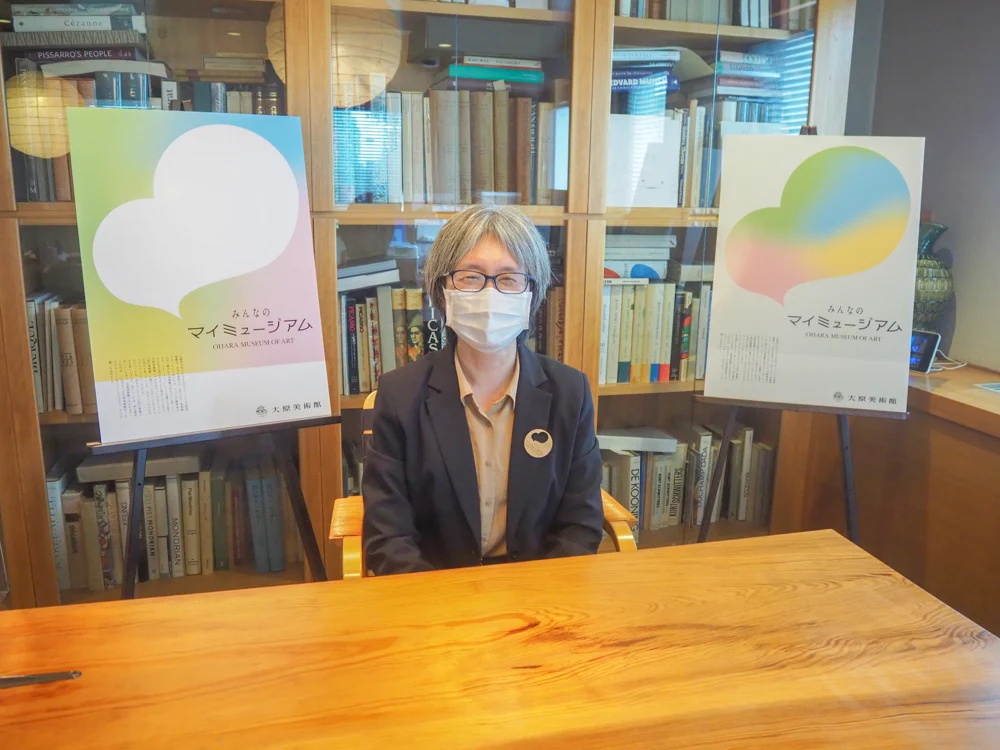
Interview with organizer Moriue Miho
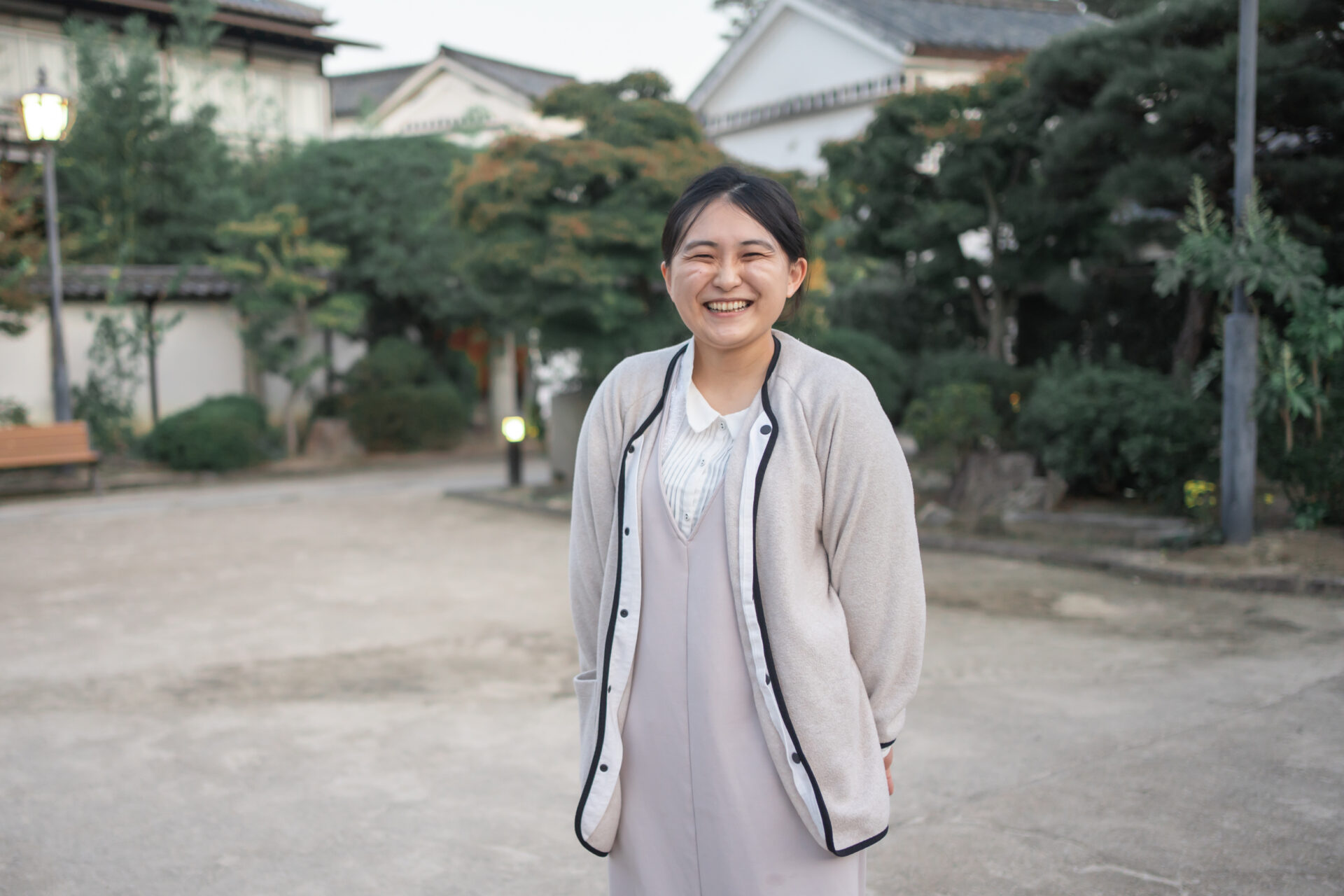
I spoke with Moriue Mio, who supports wheelchair users, about her thoughts and motivations for her activities.
She will tell us about barrier-free access so that everyone can enjoy tourism equally.
Encounters with wheelchair users
Was there a reason that made you want to start supporting wheelchair users?
Moriue
I spent my childhood with my grandmother, who used a wheelchair.
My grandmother suffered a stroke and hemiplegia at the age of 50. She would crawl around the house using her left hand and left foot, which she could still move.
When we went out as a family, I remember her saying, "I want to refrain from going out because I might be a burden," which left a strong impression on me.
At times, she would become pessimistic, thinking, "Since I can't live without help from others, maybe it would be better if I were dead."
Having seen the struggles of wheelchair users in daily life has been the background of my actions.
Was there a reason you wanted to promote barrier-free environments?
Moriue
After entering society, I worked as a physical therapist in a hospital.
I frequently interacted with wheelchair users and was able to discuss facilities that were equipped for barrier-free access.
However, I have heard opinions that multi-purpose restrooms and priority parking spaces can actually be difficult for wheelchair users to use.
I was puzzled as to why there were critical opinions about designs that were supposed to be usable by everyone.
Looking back, my grandmother also refrained from using public facilities designed for multiple purposes.
Listening to the voices of wheelchair users made me reconsider that simply providing an accessible environment is not enough for a happy life.
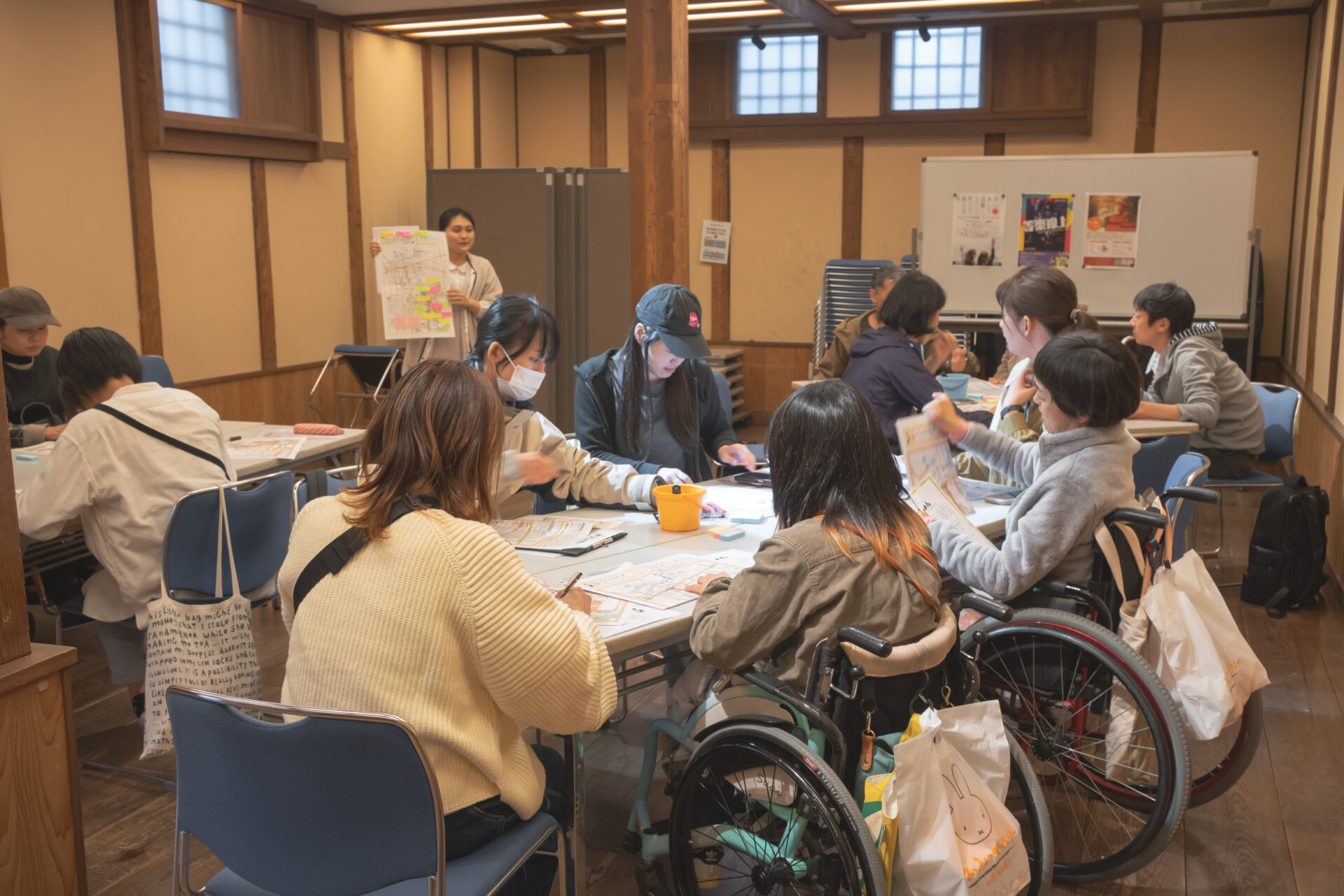
Experiencing mental barrier-free
Was there a trigger that made you take action?
Moriue
Amidst the growing questions about barrier-free access, I met Miyodai Tatsuya.
At the age of 18, Miyodai suffered a spinal cord injury due to a motorcycle accident, resulting in paralysis in both arms and legs. Despite this, he completed a world tour of 23 countries over a nine-month journey. The following year, he also traveled to Africa, visiting 27 countries.
It goes without saying that a world tour is extremely challenging for wheelchair users.
When I asked Miyodai why he was able to achieve this world tour, he replied that it was due to the consideration and hospitality of the people he met in cities around the world.
What do you focus on during the town walking events?
Moriue
While contemplating barrier-free access that goes beyond just environmental improvements, I decided to take action and participated in a town walking event organized by the general incorporated association WheeLog in Kyoto.
During the Gion Matsuri festival, the crowds made it quite challenging to walk through the streets in a wheelchair.
Most restaurants were fully booked, and I couldn't enter.
The curry shop I finally found also seemed difficult to enter due to steps inside.
However, the staff offered to assist, and I was able to take a seat. In the end, we all enjoyed delicious curry together.
Through that experience, I realized that even if the environment is not well-equipped, if there is consideration for wheelchair users, it can still be called barrier-free.
Furthermore, I learned that barrier-free access created by kindness is often more memorable.
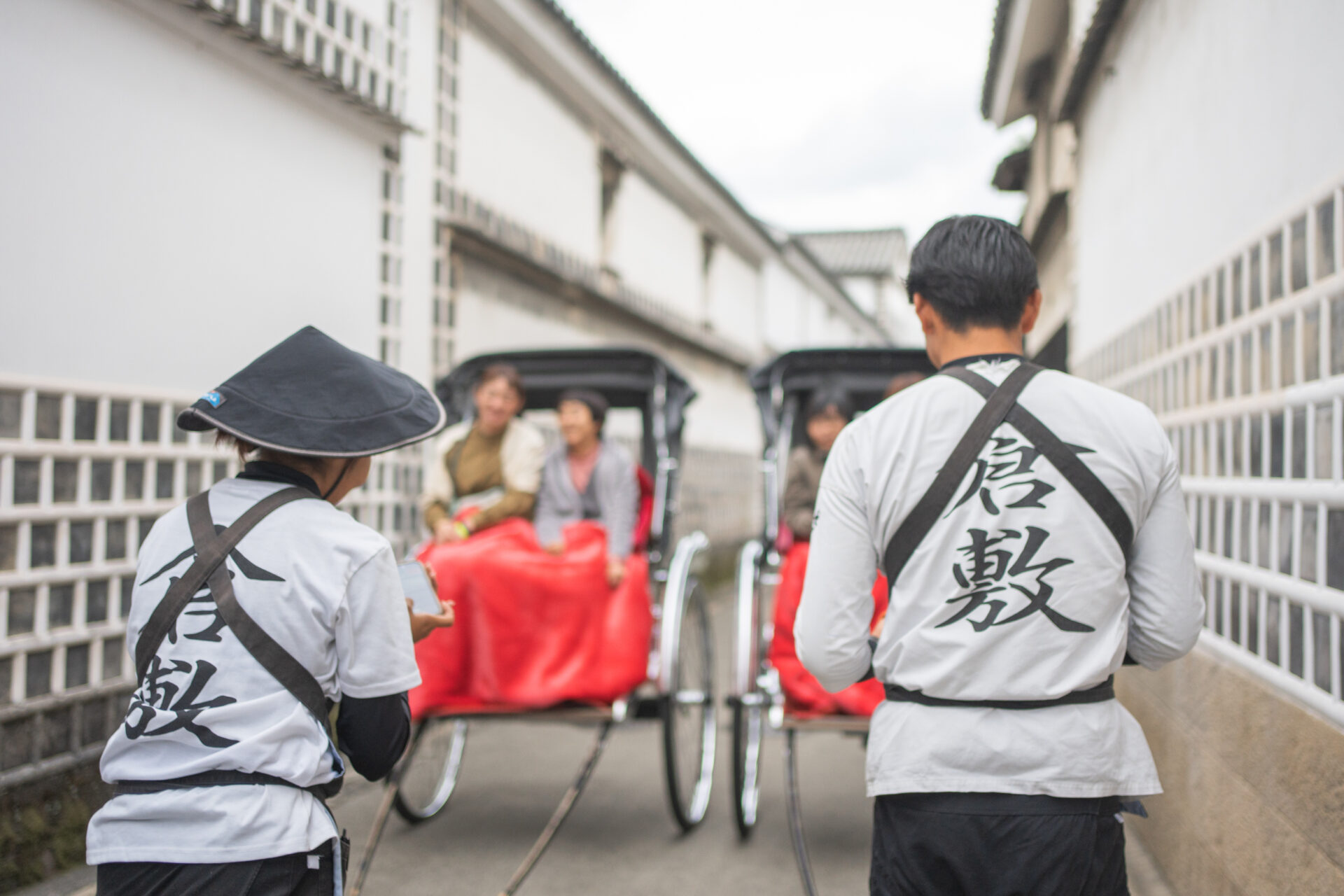
Past efforts and future plans
Is it possible to gather information about barrier-free access in Okayama Prefecture?
Moriue
After my experience in the town walk in Kyoto, I began to wonder if there is barrier-free access that leaves a lasting impression in Okayama Prefecture, rather than just physical accessibility.
When I researched online, I found that there is almost no information about barrier-free access that leaves a lasting impression.
So, I thought if it doesn't exist, I should create it myself, and I started an event to walk through the town with wheelchair users.
To convey the urgent voices of wheelchair users, I planned an event where wheelchair users and able-bodied individuals could come together to gather information about barrier-free access.
Is there a reason you are focusing on tourism?
Moriue
I work as a physical therapist, but I believe it is also important for healthcare professionals to be involved in community development.
If an event is organized by healthcare professionals who have the knowledge and understanding of support, it can alleviate the anxieties of wheelchair users and allow them to participate in events with peace of mind.
While providing the support that wheelchair users seek, we can also think about tourism.
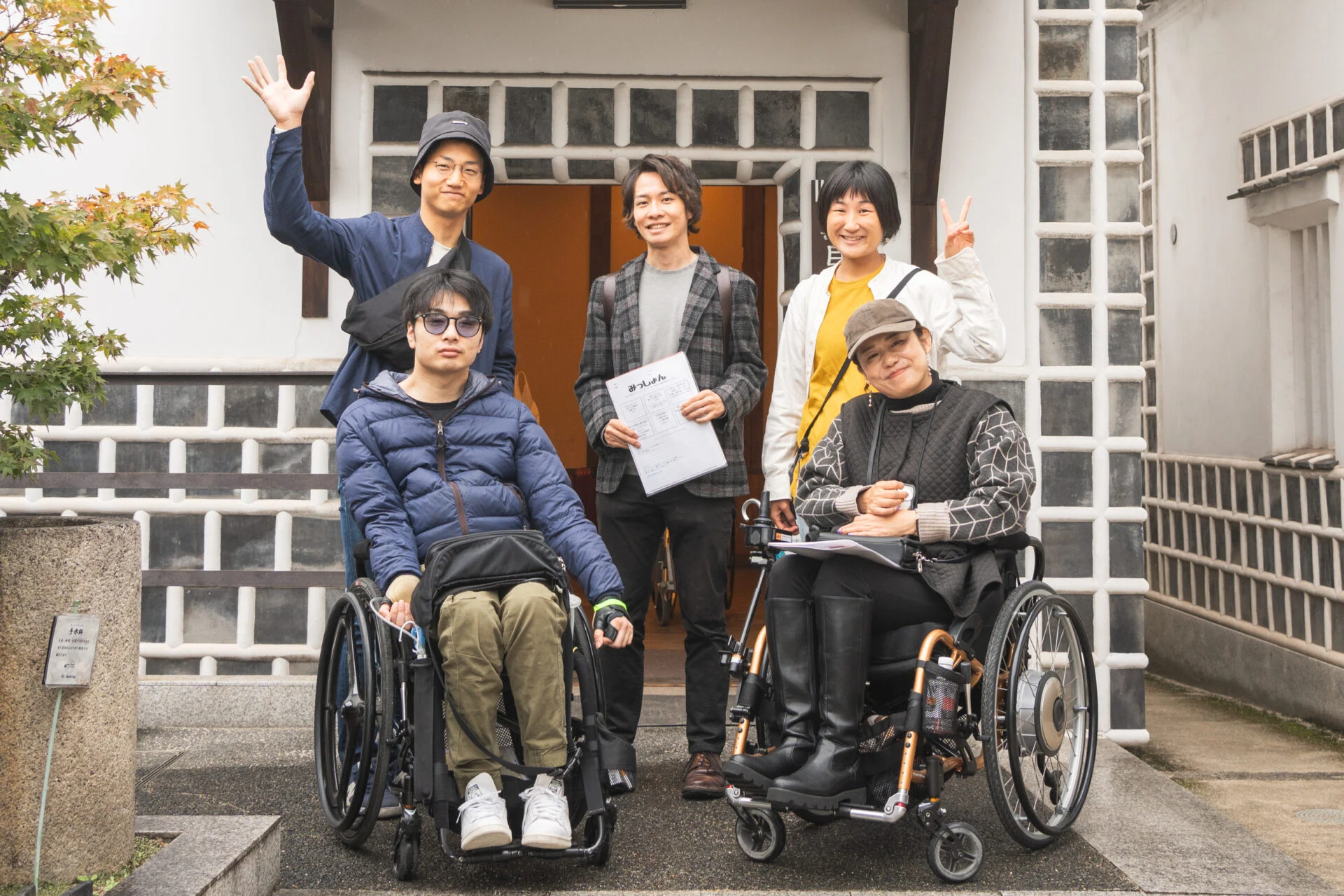
I want to create opportunities for diverse people to visit Kurashiki, and my goal is to bridge the gap between the community and healthcare.
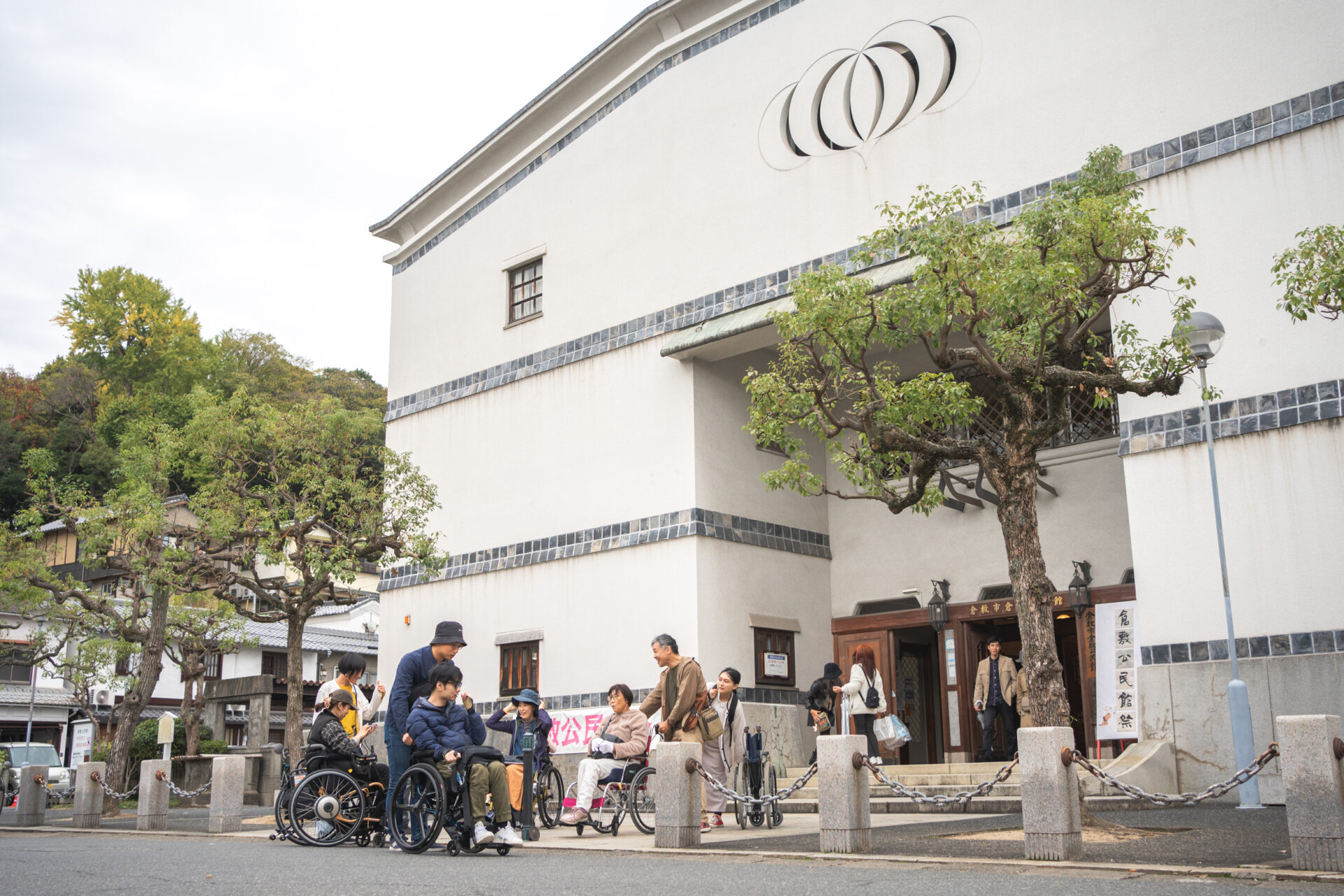
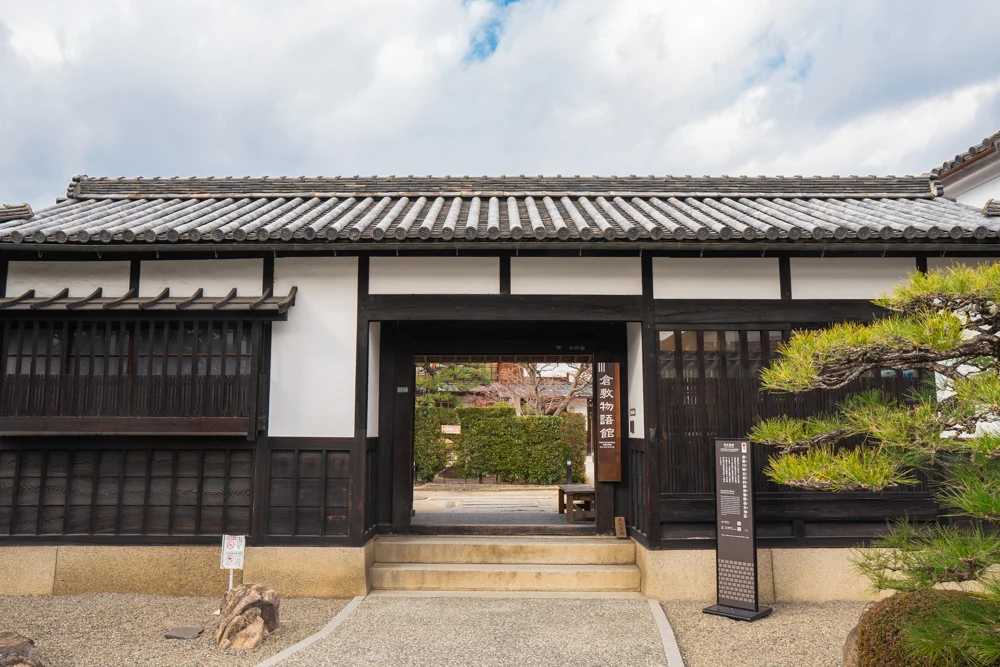
Visiting the Bikan Historical Area with a wheelchair
While I often hear the term community development that involves diverse people, I feel that there are not many specific efforts to include people with physical disabilities equally.
Although there is community development focused on the continued rich lives of tourists and residents, social welfare activities seem to be addressed in a separate framework.
In existing community development, it may be that the awareness does not reach people with physical disabilities, including wheelchair users.
Towns are not just for the majority; they exist for all people who live and thrive in them.
In striving for a society where no one is left behind, I have been reminded that there are many perspectives we have yet to notice.