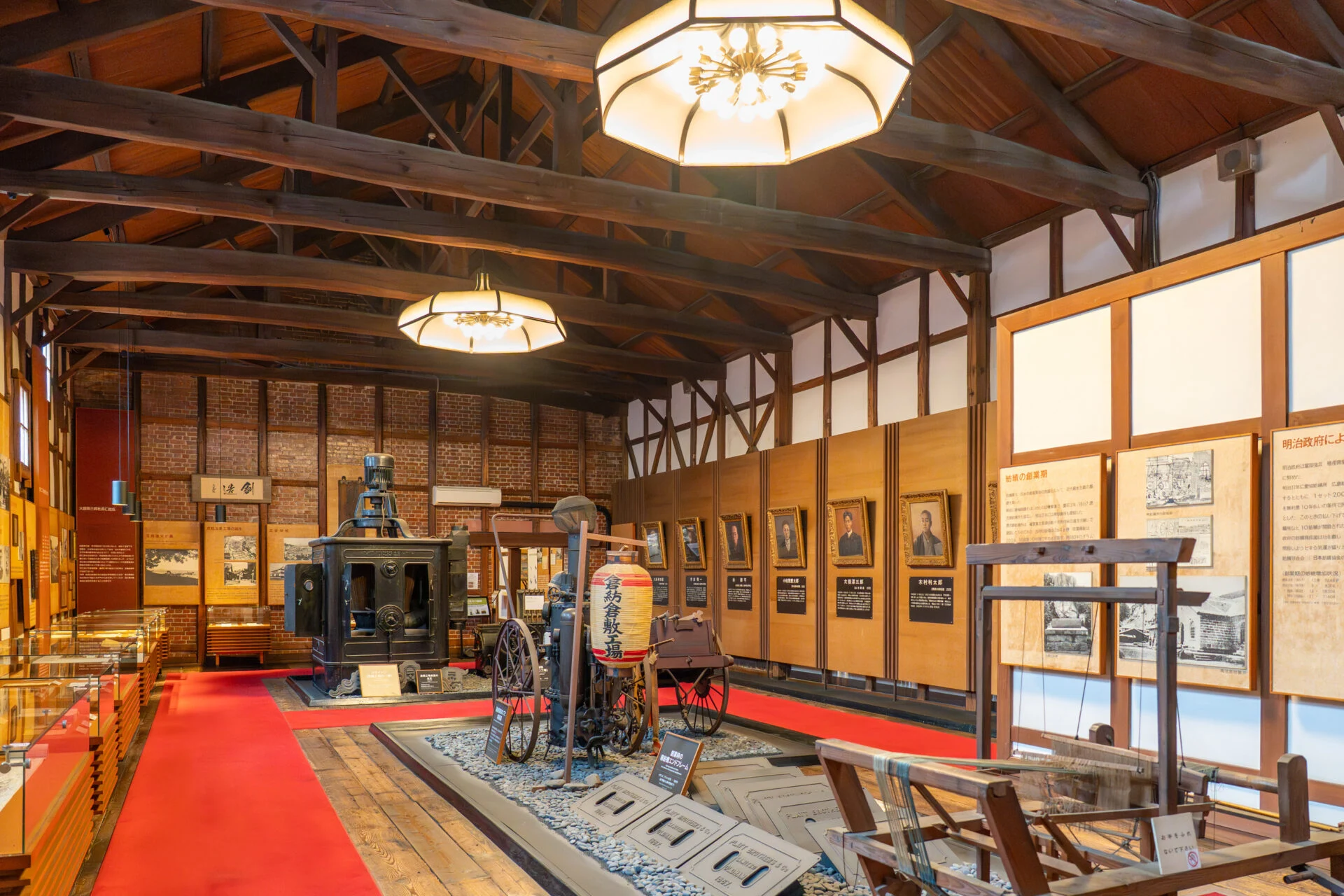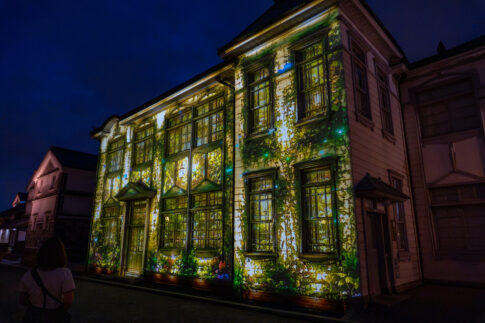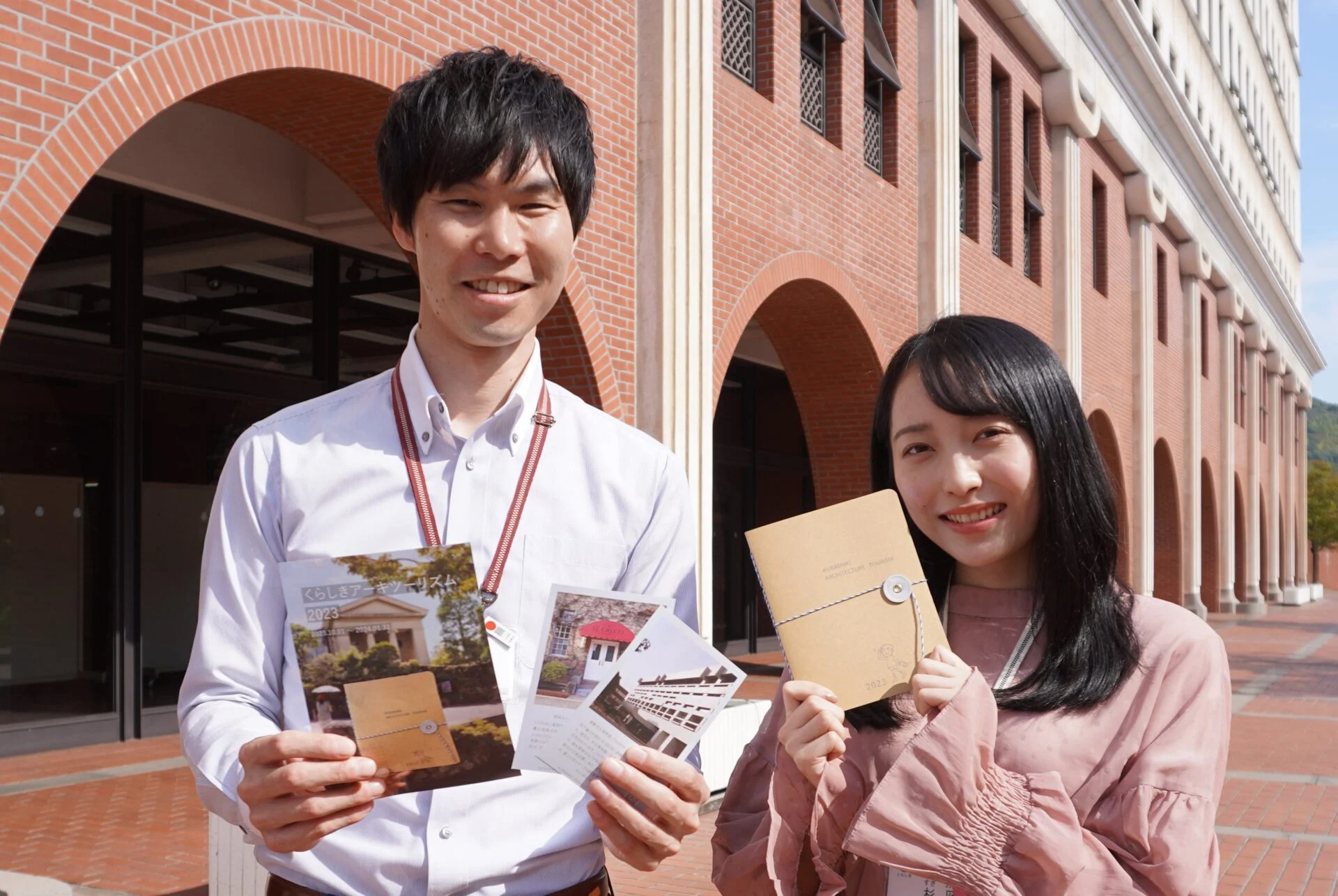
Following 2022, Kurashiki Architourism also started on October 1, 2023.
It is a new style of travel that allows you to visit architectural structures that symbolize each era and unravel the history and culture of Kurashiki through these buildings.
Now, let's get the "Memory File" and set out on a journey to feel the charm of Kurashiki while collecting "Building Cards".
What is Kurashiki Architourism?
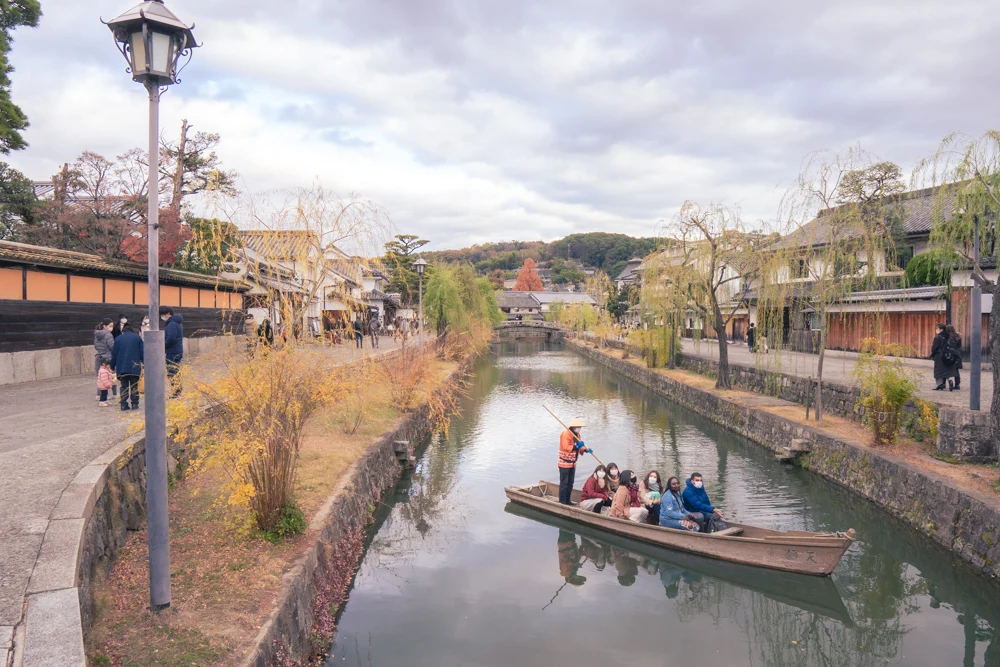
Kurashiki Architourism is about visiting beautiful and attractive buildings that have stood the test of time, allowing you to enjoy walking around the town and rediscover the charm of Kurashiki.
Kurashiki flourished as a directly governed area of the Edo Shogunate, known as Tenryo, and as a distribution center for goods.
In the Bikan Historical Area, the white-walled storehouses from that time coexist with modern architecture, creating a stunning balance that enhances the town's landscape.
The buildings remaining in the Bikan Historical Area convey the eras, cultures, and lifestyles that the town of Kurashiki has experienced.
Kurashiki Architourism 2023
From the wonderful modern architecture remaining in the Bikan Historical Area, 2023 features five buildings designed by three famous architects, introduced through ten Building Cards.
Three Famous Architects
We will introduce the three architects based on the Memory File.
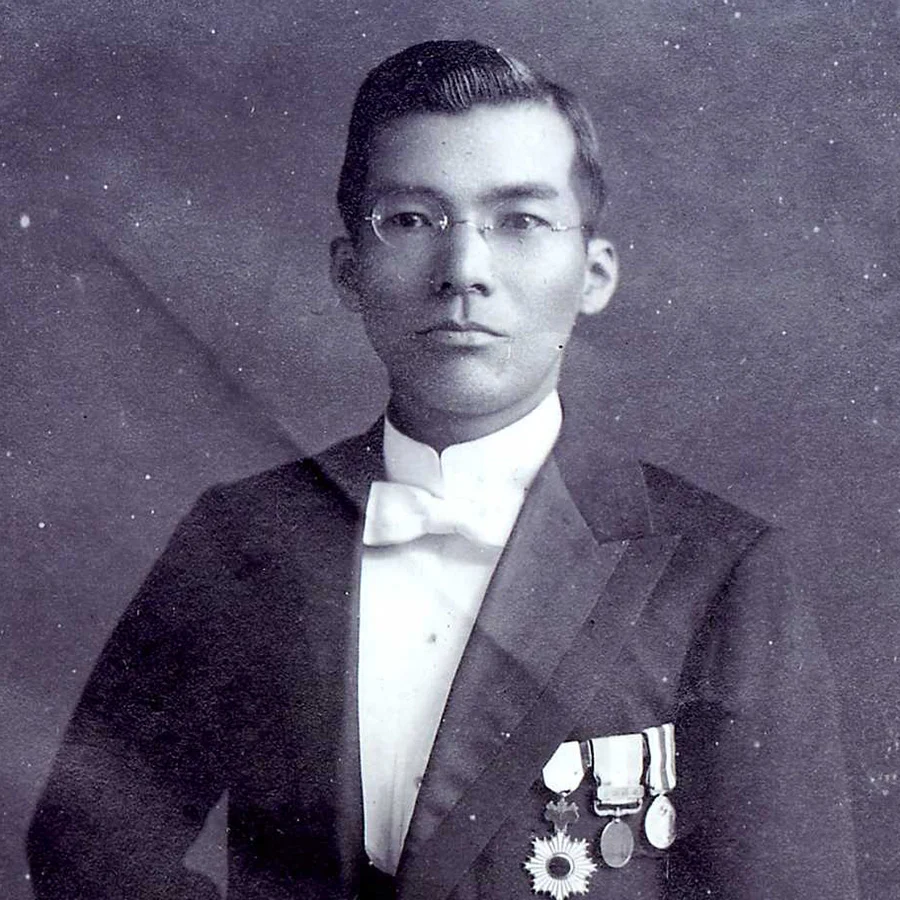
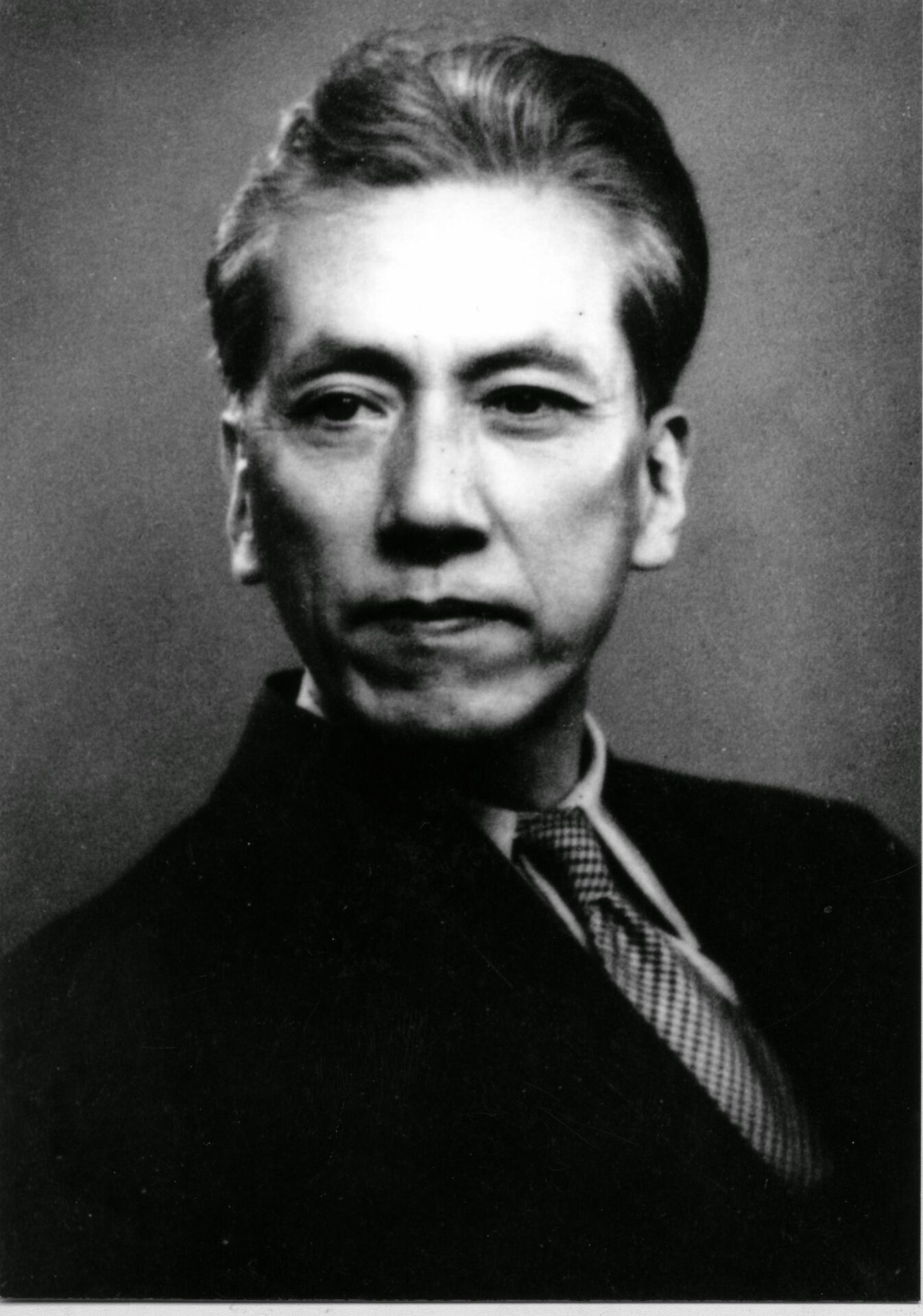
- 1884–1965
- Born in Soja City, Okayama Prefecture
- Made significant contributions to the development of Kurashiki alongside Ohara Magosaburo, and is said to be the "architect who created the landscape of Kurashiki."
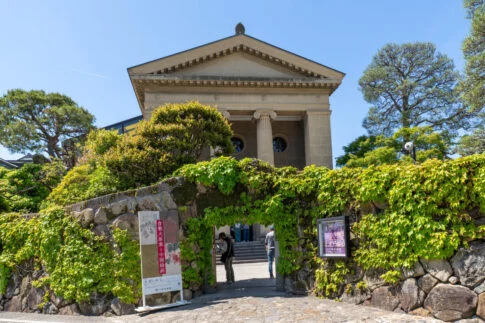
- Involved in the design of many representative buildings in the Kurashiki Traditional Building Preservation District, such as the Ohara Museum of Art main building, Yurin-so Villa, and the Kurashiki Branch of Daiichi Ginko (formerly the Chugoku Bank Kurashiki Honmachi Branch).
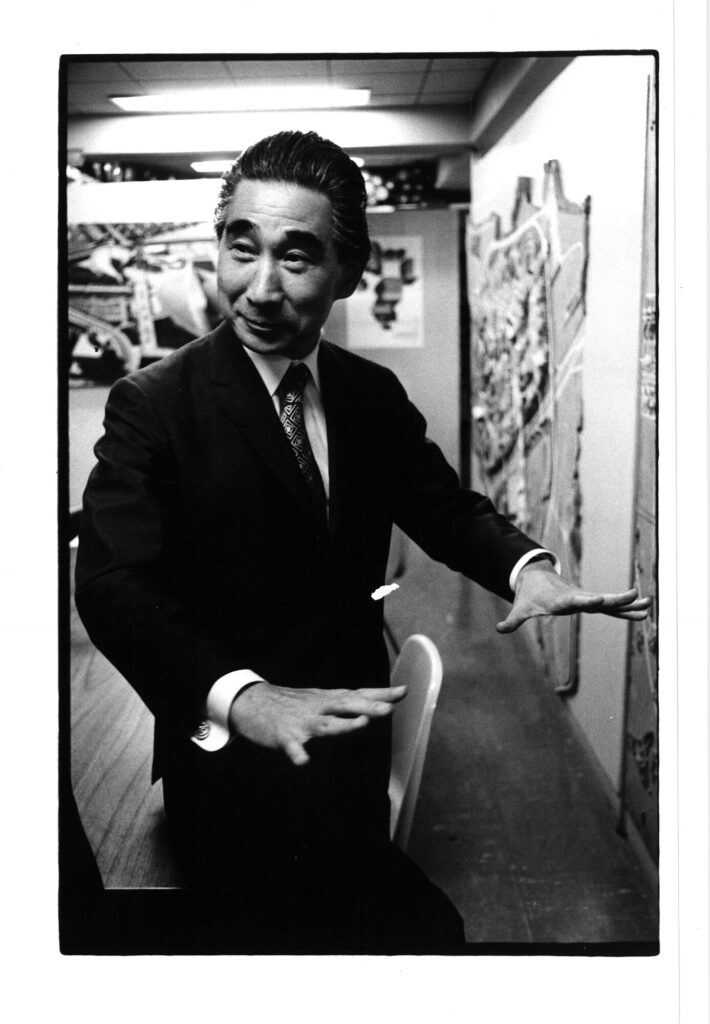
- 1884–1963
- Born in Shingu City, Wakayama Prefecture
- Founded the private school "Bunka Gakuin" in 1921 based on the ideals of freedom, respect for the arts, and gender equality. He was a prominent cultural figure during the Taisho Democracy period, as well as an architect, potter, painter, and educator.
- Designed Japan's oldest nursery school remaining in Kurashiki, Wakatake no Sono Nursery School (registered tangible cultural property), and the former Hayashi residence (now Nishiguchi residence, registered important cultural property).
- 1913–2005
- Born in Sakai City, Osaka Prefecture
- Known as "the Tange of the World," he was one of the first Japanese architects to work internationally. He specialized in modernist architecture and was involved in many large-scale public facilities.
- Designed the Hiroshima Peace Memorial Museum, Kagawa Prefectural Office, Tokyo Cathedral St. Mary, and the National Yoyogi Stadium (now Yoyogi National Gymnasium) for the Tokyo Olympics.
Target Buildings This Time
This time, we are featuring five locations designed and built by Yakushiji Kazue, Nishimura Isaku, and Tange Kenzo between 1923 and 1960.
| Building | Designer | Location |
|---|---|---|
| Ohara Museum of Art Main Building | Yakushiji Kazue | 1-1-15 Chuo, Kurashiki City |
| Yurin-so Villa | Yakushiji Kazue | 1-3-18 Chuo, Kurashiki City |
| Café El Greco | Yakushiji Kazue | 1-1-11 Chuo, Kurashiki City |
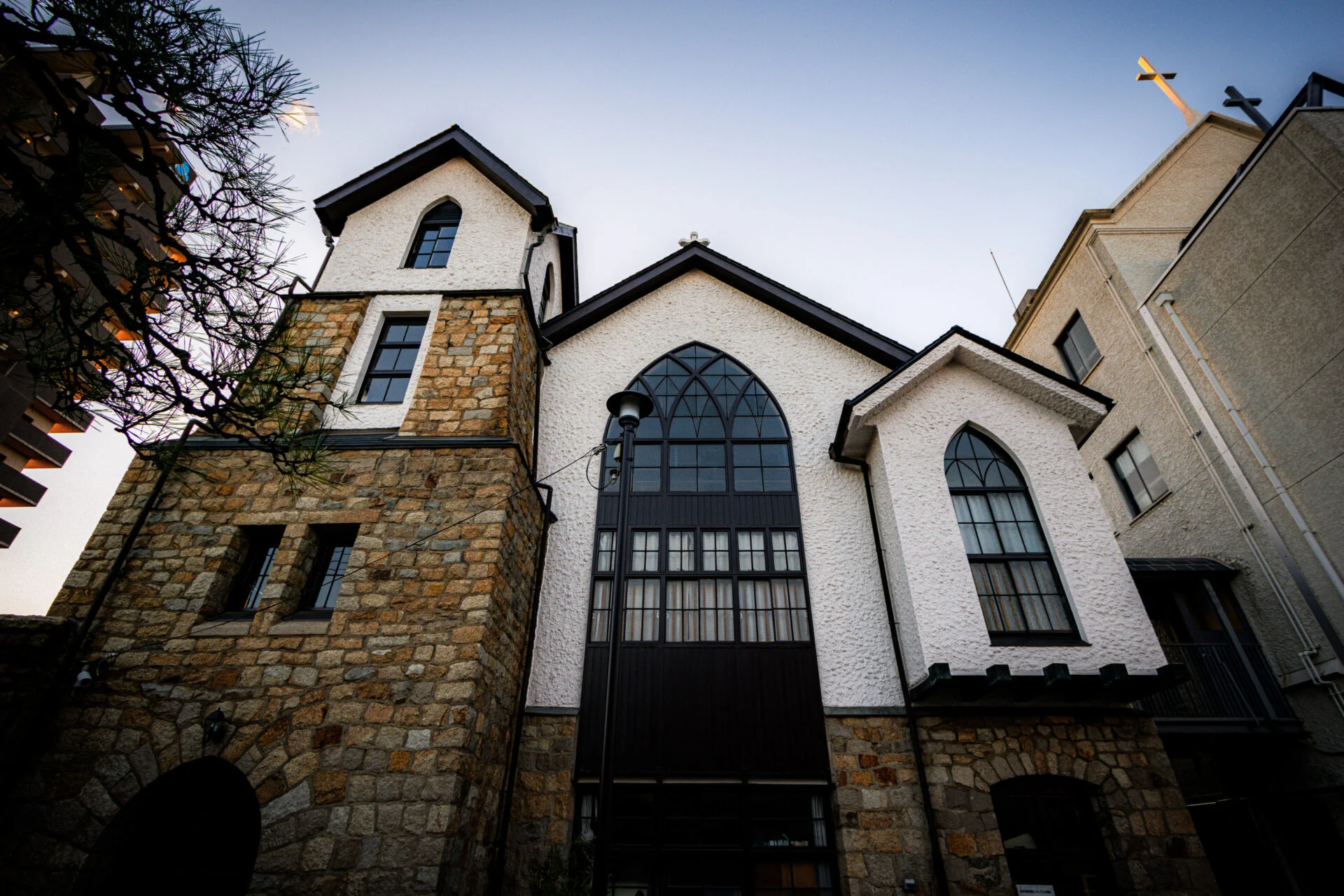
| Kurashiki Church of the United Church of Christ in Japan | Nishimura Isaku | 1-5-15 Tsurugata, Kurashiki City |
| Kurashiki City Art Museum | Tange Kenzo | 2-6-1 Chuo, Kurashiki City |
Building Cards
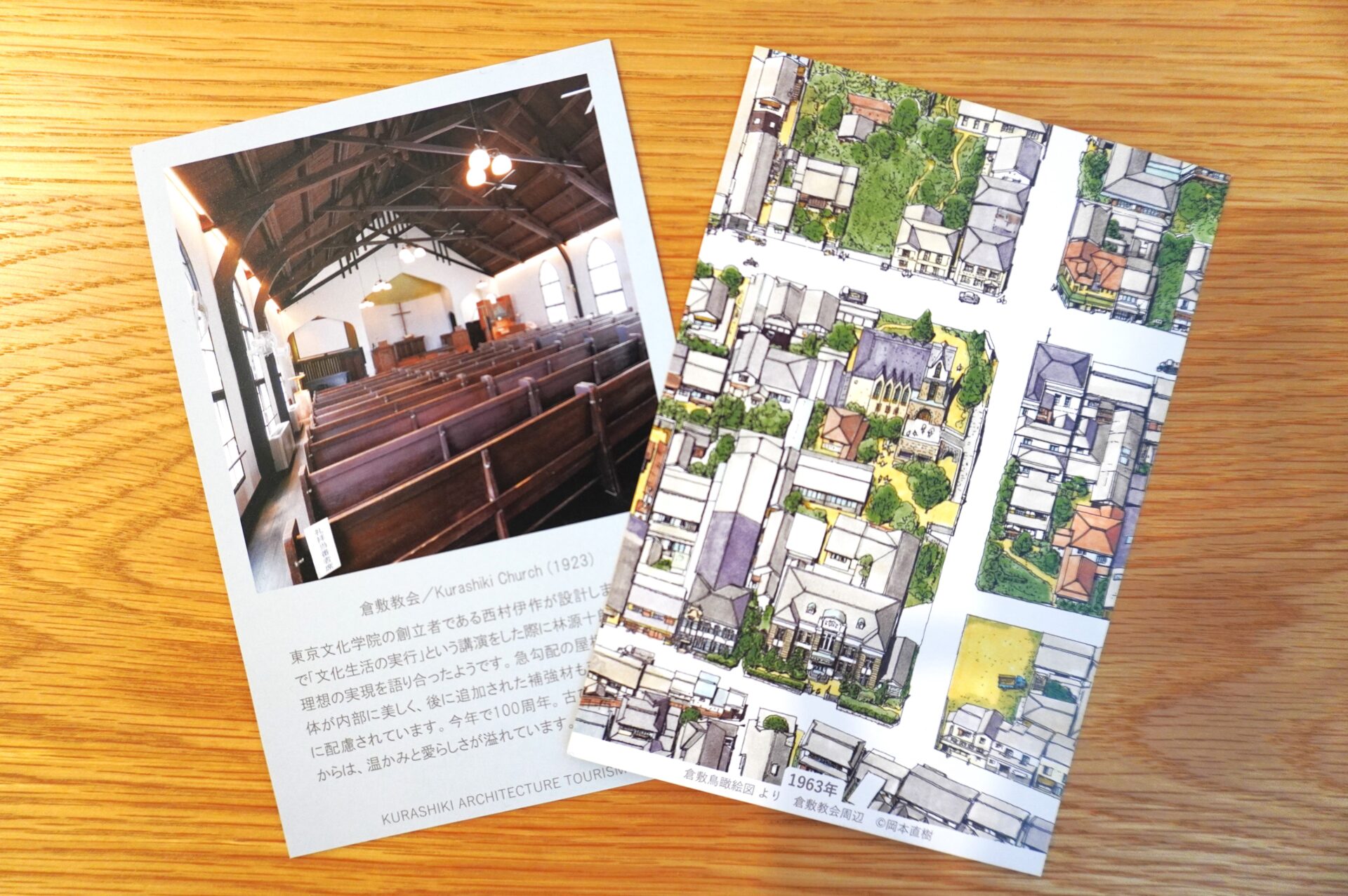
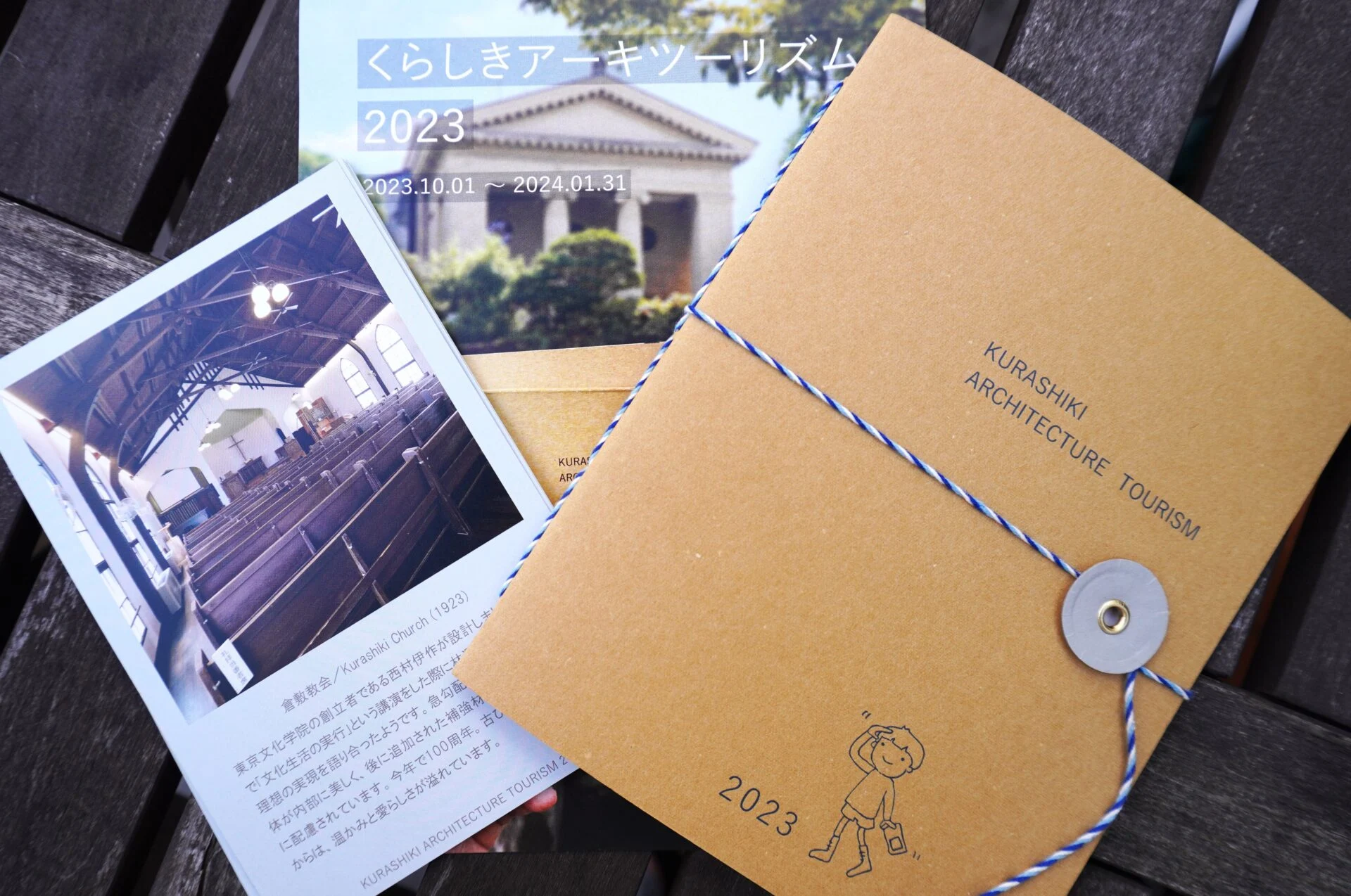
Each card introduces one of the five buildings, featuring photos of the exterior and interior, along with the building's characteristics, episodes, and points of interest.
The back of the interior and exterior cards includes a bird's-eye view of the area around the buildings from 1963 and 2005, allowing you to see the changes in the town.
The cards are distributed for free at five locations in the Bikan Historical Area.
- Ohara Museum of Art Main Building (next to the ticket sales area: luggage storage)
- Yurin-so Villa (Ohara House Katalyzer reception)
- Café El Greco (inside the counter)
- Kurashiki Church (in front of the café entrance)
- Kurashiki City Art Museum (3rd floor office)
Memory File
This file contains useful information for walking around the town, including information about the three architects and a walking map.
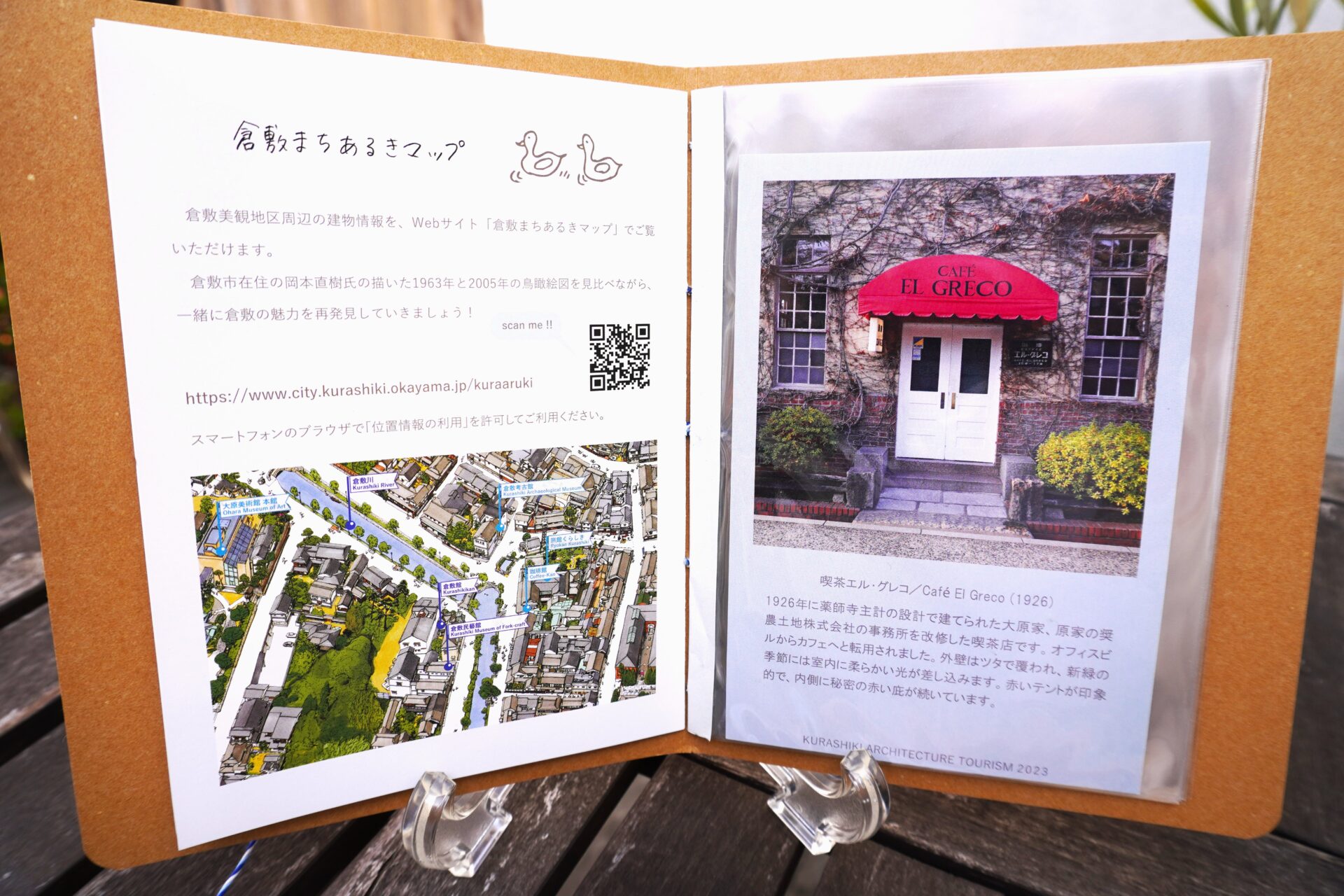
The twelve clear pockets can hold not only the Building Cards but also tickets and postcards, allowing you to store your travel memories together.
By scanning the QR code inside the file, you can access bird's-eye views of Kurashiki City and maps of the old town names, providing tips for enjoying your walk around the town.
The handmade and very cute Memory File is available for 500 yen per book.
Only 500 copies are available and are sold at five locations in the Bikan Historical Area.
- Tourist Information Center (Kurashikikan)
- Kurashiki City Kurashiki Monogatari-kan
- Café Shalon (inside Kurashiki Church)
- Ohara Museum of Art Museum Shop
- Café El Greco
How to Enjoy Architourism
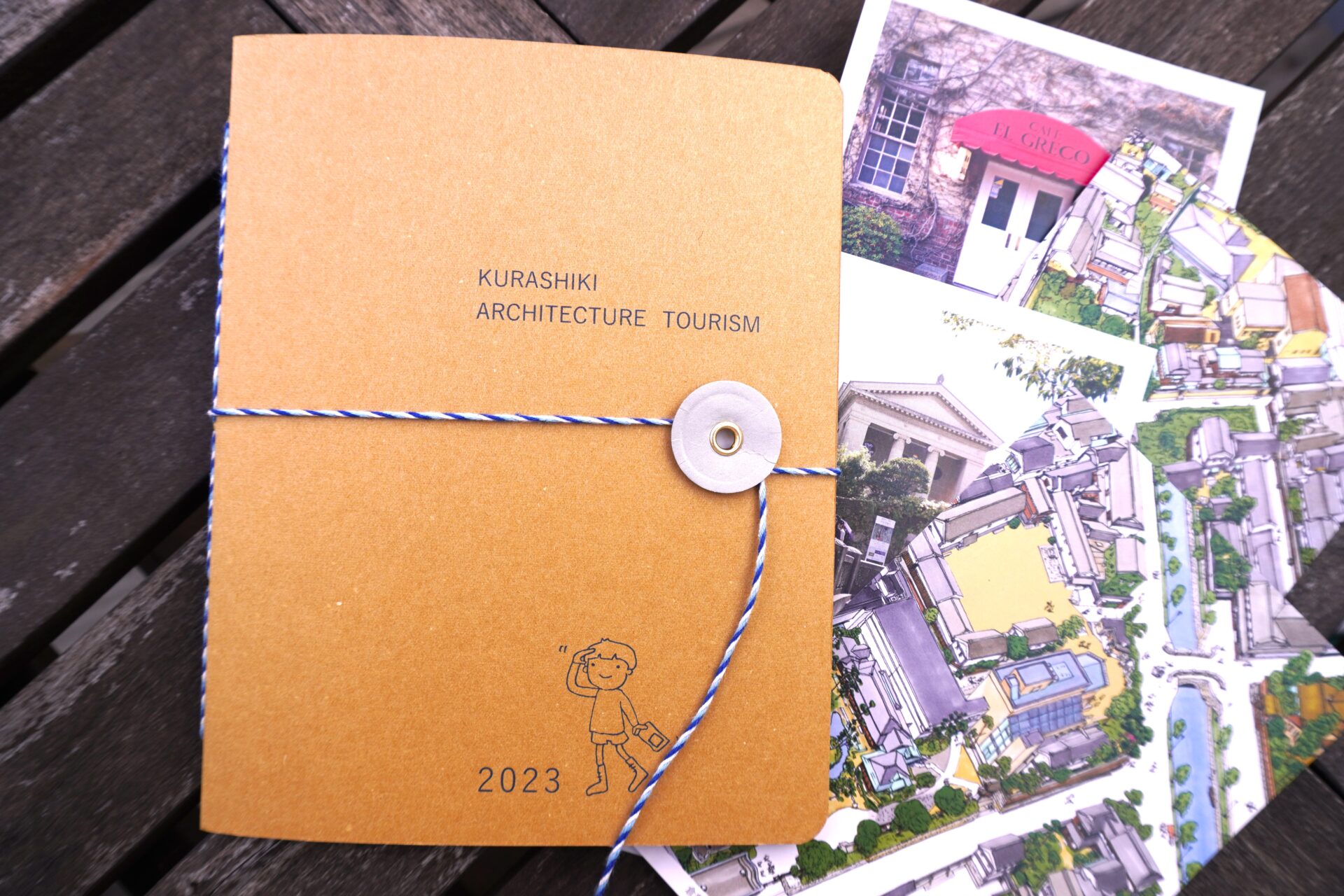
Kurashiki Architourism 2023 features five buildings selected to showcase the changes in Kurashiki from the early Showa period to the post-war era.
All the locations are within walking distance, allowing you to explore the entire Bikan Historical Area at the same time.
Kazuki Utakawa, an official from the Kurashiki City Tourism Division involved in this project, stated:
"I hope that while enjoying the details of the buildings that are usually overlooked, visitors can feel how Kurashiki has developed by incorporating new elements while maintaining harmony throughout the town, rather than just valuing the old." He expresses hope for the expansion of the event.
Conclusion
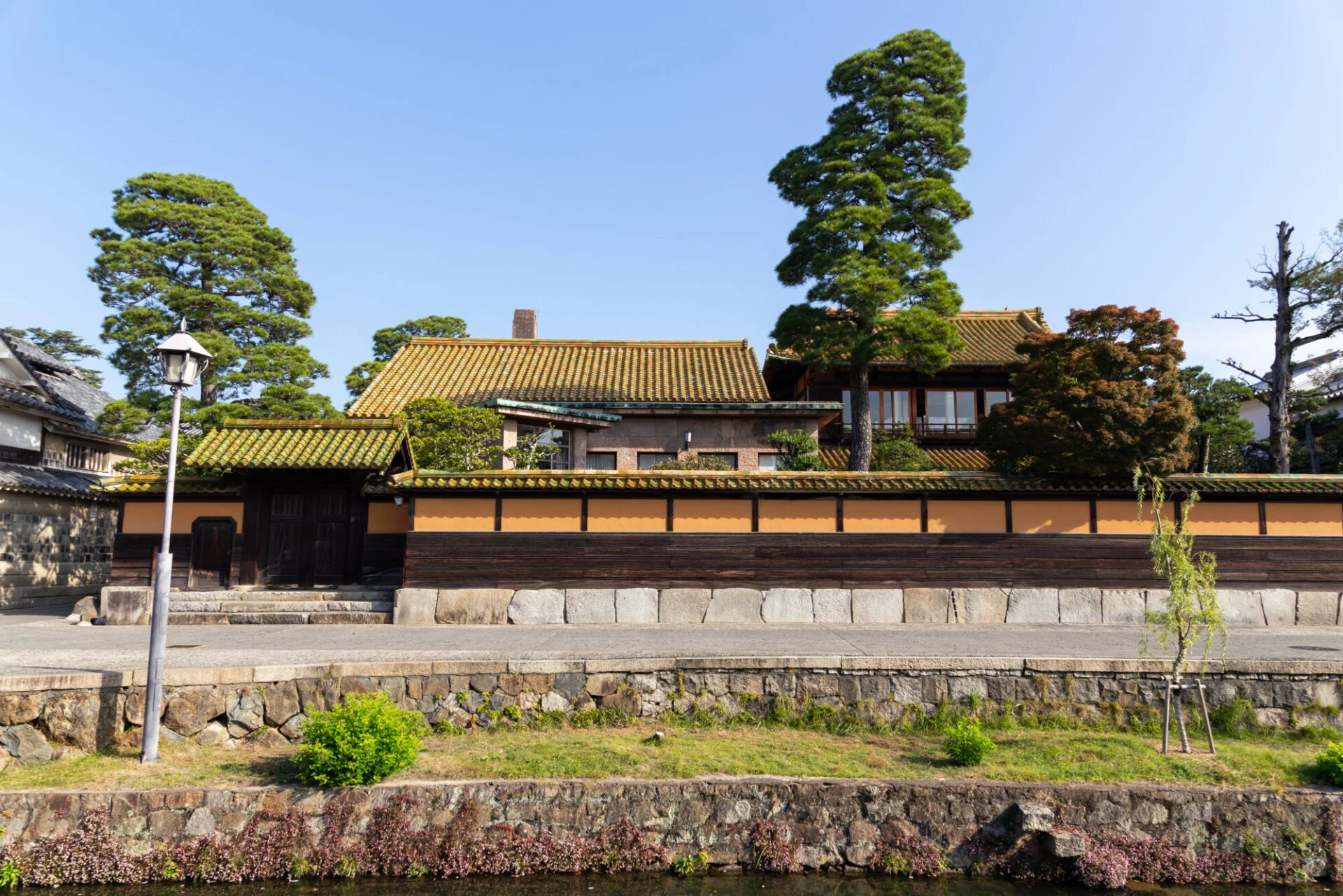
I remember visiting the Kurashiki Bikan Historical Area for the first time when I was a university student.
I recall the excitement of strolling through the white-walled town.
At that time, I did not know why the Ohara Museum of Art, which I thought was made of stone, was built with reinforced concrete, or what purpose Yurin-so Villa served and what role it played.
As I explore the Bikan Historical Area while picking up the stories hidden in the buildings, I feel I can experience Kurashiki more deeply, including the different eras, the conditions of the time, and the lifestyles of the people.
The buildings eloquently tell the story of the town.
Why not embark on a journey to rediscover the charm of Kurashiki through the buildings that the masters of architecture have imbued with their thoughts down to the smallest details?
Now, let's enjoy walking around the town with the Memory File in hand, collecting Building Cards.
Kurashiki Architourism 2023 will be held until January 31, 2024.
Data for Kurashiki Architecture Tourism 2023
| Name | Kurashiki Architecture Tourism 2023 |
|---|---|
| Dates | October 1, 2023 - January 31, 2024 |
| Location | Bikan Historical Area |
| Participation Fee (including tax) | Memory File: 500 yen (tax included) per book, limited to 500 copies Building Cards (free) |
| Website | "Art Town Kurashiki" Executive Committee Office (Kurashiki City Tourism Division) |