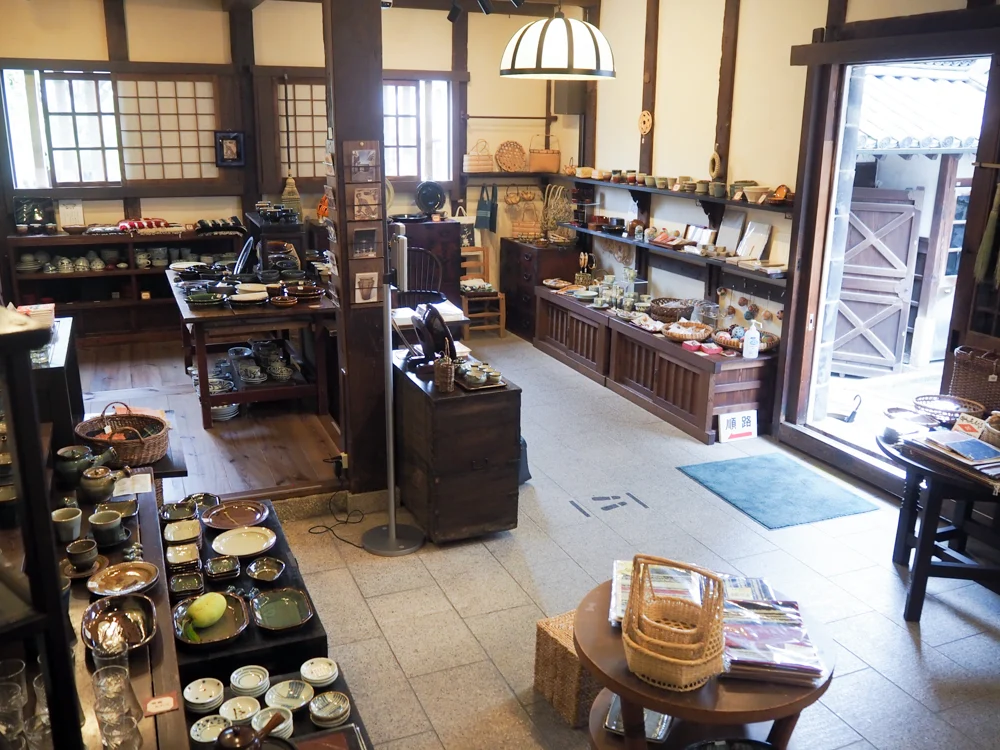
In Kurashiki City’s Bikan Historical Area is the “Kurashiki Museum of Folkcraft,” the second folkcraft museum established in Japan.
At the Kurashiki Museum of Folkcraft, you can learn about the history of folkcraft and purchase folkcraft items.
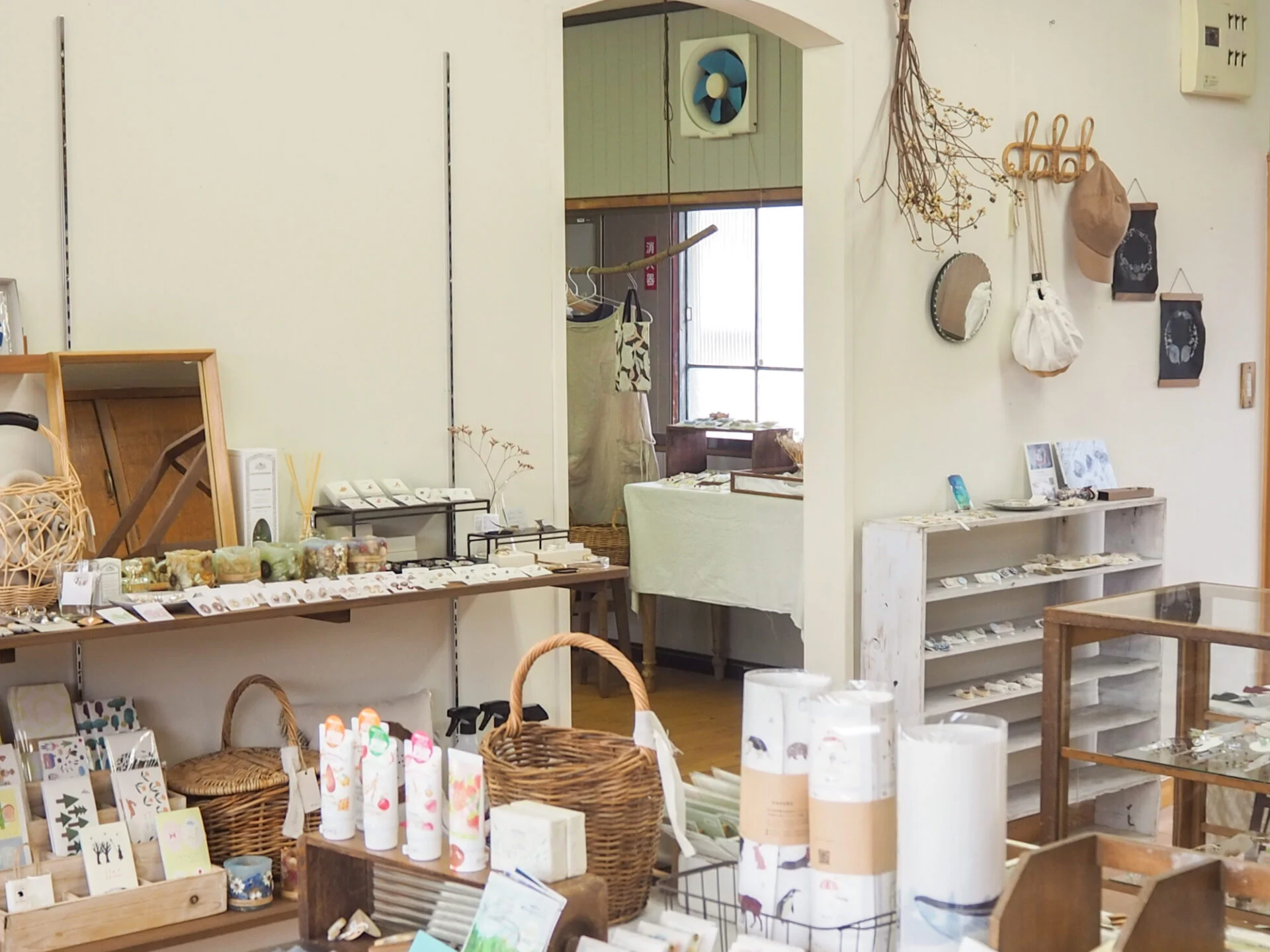
In 2020, following renovation work, the museum reopened, and the folkcraft shop became about three times larger.
The shop now offers a more spacious and relaxing experience, making it enjoyable to choose your favorite folkcraft items.
We took a look at the well-stocked shop and spoke with the museum about the thinking behind the renovation.
The information presented was current when this article was published in November 2021. Please note that it may differ from current information.
About the Kurashiki Museum of Folkcraft

The Kurashiki Museum of Folkcraft opened in 1948.
As mentioned at the beginning, it was the second folkcraft museum to be established in Japan, after the Japan Folk Crafts Museum in Komaba, Tokyo.
Because it makes use of a rice storehouse built in the late Edo period, the building itself is said to be a folkcraft item made by the hands of various craftspeople.
The Kurashiki Museum of Folkcraft’s collection consists of tools that serve people well in every aspect of daily life and make for a beautiful way of living.
It houses folk crafts (folkcraft items) that are useful in everyday life not only in Japan, but around the world.
Admission to the renovated shop is free.
You can freely browse and purchase folkcraft items even if you do not enter the exhibition rooms.
It’s nice to be able to drop in so easily.
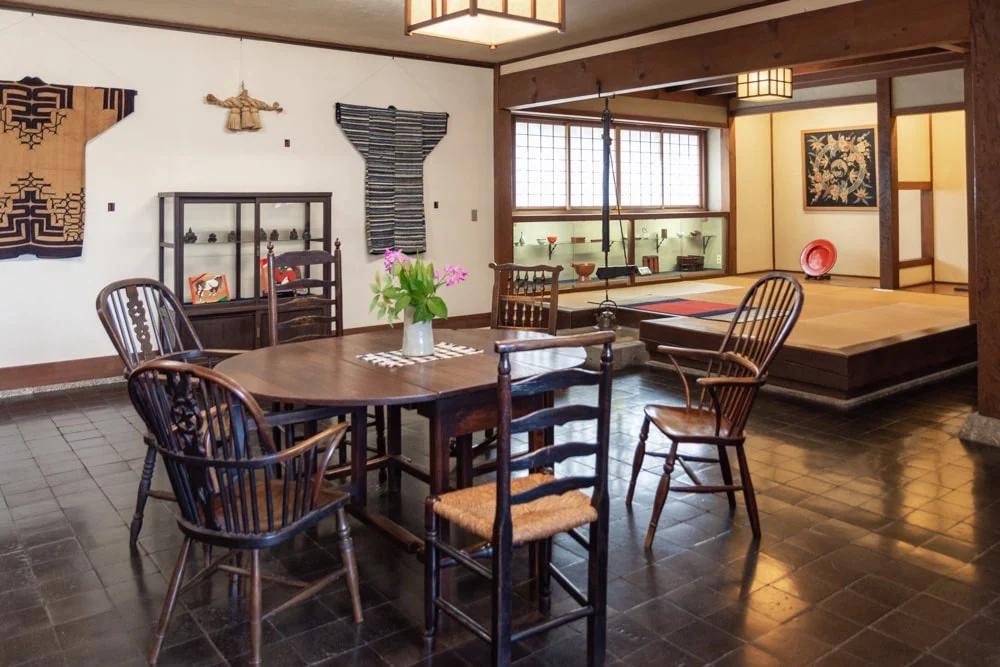
Background to the Kurashiki Museum of Folkcraft renovation

The Kurashiki Museum of Folkcraft reopened after renovations in March 2020.
The renovation work took about three months.
The main areas renovated were the shop and reception desk.
To fulfill one of the Kurashiki Museum of Folkcraft’s roles, “promoting folkcraft items,” the extensive renovation increased the number of items visitors can see, touch, choose, and purchase.
Let’s take a closer look at the folkcraft items available for purchase.
The shop is three times larger. What has changed, and what are the highlights?

The renovated shop at the Kurashiki Museum of Folkcraft is on the first floor, just inside the entrance.
About two-thirds of the first floor is now shop space, giving visitors room to enjoy the folkcraft items at their leisure.
The reception desk is to the left as you enter.

The former reception area has been converted entirely into shop space.
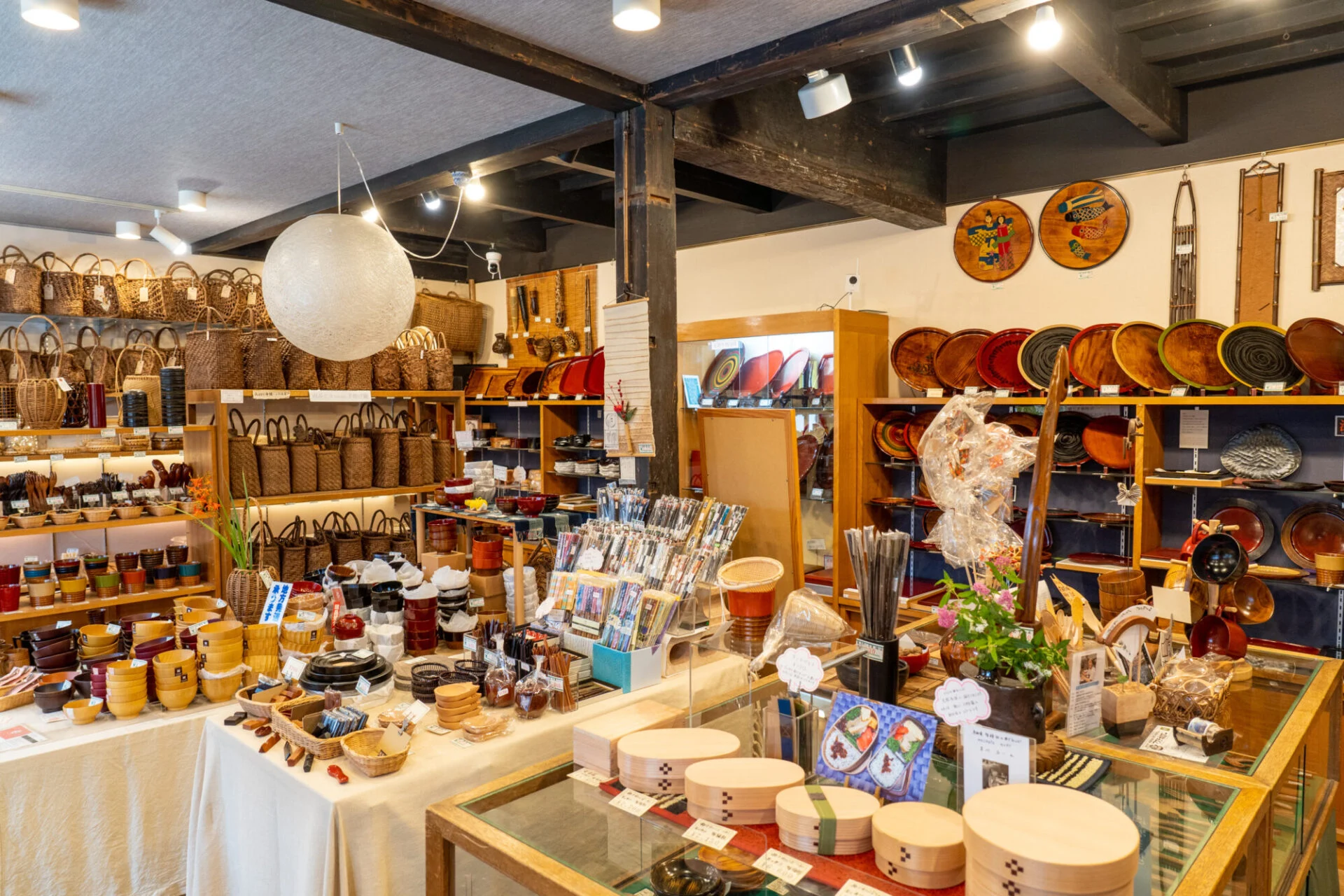
The most popular items are said to be folkcraft items made in Okayama Prefecture, including Kurashiki. The shop also sells keychains and earrings featuring Kurashiki temari balls.


Folkcraft items from Okayama Prefecture include Bicchu washi paper and Kurashiki Glass, as well as coasters made from igusa rush.


The museum’s first director, Tonomura Kichinosuke, was also a weaving instructor, so the shop carries items from the Kurashiki Honzome Handweaving Institute as well as products made by its graduates.

In addition, because the special exhibition “Baskets and Glass” was on during our visit, the shop also had a wide selection of baskets.

The Kurashiki Museum of Folkcraft also offers many opportunities to discover folkcraft items made outside Okayama Prefecture.
Examples include pottery from Shussai Kiln in Shimane Prefecture, and vessels from Nakata Kiln and Baizan Kiln in Ehime Prefecture.


Since the renovation, the shop has also stocked items related to the Kurashiki Museum of Folkcraft’s special exhibitions, expanding the variety of products available for purchase.
Each folkcraft item is handmade.
Even vessels made in the same region differ in pattern, texture, and other details when you pick them up and look closely.
Take your time looking around and try choosing folkcraft items that would be easy to incorporate into your daily life.
In addition to tableware, there were items such as “binshiki” and “gamaguchi” purses made at the Bashofu Textile Workshop in Okinawa Prefecture, as well as a 2022 calendar designed by dyeing artist Keisuke Serizawa and dyed on handmade washi paper using the stencil-dyeing technique.


As you can see, some folkcraft items are sold to suit the season.
We spoke with Kaori Hiramatsu, a curator at the Kurashiki Museum of Folkcraft, to learn more about the products and what makes them worth recommending.
Kurashiki Museum of Folkcraft Information

| Name | Kurashiki Museum of Folkcraft |
|---|---|
| Address | 1-4-11 Chuo, Kurashiki City, Okayama Prefecture |
| Contact | 086-422-1637 |
| Parking | None |
| Opening hours | 10:00 a.m.–5:00 p.m. |
| Closed | Monday ※If Monday is a public holiday, closed the following day ※Closed for the year-end and New Year holidays (December 29–January 1) ※Temporarily closed when any warnings (strong winds, earthquakes, heavy rain, tsunamis, floods, landslides, etc.) are issued |
| Admission (tax included) | Adults: ¥1,200 High school and university students: ¥500 Elementary and junior high school students: ¥300 ※Group rates available for groups of 20 or more ※Discounted rates available for visitors with a disability certificate or similar ※Free for members of the Okayama Folkcraft Association and the Kurashiki Museum of Folkcraft Fan Club ※Admission fees may vary depending on the exhibition |
| Payment methods |
|
| Reservations | Available ※Reservations accepted for groups only |
| Smoking | Entirely non-smoking |
| Restrooms | Western-style toilets |
| Parenting | Discount available upon presentation of a Momokko Card |
| Website | Kurashiki Museum of Folkcraft |

What would you like to know about Kurashiki?
Enter a word to search articles on this site