What are the changes and recommended points of the products after the renewal? Interview with the curator
The Kurashiki Museum of Folkcraft reopened in March 2020.
I spoke with the curator of the Kurashiki Museum of Folkcraft, Hiramaatsu Kaori, about the specific changes before and after the renewal, as well as the recommended points of the products.
A more accessible Kurashiki Museum of Folkcraft
It has been over a year since the renewal opened. Do you feel any changes compared to before the renewal?
Hiramaatsu (no honorifics)
I think customers have found it easier to stop by the Kurashiki Museum of Folkcraft.
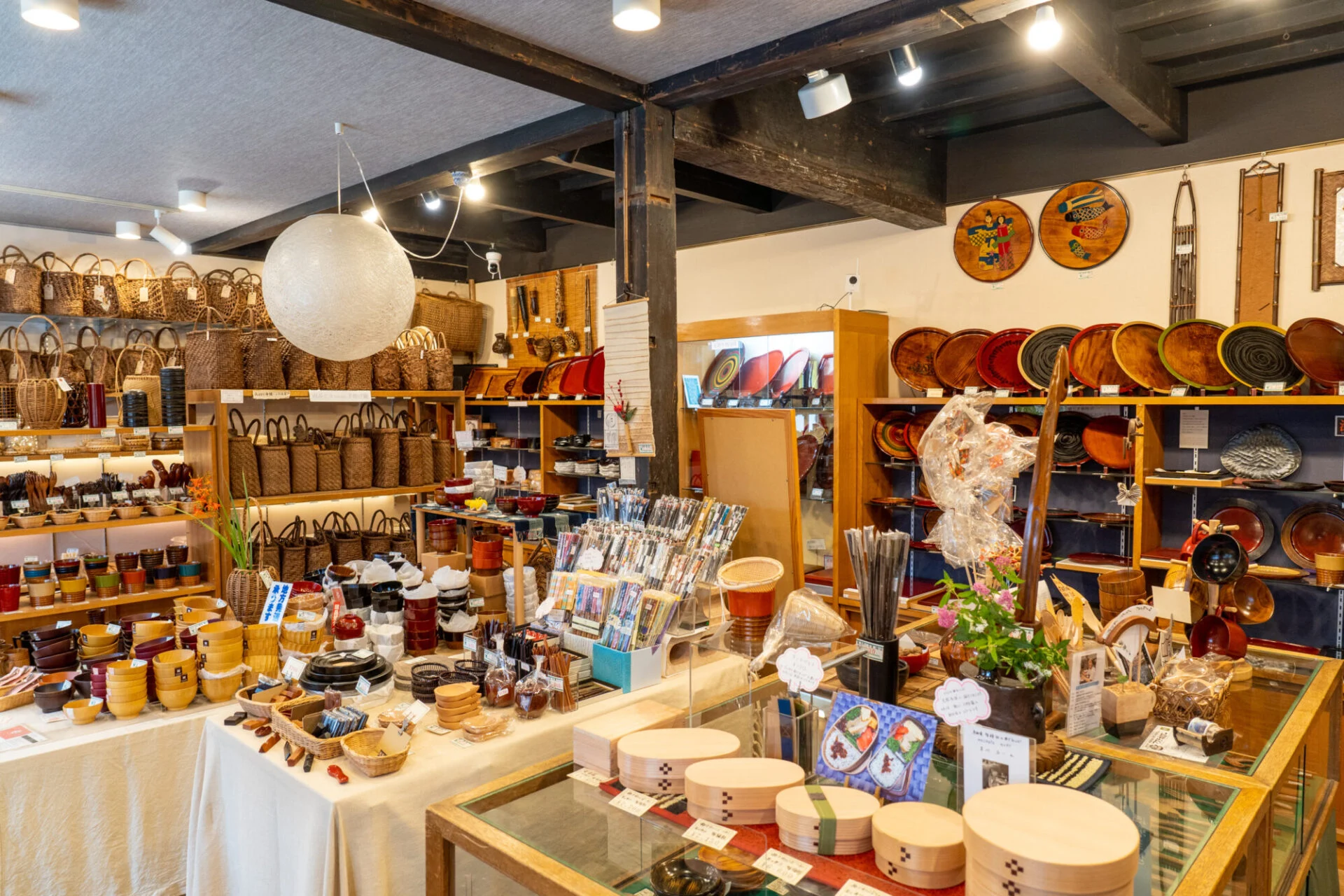
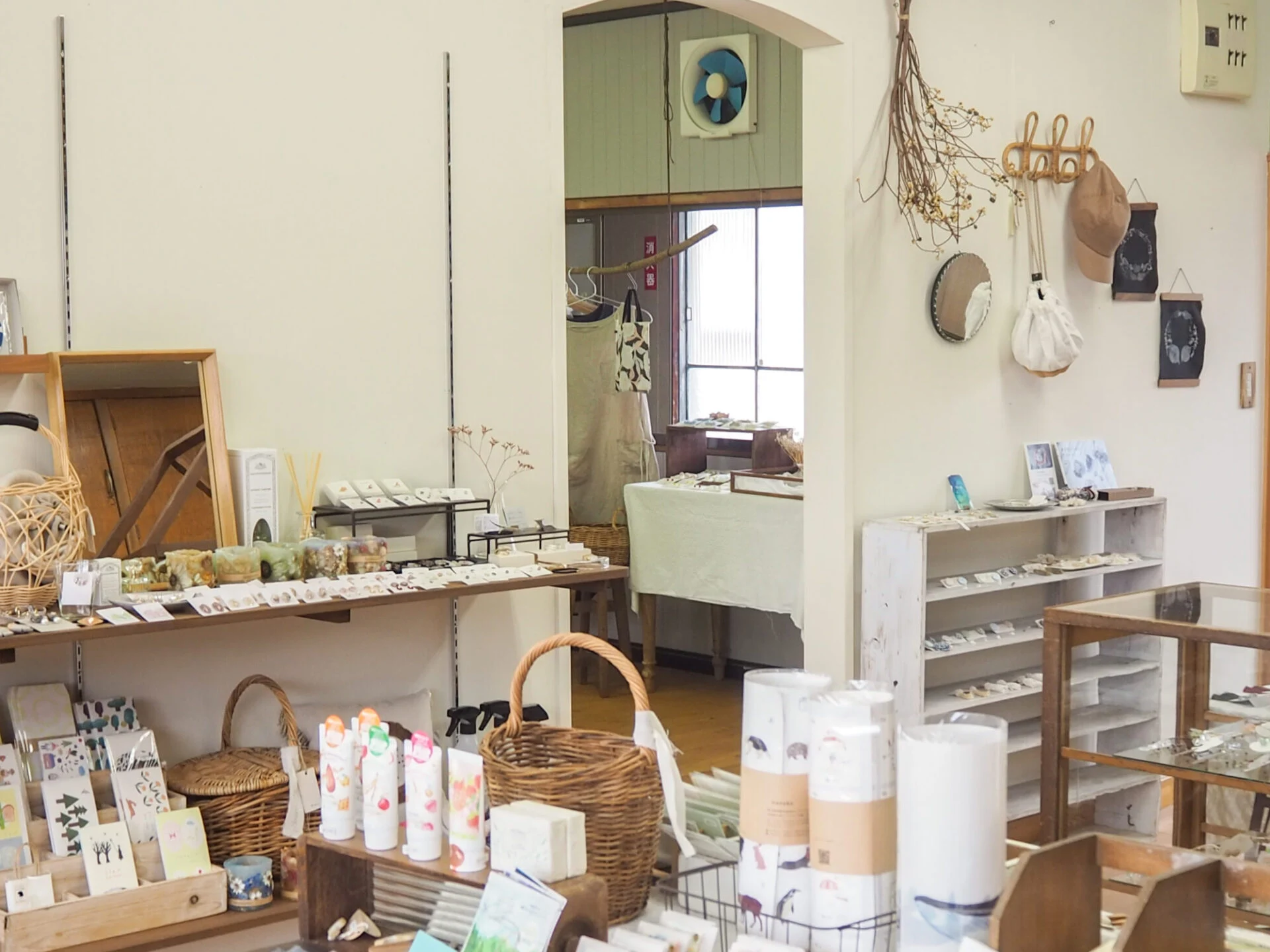
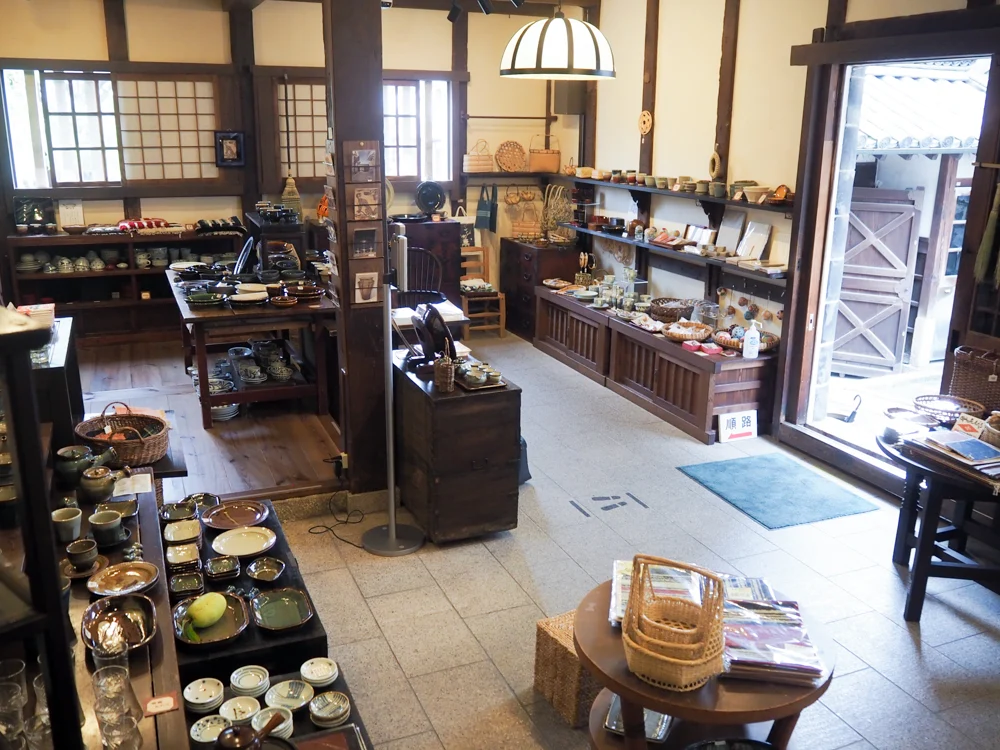
Previously, there was only one entrance, and the sales area was narrow with somewhat dim lighting.
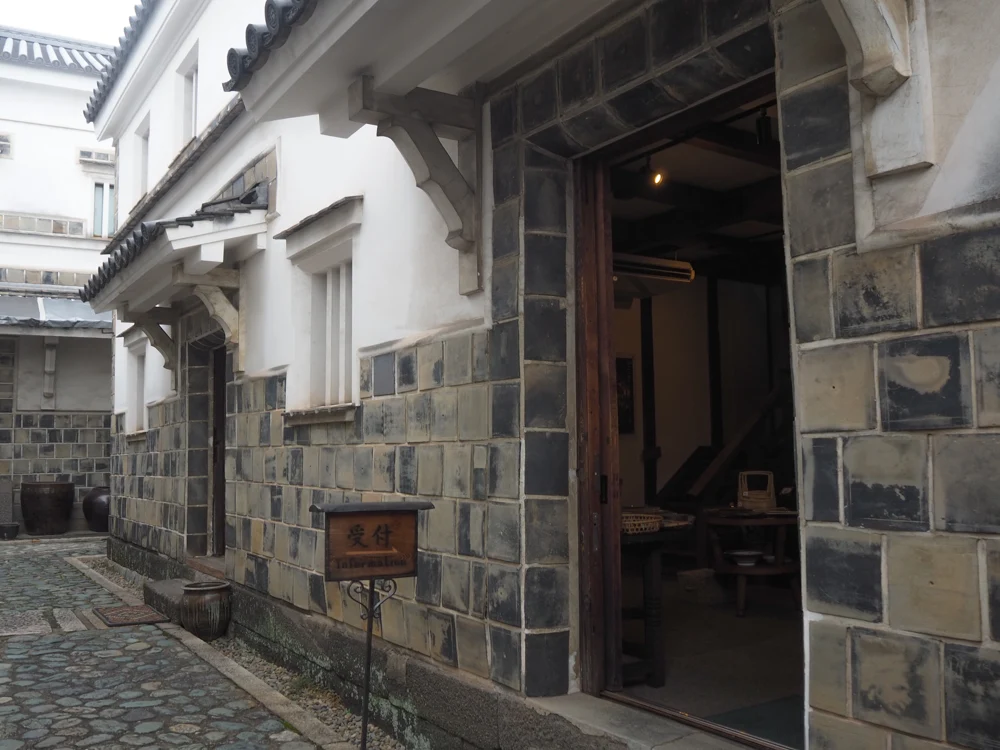
Since the renewal, there are now two entrances, and it feels like more customers are visiting.
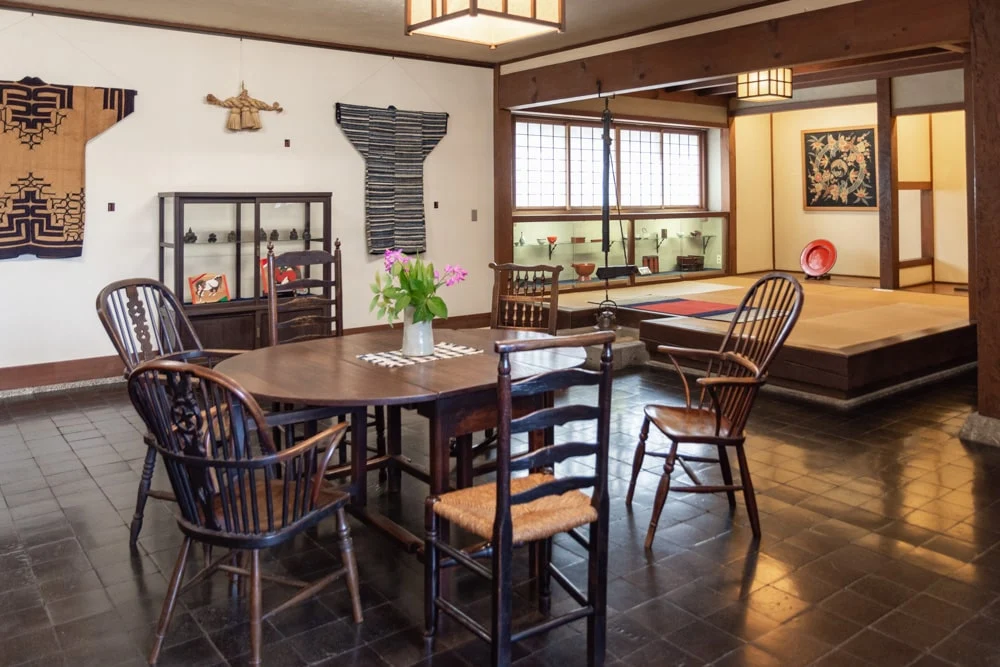
The interior has become brighter.
We have significantly increased the number of lights.
Not only did we expand the space, but we also made efforts to ensure that customers can enjoy a relaxed time.
We have chosen display tables, shelves, and cabinets that suit the exhibitions.
In fact, in addition to the sales area, we also changed the lighting in the exhibition rooms and repaired the windows as part of the maintenance due to aging.
The restrooms, which were previously external, have also been installed inside the Kurashiki Museum of Folkcraft, making them more accessible.
A significantly expanded sales area
The sales area has become quite spacious, which is impressive. Have the types and quantities of products changed?
Hiramaatsu
The biggest change is the number of folk crafts.
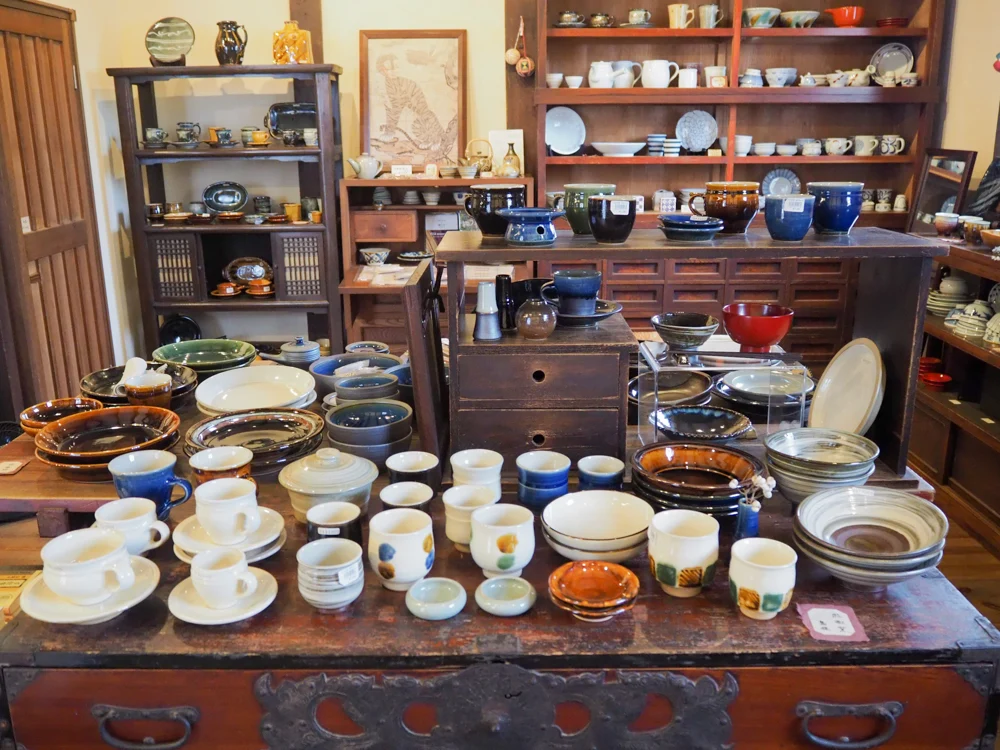
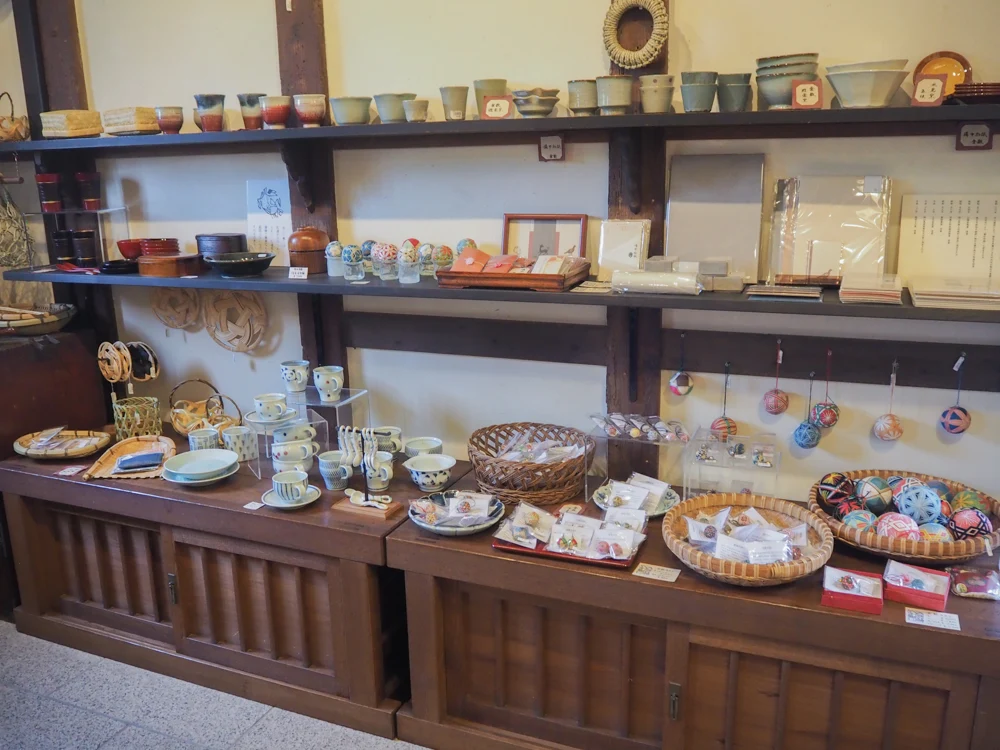
With the expansion of the sales area, the number of products from each kiln and workshop has increased.
I hope that customers can enjoy the fun of choosing and the joy of using more than ever before.
As the number of products displayed increases with each shipment, my own desire to purchase has also grown.
Folk crafts from Okayama Prefecture that you can never obtain again
Are there any folk crafts you would recommend at the moment?
Hiramaatsu
Well, I recommend all of them, but…
The igusa (rush grass) products from Kurashiki are what I would like to recommend right now.
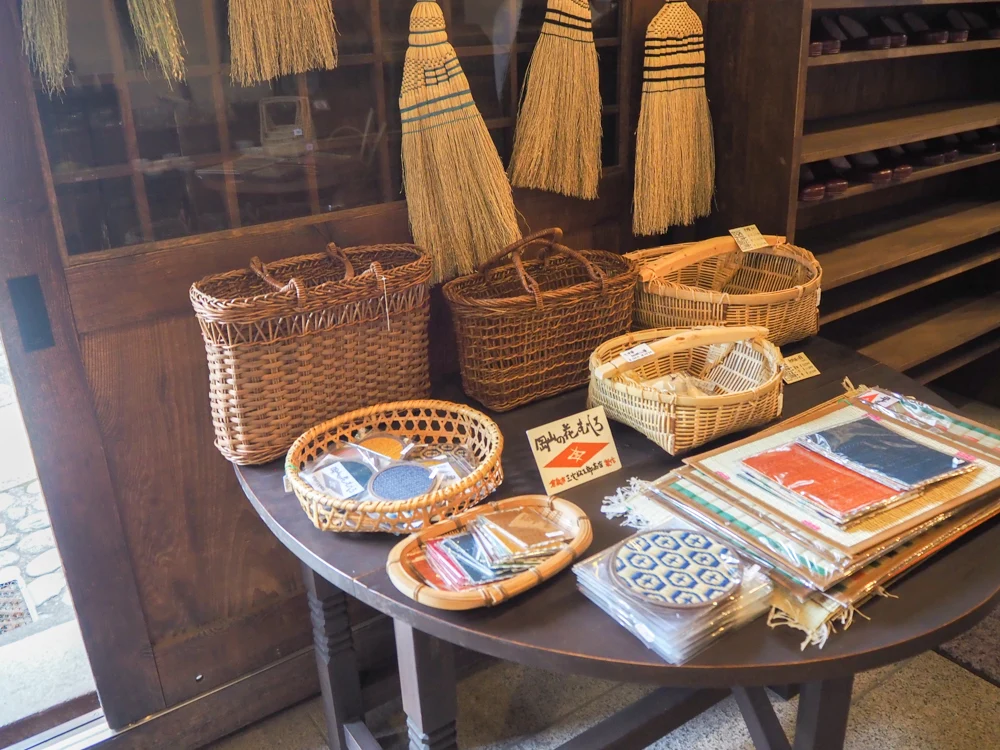
This is a flower mat from Miyake Matsusaburo Shoten, which is handled by the Kurashiki Museum of Folkcraft.
It uses Japanese igusa, and there are also items made with handlooms and patterns designed by Keisuke Serizawa.
However, unfortunately, they have gone out of business, and now only the remaining stock is available.
Since it is a representative folk craft of Kurashiki that was also the reason the first director came to Kurashiki, I hope you will definitely purchase it if there is any stock left.
A wide selection of folk crafts from outside Okayama Prefecture
I heard that “folk crafts from Okayama Prefecture are the most popular,” but you also sell many items from outside Okayama Prefecture. What criteria do you use for sourcing?
Hiramaatsu
The criteria for sourcing are the items selected for the annual Japan Folk Art Museum Exhibition.
We also have folk crafts that have been selected for the Kurashiki Museum of Folkcraft Award, which is held every three years.
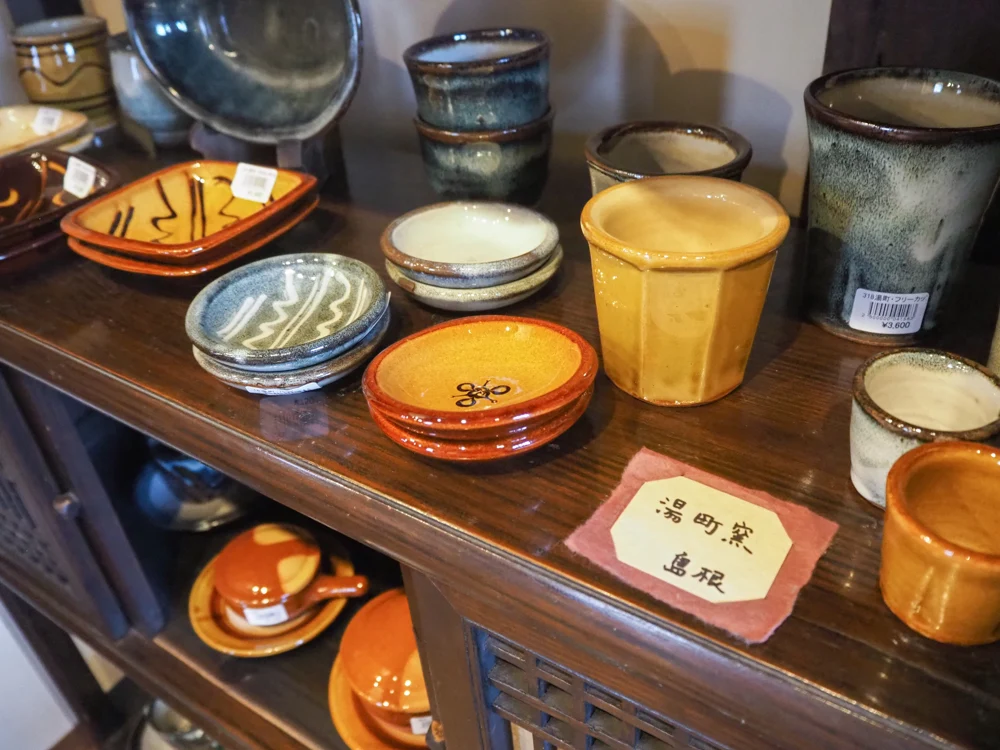
It is fun to see the differences even among folk crafts made in the same region, depending on the kiln.
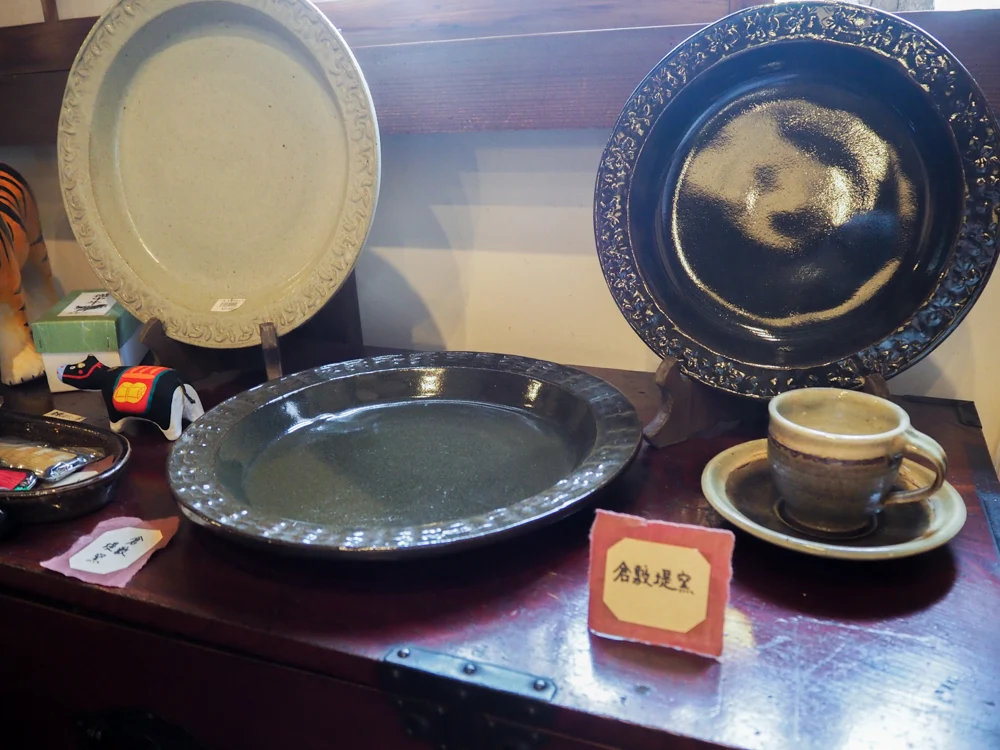
For example, comparing the kilns of Tohbe-yaki in Ehime Prefecture, Nakata-gama and Ume-yama-gama, you can see the differences.
Nakata-gama has a traditional and soft impression, while Ume-yama-gama has a clean white color.
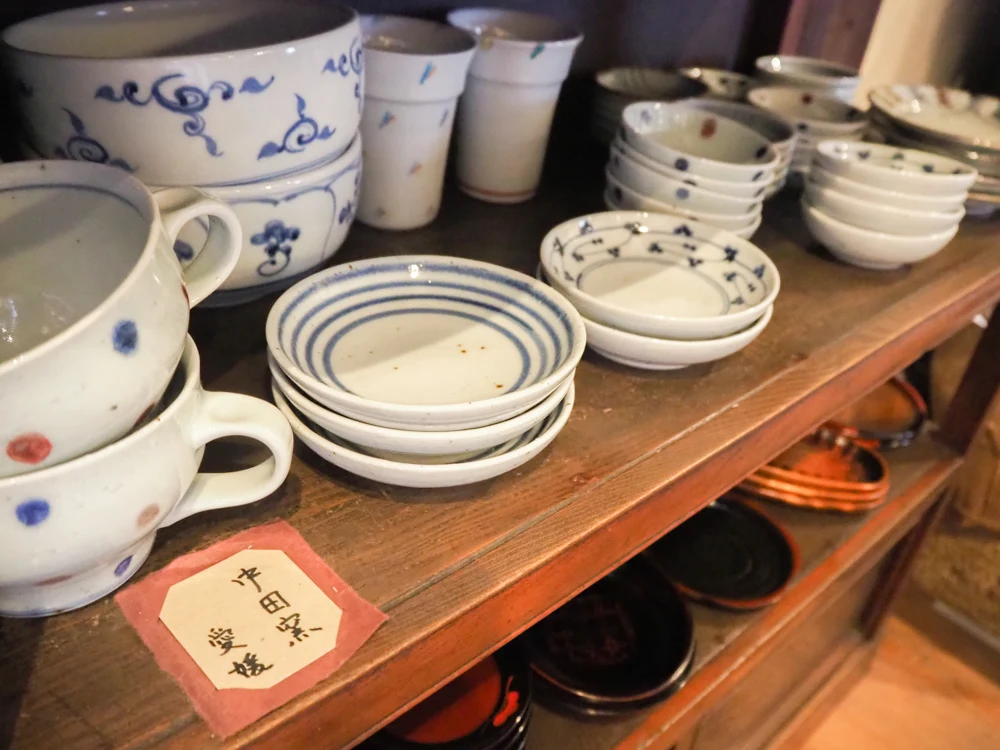
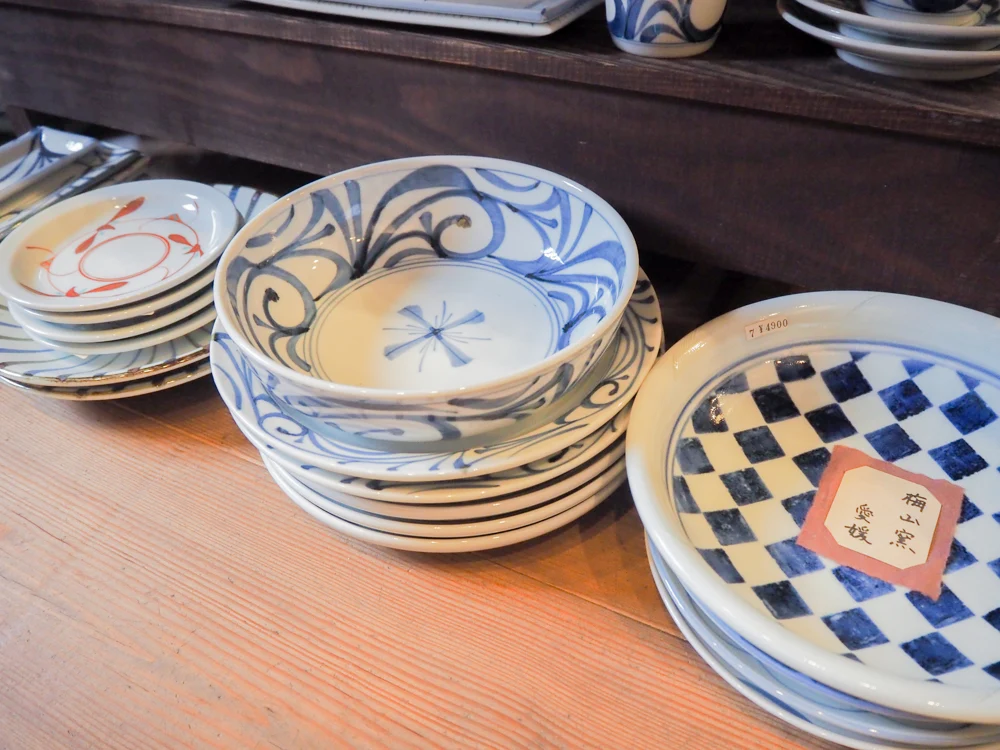
I hope you will take your time to look at each folk craft.
The Bashofu Weaving Workshop from Okinawa has also received the Kurashiki Museum of Folkcraft Award.
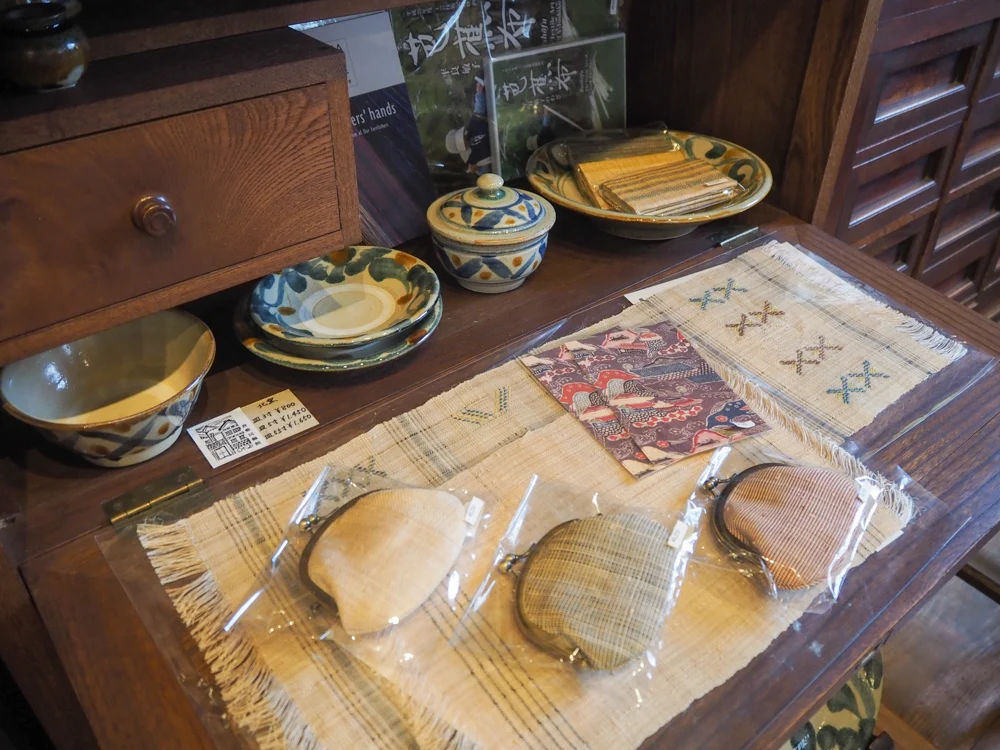
The fibers of “binshiki” and “gama-guchi” are made by splitting the stalks of a large plant called banana leaf.
After harvesting, they are hand-tied one by one, so it takes a lot of effort to create them.
The workshop is led by Taira Toshiko.
Ms. Taira is from Okinawa, but during the war, KURABO INDUSTRIES LTD., a textile factory in Kurashiki, was turned into a military factory, and she was dispatched there as part of the women's volunteer corps.
After the war, she learned weaving from the first director of the Kurashiki Museum of Folkcraft, Tomomura.
After returning to Okinawa, she started weaving from planting plants in areas that had been burned to the ground during the war, and she is a Living National Treasure.
By the way, the Bashofu Weaving Workshop mainly produces kimonos, so items like “binshiki,” “gama-guchi,” and card cases are rare.
Folk crafts inherit the wisdom of living
When did you first encounter folk crafts, Hiramaatsu?
Hiramaatsu
I learned about them when I was a university student.
I was studying design at university and was doing pottery.
In the history of art and design, folk crafts always come up, so I knew the term, but I didn’t know that there were still jobs that were being carefully passed down.
Now, I think it is attractive that the texture and usability are reflected in the works because they have been made with materials suitable for the land and adapted to the lifestyle of the area.
Furthermore, it is deeply moving to think that the things created have been used in daily life and have remained until now.
Enjoying the “fun of choosing” and making folk crafts a part of life
Finally, please share a message.
Hiramaatsu
Now, in an age where there are many machine-made products and everything can be bought cheaply,
on the other hand, folk crafts have become something you can only encounter if you actively seek them out.
However, when you have folk crafts that are carefully handmade in your daily life, it somehow makes you feel at ease.
I always have the feeling that I want everyone to incorporate folk crafts into their lives.
The first director, Tomomura Yoshinosuke, said:
“Everyday tools are silent friends. If you choose good things, both the speaking friends and the silent friends can make you a good person.”
We will continue to work hard to deliver beautiful living companions to all visitors.
I hope you will take a good look at the folk crafts in the exhibition room of the Kurashiki Museum of Folkcraft, find your favorite items in the sales area, and make them a part of your life.
Conclusion
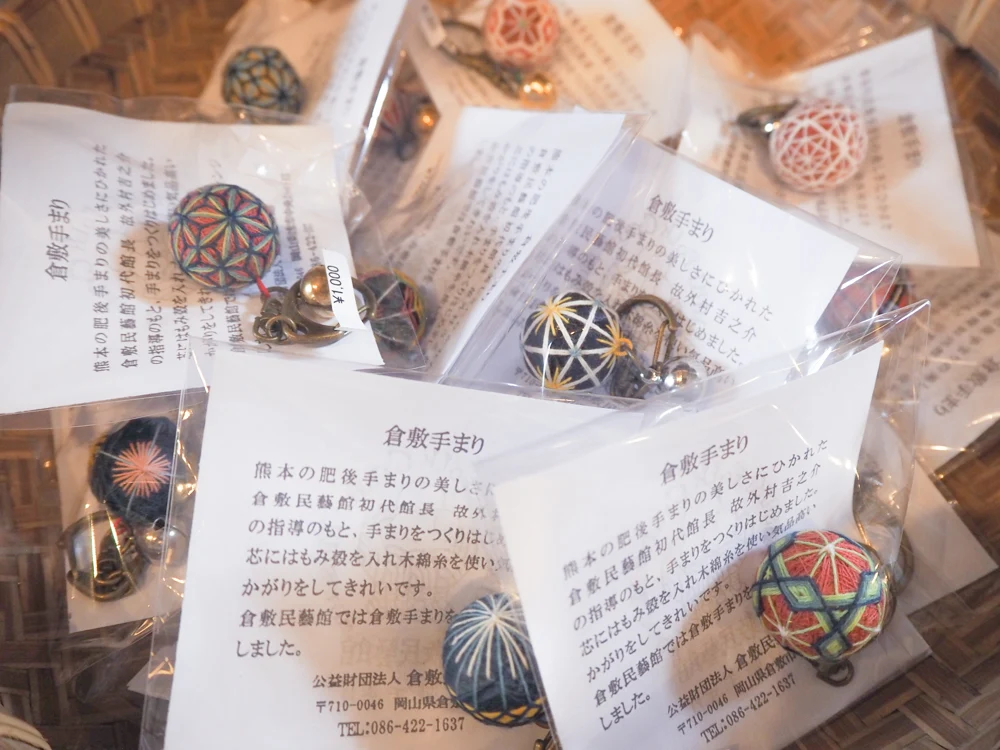
In the spacious sales area of the Kurashiki Museum of Folkcraft, you can slowly enjoy each folk craft.
Because they are handmade, the charm of folk crafts is that no two are the same.
As the author, I love handmade items, including tableware, so I would like to enjoy the process of selecting many folk crafts.
While it is easy to associate folk crafts with tableware, the Kurashiki Museum of Folkcraft also has many folk crafts that are easy to purchase, such as accessories, keychains, and postcards, making them perfect as gifts.
Please visit the Kurashiki Museum of Folkcraft to choose your “favorite item” to incorporate into your life.