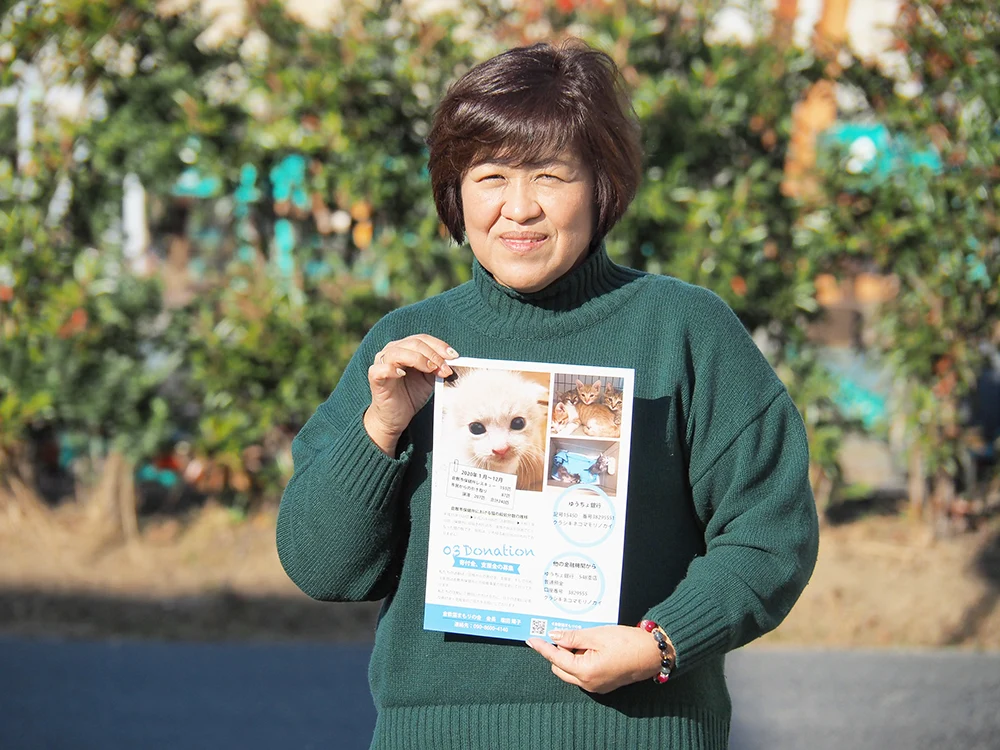
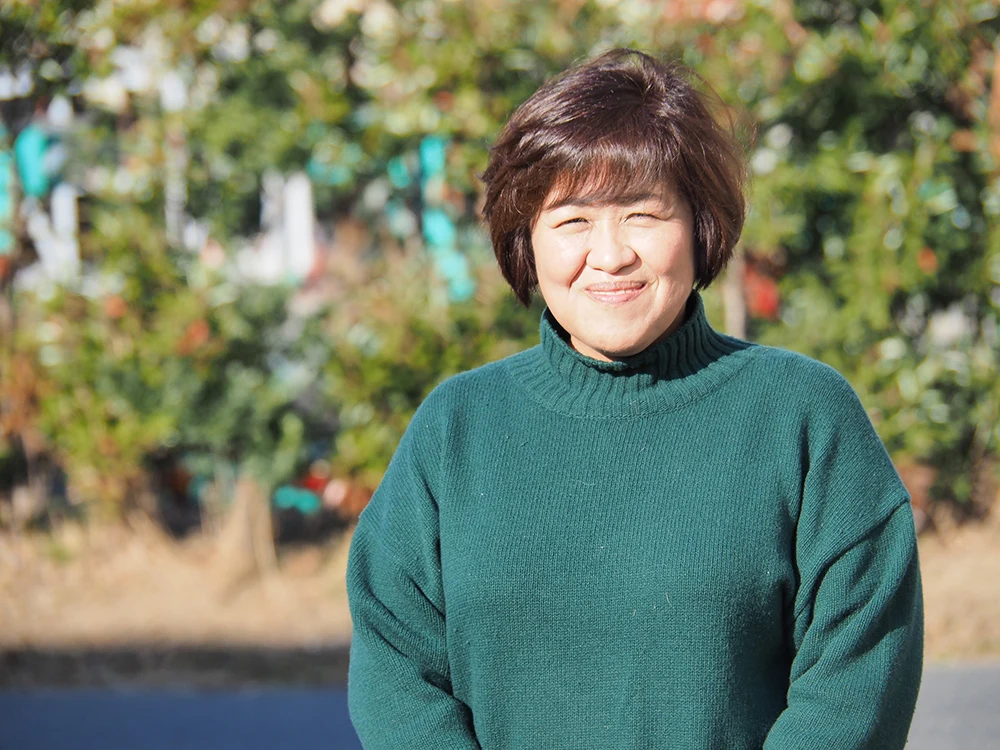
We spoke with Yoko Shioda, representative of the Kurashiki Cat Protection Association
Please tell us about your cat rescue work, from when you started until now.
Shioda (honorific omitted)
I originally volunteered to help stray dogs.
This area, where Maxima Densetsu Co., Ltd. is located, is an industrial zone where stray dogs could easily live, and there was a time when they became a problem.
It was painful to see dogs being taken to the public health center on my way to work, so I started volunteering.
In the case of dogs, activities are carried out under the Rabies Prevention Act, so I rescued puppies rather than adult dogs and looked for adoptive homes for them.
Around 2013, when the number of stray dogs and puppies in this area had declined, I met Hiraga, my co-representative.
Hiraga volunteered to rescue cats, and when I heard about her work, she told me that around 600 cats were brought to the Kurashiki City Public Health Center each year.
I learned that, because there was no law like the one for dogs and few people could take in and care for nursing kittens, many kittens were euthanized on the very day they arrived at the public health center.
At the time, it seems there were also many cases of people bringing in kittens born to neighborhood strays or unspayed and unneutered pet cats.
I love cats myself, and this really moved me. I told Hiraga, “Please let me join you,” and that was how this work began.
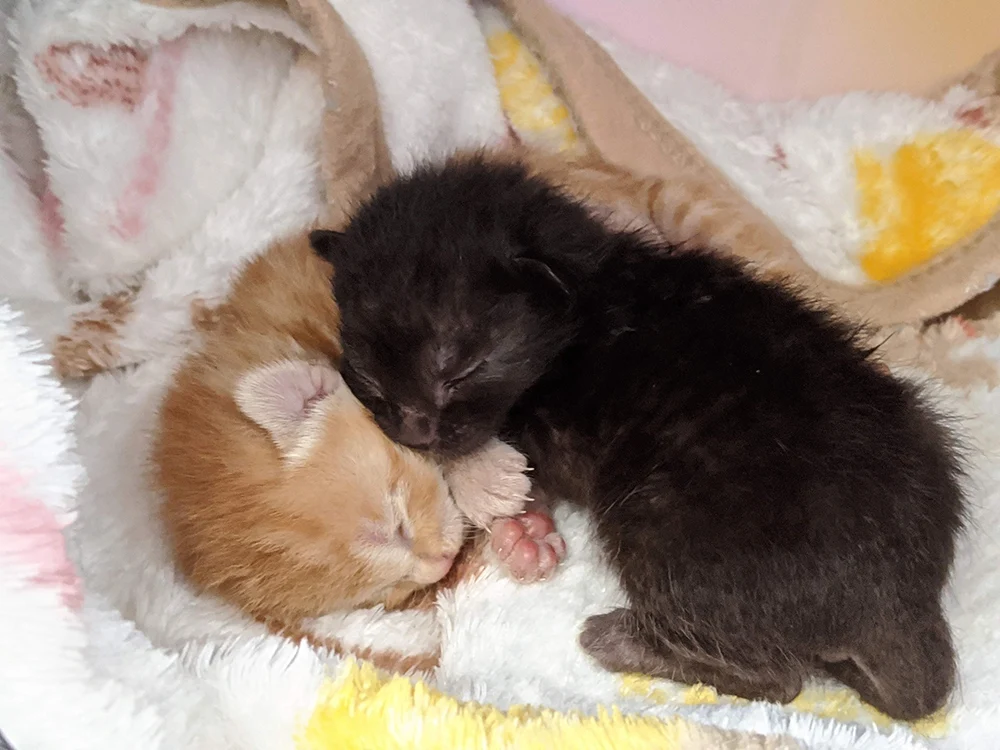
In our first year, we kept feeding them milk day and night, and three or four of us managed to save around 20 kittens over the year. It was very rewarding.
“But most of them are still being euthanized. Let’s get more people involved,” I thought. When we added two milk-feeding volunteers, we were able to save more than 20 additional lives.
There is a limit to how many lives one person can save, but I thought that if we increased our team, we might be able to save every cat in Kurashiki.
I wanted to use grants to train milk-feeding volunteers and increase the number of cats we could help, so I applied for the FY2019 Citizen Project Proposal Program.
Our application was accepted, and we held information sessions and volunteer training seminars. Five more people joined as milk-feeding volunteers, and we were able to save as many as 140 cats in a year.
At the same time, thanks in part to changes in the environment and the work of other groups to neuter stray cats, the total number of cats brought to the Kurashiki City Public Health Center began to decline.
As a result, the Kurashiki Cat Protection Association has been able to rescue almost all the cats at the Kurashiki City Public Health Center.
We now work in partnership with the local government, working together with the Kurashiki City Public Health Center to discuss what each of us can do and move our activities forward.
Cats are no longer euthanized in Kurashiki City. In 2020, in addition to the 153 cats rescued from the Kurashiki City Public Health Center, we took in 87 cats from local residents.
So now you take in adult cats as well as kittens.
Shioda
The Kurashiki City Public Health Center takes in not only kittens but also cats injured in traffic accidents or suffering from illness.
Until now, we had no choice but to turn away cats other than kittens. But as our support network has grown and we have received more donations, we have become able to save almost 100% of them, including cats injured in traffic accidents or suffering from illness.
Kittens raised outdoors and cats injured in traffic accidents or suffering from illness are often already weak, and sadly, some die after we take them in, despite our devoted care, before they can be adopted.
However, with more milk-feeding volunteers, we can now care for them more attentively, and the mortality rate has fallen.
Depending on the time of year, we have also gradually become able to take in cats from local residents.
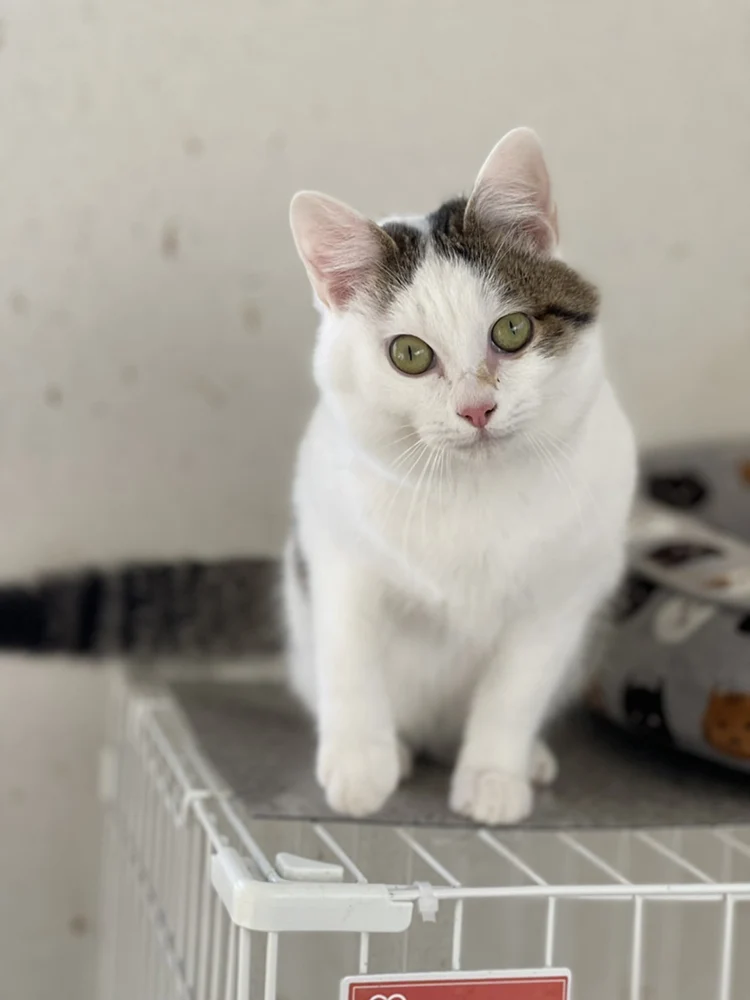
After adult cats are taken in, they undergo “house-cat training.” Cats raised outdoors are not used to people, so first we help them get accustomed to people in the homes of our volunteers.
Even cats that initially hiss defensively soon open up enough to let us touch them, and their appearance improves, too.
At the time of the interview, there were about six cats undergoing house-cat training. Unlike kittens, adult cats often take longer to find prospective adopters.
Please tell us about how the Kurashiki Cat Protection Association is organized.
Shioda
Six members are involved in running the organization’s headquarters. They handle social media posts, liaise with the local government, and more.
We have 14 milk-feeding volunteers. They are members who became interested in our work and joined us after the milk-feeding volunteer training program under the FY2019 Citizen Project Proposal Program.
We are putting systems in place so that we can continue our work as an organization.
For example, we found it difficult to explain things consistently by word of mouth, so we created a manual booklet and a rulebook.
We also have a system for sharing information with everyone through a LINE group.
When one member posts a photo with a message like, “I’ve taken this little one in,” other members naturally respond with comments such as, “How cute!” and “Good luck!” It has become a place where we can support one another, and it has fostered a sense of solidarity.
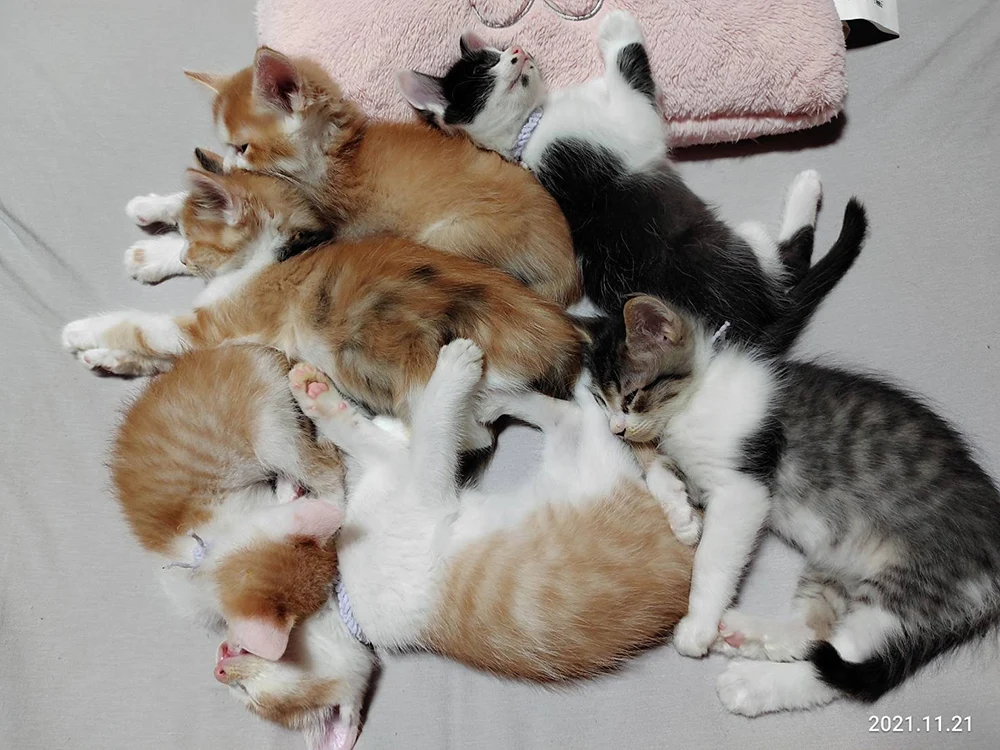
Caring for a life is a lot to take on alone. If problems come up, I hope we can solve them together.
We keep improving our manuals and rules, for example by holding training sessions combined with social gatherings once every six months.
We have built this system together, so we will consider how to pass it on to the next generation.
Is there anything you would like to do in the future?
Shioda
These cats were once on the verge of losing their lives at the public health center, so we want them to live long, happy lives. That is why the Kurashiki Cat Protection Association has fairly strict adoption requirements.
There are many cases where an application is turned down after we visit the home during the initial meeting or speak with the family.
For example, homes that cannot be made escape-proof, or people who do not understand the importance of keeping cats indoors.
But we have learned that cats can still find homes even with strict requirements, and our return rate is zero.
Many people trust us and come back to adopt a second cat, too.
As before, we want to send cats off to their new homes in a way that gives both milk-feeding volunteers and adopters peace of mind.
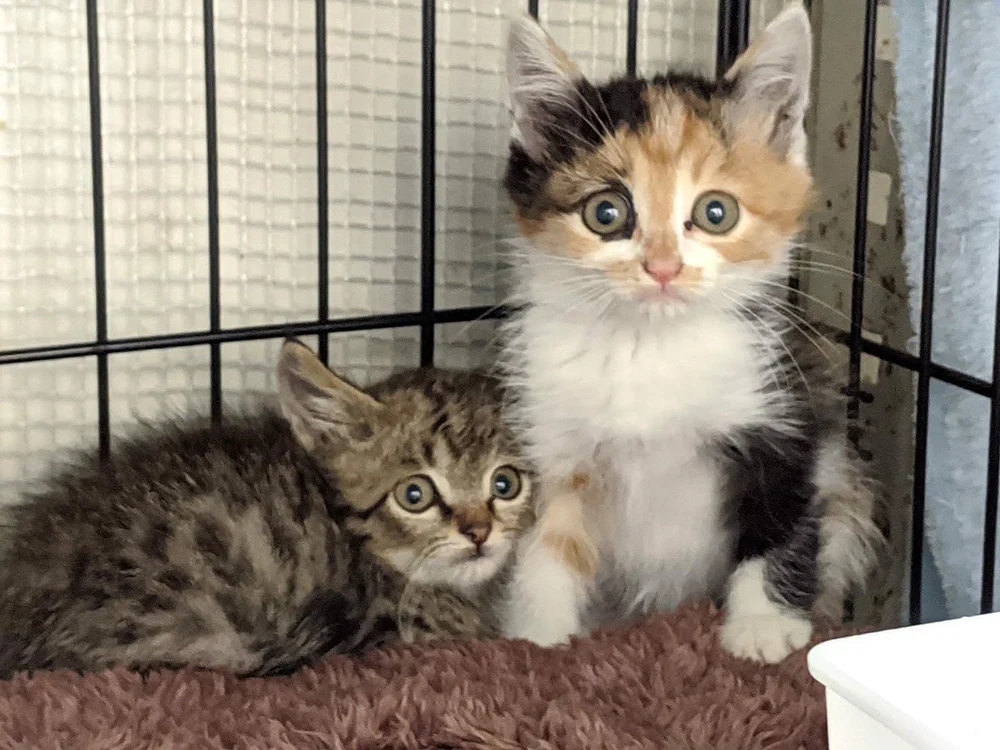
In terms of our organization, I hope we can increase the number of foster volunteers who are not limited to milk-feeding volunteers.
Adult cats often take longer than kittens to find adopters, so we have not been able to take in many of them.
However, I think we can find good matches through fostering adult cats—for people who cannot take in nursing kittens because they cannot stay home all the time, or cat-loving seniors who are unable to adopt because of their age.
In fact, we currently have a woman from the senior generation who lives alone volunteering as a foster, and six adult cats have gone on to their new homes from her care.
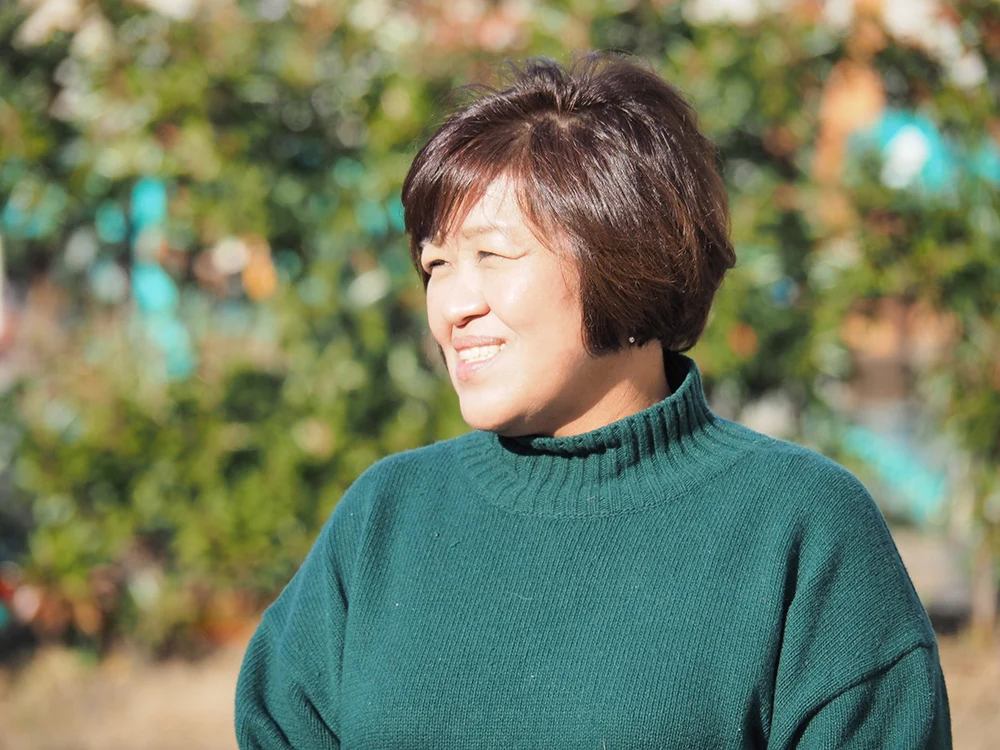
I believe it is important to carry out our work in harmony with society.
For example, some people do not like cats. We want to avoid making them uncomfortable and help create a community where everyone—people and cats alike—can live comfortably together.
From the Writer
I now live with a cat rescued by a friend, and she brings me comfort every day. I was able to take her in because my landlord said, “It’s okay to have a cat.”
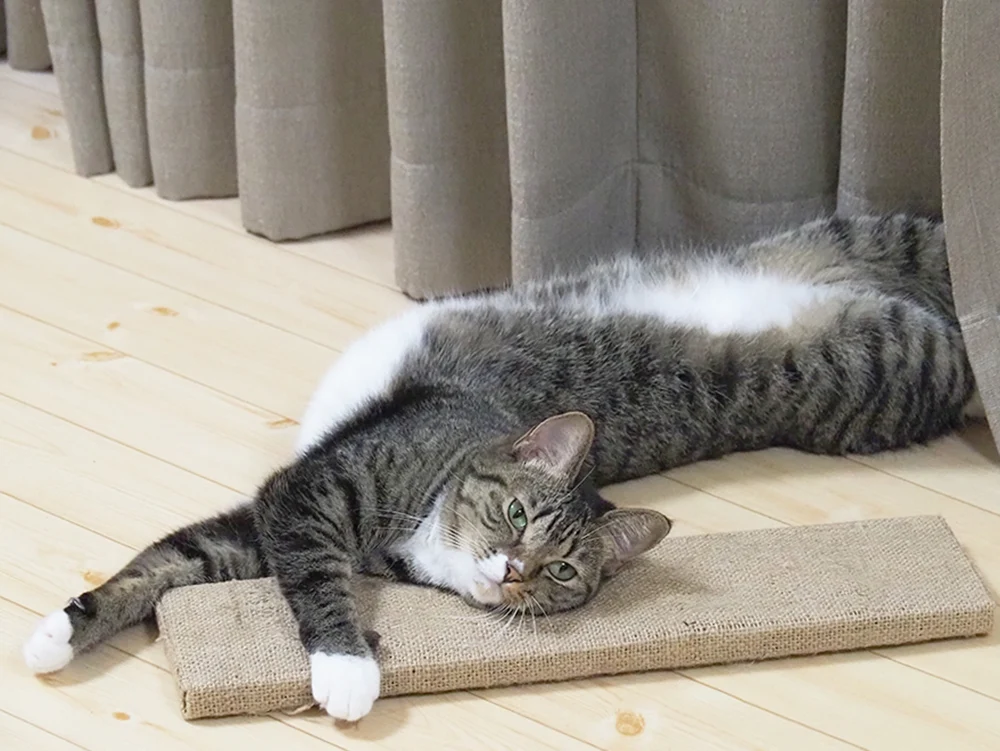
I used to live in an apartment that did not allow pets, and even when I met a cat, I had to give up on welcoming it into my family.
After hearing about their work, I realized that even people who cannot live with cats because of their housing situation or cat allergies, as I once could not, can help in many ways, such as making a donation or showing support on social media.
I hope that people who want to welcome a cat into their family, as well as those who do not, will learn about the work of the Kurashiki Cat Protection Association.
May many Cinderella stories of happy cats begin in Kurashiki!



What would you like to know about Kurashiki?
Enter a word to search articles on this site