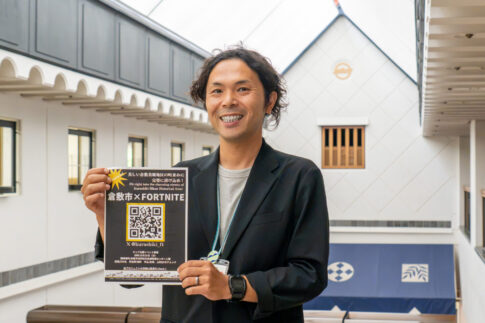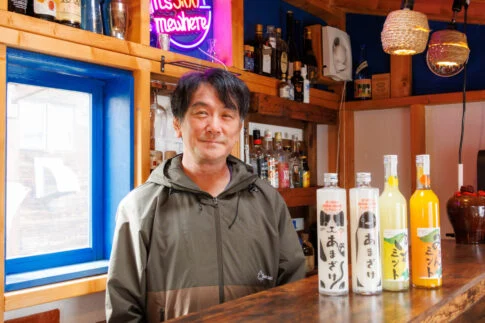
Interview with Kitayama Noriaki
Background leading up to the event
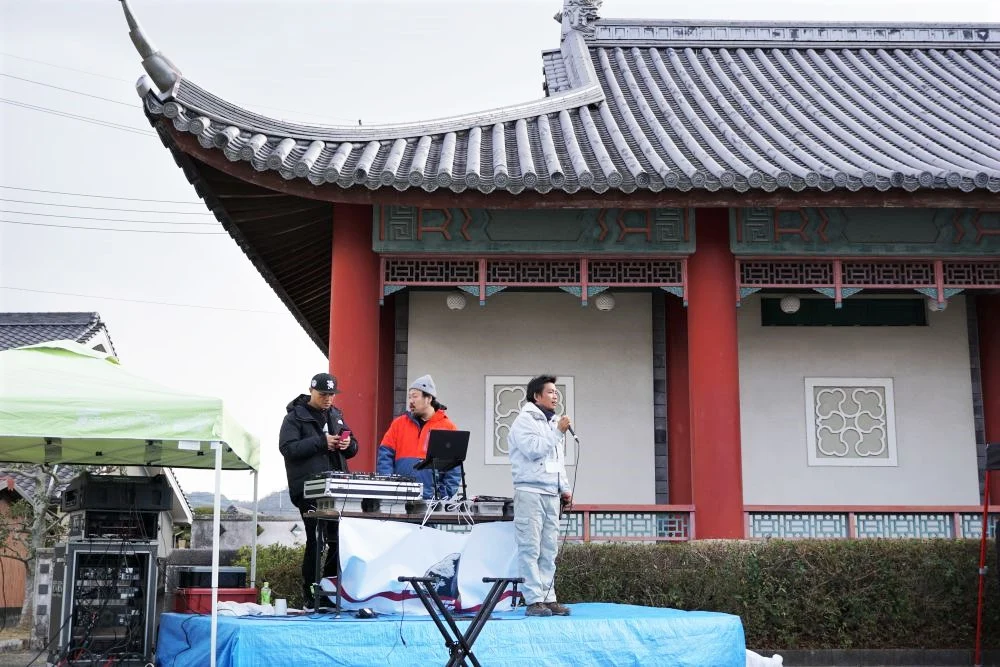
First, could you tell us what kind of work you usually do, Mr. Kitayama?
Kitayama
I work as a carpenter specializing in the restoration of old houses. Usually, I do fieldwork from Monday to Saturday, and on Sundays, I meet with clients, prepare estimates, and draw plans.
I work on restoring homes for people who have moved from Tokyo and Yokohama, using traditional methods, collaborating with clients to create their homes.
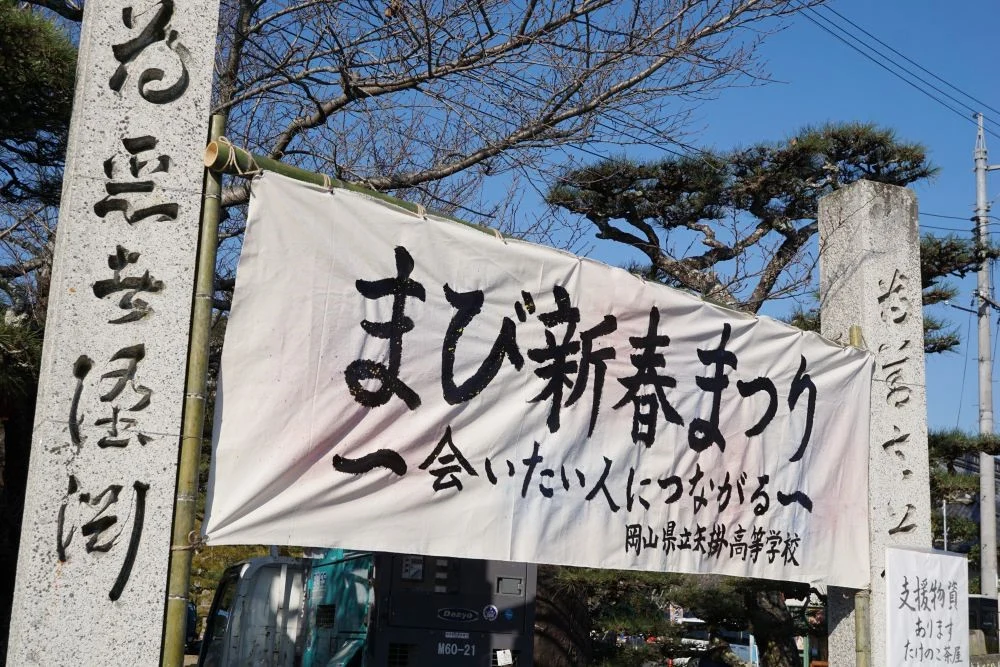
What was the purpose of holding the Mabi New Year Festival?
Kitayama
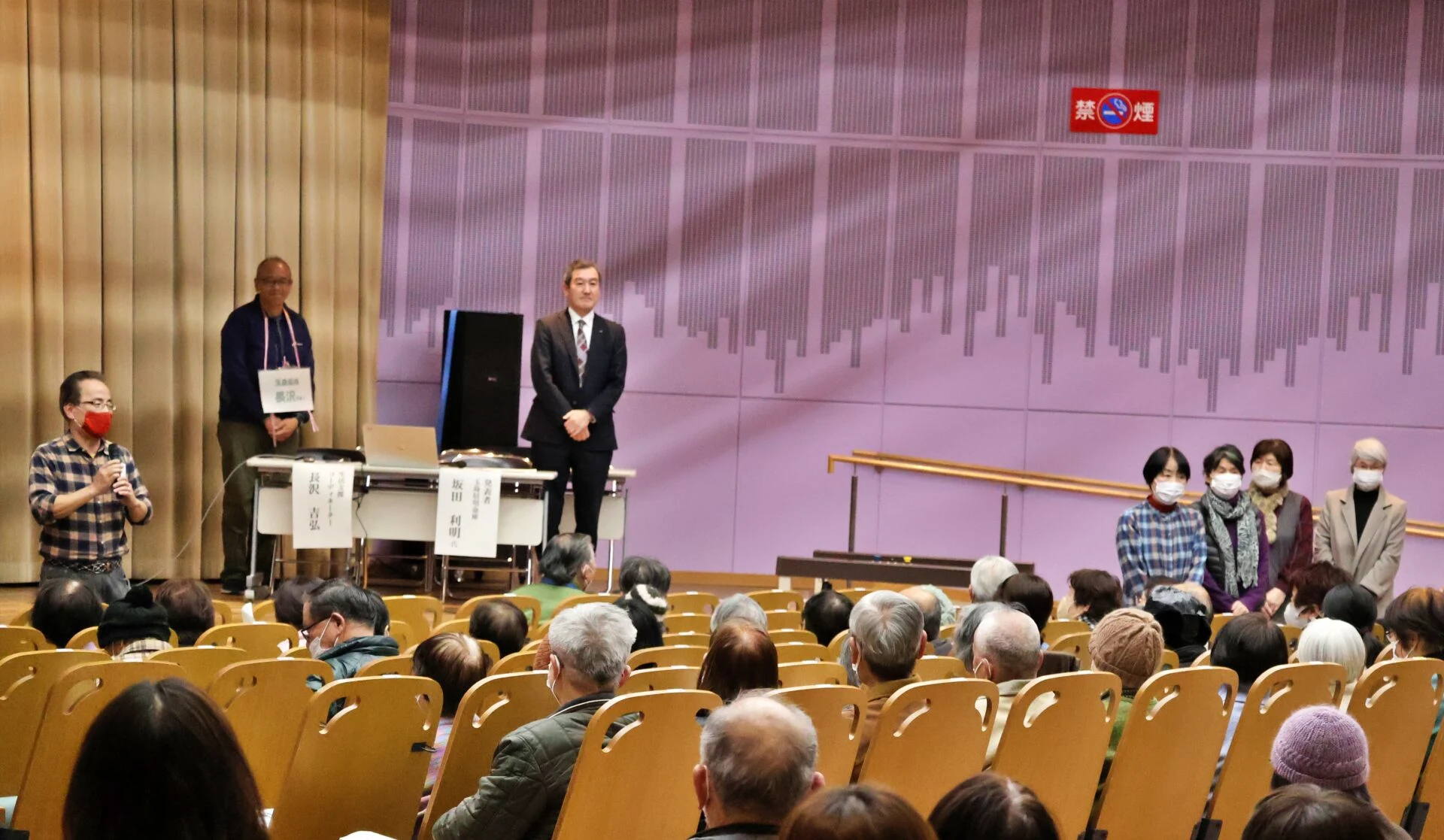
It was proposed and decided to hold the event at the "Disaster Support Network @ Kurashiki Meeting," which is regularly held at the Kurashiki City Disaster Volunteer Center.
There are two main reasons for proposing the event.
One is to raise awareness of support organizations and strengthen collaboration, and the other is to create opportunities for people to meet.
After the disaster, I established "Team Momotaro" and have been involved in recovery support, but each support organization has its own unique characteristics.
I thought it was time to connect firmly at the root level and carry out recovery support together, rather than having organizations pop up like bamboo shoots in Mabi.
More than six months have passed since the disaster, and most inquiries are now about "homes" and "money."
Nobody likes to go around to different places, right?
Although the deadline for public demolition was extended, it was originally set for March 31, 2019, so I wanted to facilitate consultations and procedures as smoothly as possible.
Also, while various information about support organizations circulates, it is natural for anyone to feel resistance when consulting someone they don't know at first.
So, I wanted to make sure that "at least the representatives of the organizations can be seen."
Although we named it the "New Year Festival," the primary purpose is to raise awareness of support organizations.
Additionally, I wanted to create opportunities for residents to meet each other and connect.
During the opening ceremony, you mentioned, "I hope we can create a place where both those affected by the disaster and those who are not can say, 'We met here today.'" This statement left a strong impression on me. Could you elaborate on your thoughts behind it?
Kitayama
If we emphasize raising awareness of support organizations, only "those affected by the disaster" will come to Mabi. Additionally, people have become "event-weary," and it has become difficult to garner interest.
Furthermore, "those who are not affected by the disaster" may feel hesitant or unwilling to attend events.
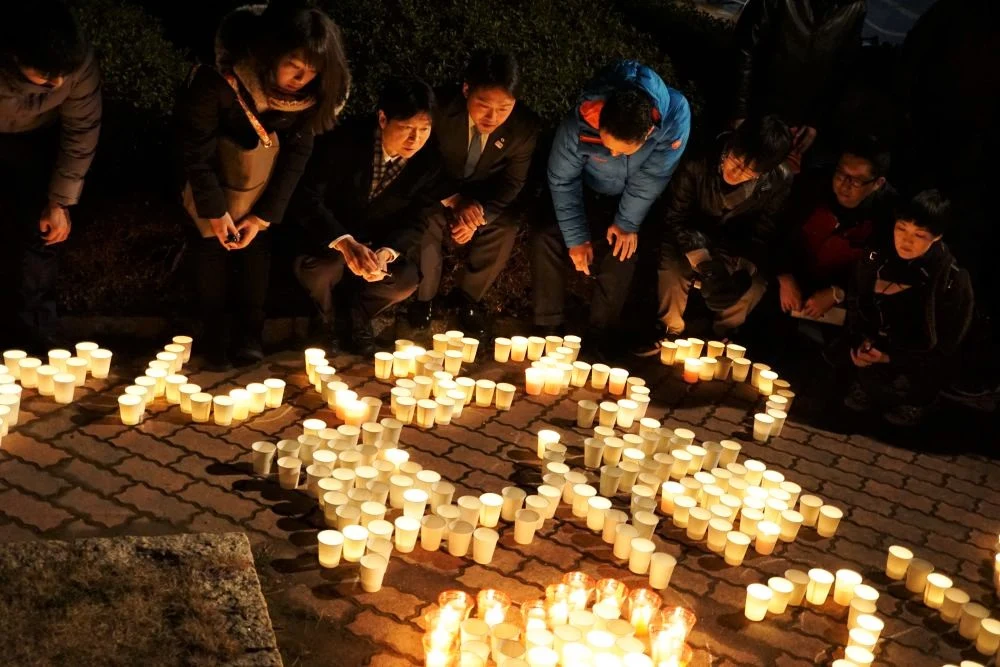
Therefore, we aimed to hold an event at "Makibi Park," where music could be played and people could relax, so that everyone could meet the people they wanted to meet, regardless of whether they were affected by the disaster.
We also reached out to neighborhood associations in unaffected areas to encourage their participation.
Challenges faced in organizing the event
I heard that this scale of event is the first of its kind in Mabi. Could you tell us about the challenges you faced in organizing it?
Kitayama
This was my first time organizing such a large event, and while it was great that the executive committee was formed, the core members who took the lead worked tirelessly day and night.
- SEEDS team from the Disaster Volunteer Center
- Green Coop members
- Gorilla from the Disaster Support Team
- Raccoon for photo cleaning
They all provided their support.
As a carpenter, I can make things like signs, but
I was told, "Kitayama, you're busy, so we'll handle what we can, and you focus on what only you can do."
Thanks to the cooperation of my friends, we were able to make it happen.
Reflections after the event
After the Mabi New Year Festival, could you share your thoughts on how it went?
Kitayama
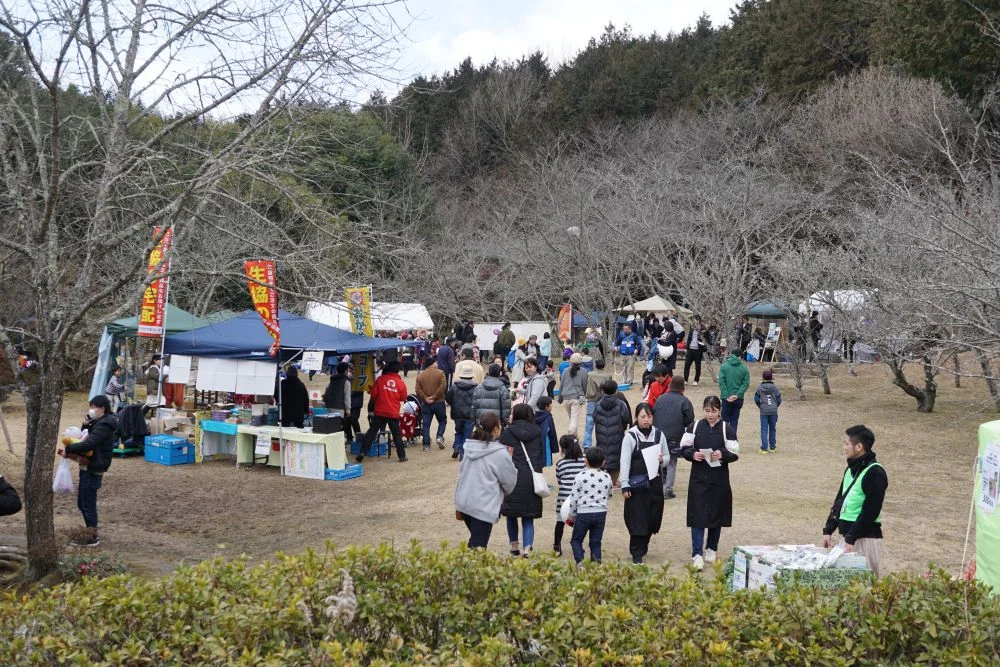
Many people participated.
Even children who are usually accustomed to events participated in large numbers.
Among them, it was the most rewarding to see many scenes where residents affected by the disaster, as well as those who were not, expressed joy at being able to "meet!"
The preparations were tough, but that alone was enough.
We were able to raise awareness of support organizations significantly. It seems that various consultations were possible during the New Year Festival.
I believe that many were able to connect with their "desired people."
I think it was a really good event. By the way, are you considering holding a second edition?
Kitayama
Rather than a second edition, I hope to support the residents in taking the initiative to hold such events and projects.
Mabi has a total of seven districts.
However, I believe that now is the time when we need a form of cooperation among three generations, like traditional community structures, where neighbors help each other.
Conclusion
Many residents of Mabi have been affected by the disaster and are living away from Mabi.
It is important for those who wish to return to know about the existence of support organizations that can help them.
I feel the necessity of having a place where we can regularly gather, talk, and connect, so that as many people as possible can return to Mabi, whether it be in five or ten years.
I think the true spring of Mabi will still be a long way off.
However, the smiles of the people of Mabi that I was able to see on that day, and the smiles of those who continue to plan and support, all felt warm.
I hope to continue conveying information so that as many people as possible can return, and I hope we can remove some of the various "walls" that spread across Mabi, as Mr. Kitayama mentioned.
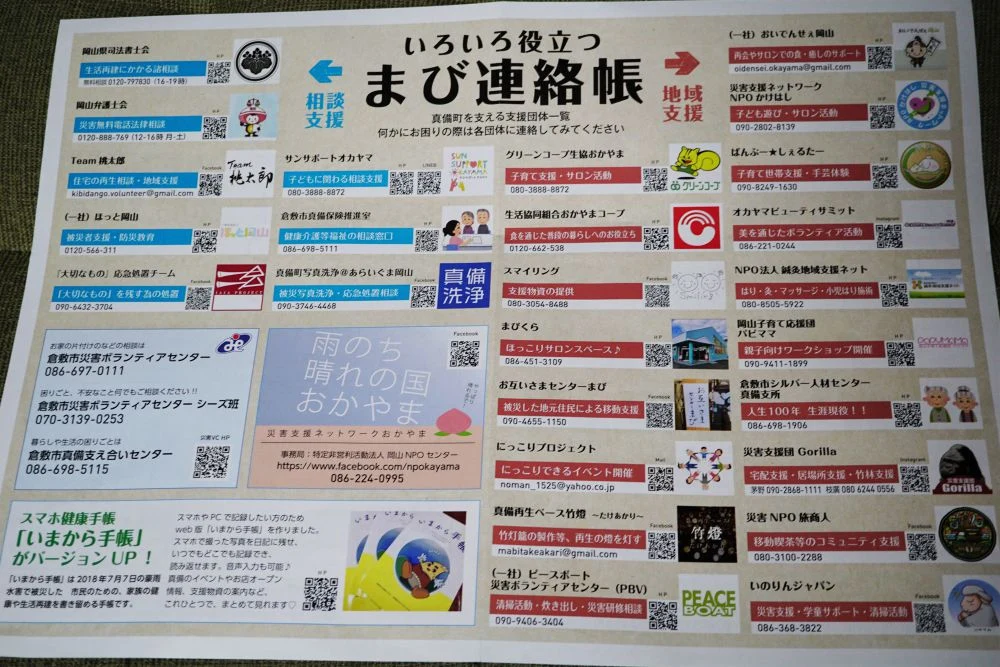
| Support Organization Name | Main Activities |
|---|---|
| Okayama Disaster Support Network | Support activities |
| Okayama Prefectural Judicial Scriveners Association | Consultations related to rebuilding lives |
| Okayama Bar Association | Free legal consultations for disaster victims |
| Team Momotaro | Consultations for housing restoration and community support |
| Hot Okayama | Support for disaster victims and disaster prevention education |
| "Precious Things" Emergency Response Team | Measures to preserve "precious things" |
| Sun Support Okayama | Consultation support related to children |
| Kurashiki City Mabi Insurance Promotion Office | Consultation window for health care and welfare |
| Mabi Town Photo Cleaning @ Raccoon Okayama | Photo cleaning for disaster victims and emergency response consultations |
| Green Coop Okayama | Child-rearing support and salon activities |
| Okayama Coop | Support for daily living through food |
| Smiling | Provision of support supplies |
| Mabi Kura | Cozy salon space |
| Mutual Support Center Mabi | Mobile support by local residents affected by the disaster |
| Nikkori Project | Holding events that bring smiles Email: noman_1525@yahoo.co.jp |
| Mabi Restoration Base Takeakari | Production of bamboo lanterns and lighting the way for restoration |
| Peace Port Disaster Volunteer Center (PBV) | Cleaning activities, food provision, disaster training consultations |
| Oiden Se Okayama | Support for reopening and food and healing at salons |
| Disaster Support Network NPO Kakehashi | Children's play and salon activities |
| Bamboo Shelter | Support for child-rearing households and craft experiences |
| Okayama Beauty Summit | Volunteer activities through beauty |
| NPO Acupuncture Community Support Network | Acupuncture, moxibustion, massage, and pediatric acupuncture treatments |
| Okayama Child-Rearing Support Group Papi Mama | Holding workshops for parents and children |
| Kurashiki City Silver Human Resources Center Mabi Branch | Life for 100 years, active for life! |
| Disaster Support Team Gorilla | Delivery support and community support |
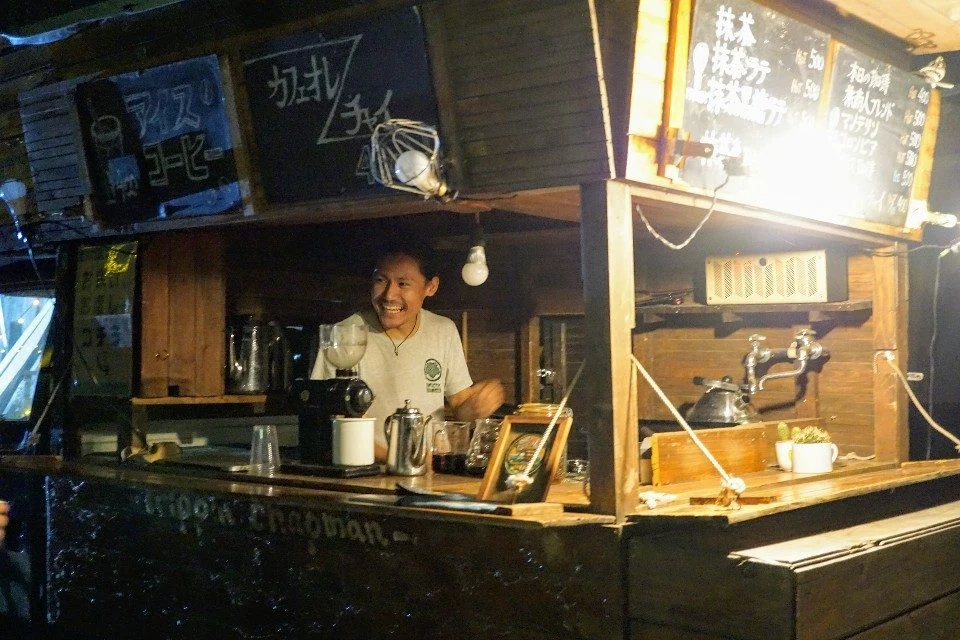
| Disaster NPO Tabishonin | Community support such as mobile cafes |
| Inorin Japan | Disaster support, after-school support, and cleaning activities |