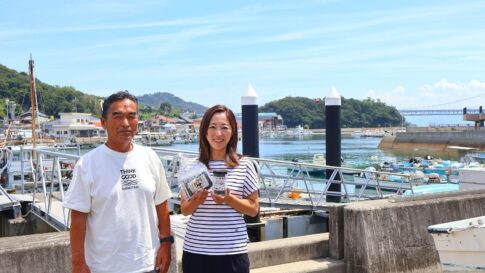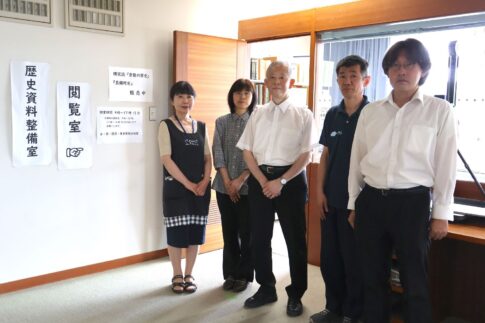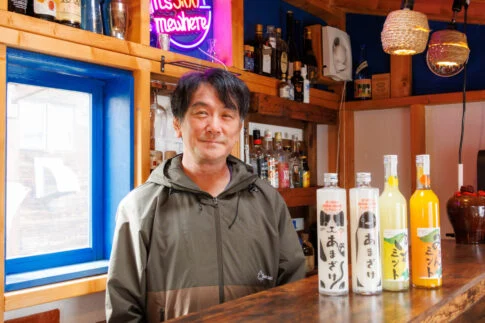
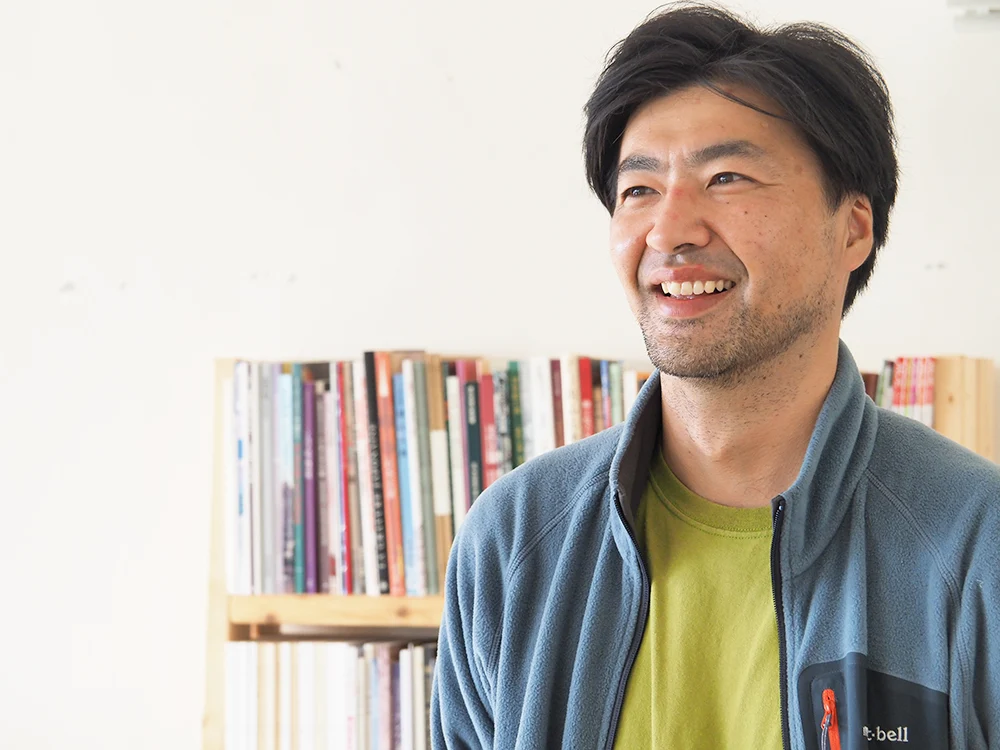
We spoke with Mr. Katayama Yasuyuki, Representative Director of the Matsushima Branch School Art Museum, and Mr. Wakimura Takuji, a regional revitalization cooperation volunteer.
Can you tell us about the establishment of the "Matsushima Branch School Art Museum"?
Katayama
It all started with a roundtable discussion held in 2010, where artists gathered. Art-related people came together in Shimotsui.
The following year, we held a larger art event, and thinking that we would like to continue this in the future, we started looking for an office space.
What was introduced to us was a vacant property of the former art museum in Shimotsui.
I thought, "It doesn't have to be this big. An office would be fine," but I realized that opportunities to do something in a place that was originally an art museum are rare, so despite facing challenges such as community understanding, funding, and parking, we opened the "Fukiage Art Museum" in April 2015.
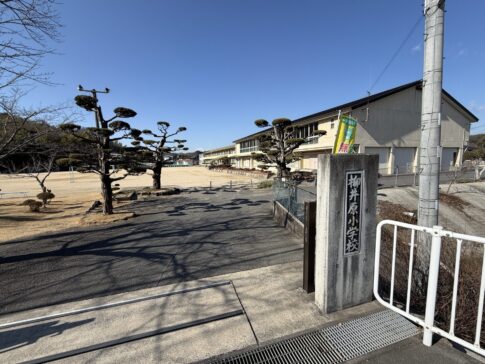
I was already aware that there was a closed school in Matsushima. Hearing that it might be demolished, I started to think about how it could be utilized.
After operating the Fukiage Art Museum for three years, we negotiated with the government and decided to move the museum to Matsushima in 2017.
Although the renovation work was completed in 2018, adjustments in operations took time due to the heavy rain in July 2018 and the impact of the COVID-19 pandemic.
In the summer of 2021, we were entrusted by Kurashiki City to manage the Matsushima Branch School Art Museum.
What kind of art are you specifically promoting?
Katayama
Since the building was renovated in 2018, we have been doing two main things.
One is the "Artist in Residence" program, where artists stay here to create their works.
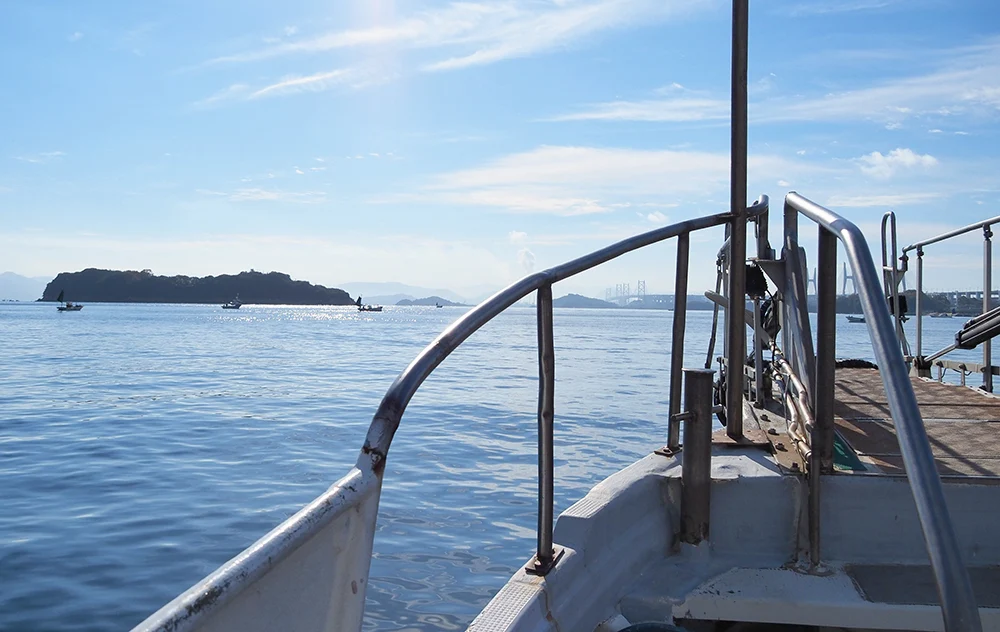
In this quiet space surrounded by the Seto Inland Sea, they can concentrate on their production.
So far, artists who create sculptures and prints, as well as video artists, have stayed here, and their works have been presented here.
The other is hosting exchange events.
In May 2019, we held a day trip event for five consecutive days.
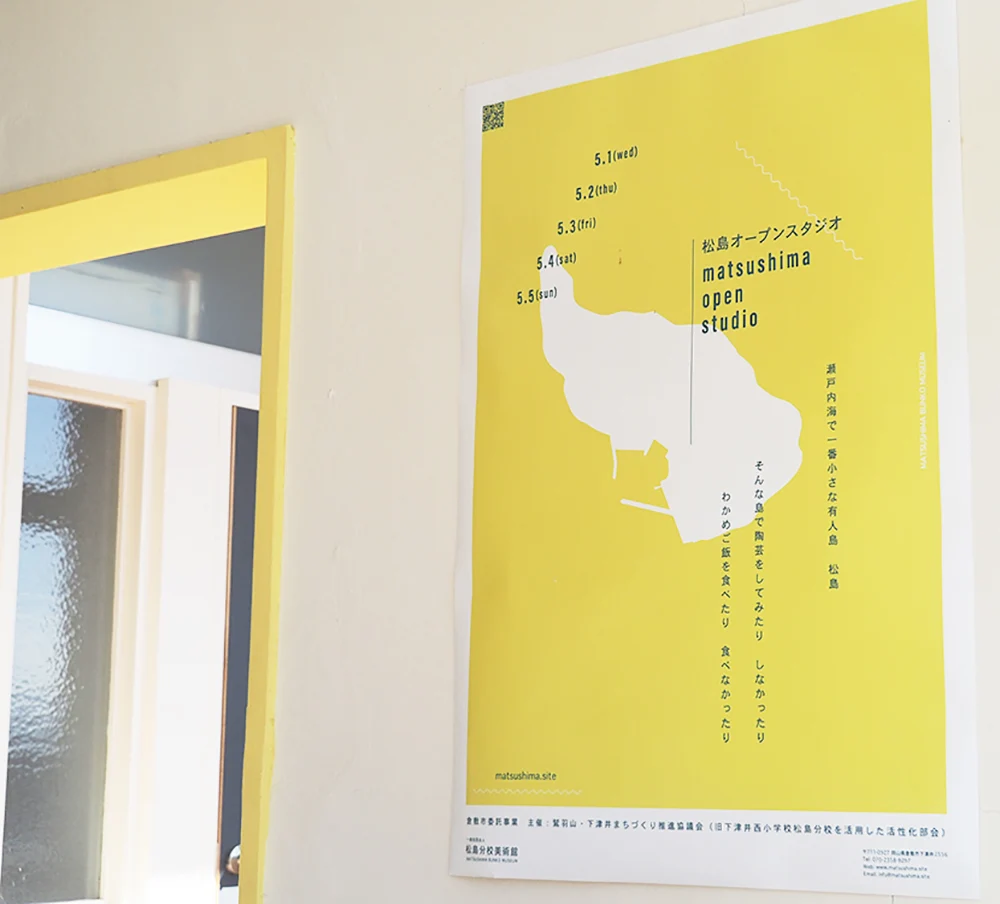
We offered pottery experiences using clay from nearby islands, dishes made with wakame from Shimotsui, and curry made with seafood from the Seto Inland Sea, as well as "Open Studio" where visitors could observe artists at work.
It was very popular and quickly filled up with reservations.
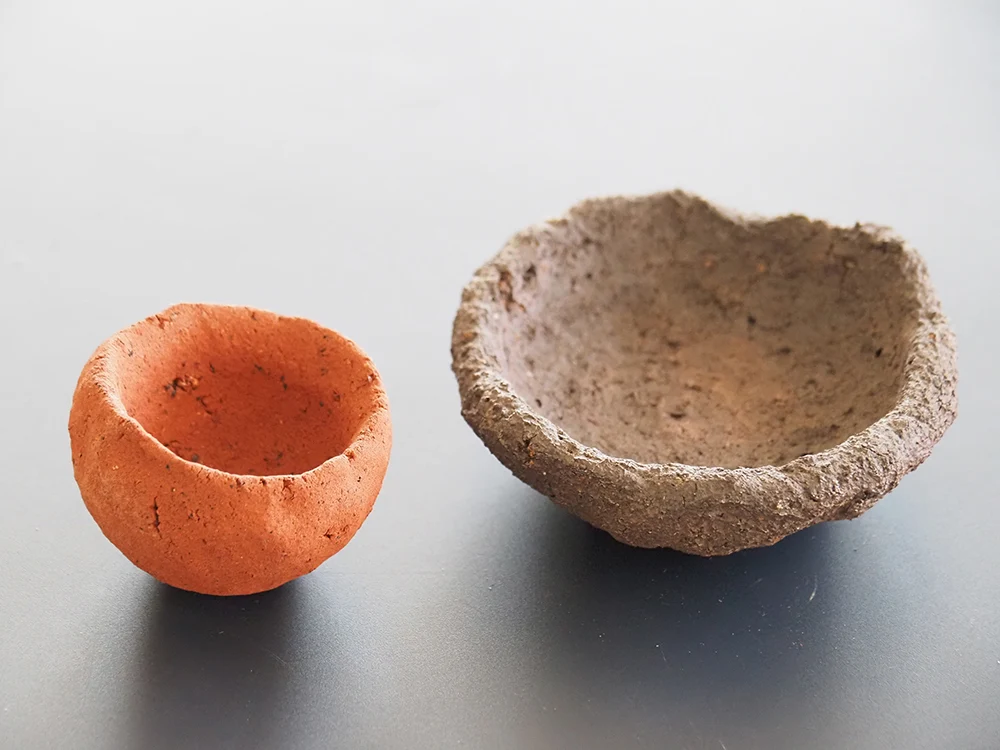
Additionally, we plan to hold experiences such as kintsugi using the teeth of sea bream caught nearby and workshops for making cups using driftwood that has washed ashore on the island.
For example, the value of Bizen pottery comes from being made with local clay.
I want to make this a place that promotes "art that can only be created here."
We will continue the Artist in Residence program and also create opportunities for people to regularly visit the island to experience art and island time.
Mr. Wakimura, how did you come to base your activities in Matsushima?
Wakimura
As a regional revitalization cooperation volunteer for Kurashiki City, I moved from Kobe City in Hyogo Prefecture to Kojima in August 2020.
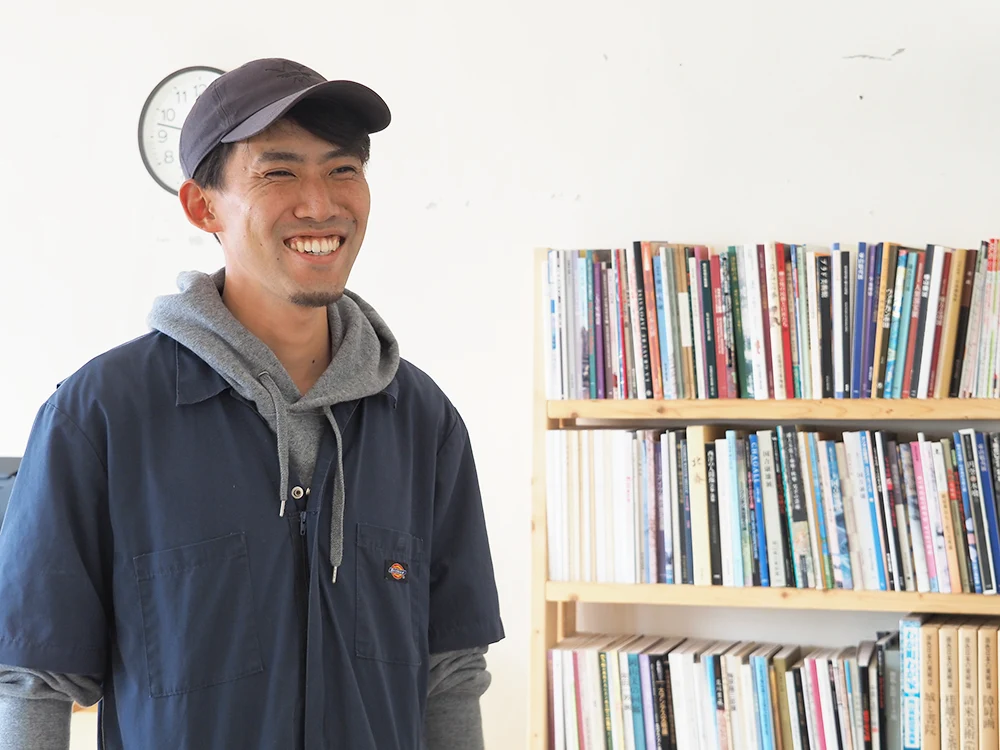
While attending university in Kochi Prefecture, I joined a community development organization, and through activities in rural areas, I thought that living in the countryside was nice, which was the trigger.
I was aware of the regional revitalization cooperation volunteer system that supports migration from urban areas, and after thinking for about a year about where to go in the country, I decided to move to Kurashiki City.
I am affiliated with the Matsushima Branch School Art Museum and am active in the Kojima and Shimotsui areas.
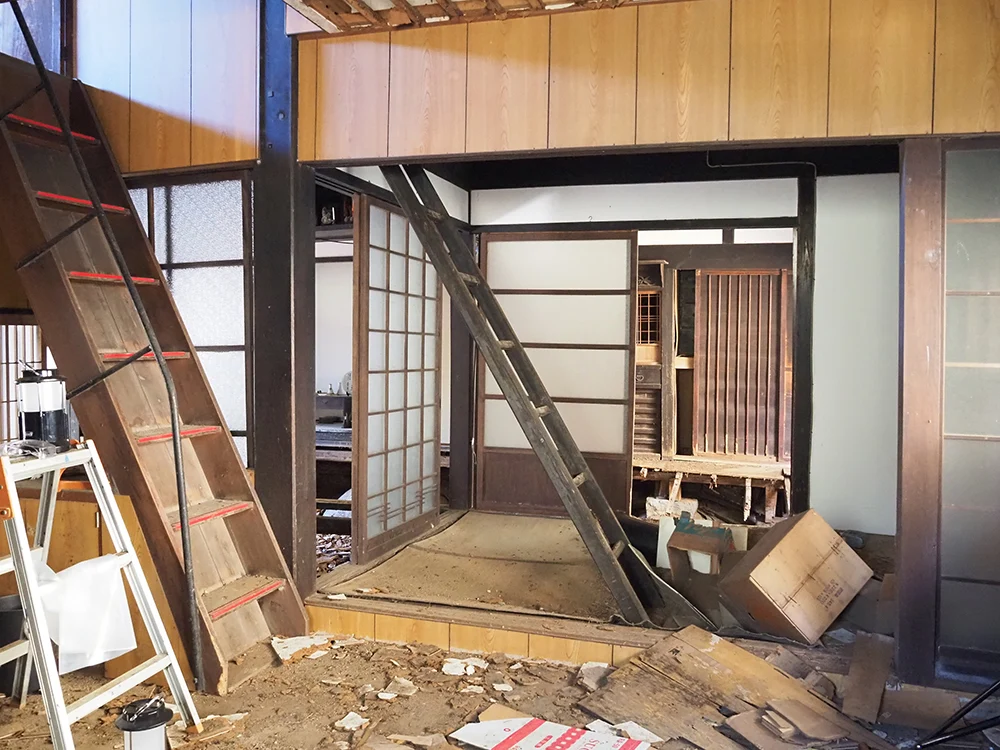
I visit Matsushima three to four days a week. Currently, I am working on the maintenance of the Matsushima Branch School Art Museum and the restoration of a private house that I was able to borrow on the island.
I am tirelessly repairing a house with a roof and floor that have collapsed.
There is also a relatively new detached house, which has a wakame drying machine.
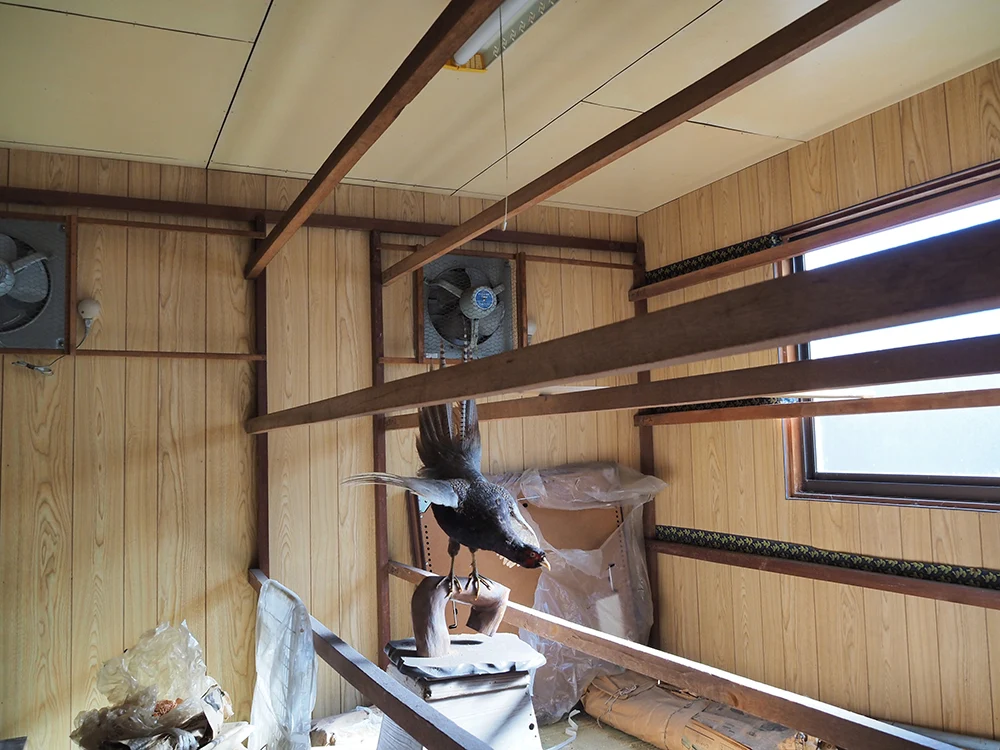
In the future, I would like to run an accommodation where people can experience things unique to Matsushima.
I will think about specific details as I go along, but for now, I am focused on the repairs.
How often do people visit Matsushima, and who are they?
Wakimura
People involved in wakame fishing come to the island every day from February to May.
There are also people who return about once a month for grave visits or those who have vacation homes here.
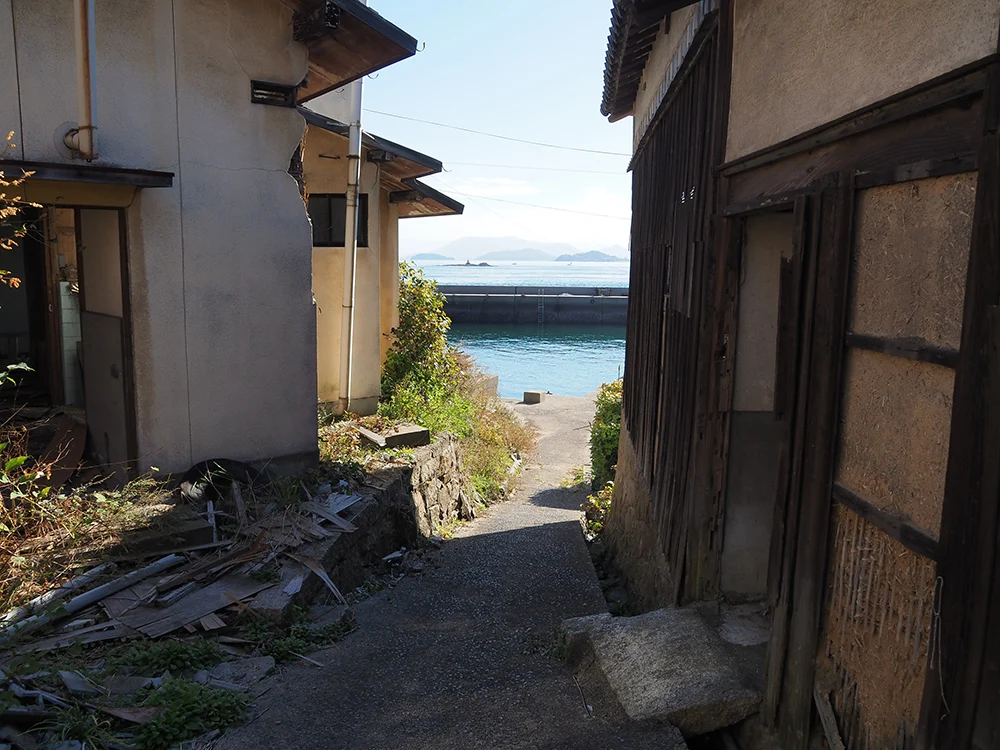
I think there are about three to four houses that are in a livable condition.
What has been the reaction of the locals to your activities on the island?
Katayama
Many people are supportive. Some wave at us from their boats when they see us.
Matsushima was originally an island with many fishermen. The main jobs on the island were fishing and teaching at the school.
At the school, someone's mother would cook lunch, and I heard someone who graduated from this school say, "It was like having my mother's cooking every day."
There might have been conversations like, "Did you catch a lot of fish today?" or "Oh, isn't that daikon from Mr. XX's house?" during lunch breaks.
The "common language" on the island is fishing.
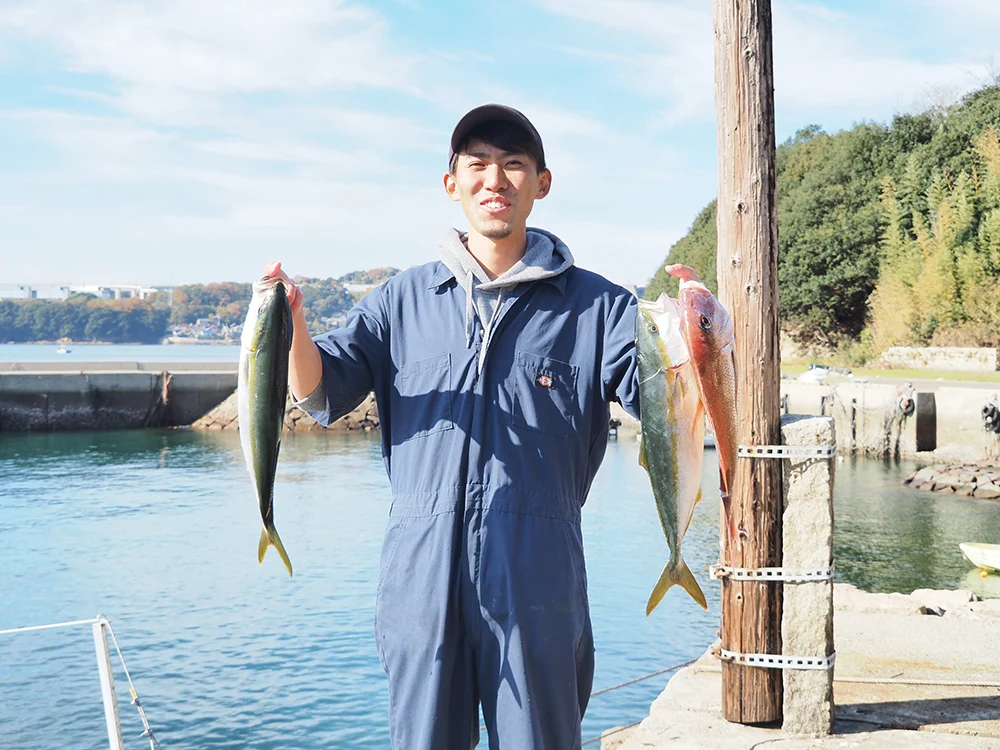
In fishing, you interpret various conditions such as where the fish are and when they are likely to bite, and the locals are very knowledgeable.
Since I also want to fish seriously, I have asked about the tides and fish, which has helped me bond with them.
The sea is fascinating and mysterious. For example, you might realize that "there are different currents on the seabed," noticing things that are not visible.
This connects to art as well, as people often do not realize "what they are truly seeing."
Sculptures are actually hollow inside. I remember a Western art expert saying, "Everything has a backside. You need to think about what people are really seeing."
I sometimes think that this idea and the fact that there are depressions on the seabed where fish gather are actually on the same level.
There must be works that can only be born from being in Matsushima, located in the middle of the Seto Inland Sea. Do you have any future challenges?
Katayama
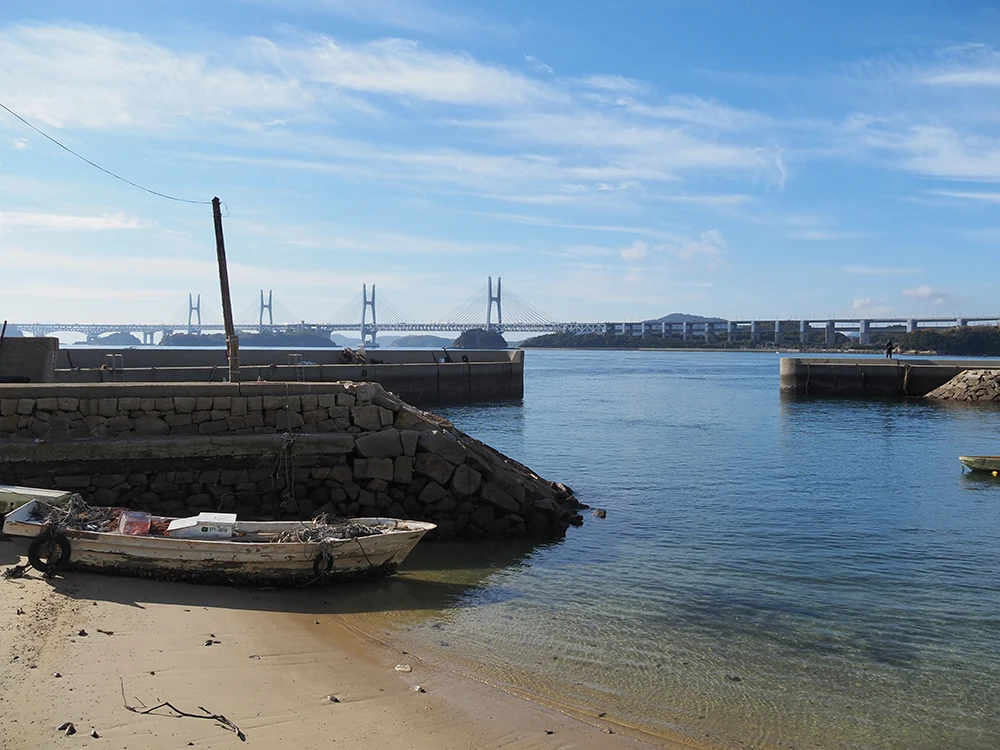
Transportation is a challenge. It seems difficult to establish a regular ferry route, but recently we have renewed the pier and hope to restore a boat that can carry nine people by spring.
I also want to propose new ways to enjoy camping and for groups.
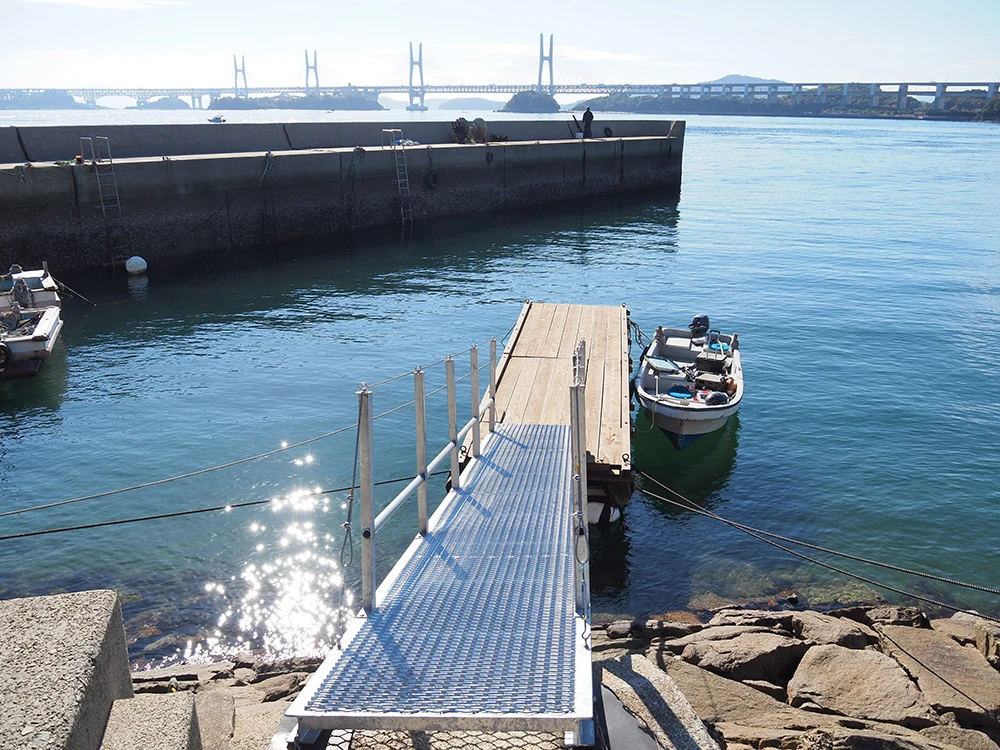
Matsushima is a small island that is close to the mainland, allowing for flexibility, and it has a rich natural environment.
I believe we can promote things that can only be realized here using local products and those from Shimotsui.
Rather than large-scale events, I want to create a space where both artists and those who want to enjoy art can savor island time by steadily accumulating small things over a long period.
Conclusion
I have been living in Okayama Prefecture for four and a half years, but I was surprised to learn that there are people working to turn a closed school in Matsushima into a hub for art, a place I had never heard of or visited.
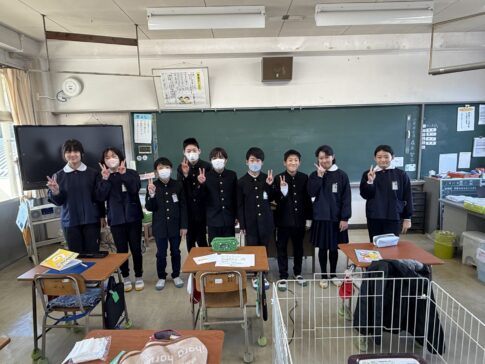
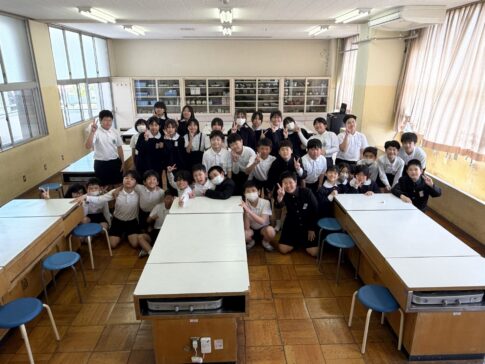
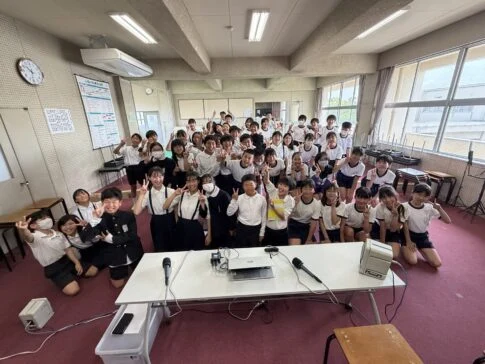
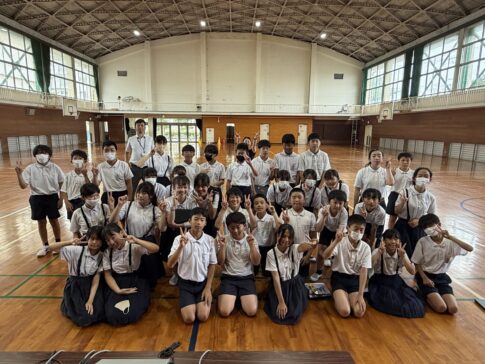
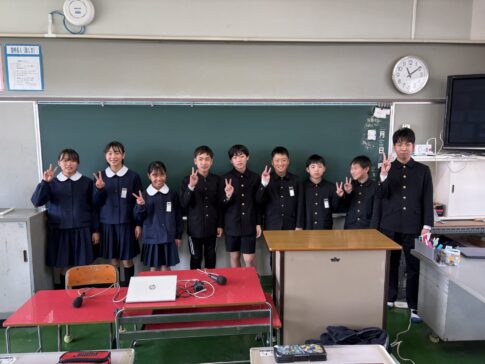
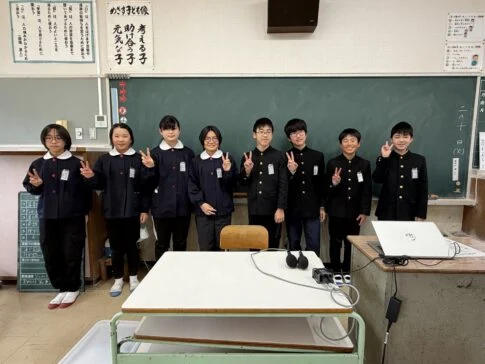
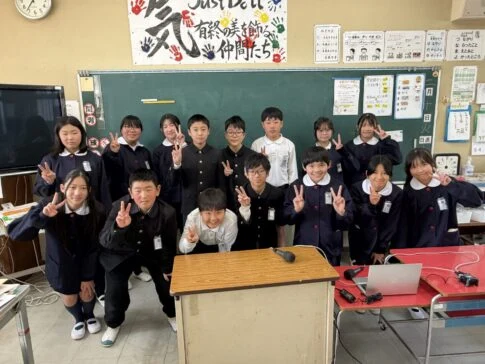
On the day of the interview, the voices of children echoed in a place that had not seen students for about 30 years, which was quite moving.
Mr. Katayama, an artist who is also interested in the island and the town, and Mr. Wakimura, who is preparing accommodations on the island.
I look forward to seeing what kind of art will emerge from Matsushima and what news we will hear in the future. I am also excited about the free open days.