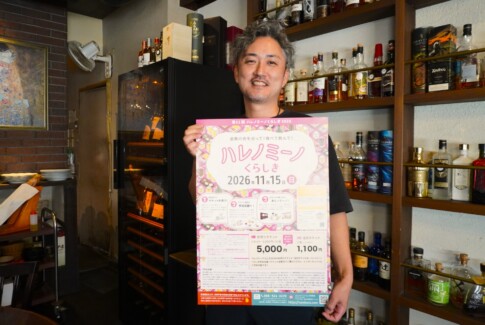
Interview with Tamura Shu, owner of Nessei Maruden
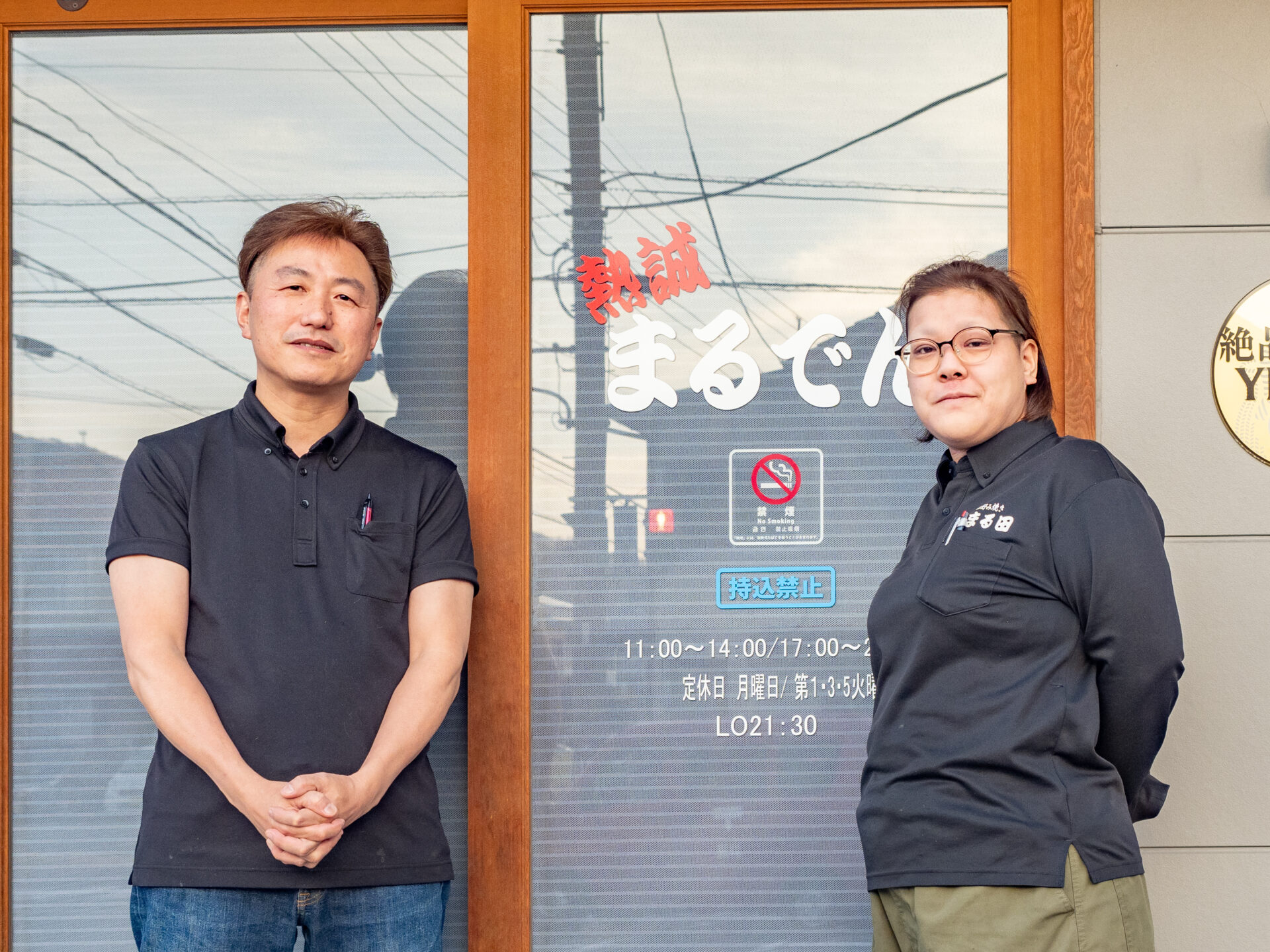
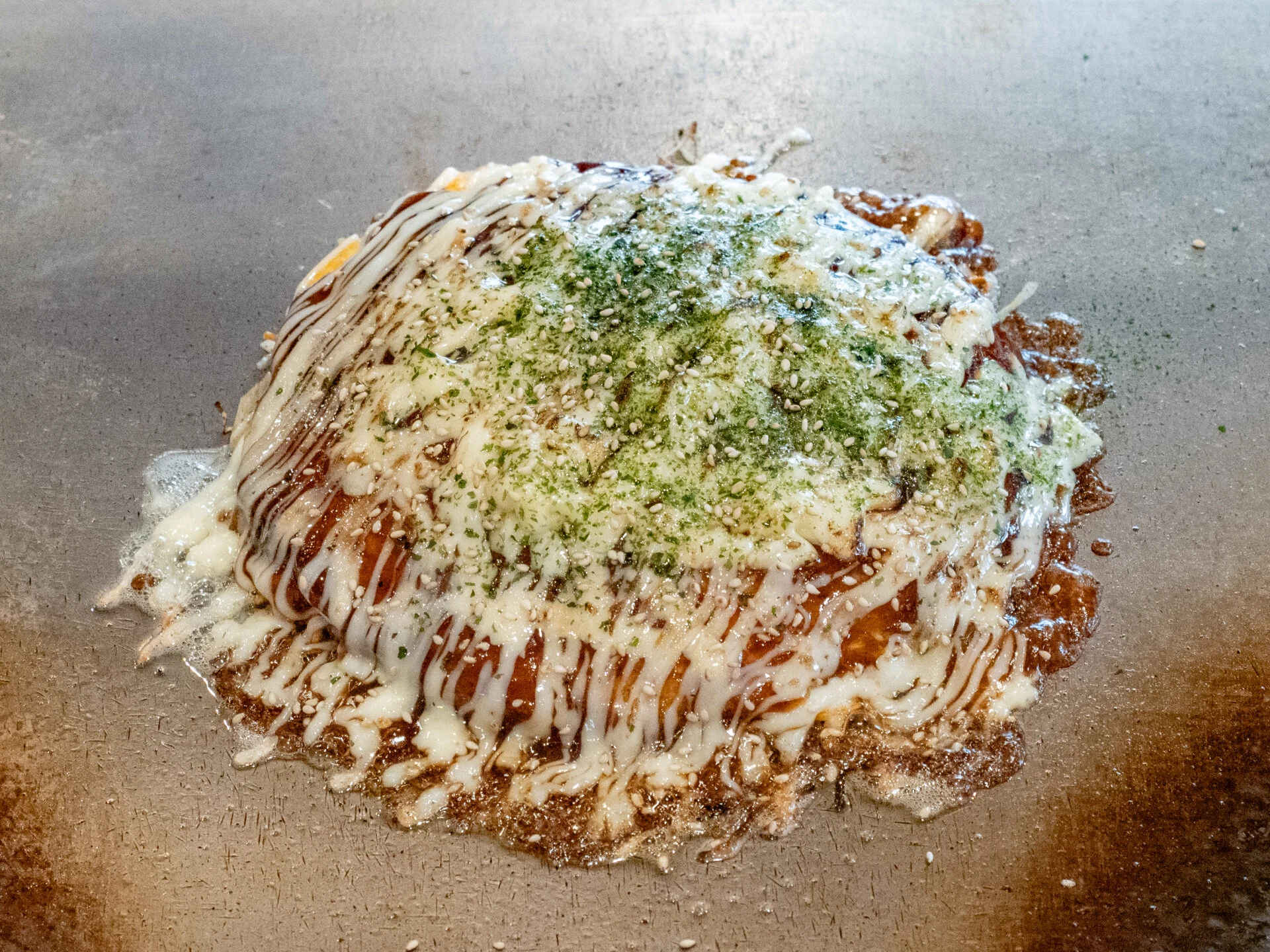
Nessei Maruden is popular for its wide variety of Hiroshima-style okonomiyaki and side dishes, all made with great care.
We interviewed Tamura Shu, managing partner and owner of Maruden LLC, which operates the restaurant.
His previous job was stopped by a doctor. He decided to make his favorite okonomiyaki his profession
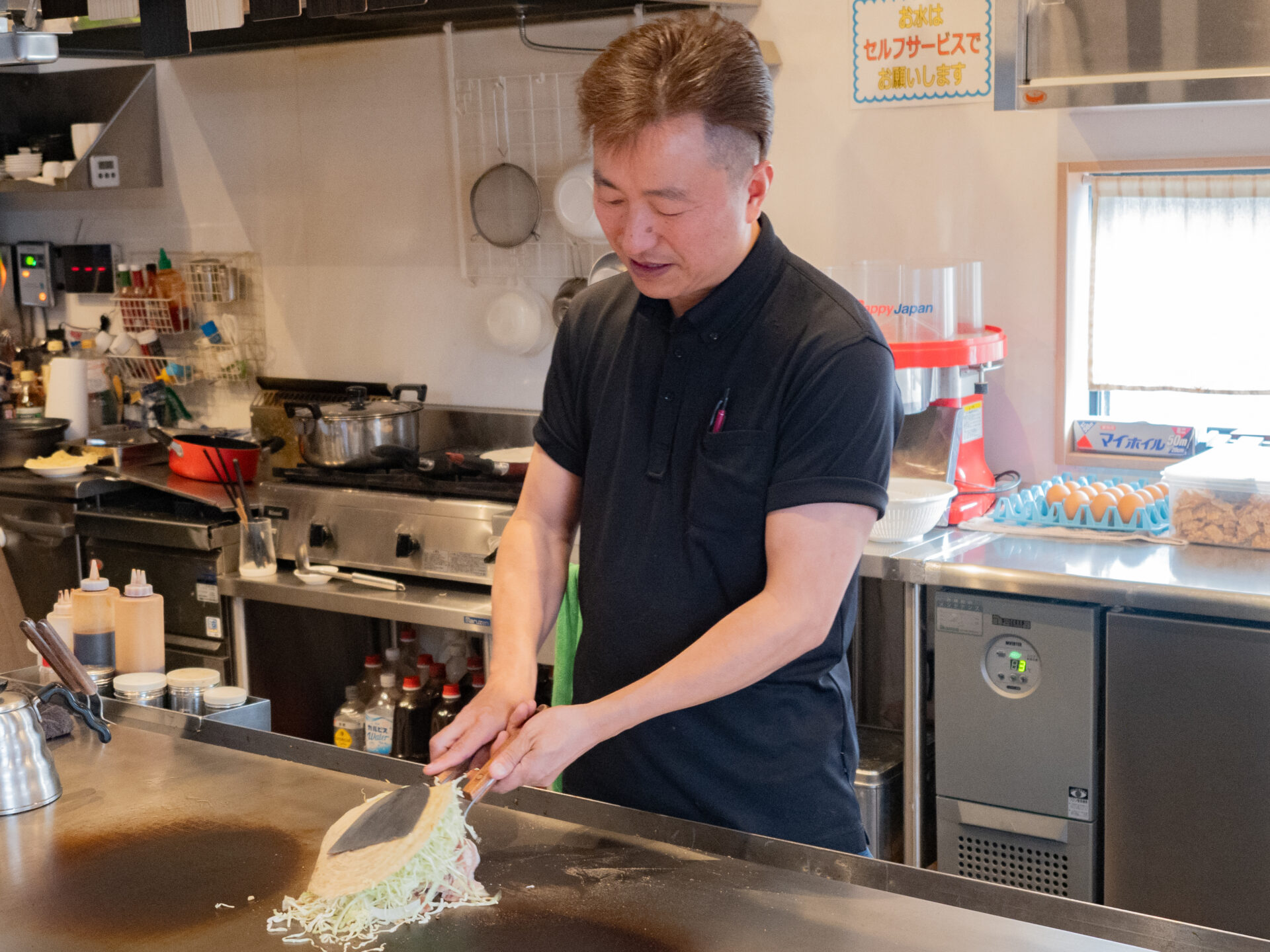
How did you come to open the restaurant?
Tamura (surname only)
I had been working in delivery for a long time, but I became ill.
Although I recovered, I had aftereffects, and my doctor told me, “You can’t work in delivery anymore,” and ordered me to stop.
I was devastated, but I had to make a living.
I pulled myself together and started looking for a new job.
As I thought back over my past to figure out what kind of work I should do next, okonomiyaki came to mind.
I love okonomiyaki, and I had eaten my way around many restaurants in Hiroshima Prefecture, where there are so many okonomiyaki shops.
So I decided, “It has to be an okonomiyaki restaurant!”
Aiming for the taste of a shop from his memories
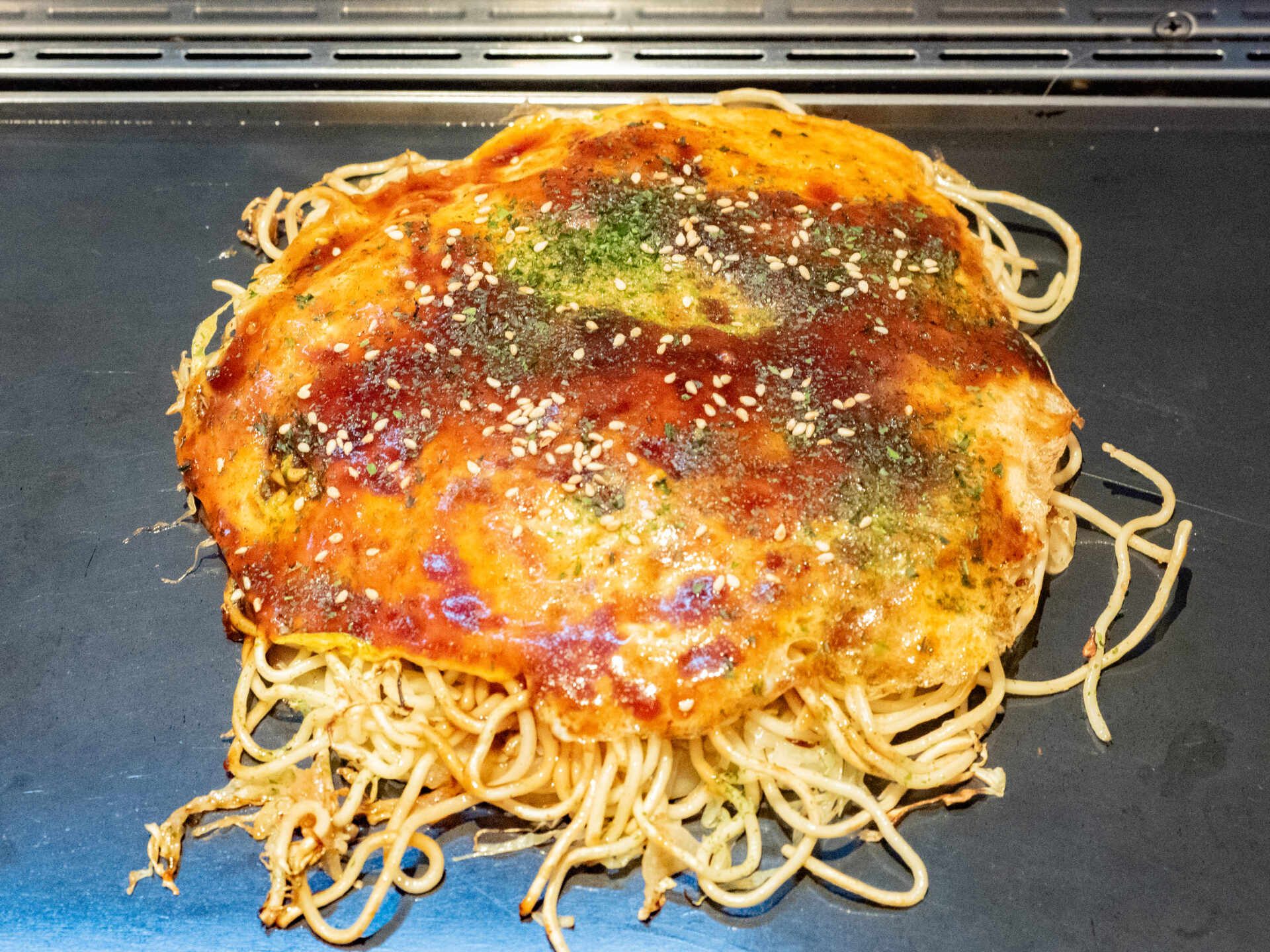
How did you train?
Tamura
Actually, I didn’t really undergo any formal training.
I’m from Fuchu-cho in Hiroshima Prefecture, and near the home where I lived as a child was a shop that left a lasting impression on me.
It was a shop called “Hashimoto,” a popular place in a residential neighborhood that was always busy. I was a regular there.
The shop was run by an elderly woman, and when I was in elementary school, I often helped her out. As I grew up, I got busier and visited less often, and after I started working, I couldn’t go anymore.
Then, before I knew it, Hashimoto had closed.
It was a shop full of memories for me, and I think its okonomiyaki was among the best I’ve ever eaten.
So I decided that if I opened an okonomiyaki restaurant, I would aim for Hashimoto’s flavor.
How did you recreate the taste of a shop that no longer exists?
Tamura
While helping out at the shop as an elementary school student, I learned the secrets behind Hashimoto’s delicious food by watching and listening.
When I actually tried making okonomiyaki at home, I was able to recreate a flavor close to Hashimoto’s. They say you never forget the things you were interested in as a child, and that’s exactly right.
So I only took a supplementary training course with a sauce company; I was able to make okonomiyaki without undergoing formal training.
But when you actually run a restaurant, things beyond cooking okonomiyaki are important too: managing the business, such as accounting, and serving customers. And it’s different from cooking for yourself or your family—you’re cooking for customers. When a lot of customers come in, you need to know how to handle the rush, too.
Once I actually started operating, I struggled with many things besides making okonomiyaki.
As I managed to keep the restaurant going, I gradually got the hang of it.
Opened through personal connections, then moved to Ibara through personal connections
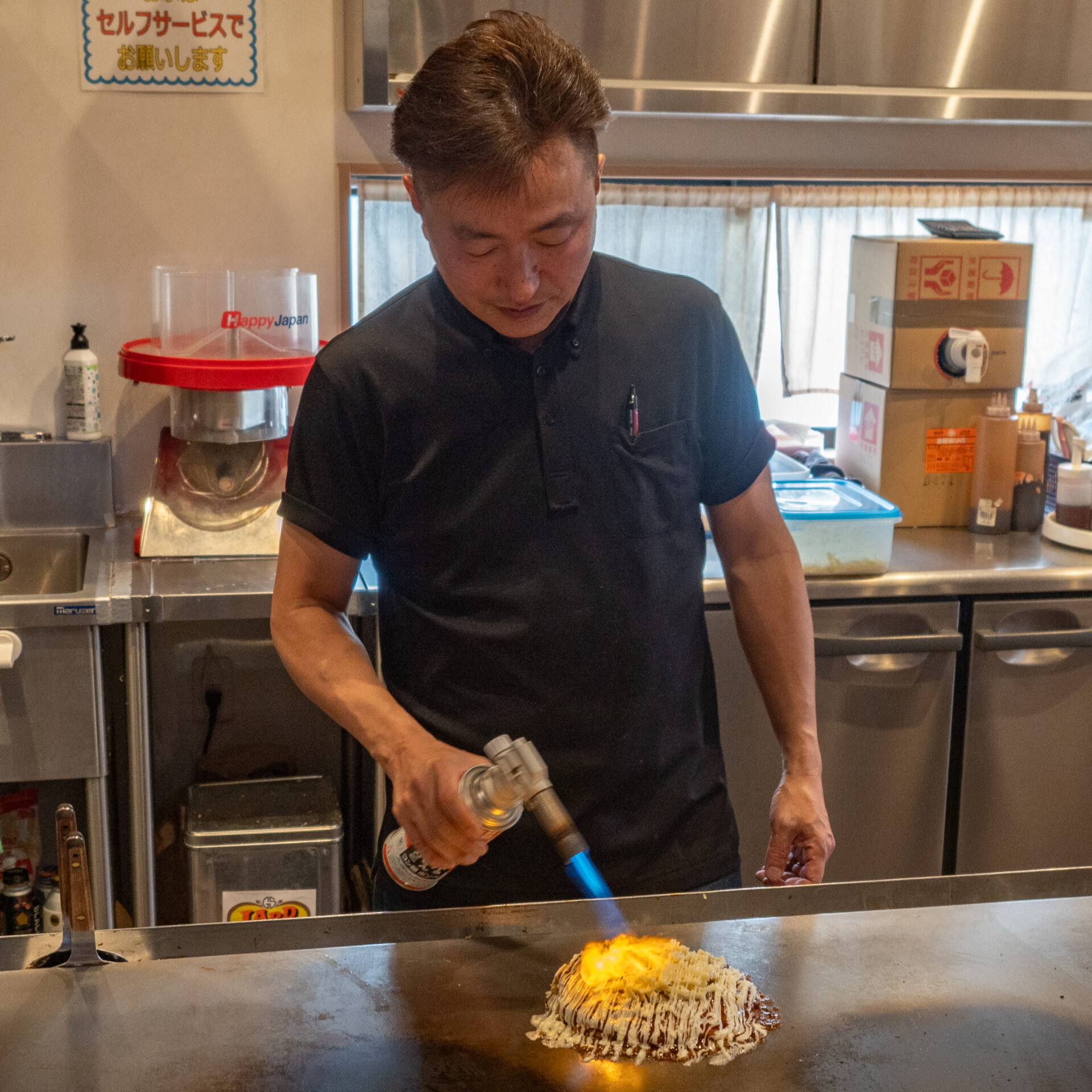
When did you open?
Tamura
I opened in November 2019.
However, the restaurant wasn’t at its current location; it was in Michinoue, Kannabe-cho, in northern Fukuyama City.
After deciding to open, I started looking for a property and kitchen equipment.
At that time, a sales representative from a company that handled kitchen equipment told me that one of their customers was closing an okonomiyaki restaurant and looking for someone to operate a business at the same location.
They introduced me to that person, and I opened in what is known as a “turnkey” arrangement (※).
※Turnkey: Opening a new business using equipment and other facilities from the previous shop.
Why did you move from Kannabe to Ibara and renovate?
Tamura
The Kannabe location had some drawbacks.
When I mentioned this to a regular customer from Ibara, they told me, “I know someone looking for a person to make use of some land in central Ibara City.”
That customer was also very passionate about Ibara and said, “Please move to Ibara and help revitalize the city.” It was a valuable connection, and the location was ideal—along a main road and close to both a major road and the station—so I decided to move.
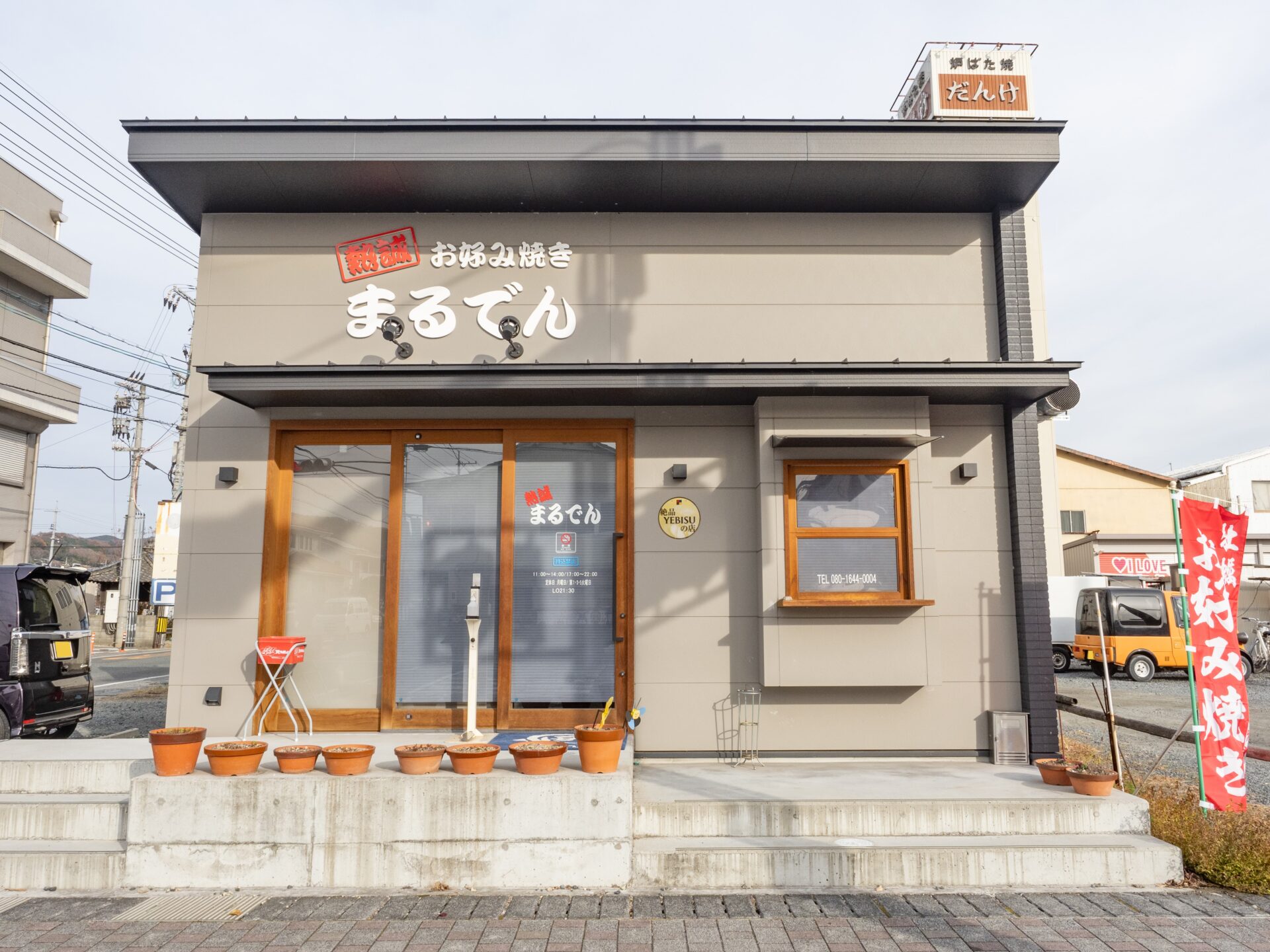
So in February 2022, we moved to our current location in Ibara and reopened after renovating.
The menu includes items named after places associated with Ibara because of the circumstances behind our move, and because we want to do what we can to help revitalize Ibara.
Where did the restaurant’s name come from?
Tamura
“Nessei” means “burning sincerity” or “wholehearted devotion.”
I chose it to express my desire to make okonomiyaki, a hot dish, with all my heart, and to run the restaurant with sincerity and dedication.
“Maruden” comes from the first character of my surname, 田.
Meticulous attention to ingredients and cooking methods
What do you pay particular attention to?
Tamura
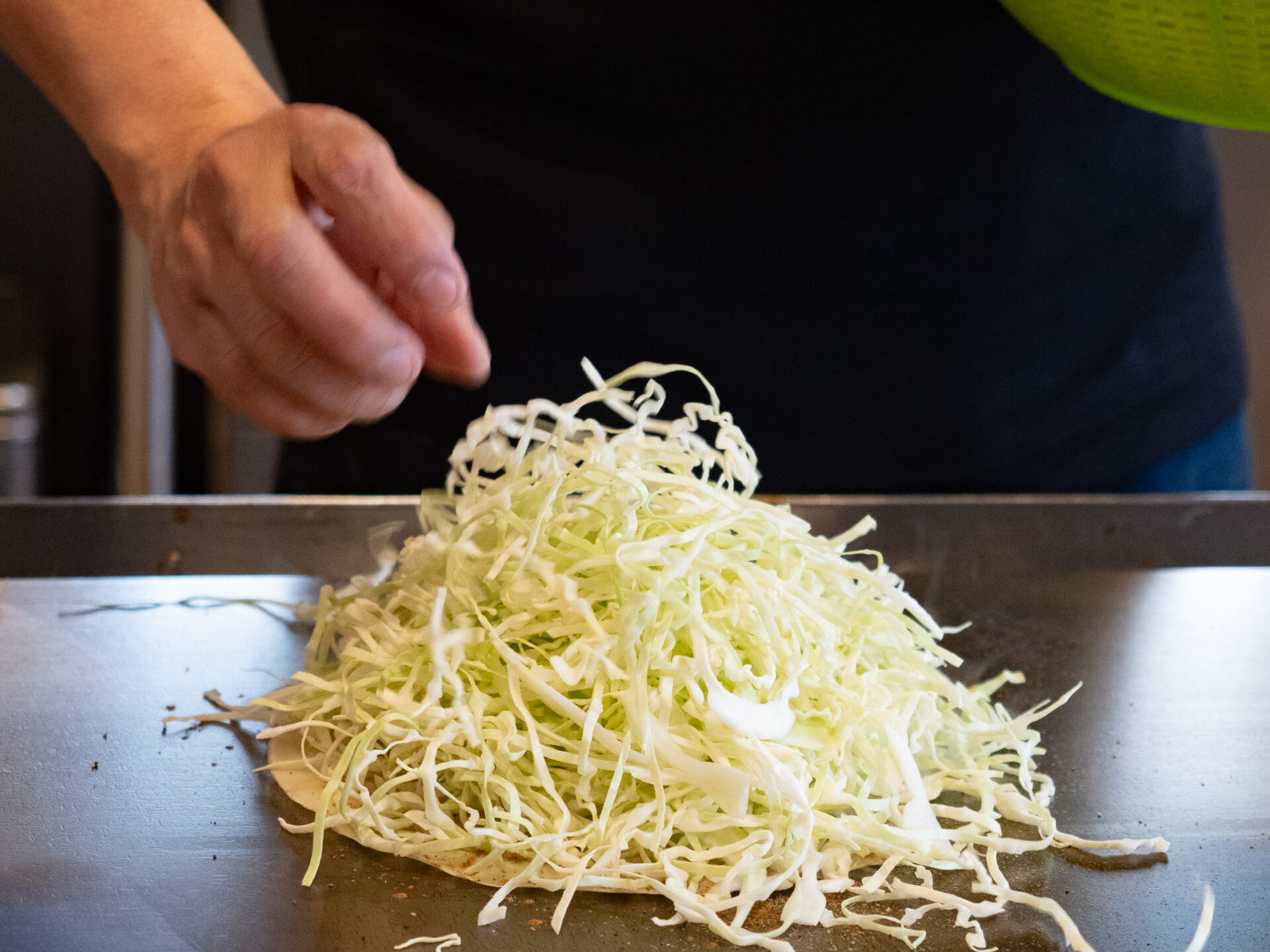
Cabbage is the ingredient we use most in okonomiyaki, so we pay special attention to it.
We use winter cabbage.
The growing region changes depending on the season. In warmer seasons, it comes from farther north, while in colder seasons, it mostly comes from farther south.
We also specify to our suppliers that we want medium-sized cabbages, six to a box, with tightly packed leaves and firm fibers.
After trying various options, we found that this size has the texture and flavor that work best in okonomiyaki.
We’ve also developed our own way of cutting the cabbage. At our restaurant, we cut the cabbage into thin strips.
We use a dedicated cutting machine and have set it up to cut the cabbage in a special way.
Flour is also important for okonomiyaki.
We use a brand of flour called “Maron.” It has a sweet taste and aroma, and a rich umami flavor. One of its characteristics is that the batter stays springy and soft even after it has been cooked and some time has passed.
Since many customers take their okonomiyaki to go, the batter stays soft and easy to eat even after they take it home.
The person who ran the okonomiyaki restaurant at our Kannabe location before us taught us about this flour. We tried several kinds side by side, and this one was the best.
We use pork, beef, and chicken from Miyazaki Prefecture.
We’ve tried meat from various regions, and Miyazaki was the best.
By the way, the sauce we use for okonomiyaki is made by Mitsuwa Sauce, the same company used by Hashimoto, the shop I remember fondly. I’m also a fan of Mitsuwa Sauce.
However, the sauces for yakisoba and yaki udon are different from the one for okonomiyaki.
We created our own blend to go well with yakisoba and yaki udon.
Great attention to the noodles, too—sourced from three companies!
Do you pay special attention to the noodles, too?
Tamura
We pay a lot of attention to the noodles, too.
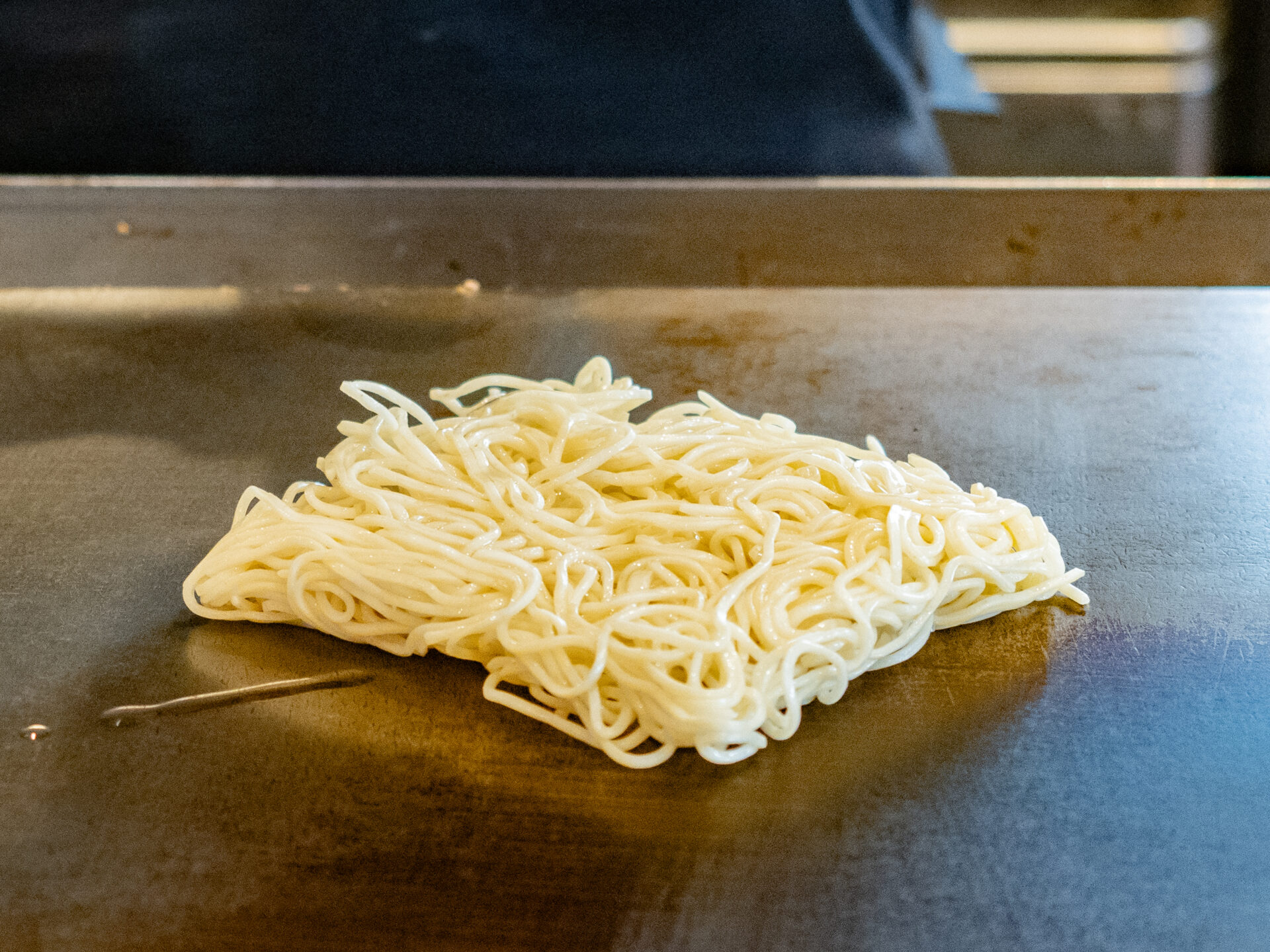
The soba (Chinese noodles) used in our okonomiyaki are custom-made by a noodle manufacturer in Fukuyama City.
We asked for thin noodles that are firm and have a noticeable core.
The noodle manufacturer made several prototypes and created noodles that faithfully meet our specifications.
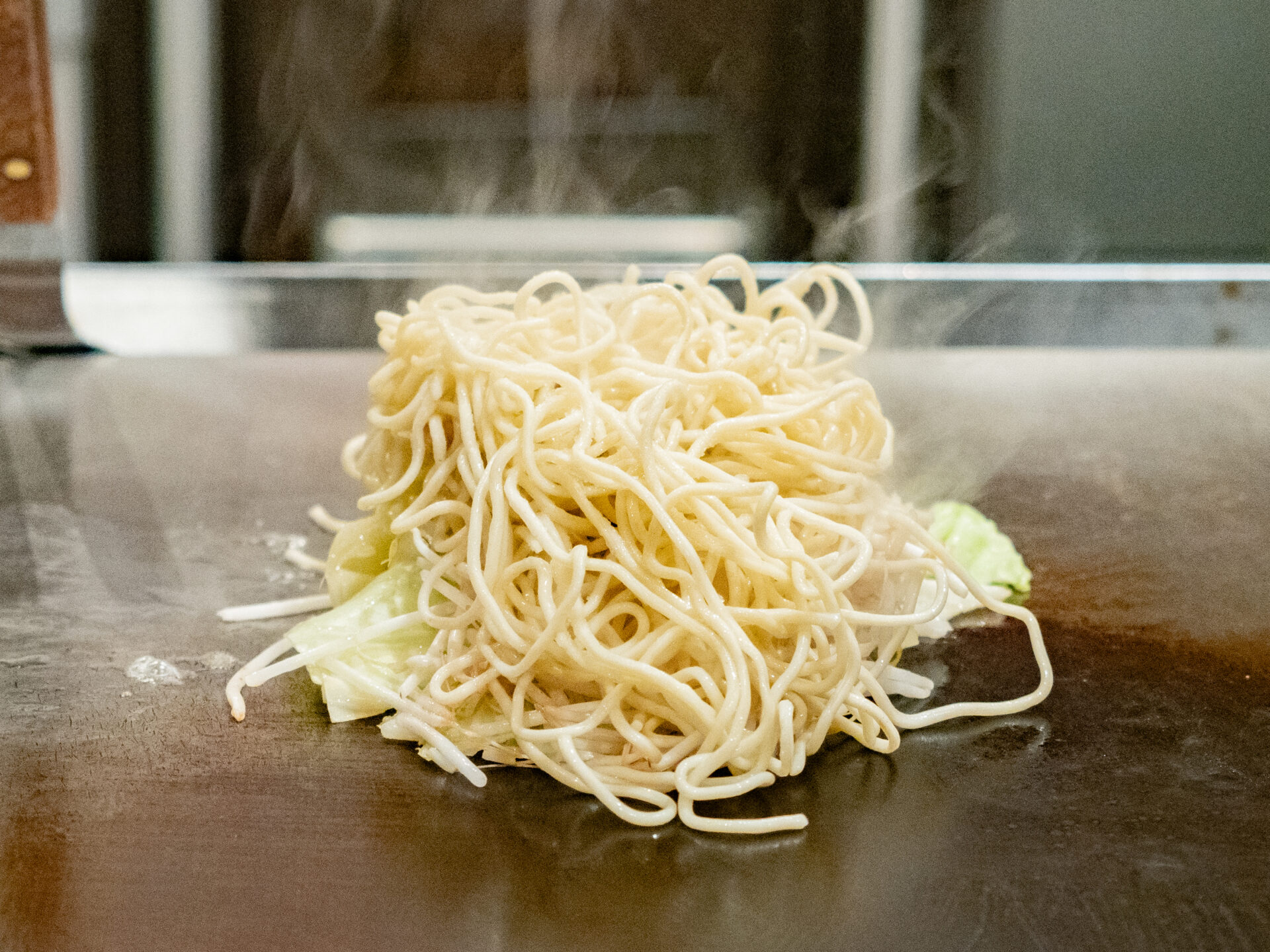
The Chinese noodles for yakisoba are different from those used for okonomiyaki.
We asked for noodles with a chewy, springy surface and a strong core inside, to go well with yakisoba.
Another key point is that they’re thicker than the noodles used for okonomiyaki.
Since the noodles are the star of yakisoba, we focus on making sure they have enough presence to stand out against the other ingredients.
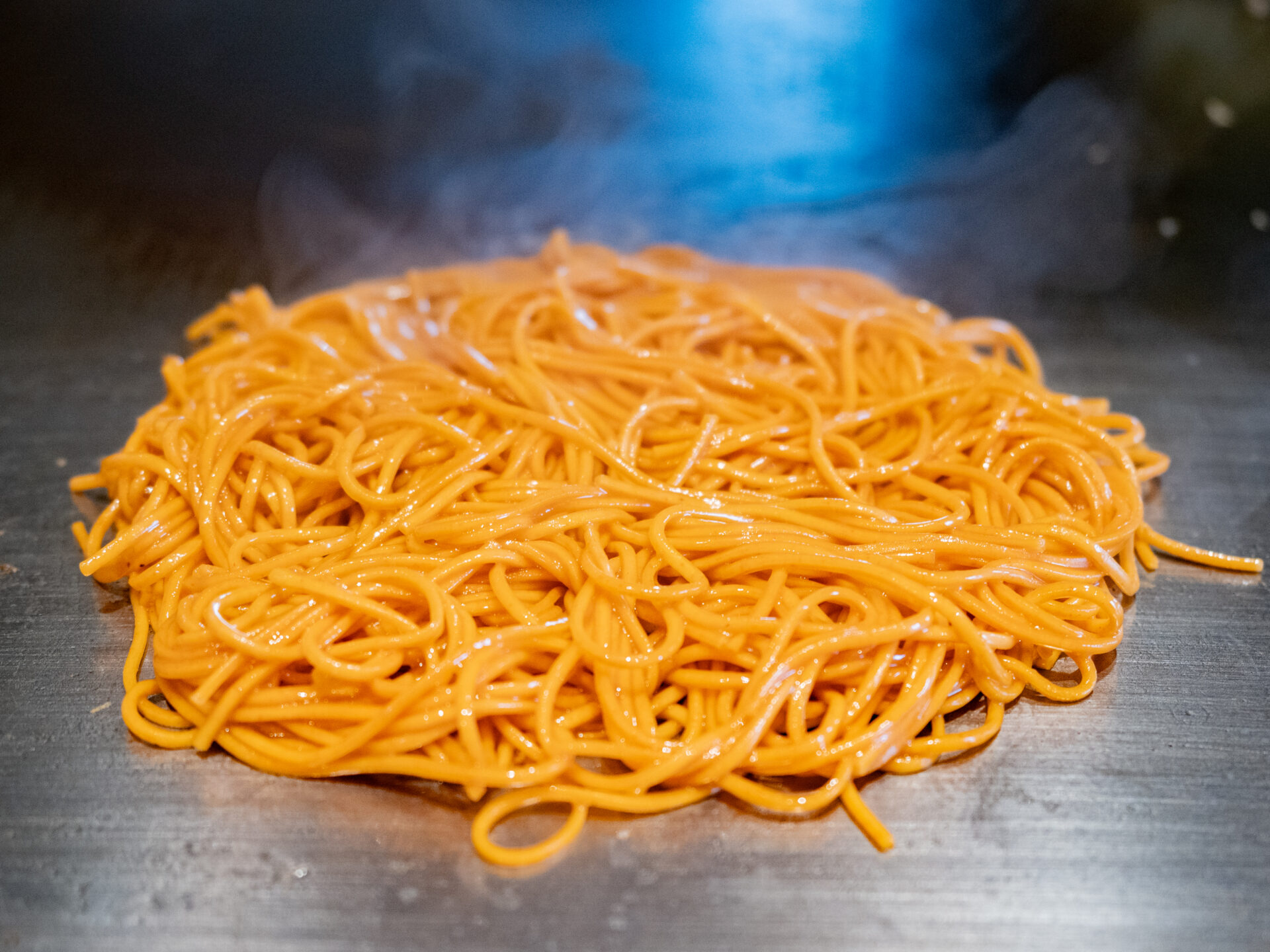
We also have our spicy noodles made by a noodle manufacturer in Ibara City.
We used to use a different kind of spicy noodle.
But I wanted something a little thinner, with a more pronounced spiciness.
One day, the president of a noodle manufacturer in Ibara happened to visit, so I asked him about spicy noodles. A few days later, he made a prototype for us.
After several rounds of improvements, we ended up with the ideal noodles: thin, with a clear, pronounced spiciness.
Since then, we’ve been buying spicy noodles from his company.
The reason we use thin Chinese noodles and spicy noodles in our okonomiyaki is that we want them to blend seamlessly with the finely cut cabbage.
Thin noodles bring out the fine-cut cabbage!
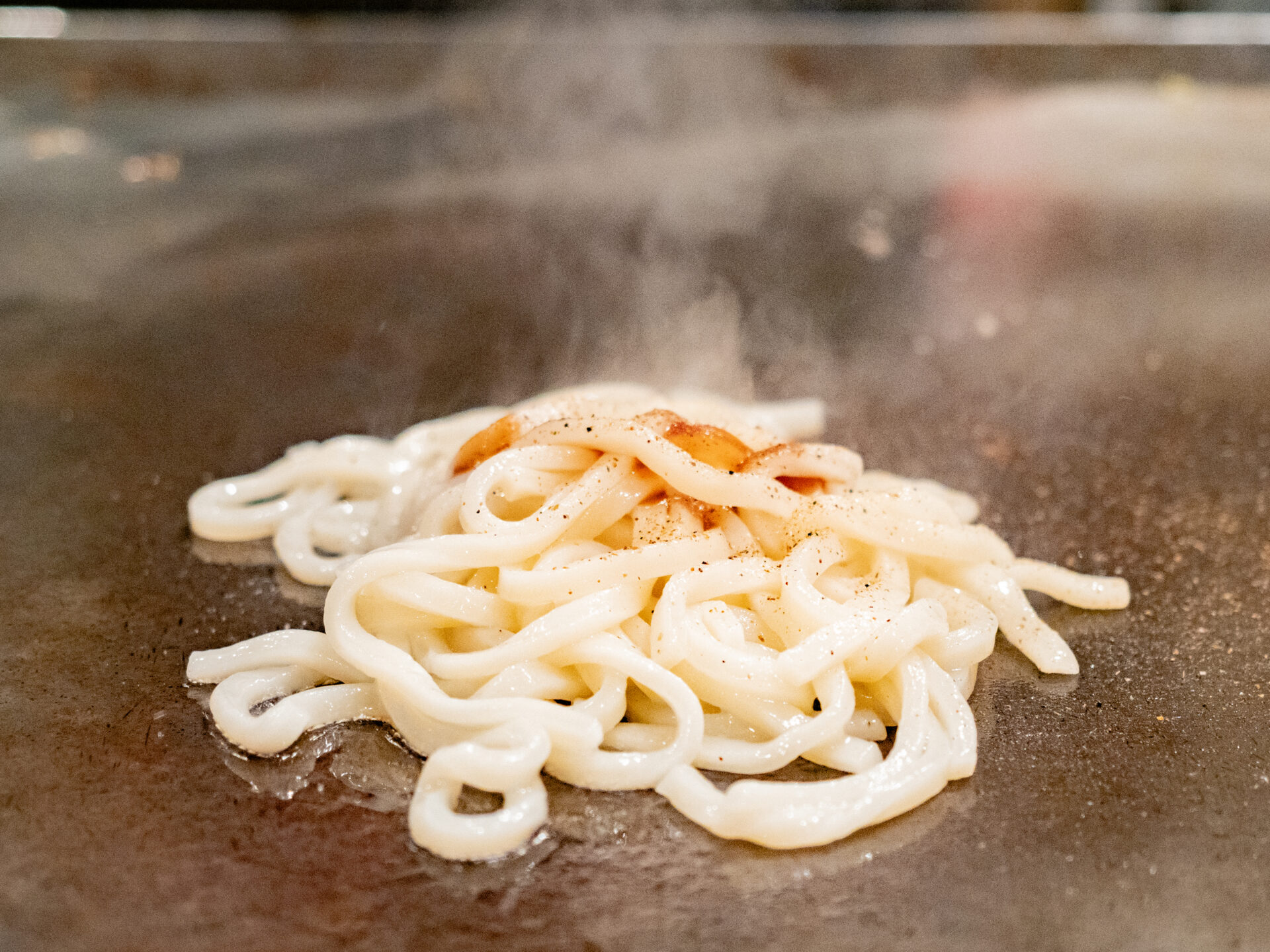
Also, our udon is frozen.
We even source it from a company different from the one that supplies our Chinese noodles.
It is also a little thinner than regular udon.
It takes extra work to boil the noodles first and then stir-fry them on the griddle, but frozen noodles are tastier than packaged noodles, with a chewier texture and a firmer bite.
Because we take care with our udon, a higher proportion of our customers order udon in their okonomiyaki than at other restaurants. At other restaurants, only around 10–20% of customers order udon, while at ours it is about 30%.
Some soba fans happen to try our udon okonomiyaki for a change and end up becoming udon fans.
I doubt many okonomiyaki restaurants deal with three different companies just for noodles (laughs).
We actively incorporate customer requests, while insisting on quality
How do you come up with ideas for product development and menu planning?
Tamura
I think one of our defining features is that we actively incorporate our customers’ requests.
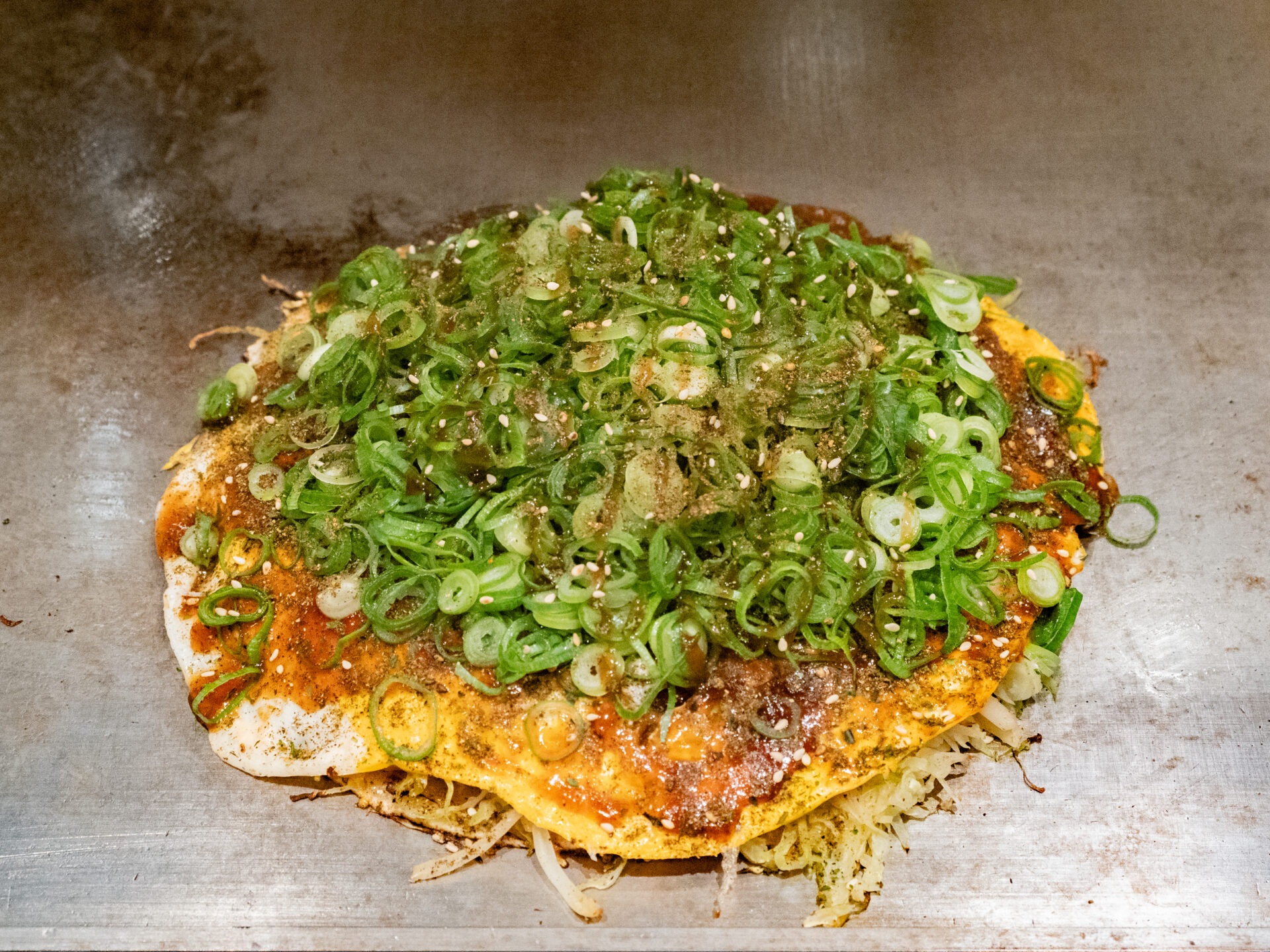
We added jalapeno as a topping after hearing customers who like spicy food ask for something “really spicy.”
“Spicy Curry Mayo” was also created in response to requests from customers who like spicy food.
It started when someone asked for an okonomiyaki made with curry, so we created “Curry Mayo.” Later, customers asked for something “spicier,” so we came up with Spicy Curry Mayo as well.
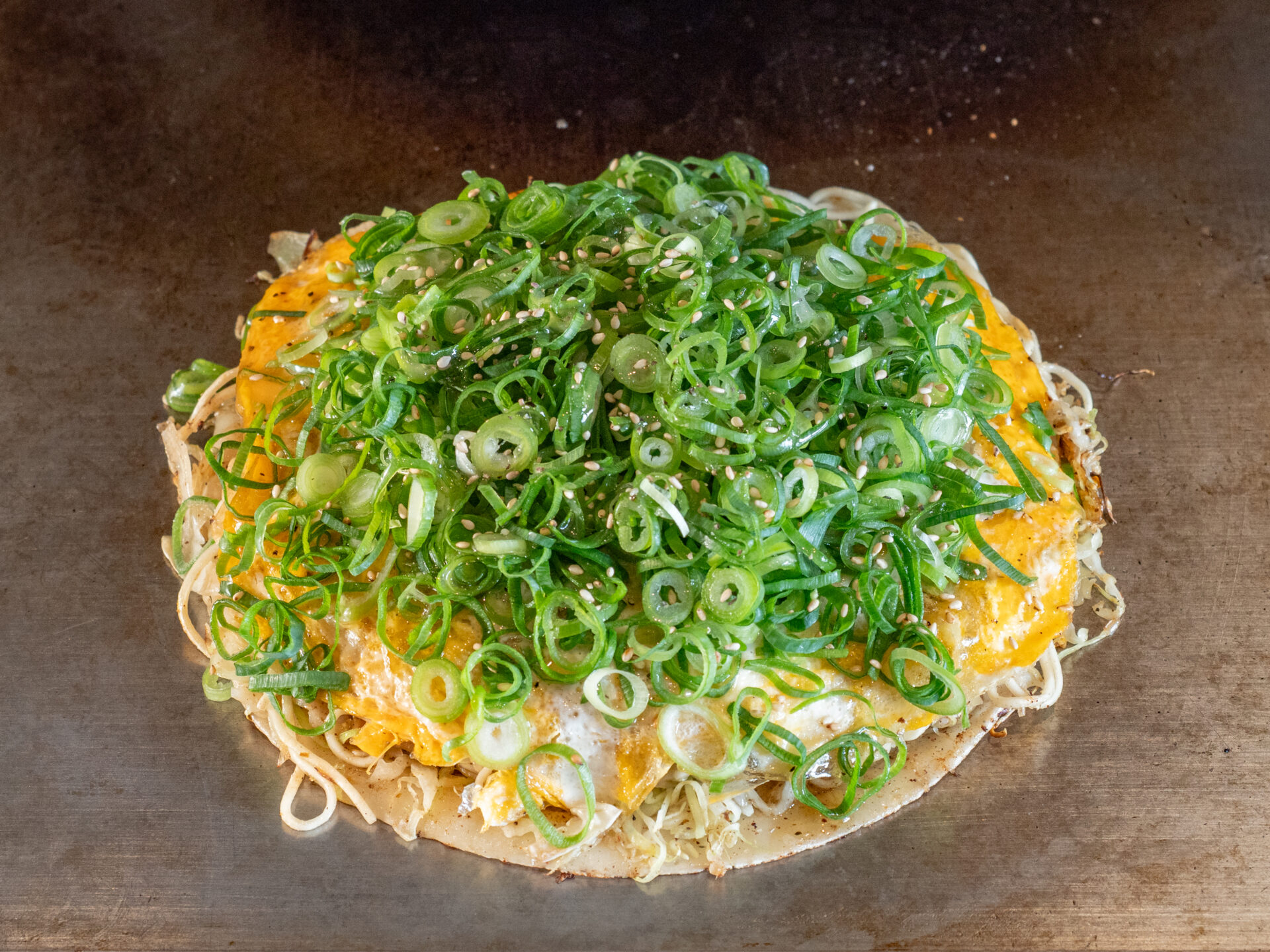
Then, after hearing from someone who thought the seared green onion mayo looked delicious but didn’t like green onions, we replaced the green onions with cheese and created “Seared Mayo Cheese.”
“Negi Shio” was also a limited-time menu item, but we received more requests than expected to have it year-round, so we made it a regular menu item.
Negi Shio is made without sauce, so its smell doesn’t linger. It is especially popular with women and others who are concerned about lingering smells.
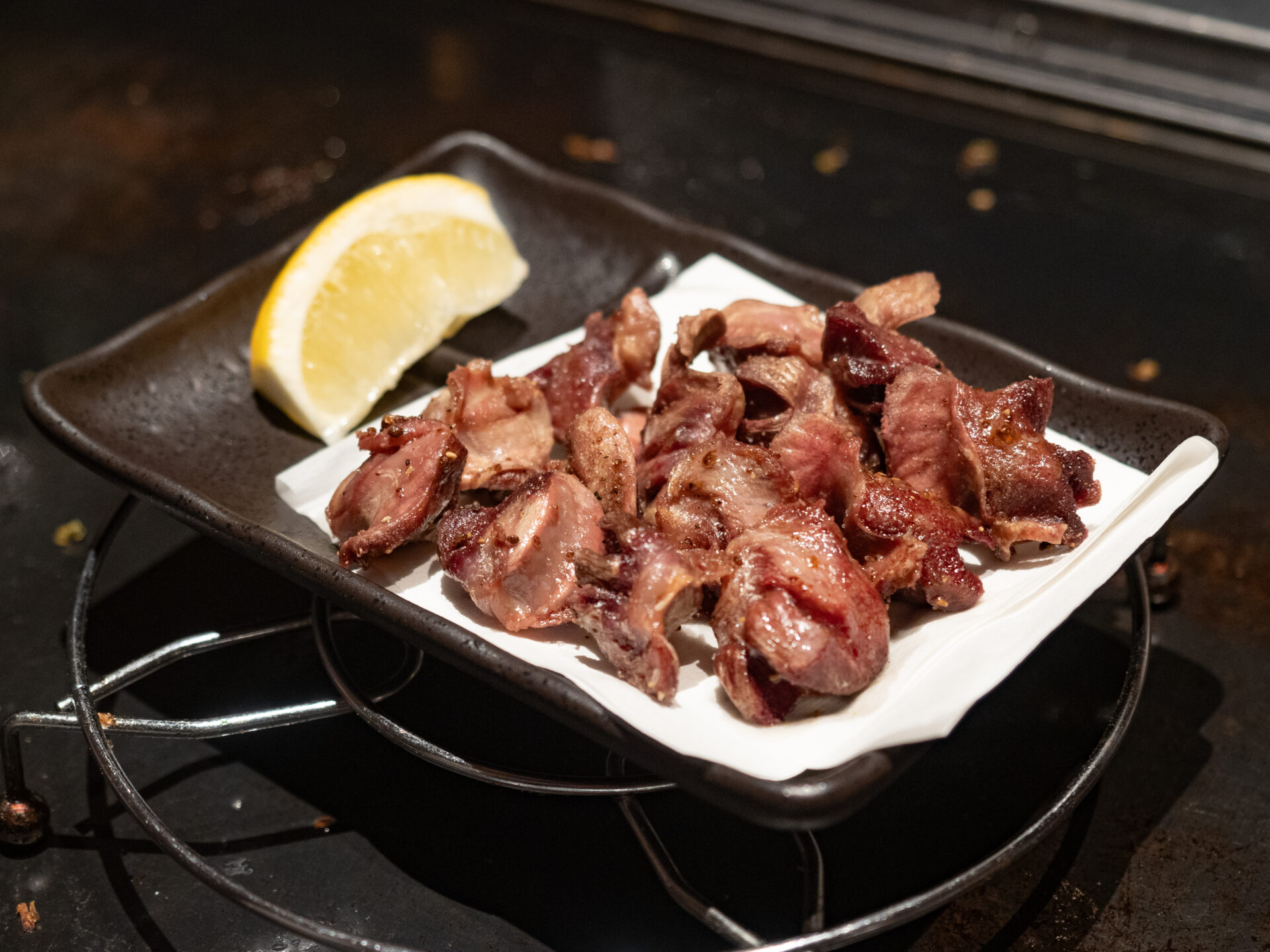
We also added a wide selection of fried foods in response to customer requests.
We served a few fried items back when we were in Kannabe (the present-day centre of Kannabe-cho, Fukuyama City). But demand for fried food was greater than we expected, so when we moved to Ibara, we installed a deep fryer and began offering a full range of fried dishes.
However, although we take customer requests on board, we make sure to achieve a certain level of quality before putting anything on the menu.
When we receive a request, we first make a trial version.
If we feel it has potential as a menu item, we then refine it through trial and error, improving its quality before adding it to the menu.
For example, we started serving oden as a weekend-only winter menu item in 2024.
This was in response to customer requests, and because around Hiroshima City, it is customary to order oden after ordering okonomiyaki and eat it while waiting for the okonomiyaki to cook.
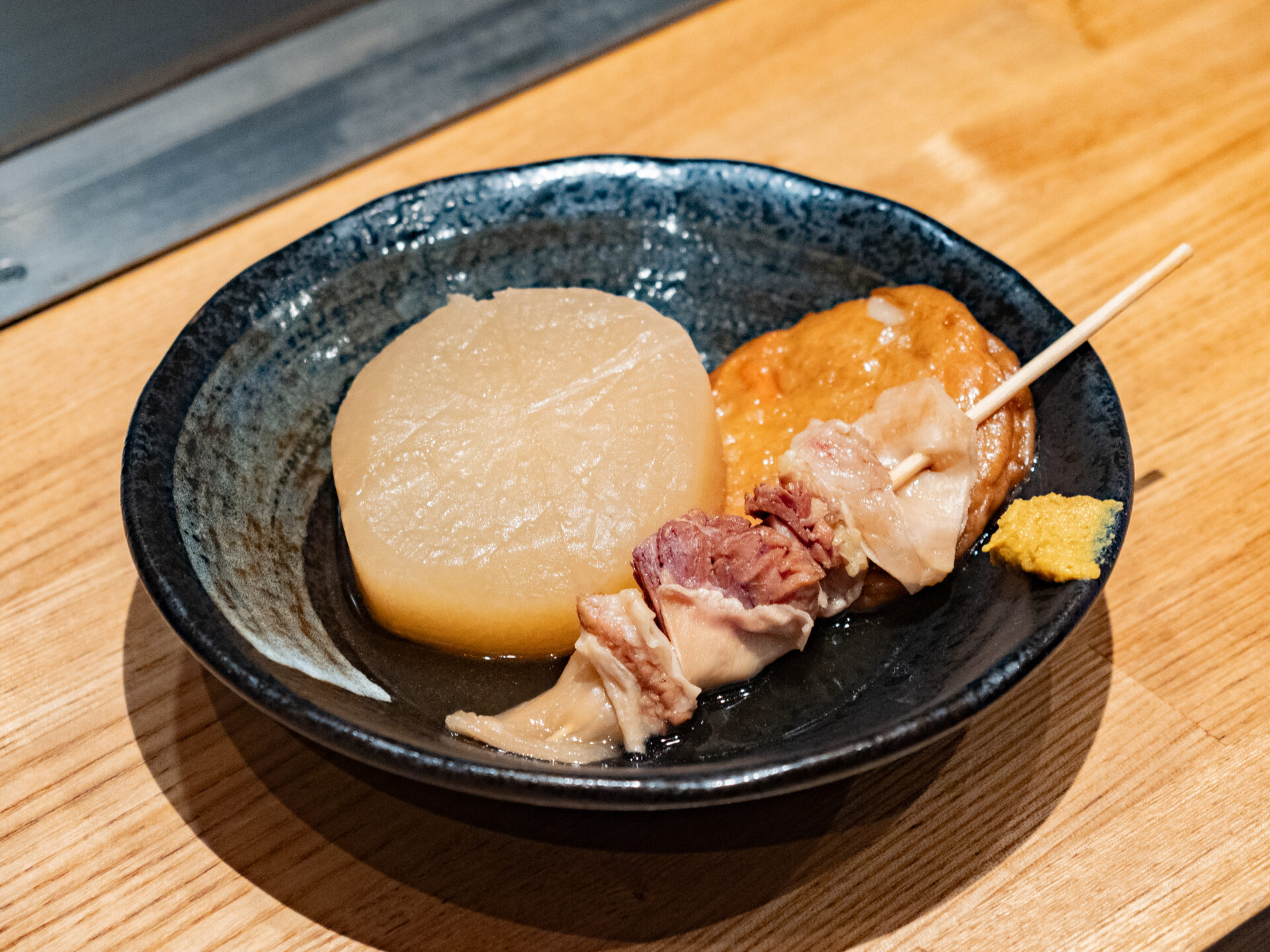
However, it took time before we could add it to the menu.
We couldn’t get the broth or preparation method to a standard we were satisfied with.
After much trial and error, we were finally able to add oden to the menu.
Even when we receive a request, there have been times when we had to give up on adding it to the menu because we couldn’t see a way to improve its quality.
Have you come up with any menu items yourselves, apart from customer requests?
Tamura
Yes, we’ve come up with some menu items ourselves.
For example, “Denchuyaki.”
When we went on a trip to Kyoto, we saw Japanese pepper and seven-spice seasoning for sale.
After tasting it, I had the inspiration that “Japanese pepper might go well with okonomiyaki.”
As soon as I got home, I tried it, and it turned out to pair exceptionally well with udon alone.
That’s how we created an okonomiyaki made with Japanese pepper and seven-spice seasoning, available only with udon.
As with Denchuyaki, inspiration sometimes strikes unexpectedly in the course of everyday life.
In this case, too, we make a trial version, and if it doesn’t meet a certain standard, we don’t add it to the menu. We’ve had plenty of ideas that came to us but never made it past the drawing board.
We will continue creating a space where people can enjoy themselves and feel at ease
Could you tell us about your future plans or any challenges you face?
Tamura
We are very particular about our food, including okonomiyaki, and we also have strong convictions about how we run the restaurant.
Since our customers are spending time in the space that is “Nessho Maruden,” we want them to enjoy themselves and feel comfortable. We put a lot of effort into creating that kind of restaurant.
That’s why we intend to keep providing a space where our customers can enjoy themselves.
We also want to introduce our carefully crafted okonomiyaki to more people and give them the chance to taste it.
There are probably many ways to do that, so we’d like to focus on this as well going forward. I truly believe that the people we’ve met are the reason we’ve been able to run the restaurant all this time, both when we opened and when we relocated.
We want to continue serving our customers while cherishing our relationships with them, our business partners, and everyone else we’ve met along the way.
Nessho Maruden, known for its distinctive okonomiyaki and side dishes
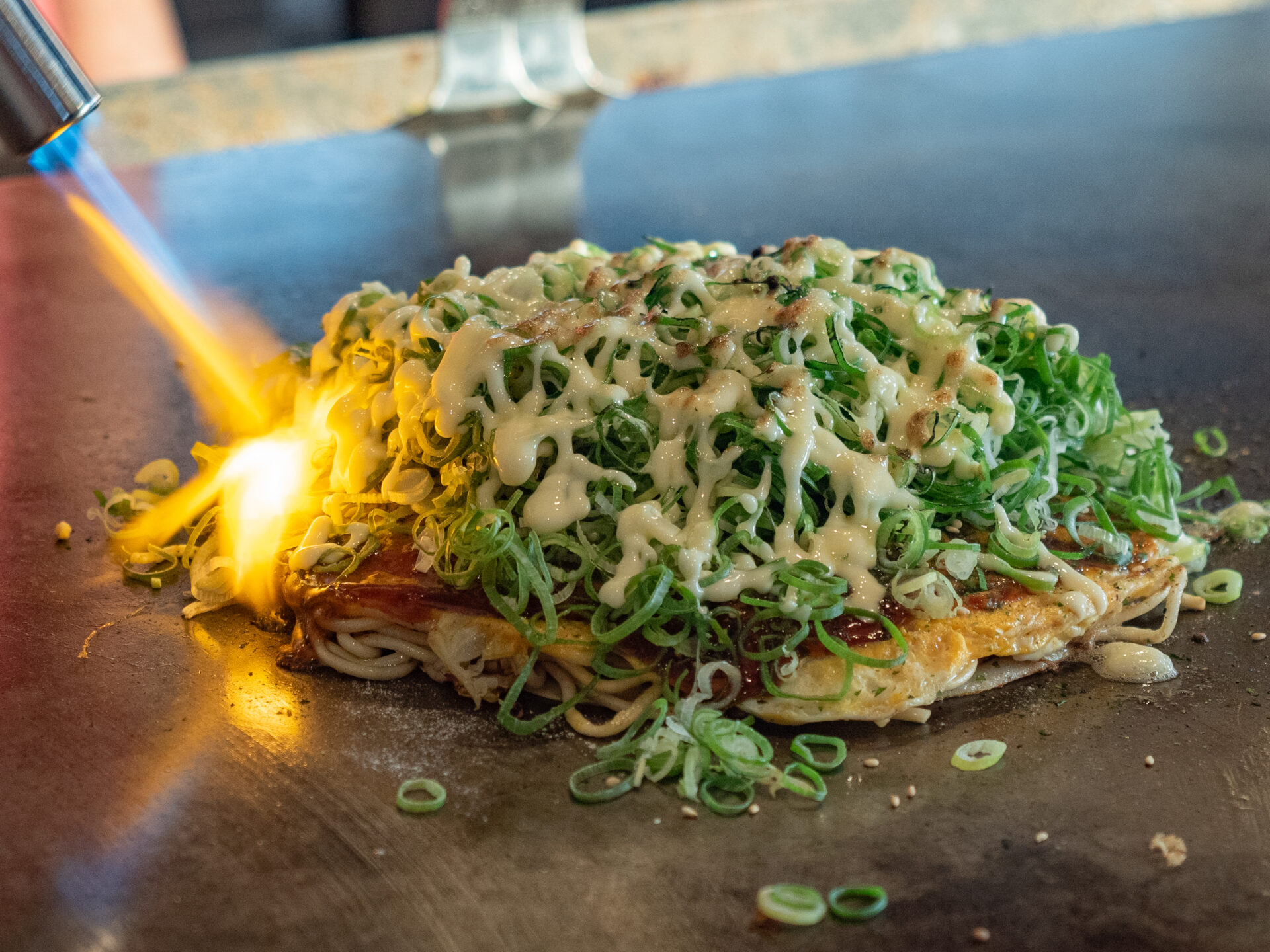
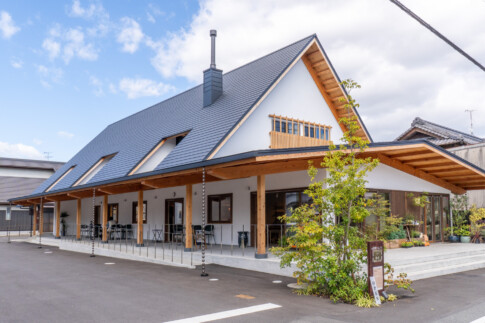
Nessho Maruden offers distinctive okonomiyaki and a variety of teppanyaki dishes.
Enjoy okonomiyaki for lunch or dinner, or enjoy okonomiyaki and side dishes with a drink in hand.
The tatami seating also makes it a welcoming place for families and groups.
And chatting with the friendly husband-and-wife owners is one of the pleasures of a visit.
Nessho Maruden has it all: great food, great people, and a great location.
Be sure to try their carefully crafted okonomiyaki.
Nessho Maruden Information

| Name | Nessho Maruden |
|---|---|
| Address | 120 Nanokaichi-cho, Ibara City, Okayama Prefecture |
| Contact | 080-1644-0004 |
| Parking | Available Only 4 spaces on the north side of the restaurant Please take care not to park on the neighboring business’s property |
| Hours | 11:00 a.m.–2:00 p.m. (last order 1:30 p.m.) 5:00 p.m.–10:00 p.m. (last order 9:00 p.m.) |
| Closed | Monday 1st, 3rd, and 5th Tuesday ※If a regular closing day falls on a public holiday, the restaurant will open and close the following weekday |
| Payment methods |
|
| Reservations | Accepted |
| Seating | 18 seats total ・Counter: 4 stools ・Two 4-person tatami tables ・One 6-person tatami table |
| Smoking | Entirely non-smoking |
| Restroom | Western-style toilet |
| Families with children | Children’s tableware and chairs available Strollers may be brought inside |
| Accessibility | Ramp Wheelchair access to the restaurant Restroom is not wheelchair accessible |
| Website | Nessho Maruden Official Instagram |

What would you like to know about Kurashiki?
Enter a word to search articles on this site