A special exhibition, “The Complete Noboru Baba Exhibition: Drew, Created, Enjoyed—Nyago!,” has been held at the Kurashiki City Art Museum since Friday, July 26, 2024.
As a related event for this special exhibition, a commemorative lecture was held with Sekiya Yuko, the editor in charge of publishing Noboru Baba’s picture books.
Here is a report on the lecture, which was packed with stories that only the editor in charge could share, including insights into Noboru Baba’s personality and the secrets behind the creation of his picture books.
The information presented was current when this article was published in August 2024. Please note that it may differ from current information.
What is the commemorative lecture for “The Complete Noboru Baba Exhibition: Drew, Created, Enjoyed—Nyago!”?
“The Complete Noboru Baba Exhibition: Drew, Created, Enjoyed—Nyago!” is a special exhibition held at the Kurashiki City Art Museum for about a month, from Friday, July 26 to Sunday, September 1, 2024.
Planned in 2021 to mark 20 years since Noboru Baba’s death, “The Complete Noboru Baba Exhibition: Drew, Created, Enjoyed—Nyago!” began at the Nerima Art Museum in Tokyo and has been touring venues across Japan.
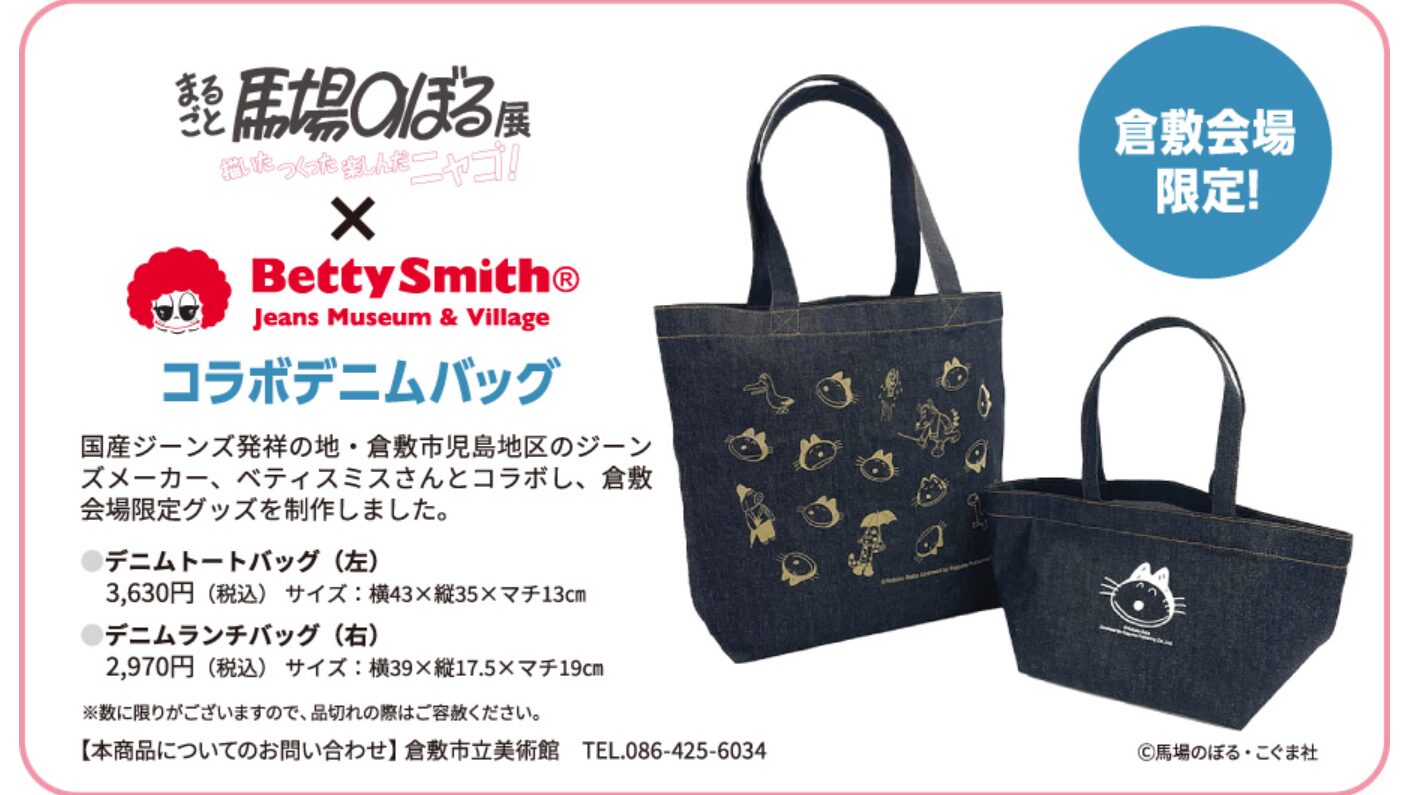
At the Kurashiki City Art Museum, there are many special features unique to the Kurashiki venue, including a special display of original illustrations for the picture book “Momotaro” and the sale of original collaborative denim bags with BettySmith, a jeans brand based in Kojima, the birthplace of Japanese-made jeans.
The commemorative lecture by Sekiya Yuko, held in the third-floor auditorium on Saturday, July 27, was also one of the special features unique to the Kurashiki venue. Its title was “‘11 Piki no Neko’ and Mr. Noboru Baba: In Pursuit of Genuine Humor.”
Sekiya Yuko was the editor in charge of Noboru Baba’s books.
It was a rare opportunity to hear stories unique to Sekiya, who continued to engage with Baba’s family and works even after his death.

Highlights from the commemorative lecture, “‘11 Piki no Neko’ and Mr. Noboru Baba: In Pursuit of Genuine Humor”
Seats were available on a first-come, first-served basis. I arrived in time for the doors to open at 1 p.m. About half the seats in the auditorium on the third floor of the Kurashiki City Art Museum were already occupied, and it was clear that people were looking forward to the lecture.
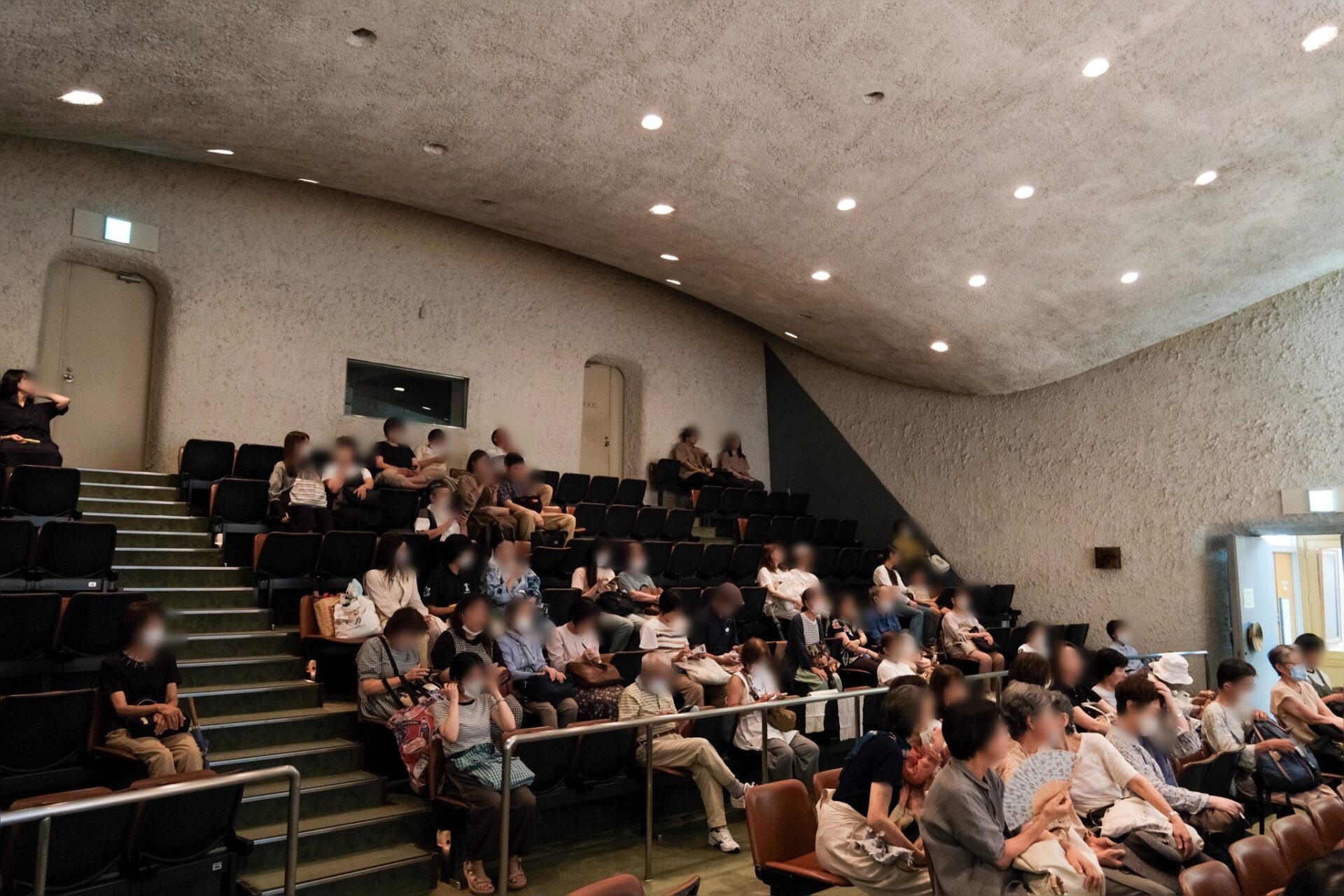
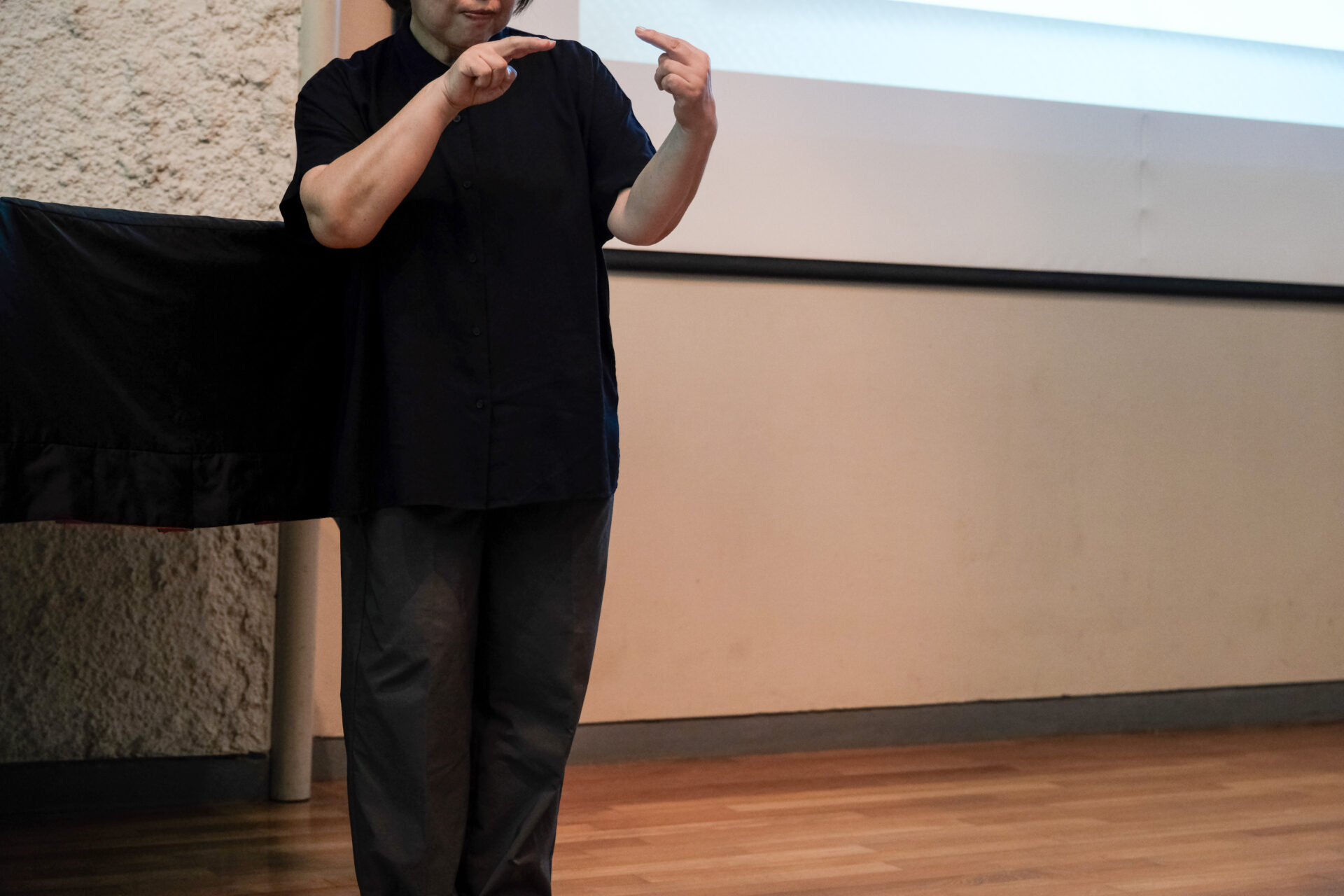
As someone with a hearing impairment, I arranged for the Kurashiki City Art Museum to provide a sign language interpreter. Sign language interpretation for a lecture requires advance preparation, such as checking the interpreter’s position based on the venue layout and reviewing specialized terms with the interpreter before the lecture.
The staff member in charge at the Kurashiki City Art Museum also took an active role in these advance discussions, which helped me feel at ease attending the lecture.
Noboru Baba’s sketchbooks: a must-see for fans of the “11 Piki no Neko” series
During his lifetime, Noboru Baba reportedly allowed almost no one, including his family, into his studio. Even his family never got to see works in progress.
After Noboru Baba’s death, the Aomori Museum of Art in his hometown of Aomori Prefecture decided to hold a retrospective exhibition. With the family’s permission, they surveyed the studio on the second floor of Baba’s home. Sekiya discovered nearly 100 sketchbooks there and reported them to the museum curator.
At first, she hesitated over whether it was right to make public the sketchbooks that Baba had never shown anyone. However, after some of them were displayed at exhibitions, and with the curator’s encouragement nearly 20 years after his death, they were published as “Noboru Baba’s Sketchbooks” (Koguma Publishing).
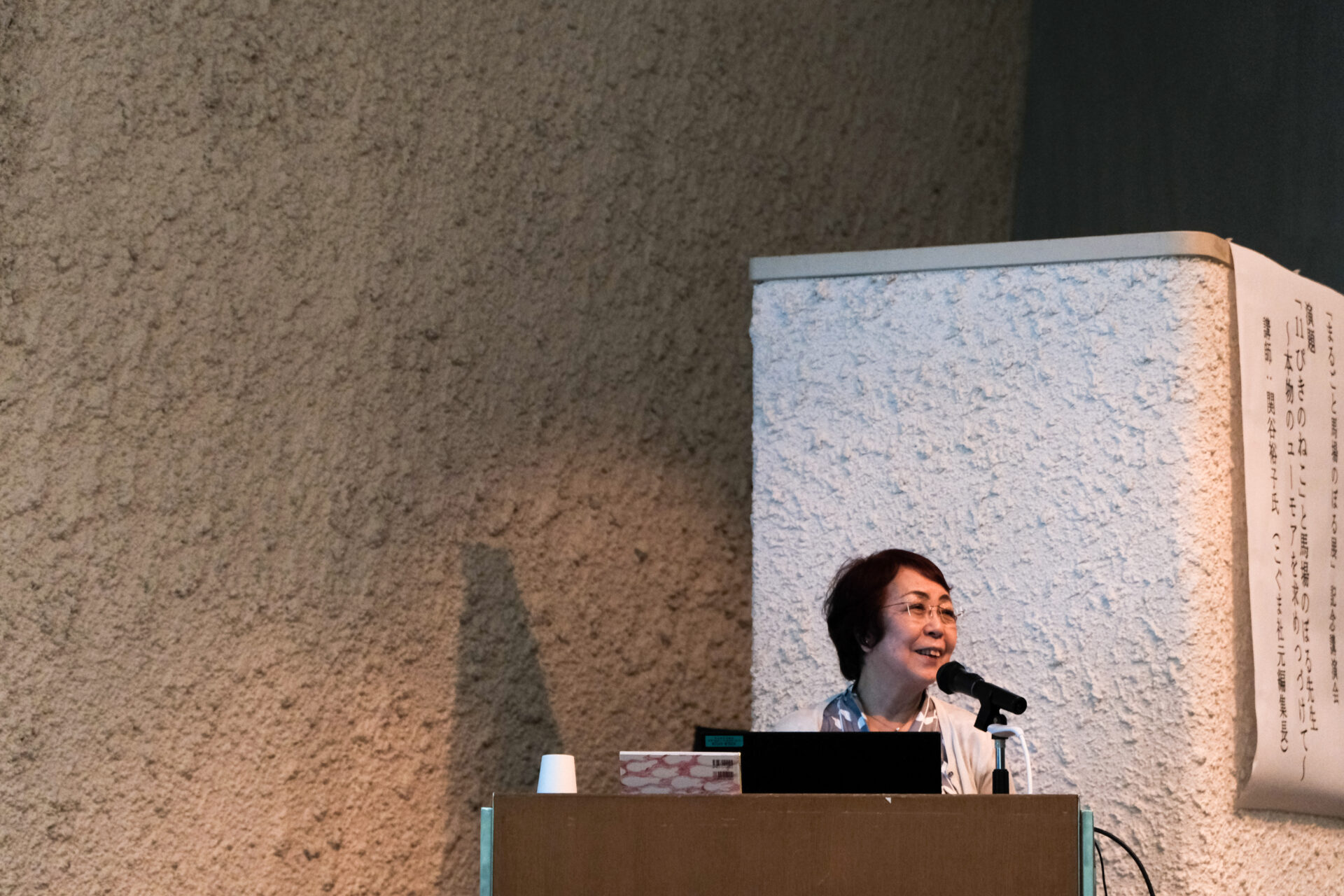
“I wanted people who love ‘11 Piki no Neko’ to see the Noboru Baba revealed through his sketchbooks, so I began speaking about them at lectures like today’s.”
As she spoke, she carefully introduced a book compiling Noboru Baba’s sketches.
Every sketch depicts its subject with great delicacy.
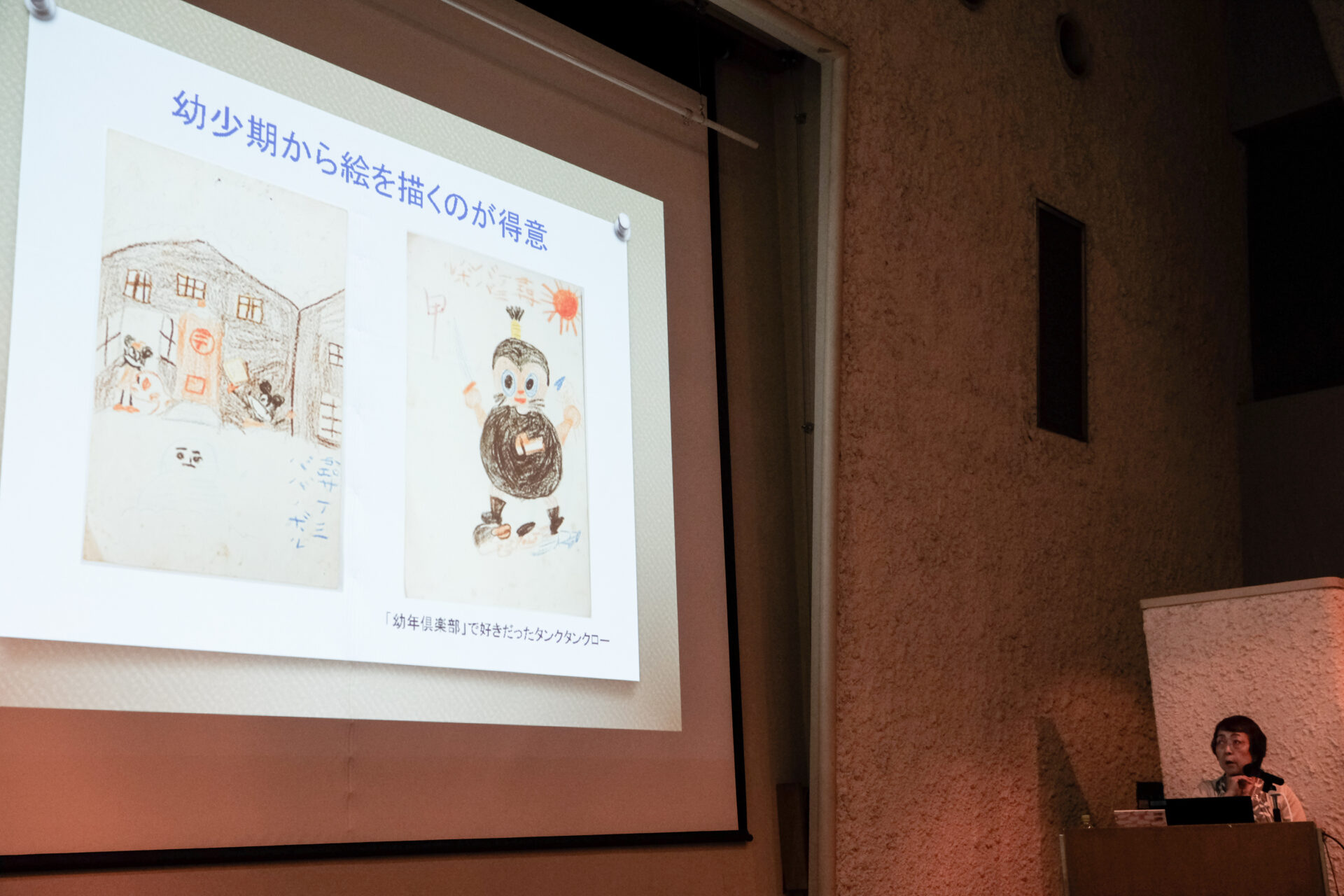
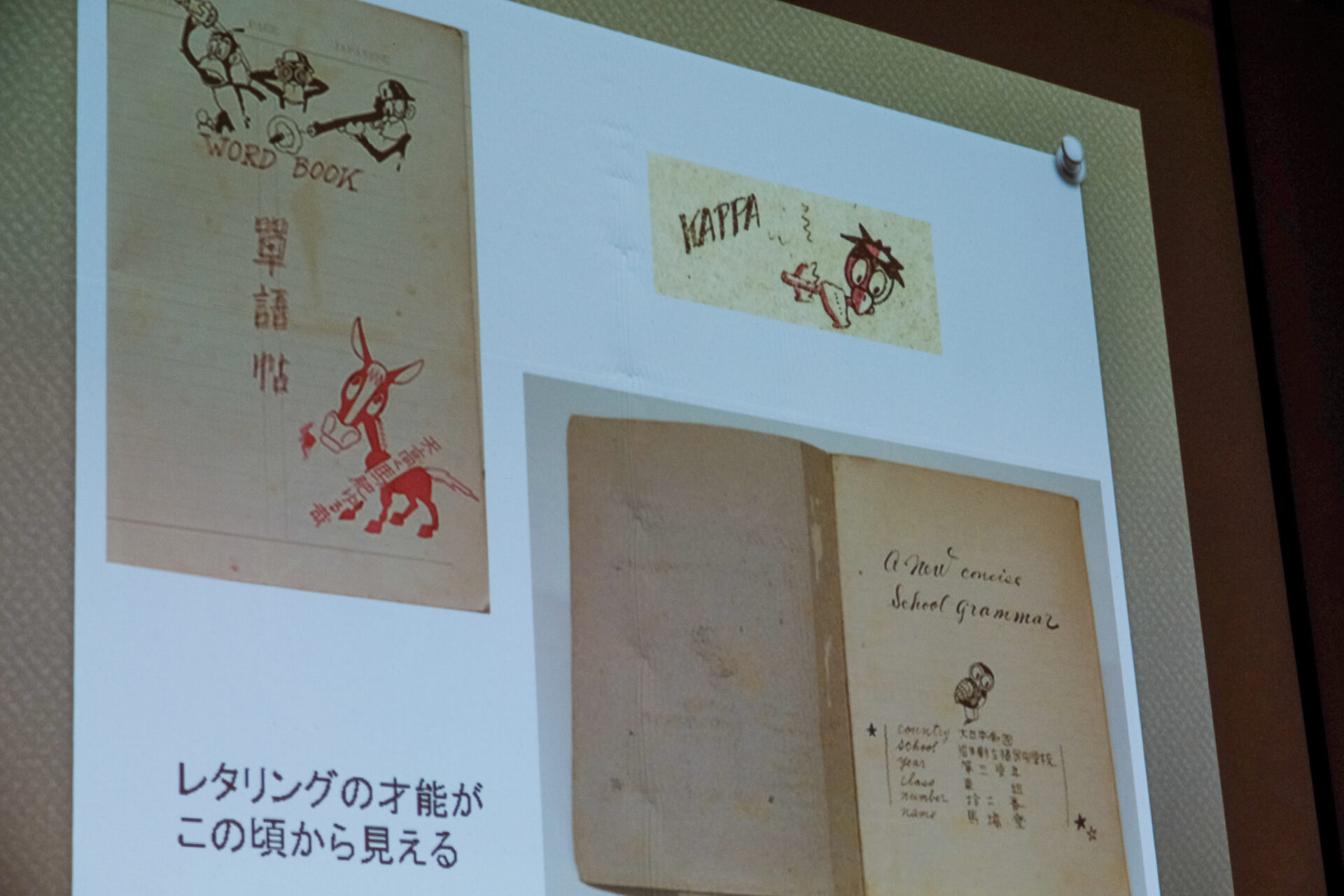
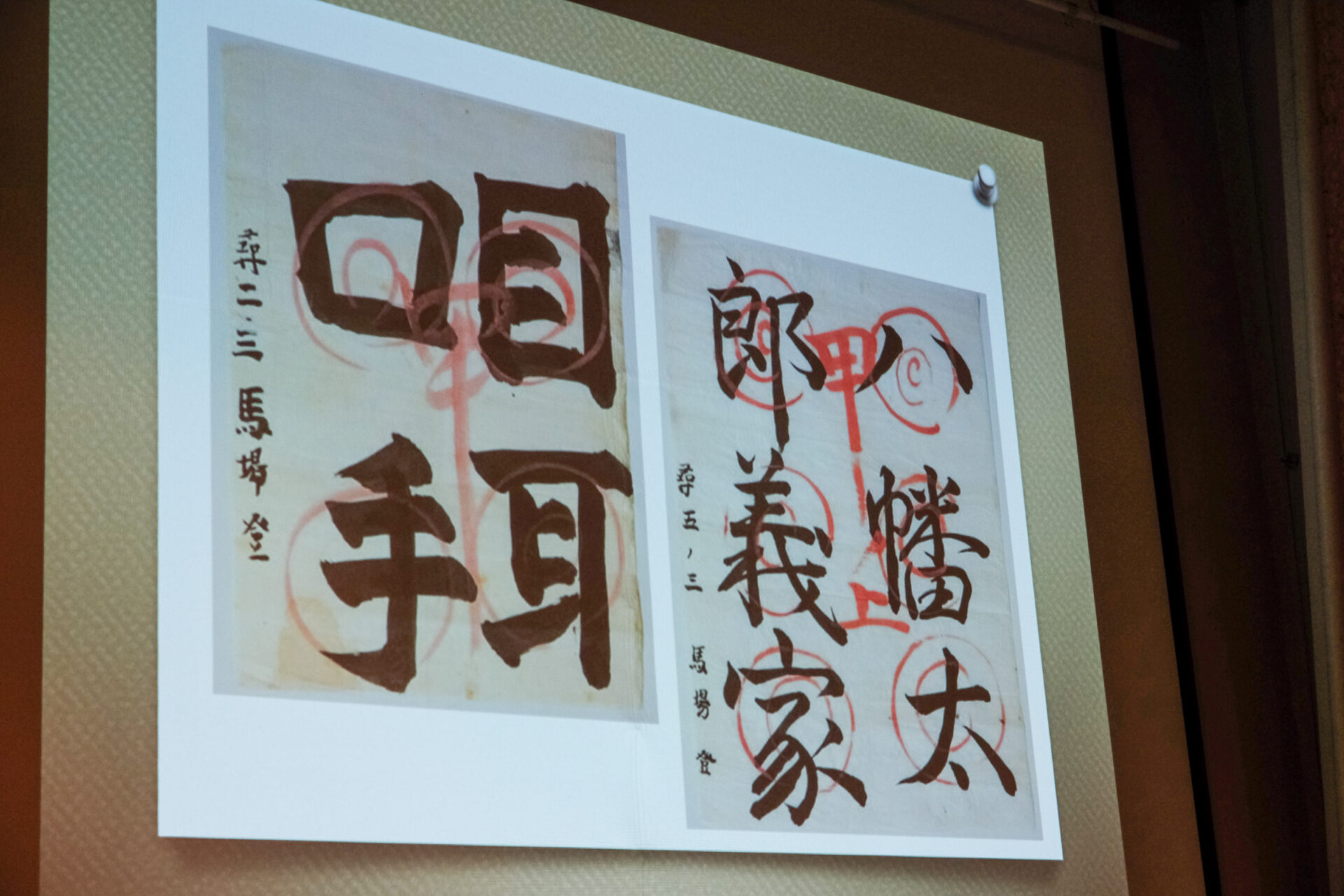
Noboru Baba was skilled not only at drawing, but also at calligraphy and lettering from childhood.
Sekiya says, “The pictures and lettering in all of Mr. Baba’s works are things he could express because he had mastered the fundamentals.”
You can see some of the sketchbooks and his childhood calligraphy works at the exhibition.
“You can fool adults, but you can’t fool children”
“11 Piki no Neko” was first published in 1967 and is a classic that has been reprinted more than 200 times and continues to be read today.
The series was very popular from the release of its first book, but it took five years for the second book to appear, and thereafter each book was produced at a leisurely pace of one every six or seven years.
The reason was that Baba wanted to create endings with twists that would astonish children. The more he wanted to create an ending that would live up to readers’ expectations, the harder it was for him to make progress, it seems.

“As a result, all six books ended with twists that amazed children, and every one became a long seller and is still being read today,” Sekiya said happily.
Looking around an exhibition venue like this one, you see fans of Noboru Baba of all ages, from children around two years old to elderly people nearing 80.
“During his lifetime, Mr. Baba used to say, ‘You can fool adults, but you can’t fool children,’ and believed in depicting what he found interesting in a way children could understand. Sekiya also said that this commitment is the secret to why so many people, young and old, continue to love his work even after his death.
Noboru Baba and the picture book “Momotaro”
One of the highlights at the Kurashiki City Art Museum is the display of original illustrations for the picture book “Momotaro.”
“The Complete Noboru Baba Exhibition: Drew, Created, Enjoyed—Nyago!” has toured venues across Japan since the summer of 2021, but the Kurashiki City Art Museum is the first venue to display the original illustrations for “Momotaro.”
Koguma Publishing was reportedly reluctant to publish a picture book because “the joy of folktales lies in imagining them from the way they are told.” However, “Momotaro” was one of the works that Noboru Baba himself wanted to draw.
By the time he made this proposal, his health was already poor. Sekiya asked him to draw the works he wanted to draw, and he was delighted to do so, she says.
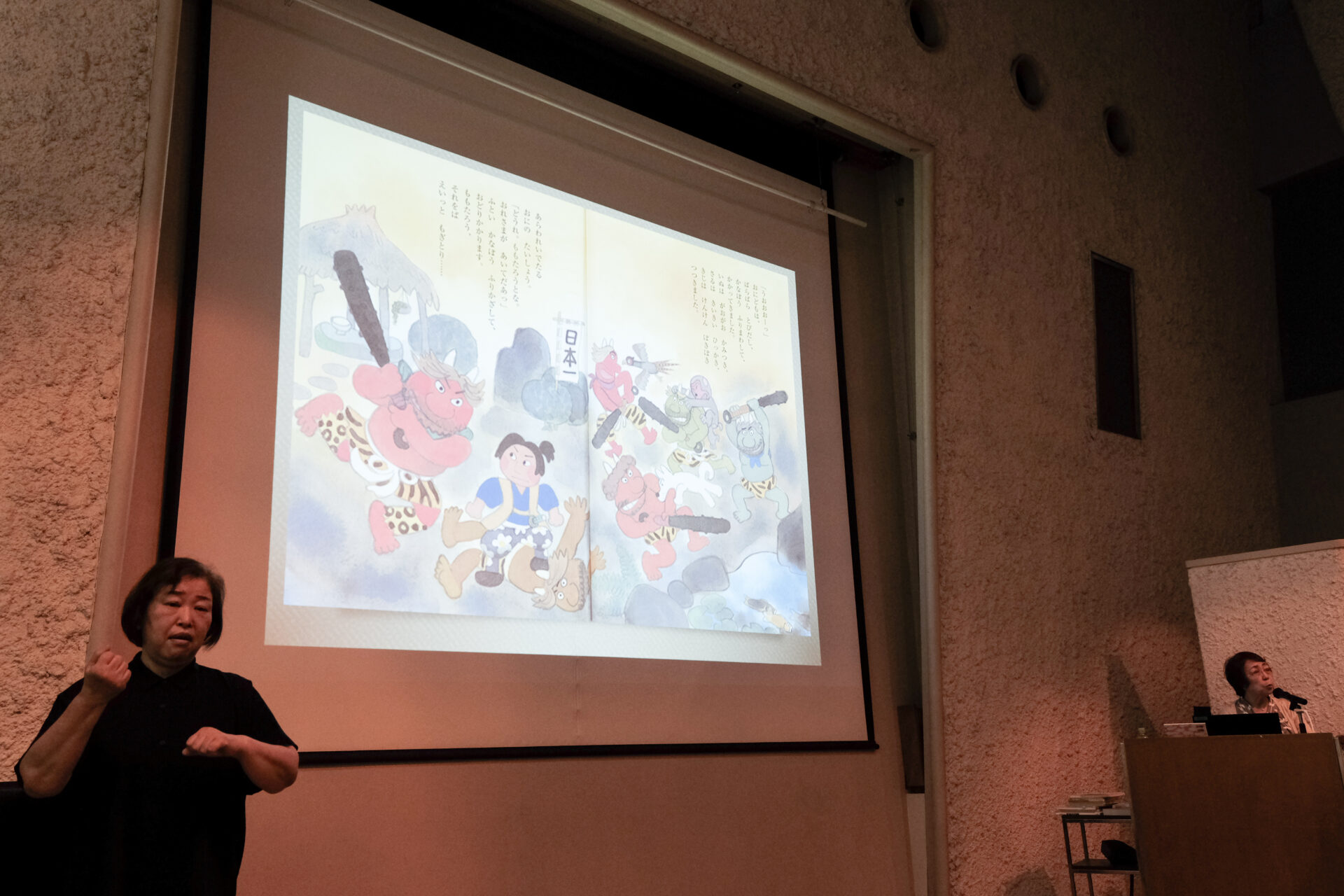
Folktales are part of oral tradition, so the plot and ending can vary from region to region, even for the same story. In Noboru Baba’s picture book “Momotaro,” the hero is not a valiant Momotaro, but a laid-back, slow-moving “sleepyhead” type, which Baba preferred.
After his death, a former classmate told them that Baba had apparently been attached to “Momotaro” since his elementary school days.
Looking back on the story behind the completion of “Momotaro,” Sekiya reflected that she was glad she had asked him to write the picture book.
“Momotaro,” one of Noboru Baba’s cherished folktales, is on display in its entirety (except for the cover and endpapers) at the Kurashiki City Art Museum, so be sure to see it.
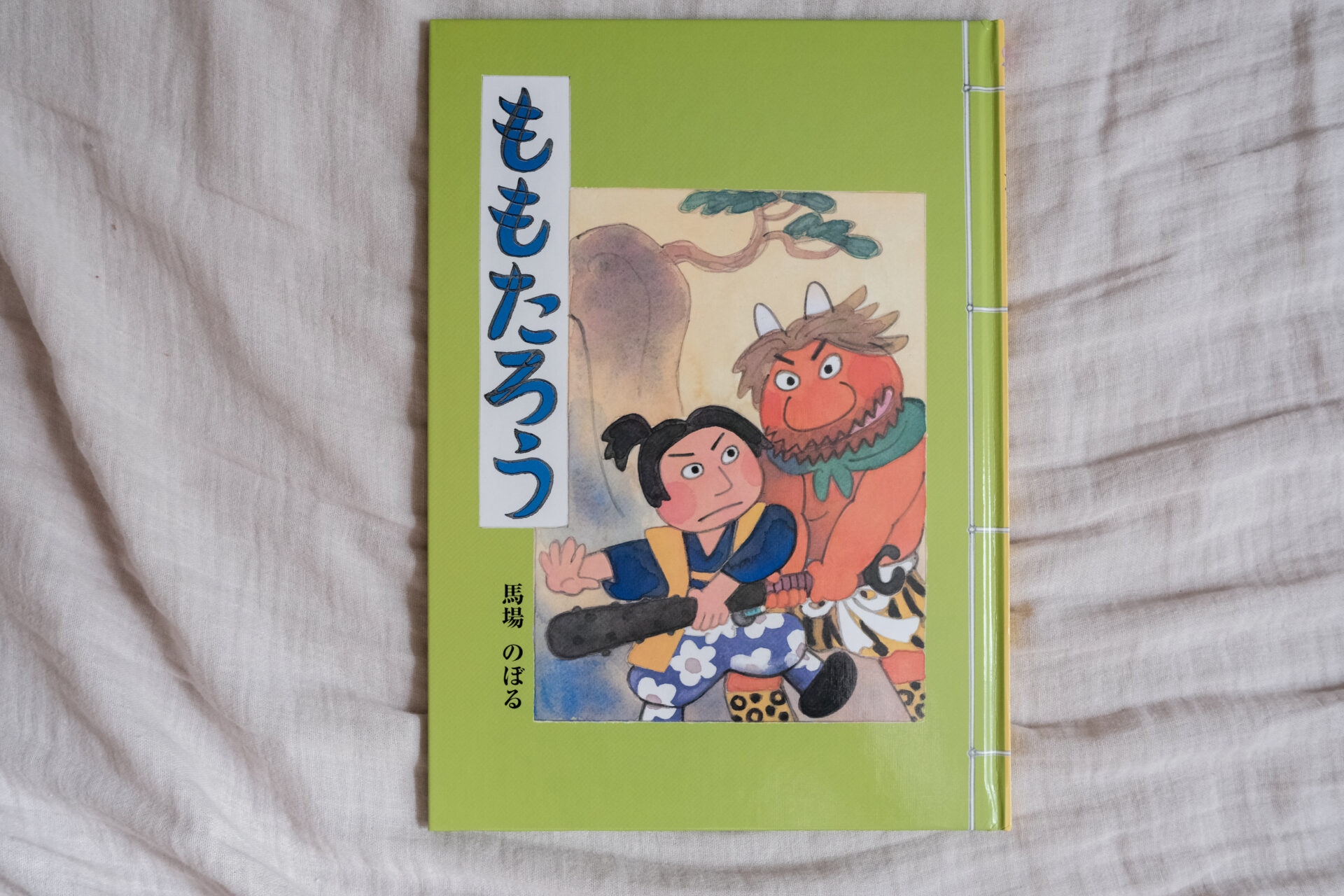
I also got a copy of the picture book *Momotaro*, which has reportedly been reprinted for the first time in a while.
From the Writer
As Sekiya describes him, Noboru Baba grew up freely, with his family praising his drawings. He was a big-hearted person who could give his readers and his own family the same kind of love he had received from his family. That must be why he remained a manga artist loved by people of all ages, young and old.
After the lecture, Sekiya and a staff member from Kurashiki City Art Museum each came over to the sign language interpreter and said, “Thank you for interpreting what we said today.” That also left a strong impression on me. Their desire to share Baba’s life with his fans, whether hearing or deaf, came through clearly, and I wrote this article with a warm feeling.
“The Complete Noboru Baba Exhibition: Drawn, Made, and Enjoyed—Nyago!” is held at Kurashiki City Art Museum through Sunday, September 1.
Along with the adorable cats, be sure to enjoy Noboru Baba’s sketches and calligraphy, as well as the charm of his picture book Momotaro.
Articles about Kurashiki City Art Museum

commemorative lecture for the “Baba Noboru: The Complete Exhibition—Drew, Created, Enjoyed, Nyago!” Information

| Name | Commemorative lecture for the “Baba Noboru: The Complete Exhibition—Drew, Created, Enjoyed, Nyago!” |
|---|---|
| Date | July 27, 2024 (Saturday), 1:30–3:00 p.m. |
| Location | 2-6-1 Chuo, Kurashiki City, Okayama Prefecture |
| Admission (tax included) | Free |
| Website | “Baba Noboru: The Complete Exhibition—Drew, Created, Enjoyed, Nyago!” |


What would you like to know about Kurashiki?
Enter a search term to find articles on this site