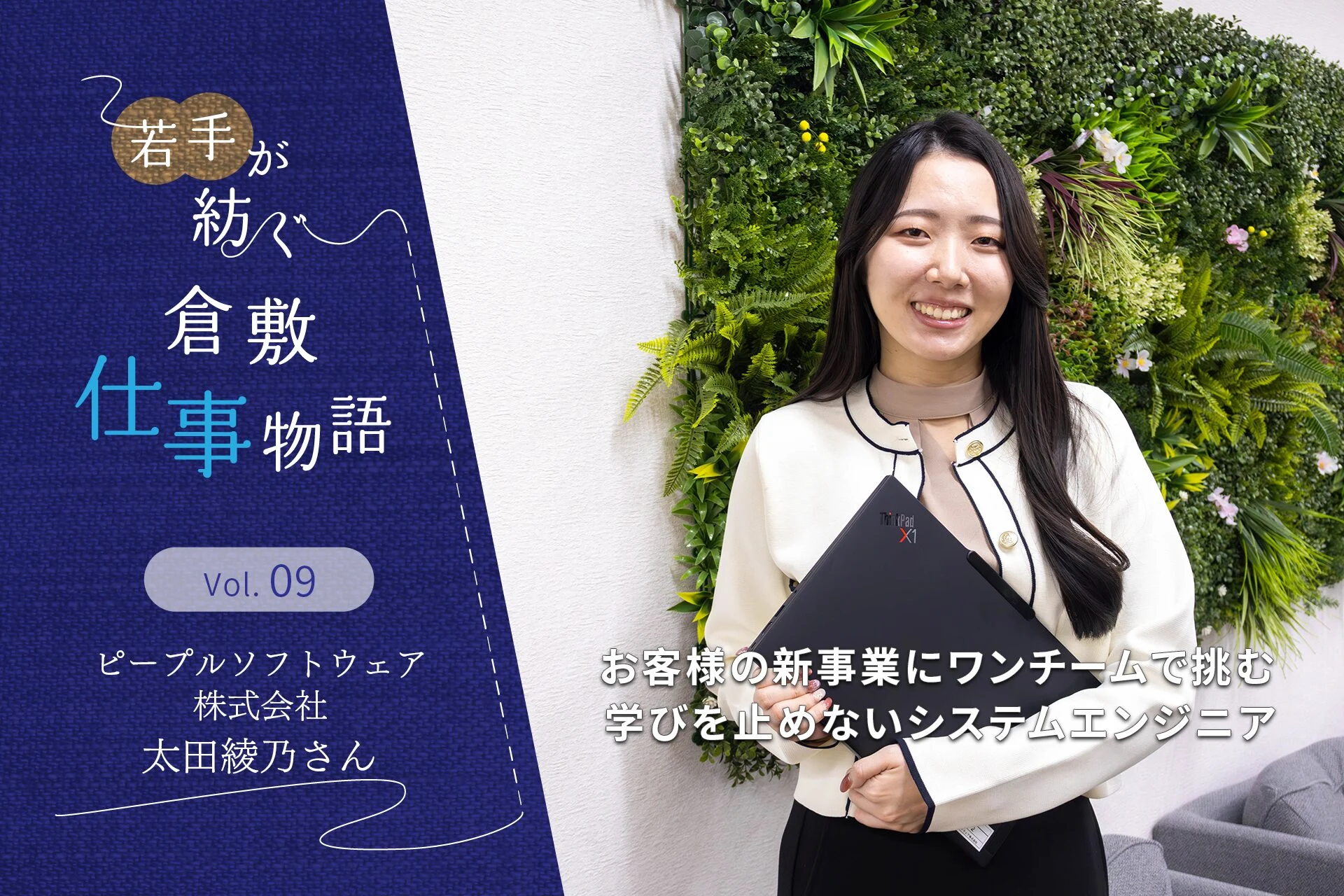
Interview with Ota Ayano
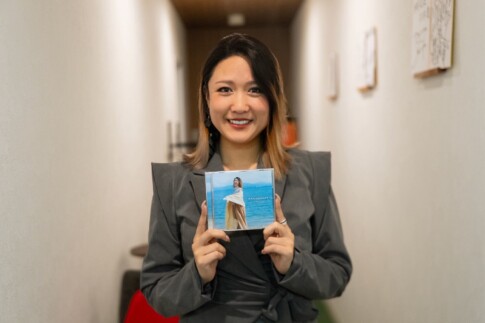
We spoke with Ota Ayano, a young employee at People Software.

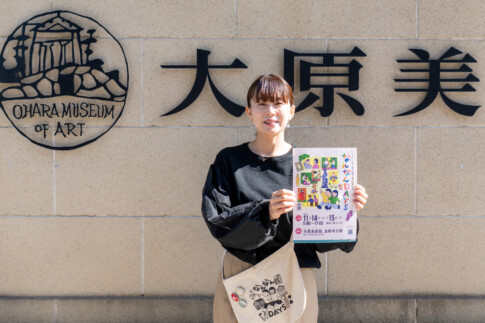
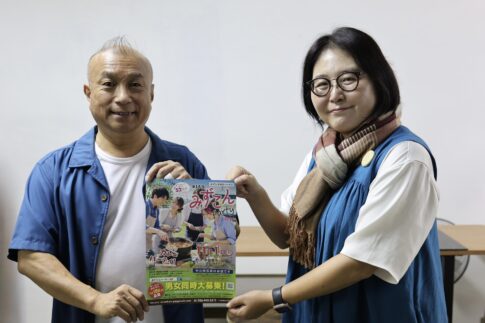
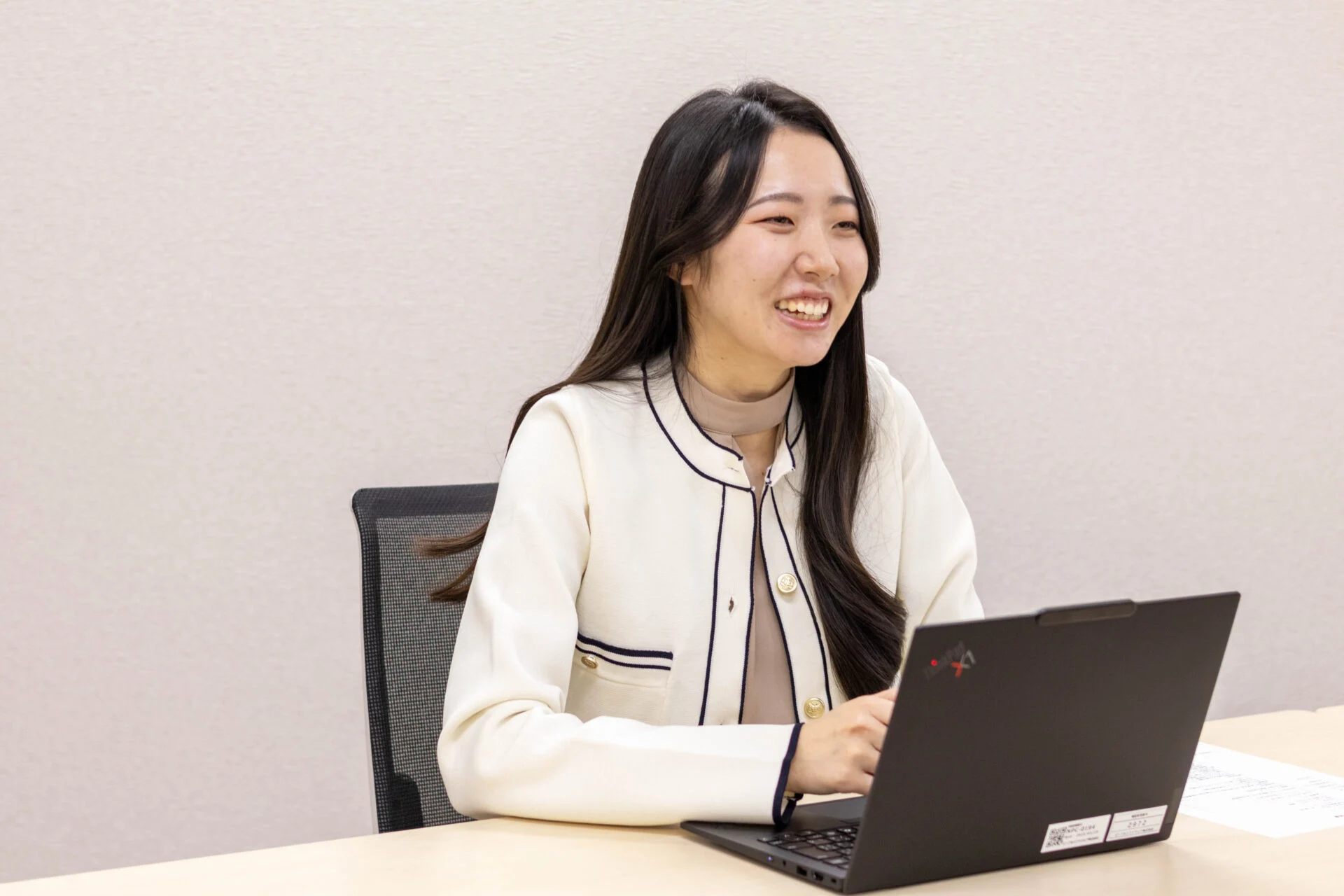
Ota Ayano being interviewed
Entering the IT industry with no programming experience
You studied humanities at university, so was it difficult to join an IT company and learn everything from scratch?
Ota (surname only)
Yes, honestly, it was difficult.
I had studied a little programming at a commercial high school, so I wasn’t completely inexperienced, but a lot of that knowledge had faded during my four years at university. It felt like studying again from almost zero.
However, many people join our company without programming experience, and we have thorough technical training that teaches the basics. Although there were times when the difficulty left me stumped, it was an environment where I could learn with confidence.
What kind of programming training did you receive?
Ota
There was group training and technical training.
The first group training I took was held jointly with new employees from other companies. Over one to two months, we learned everything from the basics to program development. At the end, we split into teams and developed a large system, dividing up the roles and putting teamwork into practice in a work setting.
After that, I took more advanced technical training, and as the final assignment, I built an e-commerce site on my own. It was difficult, but I think the training further strengthened my technical skills.
So you’re assigned after thoroughly learning the technical skills. By the way, do you remember your first job?
Ota
It was a short project of about a month, where I created screens while learning from a senior colleague. I remember enjoying it because I could clearly see how the appearance changed at a glance based on the code I had written.
Customers’ warm words and in-house club activities boost motivation

While working on system development for large-scale projects, what moments make you feel a sense of fulfillment?
Ota
I’m happiest when I can hear directly from customers.
I’m currently developing a system for a factory, but I don’t have direct contact with the end users working on-site.
However, once a year, I have an opportunity to speak with people from the parent company of the product. When they say things like “That project was tough, wasn’t it?” and “You did a great job,” their words of appreciation make me feel that I was able to help, and I think, “I’m glad I worked hard.”
Since you don’t often get to hear from end users, how do you maintain your motivation at work?
Ota
I make sure to switch properly between work and personal time.
I love going to the theater, so I plan something fun in advance and tell myself, “I’ll work hard now for this upcoming event.”
Also, the Art Club, an in-house club started by volunteers, is a great source of support.
Hearing about a club brings back memories of student days. Is the Art Club very active?
Ota
Yes, I think there’s a lot of interaction. We get tickets and go see the Shiki Theatre Company together, or plan trips to see performances.
I work outside the company, so it can be difficult to connect with members at the head office. But thanks to the Art Club’s chat tool, I can easily communicate with people in the company, which is a real source of reassurance.
I’m also happy that having a shared hobby lets us connect regardless of age.
The importance of updating knowledge and close communication
You’ve been with the company for six years. Of the various projects you’ve worked on, are there any particularly challenging experiences?
Ota
Looking back, I feel like every project was challenging. No matter how many projects I work on, there’s always a lot to learn when the project changes.
For example, I used to work on systems related to education, but now I’m responsible for an industrial system in a completely different field. Whenever a project changes, I sometimes have to relearn industry knowledge and the programming languages used.
IT technology evolves every day, so I’ve realized that being a systems engineer means constantly continuing to study.
So you’re improving your skills through daily study. Jobs that require technical skills might bring to mind craftspeople working quietly on their own. What is it like for systems engineers?
Ota
Before joining the company, I also thought programming skills and knowledge were important. But in reality, communication was more important than programming skills.
It’s not enough to simply sit at a computer and work; what matters is how well you can talk with others and “create things together.”
To accurately turn customers’ requests into reality, you need to talk things through repeatedly and make sure you’re on the same page. I think having in-depth discussions also leads to development that meets expectations.
Creating opportunities for exchange and serving as a bridge
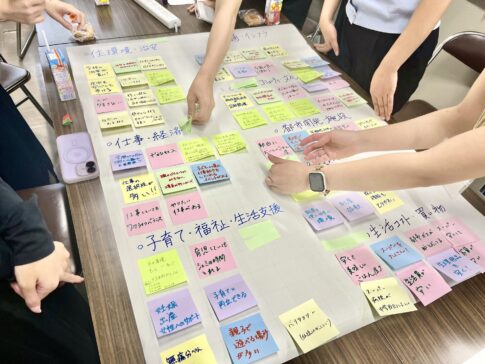
I hear that you were part of the team that planned the office interior when the head office moved. Are there any non-engineering roles you’d like to take on in the future?
Ota
When you’re stationed outside your company, it’s easy to lose touch with your own company, so I’d like to actively participate in in-house events. Our company holds many events, and there are lots I’d like to attend, such as cherry blossom viewing and a udon tour to Kagawa.
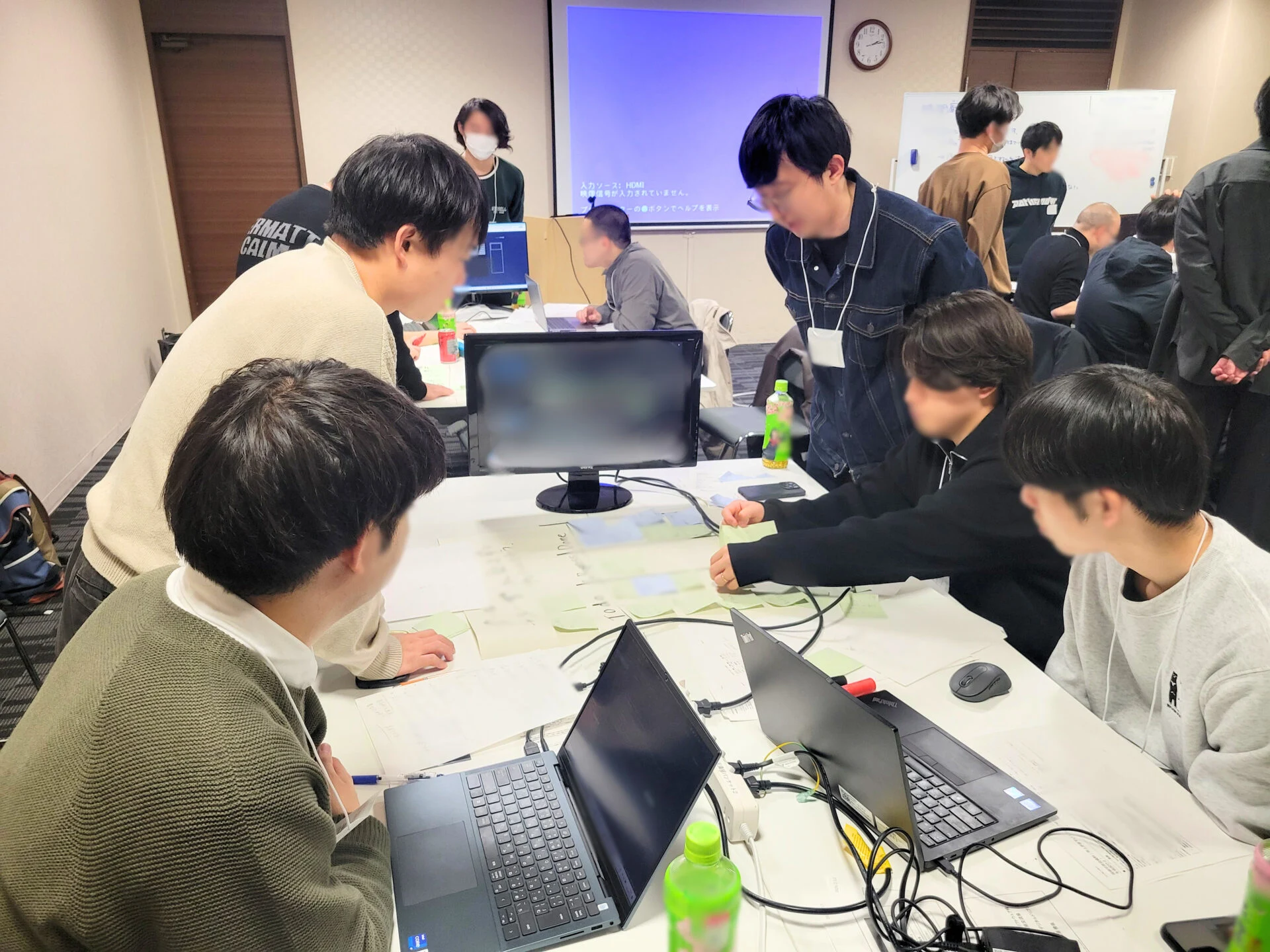
Another thing I’m already working on is planning and running a “technical networking event” together with people at the company where I’m stationed.
What kind of event is a technical networking event?
Ota
It’s a study group with the aim of learning from one another about the technologies each company has. Most participants are young professionals, and it also provides an opportunity to connect with people outside the company.
We also hold social gatherings in addition to the study sessions, where we chat over pizza and play games. It’s fun to connect. I was glad that participants sometimes meet again at work later, making it easier to work together professionally.
How Ota Ayano learned to face anxiety and worries

Do you have a message for young people of your generation?
Ota
For those just starting their careers, your environment changes dramatically from student life, and I think many of you may feel anxious or worried about work. But it’s only natural not to be good at your job at first, when everything is unfamiliar. Everyone has gone through the same path. First, try approaching your work with the mindset that your job is to rely on the people around you.
After a few years at work, you may also worry about the gap between yourself and others, or feel pressure. I sometimes feel impatient when I look at those around me, too, but I see that gap as a great opportunity to grow.
If you keep focusing on work all the time, there will be moments when you get tired, so let your hobbies and other interests refresh your spirit, and let’s keep doing our best together!
From the Writer
When I visited People Software for the interview, I was struck by the bright, lively atmosphere of the office. It wasn’t just because the office had recently moved in 2023; each engineer seemed to be working freely and enthusiastically.
Everyone has their own definition of a good workplace, but at People Software, close communication may be the foundation that allows all the employees to create a comfortable environment together.
Seeing Ota Ayano talk about what makes her work and company appealing made me look forward to seeing what she takes on in the future.
Let’s cheer on Ota Ayano as she continues to grow into an even more inspiring systems engineer and person.
Stories of Kurashiki’s Young Professionals: Back Issues



People Software Co., Ltd. Information

| Organization name | People Software Co., Ltd. |
|---|---|
| Industry | 1. Planning, design, development, construction, operation, maintenance, management, and consulting for information systems 2. Intermediation and consulting services between businesses related to information processing 3. Development, sales, leasing, and maintenance of software and information and communications systems, and information services 4. Education and training related to information processing 5. Worker dispatch services 6. Sales, leasing, and maintenance of computers, related equipment, and peripherals 7. Telecommunications services under the Telecommunications Business Act |
| Representative | Yokomichi Akira |
| Year established | 1982 |
| Address | 4th Floor, Kurashiki Business Square, 1-15-3 Achi, Kurashiki City, Okayama Prefecture (head office) |
| Contact | 086-426-5930 |
| Website | People Software Co., Ltd. website |



What would you like to know about Kurashiki?
Enter a word to search articles on this site