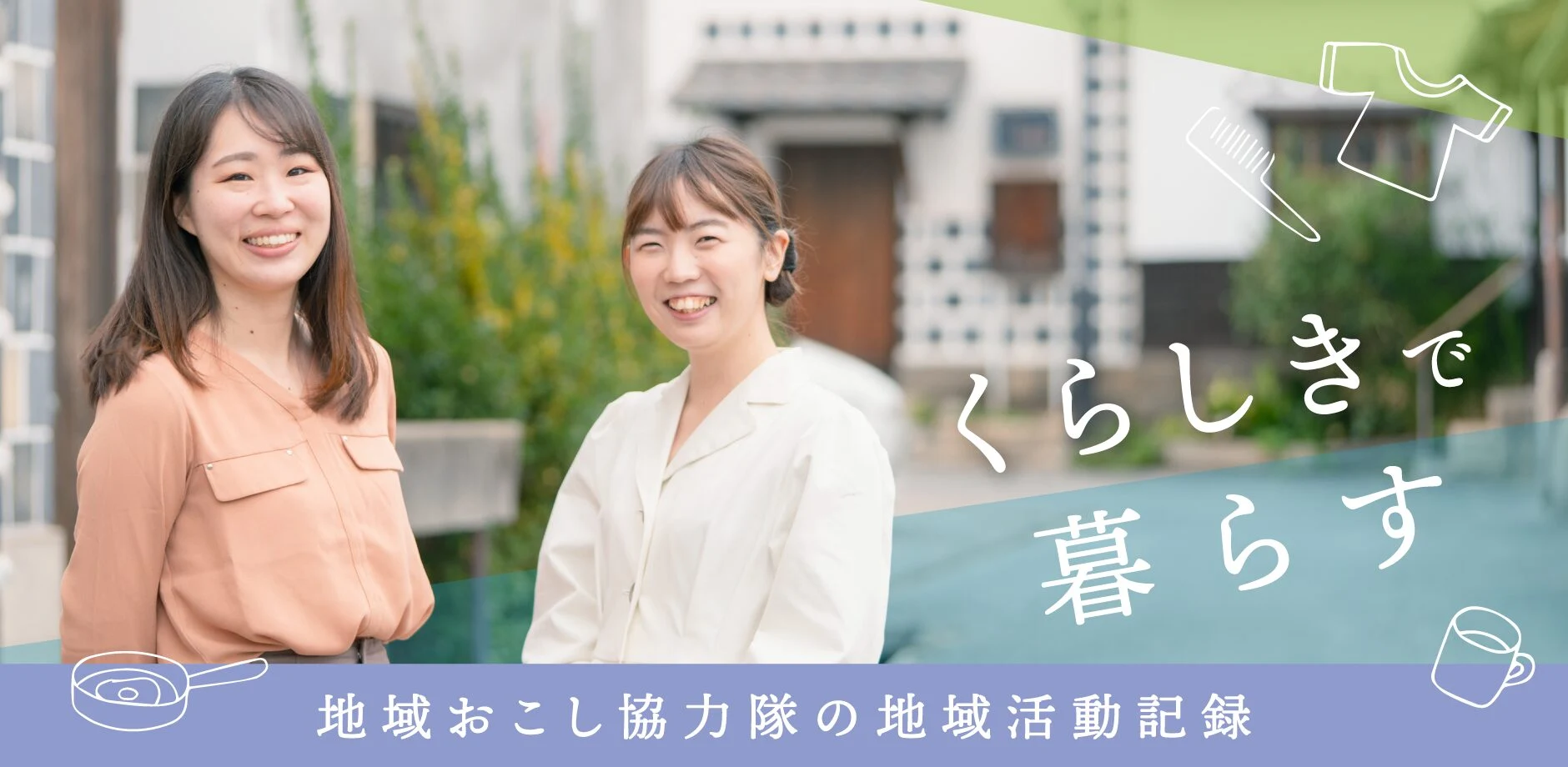
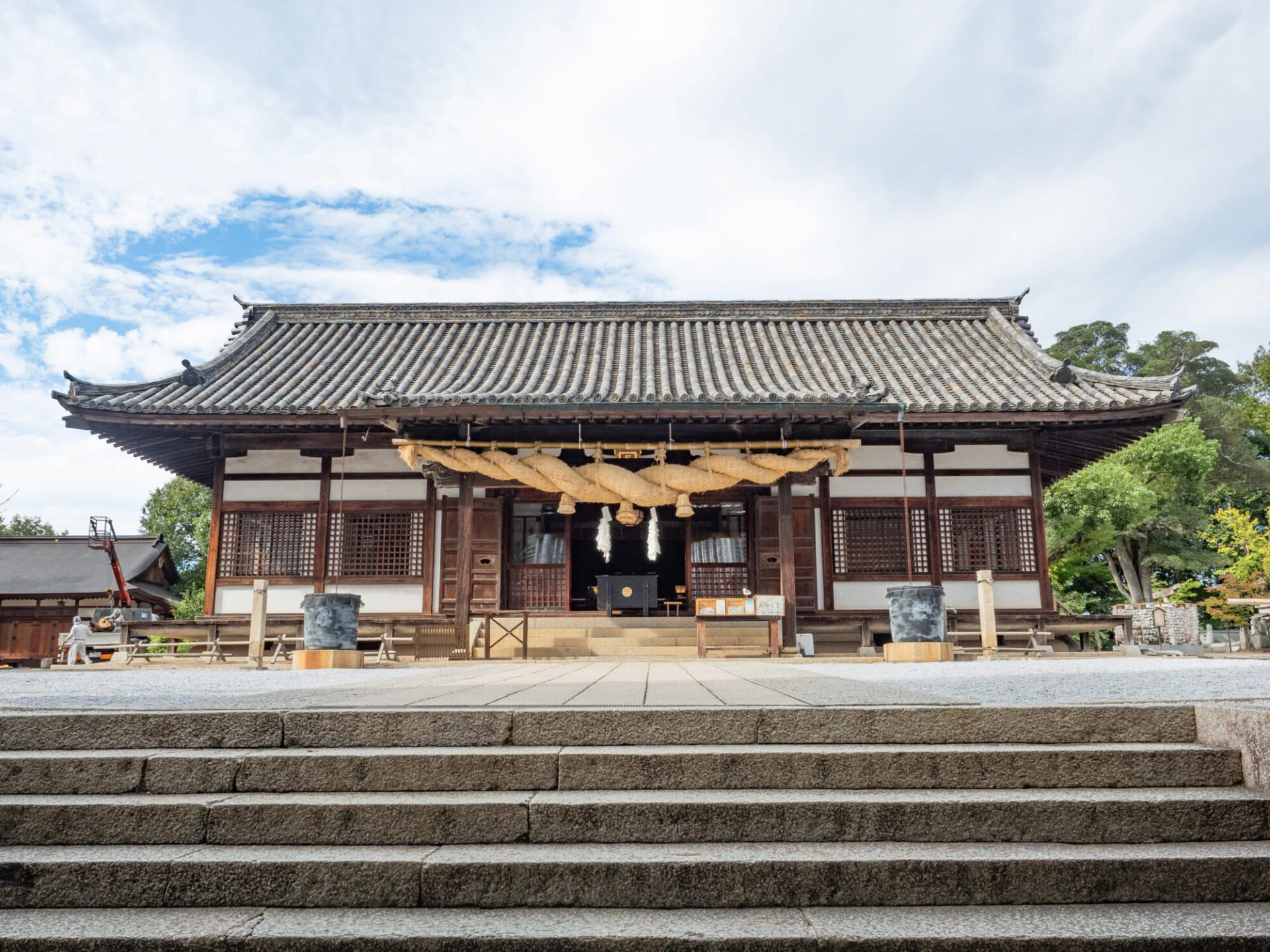
Located in the heart of Kurashiki’s Bikan Historical Area is Achi Shrine.
Many residents visit for festivals and at the end and beginning of the year. However, even if you have visited often, you may not know much about Achi Shrine.
The event “Gathering at Achi Shrine with Shinbi” held at Achi Shrine offers a chance not only to learn more about the shrine, but also to enjoy valuable experiences such as a formal shrine visit and a dedicatory performance.
We spoke with the Community Revitalization Cooperator who is organizing the event to learn what inspired them to plan it at Achi Shrine.
The information provided was current when this article was published in August 2025. Please note that it may differ from current information.
What is “Gathering at Achi Shrine with Shinbi”?

“Gathering at Achi Shrine with Shinbi” will be held at Achi Shrine on Tuesday, September 23, 2025 (national holiday).
At Achi Shrine, which has watched over Kurashiki for many years, this event offers a chance to rediscover the appeal of Kurashiki’s Bikan Historical Area from three perspectives: learning, experiencing, and feeling.
In the “Learning” session, participants will hear Achi Shrine’s Chief Priest Arai speak about the shrine’s history and culture. Since the shrine and the town are closely connected, learning about Achi Shrine also offers insight into Kurashiki.
The formal shrine visit in the “Experiencing” session is entirely different from an ordinary visit, where you toss an offering into the offertory box. Participants can experience a sacred ritual that is rarely accessible to the general public.
The final “Feeling” session features a crystal bowl dedicatory performance in the Prayer Hall. It is a moment to further refine the sense of calm and purity that follows a visit to the shrine.
The participation fee is 1,000 yen per person, and reservations are required. As spaces are limited, those interested are encouraged to sign up early.
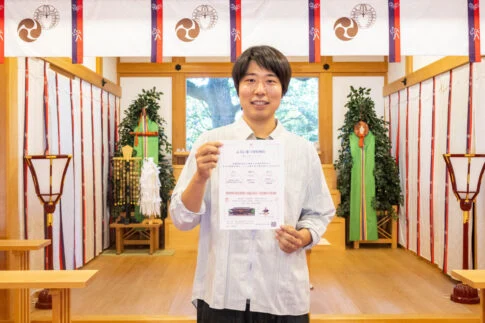
The event is organized by Ono Motohiro, a Community Revitalization Cooperator with Kurashiki City. Ono is usually based in Kurashiki City’s central urban area, where he works on community development and other activities.
We spoke with him about what inspired the event and how it came about.
Interview with organizer Ono Motohiro

How did you come up with “Gathering at Achi Shrine with Shinbi”?
Ono (surname only)
My parents are from Okayama Prefecture, and my mother’s family home was in Kurashiki. Whenever we returned for Obon or the New Year holidays, we always stopped by Achi Shrine, so it was a familiar place to me from childhood.
Also, my great-grandfather served as a representative of Achi Shrine. So when I began working as a Community Revitalization Cooperator, I thought, “It would be great if I could hold an event at Achi Shrine.”
However, I realized that there was a lot I didn’t know about Achi Shrine. Even though I had visited many times, I knew nothing about its history or culture.
So, as a resident myself, I planned this event to create an opportunity to learn more about Achi Shrine and feel a closer connection to Kurashiki. I hope it will be a chance to see, hear, and experience the shrine, and to feel even closer to Achi Shrine.

What does “Shinbi,” which appears in the title, mean?
Ono
“Shinbi” is a word I coined. After thinking it over, I arrived at this word.
In my day-to-day work as a Community Revitalization Cooperator, I focus on community development in the central urban area, including the Bikan Historical Area. Since the name of my assigned area, Kurashiki’s Bikan Historical Area, is written with characters meaning “beautiful” and “view,” I wanted to explore more deeply “what the beauty of the Bikan Historical Area refers to.”
The Bikan Historical Area has many visible forms of beauty, including architecture, art, and folk crafts. But I believe that Achi Shrine, at its center, also draws the pure beauty of people’s hearts as they make wishes and offer prayers.
When people pray for something, their innate warmth and purity surely reside there. I named it “Shinbi” as a place where beautiful, unseen feelings gather.

What will participants hear in the “Learning” session?
Ono
In the first session, “Learning,” we’ll hear about Achi Shrine’s history and culture, as well as basic knowledge about shrines that the general public rarely has an opportunity to learn.
Chief Priest Arai, who will be speaking, is interested in folklore, so he is also planning to share fascinating insights from a folkloristic perspective, such as “The place name is written ‘Achi,’ so why is the shrine called Achi Shrine using a different character?”
Please also take a look at the vestments worn by Chief Priest Arai. I hear that he wears different vestments for different festivals and events, so I hope you’ll enjoy their visual beauty as well.

So the formal shrine visit in the “Experiencing” session is different from an ordinary visit?
Ono
A formal shrine visit is a ceremony to formally pay respects to the local deity of Kurashiki. It is held to greet the local deity when Shinto priests come from other prefectures.
I think it will be a rare and valuable experience. I’d be happy if greeting the local deity helps you feel a closer connection to Kurashiki.
Could you tell us about the dedicatory performance in the “Feeling” session?
Ono
In the final “Feeling” session, you’ll hear a dedicatory performance on crystal bowls in the Prayer Hall.
Crystal bowls are instruments made of quartz that produce a sound known as overtones. These resonant overtones can help regulate the autonomic nervous system and ease mental fatigue, and are also used in music therapy in integrative medical settings.
Lee, the crystal bowl performer appearing at this event, has given dedicatory performances throughout Japan, including at Kumano Hongu Taisha, a World Heritage site in Wakayama Prefecture, Kenninji Temple in Kamakura, and Saikokuji Temple in Onomichi, Hiroshima Prefecture.
I hope that even during the performance, you can find relief from your worries and enjoy a peaceful moment.

What would you like participants to take away from the event?
Ono
Many people visit Achi Shrine for festivals and other events, but I think many don’t know much about the shrine itself. I was the same.
I hope this event will help people like that learn more about Achi Shrine and rediscover the appeal of Kurashiki.
The Bikan Historical Area, including Achi Shrine, is an important place where historic buildings and culture come together. As a Community Revitalization Cooperator, I’d be happy if this event helps pass on the area’s appeal to the next generation.

Who would you recommend this event to?
Ono
Since the event is being held at a shrine visited by all kinds of people, I hope a wide range of people will come, including tourists and local residents, regardless of age or gender.
Finally, do you have a message for our readers?
Ono
When I moved to Kurashiki as a Community Revitalization Cooperator, I thought of Achi Shrine as the symbol of the Bikan Historical Area. Achi Shrine is an open place that anyone can visit.
Personally, I think that putting your hands together in prayer at a shrine is a way of “centering yourself.” I felt that creating an opportunity to learn at Achi Shrine, a place where you can reflect on yourself, would surely be meaningful.
I’d be happy if this event helps you grow even fonder of Kurashiki.

From the Writer
I also often visit Achi Shrine while out for a walk, but I had only learned about the shrine itself from signs and its website, and didn’t know much about it in depth.
I think this event will be a valuable opportunity that will surely satisfy anyone interested in Achi Shrine. The event may make the shrine feel even more familiar.
If you’d like to discover the appeal of Achi Shrine or rediscover the appeal of Kurashiki, be sure to take part.
To attend, please make a reservation using the application form. Spaces are limited, so we recommend signing up early.
Articles about Achi Shrine

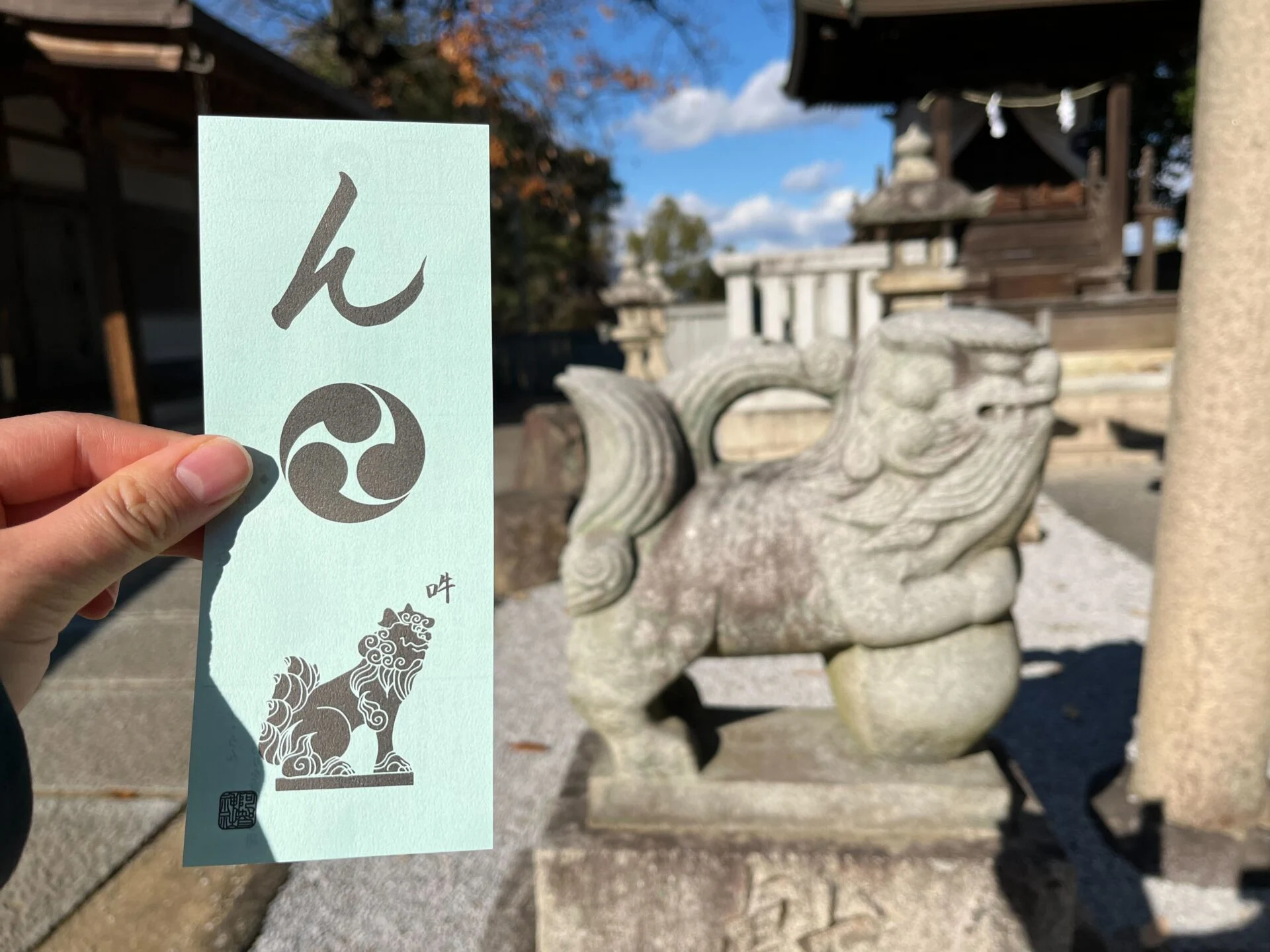

“Gathering at Achi Shrine in Kokoro-mi” Information
| Name | Gathering at Achi Shrine in Kokoro-mi |
|---|---|
| Date | September 23, 2025 (Tuesday, public holiday) 1:30 p.m. to 3:30 p.m. |
| Location | 12-1 Honmachi, Kurashiki City, Okayama Prefecture |
| Participation fee (tax included) | Participation fee: ¥1,000 per person *For the formal shrine visit and tamagushi offering |



What would you like to know about Kurashiki?
Enter a search term to find articles on this site