Interview with Takao Hiromi
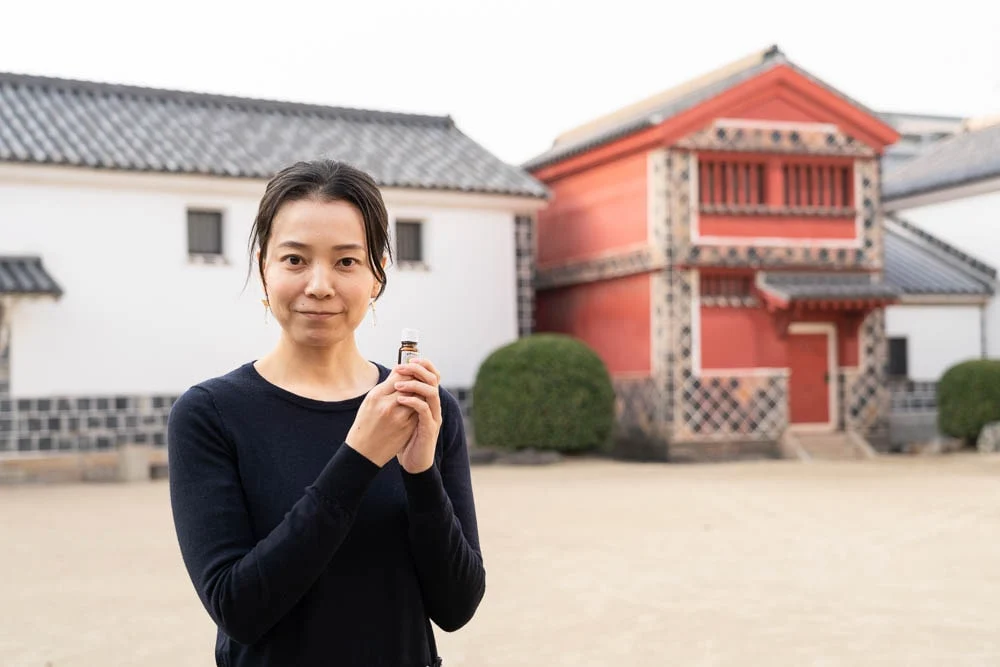
We spoke with Takao Hiromi, who has been working nationwide to promote "Easy Japanese."
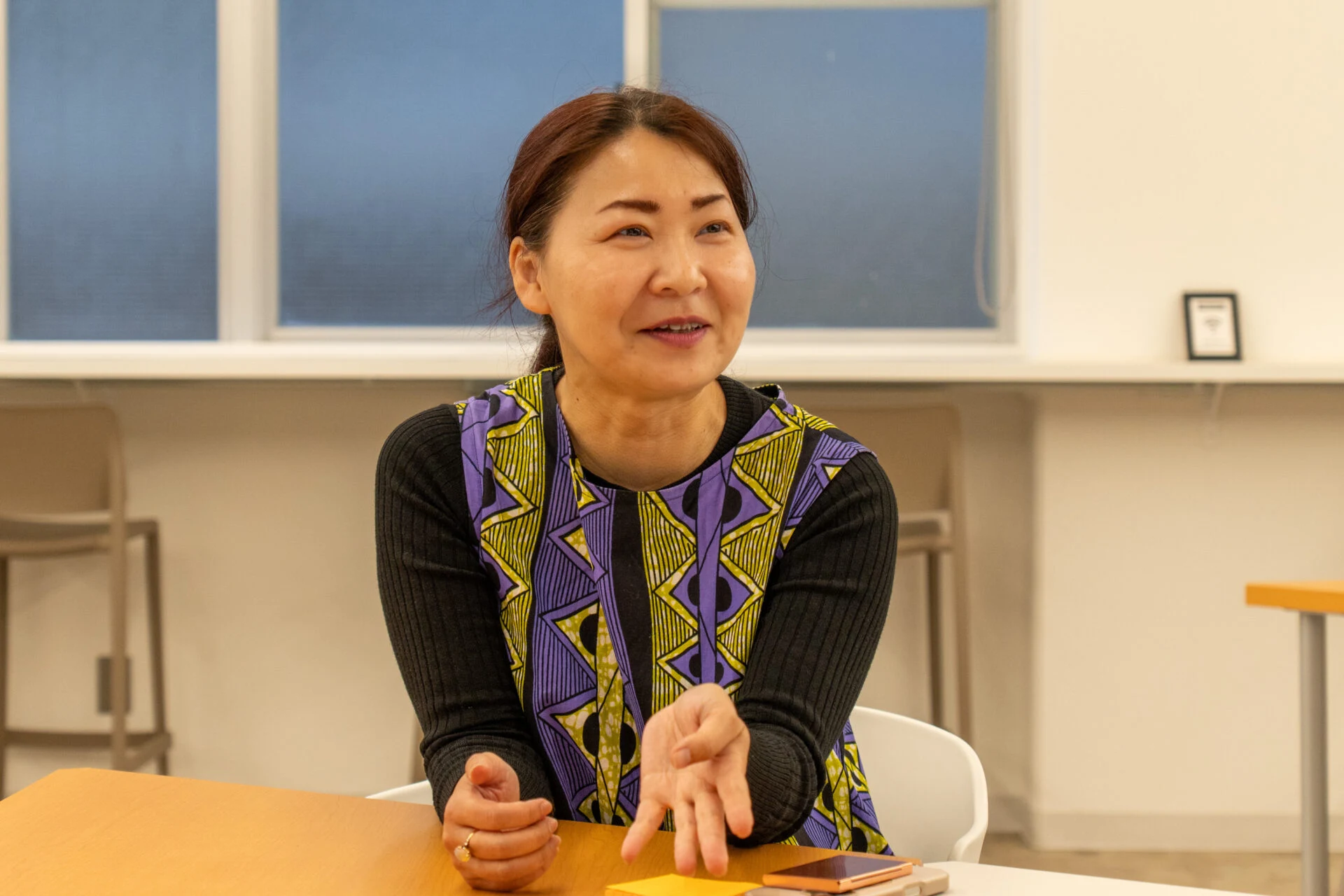
What prompted you to start the "Easy Japanese" workshop?
Takao
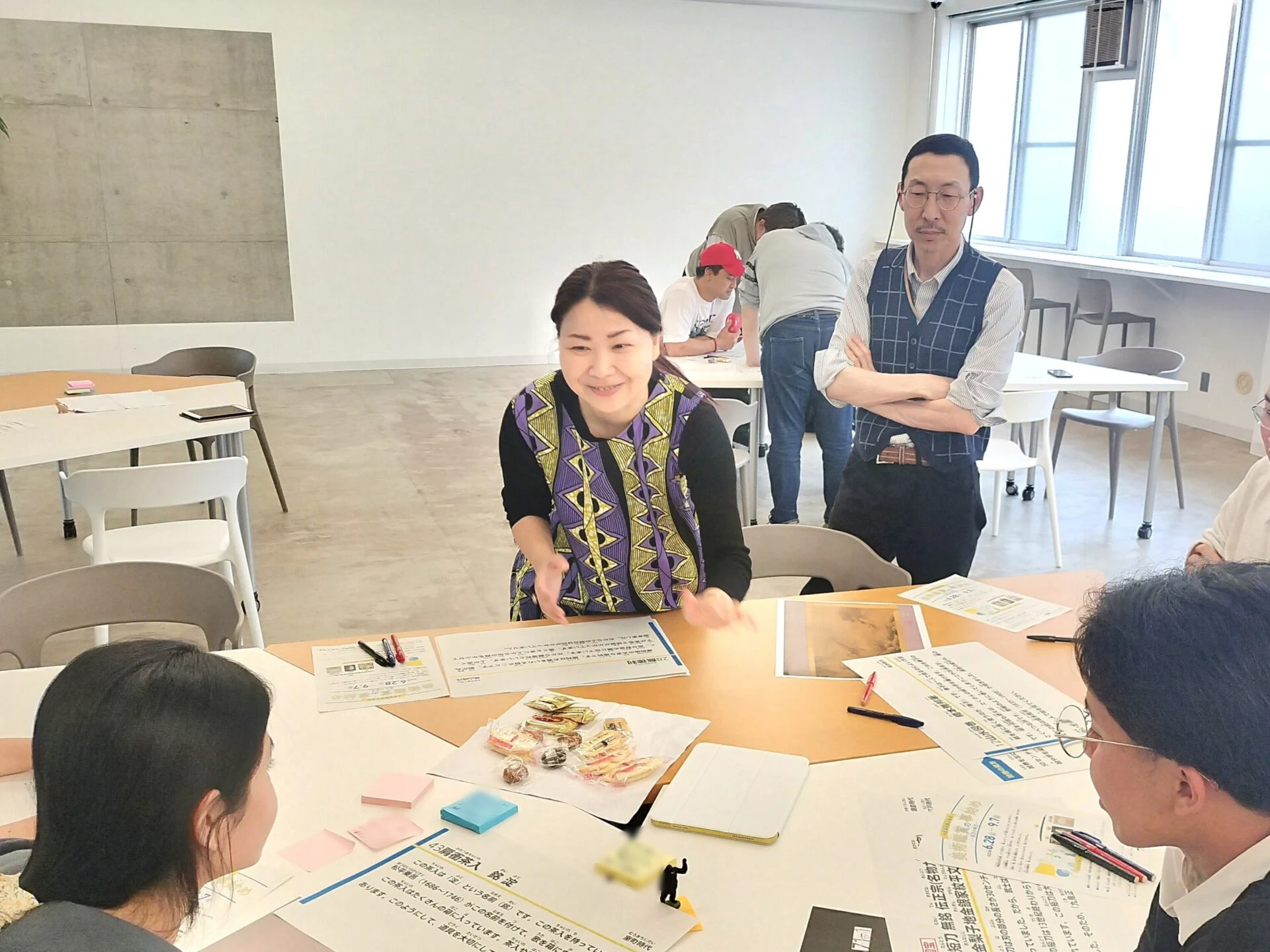
I have loved museums since I was a student, and while studying cultural anthropology at university, I volunteered and worked part-time at the Sapporo City Toyohira River Salmon Science Museum, assisting with field surveys in rivers, animal care, and educational outreach.
Eventually, I decided to make "the museum the axis of my life," and after working at the National Museum of Nature and Science, I have been involved in exhibition creation projects at museums across the country.
In 2014, I established "Marble Workshop LLC," where I also plan and manage workshops at various museums.
Additionally, from 2017 to 2023, I worked as a curator and multicultural coexistence coordinator at the Tama Six Cities Science Museum in Nishitokyo City, Tokyo, where I encountered "Easy Japanese" and began to engage with it in earnest.
Now, I am utilizing this experience to conduct training and workshops for staff at museums and art galleries nationwide while working to promote "Easy Japanese."
Is "Easy Japanese" a form of expression that is easy for everyone?
Takao
Yes.
"Easy Japanese" was originally developed as a special form of Japanese to convey information clearly to foreigners during disasters.
It is designed with vocabulary and grammar that are easy to understand for foreigners and those who are not very proficient in Japanese. Recently, it has also started to be used in administrative and medical settings. Moreover, efforts are gradually spreading in museums across the country.
However, attempts to incorporate real opinions from foreigners during the exhibition production process, as in this case, have not been widely conducted until now.
This is an effort to make museums enjoyable for everyone, not just foreigners, but also for children, the elderly, and those who are not familiar with the Japanese language.
I believe that by changing the language, museums, including art galleries, can become "places of empathy and dialogue."
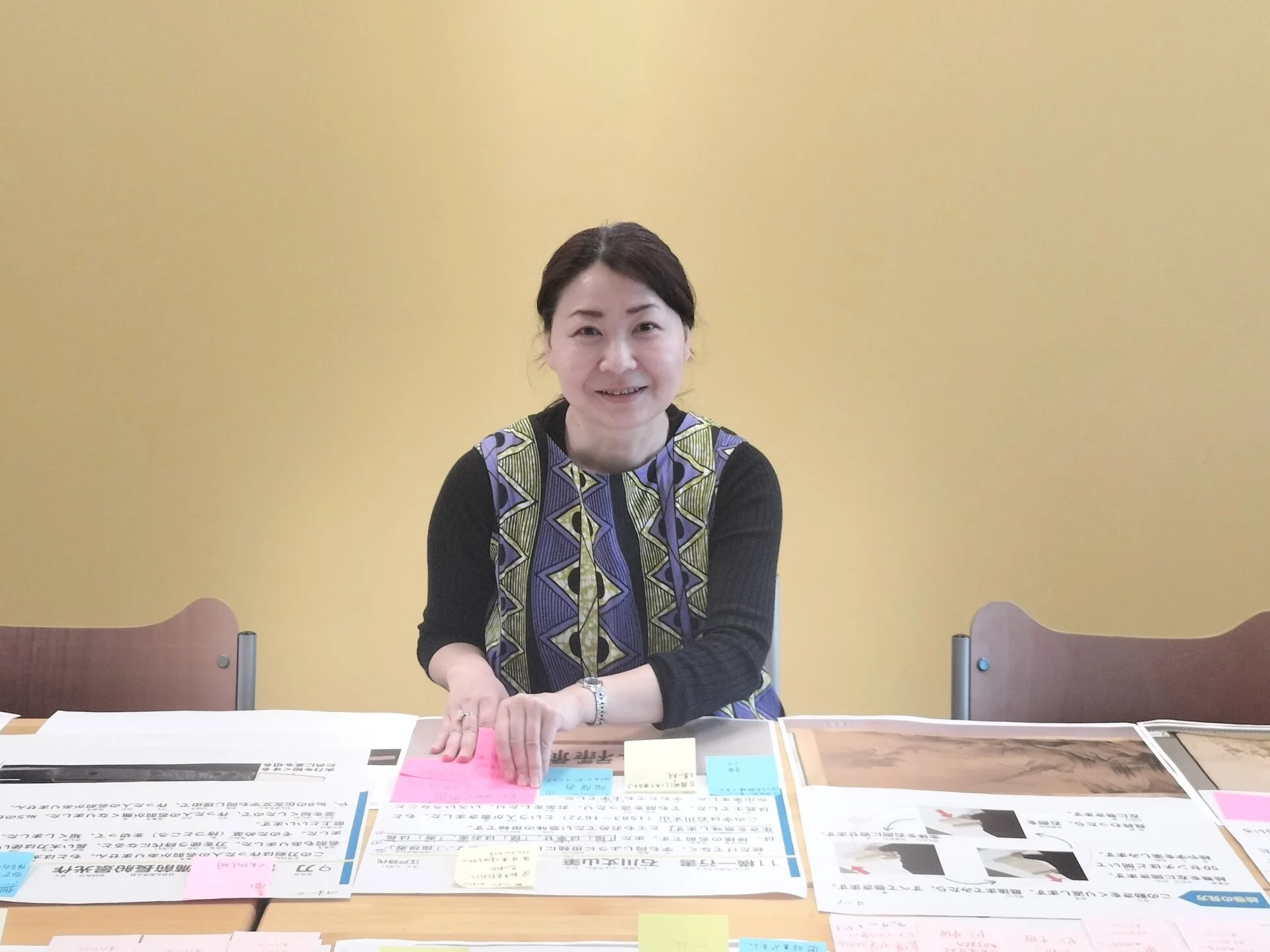
What does "Easy Japanese for Museums" entail?
Takao
Explanations at art galleries and museums tend to become specialized and difficult.
However, it is important not only to simplify the language but also to convey the cultural background effectively. I strive to provide explanations that allow people to realize, "I see! So that's what it meant!"
On the other hand, I have received feedback from Japanese people that the unique "spacing" of Easy Japanese (a writing style that leaves gaps between words or phrases) can be confusing.
Additionally, Easy Japanese is based on the Japanese Language Proficiency Test standards and differs from explanations aimed at children, so further consideration is needed to incorporate Easy Japanese in museums.
In the future, I would like to create a style of "Easy Japanese unique to museums" so that more people can enjoy museums more casually.
Finally, please share a message with the readers.
Takao
I want to open up experiences that have been difficult to enjoy due to expressions containing specialized terminology to diverse people, regardless of nationality, age, or disabilities. By lowering the language barrier, the doors of museums will open wide.
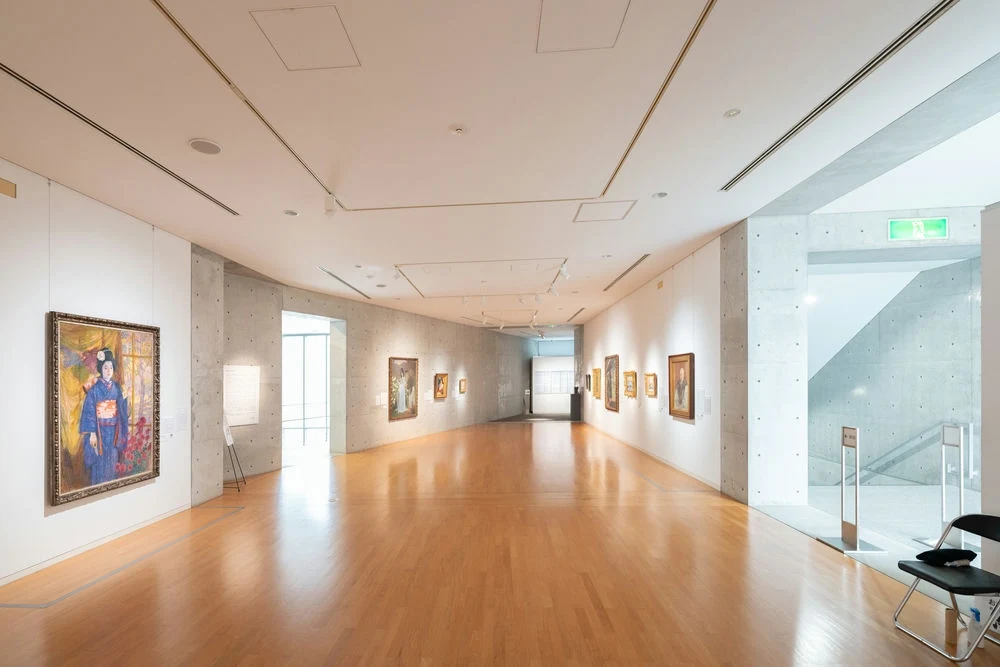
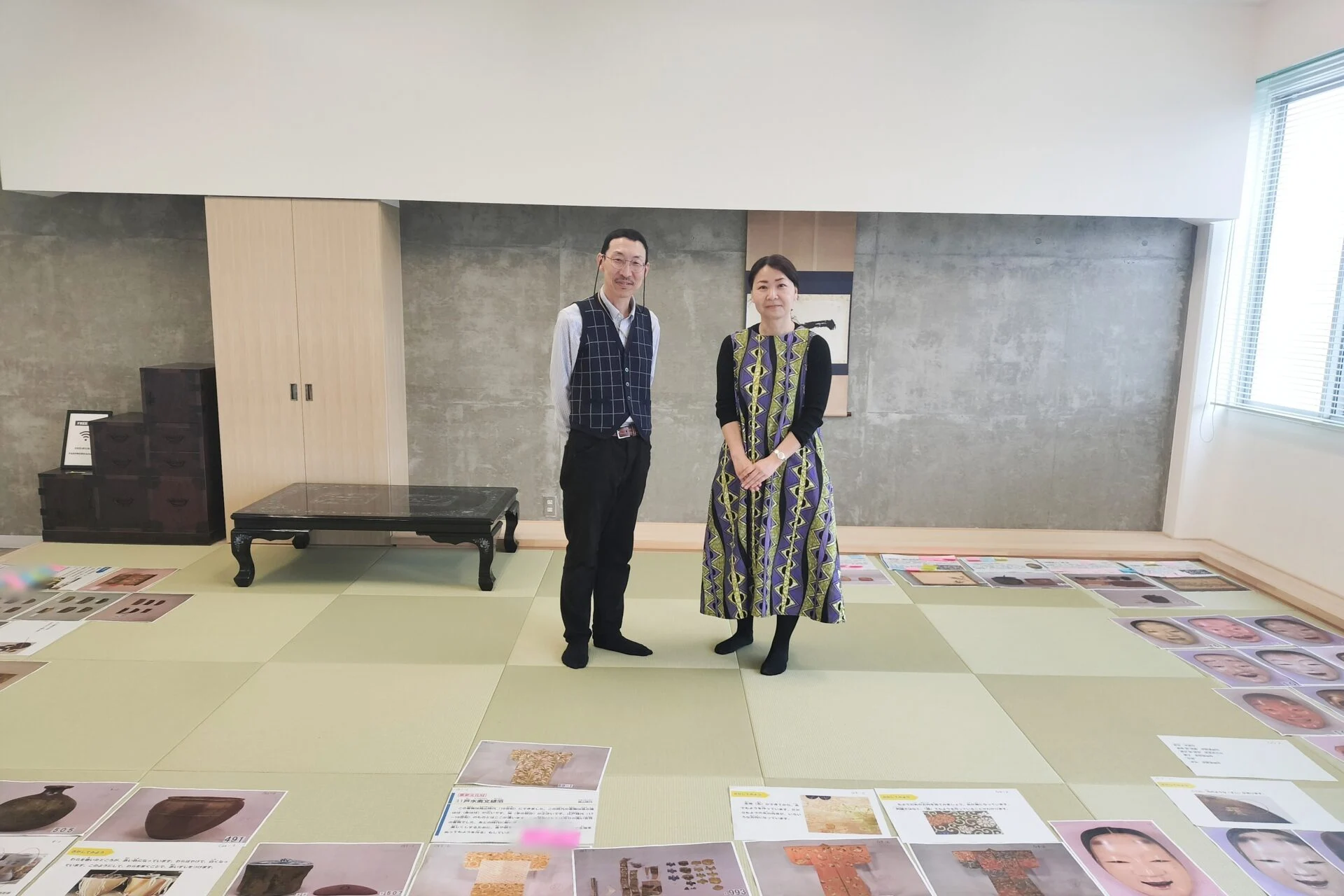
I hope you will visit the special exhibition "Beginning of Art Appreciation - Allies in Perspective" held at Hayashibara Museum from June 28 (Saturday) to September 7 (Sunday).
The exhibition will feature national treasures, and there will be a wide range of genres including swords, kimonos, and ceramics, with many ideas for enjoying it with children. It is also perfect for summer vacation research projects.
Please pay attention to the captions in "Easy Japanese" that were created from this workshop.
Conclusion
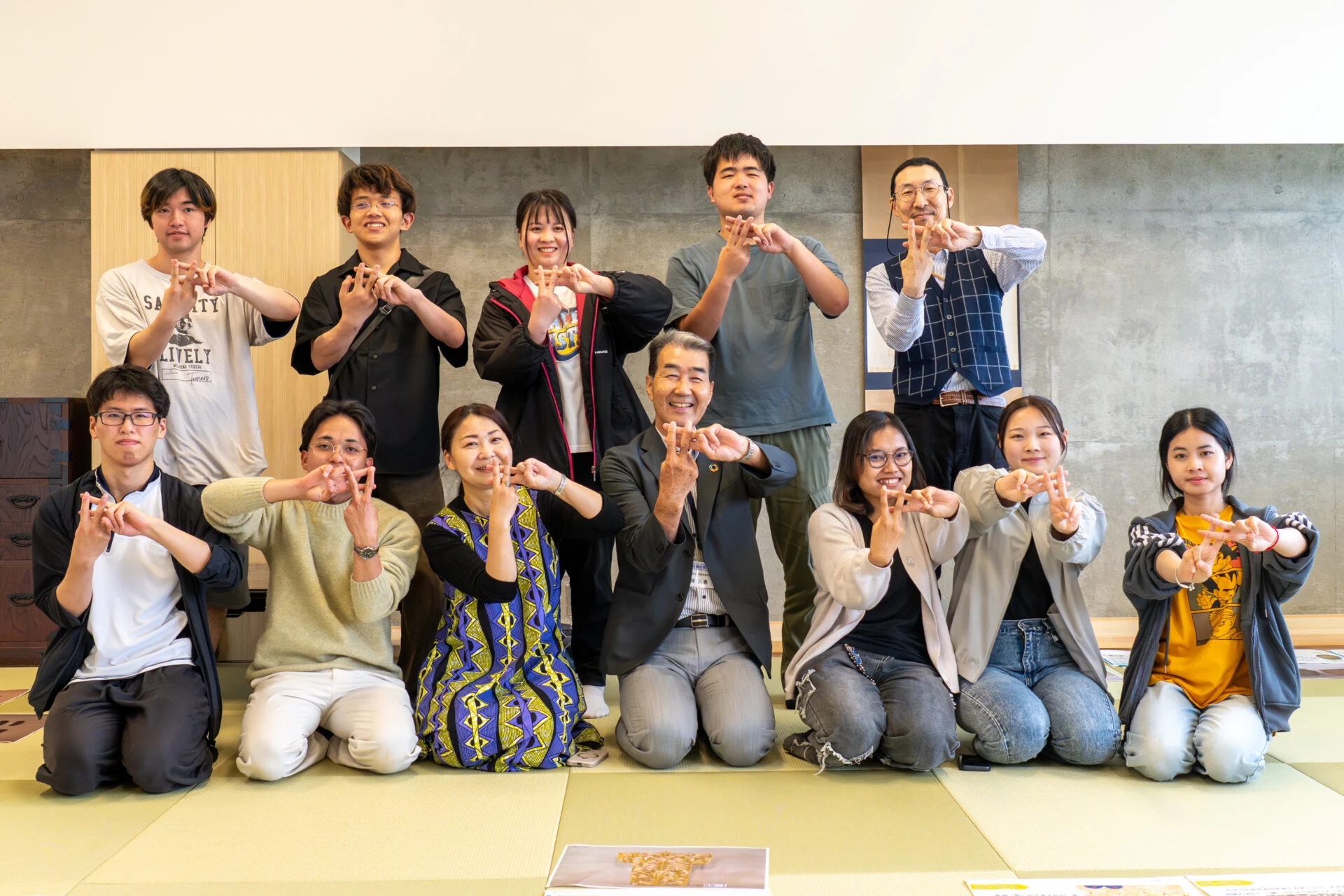
The author was impressed by the serious expressions of the international students engaged during the workshop.
Through the interview, I learned that Professor Ikatsu Hisayoshi of Kibi International University has been connecting international students with the local community for many years, carefully building various experiential opportunities, and I was deeply moved by his continuous efforts.
Professor Ikatsu stated, "It is important for students to gain experiences through their involvement with society, not just studying towards their dreams." He also expressed his hope that they will serve as a bridge between their home countries and Japan, conveying Japanese culture to the world.
Through this workshop, the international students had the opportunity to engage deeply with Japanese art. I believe they were able to feel a deeper sense of learning through the experience of conveying its charm in their own words.
I would like to continue to wholeheartedly support the growth of international students as they accumulate various experiences through this opportunity.
Data of Marble Workshop LLC
| Name | Marble Workshop LLC |
|---|---|
| Address | 3-13-33 Tamashima Chuo-cho, Kurashiki City, Okayama Prefecture |
| Contact | None |
| Website | Marble Workshop LLC |