Okayama Prefecture, known as the "Land of Sunshine," has long annual sunshine hours and is a region very suitable for the cultivation of sake rice.
This area has been actively producing sake since ancient times, and among them, the Bichu region has sake breweries that have been in operation for over 100 and 300 years, making it a place where local sake has been loved for many years.
An event where you can enjoy this historically rich Bichu local sake, "Ride the Bichu Local Sake Sightseeing Train with Ibara Railway!" was held on February 24, 2024 (Saturday).
I was also attracted by the word "Running Sake Brewery" written on the flyer and participated.
I would like to introduce the event that is irresistible for sake lovers.
What is the Bichu Local Sake Sightseeing Train?
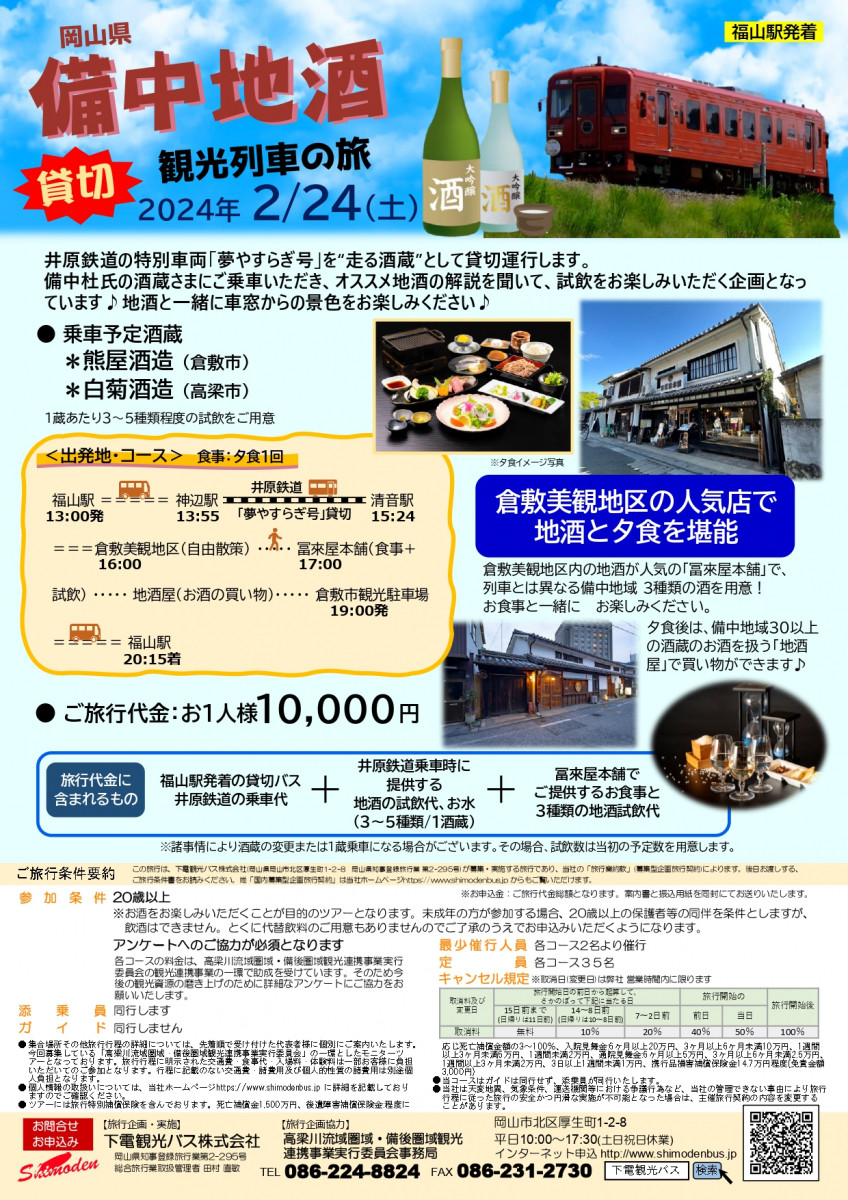
The Bichu Local Sake Sightseeing Train is an event that was held on February 24, 2024 (Saturday).
On the local line connecting Soja City in Okayama Prefecture and Fukuyama City in Hiroshima Prefecture, Ibara Railway's Yume Yasuragi Train has local sake breweries on board, allowing participants to taste Bichu local sake while listening to the thoughts of the brewers.
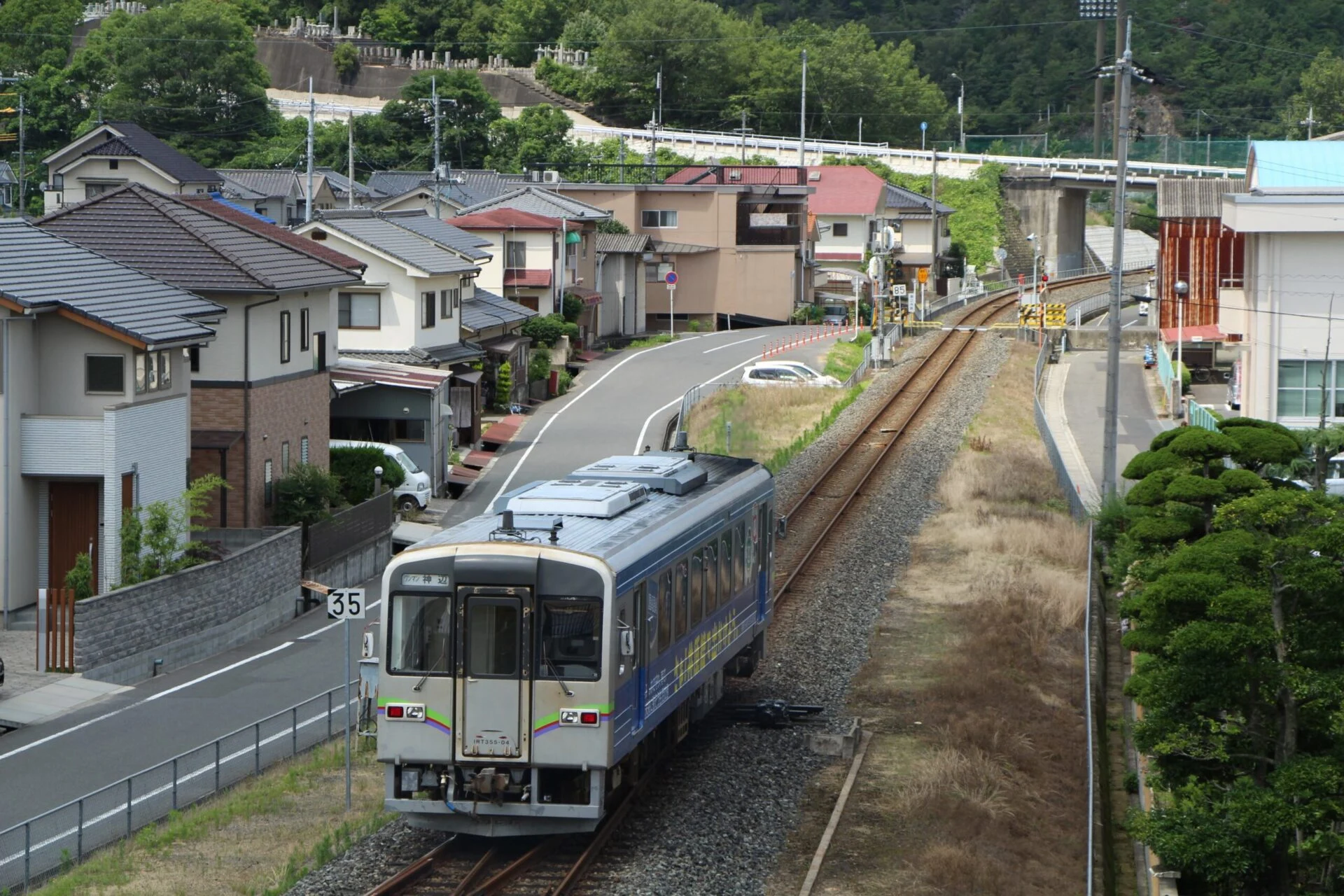
Yume Yasuragi Train is an event train of Ibara Railway that started operation in 2005. The design was done by Eiji Mitooka, who is from Okayama Prefecture and has worked on projects such as the "Kyushu Shinkansen" and "Nanatsuboshi in Kyushu".
For this event, it runs as a "Running Sake Brewery".
The ride is from Kannabe Station to Kiyone Station, and after getting off the Yume Yasuragi Train, participants can enjoy the local specialty of soba noodles and local sake at Toraiya Honpo in the Bikan Historical Area, and can also buy souvenirs at the local sake shop, making it a day full of enjoyment of Bichu local sake.
This event was jointly planned by the Takahashi River Basin and Bingo Area Tourism Collaboration Project, involving Kurashiki City, Fukuyama City, and Shoden Tourist Bus.
With local sake as the keyword, it is an event where participants can actually visit the Bichu region, taste the sake, and enjoy the charm of the area with all five senses.
I participated in the event
On the day of the event, JR Fukuyama Station was beautifully sunny.
A map indicating the meeting place was sent to my home in advance, so I checked it while heading to the bus.
The map was easy to understand, and I arrived without getting lost.
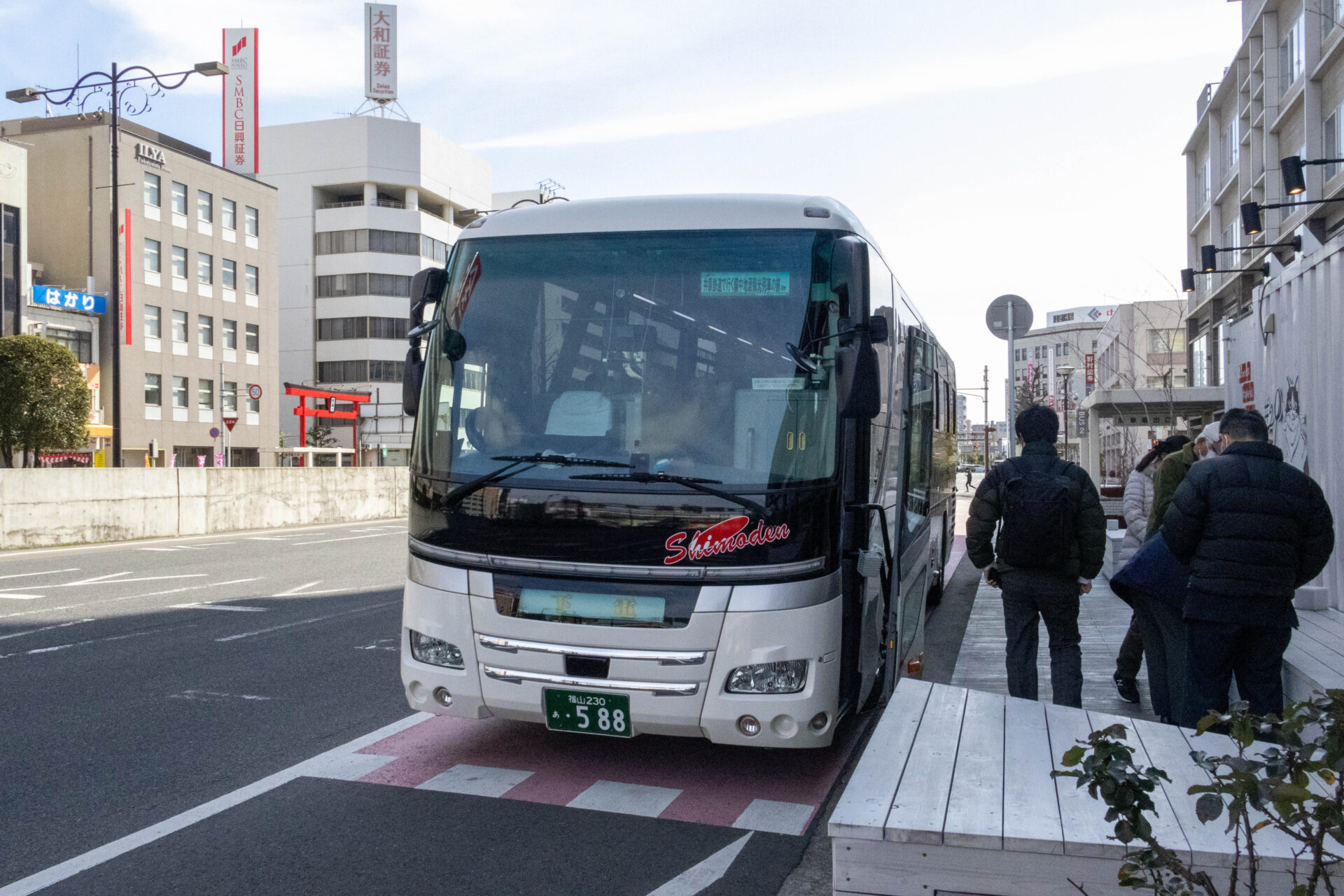
The bus was almost full. There were also people participating alone.
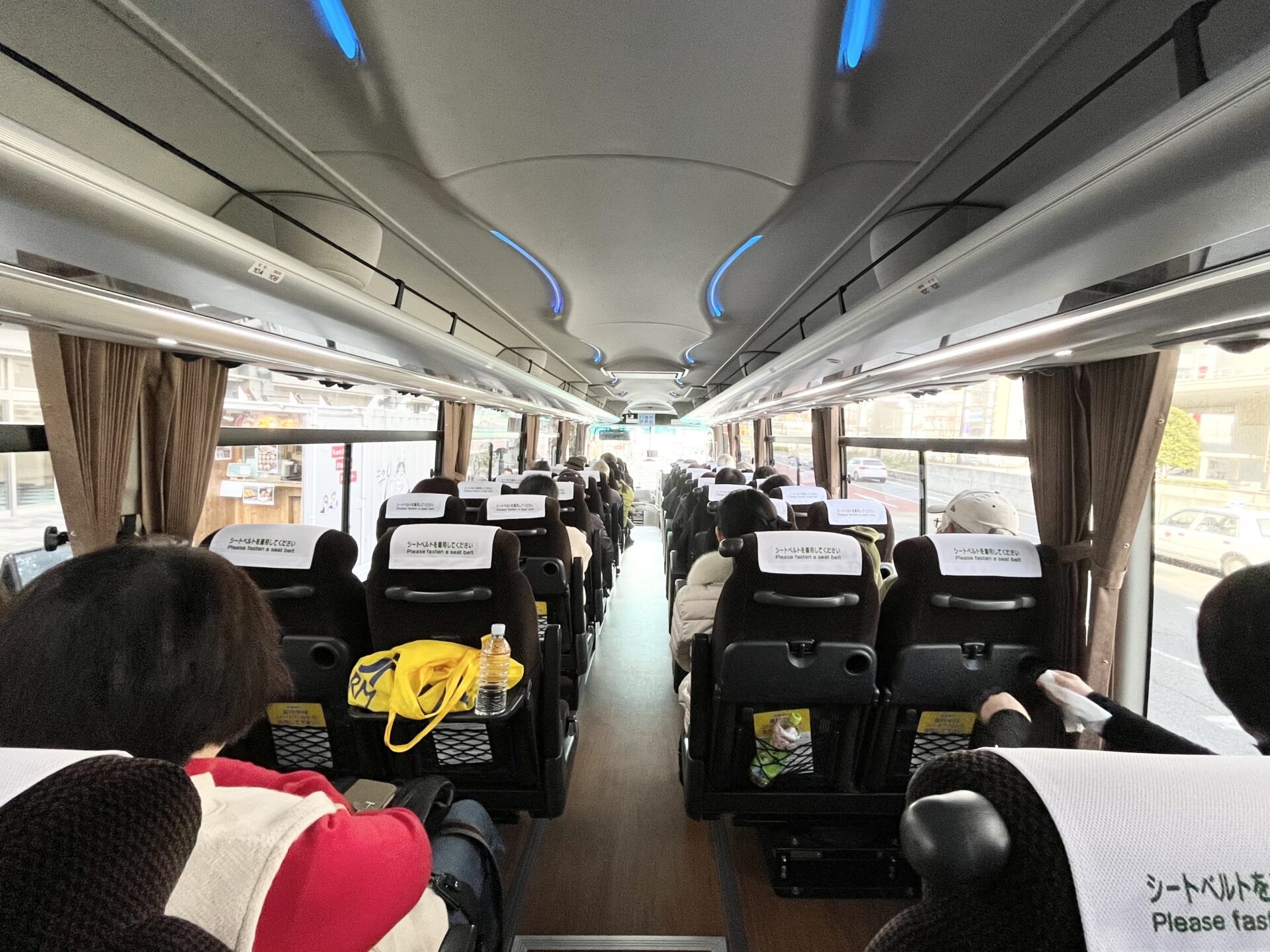
First, we headed by bus from JR Fukuyama Station to Ibara Railway's Kannabe Station.
During the ride, the tour guide explained the schedule and precautions for the day.
One announcement that particularly stood out was, "Please be careful when walking after drinking, as there are many irrigation ditches in Kurashiki City."
Since I live in Kurashiki City, I was used to the irrigation ditches, but it seemed that many participants were from Fukuyama City, and they were surprised to hear that announcement. It was a moment where I felt the regional characteristics unexpectedly.
After about 30 minutes of departure, we arrived at Ibara Railway's Kannabe Station and waited for the Yume Yasuragi Train on the platform.
Riding the Yume Yasuragi Train "Running Sake Brewery"
The long-awaited Yume Yasuragi Train finally arrived at the platform.
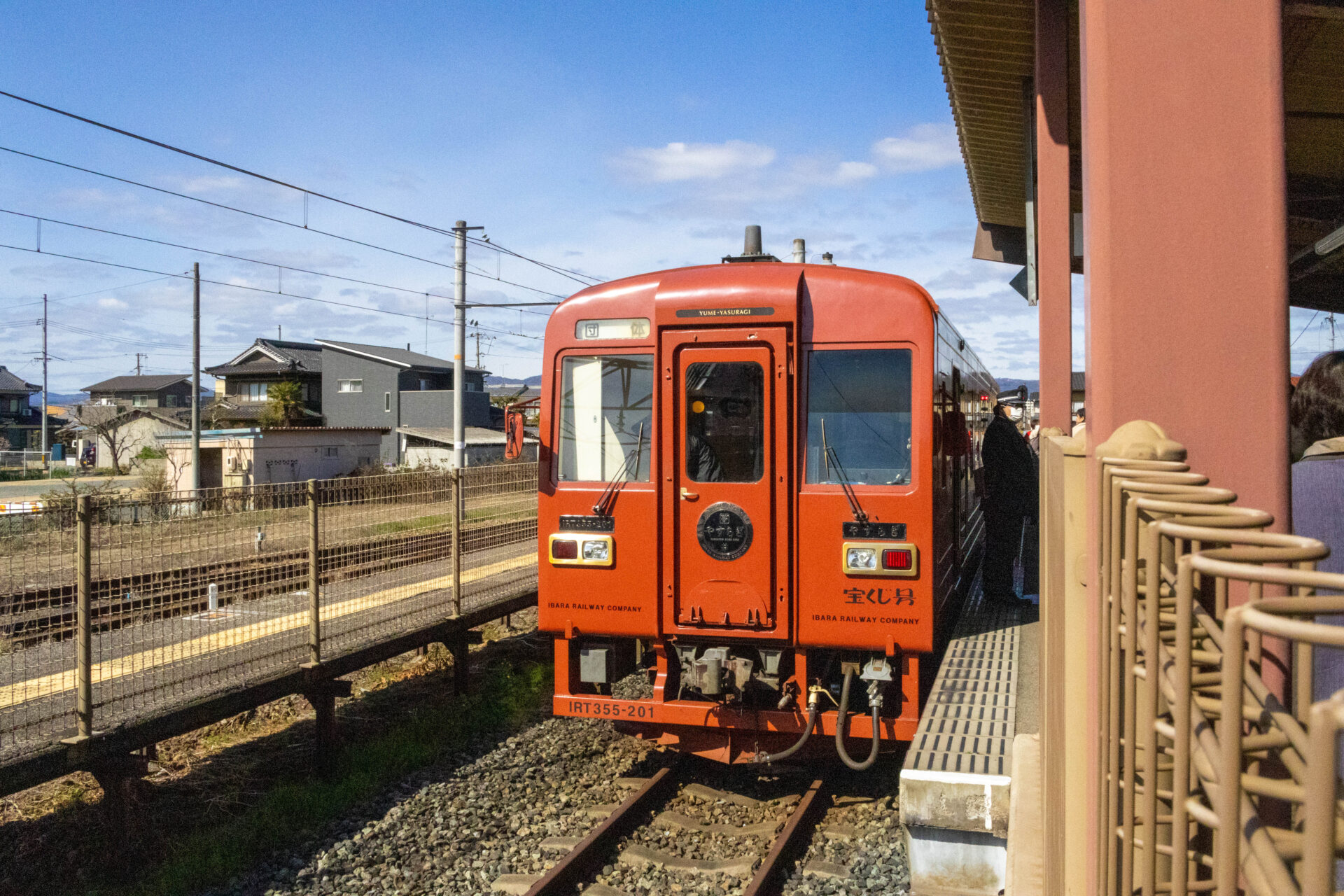
Many people were taking commemorative photos, and the platform was filled with a lively atmosphere.
As I was captivated by the retro and cute train body, I caught a glimpse of the sake brewers preparing the sake from the open door. Seeing the bottles lined up on the table made my anticipation grow even more.
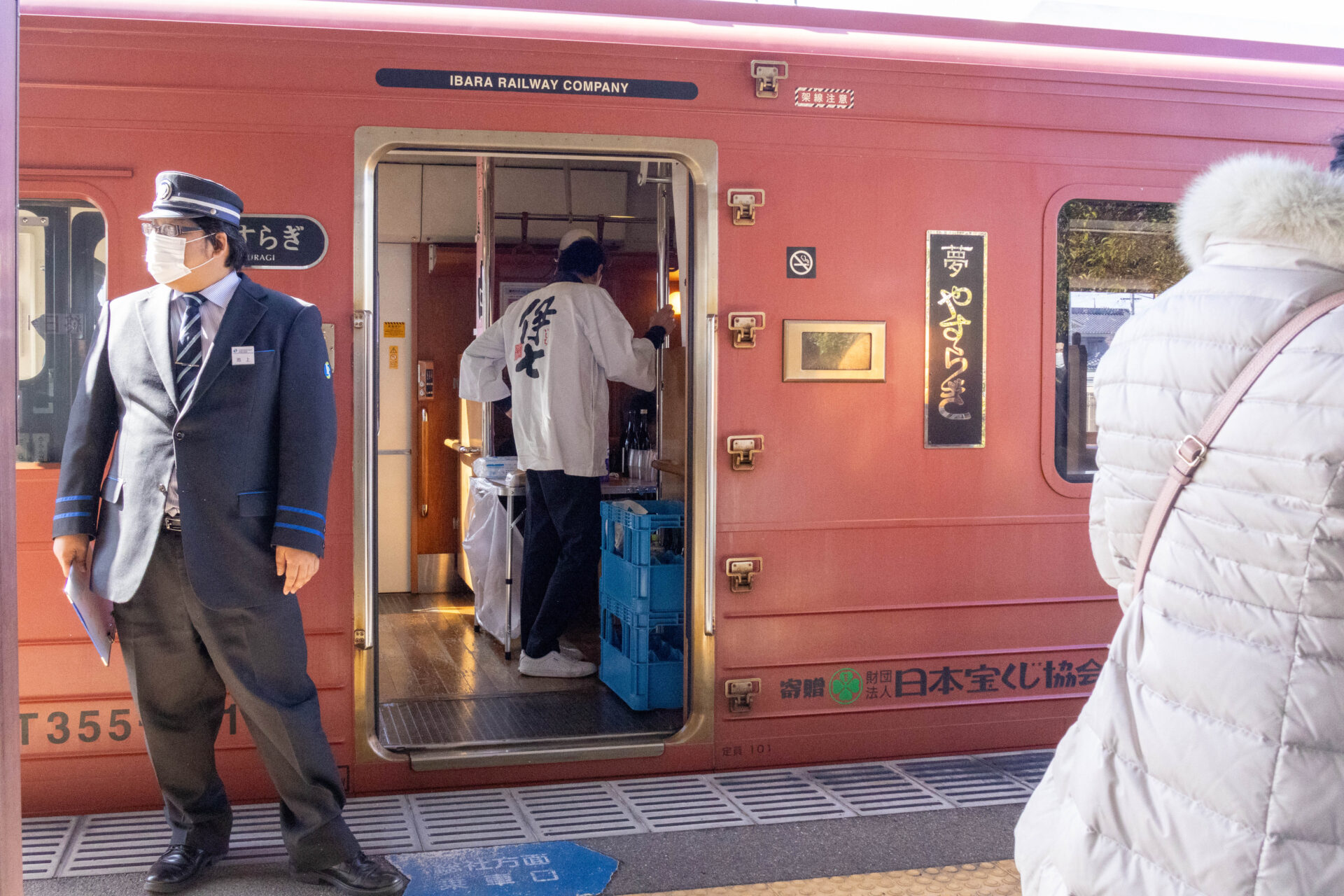
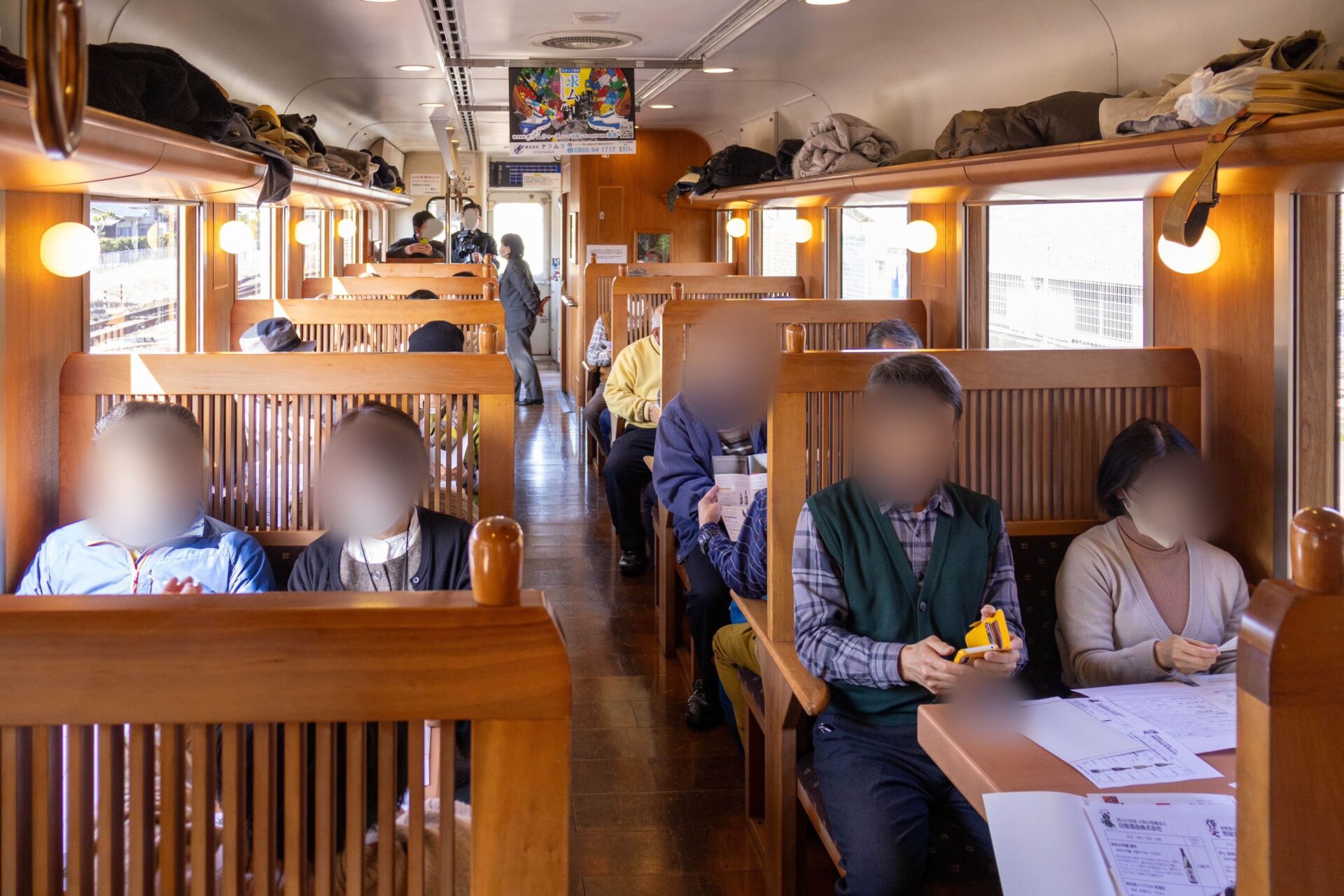
Inside the train, the calm interior with a warm wooden feel had a restroom near the entrance. It's reassuring to have restroom facilities for a food and drink event.
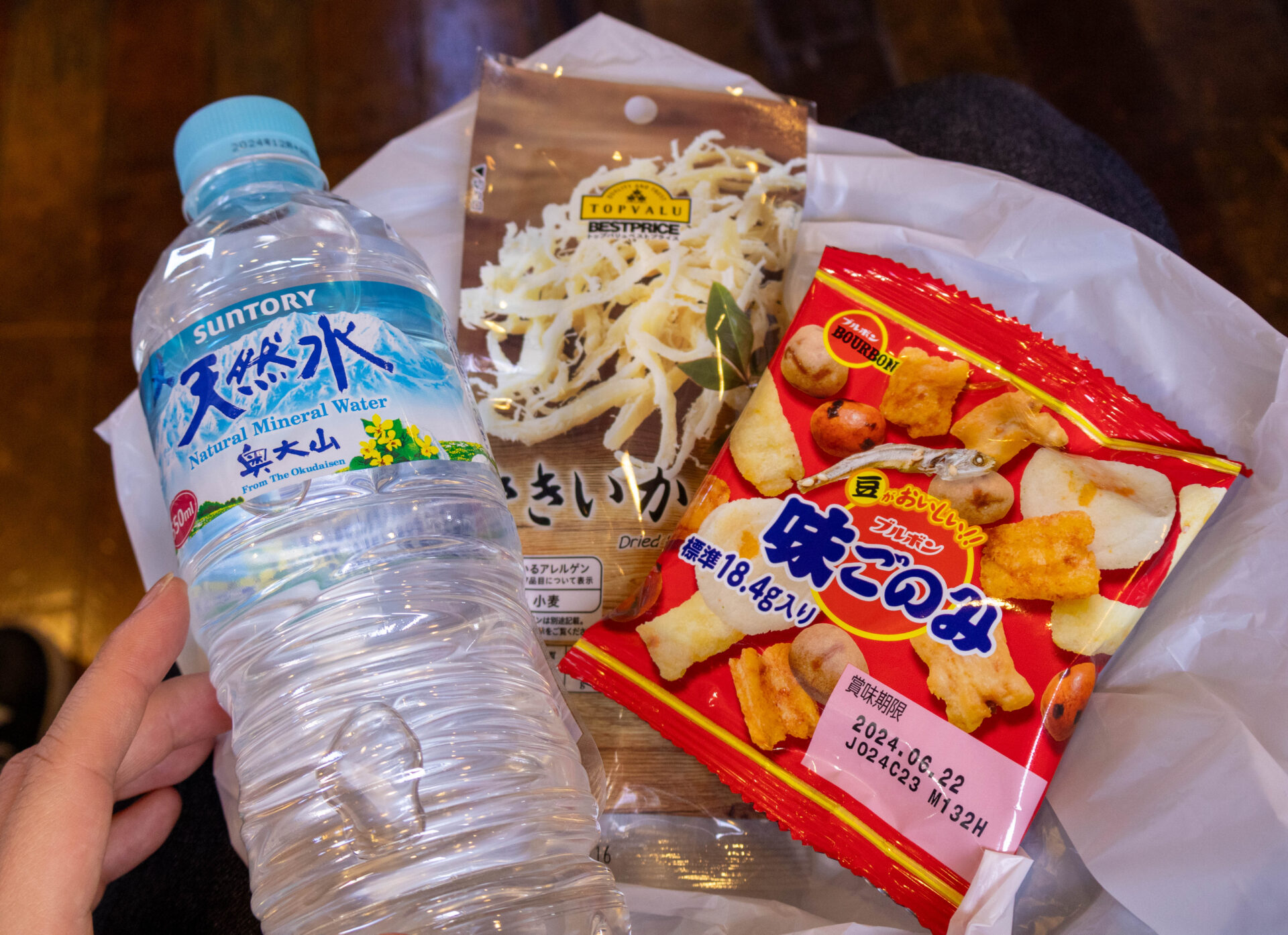
As I headed to my assigned seat, I found pamphlets and purchase lists from the sake breweries on board, along with a plastic bag containing a bottle of water and snacks at each seat.
There was also a description of the local sake, which seemed convenient for recording impressions.
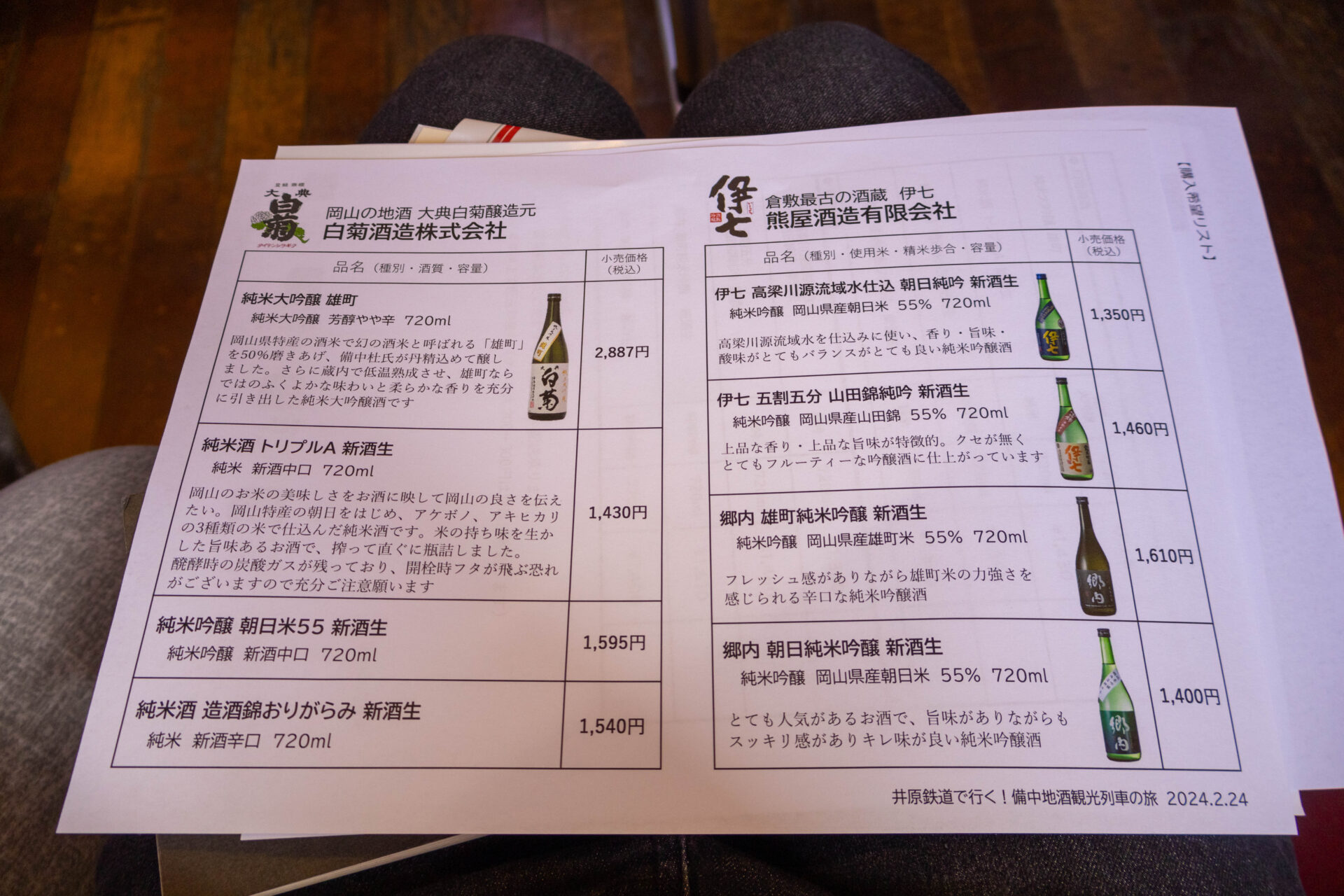
If you find a sake you like, you can write it on the purchase list, and you can pick it up at the local sake shop we will visit later.
Delivery is free for orders of 4 bottles or more, so you can shop without worrying about carrying them.
Greetings from Shiragiku Sake Brewery and Kumaya Sake Brewery
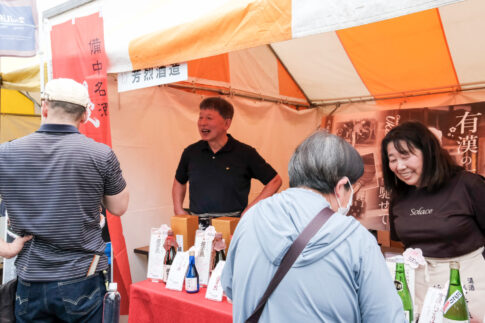
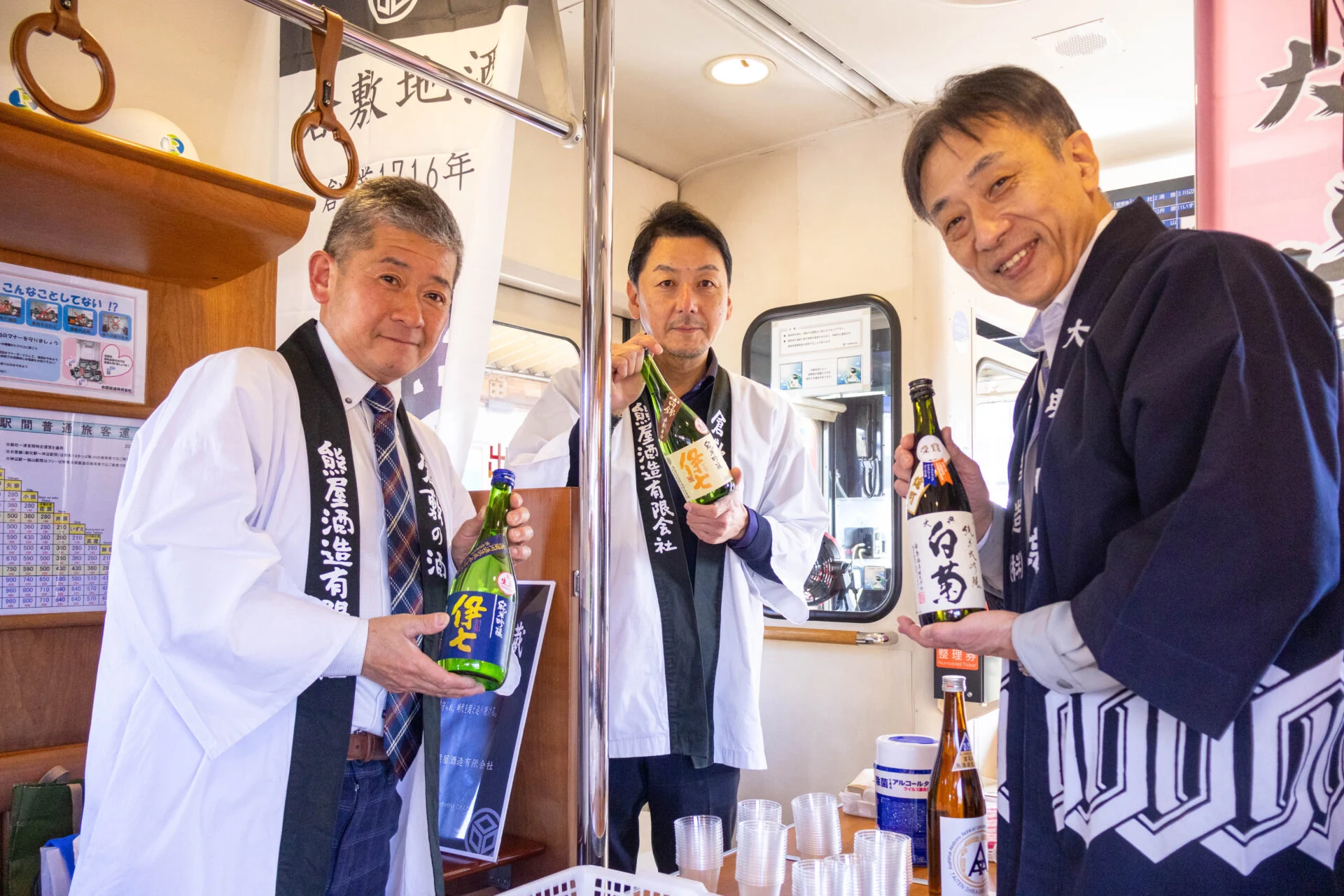
The sake breweries on board were Shiragiku Sake Brewery from Takahashi City and Kumaya Sake Brewery from Kurashiki City.
First, there were greetings from the representatives of each brewery.
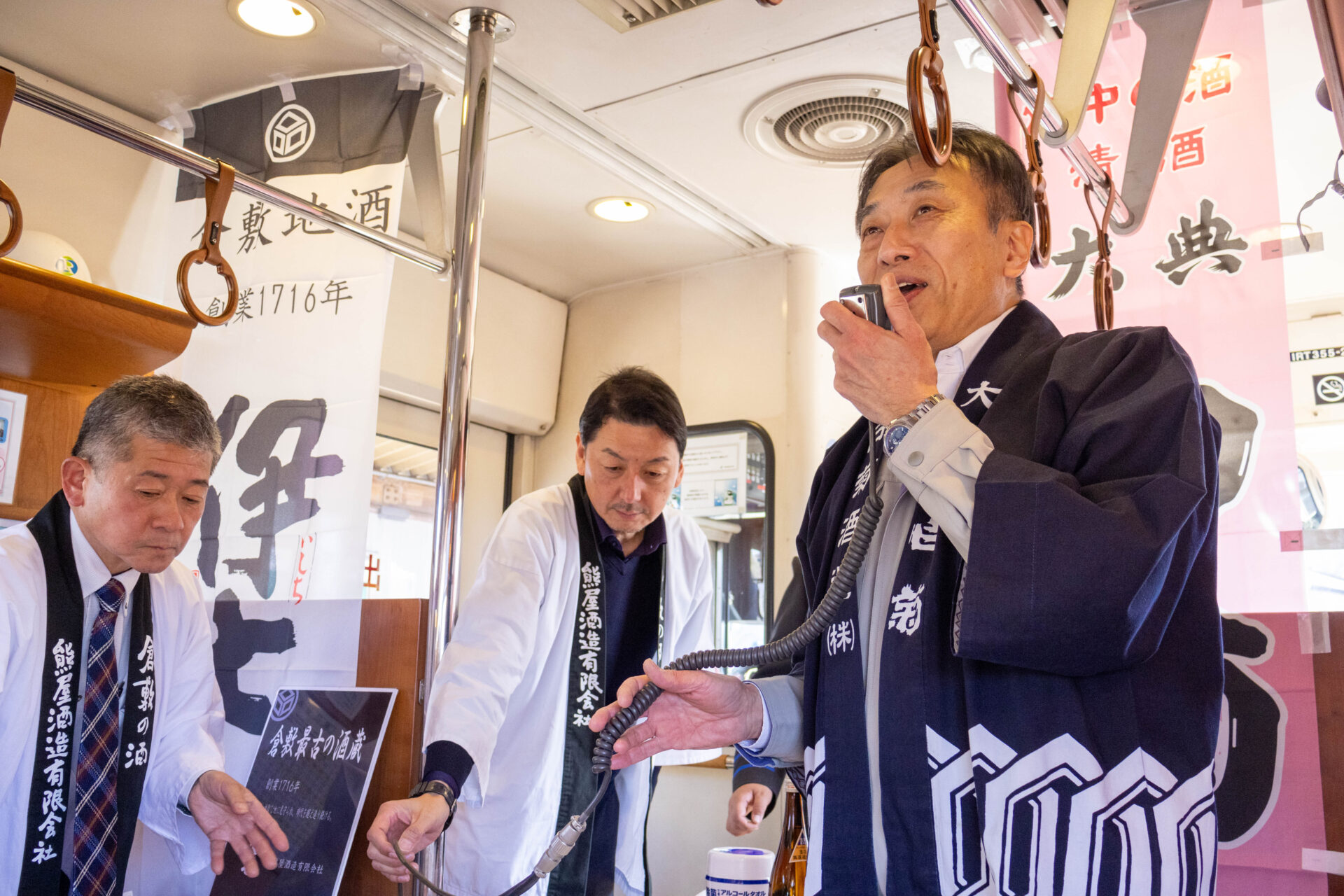
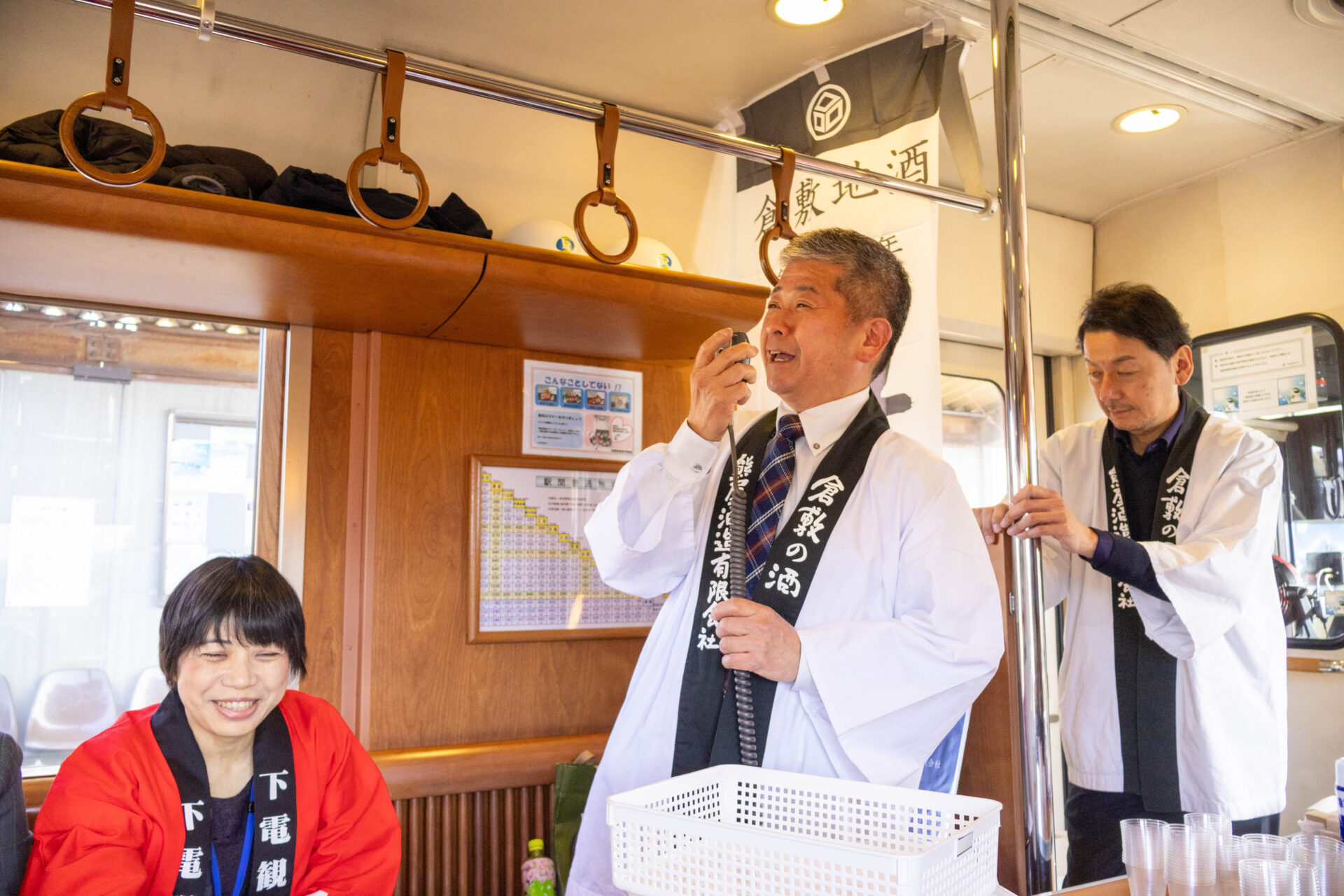
Shiragiku Sake Brewery was founded in 1886 (Meiji 19) and is a long-established sake brewery with over 130 years of history.
Kumaya Sake Brewery will also celebrate its 308th anniversary in 2024 and is known as the oldest brewery in Kurashiki City.
I love sake and often go drinking in Kurashiki City, and I can almost always find Shiragiku Sake Brewery and Kumaya Sake Brewery's sake at izakayas that handle local sake. I was very happy to meet the brewers directly this time.
The ride time on the local sake sightseeing train is about 1 hour and 30 minutes. You can taste a total of 8 types of local sake, 4 types from each brewery.
Soon, sake was poured into cups and brought to the table.
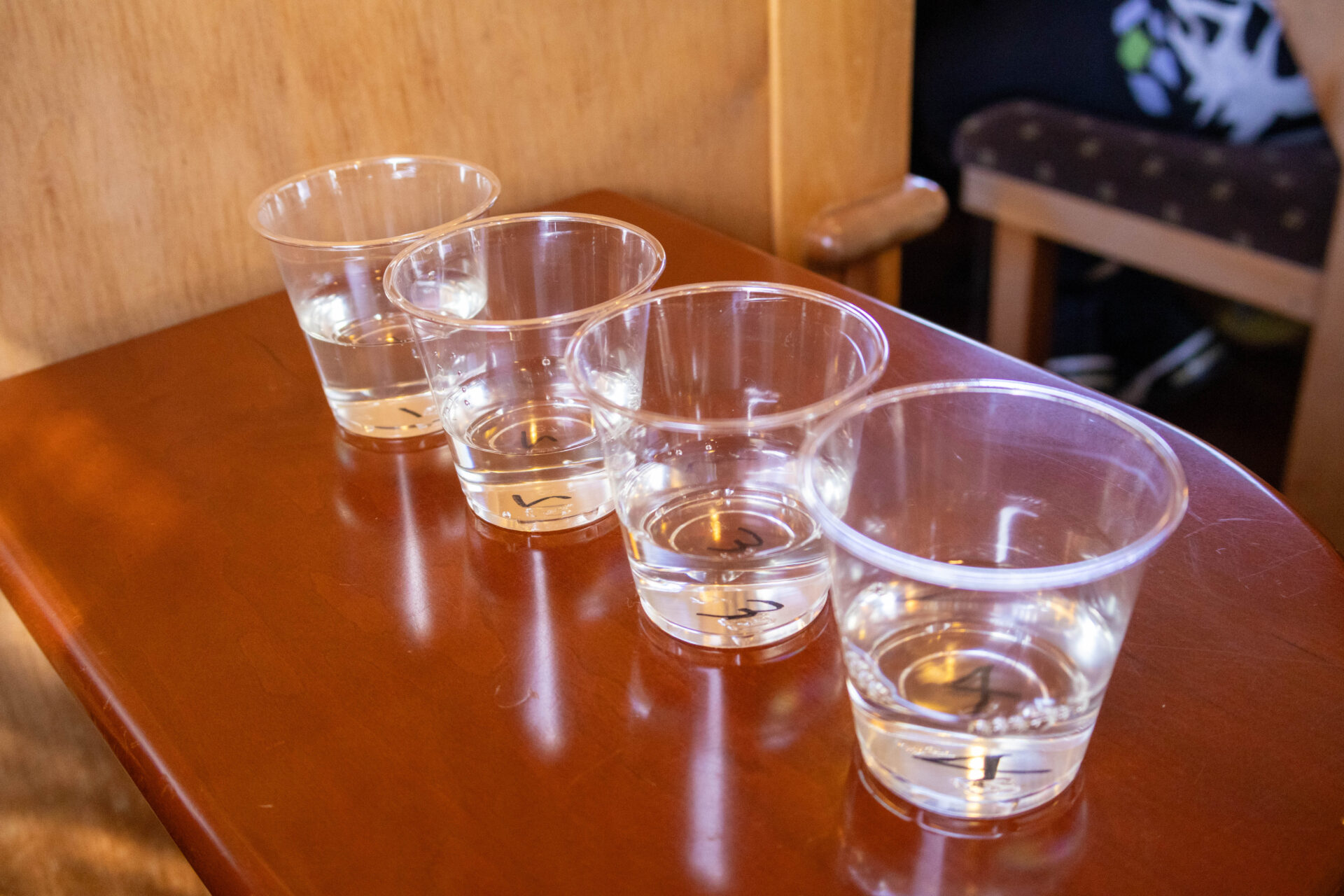
I was sitting closest to the sake brewers, and I smiled as I saw them cheerfully setting up, saying, "We want to have a sip too."
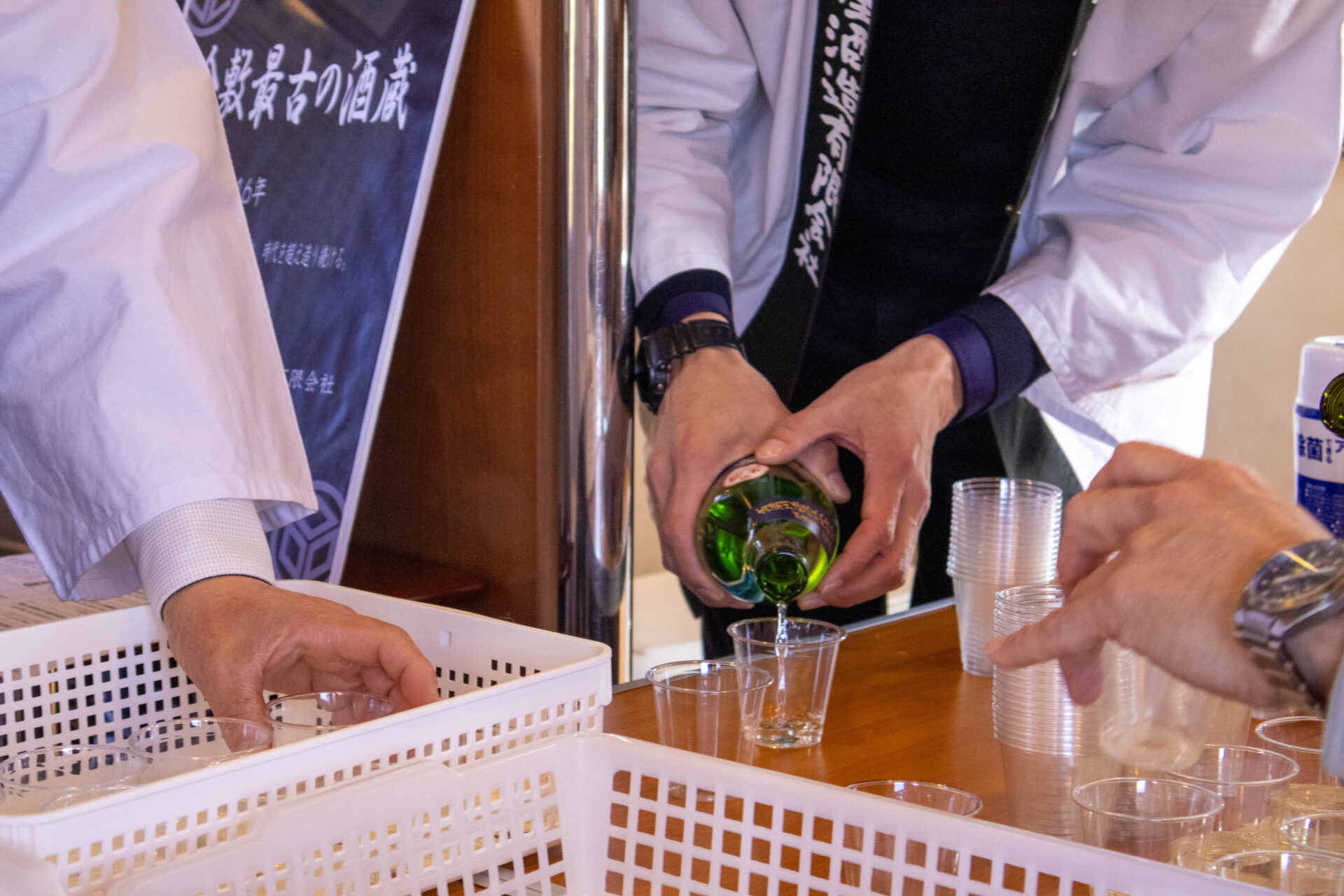
Tasting 8 Types of Local Sake
Sake is placed on all the tables, and the train is about to depart.
First, from Kumaya Sake Brewery and Shiragiku Sake Brewery, two types of sake perfect for a toast were served.
A representative from Shiragiku Sake Brewery said, "Everyone, I can feel the atmosphere that you want to drink right now, but please bear with us a little longer," starting the introduction of the sake with a humorous remark.
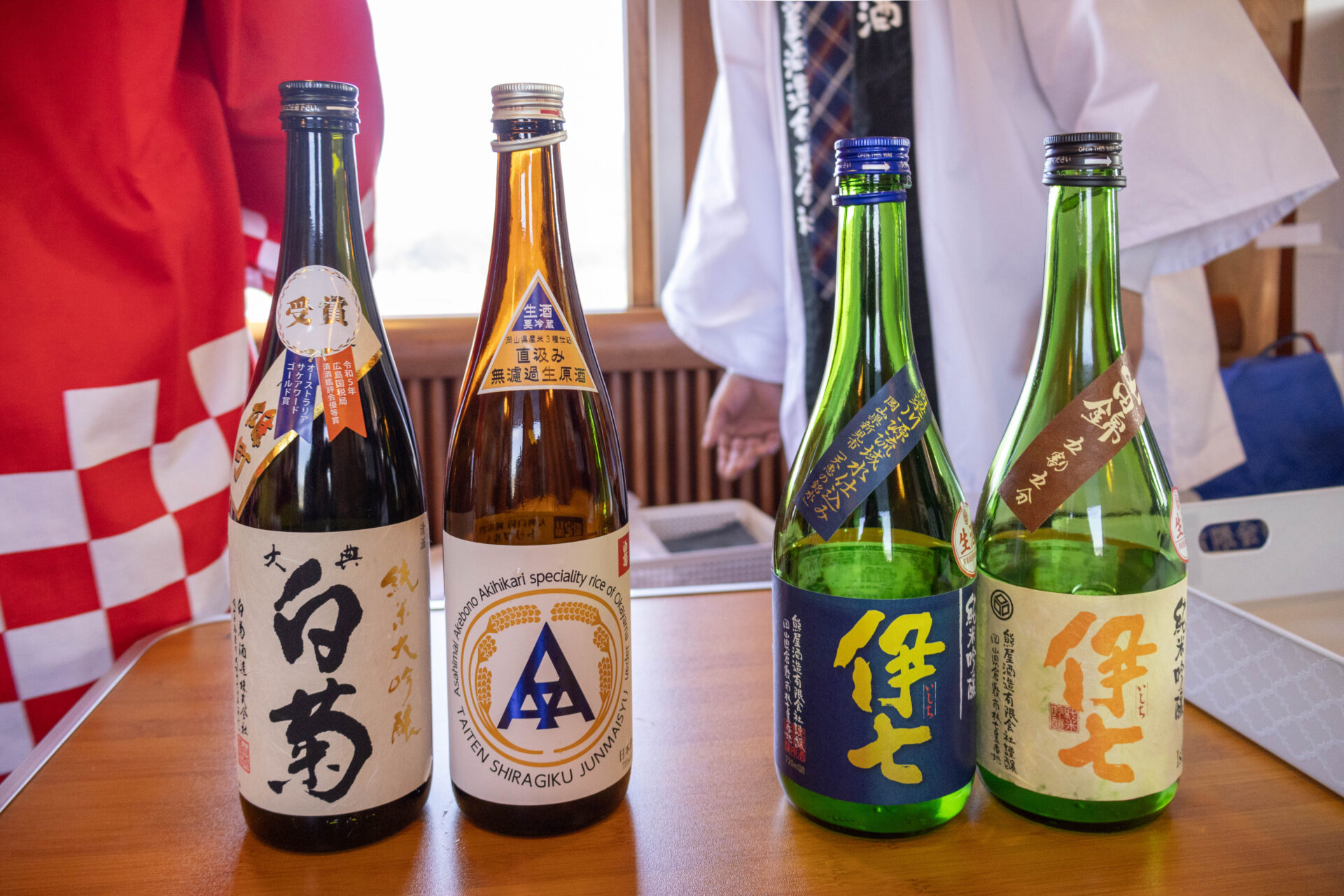
Initially, the following types of local sake were lined up. A variety of unique sake from Bichu is gathered.
- Junmai Daiginjo made from the sake rice "Omachi," a specialty of Okayama Prefecture
- A lightly sparkling sake suitable for toasting
- New sake just pressed in January 2024
- Sake made using locally sourced Yamadanishiki rice
From various places in the train, conversations like "Which one should I drink first?" could be heard. Discussing the order of drinking is a clear sign that this is an event for sake lovers.
After everyone toasted, the representatives from each brewery went around the seats, engaging in deeper sake discussions.
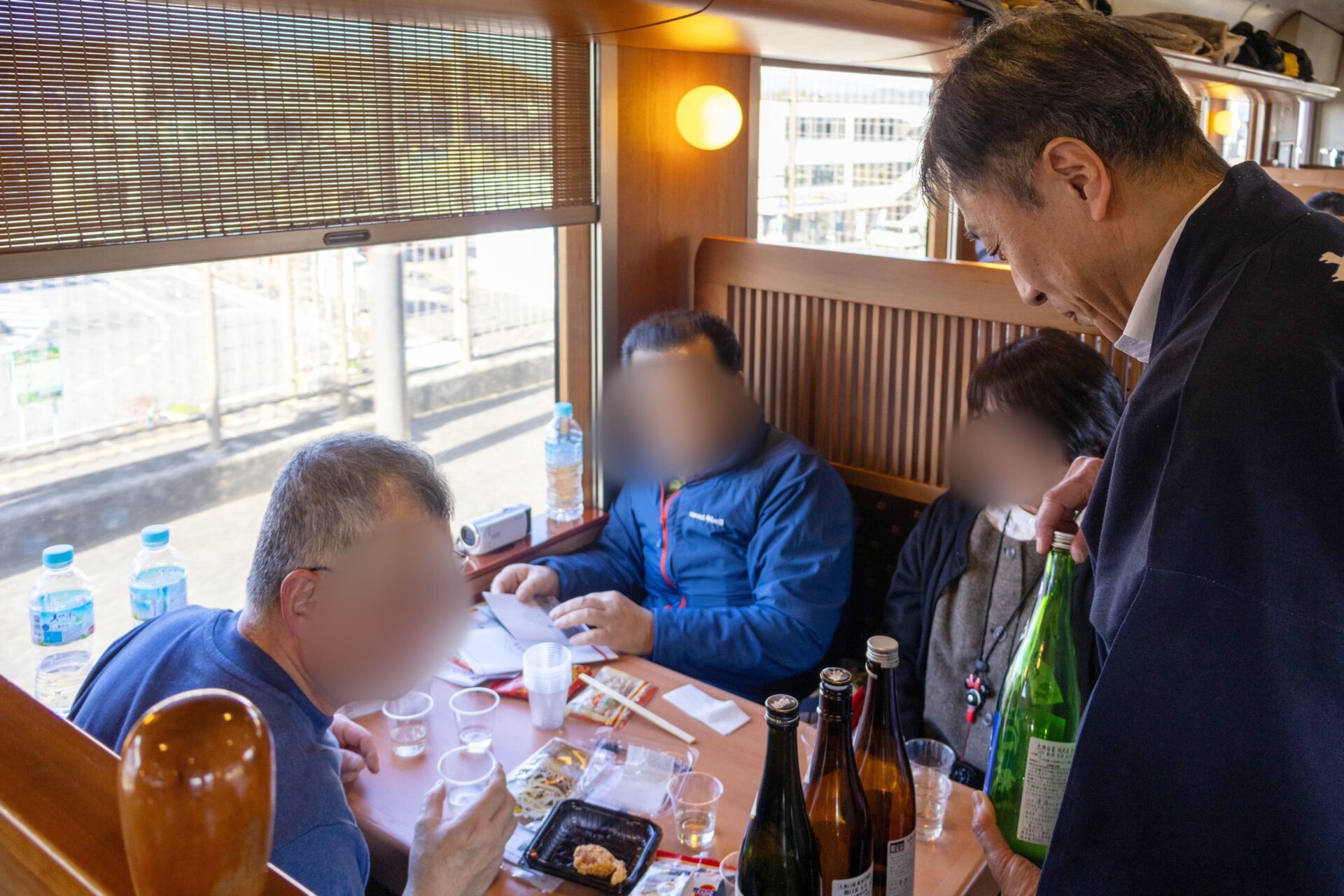
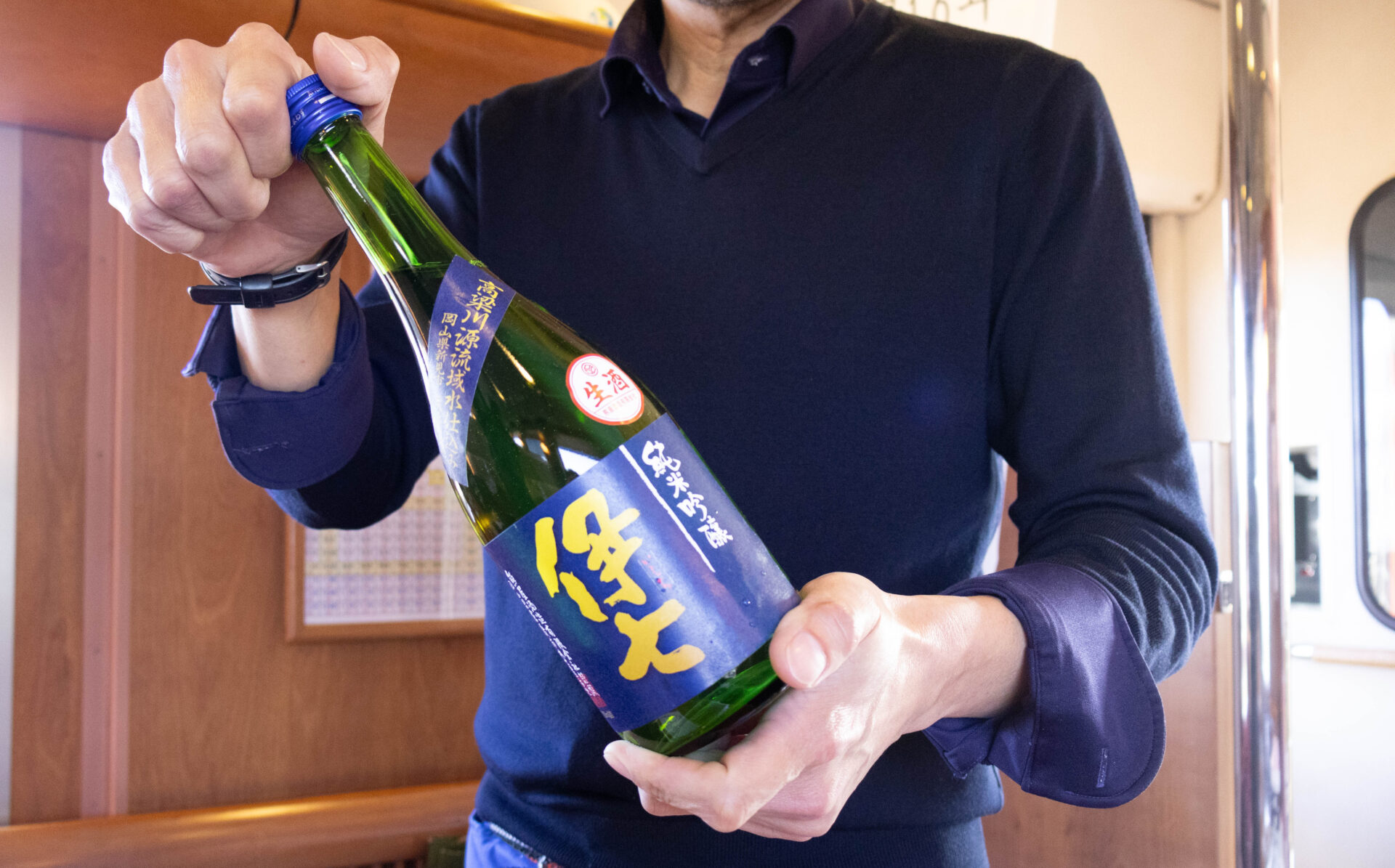
When I asked, "Are there any characteristics of Bichu sake?", I was told that Bichu sake is often rich and flavorful (called hojun umakuchi), where the umami of the sake can be strongly felt.
Additionally, I learned a lot of sake knowledge that makes you want to share it, such as the types and differences of rice used in Bichu sake, how sake is made, and the differences in sake bottles. Truly, they are professionals in sake.
When we finished drinking, four new types of local sake were brought in. An announcement for the sake explanation was made again.
At first, I thought, "Can I really drink 8 types?" but the taste changes depending on the sake rice and brewing water, so I never get tired of drinking.
If you find a sake you like, you could also have a refill.
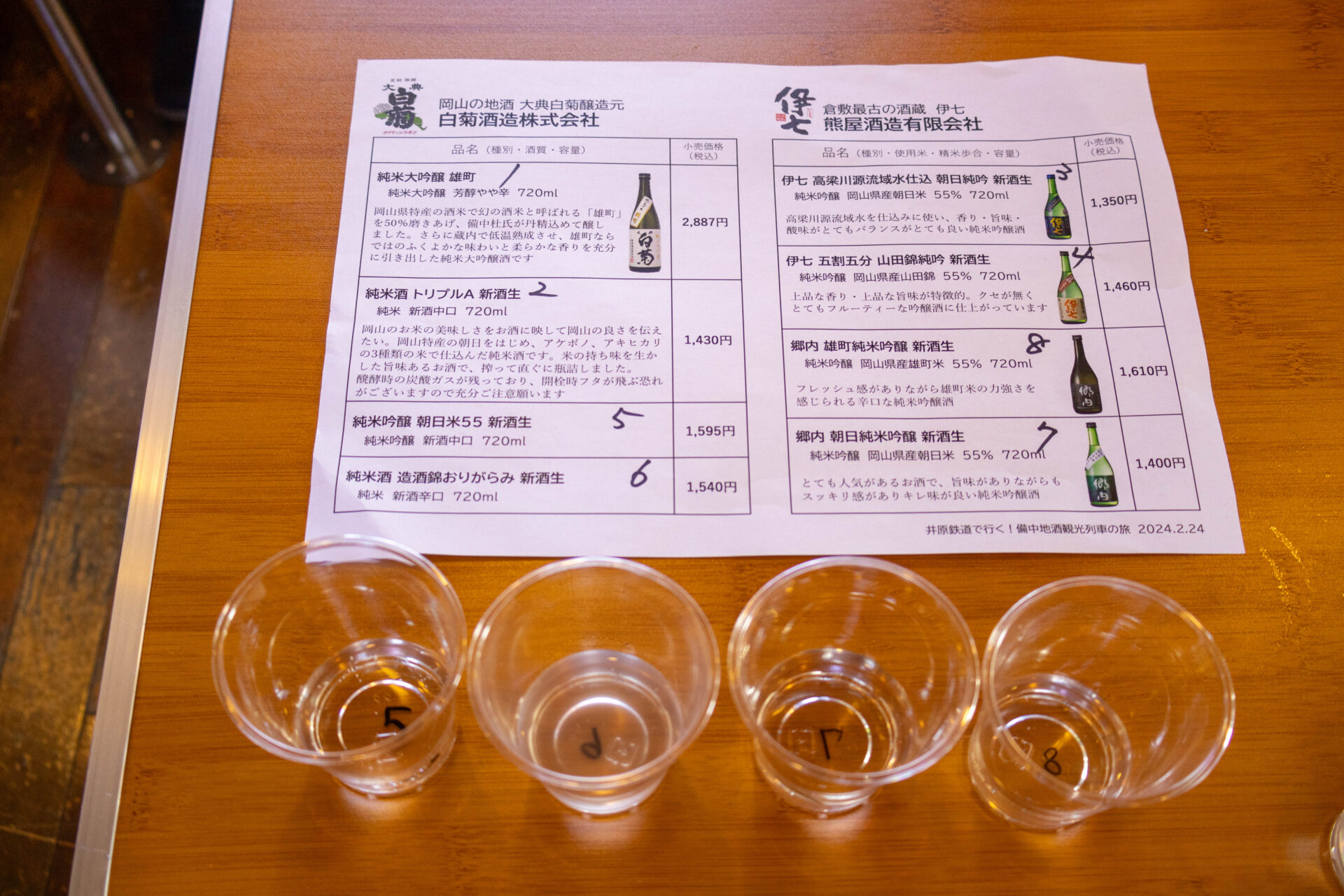
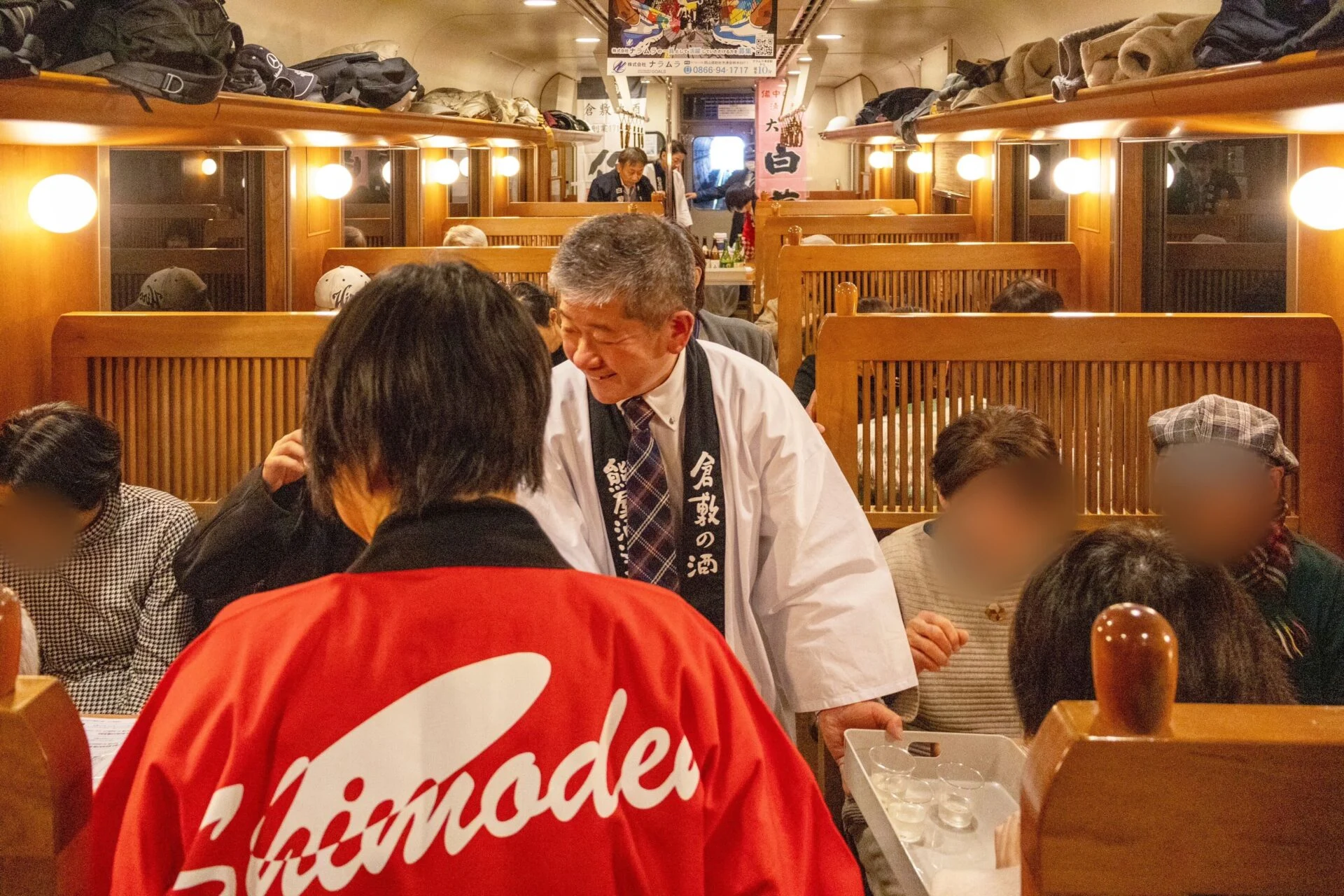
As the brewery representatives moved around, the atmosphere in the train became more lively, and I could hear various comments about the sake.
I also had a lively conversation with a woman sitting across from me, saying, "It's delicious, isn't it?" and "Which sake do you like?" The excitement sparked by the sake is a unique joy of this event.
Looking around the lively train, many participants had brought snacks, with some eating kamaboko and others enjoying small shrimp tempura.
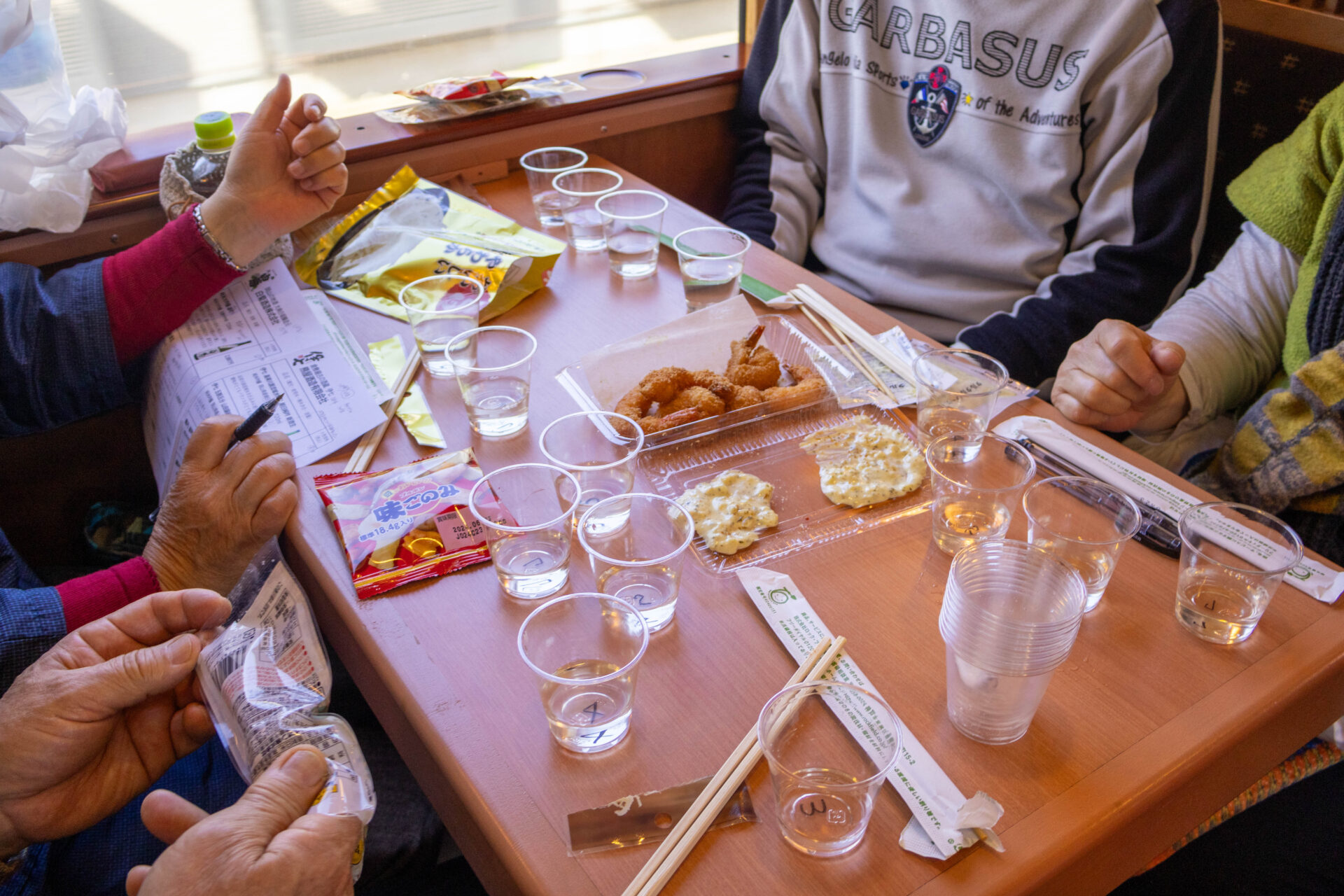
Most of the table seating was shared, but everywhere, conversations about sake were lively.
As I became pleasantly tipsy, the train arrived at the final stop, Kiyone Station.
After saying goodbye to the Dream and Serenity train and the brewery representatives, we headed to the Bikan Historical Area by bus.
Exploring the Bikan Historical Area and Dinner at Tomikuya
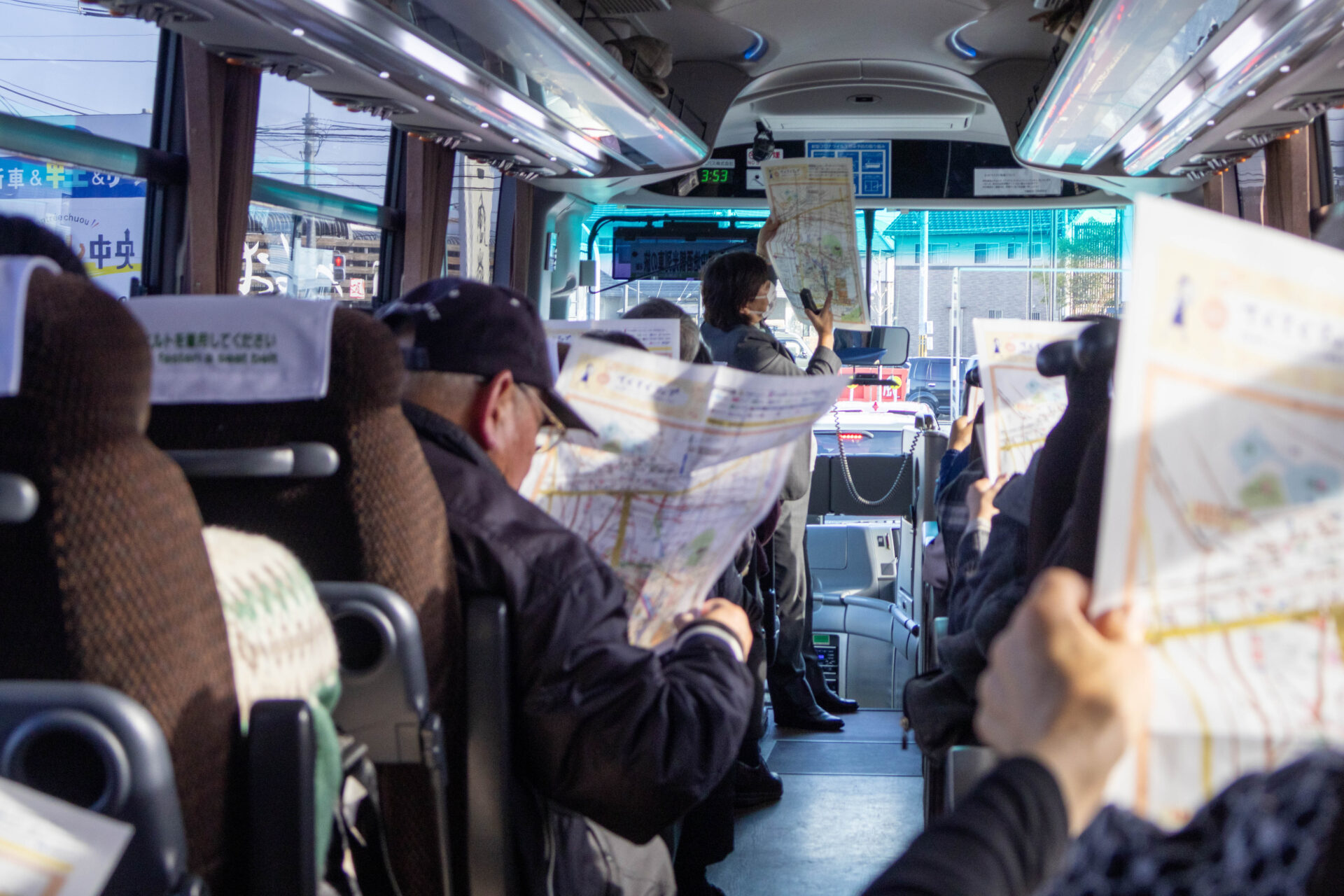
During the move to the Bikan Historical Area, the tour guide distributed a walking map of the area.
Since there was free time in the Bikan Historical Area before dinner, the tour guide introduced tourist spots and recommended souvenirs.
This event had many participants from outside Kurashiki City, so receiving this kind of information was great.
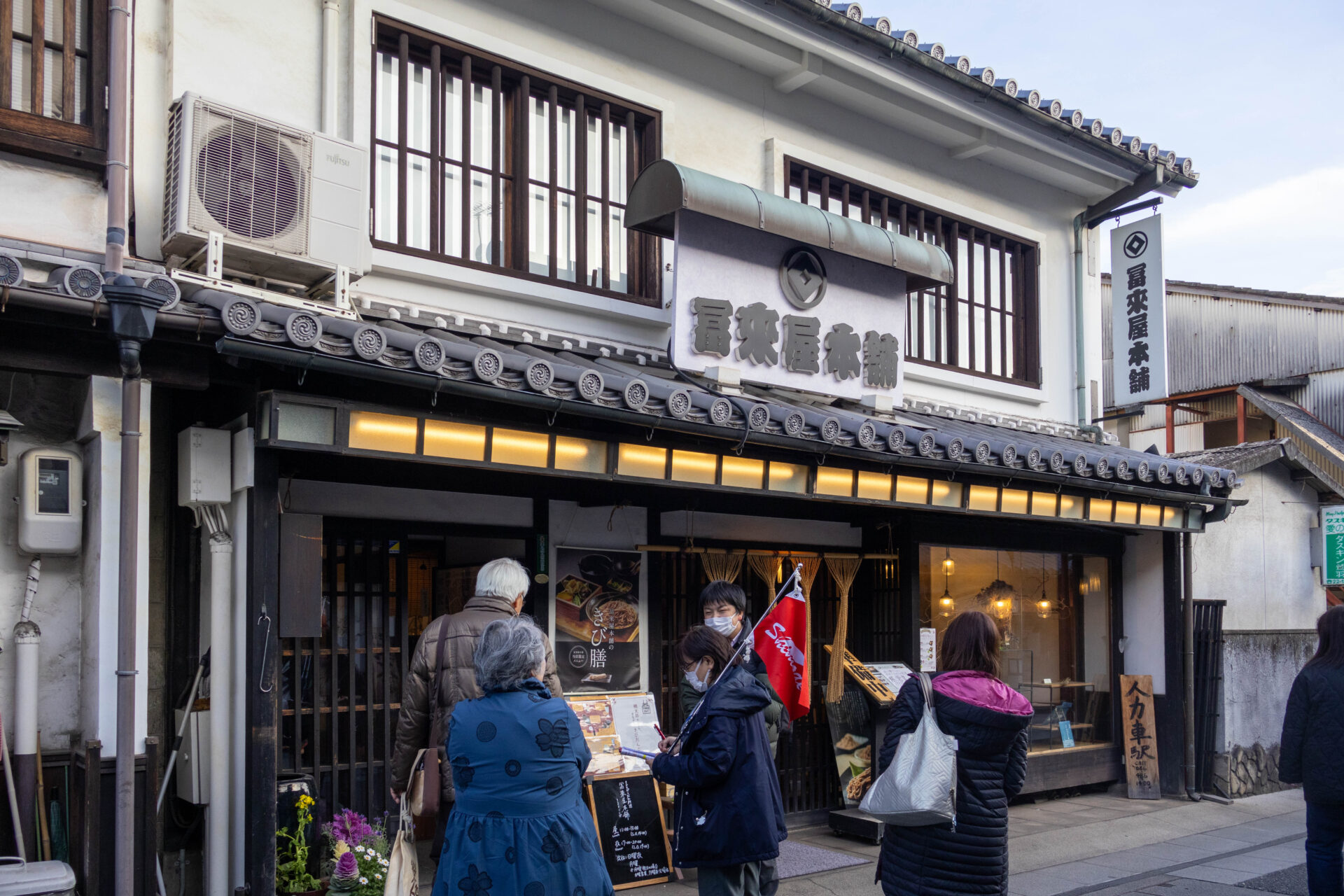
Upon arriving at the Bikan Historical Area, we first confirmed the location of the dinner venue, Tomikuya, and then the free time began.
Since the free time was about 40 minutes, I took a break with a takeout burdock potage from Kurashiki Ivy Square.
Along the way, I passed by other participants, some of whom were enjoying shopping for Kurashiki specialties at souvenir shops, and it seemed they were having fun shopping in the Bikan Historical Area. As a resident of Kurashiki City, I felt happy to see people buying souvenirs from my hometown.
Before I knew it, the free time ended, and when I returned to Tomikuya, I was guided to the tatami room on the second floor.
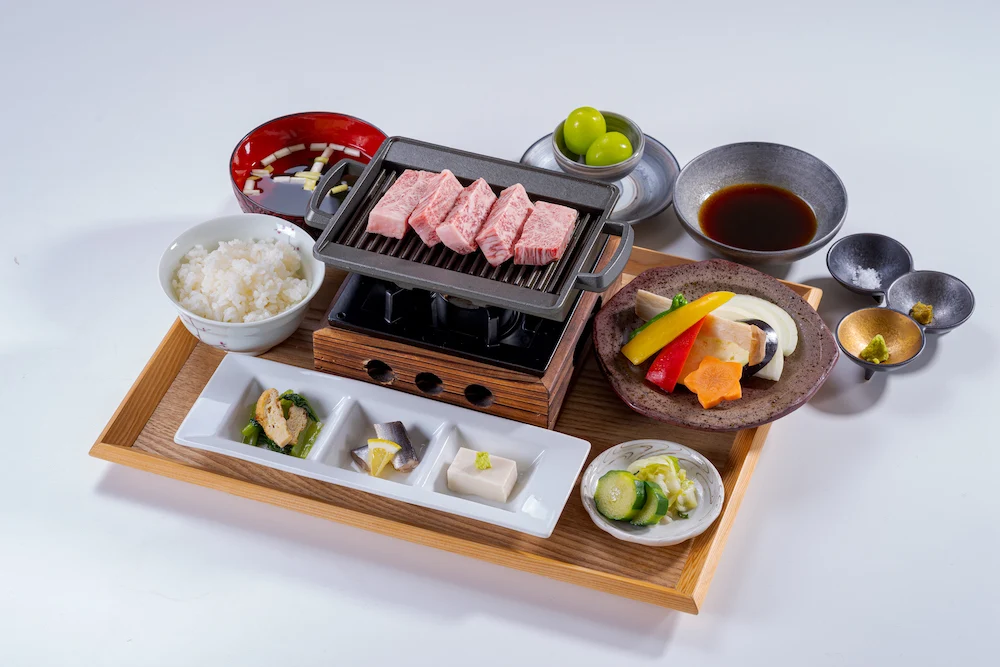
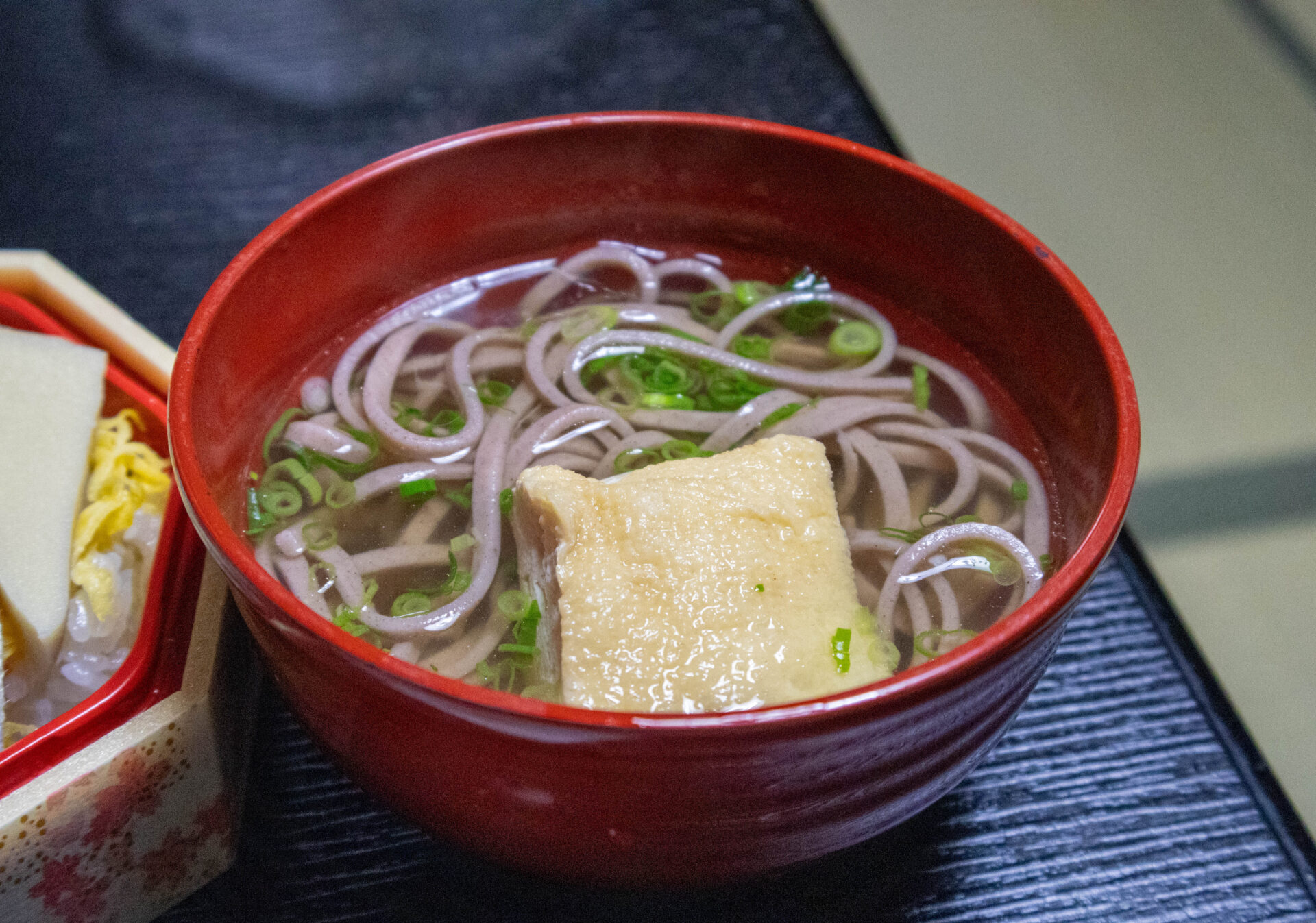
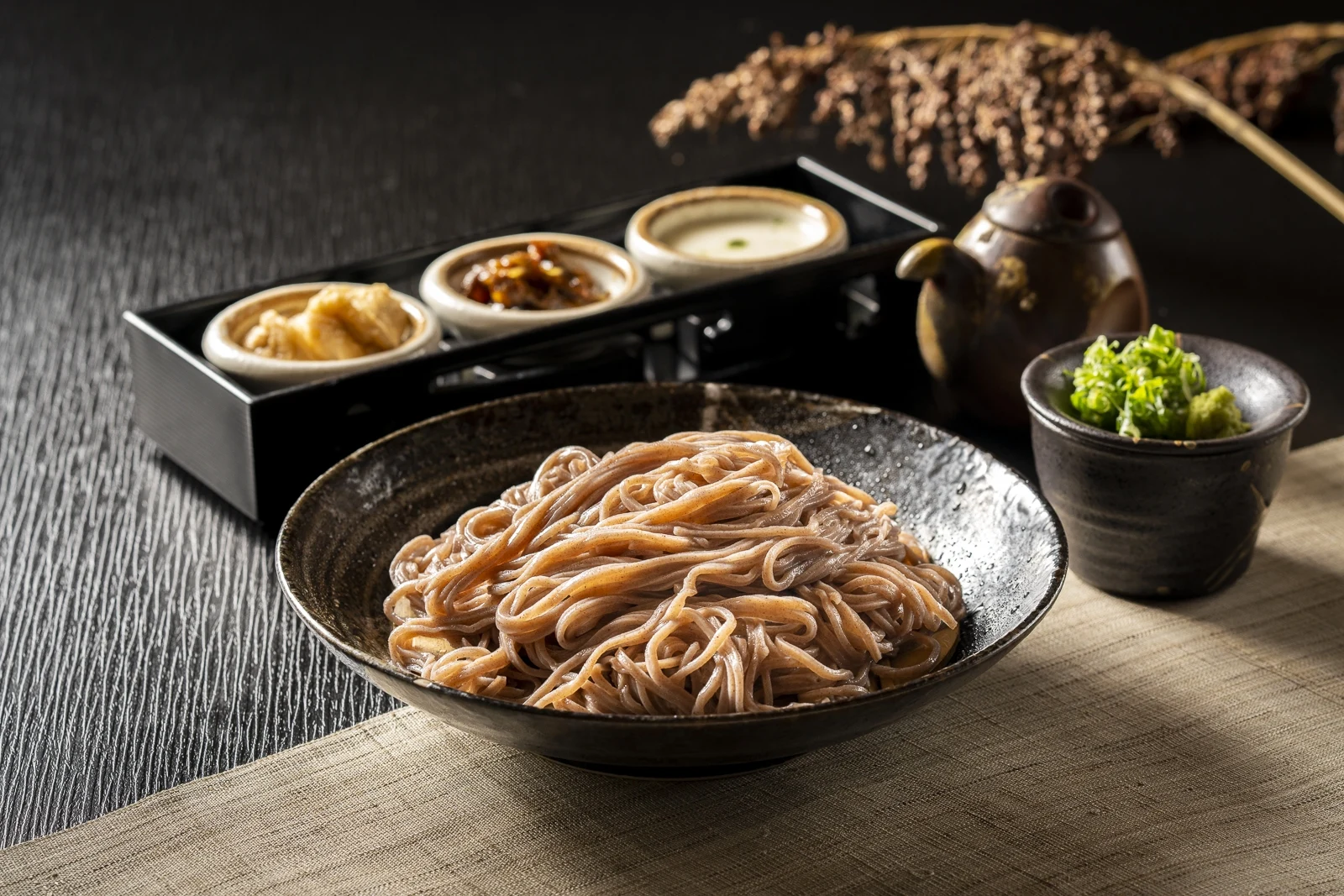
On the table with three bottles of local sake, dishes featuring Kurashiki's local cuisine such as matsurizushi, Tomikuya's specialty kibi soba, and Chiyagyu Beef steak from Okayama's brand beef were served, all focusing on local ingredients.
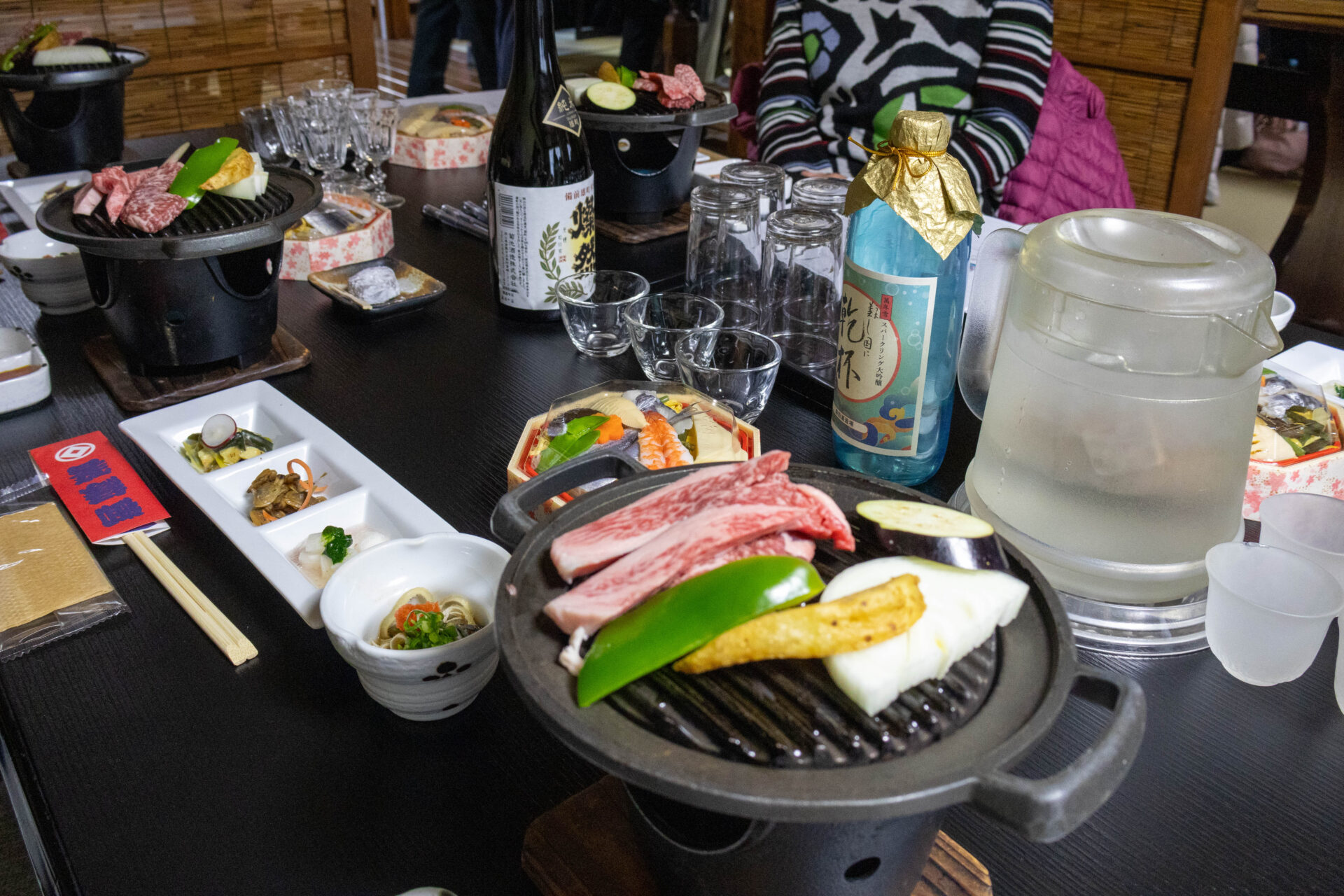
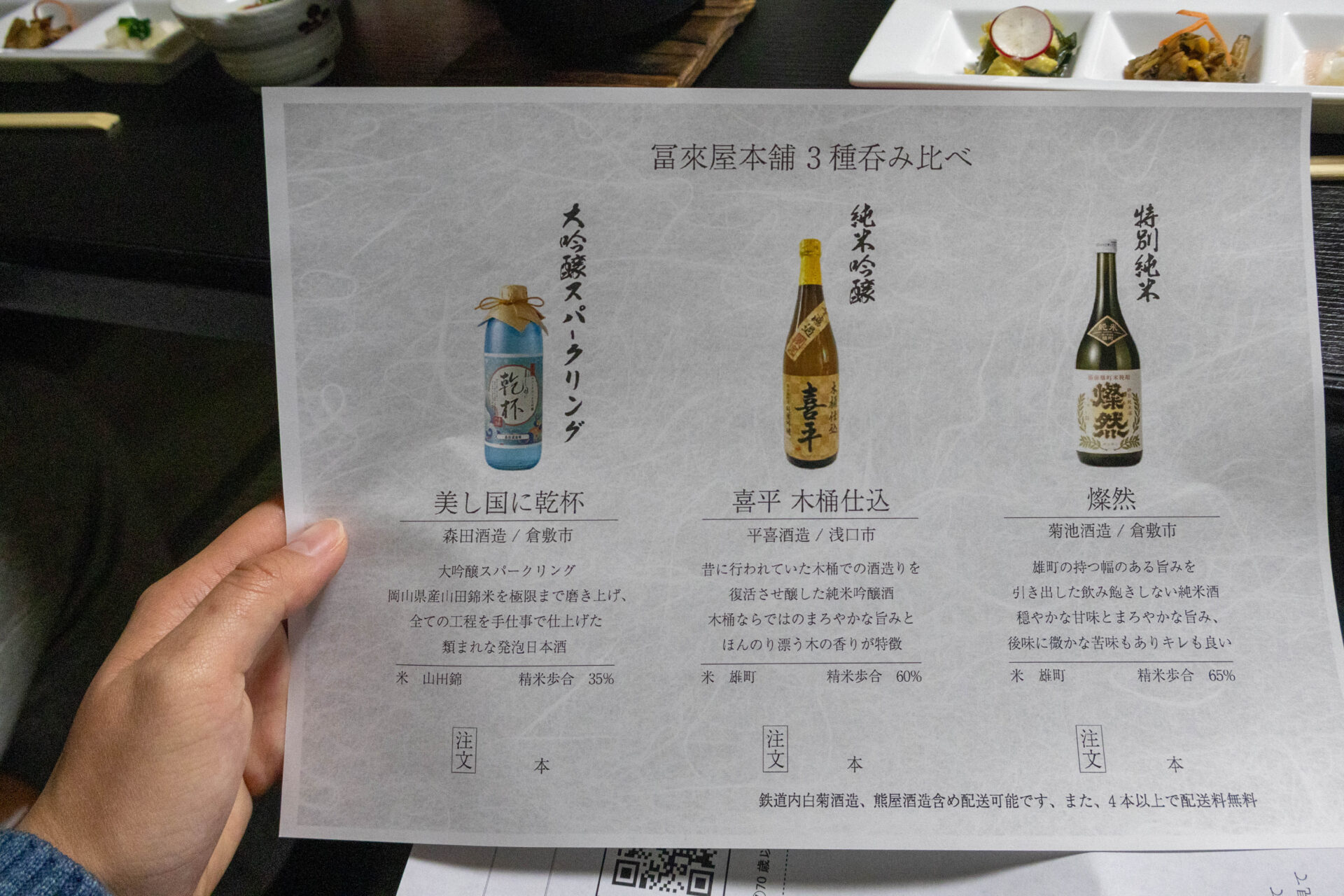
The local sake available at Tomikuya was from a different brewery than the one on the sightseeing train.
I quickly poured sake for the person I was sharing a table with, and we toasted.
The atmosphere was already friendly from the sightseeing train, so the drinks flowed easily.
With a wide variety of dishes, I was able to enjoy the pairings thoroughly.
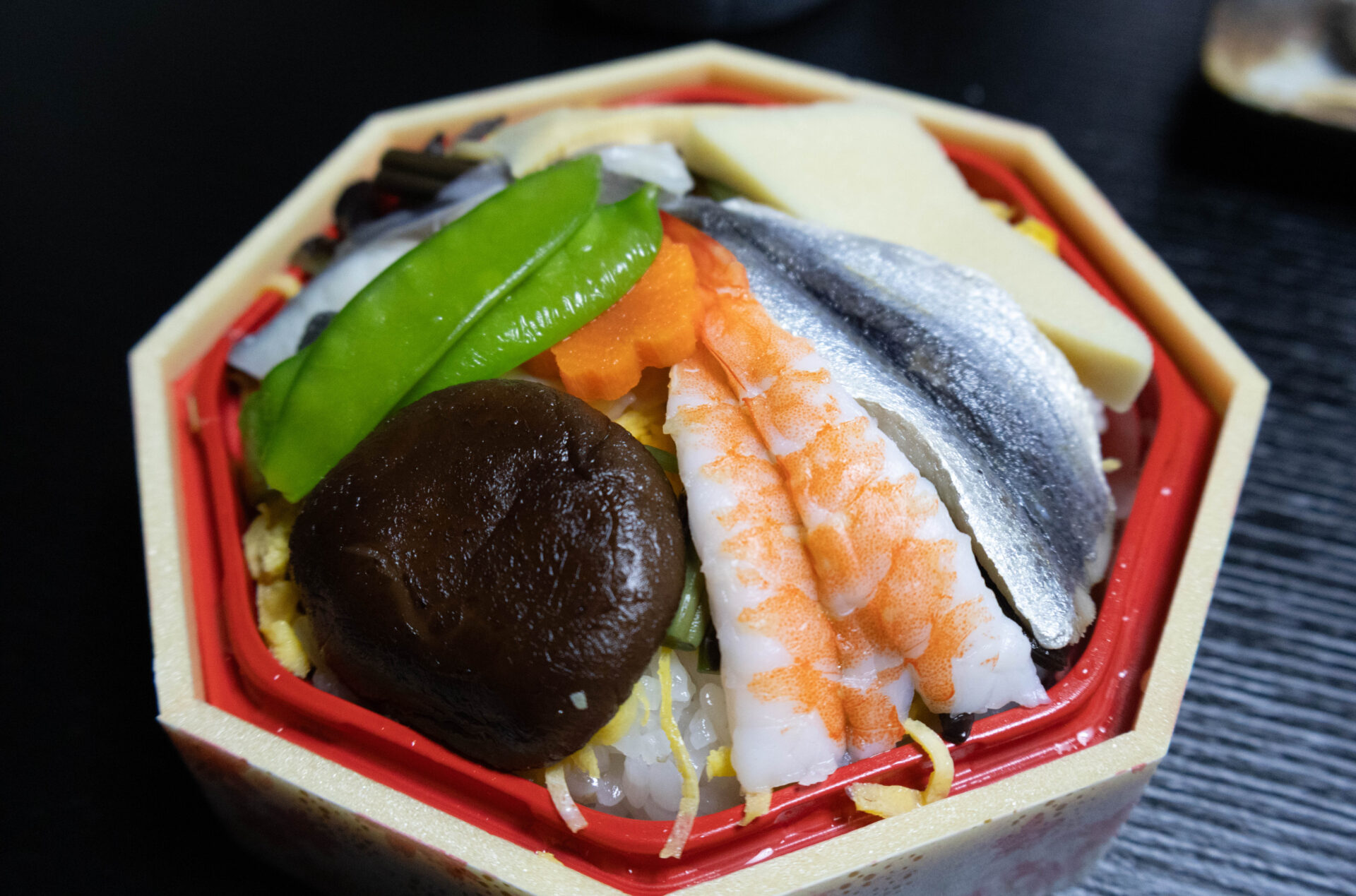
The festival sushi was packed in a bento box, and those who couldn't finish it were able to take it home.
I was quite full from the sake, so I was very grateful for this consideration.
At some tables, there was leftover sake, but in that case, it was okay to share the leftovers with other tables.
By the time I was fully satisfied with both food and drink, we split into smaller groups and set off to the sake shop.
Purchasing Souvenirs at the Sake Shop
The sake shop is a place that offers a wide variety of unique sake from Okayama Prefecture.
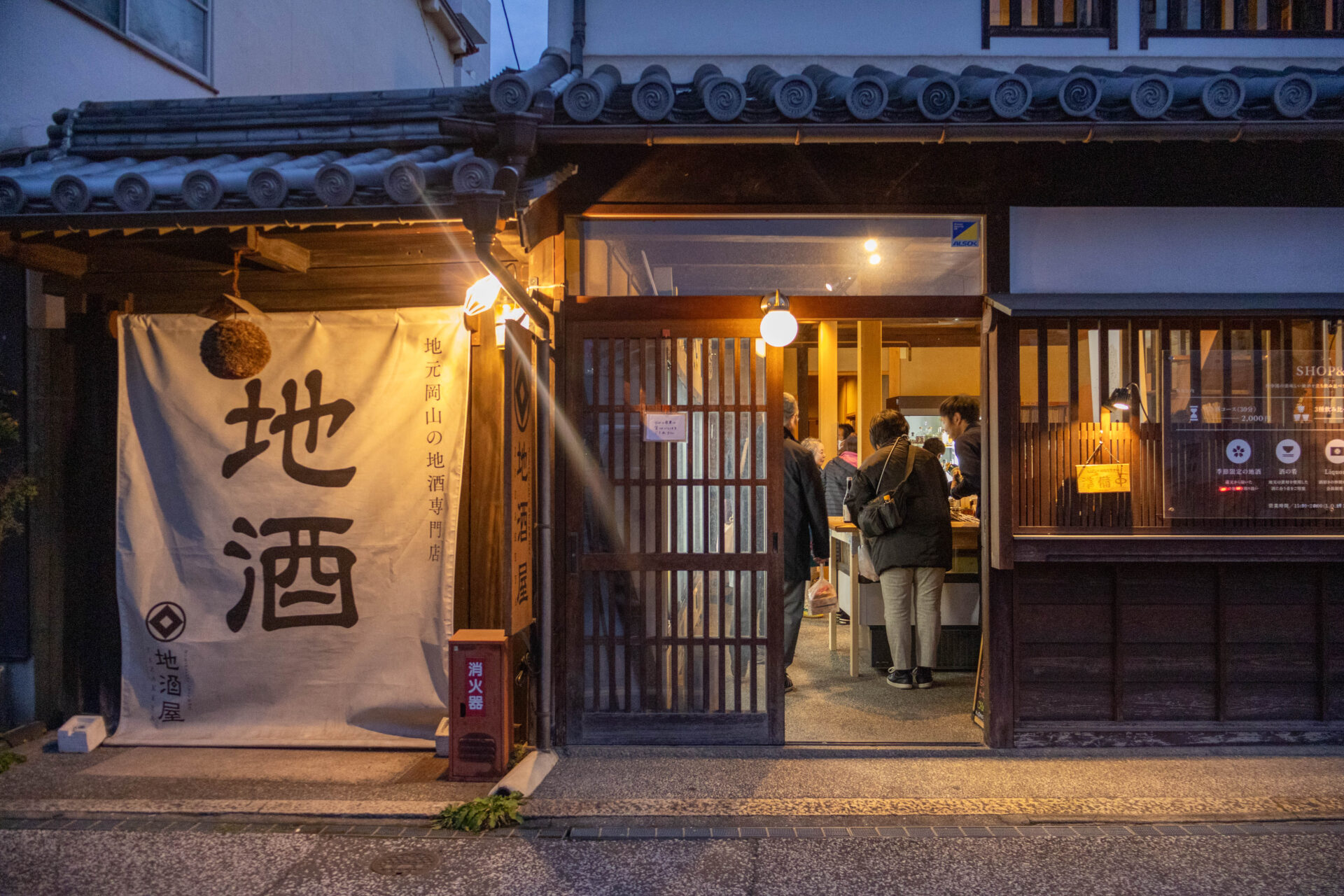
Here, you can shop for souvenirs and pick up the sake you ordered on the sightseeing train.
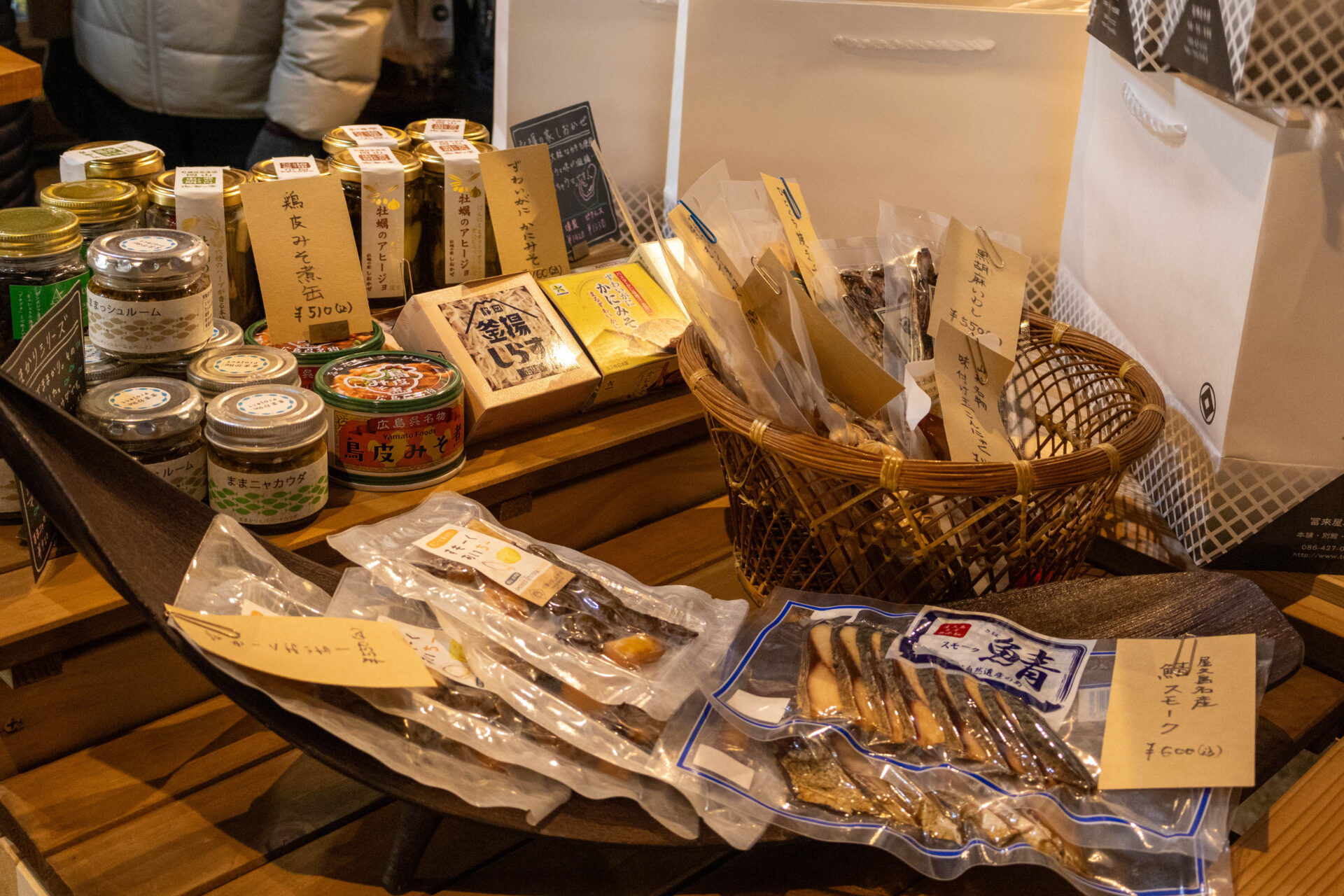
In addition to sake, the shop also sold a variety of snacks.
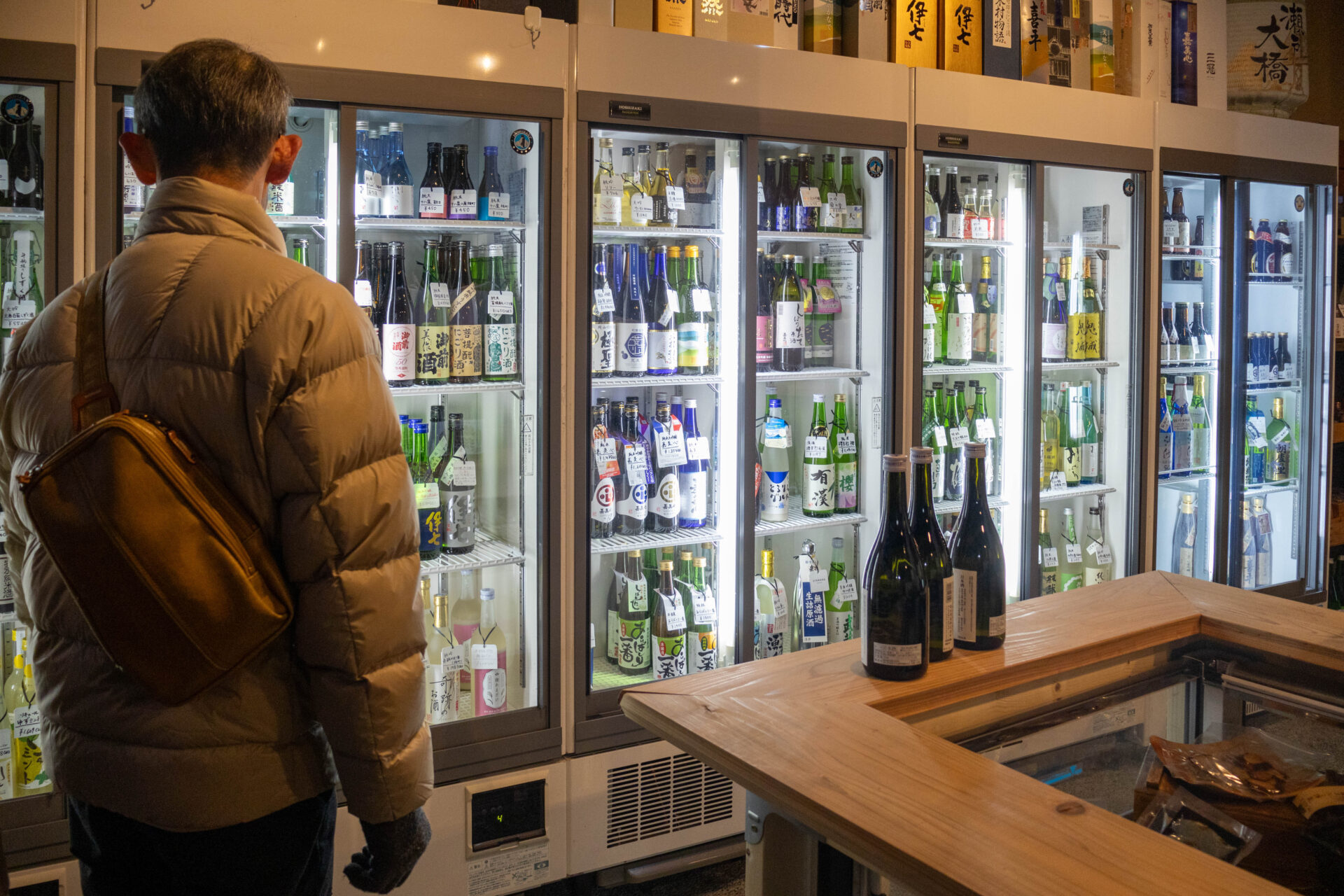
As I gazed at the rows of sake in the refrigerator, I spotted bottles from Kumaya Sake Brewery and Shiragiku Sake Brewery, which I had seen on the sightseeing train.
Hearing directly from the sake brewers about their thoughts and commitments makes me want to try other brands as well.
Some people were carefully considering which sake to purchase on their own, while others were sharing recommendations with each other, enjoying a leisurely shopping time.
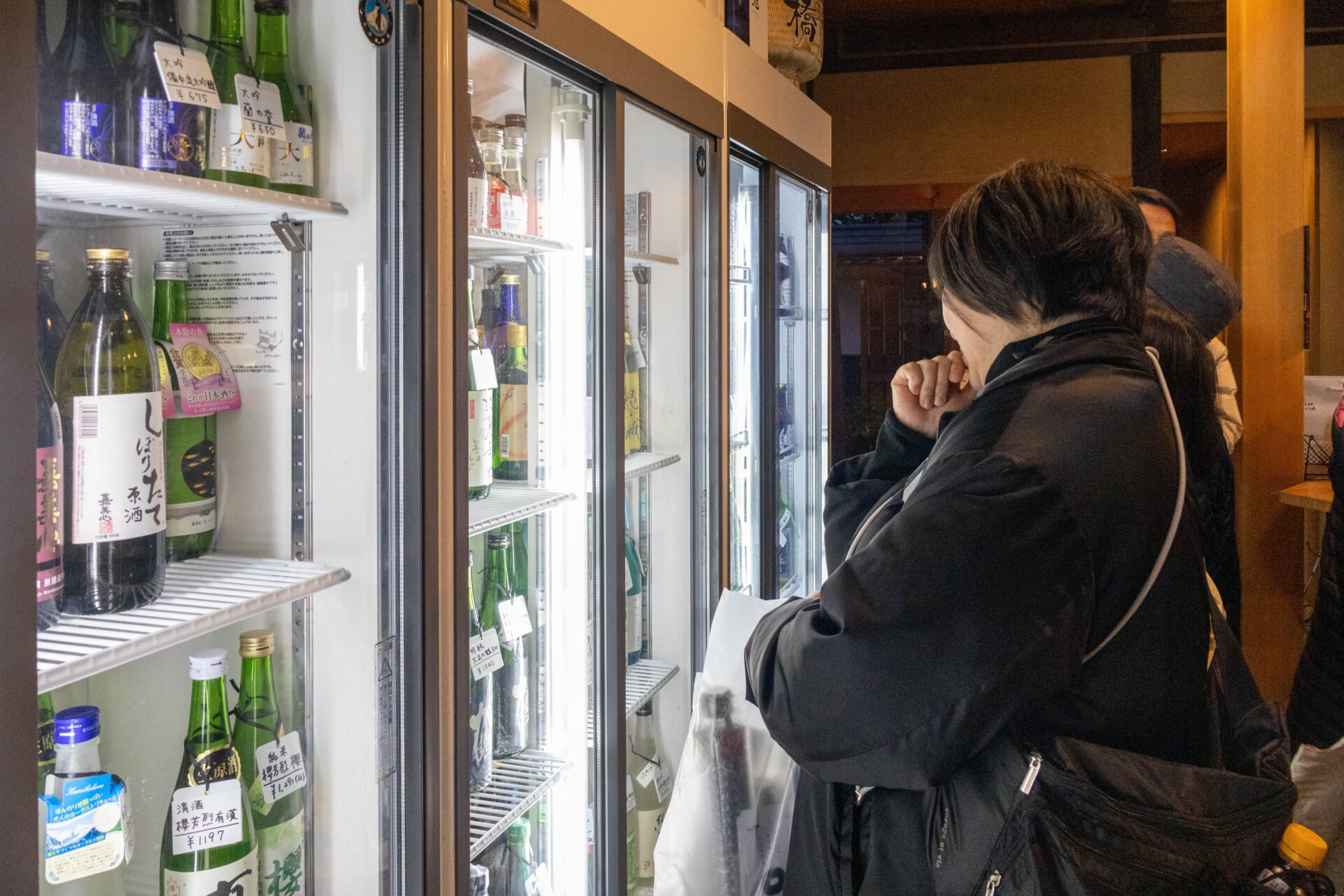
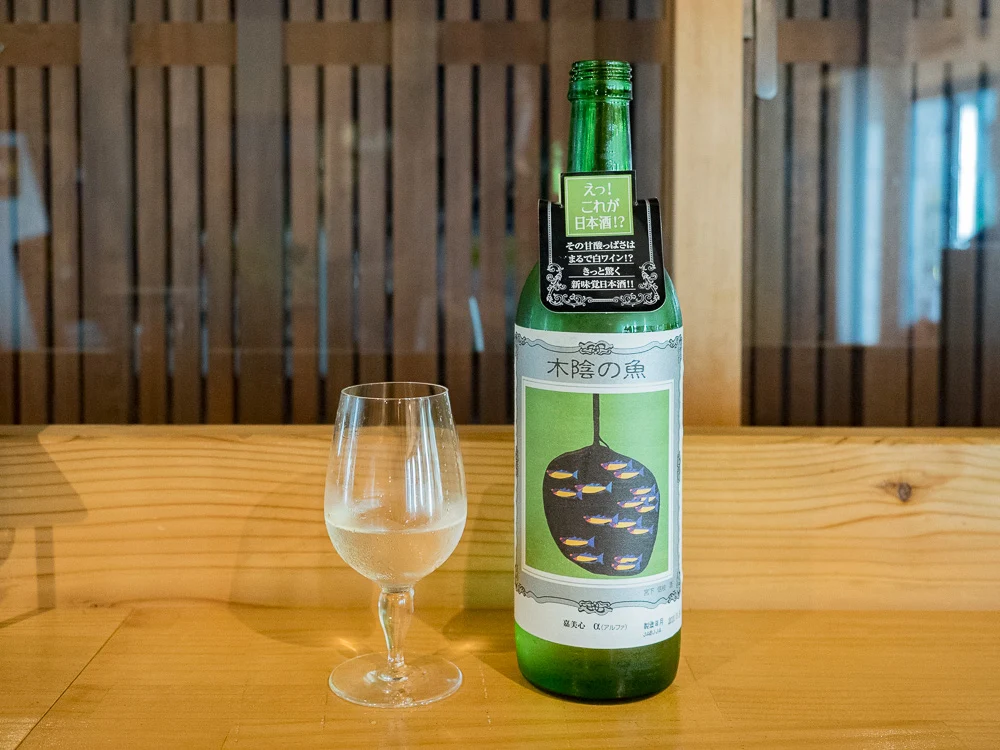
I also purchased a bottle of sake that caught my interest, and thanks to this event, I was able to learn about various characteristics of sake, making it easier to choose a type I like.
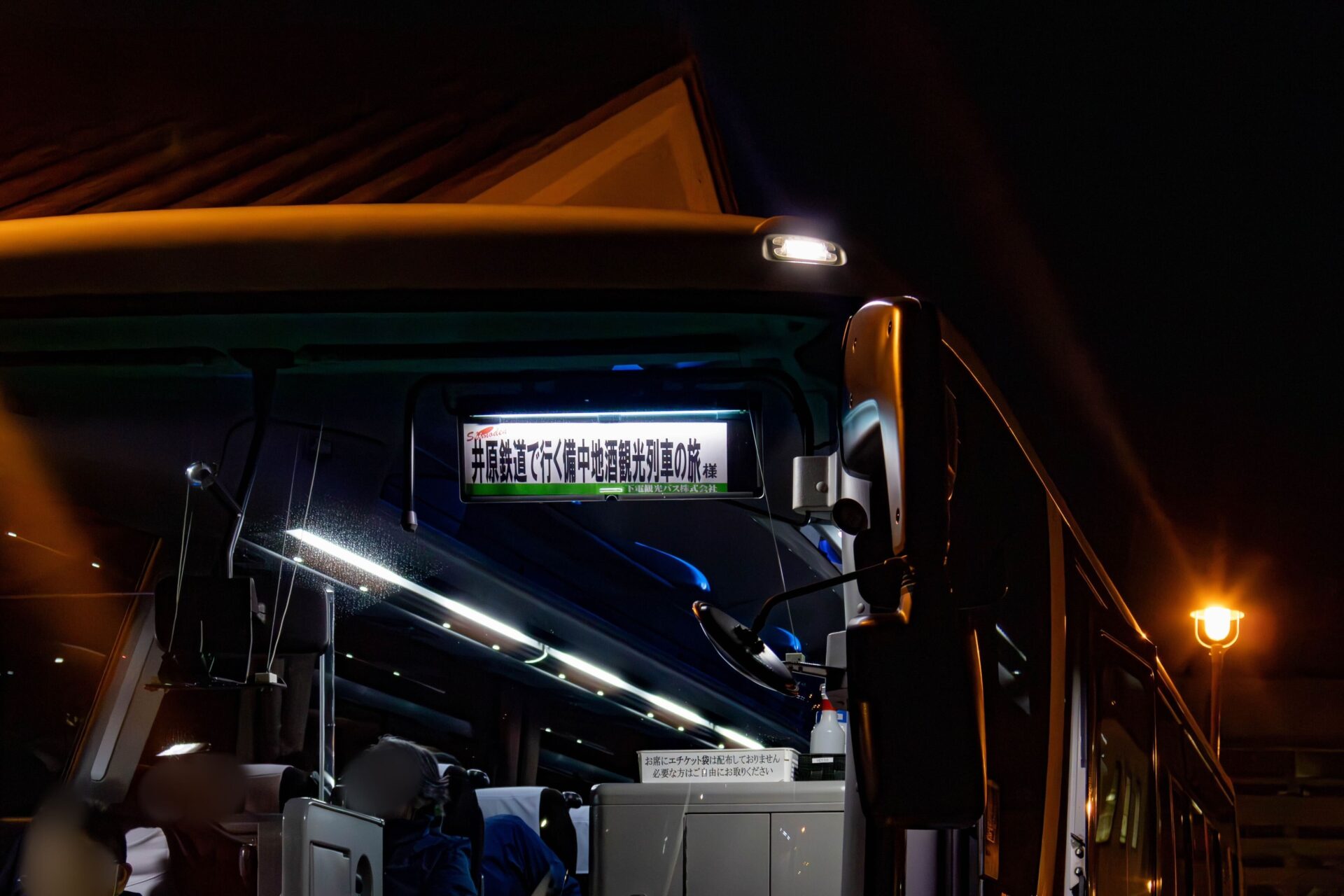
After finishing shopping, we returned to the bus under the guidance of the tour conductor.
Feeling happy with the weight of the souvenirs, we departed for JR Fukuyama Station, the initial meeting point.
Conclusion
The Bichu Sake Sightseeing Train was a wonderful event that not only allowed us to enjoy delicious drinks but also learn about the merits of Bichu sake.
I sometimes ride the Ibara Railway in my daily life, but on the sightseeing train, it felt like a mini trip, and I was very satisfied with the experience, which felt more fulfilling than a day trip.
As the name "Running Sake Brewery" suggests, I think it was a very worthwhile experience to enjoy 11 types of sake in half a day. I heard many requests for a second event to be held.
I participated in this event wanting to connect with the local sake, and drinking while hearing the thoughts and trivia from the producers made the experience feel even deeper than usual.
I hope that events that teach the charm of the region through sake will continue to increase in the future.
Data on the Bichu Sake Sightseeing Train via Ibara Railway
| Name | Bichu Sake Sightseeing Train via Ibara Railway |
|---|---|
| Date | February 24, 2024 (Saturday) from 1 PM |
| Location | Ibara Railway - Bikan Historical Area |
| Participation Fee (including tax) | 10,000 yen |