

Whenever I visit the Bikan Historical Area in Kurashiki, there’s a shop I always look forward to.
Just near the west approach to Achi Shrine, you can enjoy freshly made “Kurashiki specialty Ebisu Manju.”
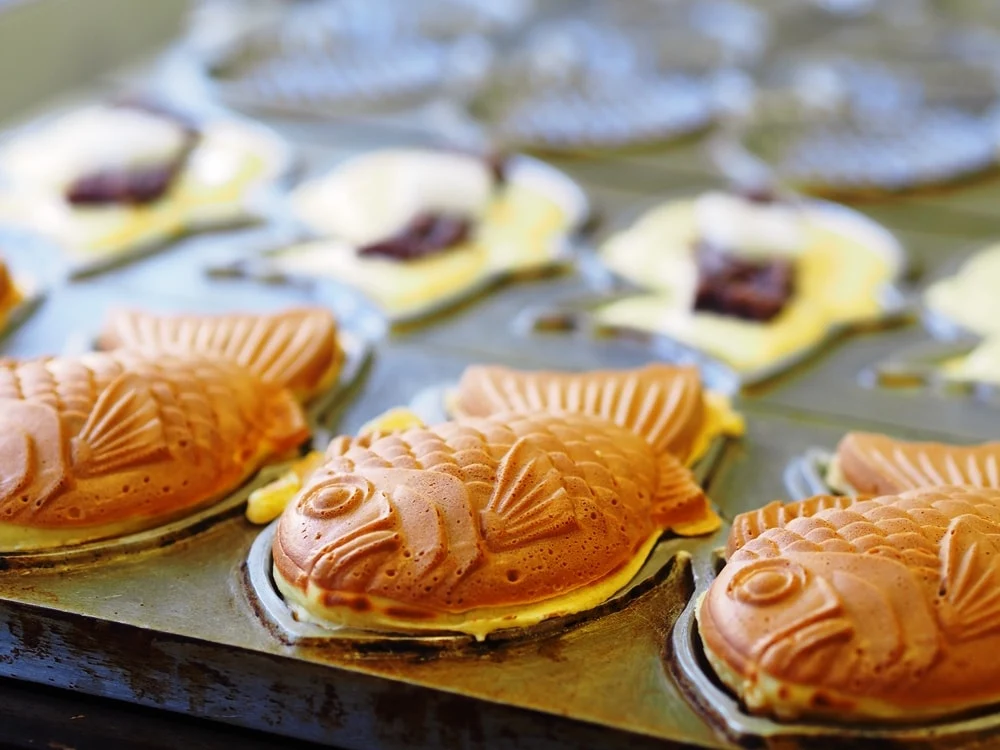
Obanyaki, imagawayaki, taiko-man, gozasoro, hijiri-yaki…
They go by many different names depending on the region.
In Okayama Prefecture, they’re also called fuman, but in the Bikan Historical Area, they’re well known as “Ebisu Manju.”
The shop is open only in fall and winter.
By the end of summer, I’m eagerly waiting for the day the shutters open and business begins.
You can enjoy them piping hot on the spot, or buy a bunch to take home as souvenirs.
Here’s a look at Kurashiki specialty “Ebisu Manju.”
The information presented here was accurate when this article was published in November 2022. Please note that it may differ from current information.
Freshly made Ebisu Manju, just by the west approach to Achi Shrine
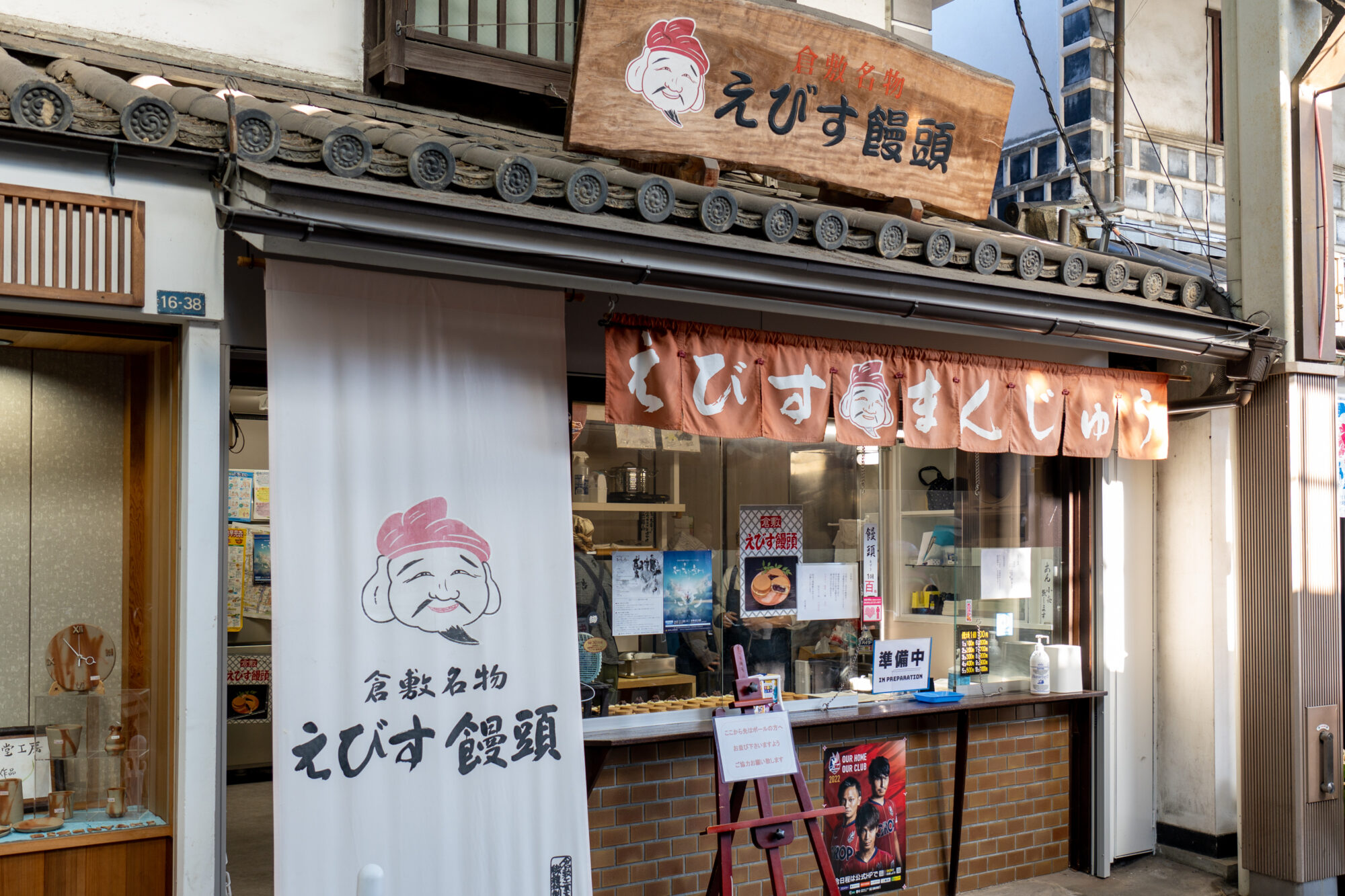
“Kurashiki specialty Ebisu Manju” is on Ebisu-dori Shopping Street, which runs from JR Kurashiki Station.
The name apparently comes from it being a manju shop on Ebisu-dori Shopping Street.
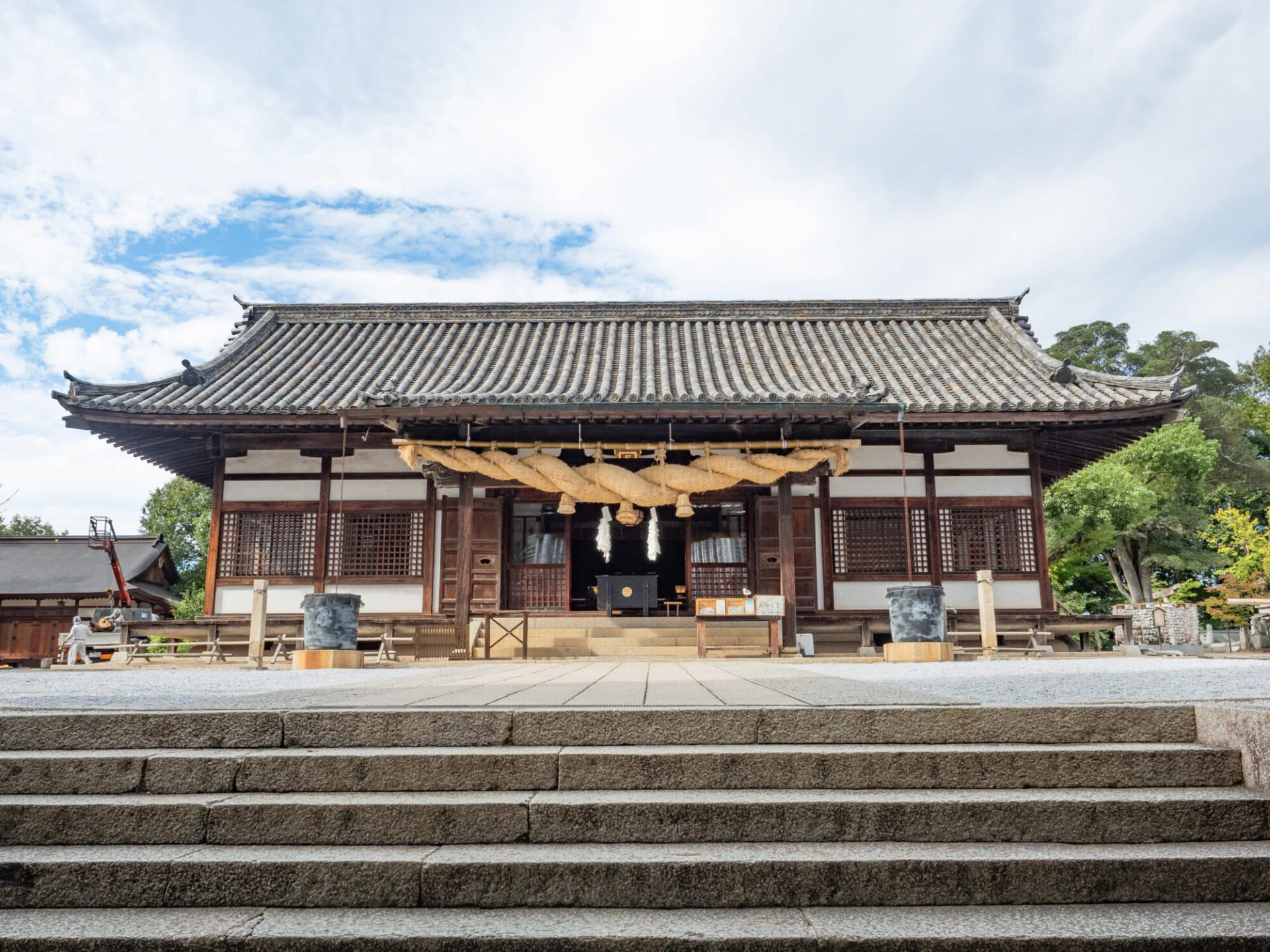
It’s just by the west approach to Achi Shrine, and close to the Bikan Historical Area.
Ebisu Manju is open from September 30 until around the start of Golden Week the following year.
It’s a delicious seasonal treat available only in fall and winter.

The noren (traditional shop curtain) was made by the textile course (now the Fashion Technology course) at Kurashiki Technical High School.
The face of Ebisu is wonderfully humorous.
The lettering “Kurashiki Specialty Ebisu Manju” was written by the wife of the shop owner, Minoru Shimamura, a calligraphy teacher.
Each manju costs 100 yen (tax included). Even 10 cost just 1,000 yen.
“They’re a little smaller than others,” says Shimamura, but the price is still surprising.
Eagerly awaiting the fresh batch: adorable regulars who come by in the morning

Before opening, we met some adorable regulars: Tomonaga and his three-year-old son, Shota.
They make a daily routine of strolling around the Bikan Historical Area and taking a break at Ebisu Manju.
Clutching his coins, he waits for the manju to finish cooking.

Unable to wait for them to finish, Shota goes to check on how they’re doing. Let’s take a look together.

The griddle is carefully oiled, and the heated batter is poured onto the copper plate.
The bits of batter that spill over get crispy and delicious.

They add plenty of homemade chunky sweet bean paste.

The batter starts to puff up.

Shota is smiling too. You can’t wait for them to be ready, can you?

They pour batter into the empty molds.

They join the batter halves with the bean paste, and they’re done. They’ve cooked to a beautiful golden brown.

“Which one is the biggest? This one? Is this one bigger?”
Asking gently, the shopkeeper helps Shota choose his manju.

A lovely, smiling staff member hands them over.
Packed with sweet bean paste! Piping-hot, freshly made Ebisu Manju

Freshly made and piping hot, “Ebisu Manju” costs 100 yen (tax included).
Its distinctive feature is the wing-like edge, like a UFO saucer.

Break open a piping-hot manju, and you’ll find it packed with chunky sweet bean paste.
Steam rises warmly from the bean paste too—irresistible on a cold day.

A crisp, browned crust surrounds piping-hot, gooey, sweet chunky bean paste.
Freshly made, they taste exceptional! The warmth of the manju spreads through your stomach, and soon your whole body feels toasty.
They’re small enough not to get your hands dirty, and just the right size for eating as you stroll.

Shota is smiling too. He was eating the manju little by little, as if it were precious to him.
Shota looks forward to stopping by Ebisu Manju every morning. He’ll be starting kindergarten in the spring.
Ebisu Manju has an adorable regular customer.
We interviewed Minoru Shimamura, the owner of Ebisu Manju.
Ebisu Manju details

Some photos, including those at the beginning of the article, show the former price (75 yen) at the time of our feature visit in March 2020.
The current price is 100 yen each.
| Name | Ebisu Manju |
|---|---|
| Address | 2-16-37 Achi, Kurashiki City, Okayama Prefecture |
| Contact | 090-2800-6827 |
| Parking | None |
| Business hours | 10:00 a.m.–4:30 p.m. |
| Closed | Mondays Closed from after Golden Week through September 30 |
| Payment methods |
|
| Reservations | Accepted |
| Smoking | Entirely non-smoking |


What would you like to know about Kurashiki?
Enter a word to search articles on this site





































