In 2025, the influenza outbreak started early, with Okayama Prefecture issuing an "Influenza Advisory" on October 30 and an "Influenza Warning" on November 28. I often hear stories of people around me getting infected with influenza.
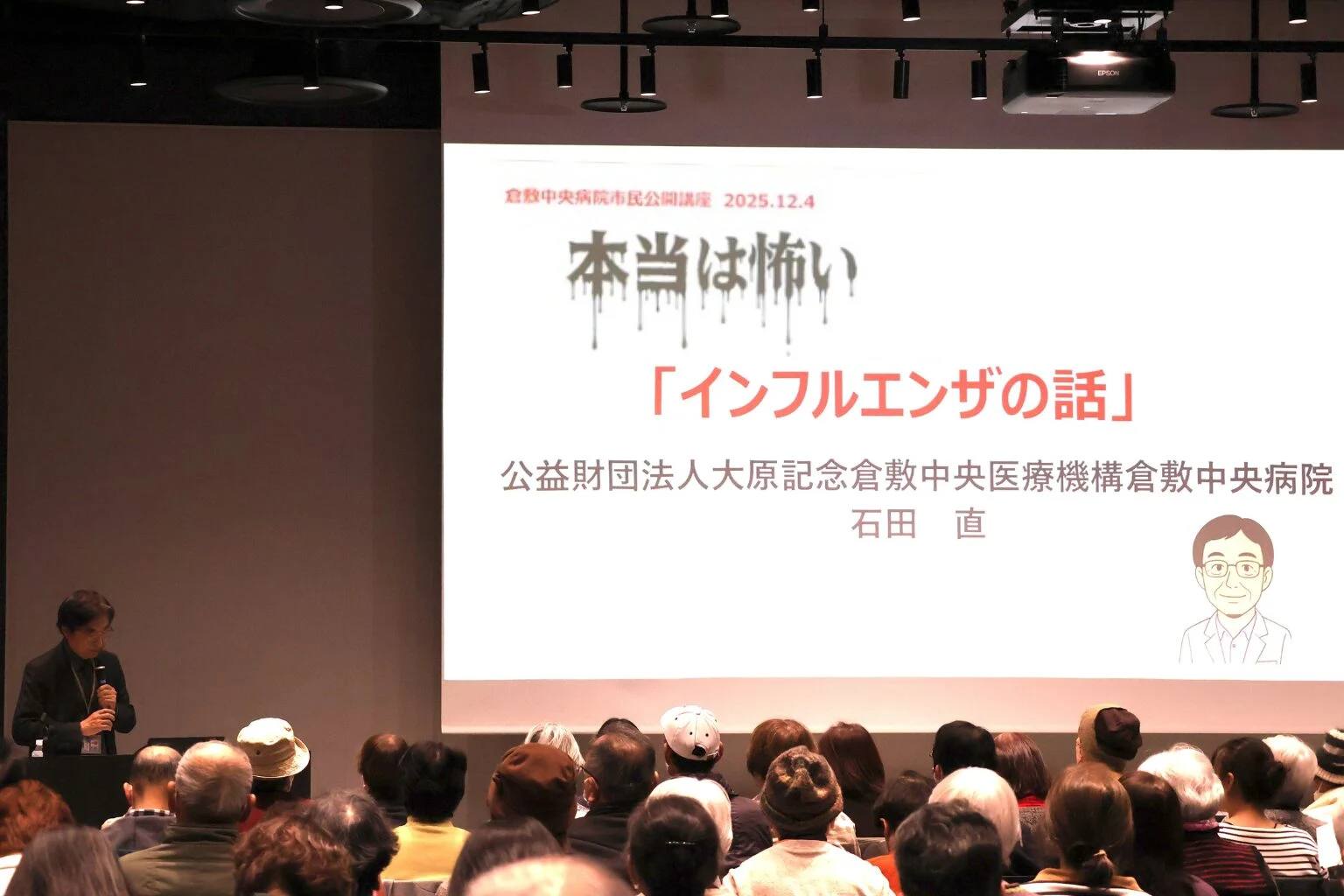
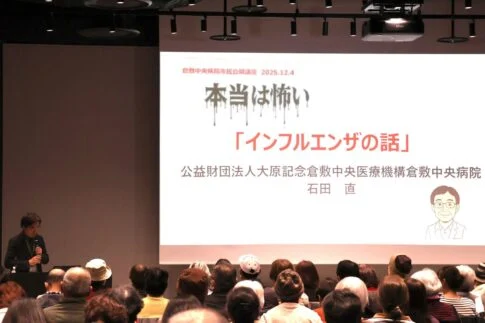
The theme of the public lecture held on December 4, 2025, titled "Kurachu Medical Gathering," was a timely topic: "The Scary Truth About Influenza."
The speaker was Dr. Ishida Tadasi, Deputy Director of Kurashiki Central Hospital and Chief of the Respiratory Medicine Department. Dr. Ishida specializes in "respiratory infections" and has deep knowledge in infection control. During the influenza outbreak period, he receives numerous media interviews to explain the infection situation.
Influenza is a well-known disease, but it poses a risk to life if it becomes severe. Moreover, the risk of severe illness can occur even in healthy individuals under 65 years old or those without underlying conditions.
In the lecture, Dr. Ishida discussed the real dangers of influenza and the three pillars of influenza countermeasures (1. Antiviral drugs 2. Vaccines 3. Infection control), which are important to keep in mind to protect the health of oneself and those around them.
Overview of the Public Lecture "Kurachu Medical Gathering"
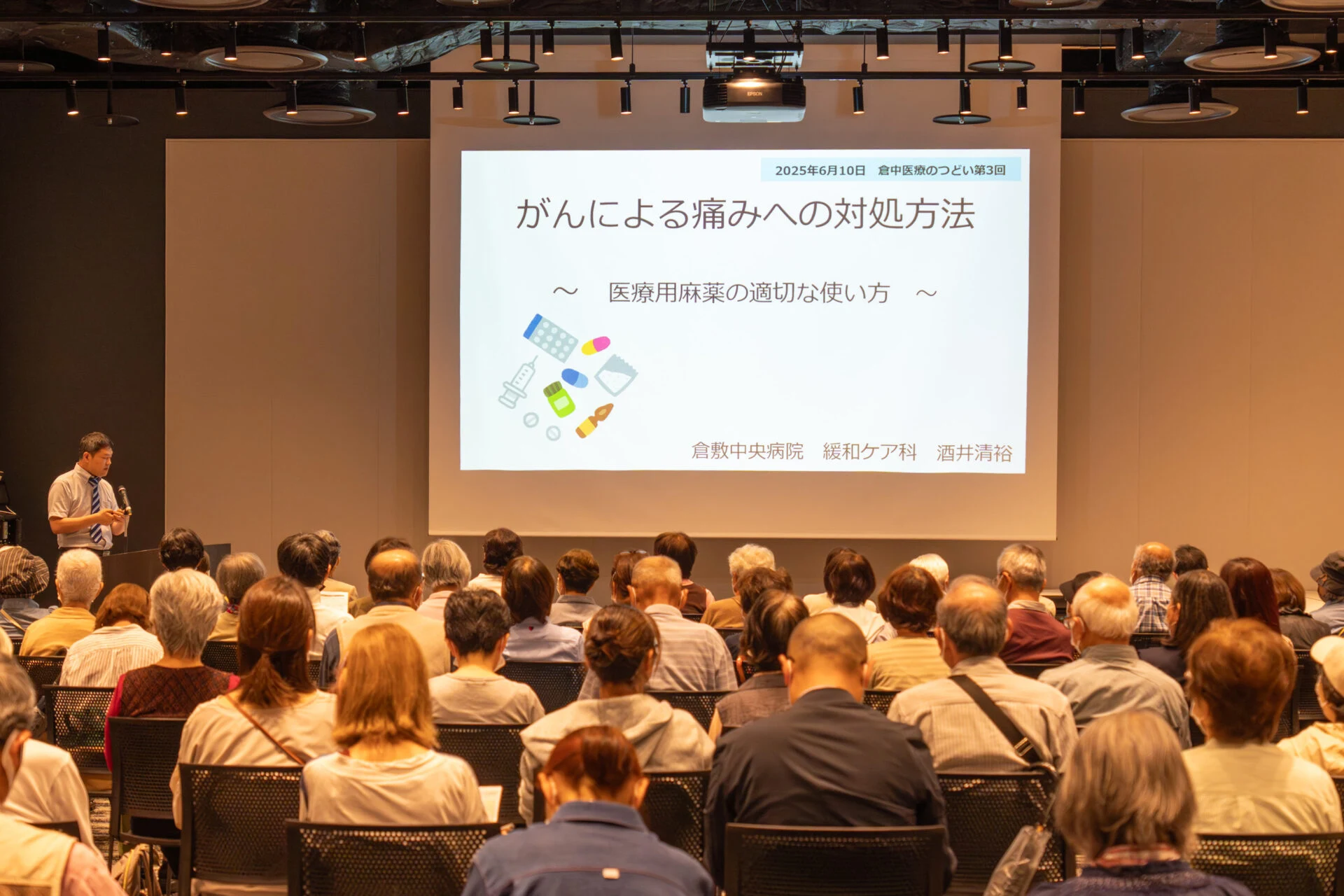
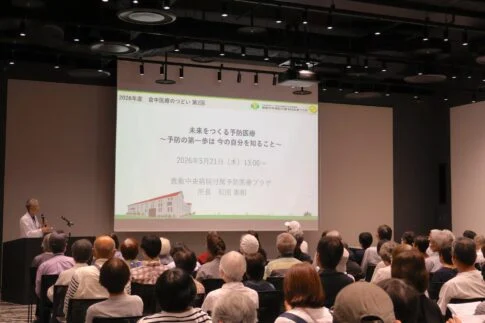
The lecture was held on December 4, 2025 (Tuesday) at the Kurashiki Central Hospital Preventive Medical Plaza in the Kokuga Hall.
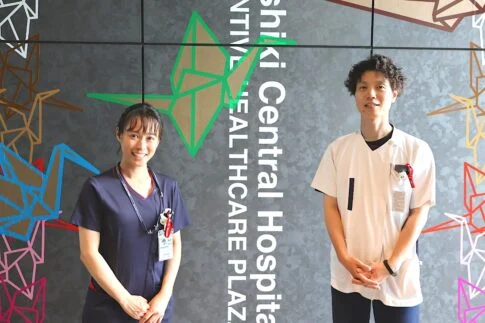
The Kurashiki Central Hospital Preventive Medical Plaza, completed in 2019, serves as a regional disease prevention hub, supporting the health of citizens through health check-ups and exercise and health classes.
The Public Lecture "Kurachu Medical Gathering" is held once a month, featuring doctors from Kurashiki Central Hospital who explain common diseases and health measures in an easy-to-understand manner, making it a popular lecture series.
On the day of the lecture, a considerable number of people attended. They listened attentively, and the Q&A session was lively, reflecting a high level of interest.

Trends of Influenza This Year
The characteristic of influenza in 2025 is that it has an "early start to the outbreak." Last season, there was a sudden increase from the end of the year, but this season, it has already exceeded warning levels in November and is wreaking havoc.
● What strain is currently circulating?
The predominant strain is "A (H3N2)." The type changes from year to year and can switch. It is said that the A(H3N2) strain tends to show slightly less effectiveness of the vaccine in the elderly, so caution is needed.
● Future predictions: Will "B strain" come after the New Year?
Predictions are based on data from the Southern Hemisphere (such as Australia), which experiences cold seasons six months before Japan. This season, Australia has seen a prolonged peak of the outbreak, with "B strain" also circulating, particularly among younger populations.
Dr. Ishida prefaced by saying, "Predictions can be wrong," but mentioned that "there is a possibility that B strain will increase after the New Year and the outbreak will last longer."
What is a "Pandemic"?
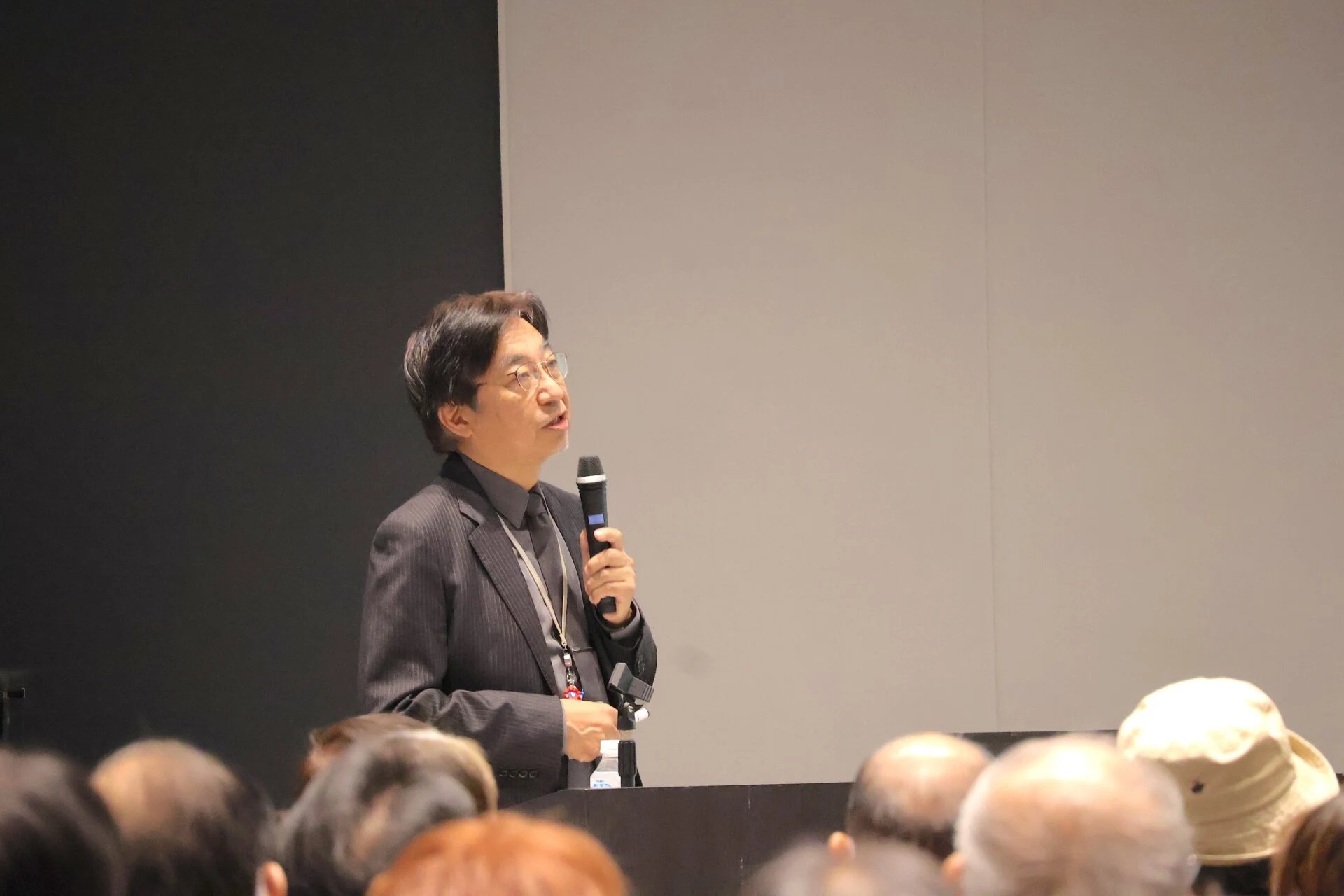
In the lecture, there was an explanation from a historical perspective about the fear of "pandemics."
The A-type influenza virus mutates slightly every year (continuous mutation), but it can suddenly change to a completely new type (discontinuous mutation) over decades. This emergence of a new type of influenza can lead to a "pandemic" that spreads explosively worldwide, as there are almost no people with immunity.
In modern times, pathogens can easily cross borders along with human movement. Once an outbreak occurs, complete containment is difficult. Therefore, it is important to be prepared in advance.
Characteristics of Those at High Risk of Severe Illness
Many people recover from influenza naturally, but some may develop complications that can be life-threatening. The high-risk groups defined by the American Infectious Diseases Society are as follows:
- Older adults (65 years and older)
- Infants under 5 years old (especially under 2 years old)
- Pregnant women and those within two weeks after childbirth
- People with underlying conditions
※ Chronic lung diseases (asthma, emphysema), cardiovascular diseases, liver diseases, kidney diseases, blood disorders, neurological diseases, metabolic diseases such as diabetes - People undergoing immunosuppressive therapy
- Severe obesity
- Residents of long-term care facilities
In Japan, people with cancer are also counted among the high-risk groups.
Healthy Young People Can Also Become Severe Cases
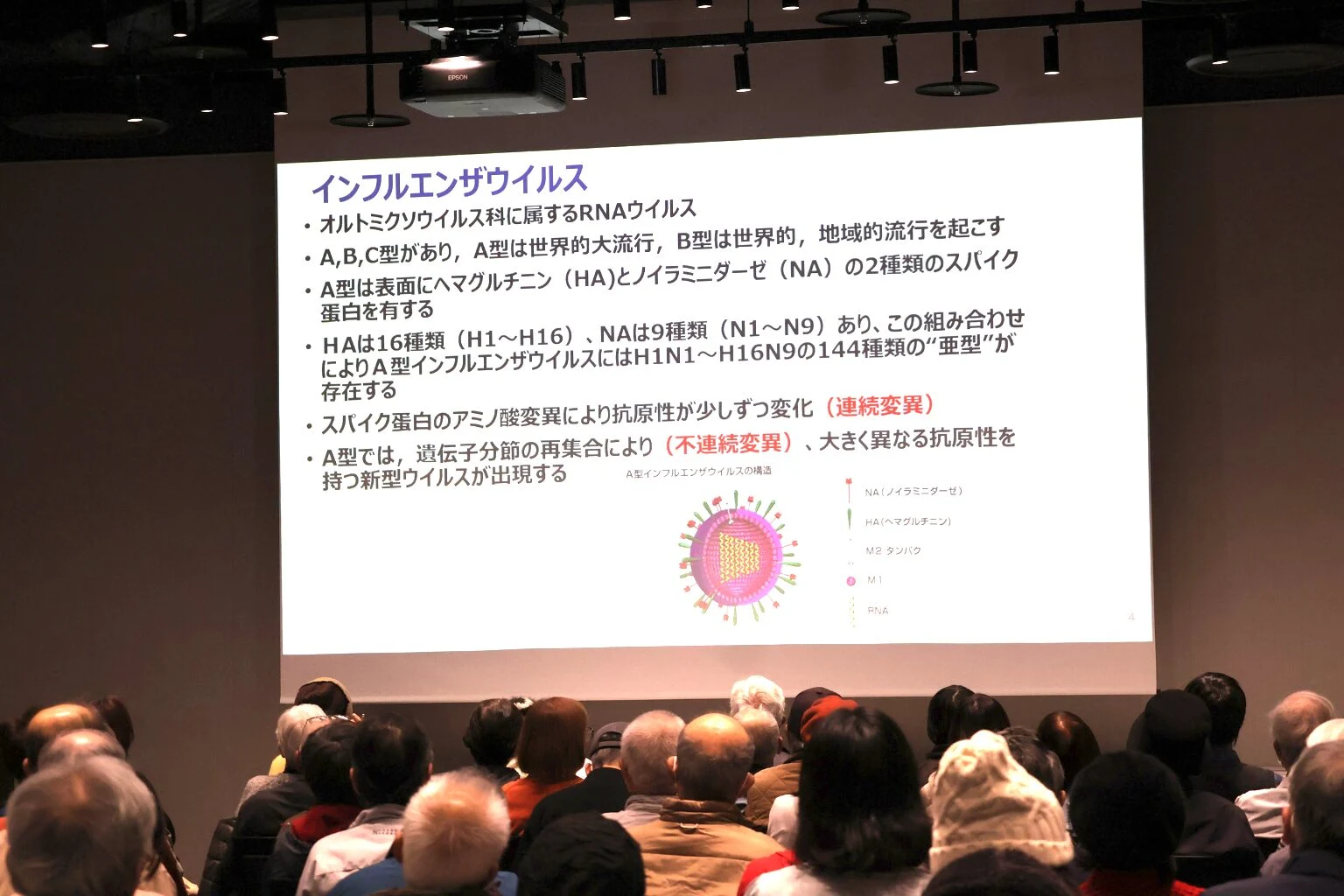
While older adults and infants are high-risk groups, it is noted that even young and healthy individuals without underlying conditions can become severe cases.
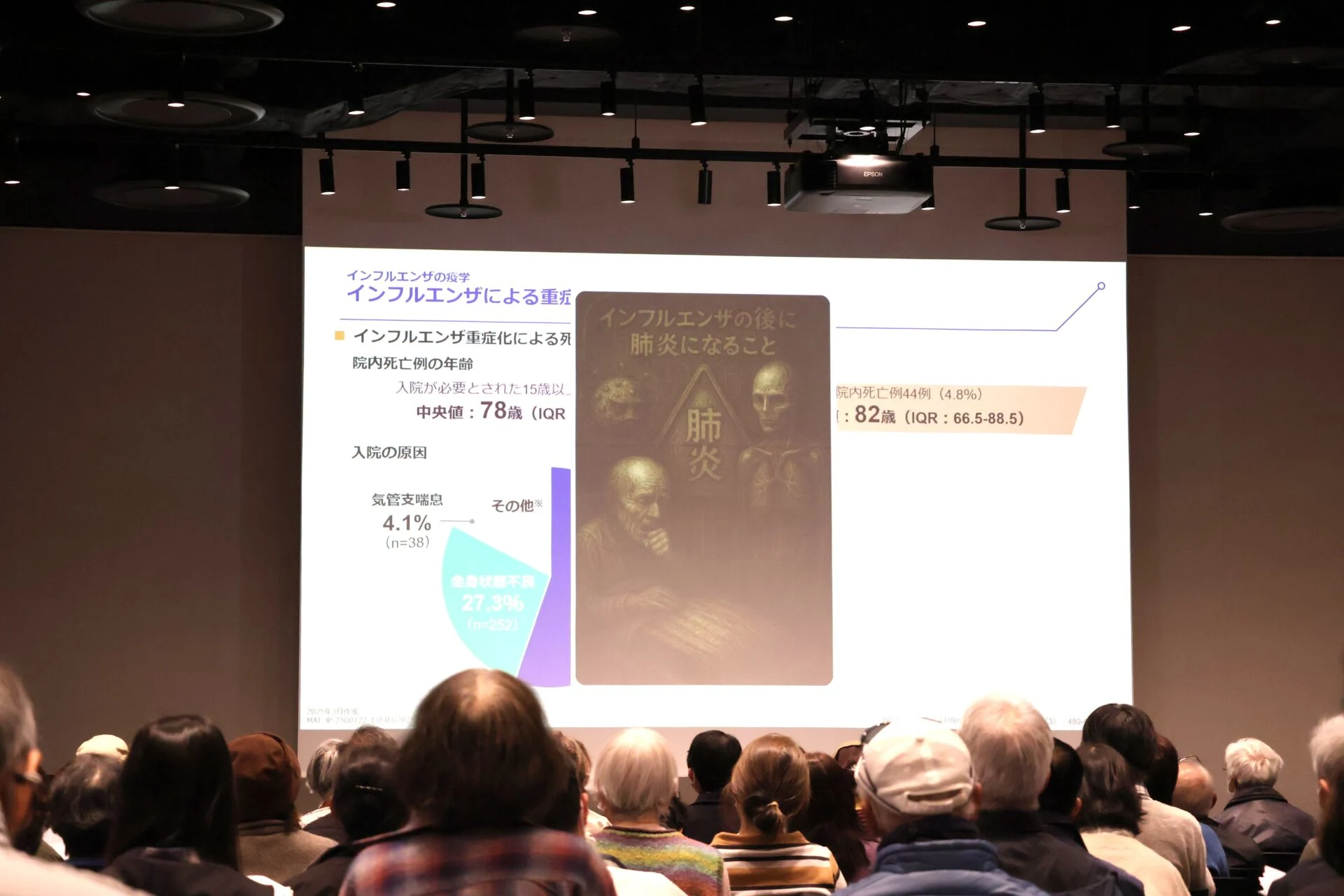
According to data presented by Dr. Ishida regarding patients hospitalized due to influenza, most severe cases requiring hospitalization are elderly, but about 10% are "individuals under 65 years old without underlying conditions." Additionally, there is data showing that the mortality rate among hospitalized patients in their 40s is 9%.
One cannot be reassured just because they are "young" or "have no underlying conditions." The unpredictability of who will become severe is what makes influenza frightening.
The Nature of Severe Illness: "Secondary Bacterial Pneumonia" and the Domino Effect
Why can influenza be "fatal"? There are two major cases.
- Damage to airway cilia
- Systemic diseases occurring in succession like a domino effect
Damage to Cilia
The surface of our airways has "cilia," which function like brushes to expel foreign substances and bacteria, protecting us.
However, the influenza virus damages these ciliated cells and causes them to detach. Bacteria (most commonly pneumococcus) invade the exposed state where the defense mechanism is lost, leading to severe "secondary bacterial pneumonia."
Systemic Deterioration Like a Domino Effect
In elderly individuals with weakened bodily functions, pneumonia can affect not only the lungs but also the entire body.
- Cardiovascular Damage
Blood becomes more prone to clotting, increasing the risk of myocardial infarction by 10 times and the risk of stroke by 8 times. - Worsening of Underlying Conditions
Worsening of diabetes, exacerbation of heart failure, etc. - Progression of Frailty
Loss of physical strength, leading to a state requiring long-term care or bedridden status.
What measures can be taken to prevent deterioration?
The Three Pillars of Influenza Countermeasures
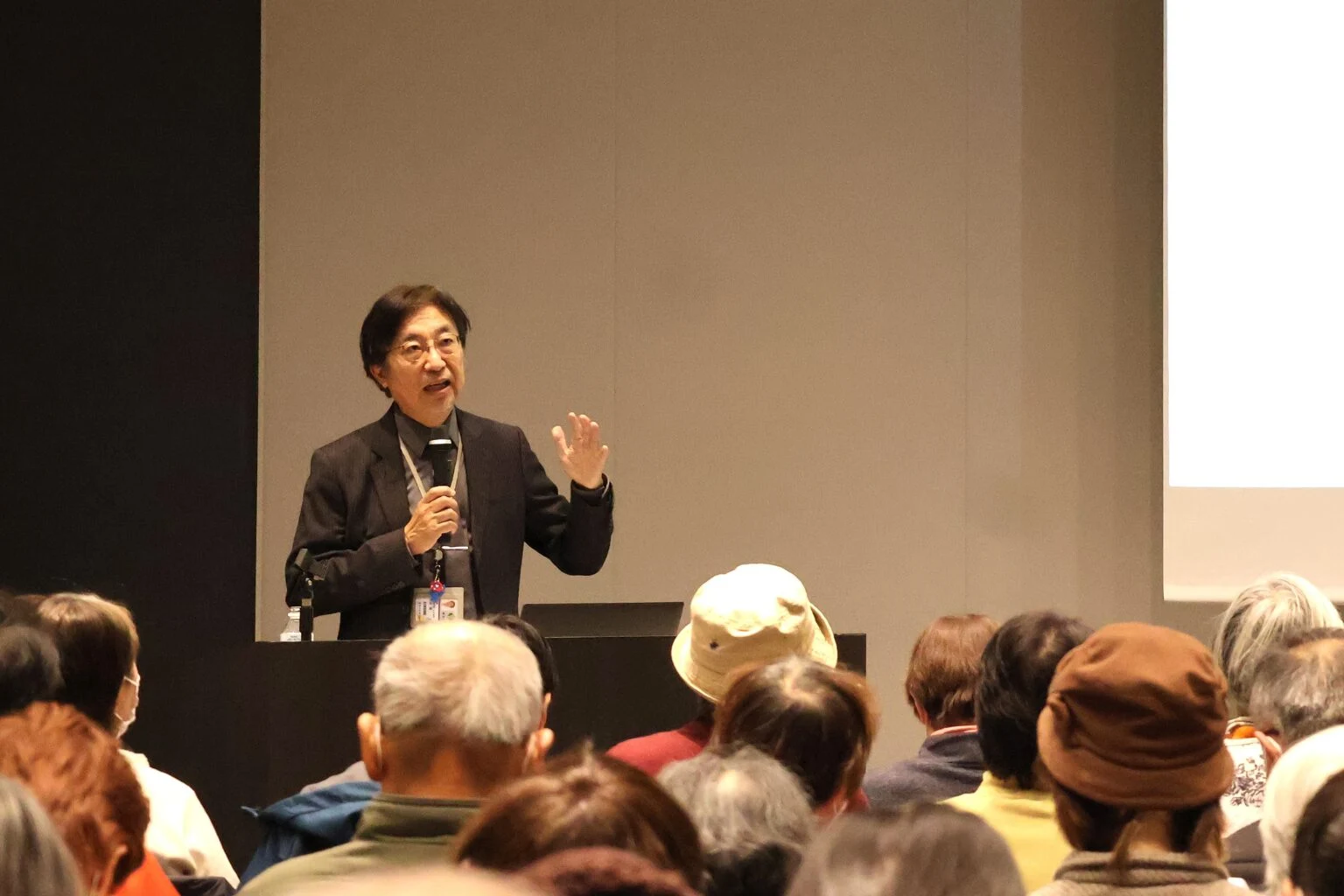
In response to this unpredictable threat, there are three countermeasures we can take.
- Antiviral drugs should be taken within 48 hours of onset if possible.
- Vaccines are important to prevent severe illness.
- Infection control measures: masks, cough etiquette, and 20-second handwashing.
Antiviral Drugs Should Be Taken Within 48 Hours of Onset
In Japan, there is a medical system that allows for early diagnosis and treatment of influenza.
The purpose of five types of medications, including Tamiflu, Inavir, and Xofluza, is to "quickly reduce the viral load." This not only alleviates symptoms but also lowers the risk of complications such as pneumonia and increases the likelihood of preventing infection in those around.
The principle of influenza treatment is early consultation and early treatment.
Vaccines Are Important to Prevent Severe Illness
Some people may have contracted influenza even after receiving the vaccine.
The vaccine's effectiveness rate varies between 20% and 60%, depending on how well it matches the circulating strain that year. For example, consider a case where the effectiveness rate is 60%.
- Assumption
About 10% of the population contracts influenza each year. - Without the vaccine
Out of 100 people, 10 people will develop the disease. - With the vaccine
Out of those 10 people, the number who develop the disease is reduced to 4 people. - Result
Since the number has decreased from 10 to 4, 6 people have been saved.
The ratio of 6 people saved to the original 10 cases is 60%, hence the "effective rate of 60%."
Looking at the overall population (100 people), it may be difficult to perceive the effect as "only 6 people did not get infected." It is likely that the effect will only be understood when viewed on a national scale of hundreds or millions.
Additional information about the vaccine includes:
- High-Dose Vaccine
A "high-dose influenza vaccine" with four times the amount of antigen is expected to be introduced in Japan starting in the fall of 2026 for the elderly (75 years and older) who have difficulty developing immunity. - Co-administration of Pneumococcal Vaccine
The "pneumococcal vaccine" has been recommended for co-administration with the influenza vaccine. Pneumococcus is commonly found in the noses of healthy children. If an elderly person with weakened immunity comes into contact with nasal discharge from a cute grandchild, there is a possibility of transmission.
Data from the United States shows that after starting to vaccinate children against pneumococcus, not only did the rate of pneumonia in children decrease, but the rate of pneumonia in the elderly also dropped (indirect effect).
Infection Control Measures: Masks, Cough Etiquette, 20-Second Handwashing
Let’s take infection control measures and strive for prevention.
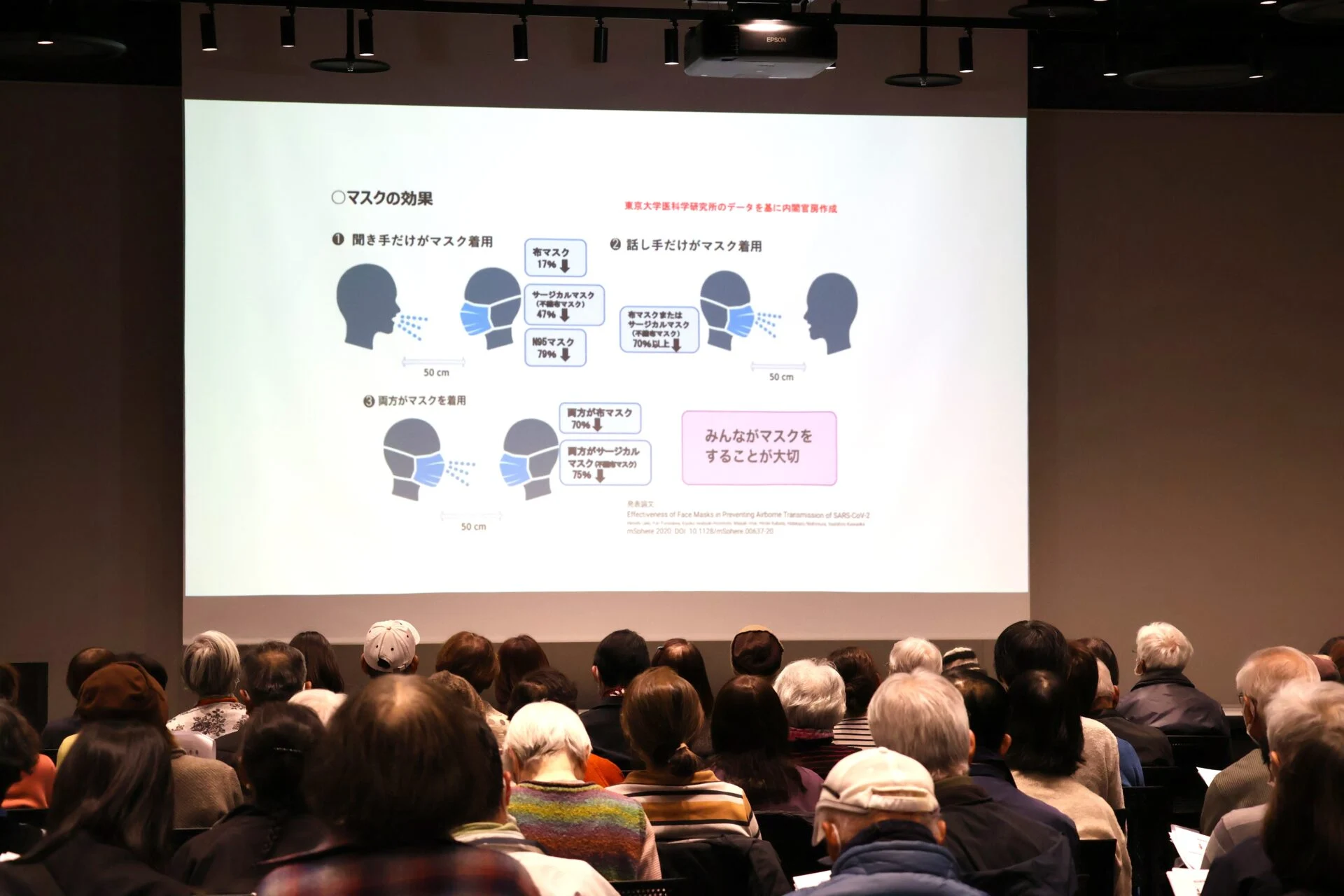
- Masks
Droplets can travel 1 to 2 meters when coughing.
Cloth masks are effective in preventing one's own droplets from being released, but they are less effective in blocking droplets from outside. For prevention, use non-woven masks. - Cough Etiquette
When coughing or sneezing, cover your mouth and nose with a tissue. Dispose of the used tissue. If you do not have a tissue, cover your mouth with your sleeve, not your hand. If droplets get on your hands, wash them with soap or disinfect with alcohol. Wear a mask if you have a cough. - Handwashing
Wash your hands for "20 seconds."
20 seconds is the length of time it takes to sing the first verse of the children's song "Moshi Moshi Kame yo." In environments where washing is not possible, alcohol disinfection is also effective as a measure against contact infection.
Q&A from the Audience
The following questions were raised from the audience:
Q. What are the side effects of the vaccine?
A. Local swelling and pain are the main issues, and systemic reactions tend to be milder than those of the COVID vaccine. Data suggests that the high-dose vaccine planned for next year will have side effects similar to the conventional vaccine.
Q. What is the frequency of pneumococcal and RS vaccine administration?
A. The pneumococcal polysaccharide vaccine is recommended every five years, while a different type of conjugate vaccine can be administered once. The RS vaccine is new, and data is limited, but it is believed to be effective for about three years.
Infection with the RS virus can lead to pneumonia and other complications.
Q. Is alcohol disinfection effective?
A. It is effective as a measure against contact infection (hand-to-hand transmission). However, trying to be perfect in all aspects can be overwhelming, so it is more practical to use it at specific times, such as "when returning home," "before meals," and "after using the restroom."
Insights from Listening to the Scary Truth About Influenza
Listening to the lecture, what stood out to me was that not only the elderly and those with underlying conditions but also individuals without underlying conditions are at risk of severe illness.
I learned about the true fear of influenza, which is unpredictable in terms of who will become severe. Additionally, the information regarding influenza predictions and vaccines was also intriguing.
In summary, the three pillars of influenza countermeasures are as follows:
- Antiviral drugs (preferably within 48 hours)
- Vaccines (effective in preventing severe illness)
- Infection control (such as masks and handwashing)
I believe that many people have been taking infection control measures since the COVID period, but this lecture reminded me to prioritize early consultation and treatment, not only for myself but also to prevent spreading to those around me.
Articles Related to Kurashiki Central Hospital
Data for Citizen Public Lecture Kurashiki Medical Gathering 'The Scary Truth About Influenza'
| Name | Citizen Public Lecture Kurashiki Medical Gathering 'The Scary Truth About Influenza' |
|---|---|
| Date | December 4, 2025 |
| Location | 1-11-11 Tsurugata, Kurashiki City, Okayama Prefecture |
| Participation Fee (including tax) | Free |
| Homepage | Kurashiki Central Hospital Preventive Medicine Plaza |