Having undergone surgery recently, I was unable to move for two days due to pain. I remember feeling a deep sense of relief when the pain relief IV gradually took effect and eased my pain, allowing me to truly appreciate the value of a life without pain.
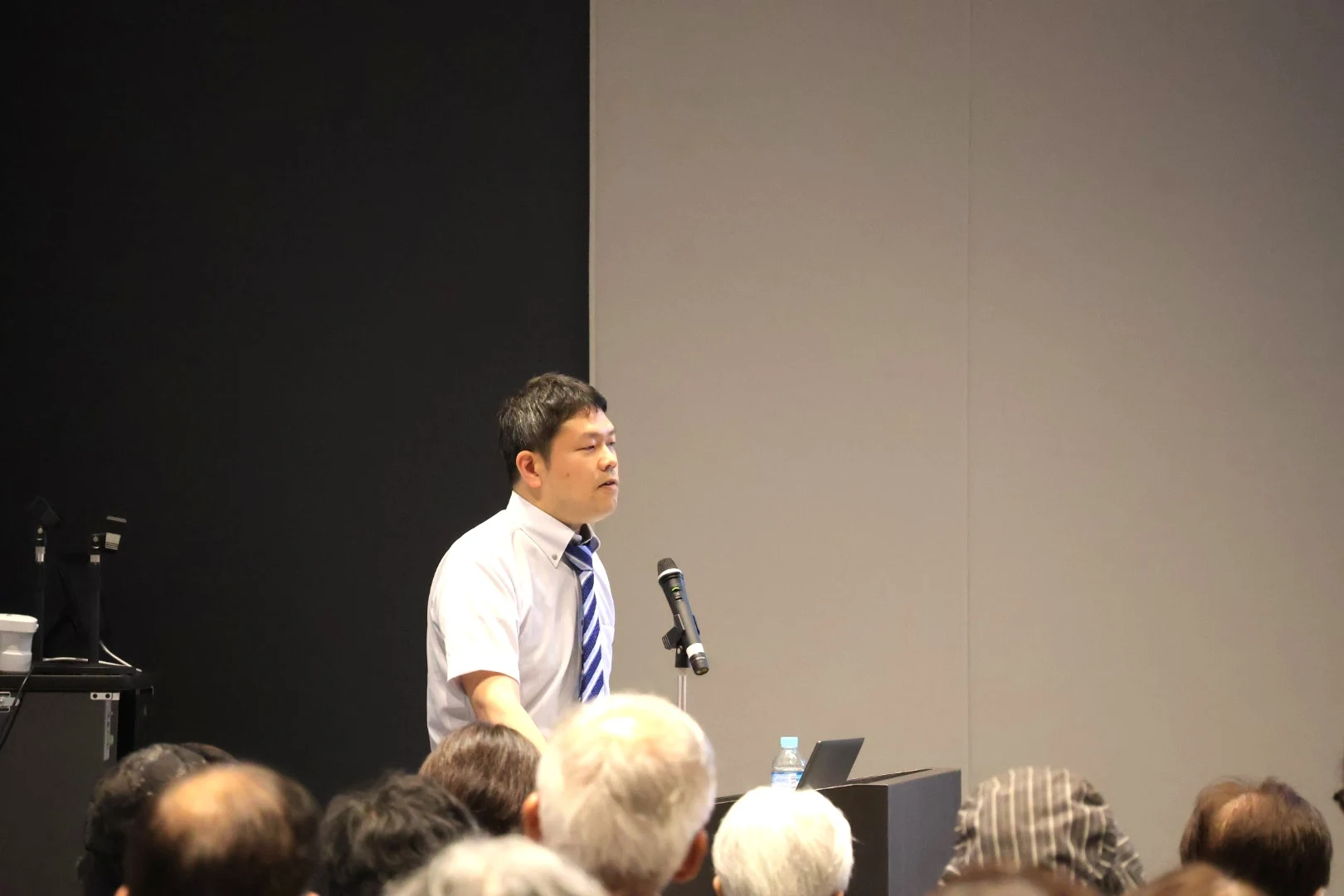
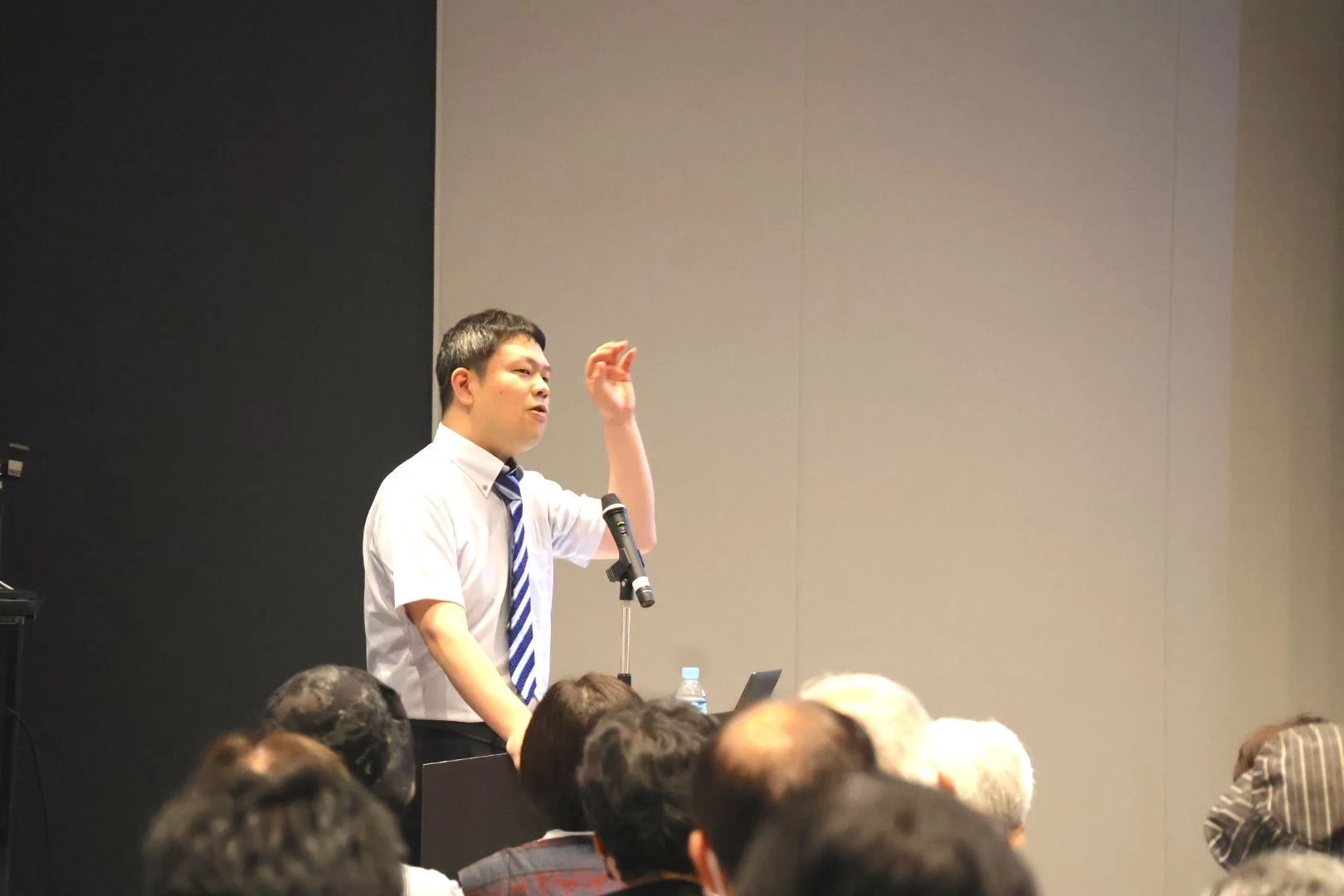
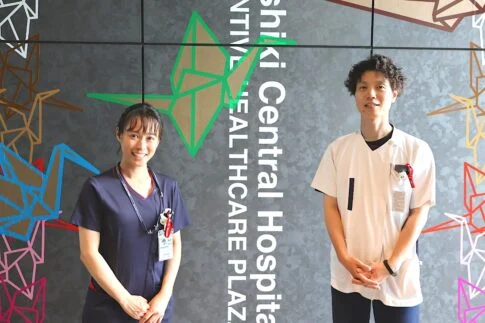
From that experience, I wanted to learn more about pain management, so I attended a public lecture. The theme of this lecture was methods for managing pain caused by cancer. The speaker was Dr. Sakai Kiyohiro from the Palliative Care Department at Kurashiki Central Hospital.
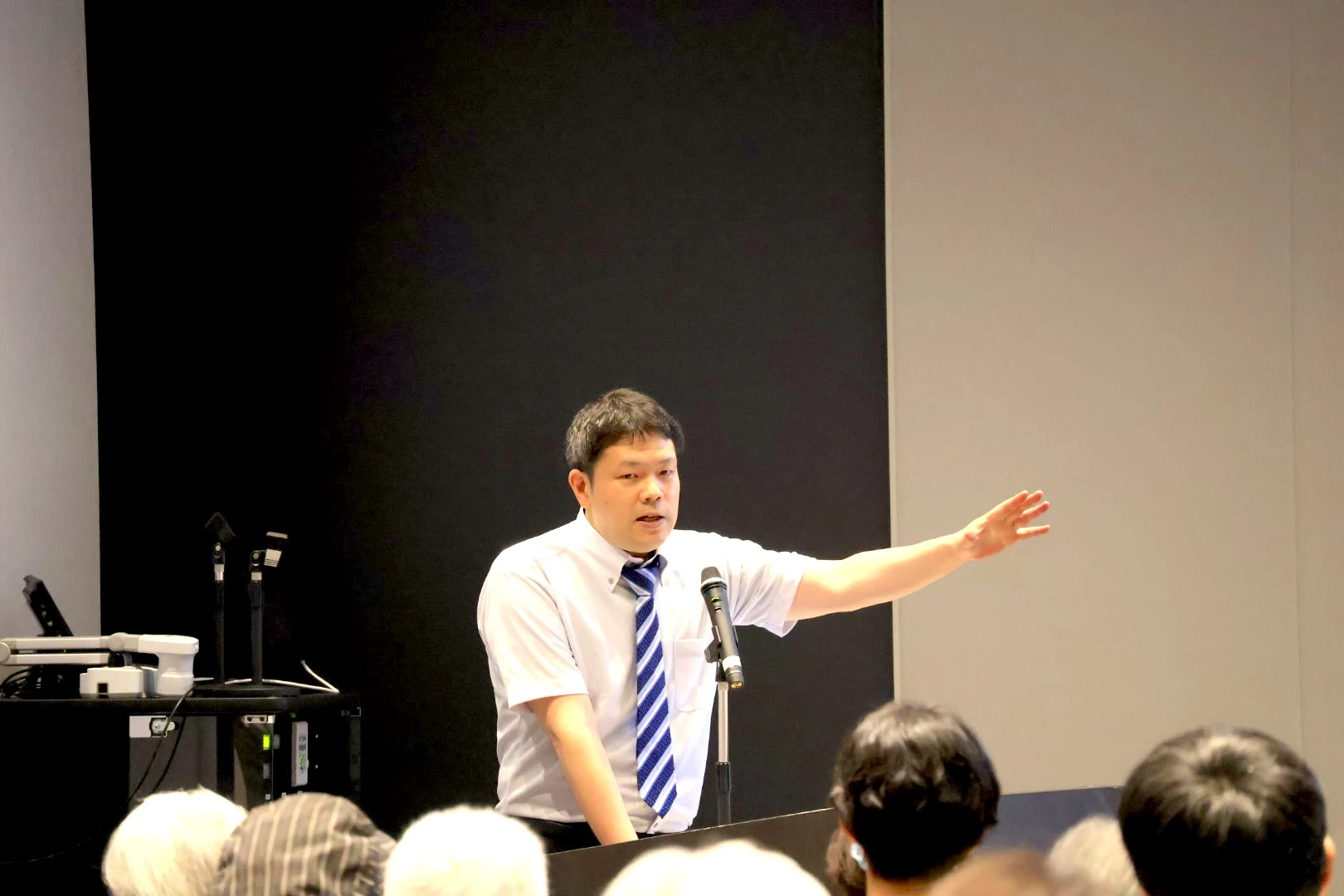
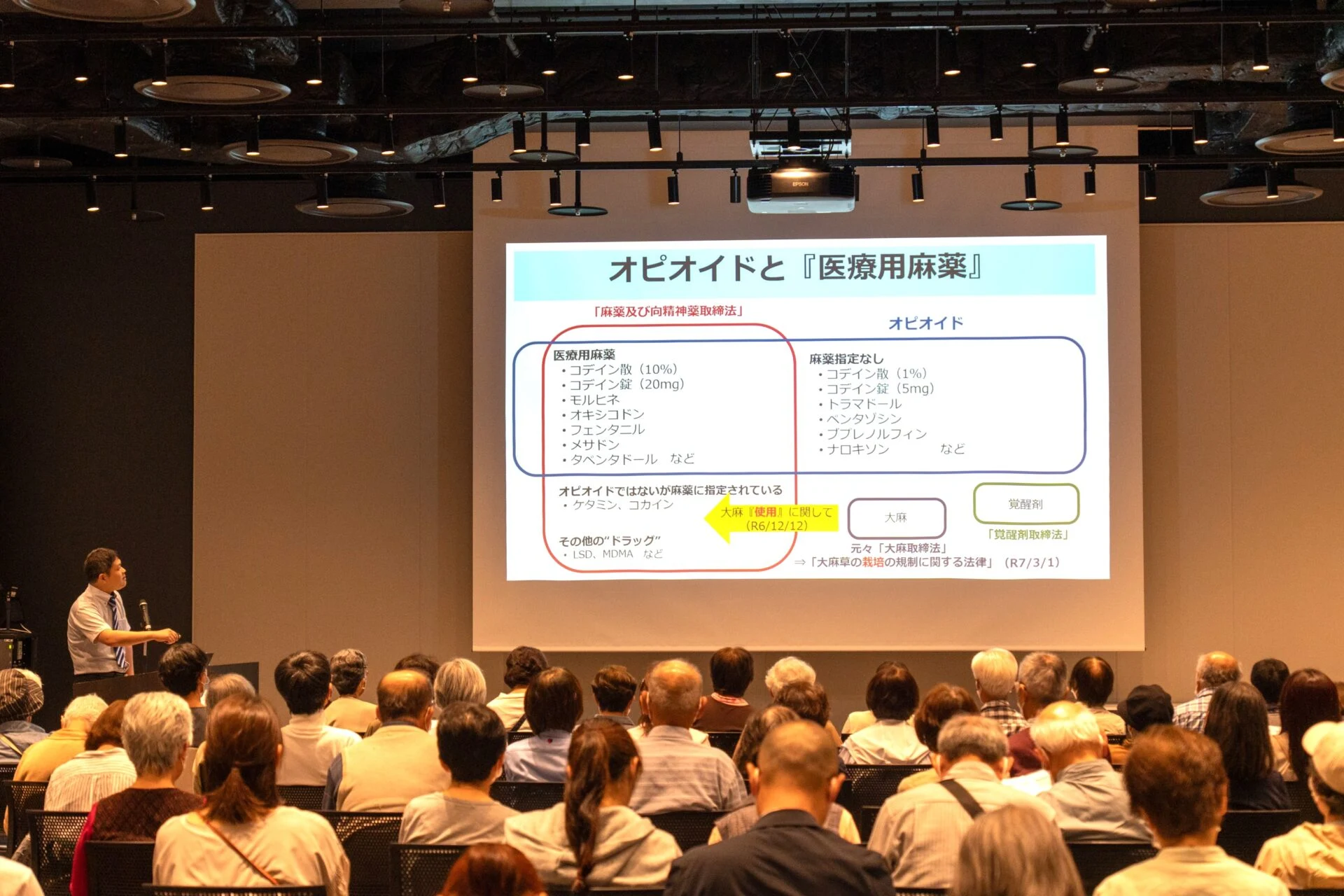
He explained in an easy-to-understand manner, incorporating expert knowledge, about commonly misunderstood medical narcotics and how to communicate the pain one is feeling.
When diagnosed with cancer, many people may feel a fear of "pain."
The doctor stated, "Please do not hesitate to communicate your symptoms to your doctors and nurses without enduring the pain."
I will report on pain management to live a daily life that is true to oneself while alleviating pain.
Overview of "Methods for Managing Pain Caused by Cancer - Appropriate Use of Medical Narcotics"
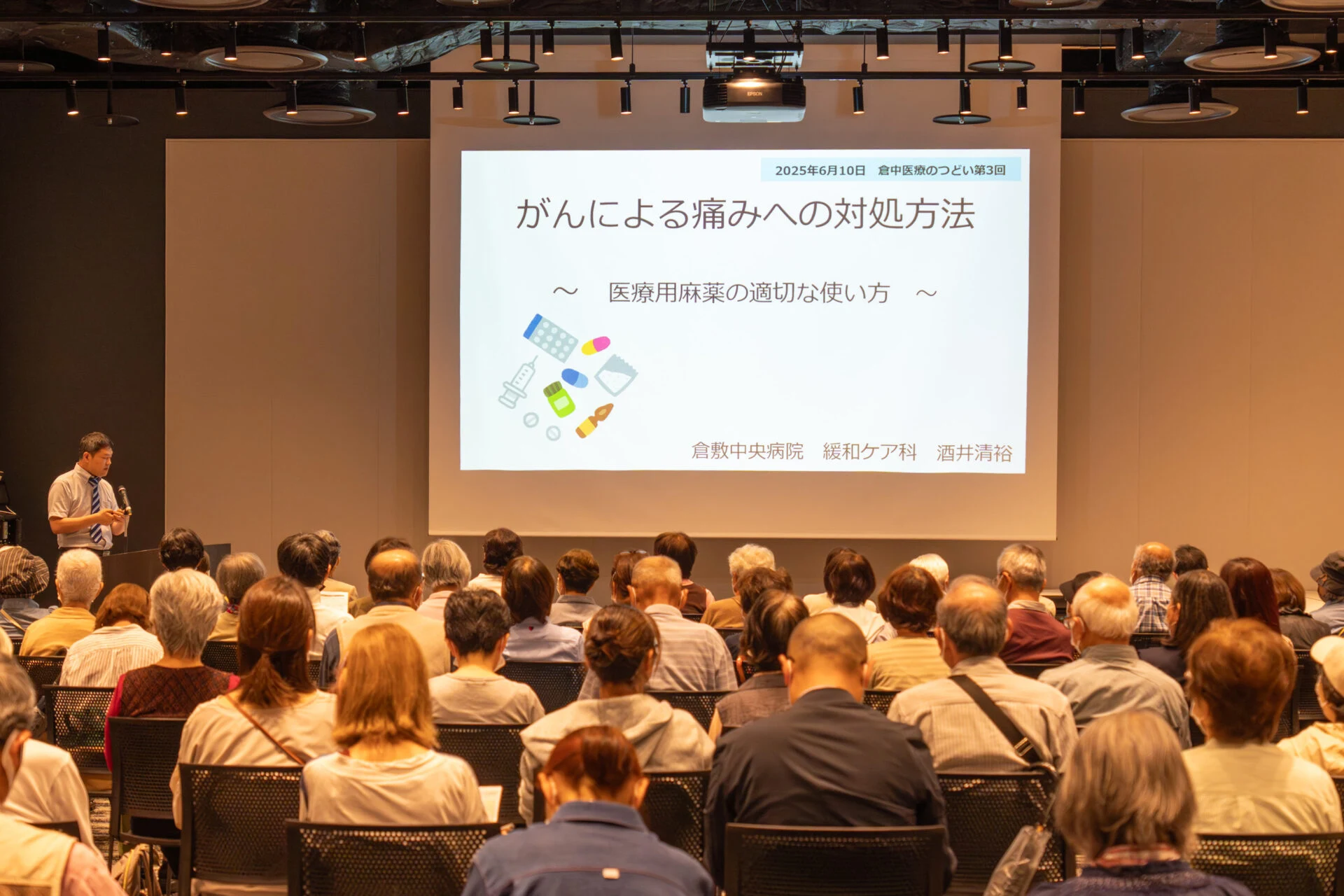
The lecture was held on June 10, 2025 (Tuesday) at the Kokuuga Hall of the Kurashiki Central Hospital Prevention Medical Plaza.
The Kurashiki Central Hospital Prevention Medical Plaza was completed in 2019 and aims to be a regional hub for disease prevention, offering health check-ups and exercise and health classes.
The public lecture series "Kurachu Medical Gathering" is held once a month, where doctors from Kurashiki Central Hospital give lectures on diseases and nearby health measures.
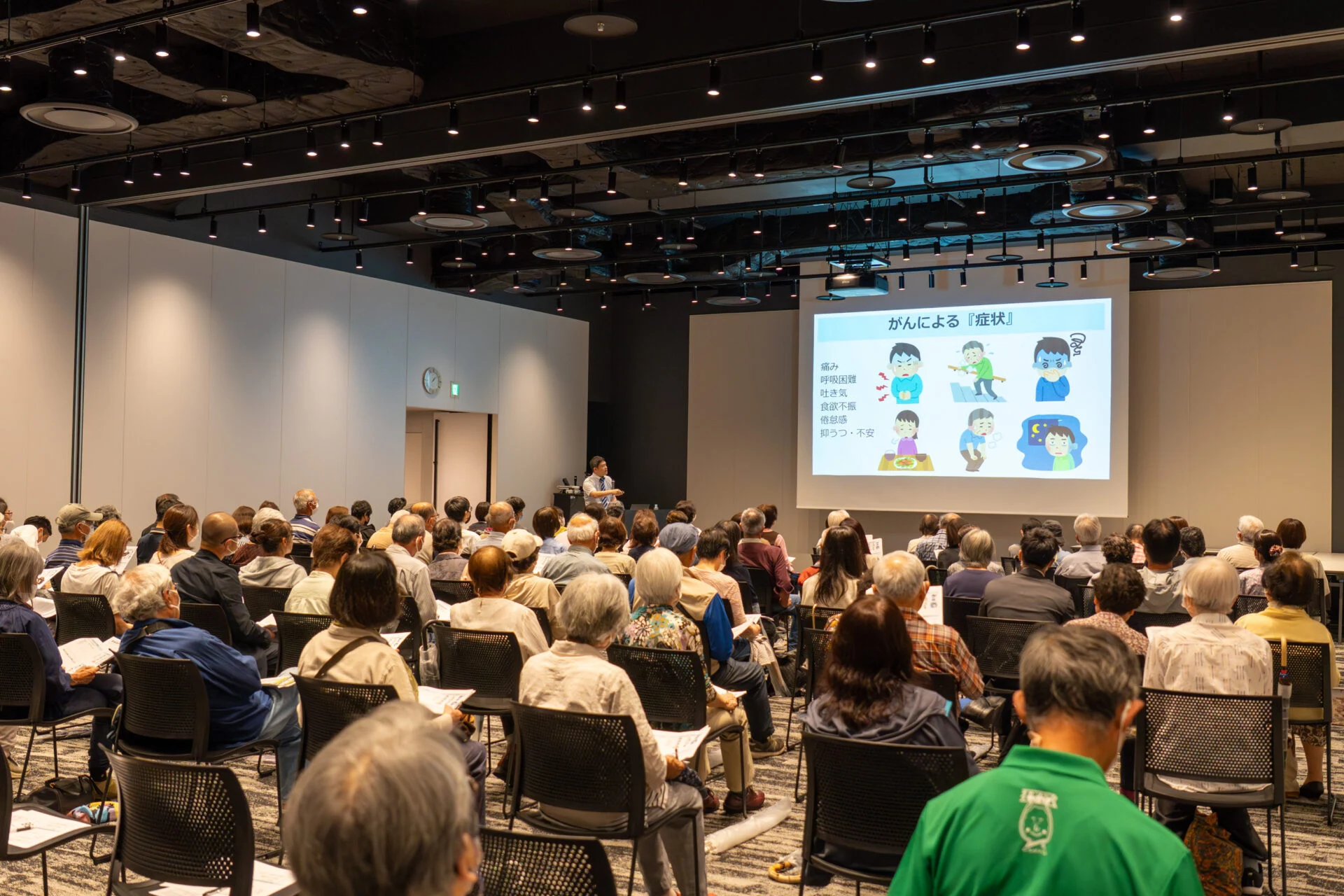
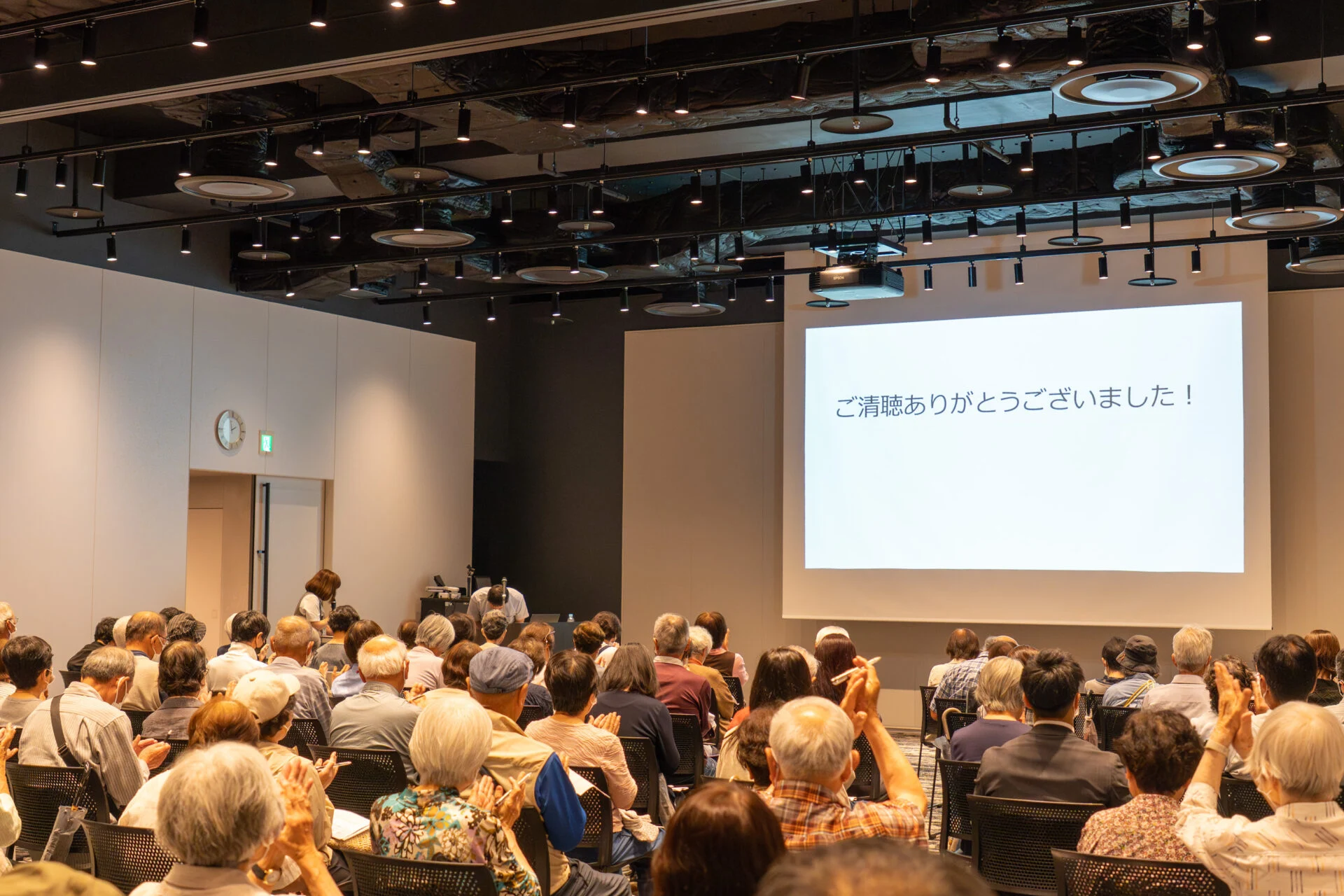
Despite the rain on the day of the lecture, over 100 people attended. The enthusiastic listening of the audience indicated a high level of interest.
"Please ensure there is no pain" - A patient's wish
It is said that about one in two Japanese people will develop cancer, and one in three will die from it.
About 70% of cancer patients may experience pain, and they may also experience symptoms such as shortness of breath, nausea, loss of appetite, depression, and anxiety.
Many patients hope that "there will be no pain."
Why do they think, "I hope there will be no pain"?
- Because pain is often the first symptom that appears with cancer and may continue until the end
- Because they have seen someone close to them suffer from pain
- Because pain is a symptom that everyone experiences
It has become clear that controlling pain is an important point in treatment.
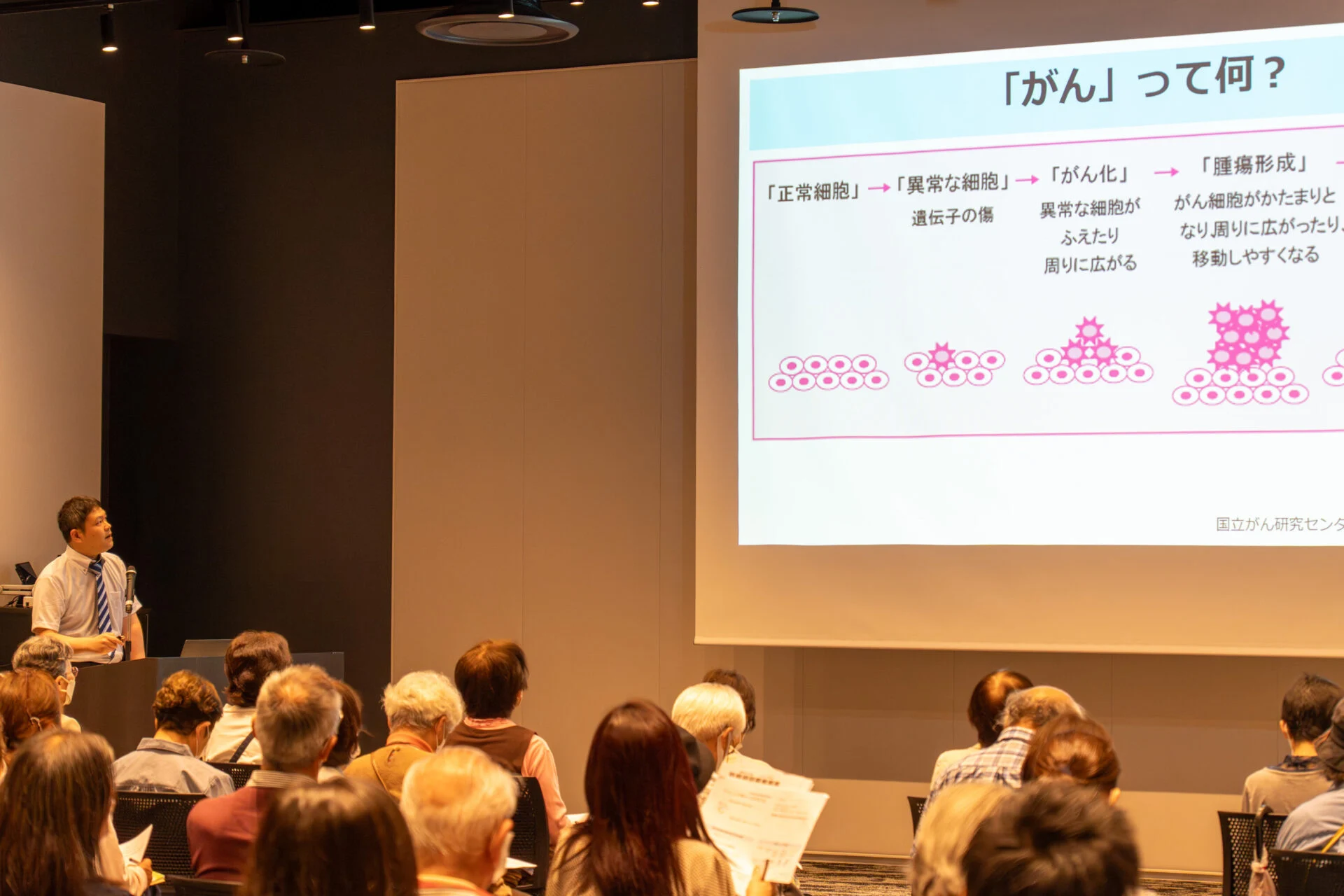
Controlling pain using multiple pain relievers
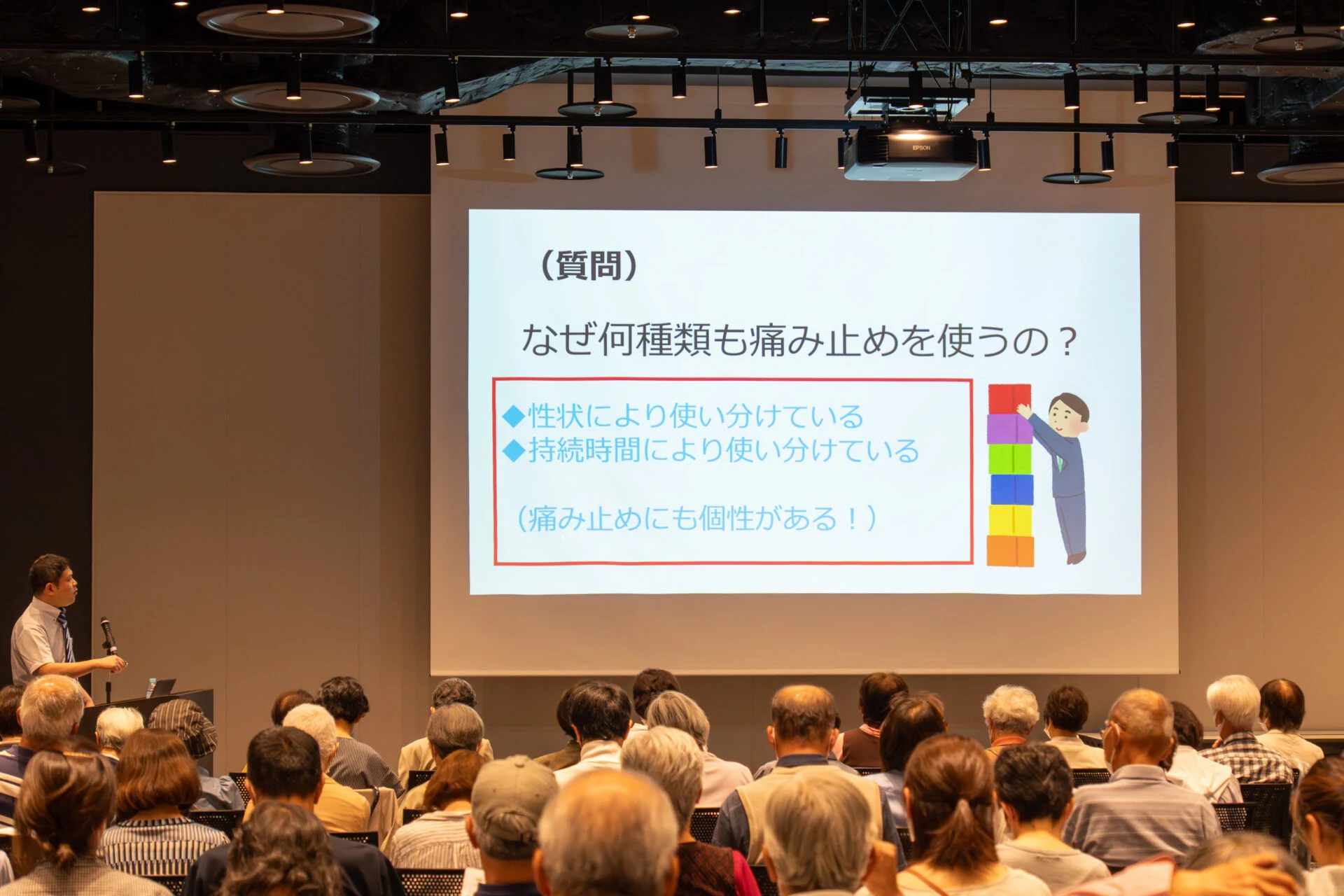
In medical settings, multiple medications are combined according to the nature and intensity of the pain.
Pain can have various characteristics, such as "sharp, throbbing pain," "numb, tingling pain," "pain that lasts all day," and "sudden pain." To control pain effectively while minimizing side effects, multiple medications are used in combination.
The types of pain relievers (generic names) are as follows:
- Non-opioid analgesics
Antipyretic analgesics. They are effective for sharp pain. Specific medications include:
Acetaminophen
NSAIDs (non-steroidal anti-inflammatory drugs): Loxoprofen, etc. - Opioid analgesics
"Opioids" are substances that exhibit pharmacological effects similar to morphine (a powerful analgesic) when they enter the body.
They are divided into "weak opioids" and "strong opioids" based on their strength, with strong opioids classified as "medical narcotics." They are effective for dull visceral pain. - Adjuvant analgesics
These are mainly used for pain caused by nerve damage, such as tingling or numbness (neuropathic pain). Some antidepressants, anticonvulsants, and steroids are used as adjuvant analgesics.
There are three stages of pain relief goals for cancer pain:
- Goal 1: Sleep without pain at night
- Goal 2: Control pain at rest
- Goal 3: Control pain while moving
Pain is controlled step by step while being mindful of the side effects of analgesics.
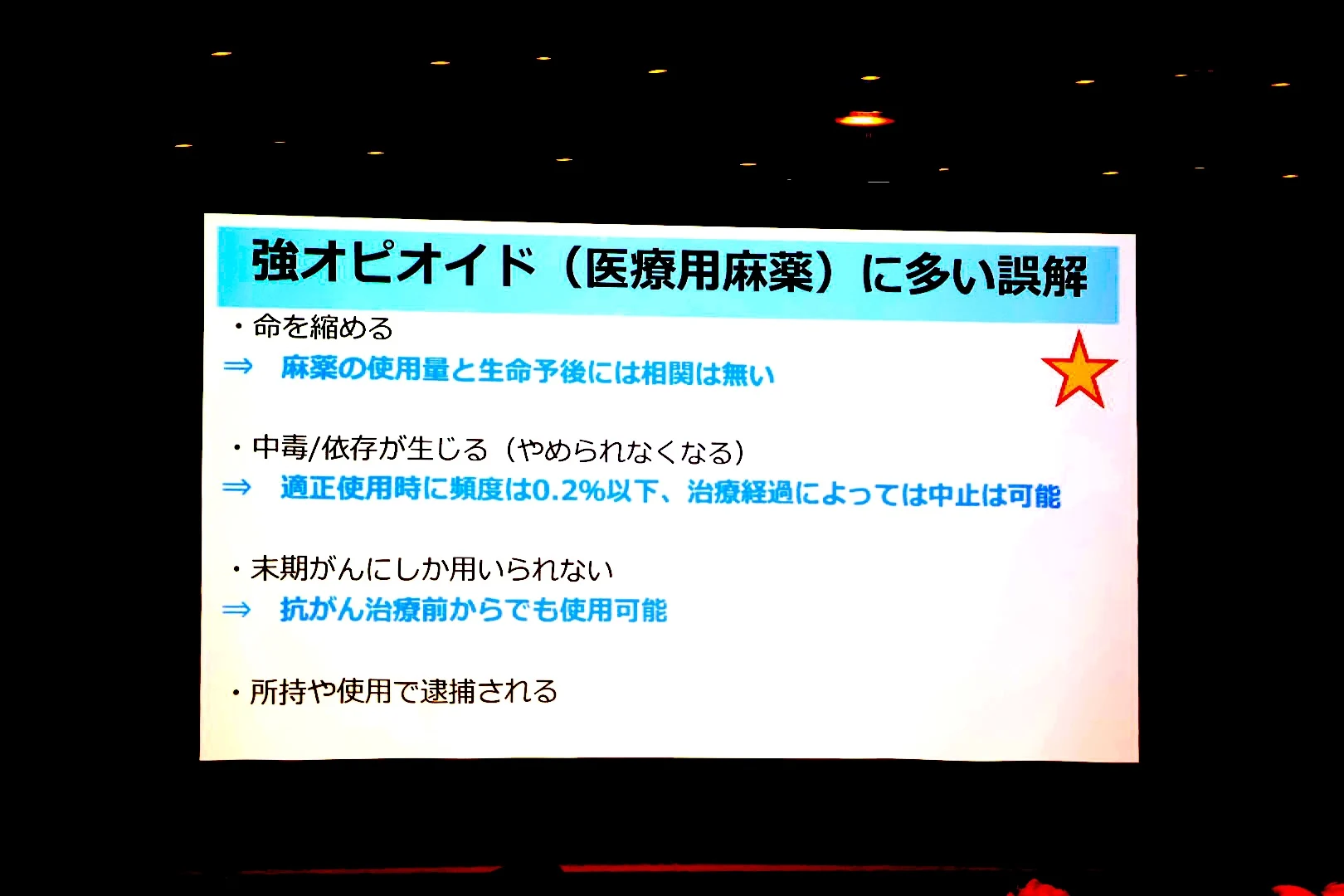
The misconception that "medical narcotics = danger"
When hearing the word "narcotics," negative images such as "are they dangerous?" or "will they cause dependence?" often come to mind. However, Dr. Sakai explains that these are misconceptions.
He answered the following questions:
- Does using narcotics shorten lifespan?
There is no medical data indicating that appropriate use of medical narcotics shortens lifespan. - Will I become dependent on drugs?
When used for pain treatment under a doctor's supervision, the likelihood of becoming dependent on medical narcotics is extremely rare, at less than one in 500.
If the cause of pain is treated and resolved, it is also possible to reduce or discontinue the use of medical narcotics. - Are they only used for terminal cancer treatment?
They may be used if pain is severe even in the early stages of cancer treatment. - Will I be arrested for possessing drugs?
Possession of medical narcotics prescribed by a doctor does not lead to arrest.
That said, medical narcotics are not a panacea. There were also explanations about the precautions regarding medical narcotics.
- Side effects such as drowsiness may impose restrictions on driving
- Care is needed when taking them abroad for travel or business
- Since laws vary by country, it is important to check in advance
Various approaches to alleviate pain beyond medication
Palliative care is not just about drug therapy. There are also things that patients and their families can do.
These include massage, applying heat or cold, using a corset to stabilize the affected area, and light exercise or stretching.
Above all, what is most important is not to bear it alone.
Feelings of anxiety and loneliness can intensify the perception of pain. Talking with family and friends or immersing oneself in hobbies are also significant aspects of mental care, which Dr. Sakai emphasizes as an important part of palliative care.
Writing a "pain communication memo" for better treatment
Dr. Sakai advises, "Even if treatment becomes difficult, please do not give up on palliative care to alleviate pain."
He continued to explain the reasons:
"Patients may hesitate to express their true concerns for fear that if they say what they think, the doctor might dislike them and refuse treatment. On the other hand, doctors tend to interpret "not saying anything means there is no problem." This misunderstanding can hinder appropriate pain care."
For this reason, he suggested, "If you cannot convey everything you want to say to the doctor during the consultation hours, please write it down in a memo and give it to them later."
The content of the memo does not need to be complicated; simple messages like the following are sufficient:
- What you are struggling with
- What you can no longer do because of the pain
- What you would like to be able to do if the pain is alleviated
In fact, there have been experiences where a memo given by a patient led to the recognition of essential issues that could not be grasped in the limited time of an outpatient visit, resulting in better treatment.
For patients, the memo serves as a "charm to prevent forgetting to communicate," and for doctors, it becomes "important information to listen to the patient's inner voice and connect to treatment."
"No doctor will treat a memo given by a patient dismissively, so please feel free to write and hand it over," Dr. Sakai advised.
Hope to live authentically by using medication appropriately
In this lecture, I learned a lot about how to face cancer pain and medical narcotics.
I realized that there were misconceptions about "medical narcotics" based on the image of the word, but now I feel that when used appropriately, they are an important medication for controlling pain. I also realized that it is important for patients to communicate their pain.
After the lecture, I had the opportunity to ask Dr. Sakai why he specializes in palliative care, and he shared the following:
Dr. Sakai
Since I was in elementary school, I have been pondering what it means for a person to face their end and what the meaning of life is. Everyone faces an end after being born.
At that final stage, I want to alleviate symptoms as much as possible so that patients can feel, "I am glad to have been born," or "I am a little less afraid of facing the end."
I am committed to providing as much treatment and support as possible so that individuals can face their end while maintaining their uniqueness.
In the future, I believe that more and more people will wish to live authentically until the end in familiar places, minimizing pain not only in hospitals but also at home.
With healthcare professionals like Dr. Sakai who sincerely engage with each person's life, I felt hope that patients can live authentically.
Articles related to Kurashiki Central Hospital
Citizen Public Lecture Kurashiki Medical Gathering 'How to Manage Pain from Cancer - Proper Use of Medical Narcotics' Data
| Name | Citizen Public Lecture Kurashiki Medical Gathering 'How to Manage Pain from Cancer - Proper Use of Medical Narcotics' |
|---|---|
| Date | June 10, 2025 |
| Location | 1-11-11 Tsurugata, Kurashiki City, Okayama Prefecture |
| Participation Fee (including tax) | Free |
| Homepage | Kurashiki Central Hospital Preventive Medicine Plaza |