Myocardial infarction, stroke, aortic dissection. These are vascular diseases.
Atherosclerosis progresses quietly without any symptoms, leading to life-threatening situations one day. Daily lifestyle habits such as diet and exercise are deeply involved in this progression.
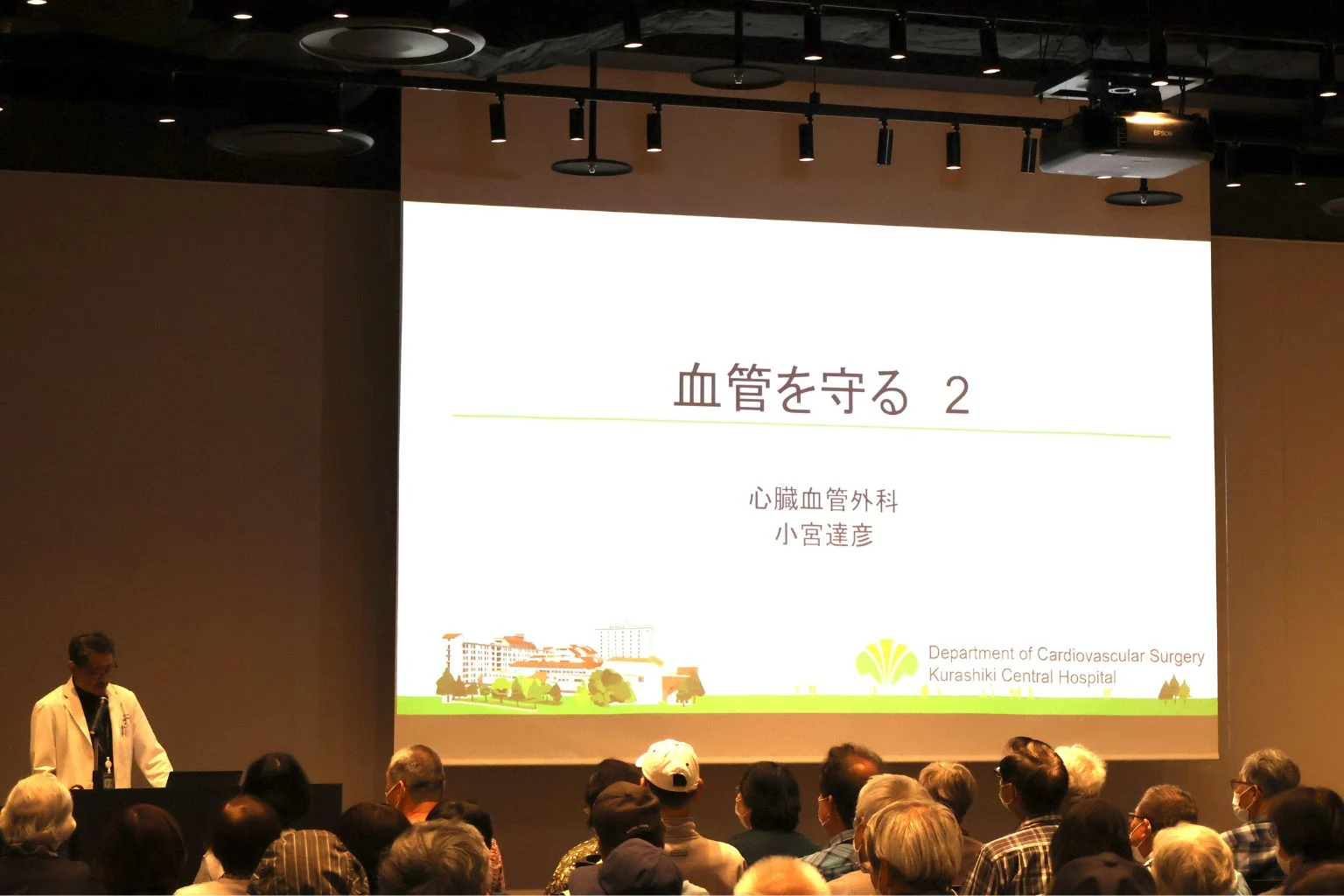
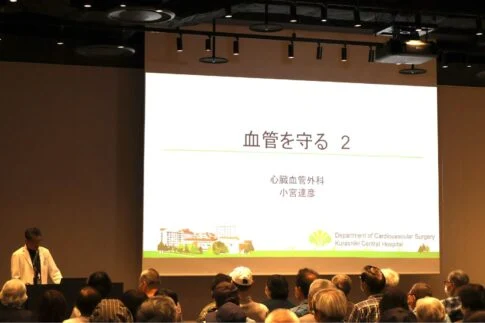
The theme of the public lecture "Kurachu Medical Gathering" in April 2026 is "Protecting Blood Vessels 2". Following last year's lecture "Protecting Blood Vessels", it will be held again this year.
The speaker is Dr. Komiya Tatsuhiko, Vice President of Kurashiki Central Hospital and a specialist in cardiovascular surgery. He has been active for a long time at Kurashiki Central Hospital as a specialist in cardiovascular surgery.
I will report on the topics discussed in the lecture, such as the mechanism of atherosclerosis, weight management to protect blood vessels, diet conscious of the types of fats, and aerobic exercise, which I would like to keep in mind starting today.
Overview of the public lecture "Kurachu Medical Gathering"
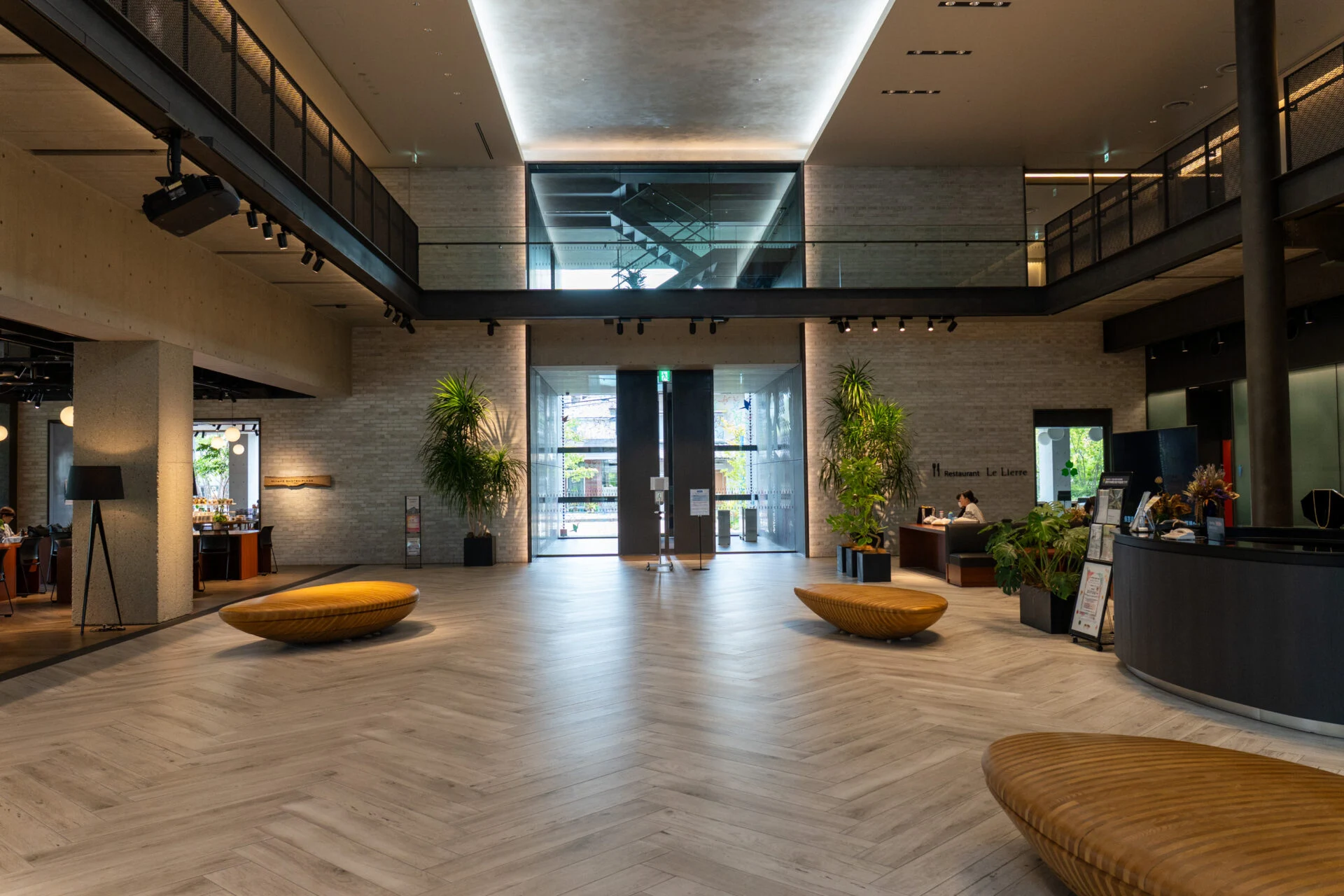
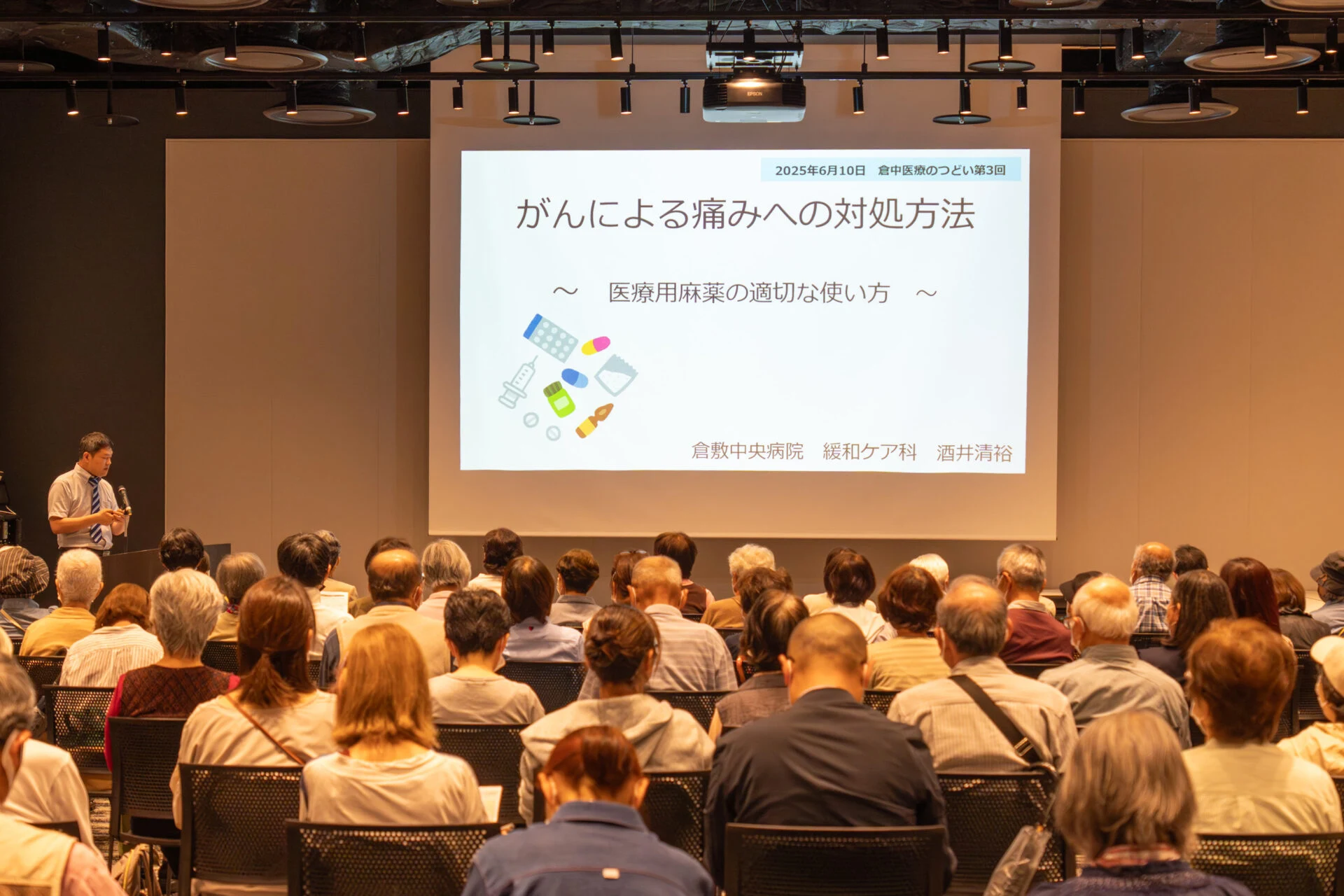
The lecture was held on Thursday, April 16, 2026, at the Preventive Medical Plaza of Kurashiki Central Hospital in the Kokuga Hall.
The Preventive Medical Plaza of Kurashiki Central Hospital is a facility that broadly supports the health of local people through human dock and exercise and health classes.
The public lecture "Kurachu Medical Gathering" is a lecture series where doctors from Kurashiki Central Hospital explain diseases and health in an easy-to-understand manner, and it is well-loved by the local community. It is held once a month.
This time, there were so many attendees that the venue was almost overflowing. Many people were seen listening intently, and there were many questions, indicating a high level of interest in the theme.
The relationship between causes of death in Japan and blood vessels
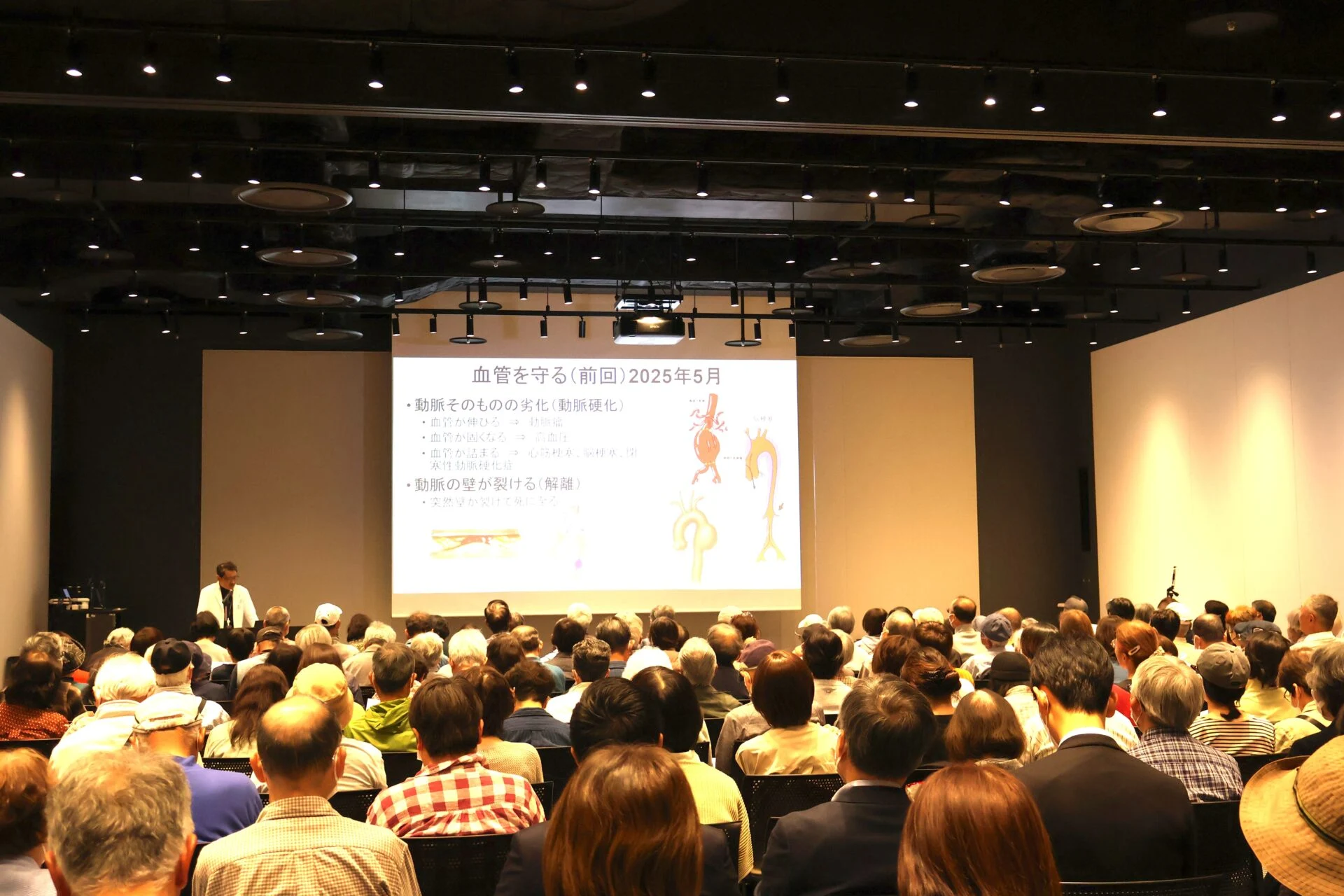
Dr. Komiya began by discussing data on causes of death in Japan.
Currently, the leading cause of death in Japan is cancer, followed by heart disease and cerebrovascular disease. Many heart and brain diseases are caused by vascular issues.
As atherosclerosis progresses, it can lead to the following diseases.
- Aneurysm
The blood vessel bulges, and if it ruptures, it can be life-threatening. - Myocardial infarction and cerebral infarction
Blood vessels become blocked, damaging the heart and brain. - Obstructive atherosclerosis
Blood vessels in the legs become blocked, making walking difficult. - Aortic dissection
The wall of the blood vessel suddenly tears. It is a disease that requires caution.
While catheter treatments and surgeries can save lives, Dr. Komiya emphasized, "Surgery is a last resort. It is truly important to prevent reaching that point."
Structure of blood vessel walls and the mechanism of atherosclerosis
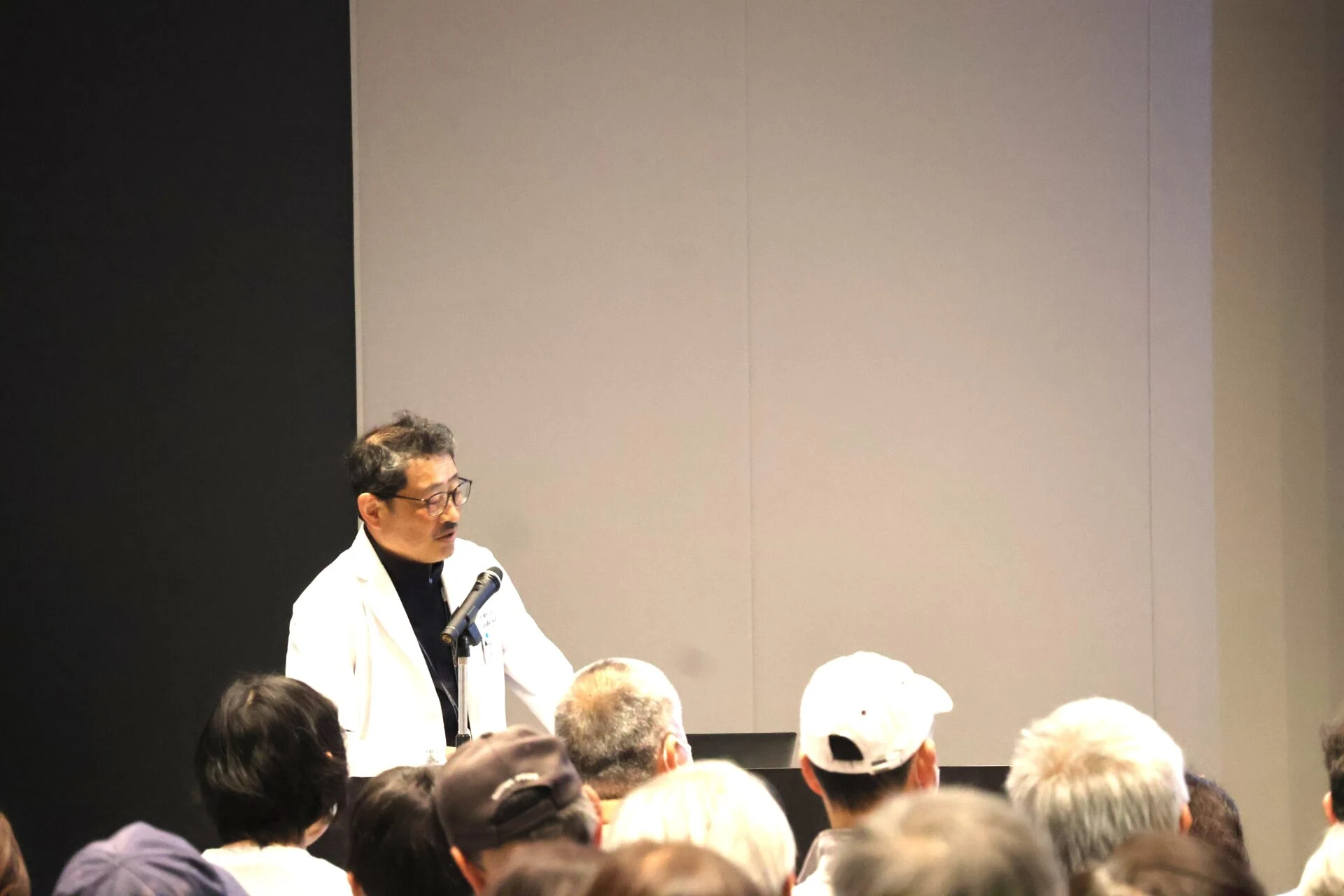
Next, he explained the structure of blood vessel walls to understand atherosclerosis.
Blood vessel walls have three layers
Blood vessel walls consist of three layers: the intima, media, and adventitia.
The innermost layer, the "intima," contains endothelial cells that protect against blood clotting while exchanging oxygen and nutrients within the blood vessel.
The middle layer, the "media," is made up of elastic fibers and muscles, which adjust blood flow by expanding and contracting the blood vessel.
The outer layer, the "adventitia," serves to supply nutrients to the blood vessel itself.
LDL (bad cholesterol) causes atherosclerosis
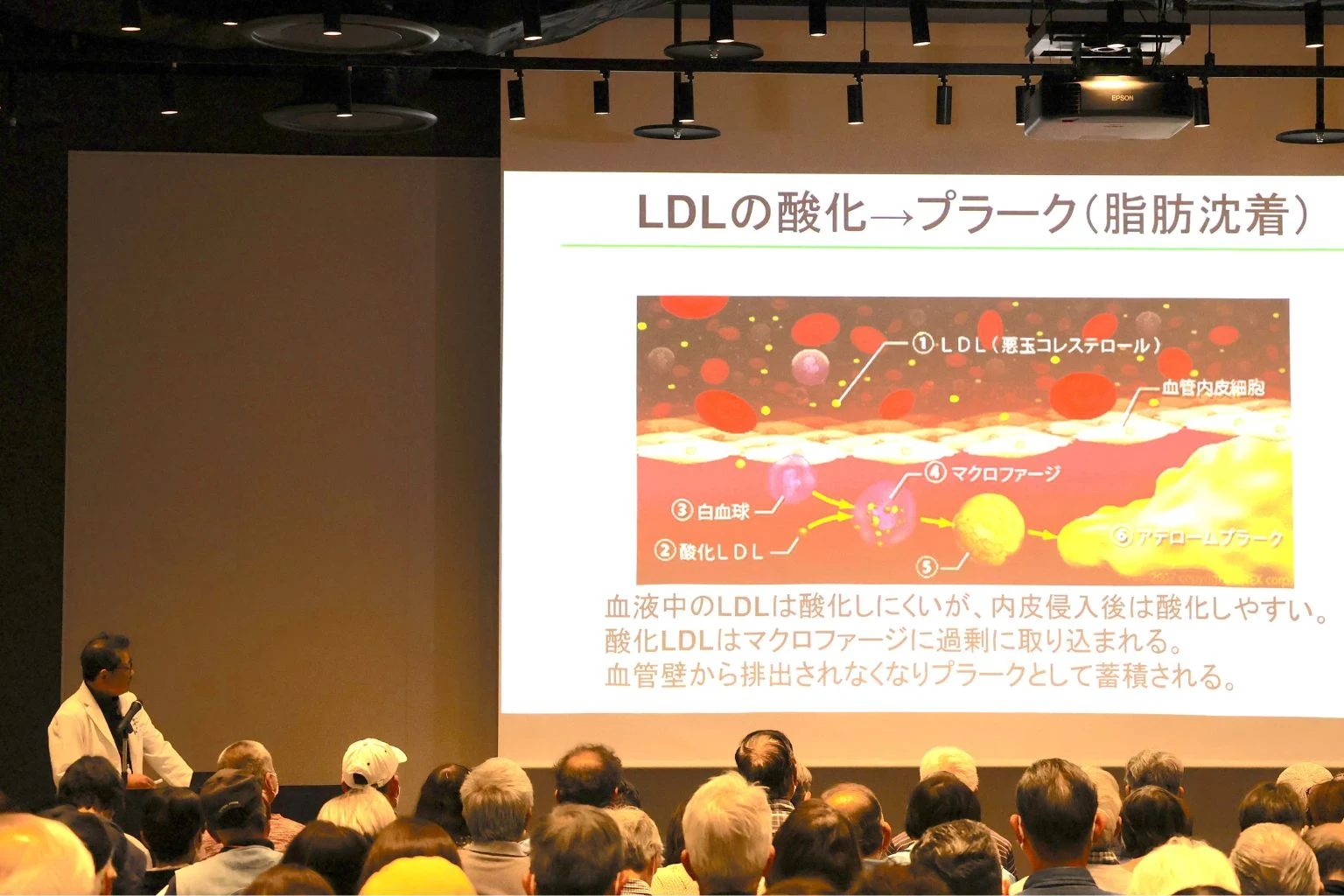
In this lecture, one of the causes of atherosclerosis introduced was "LDL (bad cholesterol)". LDL is a substance necessary for delivering cholesterol throughout the body, but when the intima is damaged, it can enter the wall of the blood vessel from there.
Once inside the wall, LDL is oxidized, and white blood cells (macrophages) that try to eliminate it continue to engulf LDL, causing them to enlarge. This forms a mass called "plaque" that accumulates inside the blood vessel, narrowing or blocking it.
Furthermore, if the outer wall of the plaque ruptures, platelets gather and can cause a sudden blockage, leading to myocardial infarction.
Over time, calcium deposits in the plaque lead to "calcification." When a CT scan is performed, it appears white, making it easy to see the progression of atherosclerosis.
Let's check the ratio of LDL to HDL
If LDL is 140 mg/dL or higher, it is considered "high LDL cholesterol" and indicates a state where atherosclerosis is likely to progress. On the other hand, HDL (good cholesterol) has the function of collecting LDL, and the balance with LDL is important.
The ratio of LDL to HDL (LDL ÷ HDL) is what to check, and a ratio of less than 2.0 is generally considered safe. Even if LDL is slightly high, it may not be a problem if HDL is sufficient, and conversely, even if LDL is within the normal range, a low HDL can raise a red flag.
Dr. Komiya shared his own experience, saying, "When I calculated it yesterday, my LDL was at the borderline, but I was relieved that my HDL was sufficient."
If you have never checked the LDL to HDL ratio, please make sure to check it during your next blood test.
The mystery of weight gain despite reduced calorie intake
There are two types of fat: subcutaneous fat and visceral fat.
Subcutaneous fat can be checked by pinching the belly, but visceral fat cannot be pinched. A CT scan shows it densely surrounding the organs.
Dr. Komiya compared subcutaneous fat to "time deposits" and visceral fat to "ordinary deposits." Visceral fat is easily used as energy and is relatively easy to store and release in the body. However, if overeating and lack of exercise continue, consumption cannot keep up, leading to accumulation.
One of the major causes of atherosclerosis is visceral fat.
As visceral fat increases, hormones that promote inflammation increase, damaging blood vessels, and the effectiveness of insulin (the hormone that lowers blood sugar) weakens, raising the risk of diabetes.
I thought that excessive visceral fat was caused by overeating. However, it seems that while the weight of Japanese people has increased compared to 50 years ago, calorie intake has decreased.
In other words, the reason for weight gain is "not overeating, but not moving enough." The increase in desk work and the prevalence of car travel are considered the main factors for the significant decrease in daily physical activity.
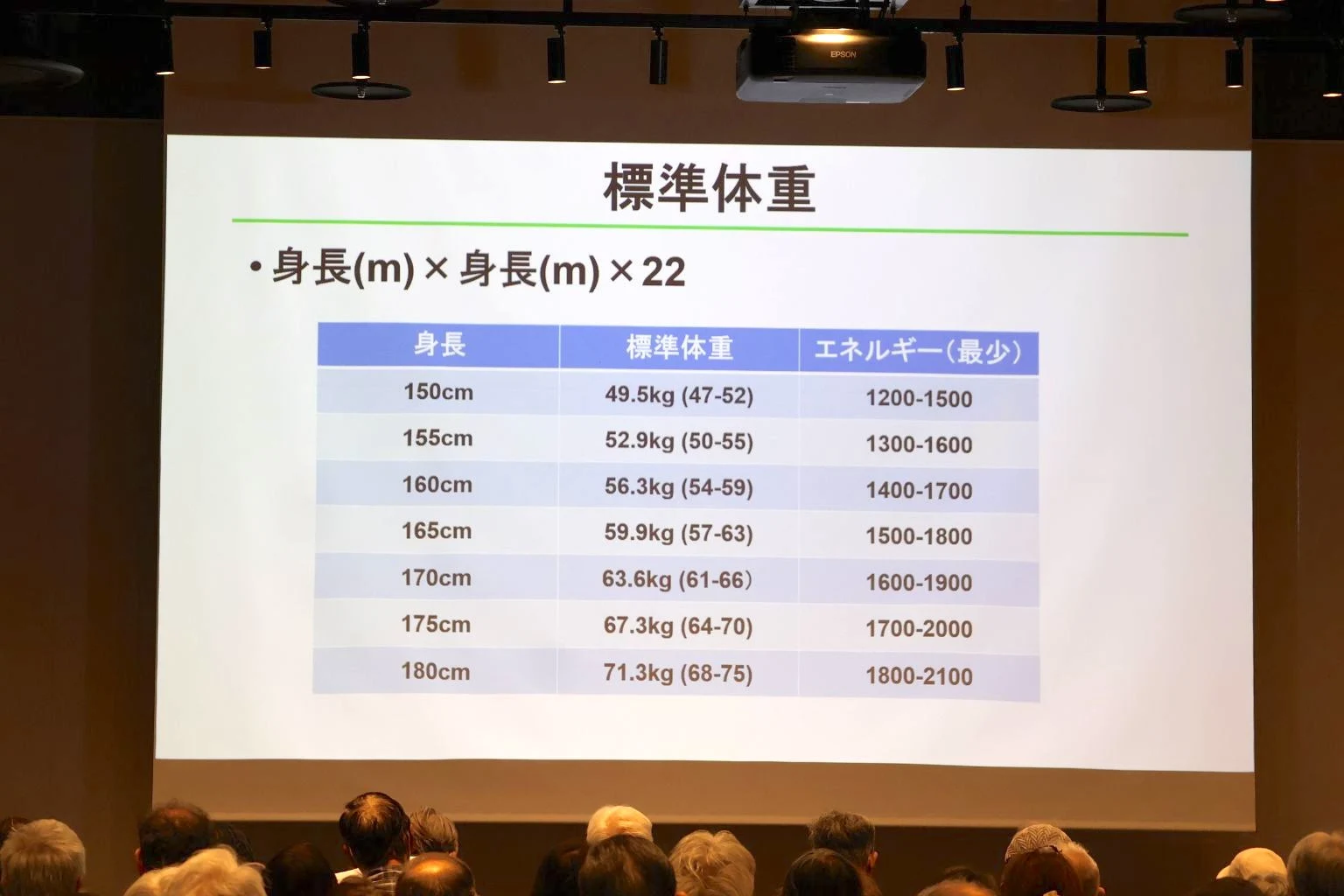
The first step is to measure your weight and check how far you are from the standard weight.
Points to note about fat intake
As dietary habits have changed, meals high in lipids have increased.
In this lecture, the types of oils (fatty acids) and how to consume them were discussed in detail. "Even with oil, the effects on the body differ depending on the type," the doctor said.
Be careful not to consume too much saturated fat
"Saturated fats," which are abundant in meat, butter, and cheese, have the effect of increasing LDL.
The daily intake limit is about 15-20g. For example, simulating a meal of "croissant + café latte for breakfast, pizza for lunch, ginger pork for dinner, and chocolate as a snack" resulted in an estimated intake of about 40g.
Processed foods can contain a lot, so caution is necessary.
Unsaturated fatty acids: Differences between omega-3, 6, and 9
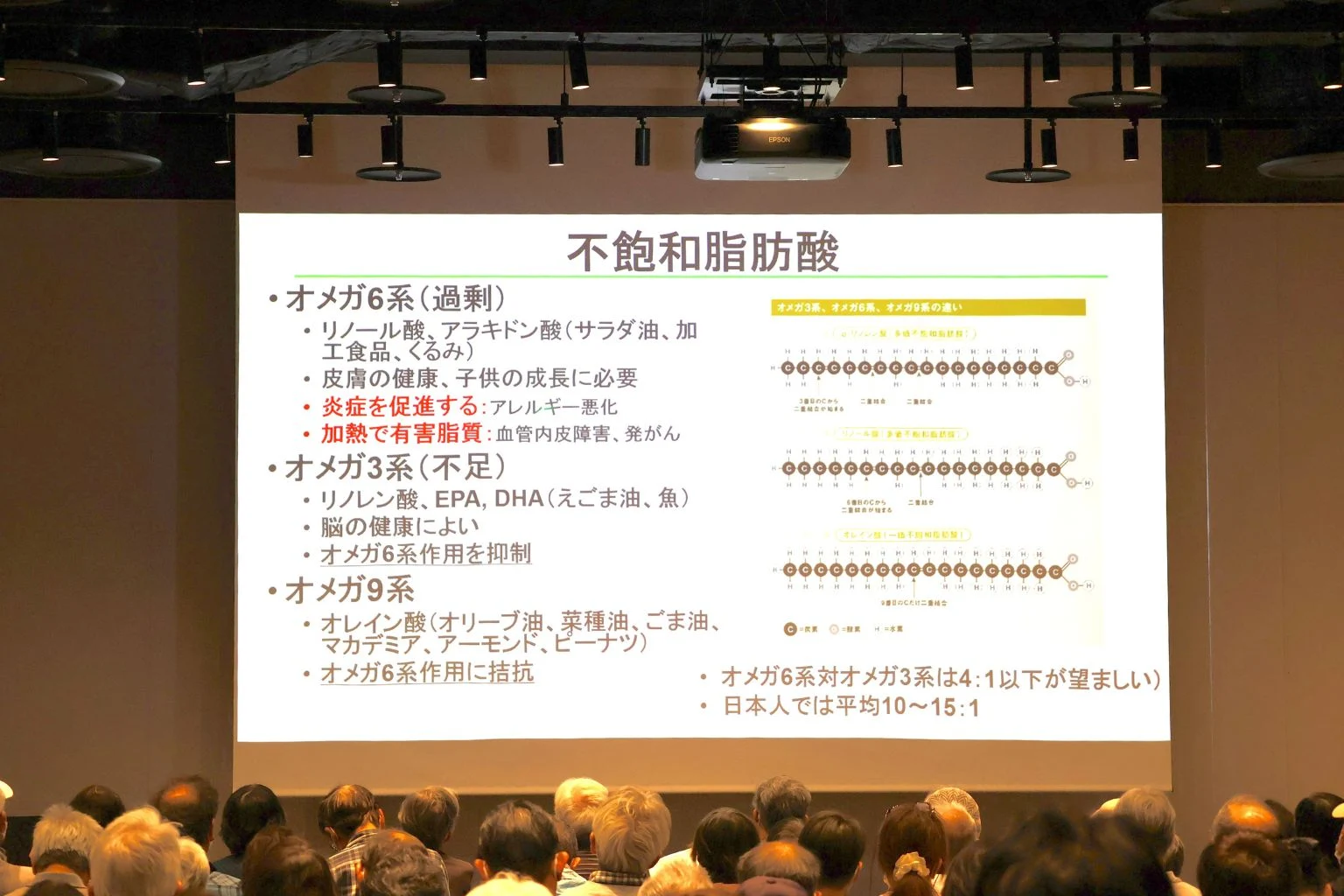
"Unsaturated fatty acids," found in fish and plants, have a preventive effect against atherosclerosis, but their effects on the body differ depending on the type.
- Omega-6 (salad oil, walnuts, etc.)
These fatty acids are necessary for skin health and growth, but Japanese people tend to consume too much. Excessive intake can promote inflammation, cause allergies, and may produce harmful substances when heated. - Omega-3 (perilla oil, EPA and DHA from blue fish)
These are said to suppress the negative effects of omega-6 and are good for brain health. - Omega-9 (olive oil, rapeseed oil, sesame oil, nuts, etc.)
These are considered effective in preventing atherosclerosis.
As an example, Dr. Komiya suggested, "Switching cooking oil to rapeseed oil or olive oil, actively eating blue fish, and being moderate with fried foods and processed foods."
Be cautious of trans fats
"Trans fats," found in margarine and shortening (used in snacks), are fatty acids that increase LDL and decrease HDL. Be careful not to consume too much.
Other dietary points
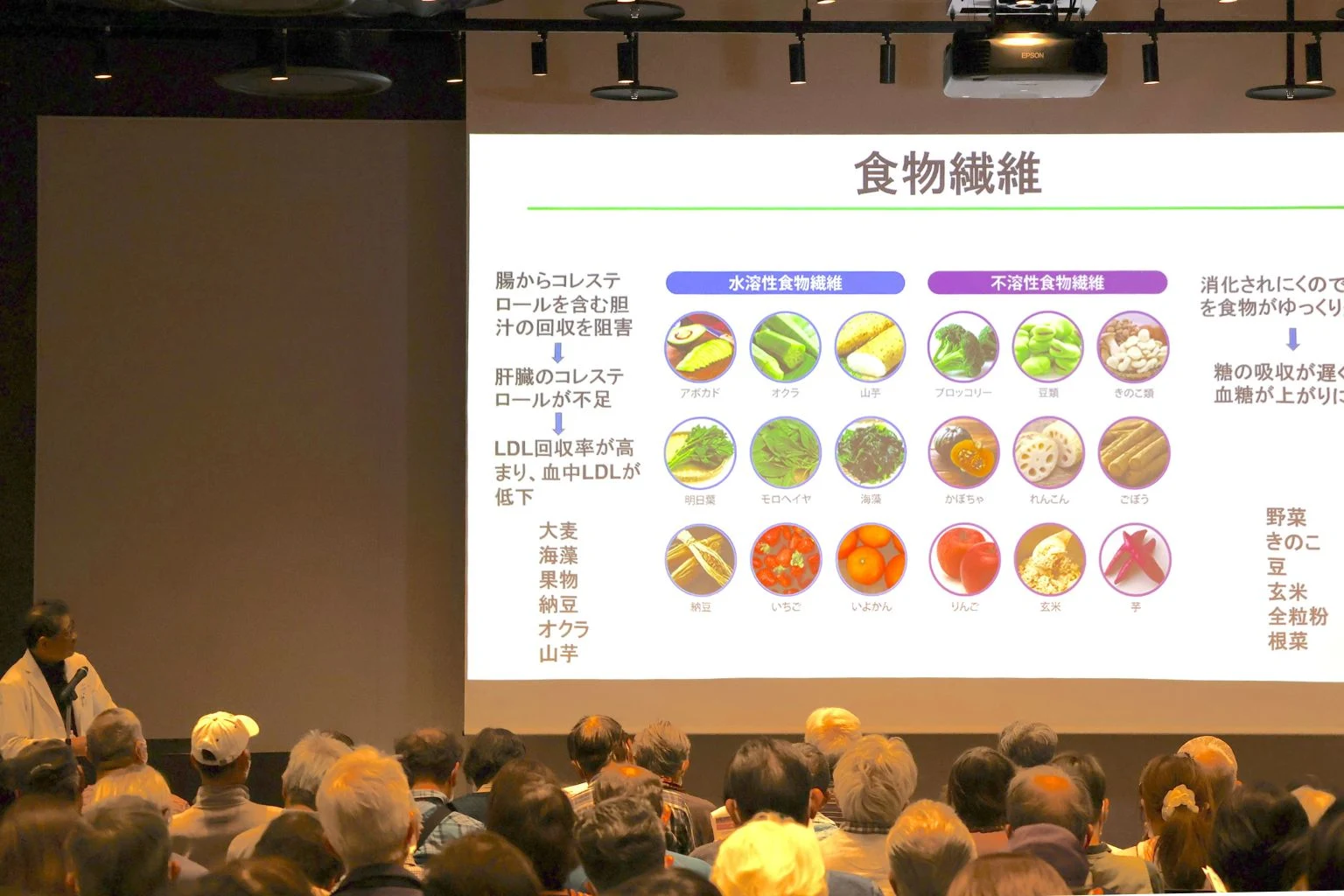
In addition to the types of oils, there are other dietary points to keep in mind to protect blood vessels.
- Suppress LDL absorption with dietary fiber
- Prevent LDL oxidation with antioxidant foods
- Japanese cuisine is fundamental
- Meals that protect blood vessels
Suppress LDL absorption with dietary fiber
Dietary fiber has the function of suppressing LDL absorption and assisting in the recovery of LDL. Incorporate both soluble dietary fibers from seaweed, fruits, natto, okra, and yam, and insoluble dietary fibers from vegetables, mushrooms, beans, brown rice, and whole grain flour in a balanced manner.
Prevent LDL oxidation with antioxidant foods
Even if LDL cholesterol enters the blood vessel wall, preventing LDL oxidation can suppress plaque formation. Therefore, antioxidant foods are considered effective.
To achieve this, be conscious of consuming antioxidant foods such as vitamin A (spinach, pumpkin, etc.), vitamin C (fruits), vitamin E (avocado, nuts, etc.), polyphenols (red wine, chocolate, etc.), and carotenoids (carrots, salmon, etc.).
Japanese cuisine is fundamental
"Use as many natural ingredients as possible, avoid relying on processed foods, keep salt intake low, ensure adequate protein, and slightly reduce rice," Dr. Komiya stated, emphasizing that this is the foundation of meals that protect blood vessels.
Meals that protect blood vessels
Meals are one of the pleasures of life.
Too many restrictions can lead to stress. The doctor shared tips for meals that protect blood vessels.
- Eat delicious food slowly
- Avoid processed foods and fast food
- Limit carbohydrates, preferably at the end of the meal
- If possible, have sweets (desserts) after meals (try to limit snacks as much as possible)
- Enjoy a small amount of alcohol as a companion to meals
These are ways to enjoy meals that you can start today.
It is important to continue "aerobic exercise" without overdoing it
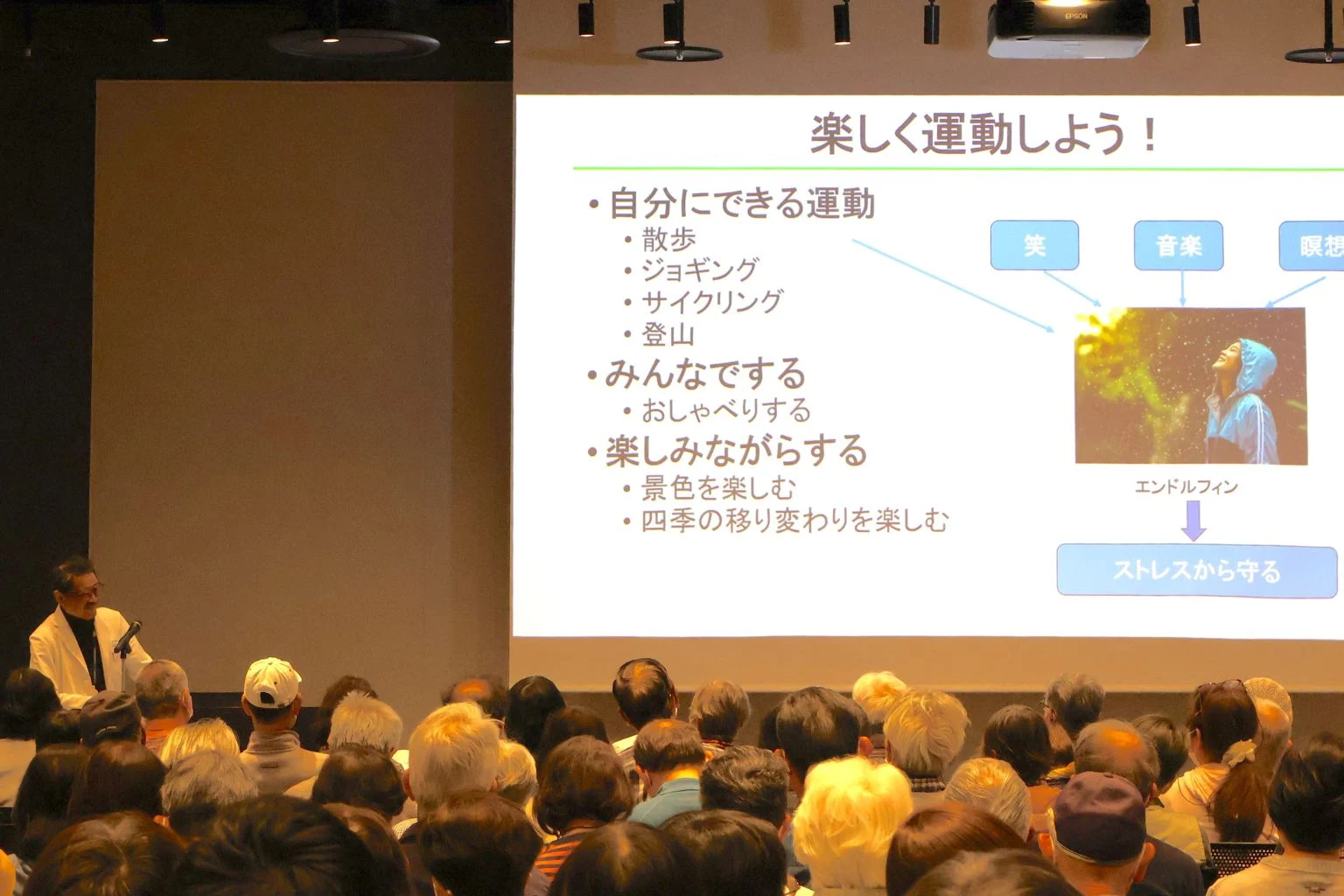
Weight management requires both dietary improvements and exercise, but for exercise, aerobic exercise is more effective for burning fat than intense workouts.
For walking, about one hour is recommended, while for running or swimming, about 30 minutes is a good target, but it can be quite challenging to maintain this.
"The most important thing is to do it without overdoing it and to enjoy it," says Dr. Komiya. Just like with diet, enjoying exercise is key.
- Do exercises that you can manage
- Engage in activities while chatting with others
- Enjoy the scenery and the changing seasons while exercising
I felt that it is important to enjoy without pushing oneself too hard.
Things You Can Start Doing Today to Protect Your Blood Vessels
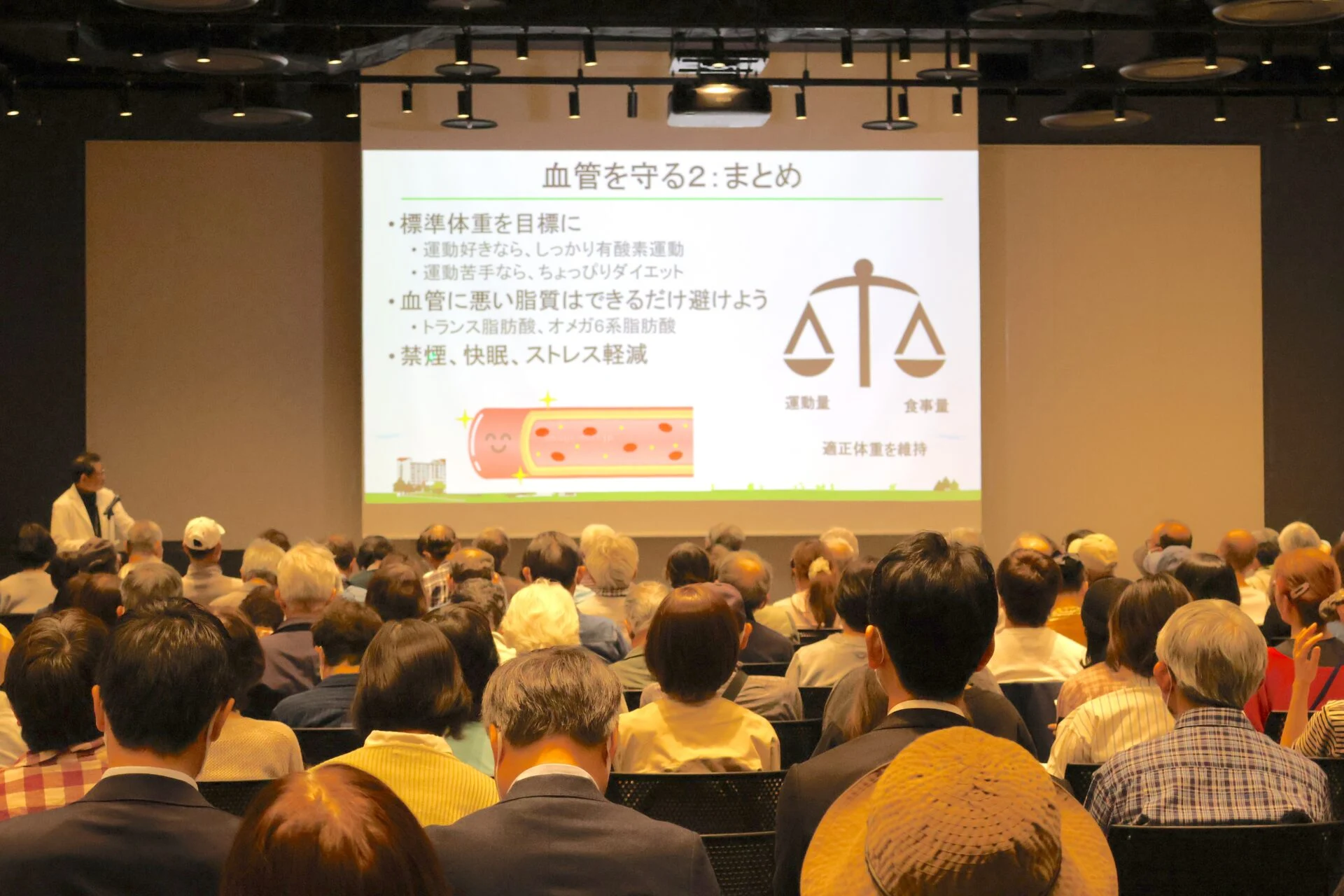
As a summary of the lecture, Dr. Komiya highlighted the following points.
- Measure your weight and aim for a standard weight (start with either diet or exercise without overdoing it)
- Be mindful of the types of oils you use (use high-quality oils like olive oil and canola oil)
- Continue with aerobic exercises that suit you
Dr. Komiya's words, "Enjoy eating and enjoy exercising. Doing what you can is the key to sustainability," left a strong impression on me.
Atherosclerosis progresses without you noticing, but there is a possibility of prevention and improvement through lifestyle changes. I thought I would first check my LDL and HDL levels and review the oils I use in cooking, my often unbalanced diet, and my exercise habits.
After the lecture, I found Dr. Komiya's daily life very impressive.
While being mindful of his diet, Dr. Komiya enjoys eating both meat and fish, and he also likes sweets. I heard that on weekends, he rides his bicycle from Kurashiki to Kojima and Ushimado, enjoying the discovery of new shops that have not yet been reviewed.
In the busy moments, he manages to read about 100 books a year and has watched over 1,000 movies in total. He enjoys a variety of genres, following his curiosity.
Dr. Komiya said, "If you have curiosity, you can find interesting things in everyday life," and I felt that a healthy lifestyle is not only about eating good food and exercising but also about enjoying each day vibrantly.
Articles Related to Kurashiki Central Hospital

Data for the Public Lecture: Kurashiki Medical Gathering 'Protecting Blood Vessels 2'
| Name | Public Lecture: Kurashiki Medical Gathering 'Protecting Blood Vessels 2' |
|---|---|
| Date | April 16, 2026 1:00 PM - 2:00 PM |
| Location | 1-11 Tsurugata, Kurashiki City, Okayama Prefecture |
| Participation Fee (Tax Included) | Free |
| Website | Kurashiki Central Hospital Preventive Medicine Plaza |