Interview with Morishita Jindou
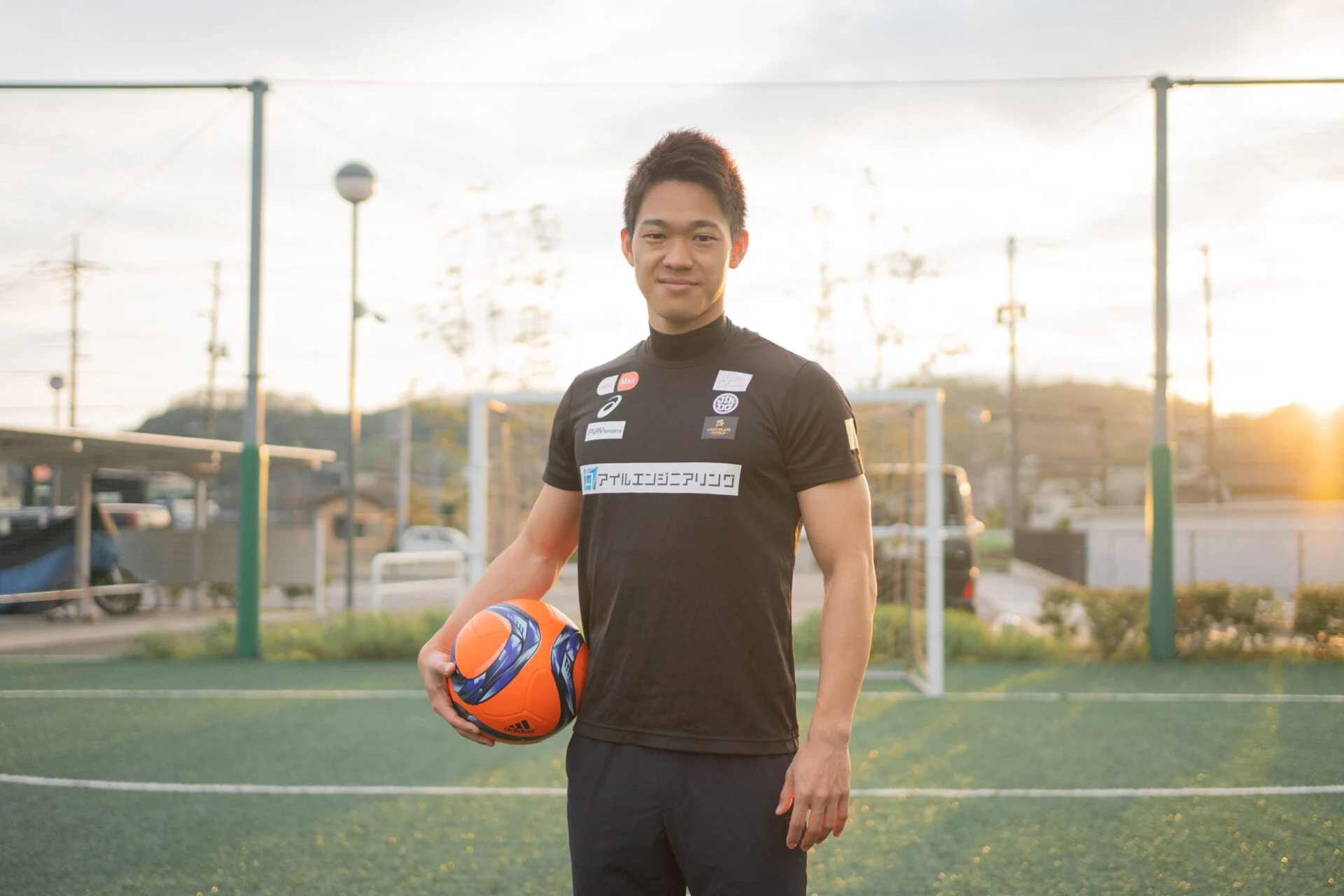
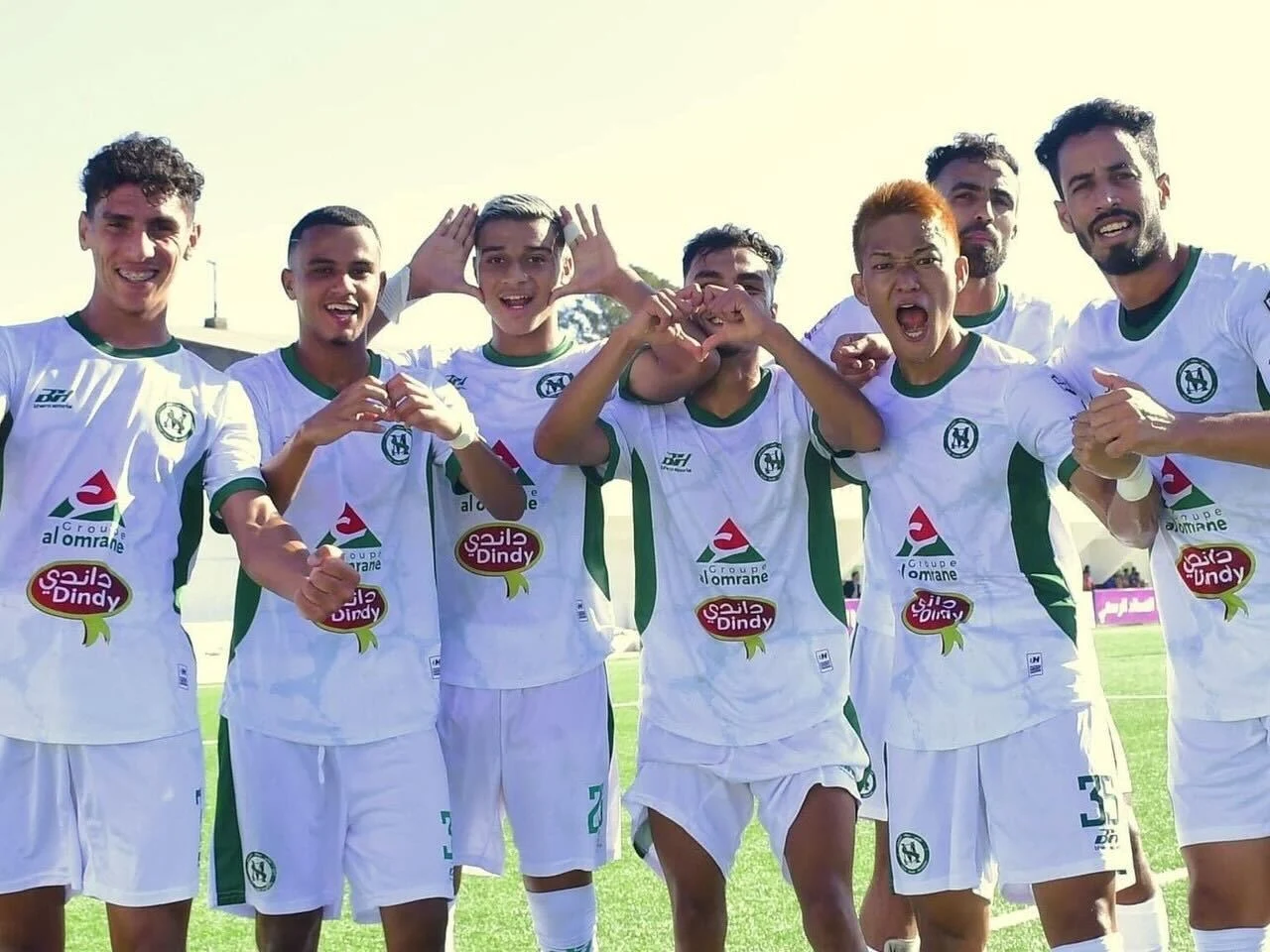
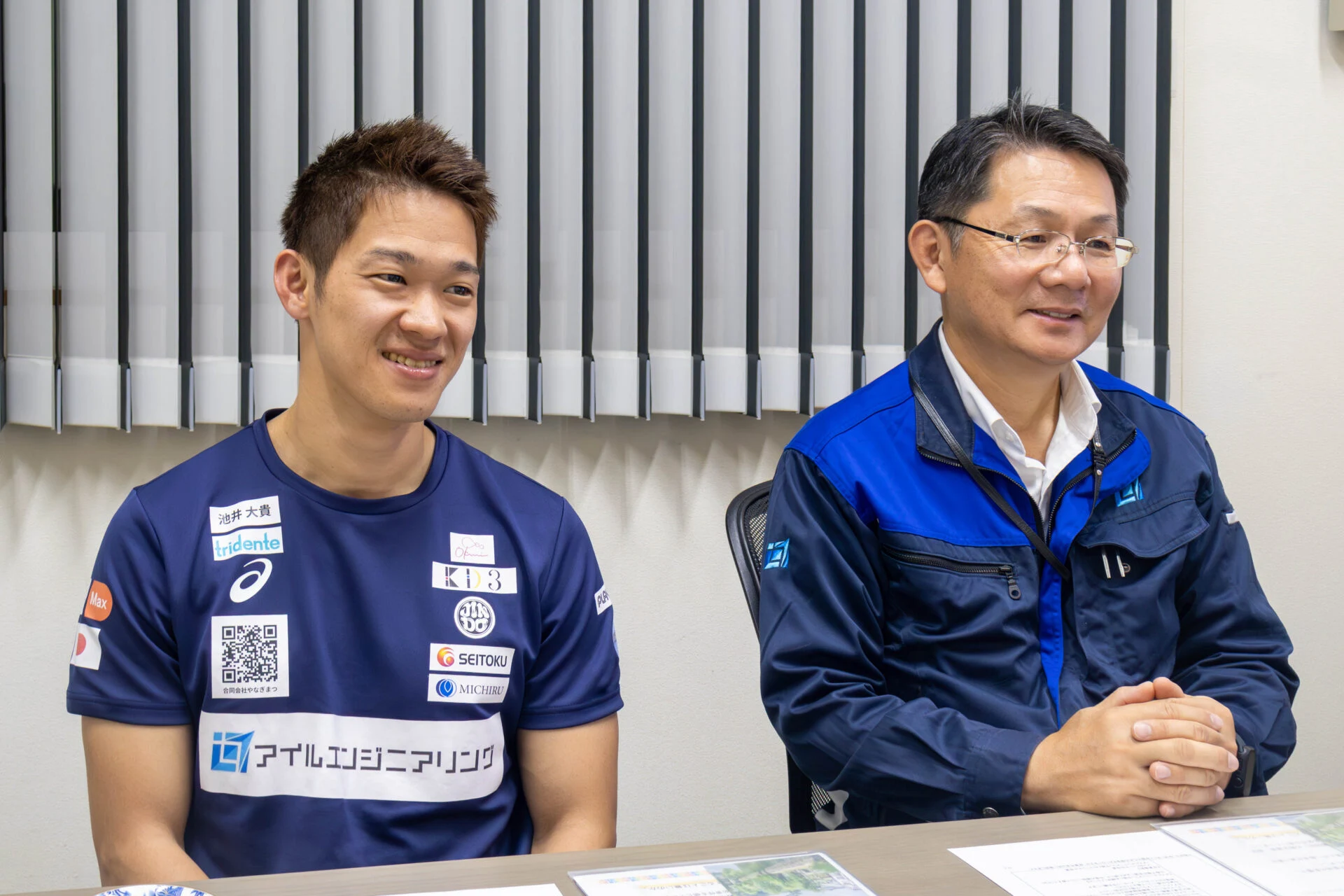
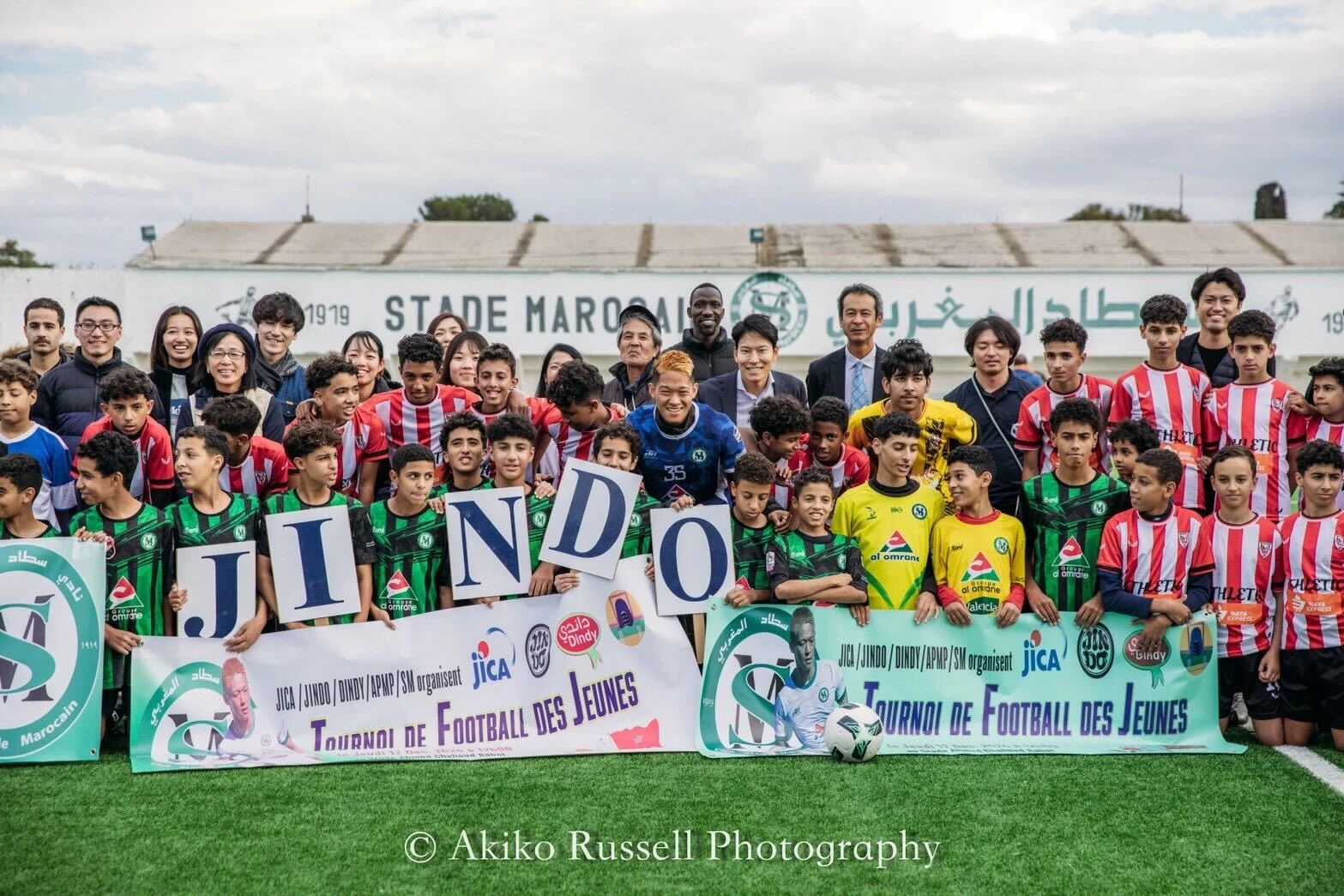
We interviewed professional soccer player Morishita Jindou, who is active in Morocco.
Challenging Moroccan soccer while grappling with harsh conditions
Thank you for your hard work in your new challenge in Morocco. Please share your honest thoughts after finishing the Moroccan league.
Morishita
After suffering a major injury with a torn anterior cruciate ligament, I was able to return thanks to the support of many people. Moreover, I believe that being able to challenge Morocco despite my injury was due to the various connections and support I received.
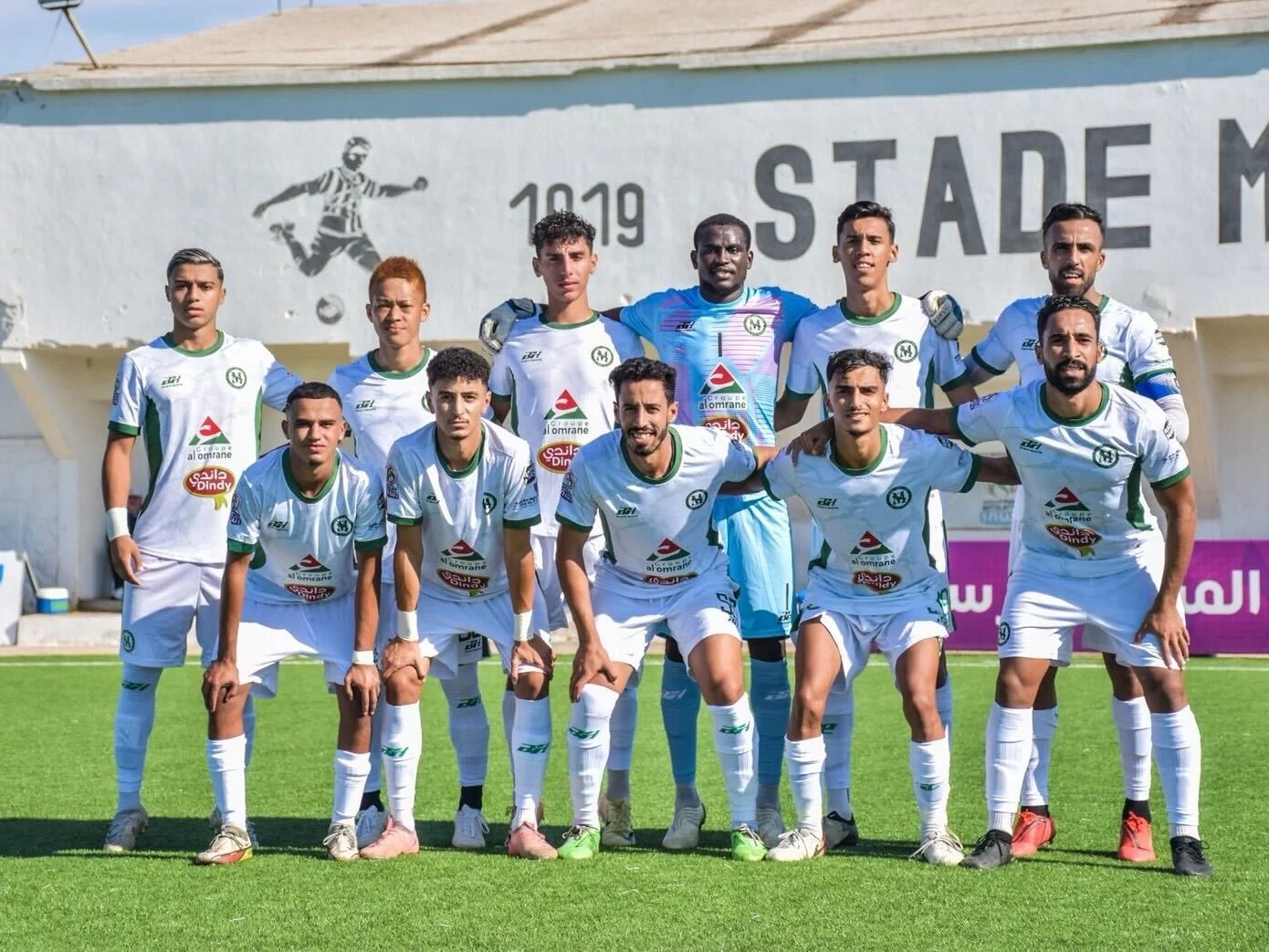
Ultimately, in my debut match in the Moroccan league, I was able to contribute to the team's victory as a starting member. The moment I scored a goal after about 400 days was an indescribable joy. I am glad that I continued playing soccer despite the serious injury, and I was happy to have been able to leave my past challenges as achievements.
What difficulties did you face while living in Morocco?
Morishita
There were challenges that were different from my experiences in Ghana and Zambia. Morocco is a developing country in Africa, so I didn't experience the survival aspect of insect-eating culture like I did in Zambia, but it took time to get used to the language and religious culture.
The official languages of Morocco are French and Arabic, and English is hardly understood. To learn the languages, I attended language schools for French and Arabic three days a week. At first, I couldn't communicate at all.
I imagine it must be unsettling to be in an environment where you can't communicate, and on top of that, there was an unfamiliar religious culture.
Morishita
Yes. Since a large portion of the population in Morocco are Muslims, I tried to live according to the customs of the local people.
In Islam, there is a fasting period called Ramadan once a year. During the day when the sun is out, you cannot eat or drink anything, including water, which was extremely harsh at first, to the point of having blood in my urine.
Even during practice, when I arrived at the field, I had to show my mouth first to check if it was dry. It was really tough not being able to hydrate during practice, but humans do have an ability to adapt. Gradually, my body got used to it.
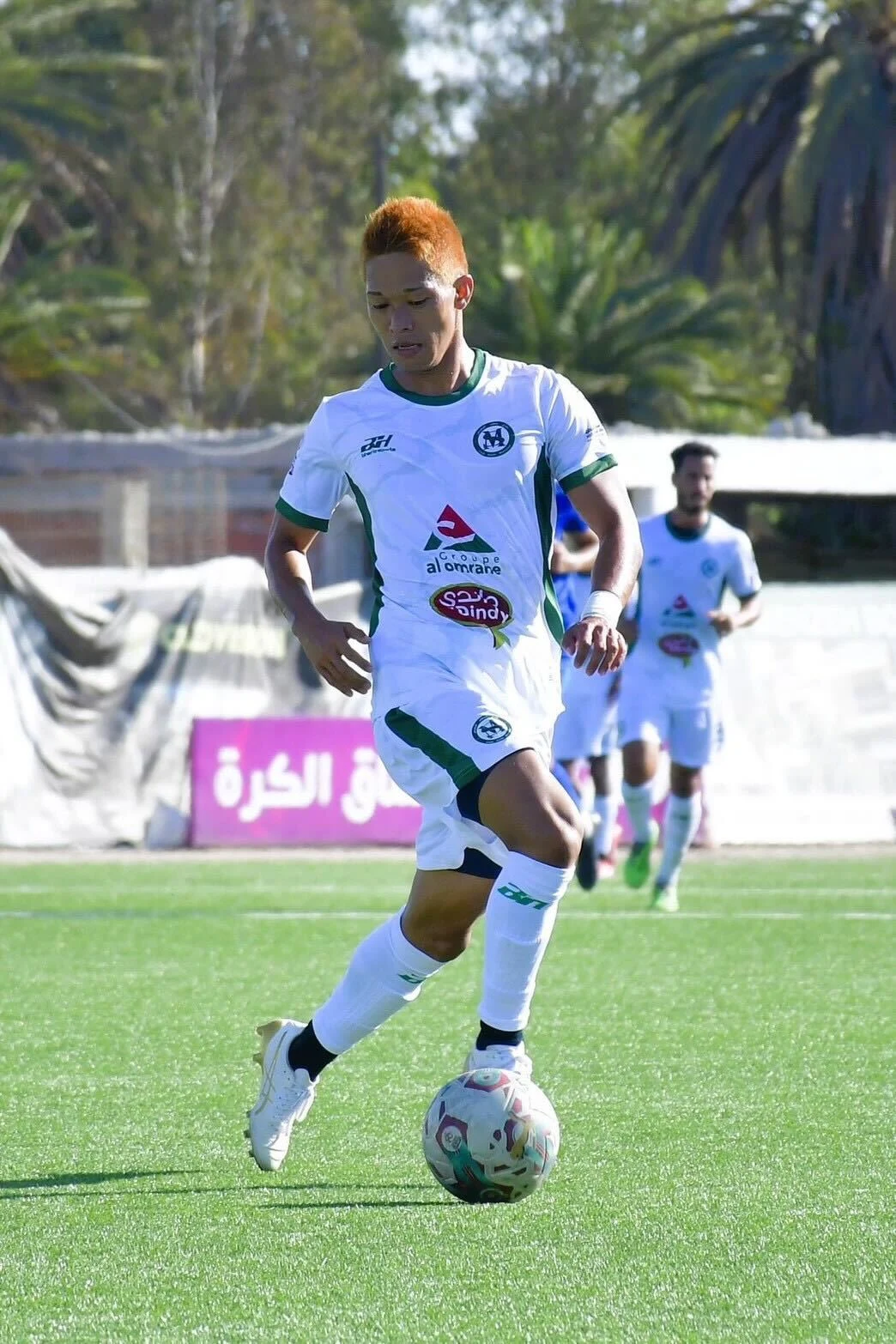
Additionally, I was often confused by the Muslim culture known as Insha'Allah. This phrase means "if God wills," and is used when making plans, for example, "If God wills, let's meet at 5 o'clock."
However, it doesn't necessarily mean that we will meet at 5 o'clock; it could be 5:30, or there might not be a meeting at all, making it difficult to grasp the nuances of the language.
Is it important to adapt to the local way of life?
Morishita
My position is that of an attacker who scores goals, so collaboration with my teammates is essential. I feel that daily communication is very important to receive good passes.
During a match, if there are two players who could receive a pass, the player who is more likely to be trusted to "make the pass" or "this guy will score" is the one with whom a stronger relationship has been built.
I truly realize the importance of blending into Moroccan culture and life and interacting with local people.
Warm exchanges with local people who provided support
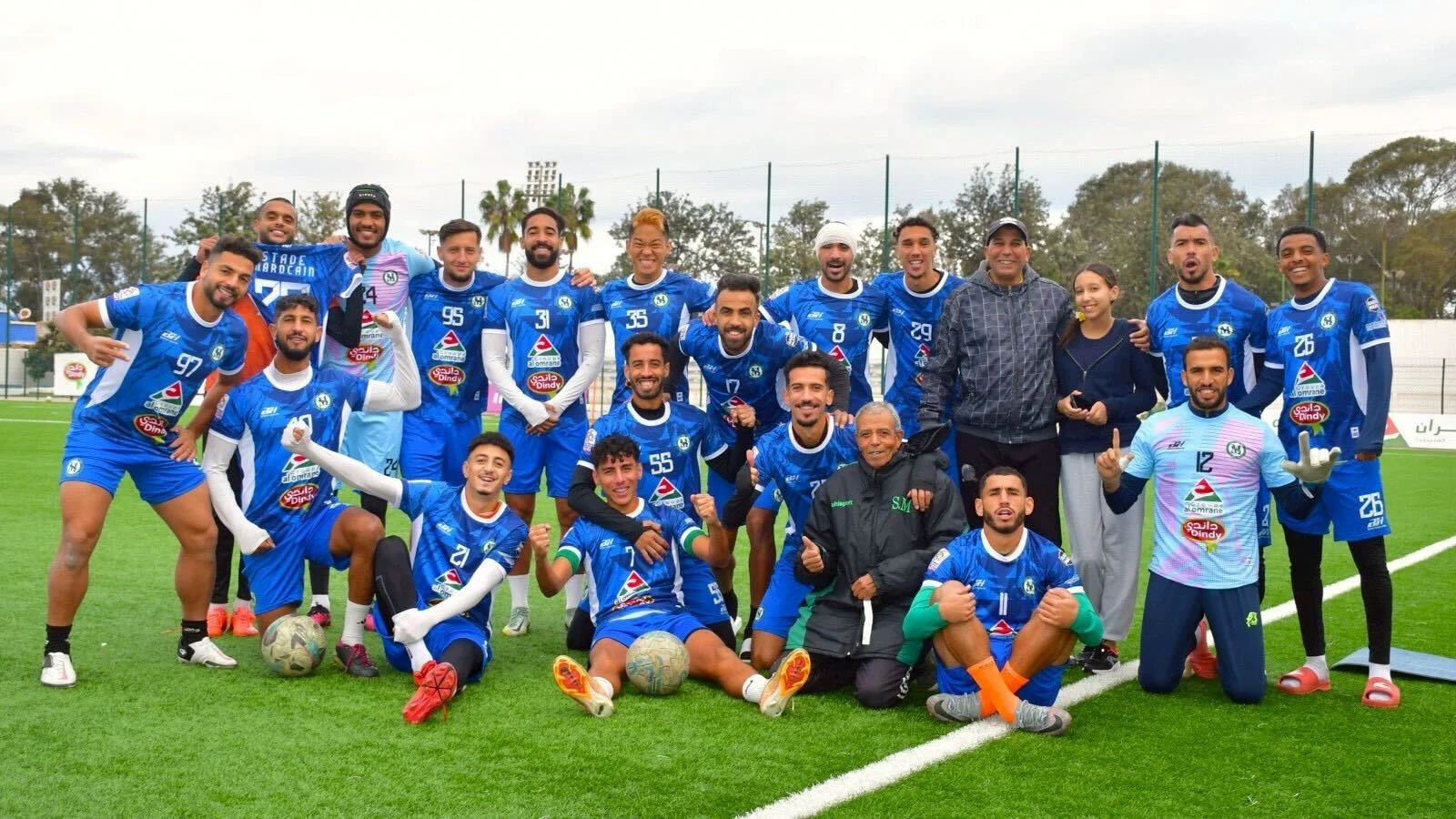
Please share an episode of your interactions with your teammates.
Morishita
I vividly remember the joy I felt when my teammates first invited me to a meal. At that time, we couldn't communicate, so we deepened our interactions using translation services.
Just relying on translated sentences made it difficult to convey subtle nuances, but thanks to my teammates' proactive efforts to communicate, I gradually began to understand each other, thinking, "Ah, this person probably wants to say this."
Now that I can speak a bit, I have been able to have deeper conversations. My teammates also seem to have studied at an English language school for my sake, and I was genuinely happy that they tried to communicate with me.
Were there any differences between your experiences in Ghana and Zambia and those in Morocco?
Morishita
Of course, the atmosphere varies from country to country, but I often feel that the people in Morocco are willing to reach out even when there is a language barrier.
Additionally, I experienced the unique hospitality culture of Islam for the first time in Morocco. Being invited to homes and sharing meals together...
In Morocco, once you are welcomed into a circle, many people treat you as if you are part of the family. During the approximately 30 days of Ramadan, there is a custom of having dinner with the whole family, and I was invited to different families for meals each time.
Sometimes I was treated to meals, and sometimes I treated others, which personally made me happy to build an equal relationship.
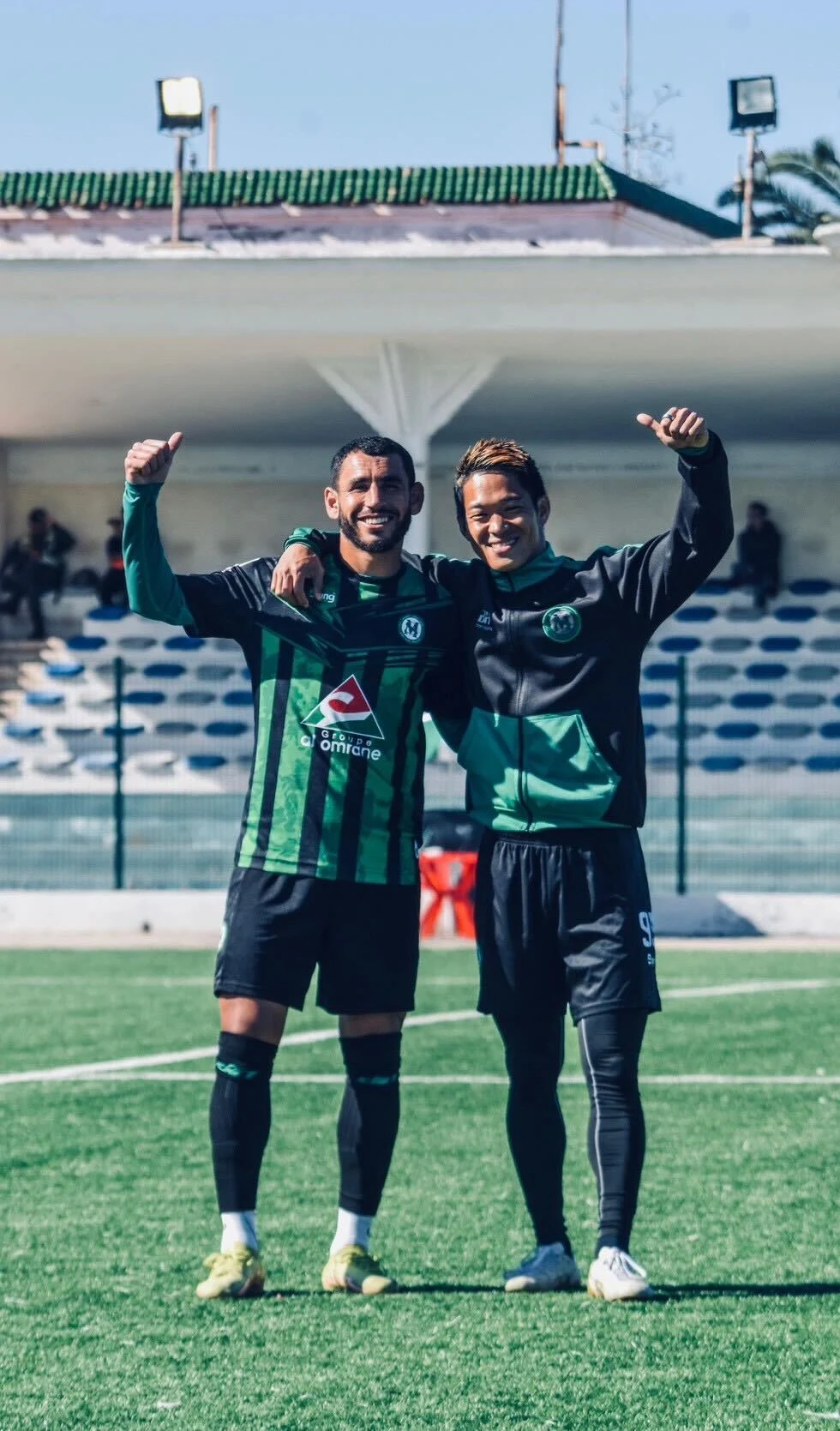
What motivates you to keep pushing forward in a foreign land?
Morishita
The fact that my actions can lead to an increase in voices of support, deepen connections with sponsor companies, and create a chain reaction of various experiences is what drives me.
Also, after losing my sister, who had always supported me, I have been working hard in soccer while carrying her wishes with me. Doing it for my family is also a significant motivation for me.
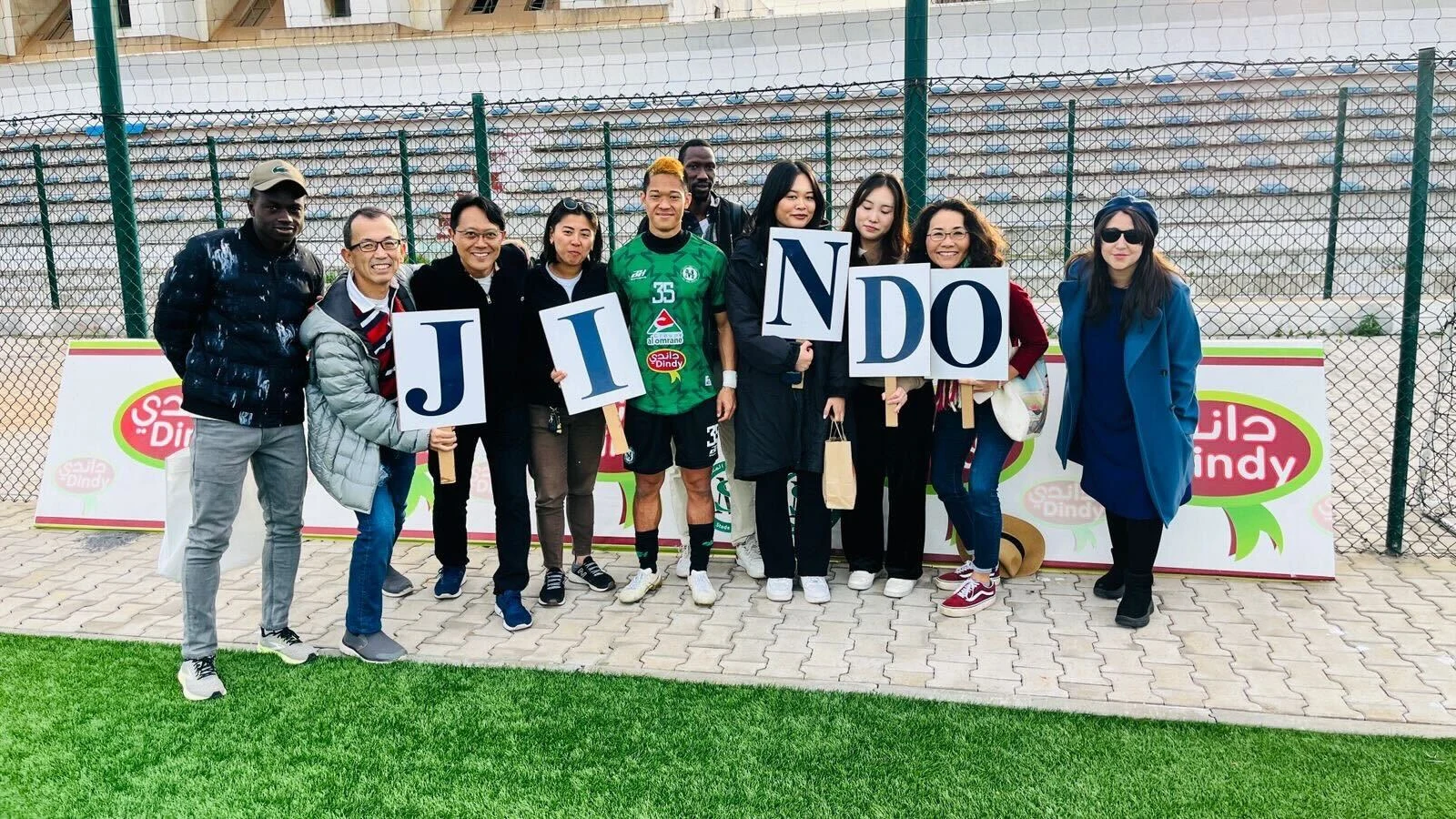
Aiming for the Moroccan national team while also focusing on promoting Japanese culture.
Please tell us about your future goals.
Morishita
First of all, I want to work hard to participate as a member of the Moroccan national team in the Africa Champions League to be held in 2027. To do that, I need to transfer to a team that is likely to be promoted to the first division in Morocco, so I want to perform well and achieve results.
I also have goals for my okonomiyaki business.
The World Cup in 2030 is scheduled to be held in Morocco. I believe that the world will undoubtedly focus on Morocco, so I want to open at least 30 okonomiyaki restaurants in line with the event. I hope to promote Japanese culture to the world through Japanese food.
Please share a message with the readers.
Morishita
While playing soccer in Africa, I have formed many connections because I am from Kurashiki. I truly feel grateful to be from Kurashiki and take pride in having grown up there.
I would be happy if people learned that there are players from Kurashiki active in overseas leagues and supported me even a little. Please come to Morocco!
Conclusion
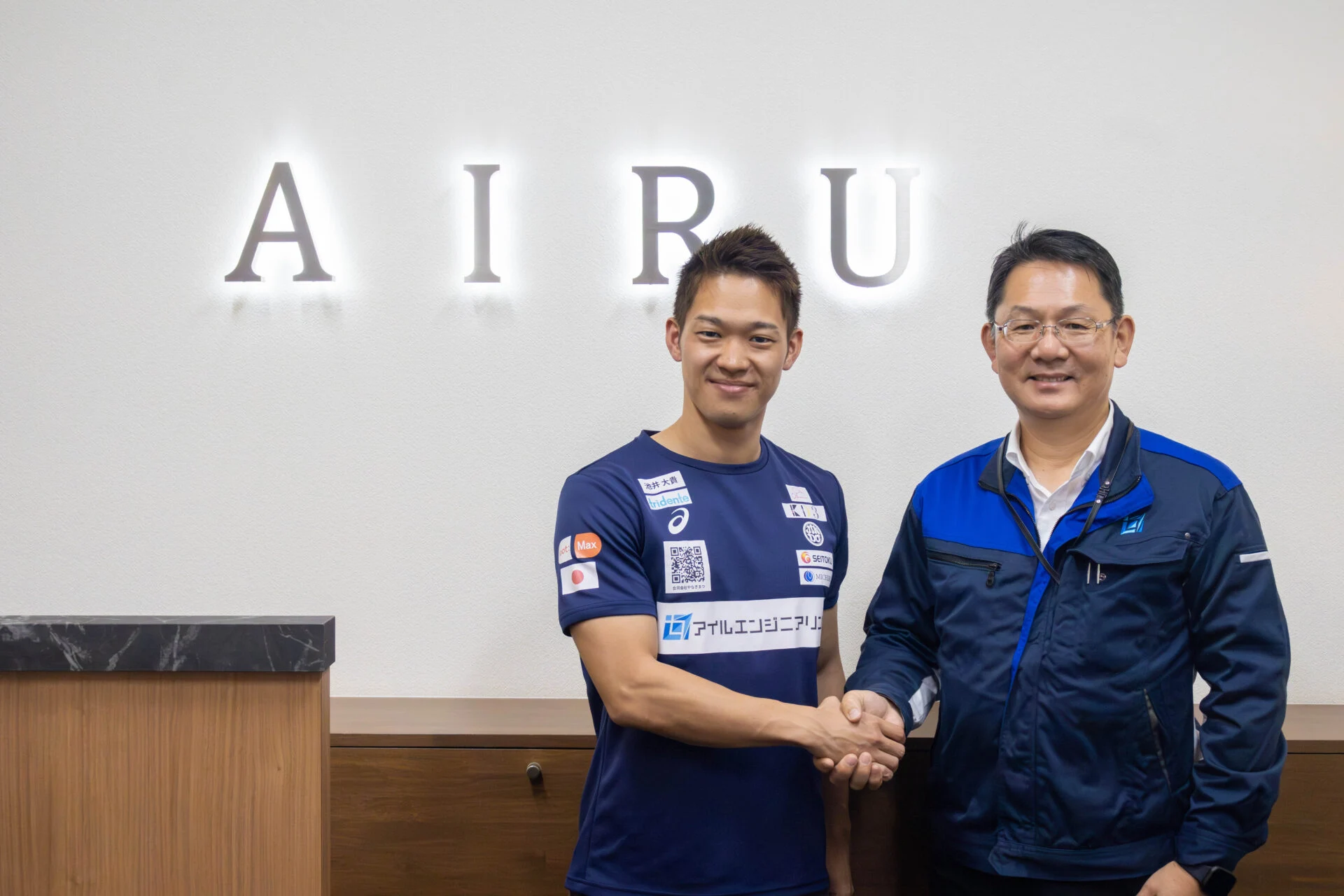
As a soccer player, Morishita is active in the distant land of Morocco.
While accepting the language barriers and cultural differences, many people are likely captivated by his sincere approach to soccer.
The connections he has made through soccer have greatly expanded his activities, including his okonomiyaki business and social contributions. After finishing the interview, I felt that the connections with people are giving rise to Morishita's next challenges.
I look forward to seeing Morishita's presence at the World Cup to be held in Morocco.
I want to continue supporting Morishita's challenges as he shines on the African stage.