Interview with Tomio Kusudo, Representative Director of Jizakeya

Jizakeya is a shop that sake lovers find irresistible.
We spoke with Tomio Kusudo, Representative Director of TRY Co., Ltd., which operates Jizakeya, about how the business got started, what makes it special, his aspirations for the future, and things he would like to try.
Studying local sake led him to become a fan

How did you come to open Jizakeya?
Kusudo (hereafter, Kusudo)
Actually, I didn't used to drink much Japanese sake at all (laughs).
Before Jizakeya, we started operating a shop called Toraiya Honpo.
Toraiya Honpo was originally an udon shop.
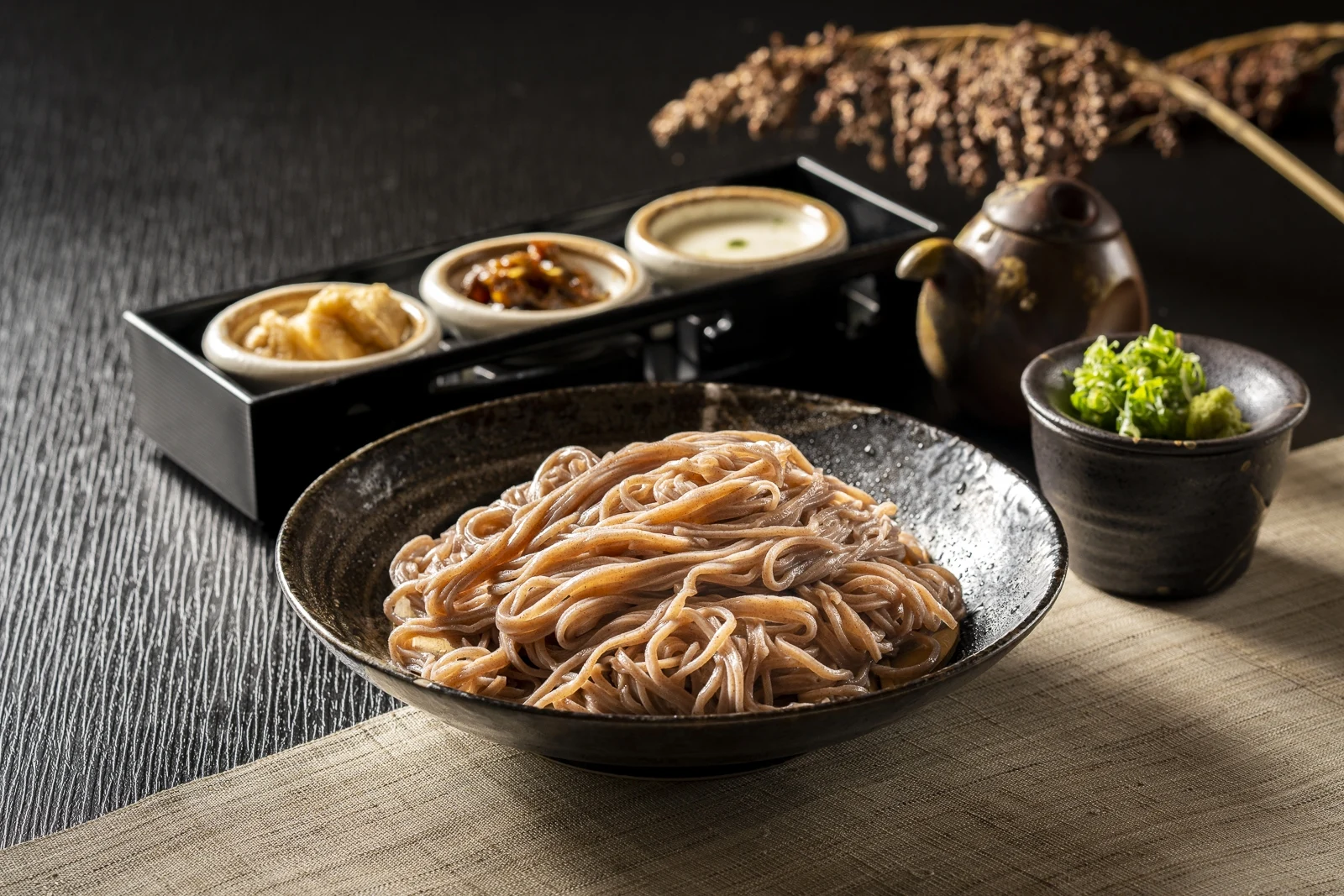
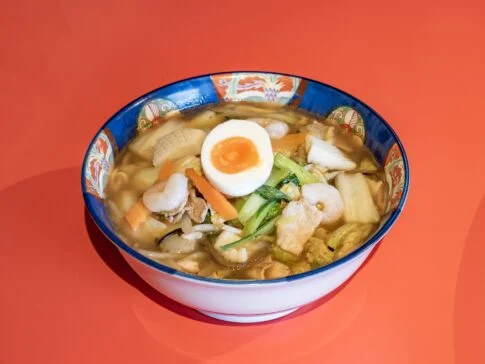
However, to let customers enjoy the distinctive character of Kurashiki, we changed the concept to focus on local ingredients and cuisine, with dishes such as kibisoba as the main offerings.
At that point, we decided to focus on local alcoholic drinks, too.
And when you think of local alcoholic drinks, local sake is the obvious choice.
But, as I mentioned earlier, I didn't drink Japanese sake at the time, so I knew nothing about local sake.
That meant I needed to learn about local sake and Japanese sake.
So we invited people from local breweries and reached out to friends interested in sake, and held regular study sessions on local sake and Japanese sake.
Was studying Japanese sake what got you interested?
Kusudo
That's right!
As I studied, I gradually discovered the depth of Japanese sake and the appeal of local sake, and before I knew it, I had become a fan (laughs).
I thought there must be many people who love local sake, just like us.
With that in mind, I decided to open a specialty shop for local sake.
Popular with business travelers and tourists because hotels are nearby

I heard that the shop was in a different location when it first opened.
Kusudo
At first, we operated on the street one block south of where we are now.
We didn't sell alcohol at that location; it was a restaurant.
It was a standing bar specializing in local sake.
There are several hotels very close by, and people staying there for business or sightseeing would see the Jizakeya sign when they checked in.
So after finishing work or sightseeing, they would come by, thinking they might visit Jizakeya that evening.
What proportion of your customers came from outside the prefecture?
Kusudo
At our previous location, about 70% of our customers came from outside the area for business or sightseeing.
People who often travel around the country for work, or who enjoy traveling, look forward to trying ingredients unique to the places they visit.
For people who like Japanese sake, local sake is the biggest attraction.
That's why Jizakeya was so popular.
Local sake embodies the land and culture

What do you find appealing about local sake, Mr. Kusudo?
Kusudo
Above all, local sake reflects the climate and culture of each place.
Okayama Prefecture is blessed with produce from both the mountains and the sea, and has an abundance of ingredients.
Dishes made with these plentiful ingredients also tend to have sweeter seasoning.
That's why local sake in Okayama tends to be on the sweeter side overall.
Since the food is sweet, sweeter sake pairs better with it.
Also, Okayama Prefecture is actually a hidden rice-growing region.
It produces delicious rice varieties such as Asahi and Akebono.
Omachi, a variety considered ideal for making Japanese sake, originated in the Omachi district of Okayama City.
Also, about 80% of Japanese sake is water.
So whether the water tastes good is an important factor that affects the flavor of the sake.
Okayama Prefecture has plenty of delicious water, too.
Okayama has three major rivers: the Takahashi River, Asahi River, and Yoshii River.
Everyone in Okayama Prefecture knows that.
But Okayama and Hokkaido are about the only places in Japan where the sources of all three major rivers lie within the prefecture.
I hadn't thought about where the water comes from.
Kusudo
If you consider Hokkaido in a class of its own because of its size and the fact that it's an island, you can see just how blessed Okayama Prefecture is with water.
Okayama Prefecture produces the delicious rice essential for making Japanese sake, has abundant water, and is blessed with ingredients to eat alongside sake.
You could say that local sake from Okayama Prefecture embodies the prefecture's land and culture.
However, not only people outside the prefecture but even many residents don't know that Okayama is a rice-growing region, is blessed with water, and is a sake-producing region.
That's why I'd like to spread the word about the quality of Okayama's local sake.
From a standing bar for local sake to a liquor store where you can choose while drinking

Why did you start selling alcohol, as you do now?
Kusudo
To respond to what our customers were asking for.
Many customers wanted to buy the local sake they liked after trying different kinds, take it home, and enjoy it at their leisure.
That gave me the idea of creating a shop where people could choose what they liked while drinking local sake, then buy their favorites to take home.
However, selling alcohol requires a liquor sales license.
So we obtained one and began selling alcohol.
Around that time, we found a property just north of our first shop. It was spacious enough to sell alcohol, so we decided to move.
Then, in November 2019, we reopened at our current location after renovations.
How has the move worked out, and what have customers said?
Kusudo
About three months after we moved, the impact of the COVID-19 pandemic became severe.
So we haven't been able to tell at all how effective the renovation has been or how it's working out, and suddenly we've had to rethink how to run the business going forward.
I think many customers still don't know that Jizakeya has moved or that we started selling alcohol.
I feel we need to find ways to make suggestions and share information ourselves.
Committed to maintaining the condition of Japanese sake
What do you focus on at Jizakeya, and what sets it apart?
Kusudo
I think our biggest selling point is that we ourselves love sake (laughs).
So we understand what sake lovers are looking for.
We think about what snacks pair well with each sake and what foods bring out its flavor, and serve snacks that go perfectly with it.
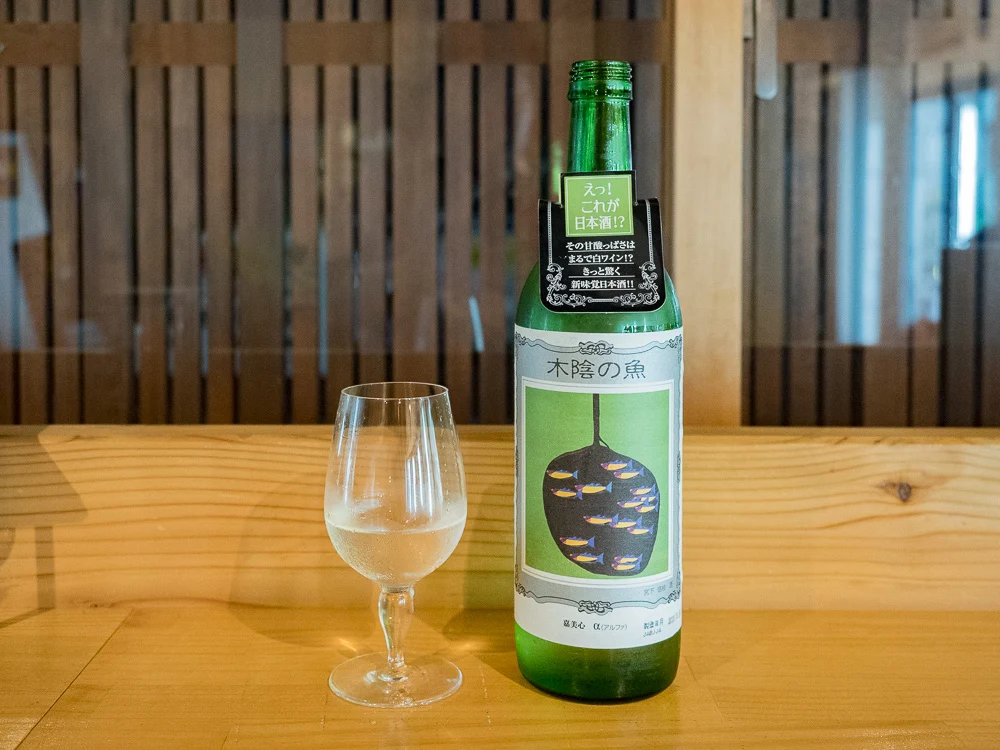
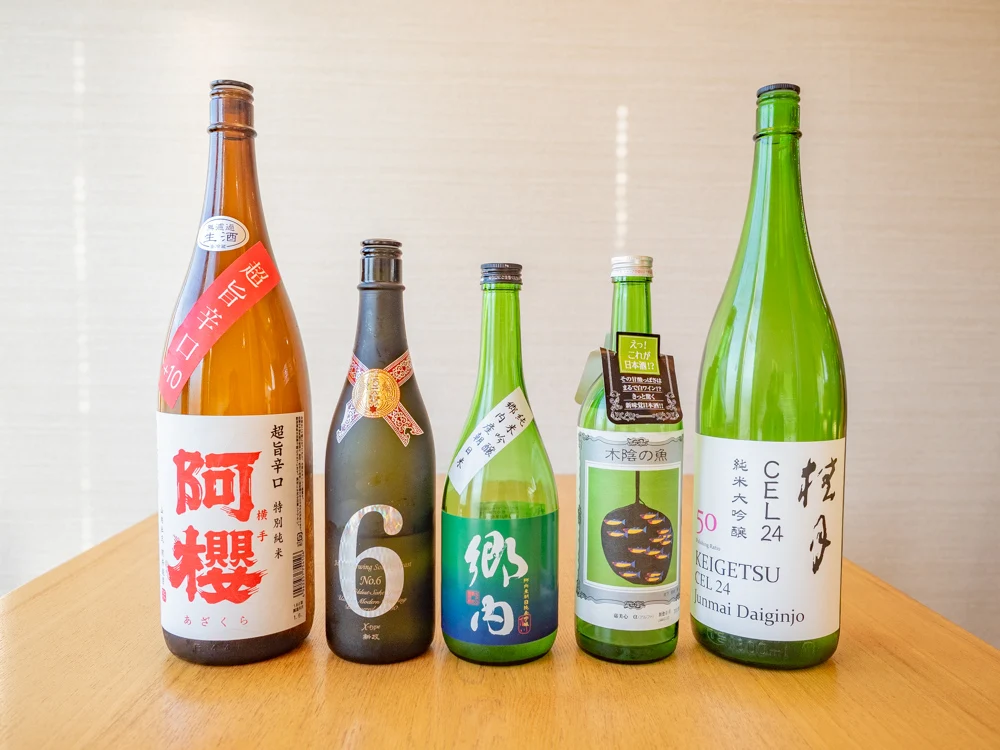
Also, most of the local sake we stock comes in four-go bottles (containing 720 milliliters).
That's another thing we're particular about.
Why are four-go bottles better?
Kusudo
It's so people can enjoy Japanese sake in the best possible condition. When Japanese sake comes into contact with oxygen, it oxidizes and its condition deteriorates.
So the key to maintaining its condition is to keep Japanese sake from being exposed to oxygen as much as possible.
Before opening, there isn't much difference between a one-sho bottle and a four-go bottle.
But once you open the bottle, you can't drink it all at once, so you drink it over several occasions.
That means it takes longer to finish a larger one-sho bottle.
And because the bottle is bigger, there's more oxygen inside, so the sake oxidizes more easily.
That's why it's easier to maintain the condition of sake in a four-go bottle.
Also, for bottles opened for tasting, we use a wine stopper—the kind made for wine.
After sealing the bottle, we can remove the air inside to help prevent oxidation.

I've heard that Japanese sake is delicate.
Kusudo
That's right, it's very delicate.
We also pay attention to the temperature at which we refrigerate our local sake.
The local sake on display is stored at temperatures in the single digits.
That's to slow deterioration.
By contrast, local sake for tasting is kept in a refrigerator at around 10 degrees.
That's so customers can drink it at its best.
Toji, the master brewers, generally taste Japanese sake at around 10 degrees.
That's why around 10 degrees is the ideal temperature for Japanese sake.
Some customers from outside the prefecture who have visited us had tried Japanese sake that was poorly stored and came away with the mistaken impression that sake from Okayama doesn't taste good.
That's really unfortunate.
That's why we pay close attention to storage and condition.
There have been many times when customers who had a negative impression of Okayama's local sake tried it at our shop and were surprised by how good it tasted.
It would be interesting to use virtual experiences to tour breweries from home while enjoying local sake

Is there anything you'd like to try in the future?
Kusudo
I'd like to focus on “experiences.” But because of the COVID-19 pandemic, in-person experiences are difficult right now.
So what I'm thinking about now is “virtual experiences.”
We would send customers local sake and snacks from our shop, then connect with a brewery using a system like Zoom and give them an experience through video.
The virtual experience would involve enjoying the brewery's local sake while watching the video and talking with them.
Things became difficult because of the COVID-19 pandemic soon after we moved, but I'd like to take on new challenges in response.
What are your aspirations for the future?
Kusudo
Every part of Japan has sake rooted in its local area.
Okayama Prefecture is a hidden sake-producing region, with many excellent breweries and local sake.
Unlike in the past, Japanese sake now comes in a wider range of flavors and has become more appealing. But it's also true that many people stop at the threshold because of their preconceptions about Japanese sake.
I was like that myself.
But once I got past those preconceptions, I began to understand the appeal of Japanese sake, and now I'm a huge fan (laughs).
I'd be happy if people who are held back by their preconceptions about Japanese sake could discover its appeal through our shop, just as I did.
And I'd also like people to discover how delicious and appealing Okayama's local sake is.
From the Writer
For sake lovers, local sake is one of the greatest pleasures of traveling.
Jizakeya carries almost every local sake from Okayama Prefecture, making it the perfect place to visit.
And you can do more than just drink it—you can buy your favorite local sake to take home, making it an ideal souvenir.
Of course, it's also recommended for local residents.
If you'd like to find out what kinds of local sake are made in your area, be sure to visit Jizakeya.
The staff love sake, and their stories about it are fun to hear, too.
Jizakeya details

| Name | Jizakeya |
|---|---|
| Address | 3-21-32 Achi, Kurashiki City, Okayama Prefecture |
| Contact | 086-441-7877 |
| Parking | None |
| Business hours | 2:30 p.m.–8:00 p.m. |
| Closed | Monday, Sunday |
| Payment methods |
|
| Website | Jizakeya |

What would you like to know about Kurashiki?
Enter a word to search articles on this site