
“Machichuka” and “taishu chuka” are uniquely Japanese styles of cooking that are affordable and delicious.
One of the charms of machichuka and taishu chuka is their popularity across generations and genders.
Soja City is home to a restaurant that offers everything from these familiar styles of Chinese cooking to authentic Chinese cuisine.
It’s Chuka kinomi (Kinomi; hereafter, kinomi).
The restaurant has a casual atmosphere, with the warmth of wood throughout.
It’s a welcoming place to enjoy a meal, whether you’re dining alone or with a group.
Let’s take a closer look at what makes Chuka kinomi in Soja so special.
The information presented here was current when this article was published in December 2023. Please note that it may differ from current information.
Chuka kinomi is a casual Chinese restaurant in central Soja
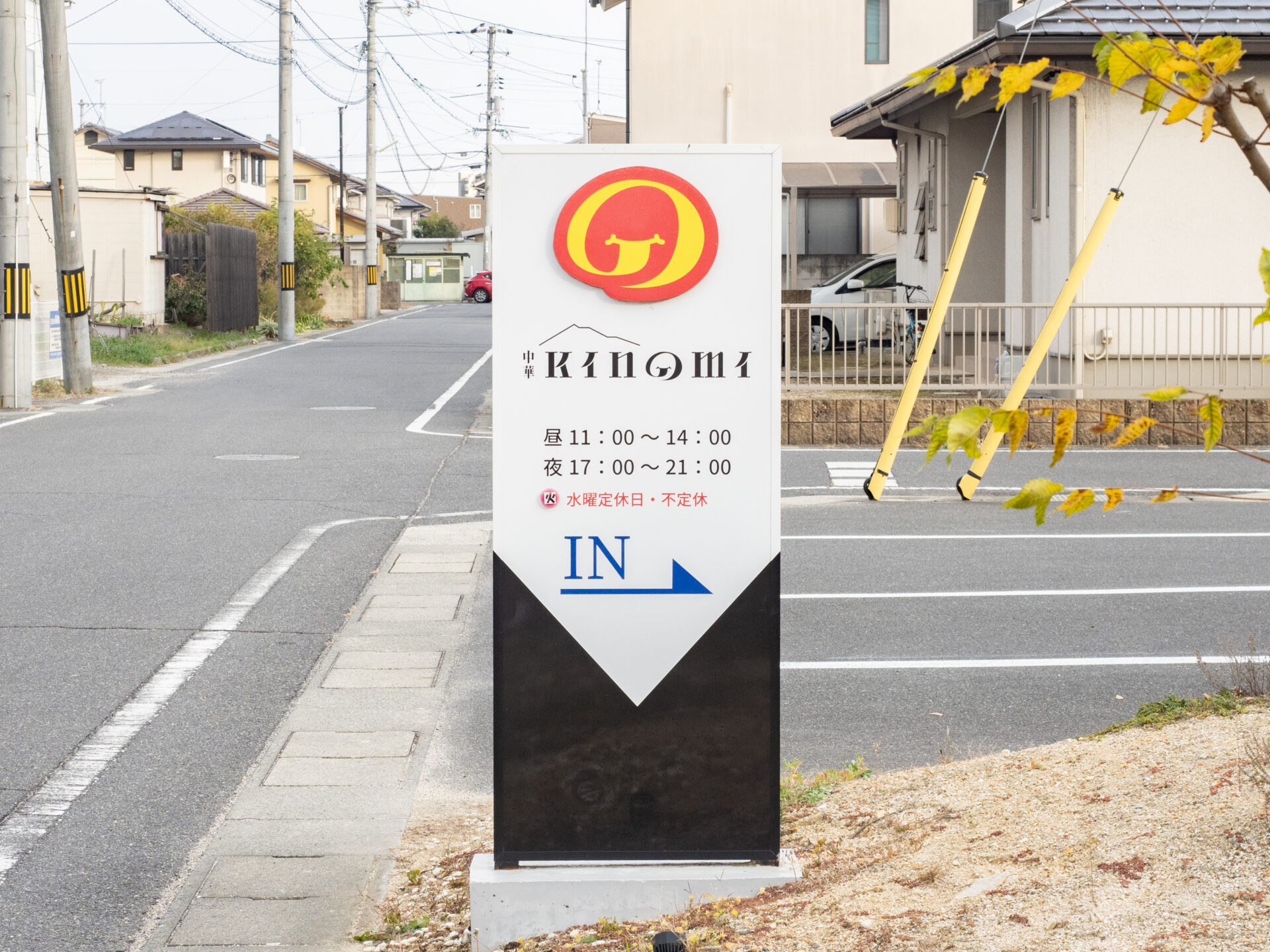
kinomi is a Chinese restaurant in Ekiminami 2-chome, in central Soja City.
It belongs to the genre often called taishu chuka or machichuka, but you can also enjoy dishes from authentic Chinese cuisine, including Shanghai, Sichuan, and Cantonese cooking.

The restaurant is in a building that was originally a cafe, so at first glance it doesn’t look like a Chinese restaurant.
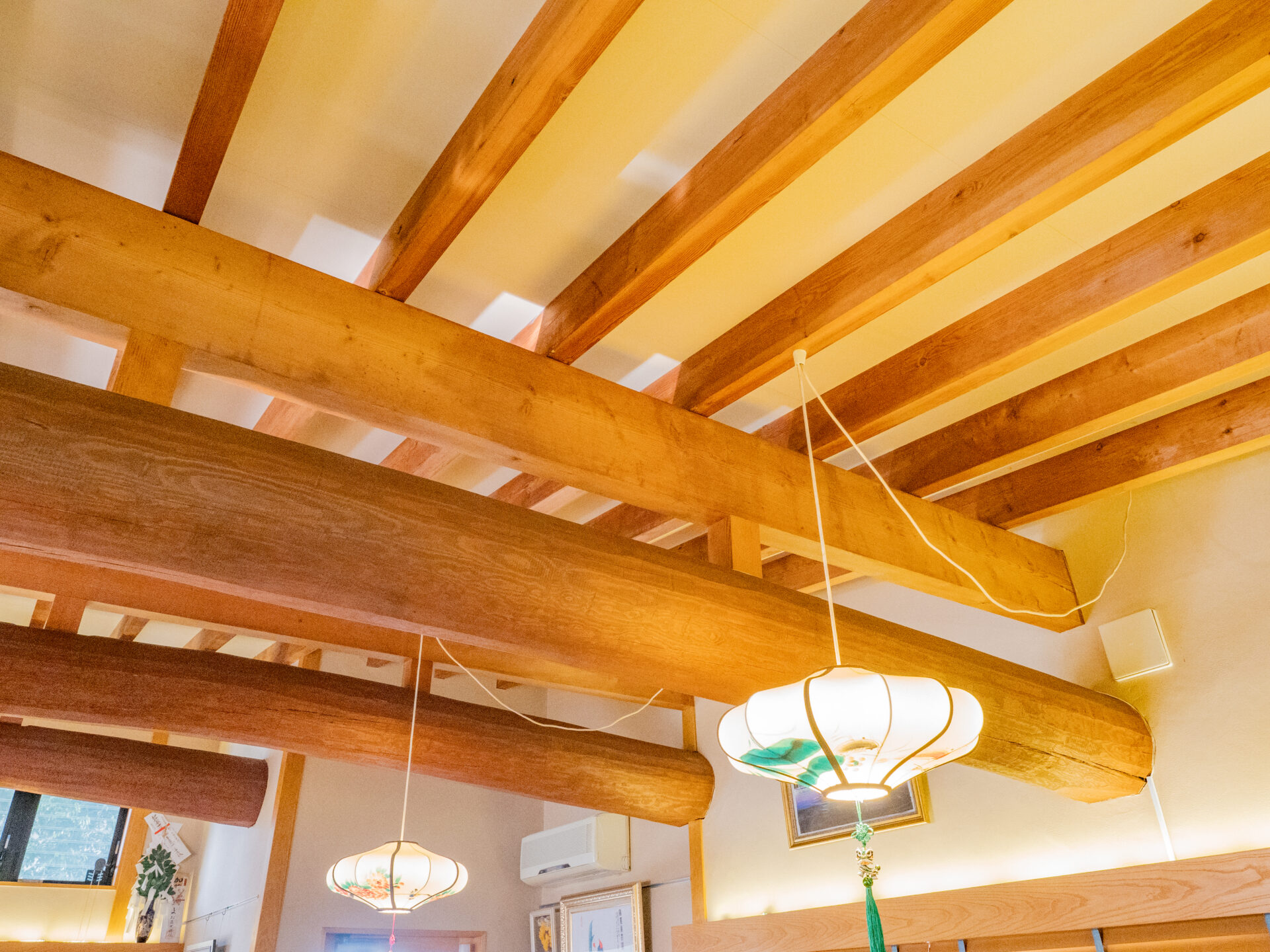
The spacious interior, with its warm wood accents, has a very stylish feel.
Sunlight streams in through the windows, giving the restaurant a bright atmosphere.
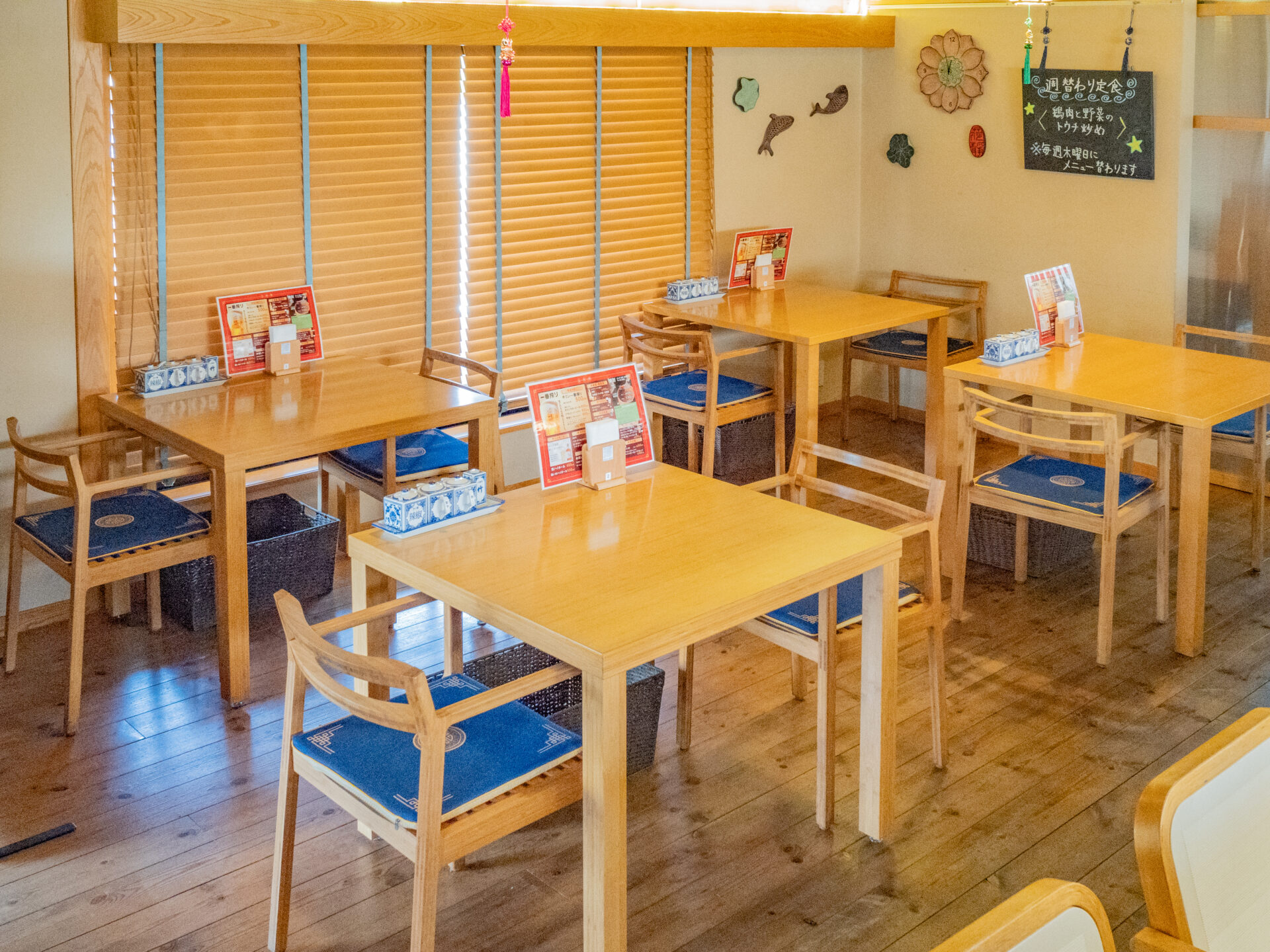
Most of the seating is at tables.
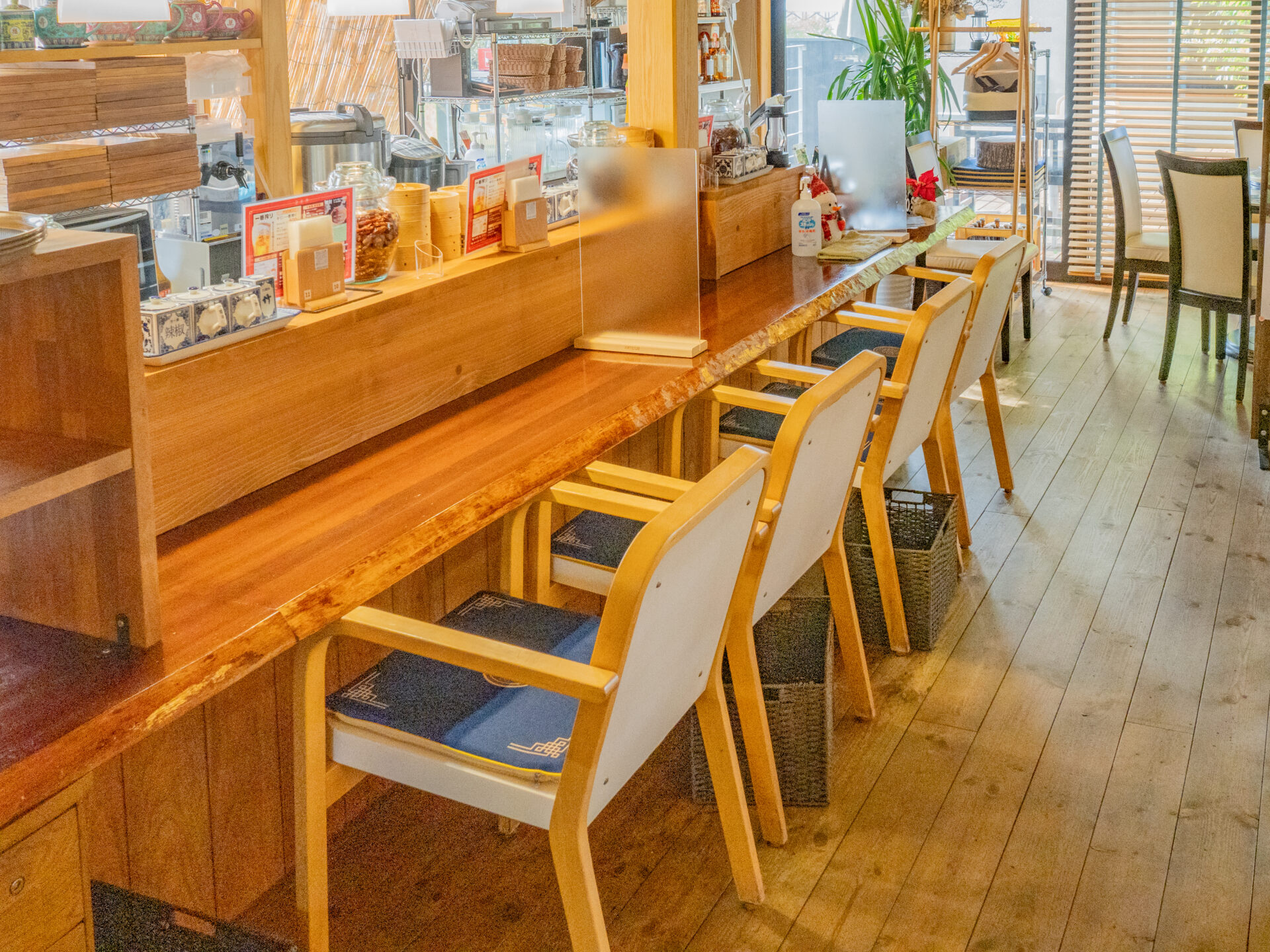
There is also counter seating.
The tables that can be made into semi-private rooms seat six to eight people.

There was also a round table for five, the kind often seen in Chinese restaurants.
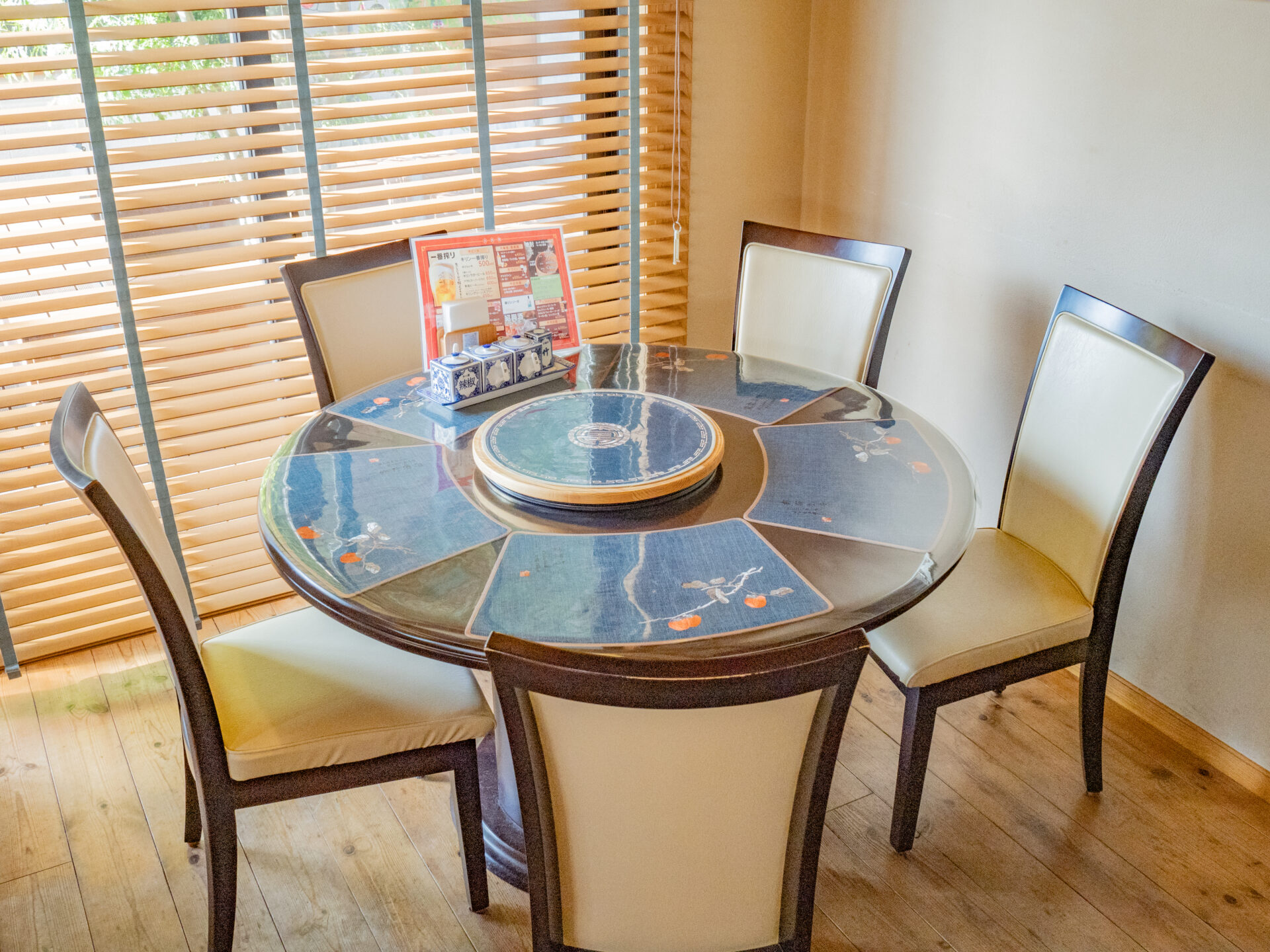
Outside, there is one terrace table that seats four.
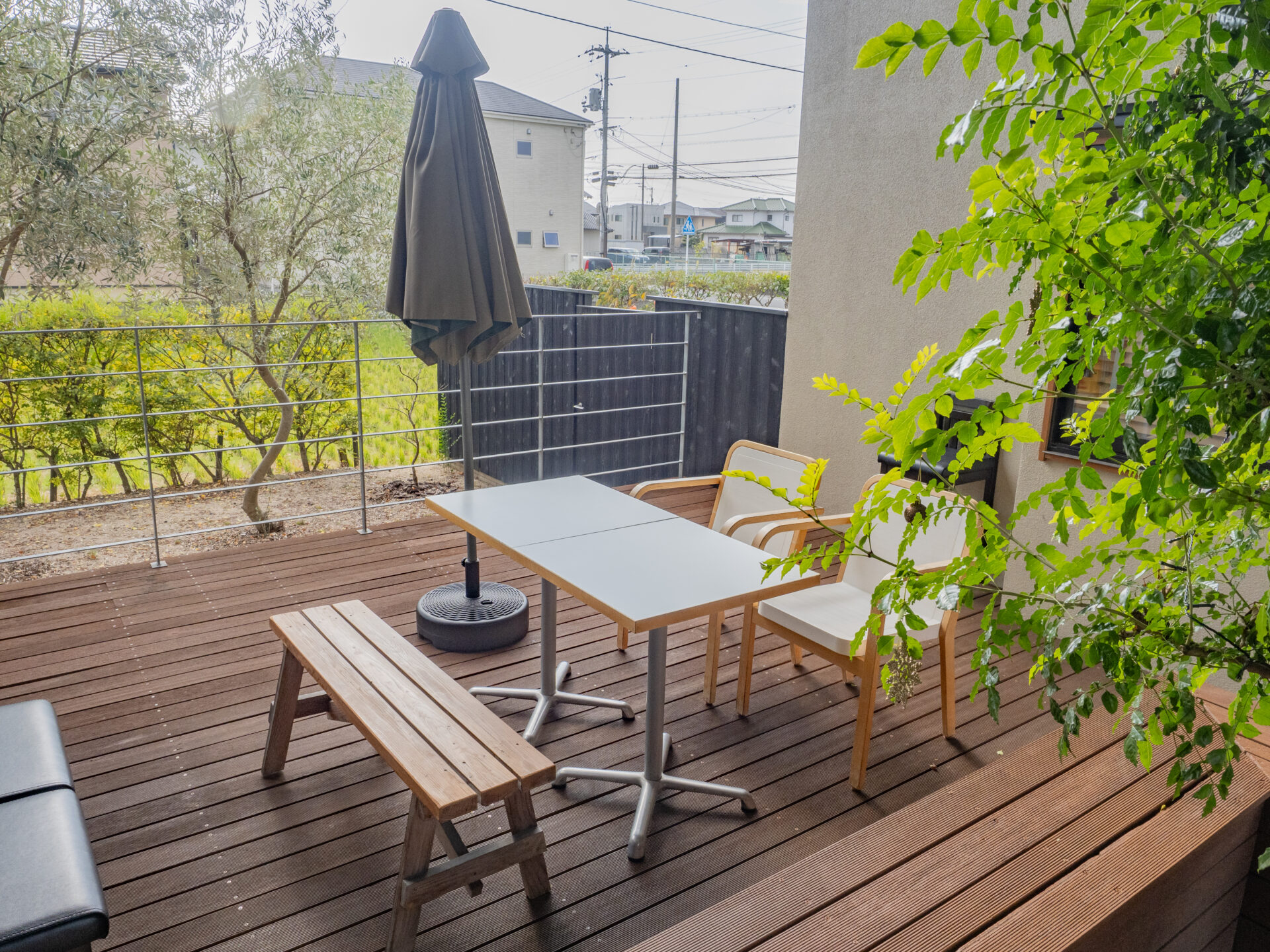
If the weather is nice, dining outside is a good option.
Menu
Information as of November 2023. Prices include consumption tax.
At kinomi, the lunch and dinner menus are different.
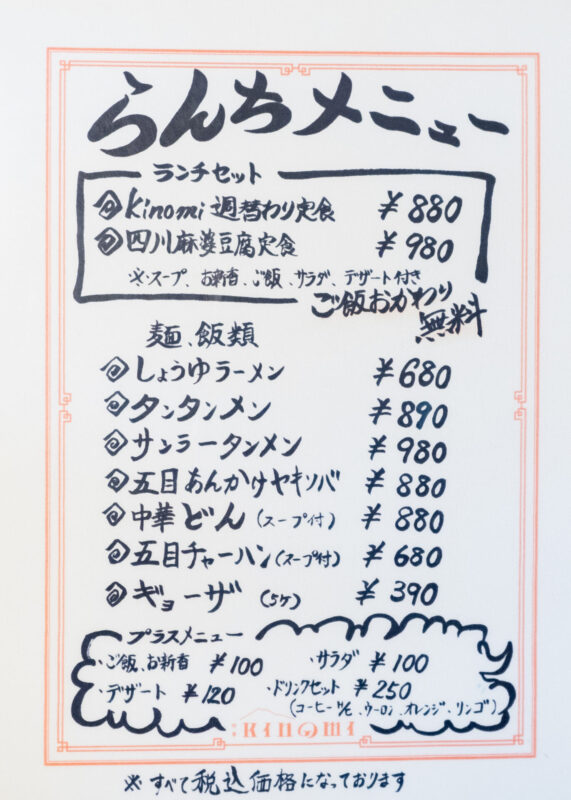
The lunch menu is a carefully selected, concise lineup.
Popular lunch dishes include the “Sichuan Mapo Tofu Set Meal,” “Tantanmen,” “Gyoza,” and “Chinese Rice Bowl.”
The “Sanratanmen” is also said to have a loyal following.
The “Weekly Set Meal” is consistently popular.
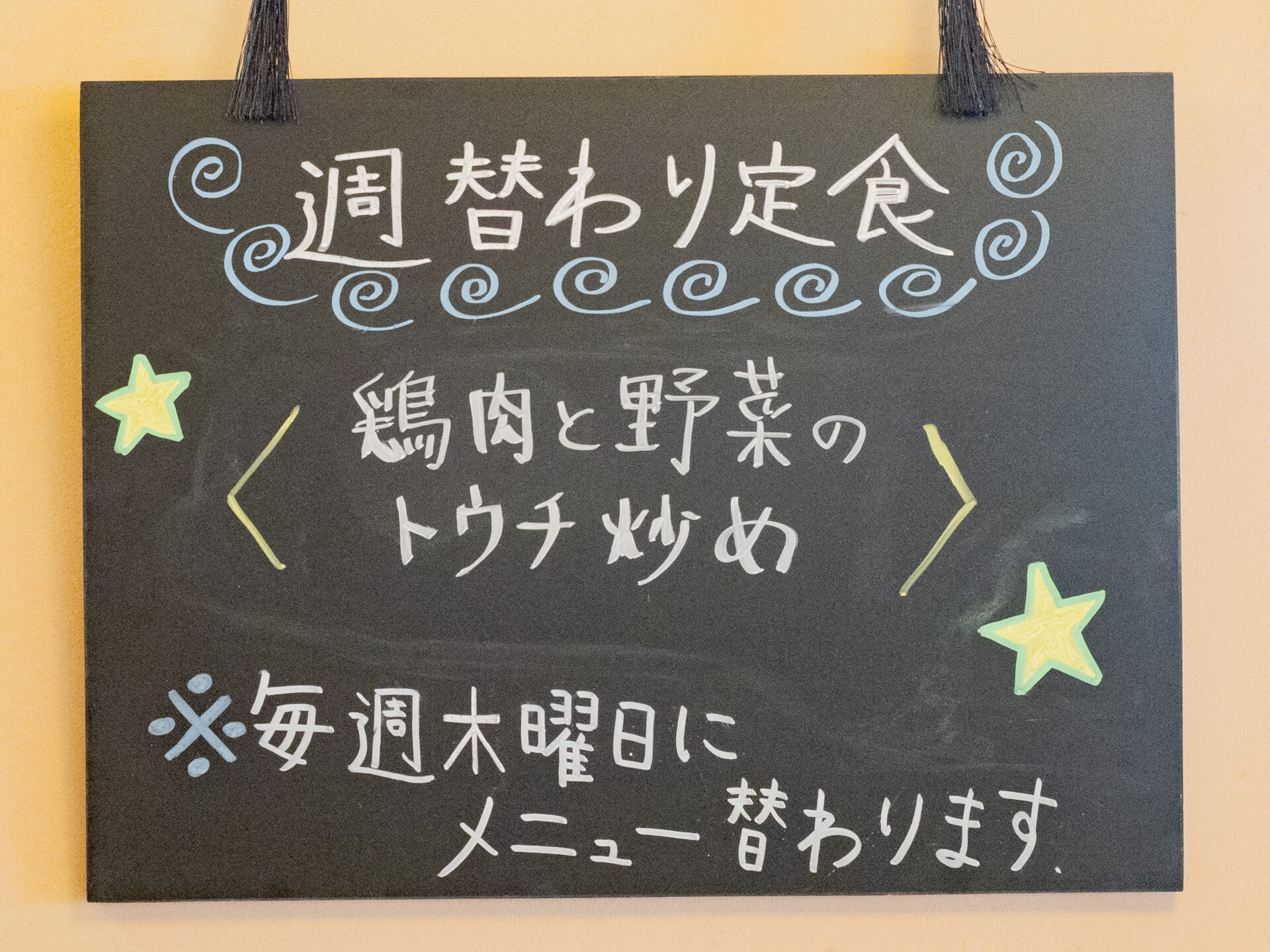
The dishes are listed on the blackboard outside or inside the restaurant, so be sure to check.
The dinner menu, on the other hand, has a very wide selection, with a large number of dishes.
Here are some examples.
| Category | Menu (selection) |
|---|---|
| Appetizers | Bang bang chicken, saliva chicken, drunken shrimp |
| Small dishes | Pickled mustard greens, Chinese pickles, Sichuan beef jerky |
| Snacks | Edamame, French fries, fried shrimp |
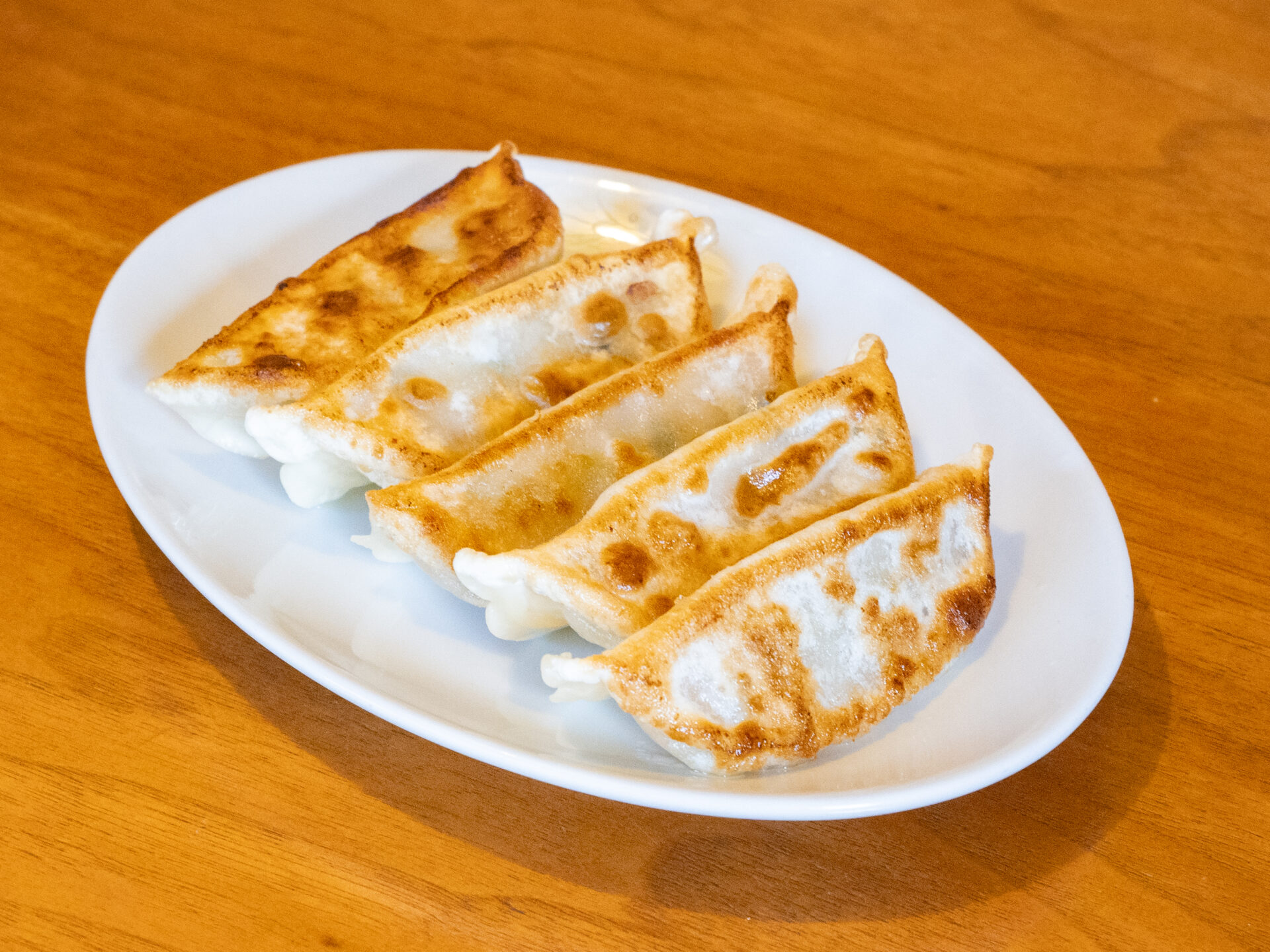
| Dim sum and salads | Pan-fried gyoza, handmade boiled gyoza, shumai, spring rolls |
| Seafood | Shrimp in chili sauce, shrimp with mayonnaise, sweet-and-spicy stir-fried squid |
| Chicken | Fried chicken, yurinchi, chicken with mayonnaise |
| Vegetables and eggs | Leafy greens stir-fried over high heat with garlic, happosai, crab omelet |
| Pork | Hui guo rou, sweet-and-sour pork, black vinegar sweet-and-sour pork |
| Beef | Chinjao rosu, beef and vegetables stir-fried with oyster sauce |
| Tofu and soups | Sichuan mapo tofu, crab and tofu simmered in soy sauce |
| Noodles | Soy sauce ramen, sesame tantanmen, sanratanmen, noodles with assorted toppings in thickened sauce |
| Fried rice and rice dishes | Assorted fried rice, beef and garlic fried rice, tenshinhan |
| Fried noodles | Fried noodles with assorted toppings in thickened sauce, seafood fried noodles with thickened sauce, Shanghai-style stir-fried noodles |
| Desserts | Almond tofu, mango pudding, sesame balls |
Some of the popular dinner dishes include:
- Saliva chicken
- Drunken shrimp
- Mapo tofu
- Sweet-and-sour pork (sweet or black vinegar)
- Gyoza
- Spring rolls
- Yurinchi
- Tenshinhan
- Various yakisoba dishes
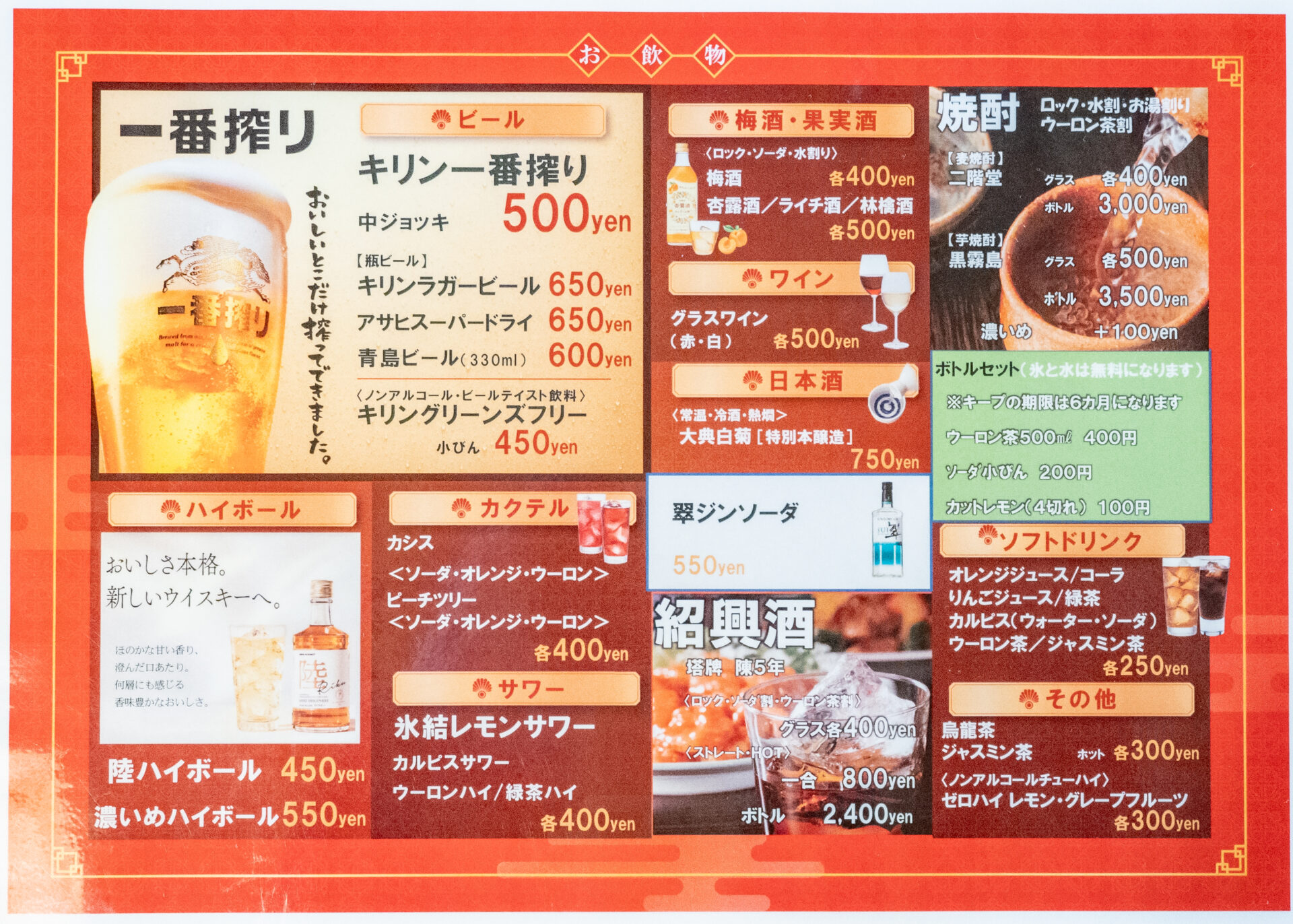
Drinks, including alcoholic beverages, are also available, so we recommend enjoying the food with a drink in the evening.
The dinner menu also includes the “Yin-YangMedicinal Hot Pot Course.”
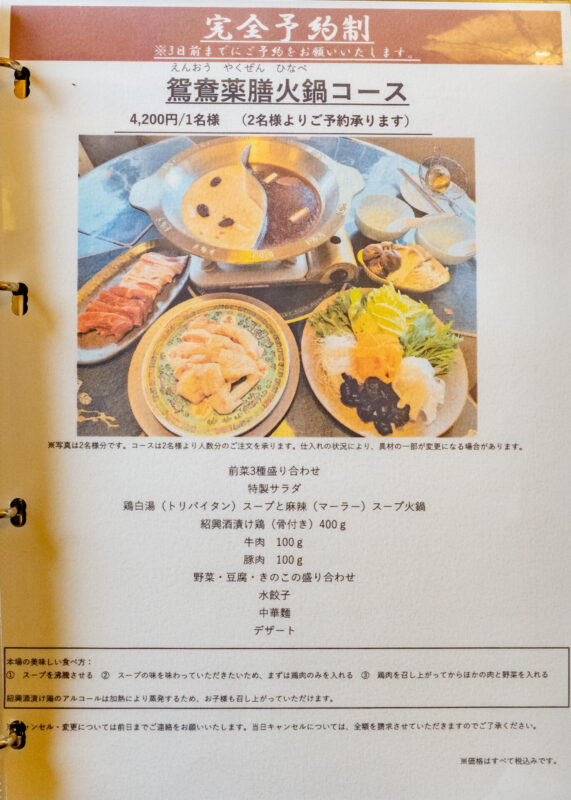
Reservations are required at least three days in advance, for parties of two or more.
The Restaurant’s Recommended and Popular Dishes
Here are kinomi’s recommended dish and some of the dishes popular with customers.
Sichuan Mapo Tofu Set Meal
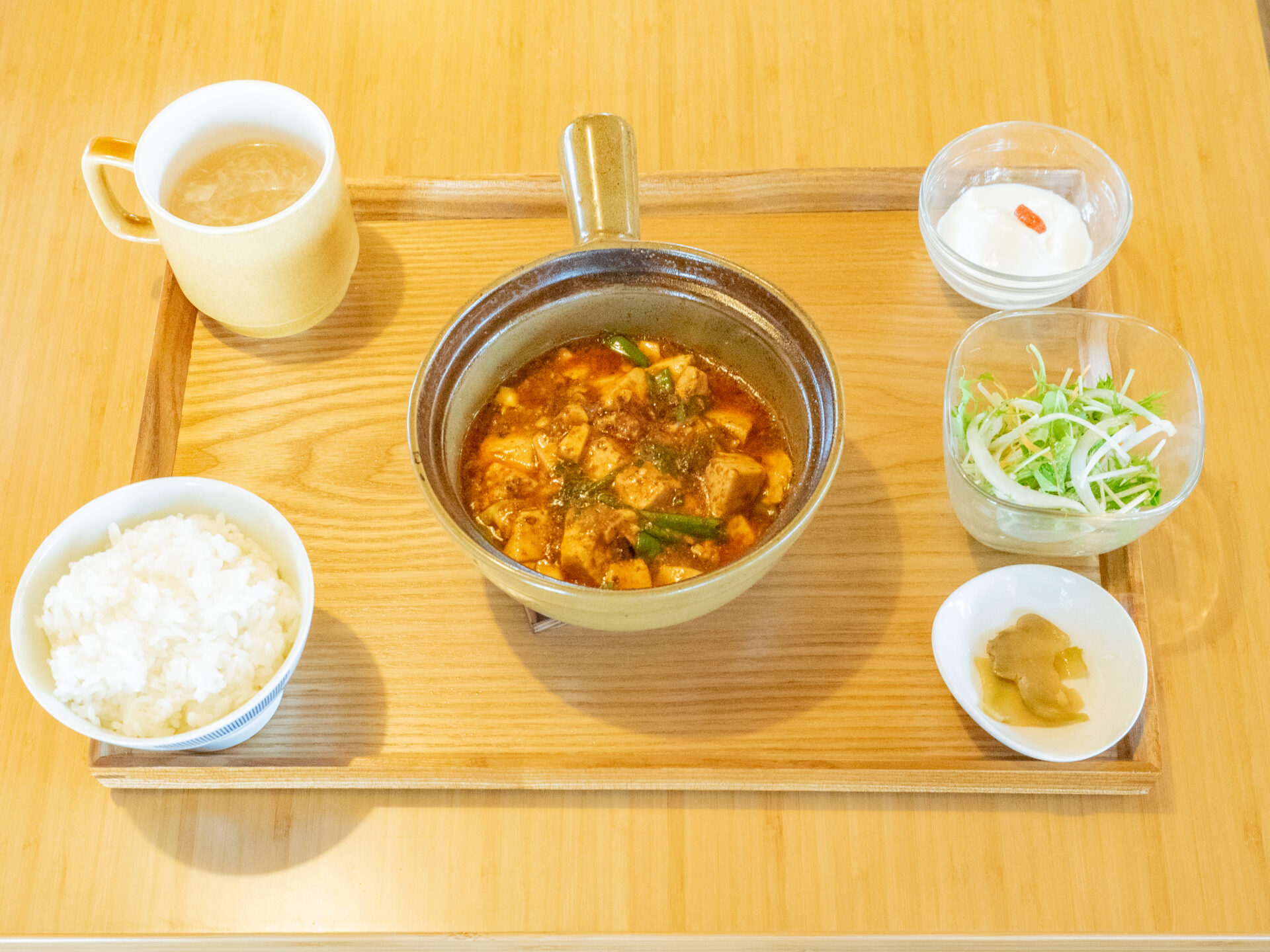
The “Sichuan Mapo Tofu Set Meal” (980 yen) is kinomi’s signature dish and is very popular with customers.
Along with the main dish of Sichuan mapo tofu, the set includes rice, soup, pickles, a mini salad, and dessert.
The main Sichuan mapo tofu is a surprise when it arrives.
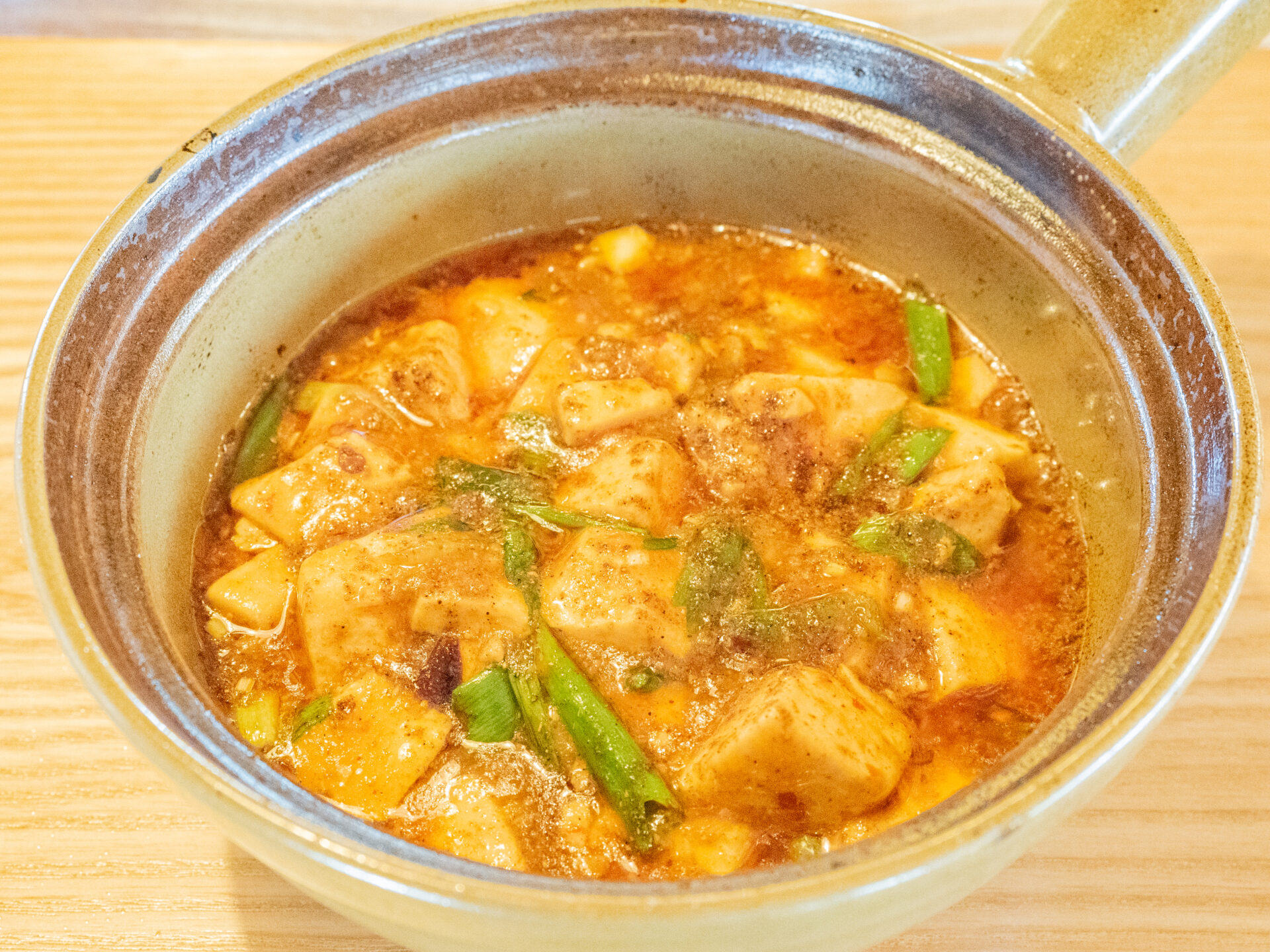
It is served in a piping-hot clay pot, bubbling and steaming as it boils!
It looks incredibly delicious and makes your appetite even stronger!
Along with plenty of diced tofu and ground meat, it also contains green onions.
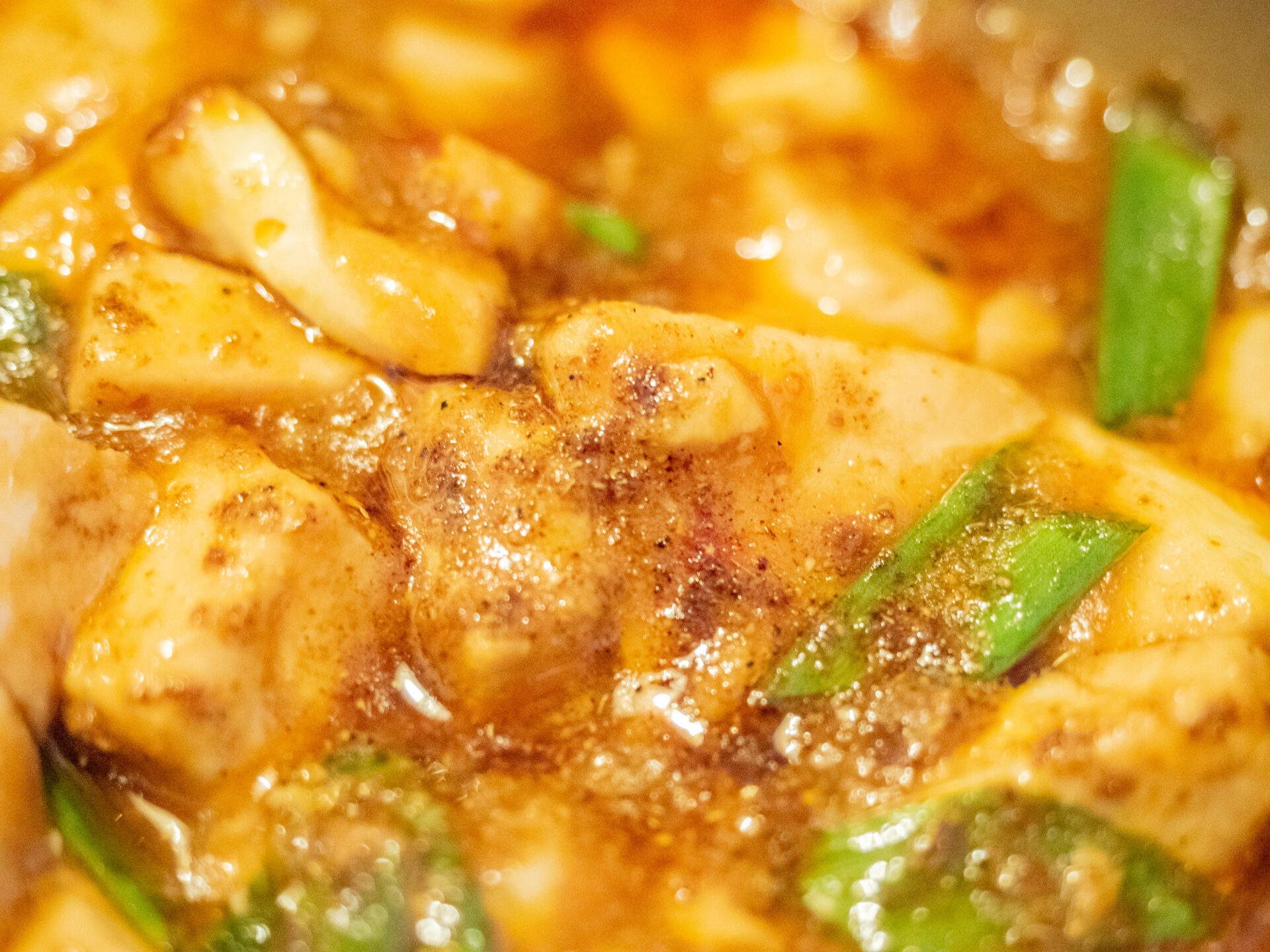
You can also see that it is generously topped with spices.

The key is that it uses Sichuan-produced doubanjiang.
Based on the authentic flavors of Sichuan, it is adapted in kinomi’s own style to make it easy for Japanese diners to enjoy.
You can enjoy mapo tofu that is quite close to the authentic version!
As you’d expect, it’s piping hot when you eat it.
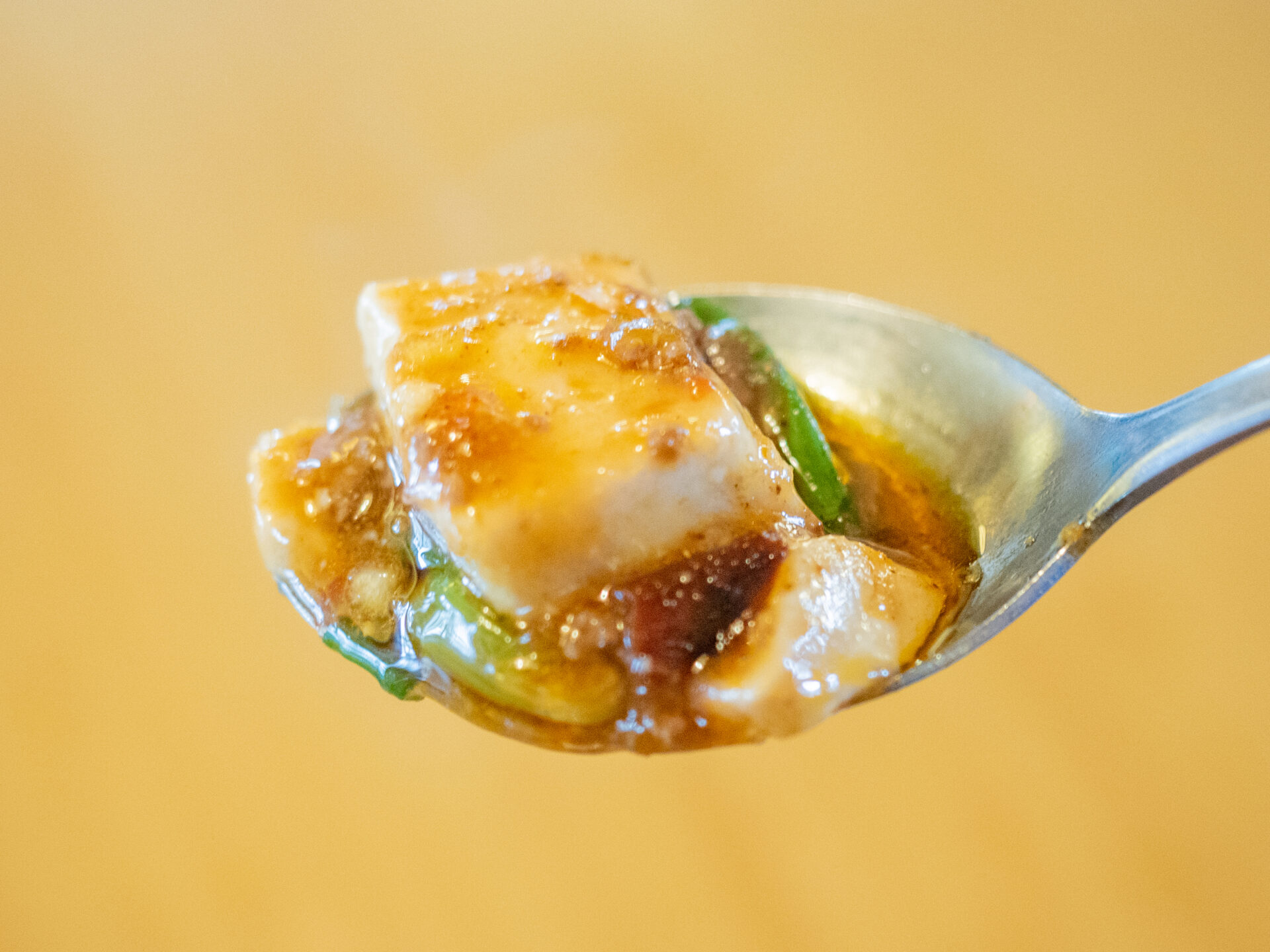
Then the sharp heat and the numbing sensation and aroma of Sichuan pepper spread across your palate.
The savory ground meat and mild tofu come together in a delicious dish that makes you want to keep eating rice.
This was authentic mapo tofu, with a good kick of ma (numbing) and la (spicy heat).
The clay pot is used for the lunch serving only.
In the evening, it is available only as an à la carte dish (980 yen), served on a plate, but the portion is generous.
Tantanmen
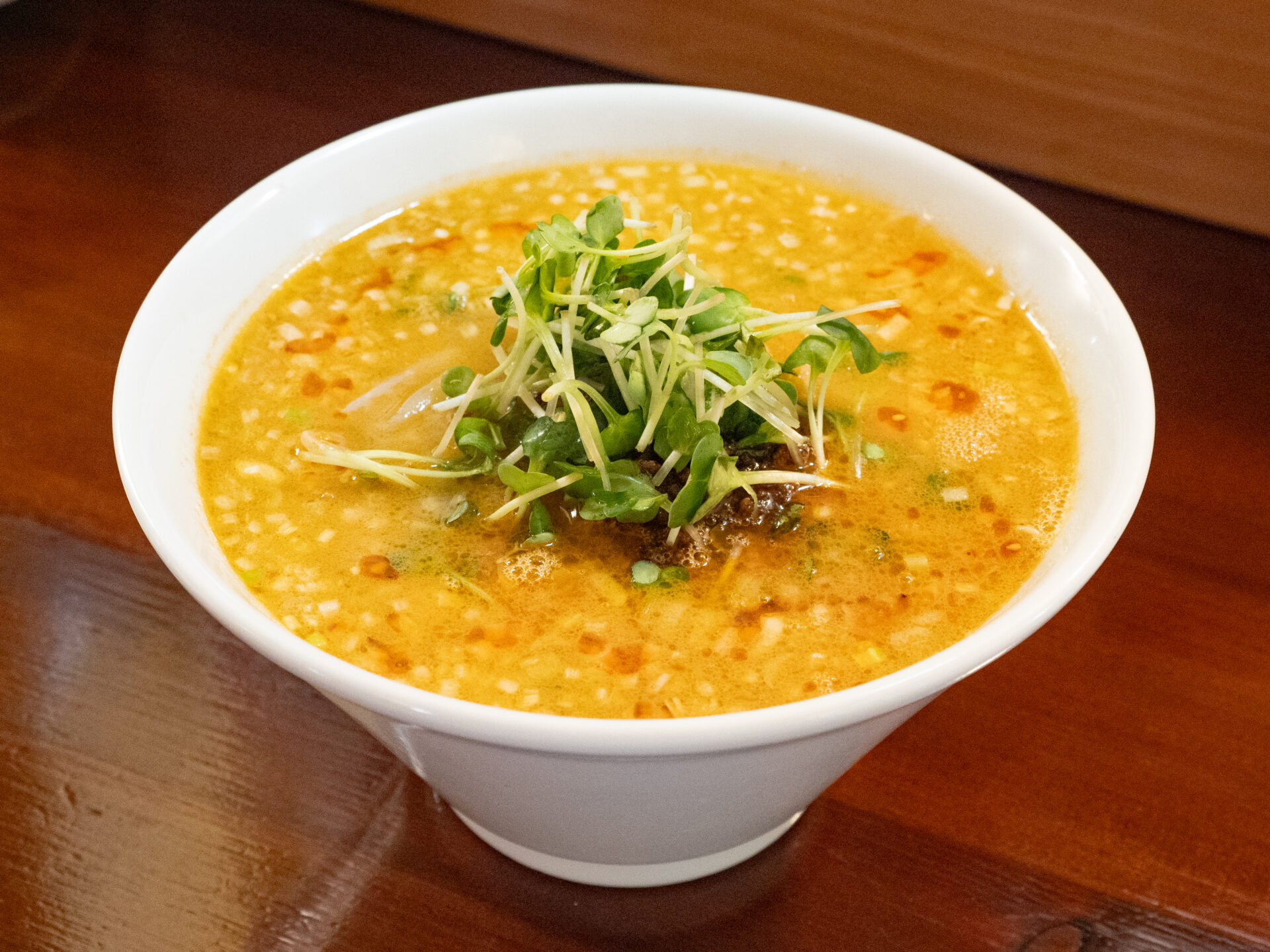
“Tantanmen” (890 yen) is another popular dish.
The generous mound of radish sprouts in the center makes a strong impression.
There is ground meat underneath the radish sprouts.
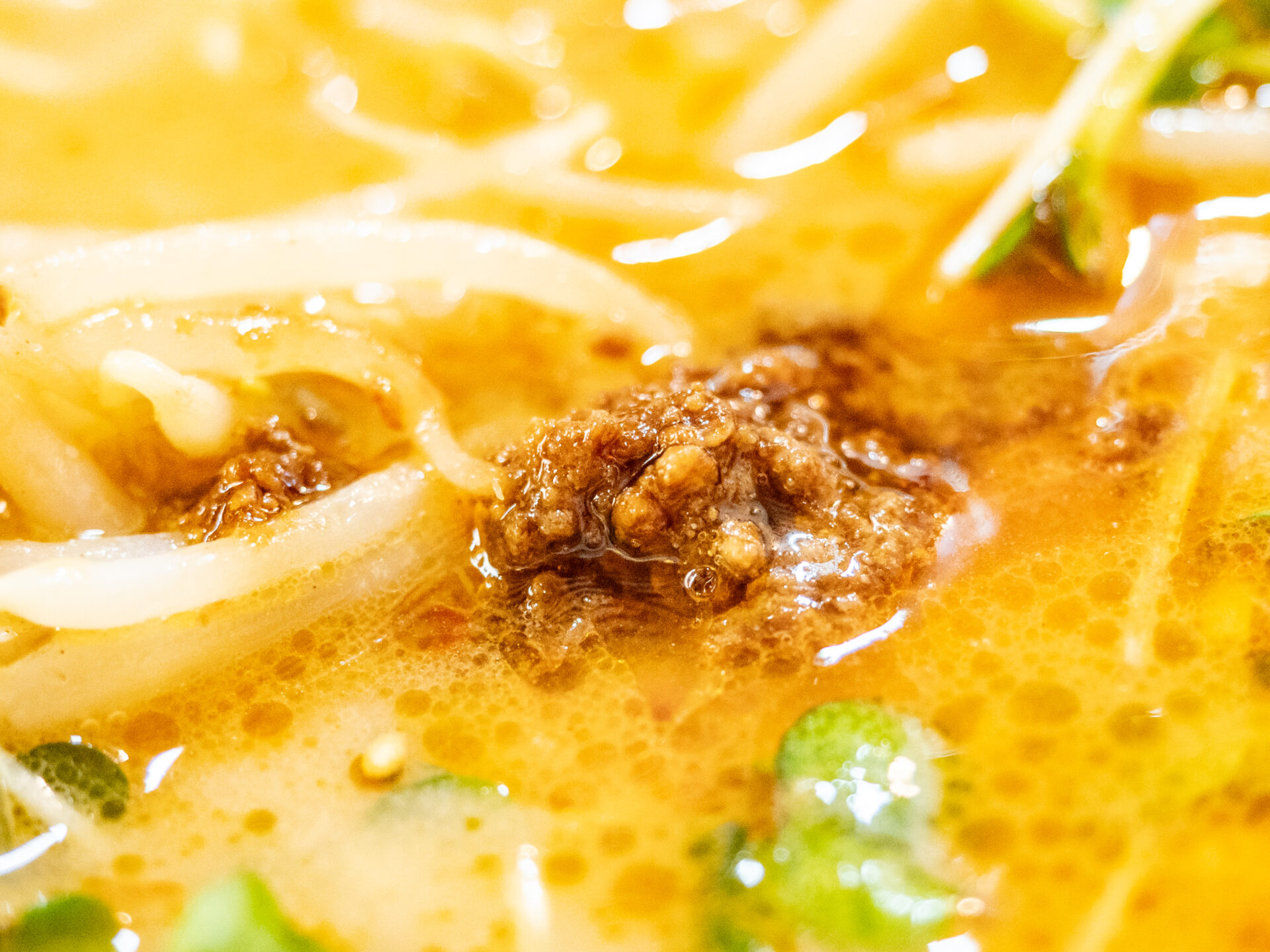
The other toppings are bean sprouts and chopped white onion.
The soup looks somewhat paler than you might expect from a typical bowl of tantanmen.
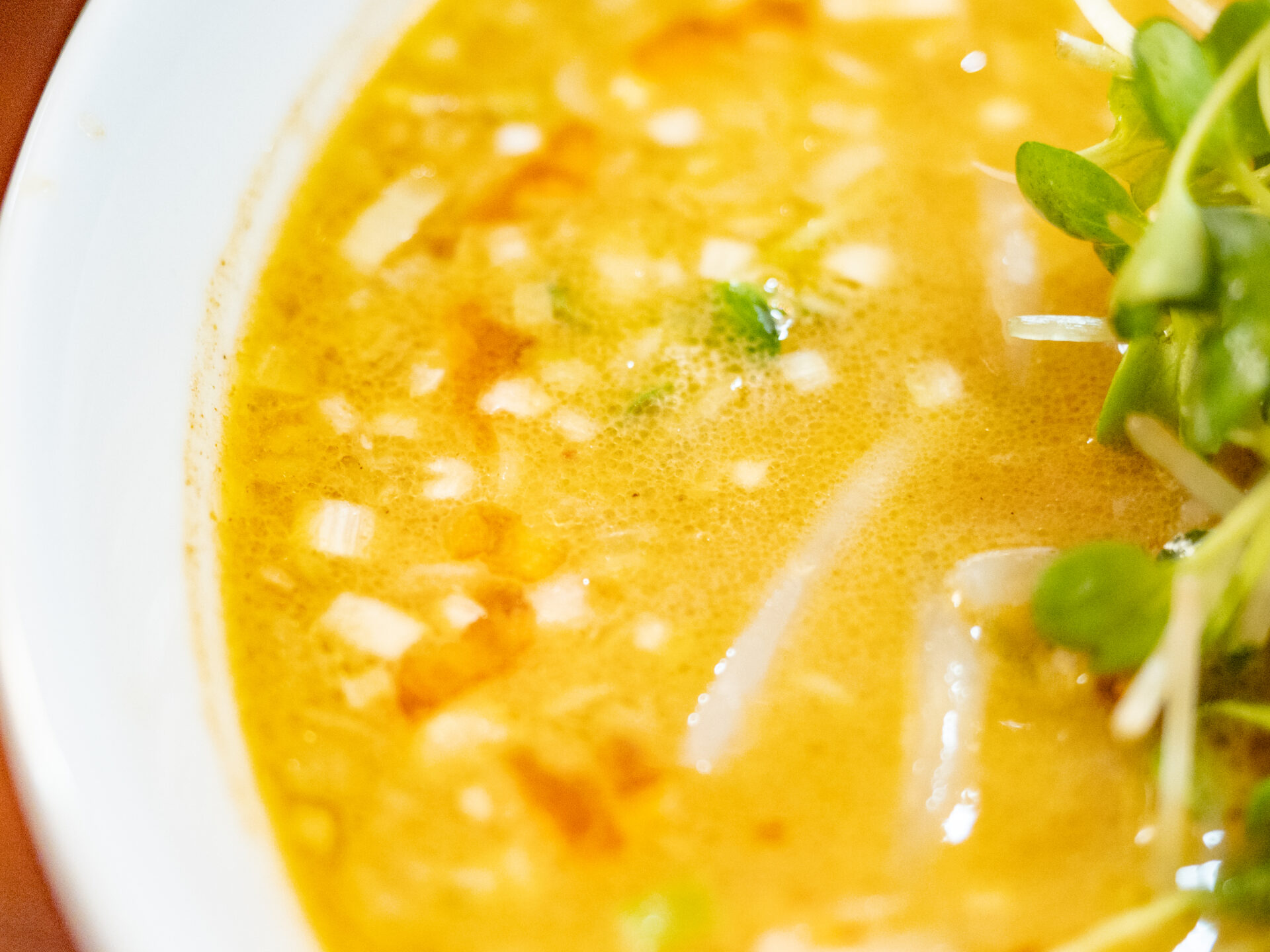
Our tantanmen is made with a generous amount of sesame paste!
It is also mild in heat.
The soup has a soy sauce flavor, made with chicken and pork bone stock.
We’re told this is the basic soup used for all of kinomi’s noodle dishes.
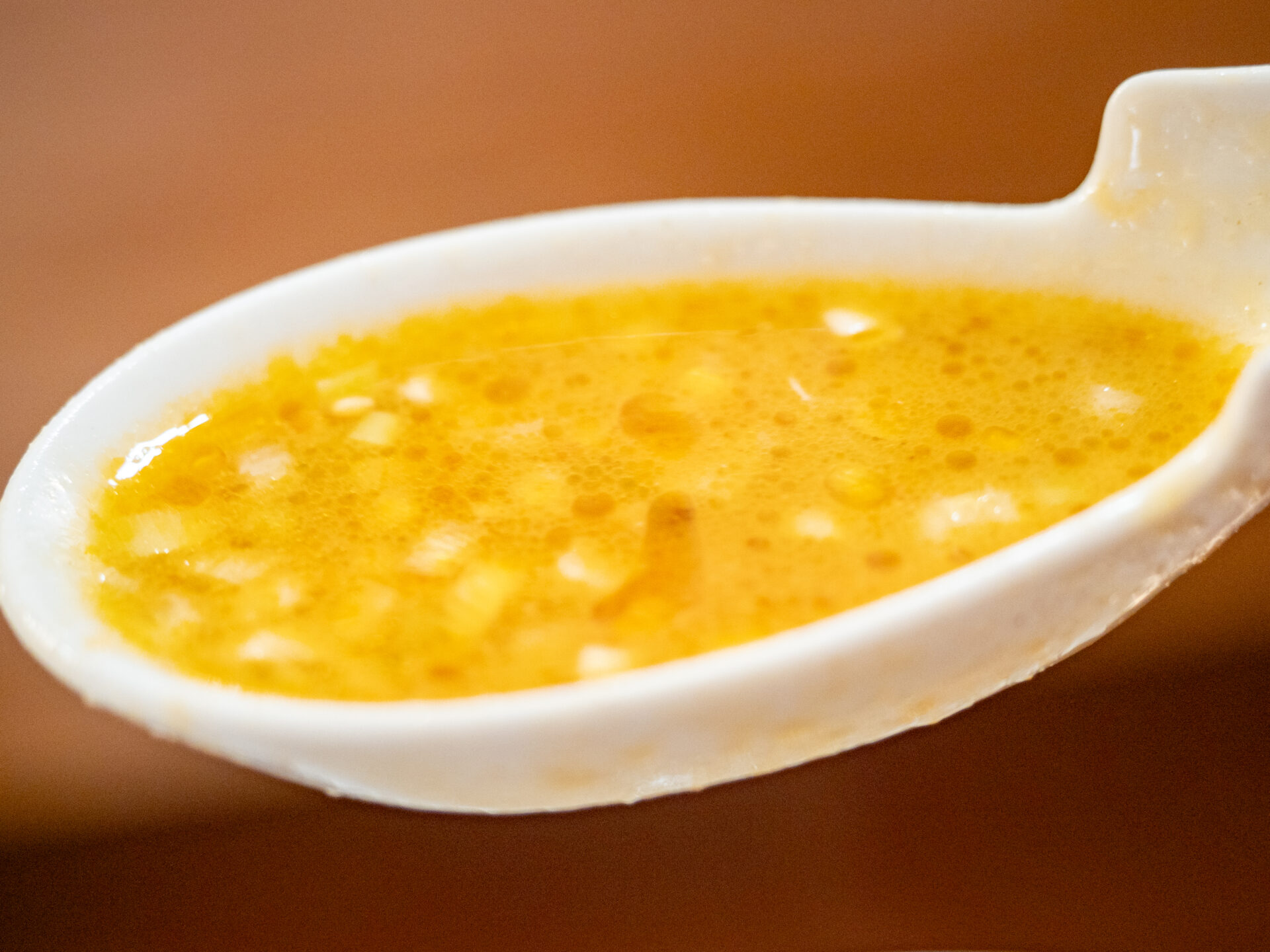
A sip of the soup fills your mouth with the mellow flavor of sesame.
You can also taste the sweet-and-spicy flavor, a pleasant kick of heat, and the ground meat, while the crisp textures of the radish sprouts, bean sprouts, and white onion add a nice contrast.
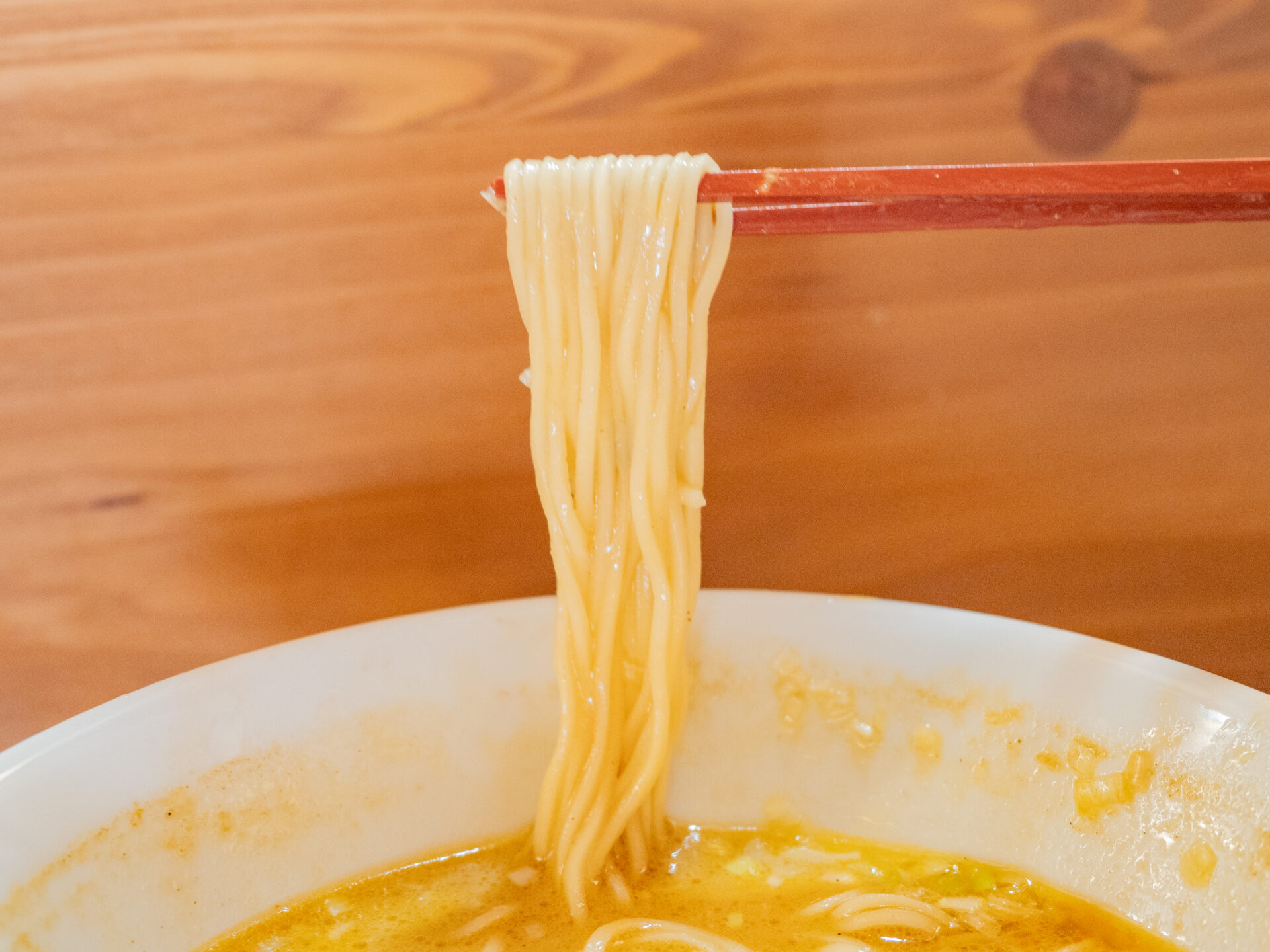
The thin, straight noodles pair well with the soup.
This is the kind of flavor that makes you want a bowl of rice.
Rice can also be ordered separately.
Hot and Sour Noodle Soup
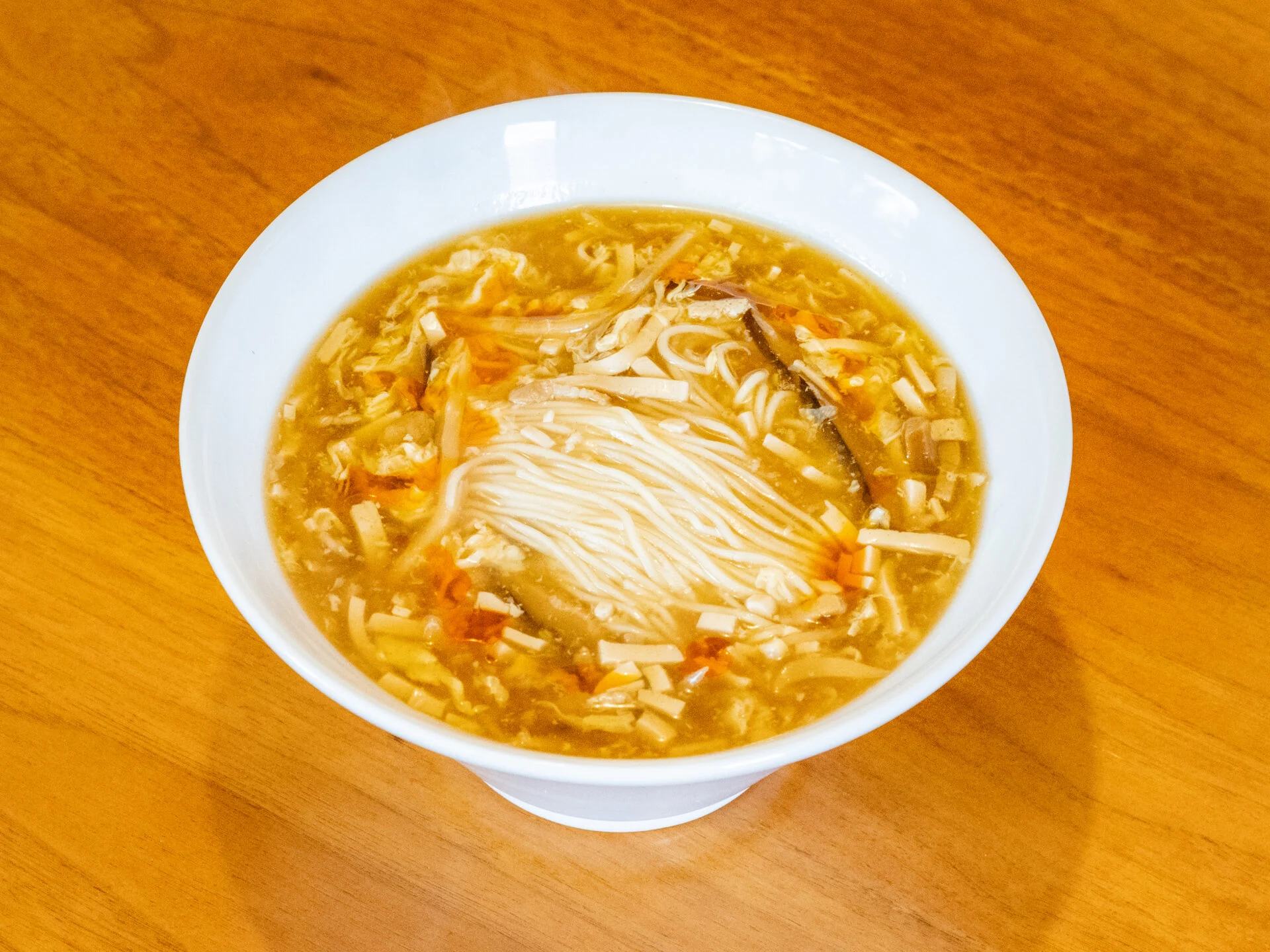
“Hot and Sour Noodle Soup” (980 yen) has a loyal following.
“San” means sour and “la” means spicy; as the name suggests, this noodle dish is characterized by its “sour and spicy” flavor.
Red-orange chili oil is drizzled over the brown soup.
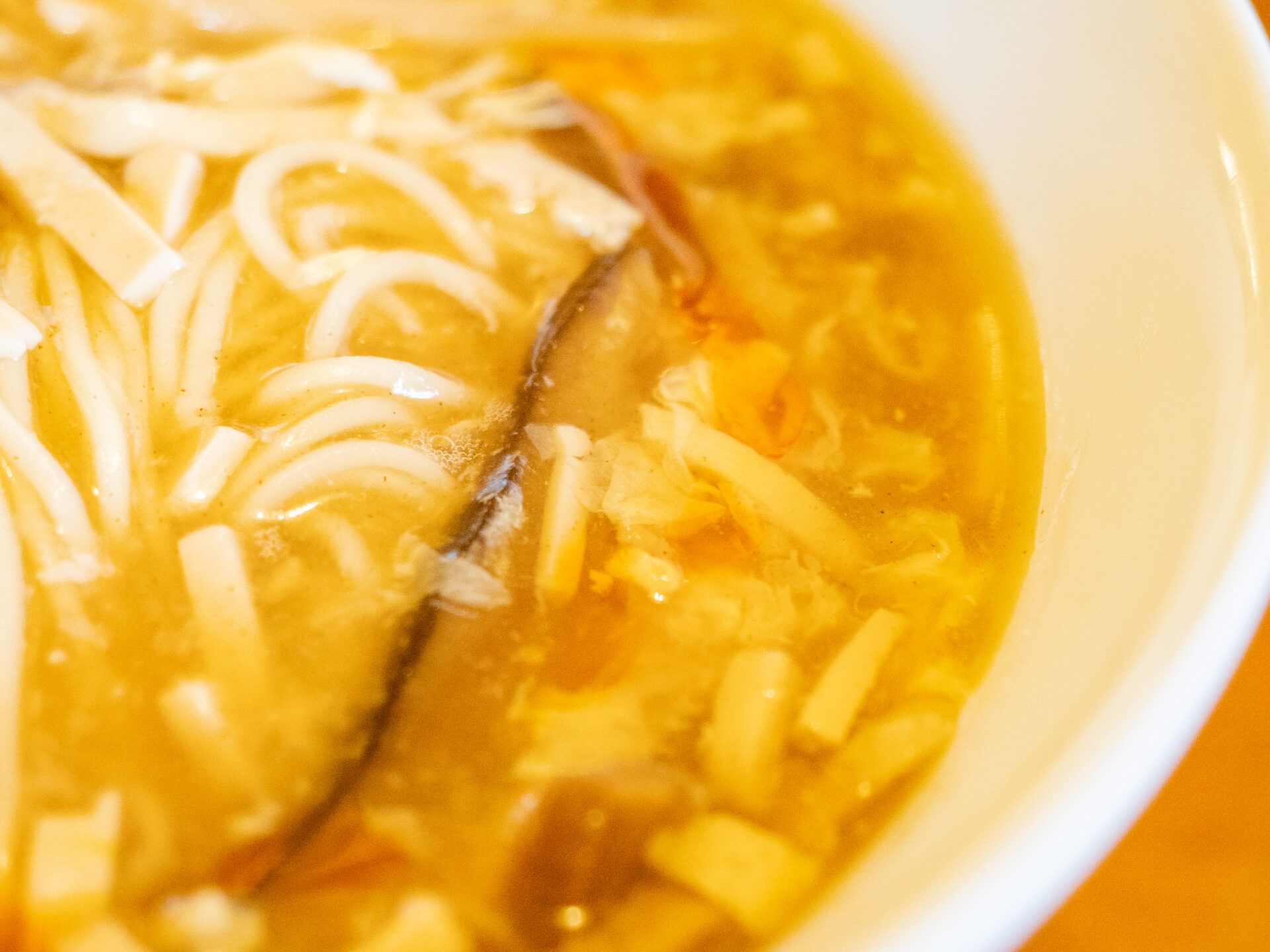
The ingredients are finely chopped, and there is a wide variety of them.
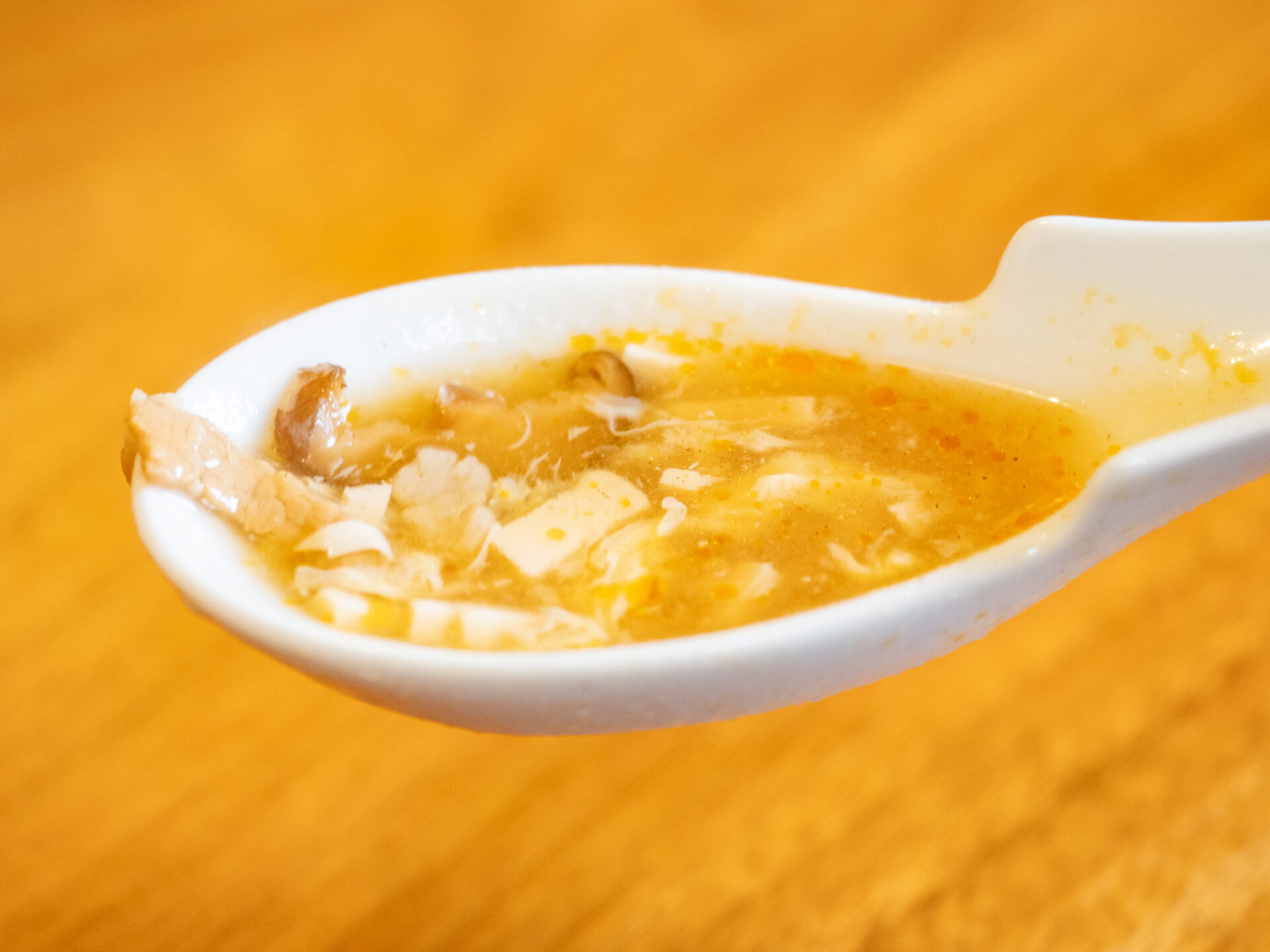
The ingredients are beaten egg, shiitake mushrooms, bamboo shoots, tofu, and pork belly.
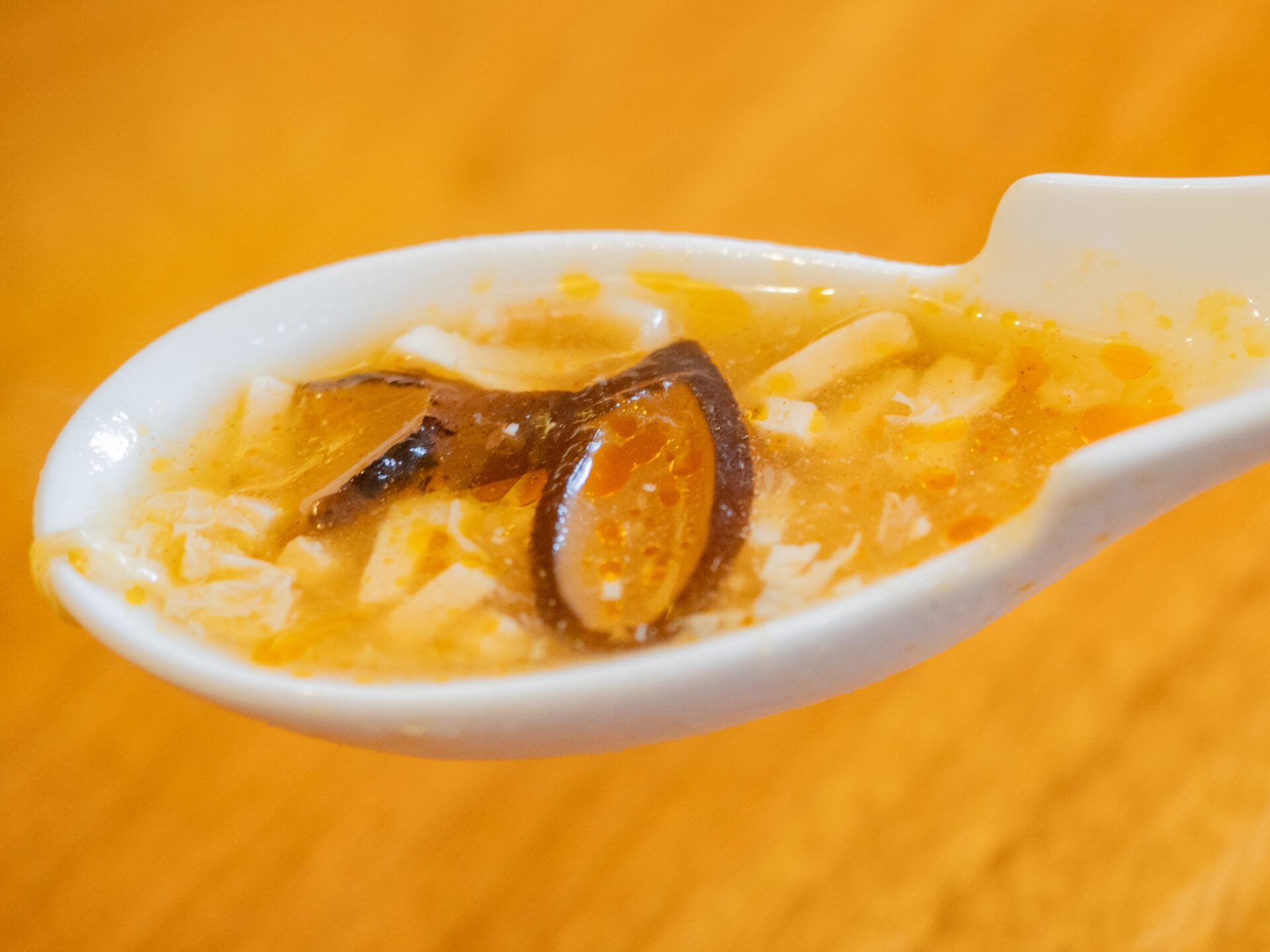
It is generously loaded with ingredients, so it is sure to be satisfying.
Our hot and sour noodles are generously seasoned with pepper and vinegar!
The heat comes mainly from the pepper, with just a little chili oil.
It’s an addictive flavor!
The soup is quite thick and piping hot.
Then come the pronounced sourness and the sharp flavor of pepper.
The noodles are thin and straight, just like the tantanmen.
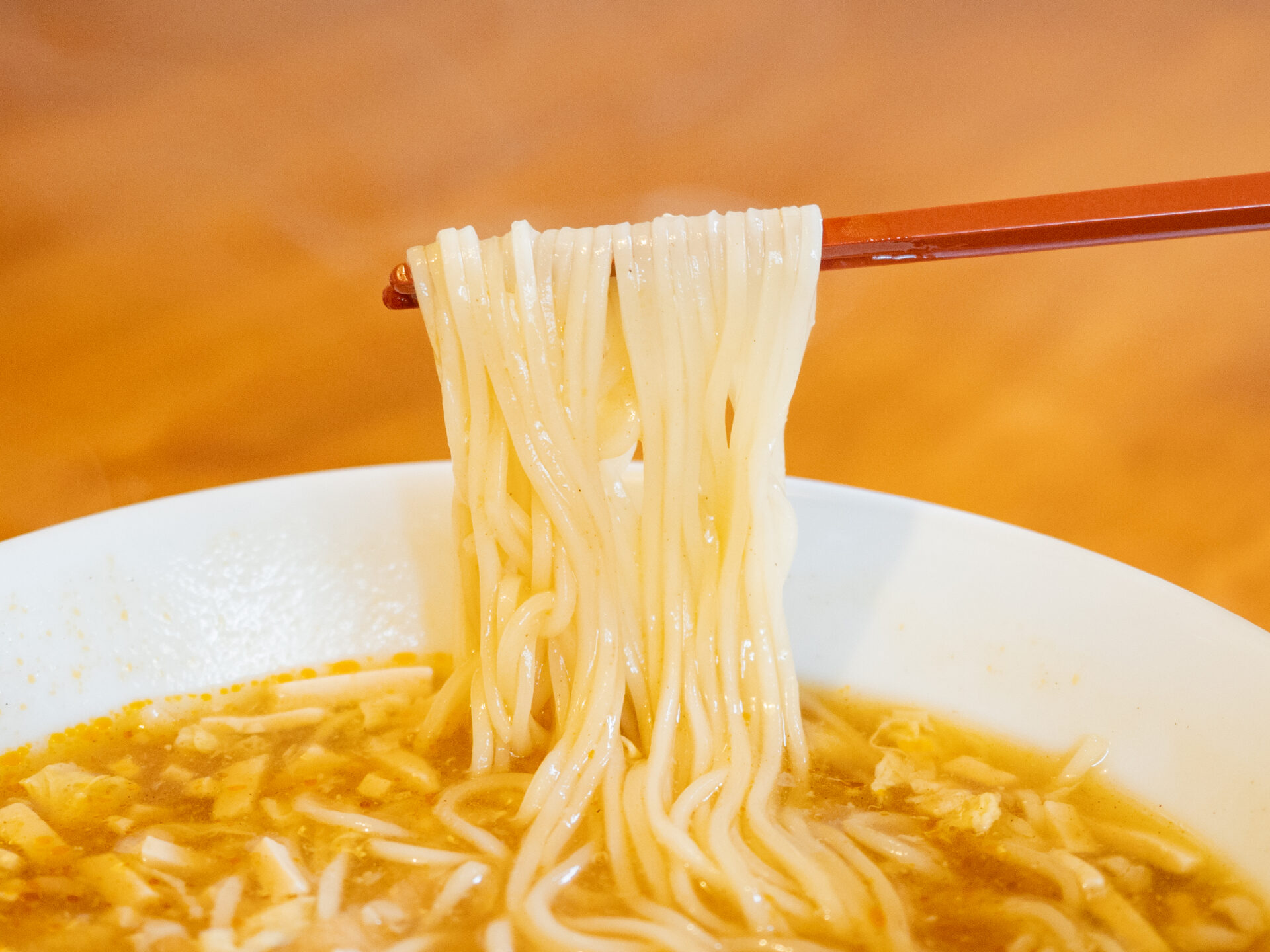
The thick soup and finely chopped ingredients cling to the noodles, making for an appetite-whetting flavor.
I found it irresistible for anyone who enjoys this kind of dish.
kinomi’s hot and sour noodles are a piping-hot bowl with thick soup, pronounced sourness and pepper flavor, and plenty of ingredients—a truly addictive dish.
Chinese-Style Rice Bowl
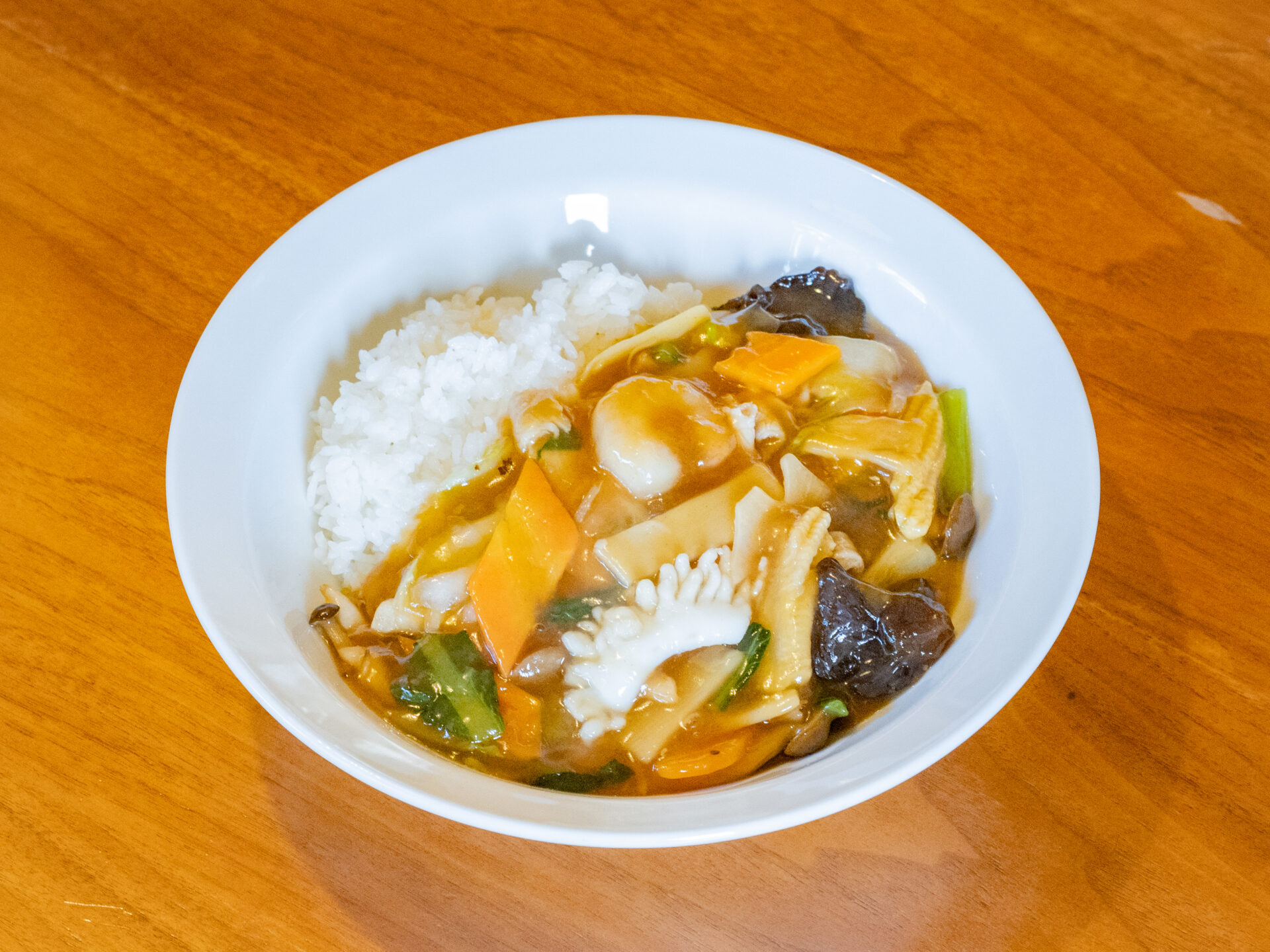
The “Chinese-Style Rice Bowl” (¥880) is a classic at neighborhood Chinese restaurants, and it is consistently popular at kinomi, too.
It is characterized by a generous assortment of ingredients served with a brown, thickened sauce.
The ingredients are as follows:
- Shrimp
- Squid
- Bamboo shoots
- Baby corn
- Carrot
- Wood ear mushrooms
- Shimeji mushrooms
- Bok choy
- Napa cabbage
- Pork belly
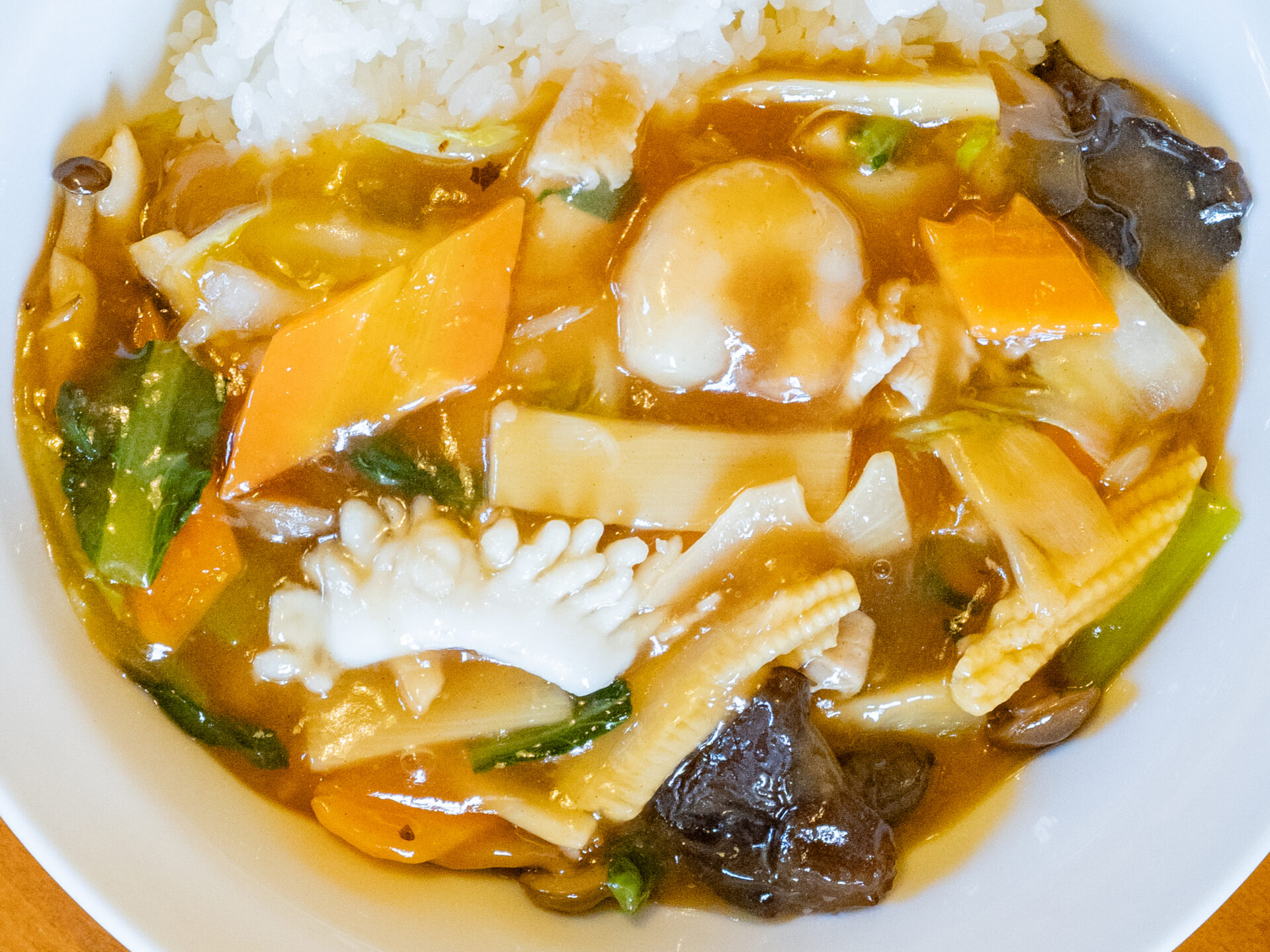
The sauce is quite thick.
It has a sweet, soy sauce flavor.
It is also seasoned with just the right amount of pepper, giving it an addictive, slightly spicy flavor.
It goes perfectly with rice, and I found myself eating one bite after another.
Tenshinhan
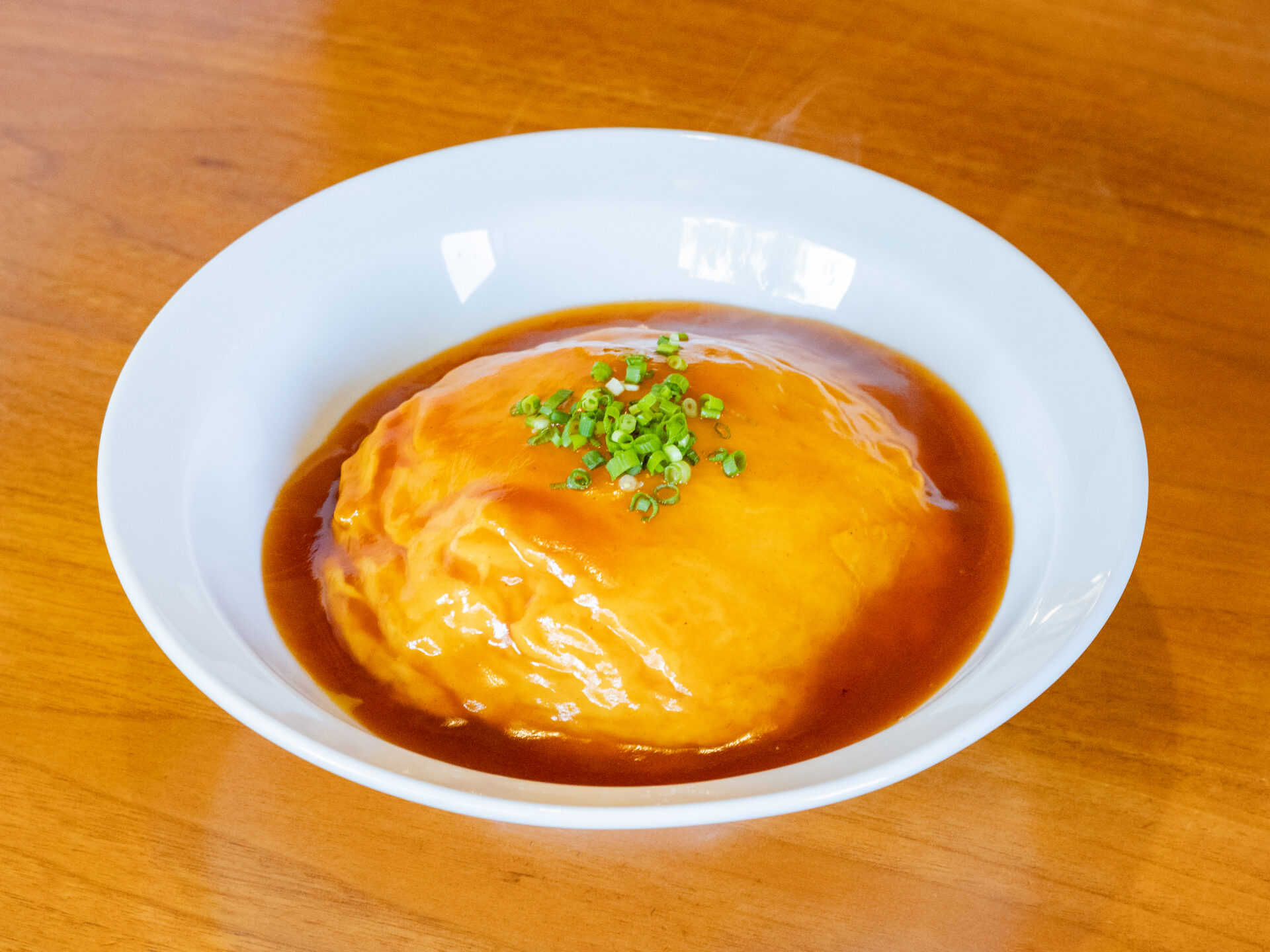
“Tenshinhan (crab omelet rice)” (¥890) is available only in the evening.
Tenshinhan is often served with a soy sauce- or salt-flavored sauce around Okayama Prefecture, but kinomi’s version features the sweet-and-sour sauce common in the Kanto region.
It also uses plenty of egg, making the outside of the omelet fluffy and the inside soft and runny.
Another highlight is the crab meat inside the omelet.
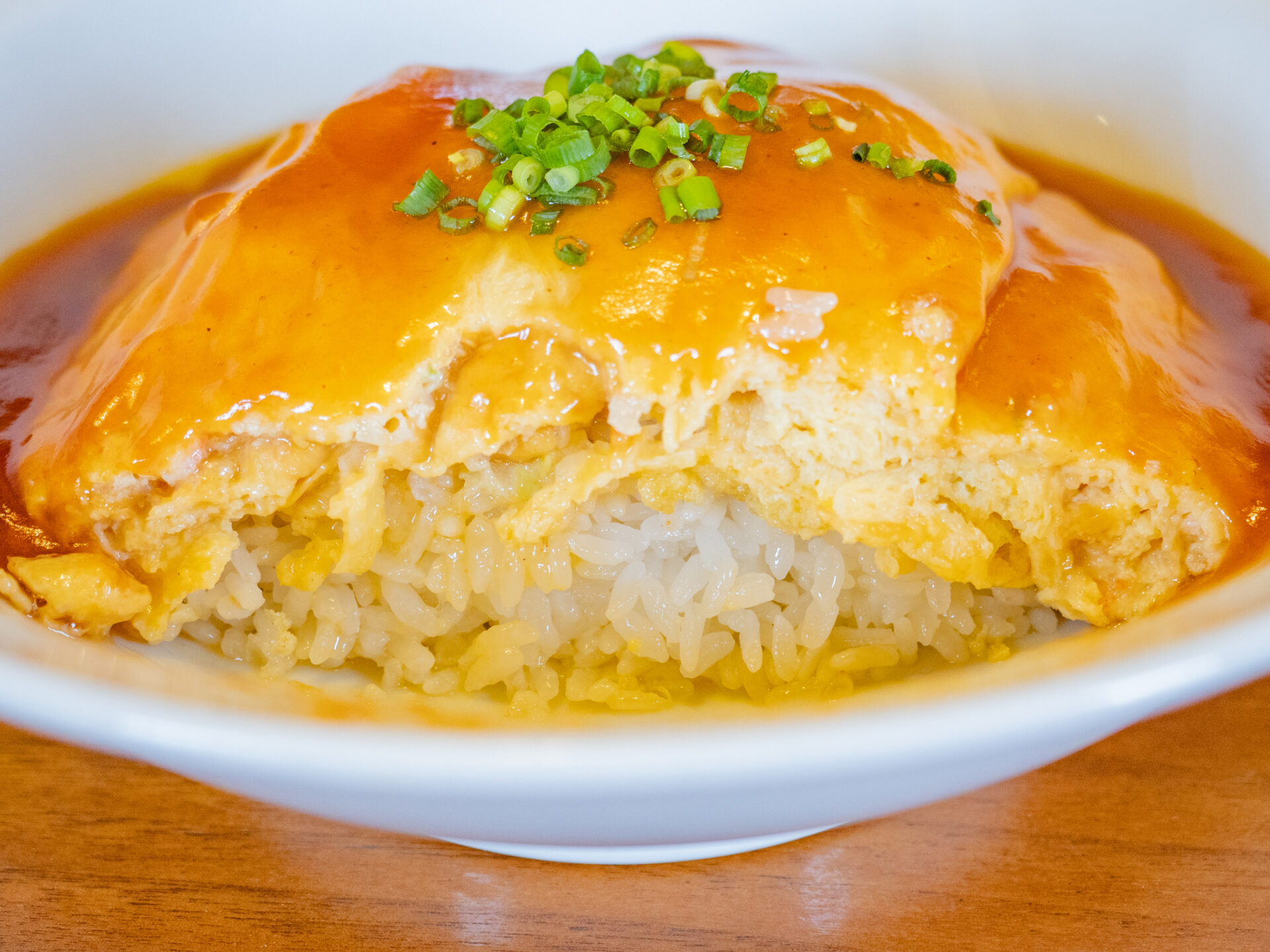
With each bite, the thick omelet’s fluffy, soft texture and flavor mingle with the sweet-and-sour sauce’s thickness, sweetness, and acidity.
It goes wonderfully with the rice, and I polished it off in no time.
I had never tried tenshinhan with sweet-and-sour sauce before, but I thought it was delicious.
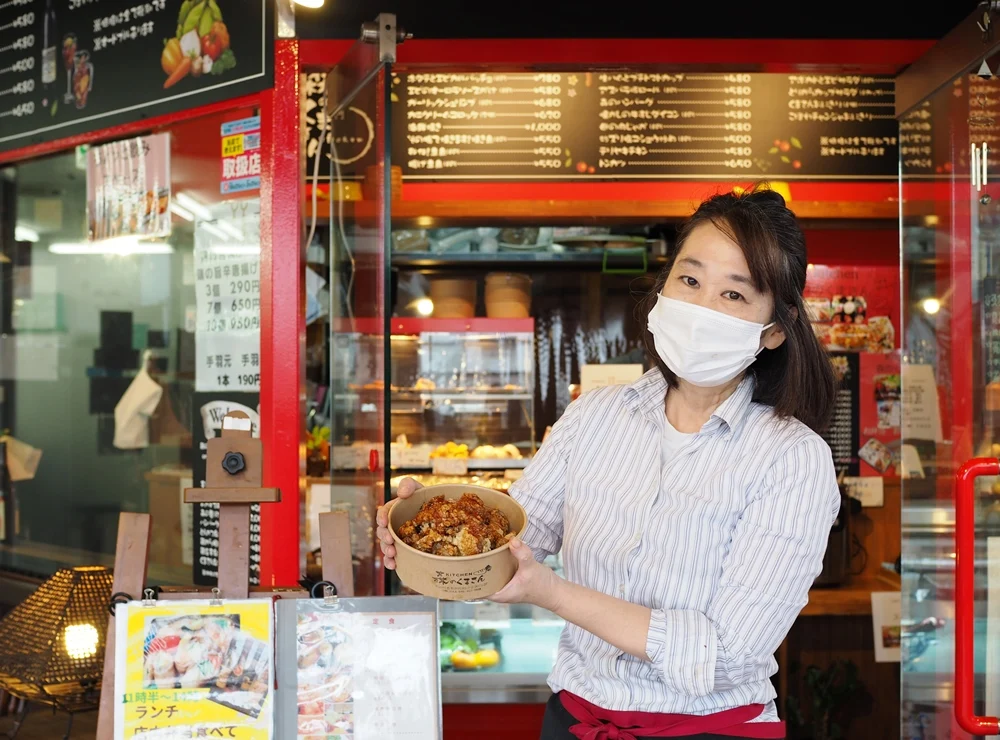
Chuka kinomi serves a wide range of Chinese and casual Chinese dishes in a relaxed setting.
We interviewed the restaurant’s owner, Matsumori Daisuke.
Chuka kinomi Information

| Name | Chuka kinomi |
|---|---|
| Address | 2-9-1 Ekinan, Soja City, Okayama Prefecture |
| Contact | 0866-31-5603 |
| Parking | Available |
| Hours | 11:00 a.m.–2:00 p.m., 5:00 p.m.–9:00 p.m. |
| Closed | Tuesday, Wednesday, and irregular days ※See the calendar posted on Instagram |
| Payment methods |
|
| Reservations | Accepted |
| Seating | 27–29 seats in total ・4 counter seats ・Four tables for two ・One table for four (terrace) ・One table for five ・One table for six to eight (semi-private room) |
| Smoking | Entirely non-smoking |
| Restroom | Western-style toilet |
| Families with children | ・Strollers allowed inside ・Children’s tableware available |
| Accessibility | Ramp Wheelchair access available (restroom is not wheelchair accessible) |
| Website | Chuka kinomi Official Instagram |


What would you like to know about Kurashiki?
Enter a word to search articles on this site






































Dinner dishes often appear on the weekly set-meal menu, too.
If you try a dish on the weekly menu that you really enjoy, we’d love for you to come back and have it for dinner!