Interview with Takata Naoshi, Vice Chair of the Kojima Chamber of Commerce and Industry

Takata Naoshi, Vice Chair of the Kojima Chamber of Commerce and Industry, also serves as president of Takata Orimono Co., Ltd., Japan’s leading producer of tatami edging.
We spoke with Takata about the community development initiatives undertaken by the Kojima Chamber of Commerce and Industry.
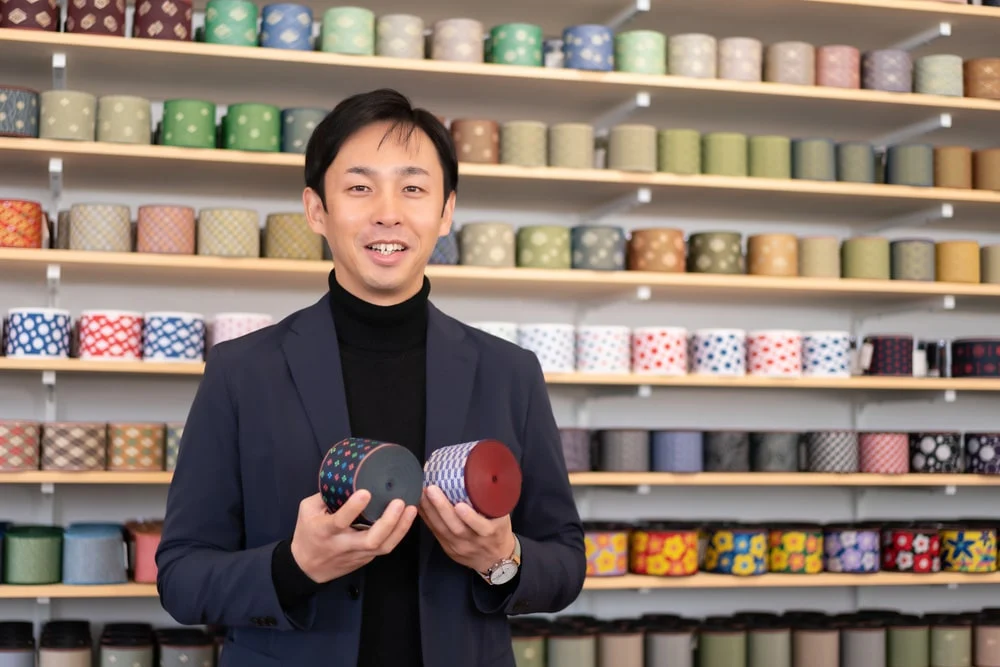
What makes this one of Japan’s leading “textile towns” so appealing?

What do you think are Kojima’s strengths as a “textile town”?
Takata (surname only)
From the perspective of the textile industry, one distinctive feature is the very strong connections between businesses.
Rather than producing everything in-house, businesses take on work in their respective areas of expertise, such as cutting, sewing, and processing, and work together to create a single textile product.
Because business here circulates within the region, losing even one company or craftsperson would deal a devastating blow. That’s why we make things while supporting one another so that work never dries up.
The textile industry is also work that stays with you throughout your life. Even after turning 70, people with experience can find many places to work, and there are opportunities to remain in demand. I think that’s another strength unique to Kojima.
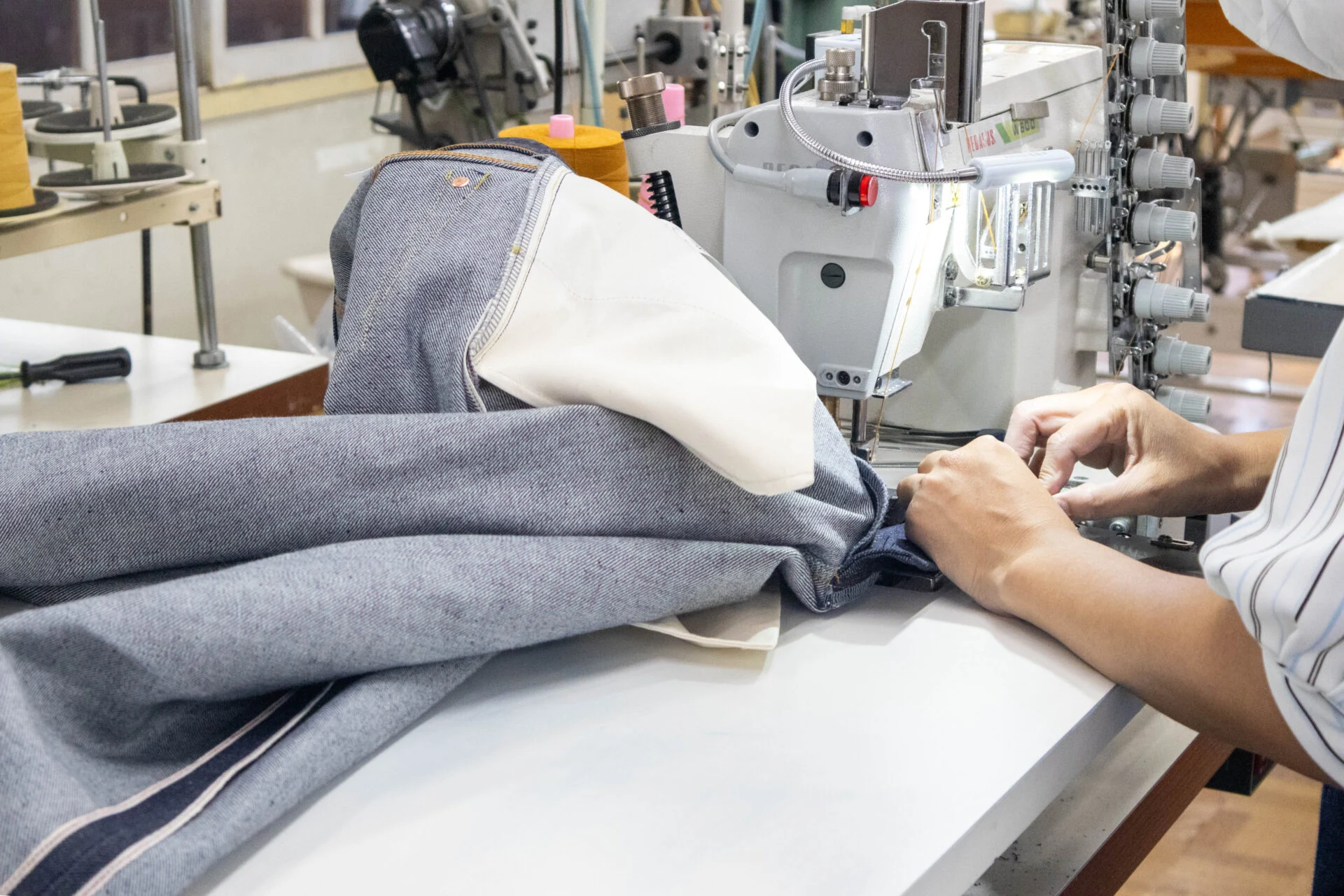
Kojima also seems to be a popular place to move to. It sounds like the area has a lot to offer in terms of lifestyle, too.
Takata
Many people move to Kojima or live between two locations.
They share the good things about Kojima that even locals may not notice, and it makes me feel that “there’s still so much untapped potential in this region.”
We’re blessed with the sea and beautiful scenery, and there are jobs and an environment where people can keep working for a long time. Connections between people are strong, people naturally come together and form communities, and there’s a wealth of creative manufacturing. Personally, I think these are wonderful qualities.

What kind of community development is Kojima aiming for?
What initiatives are needed to address the labor shortage in the textile industry?
Takata
First of all, it’s important for the area to be an appealing place to live.
People can’t live in a town if there are no residential areas in the first place.
And if there aren’t workplaces and schools within commuting distance, or convenient amenities that make shopping easy, people will gradually leave.
Even if we promote the idea that “the textile industry is appealing,” if the area isn’t appealing as a place to live, the industry ultimately won’t be sustainable.
To secure young talent, we hold the “Kurat-an Joint Company Information Session” in partnership with Kurashiki City College, but I believe we also need initiatives to revitalize the town as a whole.
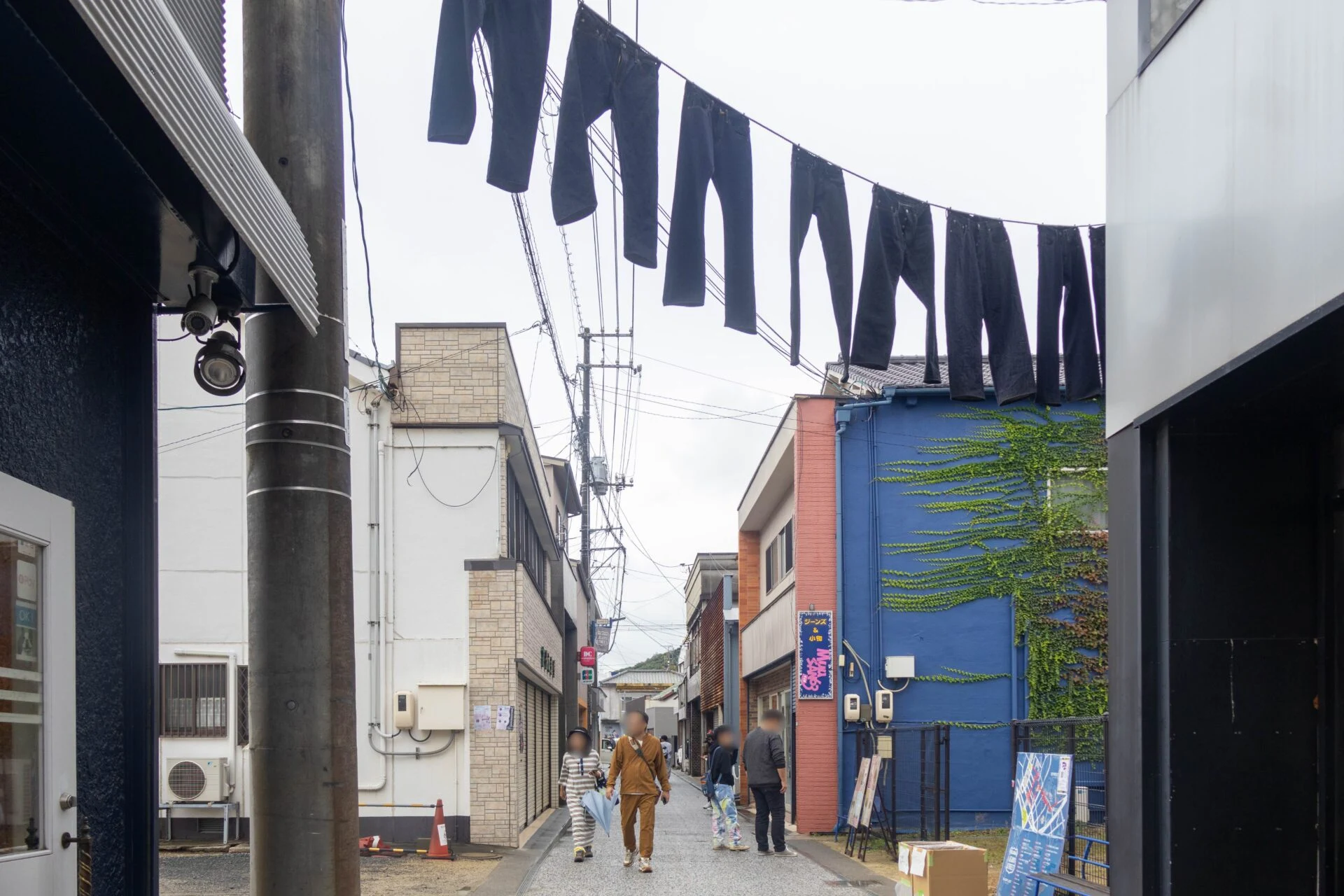
What specific initiatives do you think are important?
Takata
I think it will be important to increase the number of restaurants, create a lively atmosphere around the station, and attract more apartment buildings.
When it comes to keeping my own company in business, opening up sales channels is something we can manage, but regional issues such as population outflow and suppliers closing down are beyond the power of any one company to solve. Community development is an issue that many people need to work on together.

What does community development mean to you?
Takata
Community development takes many forms, and there’s no single right answer.
For example, a large company creating local jobs or paying taxes is also an important contribution to society. Creating a comfortable environment where people can shop without difficulty is another form of community development.
For me, community development means developing people. I believe Kojima needs more people who can contribute to community development in the years ahead.
And when I think about what kind of people can contribute to community development, I think they’re people who can build relationships and bring others together.
Cooperation with others is essential to revitalizing a town. For example, even if you had one million yen to put on an event to energize the town, you couldn’t do anything without people to work with.
Our overarching goal is to nurture people who can develop the community—in other words, bring people together.
Nurturing the next generation who will lead Kojima

If you think of “community development = bringing people together,” what kind of people would you like to see more of?
Takata
I believe that people with a business-minded perspective, rather than simply focused on making money, will support Kojima in the future.
I’d be glad to see more people who care about Kojima’s textile industry and can take a broad view of the region, thinking about questions such as “How can we raise employee wages?” and “How can we recruit young talent?”
You care deeply about Kojima, and it seems that when you set out to bring people together, many people got involved.
Takata
At the Kojima Junior Chamber, I reached out to everyone I wanted to work with.
As a result, membership grew, but increasing the number of members wasn’t my goal in itself. I wanted to strengthen our network of people who genuinely care about Kojima and its textile industry.
Next, I brought together the like-minded people I’d connected with through committees and other groups at the Kojima Chamber of Commerce and Industry. I thought that bringing together people in their 30s and 40s who are at the heart of Kojima’s textile industry would increase our momentum for community development.
Whether we can pass the industry on to the next generation depends on how much effort our generation is willing to put in.

Could you tell us about any initiatives currently underway?
Takata
The Kojima Textile Industry Future Vision Committee, established within the Kojima Chamber of Commerce and Industry, continues to discuss what kinds of people Kojima needs in order to sustain its textile industry, and how we can prevent the town from declining.
We’ve launched a new website and are working to share information so that Kojima can attract business from across Japan and around the world. We want it to be a town where people who come to Kojima with dreams never stop coming.
Envisioning Kojima ten years from now

What are your plans for the future?
Takata
Kojima is now at a turning point. We have to adapt to major changes: a labor shortage, the entry of large overseas companies, and advances in AI.
At the same time, I think this is an opportunity to take another look at questions such as “What role should the textile industry play in the region?” and “What kind of town do we want Kojima to be?”
I imagine being interviewed ten years from now and asked, “How did Kojima attract so many young people and revitalize the town?” Then I work backward to figure out what initiatives we need to take to make that happen.
I envision a story in which, through a generational change among the people at the core of the industry, bringing people together, and asking those who have come from outside the prefecture to show us the charms of Kojima that we hadn’t noticed, then sharing them together, the area becomes more appealing as a place that draws people in.
Our goal is “Vitality for the region, dreams for those who sustain it.”
Investing in people—for example, by creating an environment where employees can live happily—should ultimately contribute to community development as well.
As a business owner myself, I hope my company will continue to be loved by the local community and needed around the world.
From the Writer

After finishing the interview, I was surprised to learn that the Kojima Chamber of Commerce and Industry puts so much effort into community development in addition to supporting businesses. To address the labor shortage, it’s important to support industry and develop the community at the same time.
I’m sure that having people who care about the community and work energetically to improve it is a positive thing for the city of Kojima.
I’d like to keep an eye on Kojima in real time and see what kind of city it becomes 10 or 20 years from now.
The factors that cause business concerns are sometimes said to be “people, goods, money, and information,” and the Kojima Chamber of Commerce and Industry provides support from a variety of angles.
With a strong desire to “do everything we can to help create an environment where people can work with ease,” they welcome anyone who wants to take on the challenge of starting a business or is having difficulties with their current job to get in touch.
Kojima Chamber of Commerce and Industry Information

| Name | Kojima Chamber of Commerce and Industry |
|---|---|
| Address | 2nd Floor, Kurashiki City Kojima Industrial Promotion Center, 1-37 Kojima Ekimae, Kurashiki City, Okayama Prefecture |
| Contact | 086-472-4450 |
| Website | Kojima Chamber of Commerce and Industry |




What would you like to know about Kurashiki?
Enter a word to search articles on this site