Interview with Curator Okushima
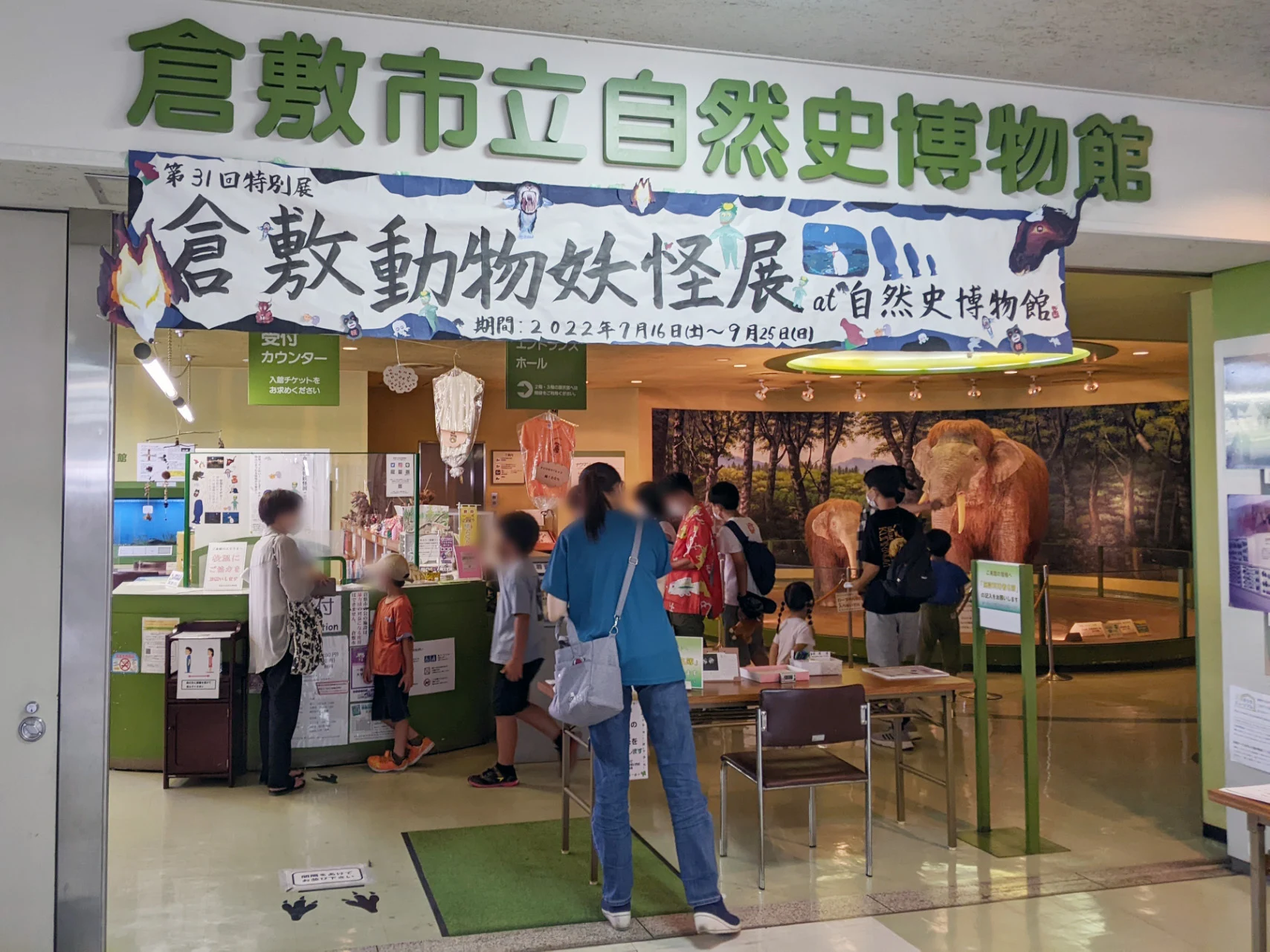
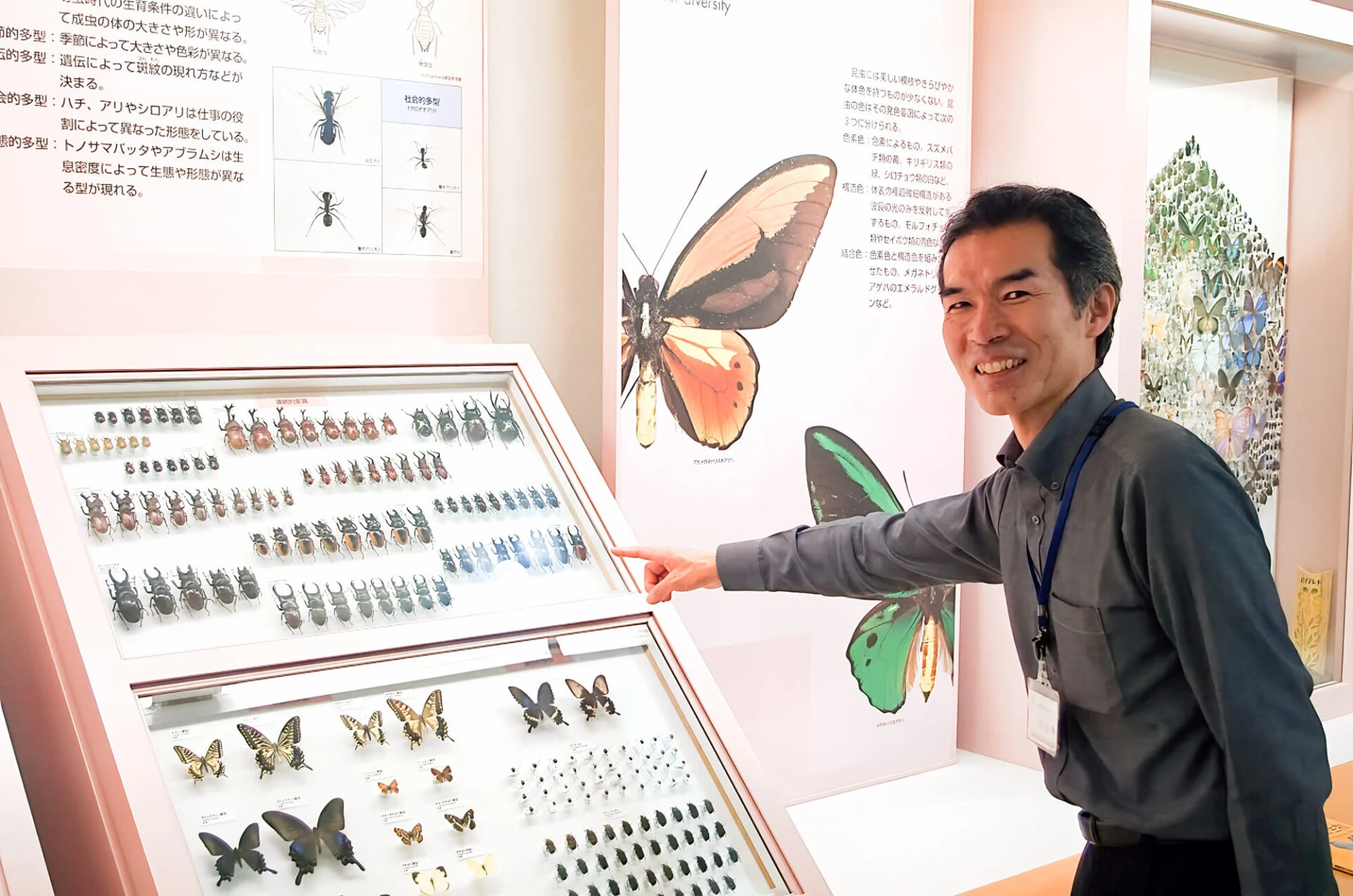
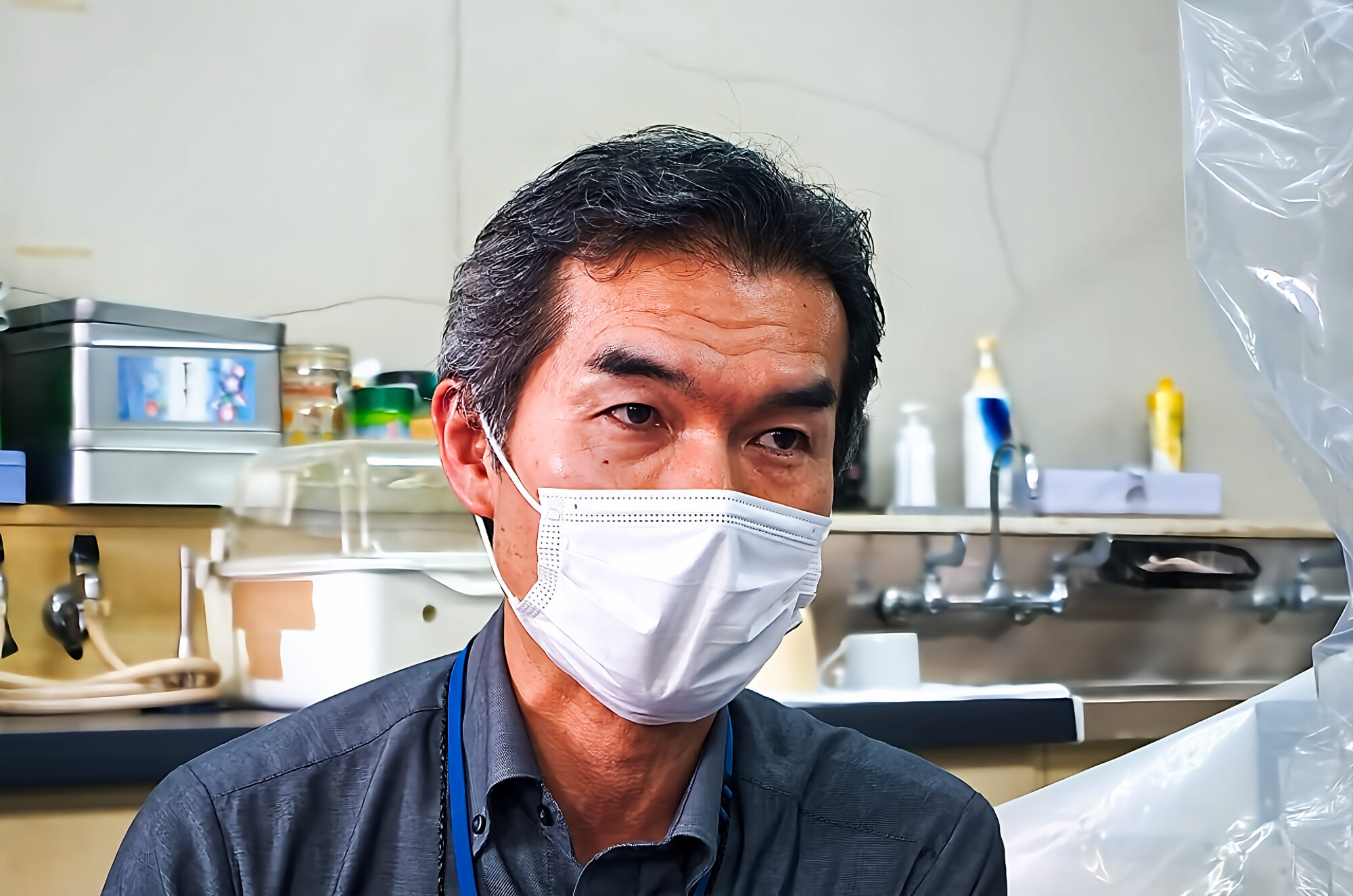
Yuichi Okushima (Curator in the field of insects) spoke about the Kurashiki Museum of Natural History.
What is the Kurashiki Museum of Natural History?
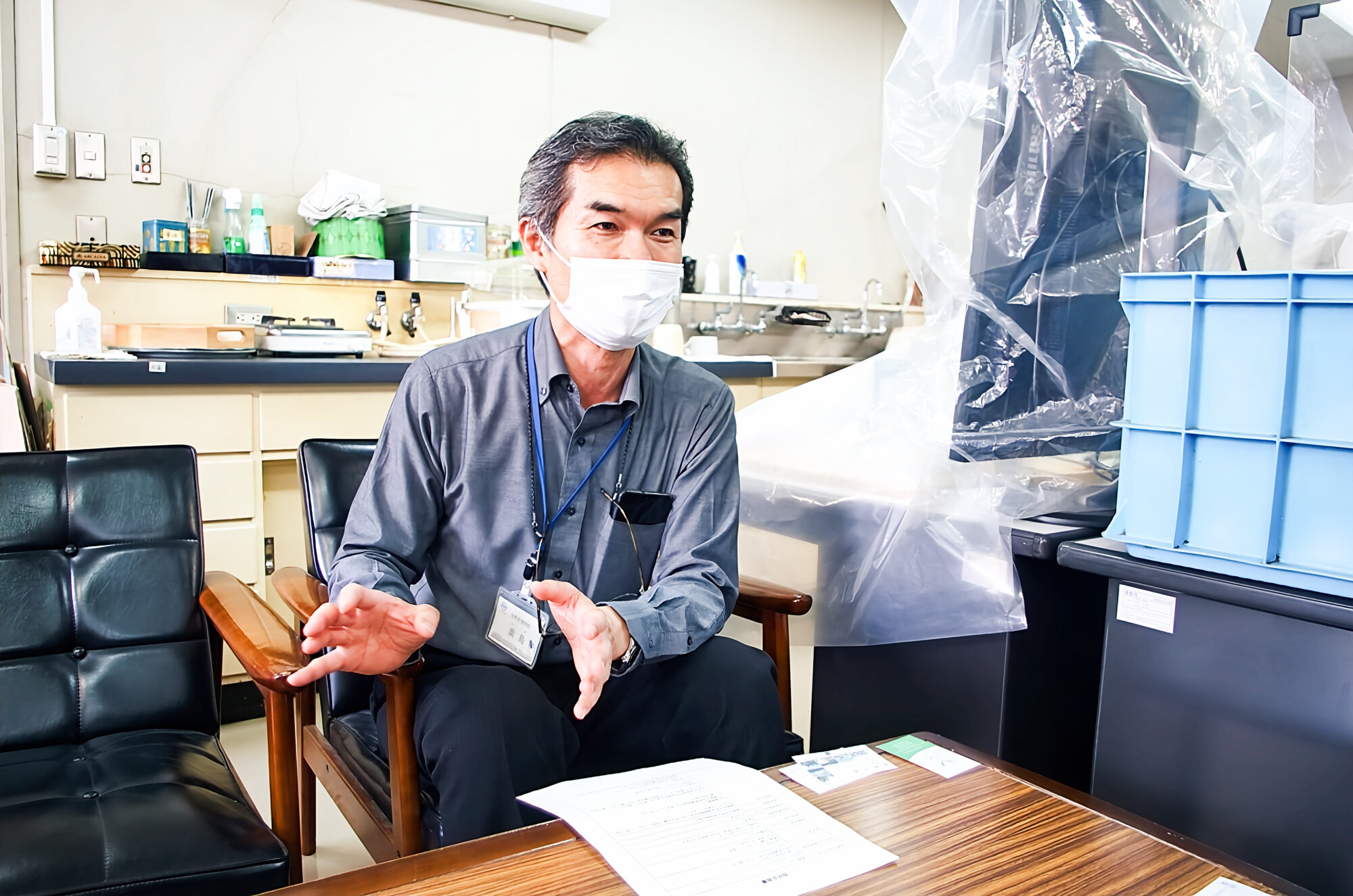
What kind of place is a natural history museum?
Okushima (honorifics omitted)
It is quite difficult to describe a museum in one word, but the primary role of a museum is the collection of materials.
Next, this leads to investigation and research of those materials.
Ultimately, it is about returning the results of the investigation and research to the users.
As many people recognize, the most straightforward way is to exhibit them for viewing.
The characteristic of the museum in Kurashiki City is that it focuses on natural history specimens.
Natural history specimens include specimens of rocks, minerals, fossils, plants, insects, and animals (such as taxidermy and skeletal specimens), all kinds of natural objects.
I heard that "natural history museums" are quite rare.
Okushima
If it is a museum, it is mandated by law to collect and preserve items.
Moreover, for historical, ethnological, and artistic items that the general public is widely interested in and easy to preserve, there are relatively small local museums called local history museums.
Even at the scale of a prefectural museum, it is often the case that natural history is just one field within a comprehensive museum that deals with "history, ethnology, and natural history."
In that context, while Kurashiki City may not be large in scale, it is valuable as a comprehensive natural history museum.
In the surrounding area of Kurashiki City, there are prefectural natural history museums in Tottori, Tokushima, and Hyogo, but none in Okayama, Kagawa, or Hiroshima.
In the city, there are museums in Shobara City, Hiroshima Prefecture (Shobara City Hiwako Natural Science Museum) and Tsuyama City, Okayama Prefecture (Tsuyama Natural Wonder Museum).
Why was such a rare "natural history museum" established in Kurashiki City?
Okushima
The impetus was a request regarding the use of the site of the former Kurashiki City Hall (now the Kurashiki City Art Museum) following its relocation.
During discussions, there was a request for a "cultural zone," and several local citizen groups proposed, "How about a natural history museum?"
The groups that made the request had already gathered a considerable amount of materials in the three major fields that constitute natural history.
- Insect field: The "Kurashiki Insect Club" that was active immediately after the war
- Plant field: A group centered around the Okayama University Institute of Agricultural and Biological Sciences (now Okayama University Institute of Resource Plant Science)
- Fossil field: Keichi Yamamoto, who is also famous as a local historian (already collected many fossils)
The work of curators that is usually unknown
What specialties do the curators have, and how many are there?
Okushima
As for my area of expertise as a curator, it is the insect field.
In addition to the insect field, there is the animal field.
Geology includes rocks and minerals, as well as paleontology (so-called fossils).
There are four in the plant field.
What is the work of a curator?
Okushima
One of the roles of the Kurashiki Museum of Natural History is to provide services to the citizens.
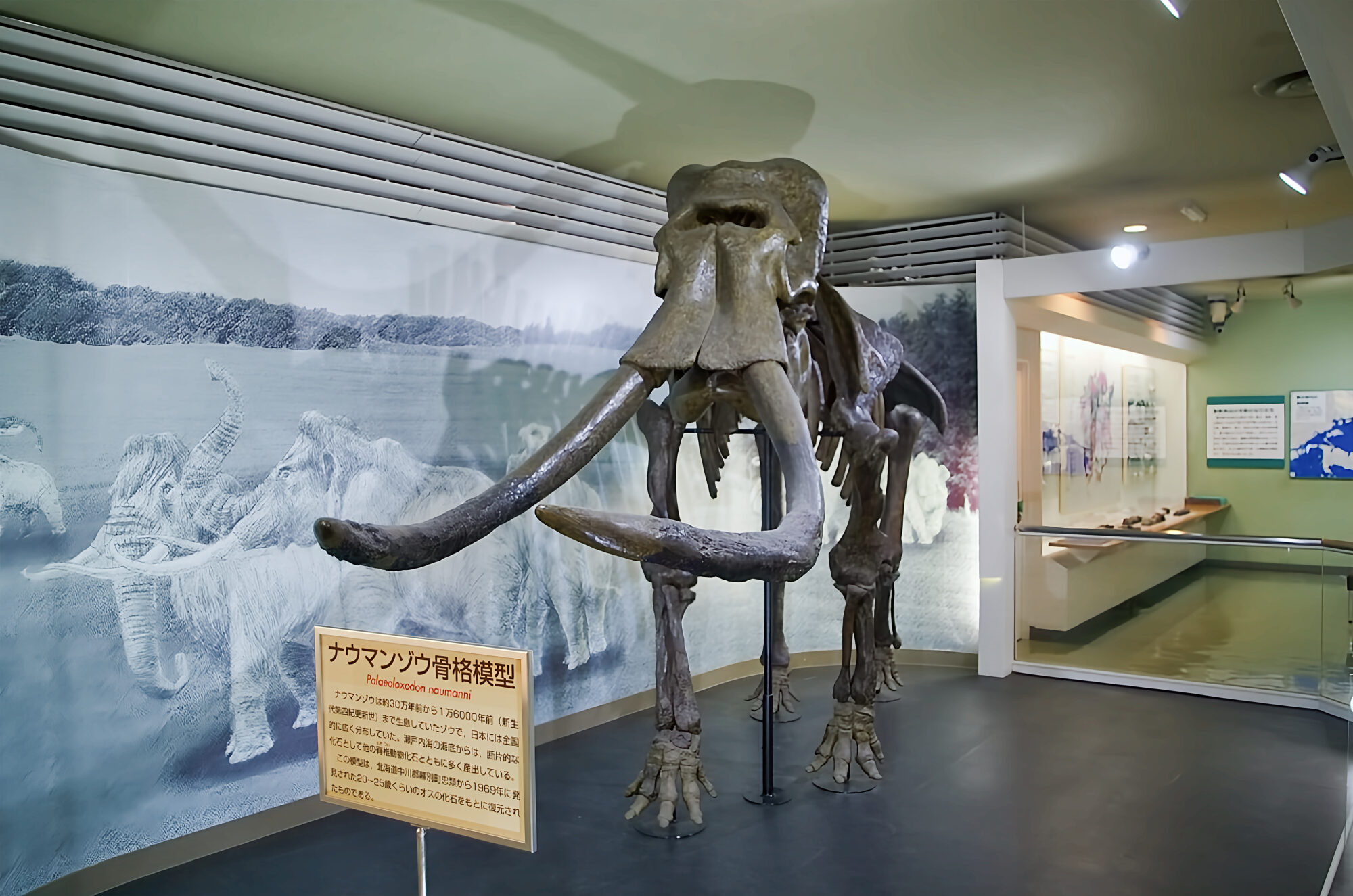
The permanent exhibition features 11,000 items, which is quite a large number nationally, but as of the end of March 2023, the collection has reached 1,040,000 items.
In simple terms, this means that only about 1% of the collected specimens are on display.
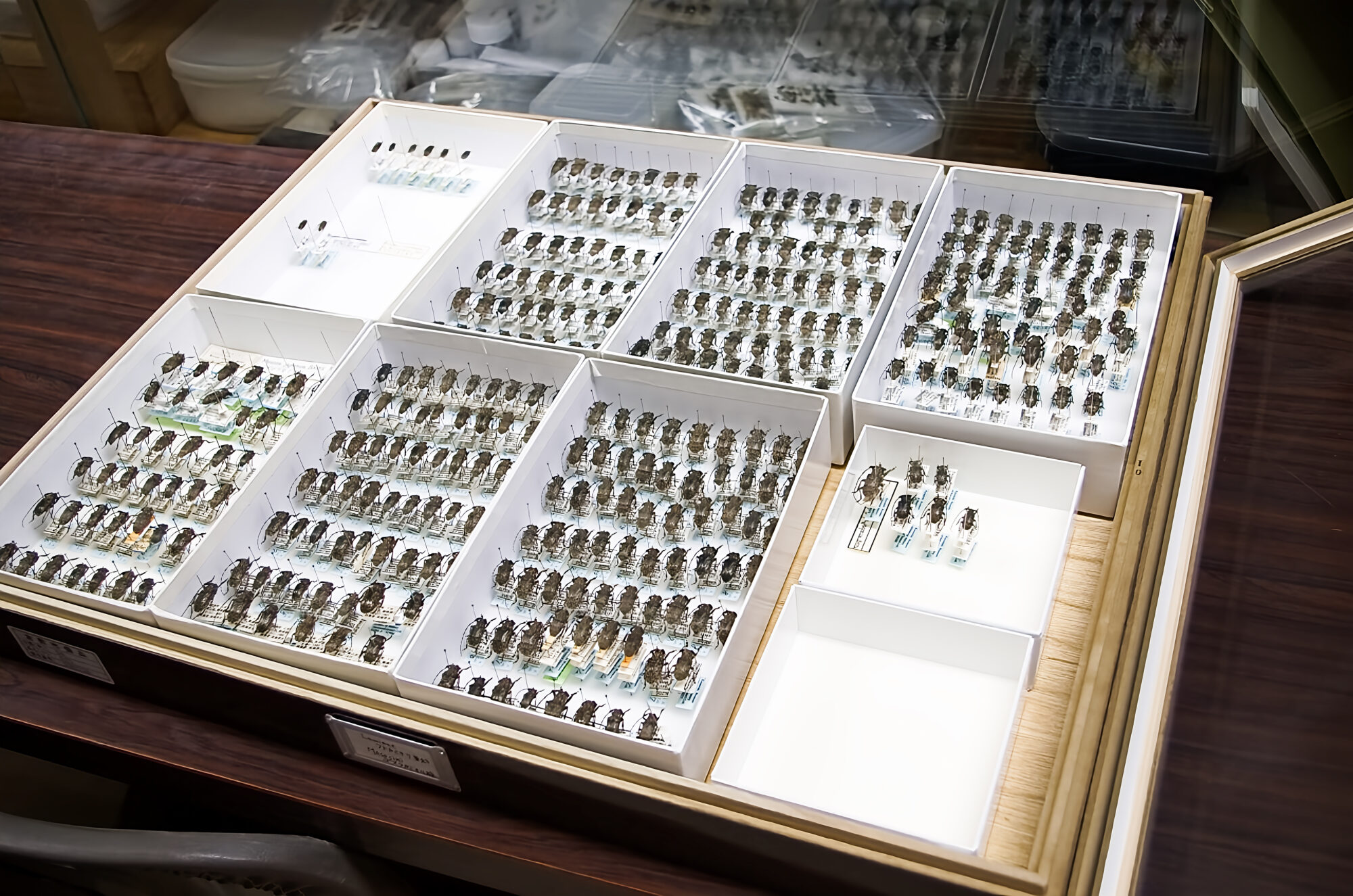
The remaining materials are stored in the heart of the museum, the collection storage, where they are investigated and researched, waiting for their turn to be exhibited.
Additionally, there are tens of thousands of donations each year, which are organized by taxonomic classification and managed in a database, making it easy to find out "what is it from which era?"
Among the users, we also conduct outreach activities such as observation sessions and lectures that interested individuals can participate in, as well as responding to requests for cooperation from outside.
Plans for events celebrating the 40th anniversary of the opening
Since it is the 40th anniversary in 2023, are there any special exhibitions planned?
Okushima
We are considering utilizing the collection of over 1,040,000 items.
Since it is the 40th anniversary, we are thinking of making the content of the summer special exhibition more extravagant, and we are planning the Secret Treasure Exhibition that the museum holds.
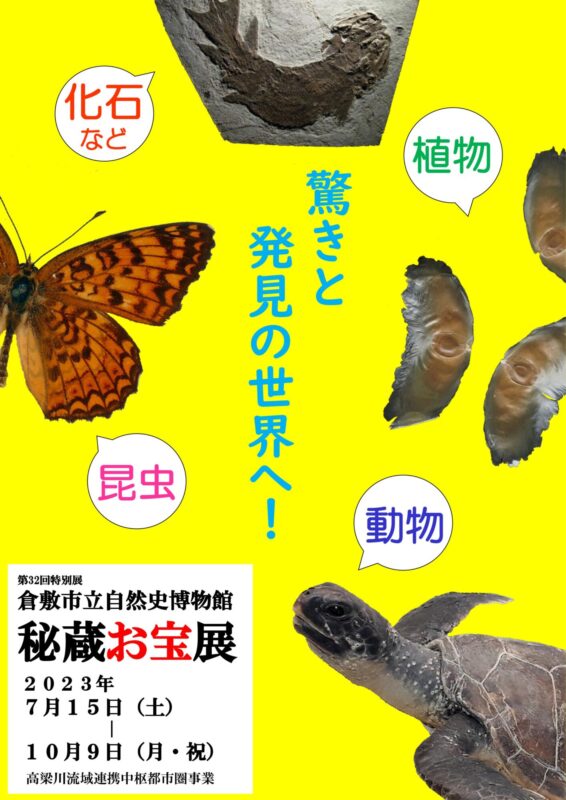
I am looking forward to the "Secret Treasure Exhibition." Specifically, what does "treasure" refer to?
Okushima
Each specimen is unique, unlike industrial products, each one is a one-of-a-kind.
Since they are natural objects, considering the place, date, and time of collection, as well as the DNA composition, there is almost nothing identical.
Among them, there are "one-of-a-kind items" for various reasons, such as rare mutations, extinct species, or the first collected specimens of new species.
Such precious specimens are understandably difficult to display in the permanent exhibition.
This is to avoid risks of damage from accidents or deterioration due to lighting.
I think there are about 12 staff members, including curators, which seems few. Are there any collaborators besides the staff?
Okushima
Volunteers and members of the Museum Friends Association are advancing the production of specimens and research on specimen names.
Additionally, the vertebrate group can even produce skeletal specimens without the curator's instructions.
Recently, through mediation from the Shibukawa Marine Aquarium (Tamano Ocean Museum), there was a provision of a finless porpoise, and the volunteers are primarily producing the skeletal specimen.
For the development of the next generation of children
Please tell us what is expected of the future of the Kurashiki Museum of Natural History.
Okushima
I believe that the basic principle is to first collect natural objects that can never be obtained again and to preserve them.
One way to utilize the collection of materials, which is a valuable asset, is that "we can exhibit them at the Kurashiki Museum of Natural History," which is unique to museums.
To foster the development of the next generation of children, I want to continue to cherish the valuable collection and the facilities that can exhibit them.
For that reason, I think the natural history museum should move in two major directions.
One is "cultural collaboration."
We held an insect exhibition that intricately recreated the appearance of insects using origami.
It was not just an exhibition of insects, but a collaboration with the different culture of origami, aiming to provide enjoyment to a wide range of citizens.
The annual "Museum Festival" aims to create events that anyone can enjoy, even if they are not highly specialized.
The second is to create a system that allows interested children to continue learning about natural history until they enter university.
While it is fine to leave the cultivation of specialists in specific fields to universities, support is needed to maintain interest up to that point.
In the "Mushi Mushi Exploration Team" that I have been involved with for 20 years, participants who were elementary and junior high school students at the time have gone on to work for the Ministry of Agriculture, Forestry and Fisheries and environmental assessment research companies.
I feel that the ongoing connections are reflected in the results.
Conclusion
Through the interview with Okushima, I became aware of the significance of the Kurashiki Museum of Natural History and the active efforts by curators for the benefit of users.
The Kurashiki Museum of Natural History, which started from citizens who love nature, has gone through the efforts of the current four curators and I hope it will be utilized as a place that connects to the future of the next generation of children.
The historic natural history museum is celebrating its 40th anniversary in 2023.
As a memorable year, the Secret Treasure Exhibition is also planned.
Please make sure to visit.
Data on the Kurashiki Museum of Natural History
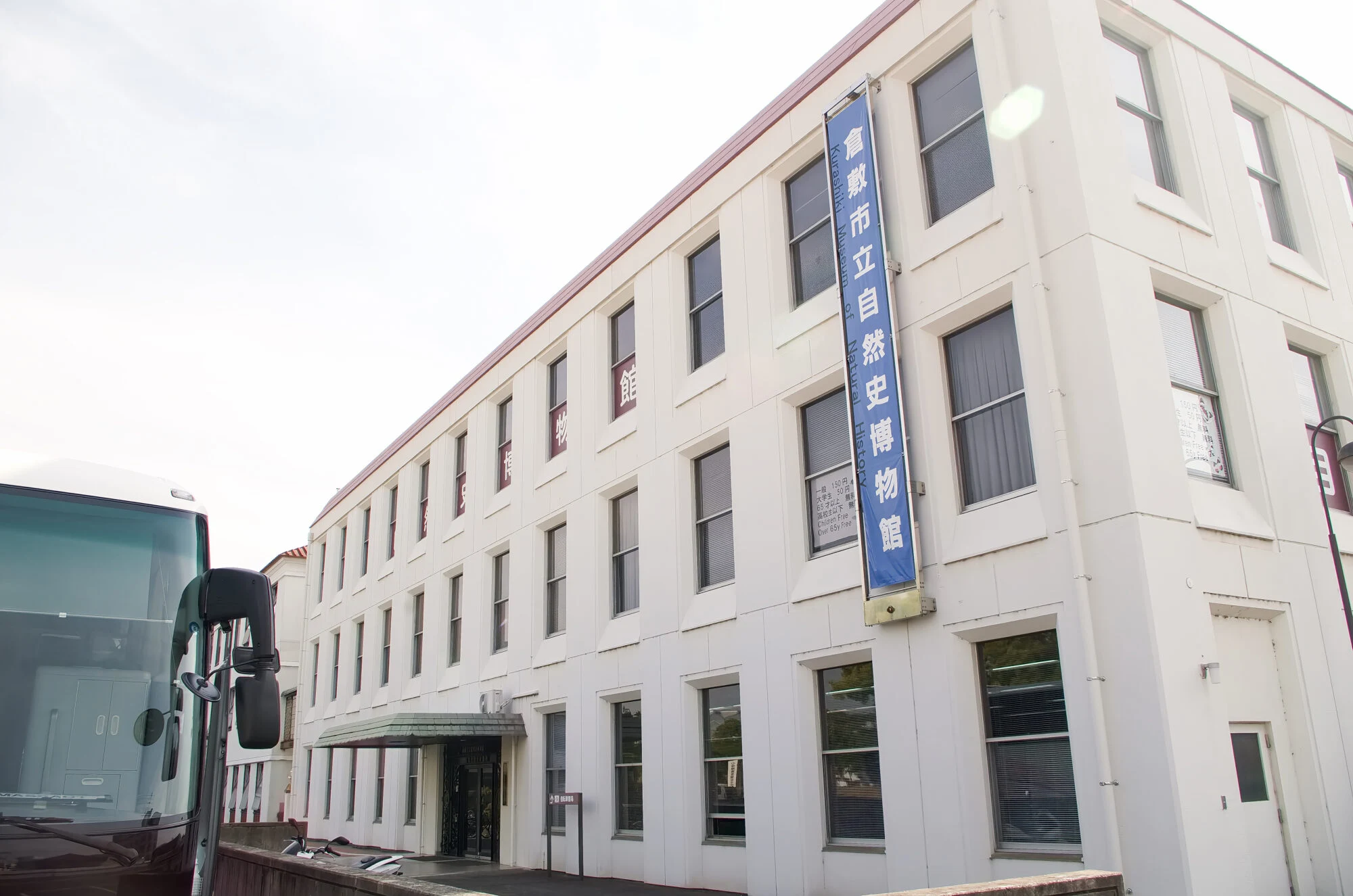
| Name | Kurashiki Museum of Natural History |
|---|---|
| Location | 2-6-1 Chuo, Kurashiki City, Okayama Prefecture |
| Contact | 086-425-6037 |
| Parking | None No dedicated parking, please use nearby paid parking ・Kurashiki City Central Parking Lot ・Kurashiki City Bikan Historical Area South Parking Lot ・Kurashiki City Achi Terrace Kurashiki Parking Lot |
| Opening Hours | 9:00 AM – 5:15 PM (last admission at 4:45 PM) |
| Closed | Monday However, if it is a public holiday or substitute holiday, it will be closed the following day. Closed during the year-end and New Year period (December 28 – January 1), and other temporary closures for collection fumigation, etc. |
| Admission Fee (including tax) | General: Individual 150 yen, Group (20 or more) 100 yen University students: Individual 50 yen, Group (20 or more) 30 yen High school students and below: Free 65 years and older: Free Persons with disabilities and one accompanying person: Free *Admission fees for special exhibitions may be set separately *Other various reductions are available. Please inquire. |
| Payment Methods |
|
| Reservations | Available Reservations for school groups and organizations can be made in advance by phone (086-425-6037). Online applications and email reservations are not currently accepted. When calling, please provide the following information: ・Name of school or organization ・Number of visitors and number of supervisors ・Date of visit ・Start and end times of the visit ・Name of the supervising person ・Contact phone number |
| Smoking | Completely non-smoking |
| Restrooms | Western-style toilets, barrier-free toilets, public toilets |
| Childcare | Nursing room, diaper changing station, stroller rental |
| Barrier-free | Barrier-free toilets, elevators, wheelchair rental |
| Website | Kurashiki Museum of Natural History |