
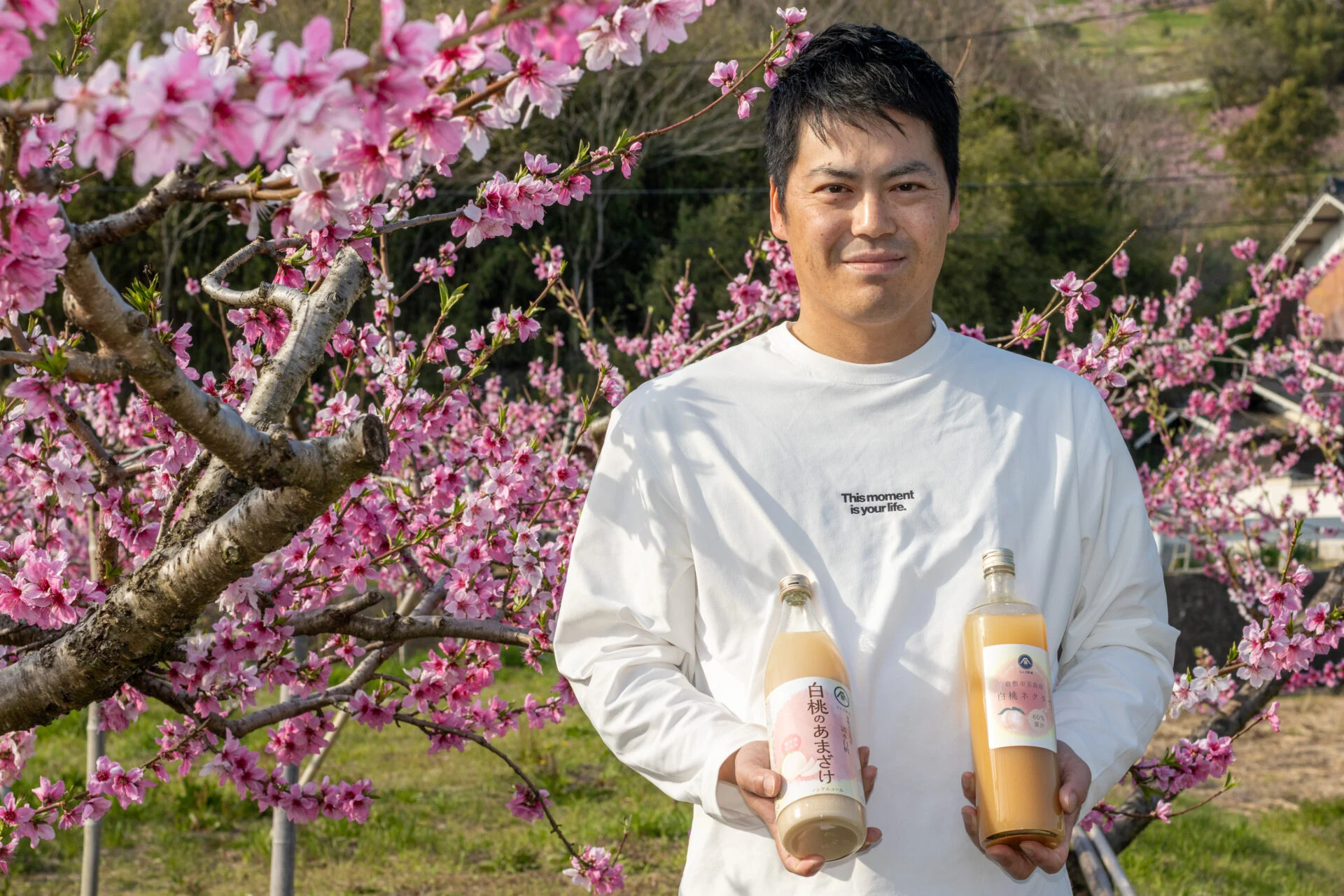
A New Breeze in the Family Business - Interview with the Third-Generation Owner Namba Shoji
We interviewed Namba Shoji, the third-generation owner of Namba Farm, about how he took over the family business, his journey so far, and what he wants to challenge in the future.
Please tell us about how you took over the family business.
Namba
During my time as a bank employee, while working with business owners through lending, I began to develop a vague admiration for them.
I thought to myself that I would like to start my own business someday, and then suddenly the peaches produced at my family home came to mind.
After that, when I started selling peaches online as a trial, I received a much larger response than I had imagined, and I felt that I could make a business out of it, so I boldly decided to leave my job.
Did you originally intend to take over the family business?
Namba
When I was little, I often helped out at the farm, but I never really considered taking it over. My father was also a company employee and ran the peach farm as a side business, so I thought it wasn't large enough to do it full-time.
Please tell us about your commitment to cultivation.
Namba
Regarding peaches, I focus on cultivating for sugar content (sweetness).
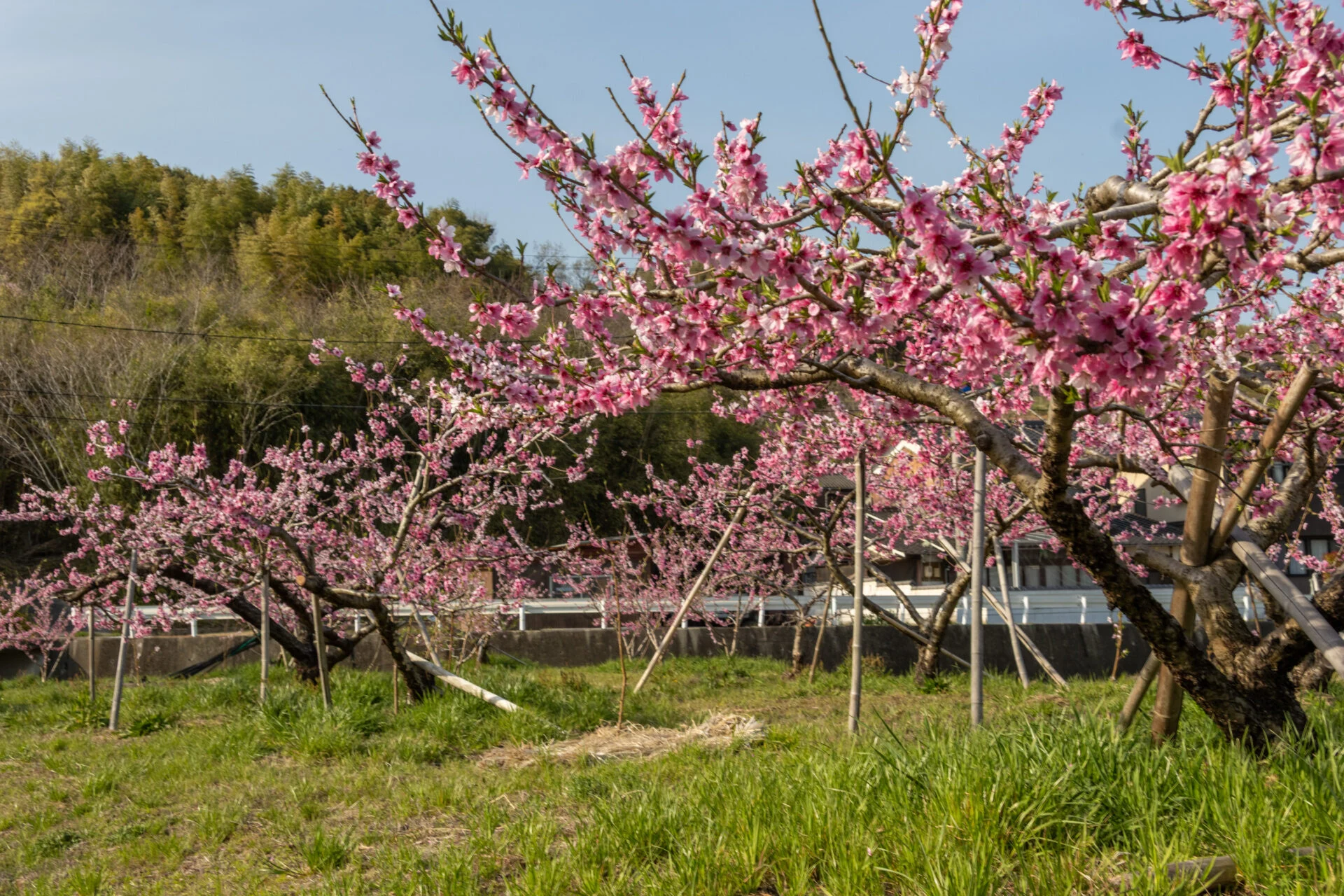
For example, regarding watering, we intentionally limit watering to concentrate the flavor.
However, the downside is that limiting watering results in smaller fruit.
Small peaches tend to lower the price when shipped to the agricultural cooperative, so to compete on taste rather than appearance, we sell directly to customers.
Additionally, selling directly allows us to hear customer feedback firsthand, which is also a benefit.
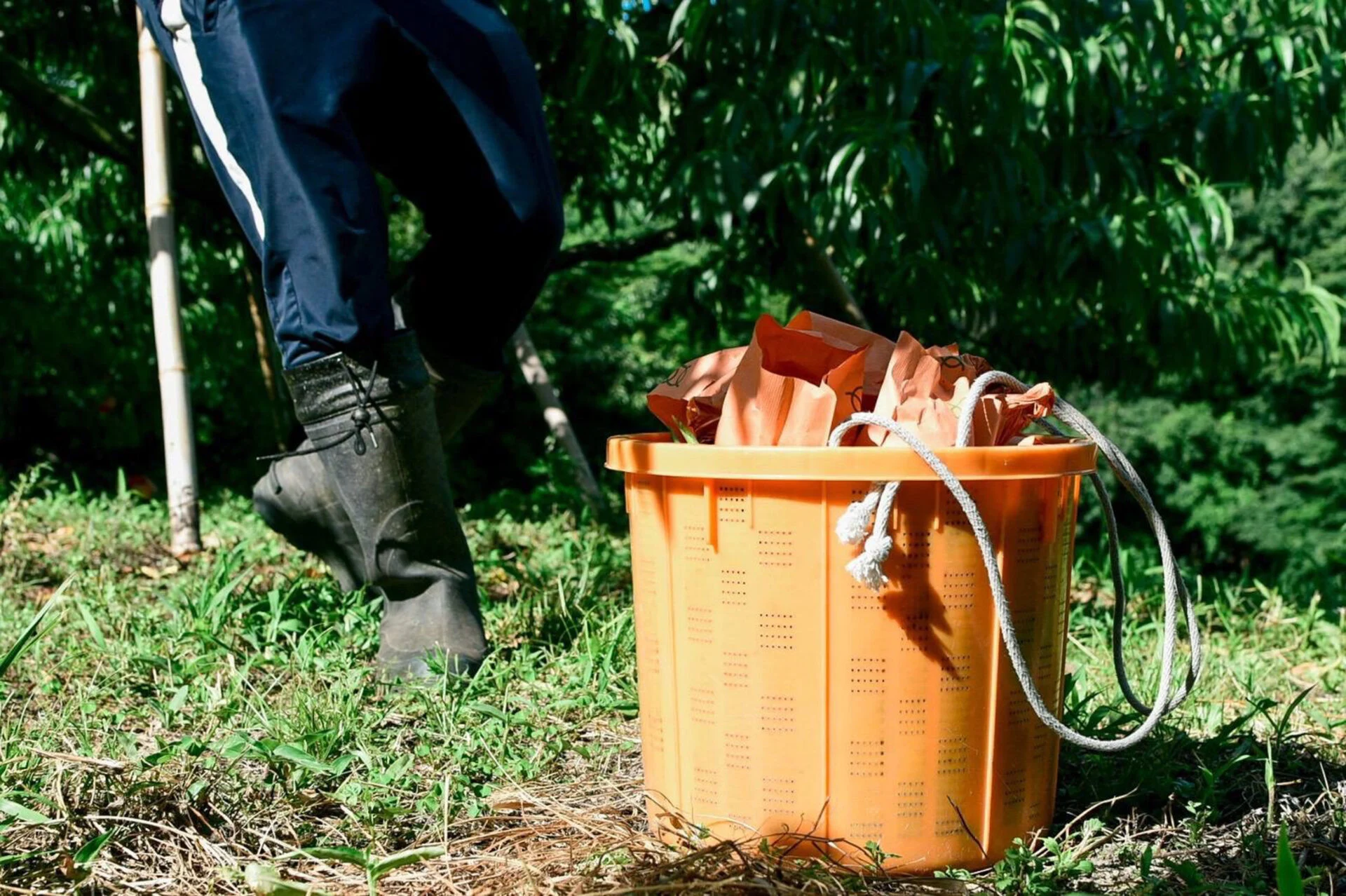
Regarding fertilizers, we primarily use organic compost, and recently, considering environmental concerns and cost savings, we are also working on composting household food waste for use.
While we do use chemical fertilizers, the amount we use is significantly less than the standard set by the agricultural cooperative.
As for pesticides, we cultivate with reduced pesticide use (less than half of the standard set by the agricultural cooperative) to ensure that our products are gentle on the body and safe to eat.
One reason for this is that our fields are on a slope, making it physically difficult to spray pesticides and herbicides.
We also cultivate lemons using the same methods as peaches, focusing on flavor.
Please tell us about your recommended product.
Namba
During the peach season (summer), I want everyone to enjoy the freshly harvested peaches.
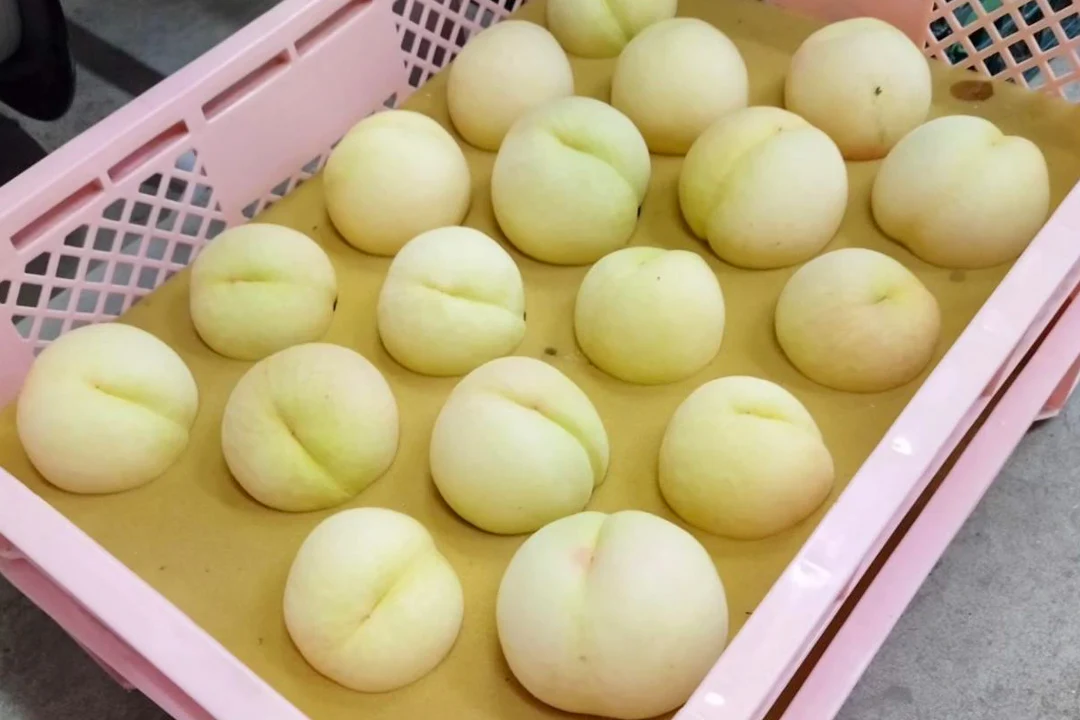
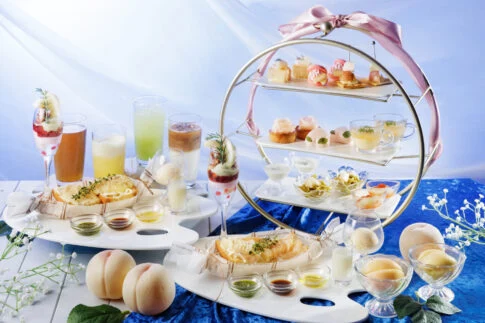
Among them, the top-grade variety Shimizu White Peach, which is shipped in late July, is our pride, and I hope many people will taste it.
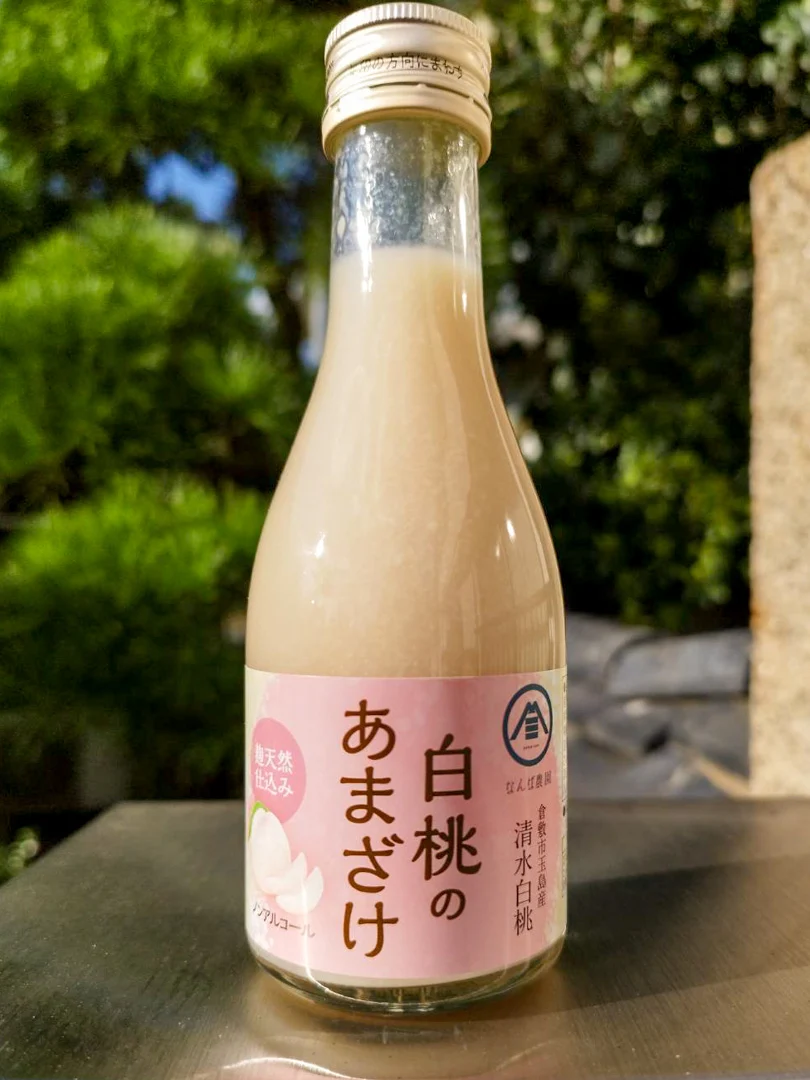
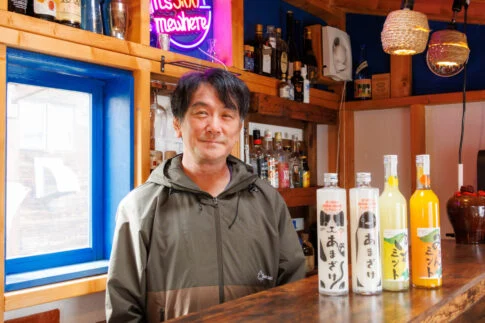
Also, we are making white peach amazake as part of our sixth industrialization. Amazake is said to be a drinkable IV drip, similar to sports drinks, and is very popular in the hot season.
The amazake has a mild sweetness and a very easy-to-drink, refreshing flavor, so I hope people will enjoy it along with the peaches that are in season during the summer.
Additionally, on March 4, 2025 (Tuesday), our white peach amazake was featured on the Nippon Television information program "Hirunandesu!", and fortunately, it received explosive feedback. Our stock is running low, but I hope many people will get to taste it.
What are the challenges of fruit tree cultivation?
Namba
Peach harvesting takes place during the hot summer season, so every year it is a battle against the heat.
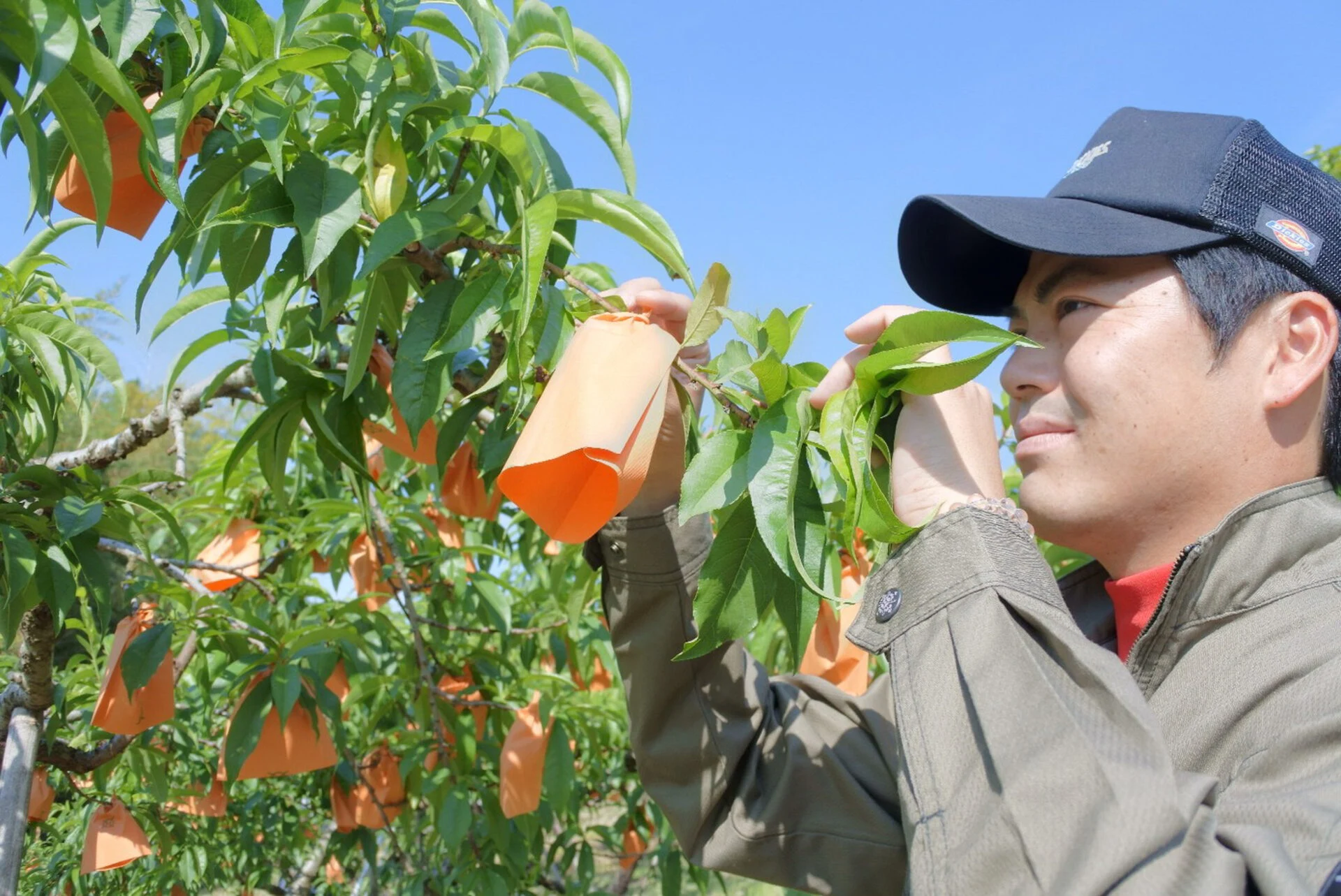
To what extent is it harsh? I lose about 5 to 6 kilograms in weight before and after the season. All peach farmers, not just at our farm, are working hard under such harsh conditions.
I used to play baseball, so I am confident in my ability to handle the heat, but the recent extreme heat is extraordinary, and it requires a lot of patience to get used to and endure it.
Also, a common point for all crops, not just fruit tree cultivation, is that just because you work hard doesn't mean you'll produce good results. The quality of the fruit can vary depending on the weather and climate of that year.
Even so, it makes me very happy when customers say, "It was delicious." That one phrase makes all the hard work worthwhile.
What do you consider for product development?
Namba
Honestly, product development for processed goods was quite difficult at first.
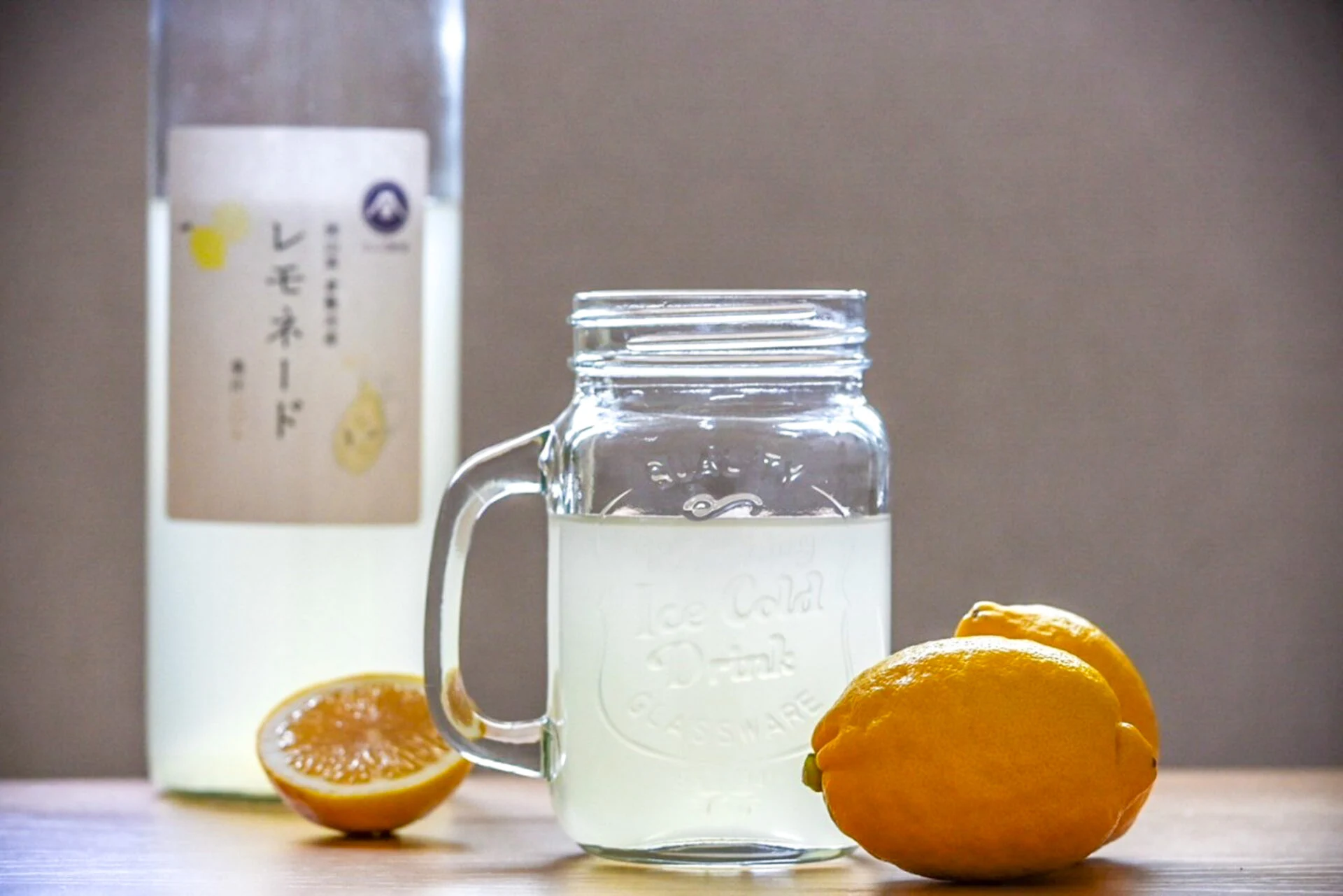
I was thinking of making some kind of beverage, but it was difficult to figure out what kind of drink to create.
For example, the idea to start making white peach amazake came from my wife saying she wanted to drink amazake during her pregnancy. I thought it would be interesting to have amazake with peaches in it.
There are unexpected hints in everyday life, so I want to cherish those and develop products that meet customer needs.
Are there any challenges you want to take on in the future?
Namba
In recent years, many peach farmers have been leaving the industry for various reasons, so I want to gradually take over abandoned farmland to increase the area of peach cultivation in order to protect the peach orchards of my hometown.
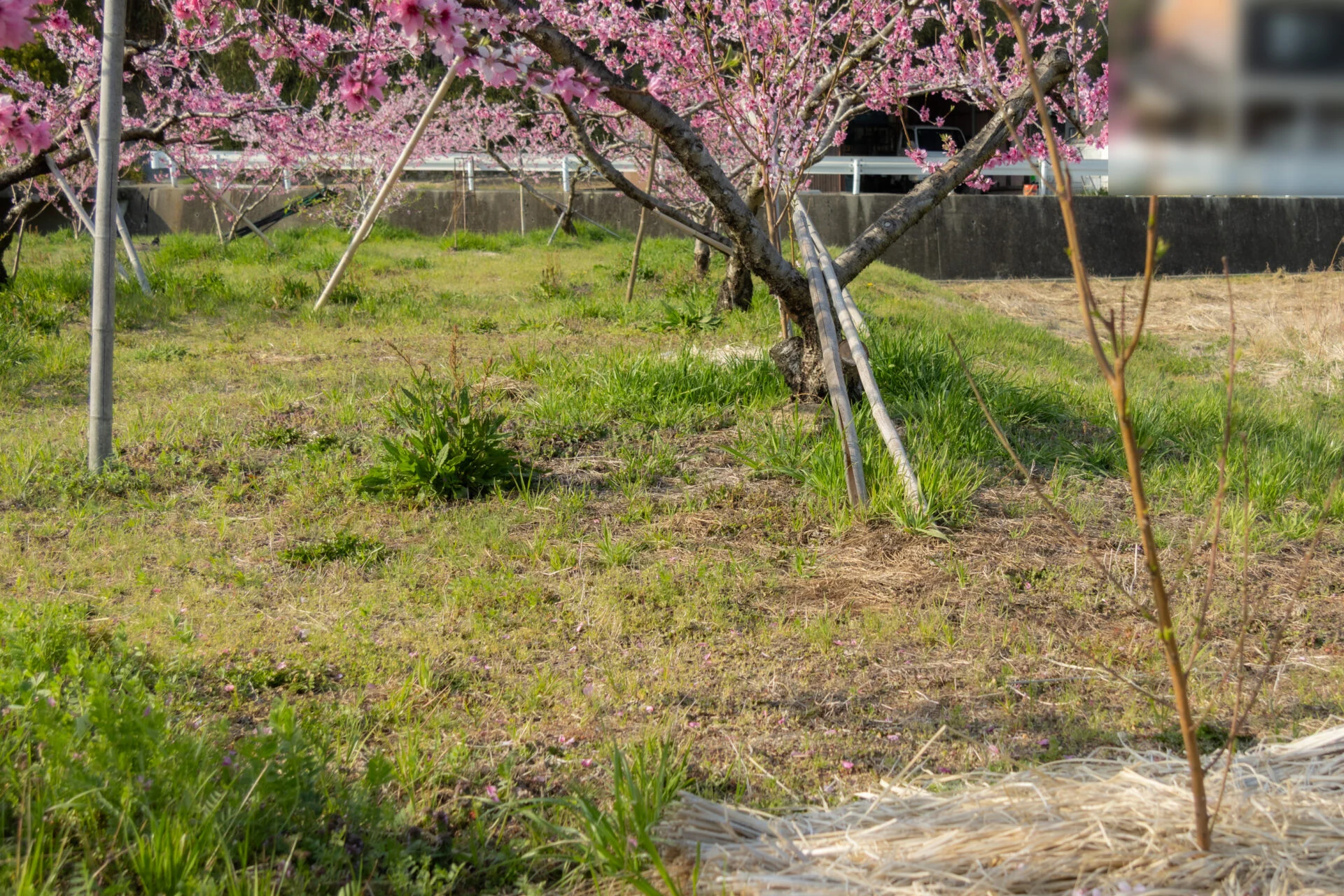
Additionally, I believe that citrus fruits, including lemons, still have great potential.
In addition to lemons, we are also cultivating mandarins and citrus fruits known as yuzu and sudachi.
This year, we made syrup from yuzu for the first time and presented yuzu squash at a market, receiving positive feedback.
Similarly, we are considering making syrup from sudachi juice and presenting sudachi squash at the market.
Citrus fruits are easier to manage compared to peaches and have a longer harvest period, so I want to make them one of our main products going forward.
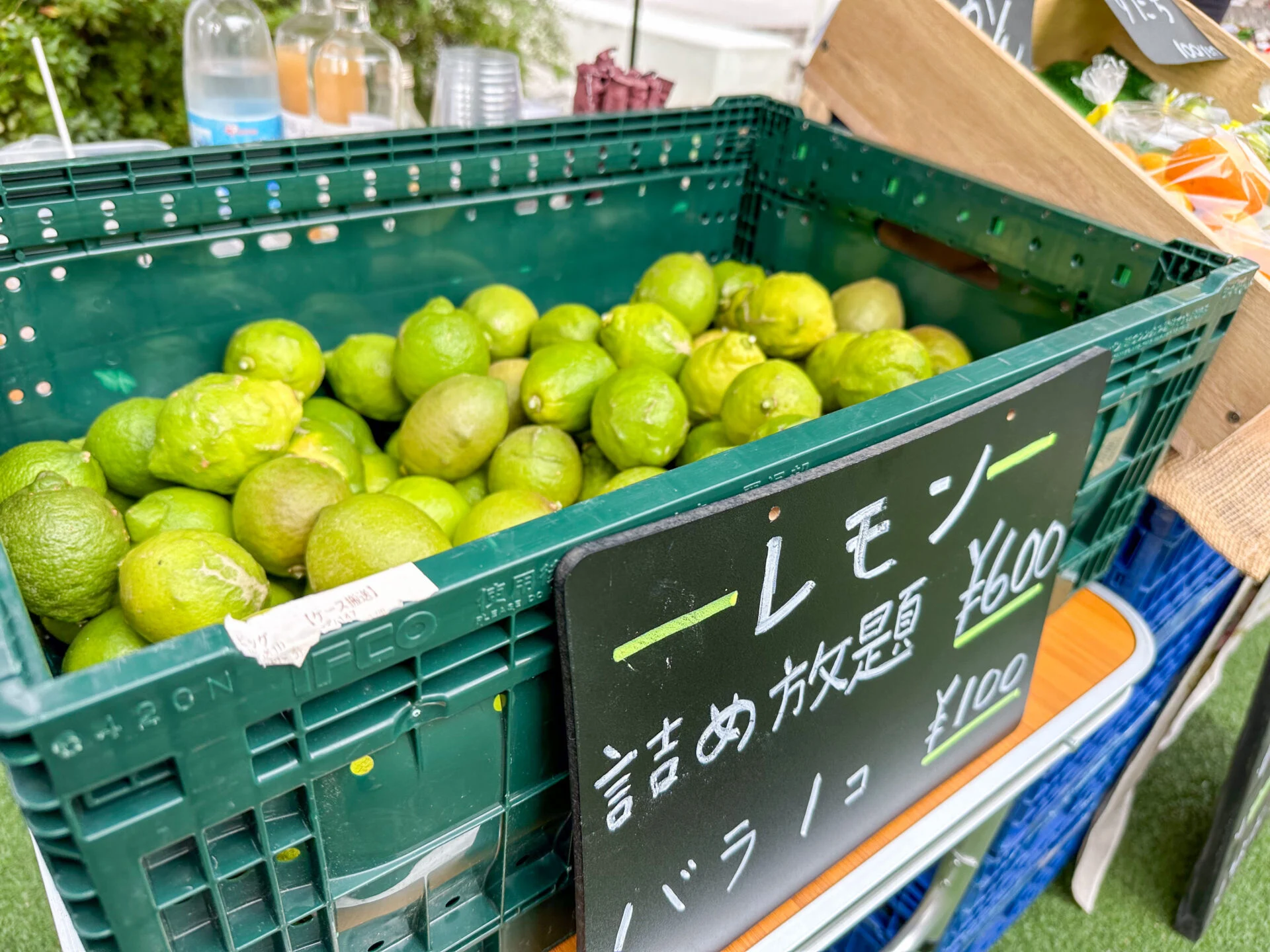
Lemons are primarily produced in Hiroshima, sudachi in Tokushima, and yuzu in Kochi, but at our farm, we want to apply the know-how gained from peach cultivation and proudly produce higher quality fruit.
Conclusion
Listening to Namba-san's story, it feels like he has come to his current job through a series of fortuitous events.
The foundation of this is his strong desire to take over the peach orchards that are being abandoned and protect the landscape of his hometown.
Moreover, his challenges in cultivating citrus fruits like lemons, product development aimed at sixth industrialization, and every episode has its own unique drama.
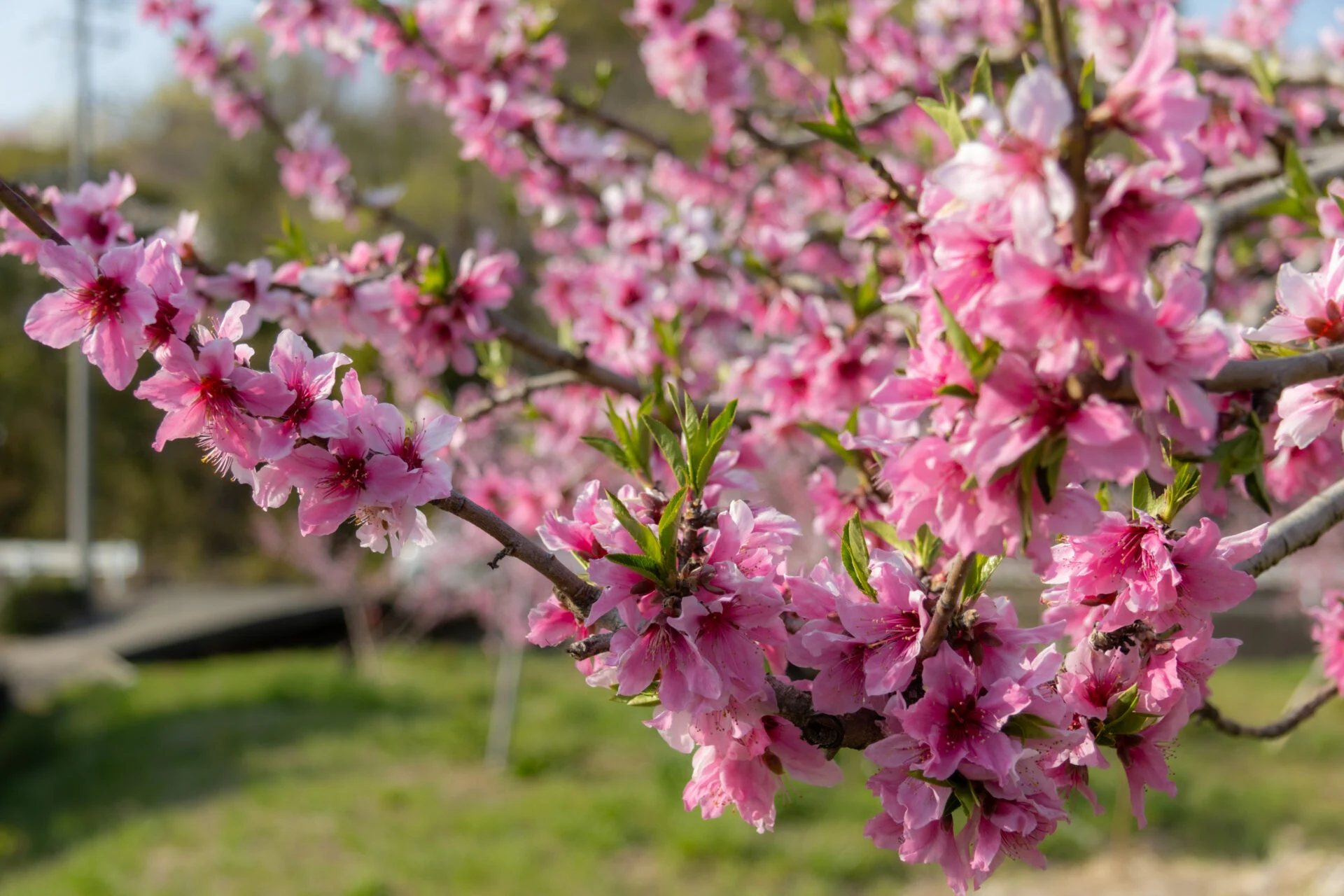
Especially, from the phrase "Just because you work hard doesn't mean you'll produce good results", I felt the need to constantly challenge myself.
Furthermore, at Namba Farm, in order to continue these challenges, we are actively taking oncrowdfunding.
I look forward to seeing the next steps taken with the perspective of management gained from his time as a bank employee, as he changes from dress shoes to rubber boots, and the flexible ideas unique to young producers.
Namba Farm Data
| Name | Namba Farm |
|---|---|
| Address | 2038-1 Yashima, Tamashima, Kurashiki City, Okayama Prefecture |
| Contact | 090-1351-3819 |
| Website | Namba Farm |

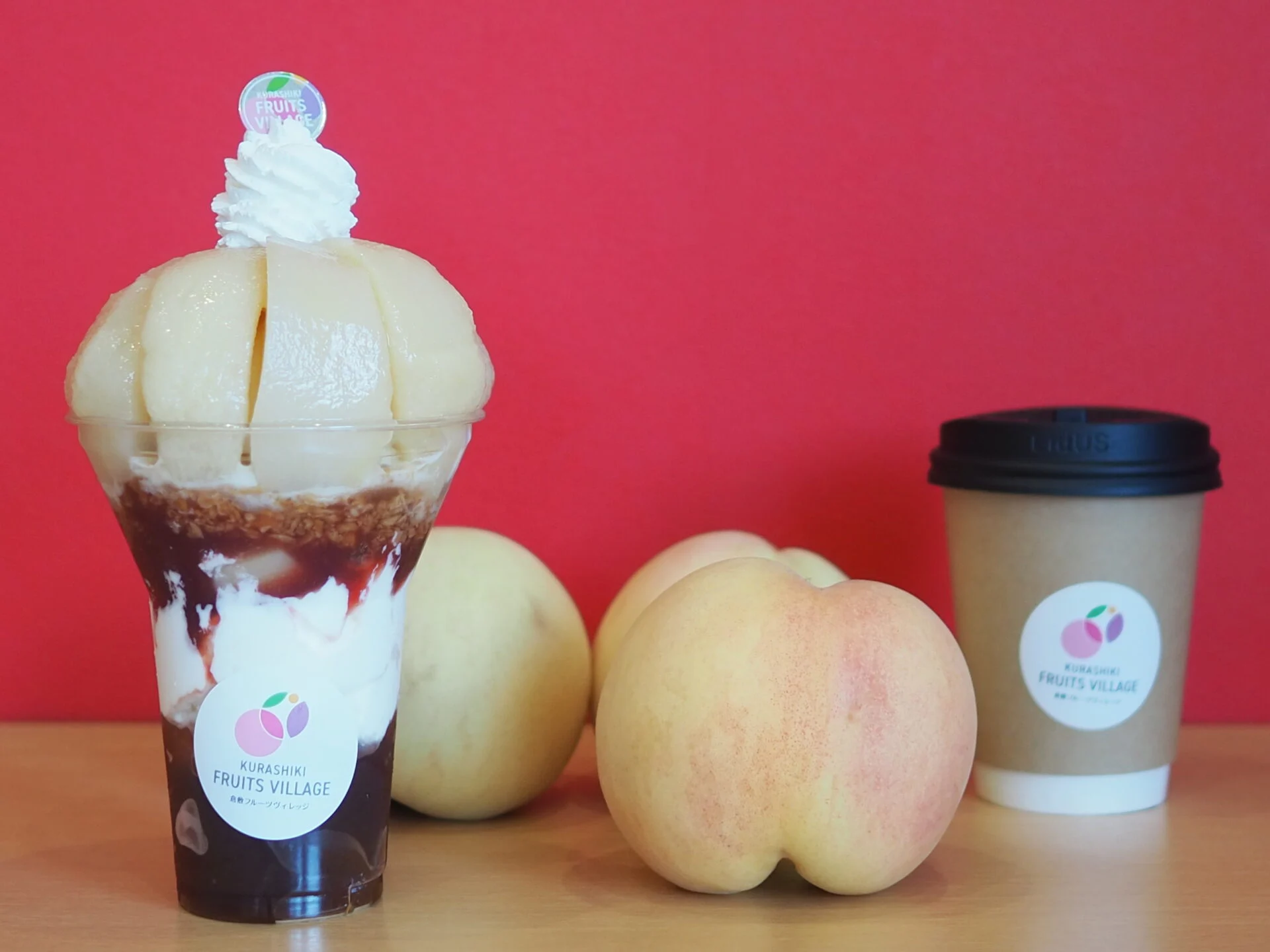







This refers to the process where producers engage not only in production (primary industry) but also in processing (secondary industry) and sales (tertiary industry) as a unified effort. It is an initiative to create new added value by utilizing local resources. Primary industry × Secondary industry × Tertiary industry = Sixth industry, a term that combines these concepts.