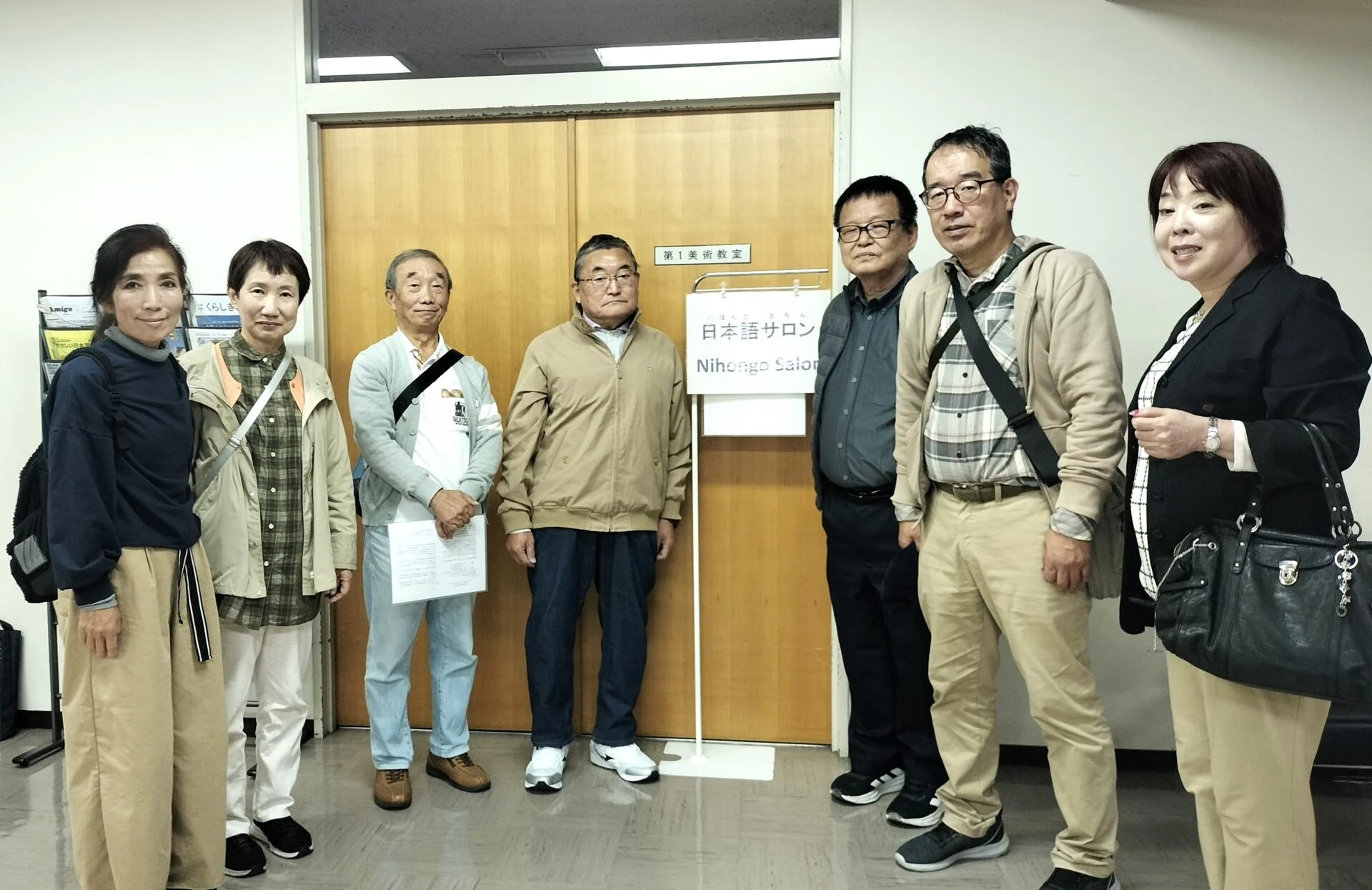
Interview with the Operating Members of Kurashiki Volunteer Interpreters Association

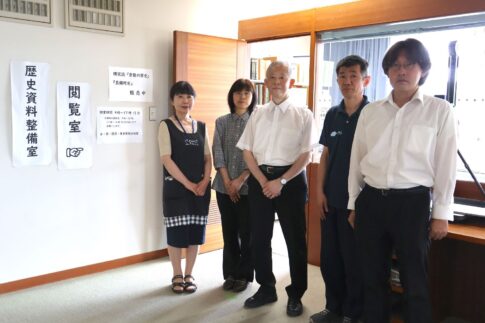
We spoke with Keiji Misawa, President of the Kurashiki Volunteer Interpreters Association, Yumiko Jono, Secretary-General and Vice-President, and Manabu Ota, Director of the Japanese Language Salon, about the trigger for starting the Japanese Language Salon and the current state of the salon.
The Trigger for Starting the Japanese Language Salon
What was the beginning of the Japanese Language Salon?
Jono
According to my research, the activities began around 1990.
It seems that it did not have a formal structure at first, but it started from teaching daily conversation to people from English-speaking countries and university affiliates.
As the number of learners increased, I heard that they borrowed the "Cultural Exchange Hall" in Kurashiki City (which is no longer in use) for their activities. When the hall was unavailable, they continued their activities by moving around community centers.
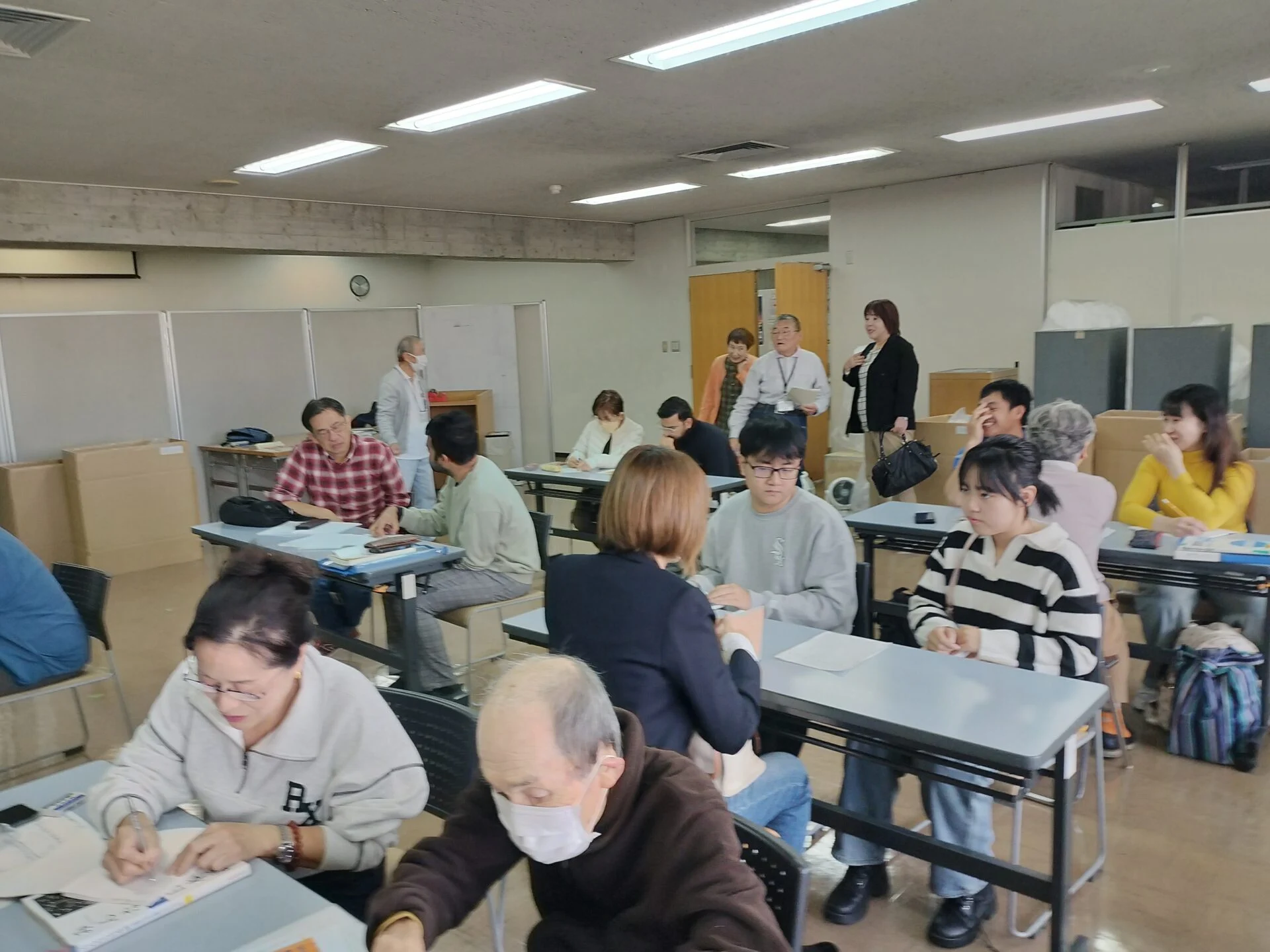
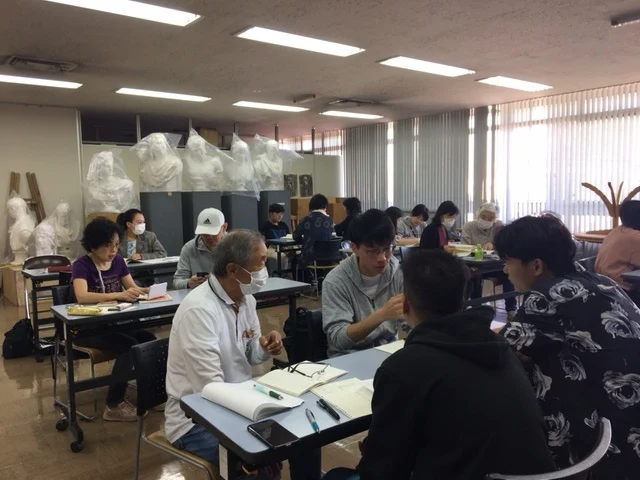
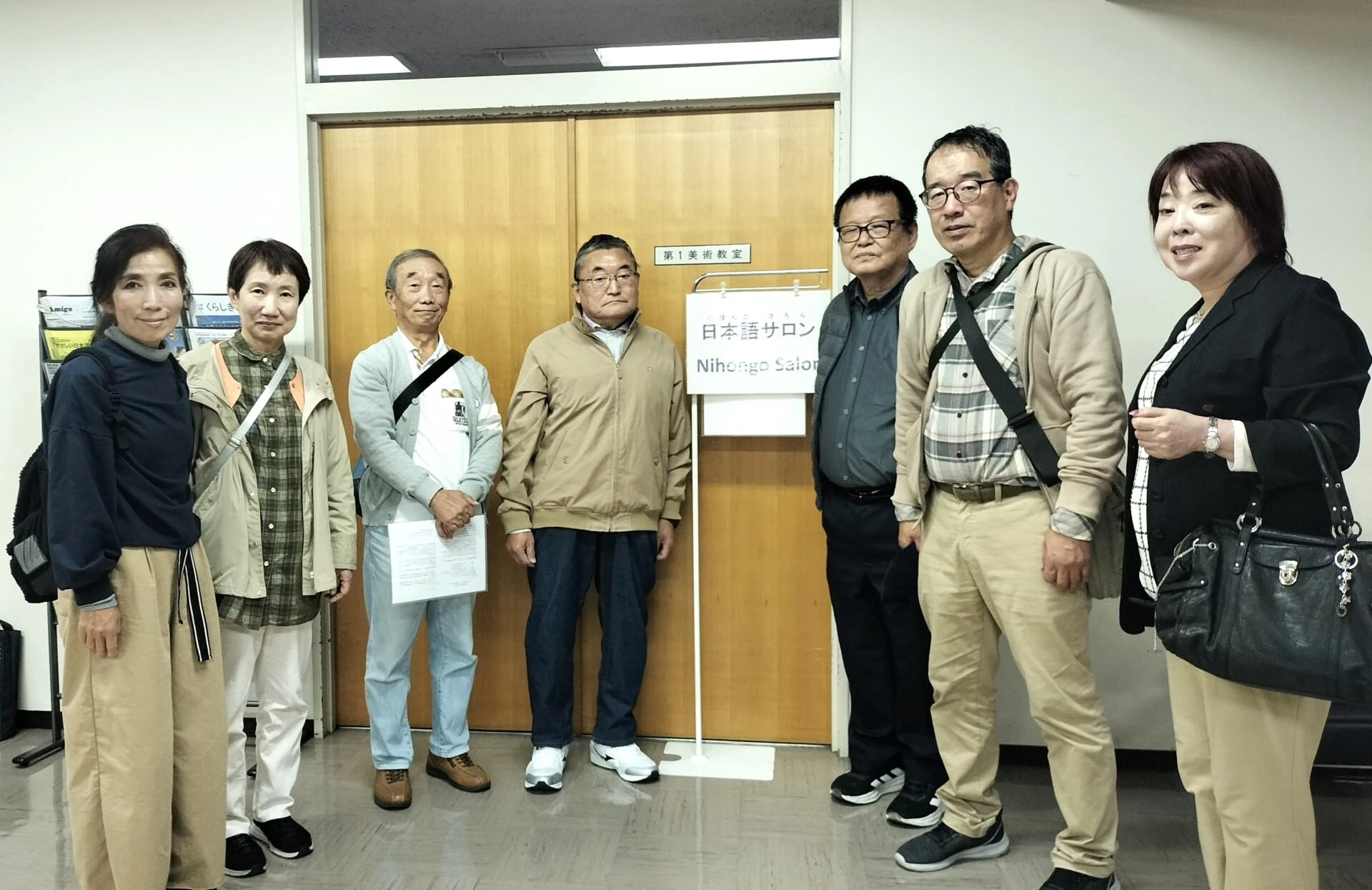
Currently, they rent the art room of the Kurashiki City Art Museum and hold classes twice a week.
Now, a wide range of people participate, including those attending Japanese language schools, those learning while working, and those who need Japanese in their daily lives.

What kind of events are held?
Jono
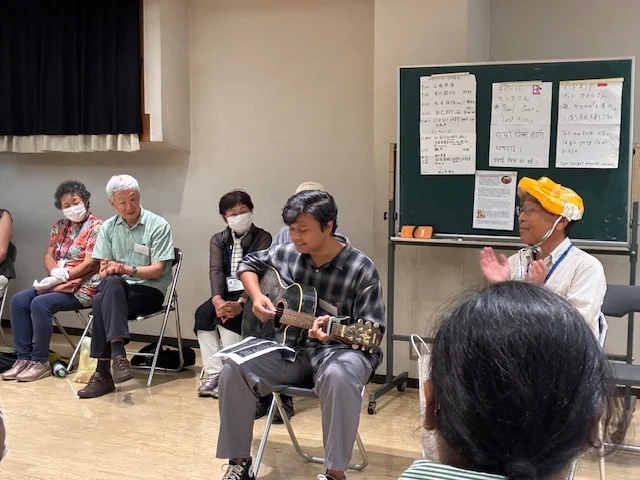
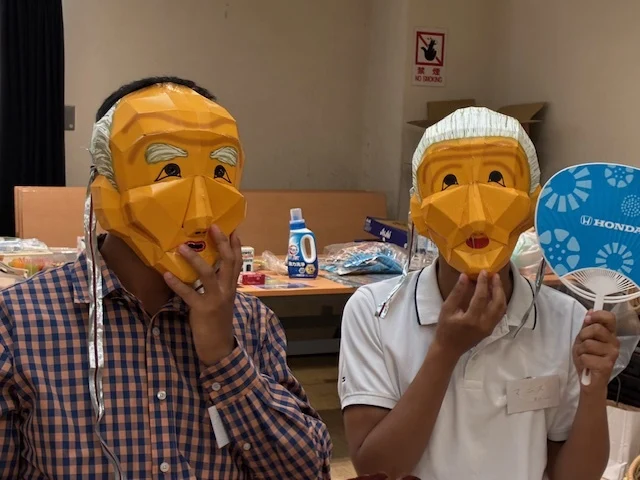
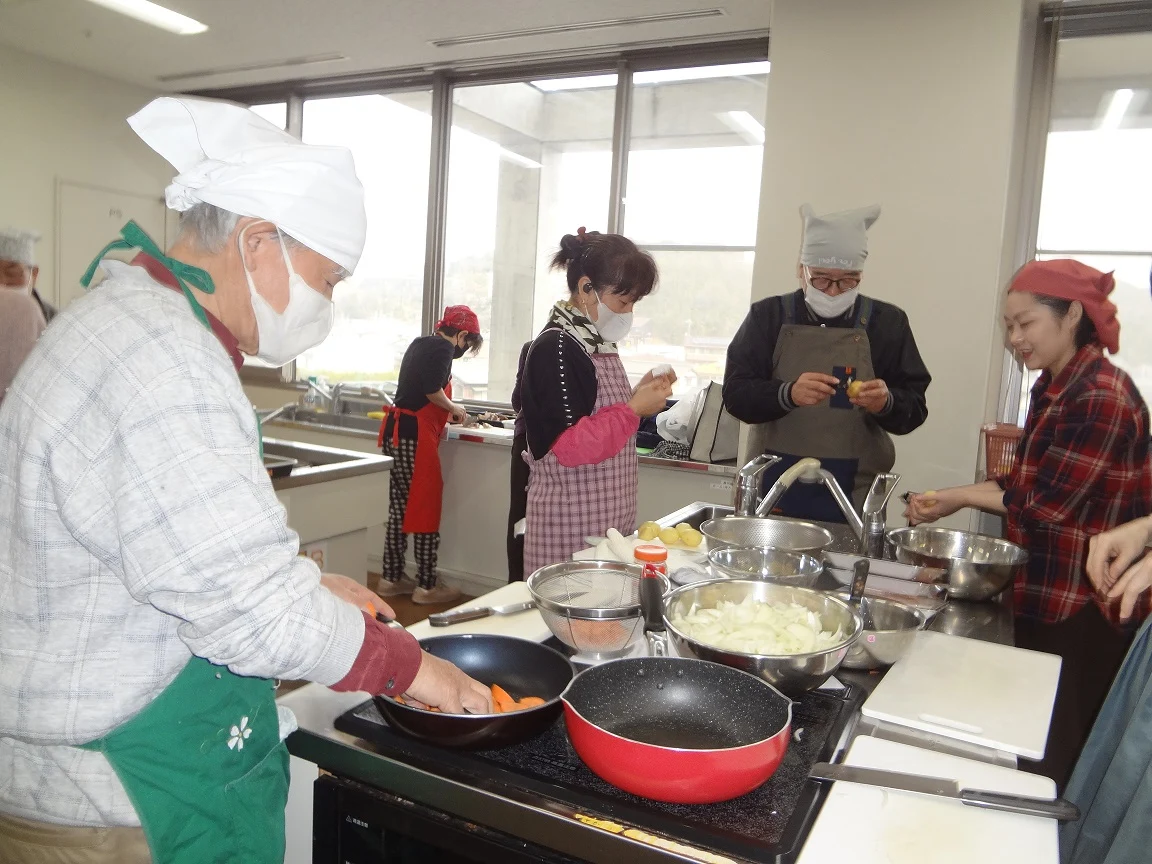
The summer "Summer Party," the winter "Year-End Party," and the "International Exchange through Cooking" held around February are standard events. Depending on the year, there may also be cherry blossom viewing in March.
At these events, not only is Japanese culture introduced, but learners also teach about their own cultures. There are performances of songs, discussions about how to spend New Year's and food, making for a very enjoyable time.
During the summer events, participants have the opportunity to wear kimono, which has been very popular.
This time (the Japanese Language Salon on November 1, 2025), we discussed with the volunteers what kind of events to hold for the upcoming "Year-End Party."
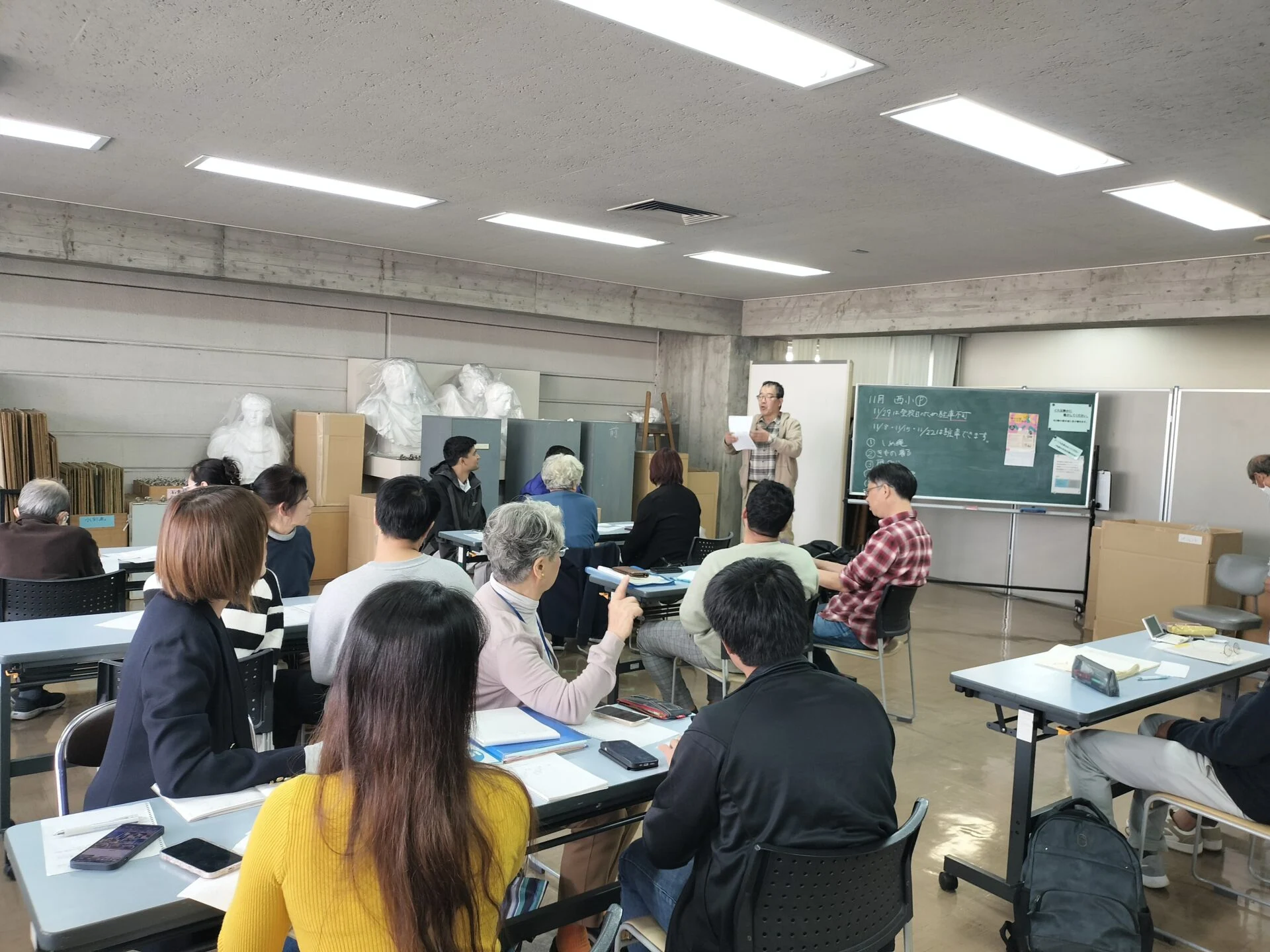
Current Participants and Japanese Volunteers
What kind of learners are currently participating?
Jono
I became involved in the activities in 1999, and at that time, there were many teachers from English-speaking countries, specifically Westerners who were teaching English in schools.
There was also a period when the number of participants from China and Indonesia suddenly increased. Recently, there are many participants from Nepal, Brazil, and Vietnam, including those who come to work, those who come to study, and those who are married to Japanese and living here, representing a variety of backgrounds.
Especially for international students, opportunities to use Japanese can be limited depending on the research environment at their universities. For example, among international students affiliated with Okayama University’s Institute of Plant Science and Resources, some primarily communicate in English within their research labs.
Many of these individuals are highly skilled and motivated learners, which is impressive.
Additionally, technical intern trainees learn basic Japanese (Japanese Language Proficiency Test JLPT N4 - able to understand basic Japanese) before coming to Japan and attend the Japanese Language Salon to become able to use Japanese in their daily lives.
What kind of Japanese volunteers are involved?
Ota
Currently, about 19 Japanese volunteers are active. Most of them are seniors who have retired.
Many of them express a desire to interact with foreigners and experience cultures from countries other than Japan, and they participate thinking they might be able to provide support in Japanese.
Previously, the main participants were housewives with free time, but recently, various generations, including dual-income families and retirees, have become involved. While few have formal Japanese teaching qualifications, they each utilize their experiences to support learners in their own unique ways.
The volunteers share tips such as "listening to the other person until they finish speaking" and "speaking slowly and clearly," creating a friendly atmosphere during their activities.
Important Aspects and Rewards of Activities

When do you feel a sense of fulfillment and joy as a member?
Ota
At first, when learners could hardly speak Japanese, seeing them gradually gain confidence and be able to converse brings me great joy.
Especially when they express their gratitude in their own words or pass their exams, it’s a moment when I think, "I'm glad I did this."
Moreover, every salon session brings smiles and new discoveries, and those of us providing support enjoy the experience of “learning together” rather than just “teaching foreigners”.
Please tell us about the importance of continuing these activities.
Ota
The Japanese Language Salon of the Kurashiki Volunteer Interpreters Association has a history of over 30 years.
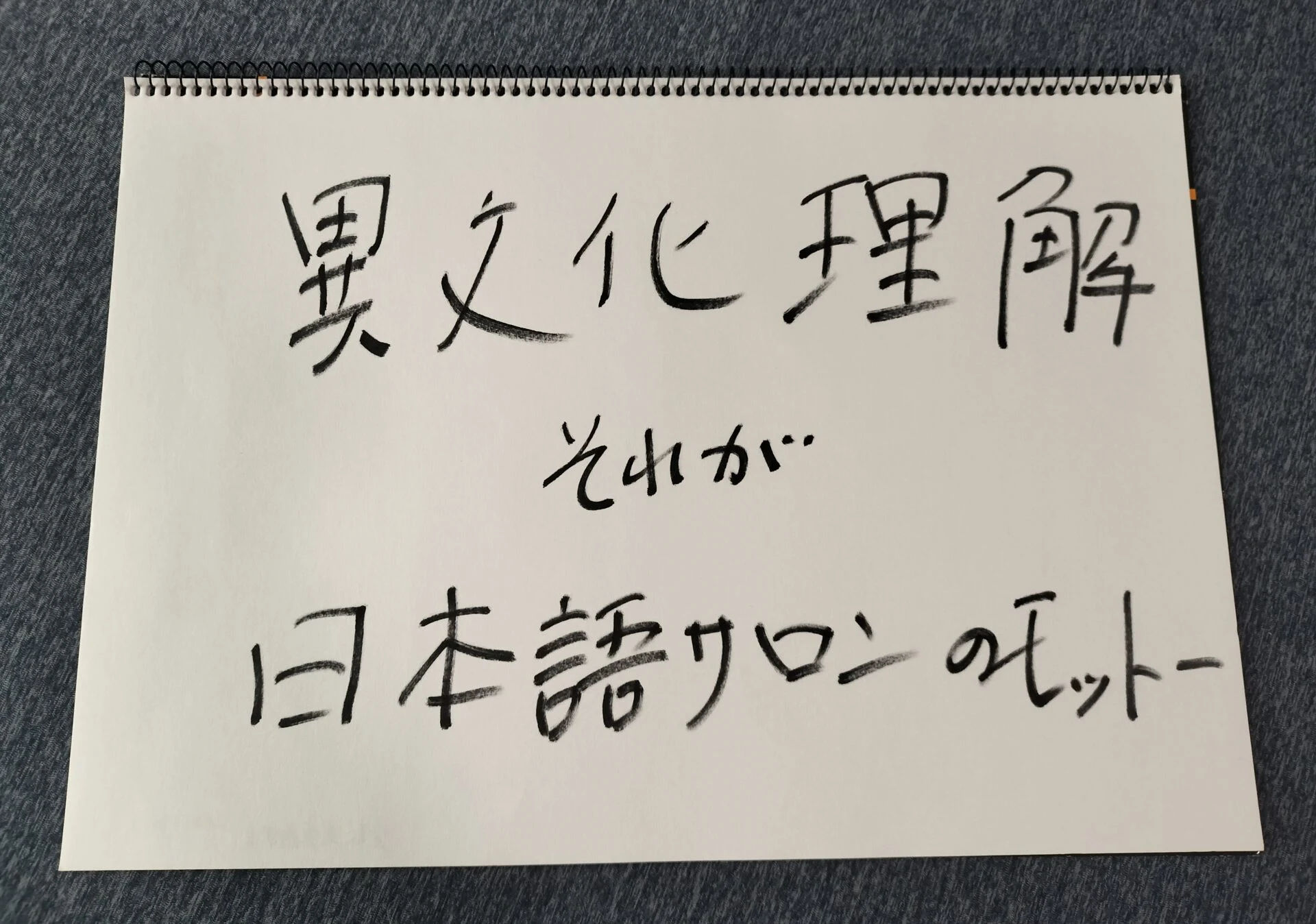
What we value most is "cross-cultural understanding."
This is the motto of the Japanese Language Salon.
Our goal is not just to teach Japanese, but to understand each other's cultures and ways of thinking, which we believe is the most important.
As learners study Japanese, they may feel, "Ah, this expression has this background," and conversely, we also learn about the culture of their home countries from the learners. Such exchanges lead to true interaction.
Language is not just about conveying information; it also reflects the desire to "understand the other person." We want this salon to continue to be a place that nurtures such feelings.
That is our wish at the Kurashiki Volunteer Interpreters Association.
The accumulation of weekly salons and events has fostered trust and connections within the community.
Moving forward, what we want to cherish is “continuing this activity for a long time while understanding each other's cultures.”
To achieve this, we are considering creating a system that encourages generational change and involves younger people. I believe that bringing in new perspectives and energy will also bring a fresh breeze to our activities.
What are your thoughts on creating a community where foreigners can live safely?
Misawa
Our activities are not just about teaching Japanese.
We have a desire to ensure that foreigners do not become isolated within the community through language support.
We want to continue the Japanese Language Salon not just as a "place of learning," but also as a "place of belonging." A place where foreigners can learn Japanese while discussing their concerns and making friends.
That is the kind of salon we aspire to be.
People in Kurashiki are truly kind. That is why we want foreigners to feel the warmth of this town.
Message to Readers
Please give a message to those considering volunteering.
Misawa
"You don't need special qualifications; just having the right mindset is enough."
That is the foundation of our activities.
Through working together, you can learn about foreign cultures and gain a lot of personal growth. I believe that is the charm of volunteering.
Some may feel anxious about teaching Japanese, but there’s no need to overthink it.
What’s important is the desire to meet people and enjoy interactions.
As long as you have that feeling, anyone can get involved in this activity.
Finally, please give a message to foreigners.
Misawa
By learning Japanese, your life in Japan will become more enjoyable and fulfilling.
Moreover, connections with people will expand through language.
When you are in trouble, want to chat a little, or need someone to consult with, please feel free to come to the salon. We always welcome you.
We hope to continue walking together so that you can live safely and happily in Kurashiki.
Conclusion
I was able to see the state of the Japanese Language Salon and felt many things.
I believe that foreigners living away from their home countries carry both the hope of realizing their dreams in this foreign land and the anxiety stemming from language and cultural differences.
I was deeply moved by the sight of learners attending the salon, each with diverse backgrounds, studying Japanese and learning about Japanese culture and customs, making efforts to gradually adapt to life in Japan.
In this classroom, the volunteer supporters not only teach "language" but also empathize with the learners' feelings and provide support with warm expressions.
If you want to experience foreign cultures or expand your connections with new worlds, please feel free to visit us once.
Surely, new encounters await you.
Kurashiki Volunteer Interpreters Association - Japanese Salon Data
| Name | Kurashiki Volunteer Interpreters Association - Japanese Salon |
|---|---|
| Schedule | Japanese Salon Schedule: Every Wednesday and Saturday from 10:00 AM to 11:45 AM |
| Location | 3rd Floor Art Room, Kurashiki City Art Museum |
| Participation Fee (including tax) | Membership Fee: 3,000 yen/year *However, if you join from January to March, the fee is 1,000 yen |
| Homepage | Kurashiki Volunteer Interpreters Association |