
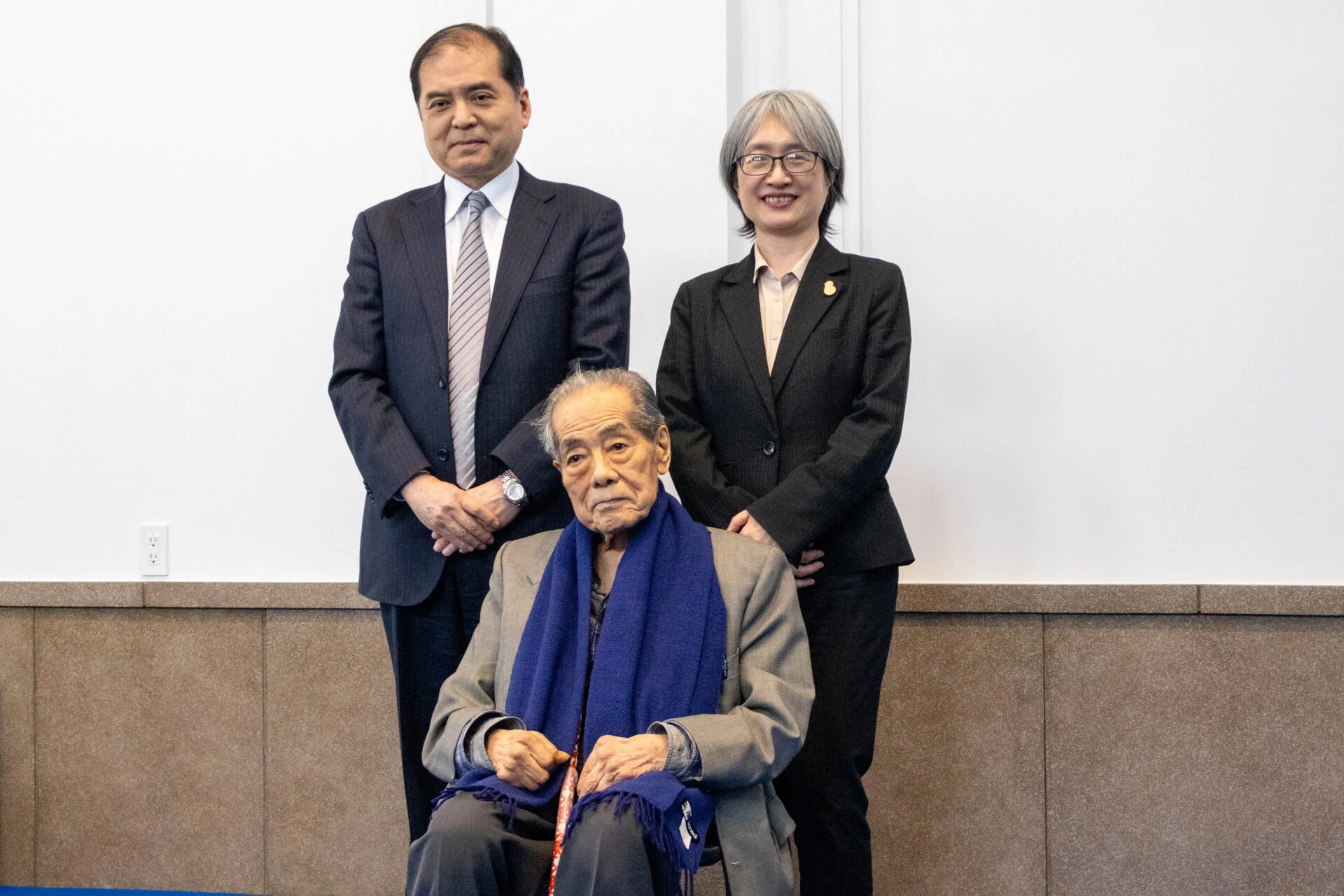
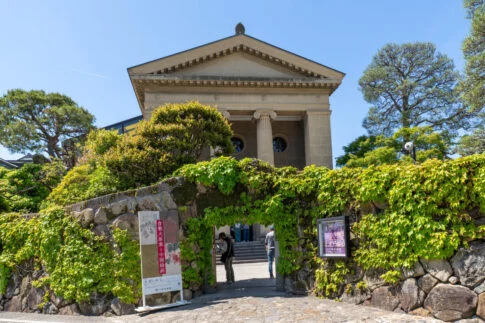
The Ohara Museum of Art, located in the Bikan Historical Area, is one of Kurashiki's proud cultural facilities.
Its rich exhibitions are so captivating that you can easily lose track of time while exploring.
This museum, deeply rooted in the community and attracting many art fans from both Japan and abroad, will undergo a name and organizational change starting April 1, 2024, marking the beginning of a new challenge for the Ohara Museum of Art under a rare new system.
This new system involves the newly established Ohara Institute of Arts managing both the Ohara Museum of Art and Kurashiki Archaeological Museum.
What kind of changes will occur with the institute managing the museums?
We will report on the press conference held on March 22, 2024.
What is the Ohara Museum of Art?
The Ohara Museum of Art, established in 1930, is the first private museum in Japan focused on Western art.
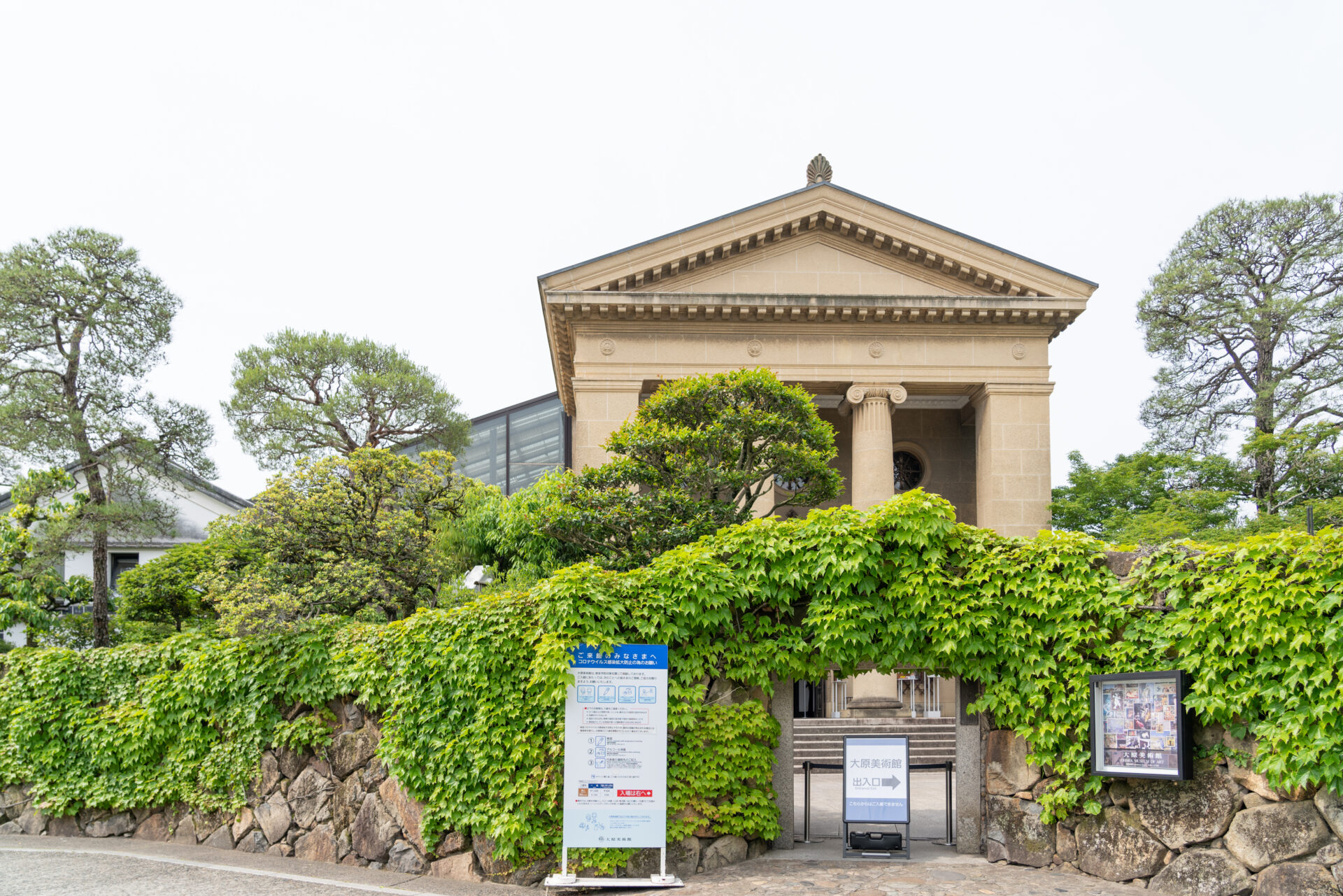
The museum displays works by world-renowned Western painters such as El Greco, Paul Gauguin, Claude Monet, and Henri Matisse, as well as modern Japanese art, crafts by artists involved in the Mingei movement, and ancient Oriental and Eastern art collected from around the world.
In addition to managing the museum, it has also focused on educational outreach and social activities.
On April 1, 2024, the Ohara Museum of Art will change its name to Ohara Arts Foundation and establish the new Ohara Institute of Arts.
Furthermore, it will merge with the Kurashiki Archaeological Museum, and the Ohara Institute of Arts will manage both the Ohara Museum of Art and the Kurashiki Archaeological Museum.
It is rare for an institute to manage museums, and this will be a new challenge for the Ohara Museum of Art.
The Ohara Museum of Art will celebrate its 100th anniversary in 2030. What was the intention behind making organizational changes at this timing?
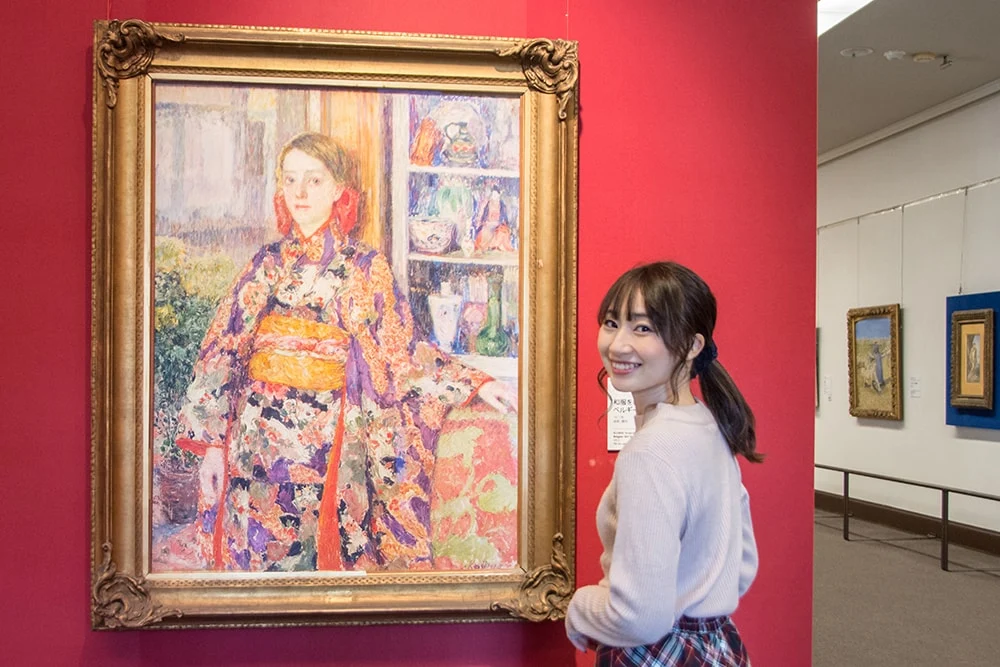
Overview of the Press Conference
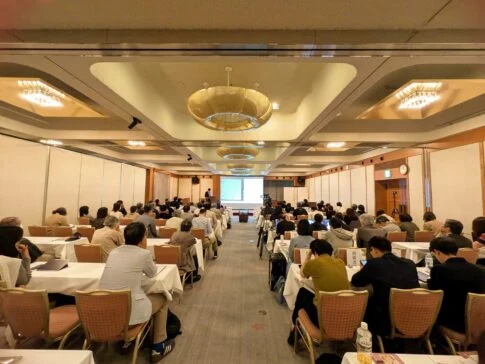
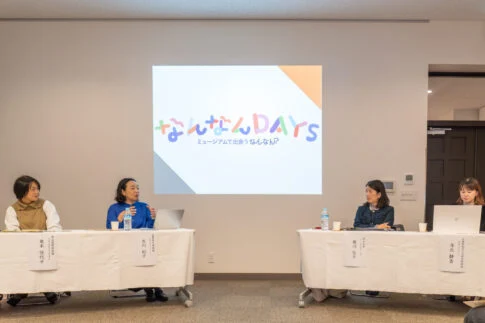
The press conference was held on March 22, 2024, at the Kojima Torajiro Memorial Gallery.
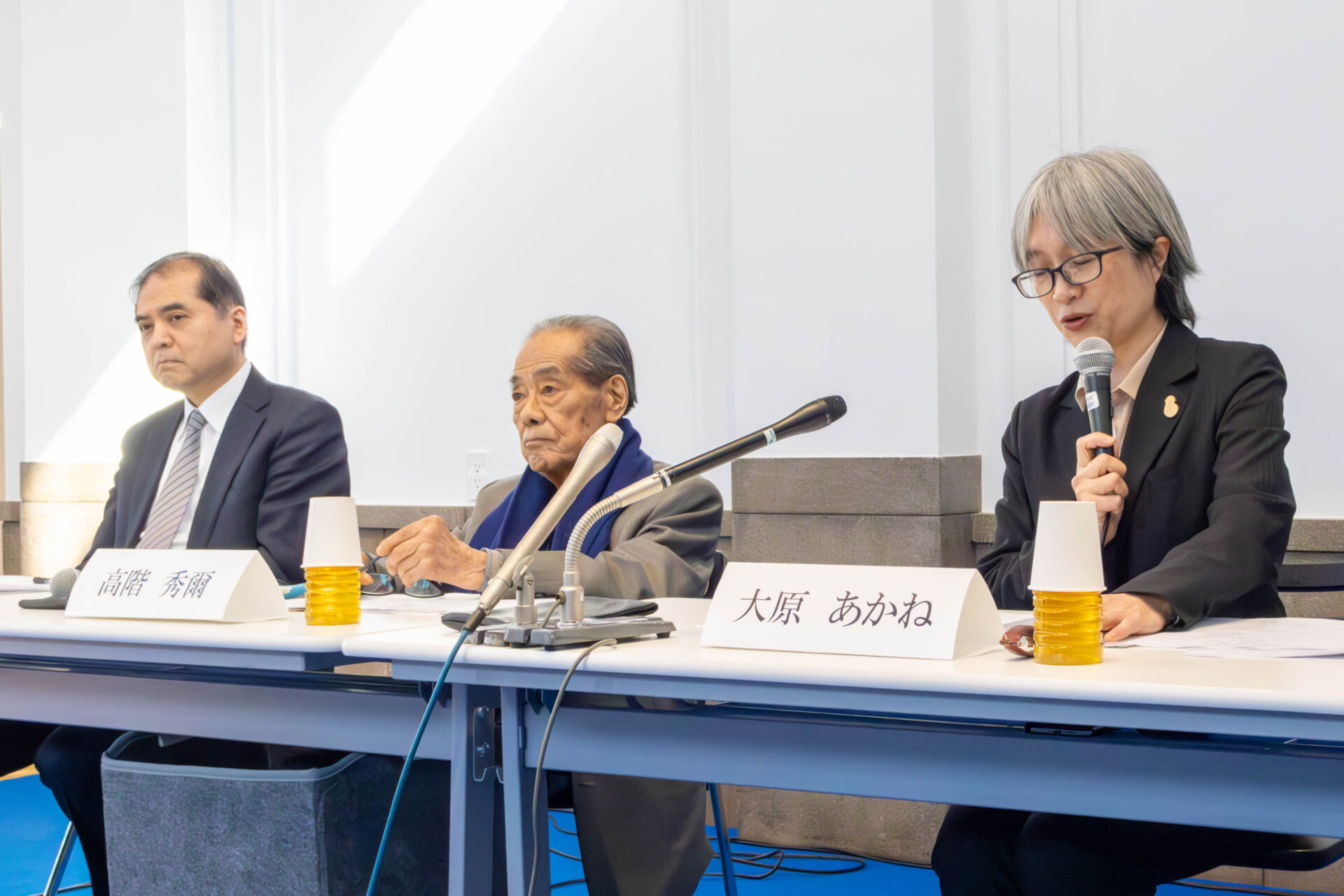
Background of the Name and Organizational Change
The first to take the microphone was Akane Ohara, the representative director of the Ohara Museum of Art (at the time of the interview).
After briefly introducing the Kojima Torajiro Memorial Gallery, she explained the purpose and background of the organizational change.
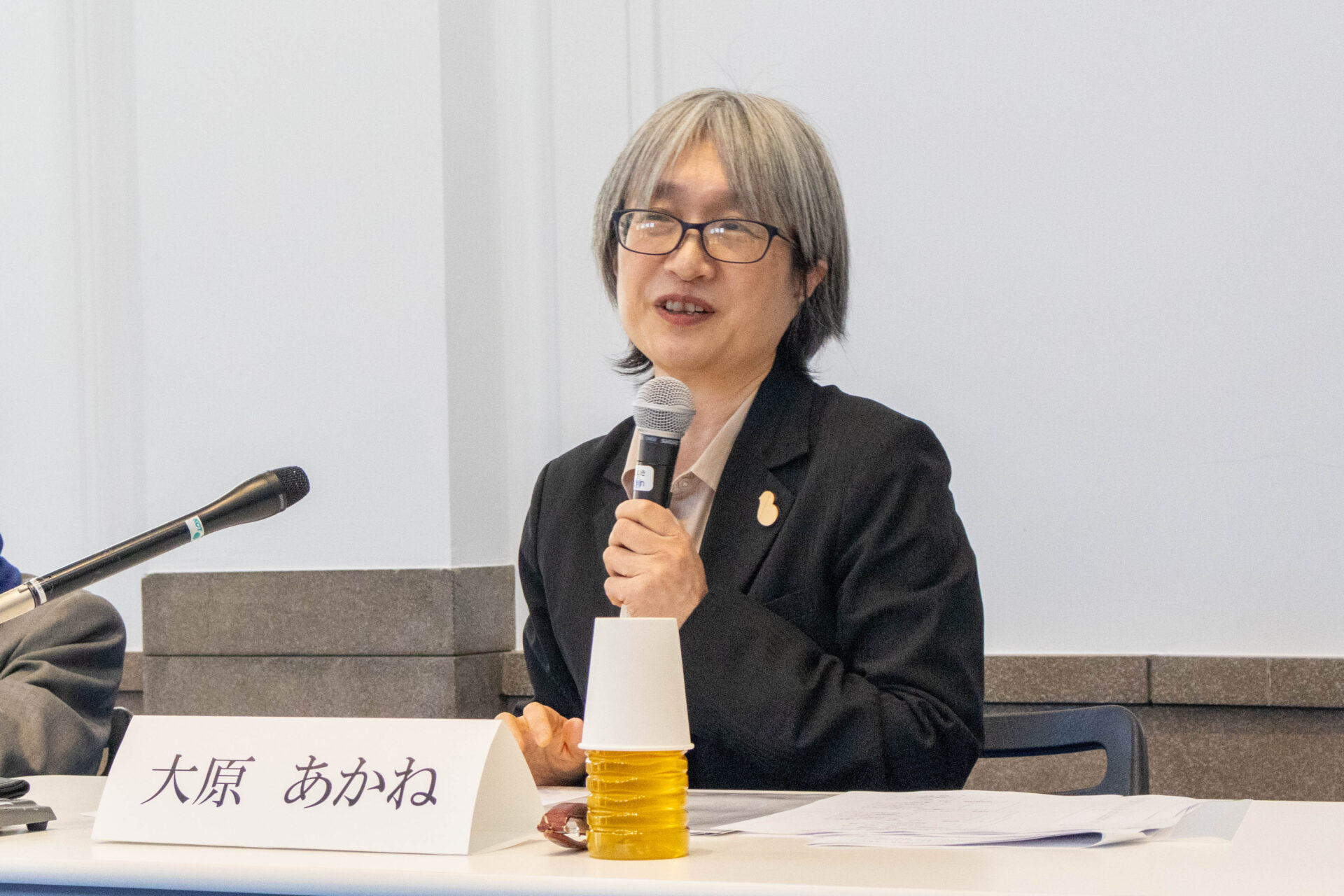
The Ohara Museum of Art and the Kurashiki Archaeological Museum have a long history rooted in the community.
“It was a natural thing for us that the two museums would become one,” said Akane Ohara.
In light of this organizational change, a new system has been established where the institute will manage the museums, and the purpose was explained as follows.
“We define art as a living witness of the times. Through research, we want to listen to the voices of these living witnesses, and through the archaeological museum and the museums, we want to convey those voices to everyone,” she explained.
Mission, Vision, and Concept of the Ohara Arts Foundation
Next, the mission, vision, and concept of the Ohara Arts Foundation were introduced.
- Mission: Based on deep trust in art, scholarship, and Mingei, we will continuously share new insights and contribute to future hopes.
- Vision: We will realize a strong and flexible society built through the resonance of the power of academia.
- Concept: Art research is human research.
What particularly caught my attention was the concept.
The phrase “Art is a living witness of the times” was mentioned, which gives the impression that art is treated not just as a mere object but as a human being. I felt a strong sense of respect and sincerity towards art.
It will not stop at mere art research; it seems they will delve deeper into what people and society truly are.
The new organization also aims for diversity among its executives, and the distributed organizational chart showed many female names in managerial positions. Akane Ohara stated, “As a new organization led by women, please look forward to the future of the Ohara Arts Foundation.”
Greetings from the Director of the Ohara Institute of Arts and the Director of the Kurashiki Archaeological Museum
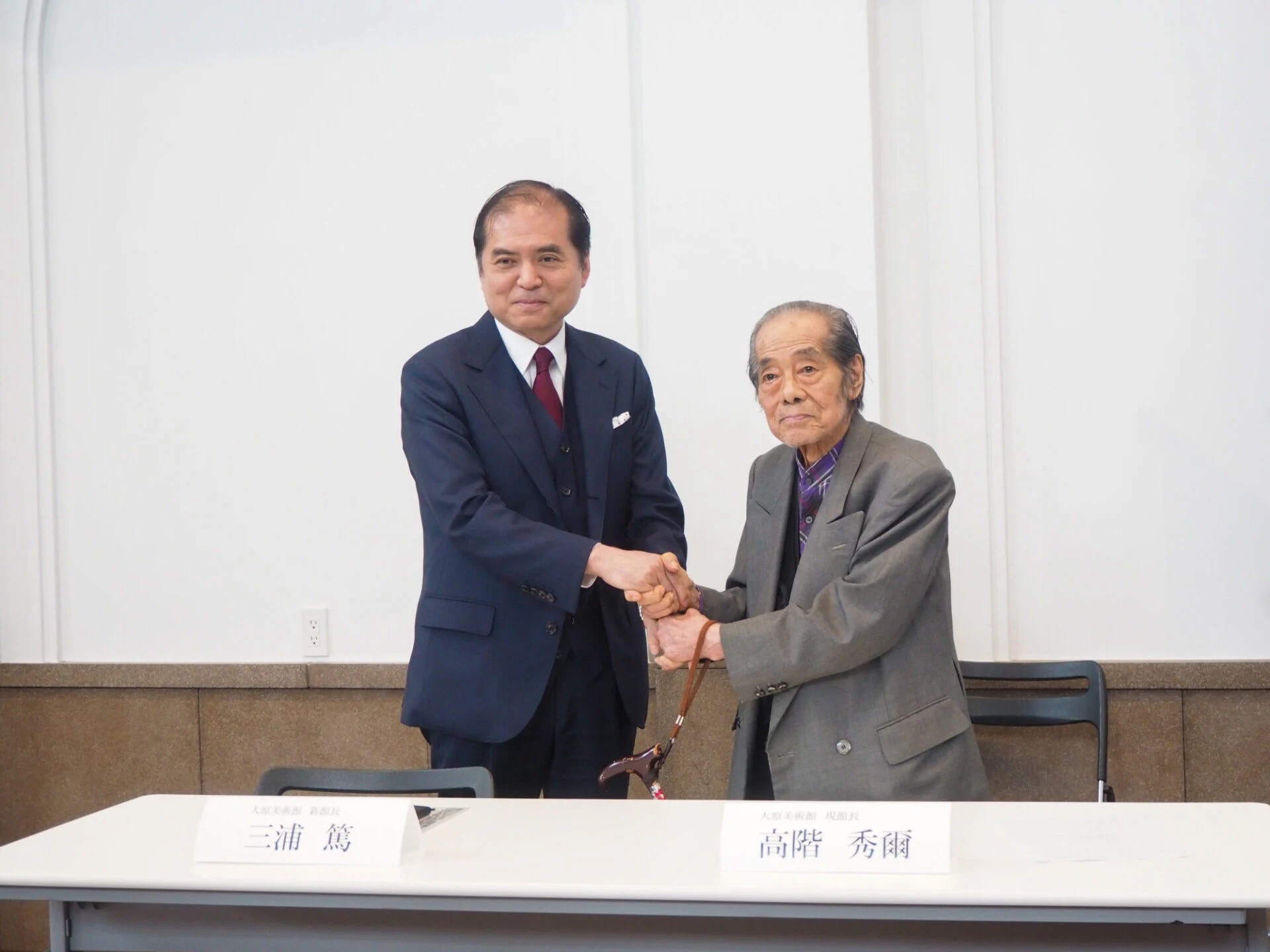
Next, there was a greeting from Shuji Takashina, who will become the director of the Ohara Institute of Arts.
Mr. Takashina served as the director of the Ohara Museum of Art for over 20 years from 2002 and retired in July 2023.
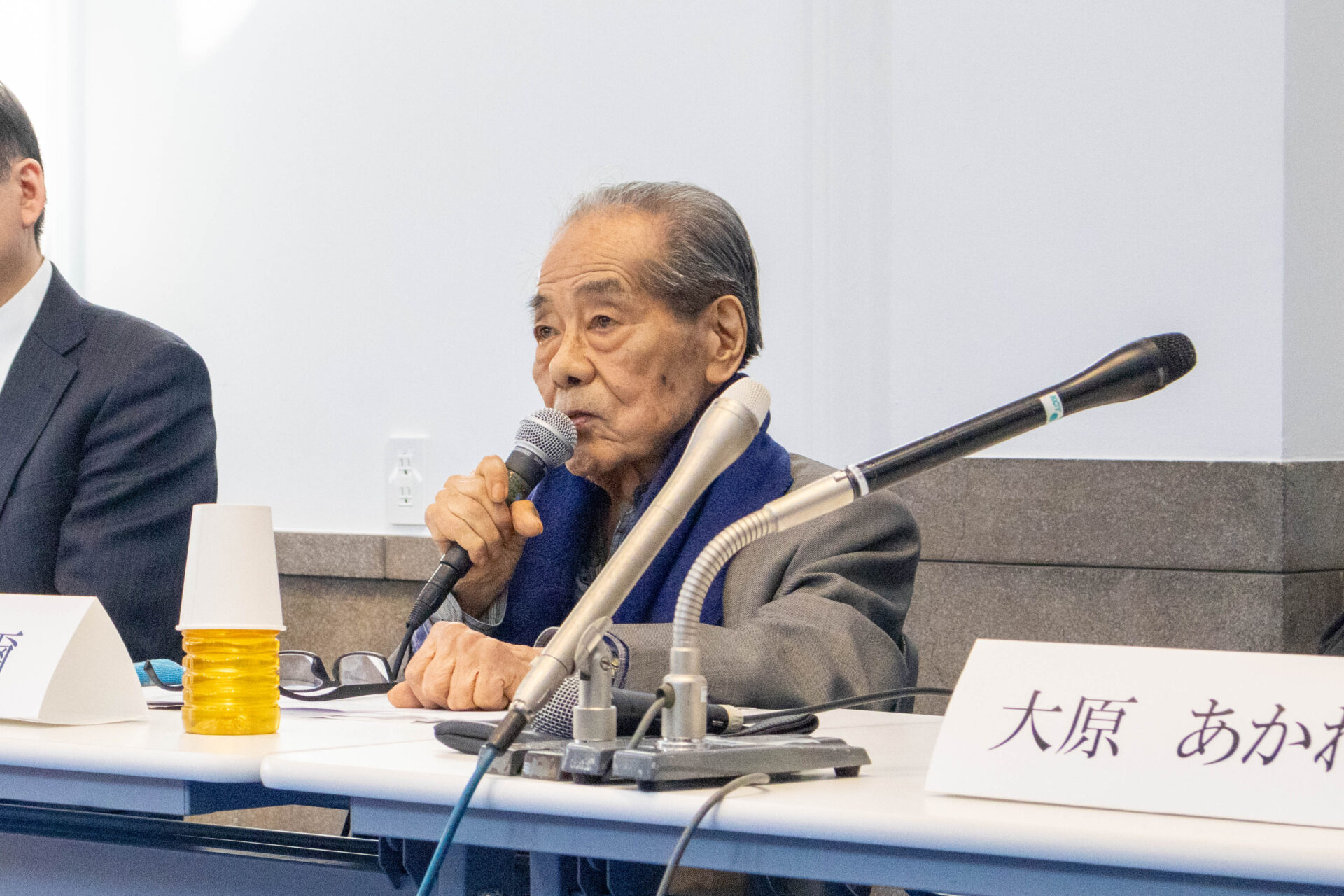
Mr. Takashina stated about the Ohara Institute of Arts, “I believe that art and culture are international exchanges, and it is important to expand this in the future. I want it to be a research institute that connects history from the past to the future through cooperation with overseas institutions.”
Next, there was a greeting from Atsushi Miura, who is currently the director of the Ohara Museum of Art.
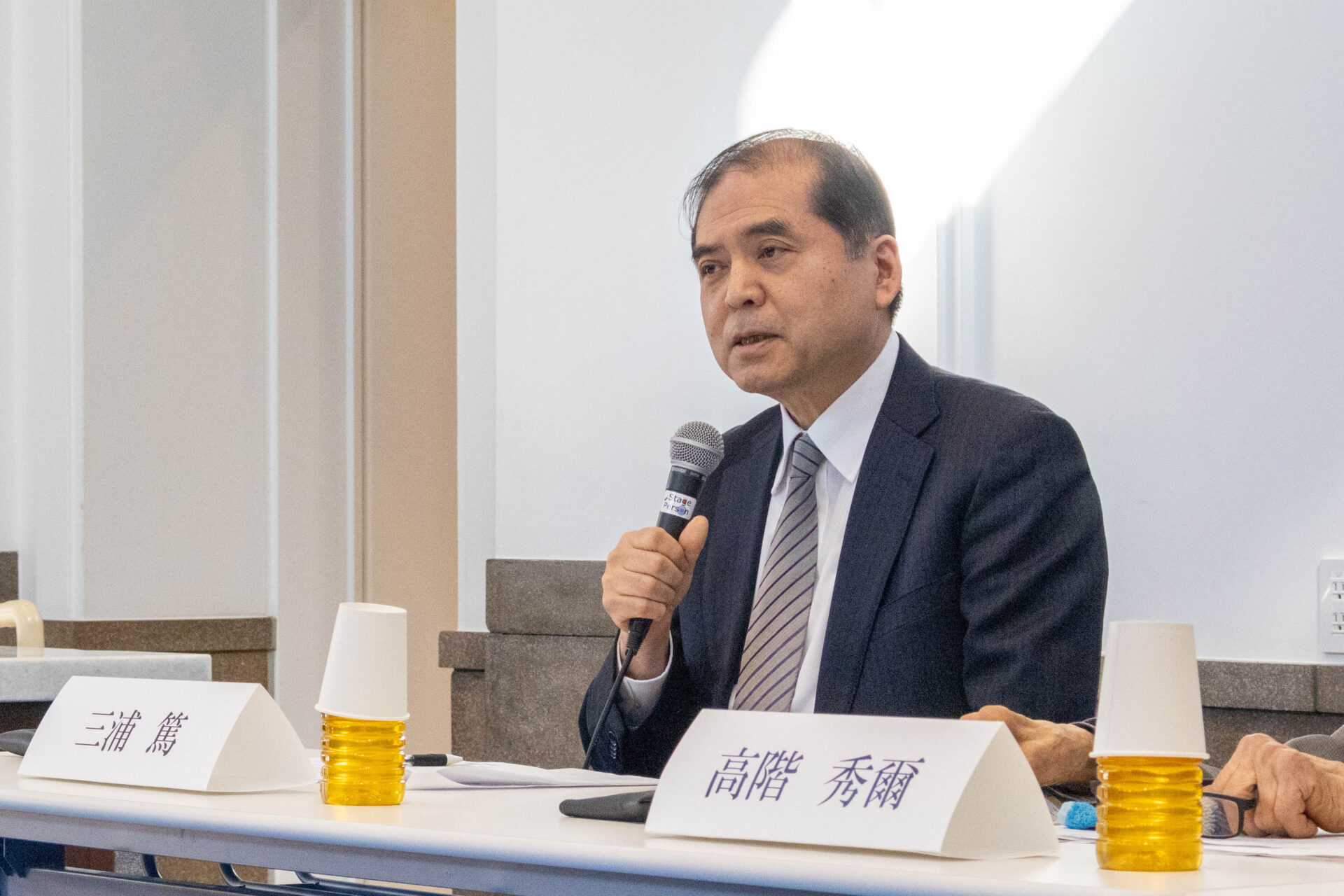
Atsushi Miura has been appointed as the director of the Kurashiki Archaeological Museum and the deputy director of the Ohara Institute of Arts.
At the beginning, he mentioned, “I am personally pleased to be involved as a deputy director in realizing the first attempt in Japan where an institute manages museums, based on the Ohara Museum of Art. I believe that while the Kurashiki Archaeological Museum and the Ohara Museum of Art have different histories and foundations, they will become more valuable museums by collaborating while maintaining their uniqueness.”
In a previous press conference for the new director, Mr. Miura mentioned the keyword “communication and exchange,” which also resonates with the activities of the Institute of Arts.
About the Special Exhibition "Do Different Cultures Resonate? Opening the Door to Modernity with the Ohara Collection"
At the end of the press conference, Atsushi Miura, director of the Ohara Museum of Art, provided information about the special exhibition "Do Different Cultures Resonate? Opening the Door to Modernity with the Ohara Collection".
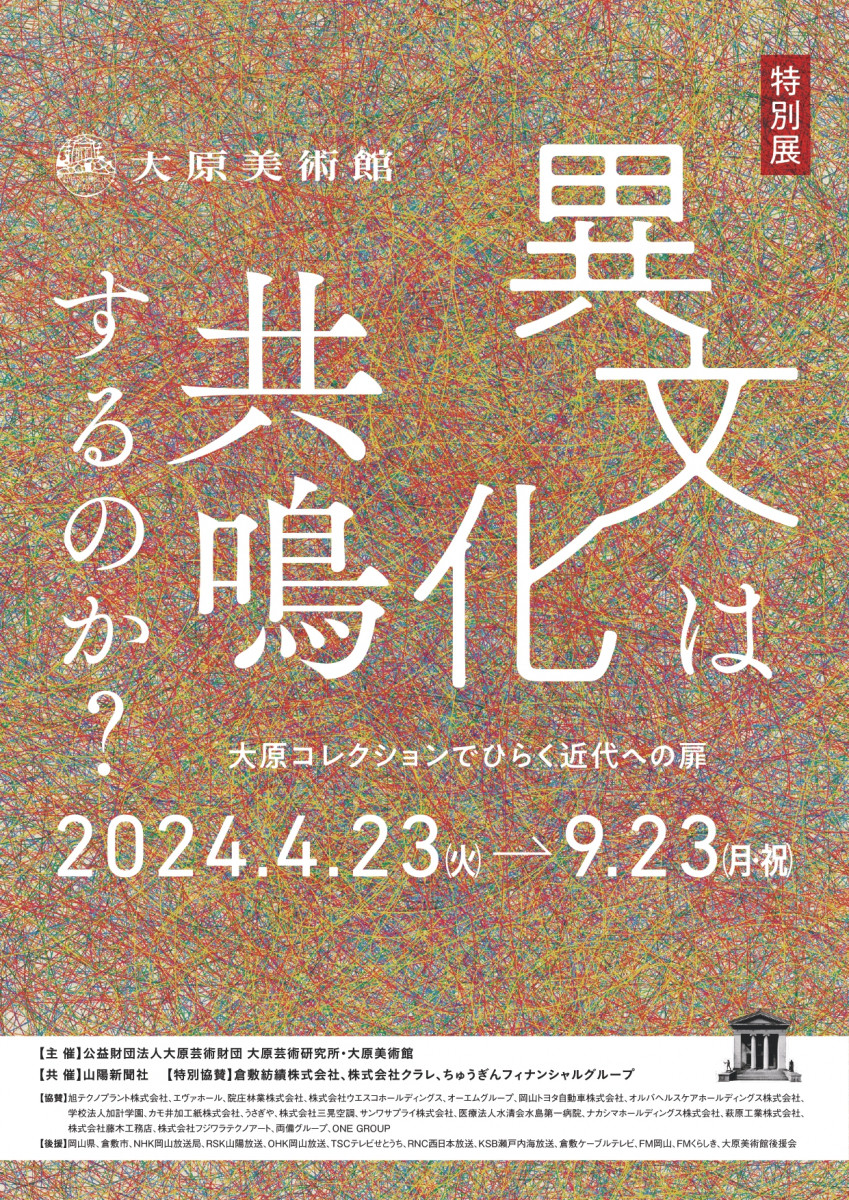
This exhibition will be held at the Ohara Museum of Art from April 23, 2024 (Tuesday) to September 23, 2024 (Monday, public holiday).
According to Mr. Miura, now, with the 100th anniversary approaching, is the right time to reconsider the Ohara Collection. The fundamental theme of this exhibition will be the questions, “What is modern art? What does modernity mean?”
The modern era can be seen as a time when various cultures were shared and fused.
With a new exhibition aligned with the perspective of cultural exchange and a recreation of the era through works and materials, it will be an exhibition that allows visitors to enjoy the previous works and the charm of the Ohara Museum of Art from a new perspective.
Mr. Miura expressed his enthusiasm for the upcoming exhibition, stating, “I believe we can create a new display that marks the beginning of the Ohara Institute of Arts.”
Conclusion
The Ohara Museum of Art has a history of over 90 years.
I realized that it is precisely because it evolves with the times, as seen in this organizational change, that it can continue for a long time.
By having the institute manage the museums, I believe it will be a great attraction for viewers as it can convey the meaning of art pieces and the voices of the times more vividly.
For those who have visited many times before, it seems that the museum will become a place to enjoy from a new perspective.
Please make sure to visit the newly restructured Ohara Museum of Art and Kurashiki Archaeological Museum.
Articles about the Ohara Museum of Art
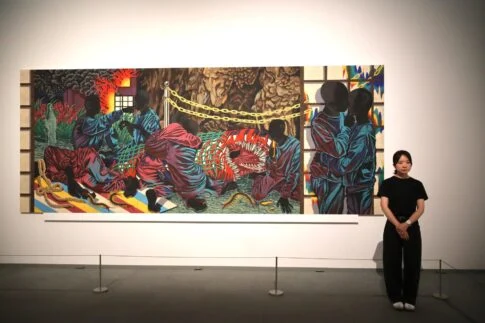
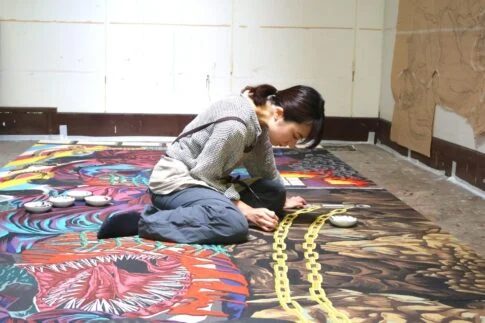
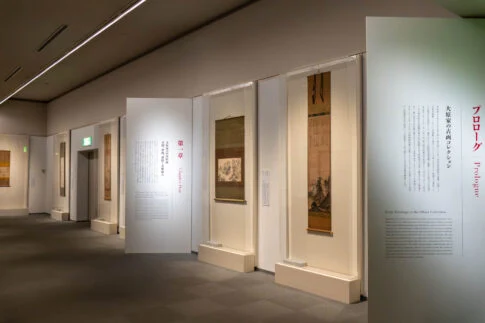


















The activities conducted by the three organizations, the Ohara Institute of Arts, the Ohara Museum of Art, and the Kurashiki Archaeological Museum, will include not only the research, preservation, exhibition, and academic exchange of collections that we have been engaged in so far, but also activities aimed at the 100th anniversary of the Ohara Museum of Art and social collaboration that we want to communicate to everyone.
The Ohara Museum of Art, established in 1930, was founded with the desire of Kojima Torajiro to allow the general public to see the works he had interacted with. It became a foundation five years after its establishment to become a museum that builds the future.
The Kurashiki Archaeological Museum was opened after World War II to share the history of Kibi with the public, funded by donations from citizens. The Kurashiki Archaeological Museum is a museum that is open to the public and exists alongside the community.
By integrating these two museums under the Ohara name, we hope to pave the way for a new future.