The days have grown warmer.
Just when flowers and trees seemed to be blooming, fresh green leaves have already begun to appear.
Is it just me, or do the days seem to be passing by in a rush, as if swept along by the plants?
An event was held at Kurashiki Mirai Park that seemed to satisfy both the desire to get energized by the lively signs of spring and the desire to take things slowly.
The event was called Ohayo Market.
With the weather feeling as though it had gotten a little ahead of the season, I went along to the event.
The information provided was current when this article was published in May 2022. Please note that it may differ from current information.
What is Ohayo Market?
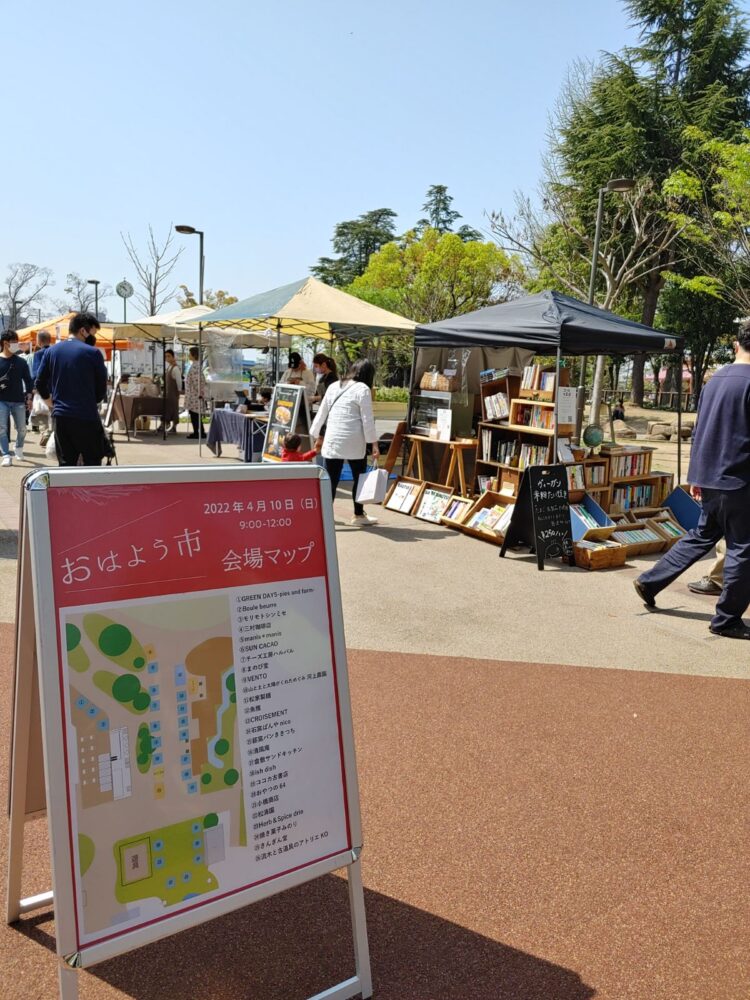
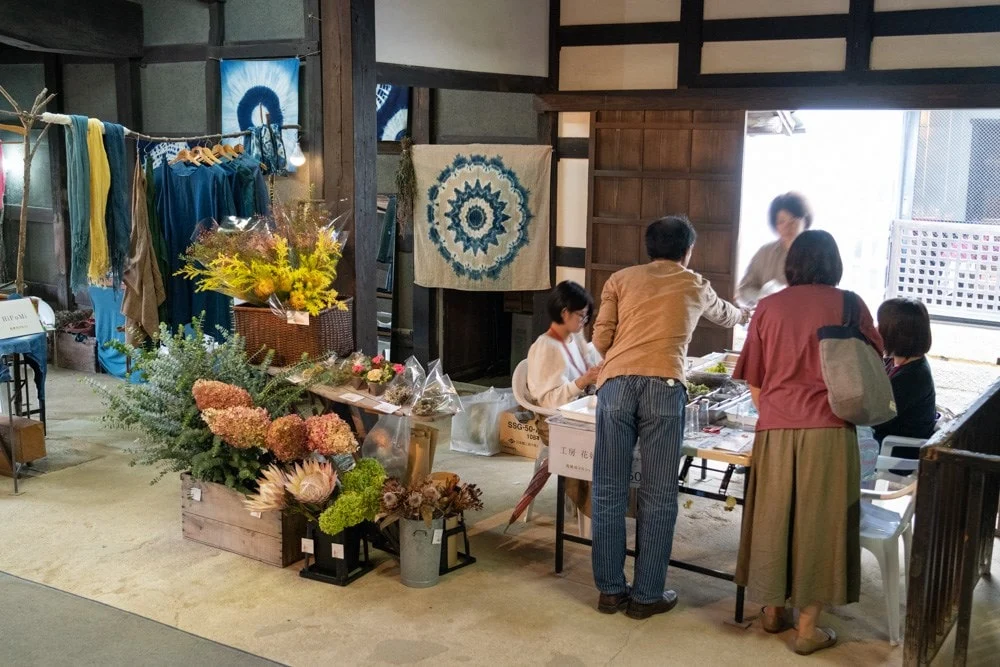
On April 10, 2022, Ohayo Market was held at Kurashiki Mirai Park, with 26 shops taking part.
Ohayo Market is a morning market organized by the Soja City restaurant Saji, and is held from 9 a.m. to noon on the second Sunday of every month.
There are between 25 and around 30 participating shops.
Each shop has its own style and is particular about the ingredients it uses.
Ohayo Market is held on both sides of the connecting walkway between Ario Kurashiki and MITSUI OUTLET PARK Kurashiki.
Step off the walkway, and a little town brimming with the passion of each shop welcomes you.
A selection of shops at the April 10 event
Here are a few of the shops that took part on April 10.
“Kobashi Shoten,” a bakery that only appears at events, with a charming handmade sign
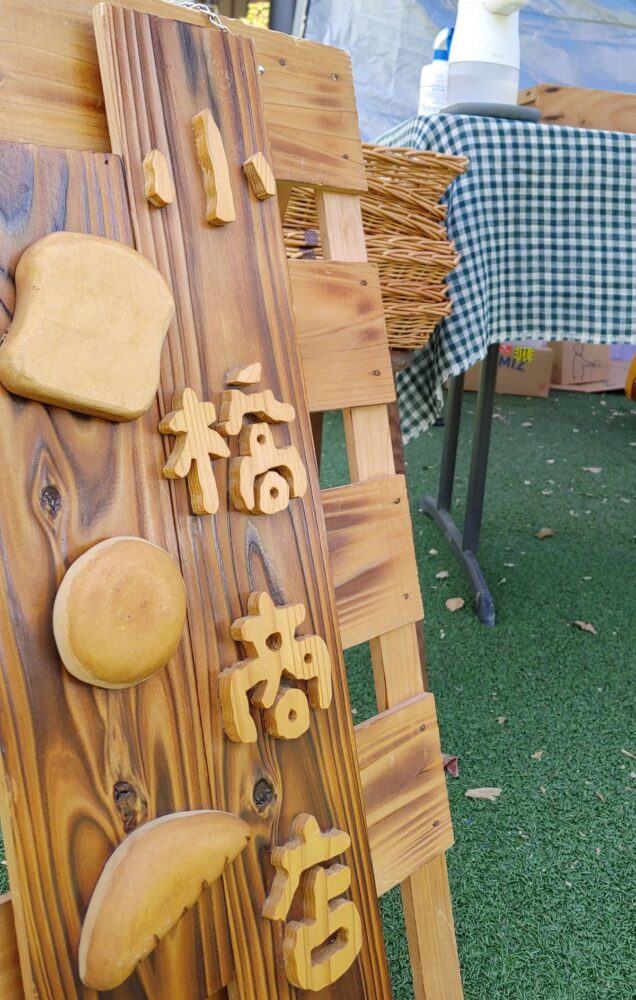
The sign, full of the warmth of wood and looking as if it came straight out of a picture book, was apparently handmade by the shop owner.
I bought brown bread, tea bread, and Belgian waffles, and tucked in right away.
With one bite of the brown bread, just as I had imagined from the bread on the sign, the soft, fluffy texture and rich aroma of wheat filled my mouth.
It was soft, yet had a pleasantly chewy texture—so good that I wanted to savor it forever.
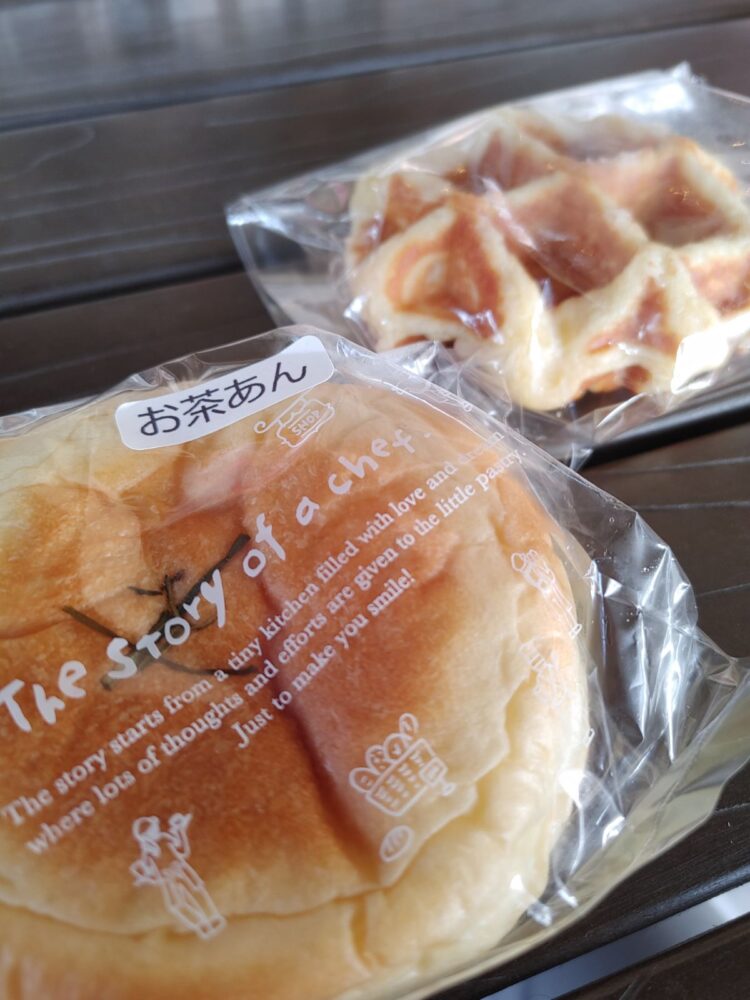
It was easy to see why, an hour and a half after the event began, only a few items were left. Kobashi Shoten sells only at events and apparently takes part in Ohayo Market almost every month.
“Cheese Kobo Haruparu,” a farm-direct workshop
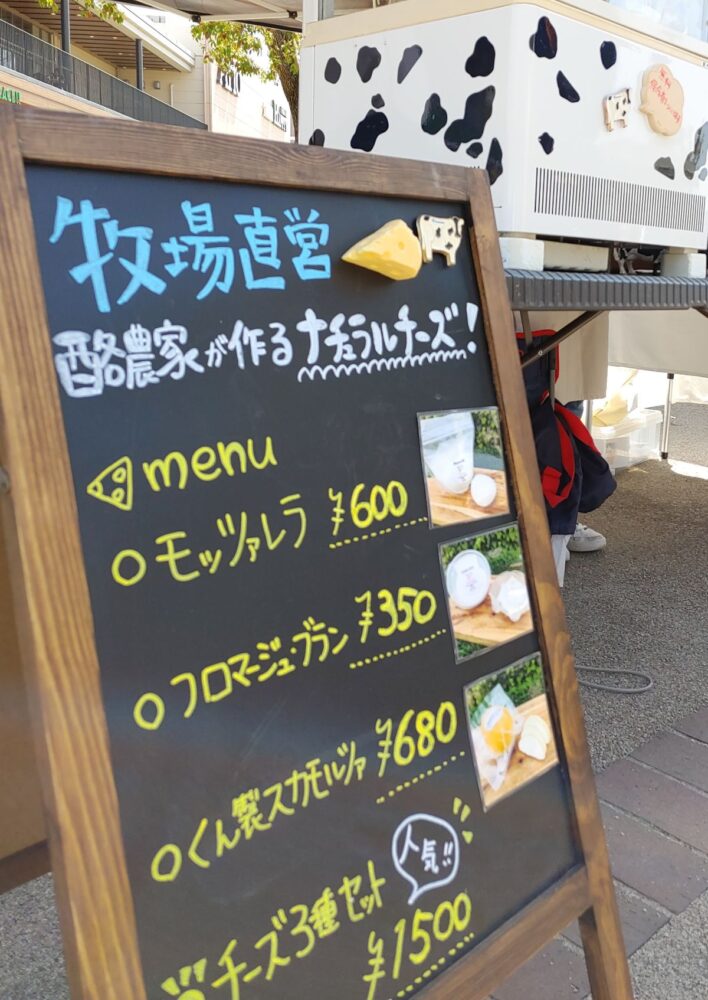
A cow figurine in front of the booth caught my eye, so I went closer and saw a display of delicious-looking cheeses.
Alongside familiar cheese names were some unusual ones.
The shop owner promptly explained various delicious ways to eat them.
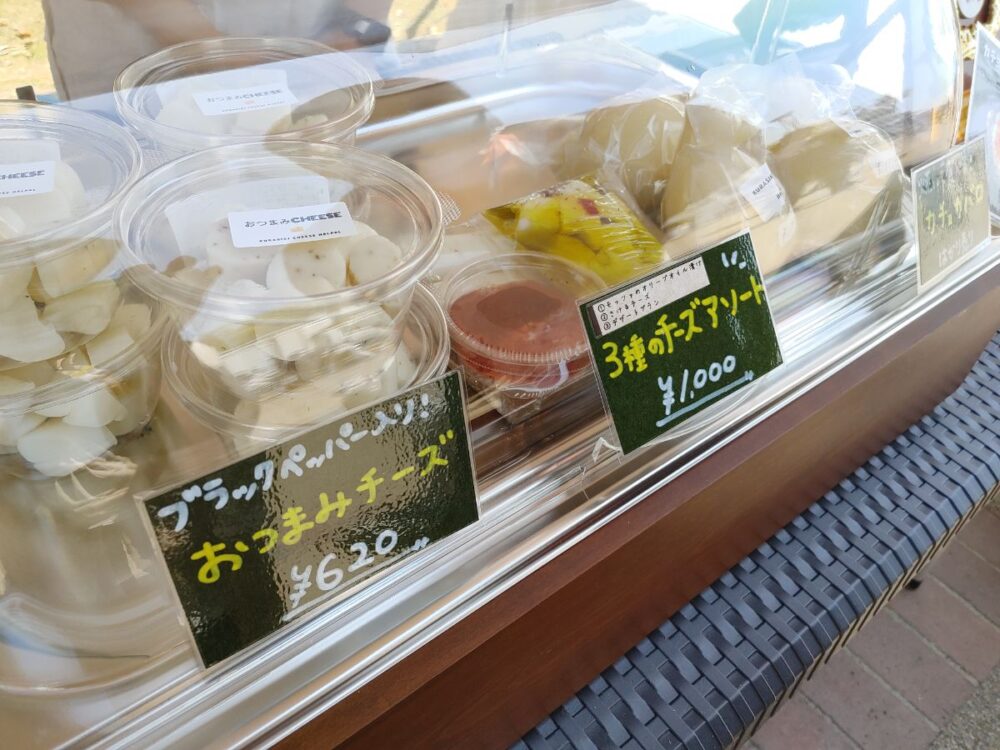
Every suggestion sounded so appealing that it got my imagination going, so I bought three kinds of cheese: mozzarella, scamorza, and fromage blanc.
Each was so packed with umami that I couldn’t help exclaiming after the first bite.
The most indulgently delicious was the scamorza, made by smoking mozzarella.
Just as the shop owner suggested, it was superb baked in the oven on top of potatoes.
In addition to individual cheeses, they also offer assortments and platters, perfect when you can’t choose just one or want to get several kinds at a good price.
Be sure to try the cheeses from this farm-direct cheese workshop.
“Ishigama Panya nico,” stone-oven pizza baked in no time right before your eyes
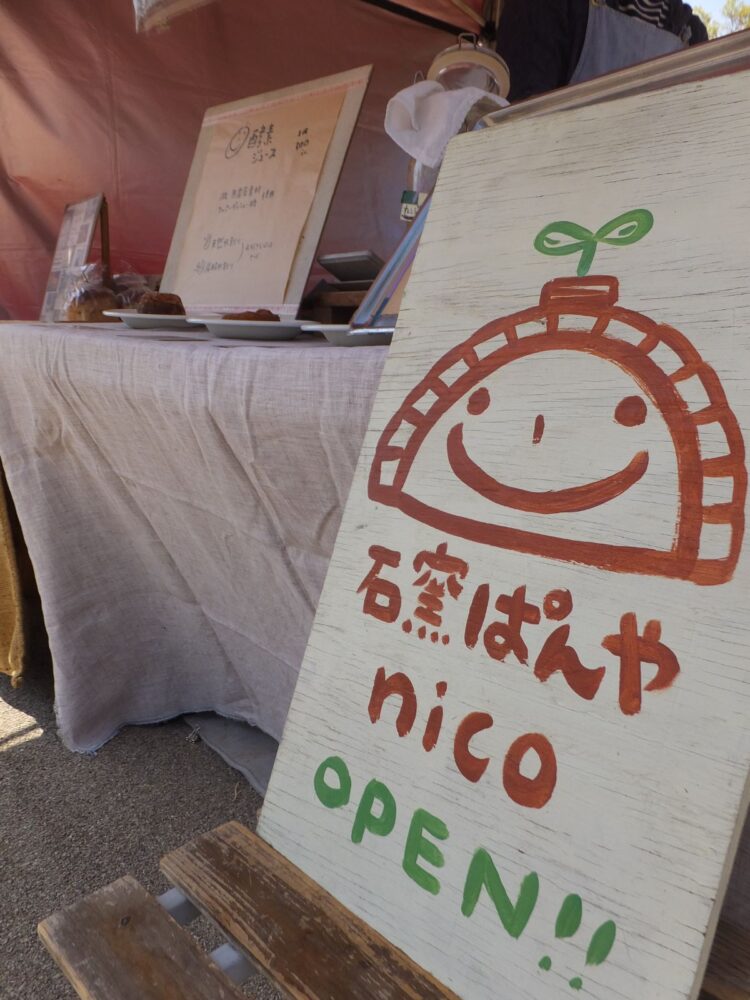
Behind the compact booth was a stone oven that looked just like the illustration on the sign, with red flames from the firewood flickering inside.
I could see the owner stretching out pizza dough in front of it with practiced hands.
It wasn’t flashy, but I couldn’t take my eyes off the sequence of movements.
Once the toppings were arranged in bright colors on the dough, it was time for the stone oven to do its work.
The pizza was placed in the front section.
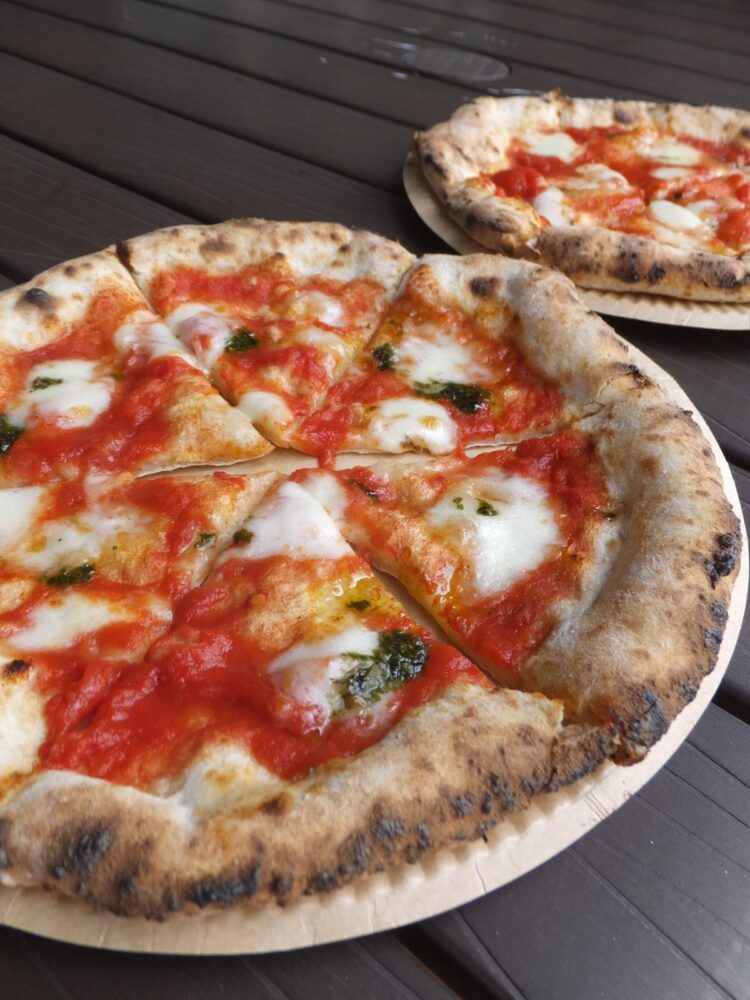
While I watched the stone oven—which you don’t often get to see up close—and the owner’s deft work, the pizza was ready.
The stone-oven pizza menu had two options, Margherita and honey cheese, so I ordered the Margherita.
The plate was too hot to hold still, proof that the pizza had just come out of the oven. As for the taste, all I can say is, “Delicious.”
Fried bread and doughnuts were also lined up in front of the booth, and next to the doughnuts was a sign for fermented juice.
True to its name, it was an orange-flavored juice containing live cultures, and apparently you could choose to have it diluted with water or soda.
This is a shop where I hope you’ll experience the owner’s handiwork and the appeal of the stone oven.
“Kingindo,” where every item conveys character and the warmth of handcraft
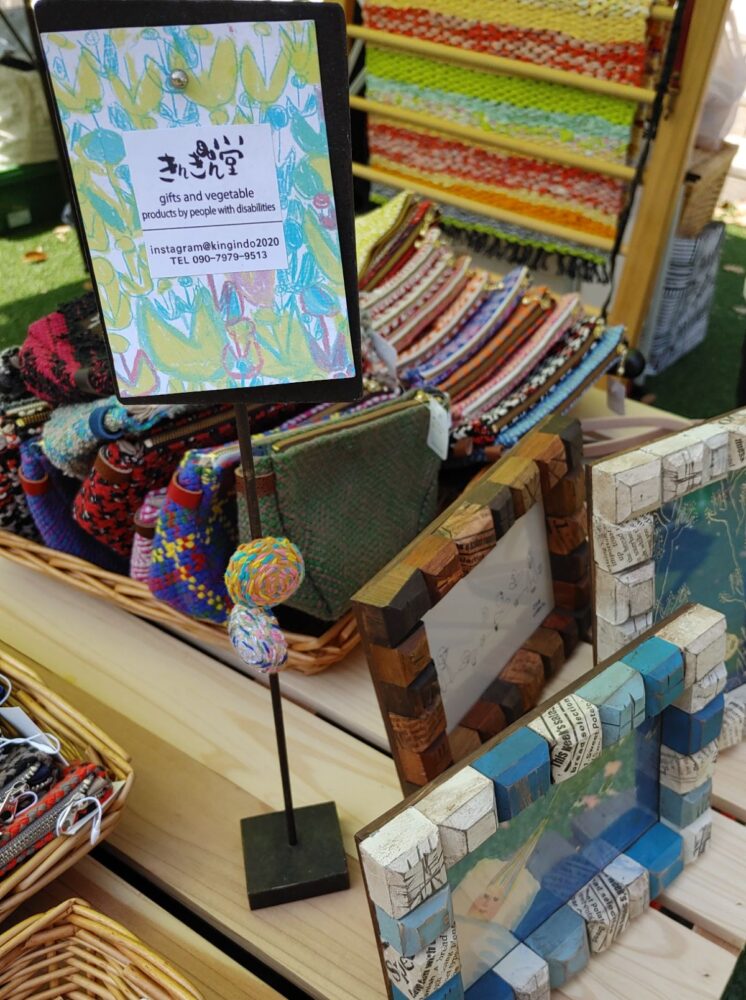
There were fabric goods such as pouches in various sizes, each with a different expression, and cotton azuma bags.
There were wooden photo frames, as well as ceramic tableware, each piece with its own distinctive character.
Every item seemed to be cheerfully speaking to you, one by one.
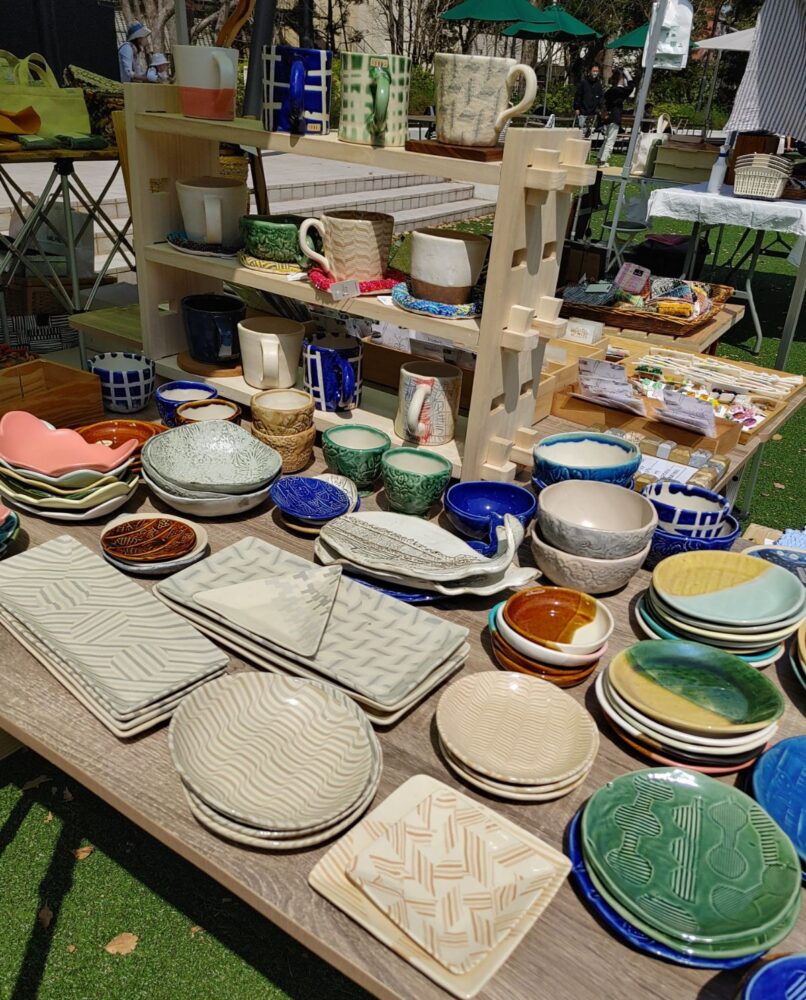
A single pattern on a plate can spark a conversation with the shop owner.
The pattern could look like an apple, or a tree.
Apparently, one customer even said the whole plate looked like a bear.
Even when the plates look alike, picking them up reveals differences in size and shape, making each one feel completely unique.
This shop is full of charming pieces that make you want to collect them one at a time each time you visit.
“Driftwood and Antiques Atelier Ko,” where the texture of driftwood brings a sense of unhurried time
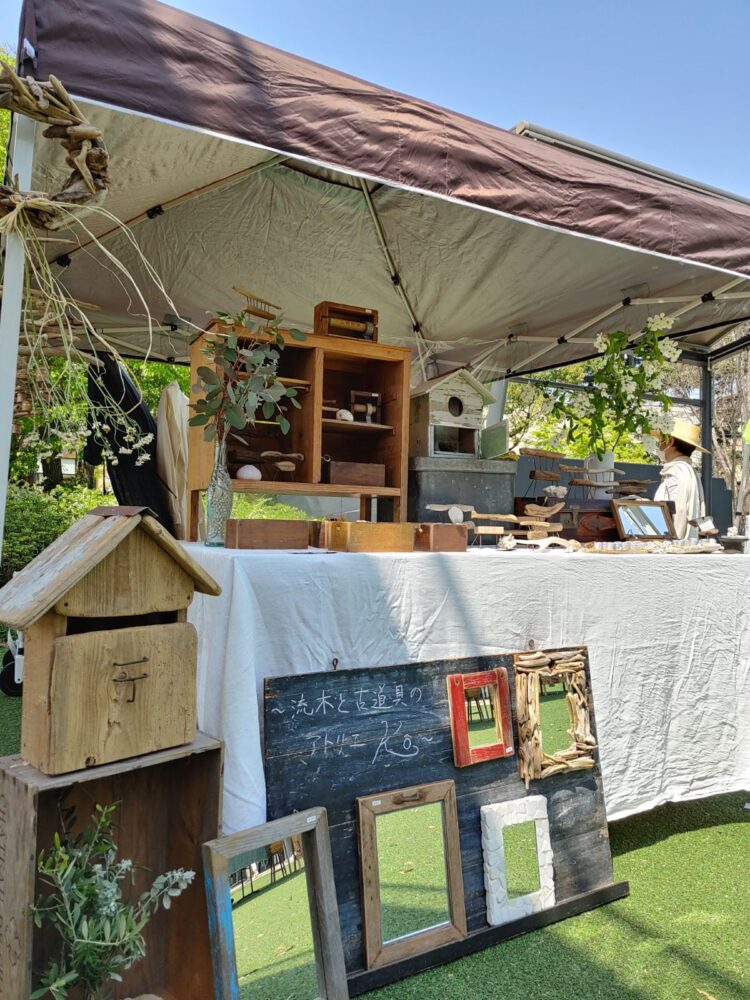
Although the pieces make use of the seemingly rugged texture of driftwood just as it is, they all have a gentle look.
There are no pieces covered in lots of decorations.
Nor are there any with intricate detailing.
It seems that the aged wood itself gives each piece its distinctive character.
Every piece of wood has a different character, so no two works are exactly alike.
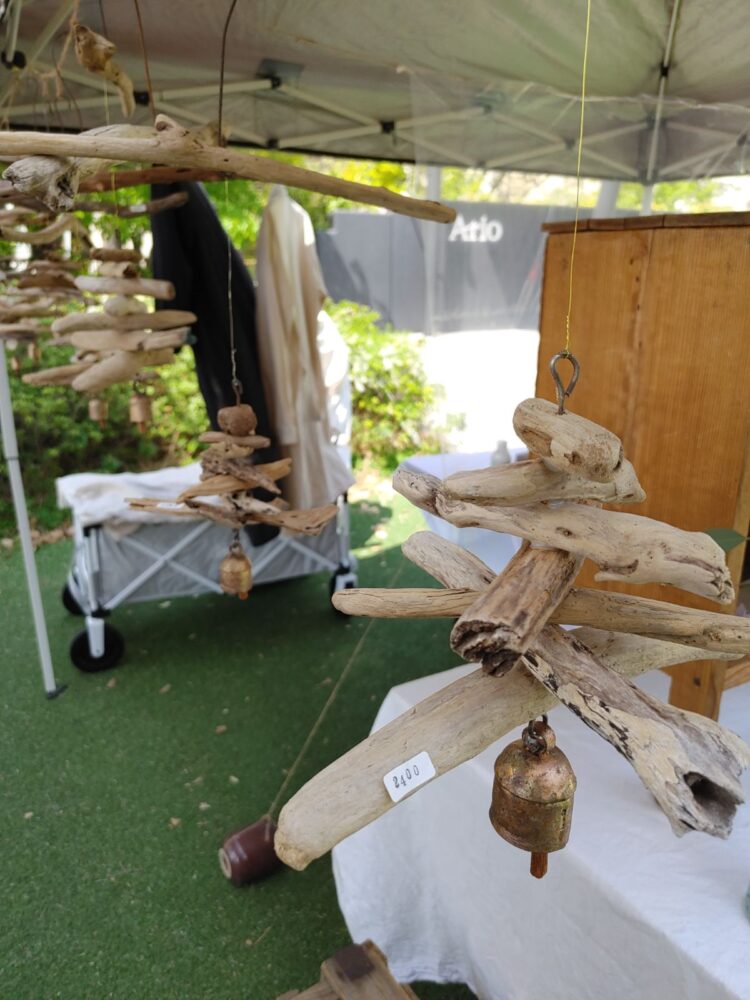
Even the sound of the bells was different on each driftwood tree, made to preserve the natural shape of its branches.
This is a shop worth visiting to experience the texture of driftwood, which seems rugged yet gentle, cool yet somehow warm.
“Herb & Spice drie,” a herbal tea shop where you can sample the teas, not just hear about them
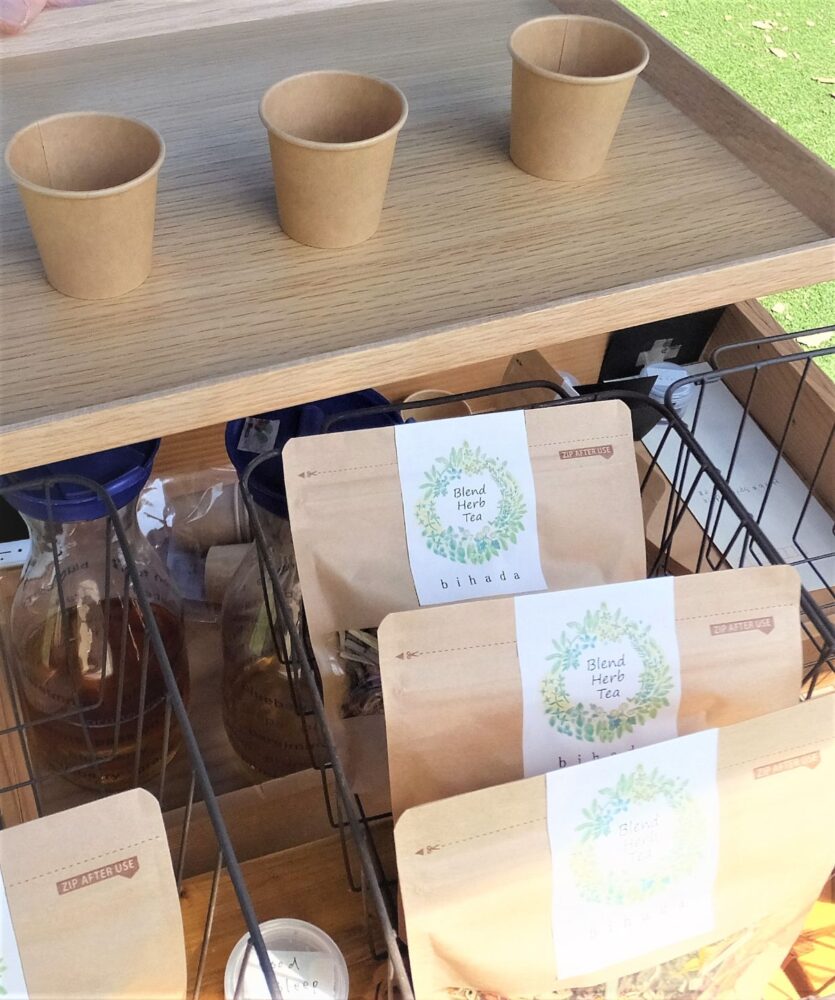
The stylish packaging with its organic feel and the words “blended herbal tea” piqued my interest, and before I knew it, I was standing in front of the shop.
The shop owner immediately offered me a sample.
Every tea had such a lovely aroma that I wanted to breathe it in deeply.
The owner apparently blends the teas with drinkability in mind, as well as their health benefits.
The selection included spring blends (Spring Detox Tea, Spring Fragrance, and Sakura Hojicha), as well as Stress Free and many others whose benefits caught my interest.
Among the blended teas was one labeled “bihada” (beautiful skin) in Roman letters.
When I asked why it was written in Roman letters, the owner explained, “I feel a little embarrassed buying something for its skin-beautifying effects myself, so I wanted to make it a little easier for customers to buy.”
This is a shop where you’ll want to experience again and again the owner’s warm personality and the profound world of herbs.
From the Writer
There were many other shops besides the ones introduced here.
There were shops selling baked goods made with a focus on being gluten-free, coffee shops, sandwich shops, a long-established Japanese confectionery shop, and even shops selling fresh seafood.
Many shops take part every month, but there are also first-time vendors.
Ohayo Market really had something for everyone.
If you look up the shops in advance, you can enjoy a different Ohayo Market each month.
The event is held only in the morning, and it’s not unusual for popular items to sell out quickly.
When you visit, why not get an early start and head out first thing in the morning?
In addition to its monthly Ohayo Market, Saji also holds a night market in summer and a year-end market in December.
Events may be postponed or canceled due to the COVID-19 pandemic, so if you’d like to attend, check Saji’s Facebook or Instagram in advance.
Ohayo Market details

| Name | Ohayo Market |
|---|---|
| Date | Second Sunday of every month, 9 a.m. to noon |
| Location | 12-1 Kotobukicho, Kurashiki City, Okayama Prefecture |
| Admission (tax included) | Free admission |
| Website | Ohayo Market (Saji event information) Instagram |

What would you like to know about Kurashiki?
Enter a search term to find articles on this site